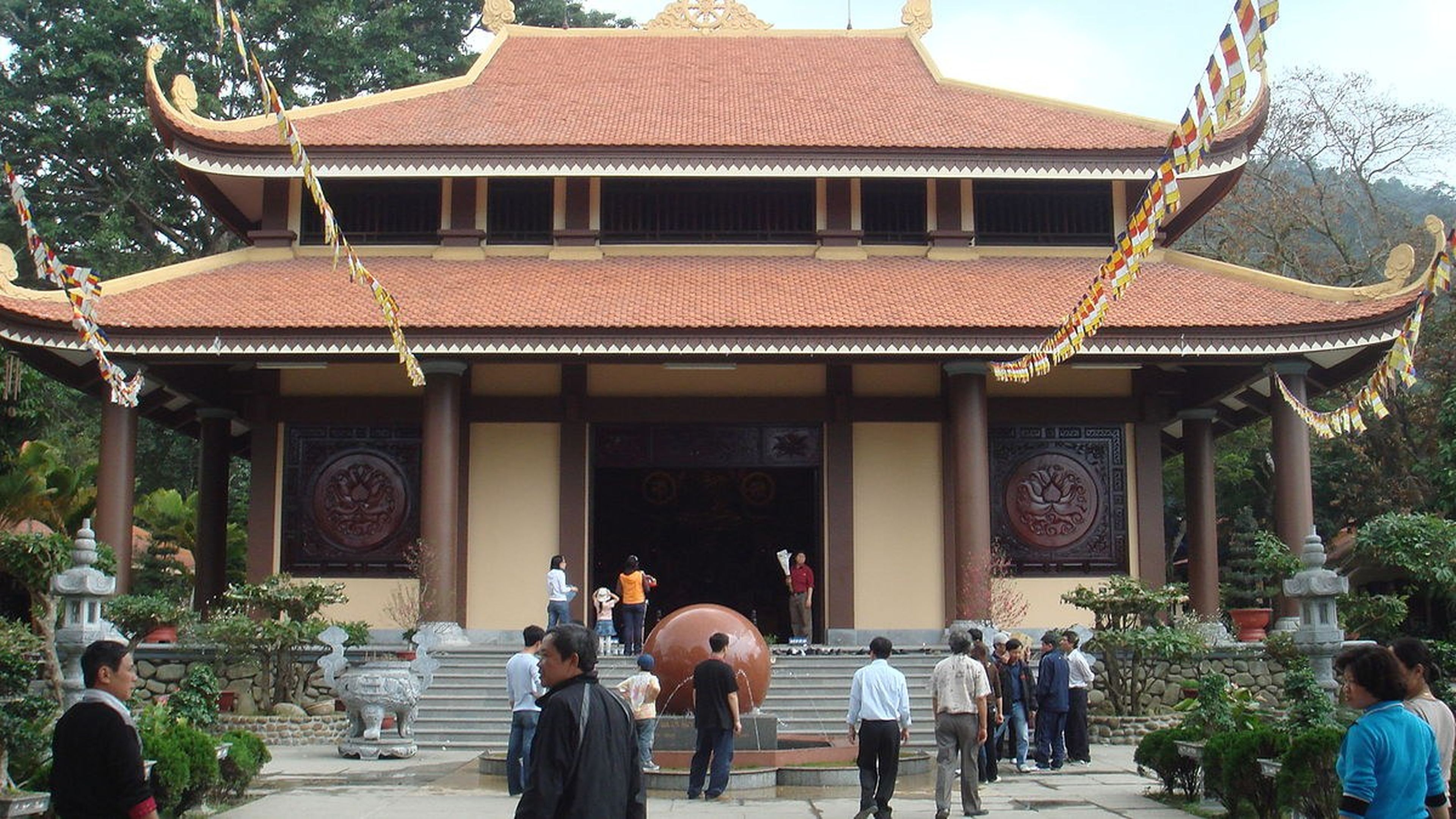
1 An overview of Yen Tu Pagoda
1.1 The ideal location of Yen Tu Pagoda
Address: Yen Tu Mountain, Mau Nam Hamlet, Thuong Yen Cong Commune, Uong Bi City, Quang Ninh Province
Opening hours: 5:00 - 20:00 daily
Yen Tu Pagoda comprises numerous temples and shrines of various sizes, located on the western slope of Yen Tu Mountain. This mountain belongs to the Dong Trieu bow-shaped range and is enveloped in clouds throughout the year, earning it the alternate name Bach Van Son (White Cloud Mountain). More than just a celebrated pagoda, Yen Tu is endowed with breathtaking natural scenery featuring ancient forests and boundless skies. Yen Tu Pagoda also stands as the cradle of Vietnamese Zen Buddhism, renowned for its majestic mountains, historic stupas, and centuries-old sanctuaries.
Yen Tu Pagoda also leaves a lasting impression with its soaring altitude of up to 1068m. Here, visitors can freely take in awe-inspiring panoramic natural vistas and embrace the tranquil atmosphere from this exceptional vantage point. To conquer the mountain peak, you must ascend over 6000 stone steps along scenic yet challenging pathways shaded by towering bamboo groves and pine forests.
See also: The sacred Duc Ong Tran Quoc Nghien Temple in Ha Long
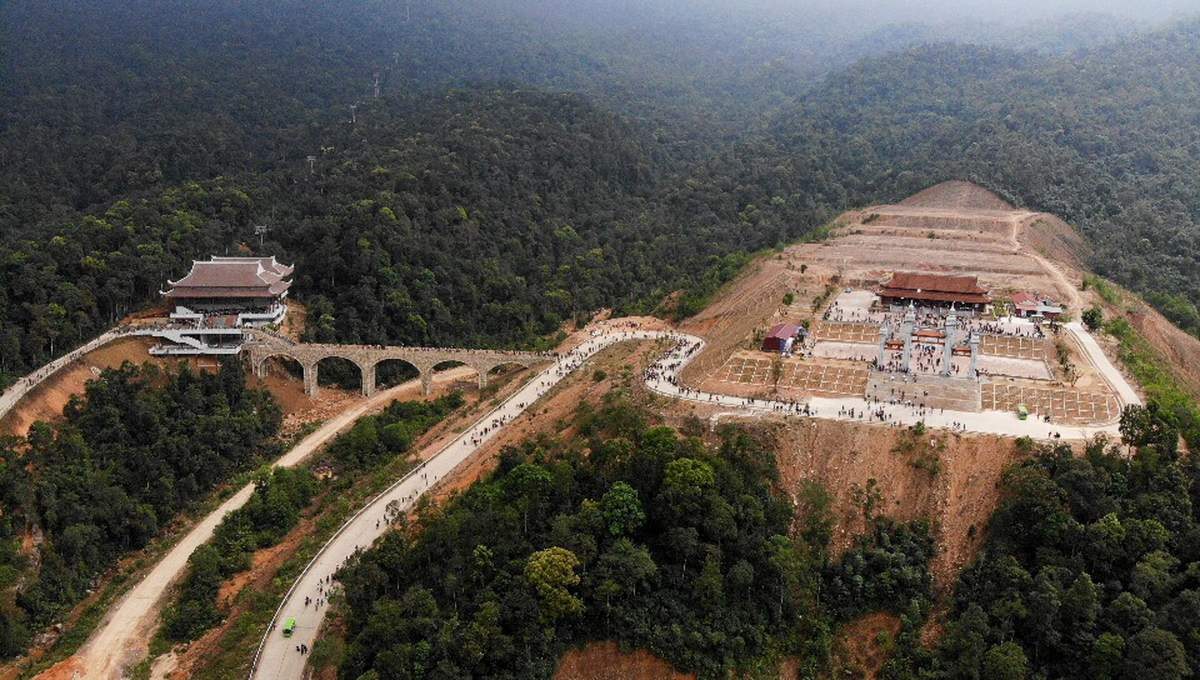
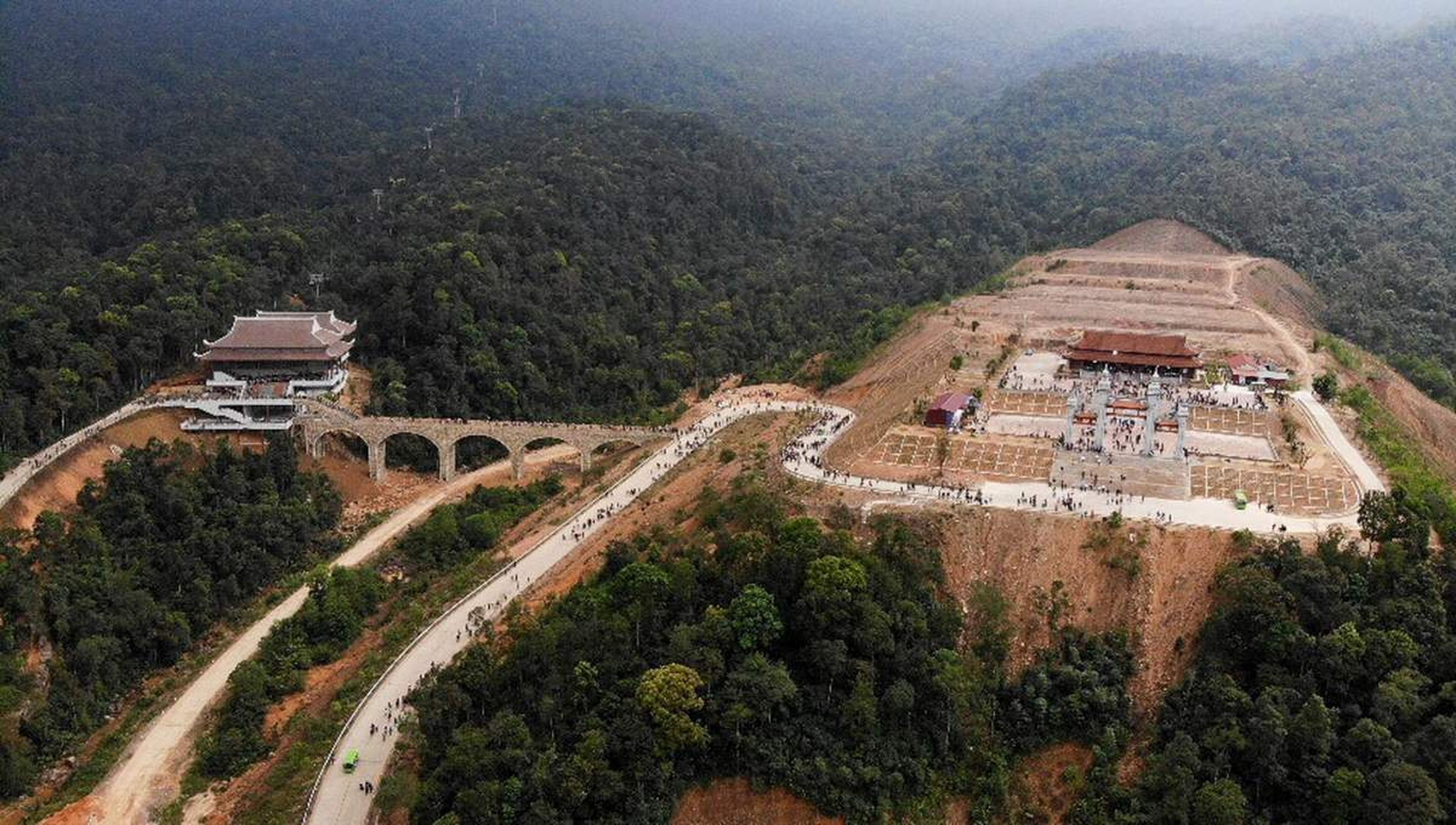
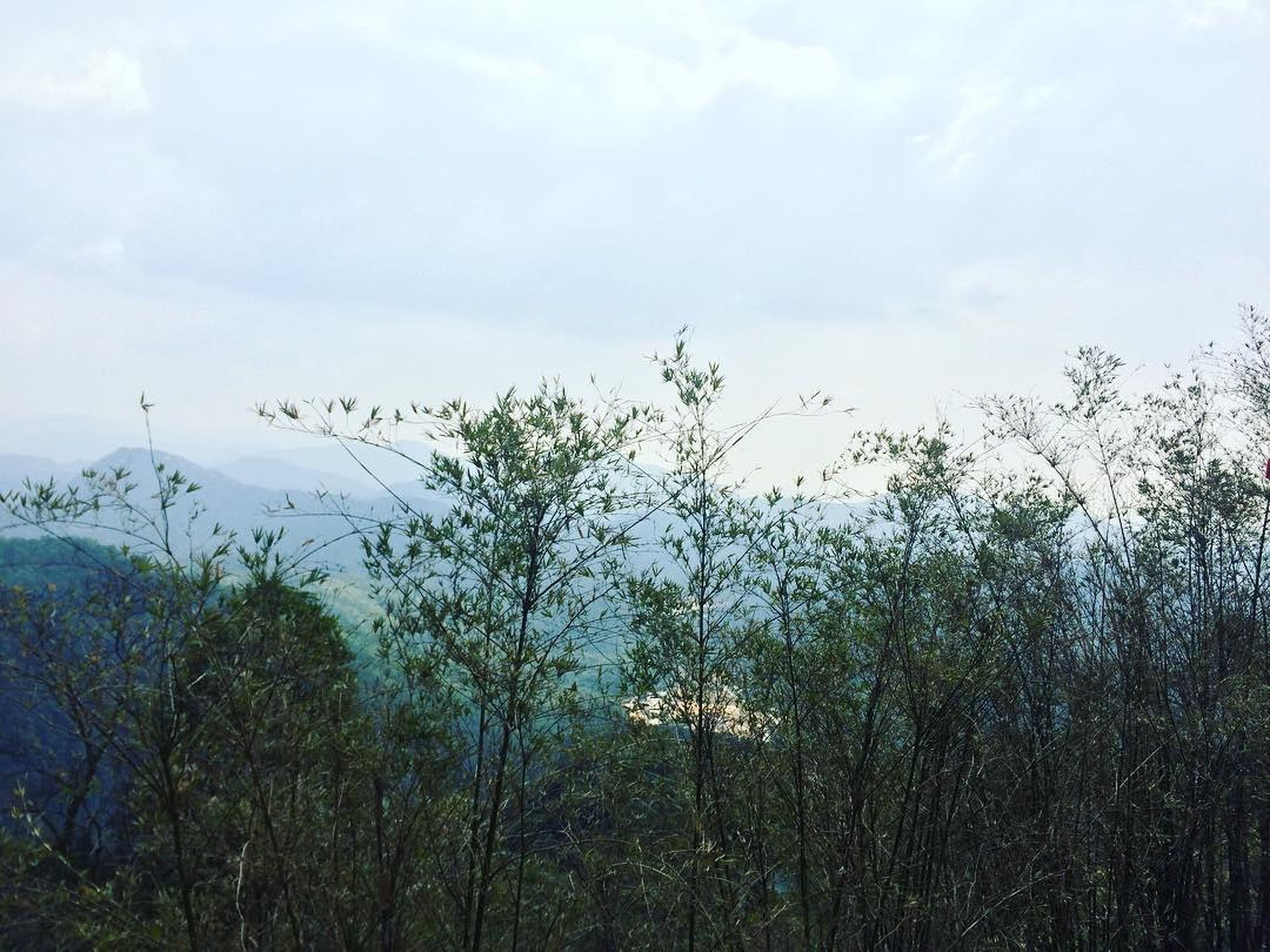
Panoramic view of Yen Tu Mountain featuring its diverse network of pagodas
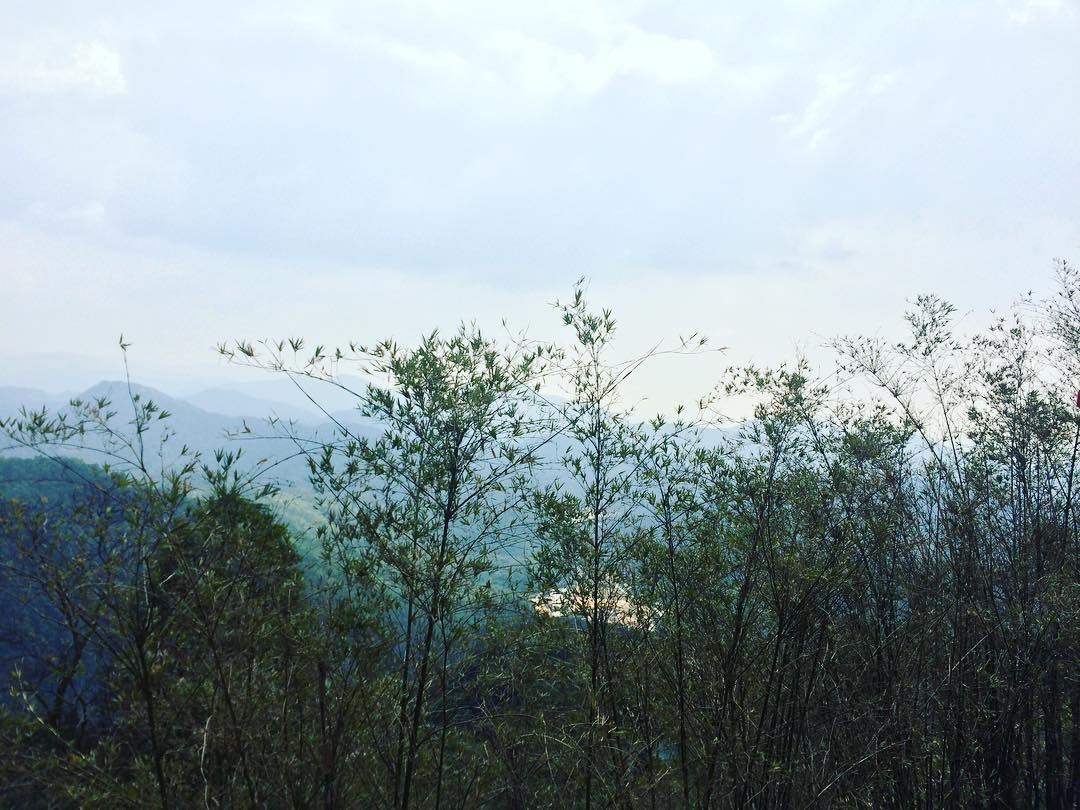
With its prime location, Yen Tu Pagoda offers visitors captivating natural scenery
1.2 Who is worshipped at Yen Tu Pagoda in Quang Ninh?
Yen Tu Mountain is where King Tran Nhan Tong entered monastic life and founded the Truc Lam Yen Tu Zen sect. With many pagodas built throughout the area, Yen Tu Pagoda welcomes pilgrims and travelers each year to pay homage to the beloved former monarch of the nation. He was the sovereign who renounced a life of royal luxury to seek spiritual cultivation in the green mountains, with the aspiration of bringing blessings and peace to his people. Consequently, during major festival occasions at Yen Tu Pagoda, large crowds gather to commemorate Shakyamuni Buddha and the King-Monk.
2 Directions and routes to Yen Tu Pagoda
Before guiding you up to Yen Tu Pagoda, MIA.vn will suggest two main routes to reach Yen Tu Mountain. The road here is quite accessible, allowing you to choose between traveling by motorbike, private car, or coach.
Traveling from Nam Dinh, Hai Phong, or Thai Binh: Simply travel to Uong Bi territory, at the intersection of National Highway 10 and National Highway 18. Then turn left toward Trinh Pagoda and continue straight for about 10km to reach your destination.
Traveling from Hanoi: Follow the direction toward Bac Ninh to merge onto National Highway 18, then turn toward Trinh Pagoda and proceed another 10km to arrive at the base of Yen Tu Pagoda.
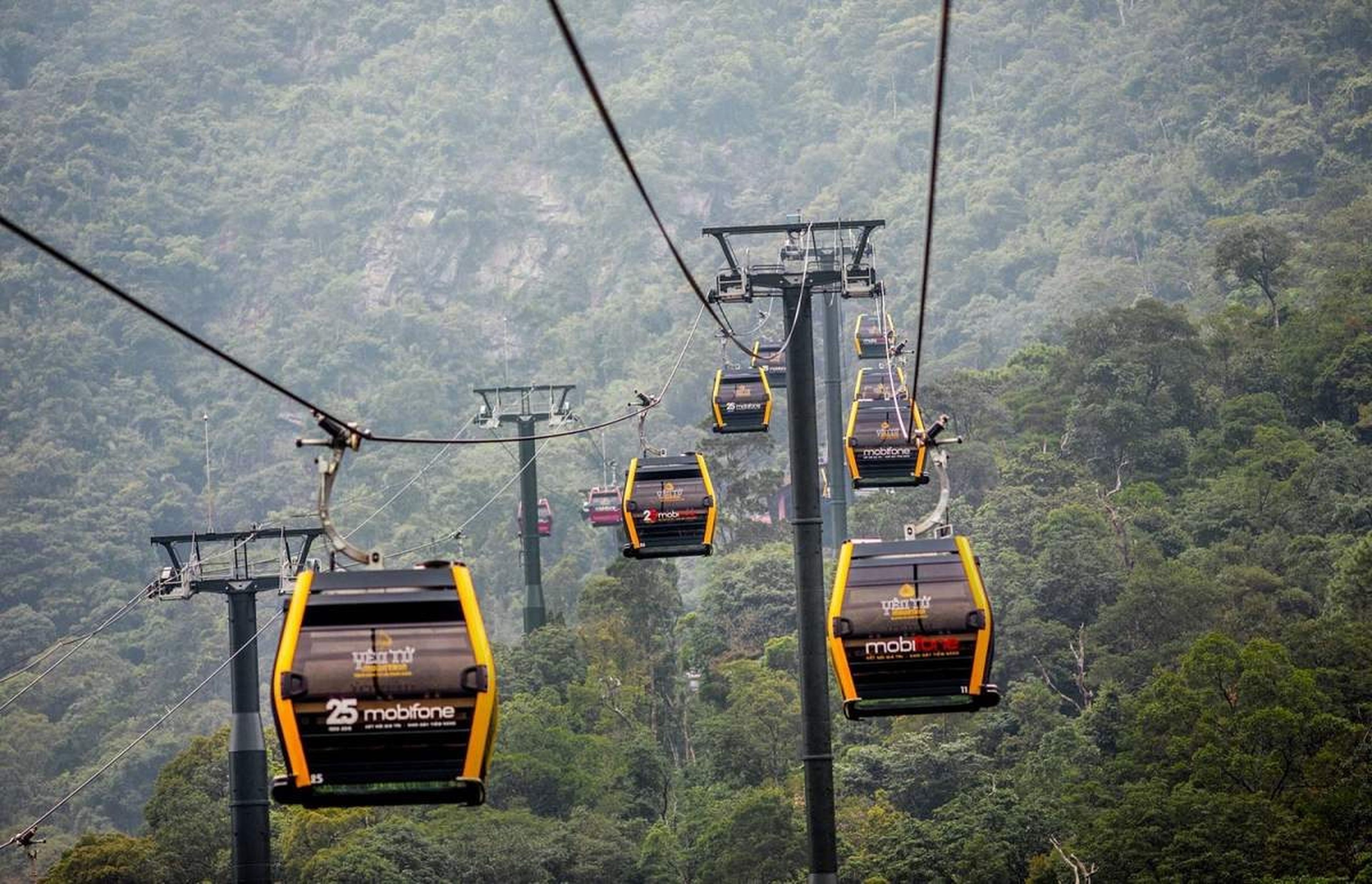
Today, the route up to Yen Tu Pagoda has been upgraded, making the journey much more convenient. As a result, you can choose to reach the top either by cable car or by trekking on foot.
By cable car: This option serves as a lifesaver for visitors with limited stamina, while also offering a much faster ascent. With a length of over 1.2km and an elevation reaching up to 450, be sure to consider your physical condition and schedule to choose the most suitable mode of transport.
Round-trip ticket price: 350.000 VND/person
One-way ticket price: 200.000 VND/person/route
Free of charge for seniors over 70 years old and children under 1.2m
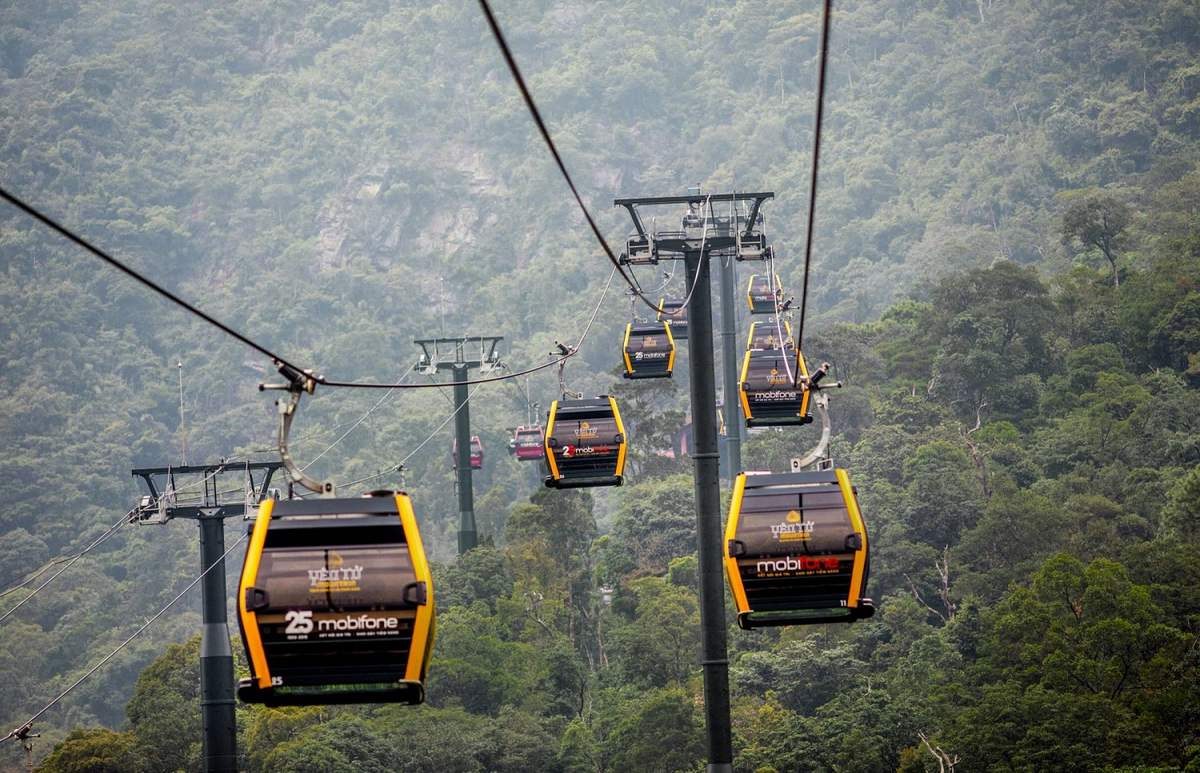
Today, taking the cable car helps visitors save time and conserve their energy significantly
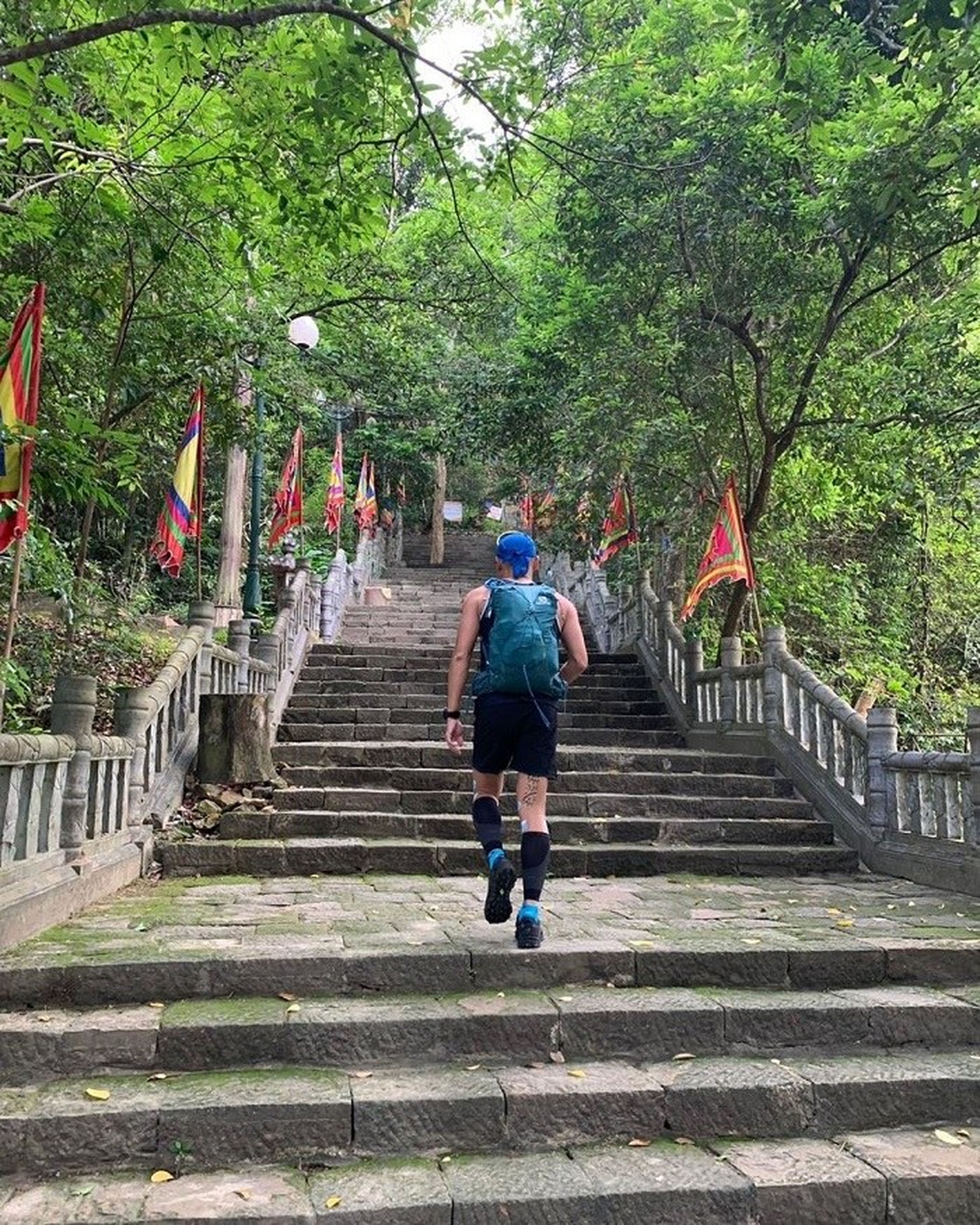
Trekking on foot: If you are in good physical health and have plenty of time, you should experience trekking to uncover many fascinating sights along the route conquering Yen Tu Mountain. The walking trail has now been reinforced with paved stone steps, making the journey much smoother and far less difficult.
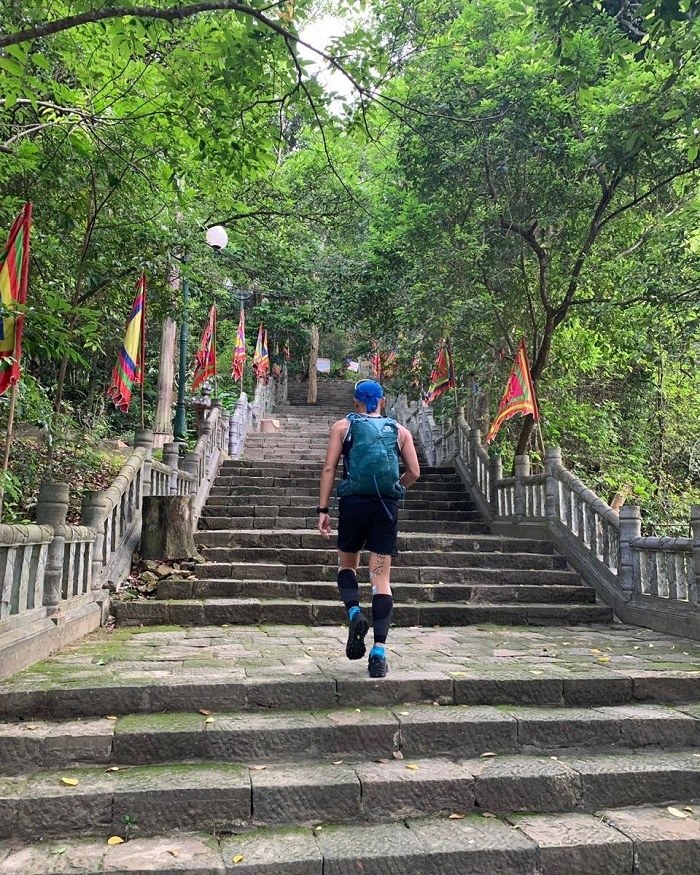
If you have good stamina, you can challenge yourself by trekking on foot
3 What makes Yen Tu Pagoda unique?
3.1 Distinctive architecture of Yen Tu Pagoda
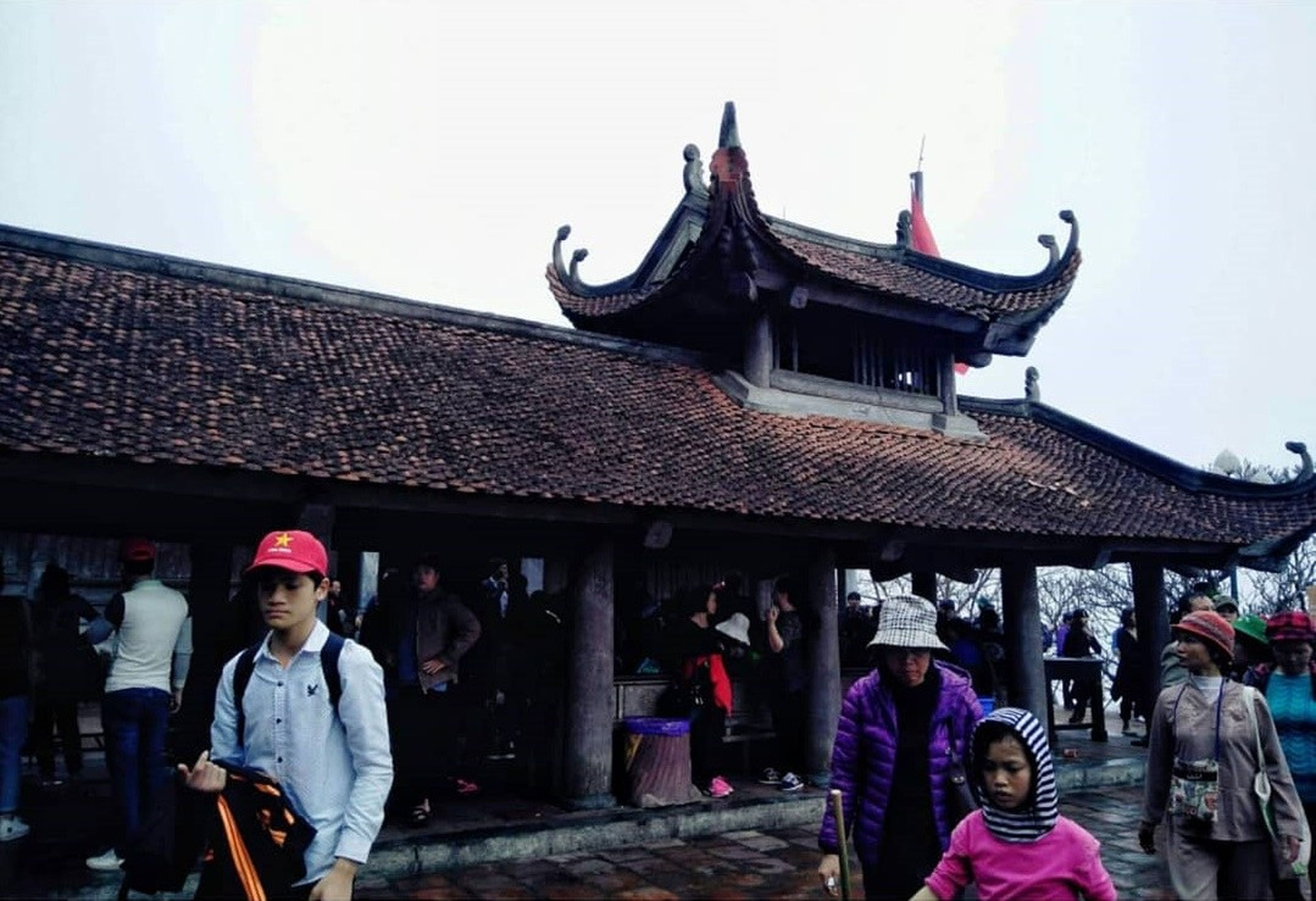
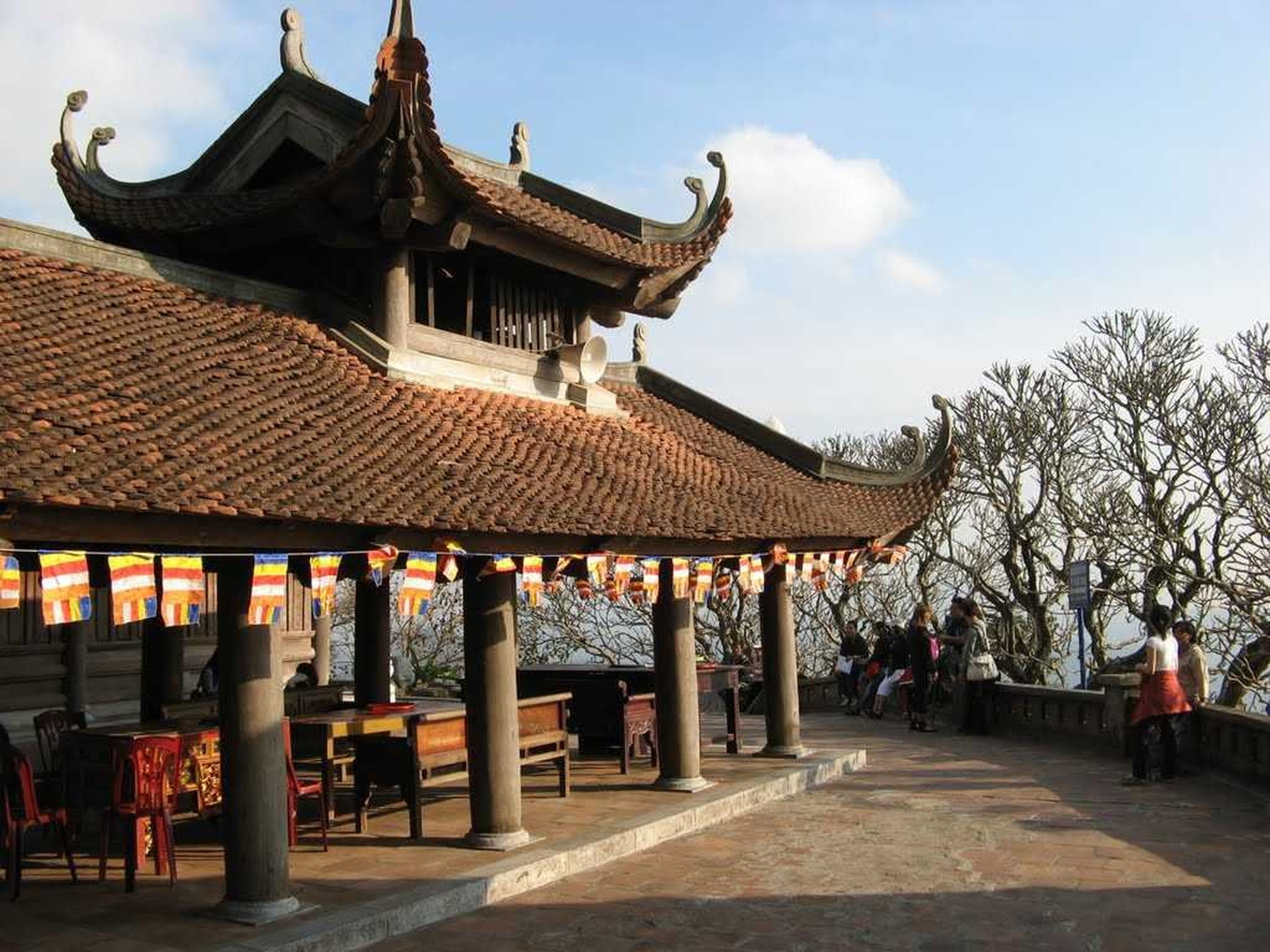
The architecture of Yen Tu Pagoda is considered an exemplary standard of Buddhist architectural traditions, featuring details faithfully crafted in line with historical designs. The first impression welcoming visitors to Yen Tu Pagoda is the Tam Quan Gate with its two symmetrical roof tiers, radiating a majestic grace. Past this solemn gateway lies the central courtyard of Yen Tu Pagoda paved with red tiles, a familiar element of traditional temples. Furthermore, the temple roofs are covered with sweeping curved tiles shaped like upward curved saber tips pointing toward the sky in a truly distinctive fashion.
From the main load-bearing pillars to the perimeter columns, all are crafted from precious ironwood, while the outer colonnade is firmly supported by massive stone columns. Beneath each column rests a stone plinth. Placing stone plinths beneath columns carries a subtle symbolic meaning, serving as a recognized standard in Vietnamese religious and spiritual architecture.
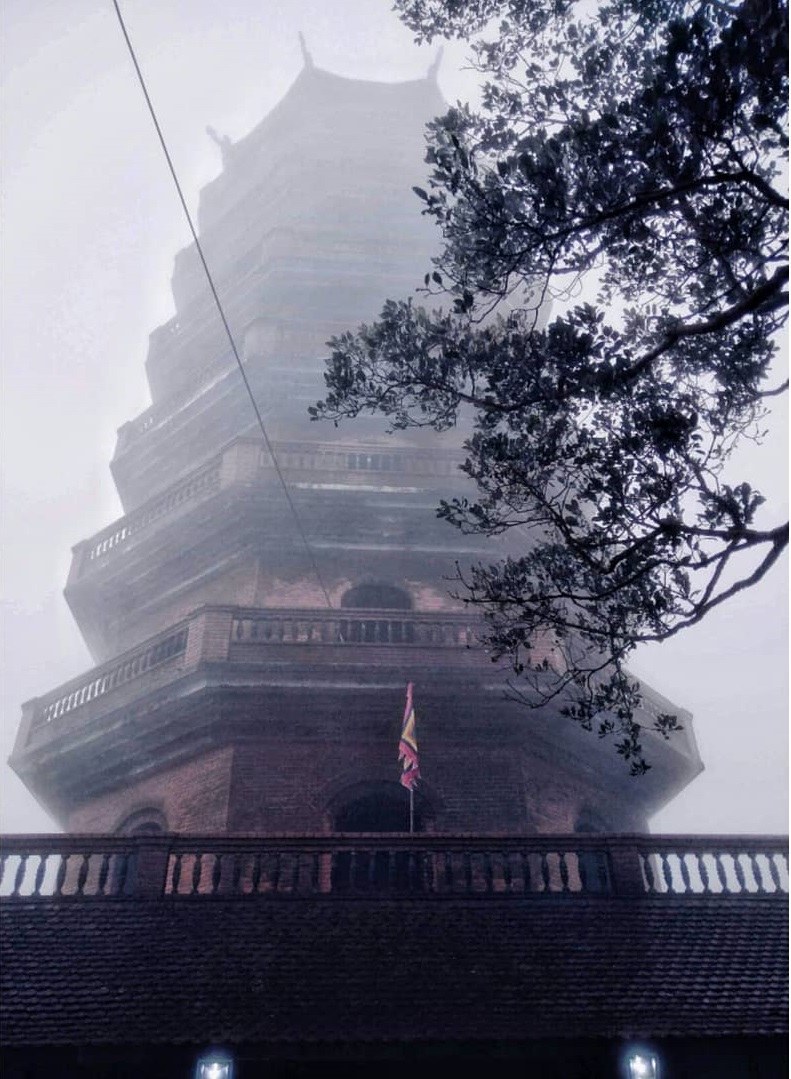
The pagoda was built according to the classical benchmarks of Buddhist architecture
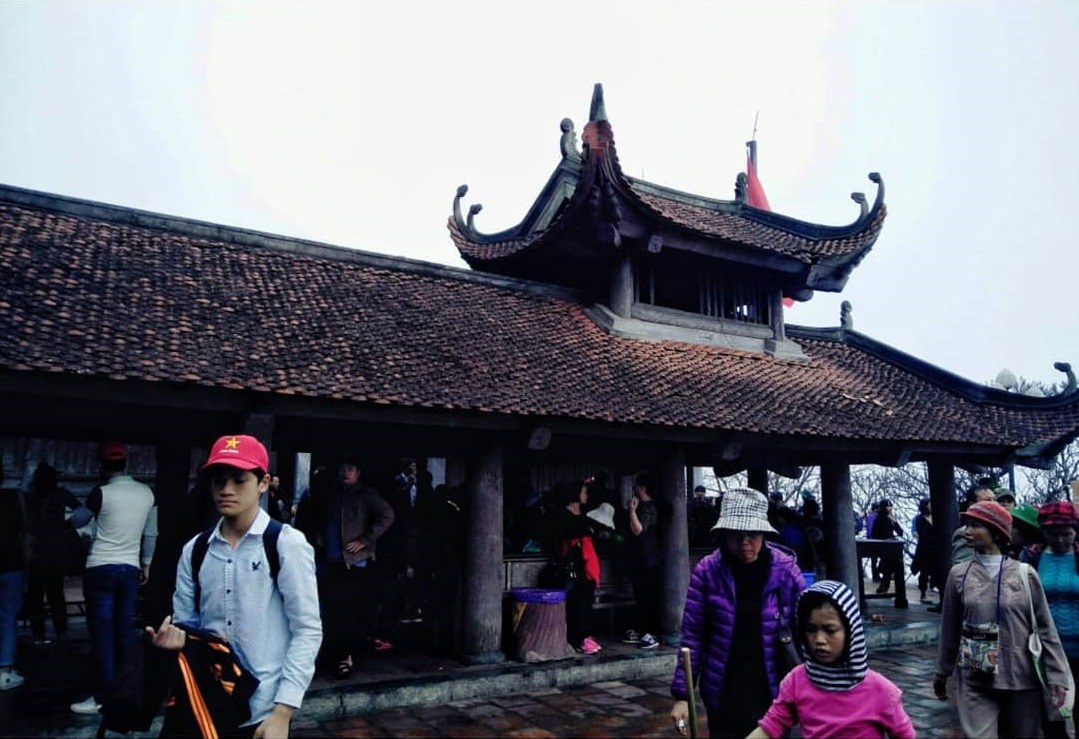
Every year, Yen Tu Pagoda welcomes crowds of visitors coming to worship and pray for blessings
In light of this belief, the image of wooden pillars placed on stone plinths represents fertility beliefs, symbolizing both male and female creative forces. Moreover, this sacred motif embodies aspirations for human flourishing, prosperity, and a harmonious, abundant life.
Stepping into the main sanctuary, you will enjoy an airy atmosphere supported by timber furnishings, along with front lattice-barred doors designed to facilitate ventilation and let in maximum natural light. Every space here has been delicately designed, offering pleasant coolness with refreshing breezes in summer and a warm, well-regulated climate in winter.
Such an ideal setting at Yen Tu Pagoda is the result of meticulous planning in orienting the buildings to harmonize with the local climate. Additionally, the structural design itself promotes excellent air circulation thanks to baluster-lattice windows installed at the front and back, alongside triangular gable openings beneath the eaves intended for cross-ventilation.
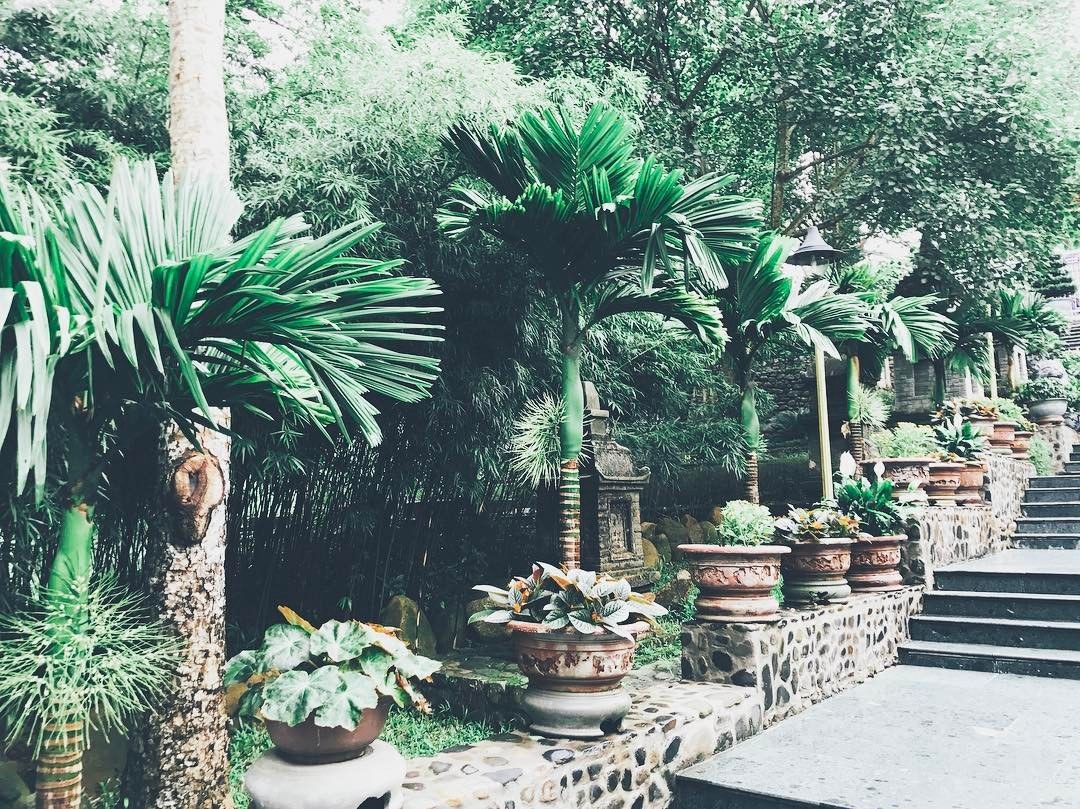
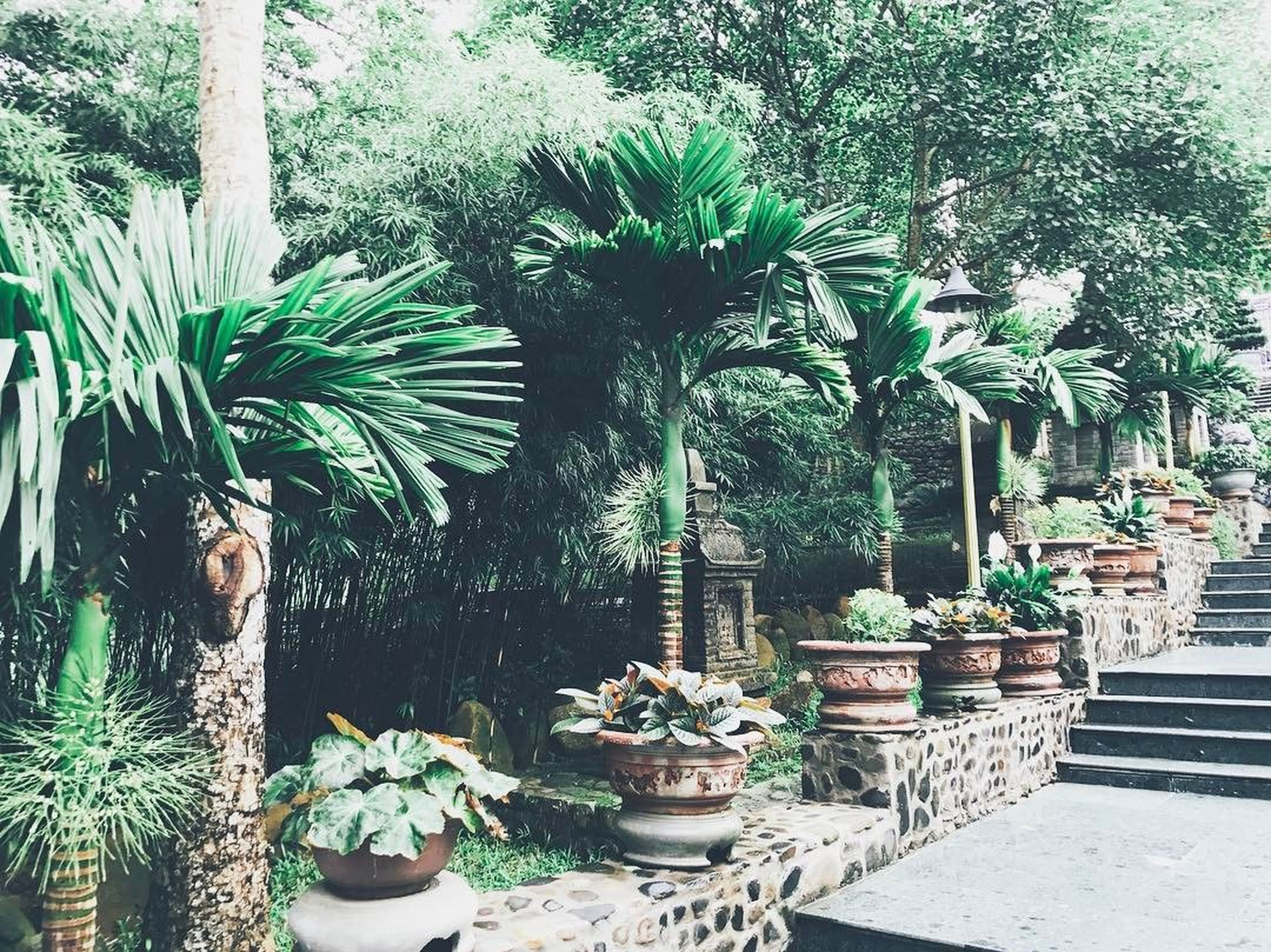
The serene ambiance of the pagodas is incomplete without the refreshing green hues of lush vegetation
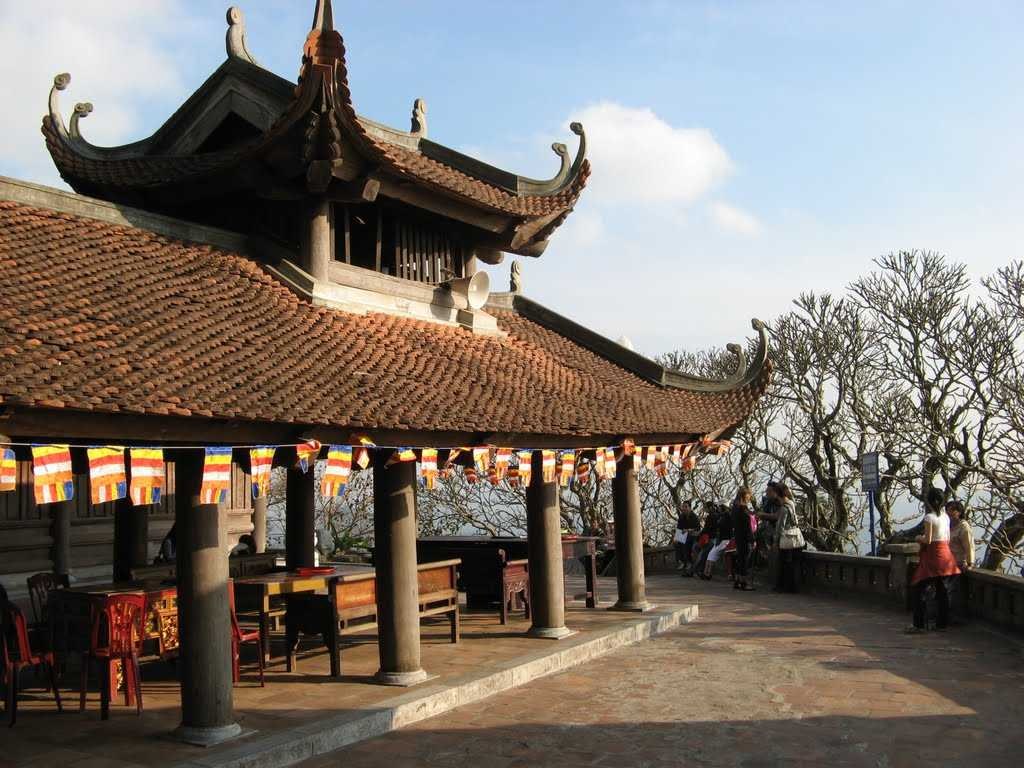
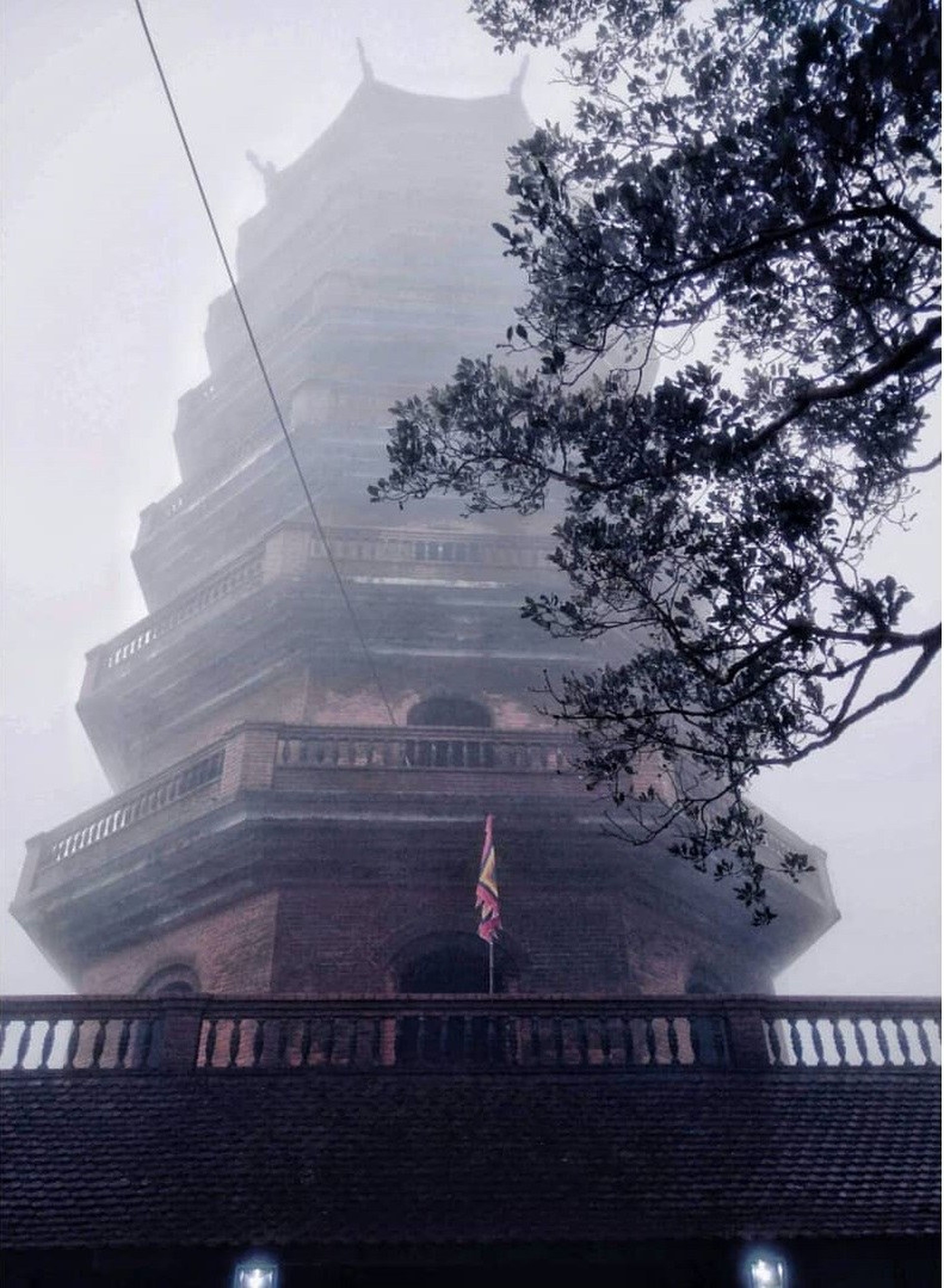
From high elevations, Yen Tu Pagoda embraces a cool atmosphere amidst blanketed white clouds
3.2 A renowned spiritual landmark of the Vietnamese people
Spanning an expansive area, Yen Tu Pagoda serves as a sanctuary where monastics practice and study Buddhist scriptures. It can be likened to a grand academy—a sacred place where monks are instructed in chanting, Zen teachings, and Buddhist philosophy.
An ancient legend tells that when the King-Father chose to renounce the throne for the monastic path, his concubines and royal maidens pleaded earnestly with him to reconsider, but to no avail. To demonstrate their loyalty, they moved near the foot of the mountain to remain close, hoping to care for and persuade the monarch. Nonetheless, the King remained steadfast in his spiritual commitment and ordered them to return to the imperial court. Overcome by grief and unwavering devotion to their king, they cast themselves into the mountain stream. In remembrance of their loyalty and virtue, the local people erected Giai Oan Bridge and Giai Oan Pagoda to honor their faithful spirits.
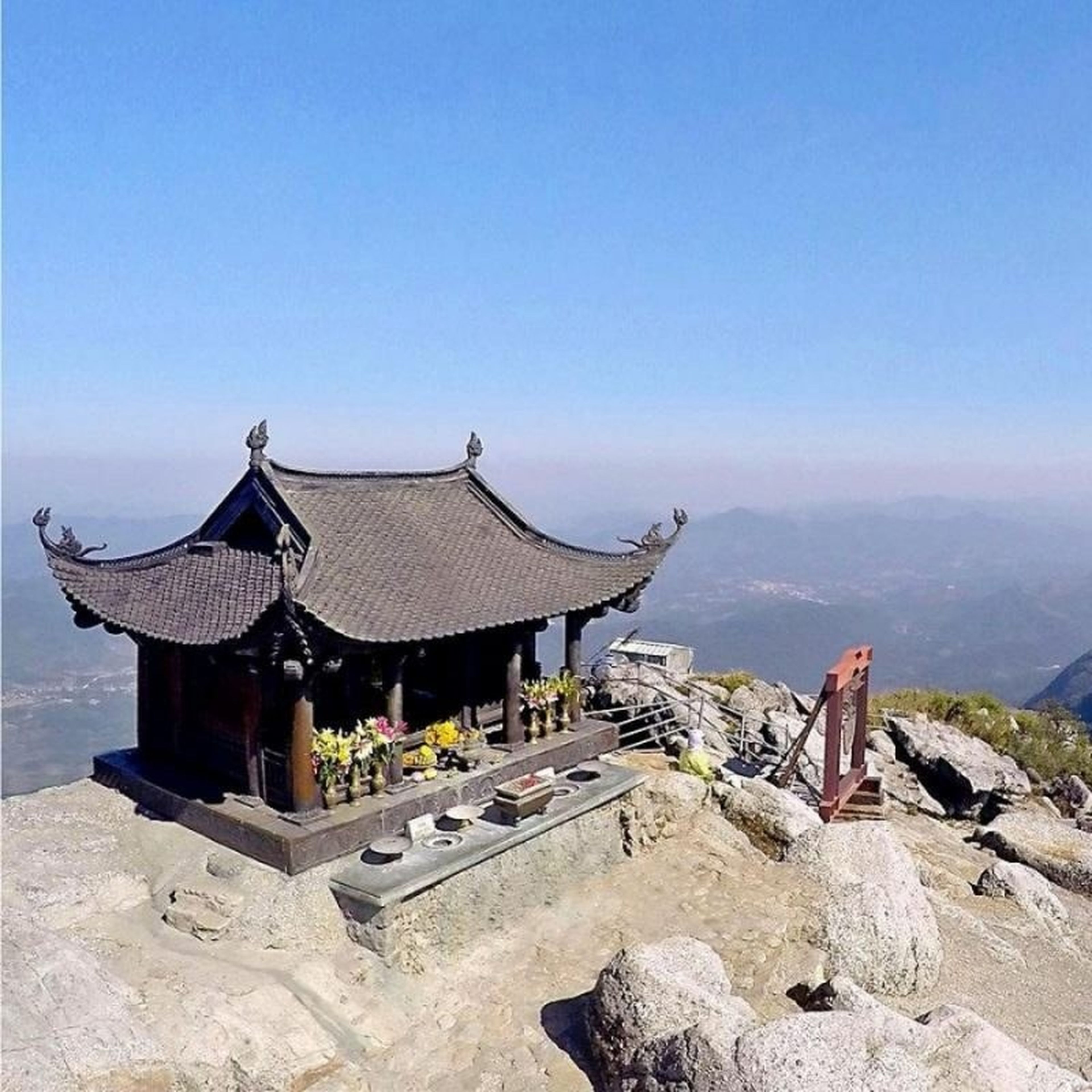
Unlike Cai Bau Pagoda or Loi Am Pagoda, a pilgrimage to Yen Tu gives you the opportunity to visit numerous temples such as Mot Mai Pagoda, Hue Quang Stupa Pagoda, and Dong Pagoda. Among them, Dong Pagoda rests at the highest point of Yen Tu, cast entirely from solid bronze. Conquering the summit to reach this pagoda on foot is an extraordinary feat; it is deeply revered, and visitors frequently come here to pray for health, fortune, and prosperity.
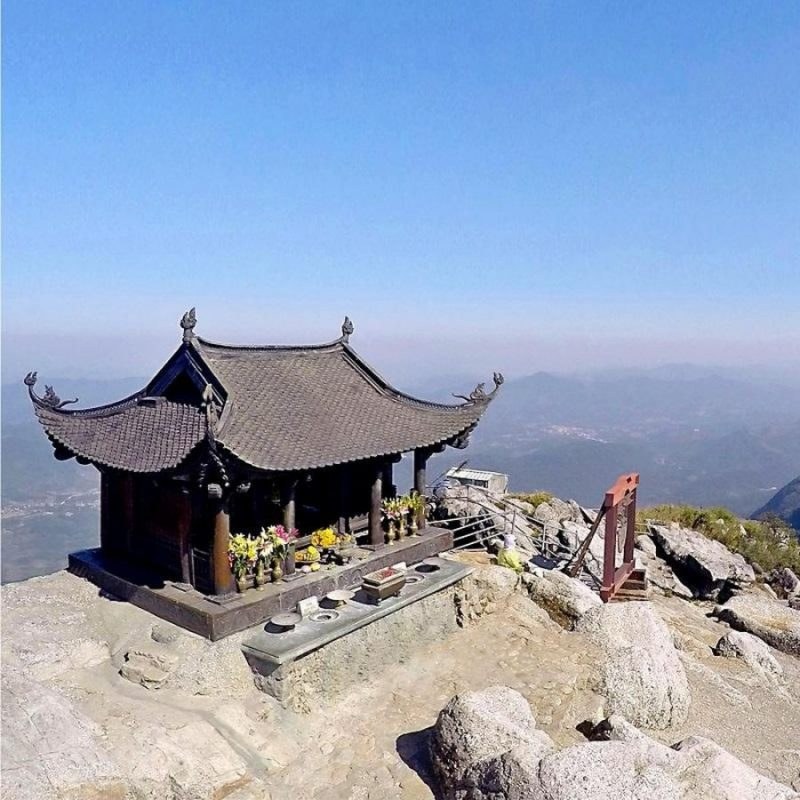
Dong Pagoda - The highest pagoda on Yen Tu Mountain
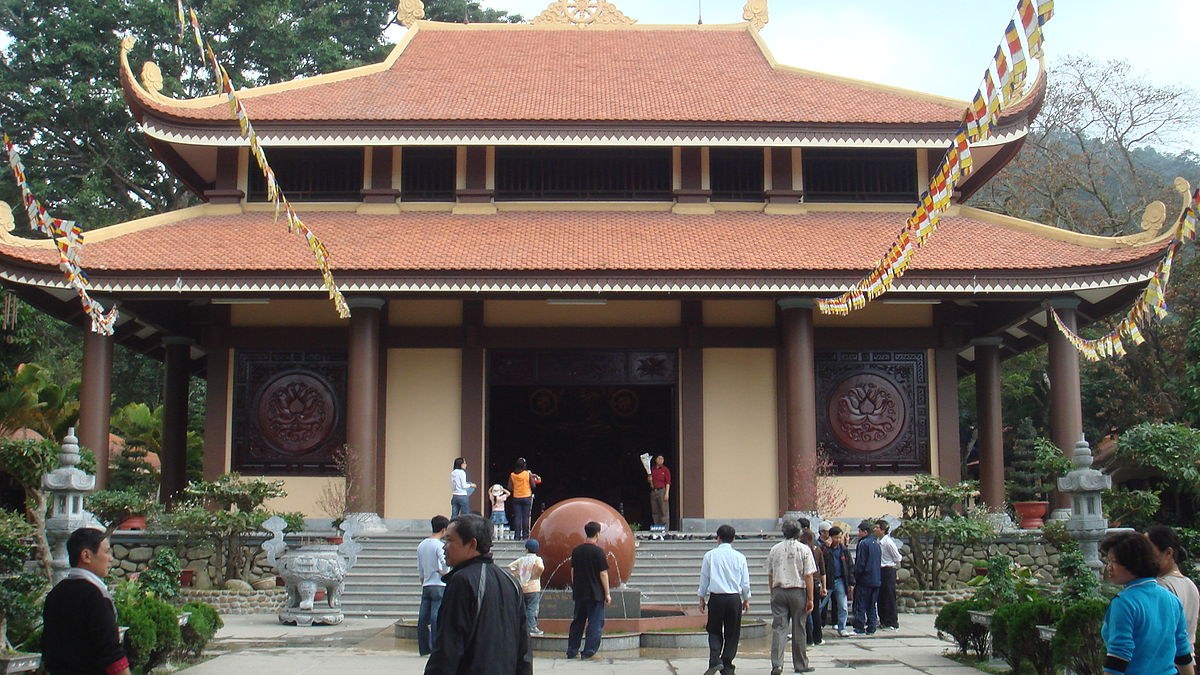
Lan Pagoda in Yen Tu is another equally captivating stop
Your journey to Yen Tu Pagoda is exceptionally rewarding, offering the chance to discover a magnificent complex of historic temples across various scenic altitudes. Come visit to immerse yourself in the pristine air of this sacred sanctuary, and do not forget to pray for peace, health, and happiness for your family and friends.