Dam Ha boasts advantages in expansive marine spaces, pristine landscapes, diverse ecosystems, and a community life closely attached to the sea. This serves as the foundation for the locality to develop diverse and experiential marine and island ecotourism.
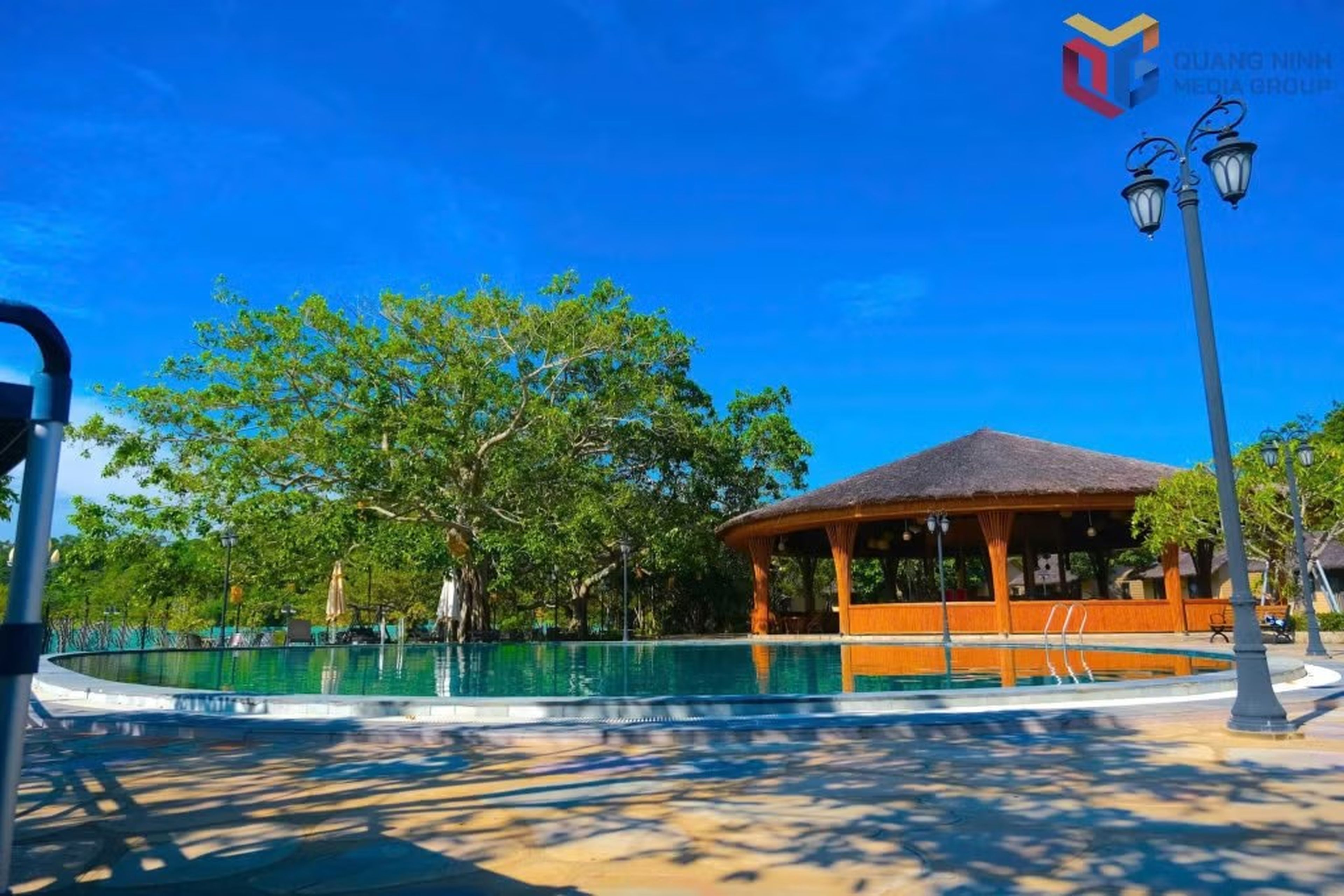
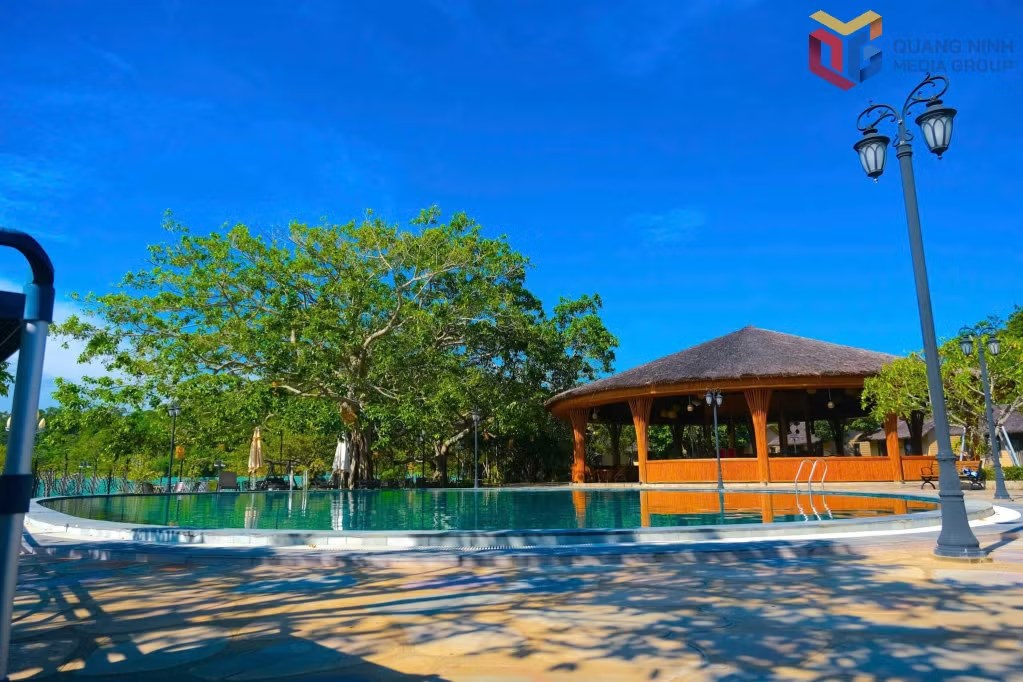
Da Dung Island Ecotourism Area is a prominent tourist destination in Dam Ha. In June 2025, the island was recognized by the Provincial People's Committee as an ecotourism destination, thereby establishing a foundation to harness its natural and landscape values tied to experiential and slow tourism. Da Dung Island features infrastructure and architecture that harmonize with natural landscapes, aiming for a secluded eco-resort model with limited accommodation capacity and an emphasis on high-end experiences. The secluded space and island-fringing ecosystem are well-suited for activities such as boat tours exploring the sea area, kayaking, fishing, savoring seafood, and experiencing the lifestyle of coastal residents.
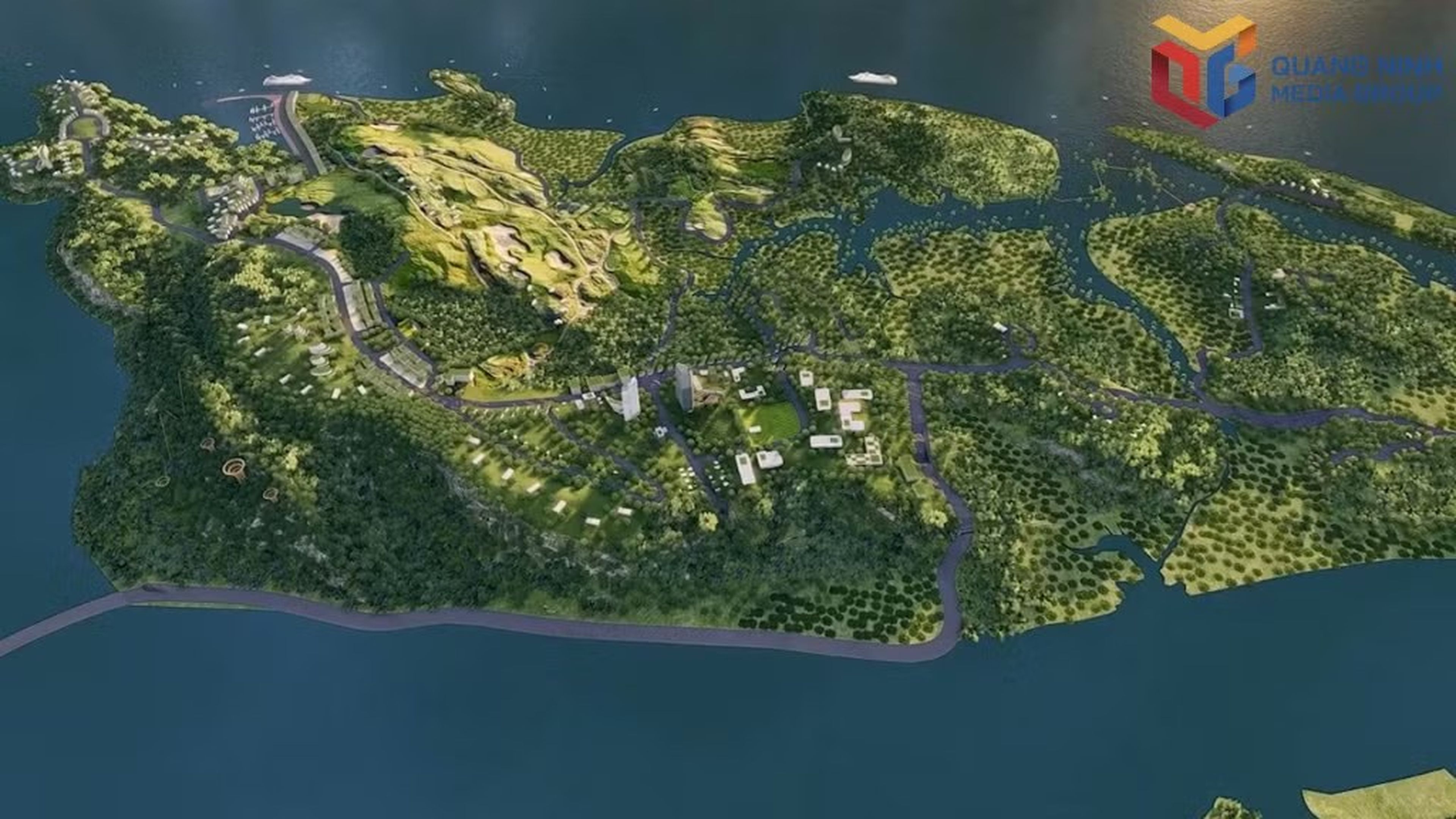
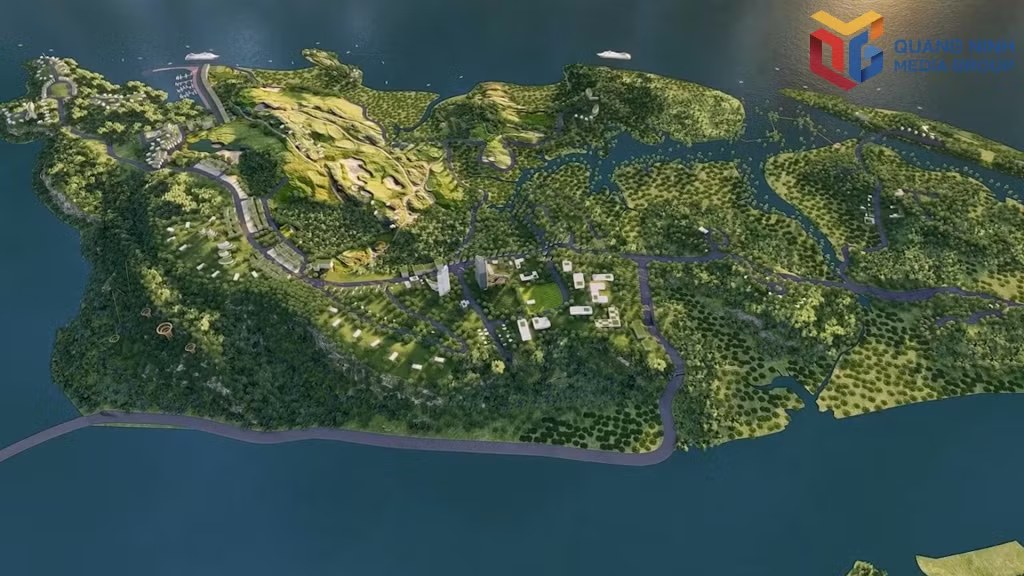
Along with this, Dam Ha is actively calling for investment in the Nui Cuong Island Tourism Area Project. The project covers an area of nearly 1,080 ha, of which the planned zone encompasses more than 670 ha, with the remainder designated for research to enhance the values of forests and the sea. The tourism area aims to incorporate a golf course and a resort complex combined with surrounding aquaculture development. The population size is projected to reach approximately 7,800 people by 2030 and 20,000 people by 2045. Surrounding isolated islands will see the development of resort villages offering diverse types of experiences, linked to the conservation of mangrove ecosystems.
In Dam Ha's orientation, marine tourism is also closely linked to the local people's everyday life and production practices. The commune is currently coordinating with enterprises to formulate a project for an ecotourism area combined with aquaculture on Van Vuoc Island. The island is located in Xom Giao Hamlet, 4 km from the mainland. With a planned area of 147 ha, Van Vuoc aims to become an experiential area integrating both forest and marine elements.
To expand tourism spaces and enhance experiences for visitors, Dam Ha is developing tour routes connecting the sea and the mainland. Accordingly, resort spaces will be broadened, and visitors will be able to visit heritage sites located on the commune's mainland, such as visiting Dam Ha Communal House, partaking in the Dam Ha Communal House Festival, and learning about Hat Nha to - Hat, mua cua dinh (temple door singing and dancing). These are two recognized National Intangible Cultural Heritages of the commune; at the same time, the tour route connects to Trang Y Communal House and the system of ranked historical relics. Notably, Dam Ha is home to People's Artisan Dang Thi Tu, who is regarded as a "living dictionary" of Hat Nha to - Hat, mua cua dinh. Materials drawn from the lifelong dedication of this veteran artisan to preserve traditional singing serve as an invaluable asset for the commune to build its heritage tourism narrative.
According to statistics from the commune, in the first 7 months of 2026, Dam Ha welcomed approximately 39,000 visitors, reaching 65% of the annual plan assigned by the province. This result indicates that tourism is gradually becoming a development direction with abundant potential, while providing a basis for the commune to continue shaping suitable orientations and tapping existing potential more effectively.
Mr. Le Duy Hung, Deputy Head of the Culture - Social Affairs Office of Dam Ha Commune, stated: In the immediate future, the commune will focus on effectively developing Da Dung Island tourism and promoting the values of the Nui Hua archaeological, historical, and scenic site, striving to welcome over 60,000 visitors in 2026. In the long term, Dam Ha will prioritize improving infrastructure, calling for investment in Nui Cuong Island and Van Vuoc Island Tourism Areas, connecting tourist attractions and marine economic zones, developing cultural and culinary spaces, and strengthening linkages with major tourism hubs in the province, thereby transforming Dam Ha into a distinctive marine ecotourism destination.