1 Where is Hua Mountain Stork Forest located?
Hua Mountain Stork Forest is located in Lang Ruong Village, Dai Binh Commune, Dam Ha District, Quang Ninh Province, approximately 10km from the center of Dam Ha Town. Spanning about 1ha, this sanctuary for migratory birds is nestled at the foot of the majestic Hua Mountain range, fully imbued with the peaceful ambiance of a fresh midland countryside.
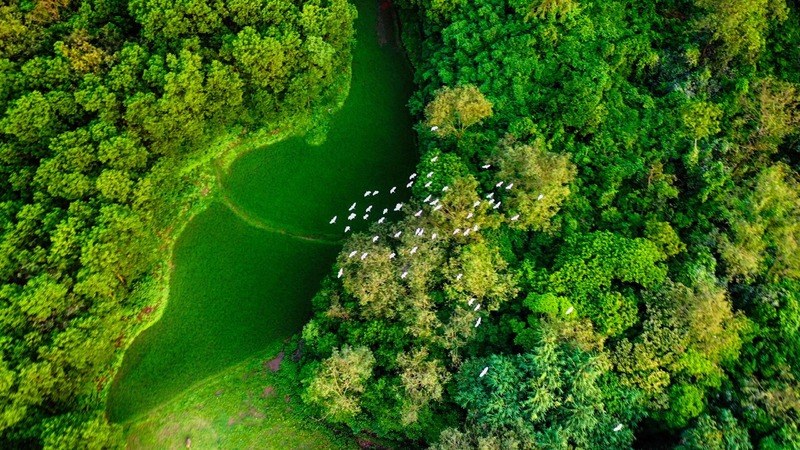
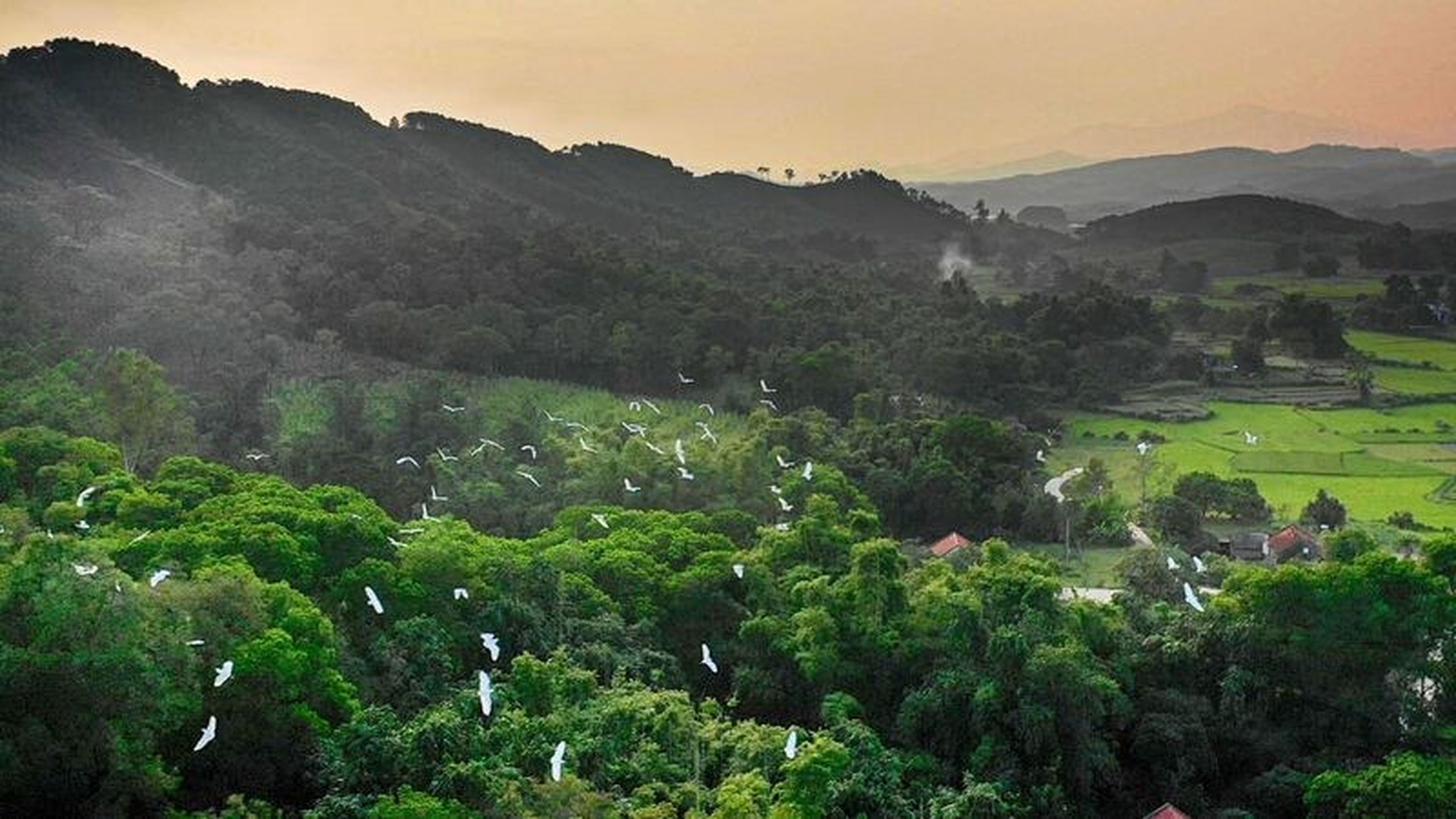
Hua Mountain Stork Forest gathers flocks of migratory birds across an area of about 1ha
2 Directions from the district center
My motorbike journey to Hua Mountain Stork Forest started by road along the coastal National Highway corridor. To reach the forest, you can refer to the following two straightforward travel options:
- Option 1 (Self-driving): From the center of Dam Ha Town, drive along the national highway for about 4km. Upon arriving at the turn to Dai Binh Commune, ask local residents for directions to Lang Ruong Village. The people of Dam Ha are exceptionally warm and welcoming; they will gladly guide you right to the entrance of Hua Mountain Stork Forest.
- Option 2 (Public transport): If traveling to Quang Ninh by intercity bus, you can choose to stop at the central Post Office of Dam Ha District. From here, taking a local taxi or motorbike taxi (xe om) directly into Lang Ruong Village is also extremely convenient.
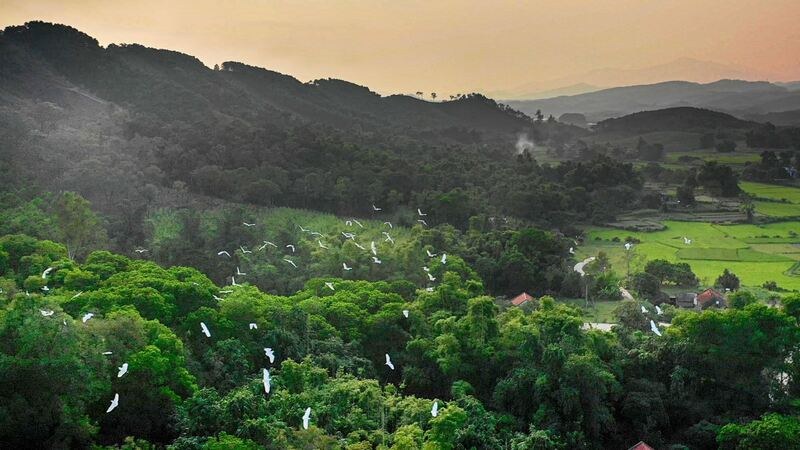
White storks amid peaceful mountains and forests create an alluring charm for this place
3 Exploring the "3-story condominium" of thousands of white storks
Stepping into the pristine bamboo and eucalyptus forest in Lang Ruong, what stunned me most was the colony's living habits, clearly stratified much like an upscale condominium complex. According to local village elders, since the 1970s, when the first households arrived to reclaim the land and settle, white storks began trickling in. Thanks to the unpolluted environment, abundant food supply from rivers and streams, and the villagers' conscious efforts to protect rather than hunt them, the flock has grown increasingly crowded, reaching thousands of birds today.
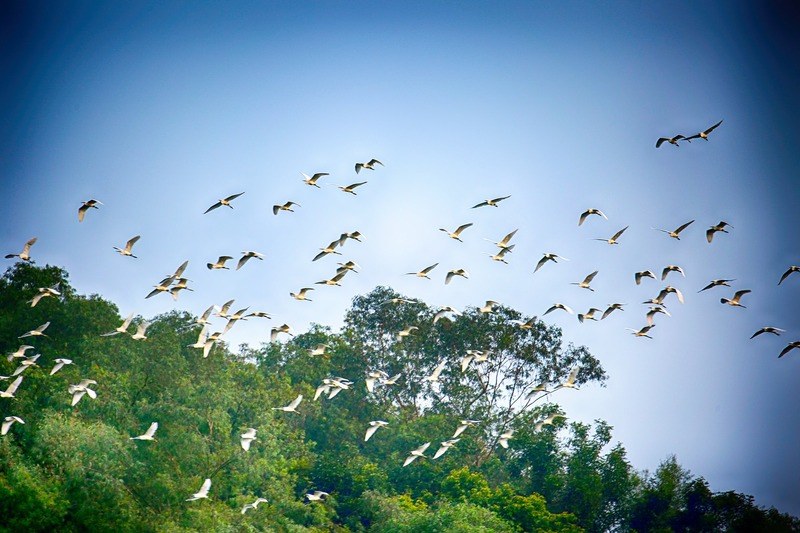
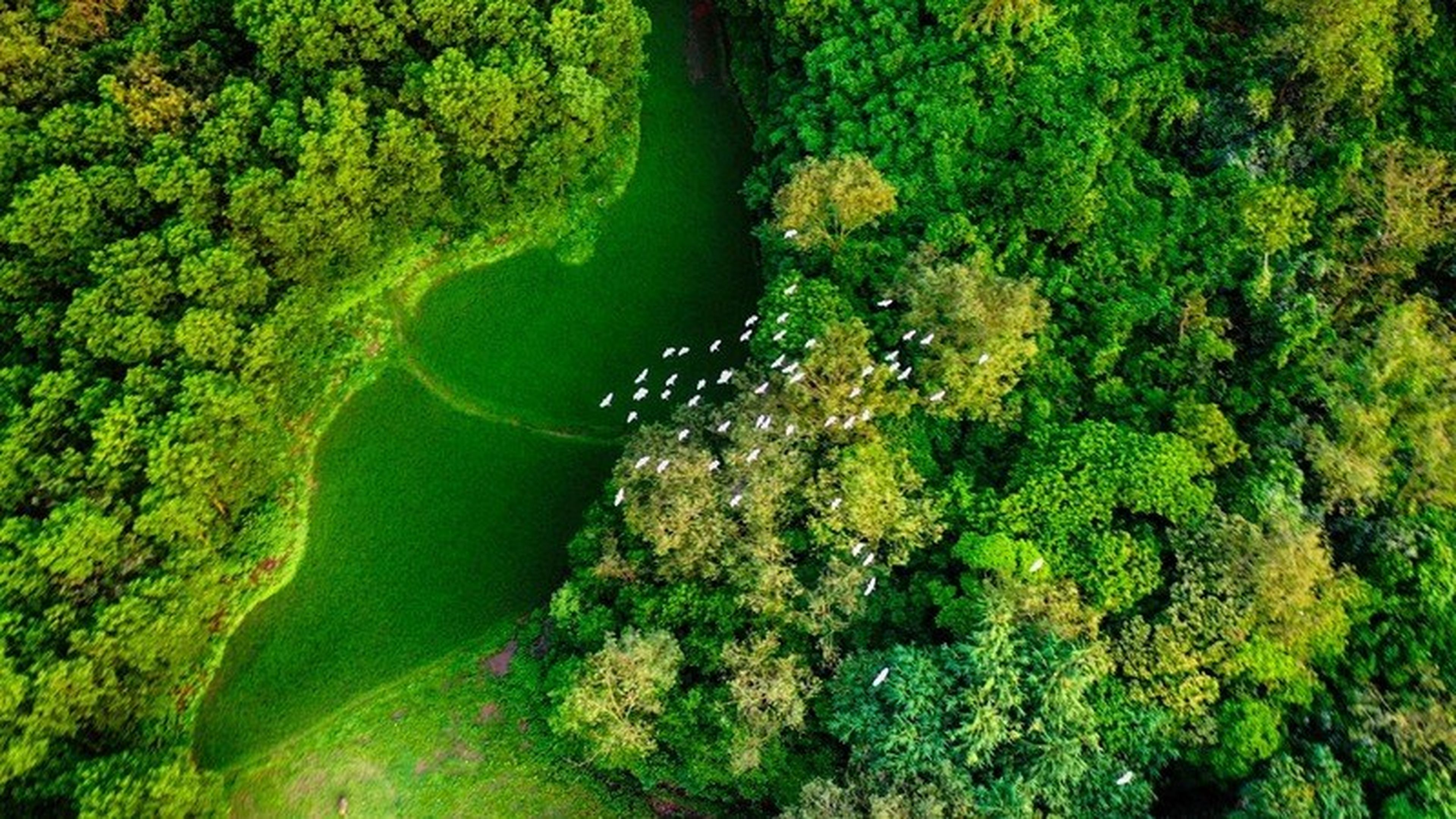
Hua Mountain Stork Forest features a well-organized habitat and nesting distribution divided into distinct levels
The main 1-hectare nesting habitat of the flock is distinctly divided into 3 ecological tiers:
- Top tier (High treetops): This is where adult storks perch to rest for the night or stand guard to ensure the entire flock's safety.
- Middle tier (Forks and medium branches): This central zone serves as the nesting ground where pairs weave dry branches to build nests, breed, and incubate their eggs.
- Bottom tier (Branches close to the ground): Resembling a miniature "school," this layer is dedicated to fledgling storks taking their first wobbly steps learning to fly and forage on soft bamboo thickets.
To capture the most magnificent moments of Hua Mountain Stork Forest, I had to stake out very early. The best times to watch the storks during the day are from 4:00 AM – 5:00 AM (when the whole flock awakens and takes flight to forage) and from 5:00 PM – 6:00 PM (when dusk descends and they return to their nests in unison).
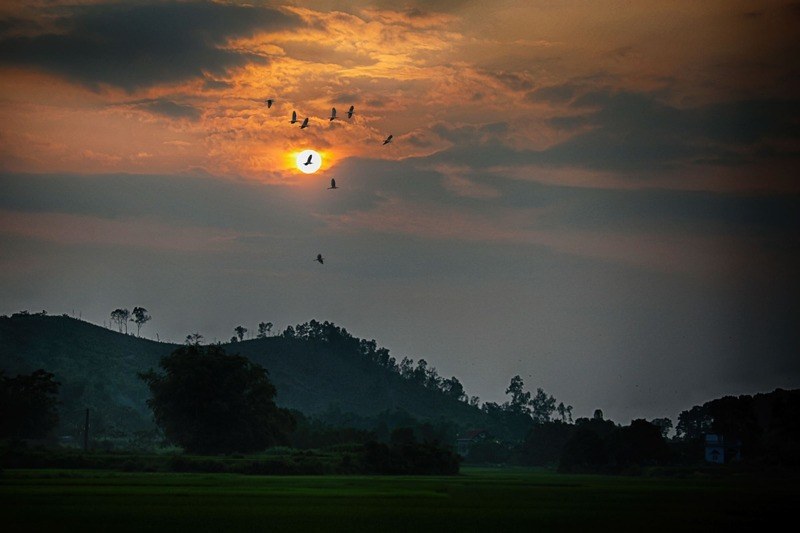
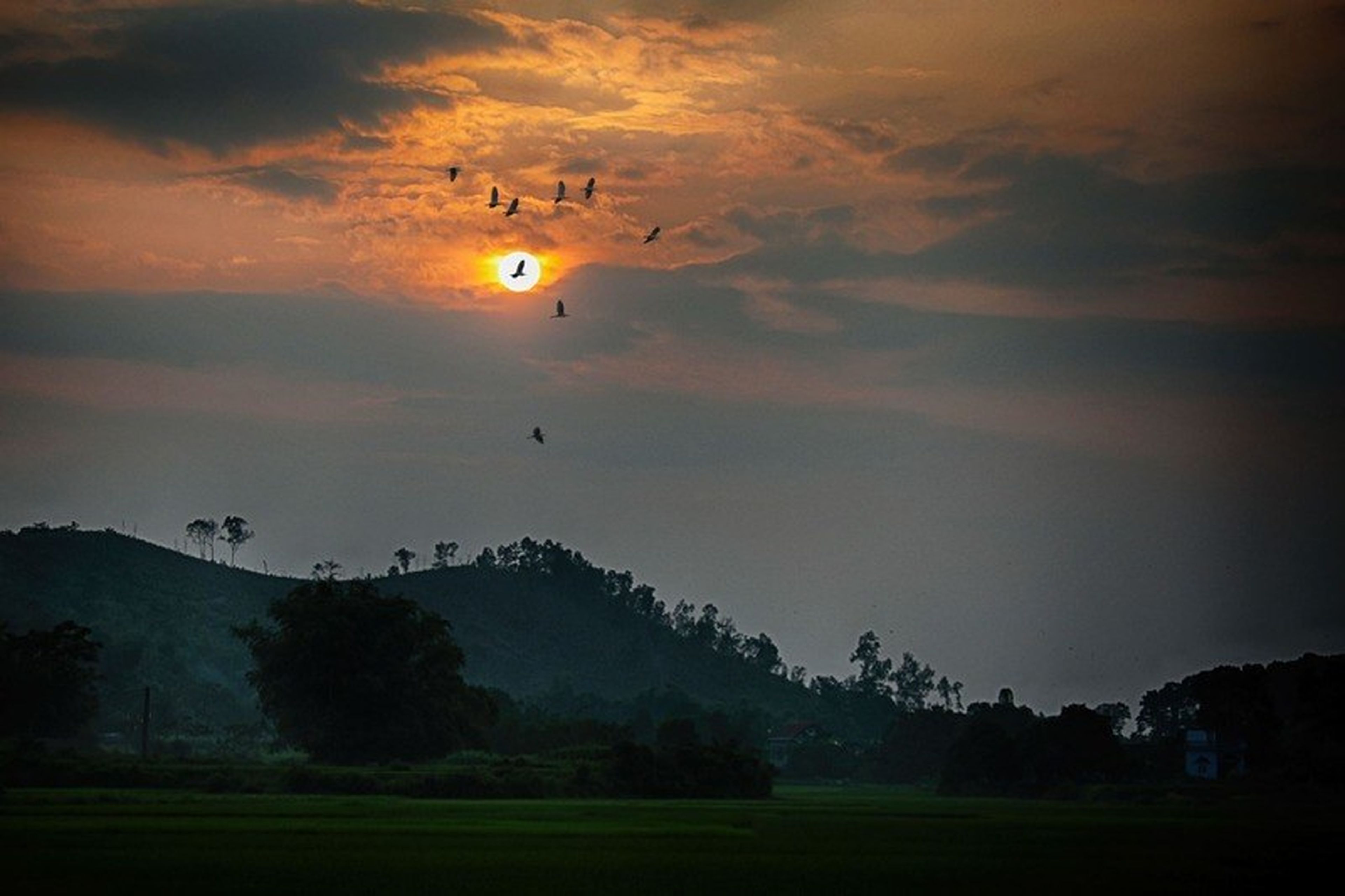
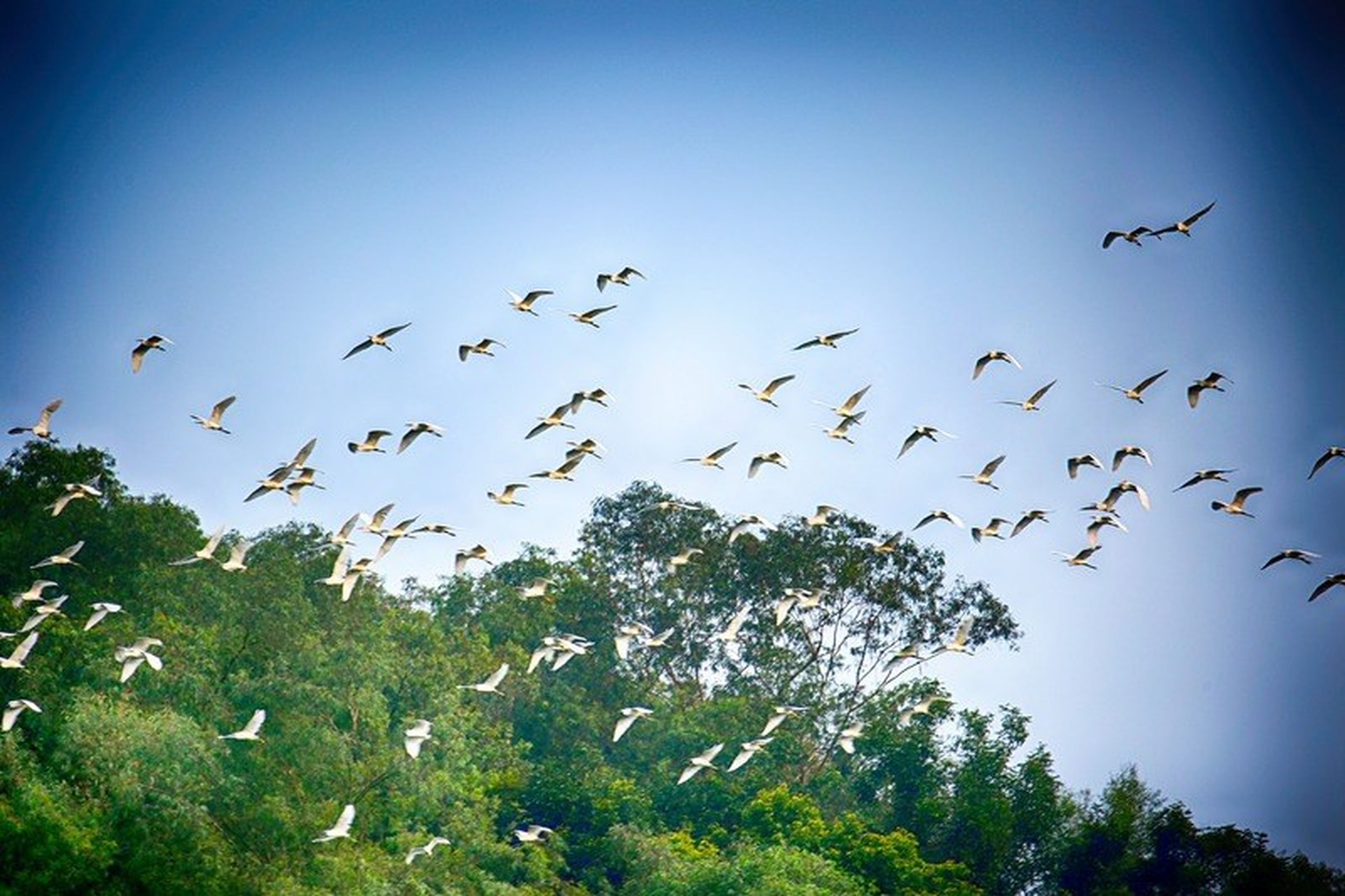
Sunset is the moment when the storks return to their nests after a long day of foraging
As the sun gradually sinks behind the mountain crest, the reddish-orange glow of twilight paints the entire horizon pink. It is also when thousands of pristine white storks spread their wings, swooping down and scattering soft white feathers over the bamboo forest. The rustling flutter of wings combined with their echoing calls creates a vibrant wilderness symphony that captivates every traveler's heart.
4 Conquering 459 stone steps to the Hua Mountain Flagpole and archaeological heritage
Visiting Hua Mountain Stork Forest offers much more than just birdwatching. This area is also a provincial-level archaeological, historical, and scenic relic complex (recognized since 2012) harboring numerous fascinating surprises.
4.1 Taking in panoramic vistas from the Hua Mountain Flagpole
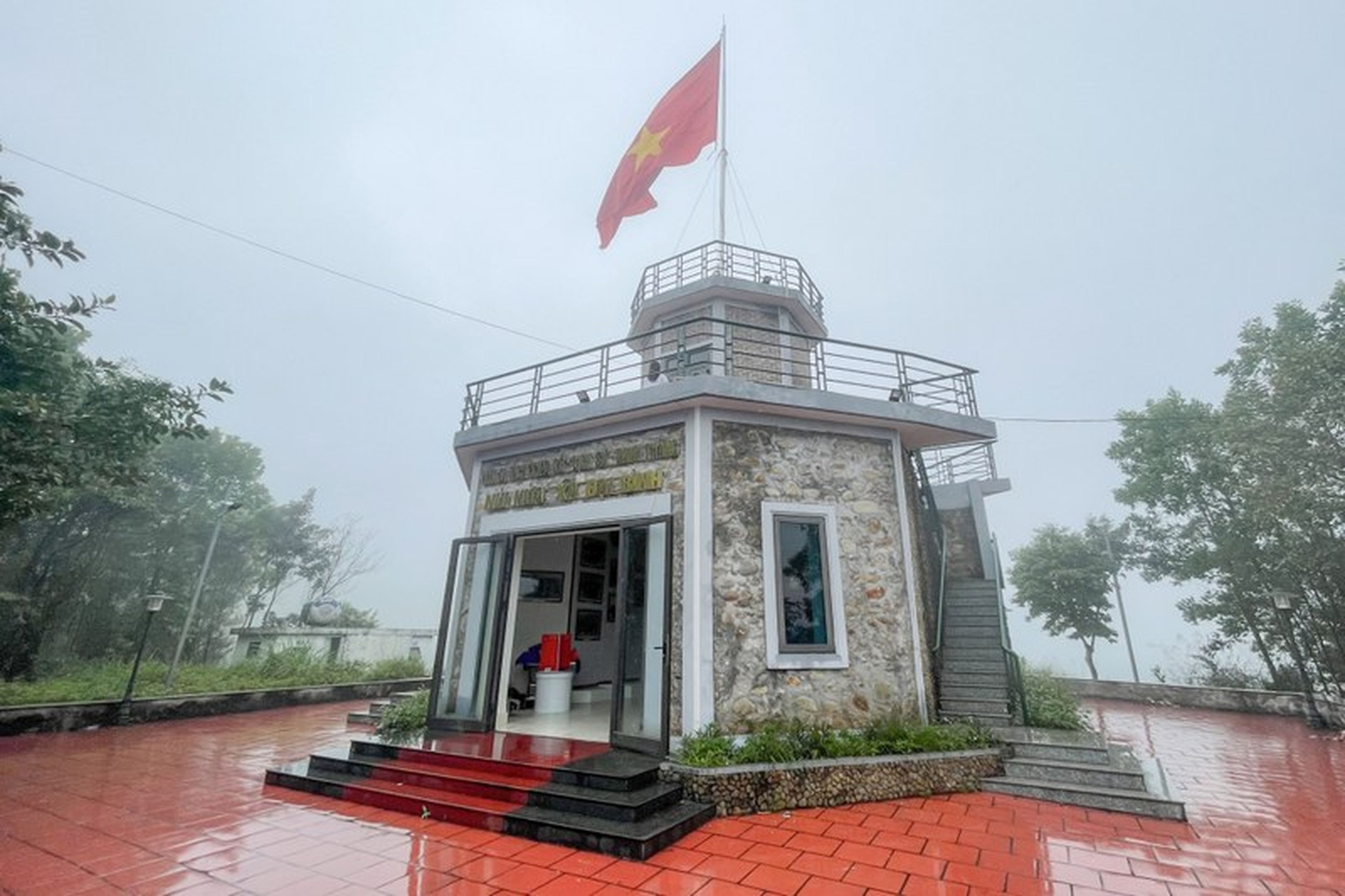
From the base of Hua Mountain, I challenged myself to a steep hike up 459 stone steps. The narrow pathway winds beneath shady ivory bamboo groves, with forest leaves occasionally dusted white with bird droppings. Reaching the breezy peak beneath the Hua Mountain Flagpole, I was completely mesmerized as I gazed across the vast expanse of mountains and forests, observing flocks of white storks gliding across the deep blue sky of Lang Ruong Village.
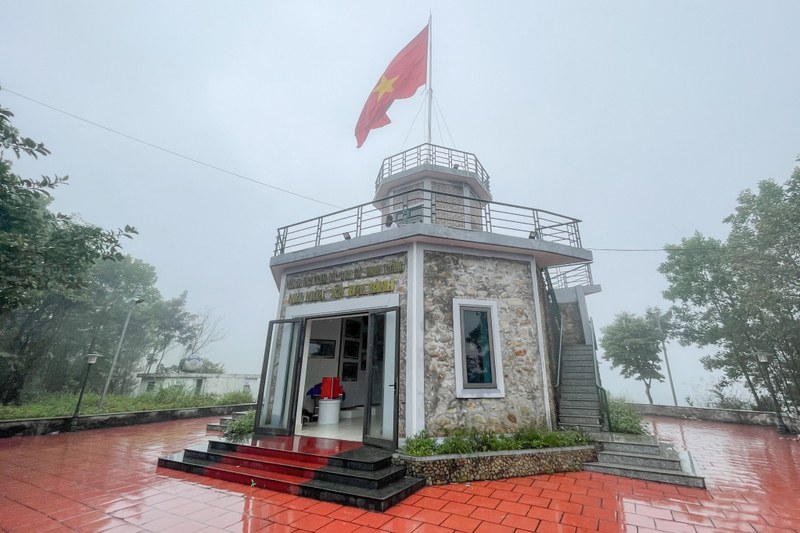
The Hua Mountain Flagpole also attracts many tourists
4.2 Exploring archaeological relics and a revolutionary stronghold
If you visit Hua Mountain Stork Forest in winter—when the storks migrate to escape the cold and their numbers thin—the mountain welcomes you with unique sedimentary historical values instead:
- Archaeological site: Spanning over 10,000m² at the foot of the mountain, this is where scientists unearthed numerous stone tools of ancient Vietnamese people. The original elements of the site remain almost intact.
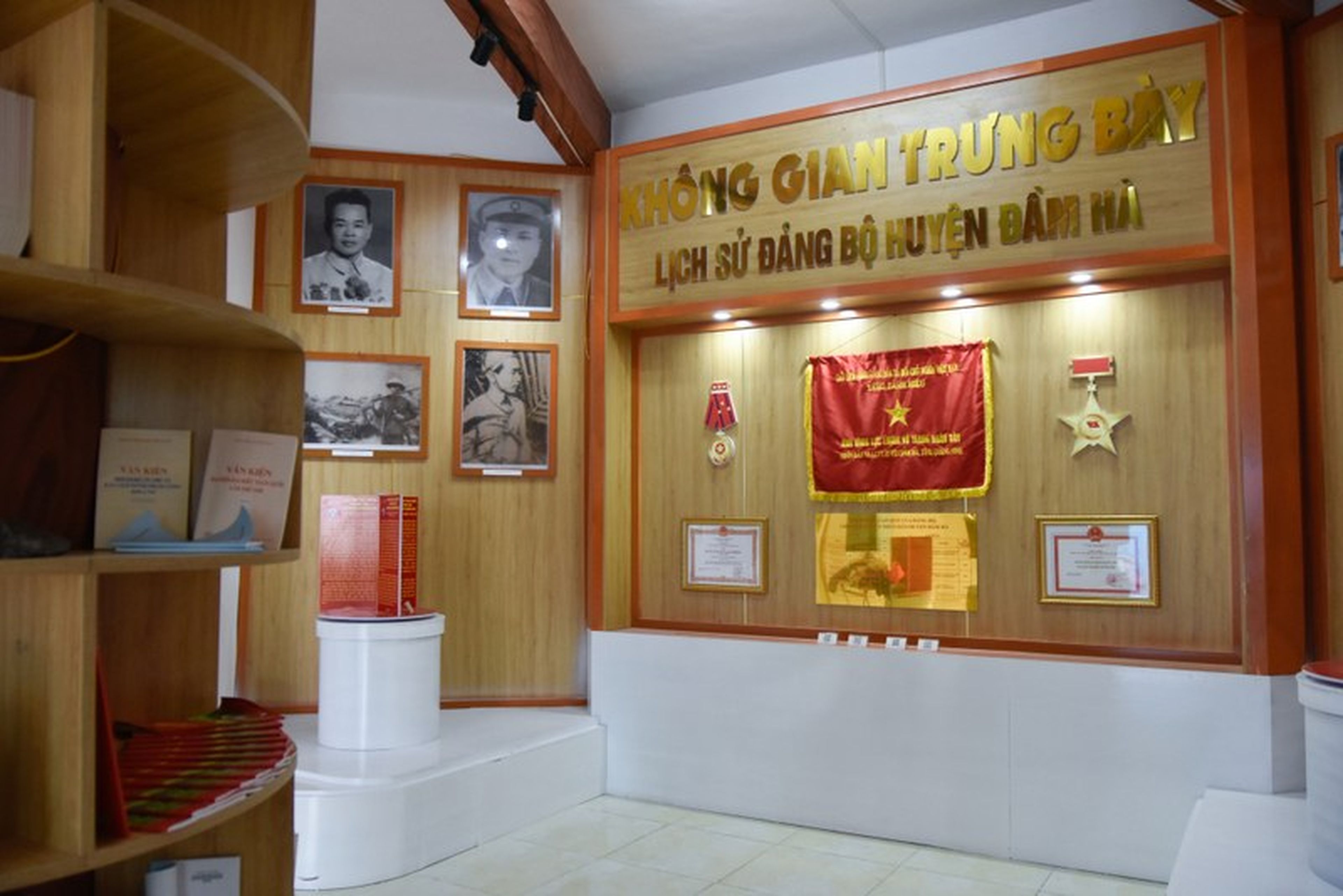
- Hua Mountain also served as a solid revolutionary base marking the establishment of Dam Ha District's first Communist Party cell, a point of immense pride for generations of people in this mining region.
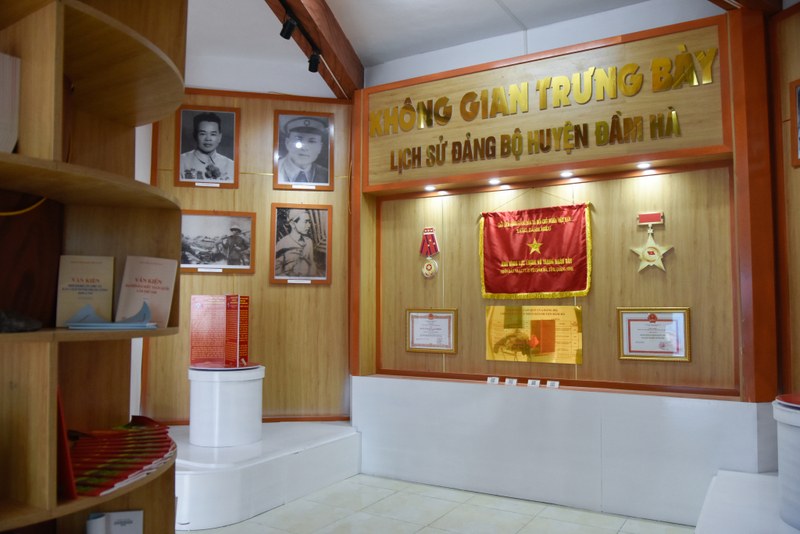
Here you can also find an exhibition area showcasing revolutionary artifacts of the first Communist Party cell in Dam Ha District
5 Savoring the unique culinary heaven of the Dam Ha forests
After a long day trekking through forests and wading across streams, my most delightful moment was sitting down to a rustic meal prepared by the locals of Lang Ruong, savoring specialty dishes crafted straight from wild, natural ingredients:
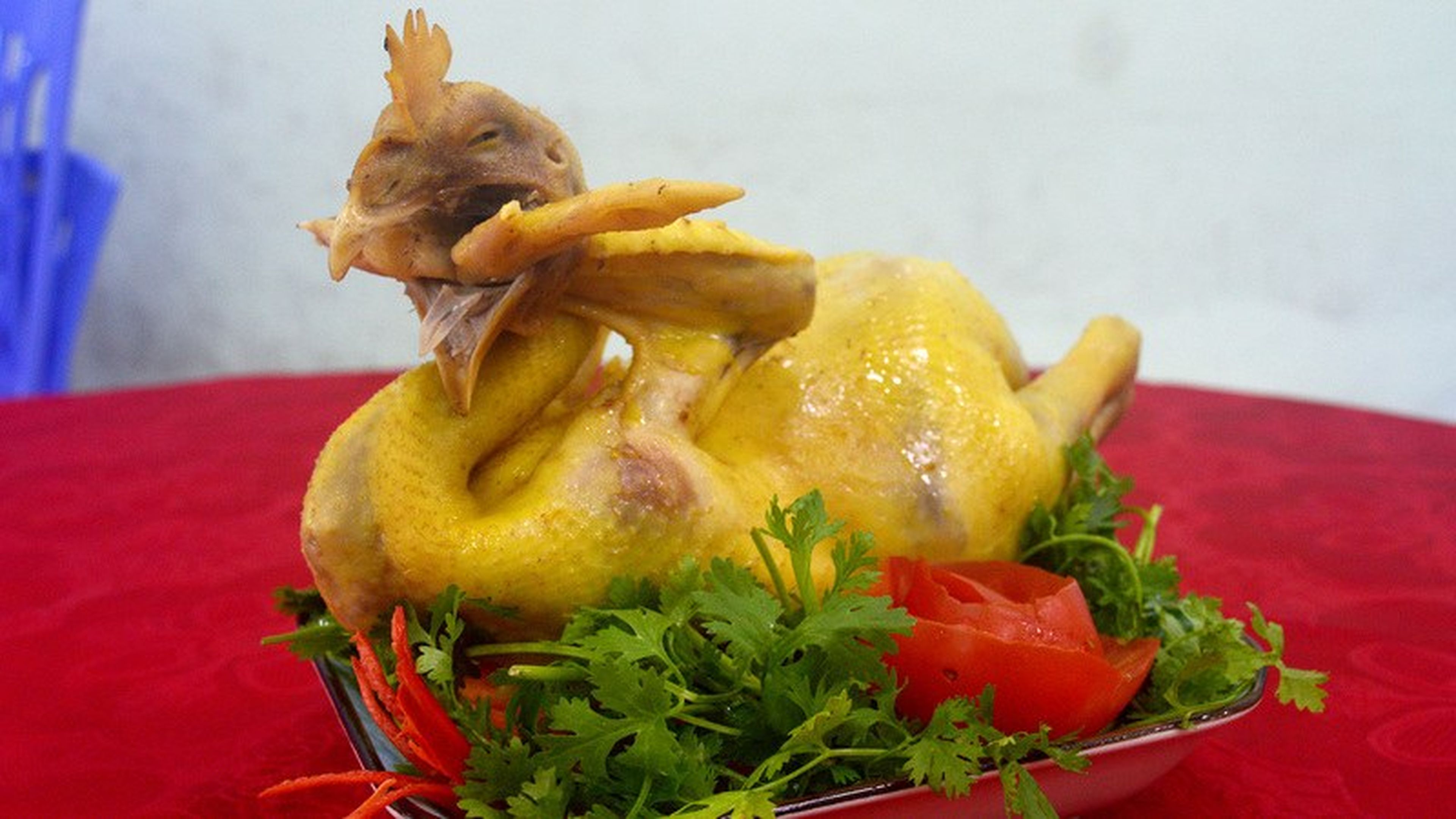
- Dam Ha indigenous royal-tribute chicken: This is definitely a delicacy you must taste at least once in your life. Free-range Dam Ha chicken boasts firm meat and glossy golden skin when boiled, appearing as though coated in honey or steeped in turmeric.
- Specialties from insects, rivers, and streams: Enjoy savory ant egg patties, richly flavorful fried sticky rice with ant eggs, fresh river fish wrapped in lolot leaves and lightly charred, or a refreshing bowl of wild vegetable soup paired with a pot of piping hot boiled apple snails. Sipping a cup of corn wine, leaf-fermented wine, or wild myrtle wine infused with perilla is more than enough to leave you intoxicated with delight.
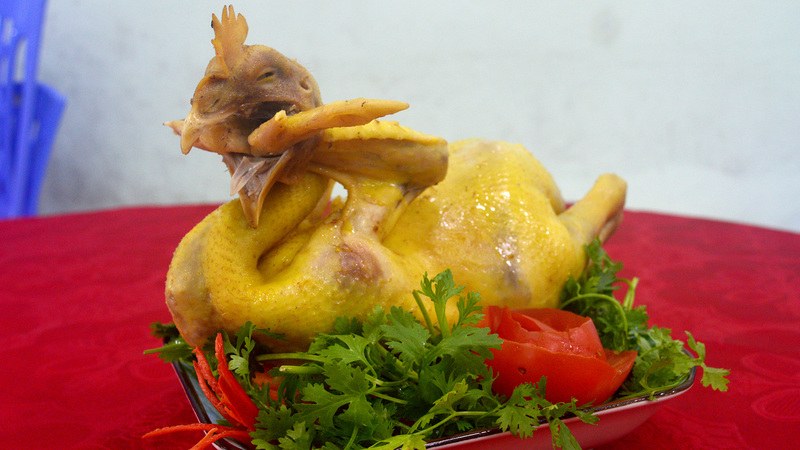
Dam Ha indigenous royal-tribute chicken is a dish you should not miss
6 Tips for a fulfilling visit to Hua Mountain Stork Forest
To ensure your journey to Hua Mountain Stork Forest goes smoothly, keep the following handy tips in mind:
- Storks are migratory birds, so if you travel in winter, you will not encounter very many. Visit during summer when they enter their breeding and nesting season; that is when the forest is at its liveliest and most bustling.
- Wear sneakers or flat-soled shoes with good traction, as the 459-step staircase to the flagpole is fairly steep. You should also wear a cap or wide-brimmed hat when trekking through the bamboo groves to avoid... surprise bird droppings.
- Always maintain environmental consciousness: do not litter, and strictly refrain from hunting or disturbing stork nests so as not to disrupt the birds' peaceful habitat.
The journey back to Hua Mountain Stork Forest offered me a completely fresh perspective on a gentle, wild, and tranquil Quang Ninh. This summer, if you are tired of crowded tourist hubs, pack your bags and immerse yourself in the nature of Dam Ha.