
1 Where is Hoa Yen Pagoda located?
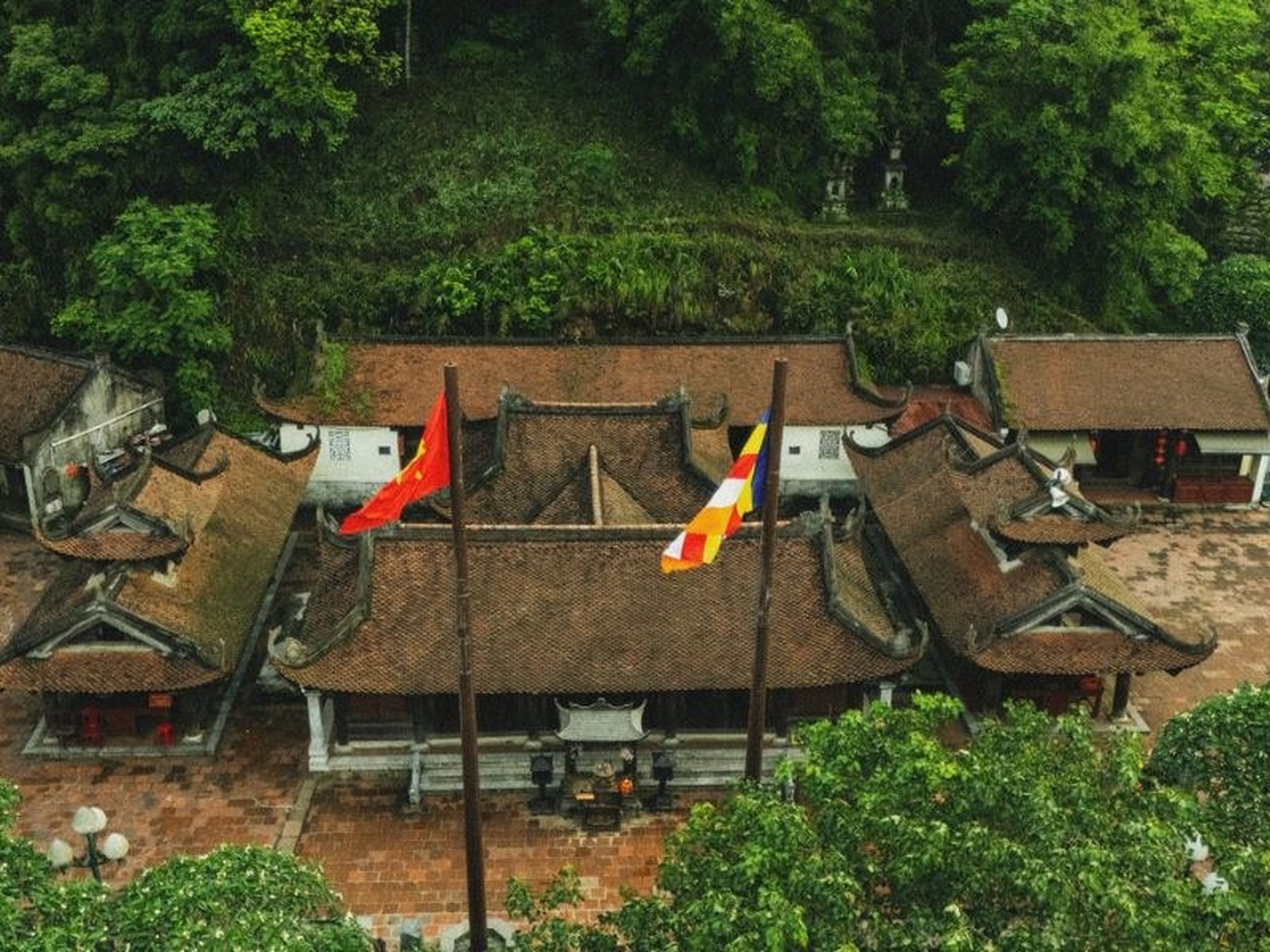
Hoa Yen Pagoda is situated on Yen Tu Mountain, Quang Ninh. Located at an altitude of approximately 535m above sea level, it is one of the most important and largest pagodas within the Yen Tu historical and scenic complex.
Beyond its picturesque location nestled amidst the mountains and forests of Yen Tu, Hoa Yen Pagoda impressed me because it is closely tied to the ascetic journey of King-Monk Tran Nhan Tong and is regarded as the cradle of Truc Lam Yen Tu Zen Buddhism. With its exceptional historical, cultural, and spiritual values, the pagoda has become an unmissable stop on my journey through Quang Ninh, as well as for anyone seeking peace and tranquility in the heart of nature.
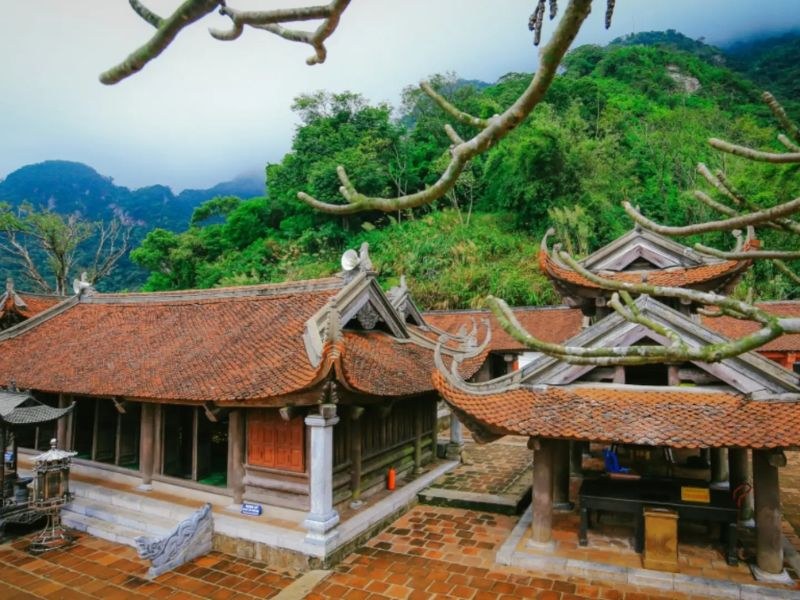
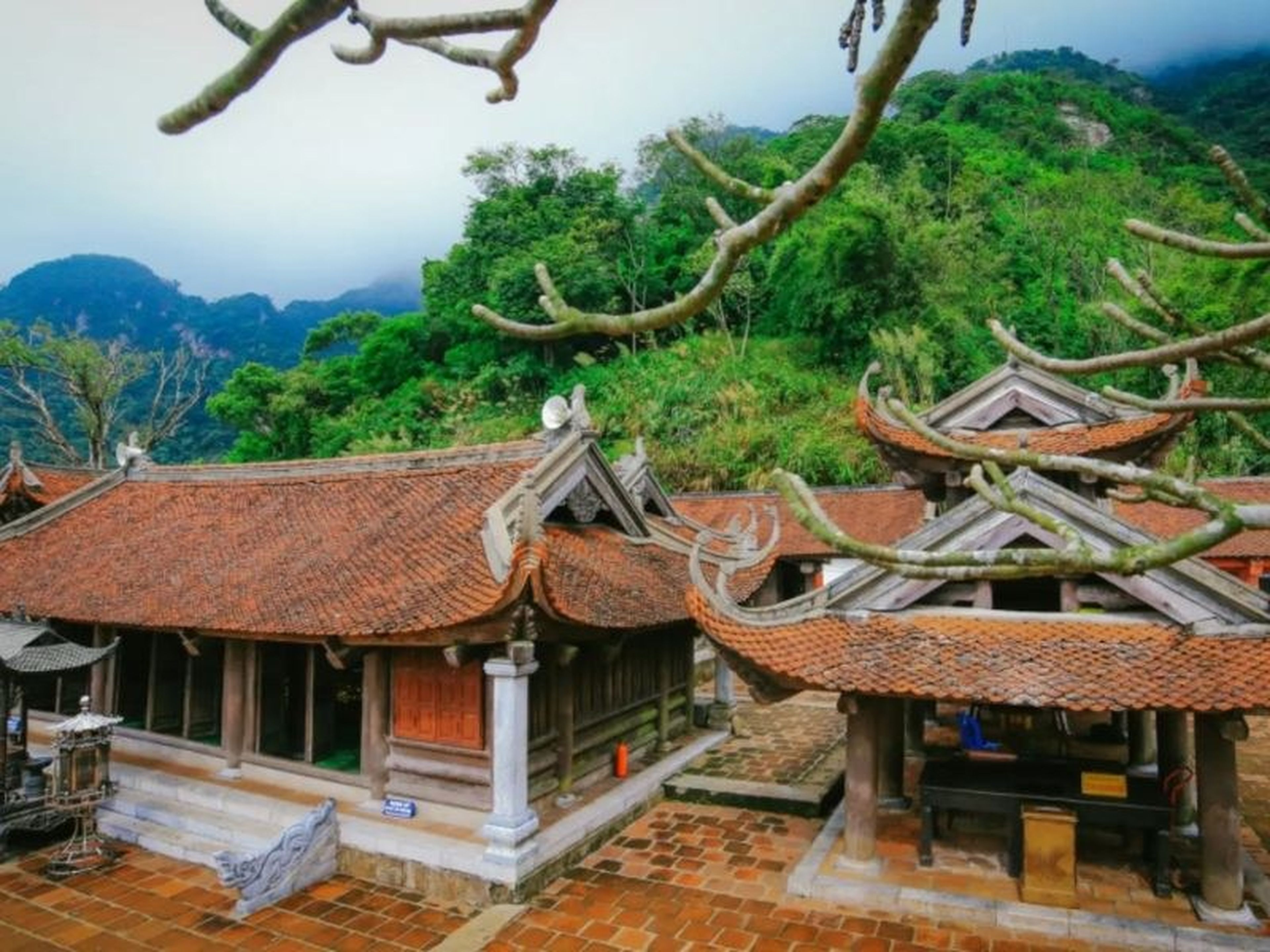
Hoa Yen Pagoda is an unmissable destination on the journey to explore Yen Tu. Illustrative photo: Nu Cuoi Mekong
2 History of Hoa Yen Pagoda
While researching this pagoda, I learned that it was originally named Van Yen, founded by Zen Master Hien Quang prior to 1220 during the Ly Dynasty. The name “Van Yen” means “clouds and mist,” evoking the image of a pagoda perched midway up Yen Tu Mountain, frequently shrouded in clouds and fog.
In 1299, King-Monk Tran Nhan Tong ascended Yen Tu to practice asceticism, choosing this place to practice, preach, and lay the foundations for the Truc Lam Yen Tu Zen sect. Later, under the second Patriarch Phap Loa, the pagoda was expanded to serve Buddhist worship, practice, and monastic life.
By the reign of King Le Thanh Tong in the 15th century, Van Yen Pagoda was renamed Hoa Yen Pagoda. Having weathered numerous historical shifts, the pagoda underwent several restorations. Notably, in 2002, the pagoda was rebuilt on the foundations of the Tran Dynasty structure, becoming one of the most prominent stops on the Yen Tu pilgrimage route.
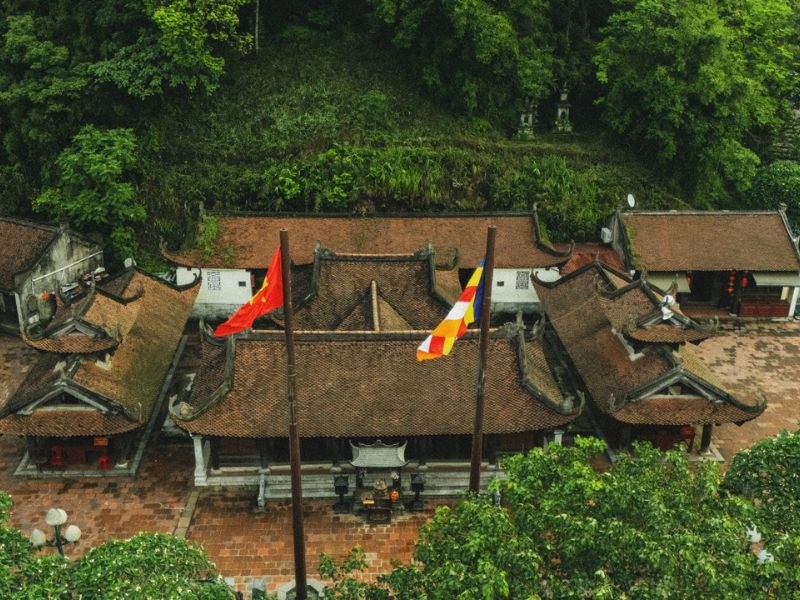
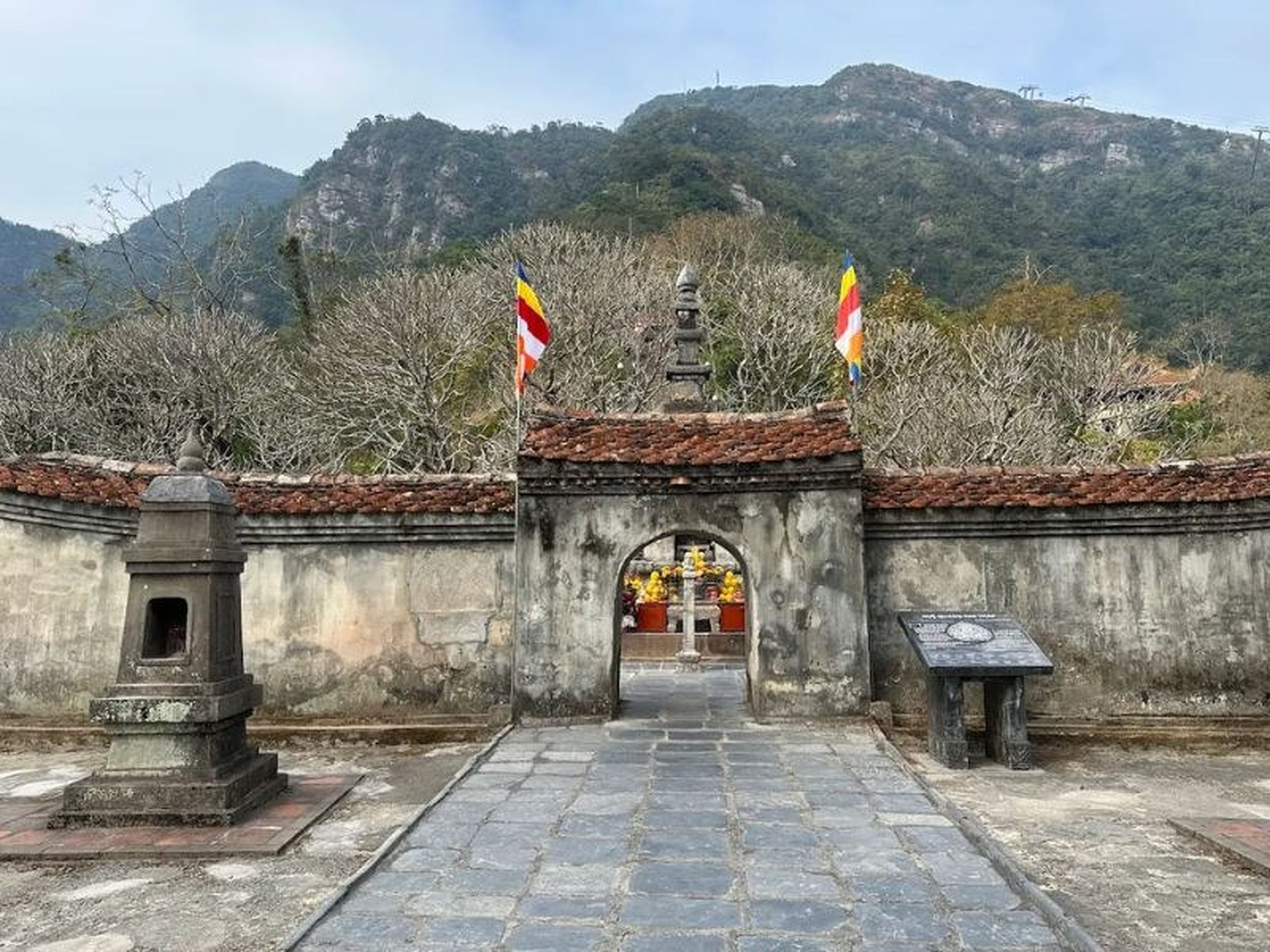
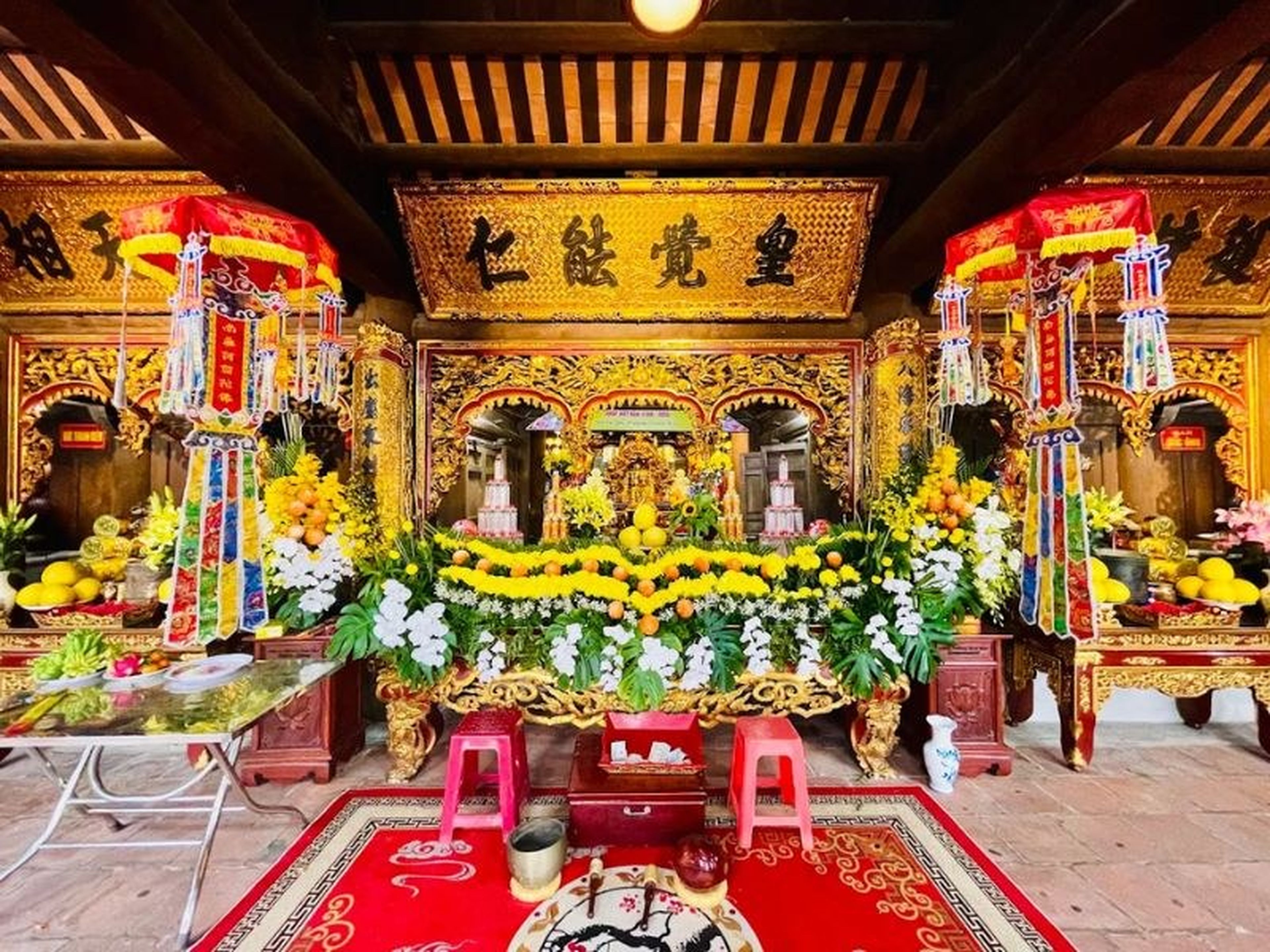
Hoa Yen Pagoda boasts a history of more than 700 years intertwined with the sacred Buddhist land of Yen Tu. Illustrative photo: Yen Tu Tung Lam
3 Unmissable experiences at Hoa Yen Pagoda
3.1 Admire the ancient stupa garden steeped in history
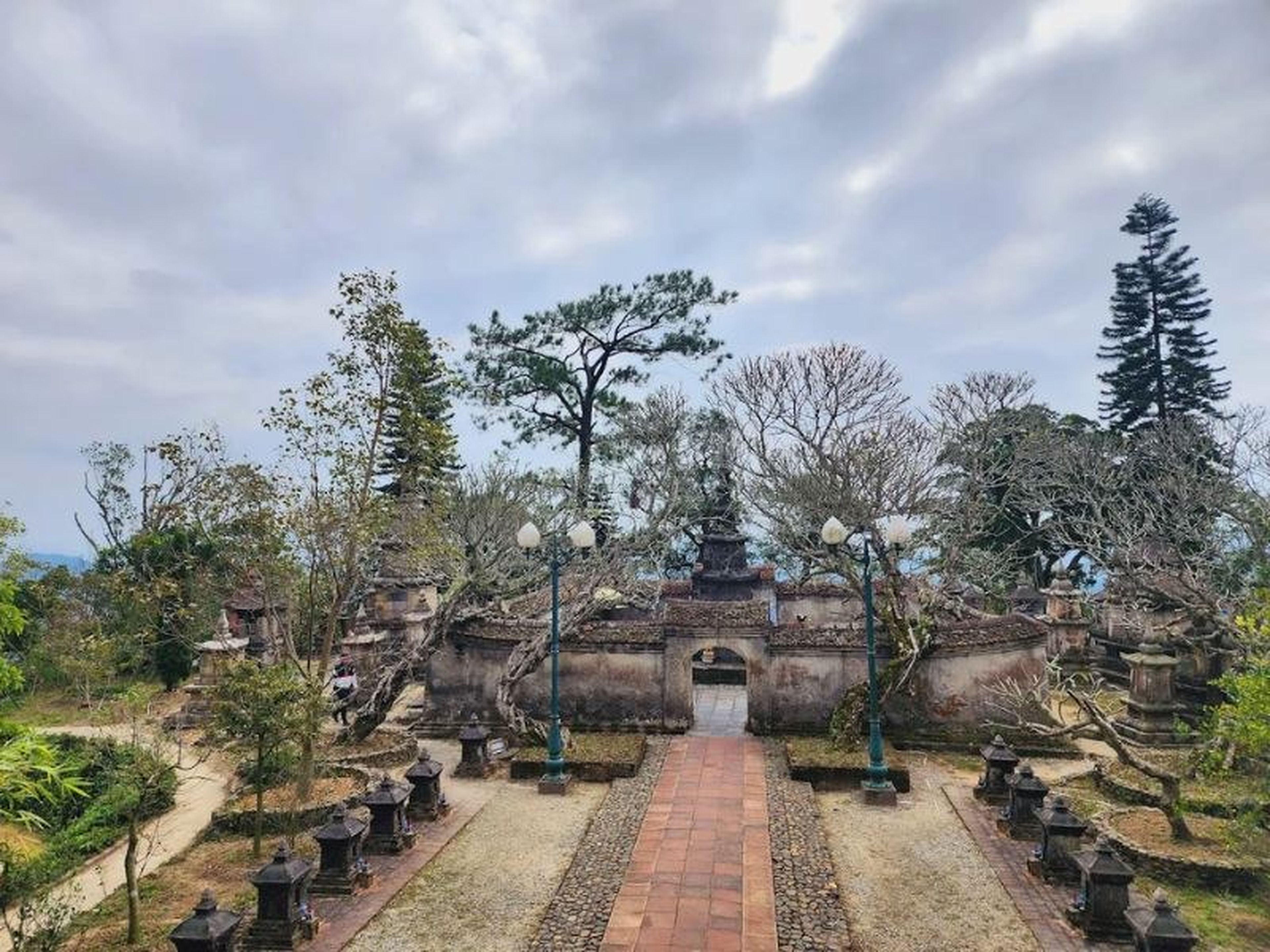
Upon arriving at Hoa Yen Pagoda, I spent time visiting the ancient stupa garden to gain a deeper appreciation of the historical heritage of this sacred Buddhist land. The stupa garden begins around the Hon Ngoc area, near Voi Quy Slope, and stands approximately 300m from the Patriarch Stupa (Thap To).
Here lies a cluster of 4 stone and brick stupas dedicated to monks who practiced at Hoa Yen Pagoda from the late Le to early Nguyen dynasties, along with 5 unnamed graves. The serene, contemplative atmosphere of the garden made me feel as if I were standing before layers of history preserved through centuries.
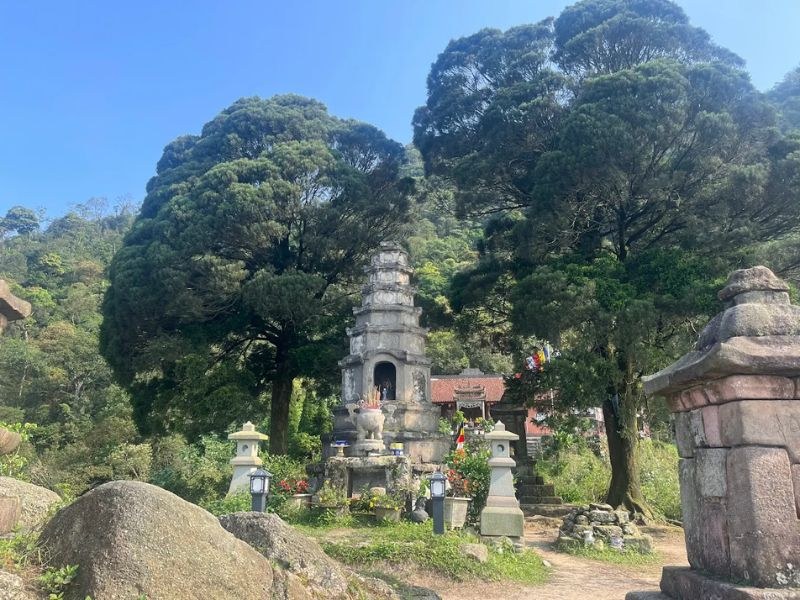
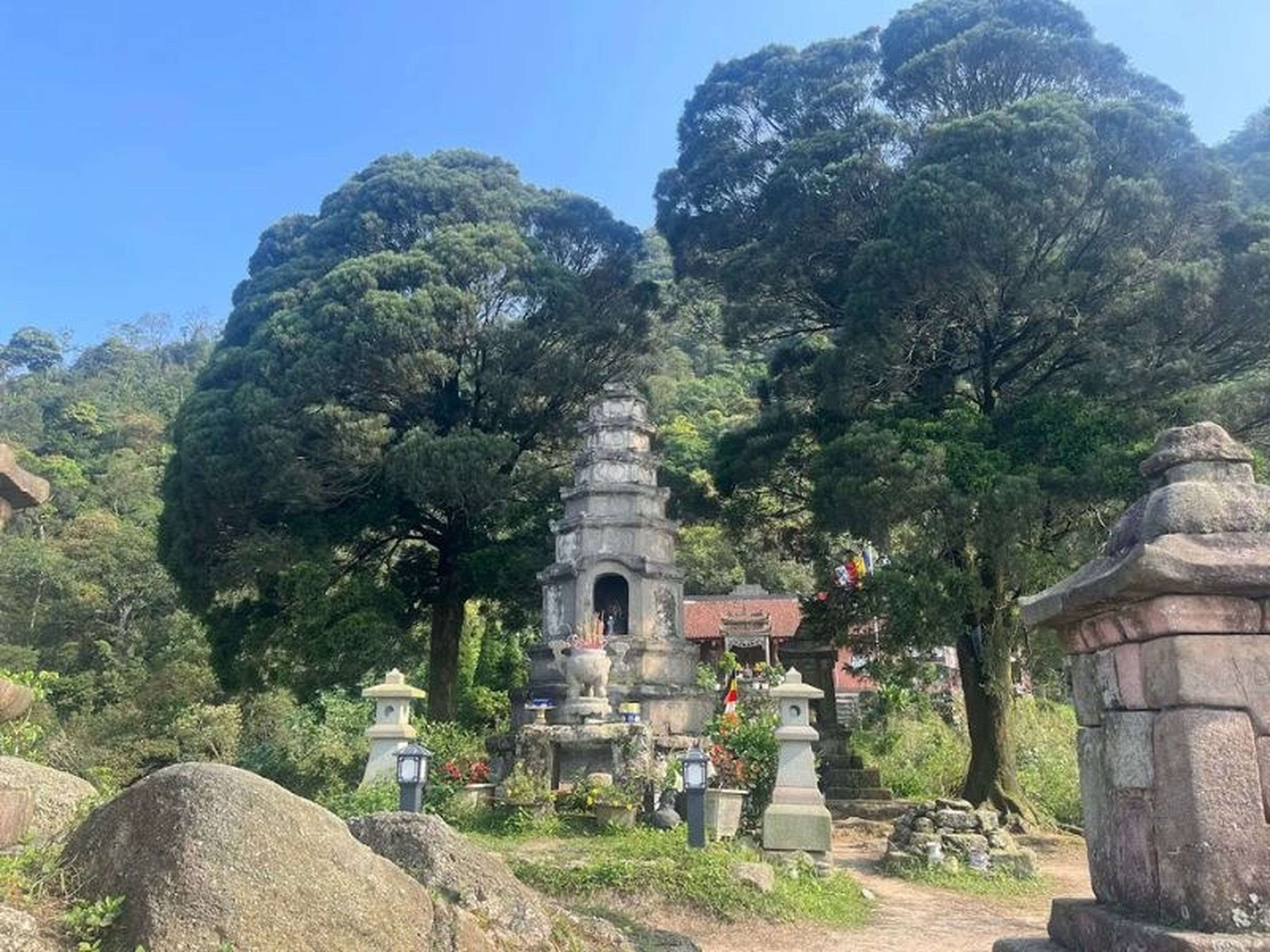
The ancient stupa garden preserves many historical traces of Yen Tu. Illustrative photo: Tham Do
3.2 Visit the 700-year-old ancient frangipani trees
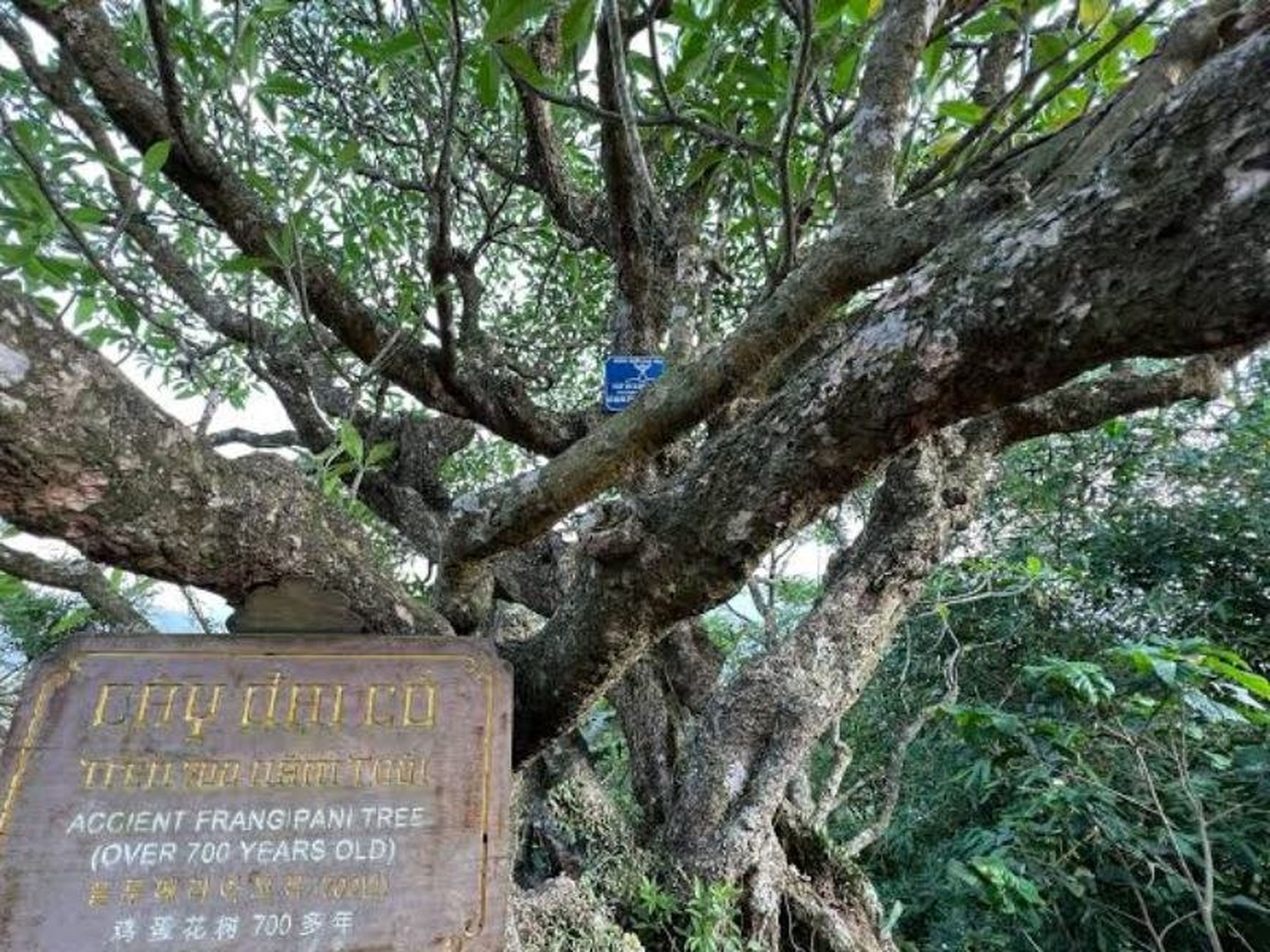
Another highlight of my visit was admiring the ancient frangipani trees surrounding Hoa Yen Pagoda. This area still preserves numerous frangipani trees, locally known as hoa su, that are around 700 years old. In particular, standing in front of the pagoda are two ancient frangipani trees traditionally believed to have been planted and tended by the Three Patriarchs of Truc Lam and Buddhist followers.
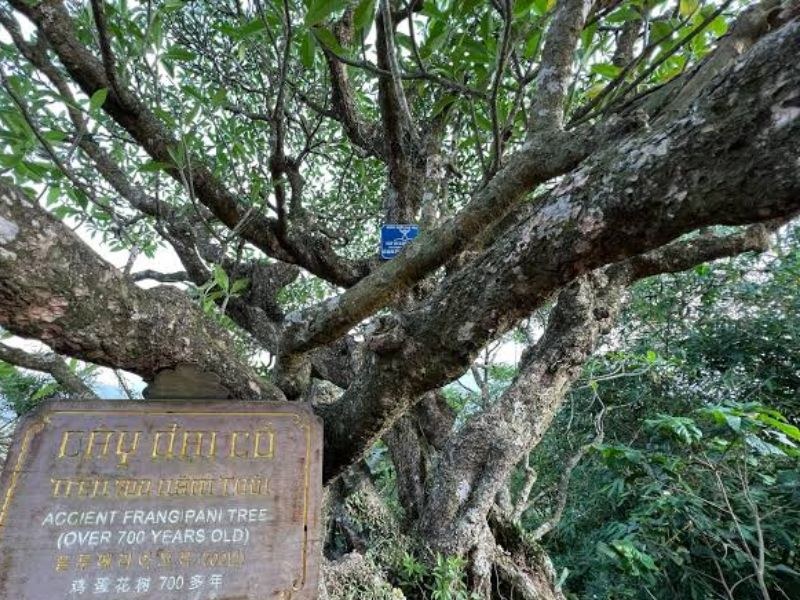
The ancient frangipani trees possess a timeless beauty intimately connected with the pagoda's history. Illustrative photo: Thanh Nien Newspaper
3.3 Take in the natural landscape from Hoa Yen Pagoda
From the courtyard of Hoa Yen Pagoda, I could gaze out across the vast mountain landscapes of Yen Tu. Perched at an elevation of about 535m above sea level, the vantage point offers an expansive, majestic panoramic view. Historical accounts describe that from the pagoda, one can look out in all four directions, taking in the confluence of rivers and waters across the Northeast region.
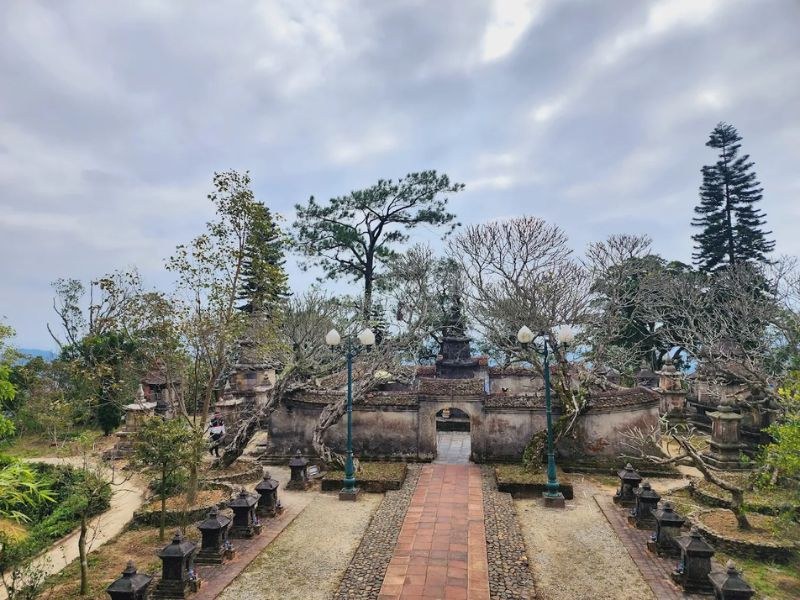
Embracing the peacefulness of the sacred land of Yen Tu. Illustrative photo: Traces of life
3.4 Immerse yourself in the pilgrimage and festive atmosphere of Yen Tu
Visiting Hoa Yen Pagoda in springtime allows you to truly feel the vibrant pilgrimage spirit. The Yen Tu Festival typically opens on the 10th day of the first lunar month and runs through the end of the third lunar month, attracting crowds of Buddhist followers and travelers coming to pay homage, pray for peace, and admire the majestic mountain scenery.
For me, this season makes the journey to Hoa Yen Pagoda exceptionally lively, blending solemn spiritual reverence with the distinctive cultural festive traditions of this Buddhist realm.
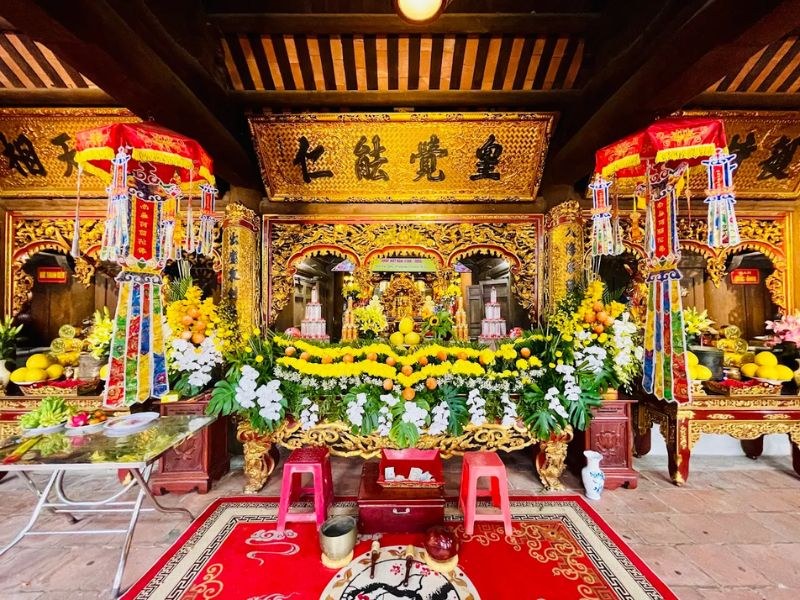
The Yen Tu festival season brings a solemn and bustling pilgrimage atmosphere. Illustrative photo: Pham Da
3.5 Visit attractions near Hoa Yen Pagoda
After touring Hoa Yen Pagoda, I could easily combine it with visits to several other notable sites across the Yen Tu complex, including:
- Mot Mai Pagoda (One-Roof Pagoda): A small shrine leaning against a natural cliff, exuding a quiet and distinctive charm.
- Bao Sai Pagoda: A welcoming rest stop as you make your way higher up the mountain.
- Van Tieu Pagoda: Located along the pilgrimage route toward the peak, ideal for continuing your spiritual journey.
- An Ky Sinh Statue: A prominent landmark associated with legendary lore on the ascent to Yen Tu Peak.
- Dong Pagoda (Bronze Pagoda): The sacred pinnacle atop Yen Tu summit, situated at an altitude of approximately 1,068m above sea level.
4 How to get to Hoa Yen Pagoda
Hoa Yen Pagoda is situated within the Yen Tu scenic and historical complex, in Yen Tu Ward, Quang Ninh Province. To get here, I first traveled to the Yen Tu tourist area and then chose between hiking or taking the cable car up to the pagoda.
Specifically, from Hanoi, I traveled roughly 125-140km to the Yen Tu relic site, which takes about 2.5-4 hours by car or motorbike via National Highway 18. If you are departing from Hai Phong, Nam Dinh, or Thai Binh, you can take National Highway 10 to the intersection with National Highway 18 and continue toward the Yen Tu tourist area.
Once at the mountain base, I opted for the Hoang Long cable car to save energy. Stretching around 1.2km, the cable car took me from the Giai Oan Pagoda area up close to Hoa Yen Pagoda in approximately 15 minutes, while offering breathtaking aerial views of the Yen Tu forests and peaks.
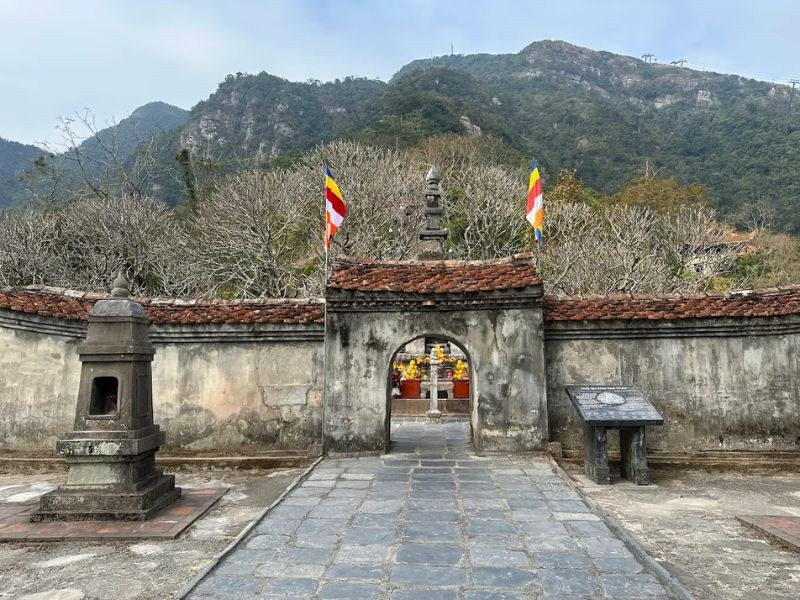
Directions to Hoa Yen Pagoda. Illustrative photo: Tuan Thanh
5 Tips for visiting Hoa Yen Pagoda
- Start early in the morning, taking the cable car around 8:30 AM to ensure ample time to explore Thap To, Hoa Yen Pagoda, and higher sites in the complex.
- You can take the cable car to conserve stamina, followed by a short walk from cable car station 1 to reach the pagoda.
- For a more immersive experience, you can combine the cable car ride with hiking, a journey that typically takes about 2–3 hours.
- Wear comfortable, cushioned walking shoes, as you will navigate numerous stone steps and uneven trails throughout the site.
- Dress modestly and respectfully, as Hoa Yen Pagoda is a major place of pilgrimage on Yen Tu.
- If visiting during the festival season, arrive early to avoid heavy crowds, especially if you plan to visit Mot Mai Pagoda, Van Tieu Pagoda, and Dong Pagoda.
- Bring drinking water and a light jacket; located at an altitude of about 535m, the mountain air is noticeably cooler than at the base.
- Don't rush through your visit; take time to pay respects, enjoy the scenery, and learn about the rich history associated with King-Monk Tran Nhan Tong.
From the peaceful mountain atmosphere and ancient stupa garden to meaningful pilgrimage experiences, this destination offers a journey that is both tranquil and memorable. Before you go, remember to prepare proper attire, comfortable shoes, and a light pack to make your visit to Hoa Yen Pagoda seamless and fulfilling.