1 Introduction to Trinh Pagoda
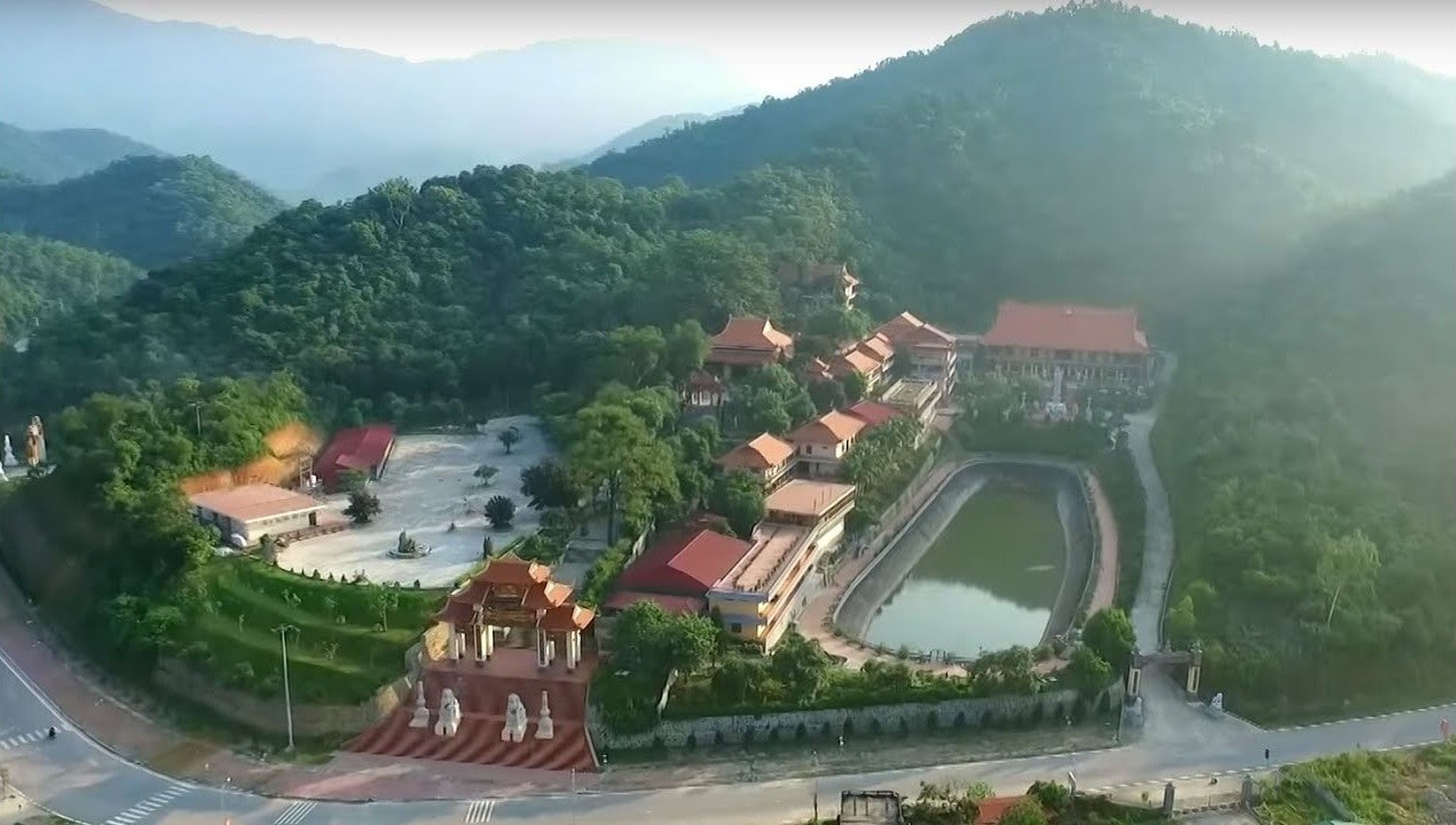
Starting the pilgrimage journey to the sacred peak of Yen Tu, visitors will immediately be impressed by Trinh Pagoda (also known as Bi Thuong Pagoda), the gateway to Yen Tu. The pagoda was built with great craftsmanship, boasting unique architecture and a long history. In ancient times, King Tran Nhan Tong also stopped to rest here before ascending Yen Tu Pagoda.
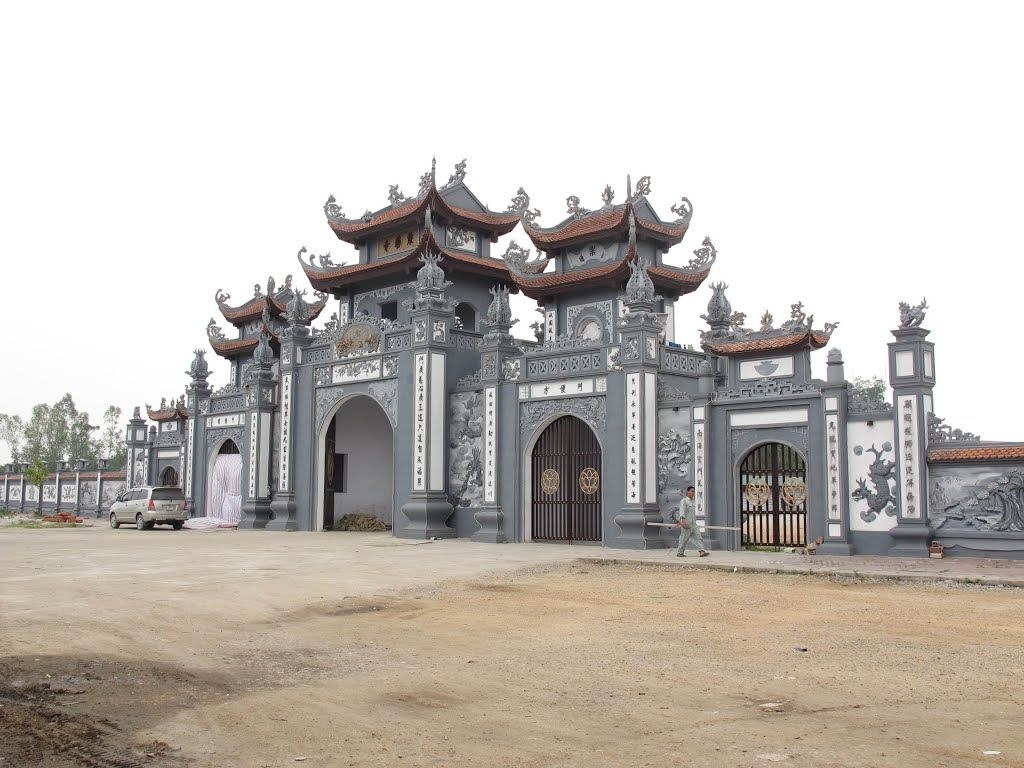
Trinh Pagoda, where King Tran Nhan Tong once stopped to rest before ascending Yen Tu
- Address: Bi Trung, Phuong Dong, Uong Bi, Quang Ninh
See more: The ultimate comprehensive guide to taking the Yen Tu cable car
2 How to get to Trinh Pagoda
First, before arriving at Trinh Pagoda, we need to travel by long-distance transportation such as airplanes, coaches, private cars, motorbikes... Trinh Pagoda is situated right on a hillside in Bi Thuong Village, formerly part of Bi Giang Canton, Yen Hung District, Quang Ninh Province; now located in Bi Thuong Area, Phuong Dong Ward, Uong Bi City, Quang Ninh Province. Visitors wishing to come here can travel via National Highway 18, the Ha Long – Hai Phong Expressway, and the Noi Bai – Ha Long Expressway / QL18.
3 Exploring Trinh Pagoda
3.1 The long history of Trinh Pagoda
In ancient times, Trinh Pagoda was built during the Later Le Dynasty and faced southwest. This is the birthplace of the Truc Lam Zen sect founded by King-Monk Tran Nhan Tong (Dieu Ngu Giac Hoang). By absorbing and inheriting the essence of Indian and Chinese Buddhism, it established an engaged Zen tradition imbued with Vietnamese national identity.
Truc Lam Yen Tu Zen points out that: Buddha resides right in one's own Mind, not in some distant heavenly realm, nor promised for another life. The Buddha is merely the Guiding Master, not a deity who bestows blessings or inflicts disasters. If one keeps the Mind peaceful, clear, and lets go of all delusions, greed, anger, and ignorance... to live in serene peace and purity of mind, enlightenment will arise, wisdom will shine, ignorance will be wiped away, suffering will cease, and one will attain Buddhahood.
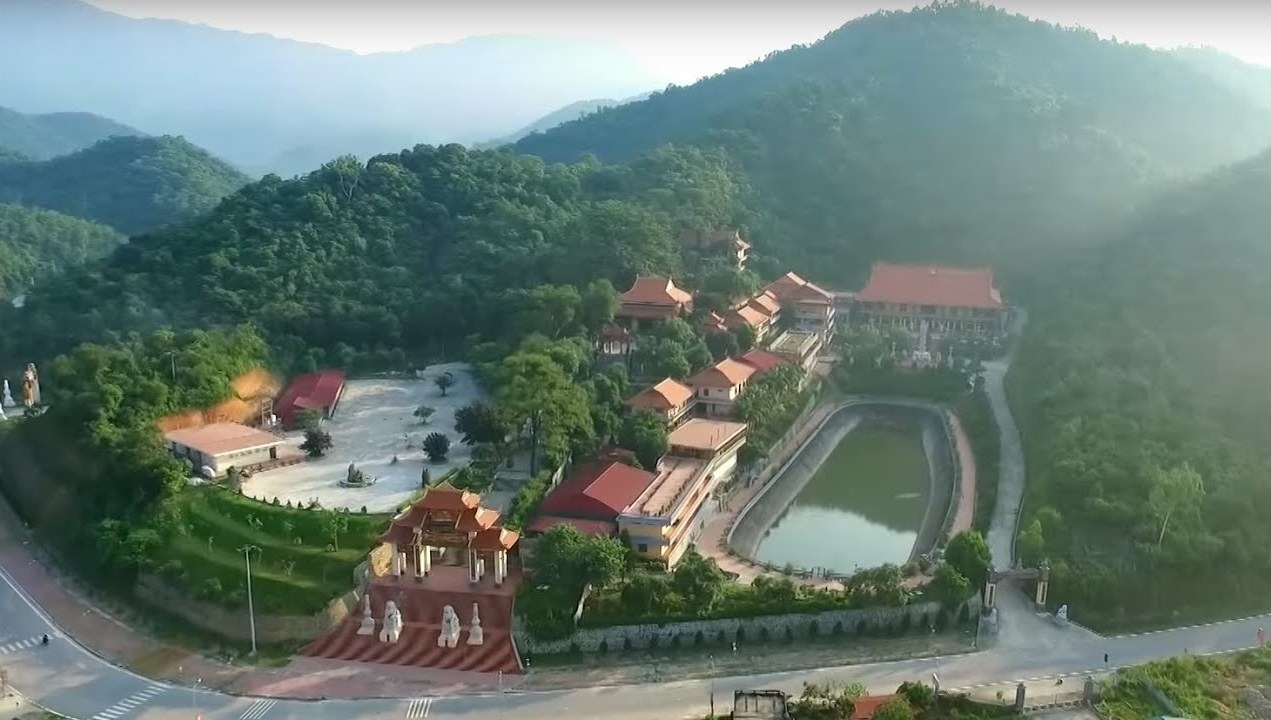
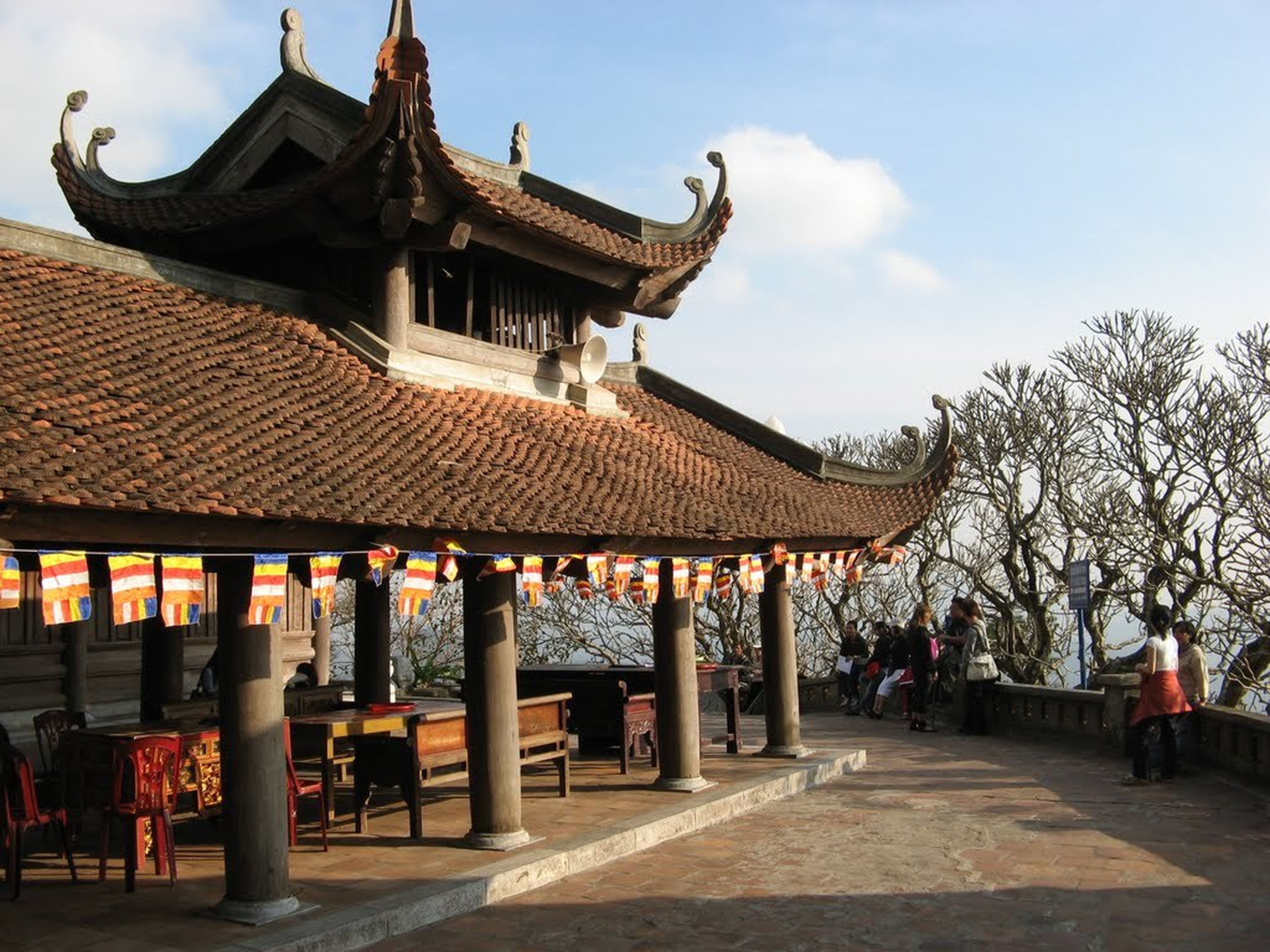
Trinh Pagoda is the birthplace of the Truc Lam Yen Tu Zen sect
Buddha is indeed oneself; there is no need to look far away outside. With this view, the Truc Lam Zen sect truly centers on human beings, respecting and elevating human values; practicing the Ten Virtuous Deeds in accordance with Truc Lam Zen's teachings has become a moral standard. Truc Lam Zen also quickly became the ideological and moral foundation of a golden era under the Tran Dynasty.
Around the beginning of the 19th century, the pagoda was rebuilt on the old foundation in the shape of the Chinese character “Nhat” (一 - One), but smaller than the original. In the early 20th century, the pagoda suffered a fire; thanks to a devoted Buddhist follower surnamed Bui, the pagoda was rebuilt in the shape of the character “Dinh” (丁 - T-shape), larger than the previous foundation, consisting of a 3-compartment Front Hall and a 1-compartment Rear Sanctuary.
During the resistance war against the French colonialists, Trinh Pagoda was almost completely destroyed, leaving behind only an ancient stupa. By 1993, thanks to donations from local residents, the pagoda was rebuilt as a three-compartment single-story building with reinforced concrete beams and columns, covered with traditional flat tiles. Later, Bi Thuong Pagoda was also renovated to be more spacious in 1999.
In the early 1990s of the 20th century, a major 14-kilometer road leading to the sacred Yen Tu Mountain was opened from the Doc Do intersection, connecting Route 18A through Cua Ngan to Giai Oan bus station, linking the pilgrimage route to Yen Tu. In 2006, thanks to state investment and donations from visitors and pilgrims from all directions, Trinh Pagoda was rebuilt and expanded on a grand, spacious scale as it is today. The pagoda also quickly became the place to perform the ritual of “reporting on arrival, giving thanks upon return” for guests and Buddhists alike whenever they embark on a pilgrimage or sightsee at the sacred mountains of Quang Ninh.
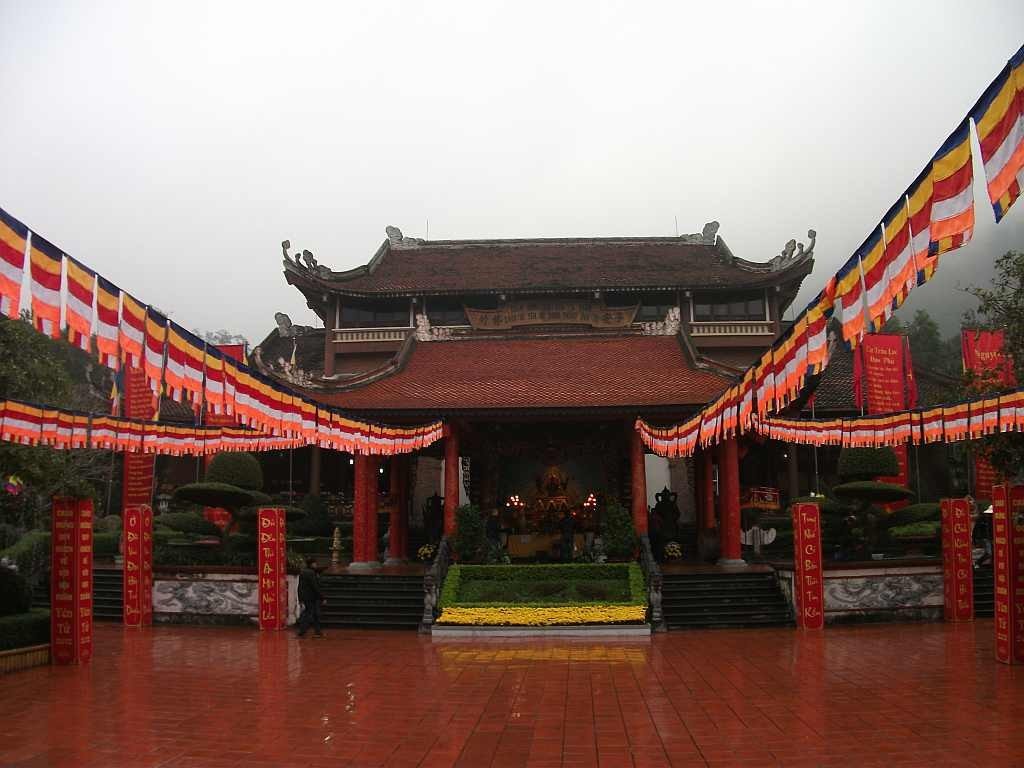
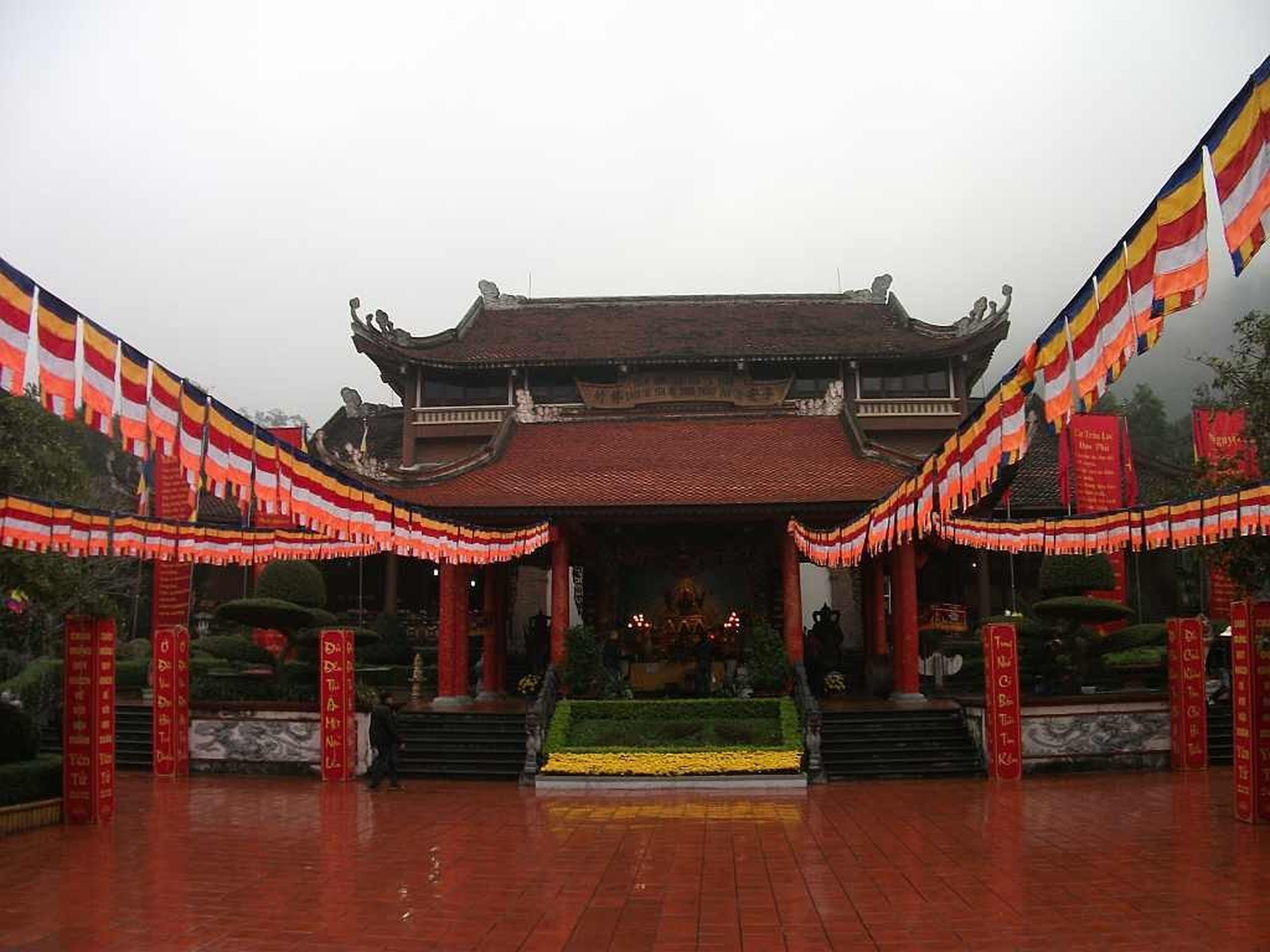
Trinh Pagoda, where the ritual of “reporting on arrival, giving thanks upon return” is practiced during early-year pilgrimages to worship Buddha
See more: The sacred temple of Duc Ong Tran Quoc Nghien in Ha Long
3.2 Exploring the architecture
The ancient Trinh Pagoda was built in the shape of the character “Nhat” (一), measuring 4.4m wide East-to-West and 5m long North-to-South. The wooden frame structure was supported by stone plinths with two main trusses and two secondary trusses. The two main trusses were 2.8m apart, while the secondary trusses were 0.8m from the main trusses. Today, the first thing visitors can perceive about the pagoda's architecture is its layout in the style of “internal character Cong (工), external character Quoc (国)”, comprising the Front Hall, Main Sanctuary dedicated to the Buddha, Left and Right corridors honoring the Eighteen Arhats, an Ancestor House dedicated to the Three Truc Lam Patriarchs, the Tran Dynasty Altar, and altars honoring the Three Mother Goddesses and the Three Kings in accordance with the nation's traditional folk beliefs.
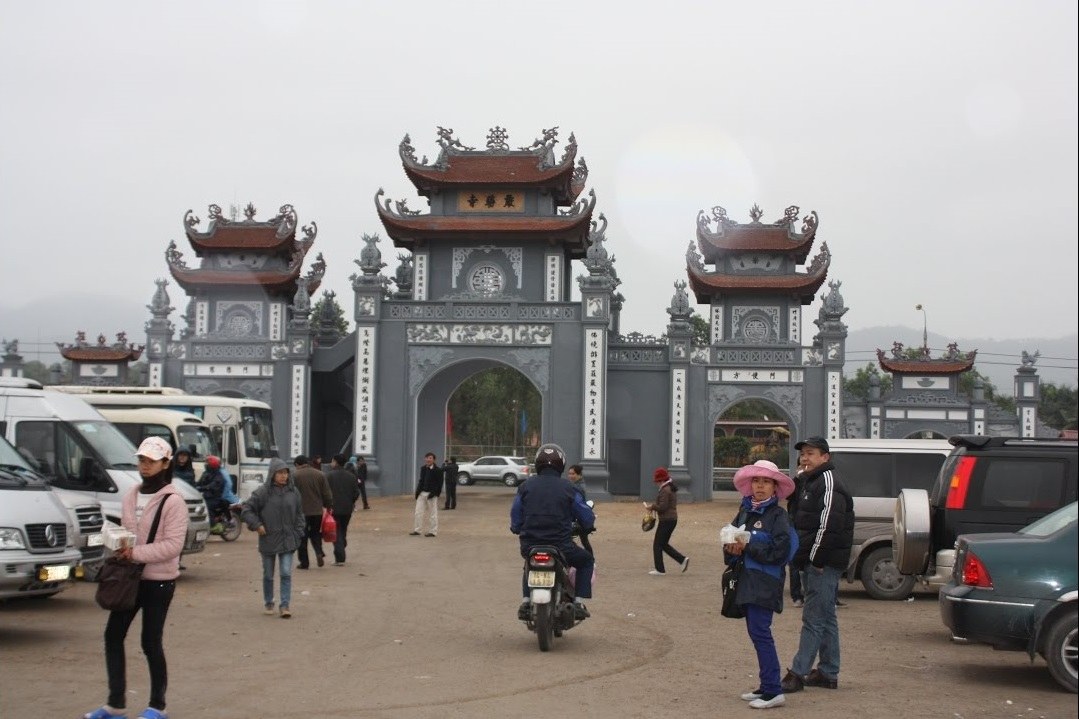
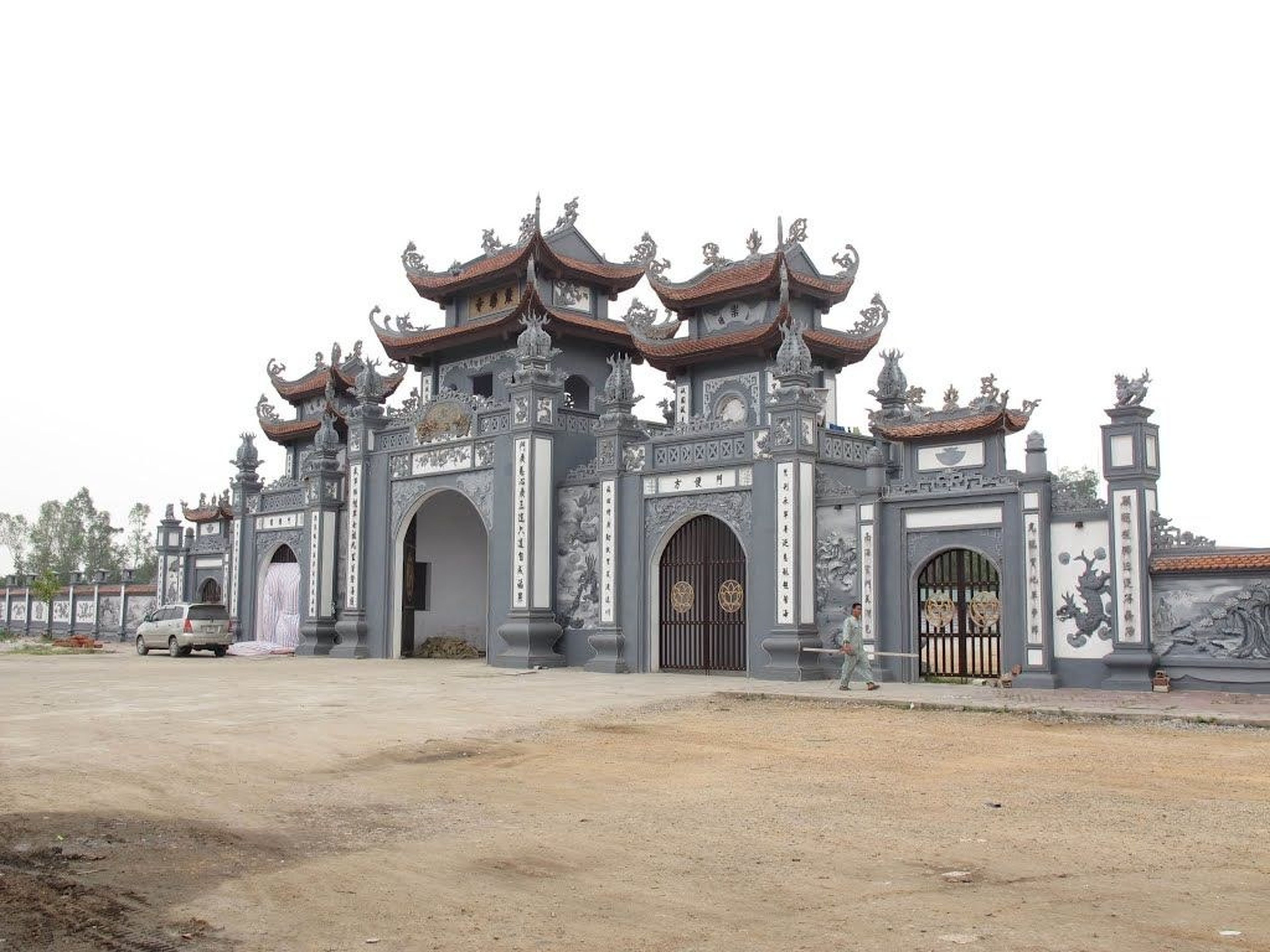
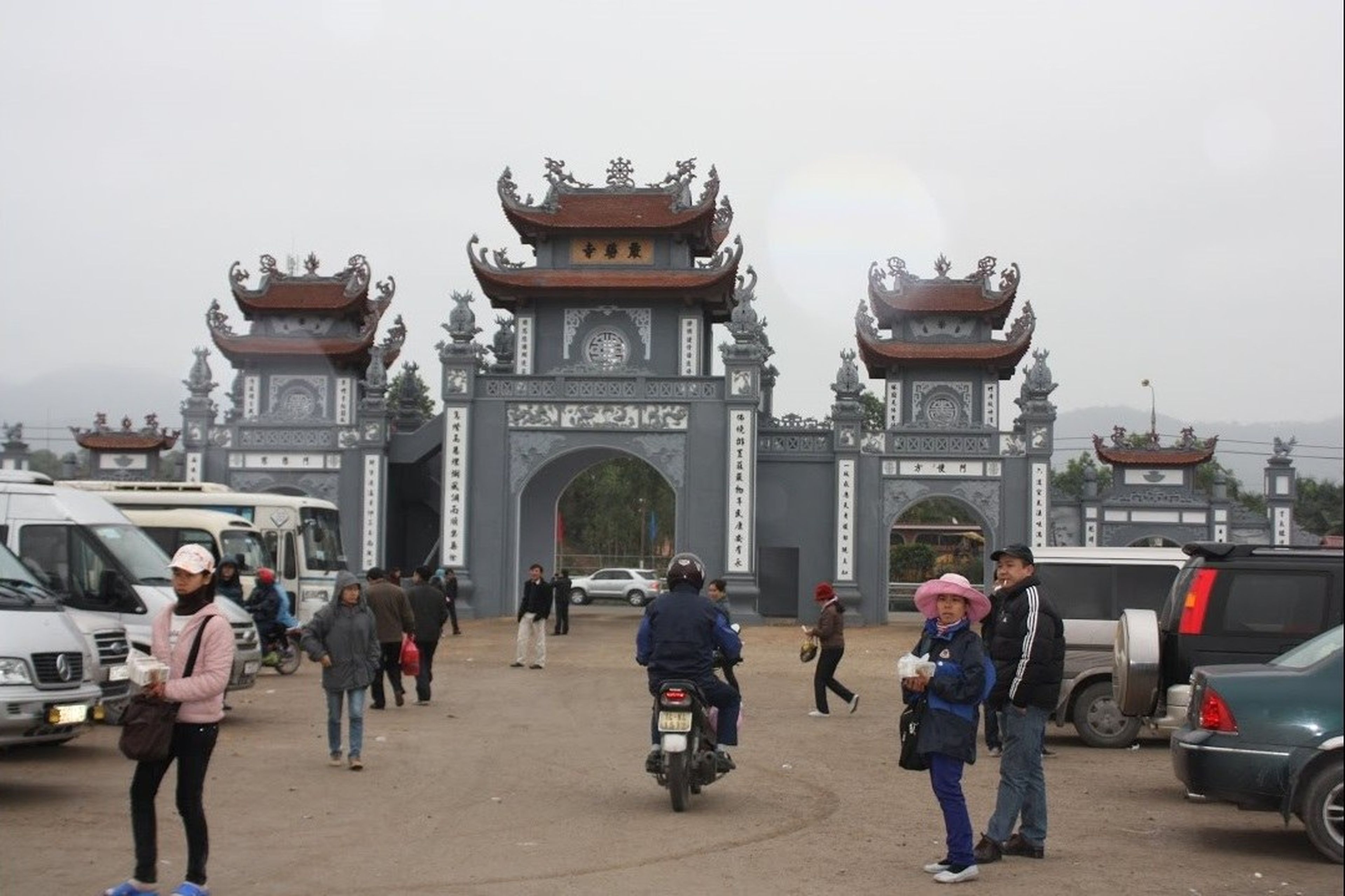
The newly rebuilt entrance gate is more spacious and imbued with classical Vietnamese architecture
All statues are cast in bronze or carved from jackfruit wood and padauk wood. In addition, Trinh Pagoda is roofed with shoe-tip tiles; along the ridge of the Front Hall is a row of lemon-flower motif bricks, and at the center is a relief panel featuring three Chinese characters reading “Bi Thuong Tu” (Bi Thuong Pagoda). Both ends of the roof ridge feature embossed dragon heads holding the ridge with water waves and cloud motifs, while the roof corners are curved dragon heads soaring high with wave and cloud patterns.
In 2007, the provincial government built the Standing Office of the Executive Board of the Vietnam Buddhist Sangha of Quang Ninh Province on the eastern side of the pagoda grounds. In 2011, Tung Lam Development Joint Stock Company made a donation to construct an imposing, more spacious gate for Trinh Pagoda with antique patterns, creating a dignified, unique spiritual ambiance for the gateway area to Yen Tu.
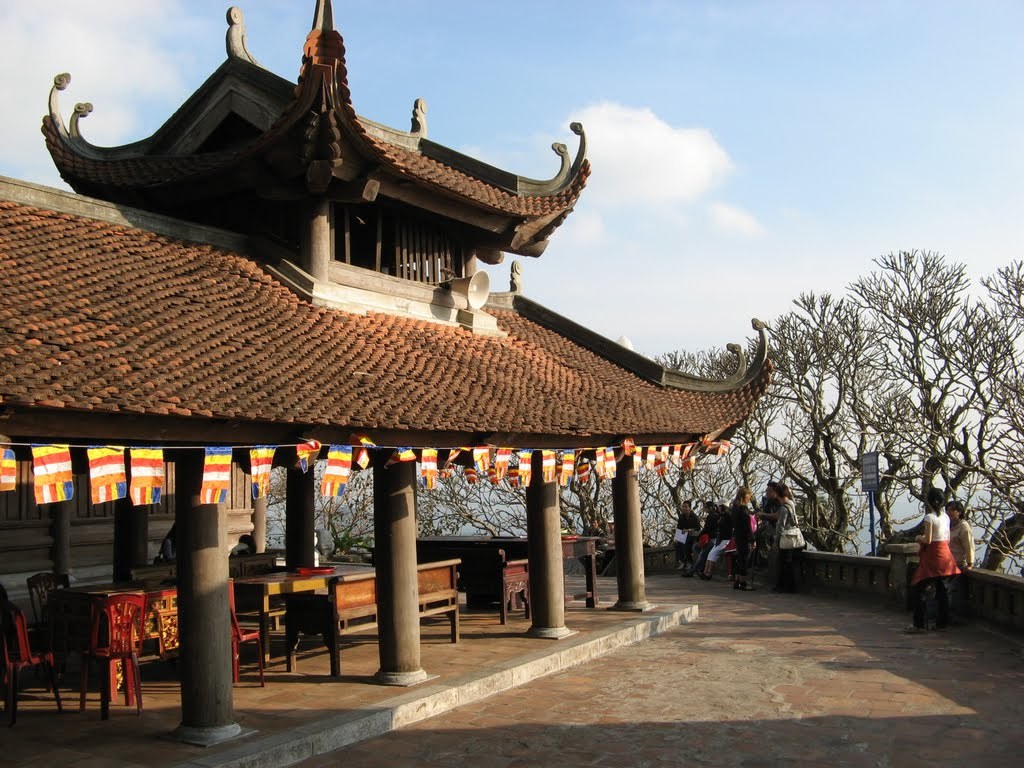
Trinh Pagoda is also considered the sacred gateway guiding visitors to explore Yen Tu
To this day, Trinh Pagoda continues to play the role of a sacred gateway as well as a sanctuary where people entrust their hopes to heaven and earth, beginning their spiritual journey. If you have the chance to visit Quang Ninh or Ha Long Bay, you should not miss this place or the sacred Yen Tu Mountain; you will surely find valuable moments of contemplation, relaxation, and spiritual healing along your life's spiritual journey.