1 Overview of Ba Vang Pagoda
1.1 Where is Ba Vang Pagoda located?
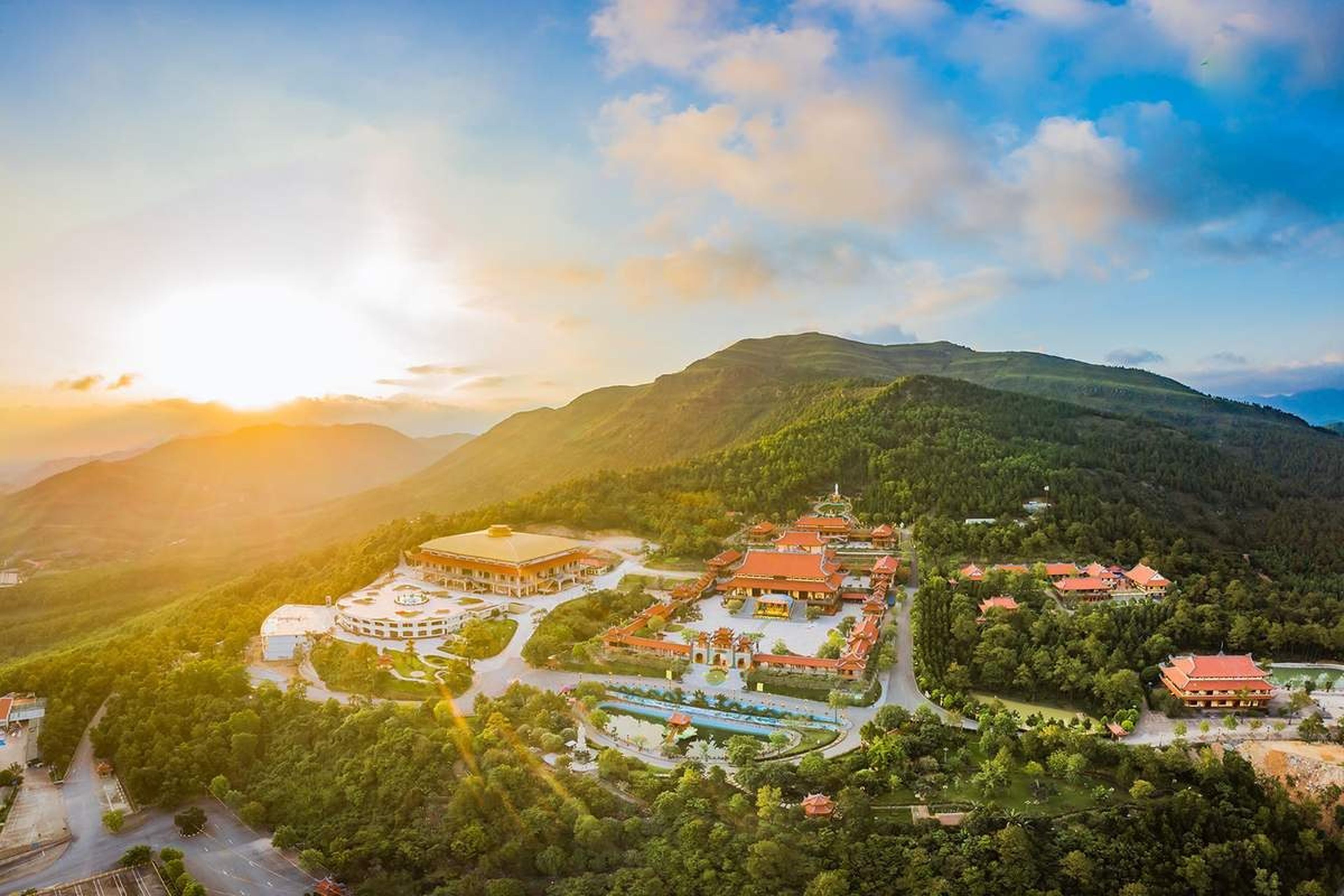
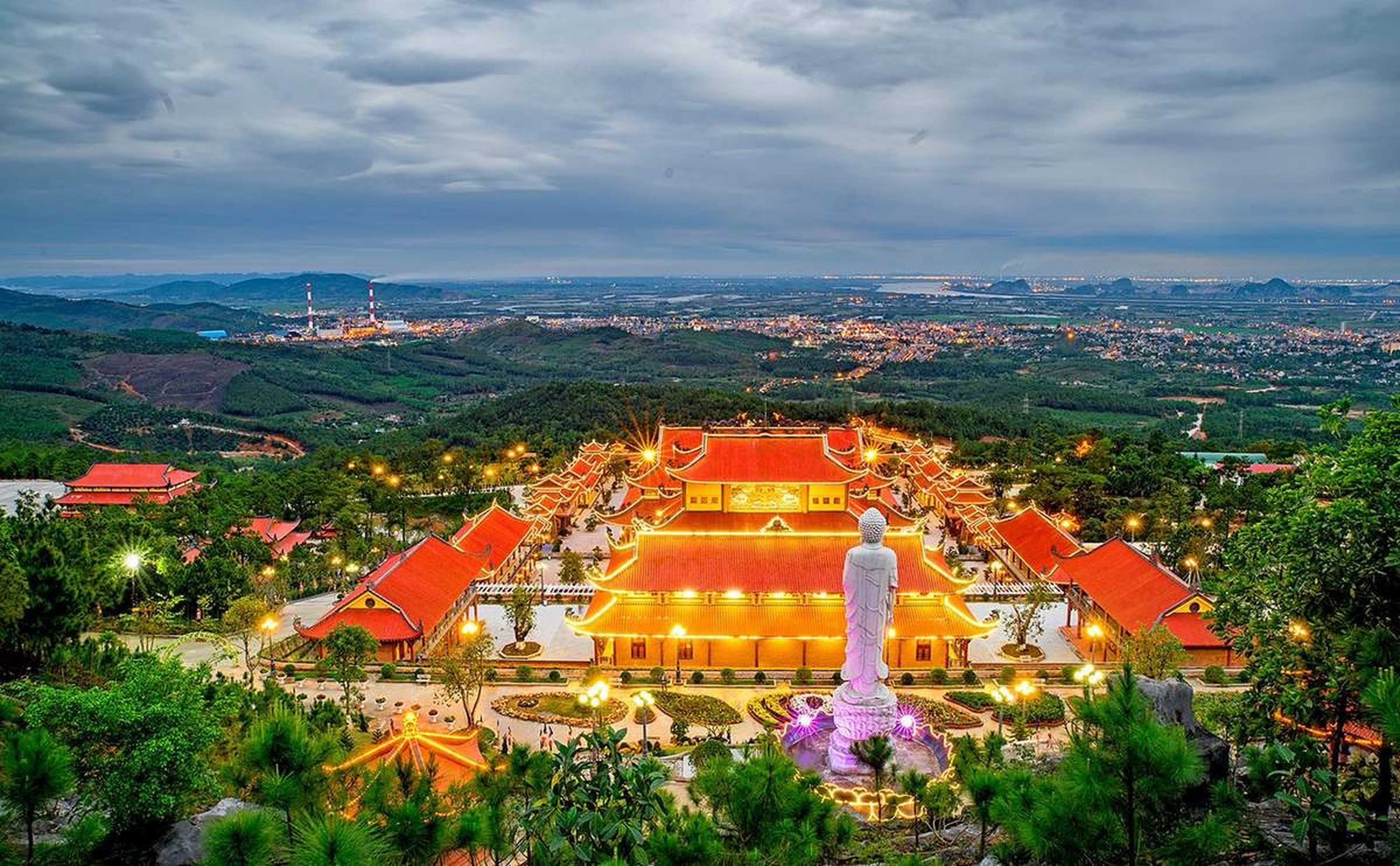
Ba Vang Pagoda, also known as Bao Quang Tu, is situated halfway up Thanh Dang Mountain, located in Uong Bi Ward (formerly Uong Bi City), Quang Ninh Province.
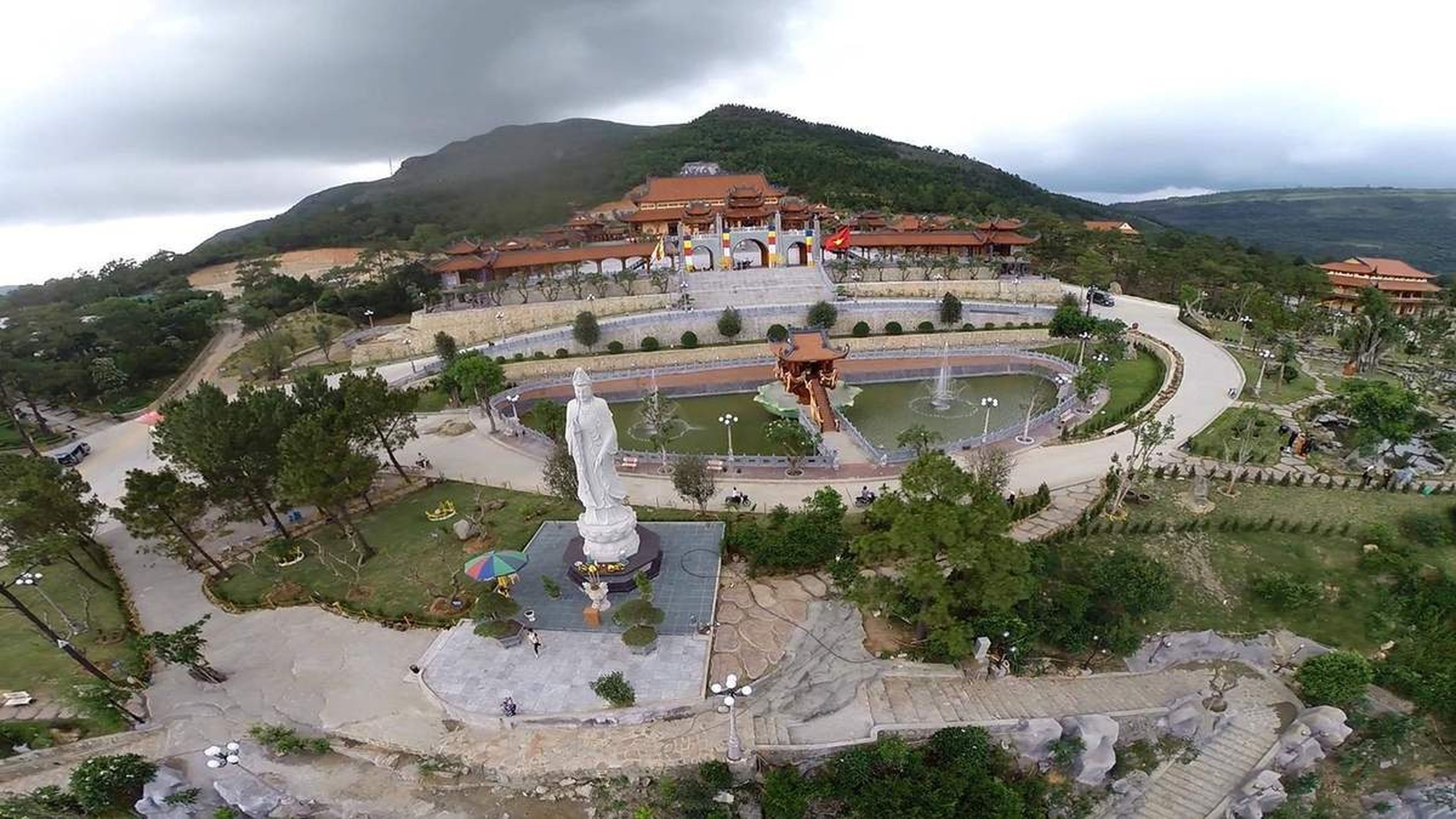
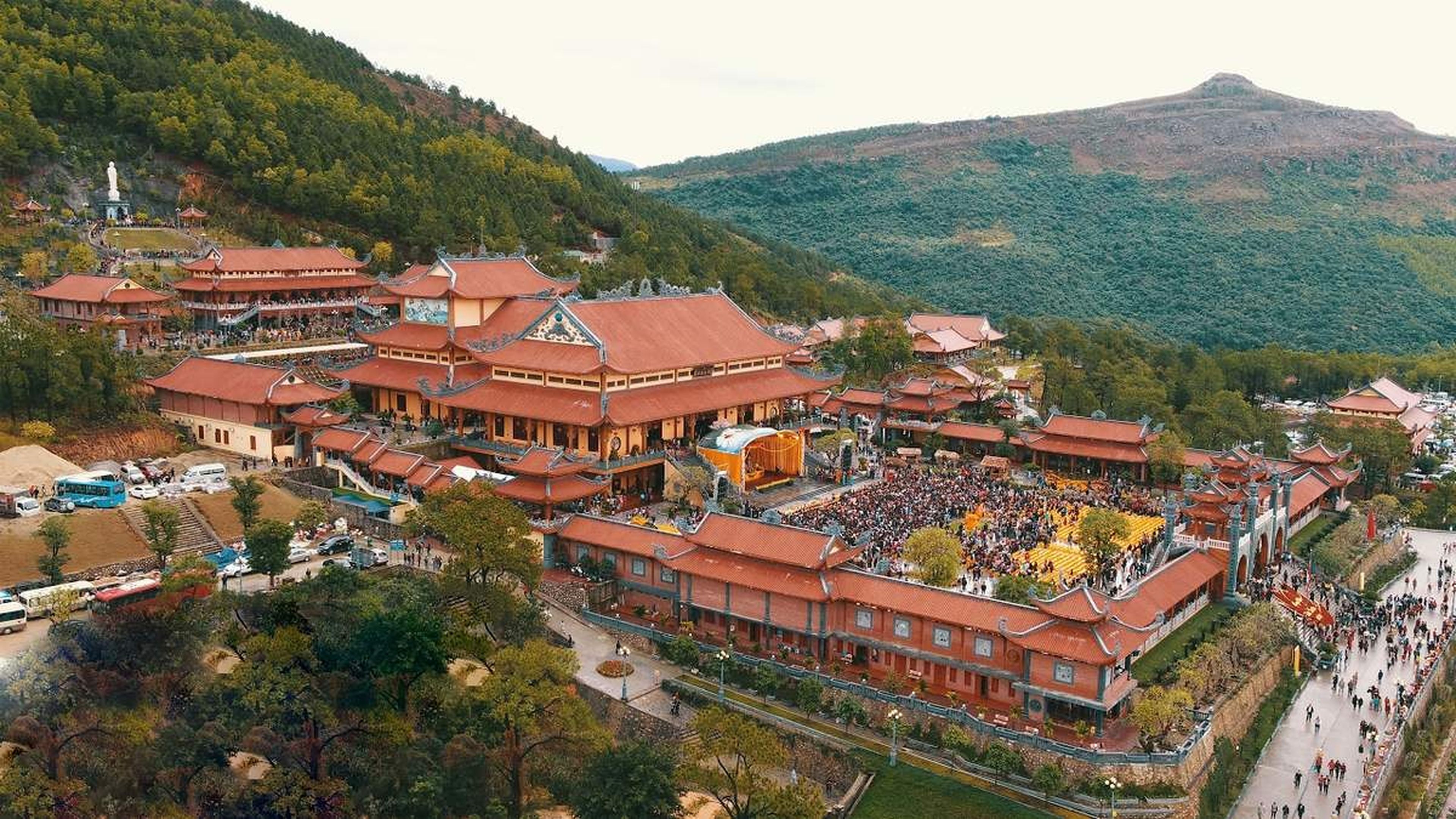
The pagoda enjoys a stunning location at an altitude of 340 meters above sea level, leaning against the mountain, facing a tranquil river, and flanked by lush green pine forests stretching on both sides. Therefore, Ba Vang Pagoda, along with Long Tien Pagoda, is regarded as a spiritual symbol of the mining land.
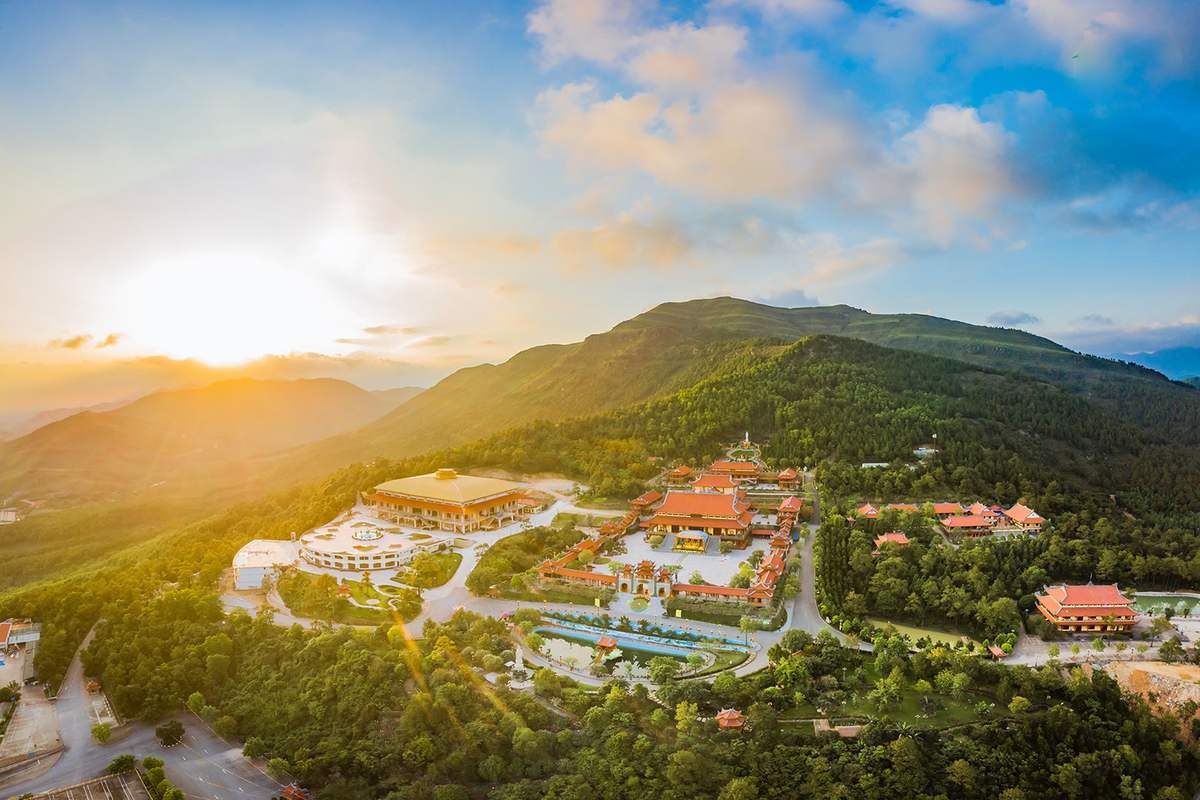
Ba Vang Pagoda is shrouded in lush green trees, cool and tranquil. Illustrative photo: Doi song & Phap luat Magazine
Traveling to Ba Vang Pagoda has become the top choice for many visitors, as this place is revered as a sacred Buddhist sanctuary with impeccable feng shui. Thus, people often tell one another that visiting Quang Ninh without stopping by Ba Vang Pagoda would be a great miss.
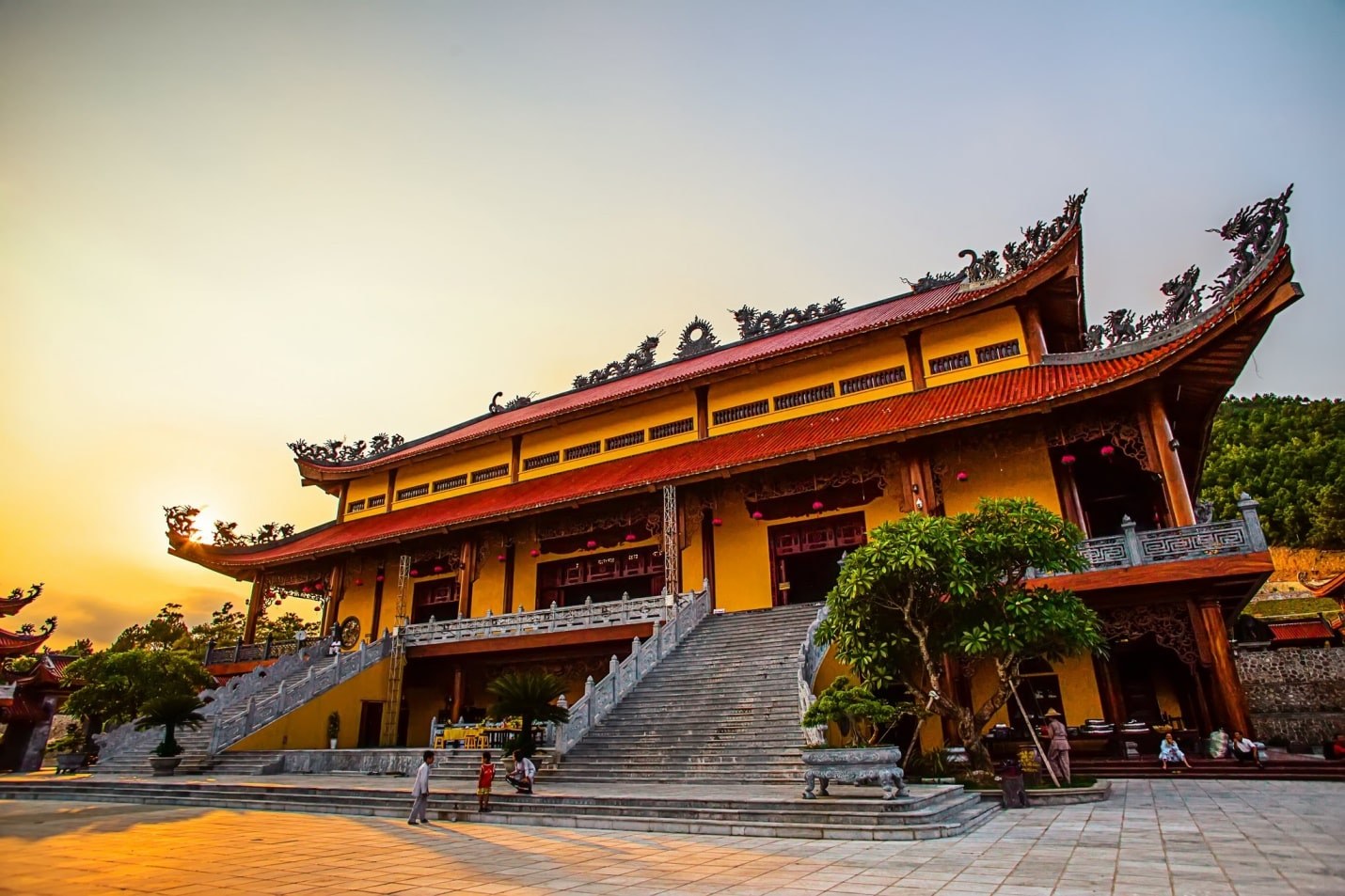
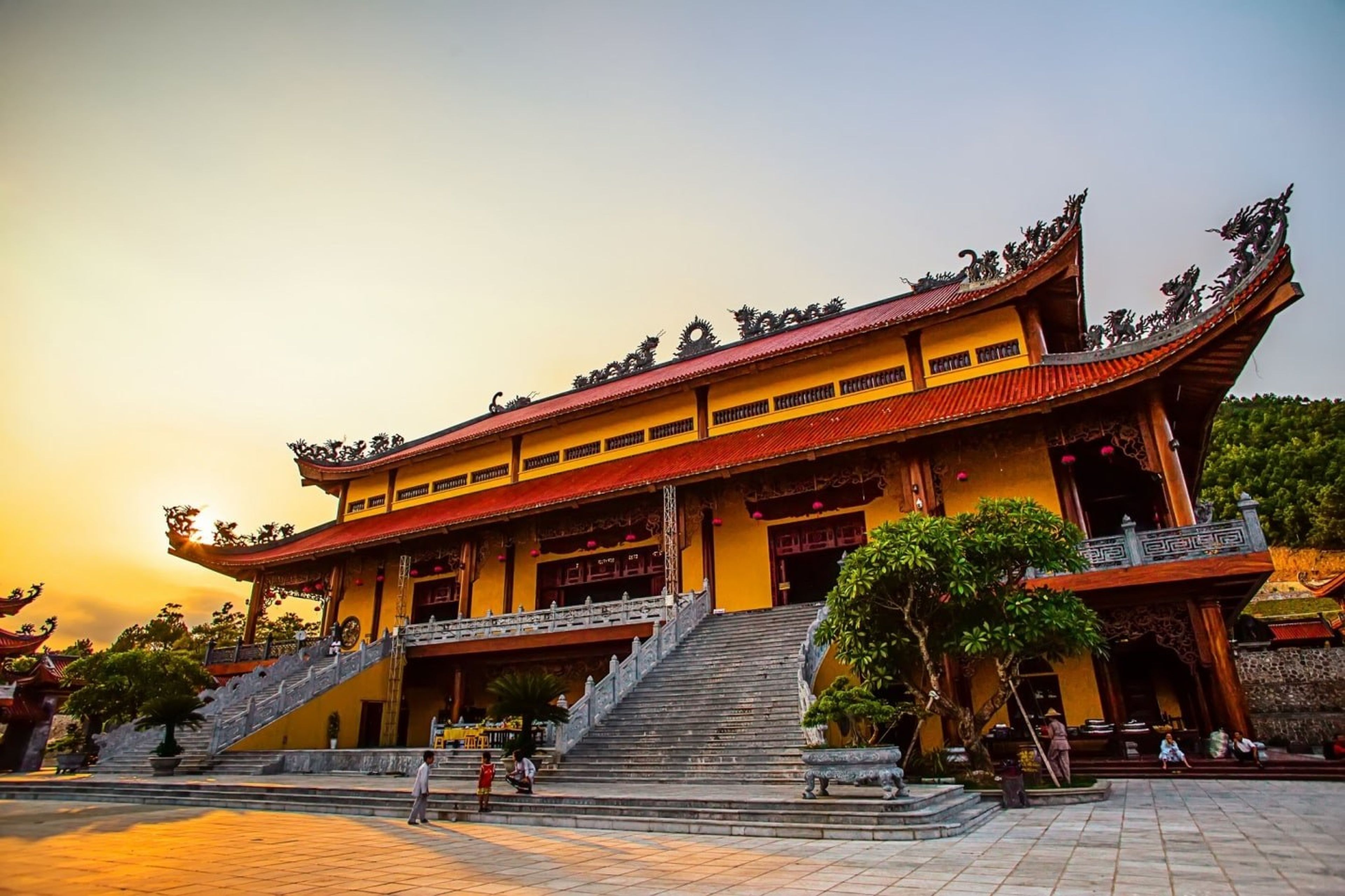
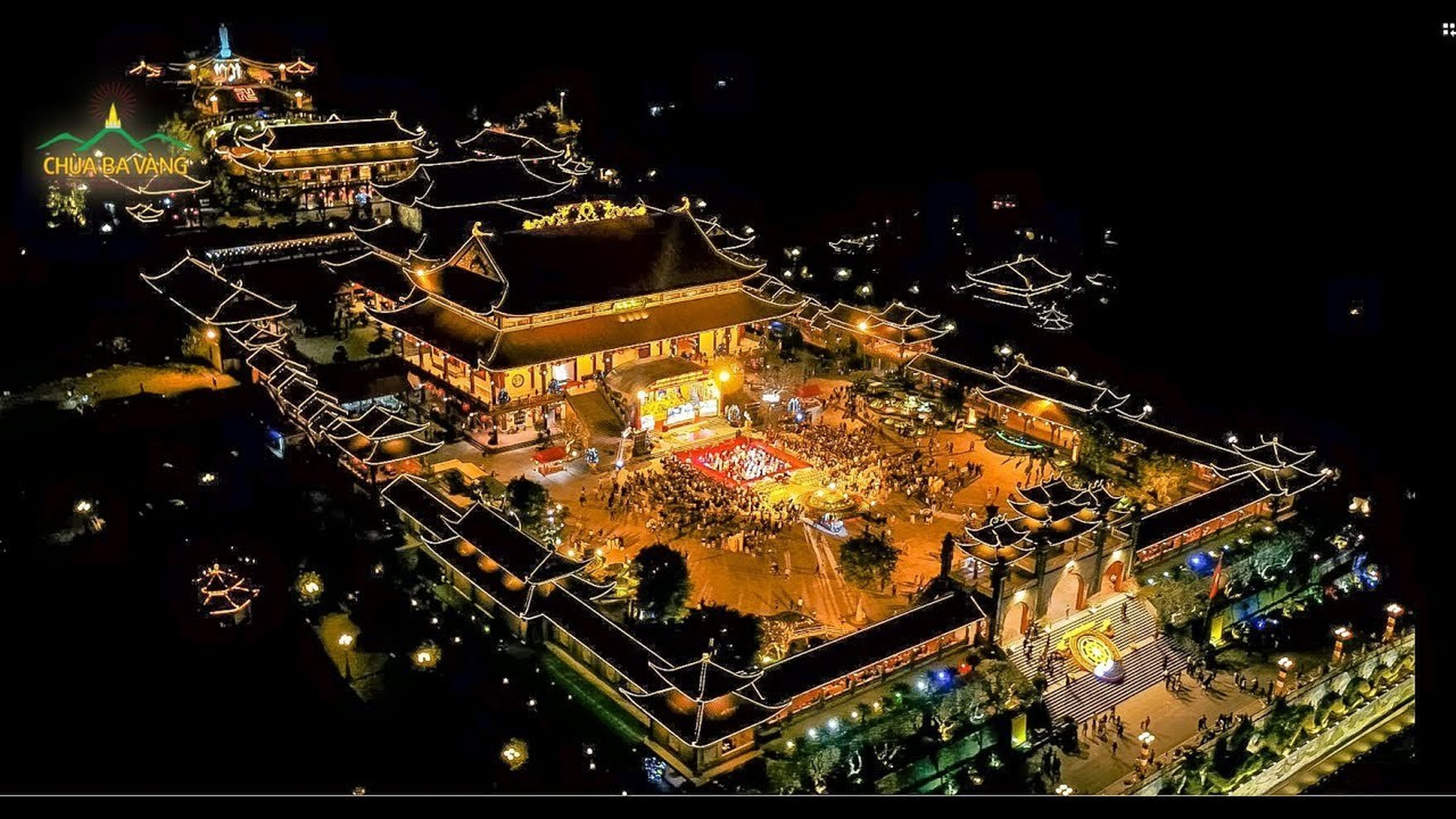
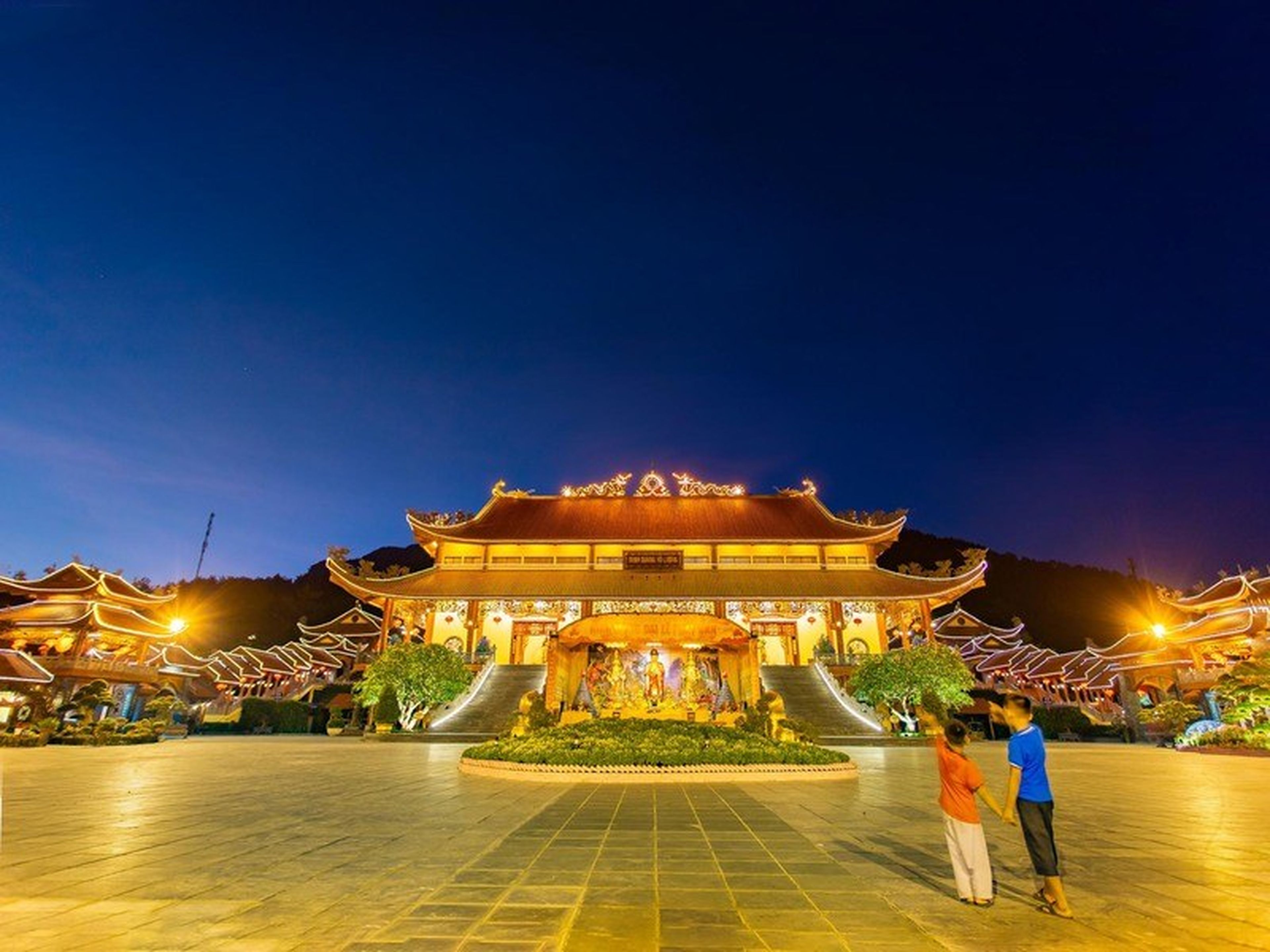
The Ba Vang Pagoda campus was built with an ancient, sacred architectural style. Illustrative photo: Cat Tour Vietnam Co., Ltd.
1.2 History of Ba Vang Pagoda
This pagoda was built in 1706 during the reign of King Le Du Tong. Enduring the ups and downs of history along with periods of war devastation, Ba Vang Pagoda was severely damaged.
In 1988, the pagoda received investment for renovation and was almost completely rebuilt using wooden materials. In 1993, Quang Ninh decided to reconstruct the entire pagoda grounds; today, only a stone incense burner, a Zen master's spirit tablet stela, and the column base stones remain from the pagoda's ancient history.
Ba Vang Pagoda was rebuilt almost entirely new after being ravaged by time and war. Illustrative photo: Dulichvanan
In January 2011, to accommodate the spiritual practice needs of monks, nuns, and Buddhist followers as well as the propagation of the Dharma, Ba Vang Pagoda was reconstructed once again on an extraordinarily grand scale. Thanks to this, the pagoda has become one of the most prominent spiritual tourism destinations.
2 Unique Architecture of Ba Vang Pagoda
Having undergone multiple restorations, Ba Vang Pagoda today features a fairly modern architectural style while still retaining its profound spiritual ambiance.
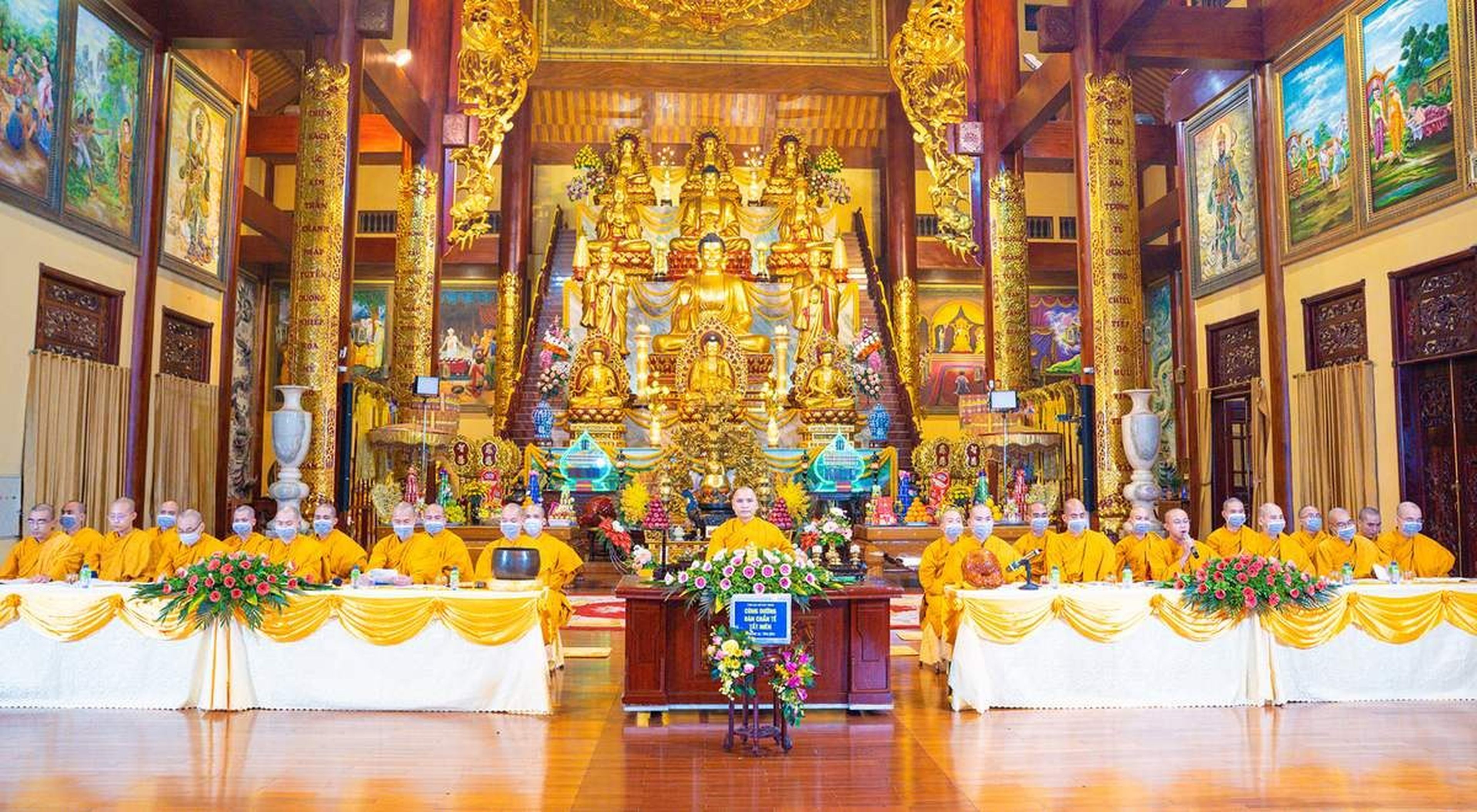
The Amitabha Buddha Statue: Carved from wood, it is reputed to be the largest and most magnificent statue among the pagodas of Northern Vietnam.
A series of imposing statues over 2m in height: The Three Times Buddhas statues, the Avalokiteshvara statue...
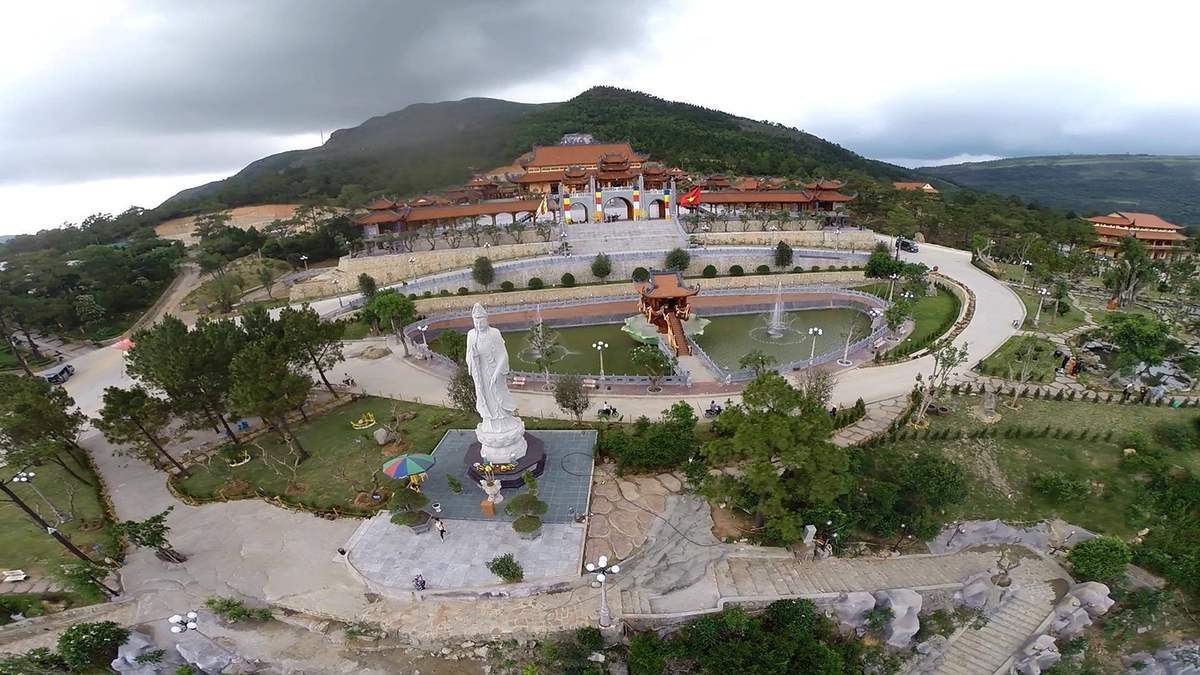
The pagoda campus with monumental statues standing firmly under the open sky. Illustrative photo: Quang Ninh Newspaper
The largest Avalokiteshvara Bodhisattva Statue standing at 10.8m: Placed on a 2.8m-tall lotus pedestal, weighing 80 tons. This statue was crafted entirely from a single monolithic granite block and intricately carved with remarkable effort by the skillful hands of artisans.
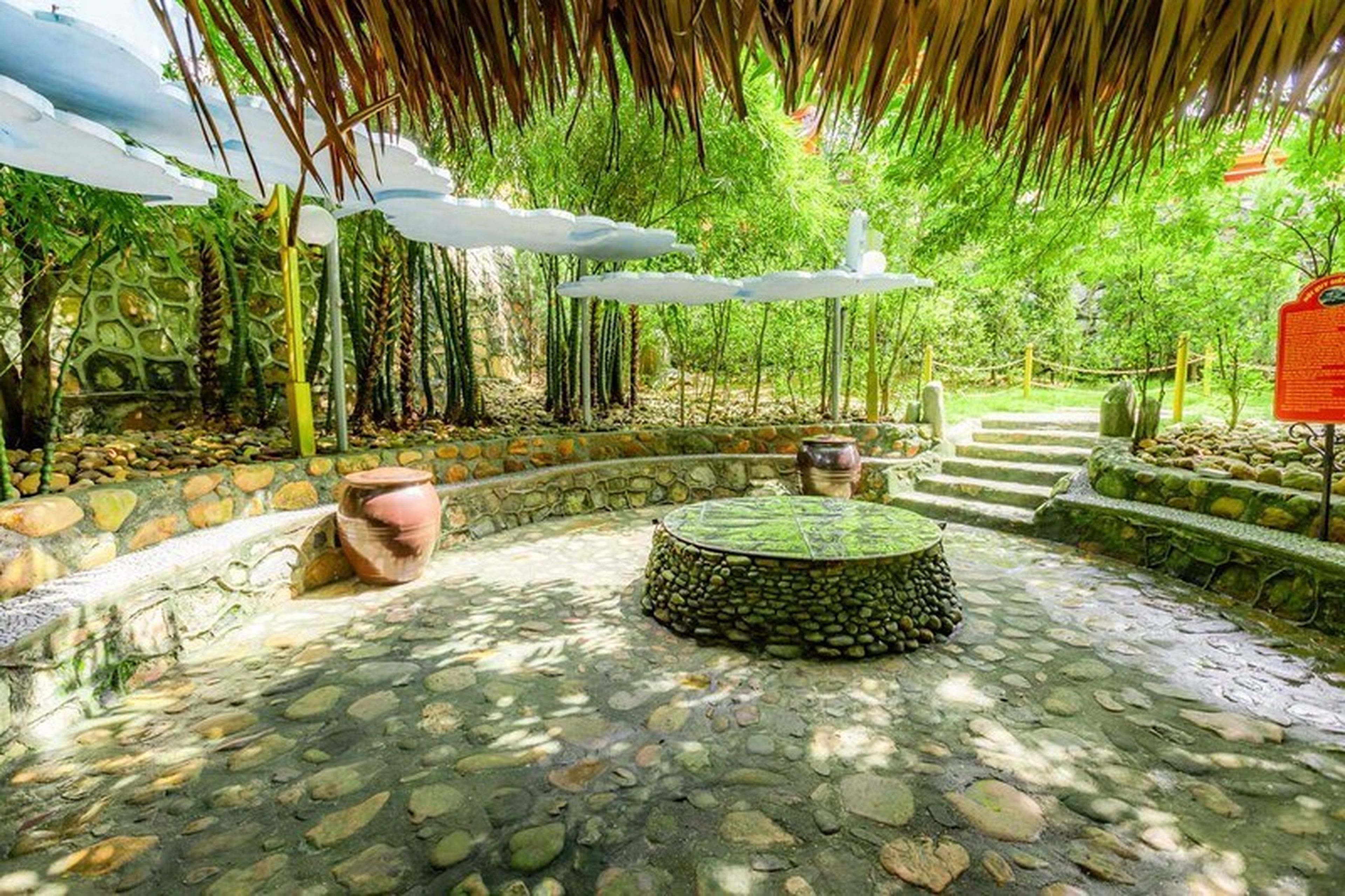
The giant, never-drying well: Folk legend says this is a miraculous well, and just one sip of its water will dispel all illnesses, granting enduring health and fulfillment into old age.
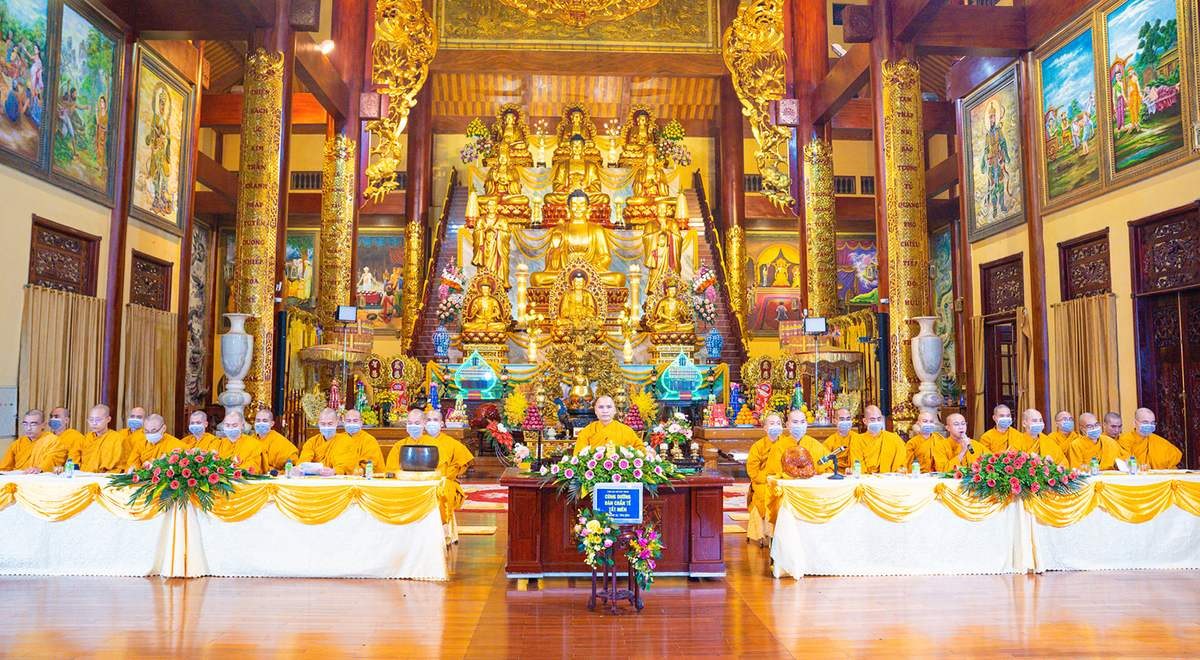
Ba Vang Pagoda enshrines many meticulously and exquisitely carved Buddha statues. Illustrative photo: Vietnam Airlines
Bell Tower and Drum Tower: Featuring delicate decorative patterns and intricate carvings. The space here is ideal for visitors to lose themselves in tranquility and contemplation.
3 Exquisite Corners of Ba Vang Pagoda
3.1 Main Hall: The Mountain Shrine of Records
The very first stop must undoubtedly be the Main Hall. This is the largest mountaintop Main Hall in Indochina, standing majestically amidst the vast wilderness. Yet its true beauty lies within.
Upon stepping inside, you will see 37 exquisitely carved murals unfold. They depict the life of the Buddha, from his birth to his attainment of Parinirvana. Each artwork tells a story of renunciation and compassion.
In front of the hall lies a vast courtyard. The Main Hall courtyard is often decorated in accordance with each festival season. It is an ideal spot to pause and capture memorable photographs.
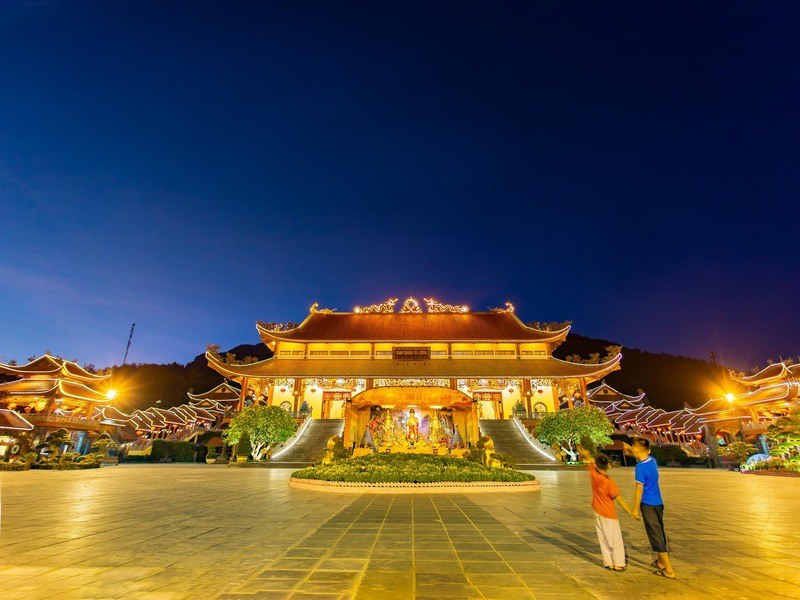
The immense space makes us feel humble yet remarkably peaceful. Illustrative photo: VinWonders
3.2 Quiet Corners between the Meditation Forest and Meditation Garden
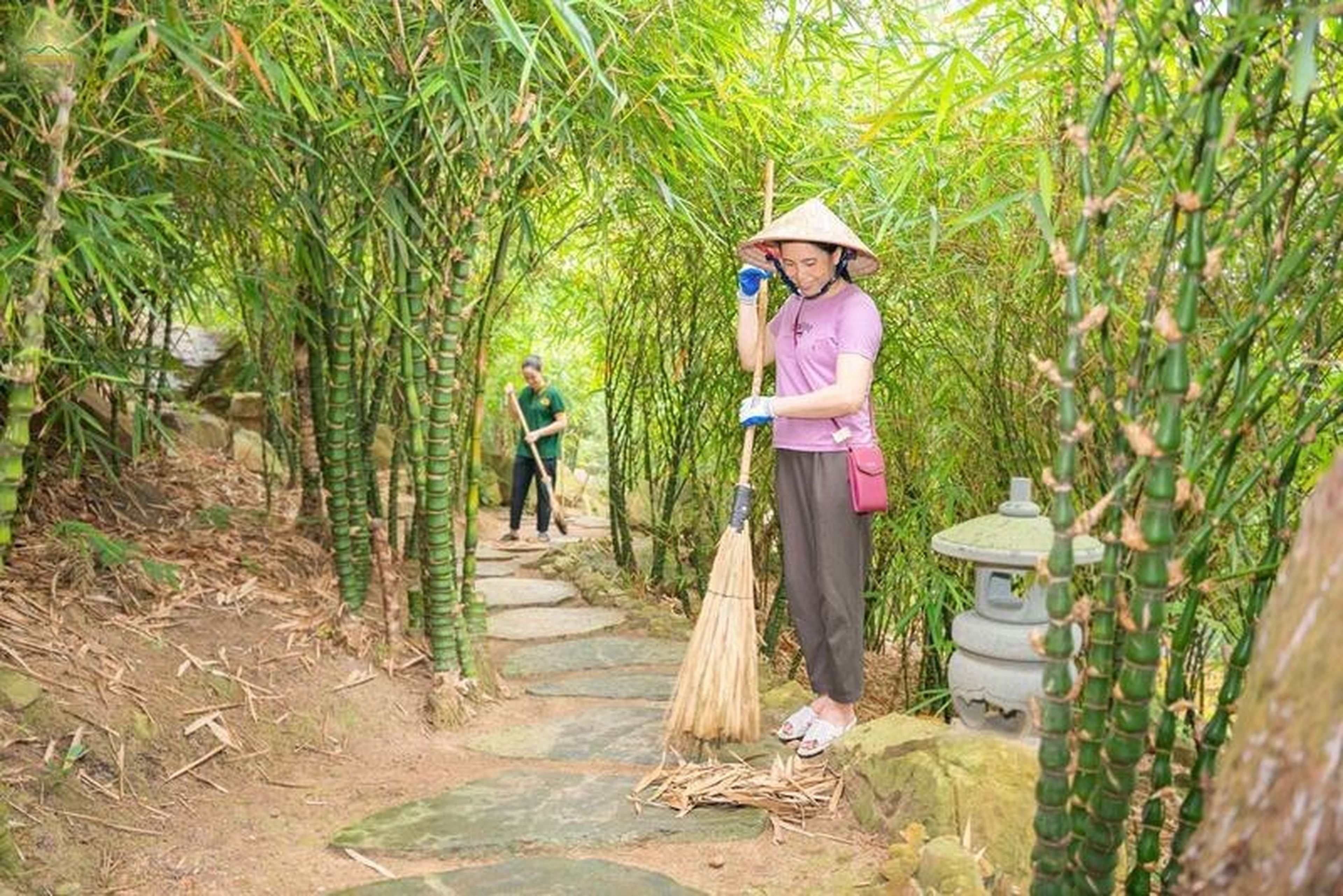
If you wish to brush aside everyday worries, head to the Meditation Forest. The space here unfolds with numerous pathways. Green bamboo lines both sides, casting cool shade. As visitors venture deeper, they will feel increasingly relaxed coming across rustic communal stilt houses with small tea tables ready.
Here is where we discover true tranquility. The whisper of the wind rustling through the leaves, the distant songs of birds. The Meditation Forest of Ba Vang Pagoda is a gift for souls seeking leisure and peace of mind.
Right next to it is the Meditation Garden, where the houses bear a distinct Zen monastic spirit. This setting helps visitors step away from the bustling noise. There, we learn to slow down.
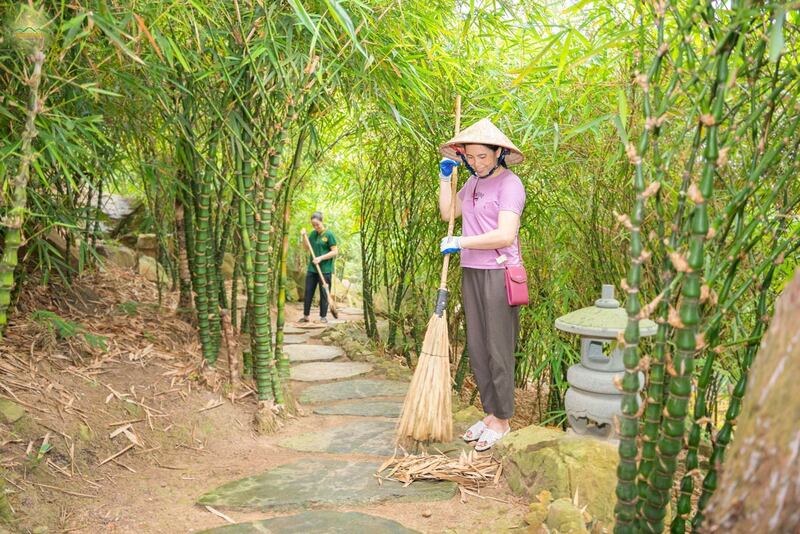
Time seems to stand still, leaving only inner serenity in the soul. Illustrative photo: Ba Vang Pagoda
3.3 One Pillar Pagoda and Tinh Tam Lake
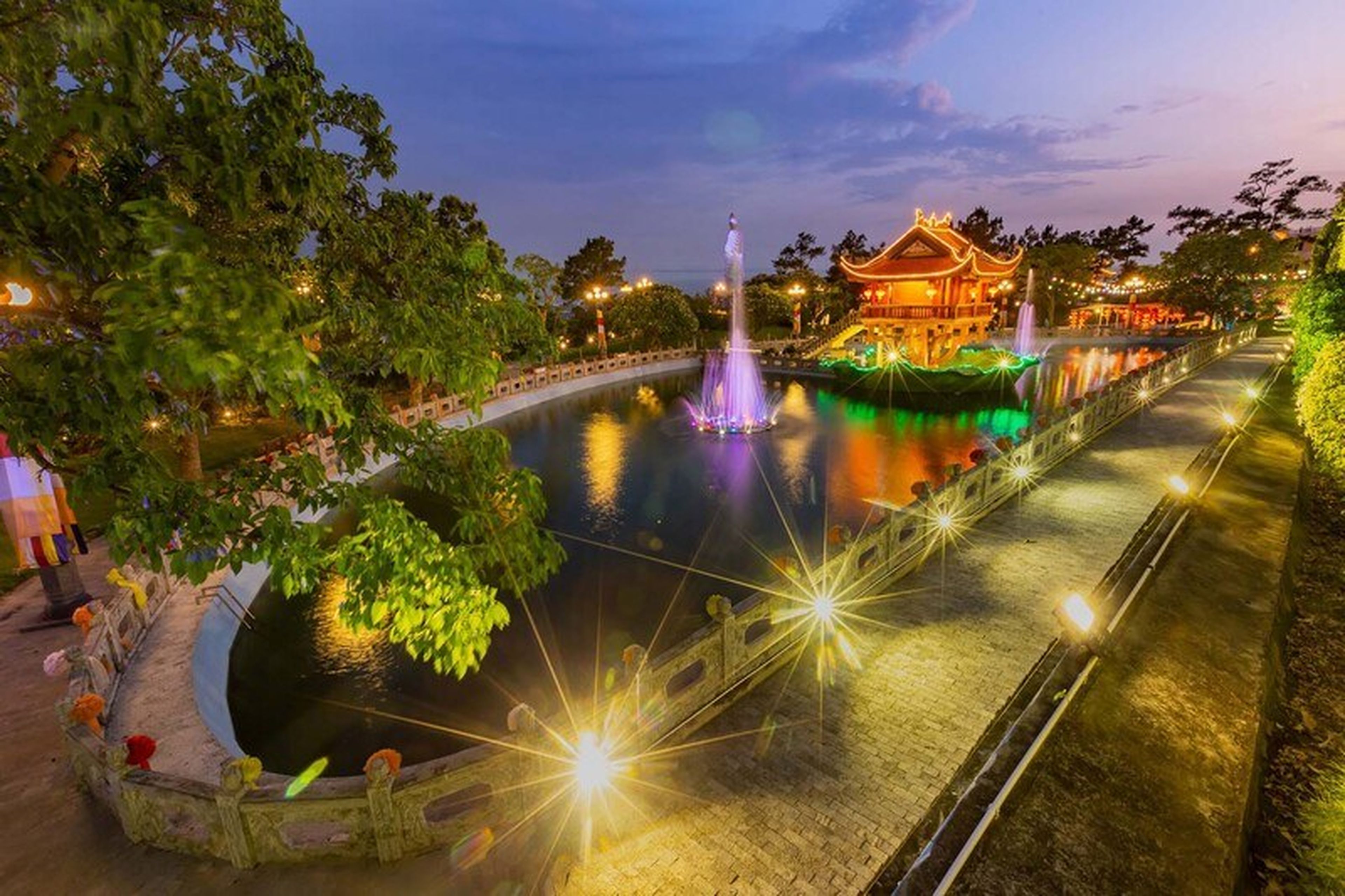
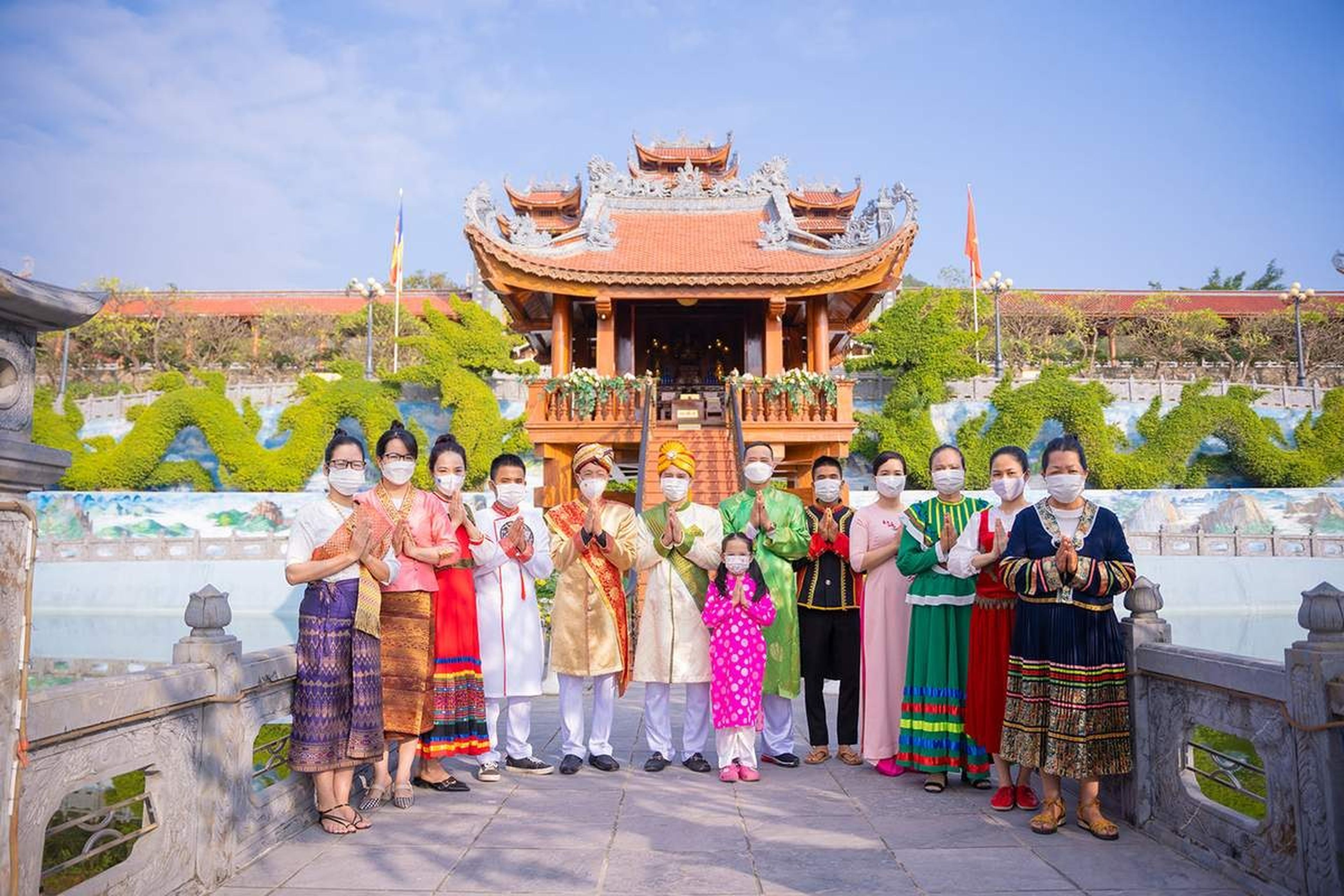
There is a One Pillar Pagoda built here modeled after the renowned landmark in the Capital. The One Pillar Pagoda at Ba Vang Pagoda sits in the middle of Crescent Lake, exuding an antique yet remarkably graceful beauty.
Many people whisper that this place is sacred. They come to pray for children, and many have seen their wishes granted. The combination of wooden architecture and calm water creates a captivating vista.
Adjacent is Tinh Tam Lake (Lake of Serenity). True to its name, the lake's ambiance is extremely serene. Whether you visit under brilliant daytime sunshine or during glittering nights, the water surface always radiates a wondrous charm.
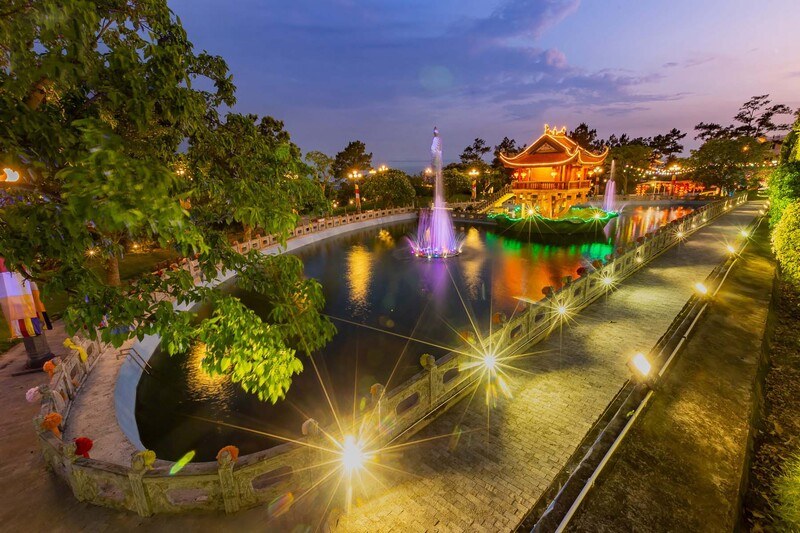
Just pick up your camera, and from every angle, you will capture a unique photo. Illustrative photo: VinWonders
3.4 Gold-Plated Statues and the Relic Shrine
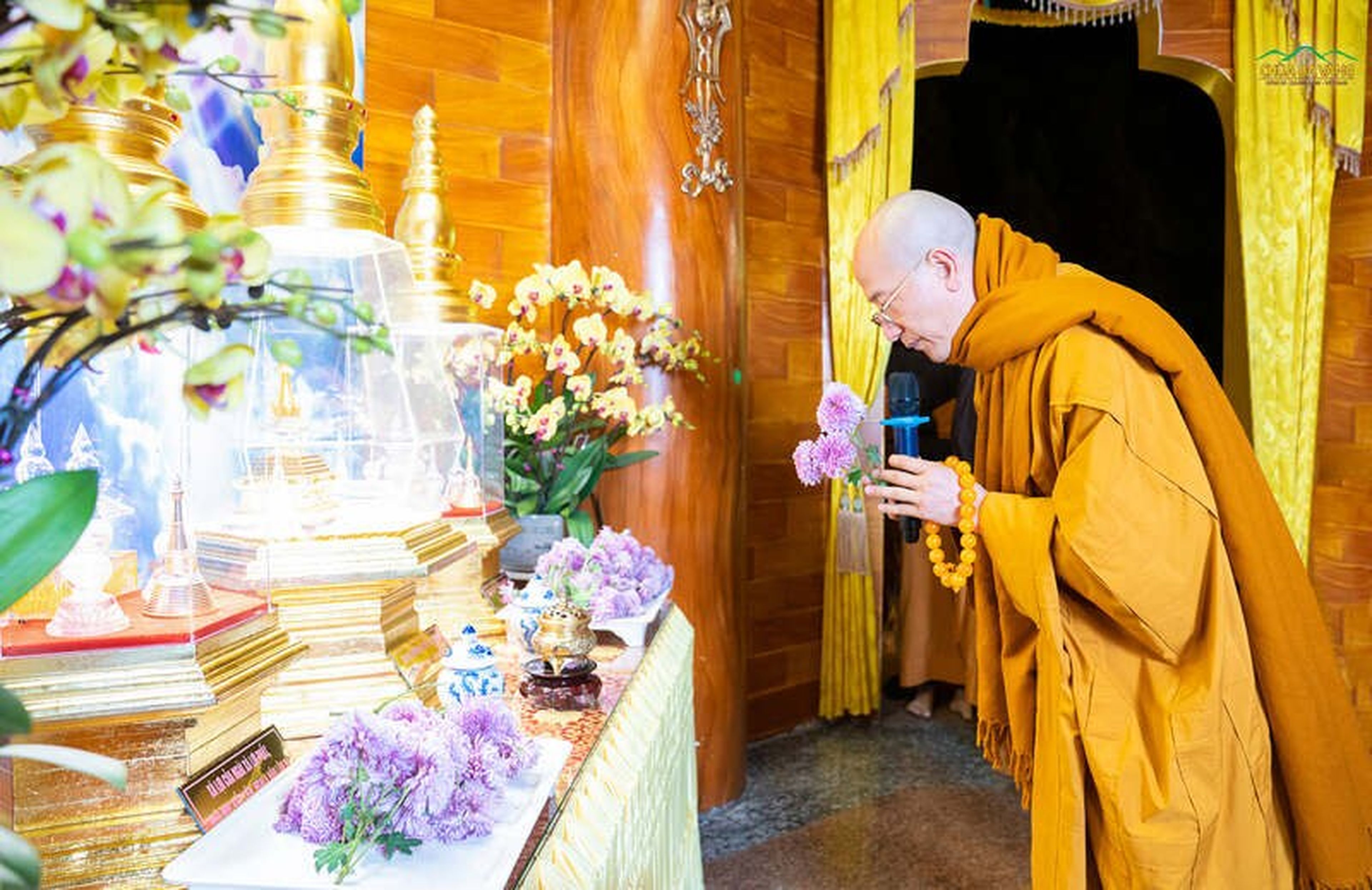
Along the pagoda corridors, we can venerate the 18 Arhats. These statues are carved from solid blue stone. Remarkably, they are gilded with 99.98% gold. In Buddhism, an Arhat represents the highest fruition of enlightenment. They are those who have severed all sorrow and affliction. The majesty of these statues brings a sense of pure lightness to our hearts. Continuing the journey, be sure to visit the Buddha Relic Shrine. Small relic beads resembling pearls, crystallized from the Buddha's golden body.
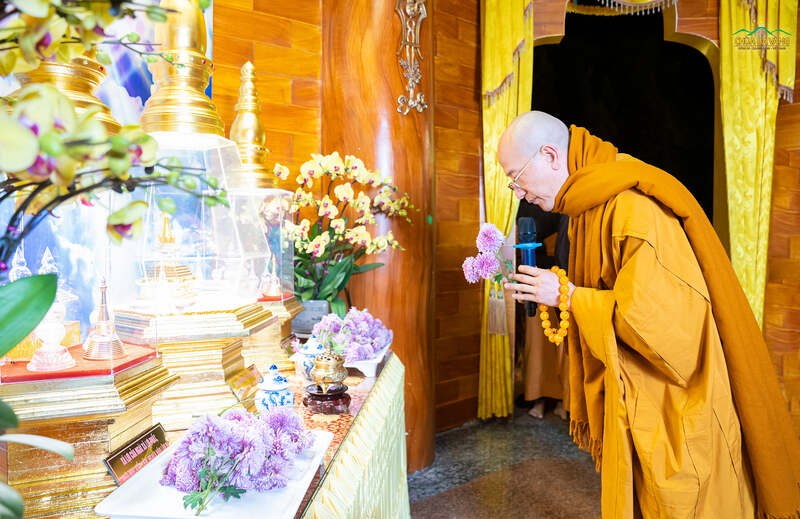
Visiting Ba Vang Pagoda, making offerings to the relics is a way to accumulate merits and blessings. Illustrative photo: Ba Vang Pagoda
3.5 The Nativity Buddha Statue and the Sacred Well
The Nativity Buddha statue features the emerald green hue of the lotus throne blending with the white of the sky and clouds. This is the finest place to admire sunrise and sunset at Ba Vang Pagoda. When the fading sunlight descends at day's end, the statue appears remarkably sacred.
And do not forget to visit the Sacred Well on Thanh Dang Mountain. Despite being situated at an elevation of 340m above sea level, the well water has never run dry. Locals recount that whoever is blessed to drink this well water on New Year's Eve will feel joyful in heart and enjoy auspicious fortunes throughout the entire year.
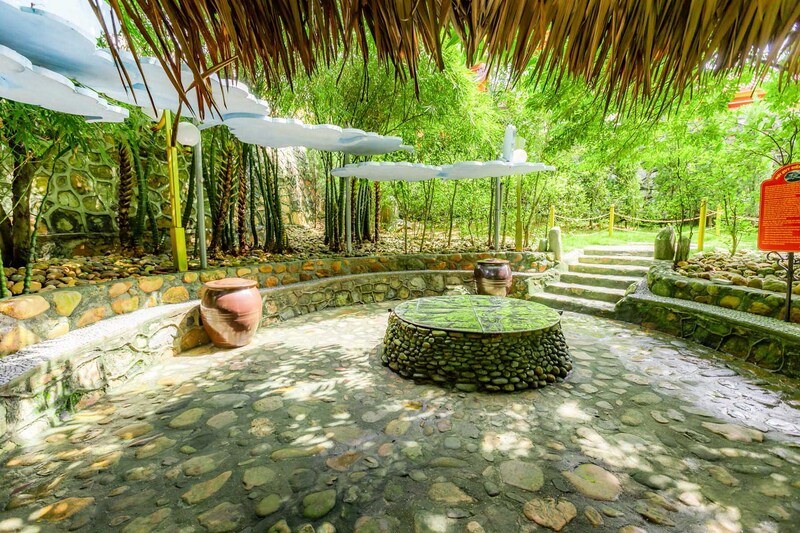
The well water is very clear, sweet, and cool. Illustrative photo: VinWonders
4 Savoring Ba Vang Specialties
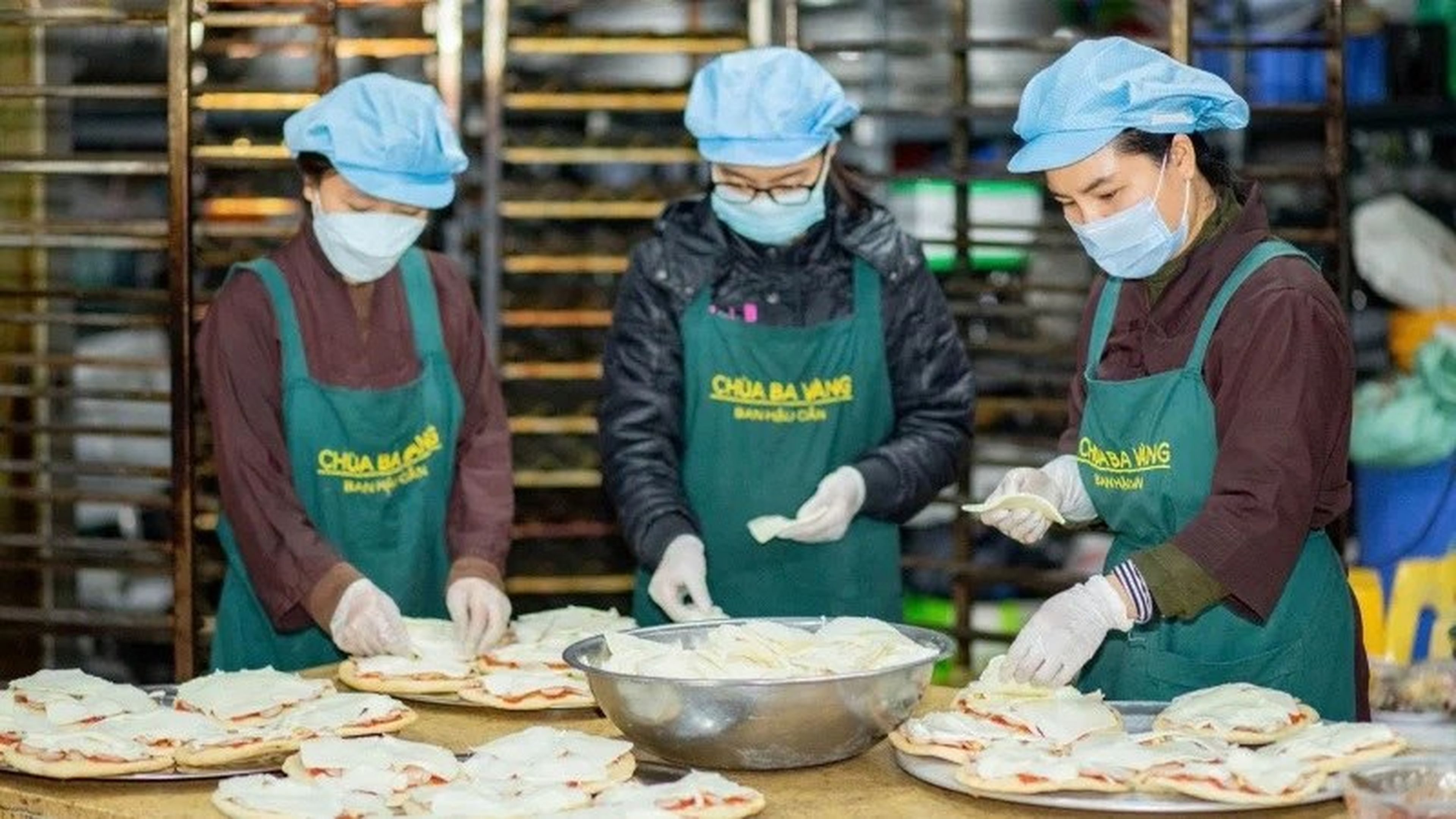
One thing that endears Ba Vang Pagoda to pilgrims above all else is its hospitality. During the spring season, you can enjoy specialty foods completely free of charge.
Rice balls and traditional cakes: These are the temple's "signature." Hearty, fragrant rice balls are distributed at blessing distribution points daily from 16:00 to 18:00.
Nutritious vegetarian meals: If you arrive around lunchtime, from 11:00 to 13:00, visit the courtyard of the Nativity Buddha Statue. Piping hot vegetarian meals with a menu changing daily await you.
Other snacks and refreshments: Milk tea, confections, and fruits are also offered throughout the grounds for Buddhist followers from near and far.
If you travel during other times of the year, do not worry. Simply visit the Guest Reception Committee on the 1st floor of the Main Hall for guidance on registering for vegetarian meals.
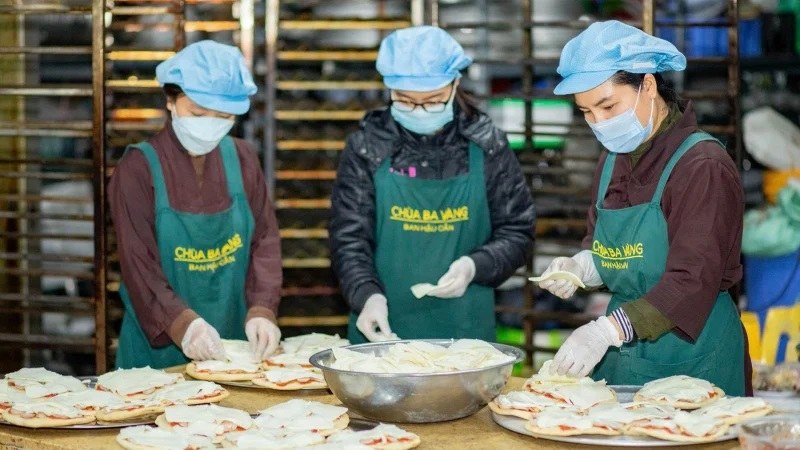
The generosity and warmth shown by the pagoda toward pilgrims is truly boundless. Illustrative photo: The gioi tiep thi - Danviet.vn
5 Sacred Festival Seasons at Ba Vang Pagoda
A year at Ba Vang Pagoda is always vibrant with important events. Crowds flock here not only for sightseeing but also to seek serenity in their souls through meaningful annual festivals.
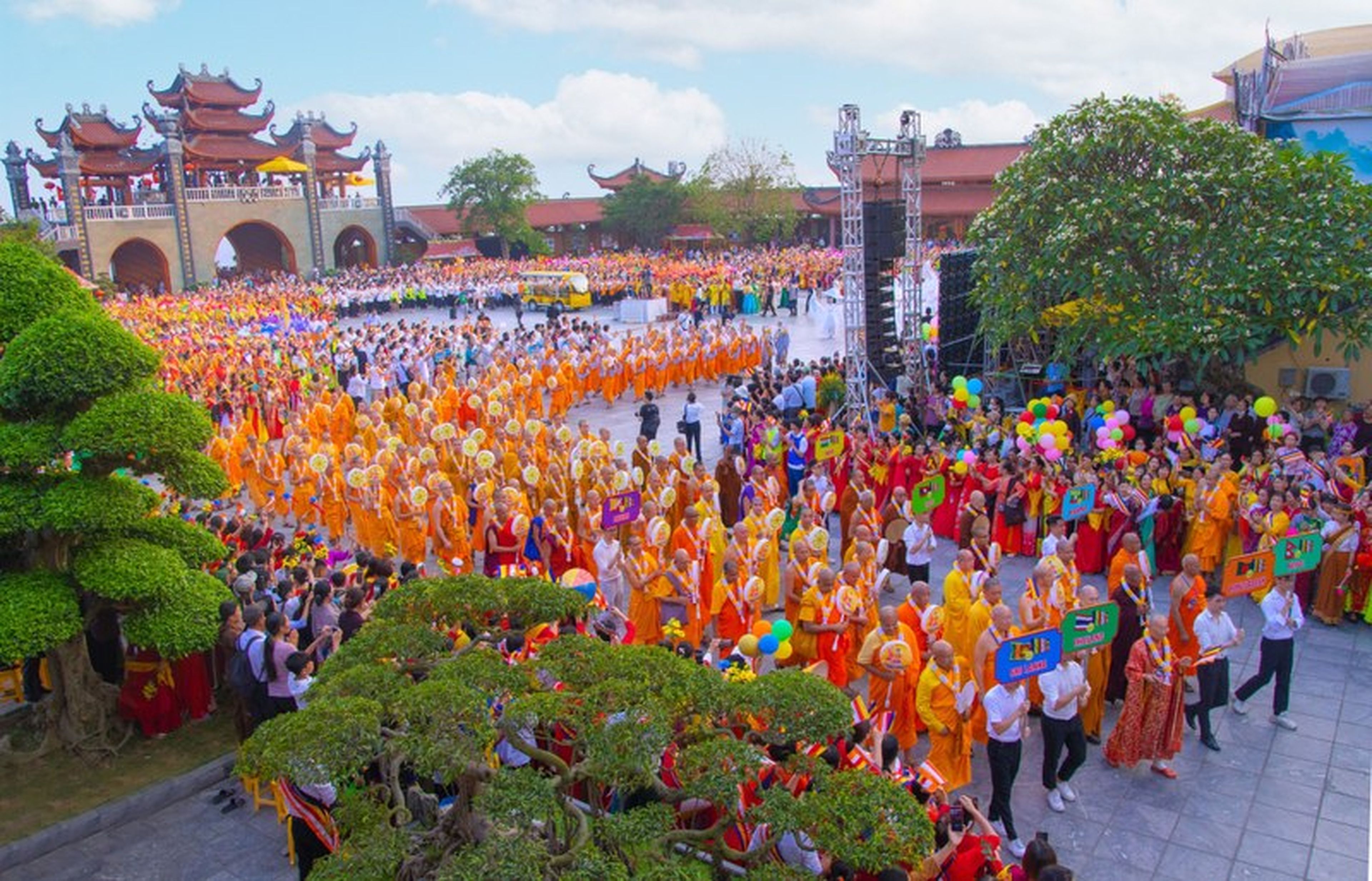
Starting the New Year with faith and hope: During every Lunar New Year, Ba Vang Pagoda becomes more splendid and bustling than ever. This is the moment thousands of devotees and visitors from afar make their way to the Buddha's door. People gather here to send forth their most heartfelt prayers.
Vesak Day (Buddha's Birthday): Around April or May in the solar calendar, as summer sunlight begins weaving through the leaves, Ba Vang Pagoda solemnly celebrates Vesak. This is the paramount event in the world Buddhist calendar. The festival marks three sacred milestones: the birth, enlightenment, and Parinirvana of Gautama Buddha. Participating in this festival at Ba Vang Pagoda, you will feel deep reverence permeating the entire atmosphere.
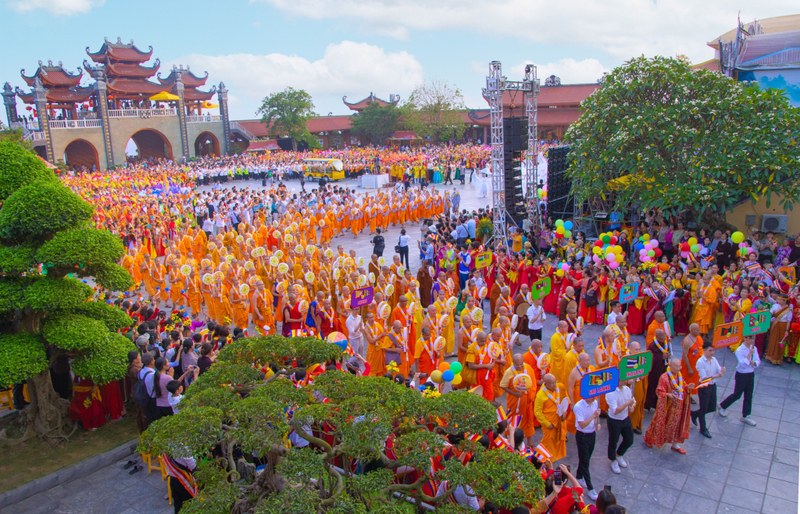
The glow from floating lanterns and sacred chanting create a solemn, transcendent ambiance. Illustrative photo: Quang Ninh Newspaper
Autumn Festival: When August arrives, Ba Vang Pagoda dons the meditative tranquility of autumn. The Autumn Festival here carries a dual significance: celebrating a bountiful harvest season while offering a golden time for each person to renew their spirit. In the peaceful atmosphere of this mountaintop pagoda, you can reflect upon yourself, shed your anxieties, and recharge energy for the journey ahead.
6 Tips for Visiting Ba Vang Pagoda
Next, join MIA.vn in rounding up essential travel tips for Ba Vang Pagoda so you can ensure a smooth, rewarding journey.
6.1 Ideal Time to Visit Ba Vang Pagoda
The most suitable time for visitors to explore Ba Vang Pagoda in Quang Ninh is after the Lunar New Year: the 8th day of the 1st lunar month marks the Ba Vang Pagoda Festival, and the 9th day of the 9th lunar month features the Chrysanthemum Festival. This is known as the ancient traditional festival of the Vietnamese people, officially titled the Double Ninth Festival (Trung Duong Festival) or Chrysanthemum Festival.
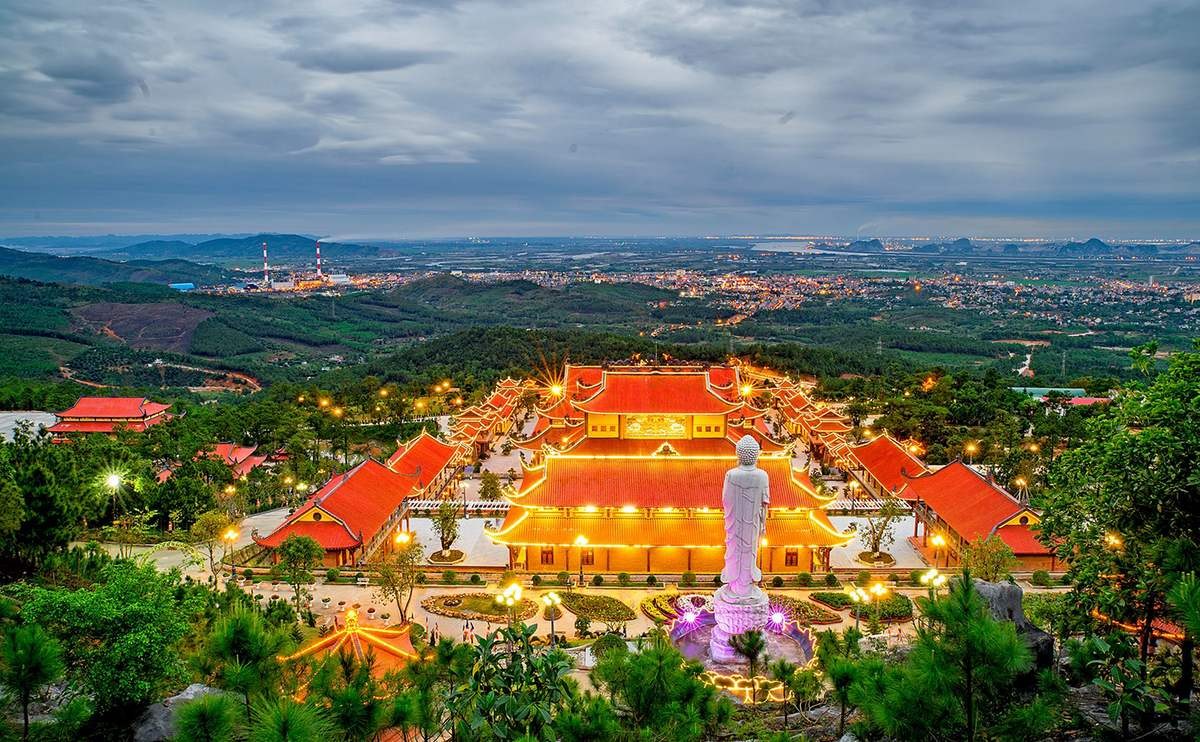
The Ba Vang Pagoda grounds are lavishly decorated each spring to welcome monks, nuns, and Buddhists from all directions. Illustrative photo: Eco Travel Vietnam
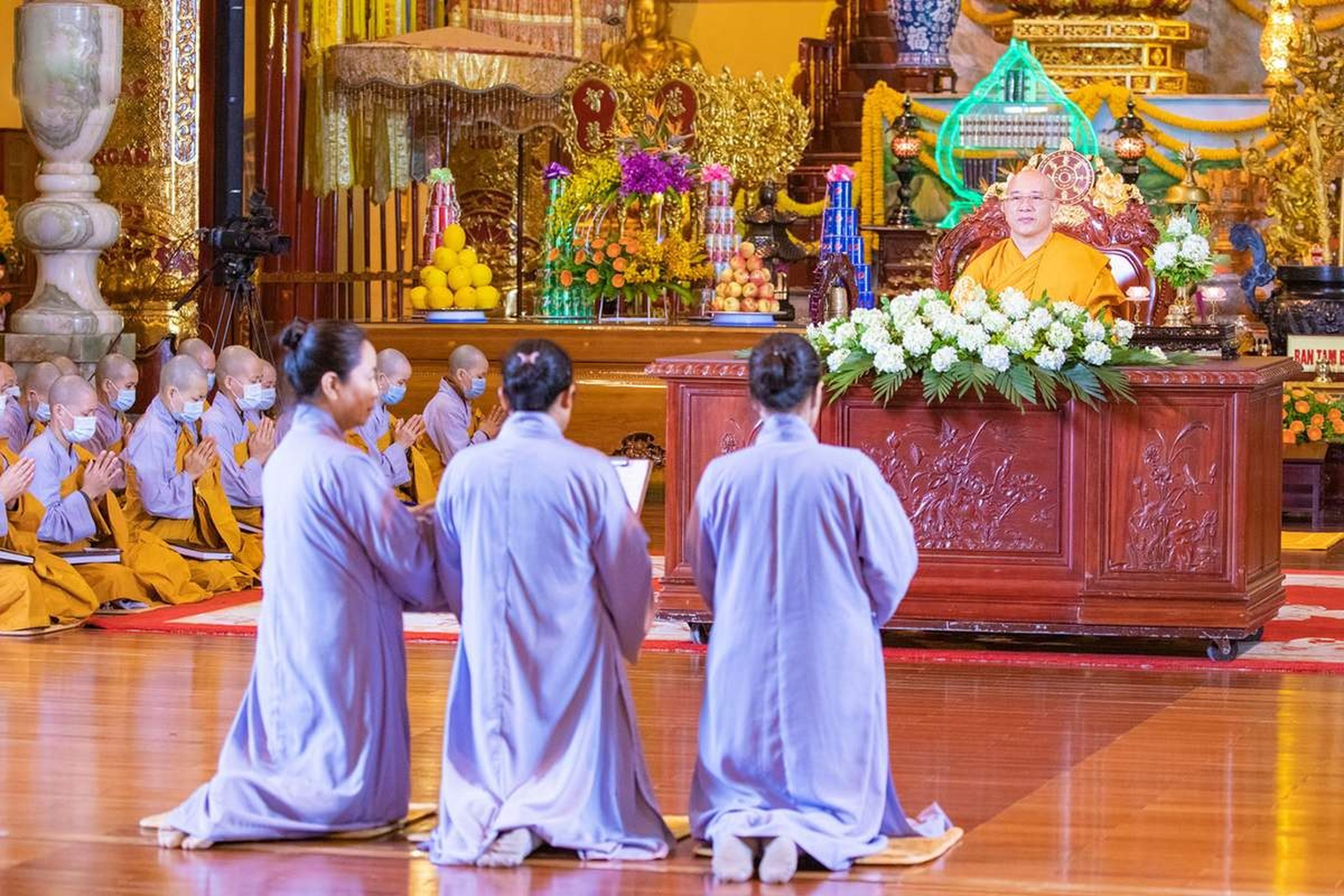
For visitors who cherish the Buddhist Dharma, Ba Vang Pagoda regularly organizes monthly retreats. Here, participants can listen to Dharma discourses given by venerable monks and the abbot. Experiencing these short-term retreats helps purify the mind and builds a resilient psychological foundation to face life's difficulties. At the same time, this is an activity of educational value, propagating Buddhism and contributing to preserving fine traditional cultural values.
6.2 Admission Ticket Prices for Ba Vang Pagoda
Currently, Ba Vang Pagoda offers free admission, allowing everyone to easily visit, sightsee, worship, and participate in various activities.
7 Important Notes When Visiting Ba Vang Pagoda
7.1 What to Prepare?
When visiting Ba Vang Pagoda, guests should prepare as follows:
Dress politely, modestly, and discreetly. Those wearing improper attire will be reminded by the pagoda management and may be denied entry if their clothes are not adjusted suitably.
Opt for flat shoes, sneakers, or low-heeled footwear that are cushioned and comfortable. High heels are not recommended because the pagoda grounds are expansive, requiring significant walking across hilly, challenging terrain.
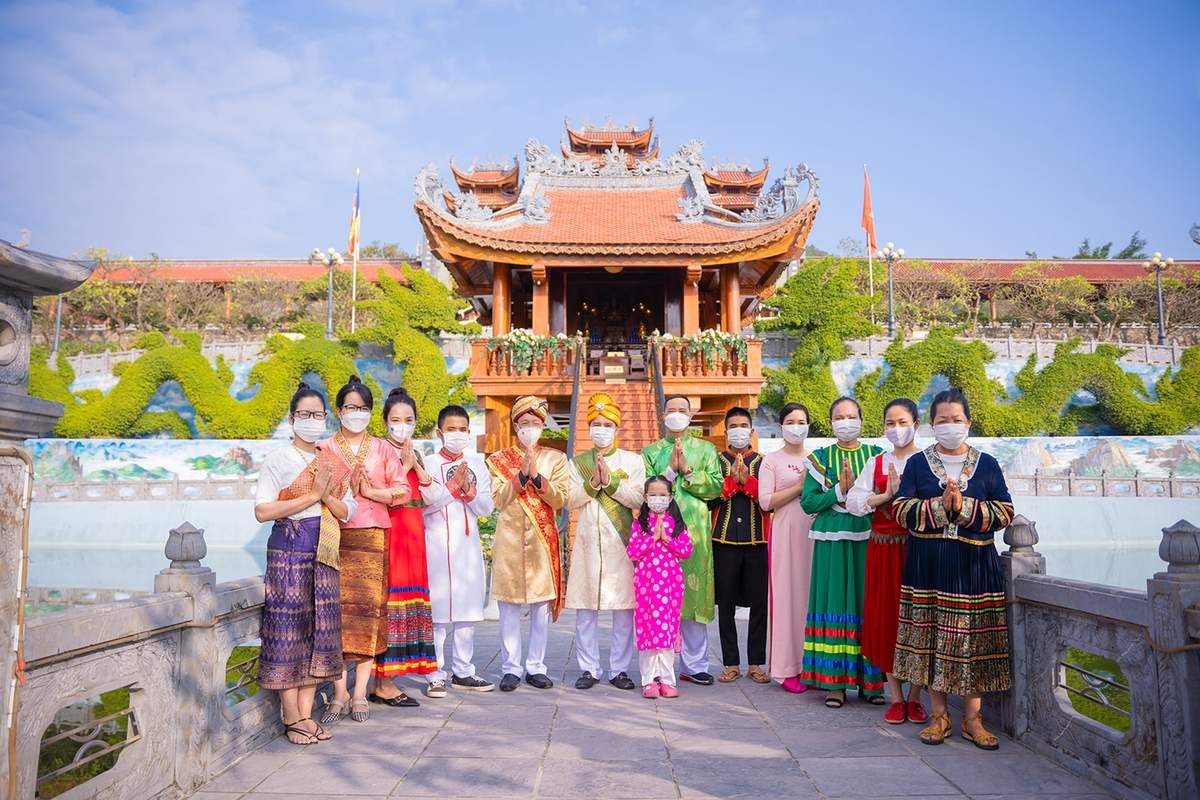
Tourists visiting Ba Vang Pagoda. Illustrative photo: Khachsanyenthanh
Visitors should prepare small change in advance for prayer offerings, ritual worship, donation boxes, etc.
7.2 Guidelines During Sightseeing and Worship at Ba Vang Pagoda
If driving your own vehicle, park in designated areas and follow the instructions of the pagoda management and security personnel.
Do not use vulgar language, speak loudly, or fool around in sacred Buddhist sanctuaries. Walk gently, speak softly, and remain gentle and courteous.
Do not jostle or push while sightseeing and worshiping. Maintain proper decorum in the Buddhist sanctuary.
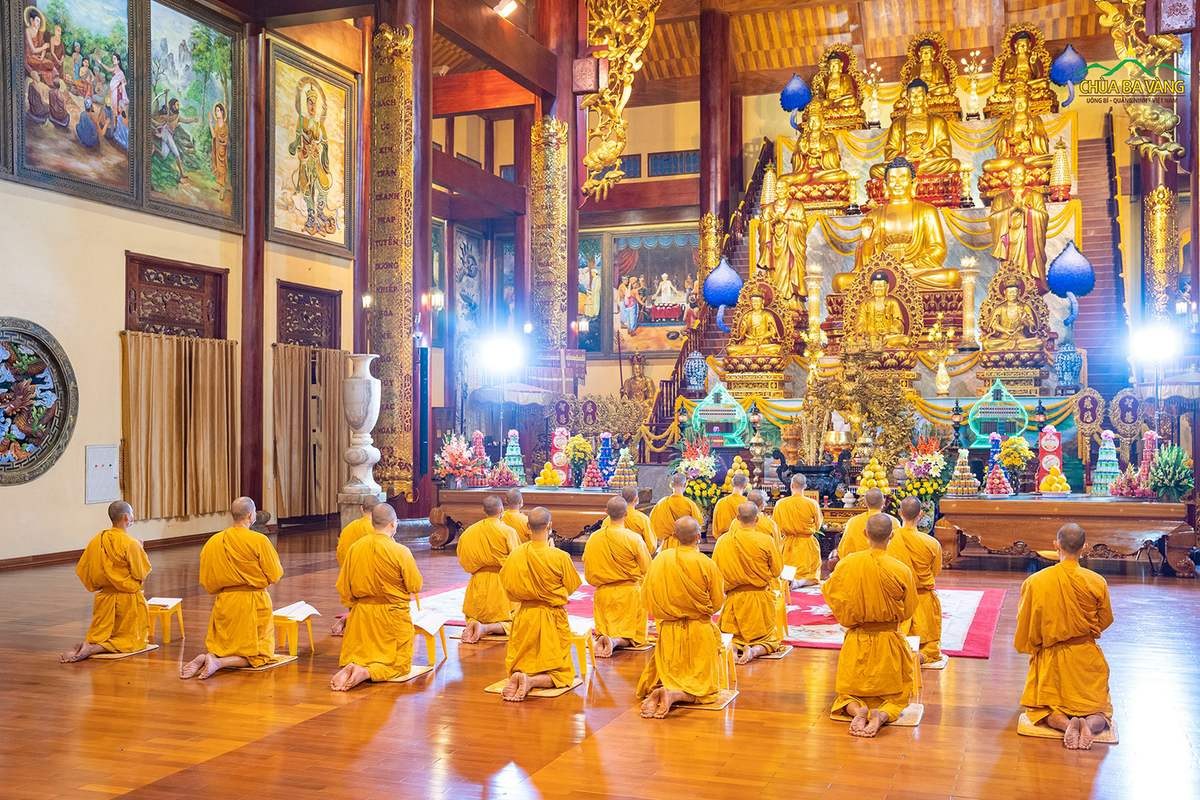
Please respect the sacred ambiance of the pagoda and participate in festivals with reverence. Illustrative photo: Ba Vang Pagoda
Do not bring dangerous objects, flammable or explosive substances, or intoxicants such as drugs and addictive substances. Do not bring depraved cultural products, documents, or texts that propagate distorted thoughts without prior censorship and approval from the pagoda management.
Do not enter areas marked with "No Entry" signs, and do not access the private monastic quarters of monks and nuns.
Do not eat, drink, or litter indiscriminately within the pagoda grounds.
Under no circumstances are visitors allowed to strike bells, beat drums, or use any of the pagoda's ritual instruments without permission.
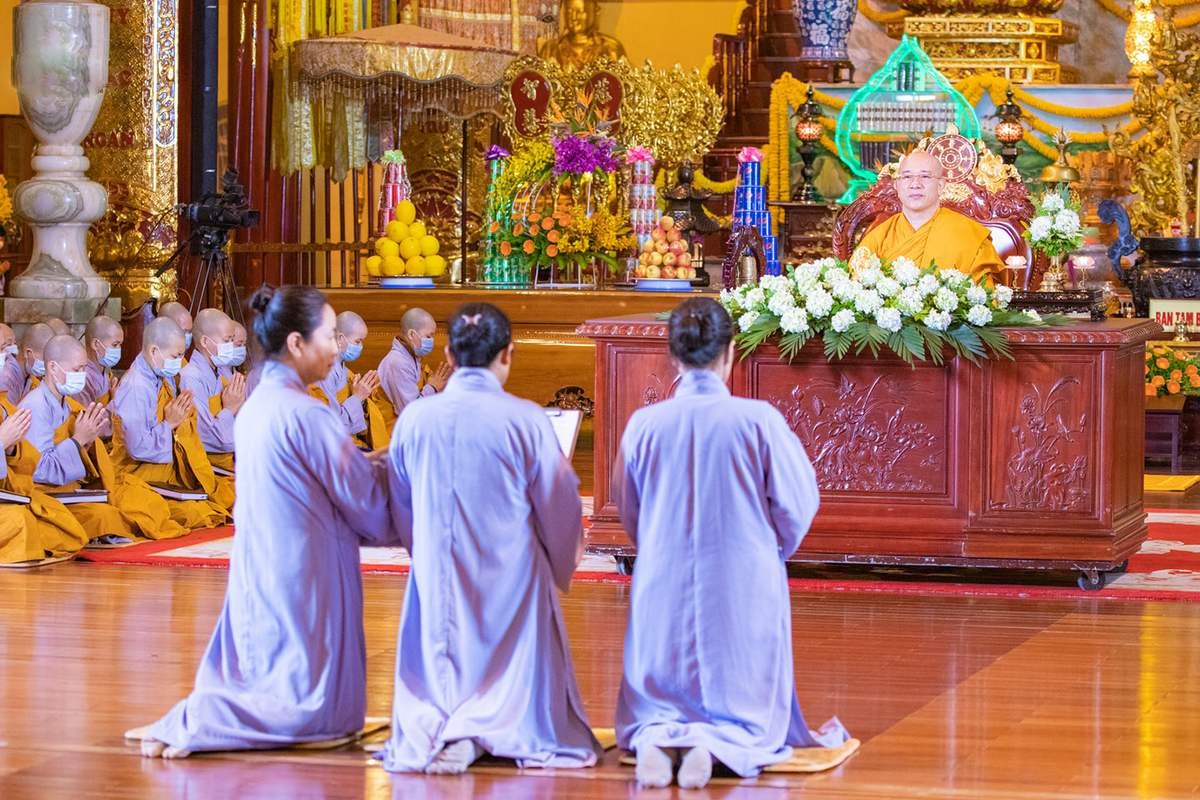
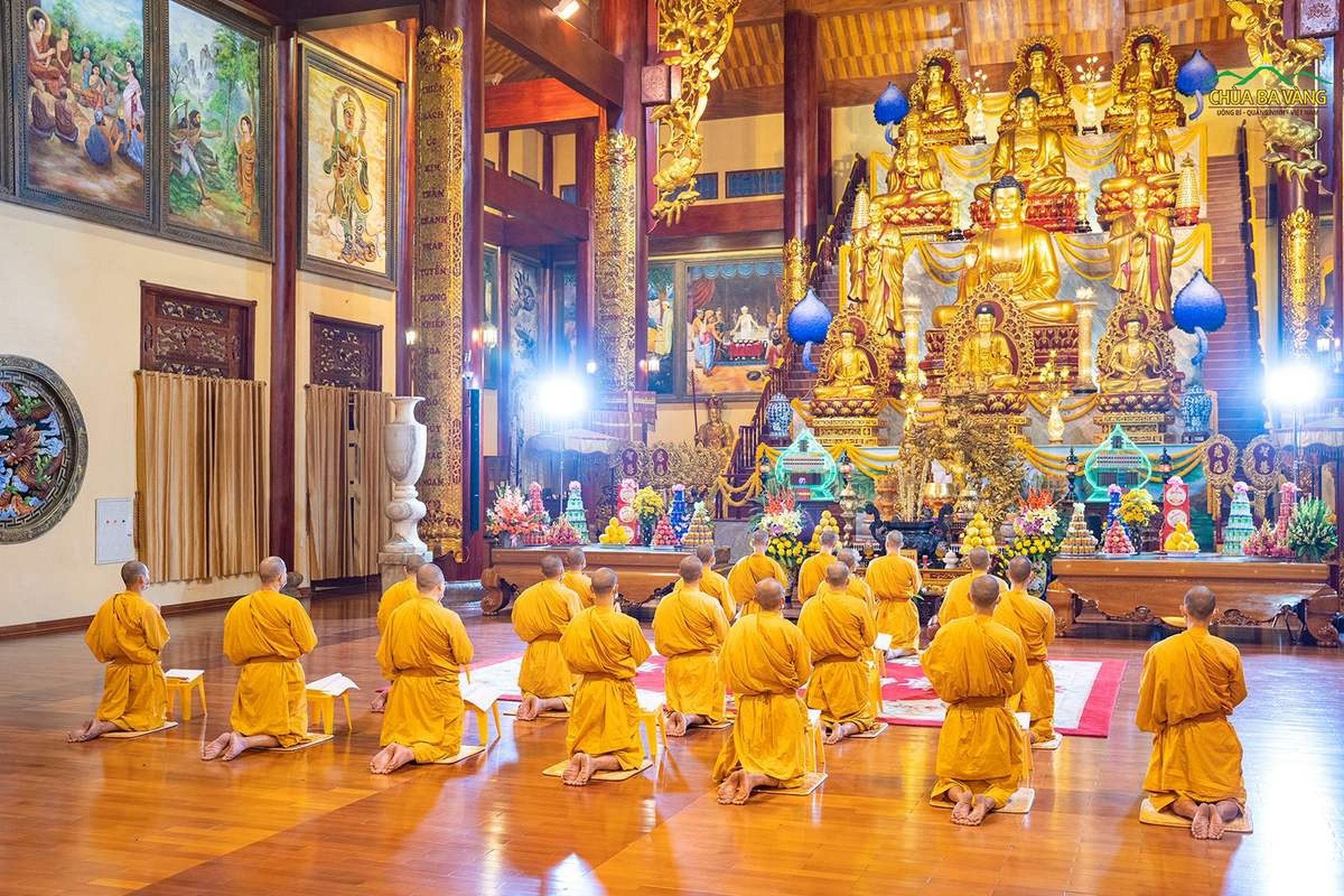
Buddhists participating in worship at Ba Vang Pagoda. Illustrative photo: Ba Vang Pagoda
Do not place cash indiscriminately; offerings must be prepared in accordance with tradition and arranged solemnly, with donation money placed properly into donation boxes or handed over at the donation reception desk.
Do not break branches, pluck flowers, climb trees, vandalize, or scribble on property within the pagoda grounds; proactively preserve the shared landscape.
Begging, fortune-telling, flyer distribution, unauthorized vending, and money exchange activities are strictly prohibited within the pagoda premises.
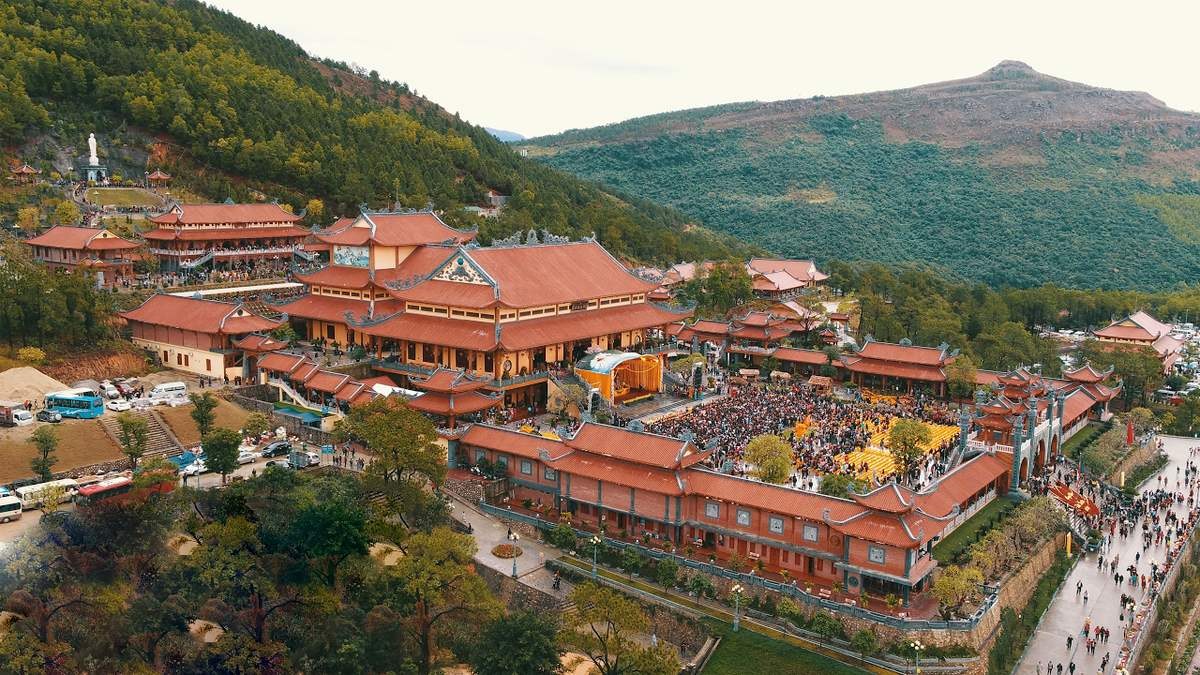
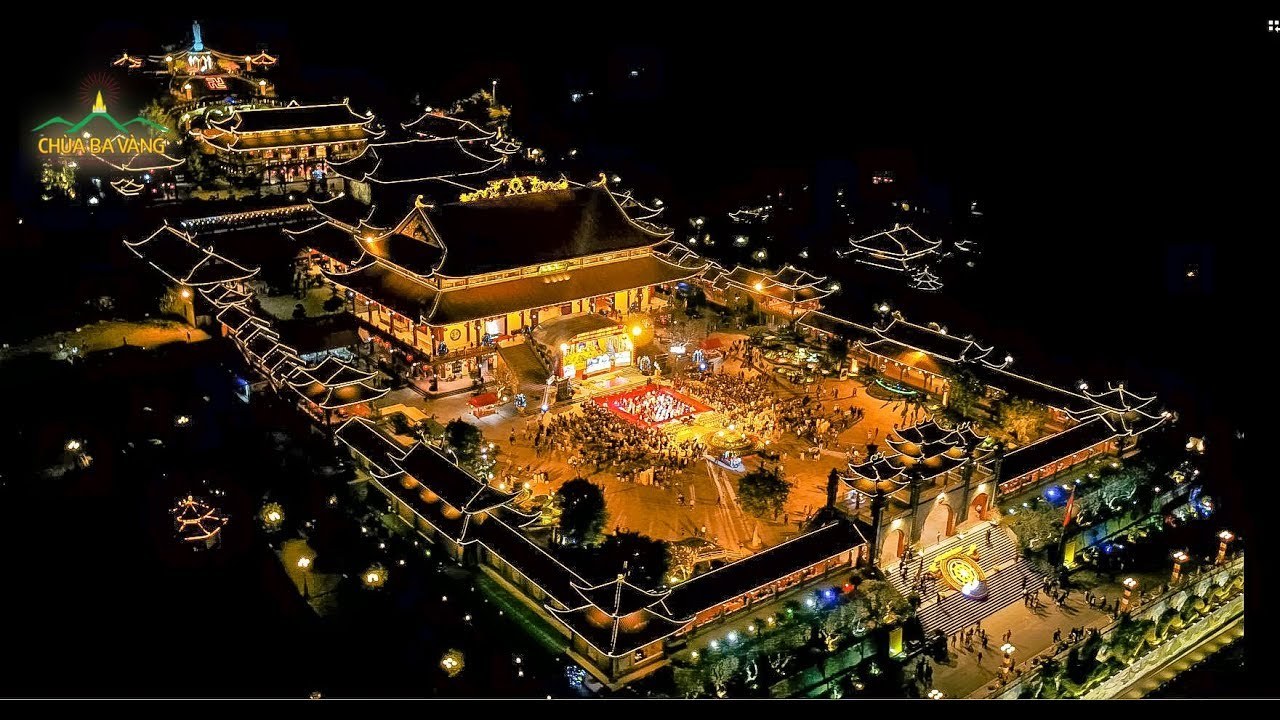
Crowds at Ba Vang Pagoda during major annual festival occasions. Illustrative photo: Nguoiquansat
Above are the essential experiences and tips that MIA.vn hopes to share with visitors to ensure your trip to Ba Vang Pagoda is as seamless as possible. Wishing you an enjoyable and memorable journey packed with delightful experiences as you set off with your luggage to this sacred Buddhist haven.