


1 Introduction to Tran Quoc Nghien Coastal Road - A Masterpiece along the Heritage Shore
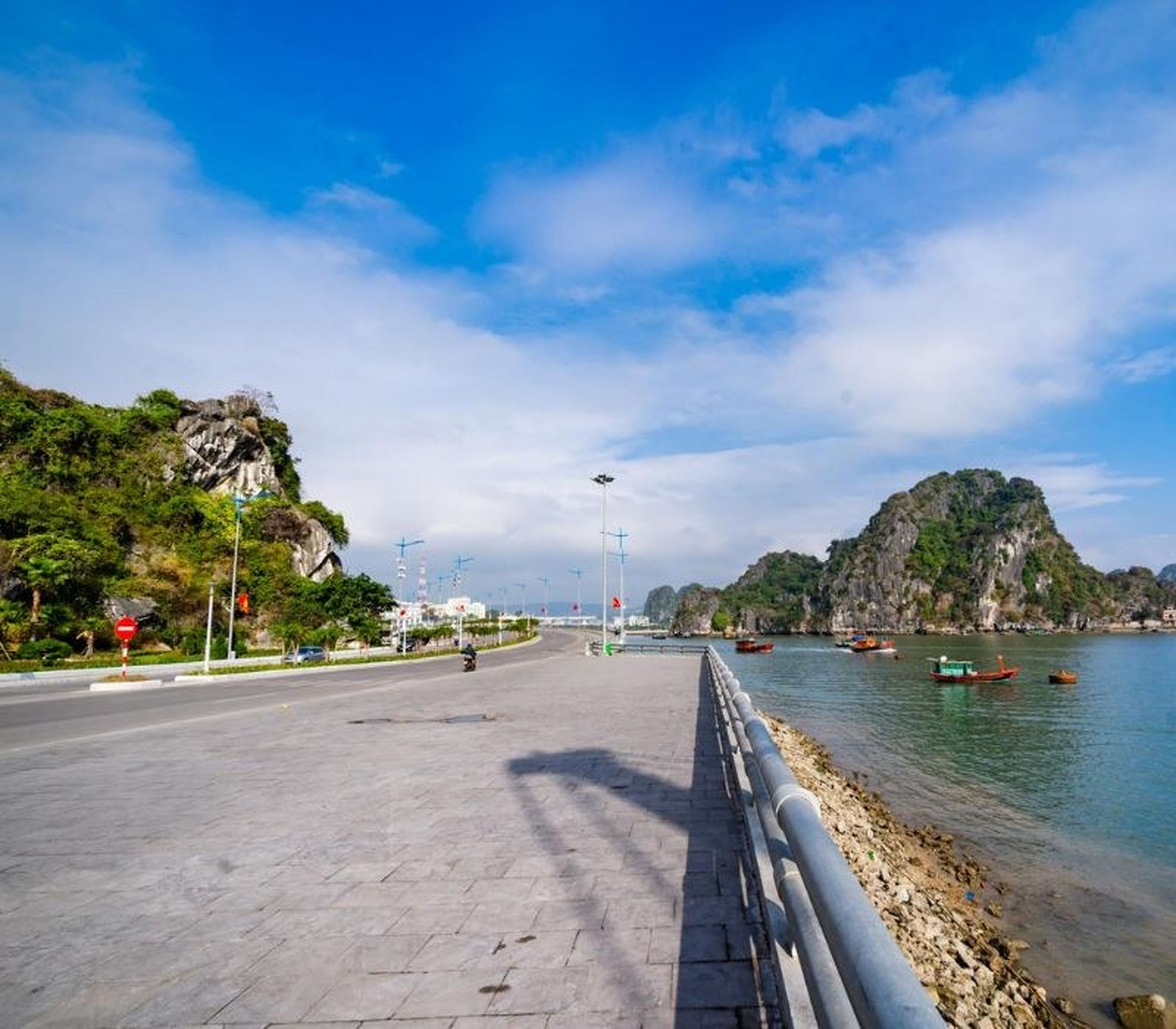
Every time I have the opportunity to return to Ha Long, what amazes me most is not only the rapid transformation of its tourism infrastructure, but also the modern, airy beauty of its seaside developments. Among them, Tran Quoc Nghien coastal road is always at the top of the list of spots that captivate me most. It is regarded as the city's most modern and aesthetically pleasing coastal route, running right along the water's edge of the world natural heritage bay.
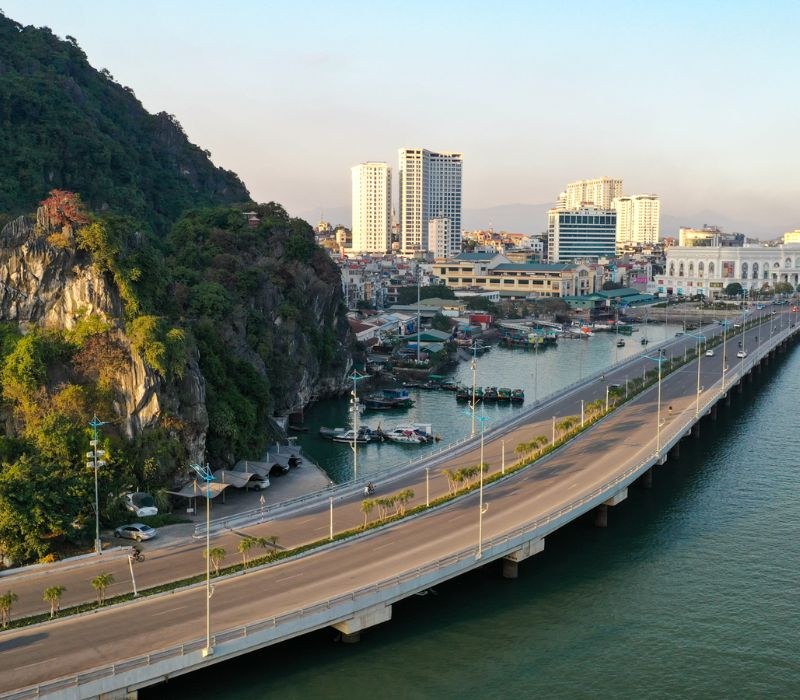
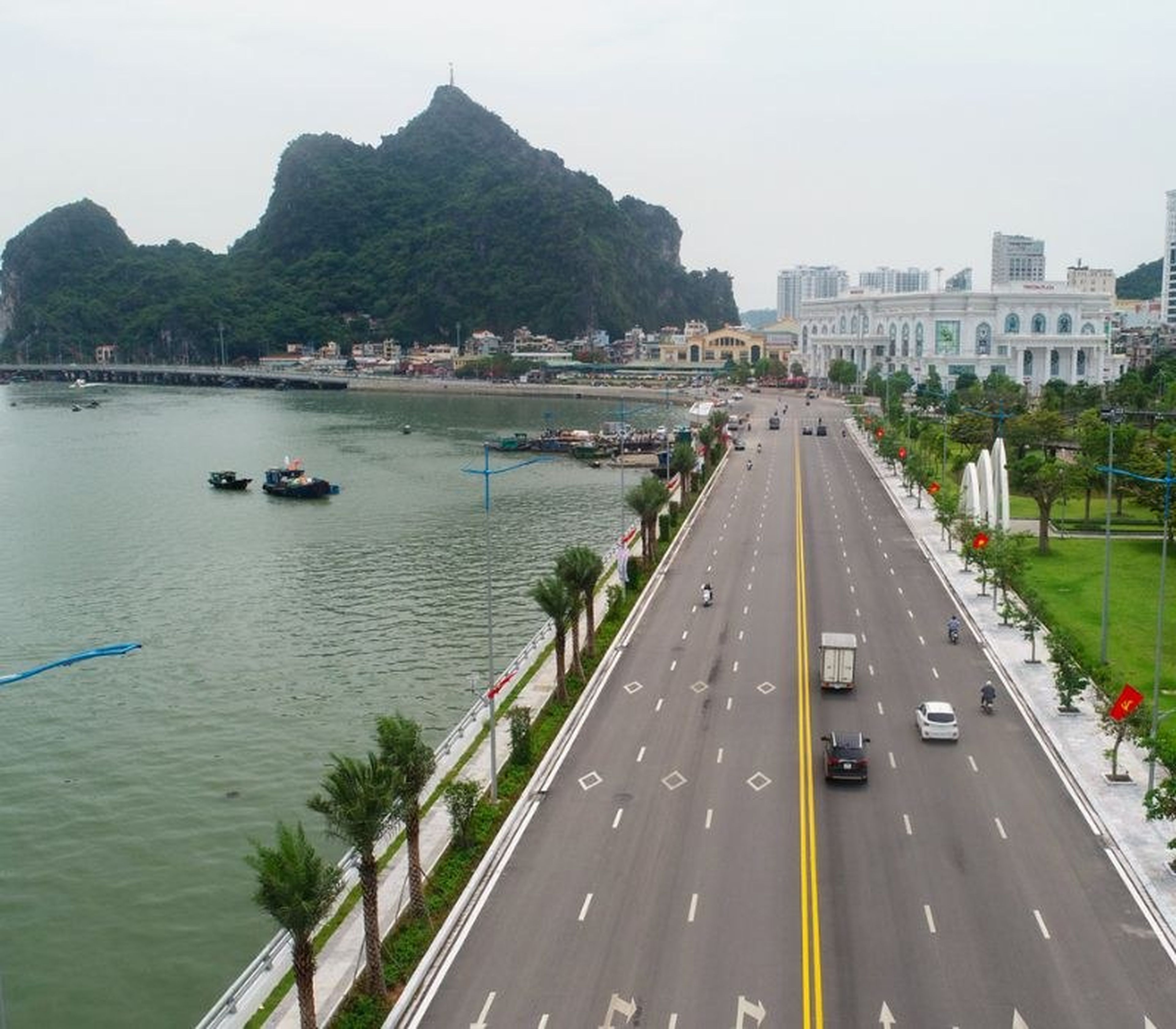
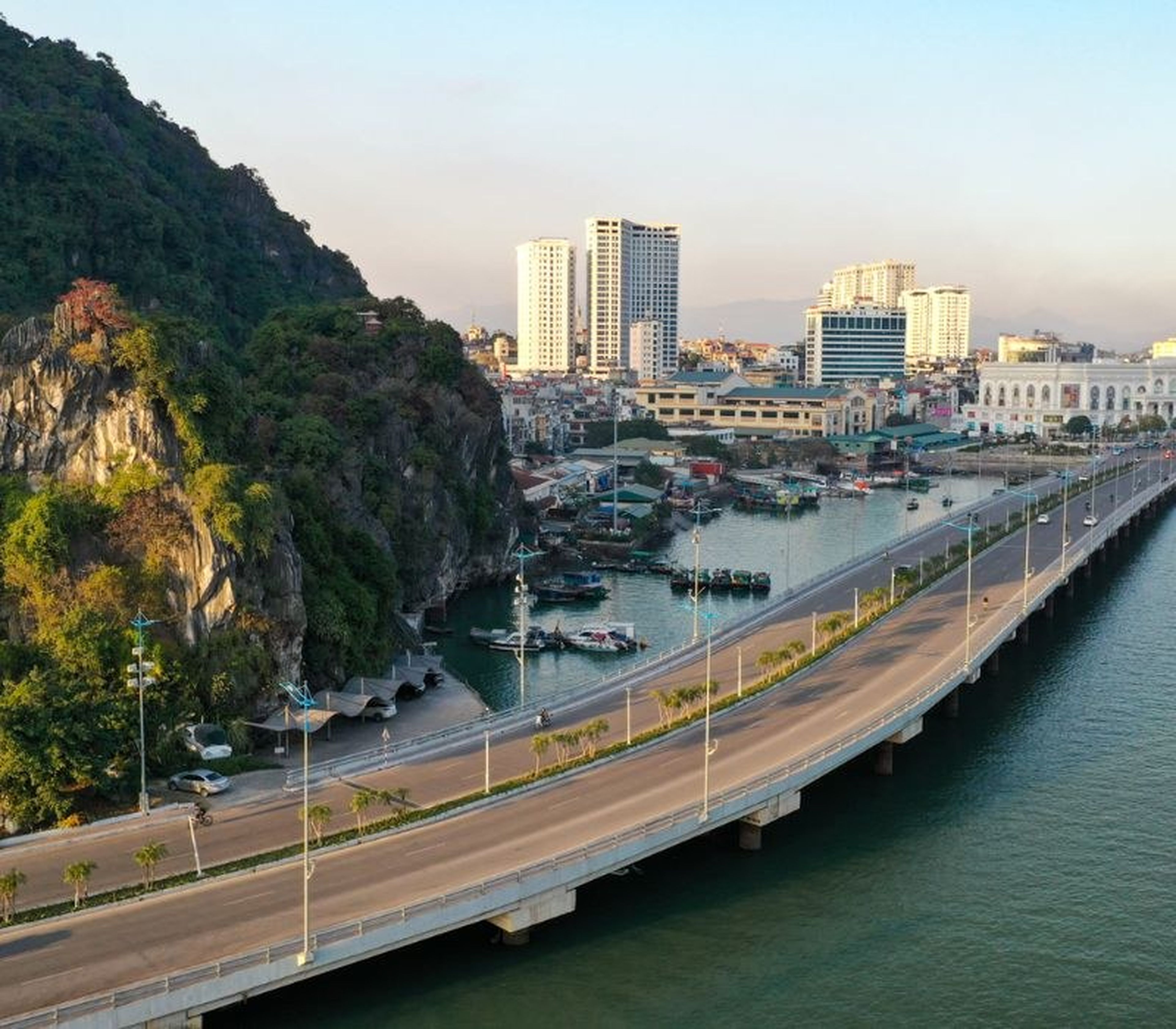
Tran Quoc Nghien coastal road attracts visitors with its harmonious blend of natural and man-made beauty. Illustrative photo: Soha
The route begins at the Vinhomes Ha Long urban area (in Bach Dang Ward), extends across the renowned Bai Tho Bridge, and ends at the direct junction with the Ha Long – Cam Pha coastal road. Far more than just an arterial traffic corridor connecting urban areas, Tran Quoc Nghien Road has now evolved into a versatile cultural, sports, and recreational space that draws thousands of tourists and locals every day.
2 Impressive Figures of the "Million-Dollar" Promenade
To create a world-class sightseeing corridor along the shores of Ha Long Bay, the city dedicated tremendous investment resources to this route, incorporating exceptional design highlights.
2.1 Modern Scale and Design of Tran Quoc Nghien Coastal Road
The entire Tran Quoc Nghien coastal road has a length of 4.7 km. Upgraded to a 6-lane motorized traffic scale with a roadbed width of up to 32m, it ensures exceptionally smooth and safe traffic flow. To withstand the continuous pressure of oceanic waves and winds over time, the entire seawall system here was constructed using modern prestressed reinforced concrete, guaranteeing absolute durability for the project.
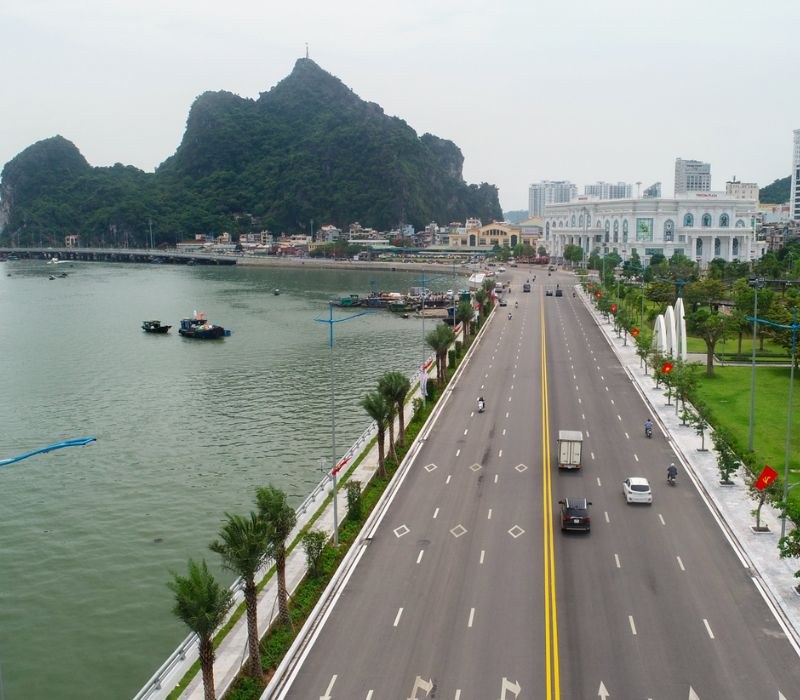
The entire 4.7 km route features a robust seawall system constructed from reinforced concrete. Illustrative photo: Soha
2.2 Park-like Promenade and Unique Wooden Walkway
What truly impressed and delighted me most is the outer promenade facing the sea. Reaching a width of up to 28m, this area is planned and landscaped much like an expansive coastal park. In particular, this is also the first roadway in Ha Long featuring a seaside wooden-decked pathway dedicated to pedestrians and sports cyclists, offering an exceptionally luxurious and pleasant feel underfoot while strolling and taking in the views.
3 Exploring the Functional Zones on Tran Quoc Nghien Coastal Road
Walking along the road, you will notice how thoughtfully the space is laid out, divided into distinct functional zones that deliver a diverse range of experiences:
3.1 Welcome and Cultural Zone along Tran Quoc Nghien Coastal Road
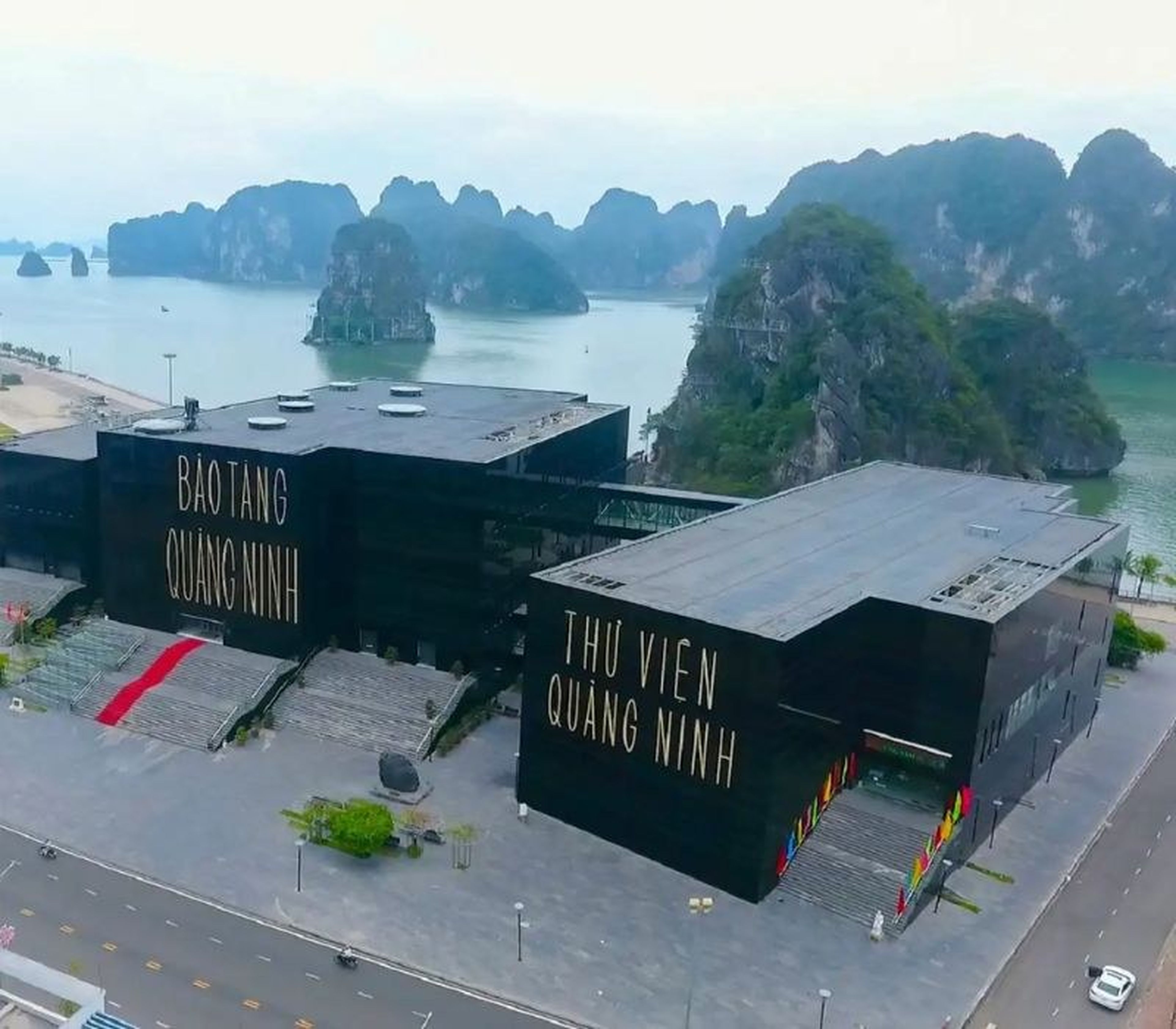
This area is home to the most iconic architectural landmarks of Quang Ninh Province. You will easily spot the Quang Ninh Museum and Provincial Library – an architectural duo likened to mysterious "black pearls" reflecting the blue hues of the sky and sea. Right next door is the Provincial Planning, Fair and Exhibition Palace (affectionately known as the Dolphin Palace), designed to resemble a dolphin playing with a pearl by the bay – an unmissable check-in destination for young visitors.
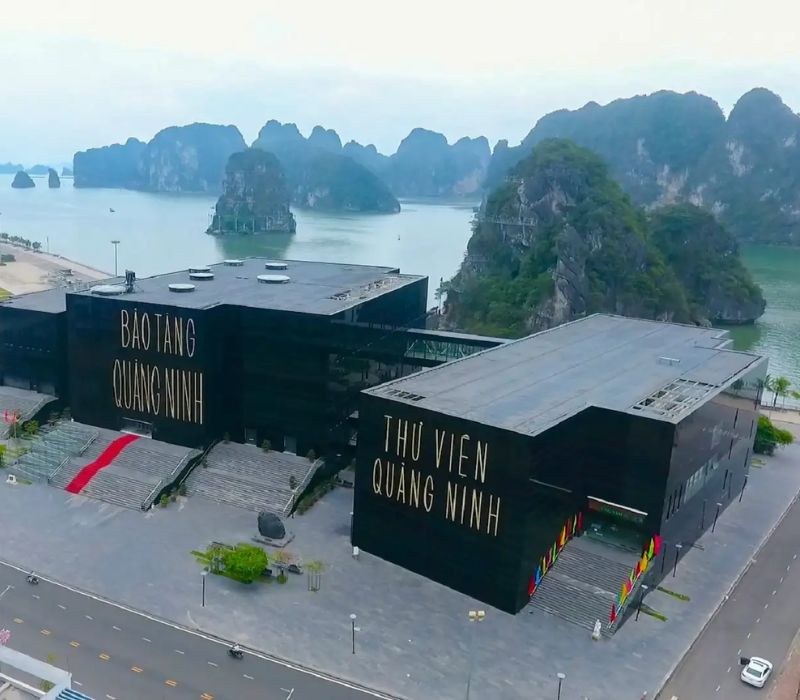
Lining Tran Quoc Nghien Road are iconic landmarks of the mining region, such as the Quang Ninh Museum. Illustrative photo: Traveloka
3.2 Historical Zone
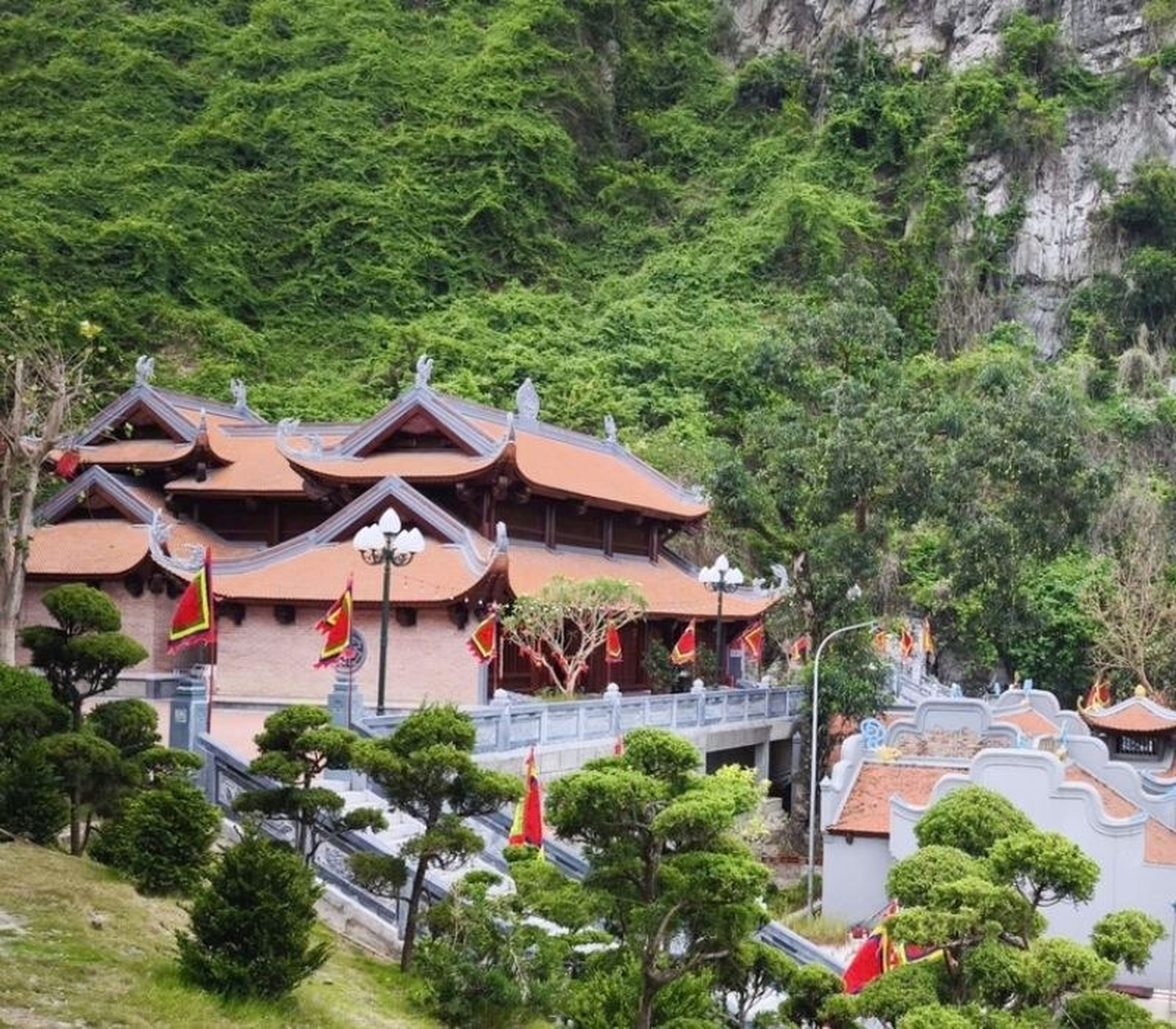
Continuing the cultural journey, the road leads visitors to proud national historical relics. These include the towering, majestic Bai Tho Mountain, which preserves ancient royal verses carved onto the cliff faces, and the venerable Tran Quoc Nghien Temple (Duc Ong Temple), built in the 13th century to commemorate the contributions of the gifted Tran Dynasty general.
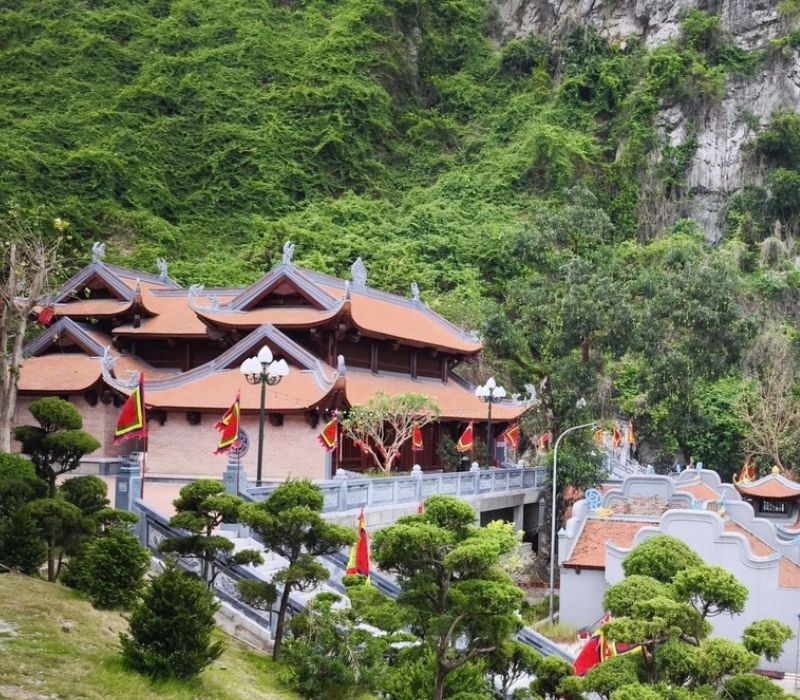
This corridor also leads to the majestic Bai Tho Mountain and Duc Ong Tran Quoc Nghien Temple. Illustrative photo:
3.3 Entertainment and Beach Zone (Hon Gai Beach)
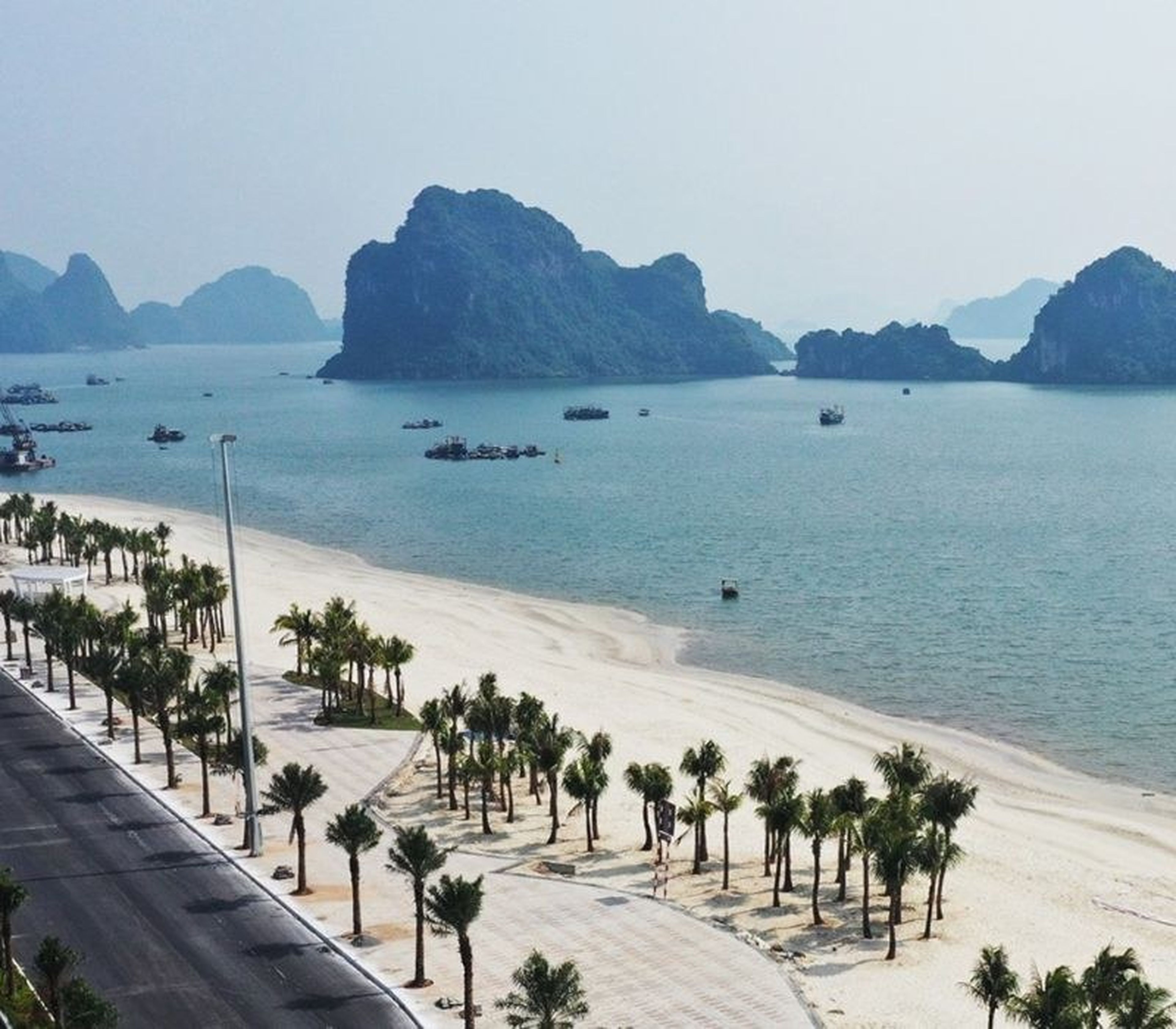
Located at the final stretch of the coastal road, the public Hon Gai Beach, stretching about 900m, is a wildly popular attraction. The beach has been comprehensively redeveloped with soft white sand, creating an ideal outdoor leisure and swimming destination for locals and travelers from all around every summer.
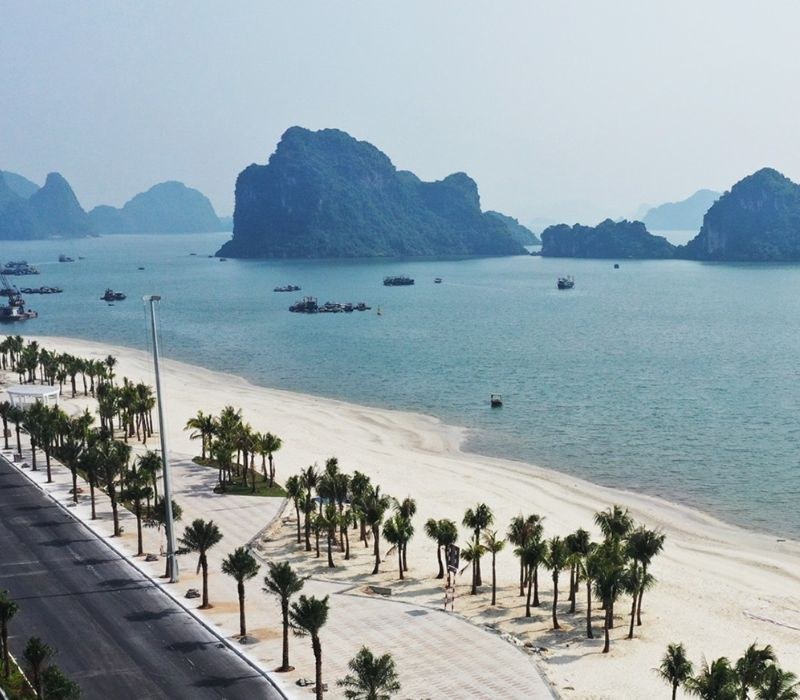
At the far end of Tran Quoc Nghien coastal road lies Hon Gai Beach with its smooth, pristine white sand. Illustrative photo: VNExpress
4 Unmissable Experiences When Visiting Tran Quoc Nghien Road
Visiting this charming coastal promenade, I highly suggest you take part in the wonderful activities below:
4.1 Taking in "Breathtaking" Sunrises and Sunsets from Bai Tho Bridge
Bai Tho Bridge, situated along the route, is one of the most advantageous vantage points to admire the full natural panorama of Ha Long Bay. Standing on the bridge in late afternoon, watching the fiery crimson sunset descend behind undulating limestone karsts over the tranquil waters, is an invaluable moment that encourages quiet contemplation.
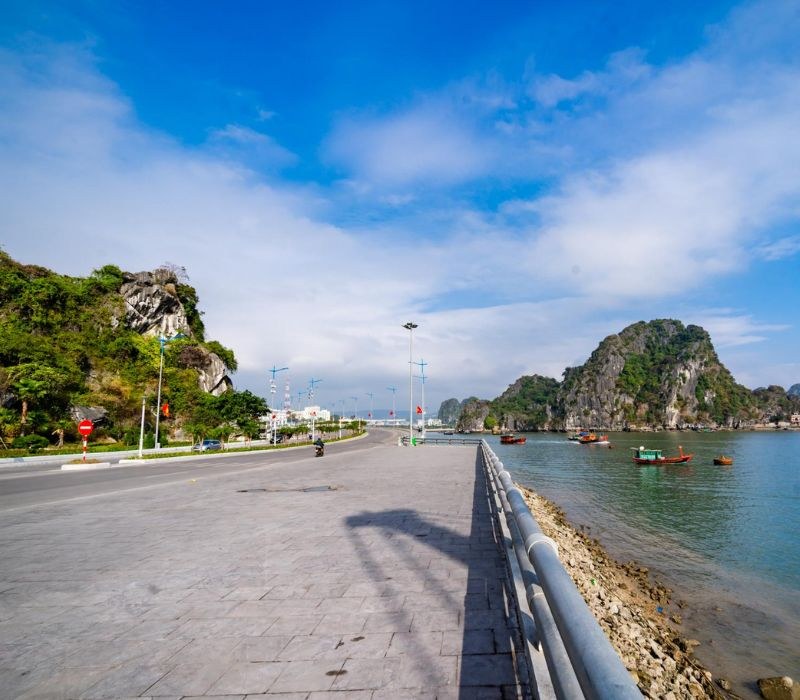
From Bai Tho Bridge, you can take in the panoramic beauty of Ha Long Bay, especially at sunrise or sunset. Illustrative photo: TRIPMAP
4.2 Checking in at Multi-Trillion-Dong Landmarks
With million-dollar backdrops all around, you only need to lift your camera to snap striking, stylish photos. Spend some time wandering around the sprawling October 30 Square, snapping pictures in front of the Museum's mysterious black glass facade, or posing beside the Dolphin Palace. Furthermore, you can visit the nearby Bai Chay Lighthouse – the tallest lighthouse in Vietnam with an impressive height of 55.5m.
4.3 Participating in Seaside Sports and Leisure Activities
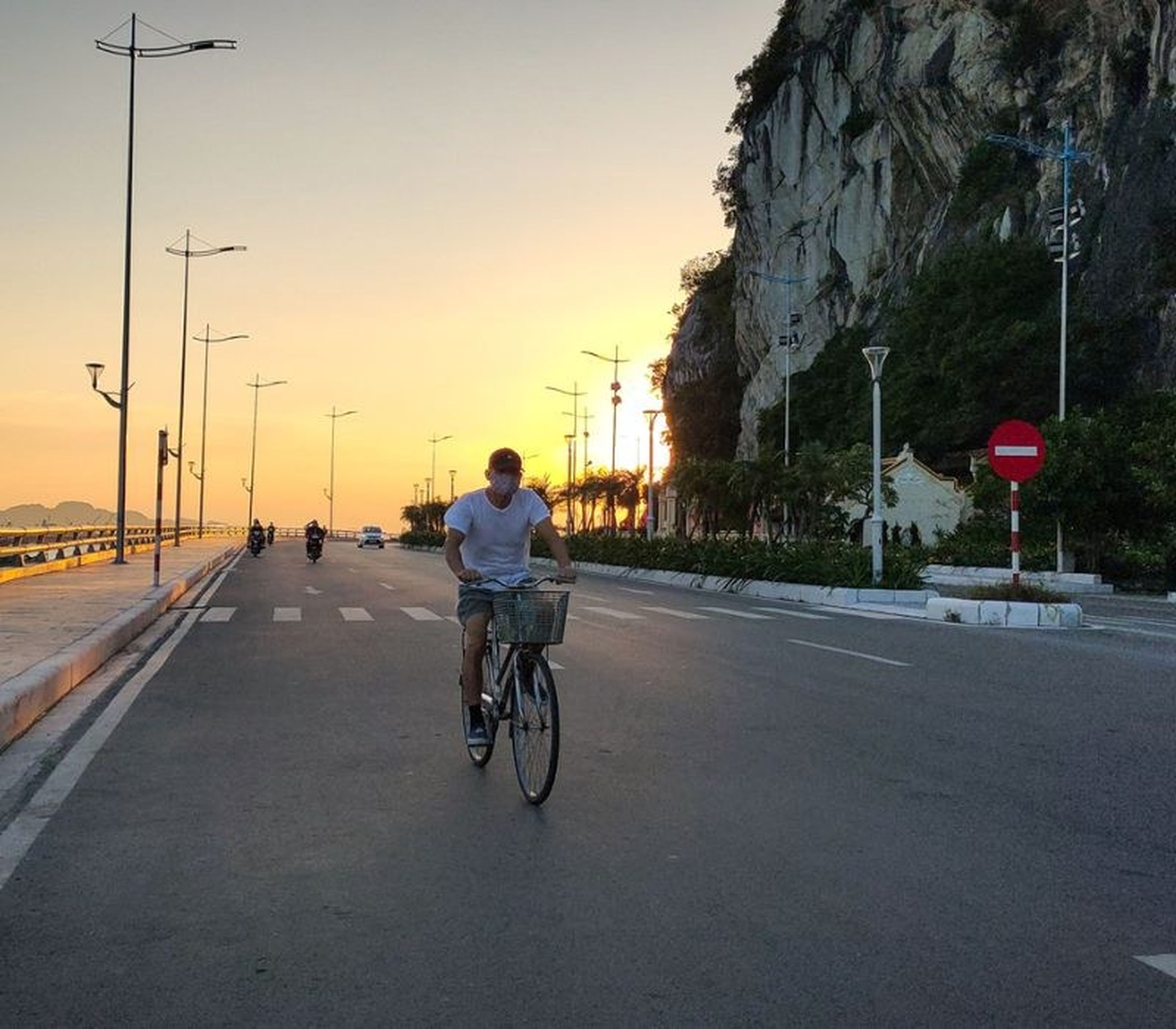
Early in the morning or during a cool late afternoon, cycling leisurely or jogging along the wooden coastal pathway while breathing in the fresh sea breeze is a wonderful way to recharge. Thanks to its gorgeous scenery and standard infrastructure, this route is also regularly selected as the race track for major marathons, notably the Ha Long Bay Heritage Marathon.
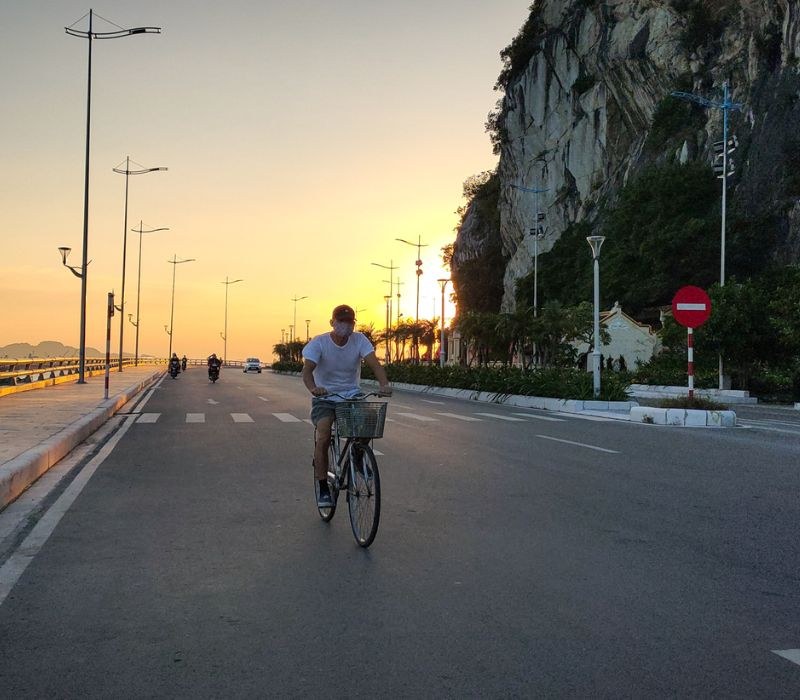
In the early morning, you can leisurely cycle and watch the city slowly awaken. Illustrative photo: Soha
4.4 Swimming for Free at Hon Gai Beach
Hon Gai Beach boasts clear blue waters, fine sand, and an unobstructed view overlooking the bay's signature limestone karst scenery. Visitors swimming here do so completely free of charge, with access to complimentary freshwater showers and well-equipped sports grounds.
5 Travel Experience and Tips for Visitors
To make your exploration of Tran Quoc Nghien coastal road as seamless and fulfilling as possible, keep these practical tips in mind:
-
Best Time to Visit: You should visit the coastal road in the early morning (around 5:30 – 7:00 AM) to catch the sunrise and drop by the bustling fish market right below Bai Tho Bridge to watch fishermen returning with their catch. Alternatively, from 4:30 PM onwards, the weather turns cool and pleasant, making it ideal for walking, catching the breeze, and swimming.
-
Transportation: The roadway is spacious and level, allowing you to travel effortlessly by motorbike, private car, or rented tourist electric cart. Traveling from the central Bai Chay tourism hub across Bai Tho Bridge to the Hon Gai area takes only about 10–15 minutes.
-
Accommodation: Along the road and in adjacent neighborhoods, there are diverse lodging choices. You can rent premium homestays at Vinhomes Ha Long, shophouses in the Cot 3 – Cot 5 area, or stay at luxury sea-facing hotels.

You can stop by early in the morning to soak in the lively trading vibe at the fish market right below Bai Tho Bridge. Illustrative photo: CafeF
6 Frequently Asked Questions (FAQ) about Tran Quoc Nghien Coastal Road
6.1 How long is Tran Quoc Nghien coastal road?
The route has a total length of 4.7 km, starting from the Bai Tho Bridge area (Bach Dang Ward) and running to its junction with the Ha Long – Cam Pha coastal road.
6.2 Is swimming at Hon Gai Beach free?
Absolutely. Hon Gai Beach is a public beach open freely to locals and tourists. It provides free freshwater rinse stations along with clean, well-maintained sanitation facilities.
6.3 Does this roadway offer parking areas?
Yes. Built along the coastal road are viewing stopovers extending out over the water, expansive parking areas for cars and motorbikes, and standard public restrooms designed to serve visitors.
6.4 What attractions can be combined along the same route?
You can easily plan a continuous sightseeing route along this corridor: Bai Tho Mountain – Tran Quoc Nghien Temple – Quang Ninh Museum & Library – Dolphin Palace – October 30 Square – Hon Gai Beach.
Tran Quoc Nghien coastal road has truly evolved into a massive "seaside park" – a place that perfectly connects natural heritage with modern life. If you are planning an upcoming trip to Ha Long, make sure to set aside a full afternoon to stroll along this "million-dollar" promenade and feel the fresh, poetic atmosphere of this heritage land for yourself! Grab your suitcase and hit the road today.