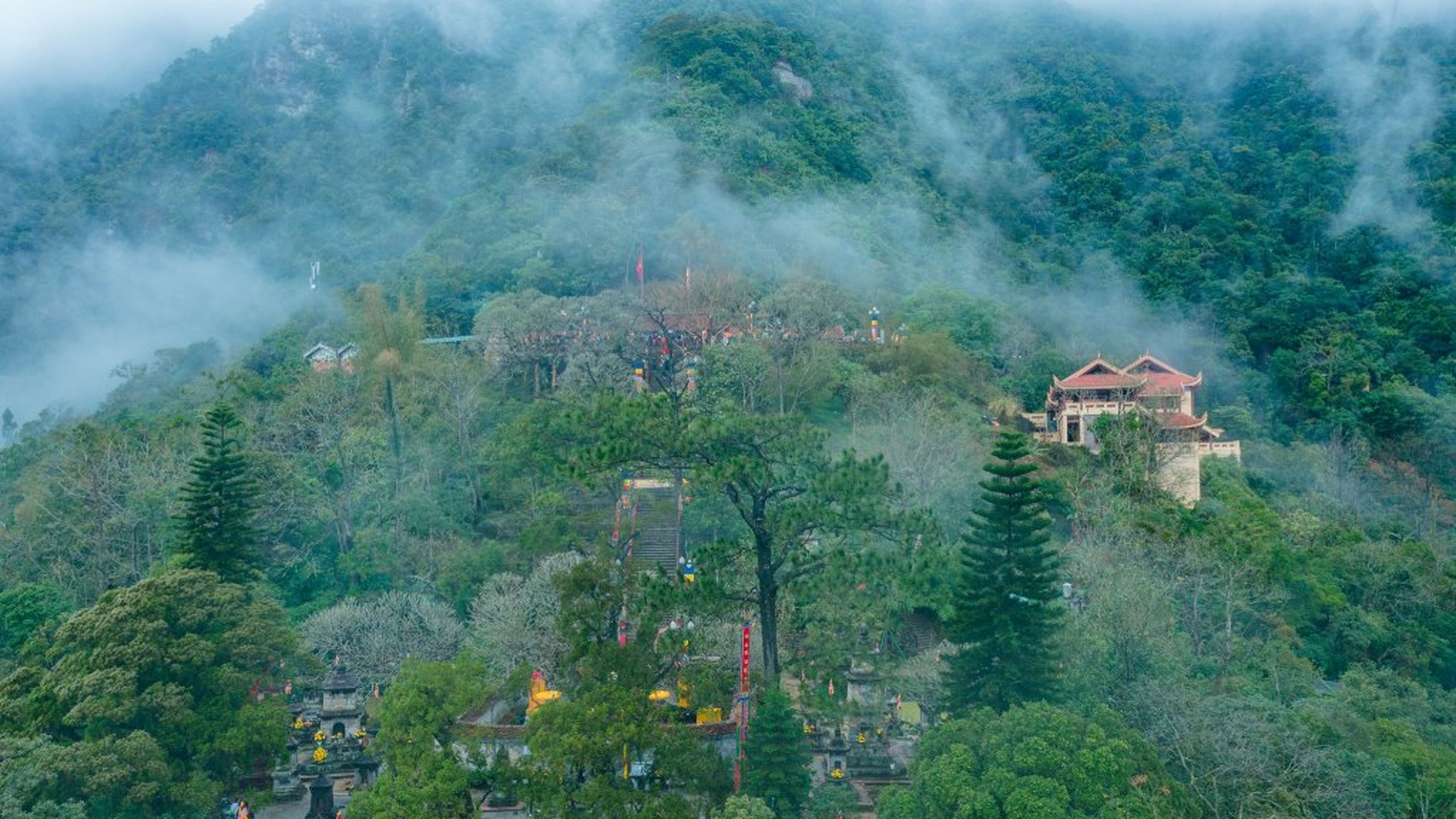
Yên Tử Scenic Site is where King Trần Nhân Tông attained Buddhahood and founded the Yên Tử Trúc Lâm Zen sect, a Zen tradition deeply imbued with Vietnam’s national cultural identity!
Yên Tử Scenic Site – Sacred Land, Birthplace of the Trúc Lâm Zen Sect
The Historical and Cultural Values of Yên Tử Scenic Site
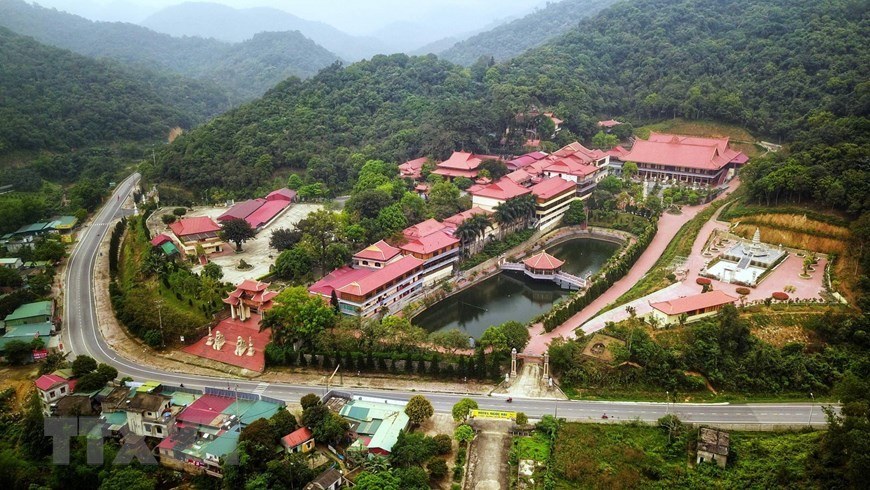
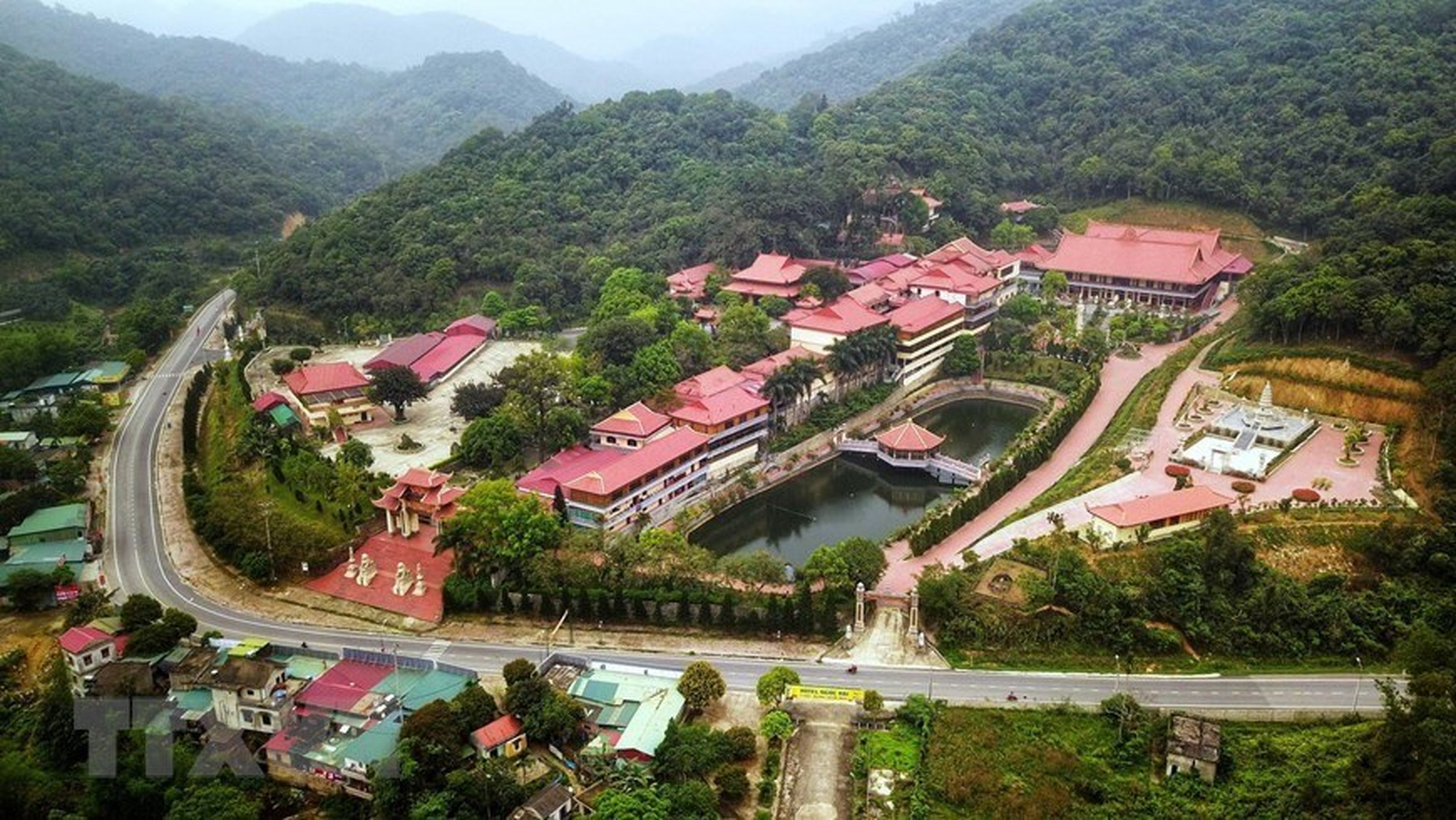
Yên Tử Scenic Site seen from above. Photo: Vietnam News Agency.
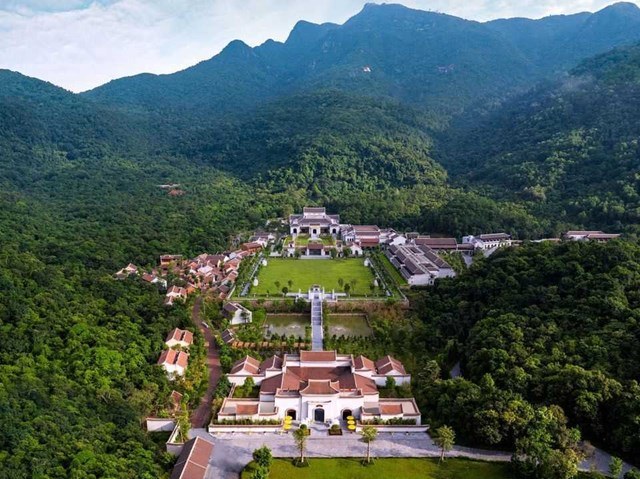
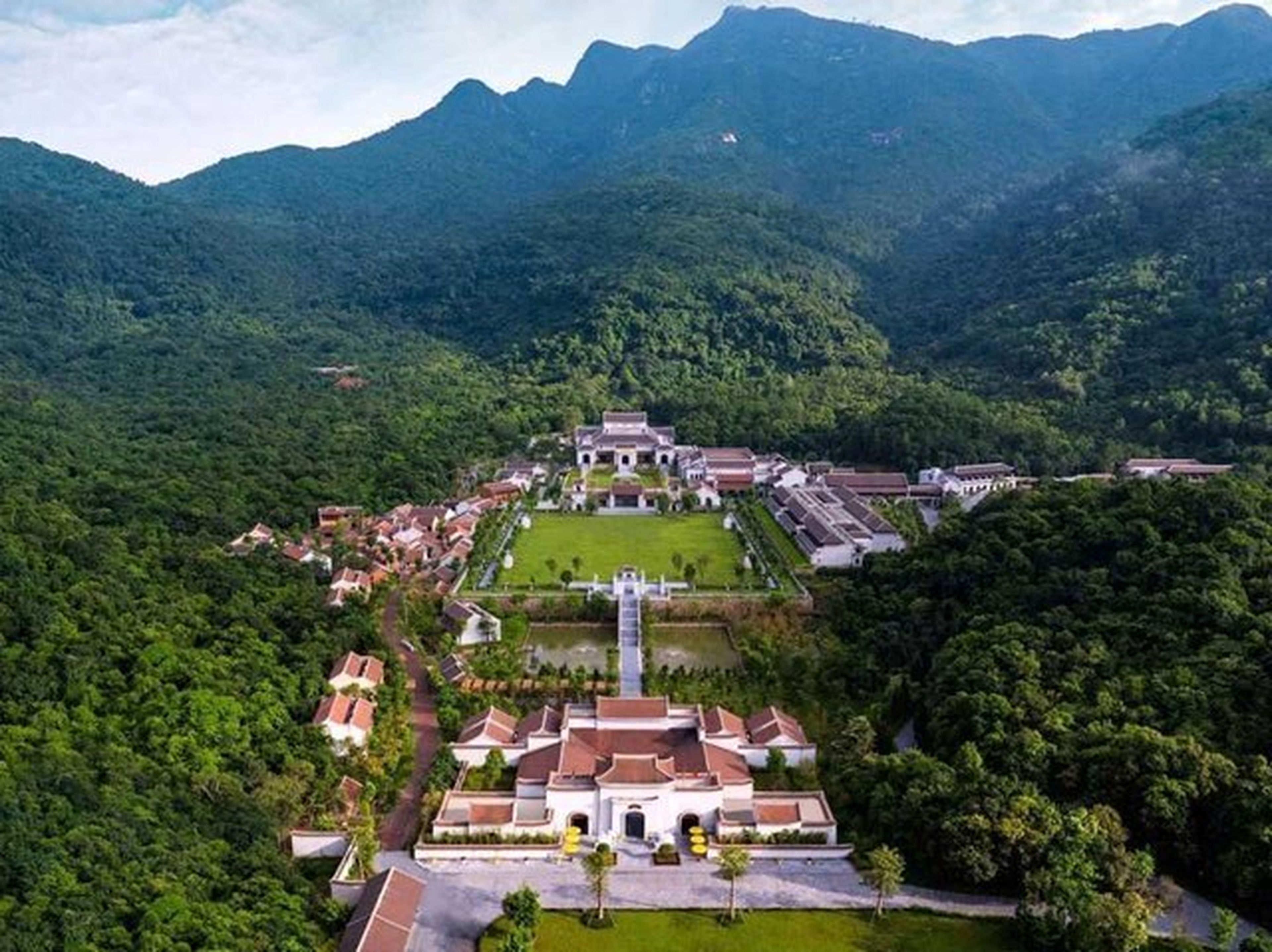
The Yên Tử monument and scenic site complex. Photo: daidoanket.
The Yên Tử Trúc Lâm Zen sect was founded on the basis of absorbing and inheriting the quintessence of Indian and Chinese Buddhism—a Zen tradition bearing the nation’s distinct identity. The sect holds that the Buddha is within one’s own mind, not somewhere far away or in another life. The Buddha is only a teacher who guides people, not a deity.
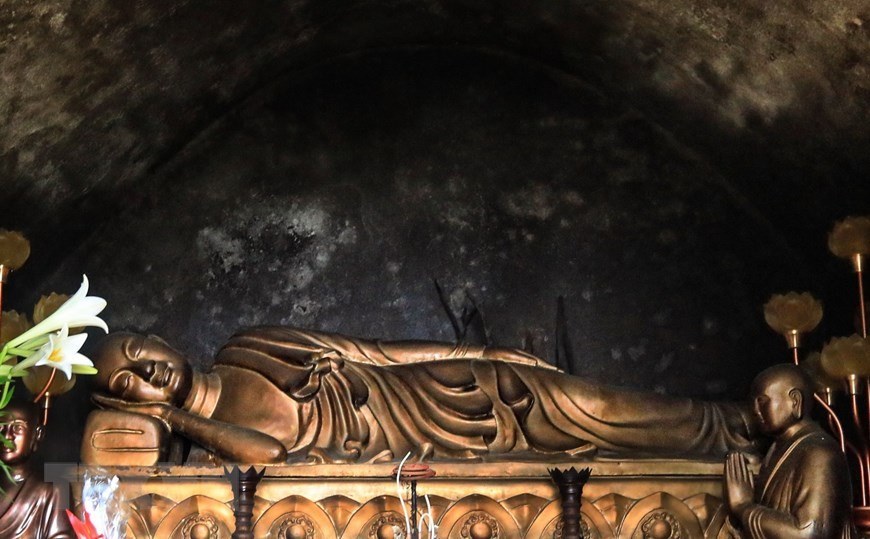
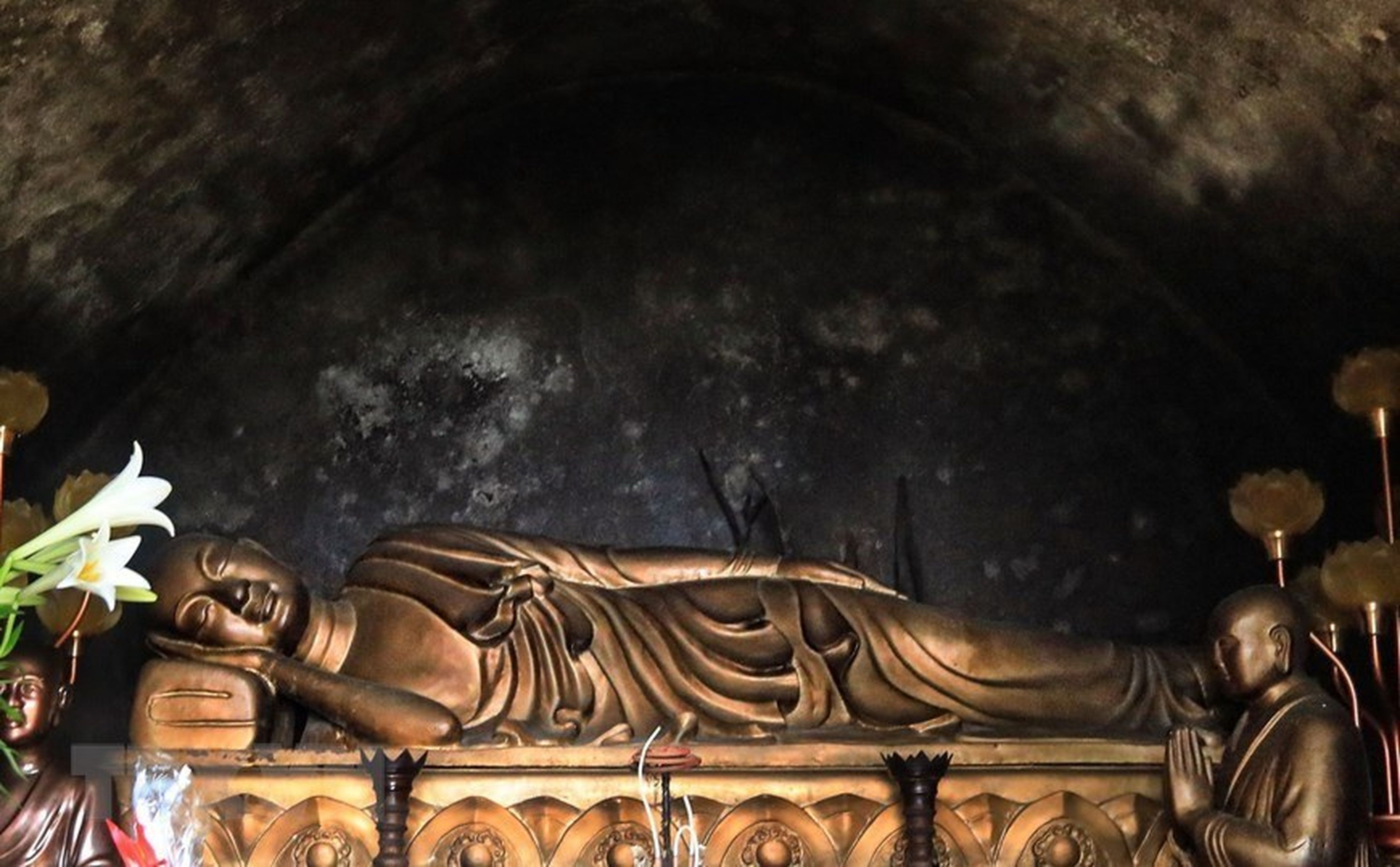
Statue of Buddha Emperor Trần Nhân Tông. Photo: International Affairs.
If the mind is calm and clear, and one lets go of greed, anger and delusion… to live a pure life, the mind will become bright, insight will arise, ignorance will be swept away, and all suffering will end; enlightenment will naturally follow. Based on this view, the Yên Tử Trúc Lâm Zen sect took human beings themselves as its foundation. The Trúc Lâm Zen sect therefore became the ideological and moral foundation of the golden Trần dynasty.
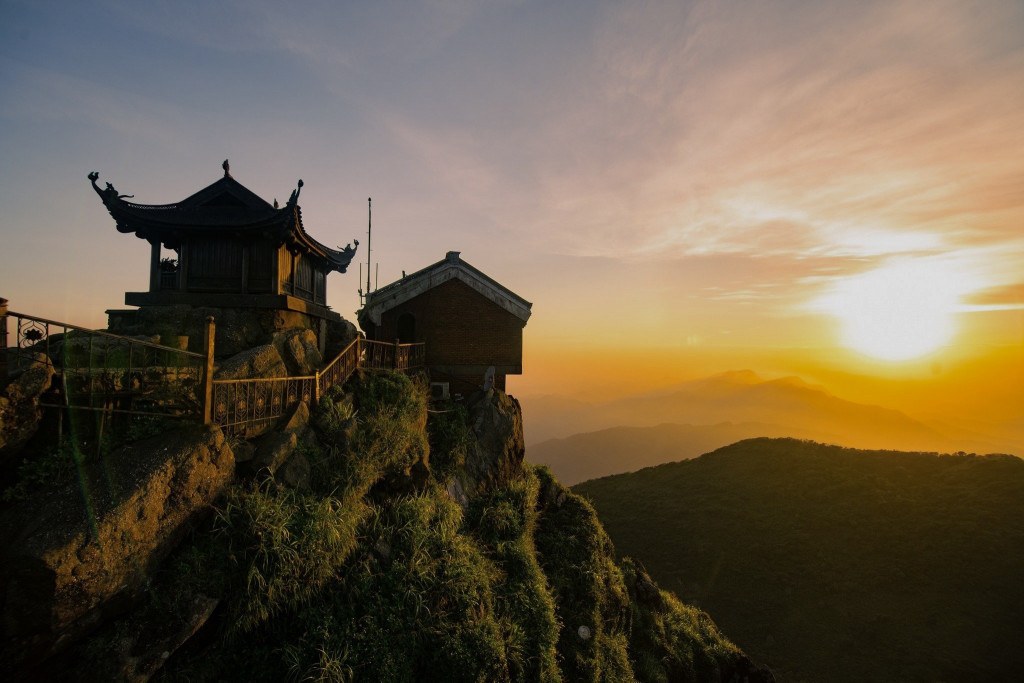
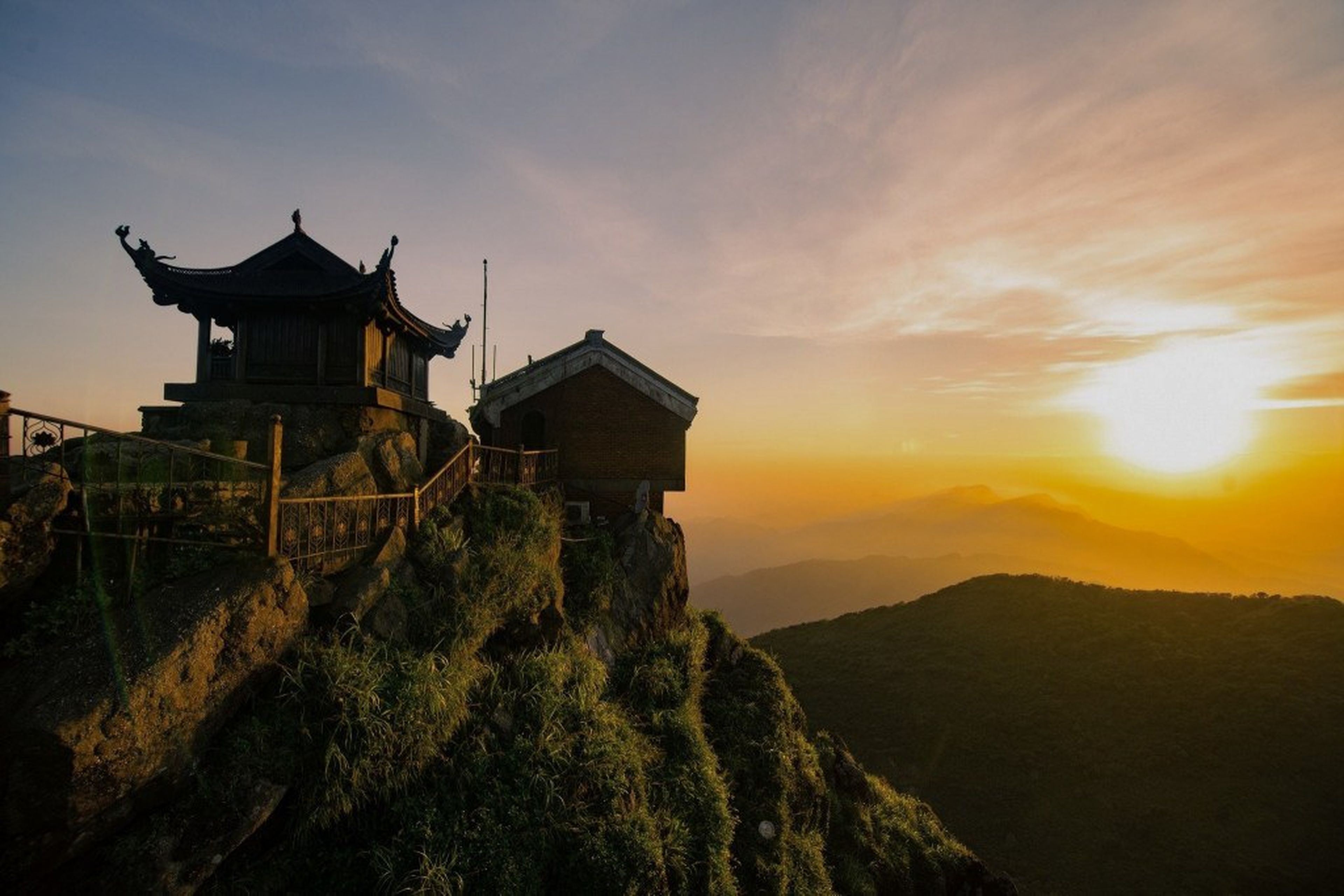
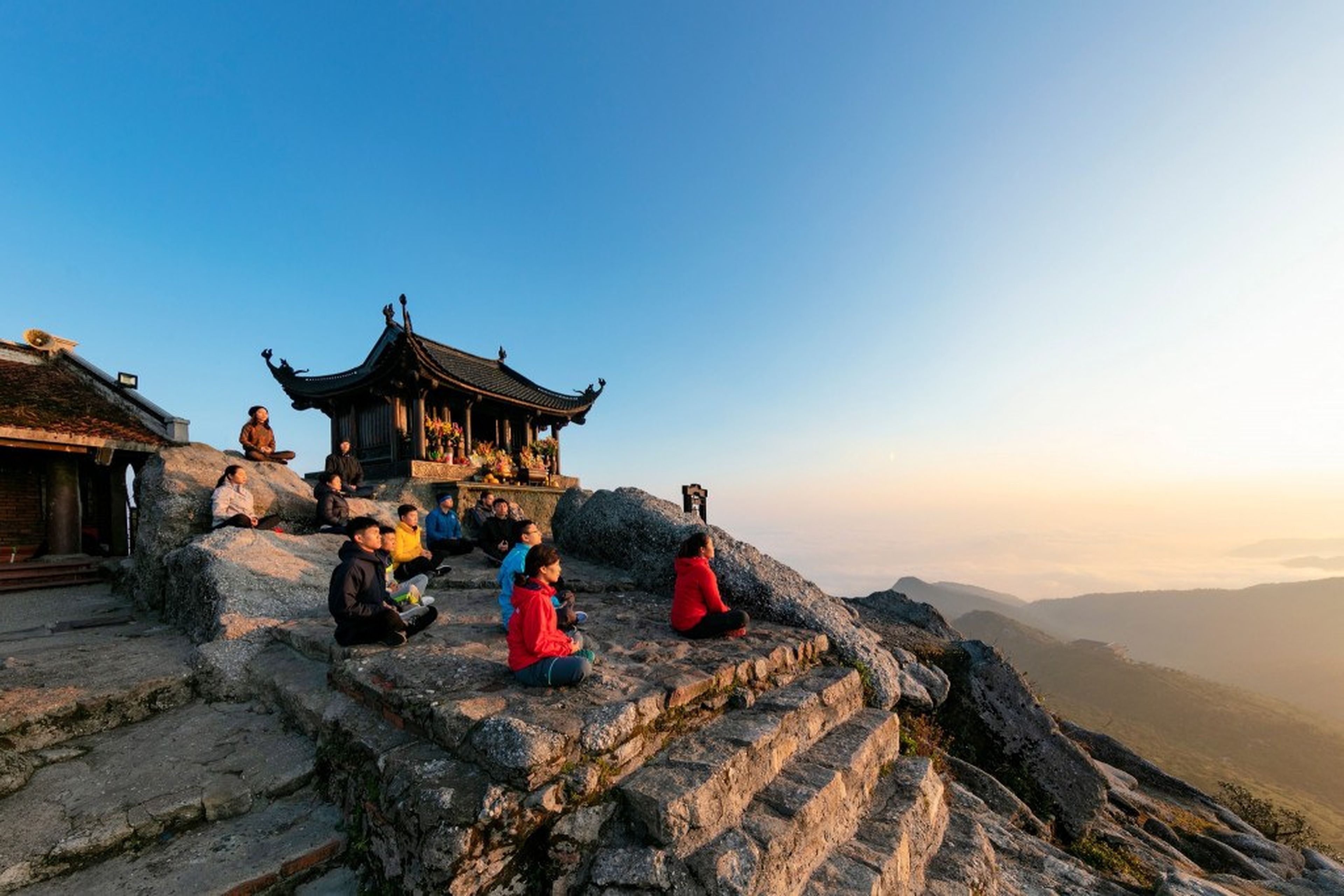
Sunset at Yên Tử. Photo: Yên Tử Mountain.
When the Trúc Lâm Zen sect was at its peak, Yên Tử Scenic Site covered a vast area with representative structures: Long Động, Hoa Yên, Vân Tiêu (Uông Bí), Quỳnh Lâm, Hồ Thiên, Ngọa Vân (Đông Triều), Thanh Mai, Côn Sơn (Chí Linh, Hải Dương), and other constructions in the mountainous area west of Yên Tử.
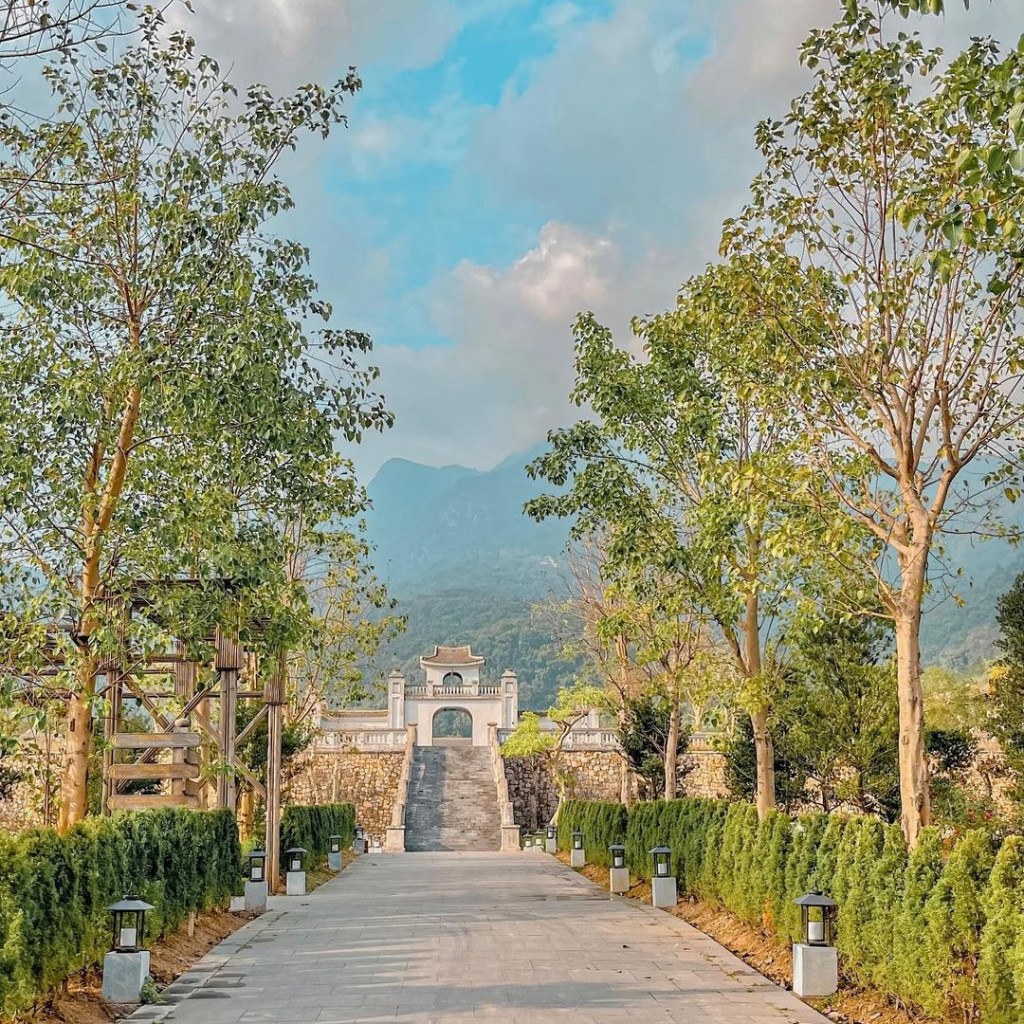
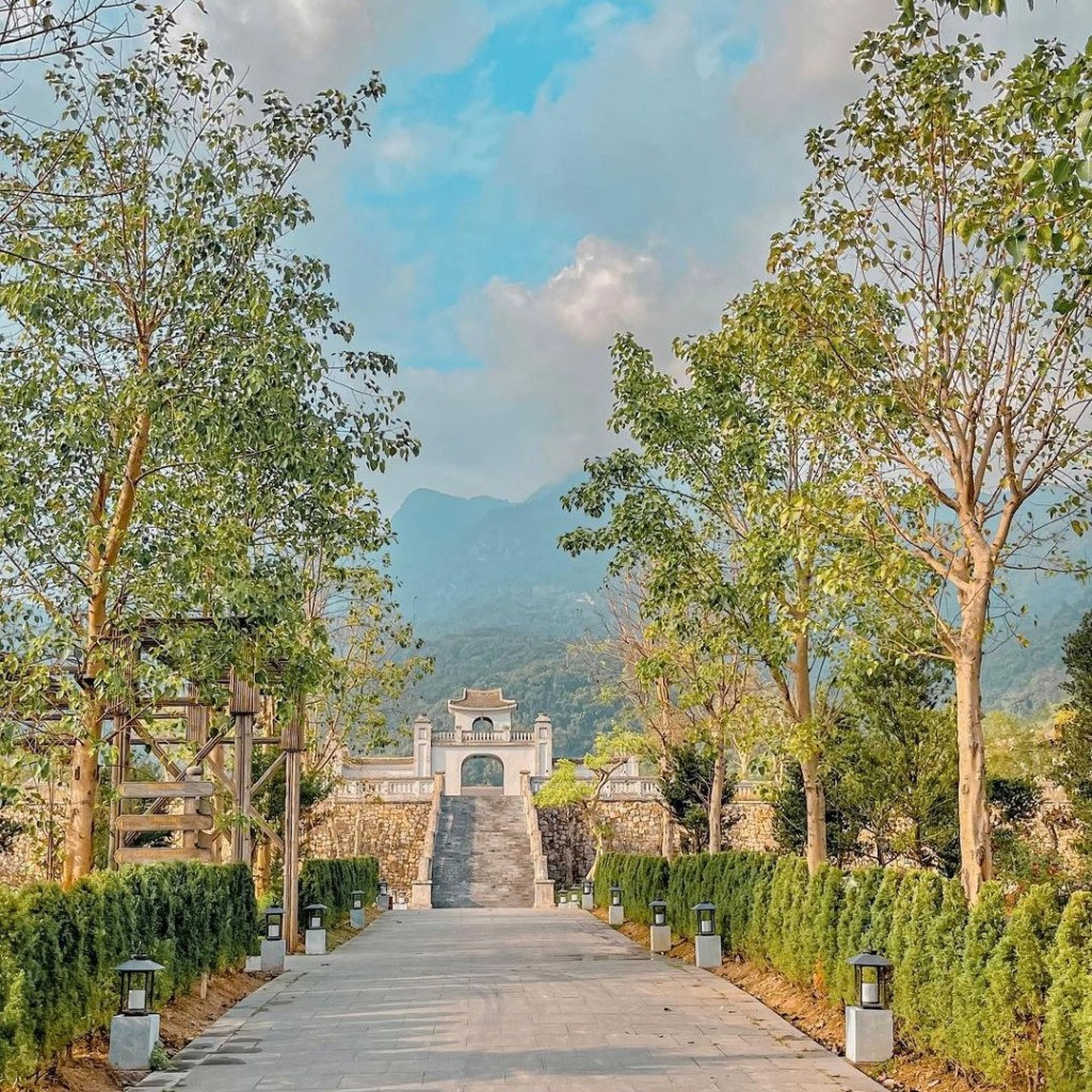
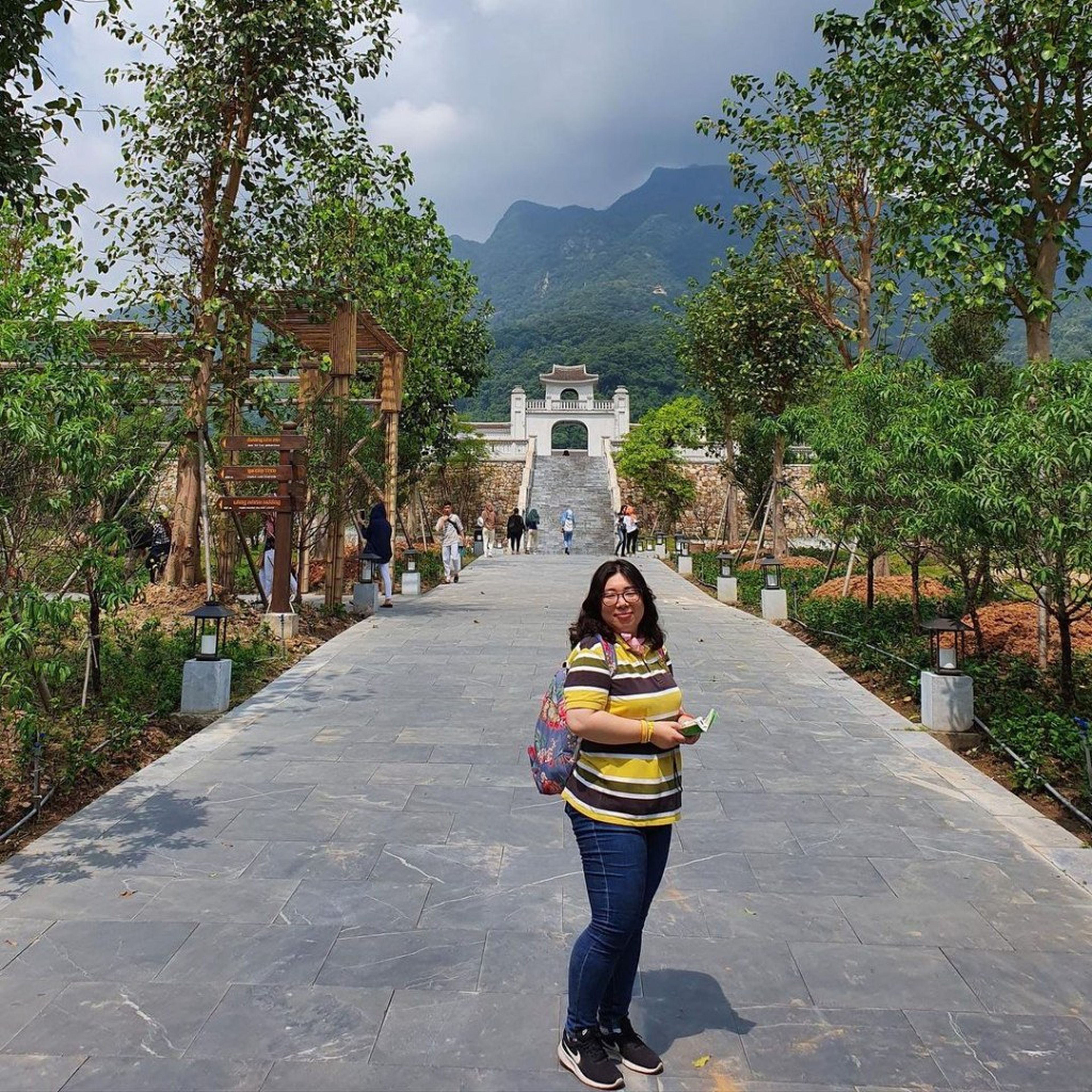
Photo: @nini.nguyet.
The surviving traces at Yên Tử today include hundreds of stupas enshrining relics; dozens of foundations of pagodas and hermitages; and thousands of ancient artifacts: statues, bells, stone steles, roof tiles, bricks, porcelain, ceramics…
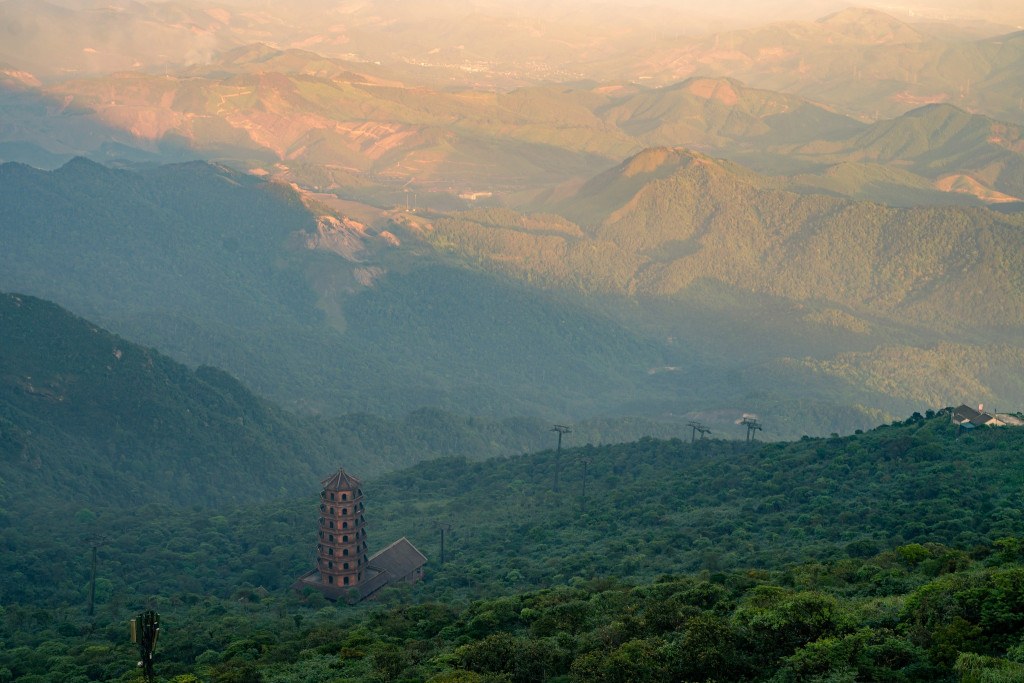
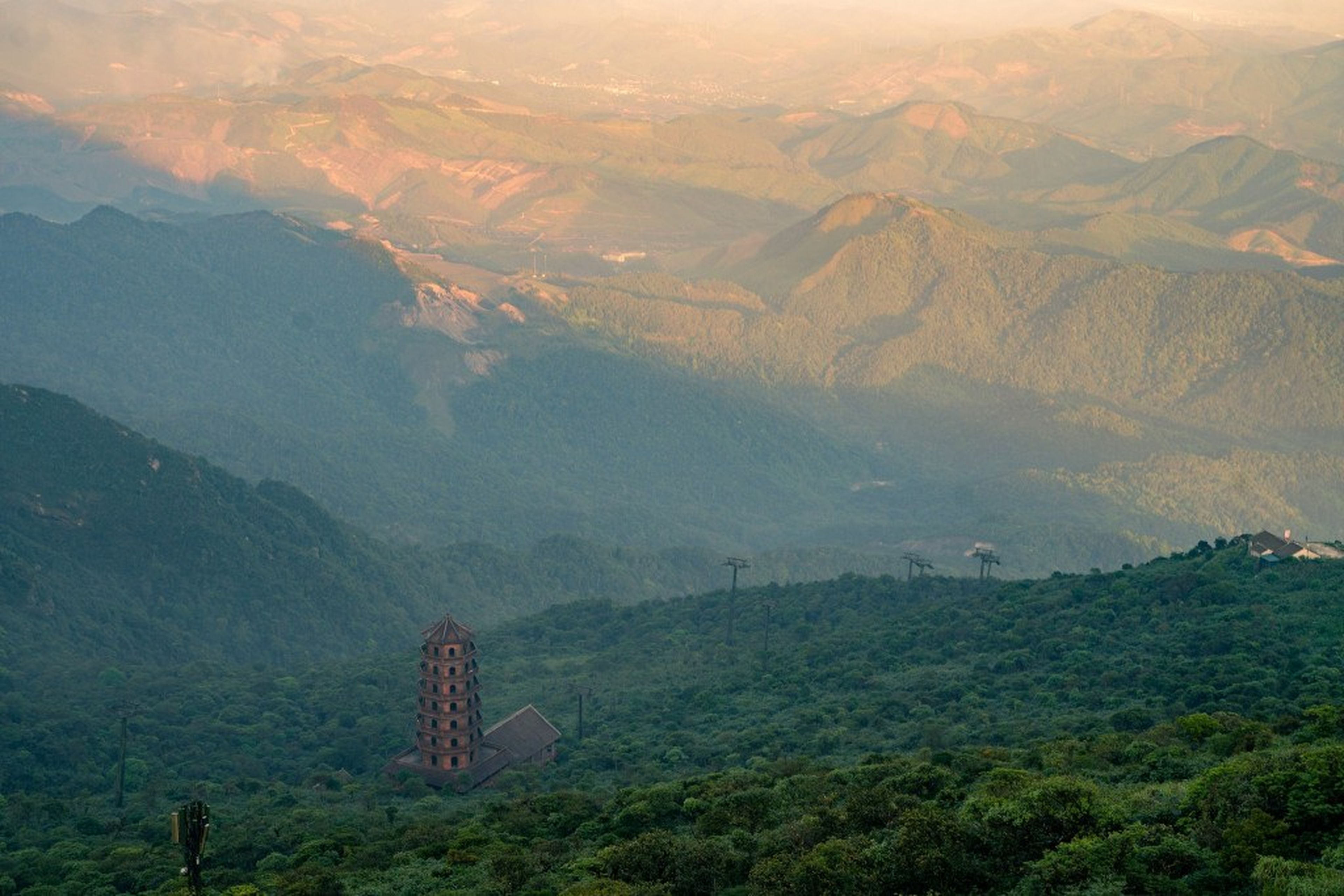
The green mountains of Yên Tử. Photo: Yên Tử Mountain.
During the two wars to regain independence from imperialists and colonialists, Yên Tử Scenic Site served as a revolutionary base, where our troops trained, as well as a lookout post guarding Vietnam’s skies.
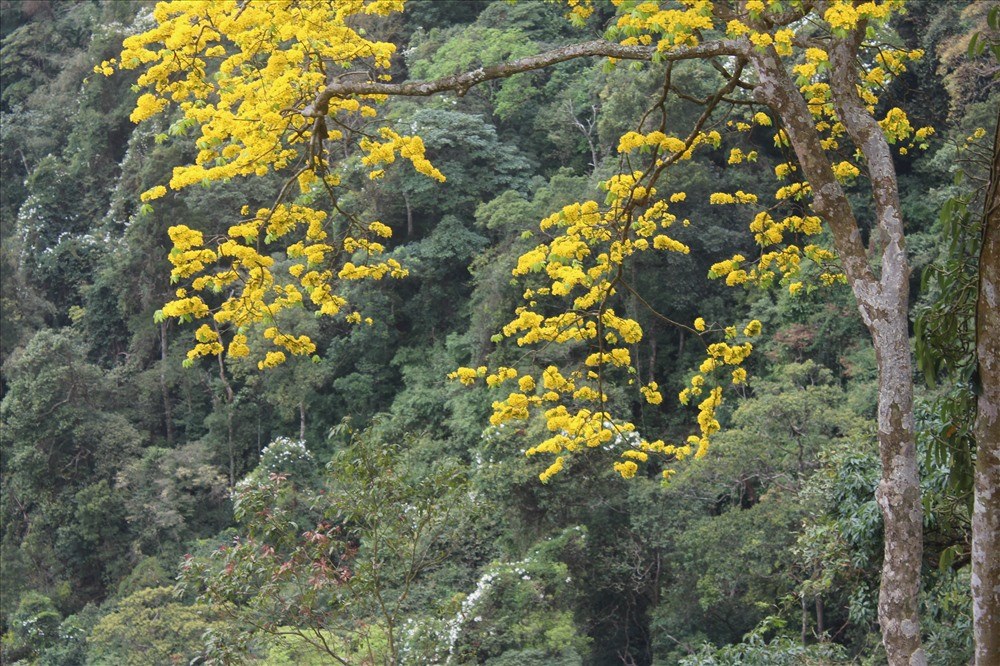
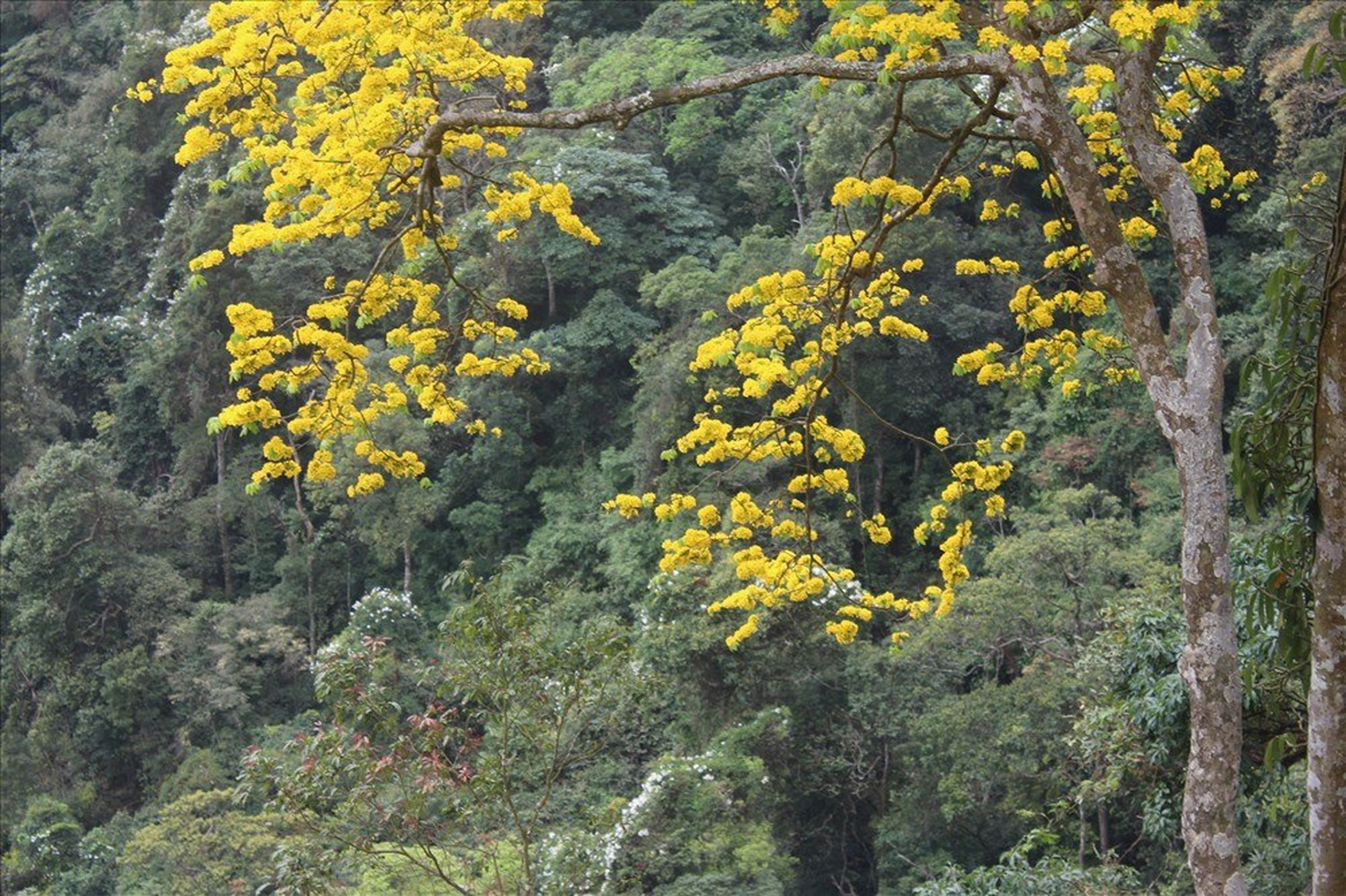
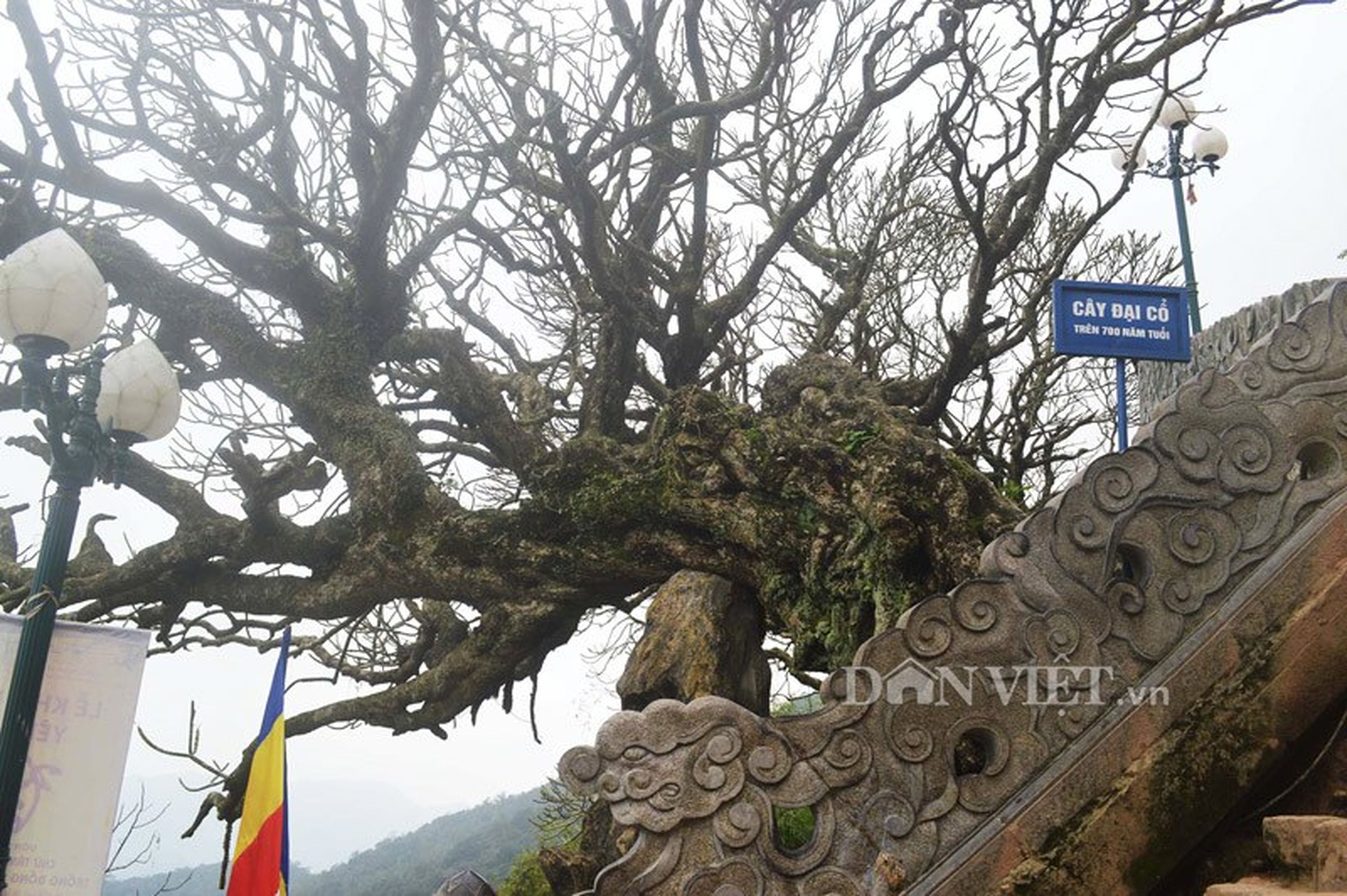
Centuries-old apricot trees. Photo: Nguyễn Hùng.
The Spiritual Value of the Scenic Site
According to legend, more than 2,000 years ago, Yên Kỳ Sinh came to this mountain to practice Taoist arts, gather medicinal herbs, prepare an elixir of immortality, and heal people. When he died, he was transformed into a stone statue; the name “Master Yên” became “Yên Tử.”
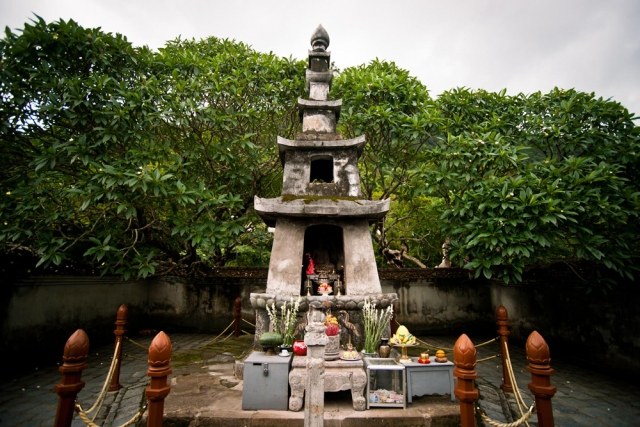
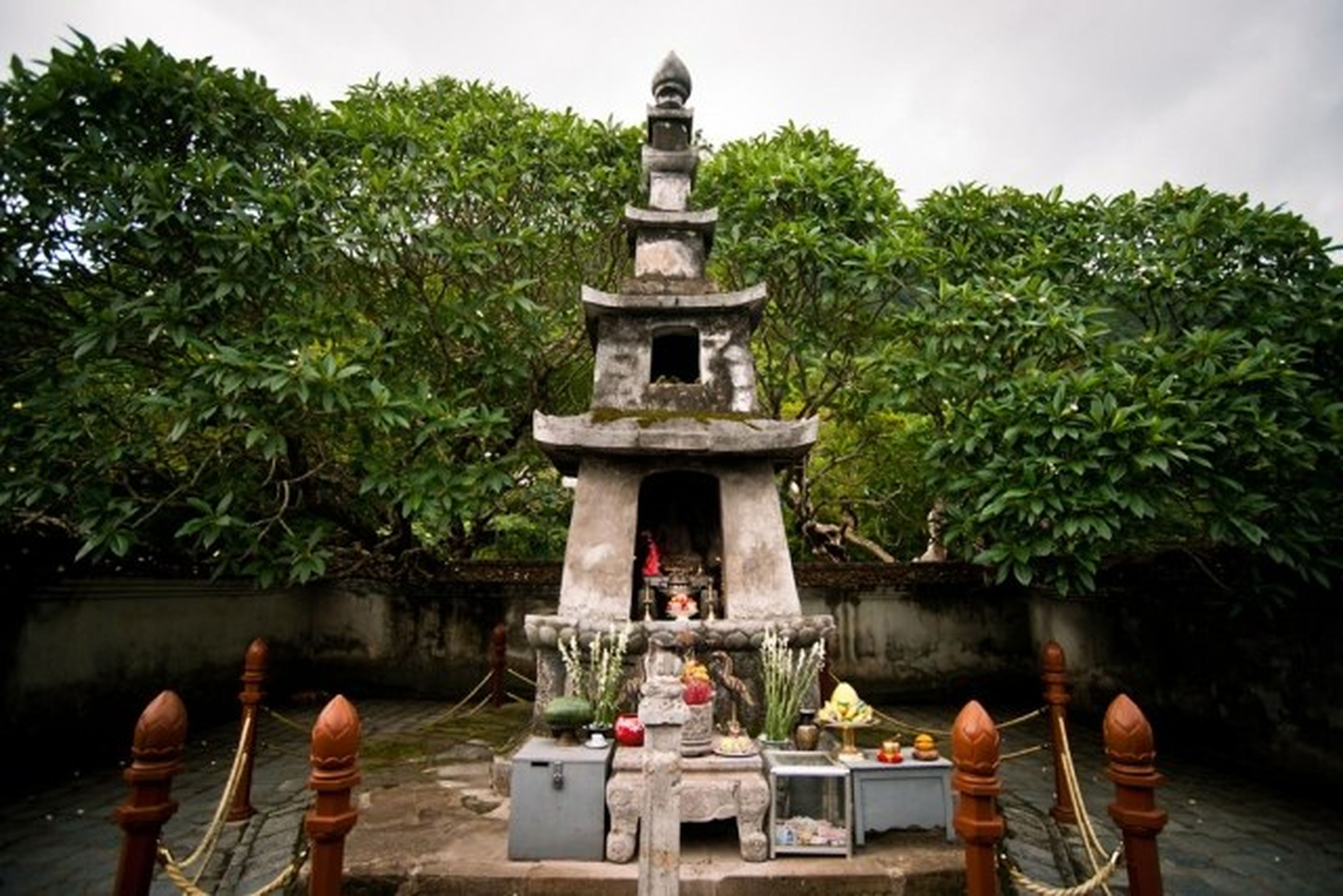
Stupa enshrining the relics of Buddha Emperor Trần Nhân Tông. Photo: Yên Tử Mountain.
Later, this became a place of practice for many heroic and virtuous figures, from Patriarch Hiện Quang during the Lý dynasty to the Patriarchs Đạo Viên, Đại Đăng, Tiêu Diêu, Huệ Tuệ and the Three Patriarchs of Trúc Lâm… during the Trần dynasty; from Patriarch Chân Nguyên during the Lê dynasty to Nun Đàm Thái during the Nguyễn dynasty (early 20th century).
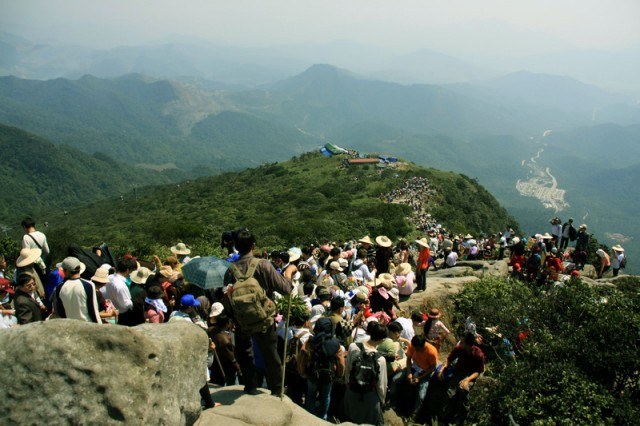
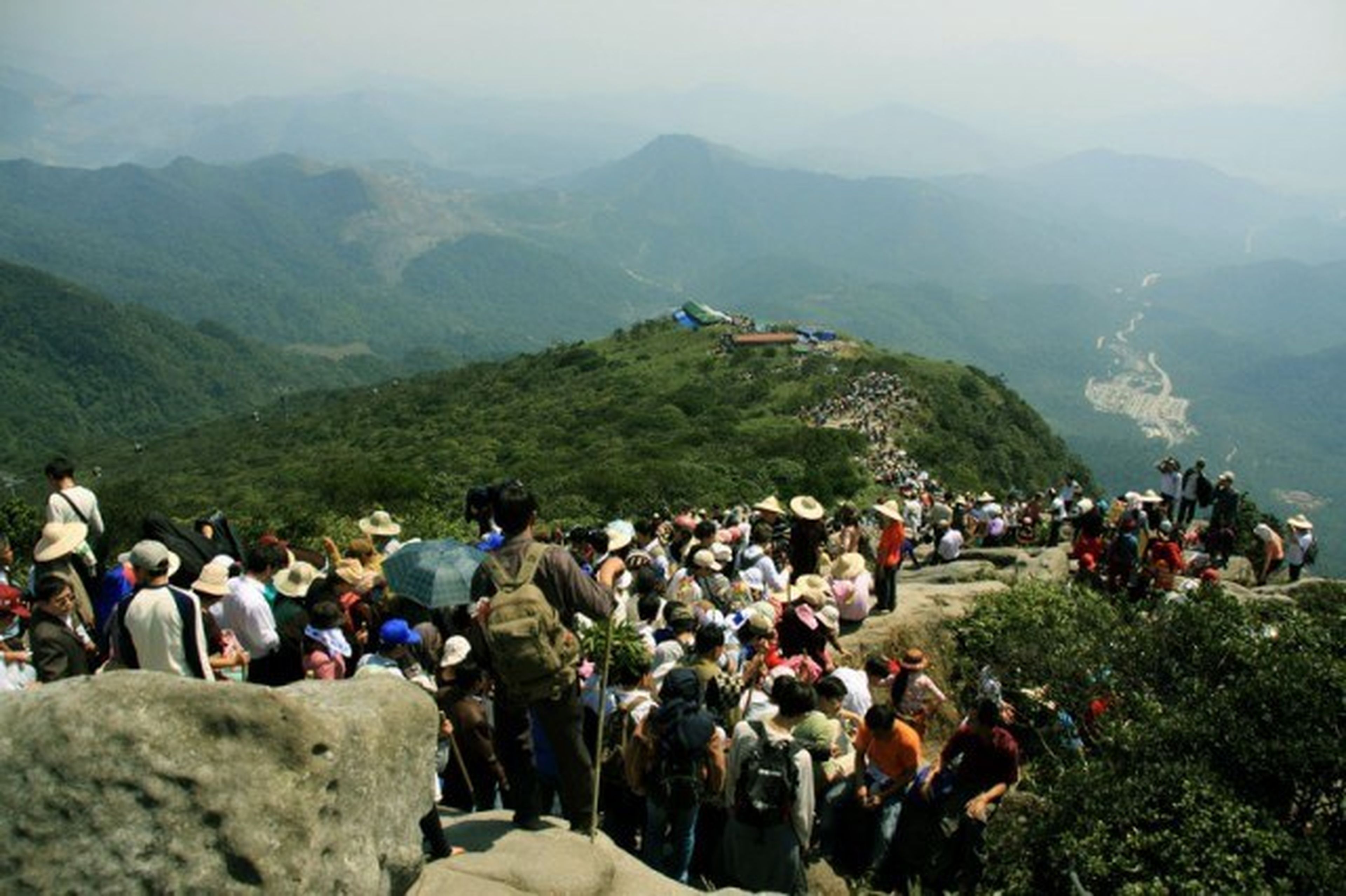
Pilgrims visiting Yên Tử. Photo: yentutunglam.
Emperor Trần Nhân Tông, known as Điều Ngự Giác Hoàng (1258 – 1308), became king at the age of 20. After rallying forces to defeat the Yuan-Mongol invaders, he successfully carried out reconciliation efforts and built a prosperous Đại Việt.
Photo: eunhui.jeong.
He abdicated the throne at the age of 35, went to the Vũ Lâm royal residence, and then ascended Yên Tử to practice asceticism. From a king, he returned to the noble position of a Buddhist figure. He died at the Ngọa Vân hermitage in the Yên Tử mountain range, and the Huệ Quang stupa enshrines his relics.
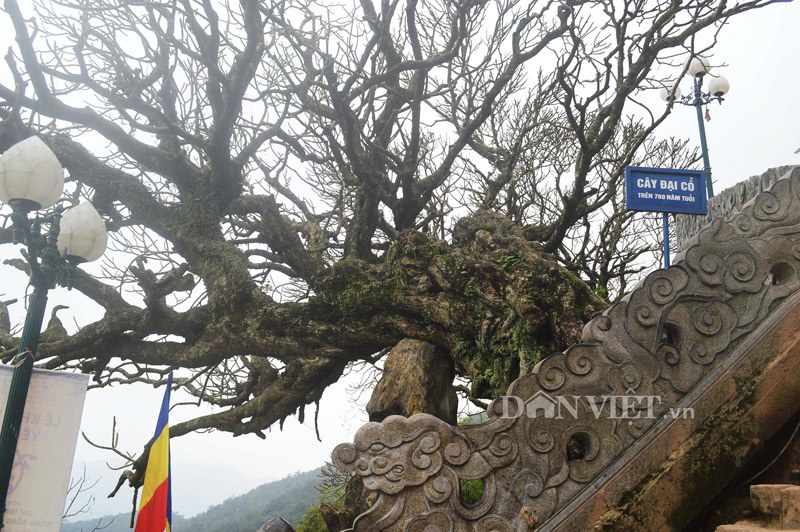
Ancient bombax tree in front of Hoa Yên Pagoda, Yên Tử. Photo: danviet.
The Natural Value of Yên Tử
At Yên Tử Scenic Site you will return to the mountains and forests of northeastern Vietnam. This area features layers upon layers of mountains, with all the ranges facing toward Yên Tử Mountain, beautiful like an ink-wash painting.
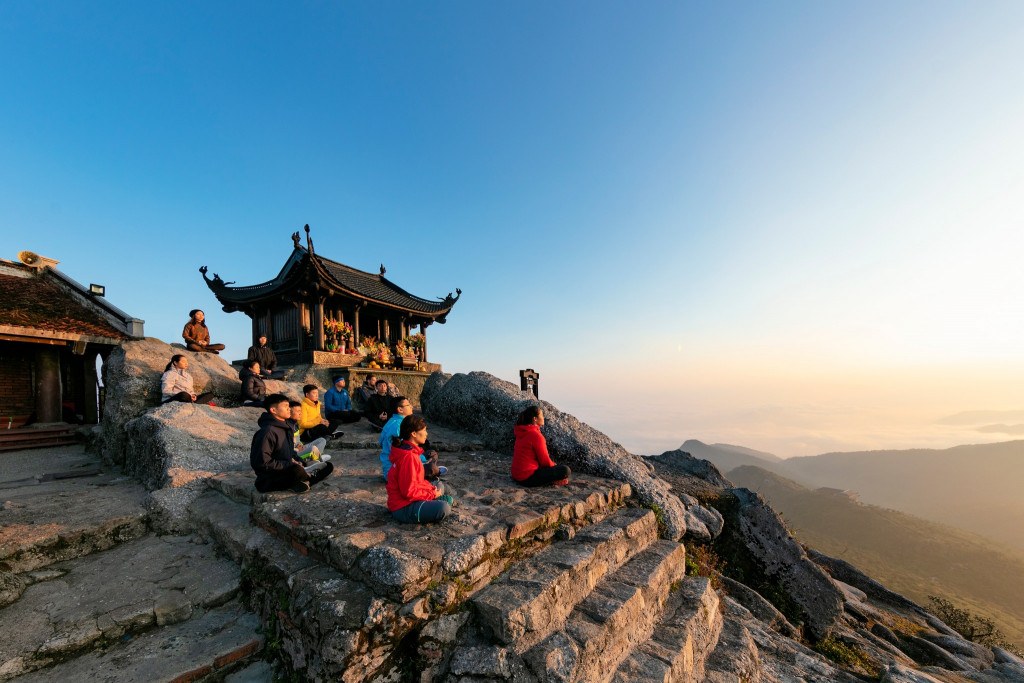
Photo: Yên Tử Mountain.
The mountain summit still bears traces of the Earth’s crustal formation 10 million years ago, and a very large coal mine lies within the mountain. The natural forest continues to preserve many animal and plant genetic resources.
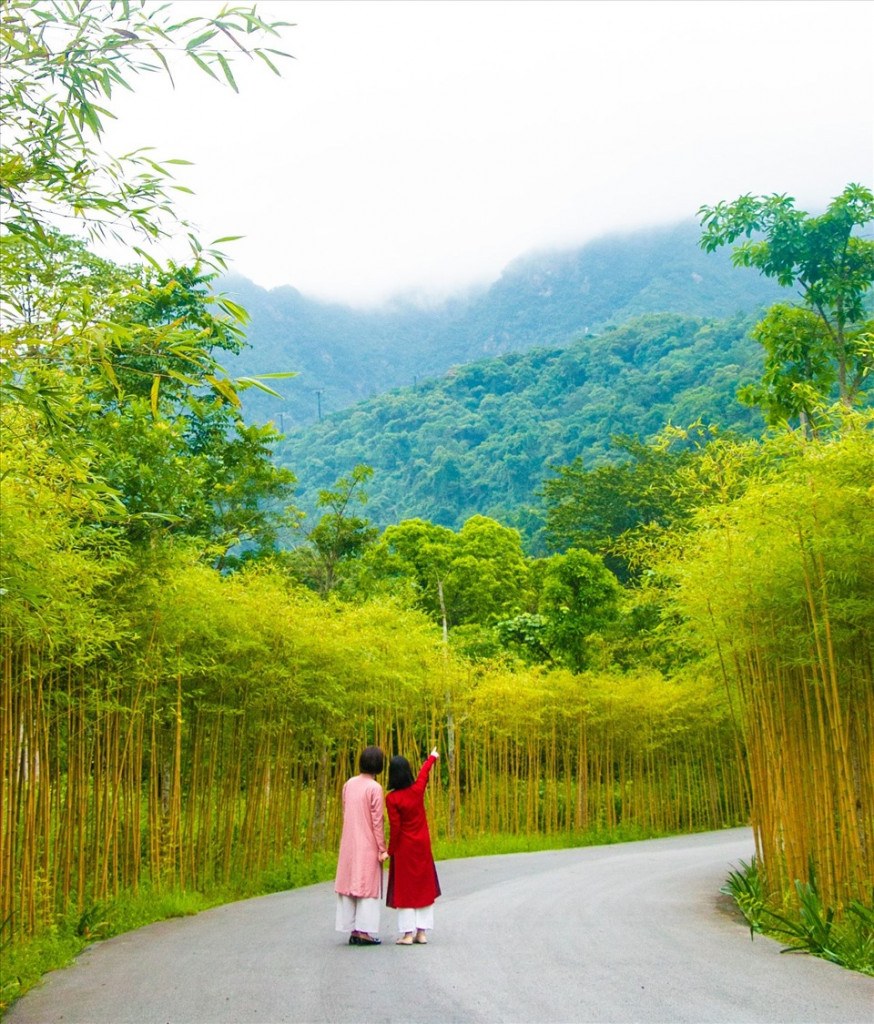
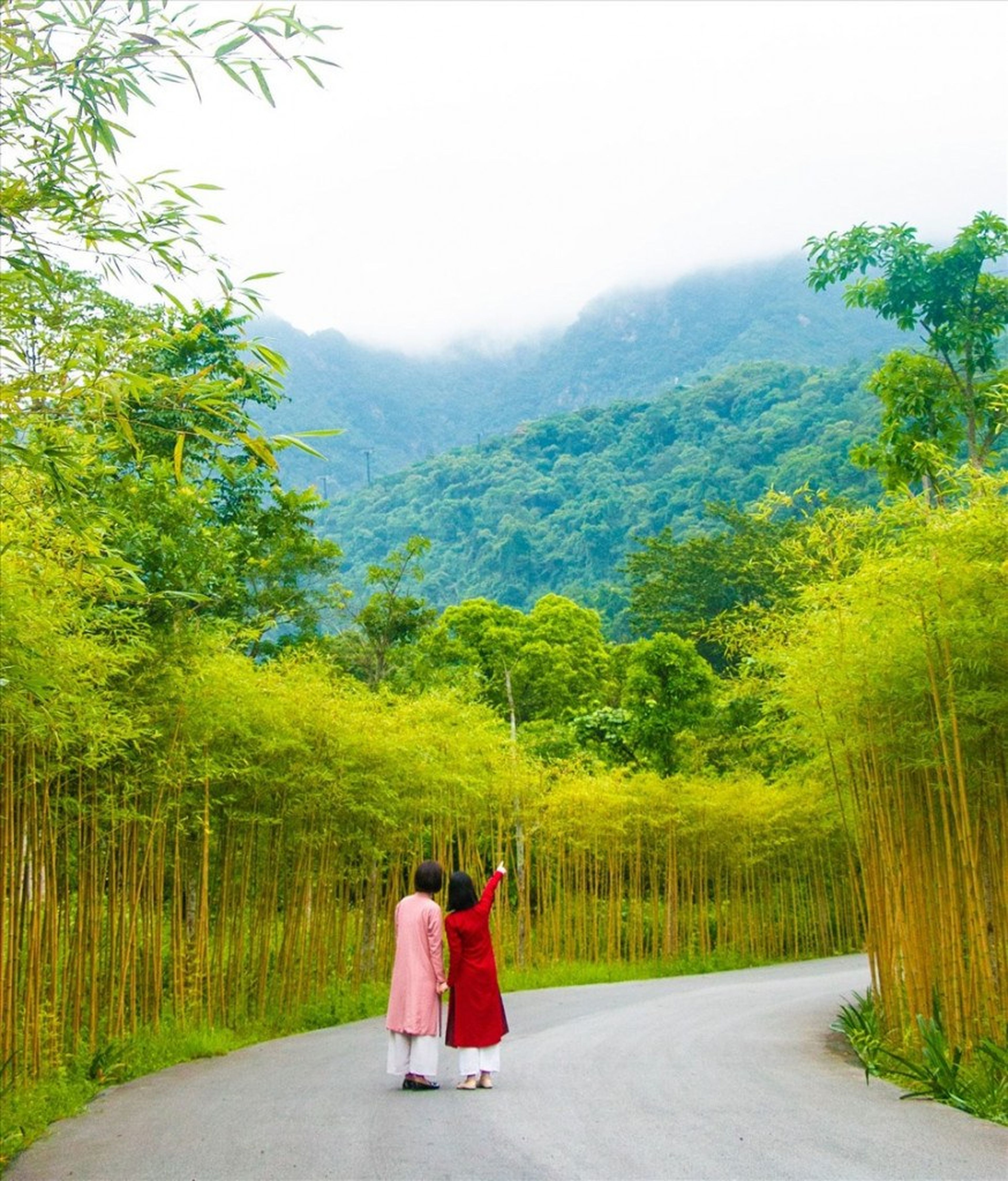
Yên Tử bamboo forest. Photo: Yên Tử Village.
Among the 206 animal species found here, more than 20 rare species are listed in the Red Data Book: flying squirrels, ang frogs, crocodile lizards, thorny frogs, snub-nosed monkeys… Of the 830 plant species, 38 are rare endemics, including Sindora tonkinensis, Chukrasia tabularis, wild arhat fruit, green ironwood, Cinnamomum balansae, Nageia fleuryi, and podocarpus…
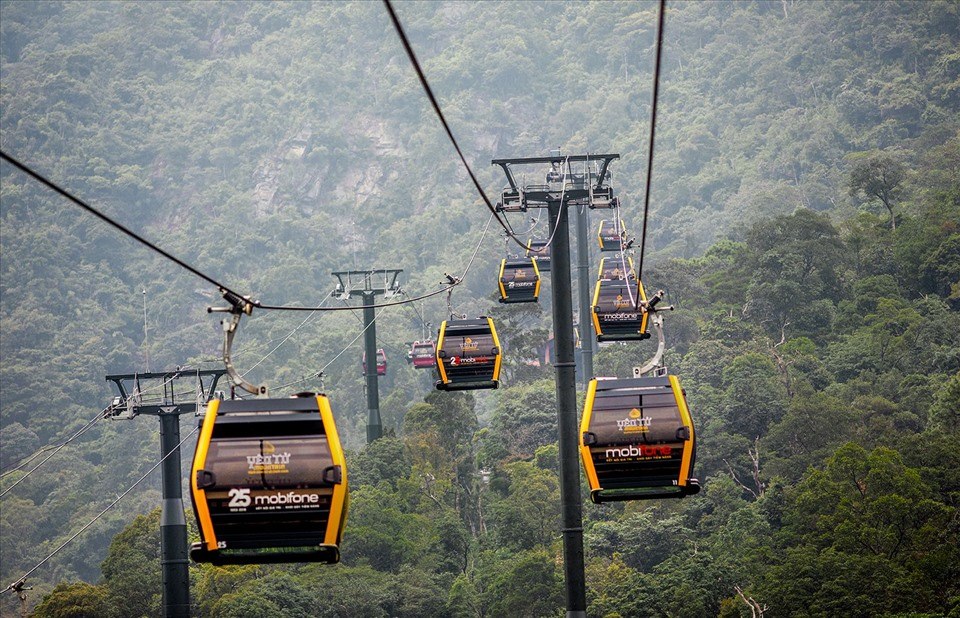
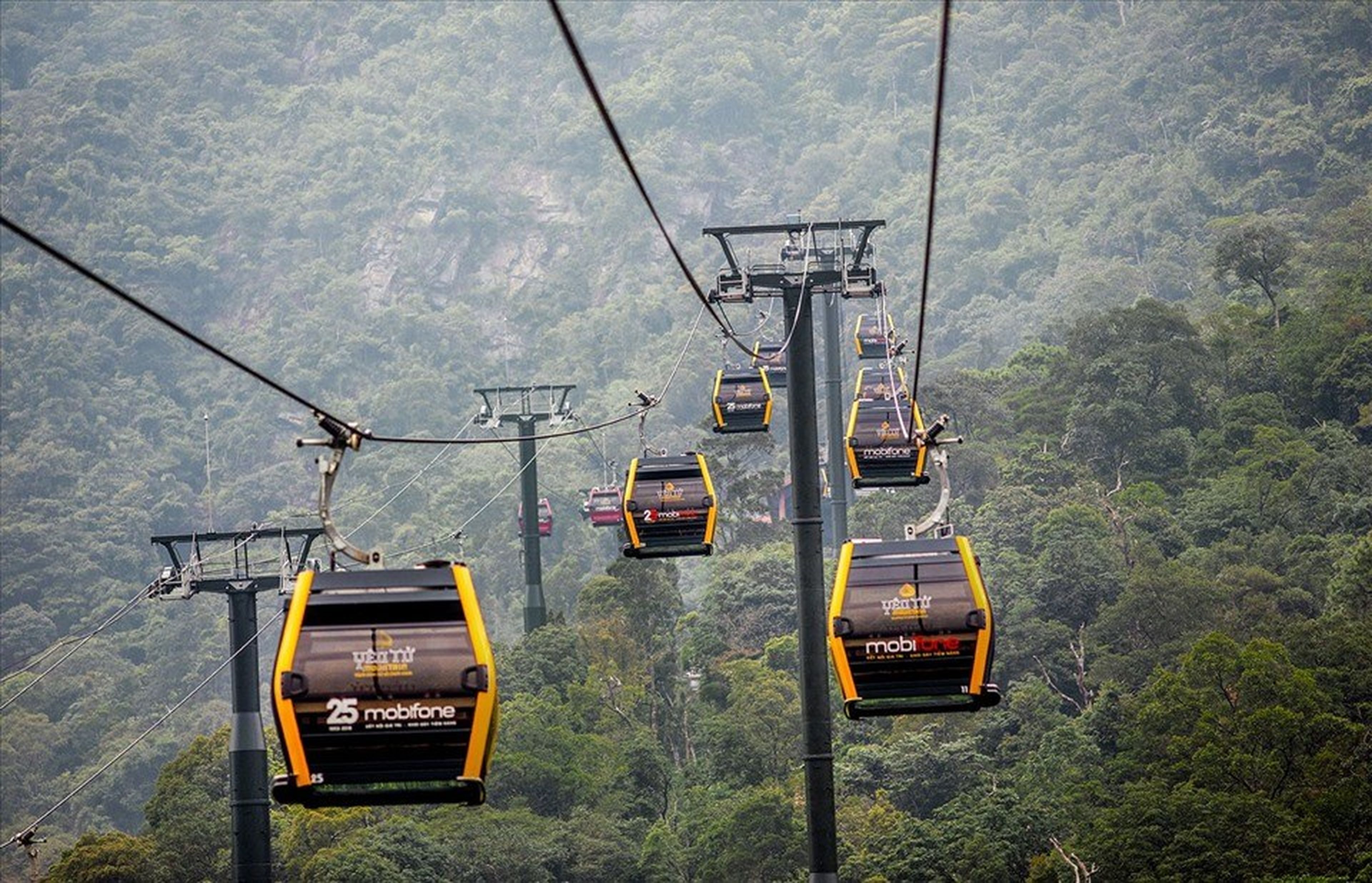
Cable car to Đồng Pagoda. Photo: Yên Tử Village.
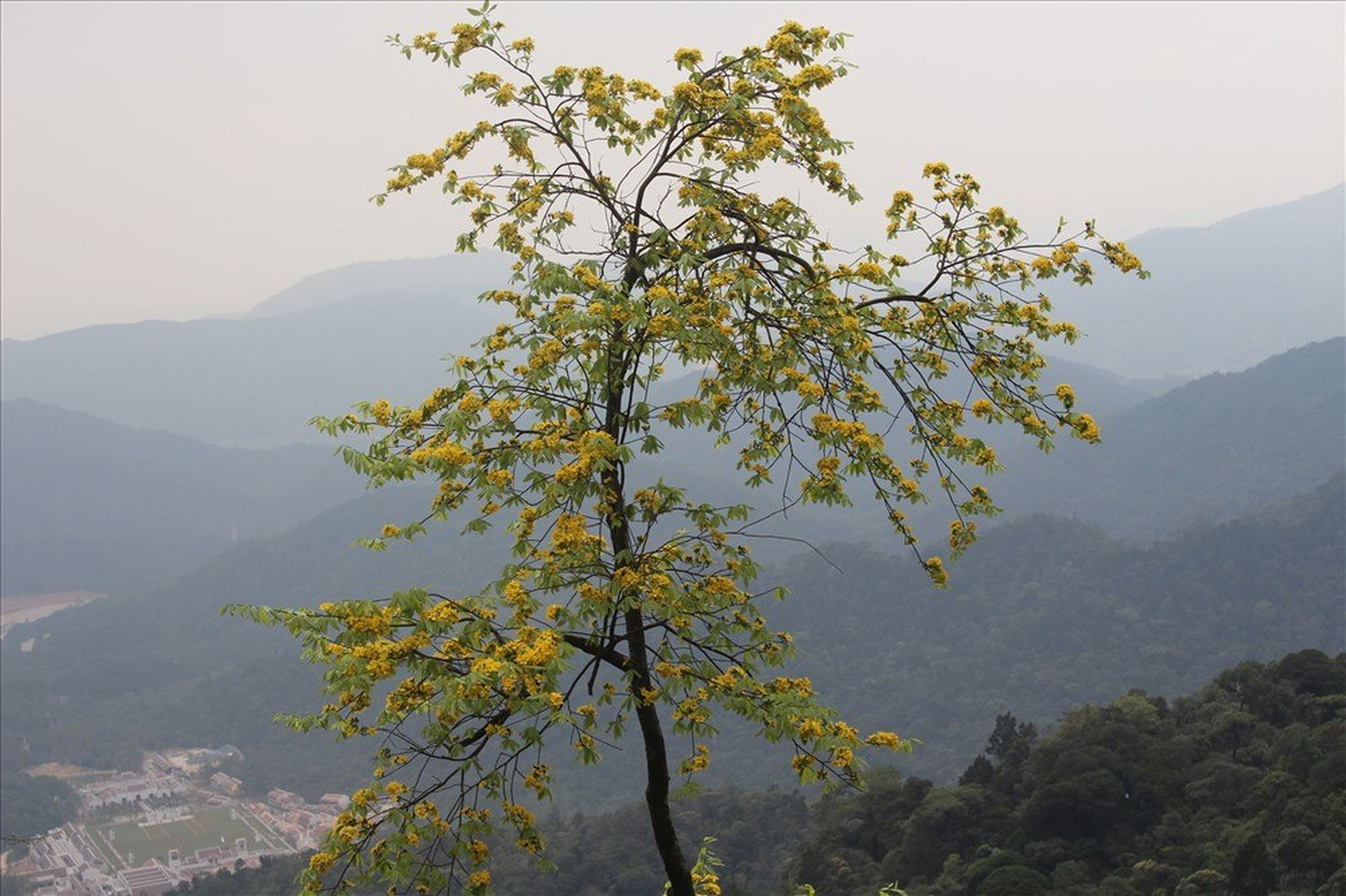
Moreover, the area is home to rows of conifers, orchards more than seven hundred years old, vast bamboo forests, patches of yellow apricot blossoms, and clusters of chrysanthemums in full bloom, making the scenic site even more extraordinary in the eyes of travelers.
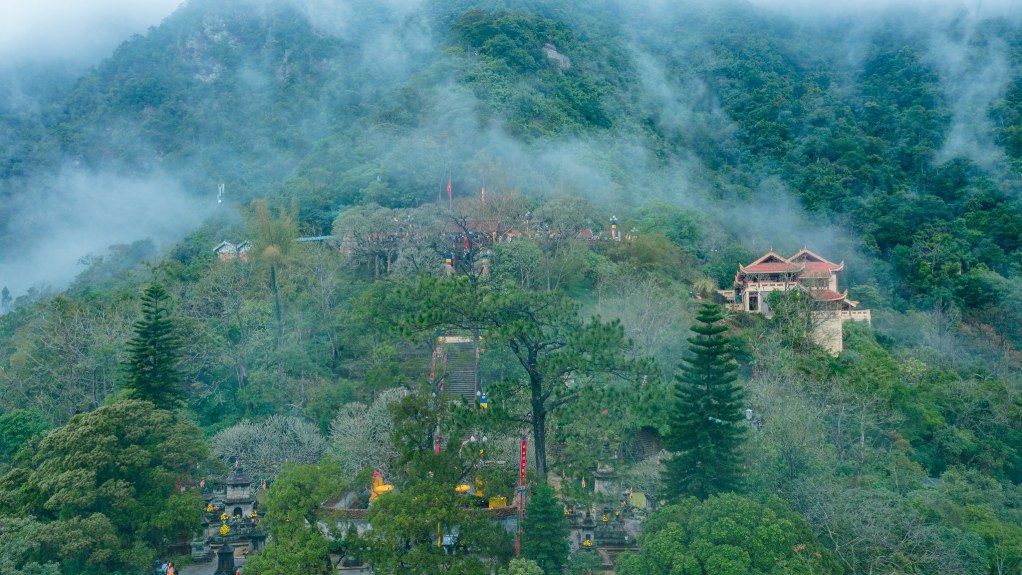
Yên Tử’s biologically diverse forests. Photo: Quảng Ninh Newspaper.
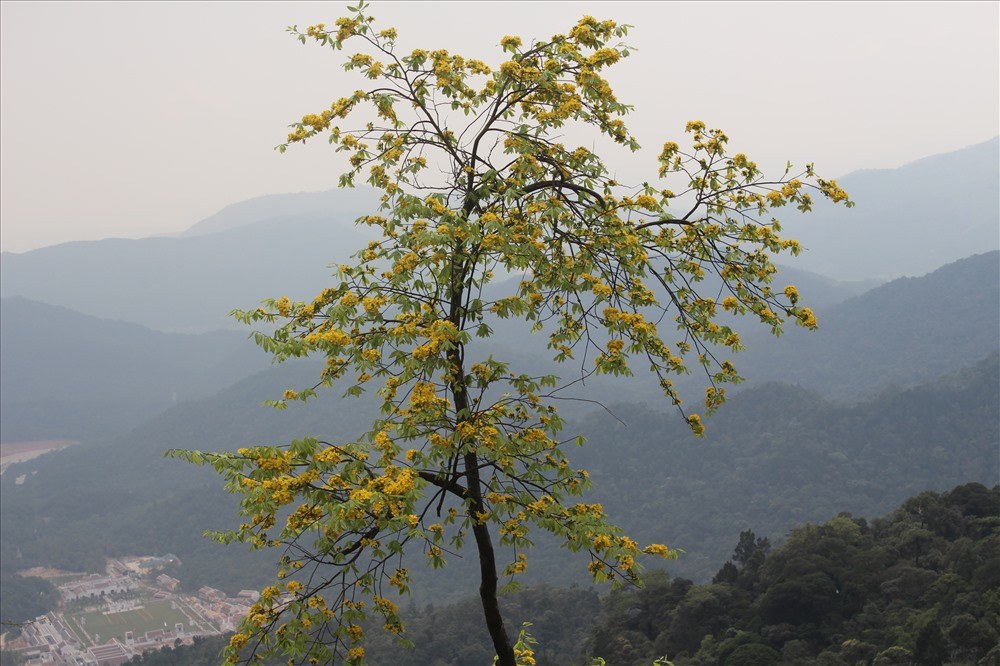
Photo: Nguyễn Hùng.
Yên Tử Scenic Site has long become a sacred Buddhist land, a favorite pilgrimage destination for devout Buddhists and those who love magnificent nature. Follow the iVIVU blog for more useful articles!