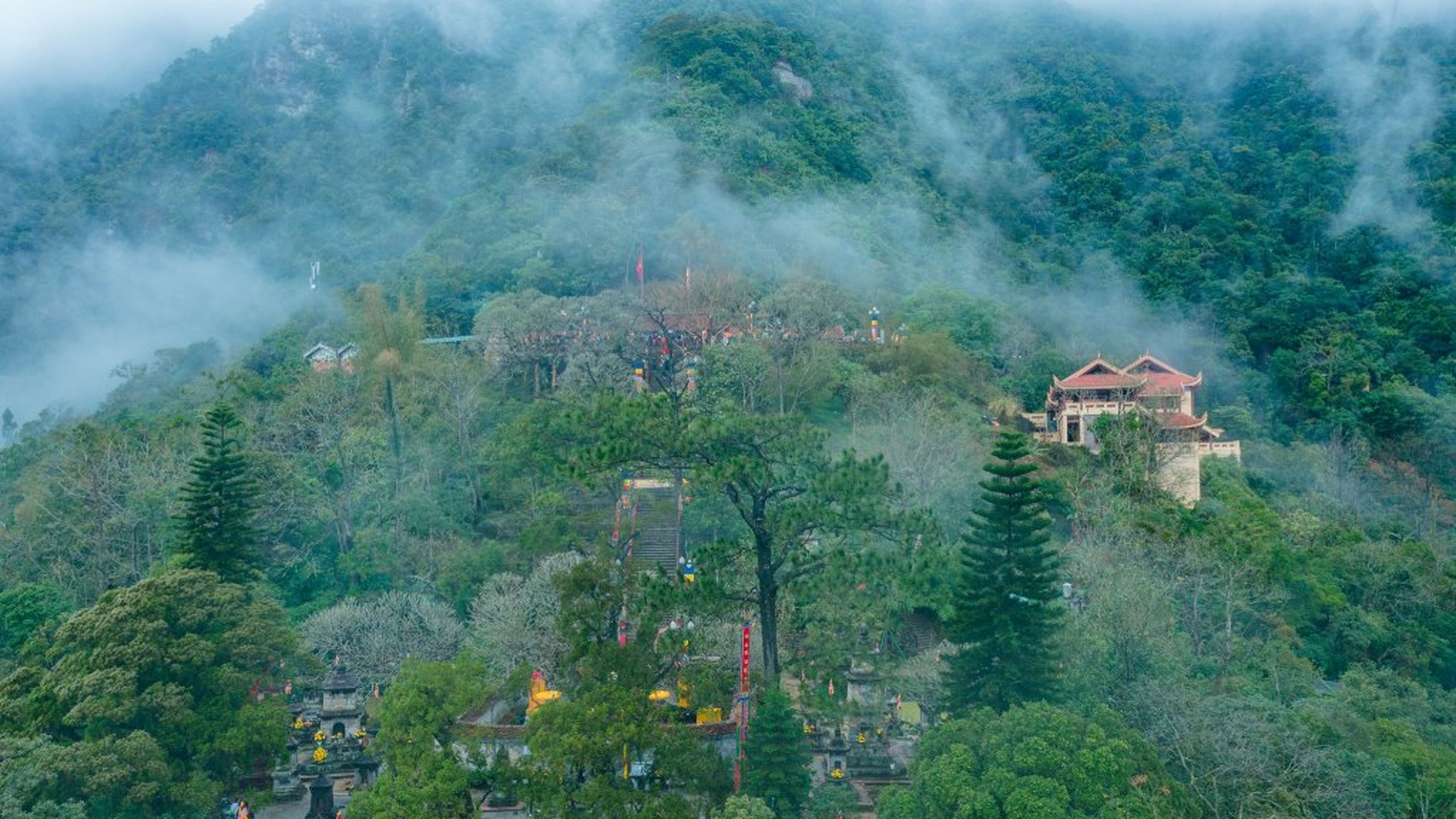
Yen Tu Scenic Landscape marks the place where King Tran Nhan Tong attained Buddhahood and founded the Truc Lam Yen Tu Zen Sect, a Zen tradition deeply imbued with Vietnamese cultural identity!
Yen Tu Scenic Landscape – A Sacred Land, the Birthplace of the Truc Lam Zen Sect
Historical and cultural value of Yen Tu scenic landscape
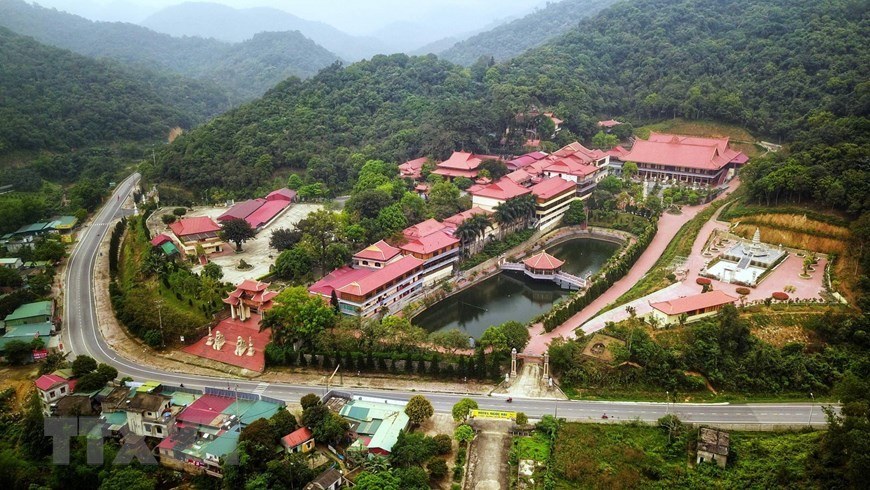
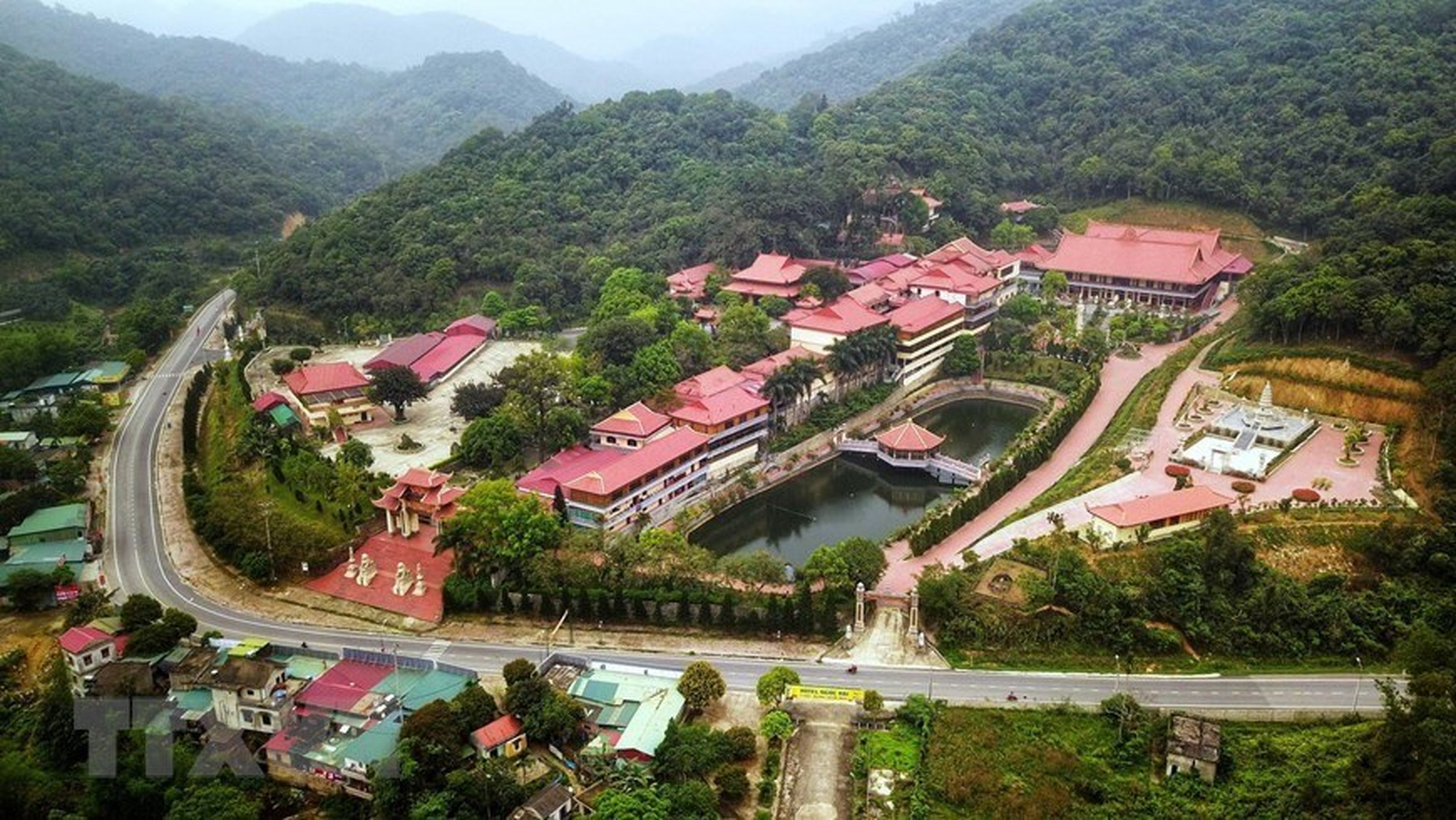
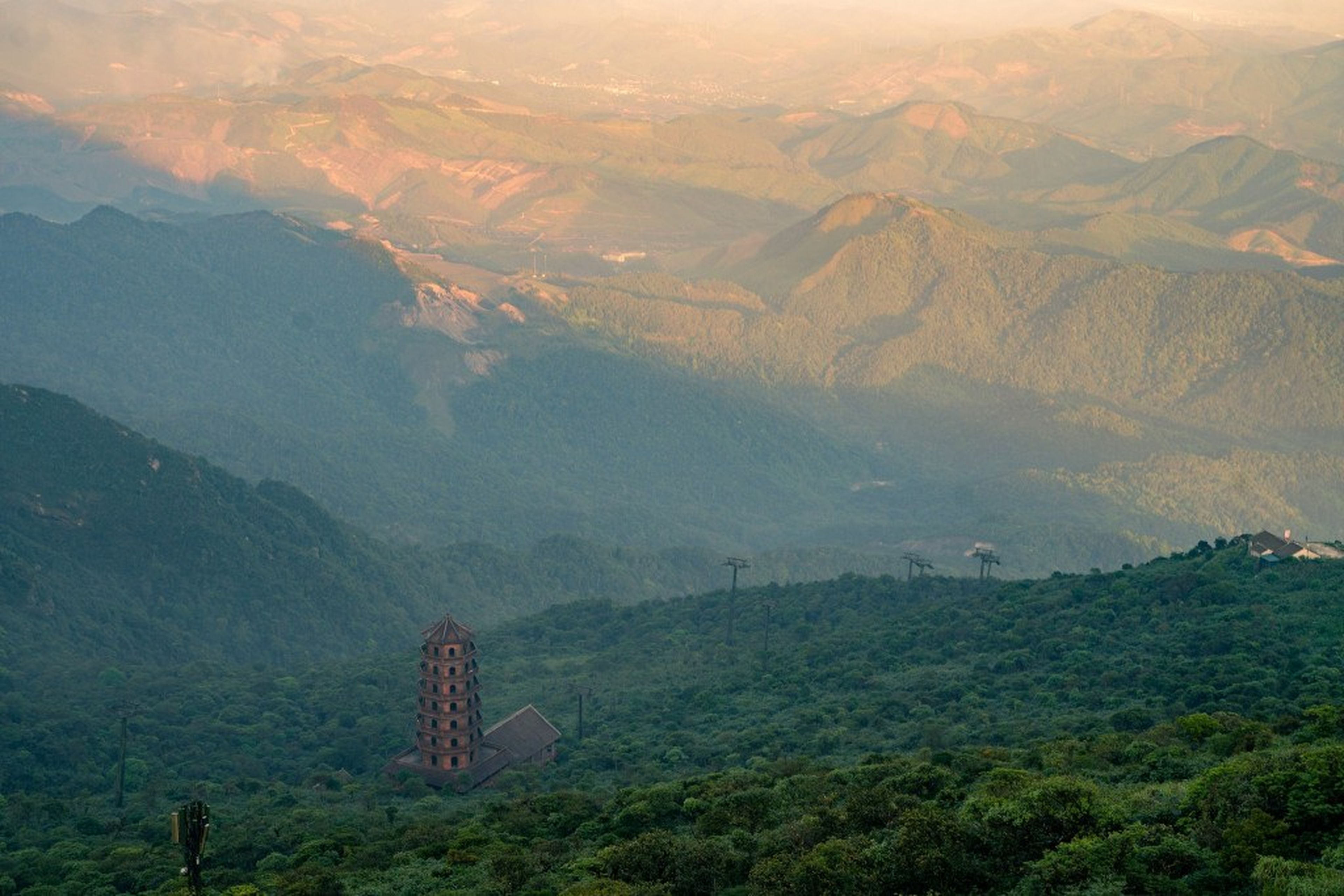
Yen Tu scenic landscape seen from above. Photo: Vietnam News Agency.
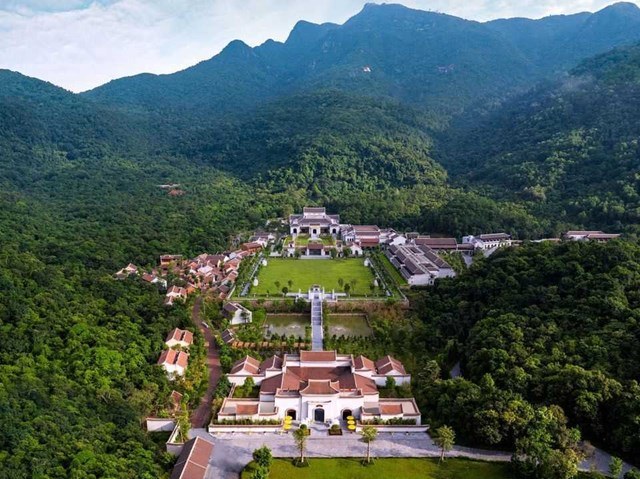
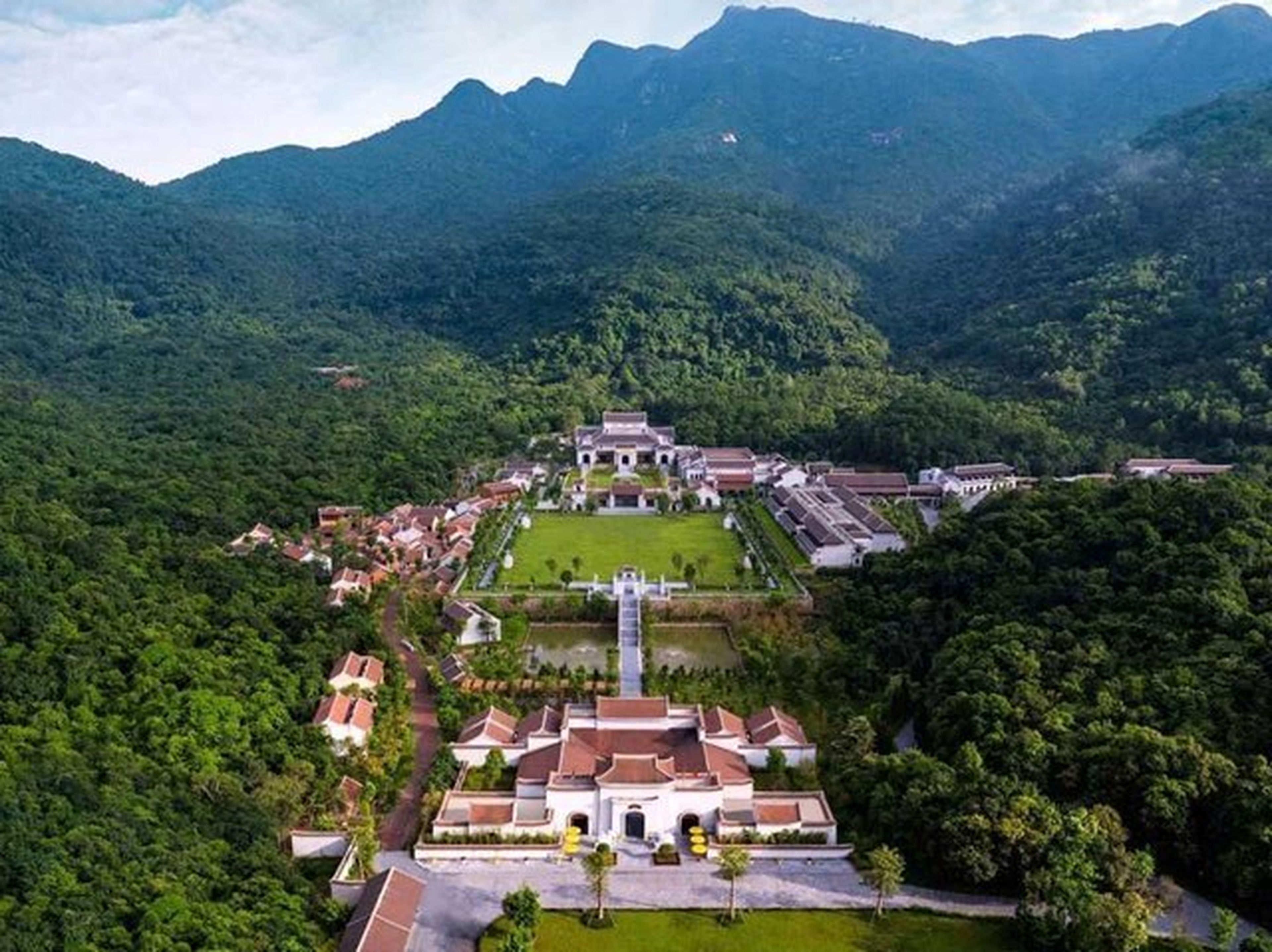
The Yen Tu complex of monuments and landscapes. Photo: daidoanket.
The Truc Lam Yen Tu Zen Sect was founded on the basis of assimilating and inheriting the quintessence of Indian and Chinese Buddhism—a Zen school bearing the distinct identity of the Vietnamese nation. The sect holds that Buddha resides right within the heart and mind, not in some distant realm, nor deferred to a future life. The Buddha is merely a guiding teacher, not a supernatural deity.
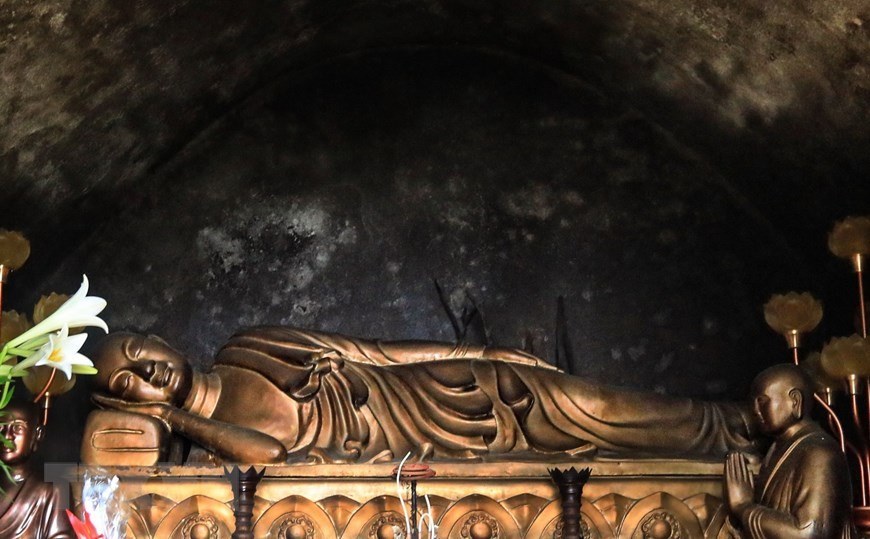
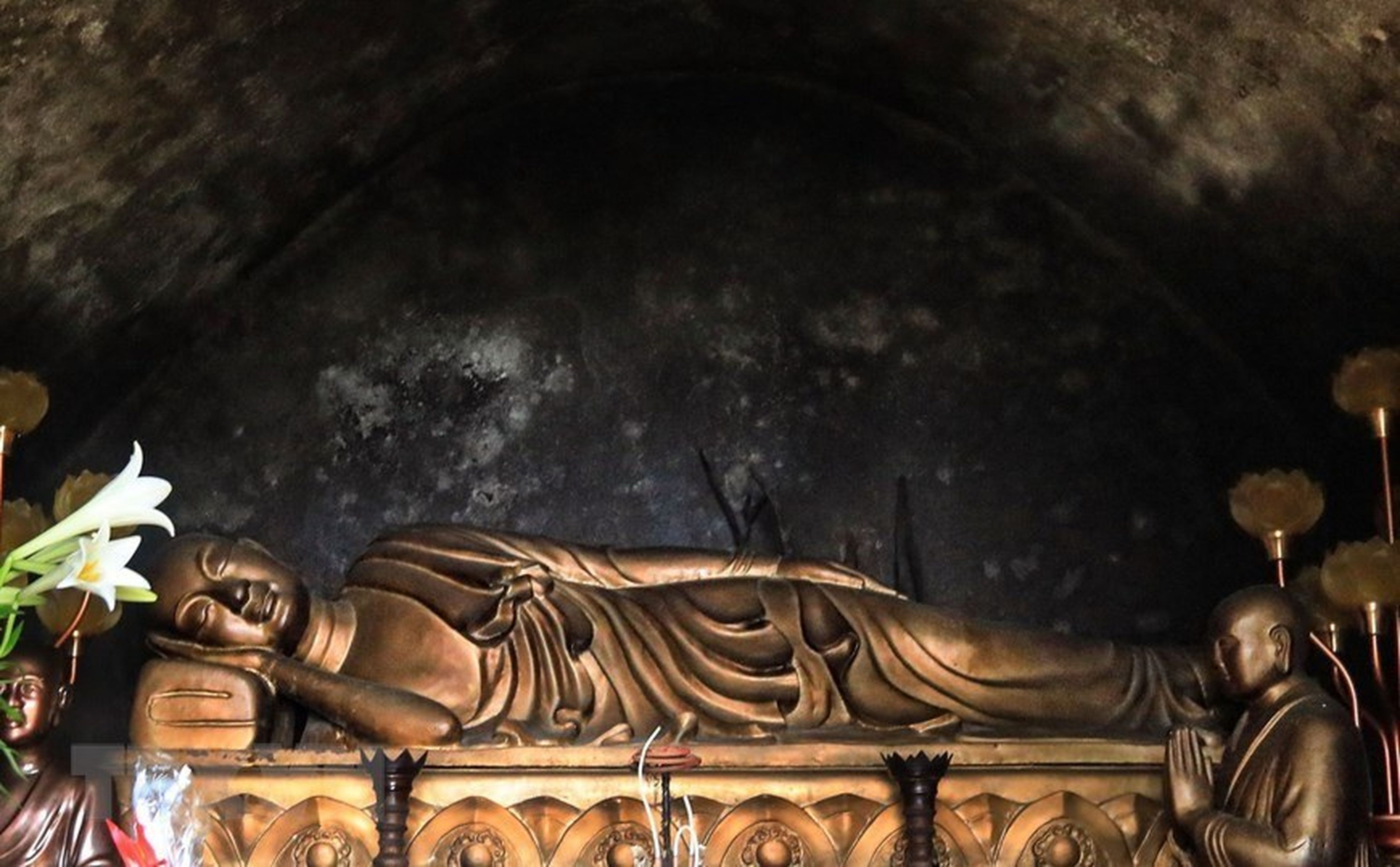
Statue of King-Monk Tran Nhan Tong. Photo: Bao Quoc te.
If the mind is calm, clear, and lets go of greed, anger, and delusion to live in tranquility, the intellect will brighten, intuitive wisdom will arise, ignorance will be wiped clean, all suffering will cease, and enlightenment will naturally follow. With that philosophy, the Truc Lam Yen Tu Zen Sect takes human beings as its foundation. Truc Lam Zen thereby served as the ideological and ethical foundation of the Tran Dynasty's golden era.
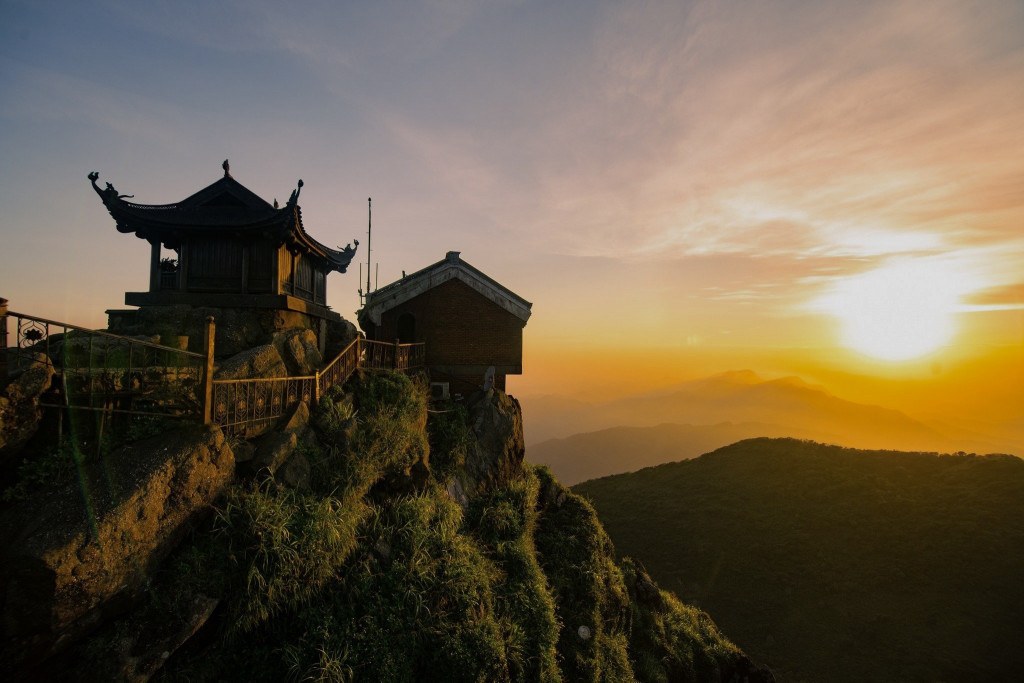
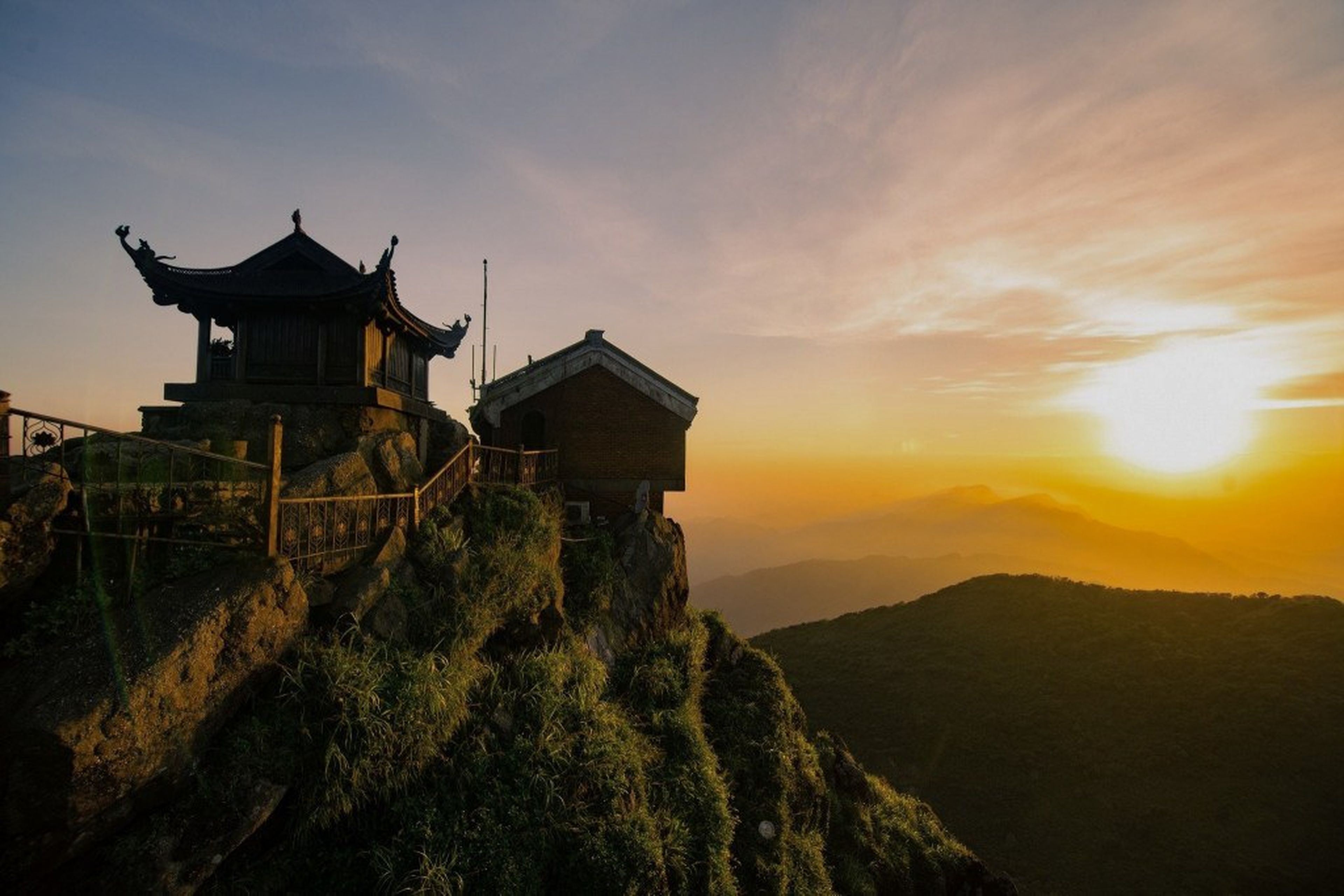
Sunset over Yen Tu. Photo: Yen Tu Mountain.
At the zenith of Truc Lam Zen, the Yen Tu scenic landscape encompassed a vast area featuring quintessential architectural works: Long Dong, Hoa Yen, Van Tieu (Uong Bi), Quynh Lam, Ho Thien, Ngoa Van (Dong Trieu), Thanh Mai, Con Son (Chi Linh, Hai Duong), and other structures across the western Yen Tu mountainous region.
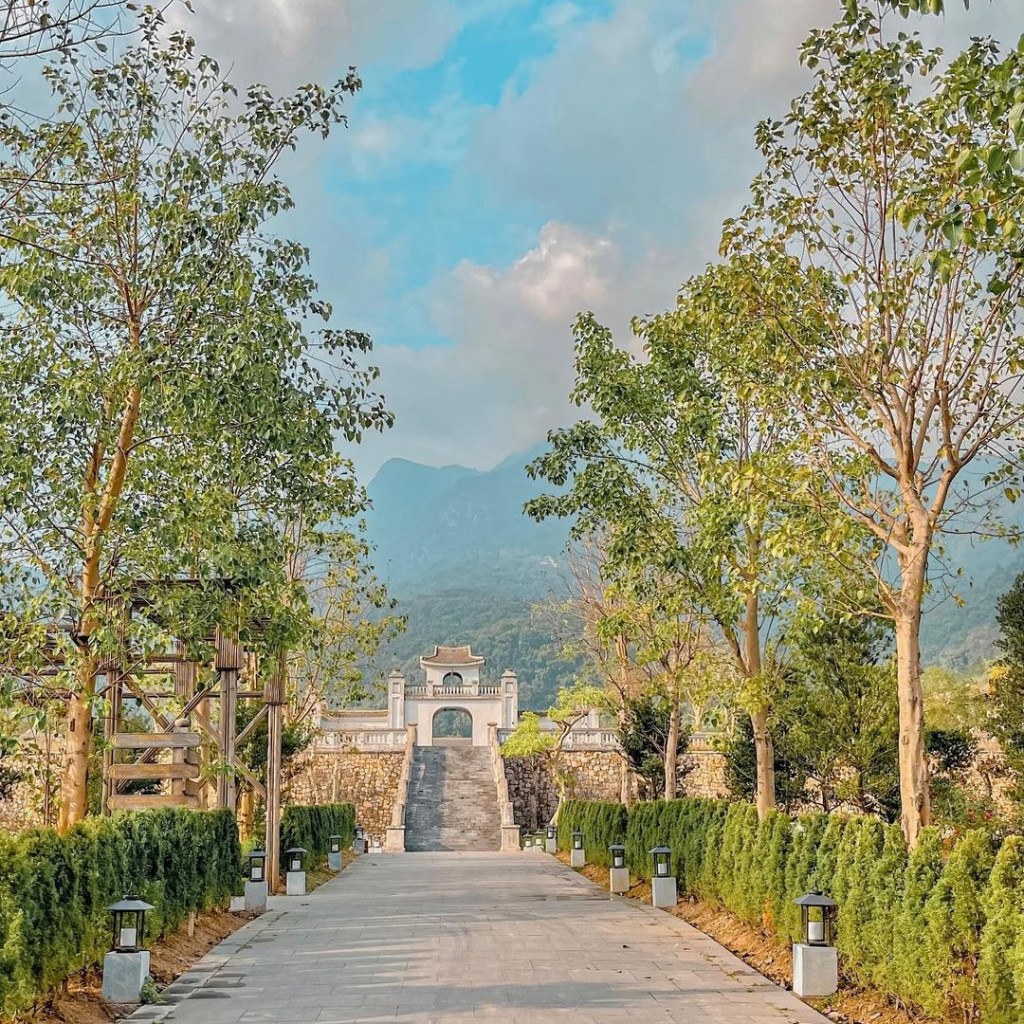
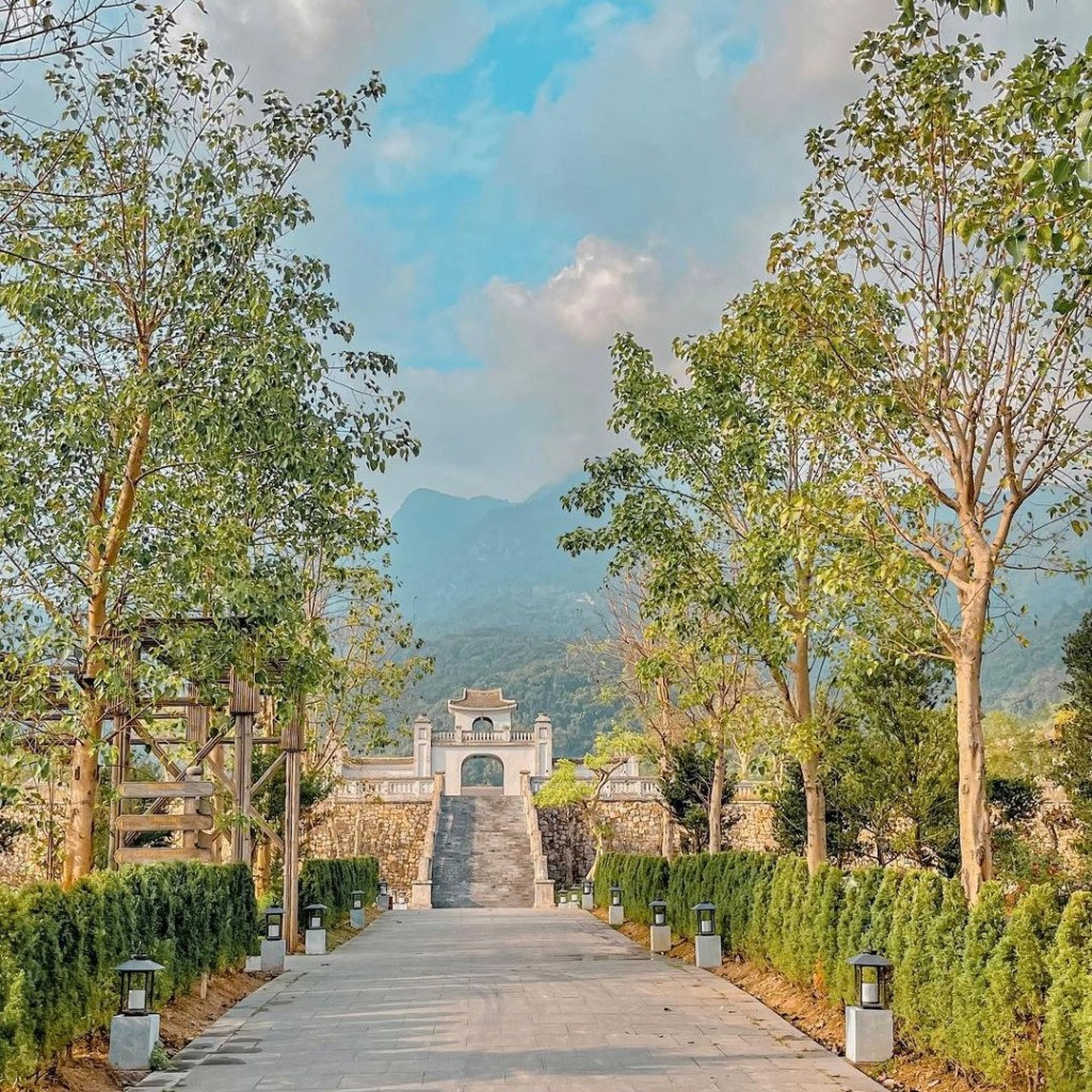
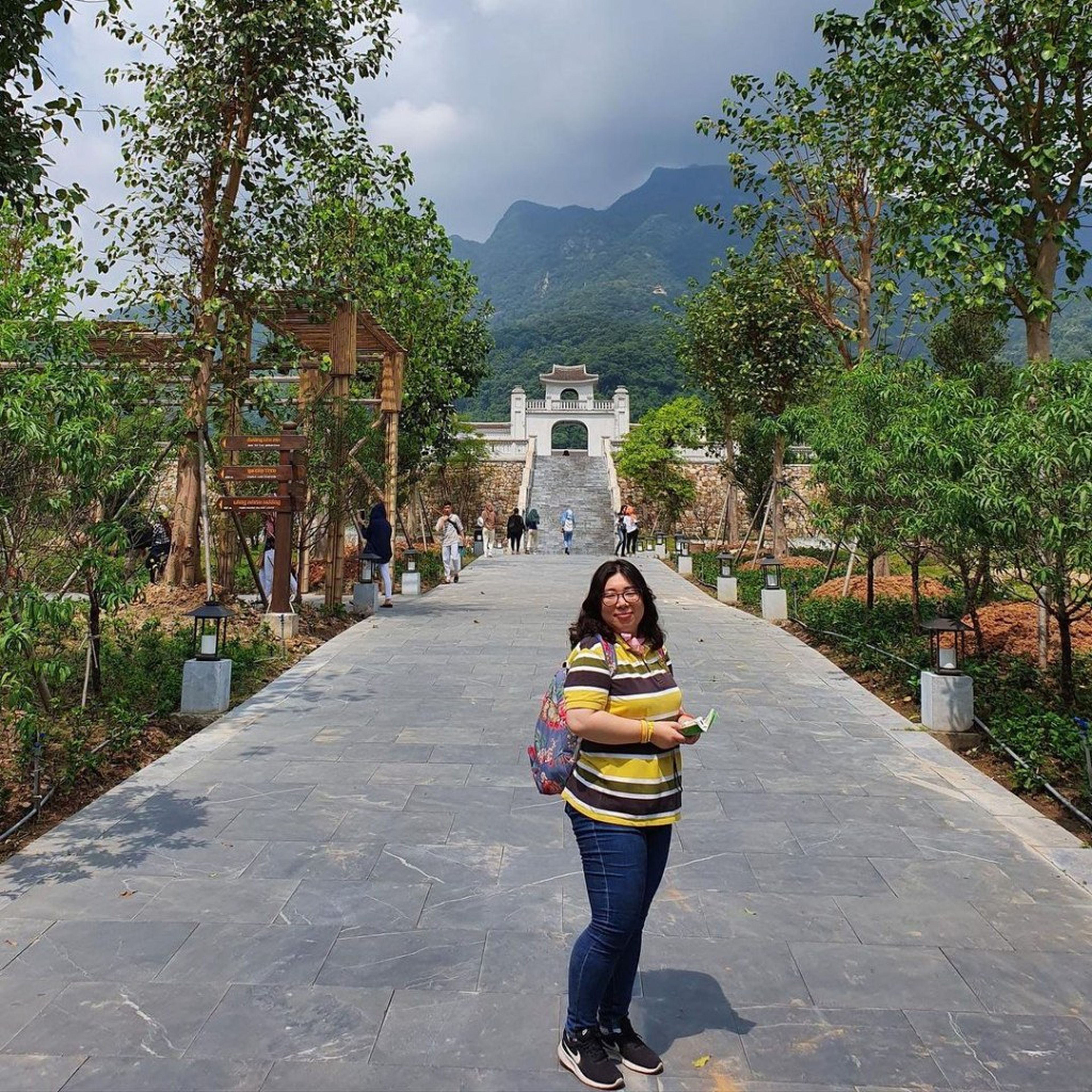
Photo: @nini.nguyet.
Traces surviving in Yen Tu today include hundreds of relic stupas, dozens of foundations of pagodas and hermitages, and thousands of ancient artifacts: statues, bells, stone steles, roof tiles, bricks, porcelain, stoneware, and more.
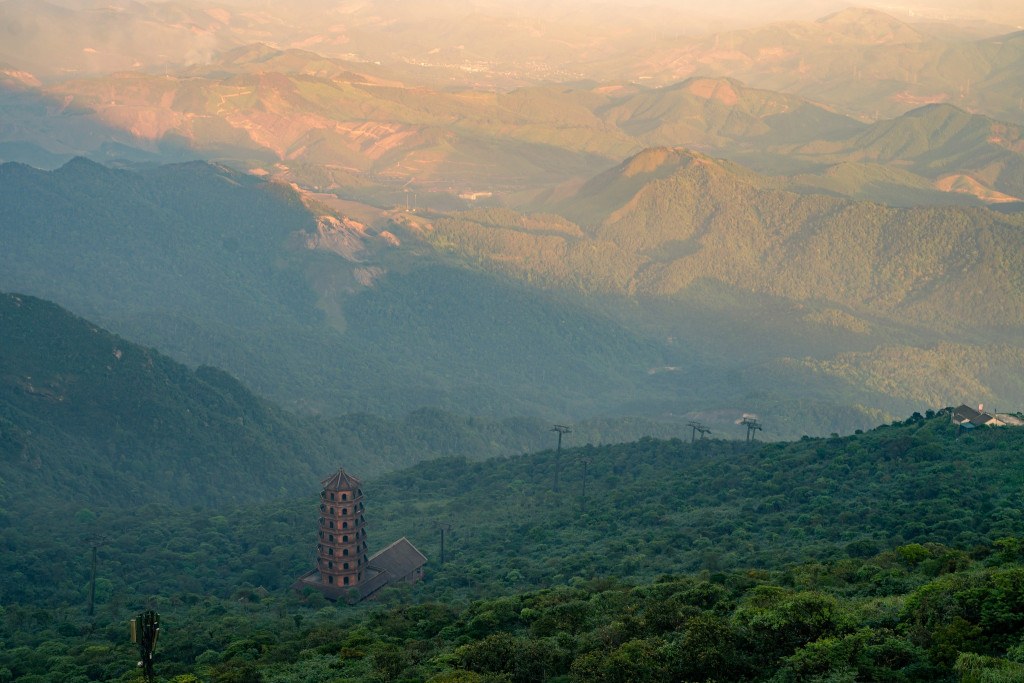
A verdant mountain expanse of Yen Tu. Photo: Yen Tu Mountain.
During the two resistance wars to regain independence from imperialists and colonialists, Yen Tu scenic landscape served as a revolutionary base, a training ground for Vietnamese troops, and an observation post guarding the airspace of Vietnam.
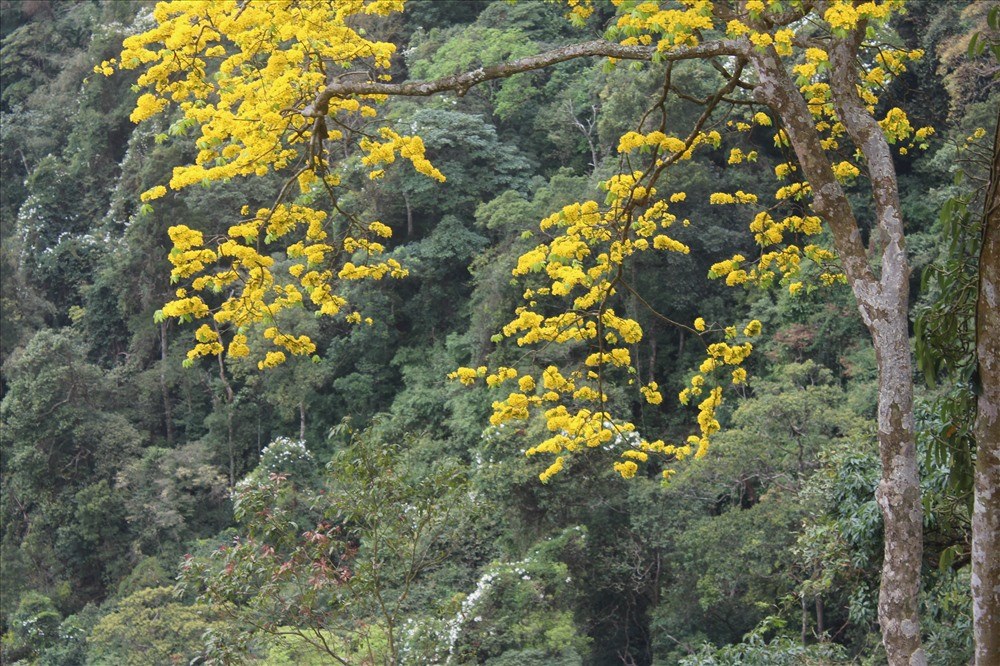
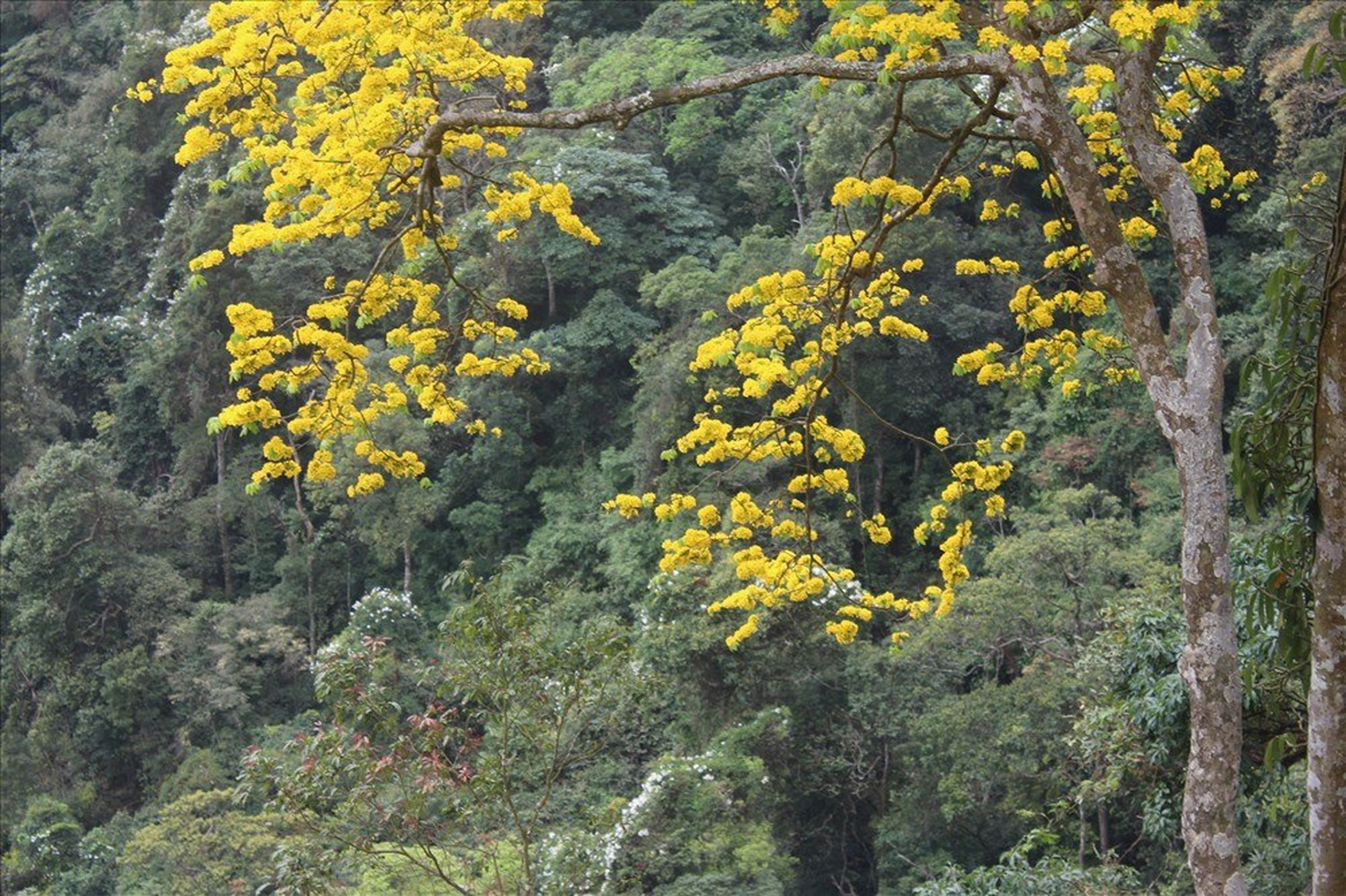
Centuries-old apricot blossom trees. Photo: Nguyen Hung.
Spiritual value of the scenic landscape
Legend has it that more than 2,000 years ago, Yen Ky Sinh came to this mountain to cultivate Daoist immortality, gather herbs, brew elixirs of longevity, and heal people. Upon passing away, he transformed into a stone statue, turning the name "Master Yen" into "Yen Tu".
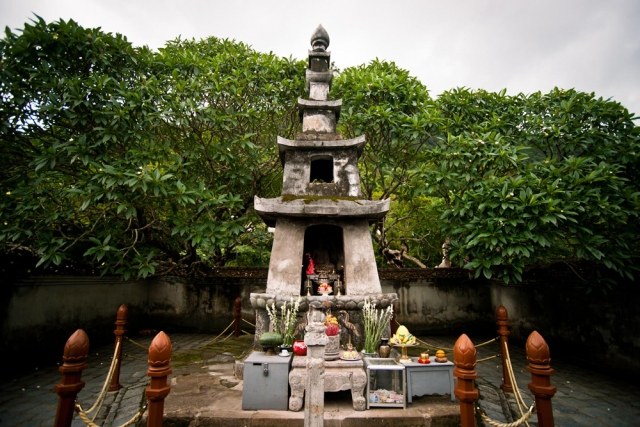
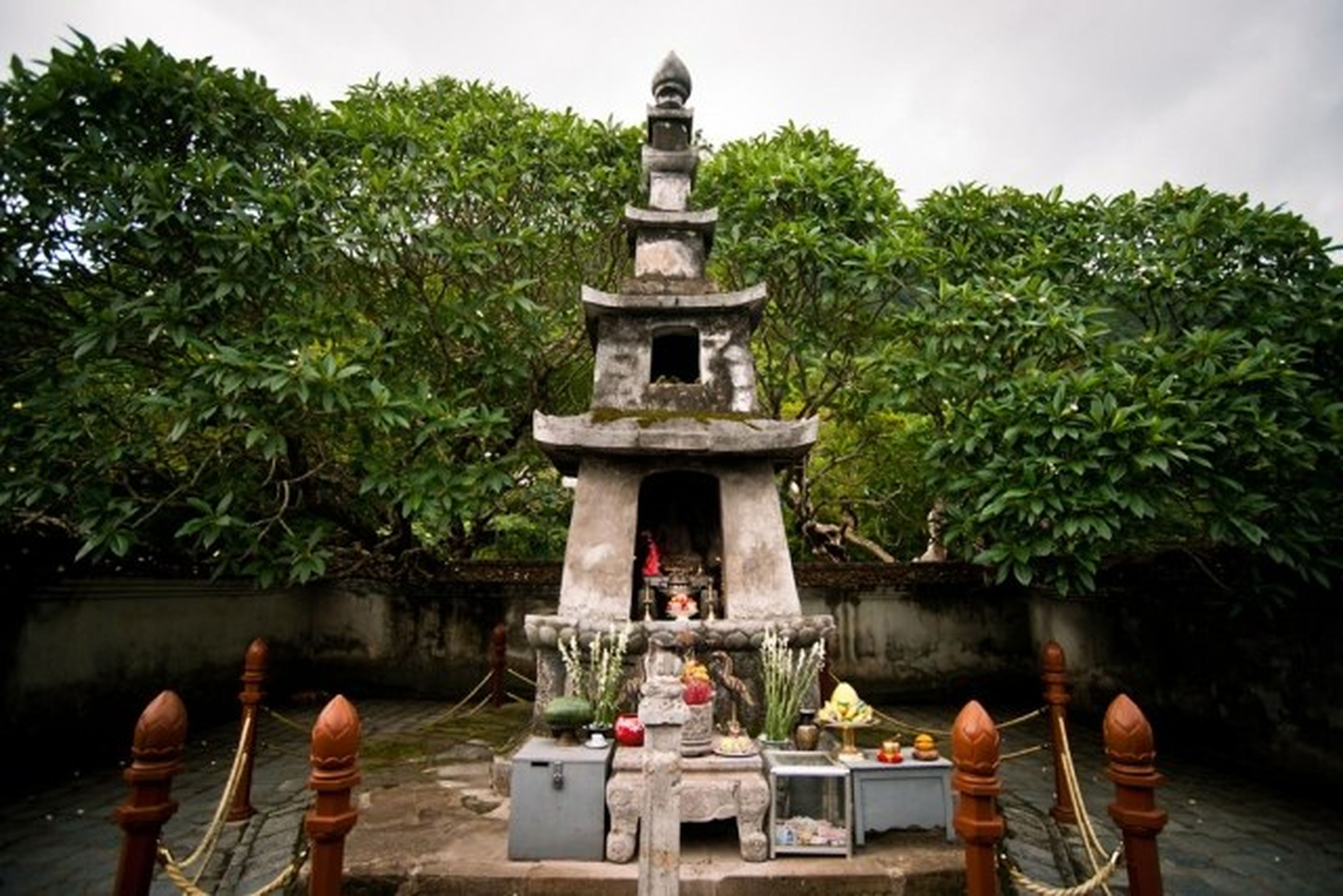
Stupa enshrining the relics of King-Monk Tran Nhan Tong. Photo: Yen Tu Mountain.
Subsequently, this became the monastic sanctuary for revered sages and masters, from Patriarch Hien Quang in the Ly Dynasty to Patriarchs Dao Vien, Dai Dang, Tieu Dieu, Hue Tue, and the Three Truc Lam Patriarchs during the Tran Dynasty, through Patriarch Chan Nguyen in the Le Dynasty, to Nun Dam Thai during the Nguyen Dynasty (early 20th century).
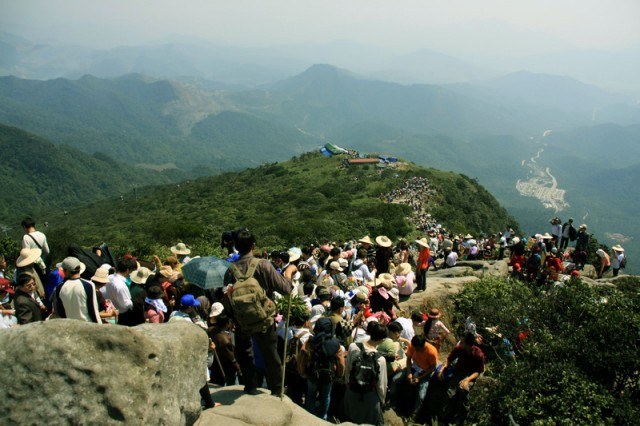
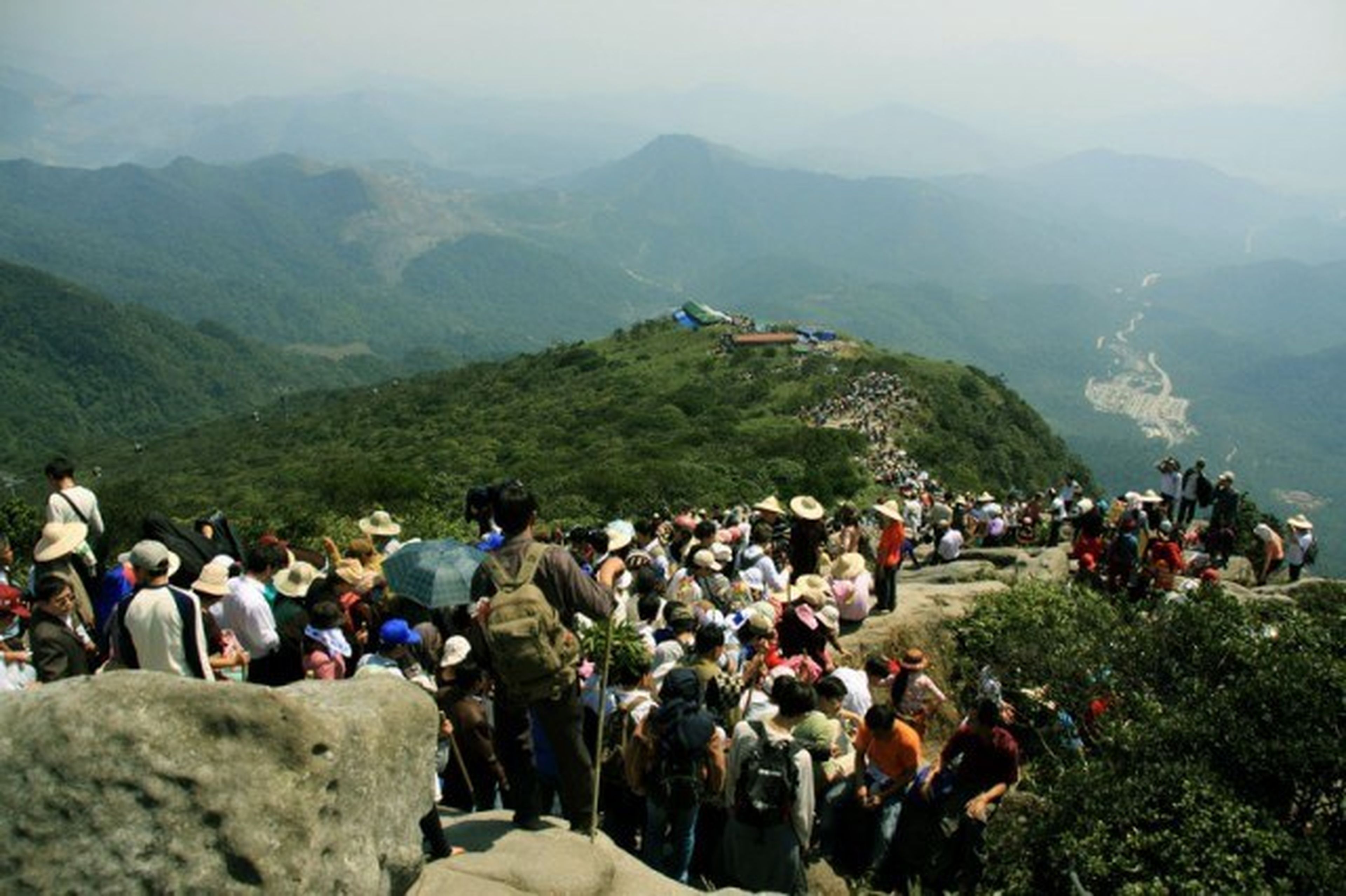
Pilgrims flocking to Yen Tu. Photo: yentutunglam.
Emperor Tran Nhan Tong (Dieu Ngu Giac Hoang, 1258–1308) ascended the throne at the age of 20. After consolidating national strength to defeat the Mongol-Yuan invaders, he successfully fostered reconciliation and built a prosperous Dai Viet.
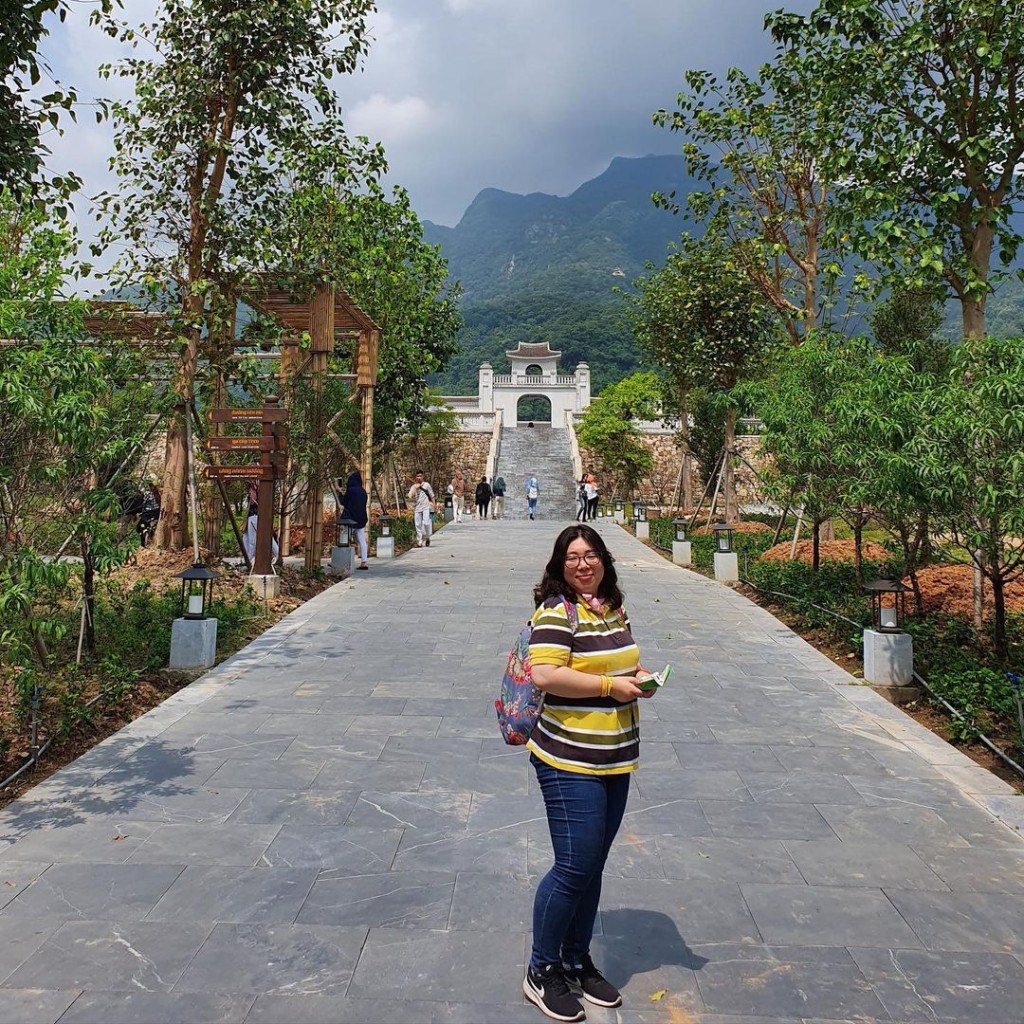
Photo: eunhui.jeong.
Relinquishing the throne at the age of 35, he retired to Vu Lam Royal Residence and then ascended Yen Tu to practice asceticism. From an earthly monarch, he attained the sacred status of the Buddhist realm. He passed away at Ngoa Van Hermitage on the Yen Tu mountain range, with Hue Quang Stupa enshrining his relics.
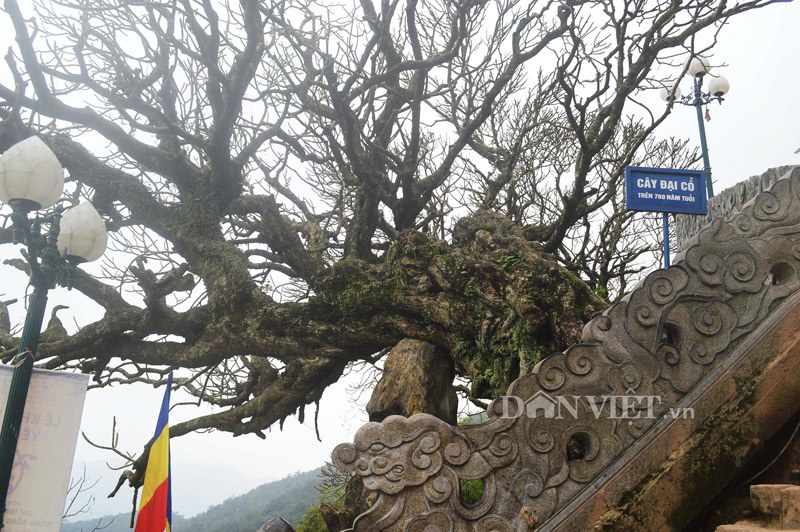
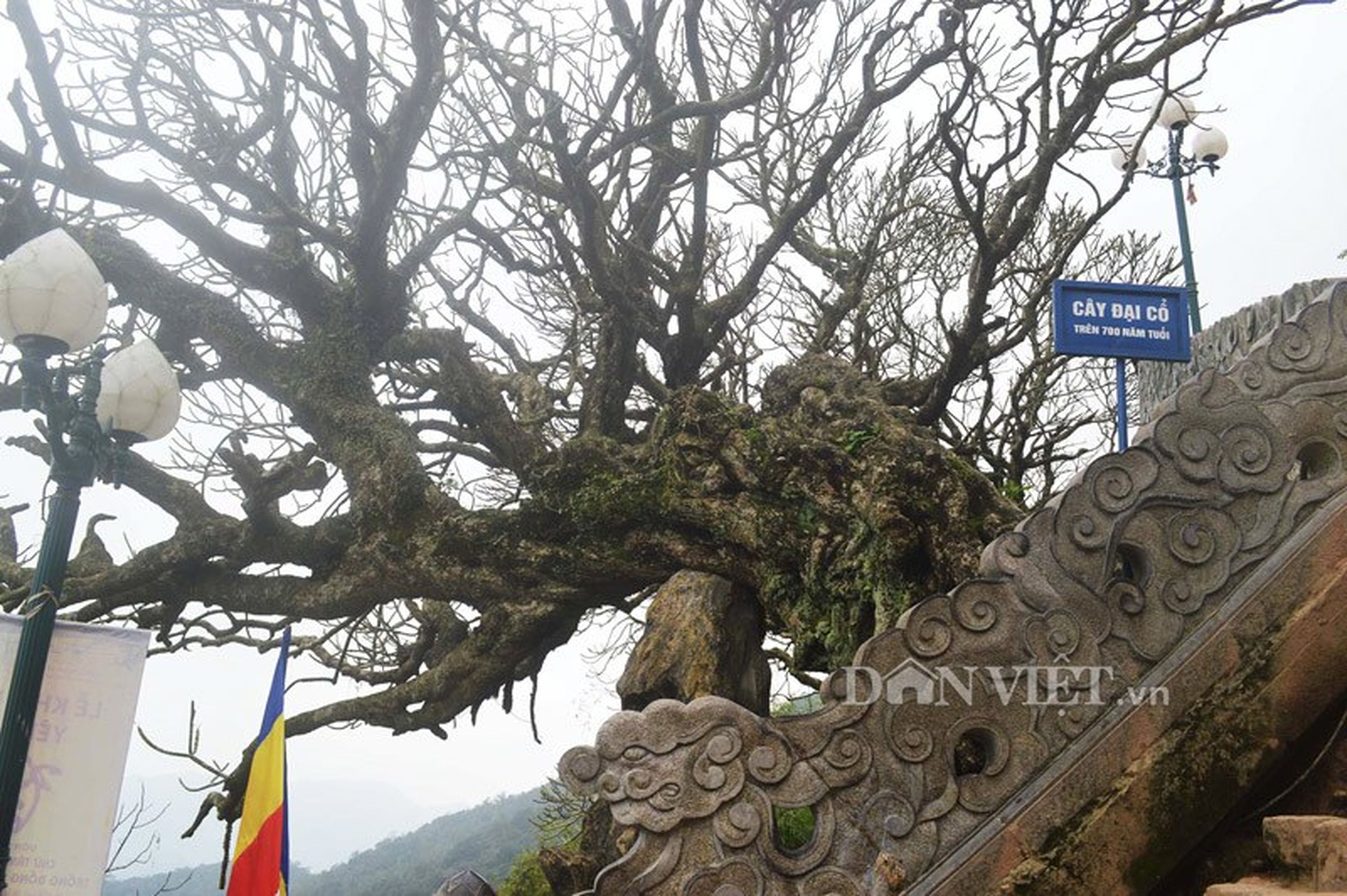
Ancient frangipani tree in front of Hoa Yen Pagoda, Yen Tu. Photo: danviet.
Natural value of Yen Tu
Journeying to the Yen Tu scenic landscape, you will immerse yourself in the mountains and forests of northeastern Vietnam. This region features rolling mountain ridges that all seem to converge toward Mount Yen Tu, as picturesque as an ink-wash painting.
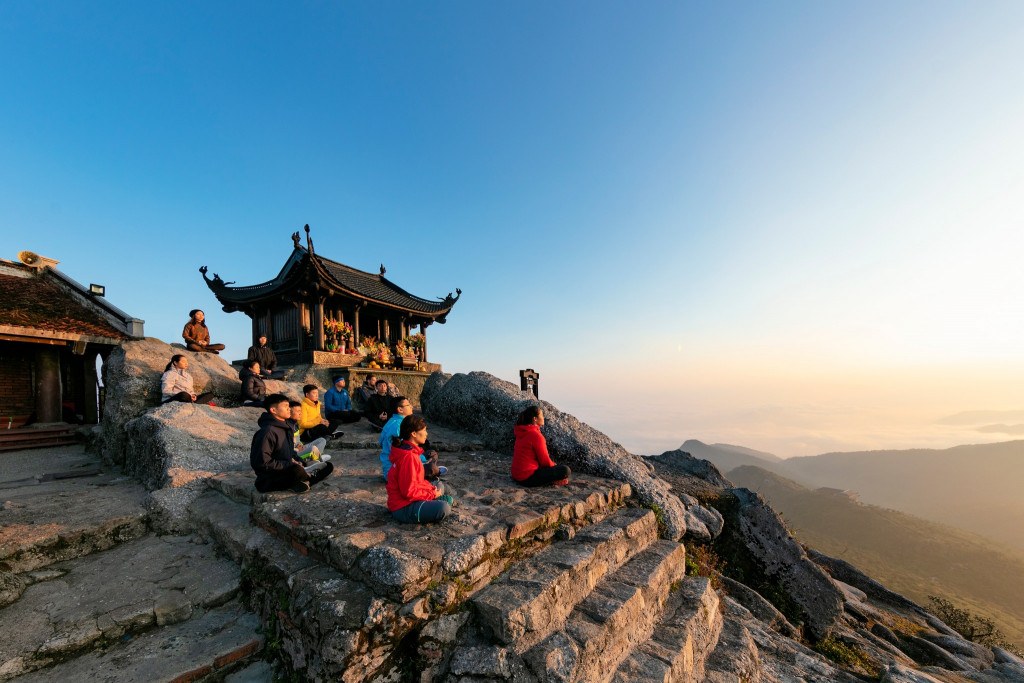
Photo: Yen Tu Mountain.
The mountain peak still bears traces of Earth crust tectonics dating back 10 million years, and the mountain contains massive coal deposits. The natural forest continues to preserve rich genetic resources of flora and fauna.
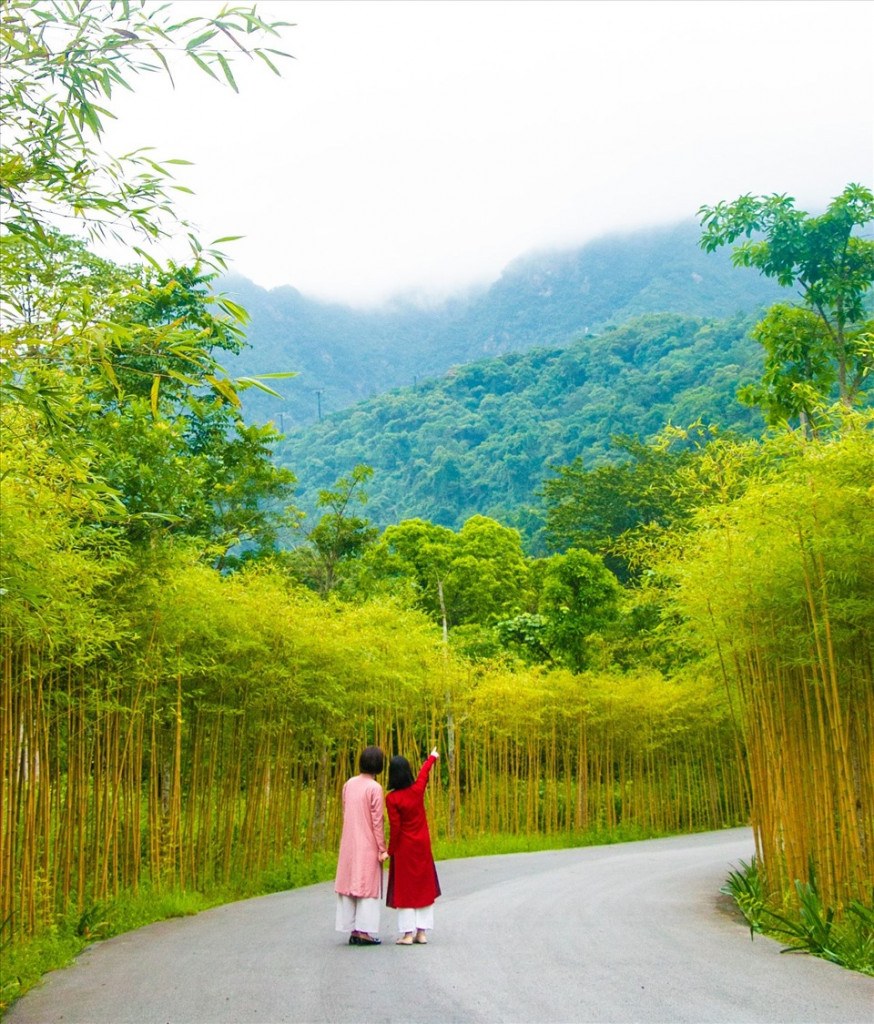
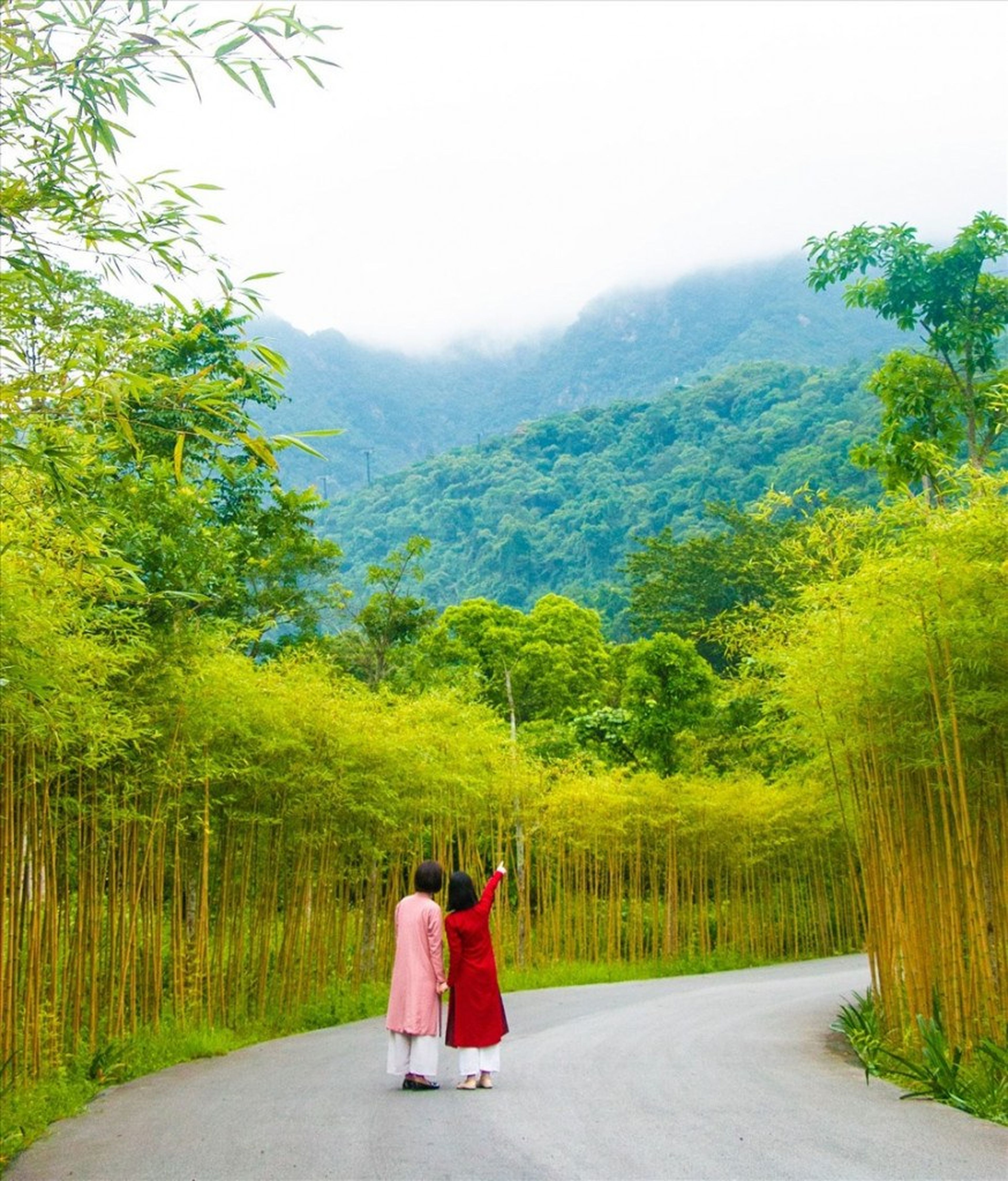
Yen Tu bamboo forest. Photo: Lang nuong Yen Tu.
Among the 206 animal species found here, more than 20 rare species are listed in the Red Data Book: flying squirrels, cascade frogs, crocodile lizards, spiny frogs, snub-nosed langurs... Among the 830 plant species, 38 are rare and endemic, such as Vatica odorata, Chukrasia tabularis, Podocarpus neriifolius, green ironwood, Cinnamomum balansae, Nageia fleuryi, and Podocarpus imbricatus...
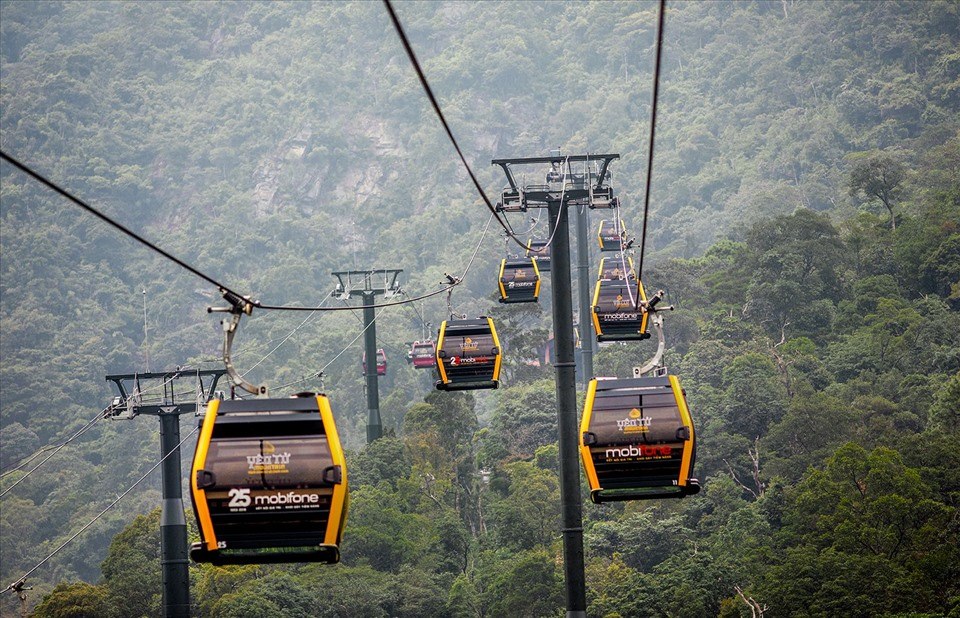
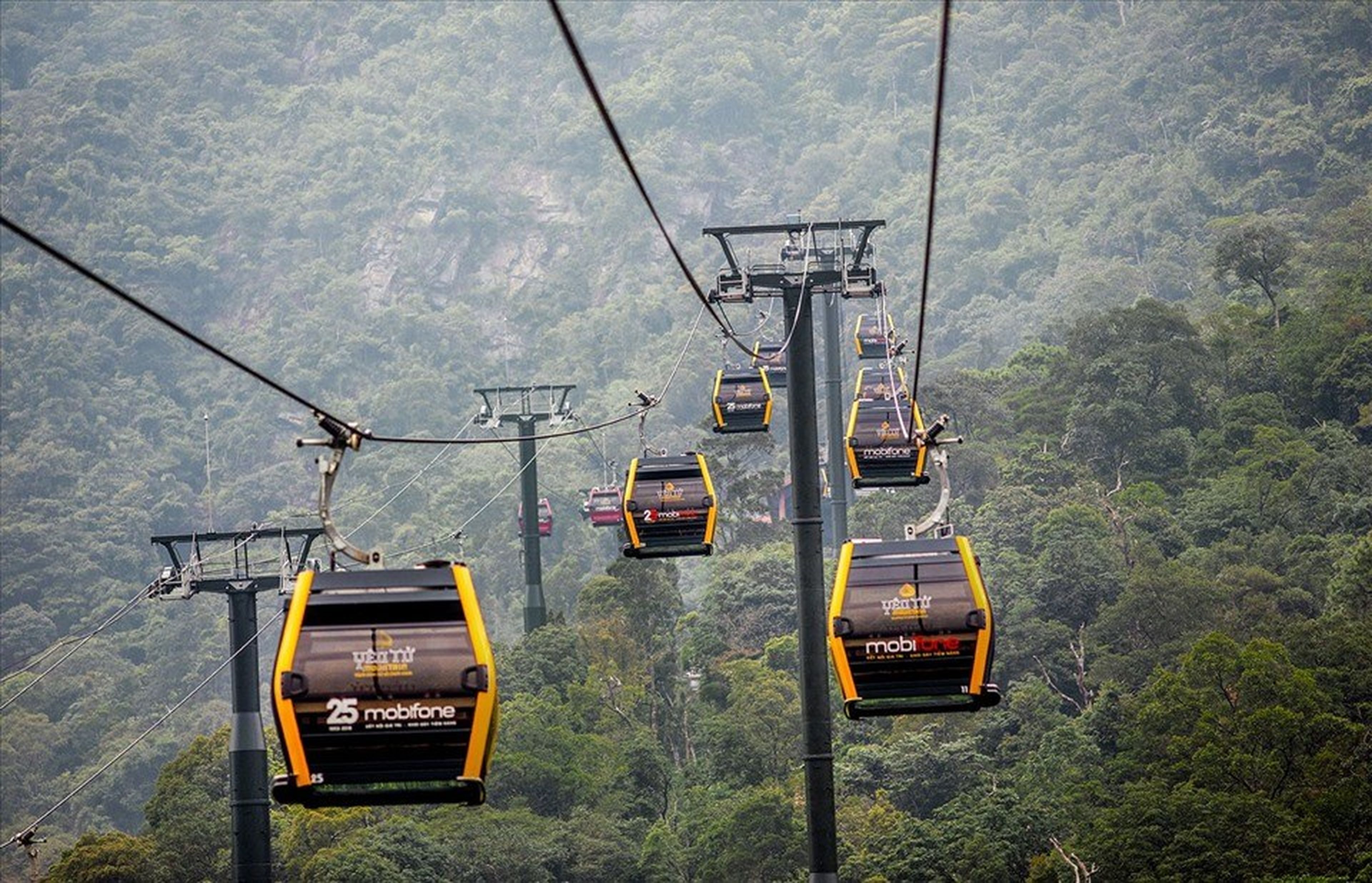
Cable car to Dong Pagoda. Photo: Lang nuong Yen Tu.
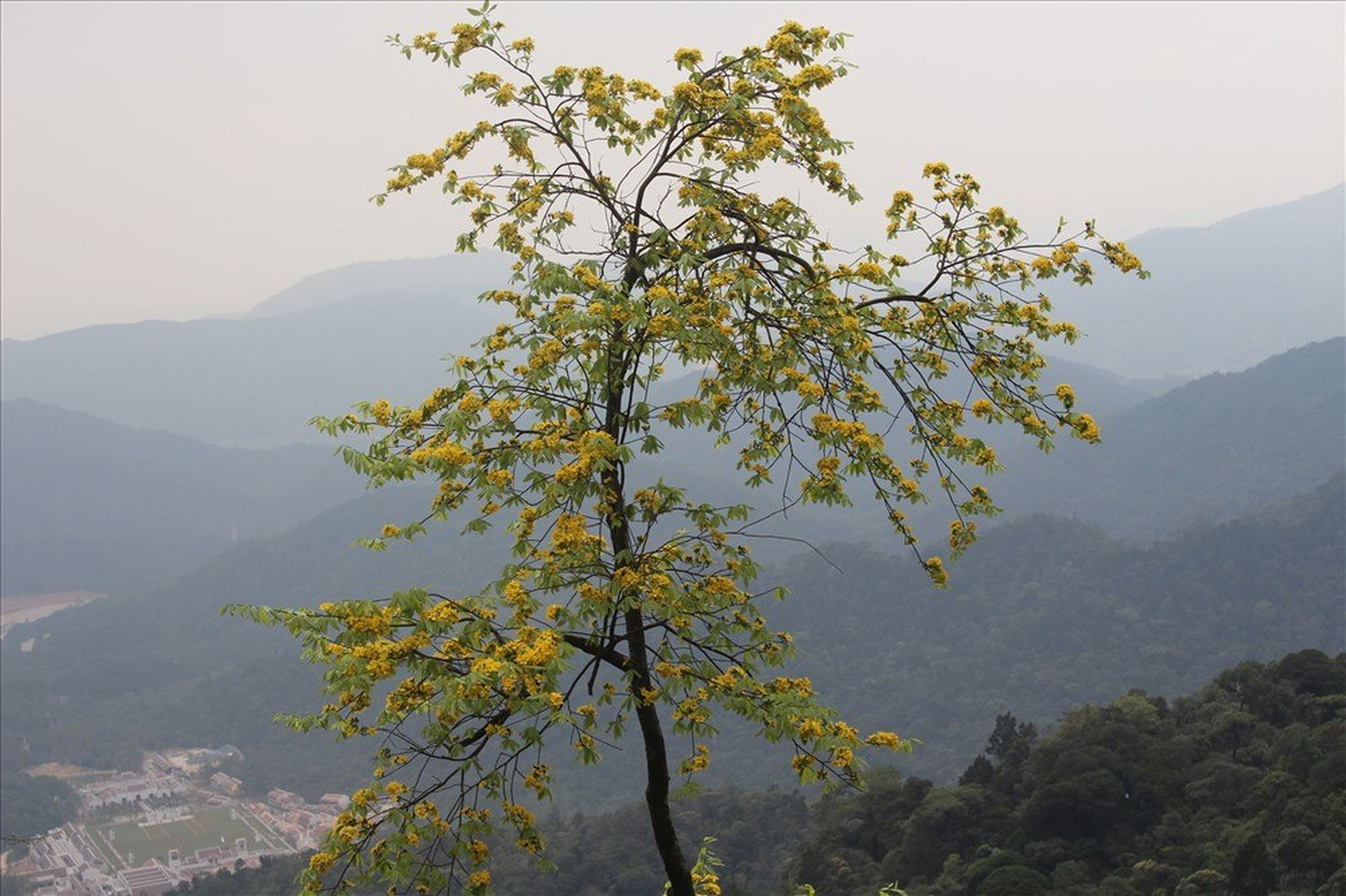
Furthermore, rows of ancient pine trees, fruit orchards over seven hundred years old, vast bamboo groves, patches of yellow apricot blossoms, and blossoming chrysanthemum beds make the scenic landscape even more enchanting to travelers.
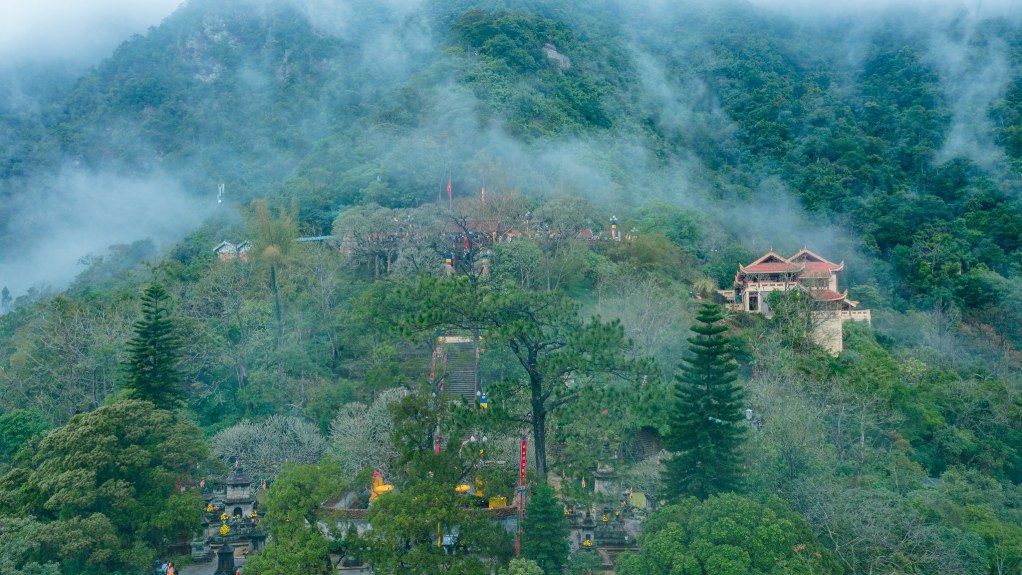
Biodiverse Yen Tu forest. Photo: Quang Ninh Newspaper.
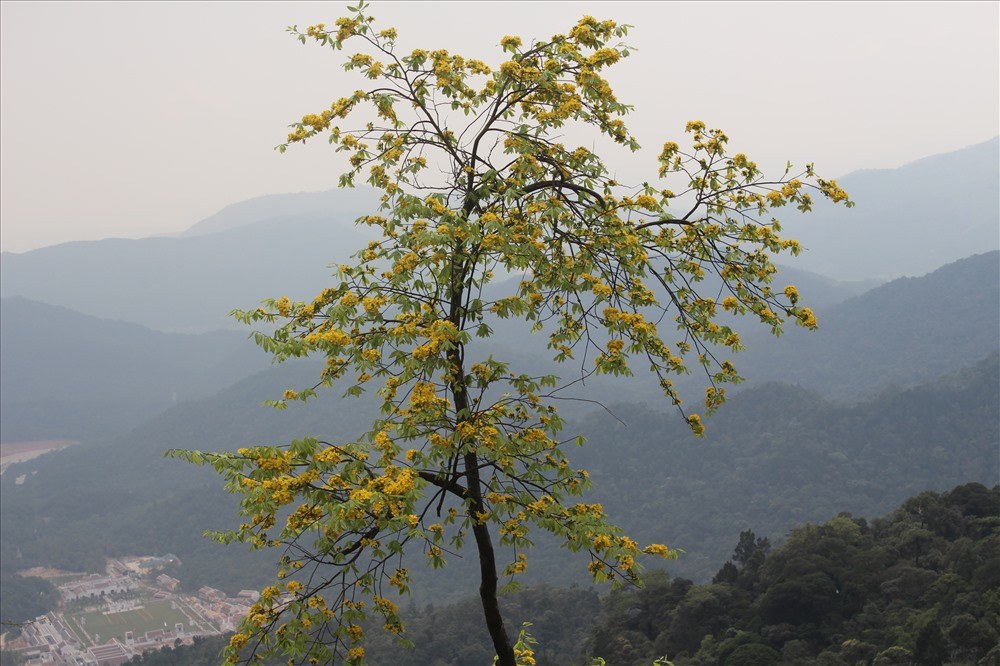
Photo: Nguyen Hung.
Yen Tu Scenic Landscape has long been a sacred Buddhist sanctuary, a cherished pilgrimage destination for devout Buddhists and lovers of magnificent nature. Follow the iVIVU blog to discover more helpful articles!