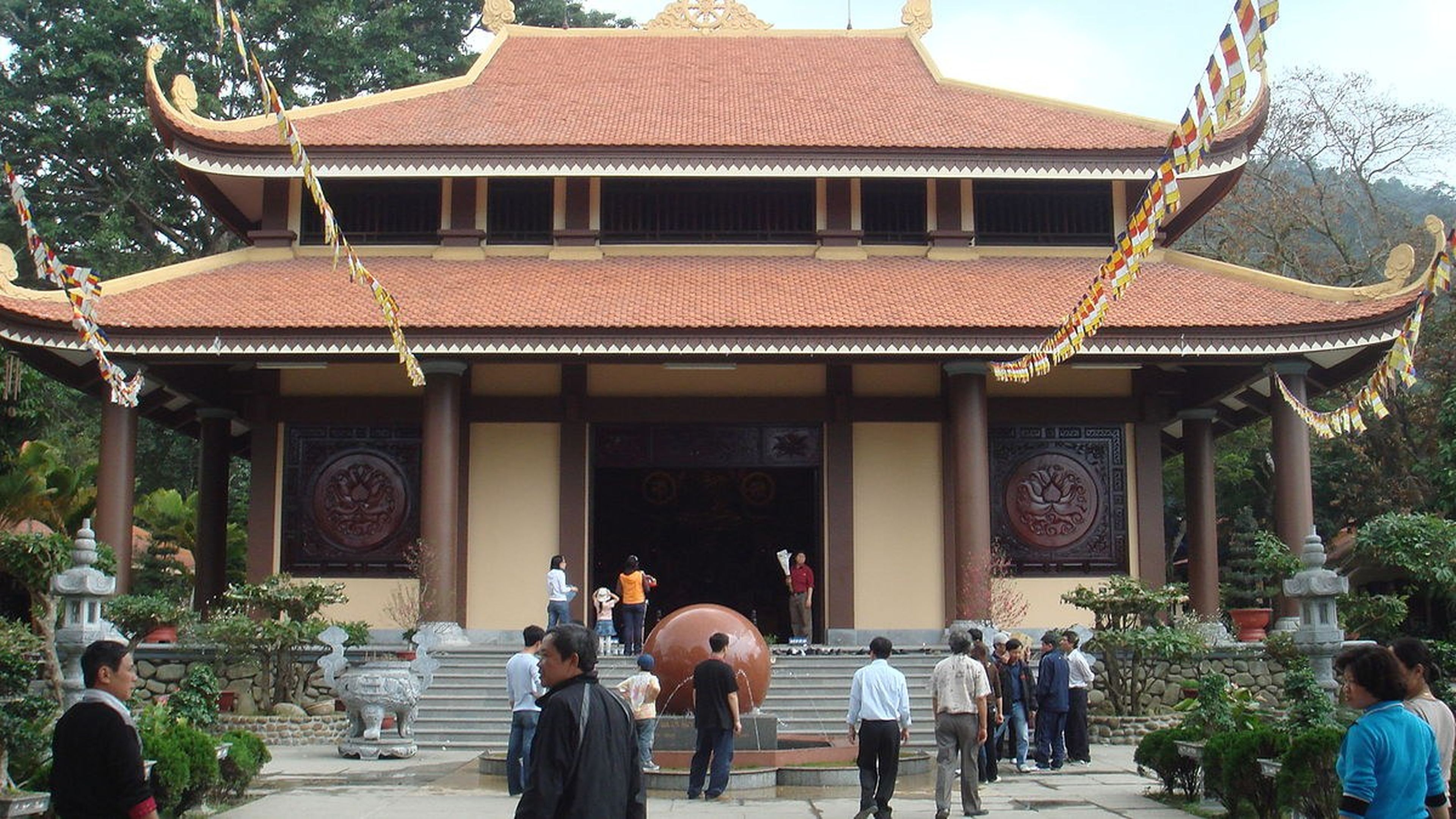
1 An overview of Yen Tu Pagoda
1.1 The ideal location of Yen Tu Pagoda
Address: Yen Tu Mountain, Mau Nam Village, Thuong Yen Cong Commune, Uong Bi City, Quang Ninh Province
Opening hours: 5:00 - 20:00 daily
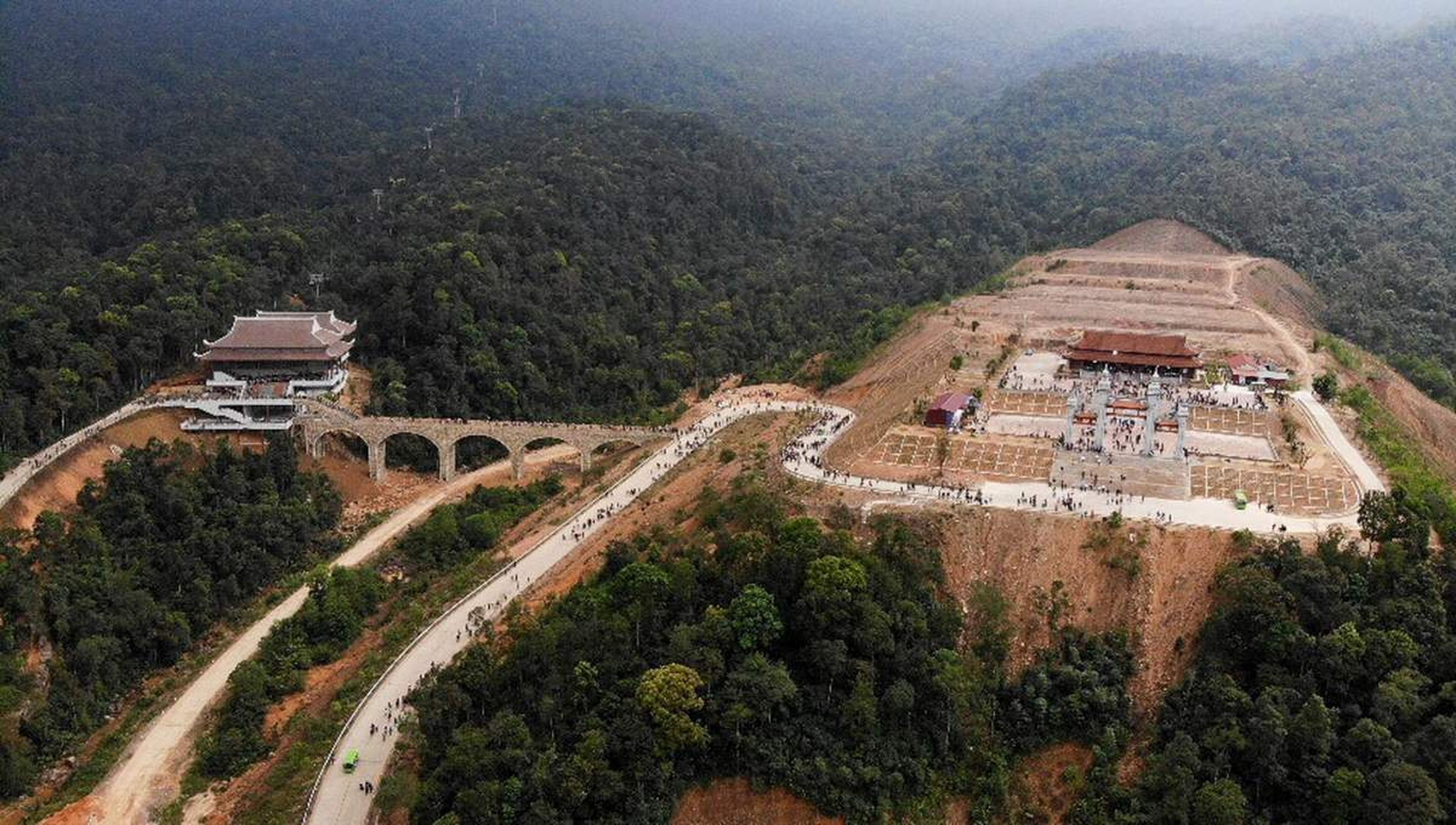
Yen Tu Pagoda comprises many large and small pagodas, located on the western side of Yen Tu Mountain. This mountain belongs to the Dong Trieu arc range and is often covered in clouds year-round, so it is also known as Bach Van Son. Not only is Yen Tu Pagoda famous, but it also possesses magnificent natural scenery, with forests and wide-open skies. You may not know this, but Yen Tu Pagoda is a center of Buddhism, home to majestic mountains as well as ancient towers and long-standing pagodas.
Yen Tu Pagoda also impresses visitors with its elevation of up to 1068m. Here, visitors can freely admire incredibly impressive panoramic views of nature and enjoy the peaceful atmosphere offered by this ideal location. To reach the pagoda's summit, you must climb more than 6000 stone steps, passing sections filled with bamboo and towering, challenging pine forests.
See also: The sacred temple dedicated to Đức Ông Trần Quốc Nghiễn in Ha Long
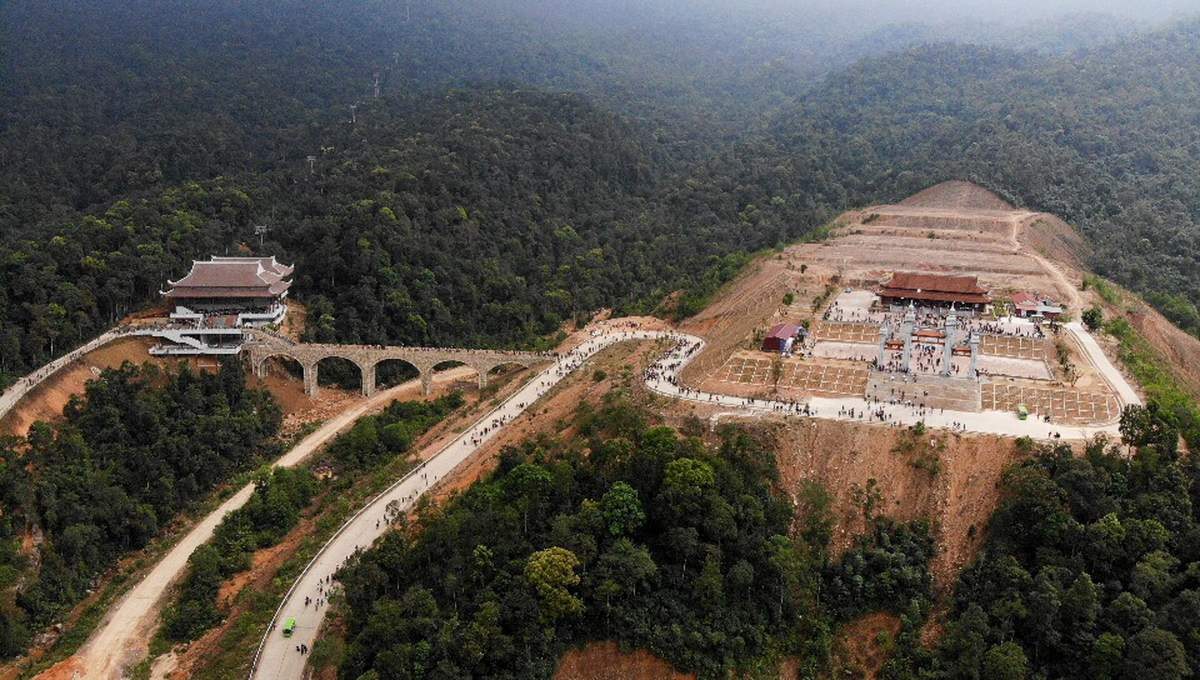
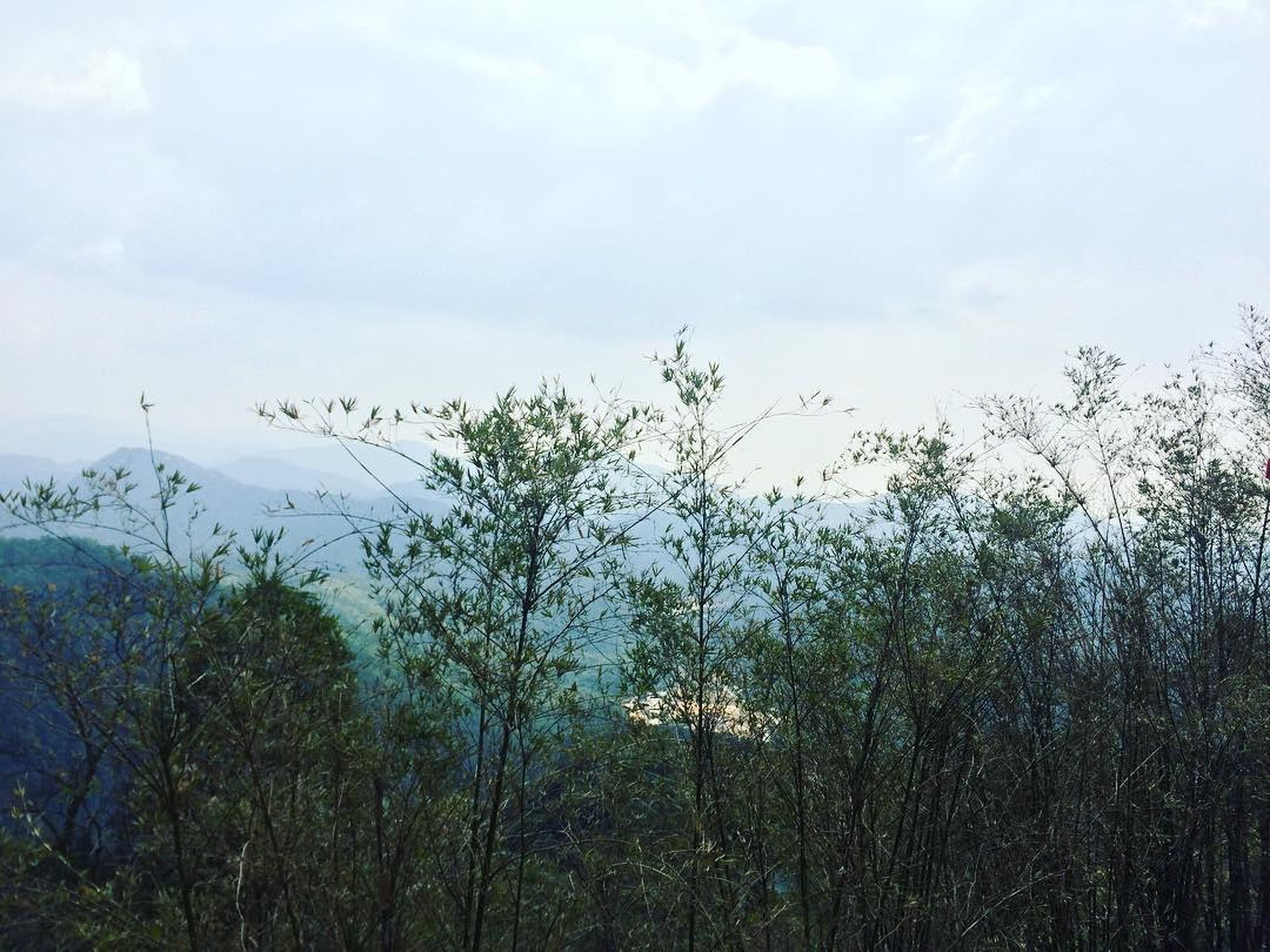
A panoramic view of Yen Tu Mountain with its many different pagodas
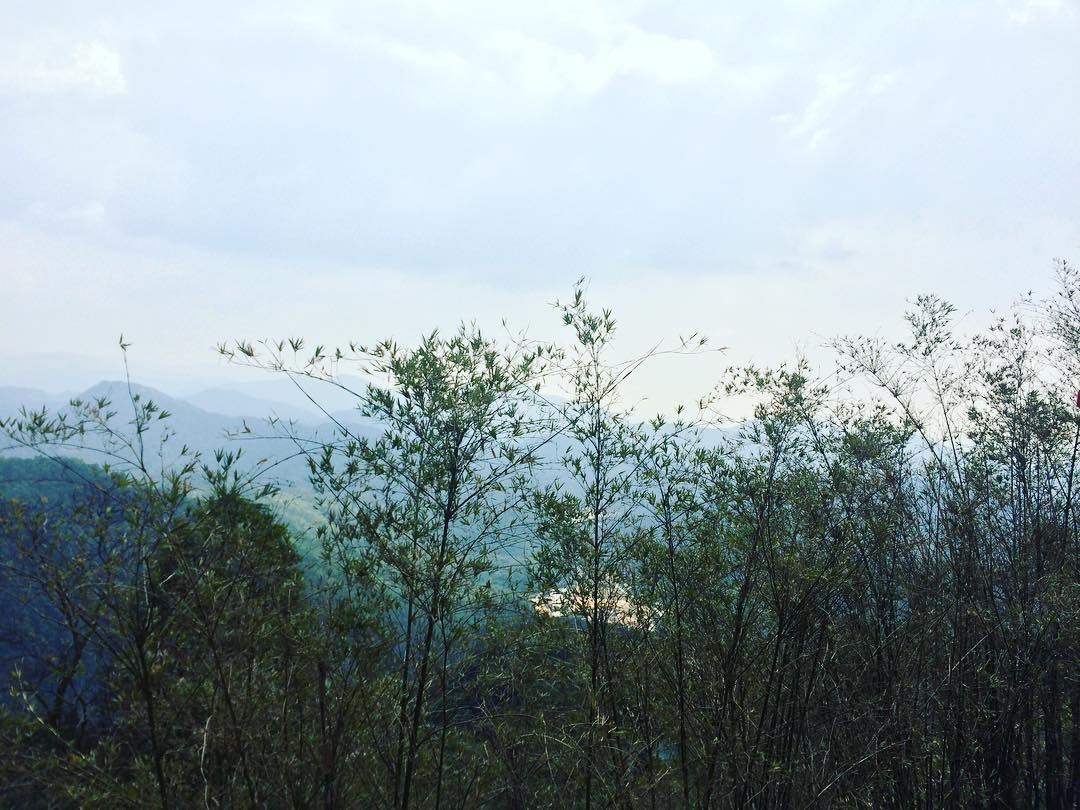
With its ideal location, Yen Tu Pagoda offers visitors exceptionally appealing natural scenery
1.2 Whom is Yen Tu Pagoda in Quang Ninh dedicated to?
Yen Tu Mountain is where King Trần Nhân Tông practiced asceticism and founded the Japanese sect known as Trúc Lâm Yên Tử Zen. With quite a large number of pagodas built here, Yen Tu Pagoda is visited and made a pilgrimage to by people every year to commemorate the former king of the country. He was also the king who rejected a luxurious life to seek a place for religious practice among the green mountains, wishing to bring blessings to the lives of the people. Therefore, whenever Yen Tu Pagoda's festival days arrive, large numbers of people return here to commemorate Buddha Shakyamuni.
2Directions and ways to get to Yen Tu Pagoda
Before showing you how to get to Yen Tu Pagoda, MIA.vn will first suggest two routes to Yen Tu Mountain. The journey here is not difficult at all, and you can choose to travel by motorbike, car, or coach.
Traveling from Nam Dinh, Hai Phong, or Thai Binh: You only need to travel to Uong Bi, to the intersection of National Highways 10 and 18. Then turn left toward Trinh and continue straight for approximately 10km to arrive.
Traveling from Hanoi: Take the route toward Bac Ninh to reach National Highway 18, then turn toward Trinh and continue for another 10km to reach the foot of Yen Tu Pagoda.
Today, the road to Yen Tu Pagoda has been renovated to make traveling much more convenient. Therefore, you can choose to get here by cable car or on foot.
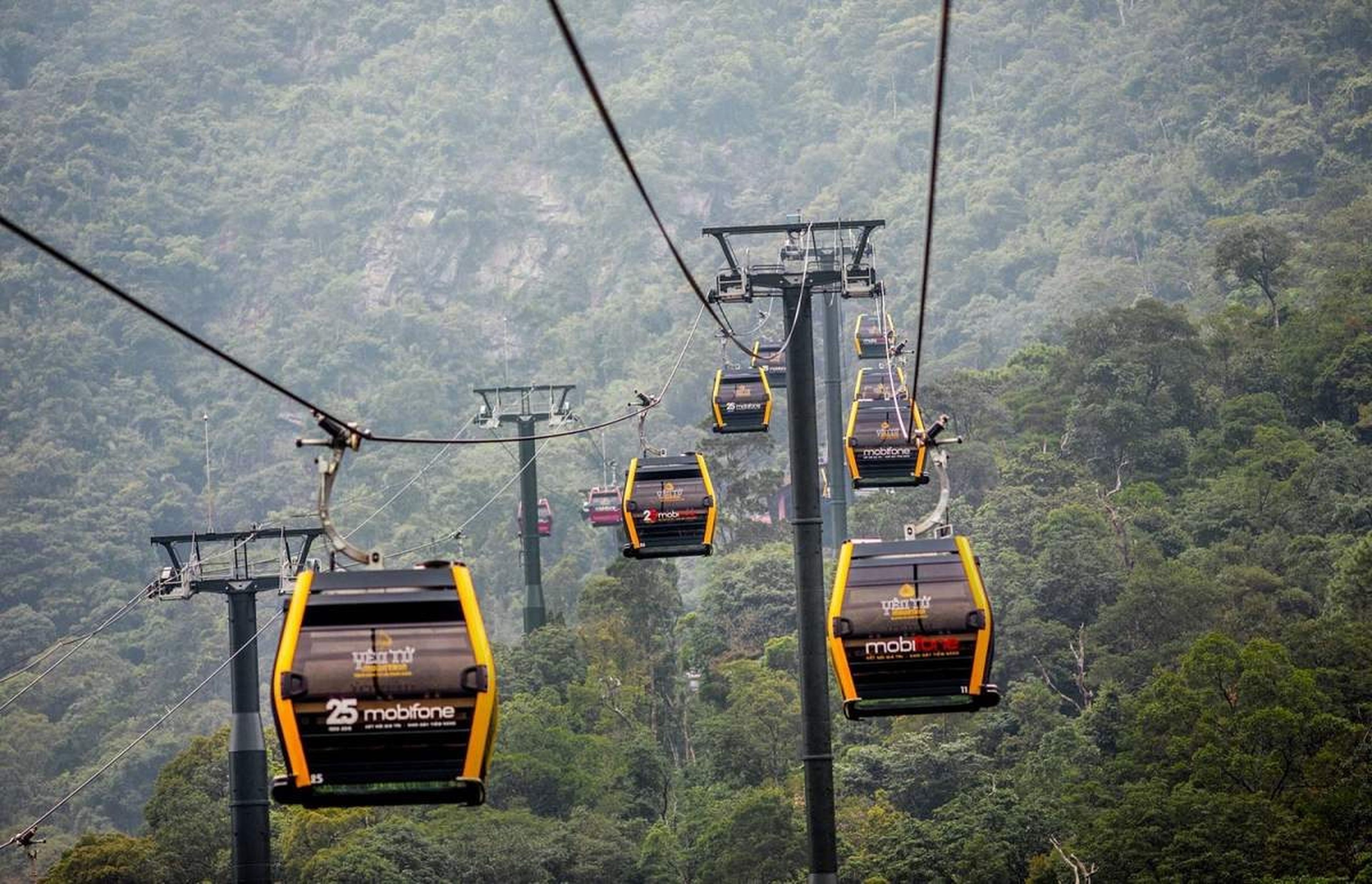
By cable car: This is considered a “lifeline” for those who are not in good enough physical condition, and it also shortens travel time. With a length of more than 1.2km and an elevation of up to 450, remember to consider your health and available time when choosing the most suitable means of transport.
Round-trip ticket price: 350.000 VND/person
One-way ticket price: 200.000 VND/person/route
Free for people over 70 years old and children under 1.2m
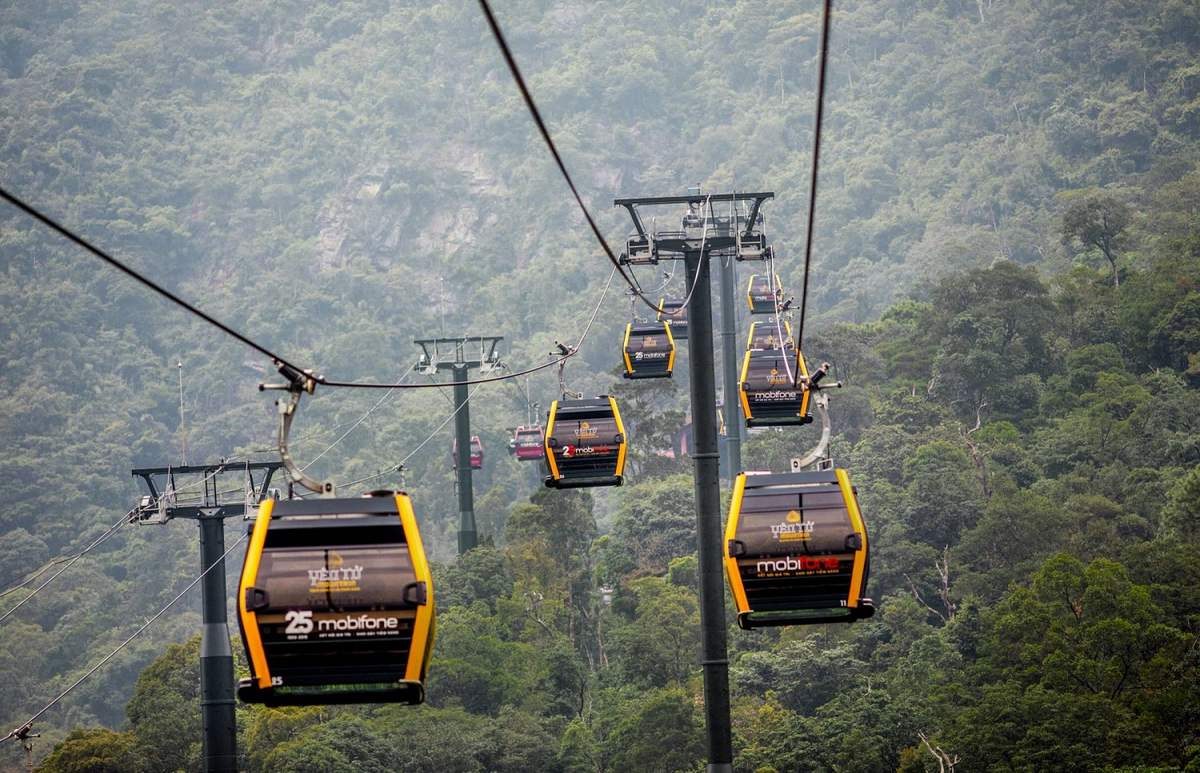
Today, traveling by cable car helps visitors save considerable time and preserve their health
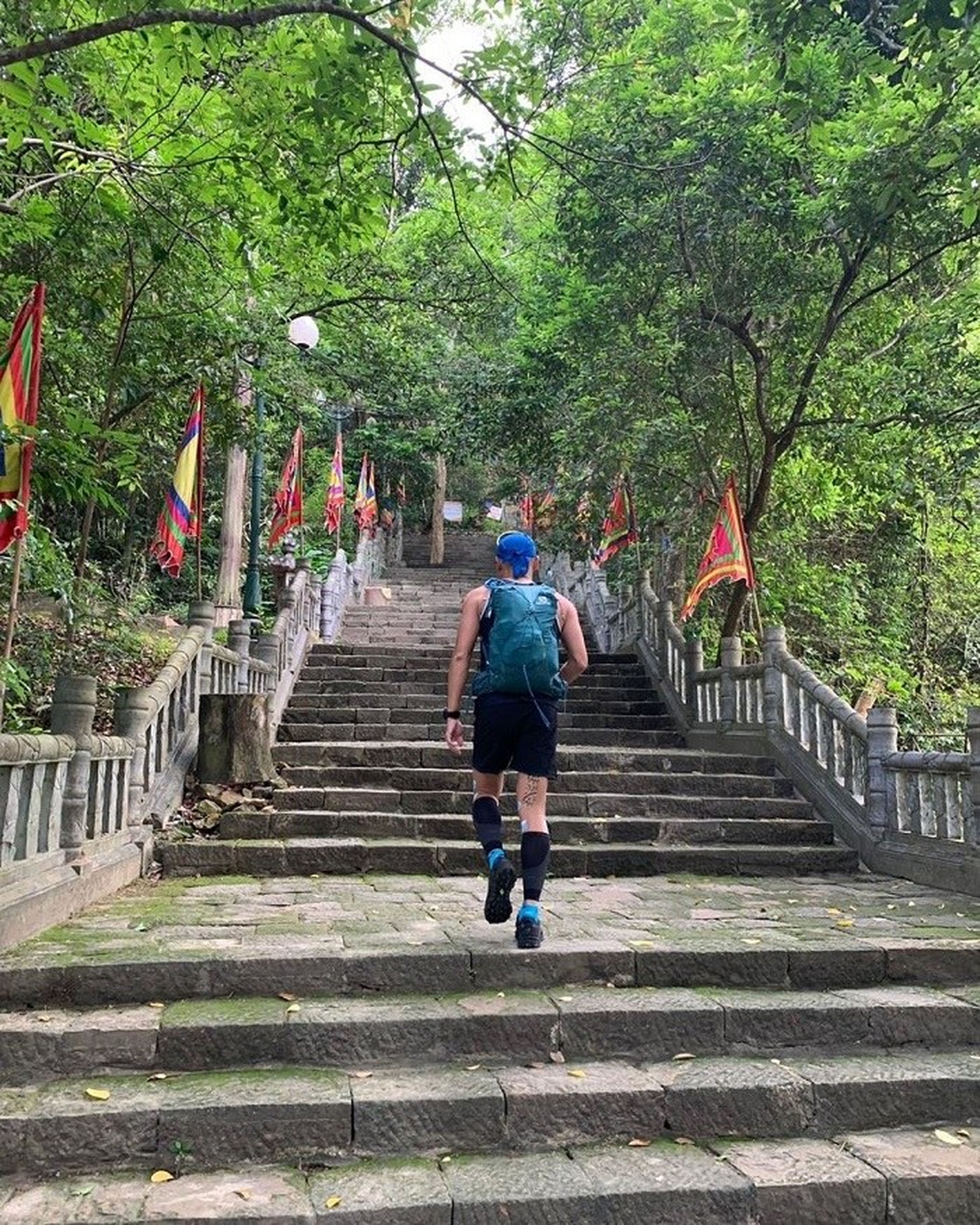
Walking: If you are in good health and have plenty of time, you should try walking so that you can discover many interesting things along the route conquering Yen Tu Mountain. Today, the walking route has also been reinforced with steps to make it more convenient, so getting around is now easier and no longer too difficult.
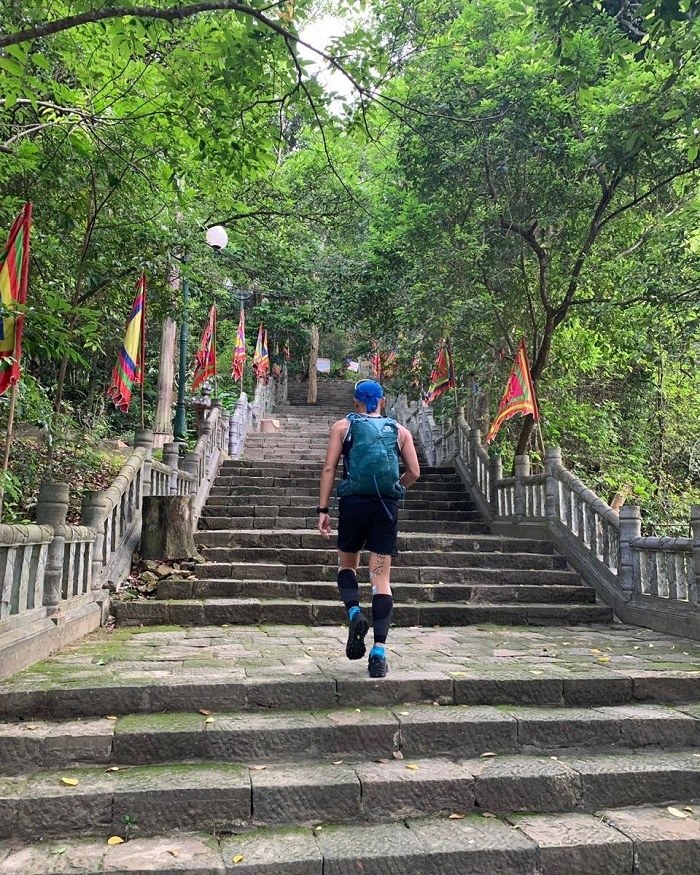
If you are in good health, you can challenge yourself by walking
3 What makes Yen Tu Pagoda unique?
3.1 The distinctive architecture of Yen Tu Pagoda
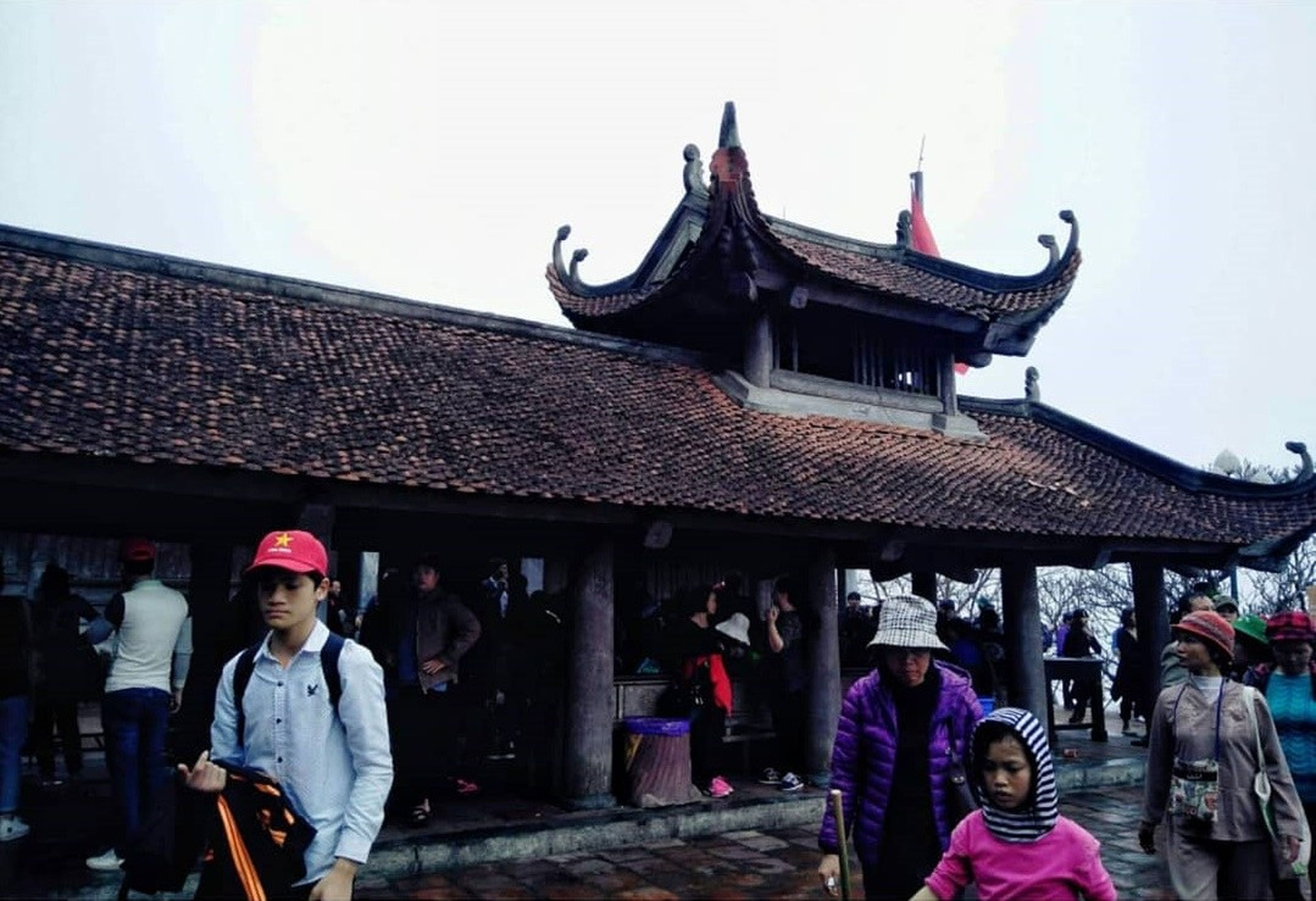
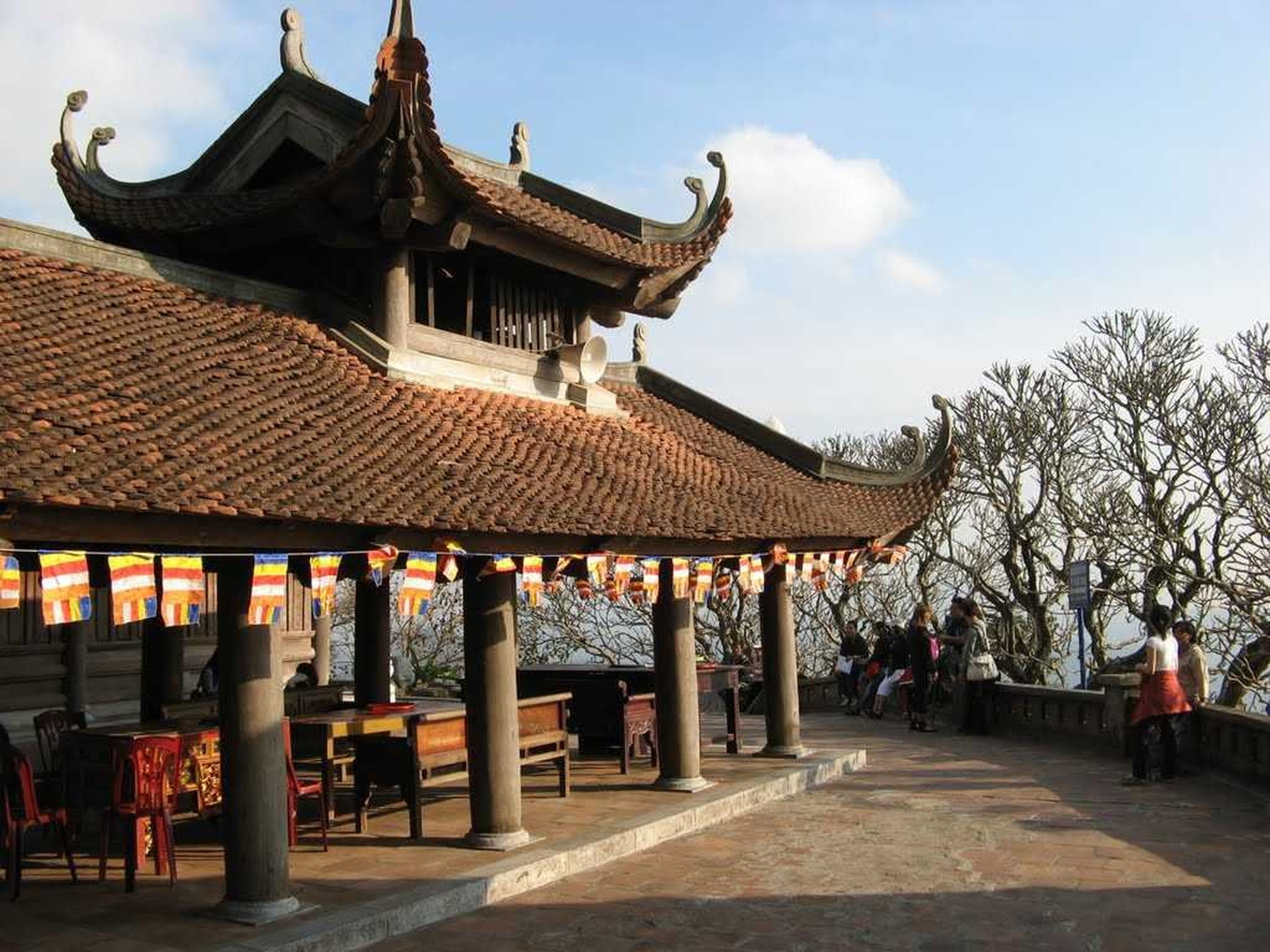
The architecture of Yen Tu Pagoda is considered a standard of Buddhist architecture, with designs that closely replicate the original models. The first thing that impresses visitors arriving at Yen Tu Pagoda is the Tam Quan Gate, with two symmetrical tiled roofs and a dignified beauty. Behind this solemn gate is Yen Tu Pagoda's main courtyard, paved with red bricks—the familiar color of every pagoda. Beyond that, the pagoda roof is covered with curved tiles designed with blade-shaped ends pointing straight toward the sky, creating a highly distinctive look.
From the main pillars to the secondary pillars, the entire pagoda system is made of precious ironwood. Outside, the rows of pillars are still firmly supported by large stone columns. Each pillar rests on a stone slab that serves as its base. Placing stone slabs beneath the pillars has a meaning that we may not be aware of; it is considered a standard in the architecture and construction of Vietnamese religion and beliefs.
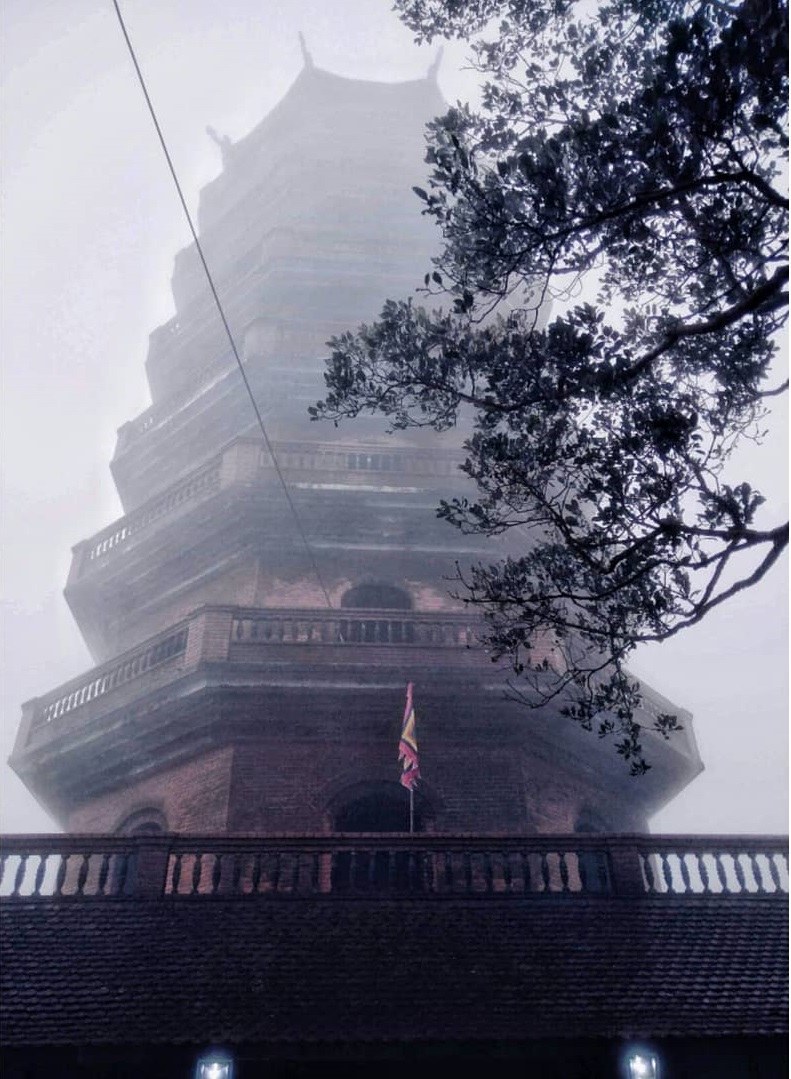
The pagoda was built according to Buddhist architectural standards
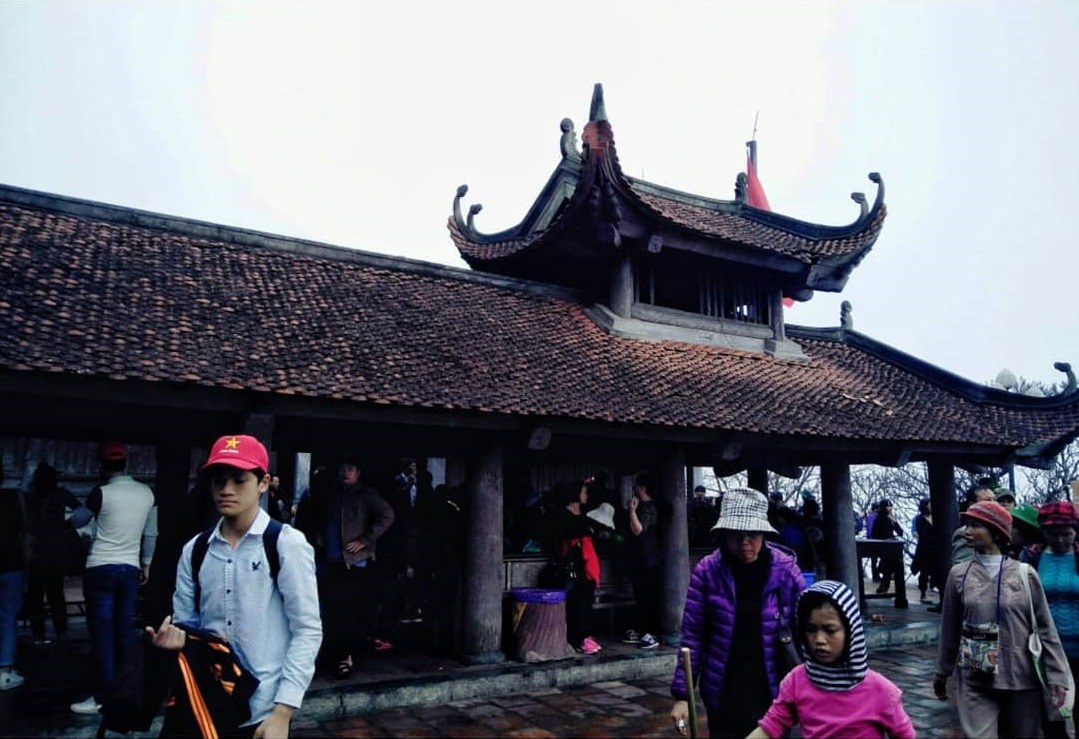
Every year, Yen Tu Pagoda welcomes large numbers of visitors who come to worship and pray for blessings
To explain this belief more clearly, the image of wooden pillars placed on stone slabs symbolizes fertility beliefs, representing the reproductive organs of both men and women. In addition, it is a sacred image that brings good things to people's wishes for development, as well as a peaceful and prosperous human life.
When you visit the pagoda's main sanctuary, you will enjoy a well-ventilated space thanks to its wooden furnishings. At the front are lattice windows that allow air to circulate and let in as much natural light as possible. Every space here is designed with great refinement: it is airy and cool, well ventilated in summer, while in winter the temperature is regulated to create a warm, cozy atmosphere.
An ideal space like Yen Tu Pagoda is the result of meticulous care in orienting the pagoda appropriately for the area's climate. In addition, the pagoda's structure itself facilitates air circulation through the balustrade windows designed at the front, back, and both sides, while triangular windows close to the roof also allow ventilation.
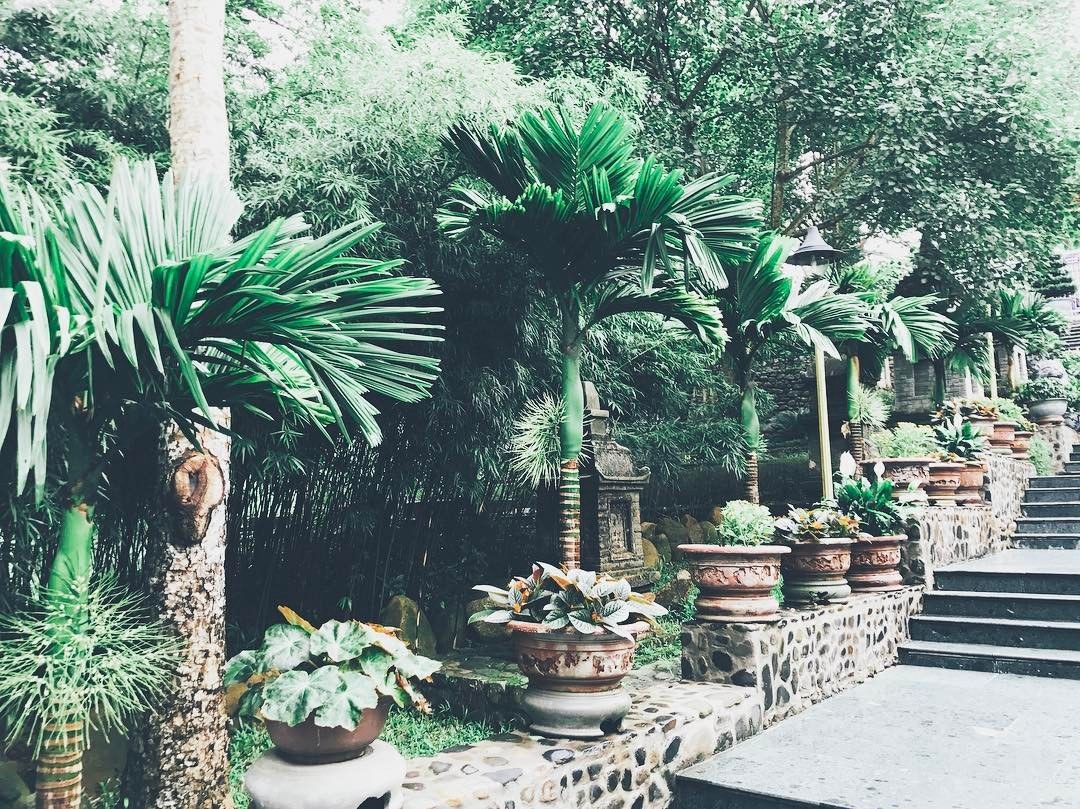
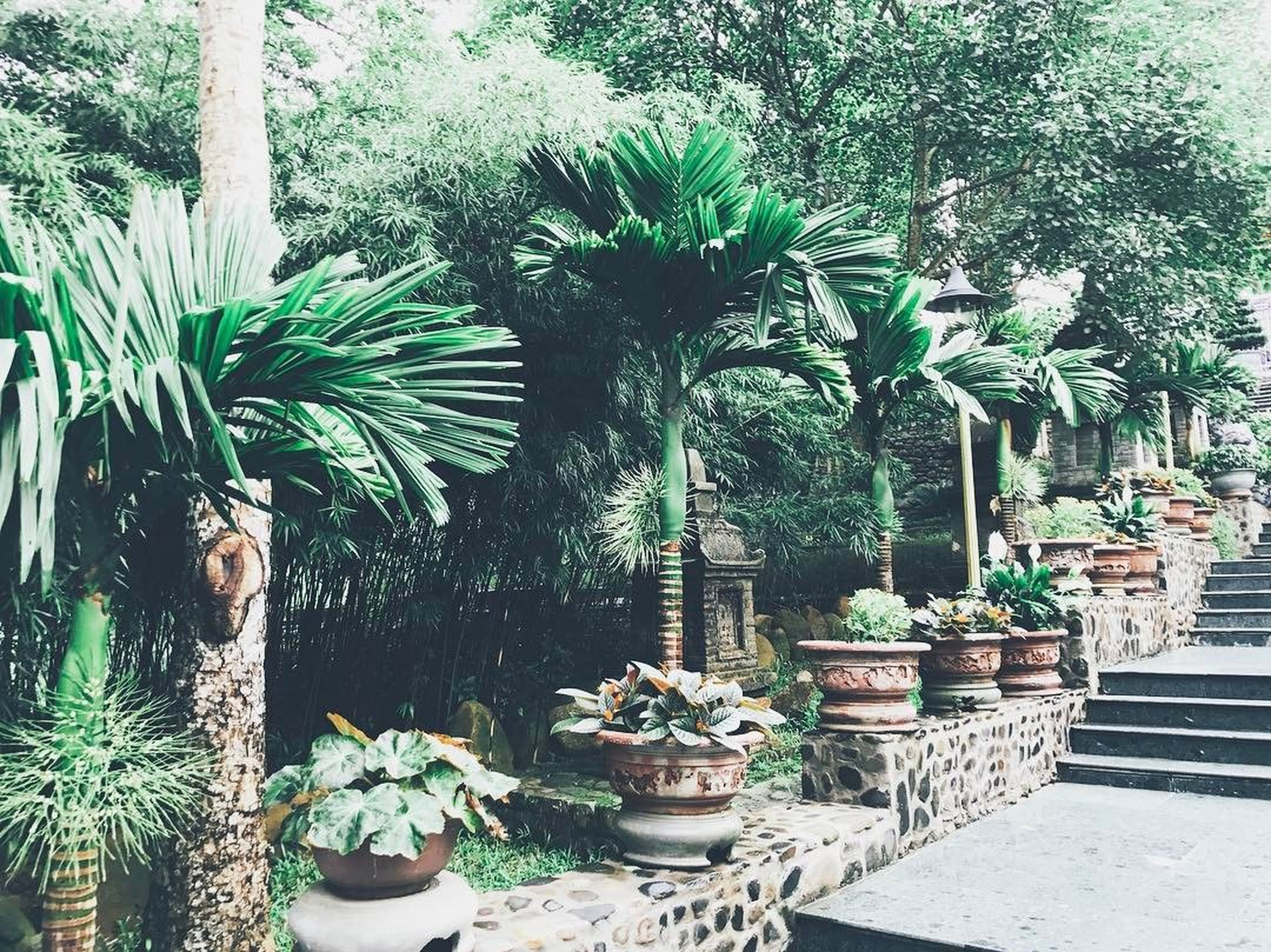
The peaceful beauty of the pagodas could never be complete without the refreshing green shades of various plants
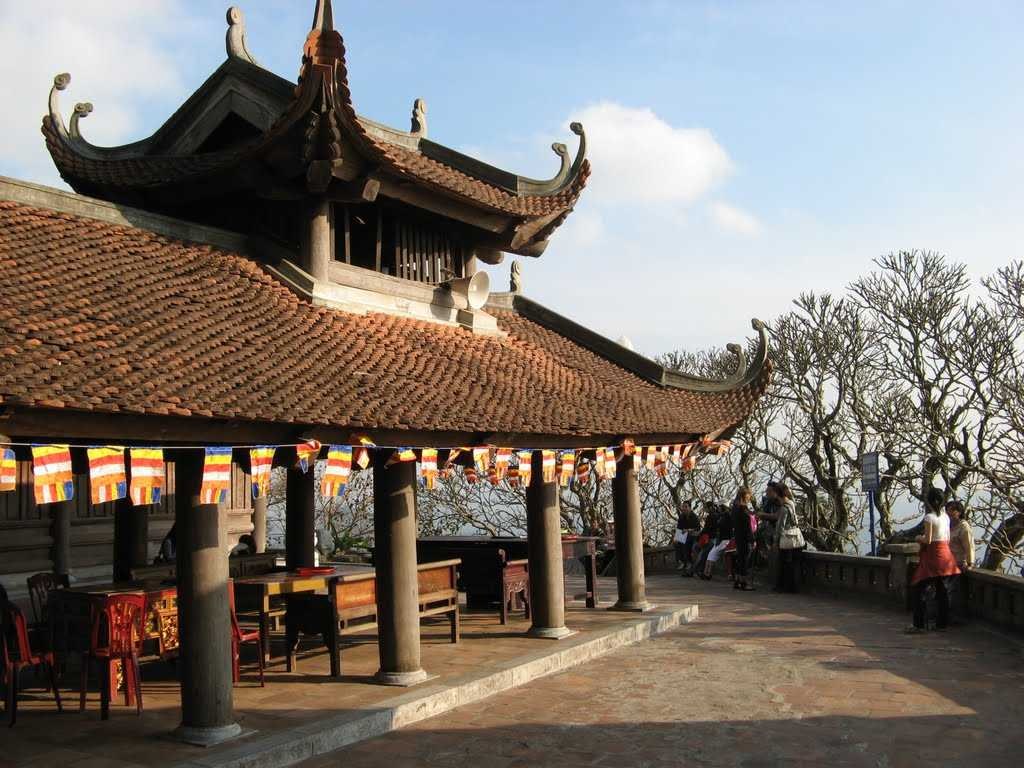
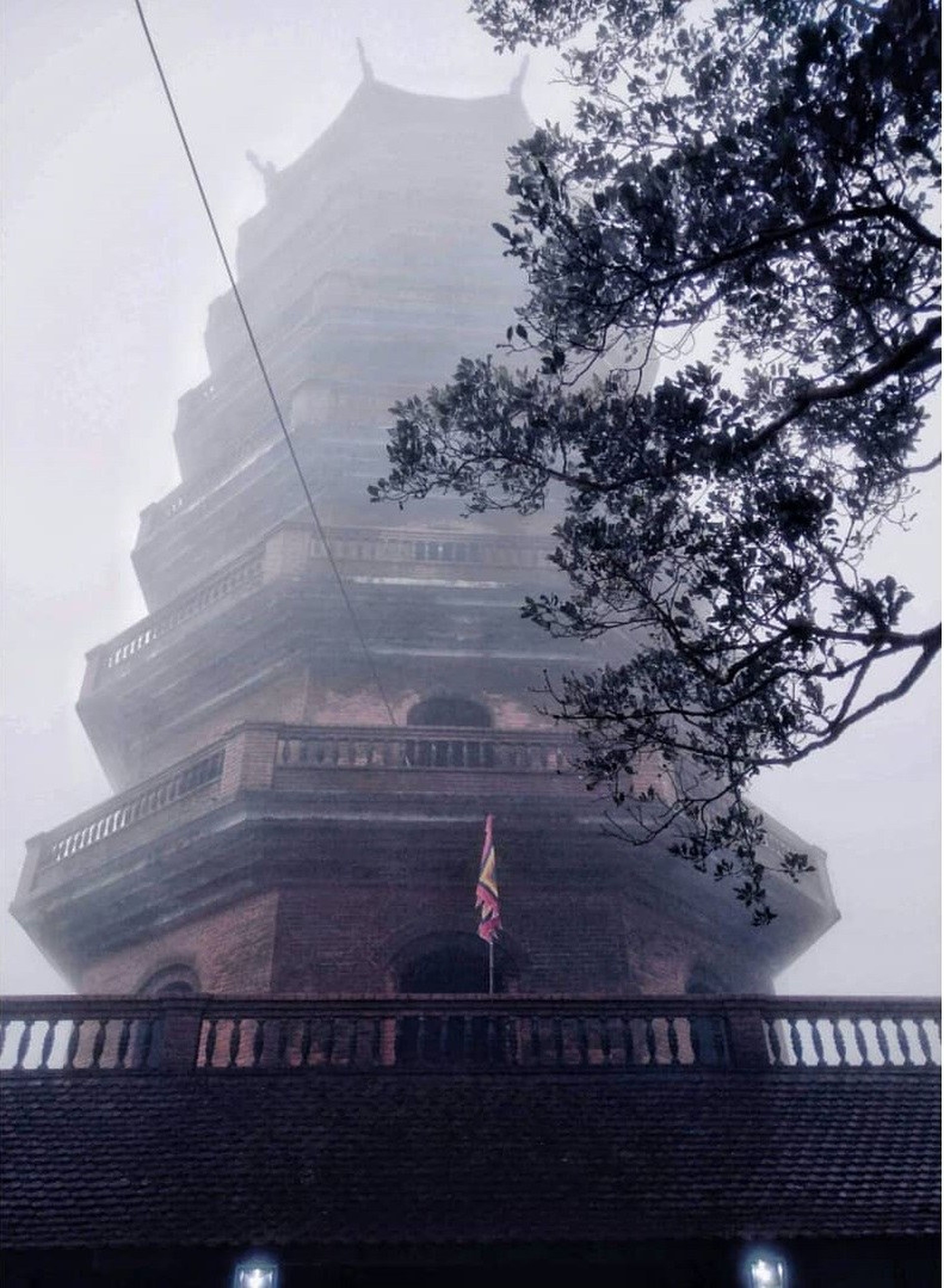
From its elevated location, Yen Tu Pagoda has a somewhat chilly atmosphere beneath layers of thick white clouds
3.2 Famous as a spiritual landmark of the Vietnamese people
With its expansive grounds, Yen Tu Pagoda is where monks practice and study Buddhist scriptures. It can be said that this place is like a school—a place where monks are taught to recite sutras, deliver Zen teachings, and study Buddhist philosophy...
An ancient legend tells the famous story of how, when the Supreme Emperor decided to become a monk, the palace women and consorts tried their best to dissuade him but failed. Therefore, to demonstrate their loyalty, the consorts moved closer to the foot of the mountain to make it easier to care for and advise the king. However, the king remained steadfast in his decision and sent them back to the palace. Overwhelmed by their loyalty to the king, they threw themselves into the stream, and local people established the Oan Giai Bridge and Oan Giai Pagoda to commemorate and worship the faithfulness of the palace women and consorts.
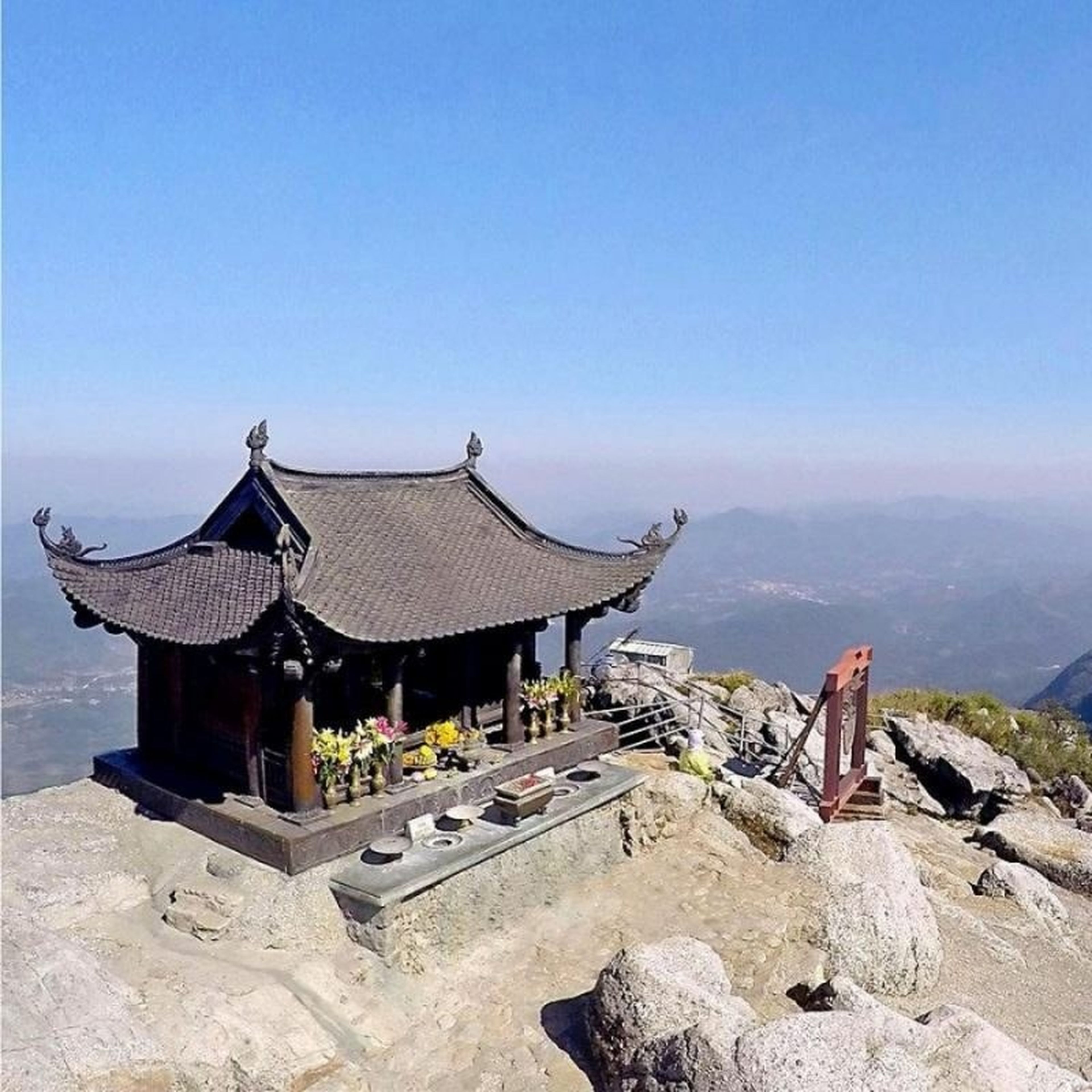
Unlike Cai Bau Pagoda or Loi Am Pagoda, when visiting Yen Tu Pagoda, you also have the opportunity to visit many other pagodas, such as Mot Mai Pagoda, Hue Quang Tower Pagoda, and Dong Pagoda... However, Dong Pagoda is the highest-altitude pagoda in Yen Tu, with all its components cast from highly distinctive bronze. Conquering the pagoda on foot is like an achievement in itself. It is highly sacred, and people often visit to pray for health, wealth, and prosperity.
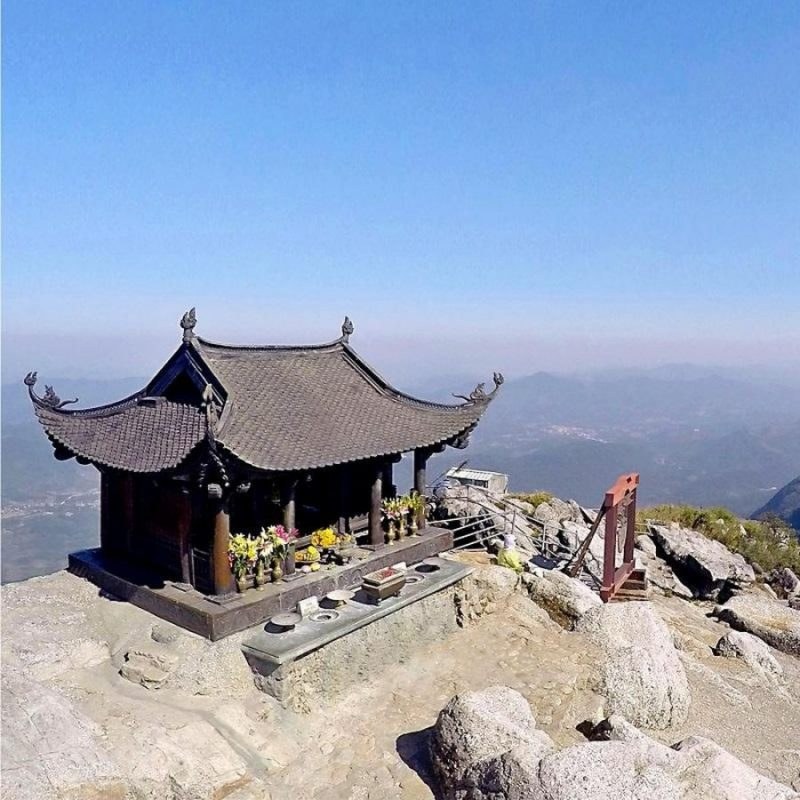
Dong Pagoda - The highest-altitude pagoda on Yen Tu Mountain
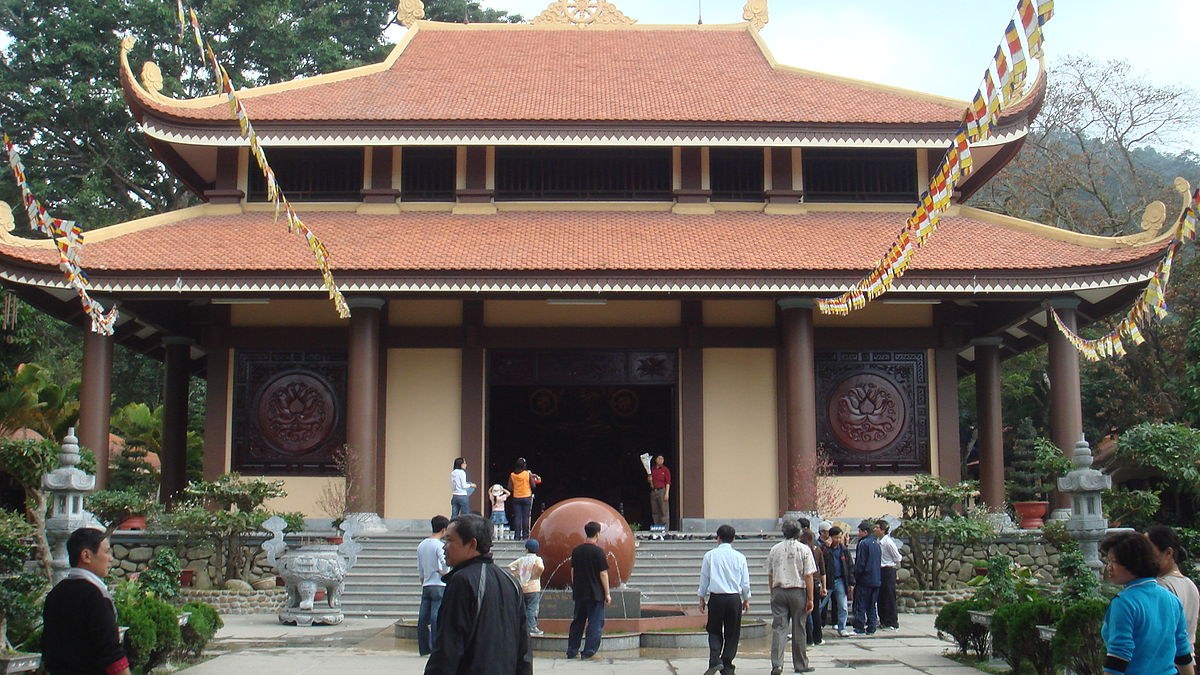
Lan Yen Tu Pagoda is also one of the equally attractive stopping points
Thus, a journey to Yen Tu Pagoda is truly fascinating, as you can visit more than just one pagoda from many different locations. Come here to enjoy the fresh air of this tranquil place, and do not forget to pray for the best things for your family and friends.