1 An overview of the 2026 Binh Ngo Yen Tu Spring Festival
The opening ceremony of the 2026 Yen Tu Spring Festival will take place on the 10th day of the first lunar month in the year of Binh Ngo (February 26, 2026) at Truc Lam Palace, Yen Tu Special National Relic and Landscape Site. This is the first festival season since the Yen Tu - Vinh Nghiem - Con Son, Kiep Bac Complex of Monuments and Landscapes was inscribed by UNESCO as a World Cultural Heritage Site in July 2025.
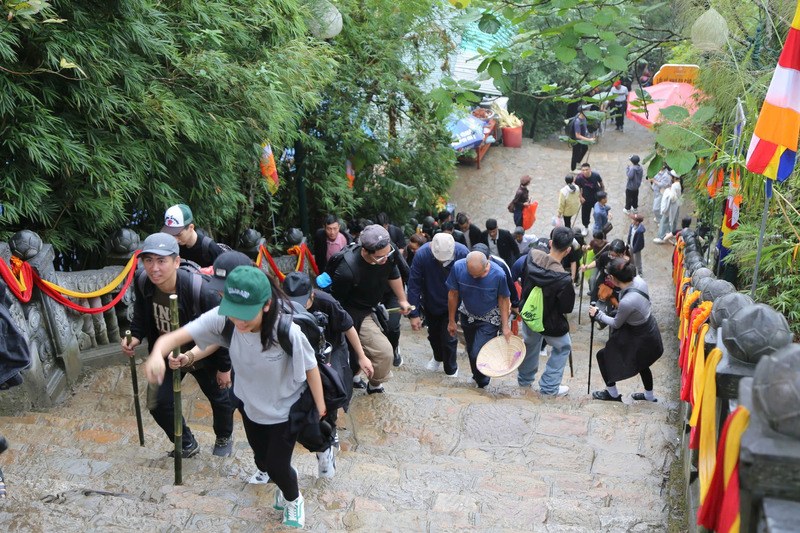
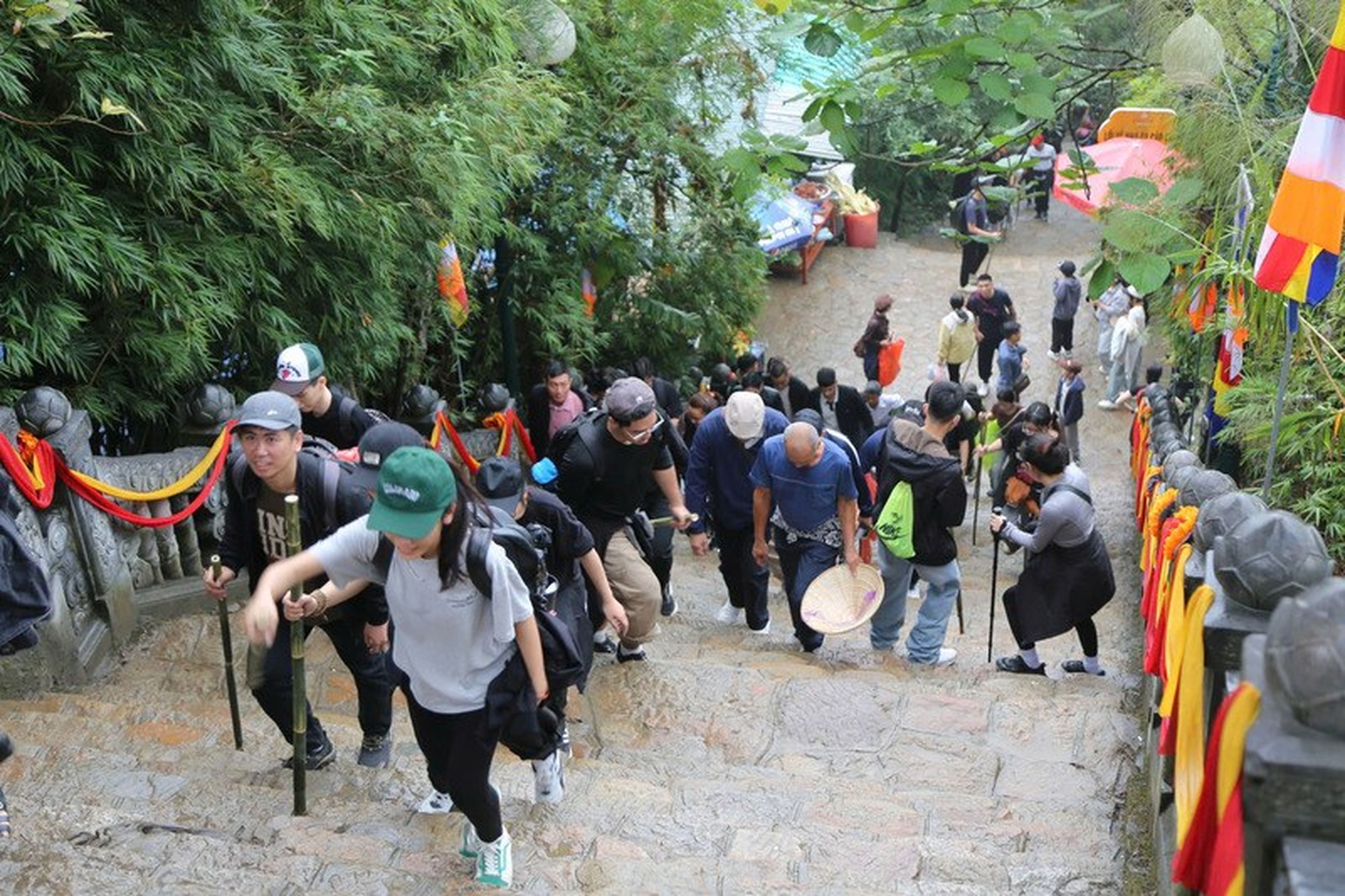
Crowds flock to the 2026 Yen Tu Spring Festival. Illustrative photo: La Nghia Hieu
1.1 When the annual Yen Tu Festival takes place
The Yen Tu Festival takes place throughout the three spring months, beginning on the 10th day of the first lunar month and continuing until the end of the third lunar month. With its spiritual significance and profound sense of gratitude, the festival attracts thousands of Buddhists, pilgrims and visitors from all over the country, who come to pray for a peaceful new year and smooth fortunes.
1.2 The origins of the Yen Tu Festival
Yen Tu Mountain is located in Thuong Yen Cong Commune, about 14km from the center of Uong Bi Town. This relic complex consists of pagodas, towers, hermitages, Buddha statues and the majestic scenery of the mountains and forests. Before it was called Yen Tu, the mountain was also known as Elephant Mountain because its shape resembles a gigantic elephant standing majestically amid the mountains and sky. The area is covered by white clouds year-round, occasionally obscuring the pagodas, while towering stupas nestle among the trees and streams. For this reason, Yen Tu was ranked by Vietnam’s royal dynasties among the country’s “famous mountains”.
Yen Tu Pagoda is regarded as the birthplace of Vietnamese Buddhism during the Dai Viet period. After giving up the throne, King Tran Nhan Tong came here to practice Buddhism and founded the Truc Lam Zen sect, a distinctive Vietnamese Buddhist tradition. Therefore, at the beginning of every spring, Yen Tu Pagoda comes alive with a festival honoring the merits of Buddha Emperor Tran Nhan Tong. The Yen Tu Spring Festival honors the spirit of engagement with the world, representing the harmonious combination of religion and daily life in Vietnamese Buddhism. It is also the largest early-spring festival in Quang Ninh, lasting throughout the first three months of the year and becoming a meeting point welcoming visitors from Vietnam and abroad.
See also: Exploring the Yen Tu relic complex with its long history
2 Discover the unique activities taking place during the 2026 Yen Tu Spring Festival
According to the Organizing Committee, this year’s opening ceremony has been carefully planned and expanded in scale, vividly recreating the traditional spring festival atmosphere of our ancestors.
In particular, during this year’s festival season, Yen Tu is offering free admission through 31/12/2028 (excluding cable car tickets). This move demonstrates appreciation for and encourages the community to continue accompanying efforts to preserve and promote the heritage’s values.
2.1 Opening Ceremony
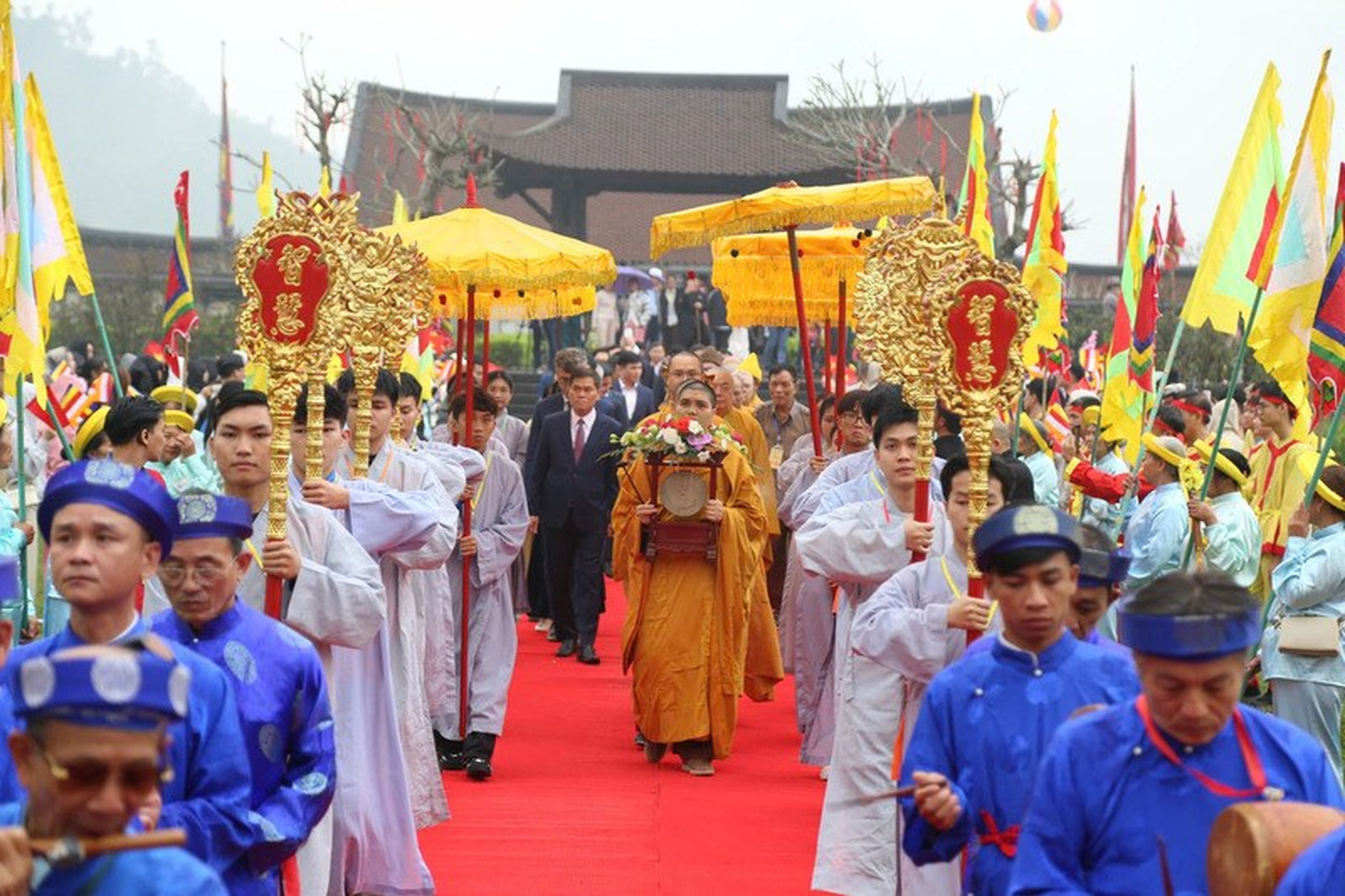
The program opens with a solemn palanquin procession carried out by local residents, creating a sacred and reverent atmosphere. Following the opening remarks, the Executive Committee of the Vietnam Buddhist Sangha in Quang Ninh Province conducts a New Year blessing ceremony, conveying prayers for peace, good luck and prosperity to every household.
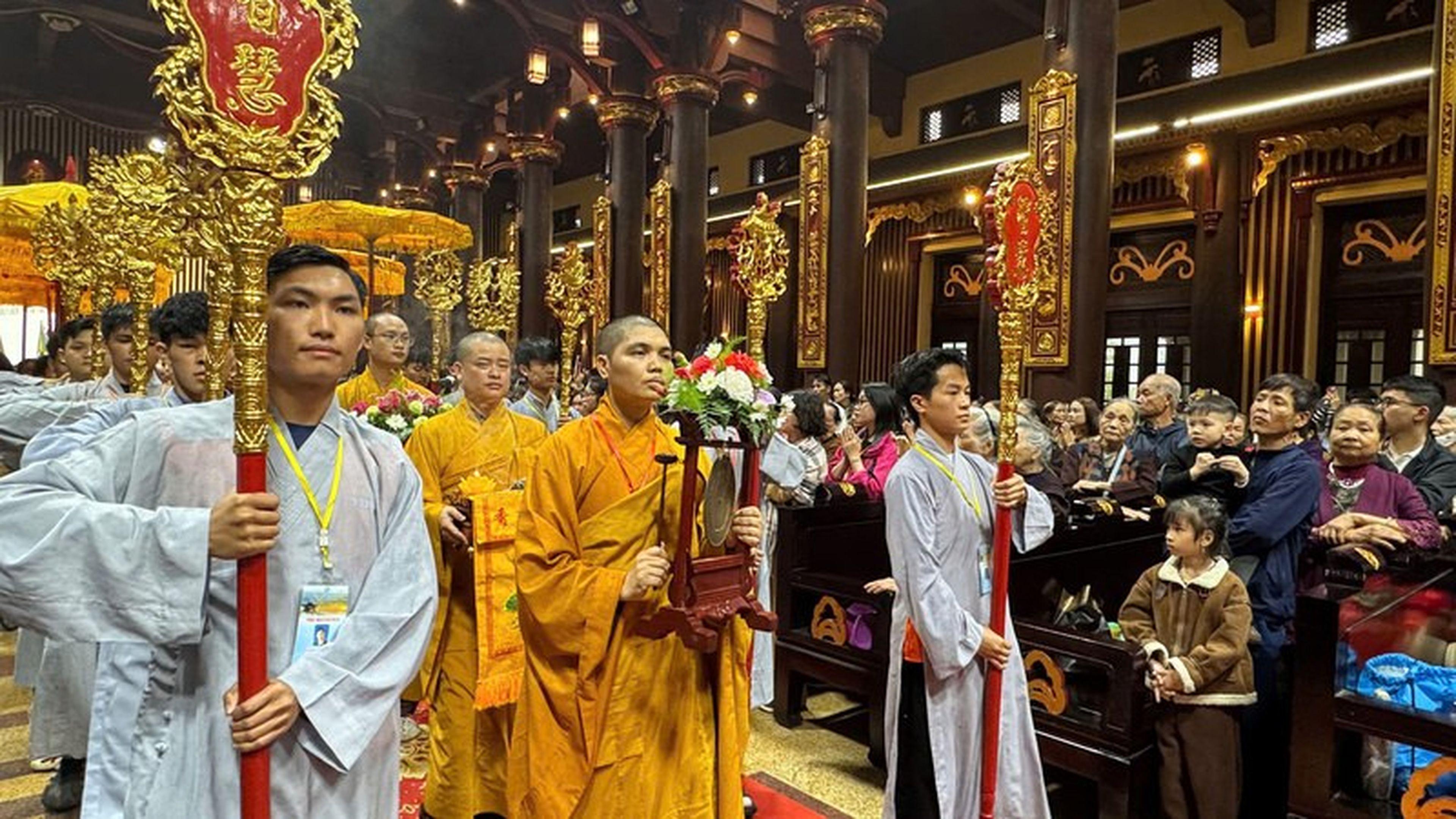
The most anticipated highlight is the drum-beating and bell-ringing ceremony—the resonant sound announcing the official start of the Yen Tu Spring Festival. This is followed by spiritual rituals such as offering incense to pray for national peace and prosperity, and carrying out the Yen Tu sacred-stamp ceremony. These rituals have become a familiar cultural feature every spring, closely connected to the spiritual life of local people.
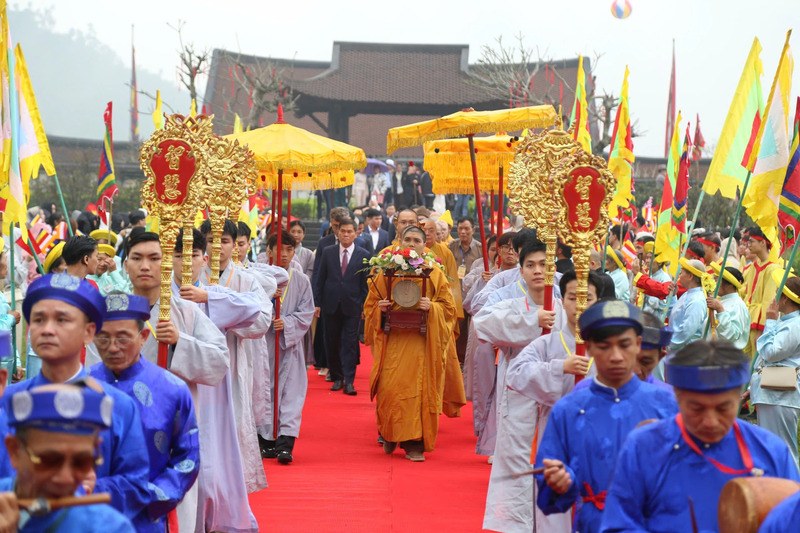
The 2026 Yen Tu Spring Festival opening ceremony was held solemnly. Illustrative photo: La Nghia Hieu
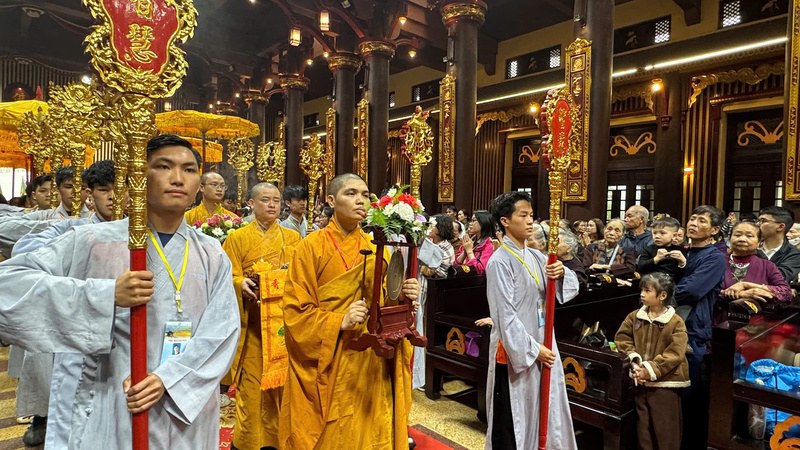
The rituals were conducted solemnly, with offerings carefully prepared. Illustrative photo: Plo
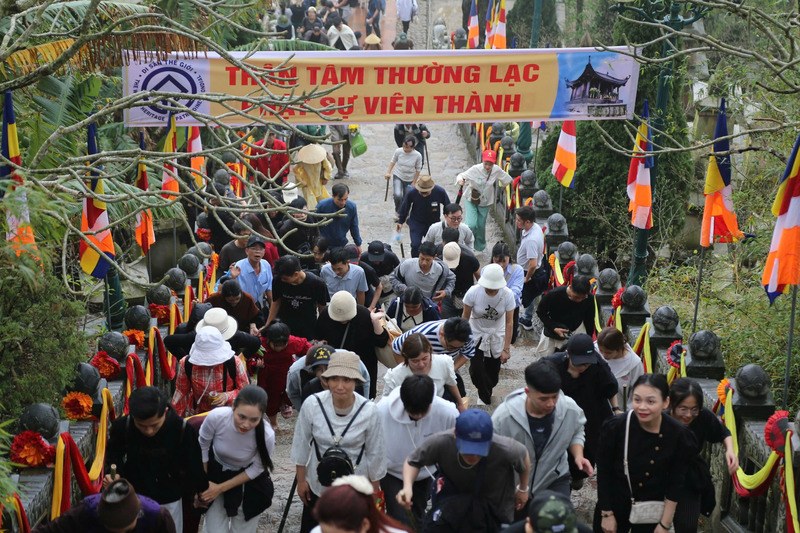
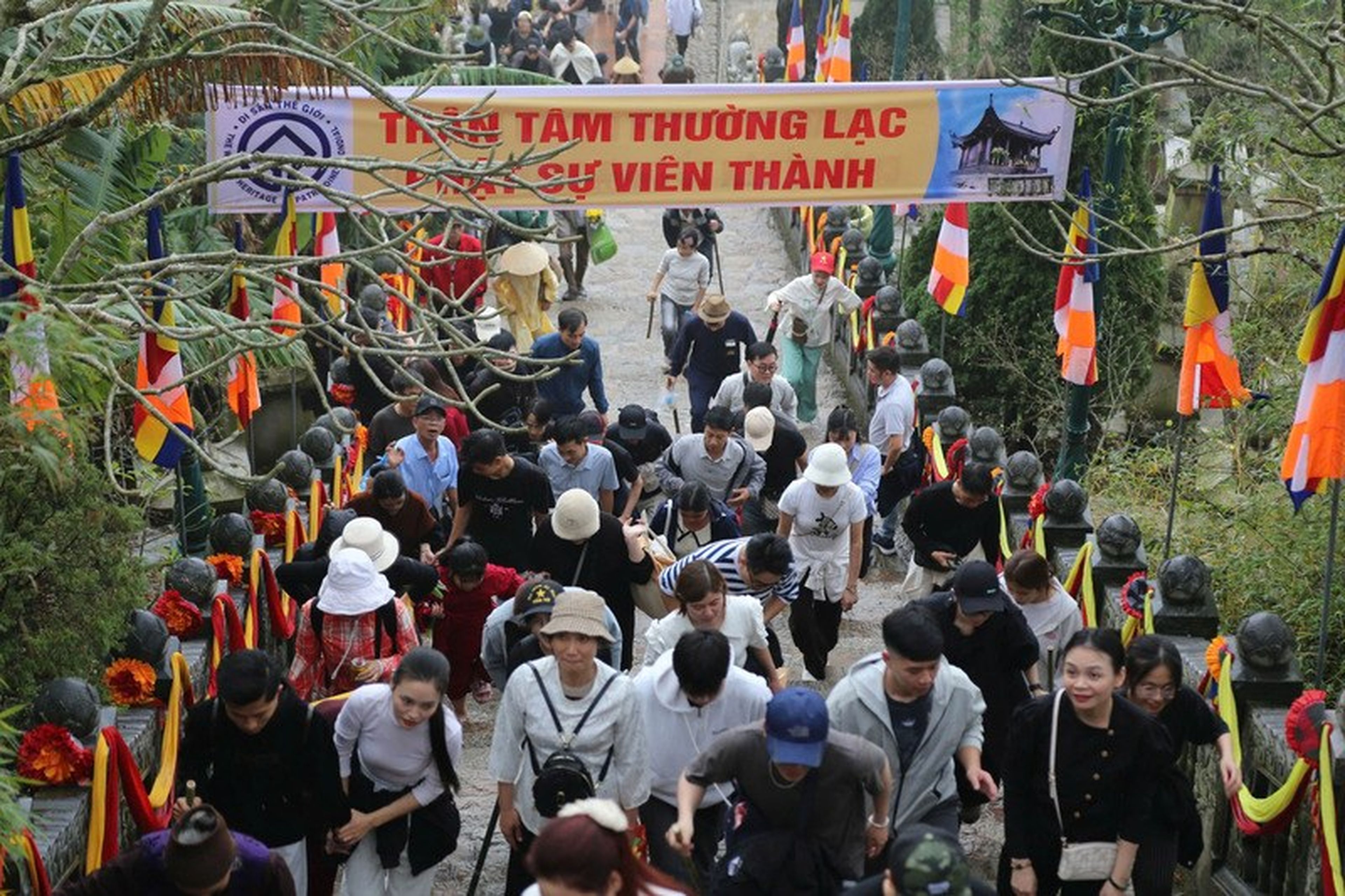
The Yen Tu Festival attracts large numbers of participants, from men and women to children and the elderly. Illustrative photo: La Nghia Hieu
2.2 Activities after the ceremony
After the ceremony, delegates, together with large numbers of Buddhists and visitors, begin a mountain-climbing journey to pay respects at the system of ancient pagodas, hermitages and towers amid the majestic highlands. It is not merely a physical journey, but also a journey to rediscover inner tranquility in the birthplace of Vietnamese Buddhism.
Alongside the solemn atmosphere, Minh Tam Square is filled with excitement. Lively lion and dragon dances, traditional musical instrument performances, folk games and opportunities to explore the cuisine of the Dao Thanh Y people bring fresh colors to the festival season. This is a place where the community meets and connects, allowing everyone to make a pilgrimage and pay respects while enjoying cultural and spiritual values in the early days of the year.
As part of the festival, a thematic exhibition on Truc Lam Yen Tu Buddhism will take place from 25/2 to 4/3. The exhibition space presents Tran Dynasty antiques along with numerous valuable documents, photographs and artifacts related to the Truc Lam Zen sect. At the same time, the OCOP fair and regional cuisine festival will bring together more than 100 booths showcasing distinctive handicrafts and the culinary essence of Quang Ninh and many other provinces and cities.
In addition, the “Yen Tu – Fountainhead of Wisdom” retreat, held from 24 to 26/2, will accommodate approximately 3,000 people, opening up a space for study and profound reflection. From 10 to 24/2, visitors can also experience the “Heritage Spring – Tet at Nuong Village” program, with activities including horse processions, lion and dragon dances, traditional martial arts performances, folk arts, traditional games and hands-on experiences making peach and apricot branches from handicraft materials.
In particular, on 7/3 (the 19th day of the first lunar month), an artistic program for an audience of 10,000 people will take place and be broadcast live on QTV1 and QTV3. The program is meticulously staged, combining tradition and modernity harmoniously, as well as political depth with contemporary performance language. Through music, dance, theater and lighting, visual and performance technology, the work recreates the historical journey and ideology of the Truc Lam Zen sect, affirming Yen Tu as a spiritual symbol of the nation and a World Cultural Heritage Site of outstanding universal value.
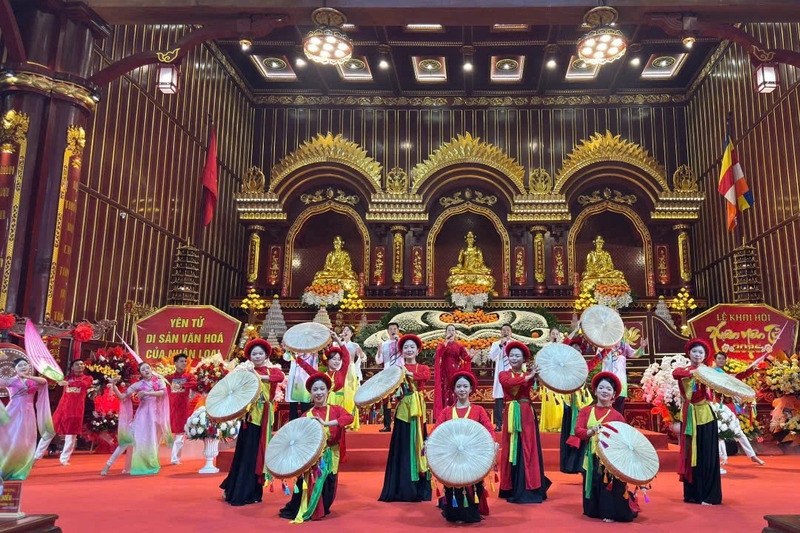
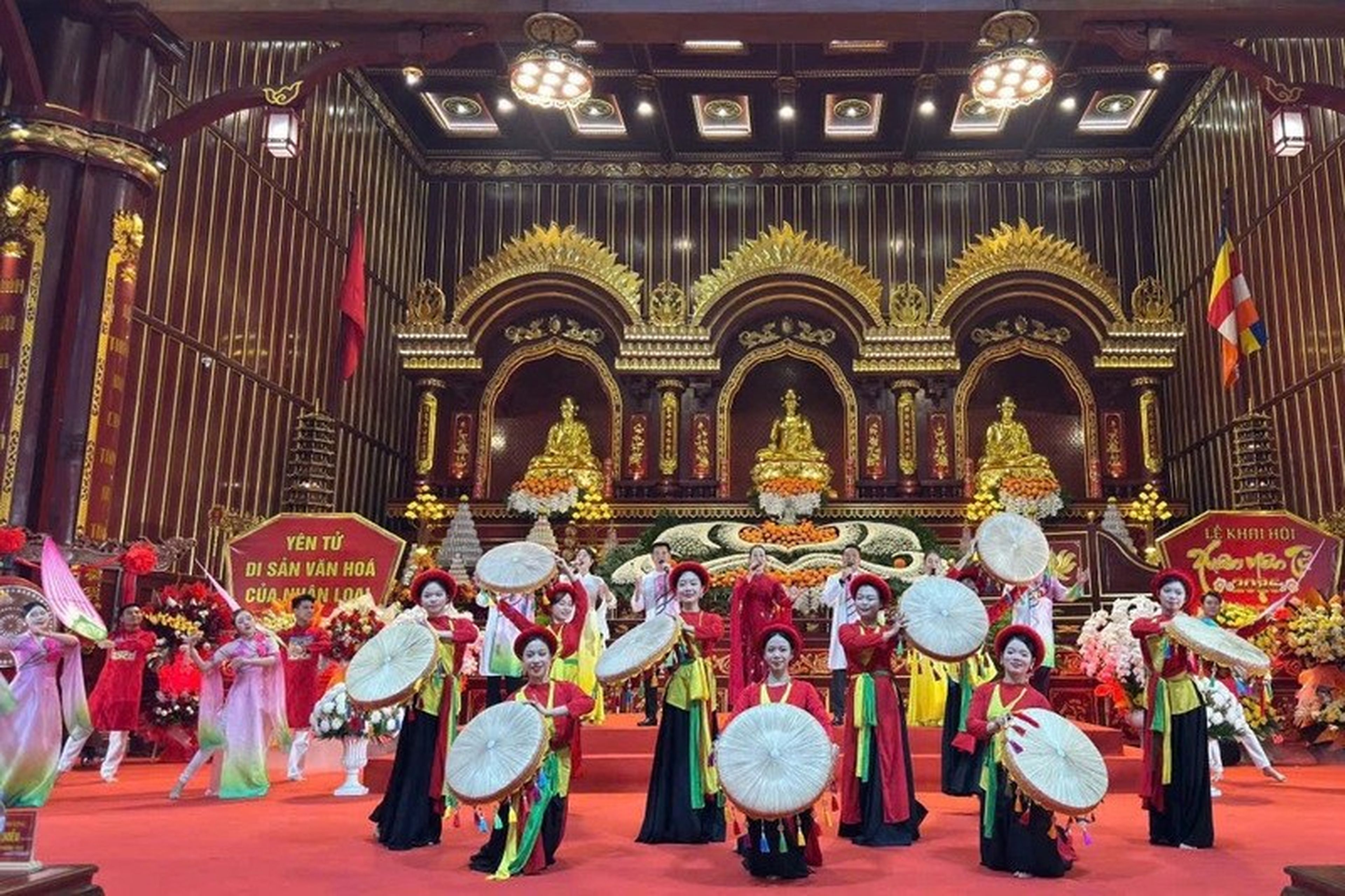
Unique interwoven performances add to the appeal of the festival day. Illustrative photo: Dantri
Along the route conquering Yen Tu Mountain, there are estimated to be more than 11 pagodas and dozens of hermitages and towers. In particular, you can admire a three-story stone tower built in 1758, the oldest of its kind, or visit Giai Oan Stream at Giai Oan Pagoda—a place associated with hundreds of stories about court ladies in the past who threw themselves into its waters to show their devotion to King Tran Nhan Tong… After that, you can also visit To Tower, Hoa Yen Pagoda, Mot Mai Pagoda and several other unique pagodas.
Today, traveling up Yen Tu Mountain is no longer difficult, as you can choose between hiking and taking the cable car. With the cable car, you can travel more easily and greatly reduce the journey time. However, hiking remains the most popular option because it offers more interesting experiences and challenges, especially during the early-spring festival pilgrimage like this.
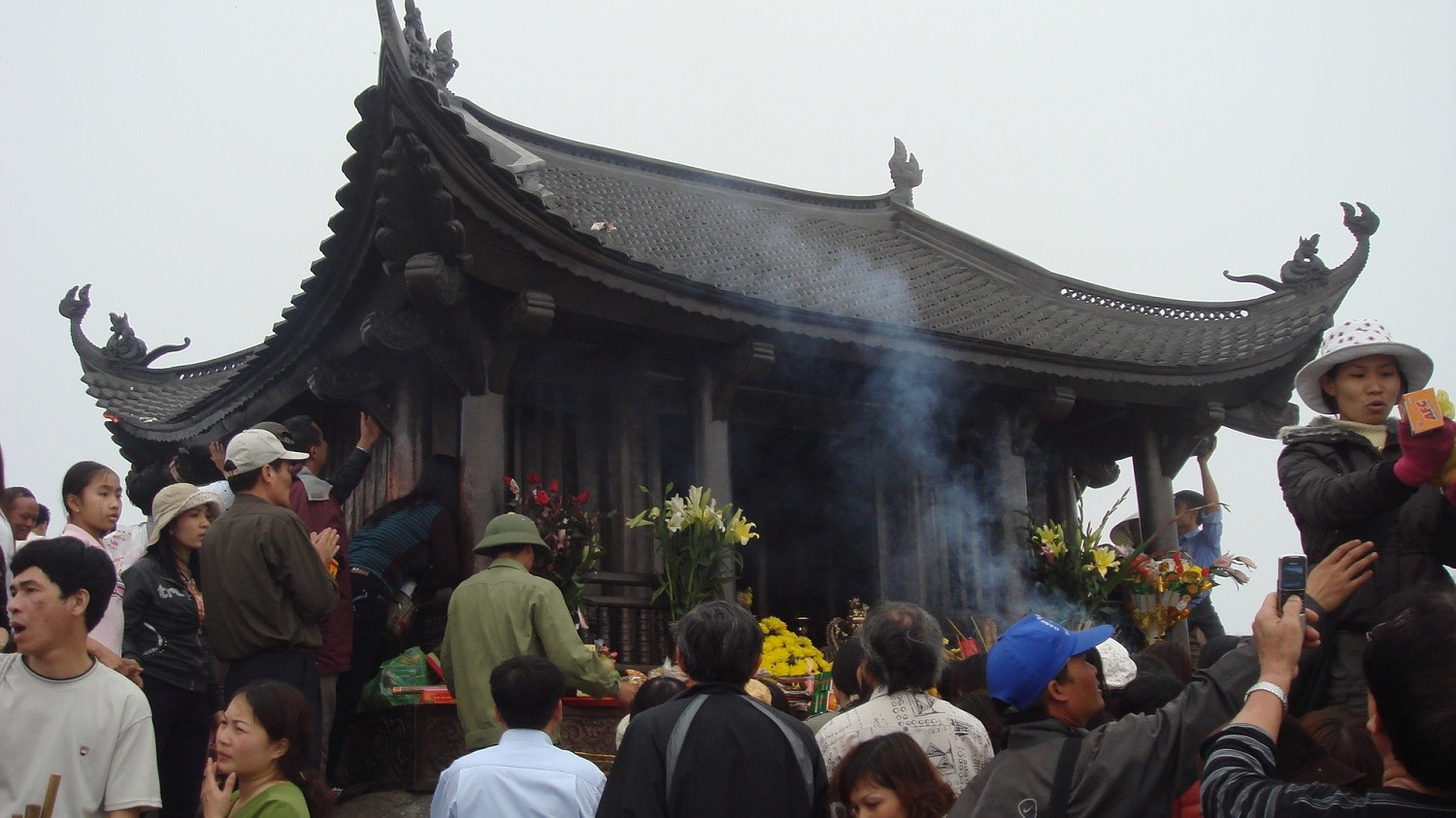
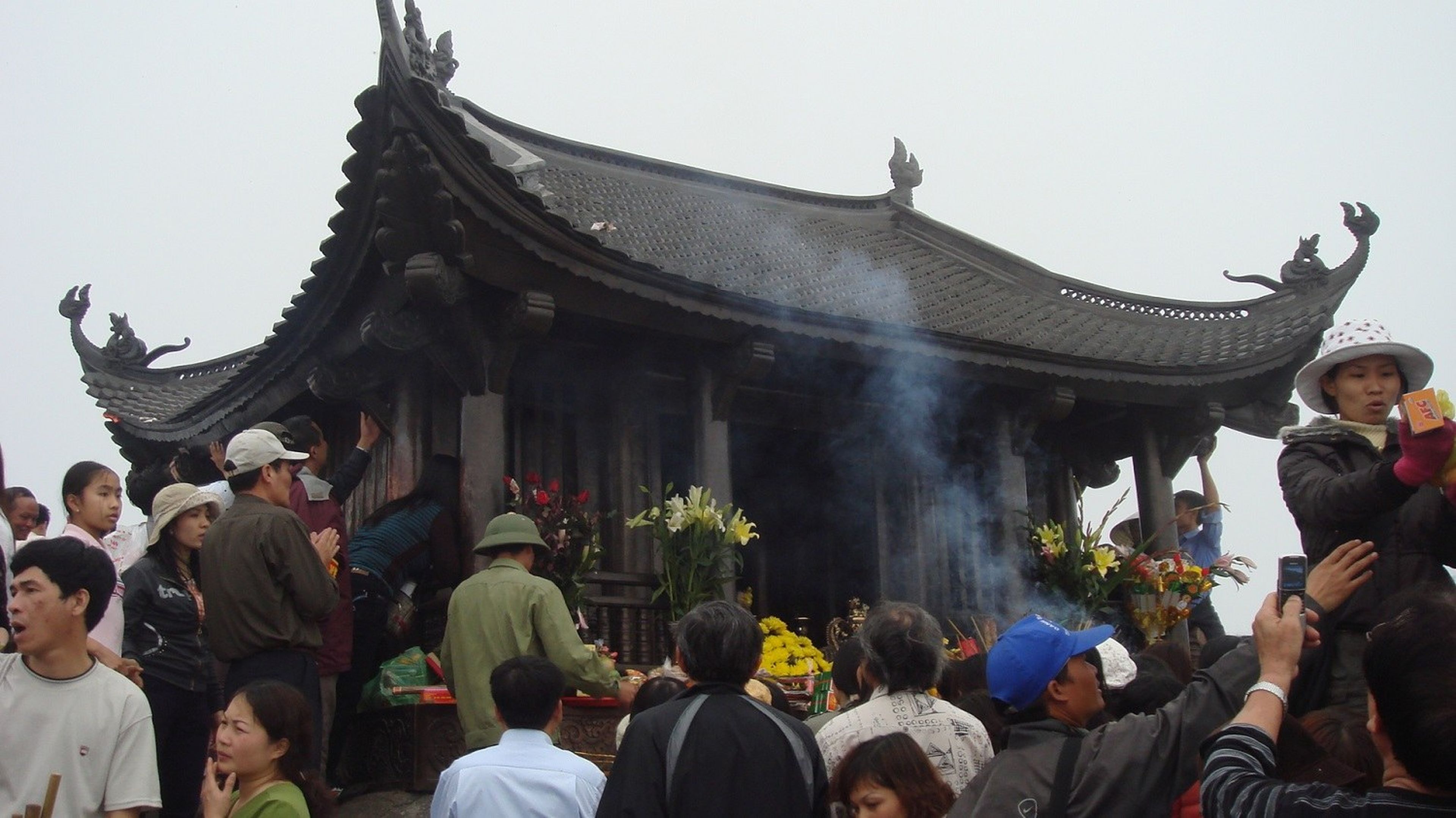
At Dong Pagoda’s summit, people take the opportunity to light incense and pray for peace and good luck in the new year. Illustrative photo: Yen Tu
Your mountain-climbing journey may take three challenging and strenuous hours, serving as a test of faith to prove your devotion to the Buddha. The reward for that effort is the moment you stand atop the vast, expansive mountain. In front of sacred Dong Pagoda, appearing and disappearing through the hazy mist, you will feel fulfilled, as though you have reached the Buddha’s realm. From the summit, with the air carrying a faint sense of sacredness, you can gaze into the distance and admire the majestic, magnificent landscapes of Ha Long’s earth and sky. Interwoven with this is a sense of pride and elation at overcoming the challenge and solving the “difficult puzzle” set by the spiritual powers.
3Essential notes for attending the Yen Tu Festival
To enjoy a memorable spring outing at the Yen Tu Festival, be sure to save a few essential tips that MIA.vn is about to mention.
- First, regarding clothing, you should choose modest and polite outfits because Yen Tu is a sacred place. In particular, tight-fitting clothing is not very suitable, as it may be considered inappropriate in crowded places and, above all, can make it difficult for you to move around. Since the route is more than 6km long and includes steep stone steps, remember to choose a suitable pair of sports shoes as well.
- A long journey can easily make you tired, so remember to bring drinking water and a walking stick. And don’t forget to bring your phone so you can rest and check in along the way.
The Yen Tu Festival not only offers sacred experiences in a place closely associated with history, but also wonderful moments admiring nature, visiting attractions and enjoying activities filled with traditional beauty and challenges. Pack your suitcase and head to Ha Long to enjoy truly peaceful early days of the year.