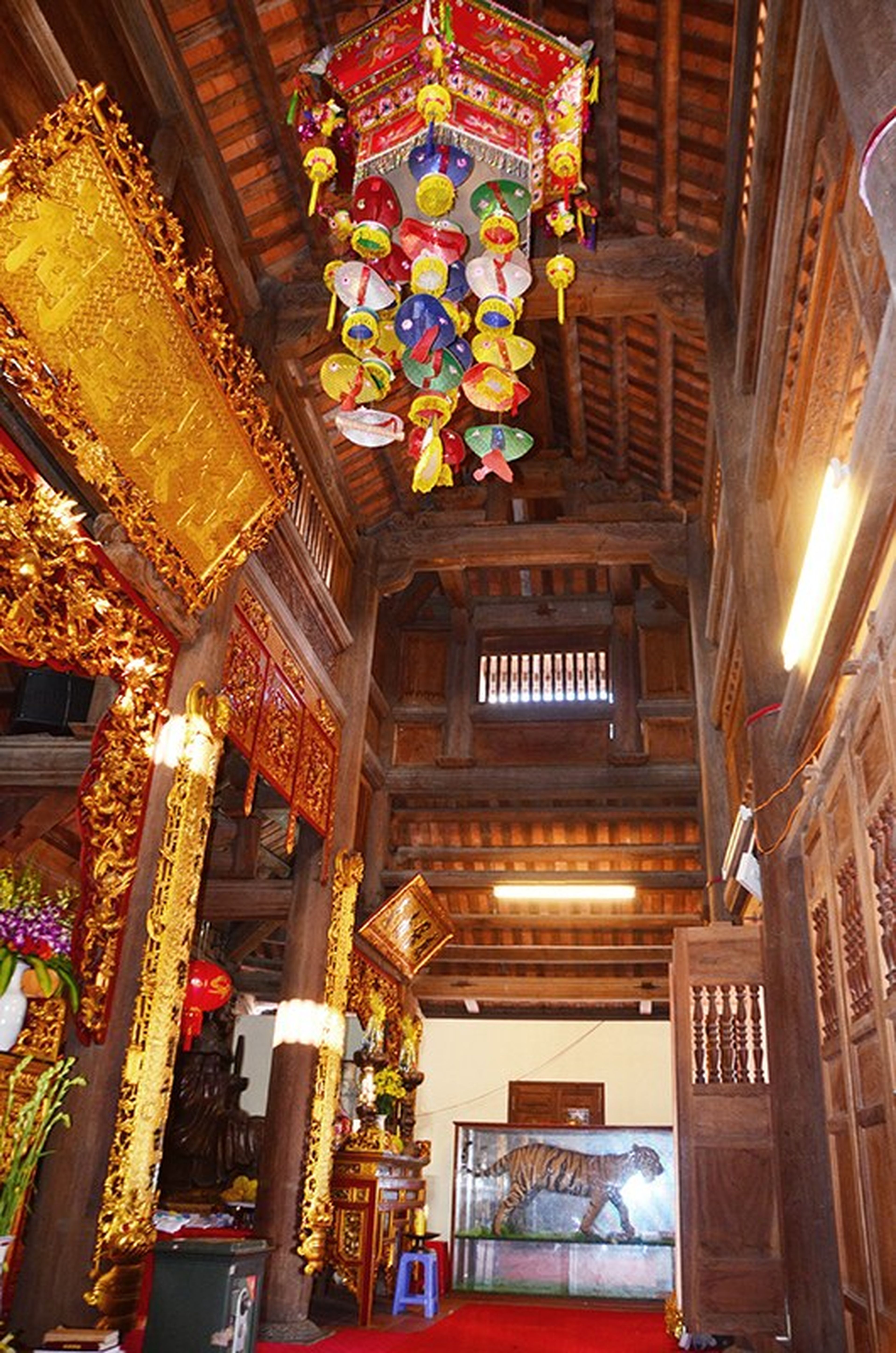
Xa Tac Temple is located at the Soay Nguon confluence of the Ka Long River, a Vietnam–China border river in Mong Cai City. The temple has become a borderland cultural landmark steeped in Vietnamese spiritual and religious beliefs.
Xa Tac Temple – A sacred temple at the nation's frontier
History of Xa Tac Temple
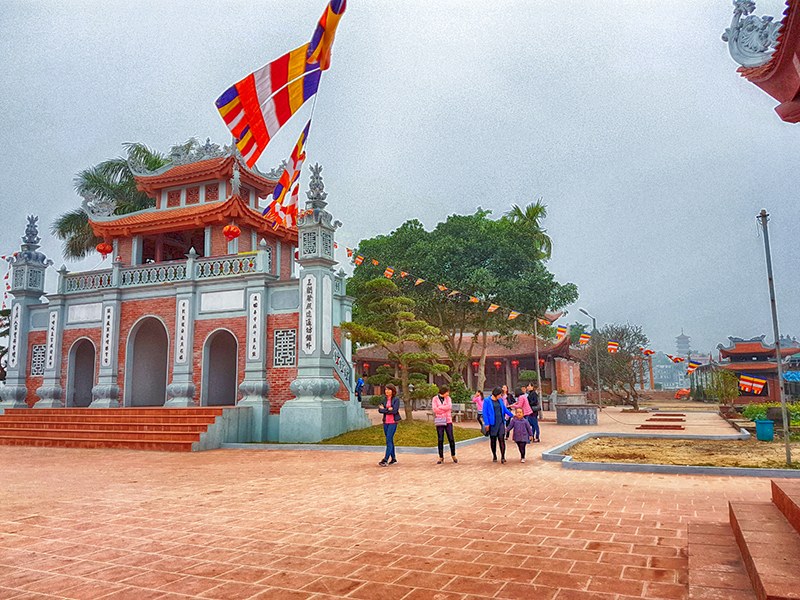
Many visitors come to worship at the temple. Photo: Quang Ninh Newspaper.
Xa Tac Temple was built during the Tran Dynasty, around the beginning of the 13th century. According to some historical records: “Xa” is the place where rituals are performed to worship the Earth God; “Tac” is the place to worship the God of Agriculture. Following this interpretation, Xa Tac Temple is dedicated to the Earth God and the God of Agriculture, two deities symbolizing wet-rice agriculture.
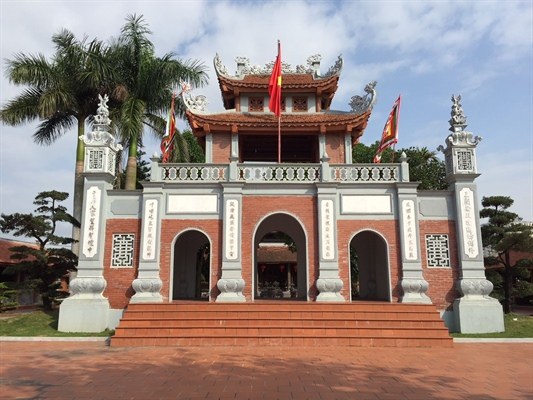
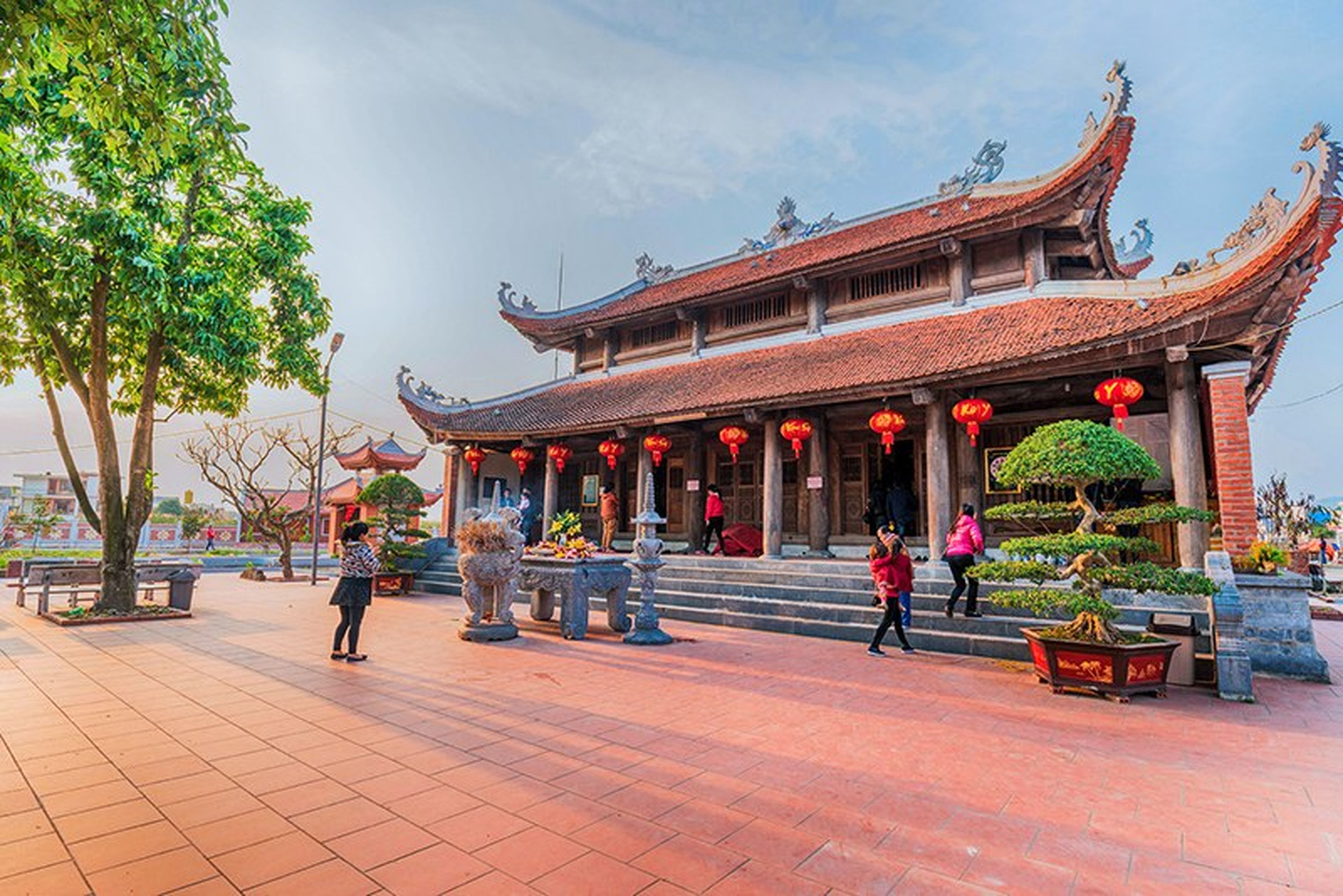
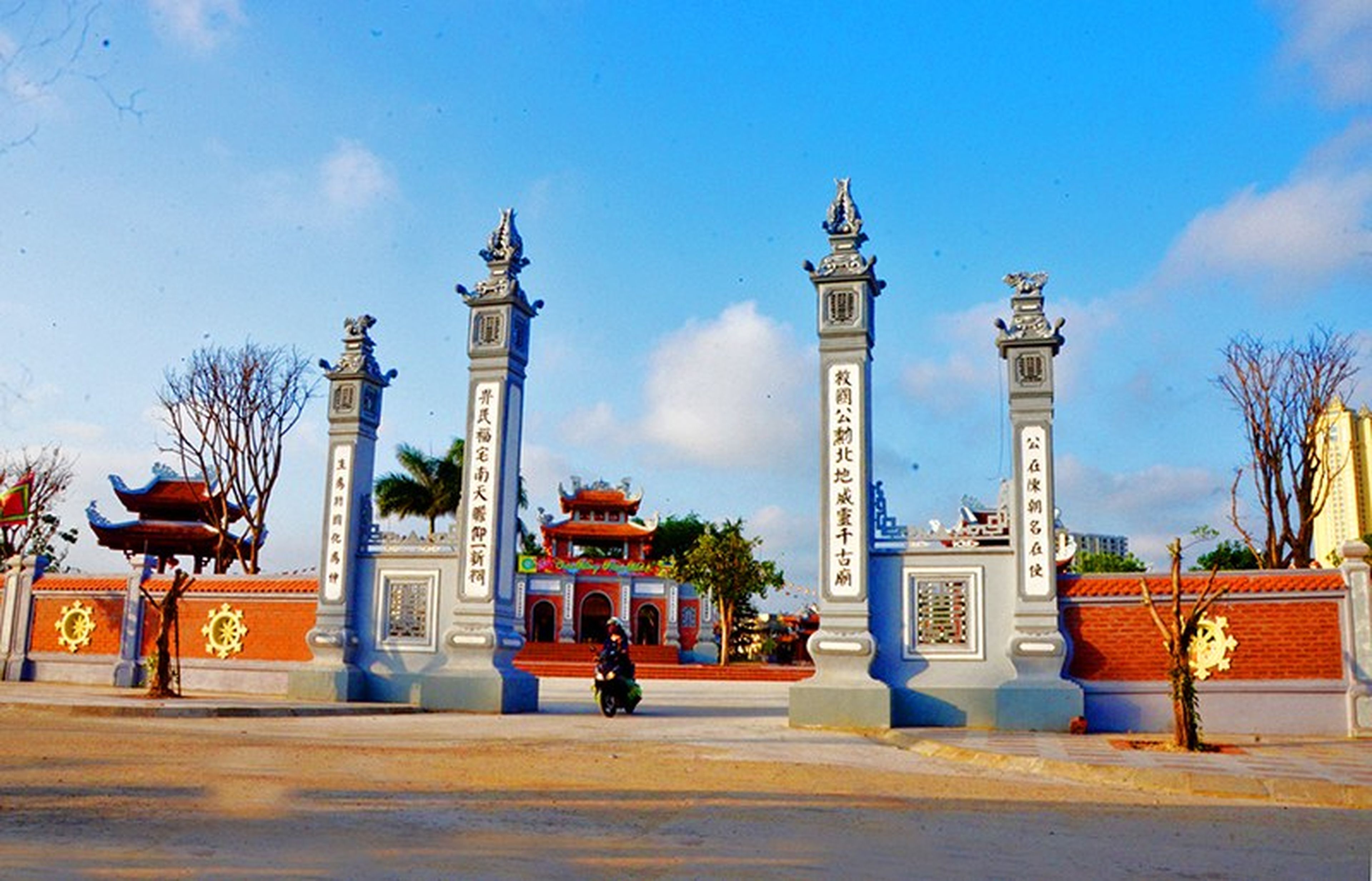
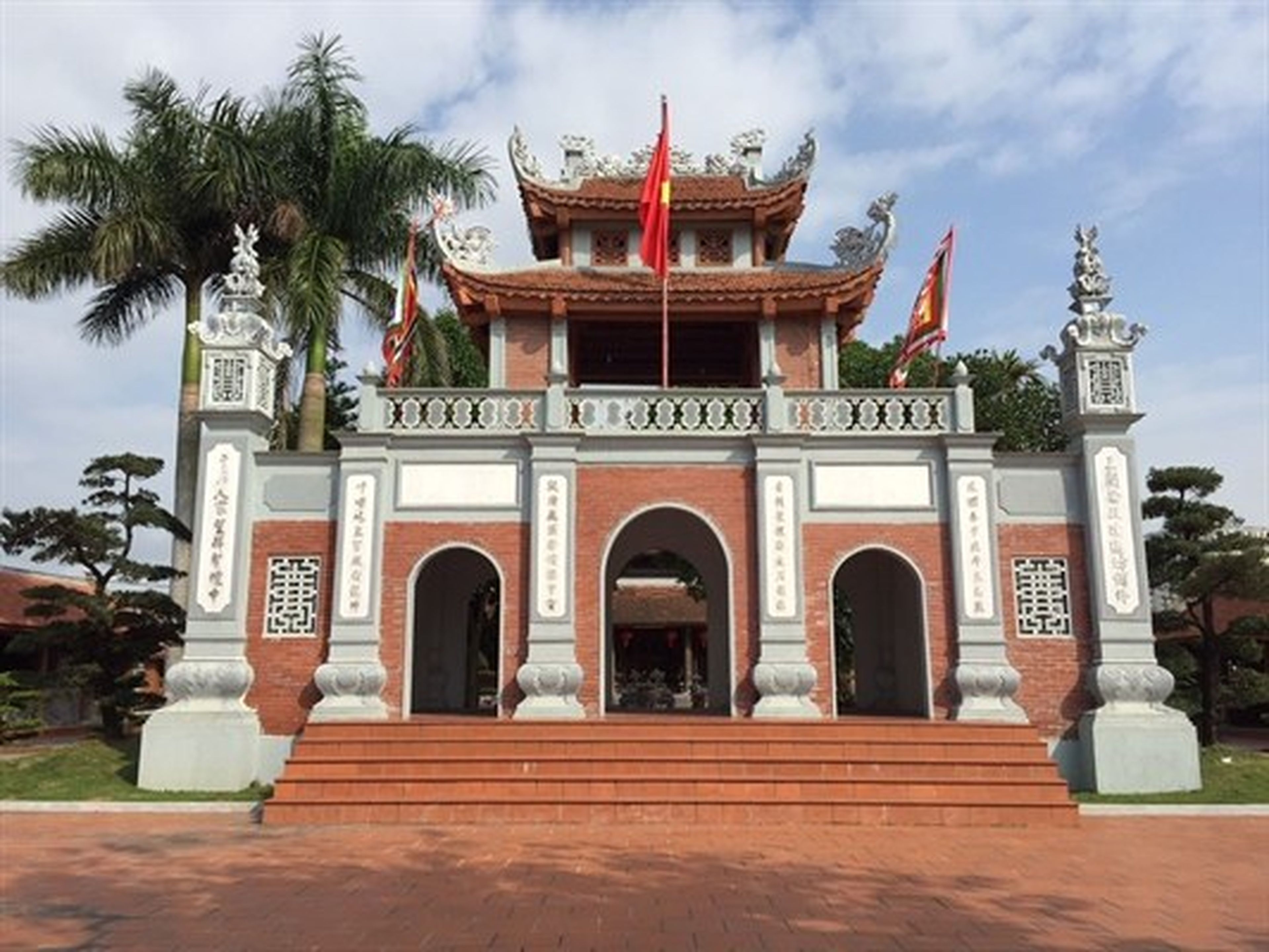
Xa Tac Temple today. Photo: Van Hoa Newspaper.
Some records also suggest that this temple worships a deity named Xa Tac Dai Vuong (Great King Xa Tac), which is why it is also known as Xa Tac Dai Vuong Shrine. Perhaps the deity Xa Tac Dai Vuong is the tutelary god of this land, which was once known as Mong Cai subprefecture.
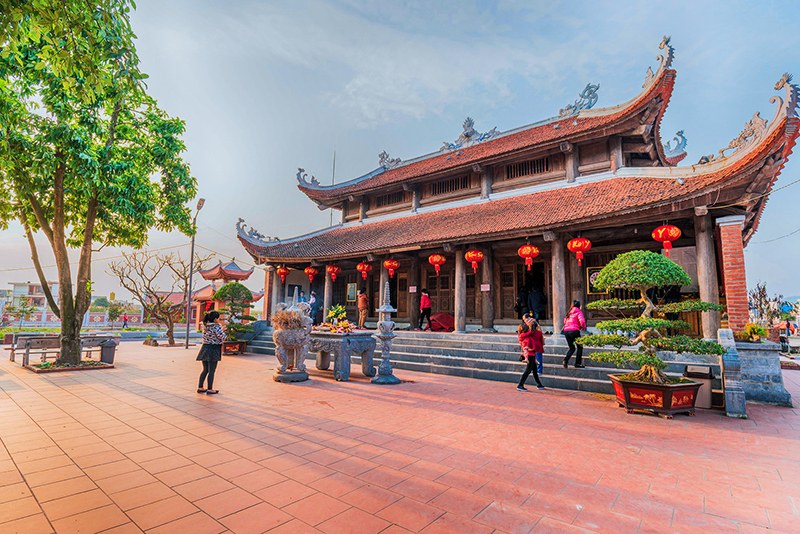
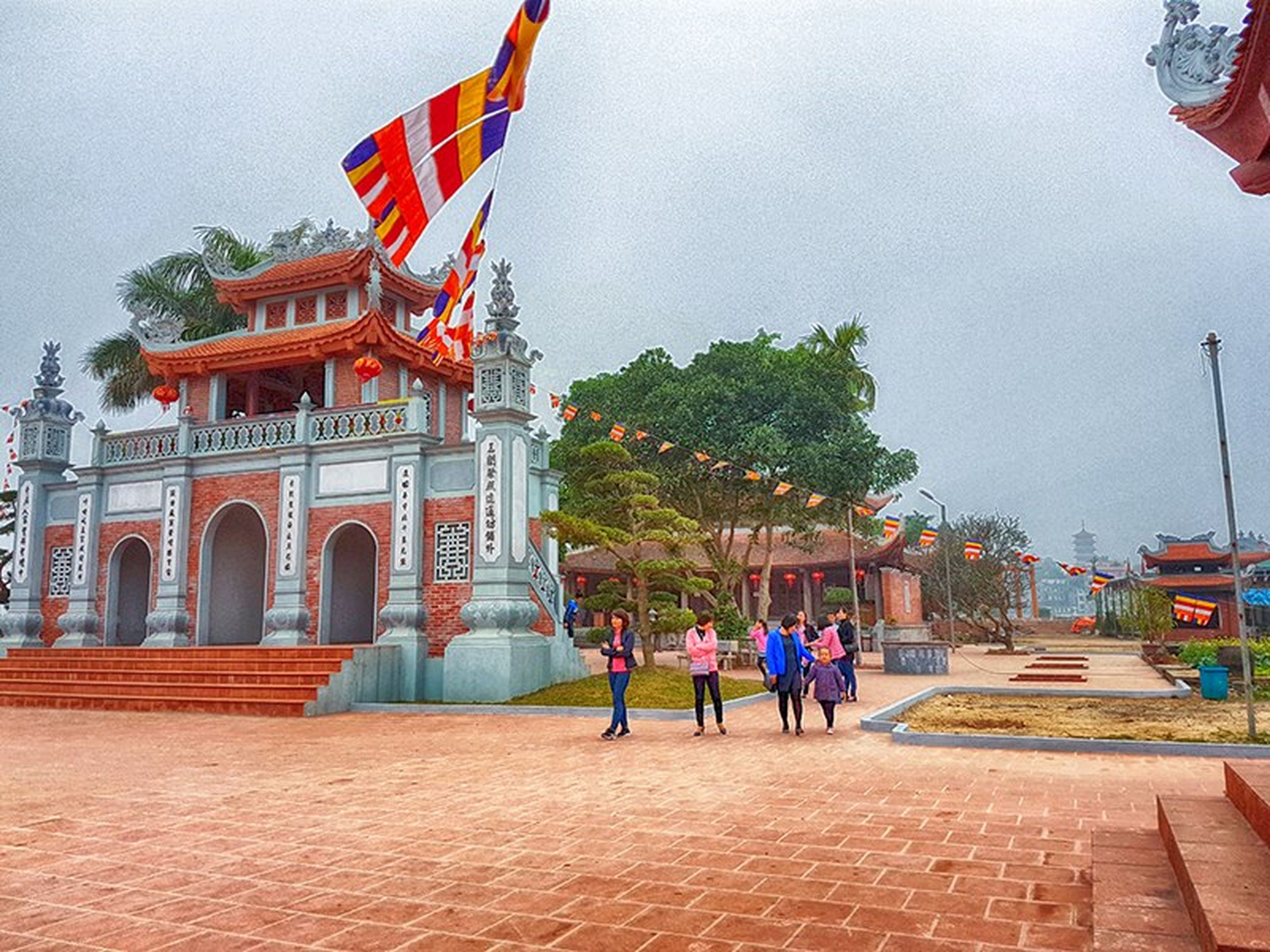
The temple stands like a border marker. Photo: Quang Ninh Newspaper.
In the consciousness of the Vietnamese people, the tutelary deity plays a vital role in founding villages and safeguarding the land. The tutelary god is always regarded as a protective deity who blesses the villagers. The presence of this temple dedicated to the tutelary god is akin to that of all other tutelary deity temples across the country.
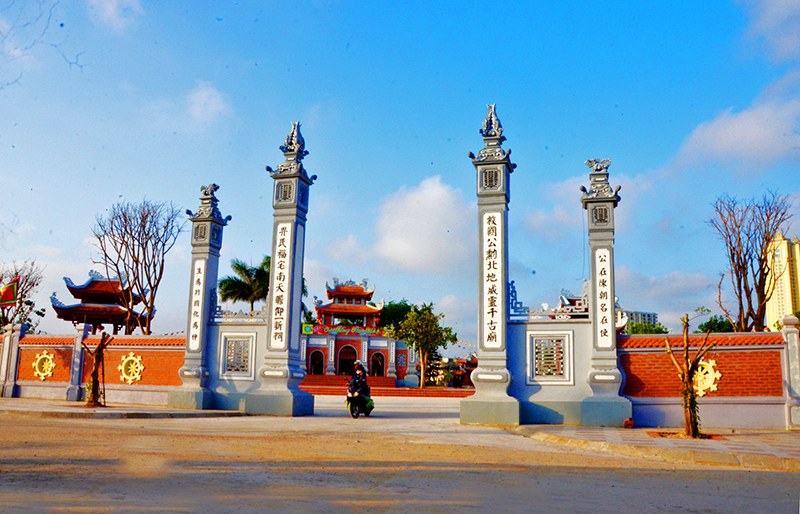
The temple resembles other traditional temples in Vietnam. Photo: Quang Ninh Newspaper.
The ancients often used the phrase “son ha xa tac” (mountains, rivers, and the altars of the earth and grain) to refer to the nation. Therefore, “xa tac” can be understood in a broader sense as the country and its sovereign territory. Although Mong Cai has many flat and convenient locations, no traces of temples or altars have been found elsewhere. Yet, this temple stands right at this strategic defense location right along the border.
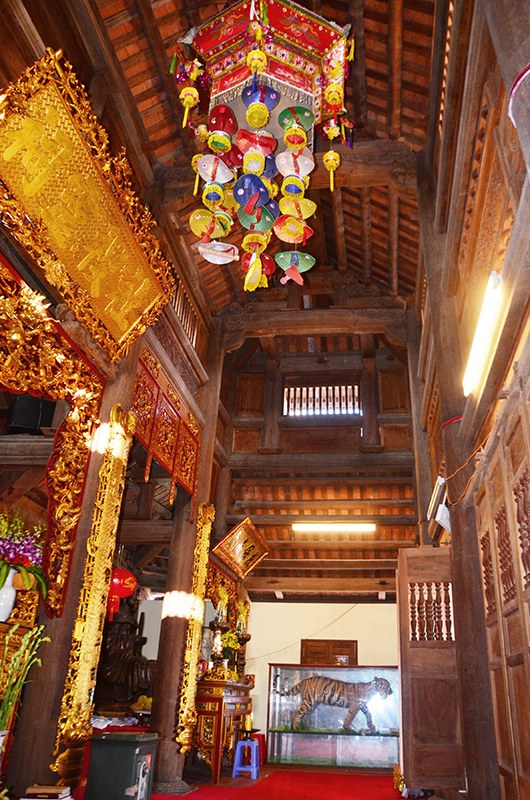
The temple is built of ironwood. Photo: Quang Ninh Newspaper.
The significance of the name Xa Tac Temple is perhaps not limited to merely worshipping the Earth God and the God of Agriculture, or being the tutelary god of Mong Cai alone, but rather represents a place honoring the guardian deity of the nation and its land. And Xa Tac Temple is not merely a conventional spiritual site, but also a sacred landmark guarding the nation's frontier.
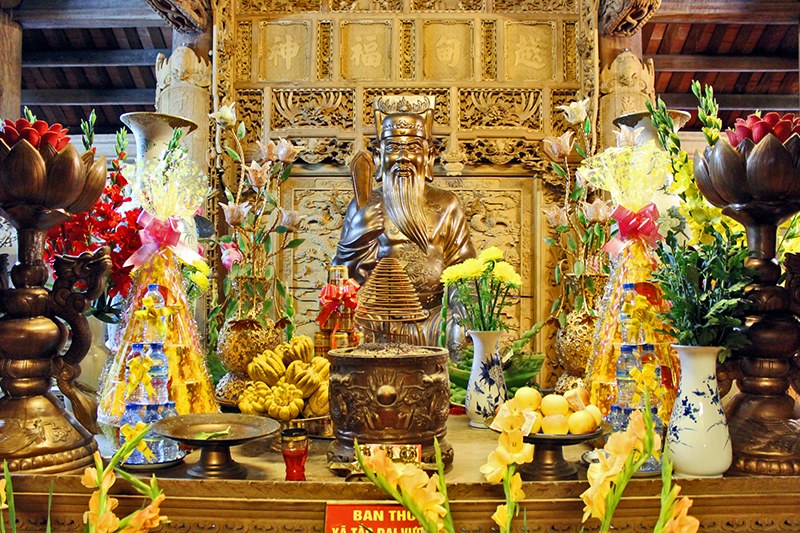
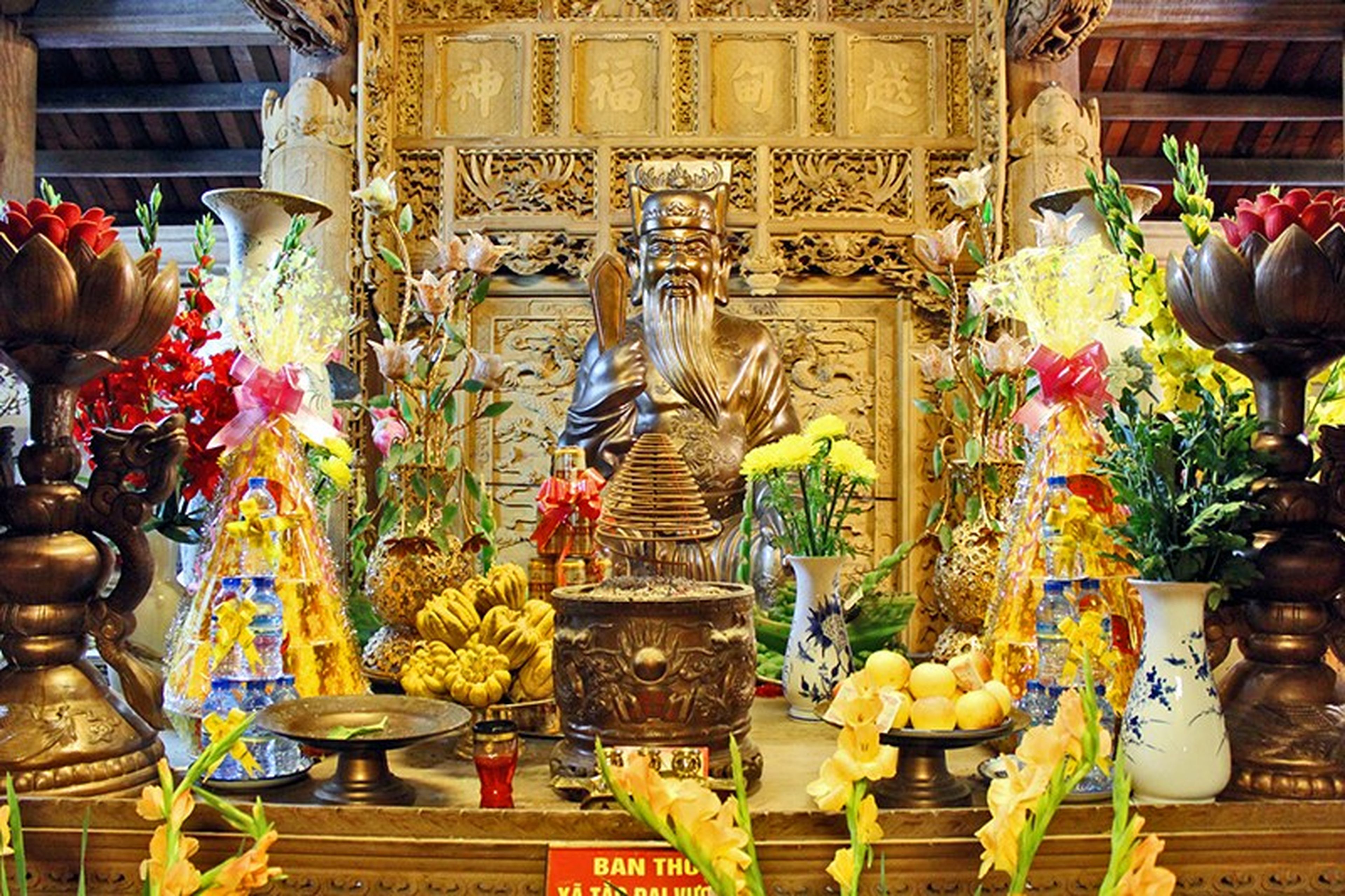
Statue of Xa Tac Dai Vuong. Photo: Quang Ninh Newspaper.
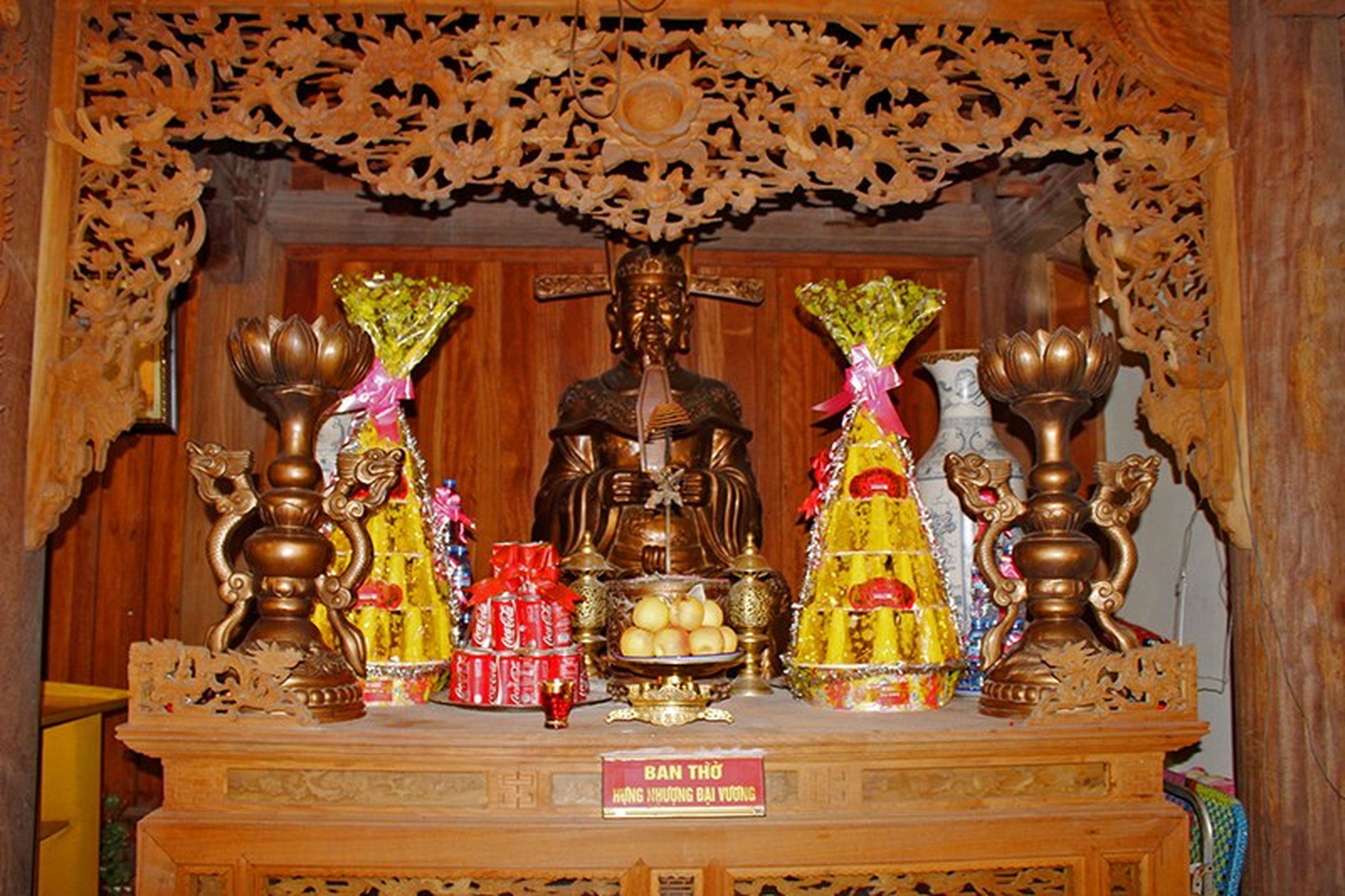
Today, the temple worships Xa Tac Dai Vuong, Hung Nhuong Dai Vuong Tran Quoc Tang, Cao Son Dai Vuong, the local village dragon and earth deities, and the founding ancestors of the clans who contributed to reclaiming and settling this land.
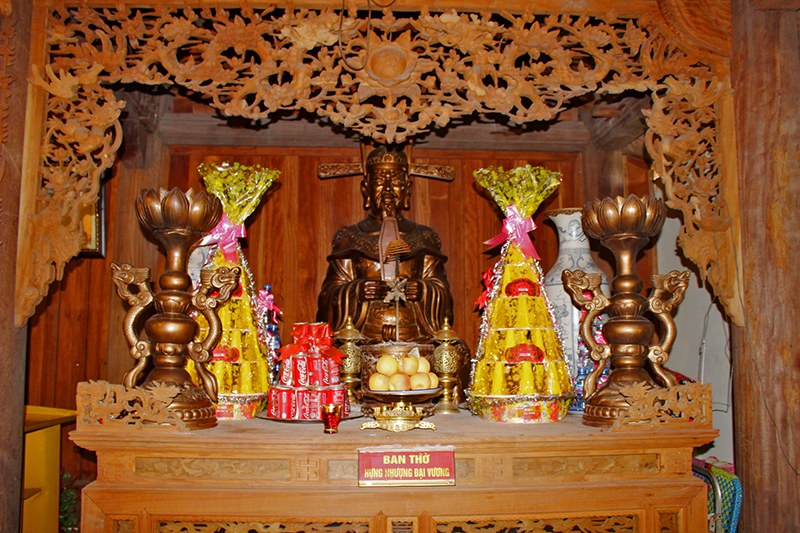
The temple also co-worships Hung Nhuong Dai Vuong Tran Quoc Tang. Photo: Quang Ninh Newspaper.
Xa Tac Temple Festival
In 2020, the Ministry of Culture, Sports and Tourism classified Xa Tac Temple as a national historical relic. Since 2018, Mong Cai City has restored and maintained the traditional Xa Tac Temple festival of the past.
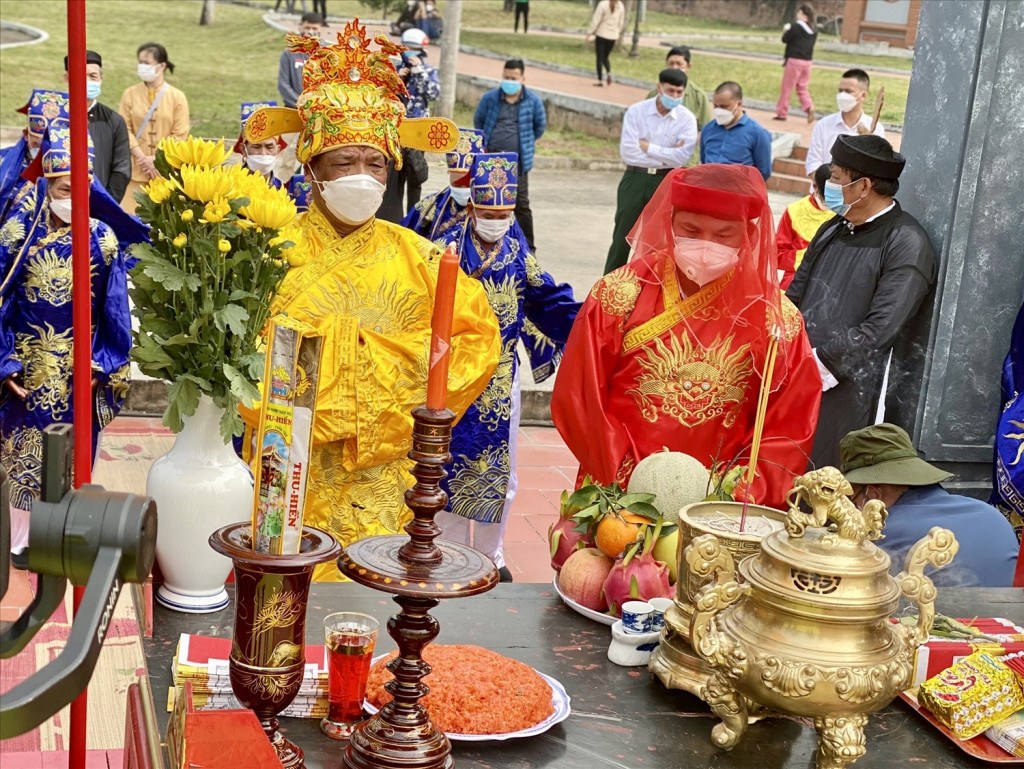
Photo: Dan Toc Newspaper.
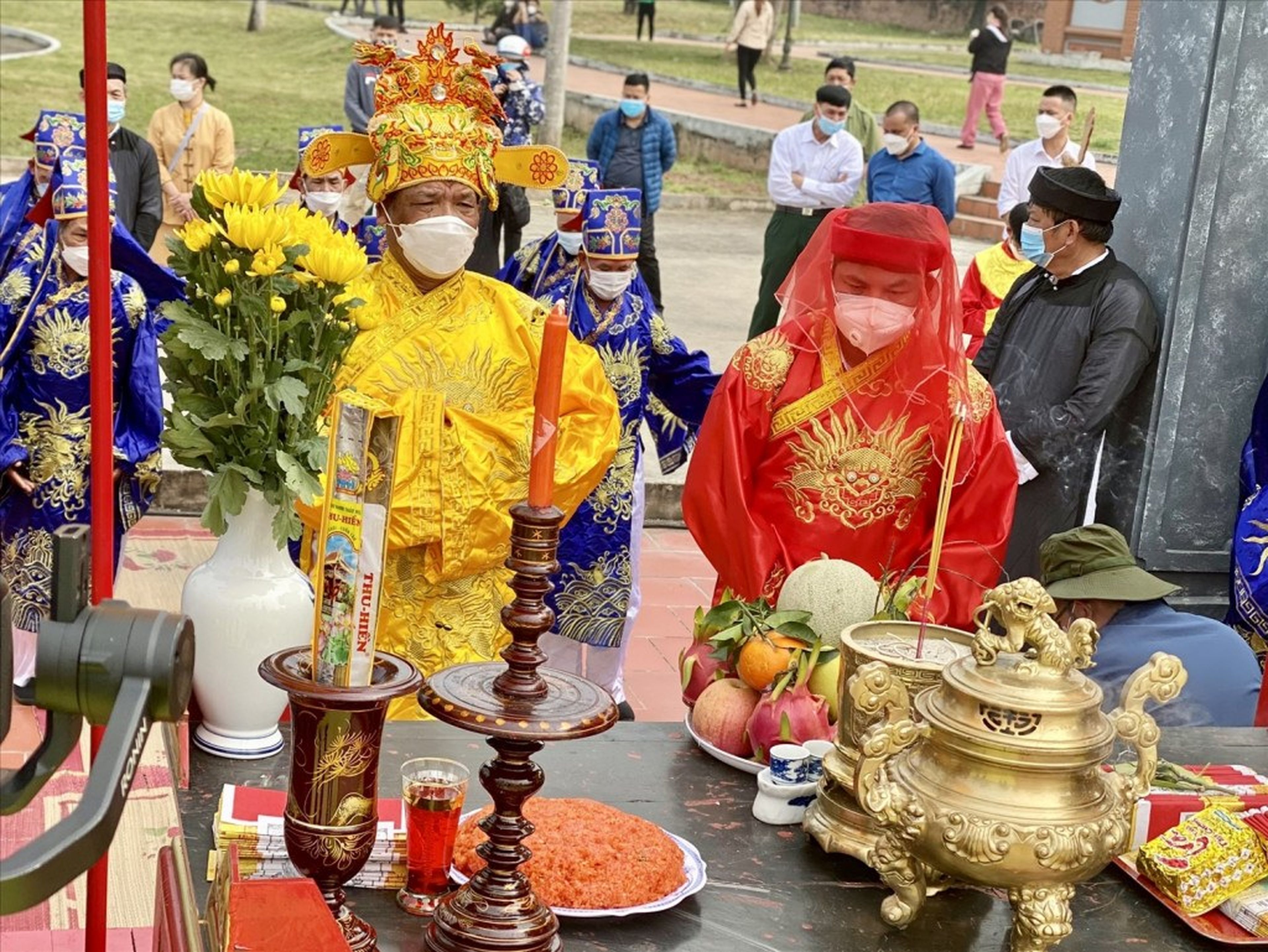
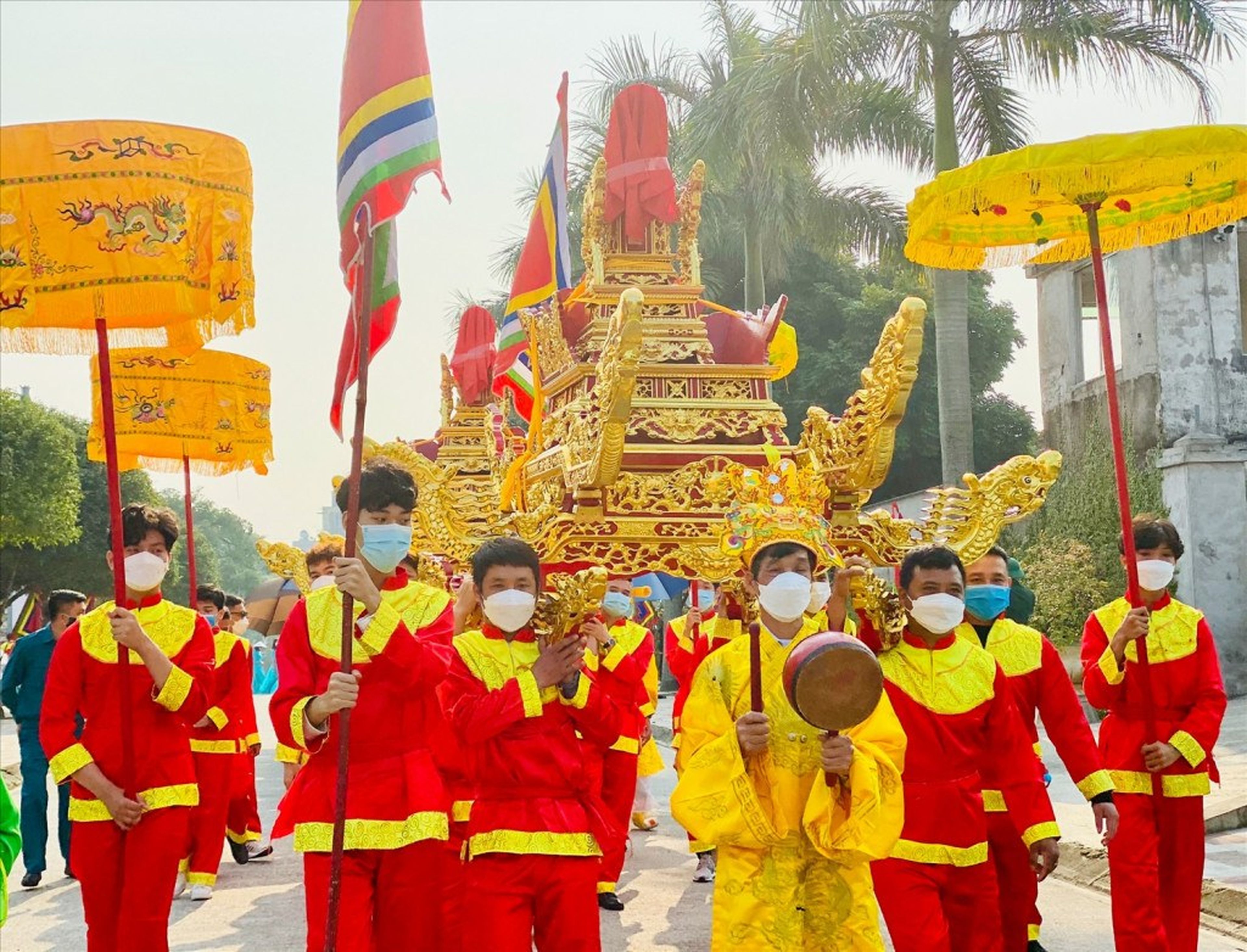
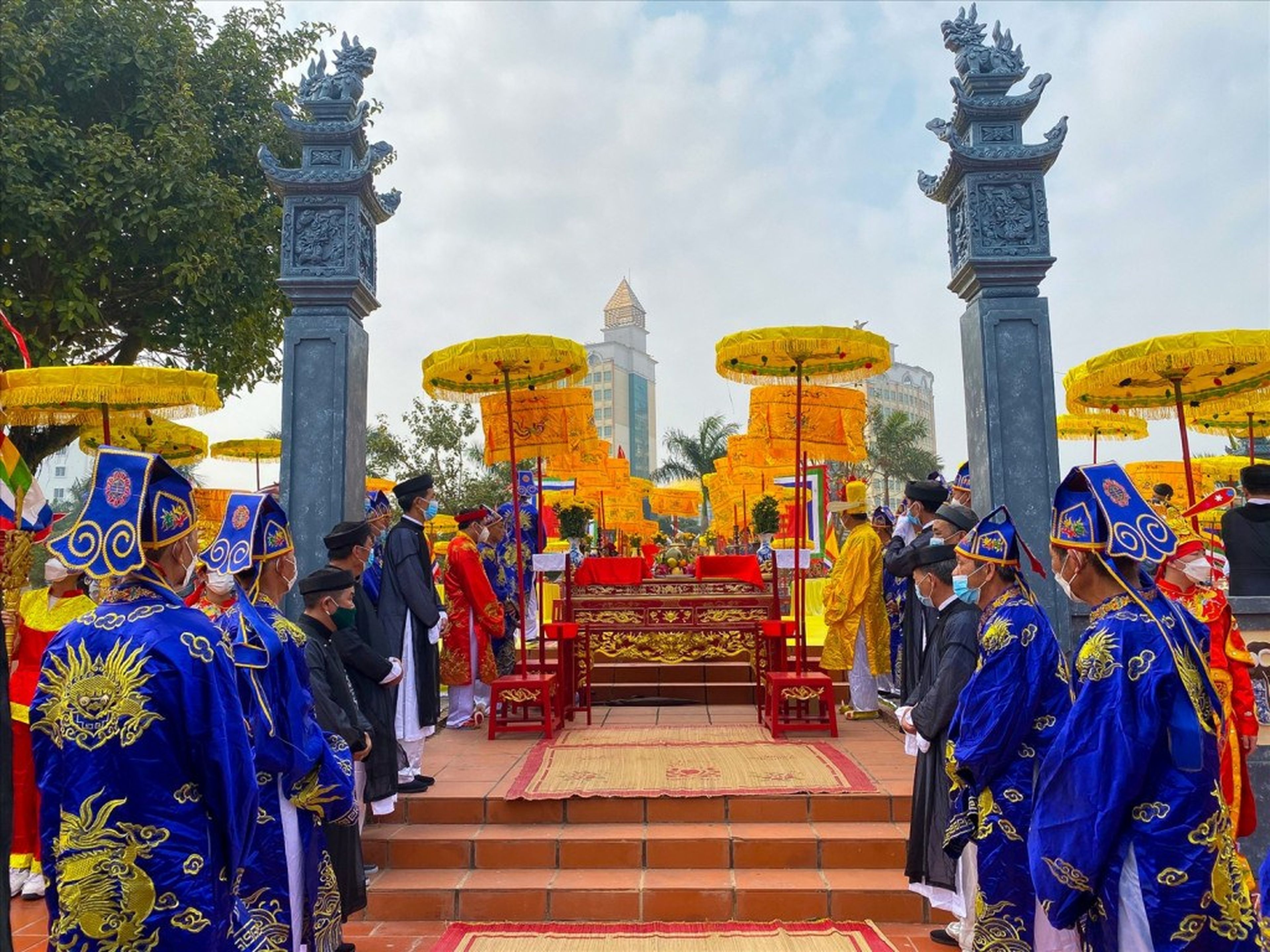
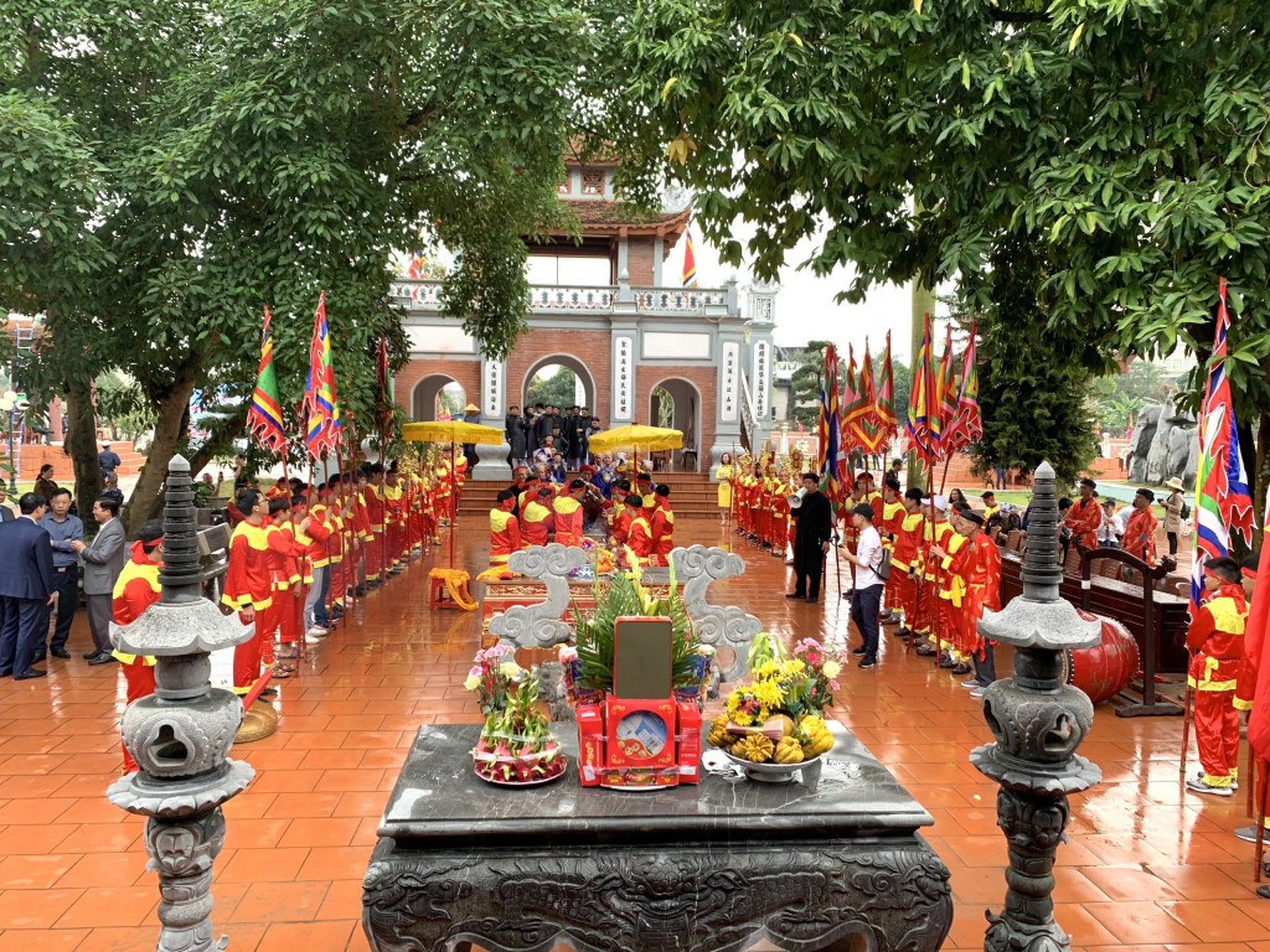
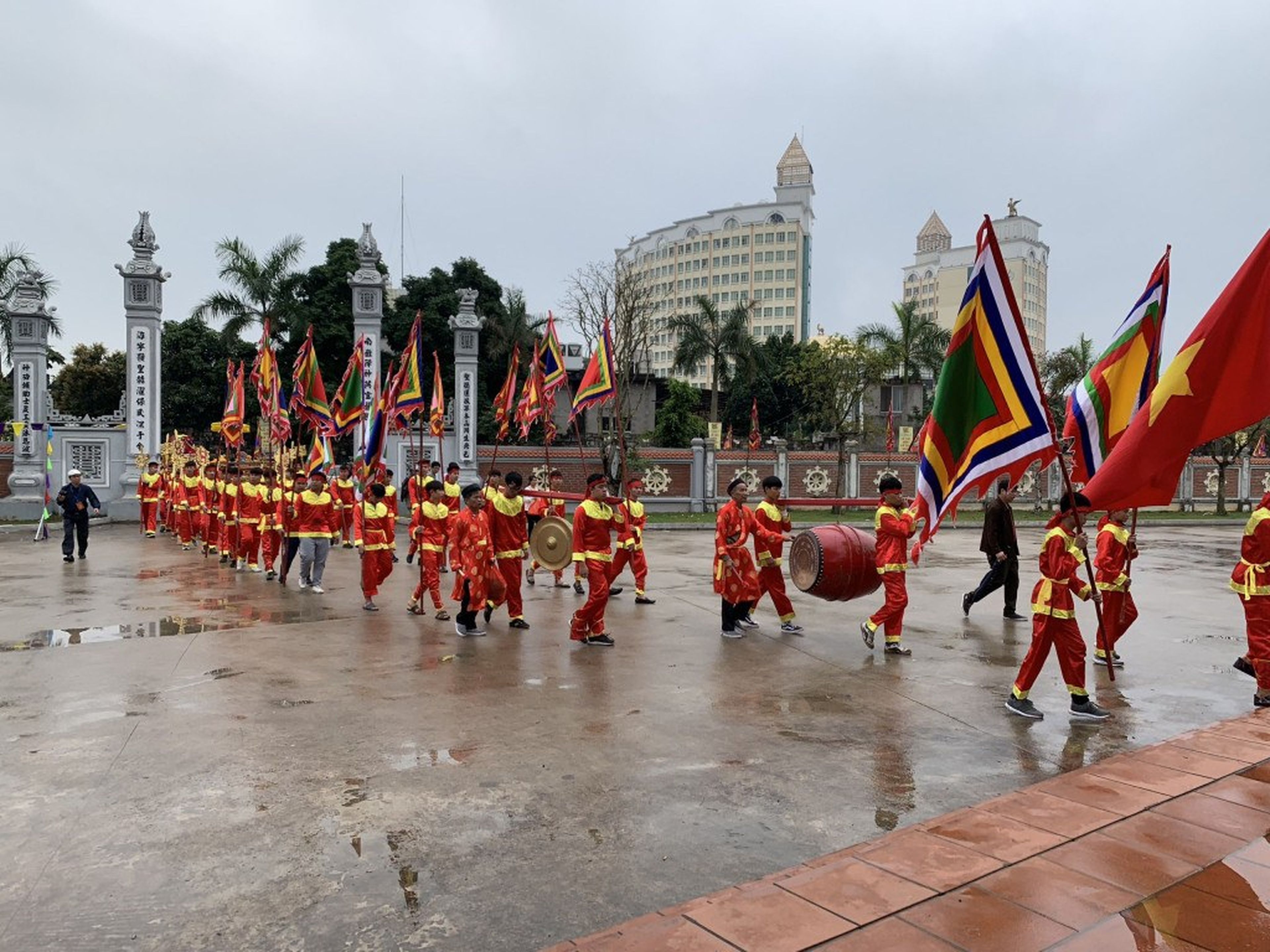
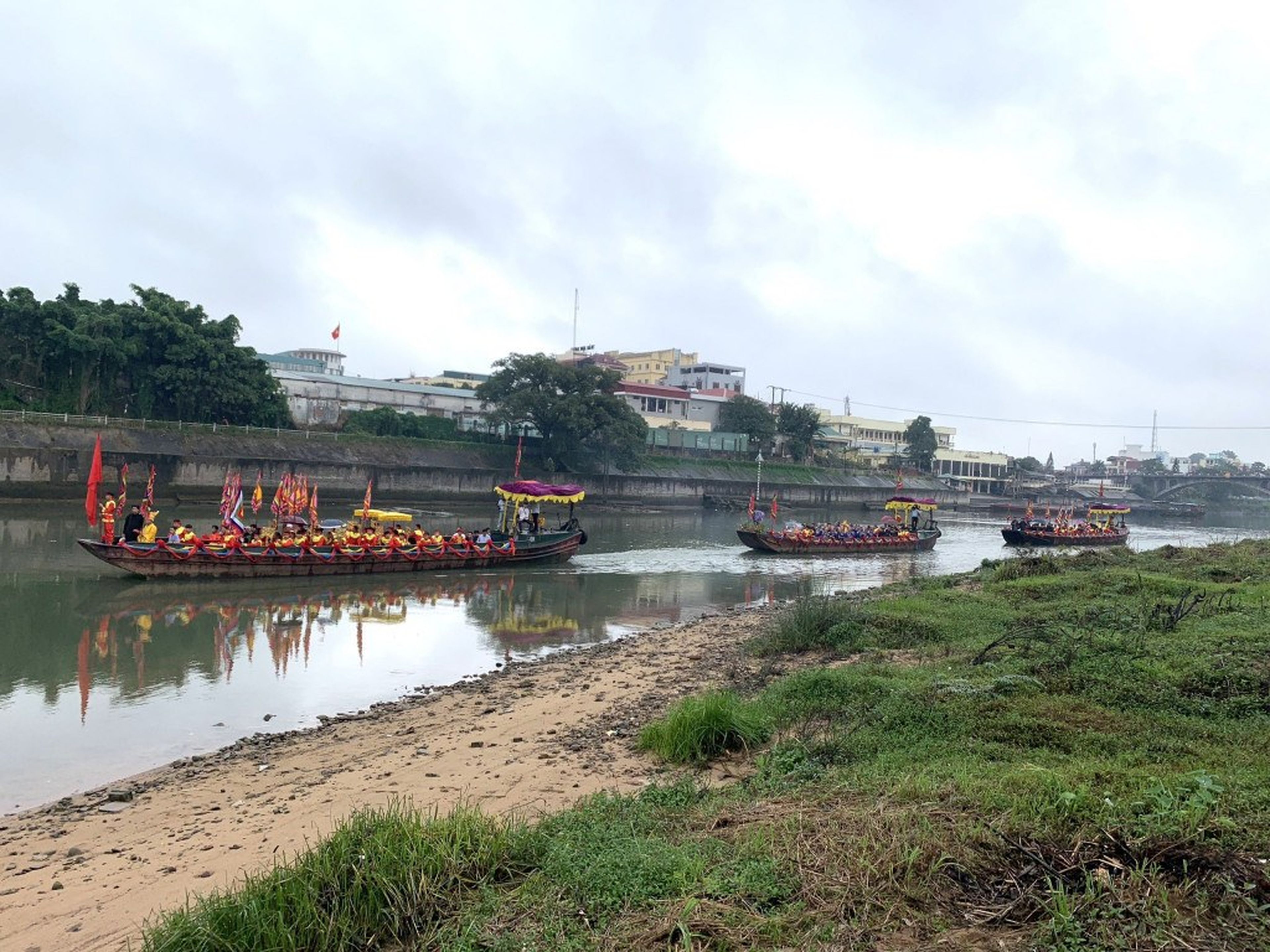
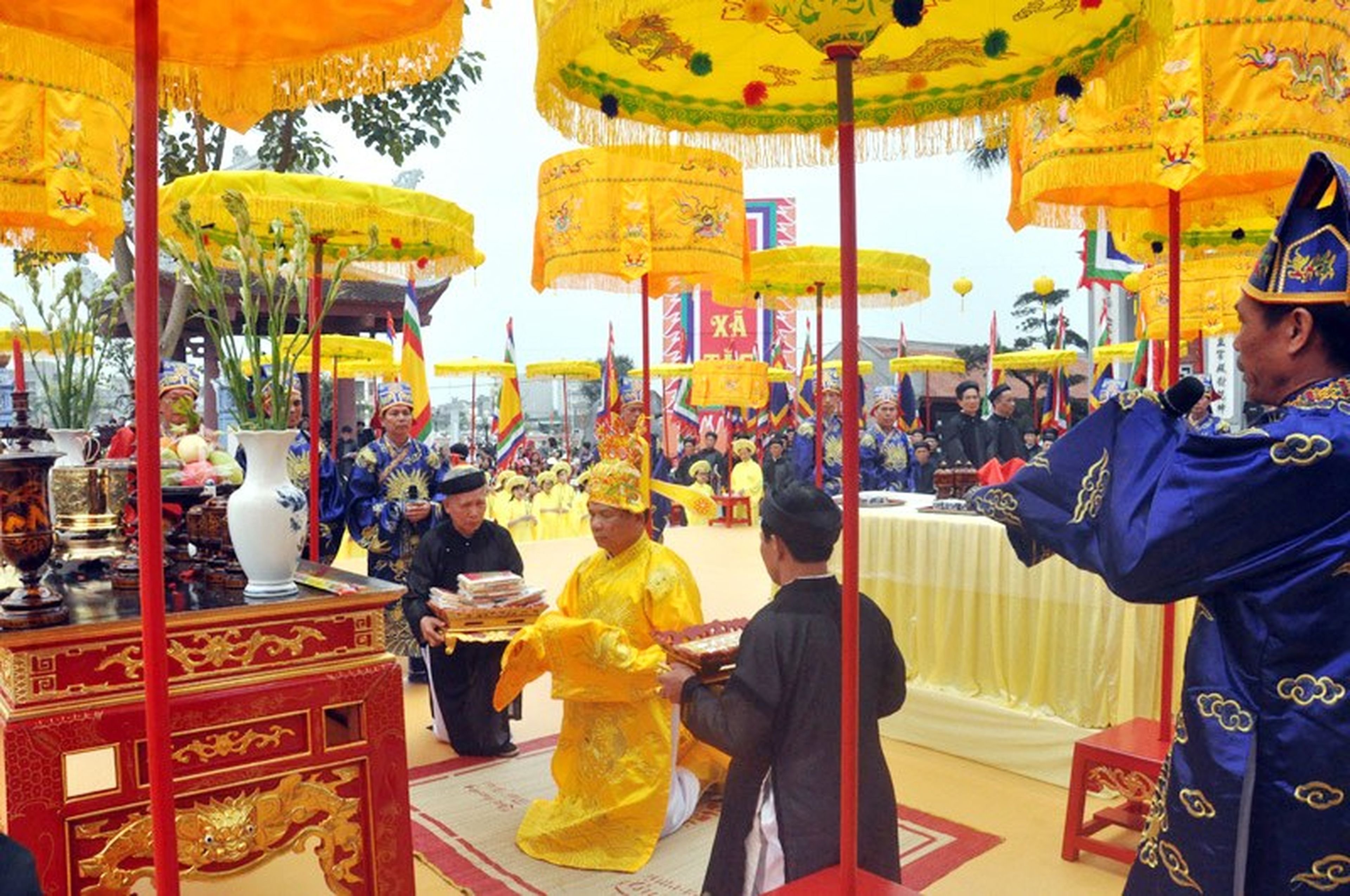
Xa Tac Temple Festival is held annually on March 2 and 3. The main ceremonial section includes the water-fetching ritual, the statue-bathing ritual, the deity-welcoming procession (carrying the deity on a spring excursion), the Xa Tac sacrificial offering ritual, the offering presentation ritual, and the concluding ceremony. The festive section features traditional folk games: blindfolded pot smashing, tug of war, stick pushing, walking the monkey bridge, and calligraphy.
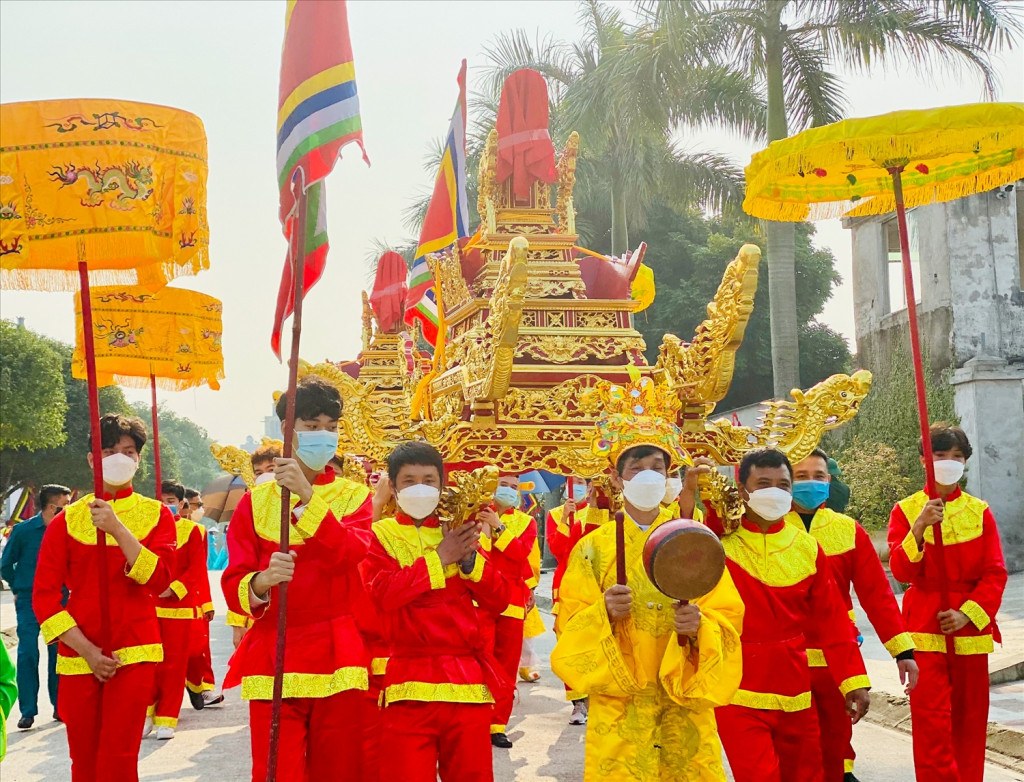
Photo: Dan Toc Newspaper.
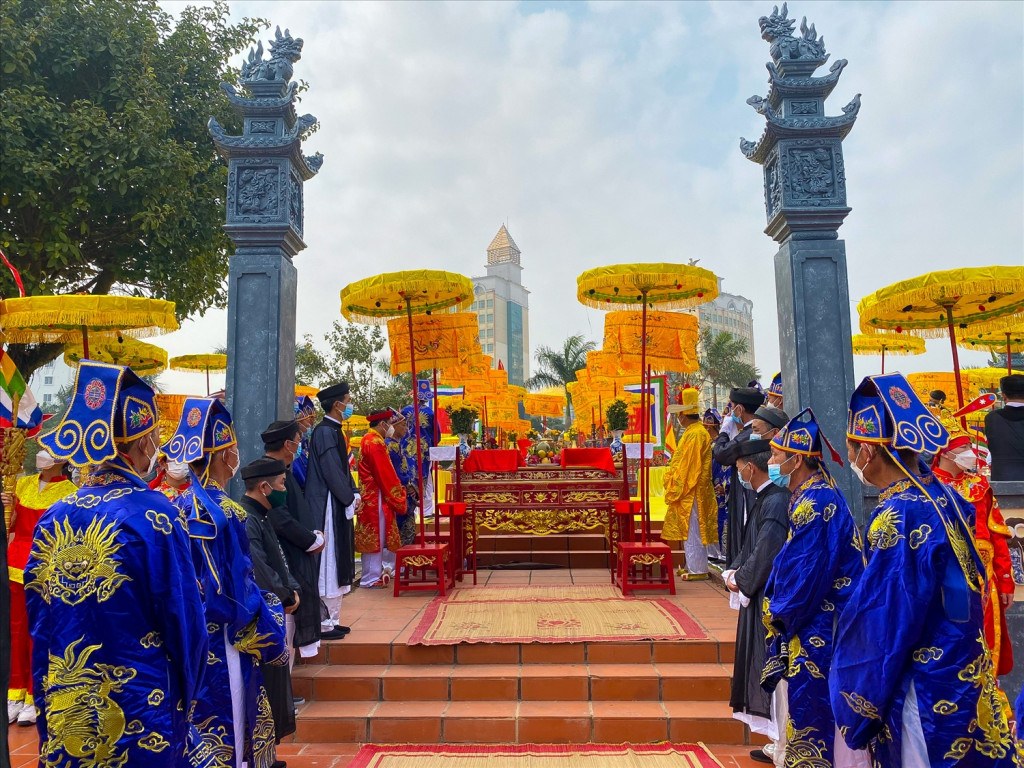
Photo: Dan Toc Newspaper.
During the festival, there is an activity of collecting water from the Ka Long River in a ceramic jar, which is carried back on a palanquin by six young, strong men. The significance of the water-fetching ritual to honor the deities is to pray for blessings so that local residents enjoy good fortune, bountiful harvests, and good health.
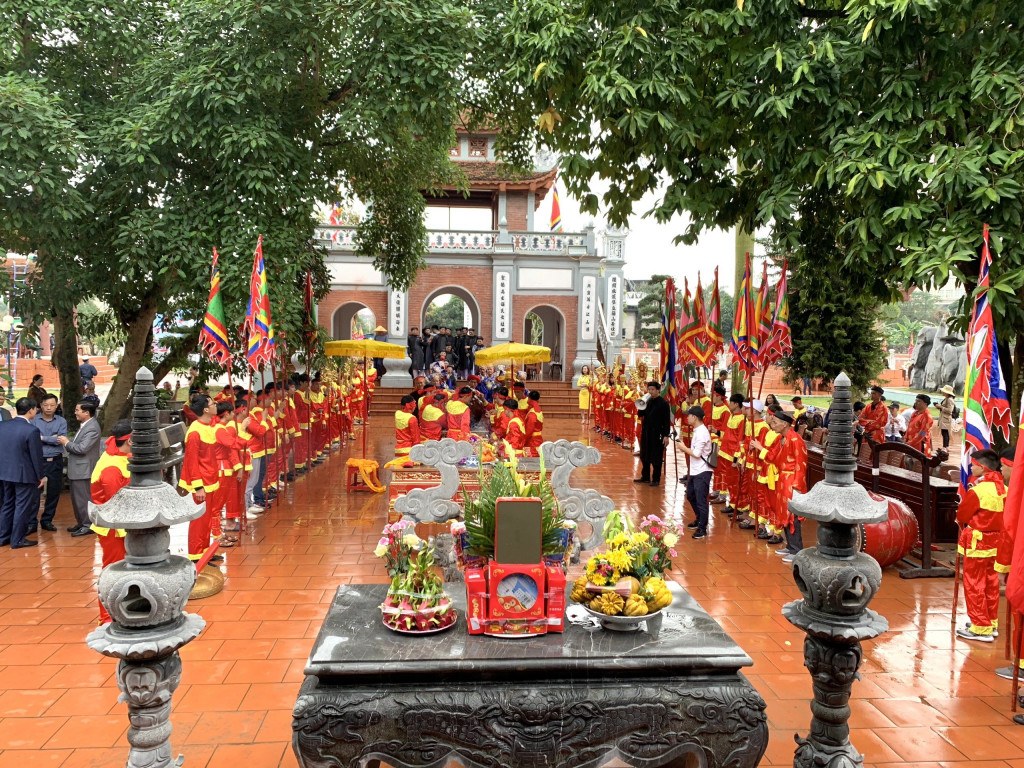
Xa Tac Temple Festival. Photo: Mong Cai City.
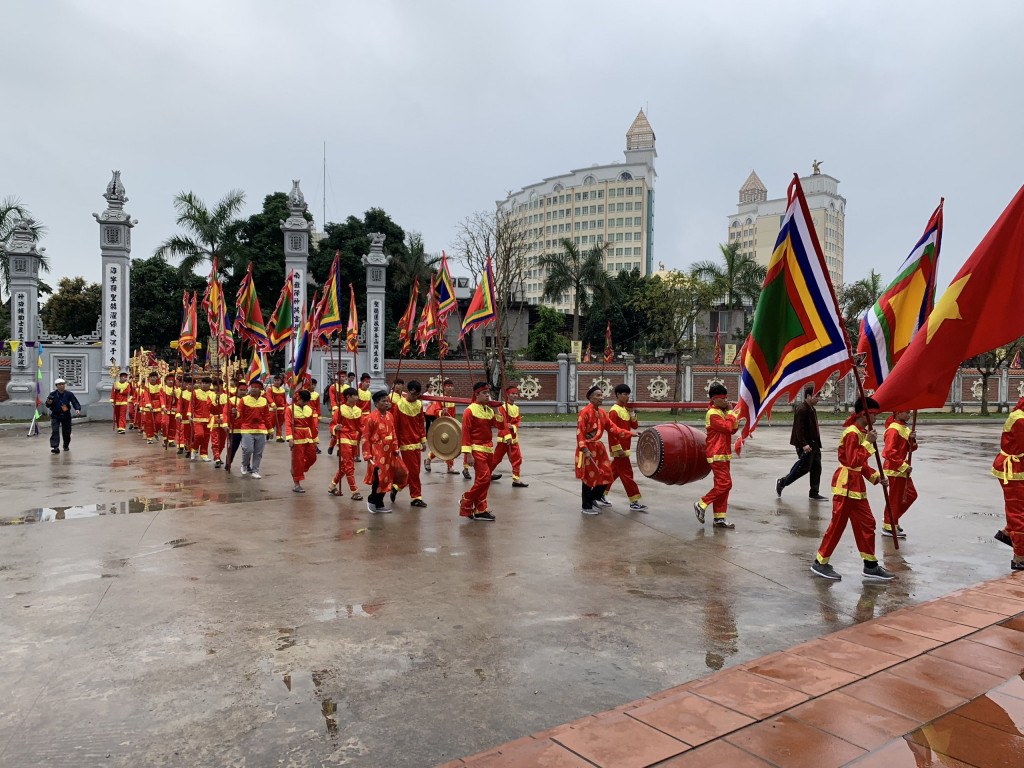
Photo: Mong Cai City.
In addition to common offerings such as pork, chicken, duck, and seafood, there are also Mong Cai specialties such as banh chung and five-color sticky rice prepared and decorated by local residents to present at the temple during the festival.
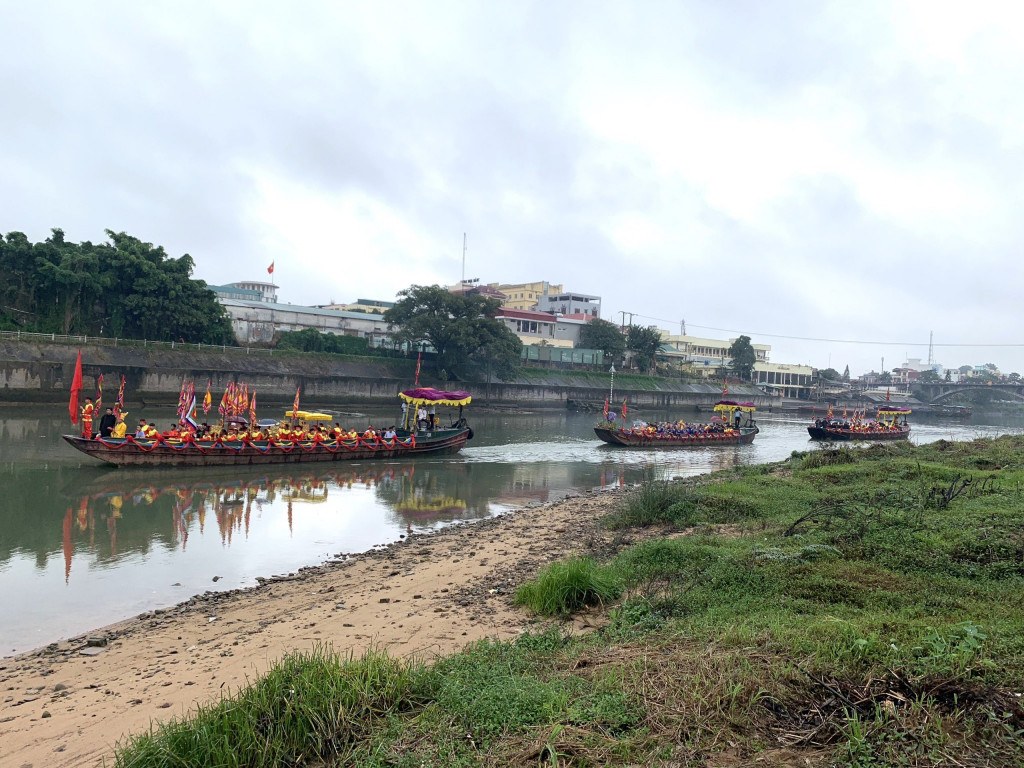
Festival activities. Photo: Mong Cai City.
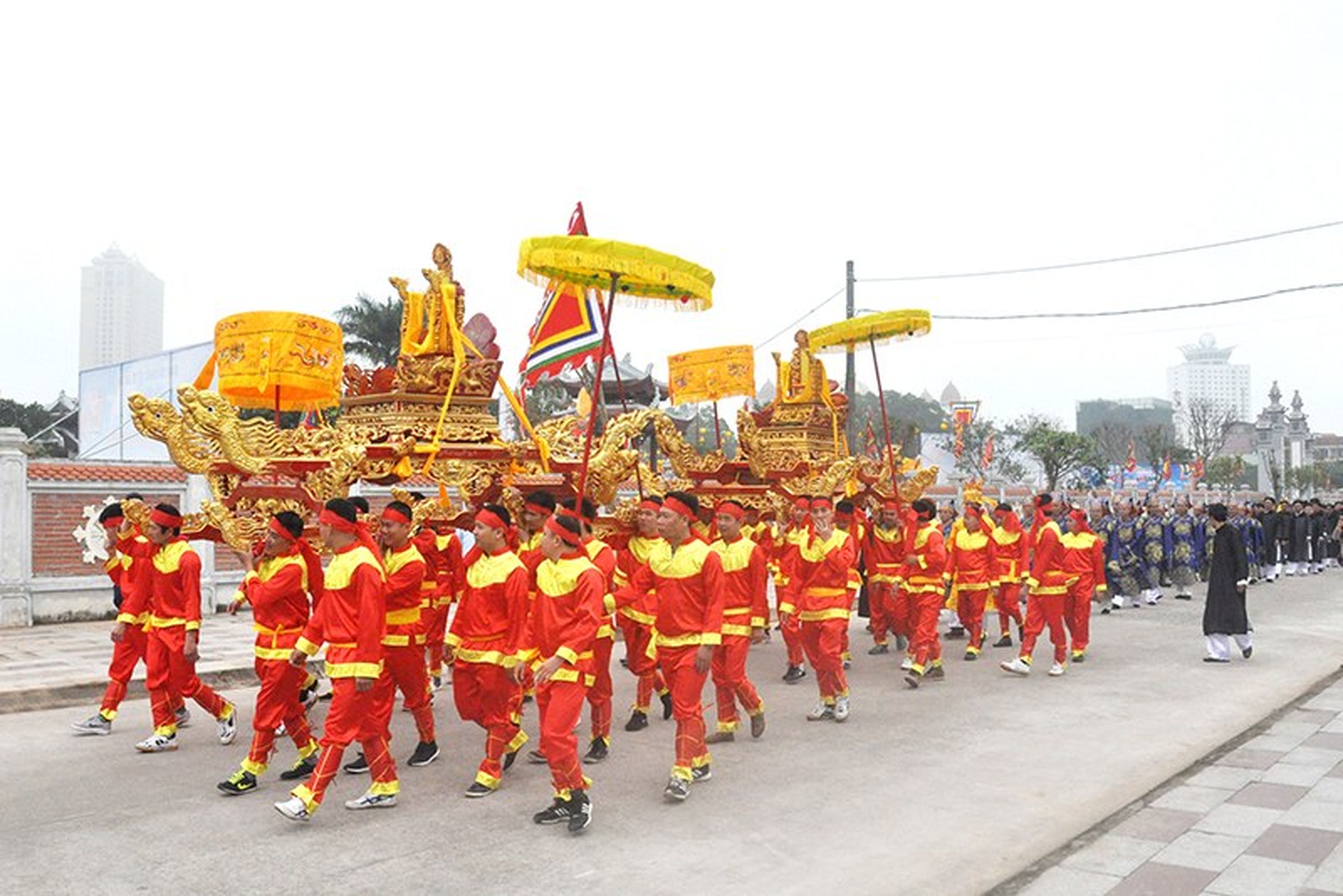
Following the rituals held inside the temple, the procession carries the ancestral tablets of Xa Tac Dai Vuong and Hung Nhuong Dai Vuong Tran Quoc Tang along the road running beside the Ka Long River. Residents along both sides of the street prepare feast tables right before their doorways to welcome the holy palanquin as it passes.
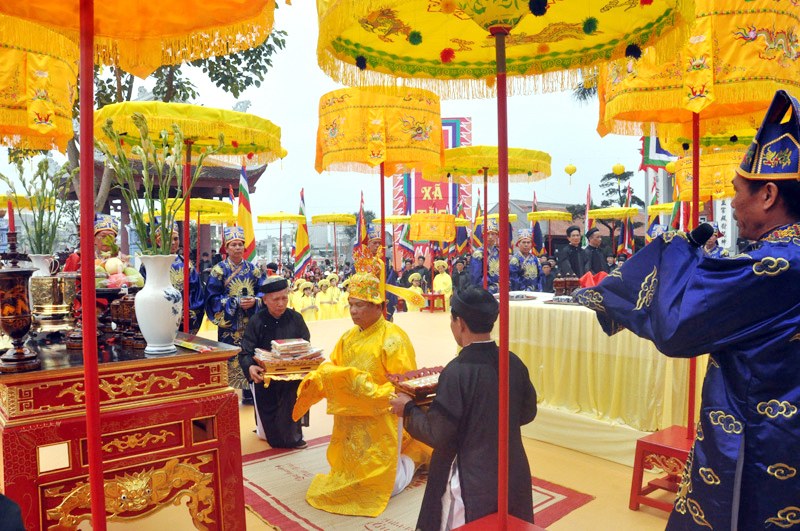
Performing rituals at the Xa Tac altar. Photo: Huu Viet.
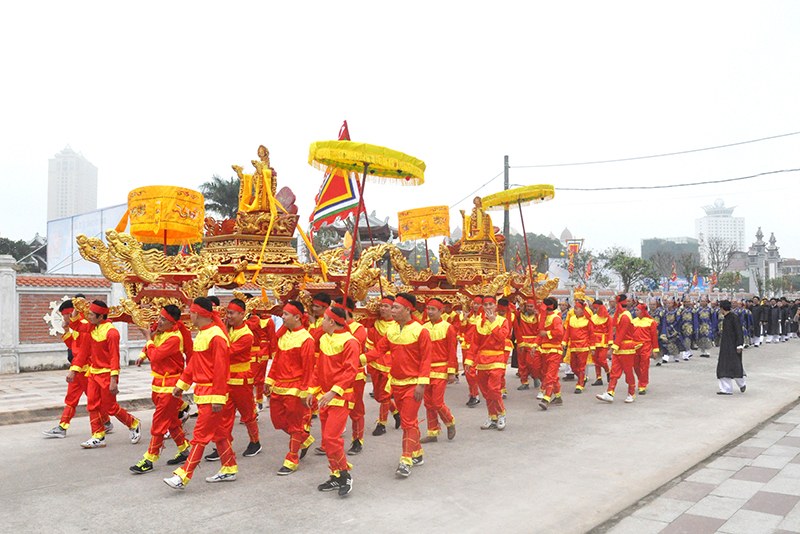
Photo: Quang Ninh Newspaper.
Xa Tac Temple and the annual Xa Tac Temple Festival play an important role in the spiritual and religious life of the people of Quang Ninh, standing as a landmark guarding the borders and silently defending the sacred territorial sovereignty of the land of the “descendants of the Dragon and Fairy”.