As one of the five recognized tourist attractions in Cam Pha City, over the years the Vung Duc cave tourism area has received continuous investment and become an appealing destination for visitors.
Vung Duc Cave System – Marvelling at Nature's Masterpiece
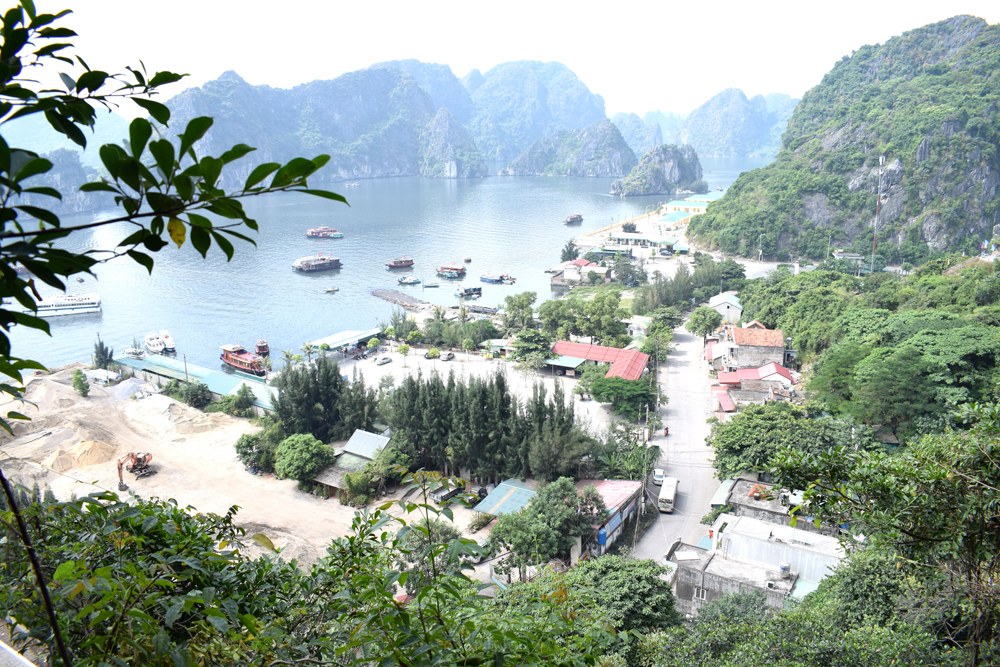
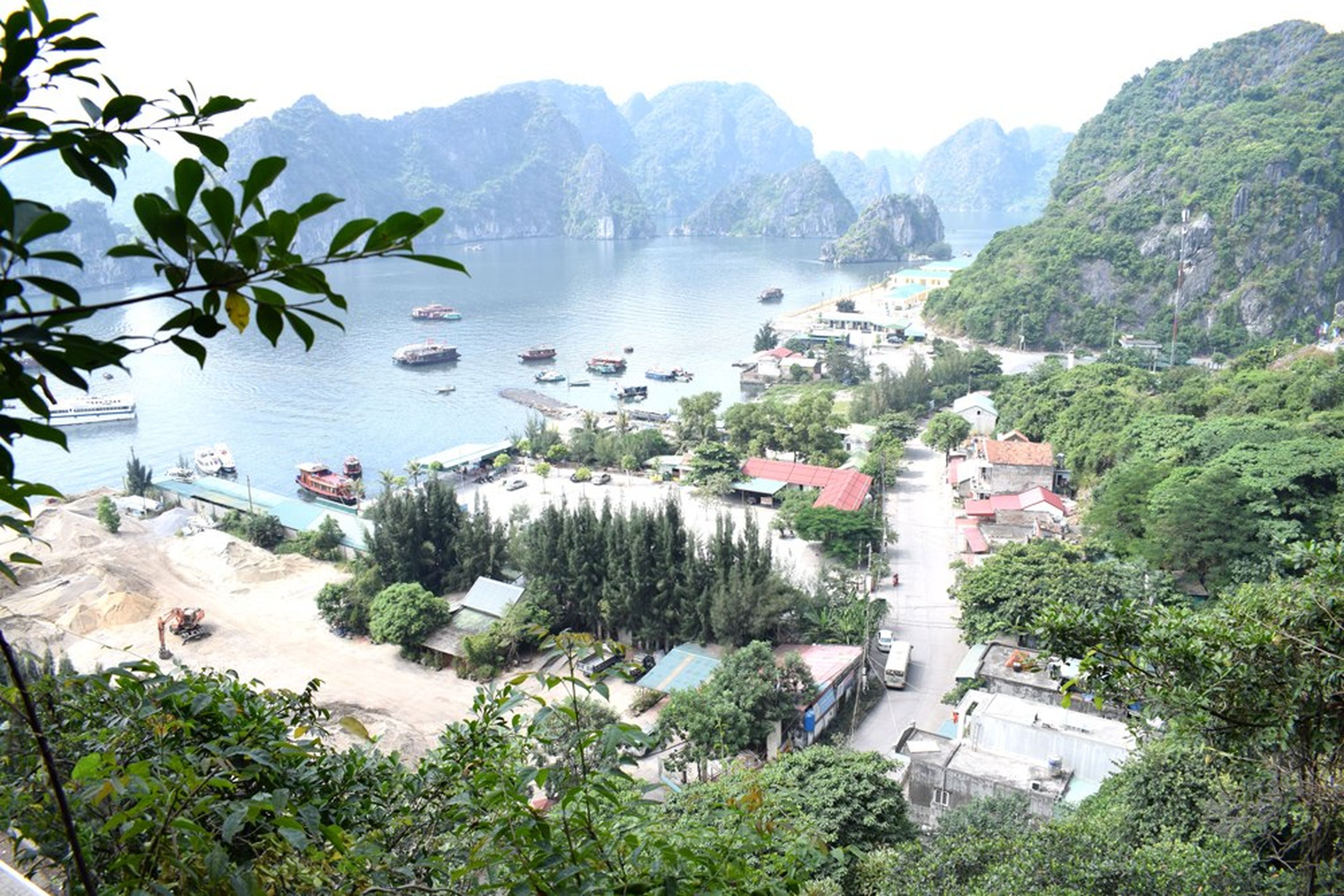
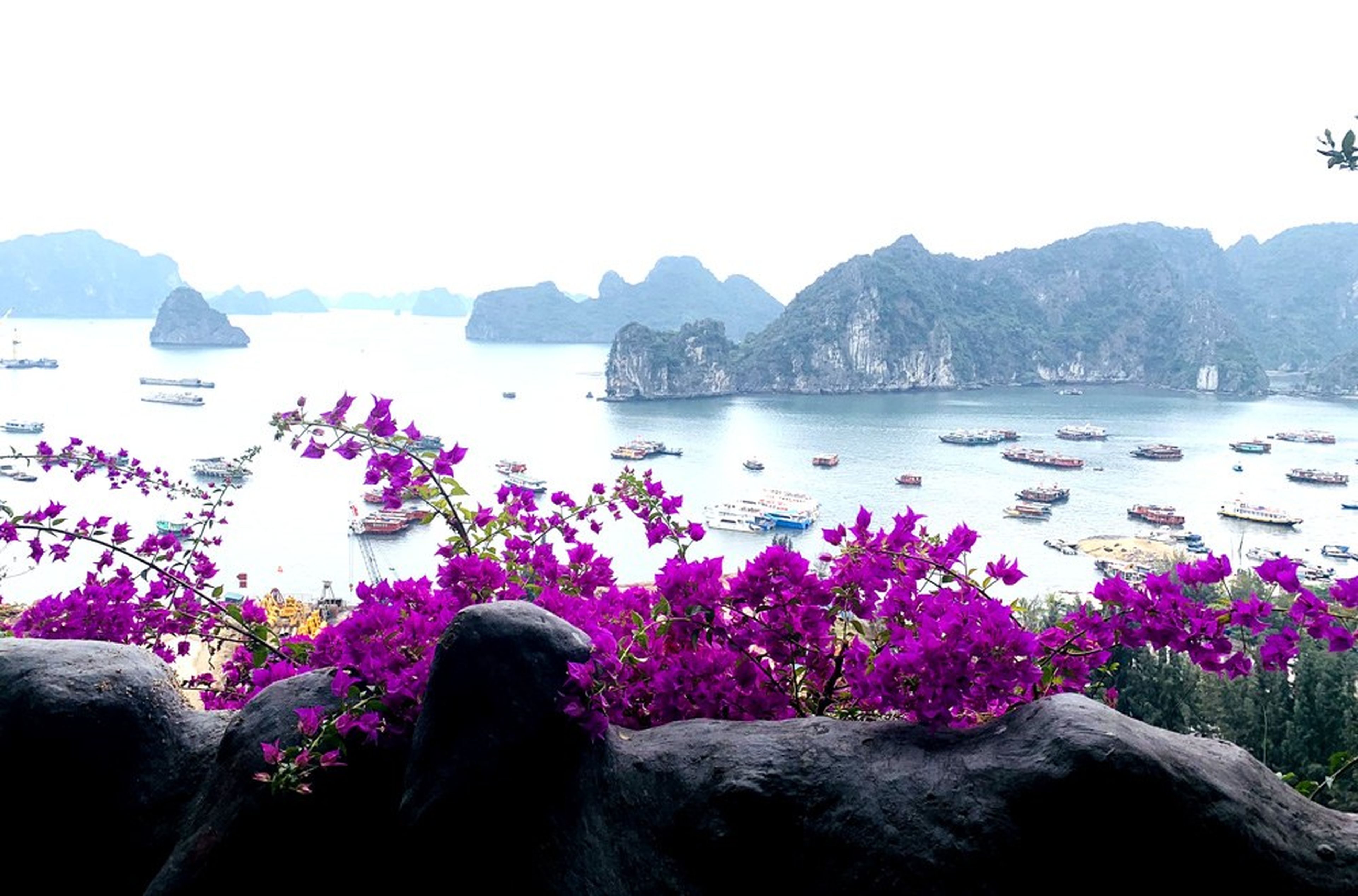
Panoramic view of Bai Tu Long Bay seen from Vung Duc Cave. Photo: Quang Ninh Newspaper.
The Vung Duc cave tourism area is situated along Bai Tu Long Bay, at the foot of Ban Co Mountain, next to the martyrs' memorial monument and Vung Duc Temple. Located 45km northeast of Ha Long City, it is easy for visitors to find their way here.
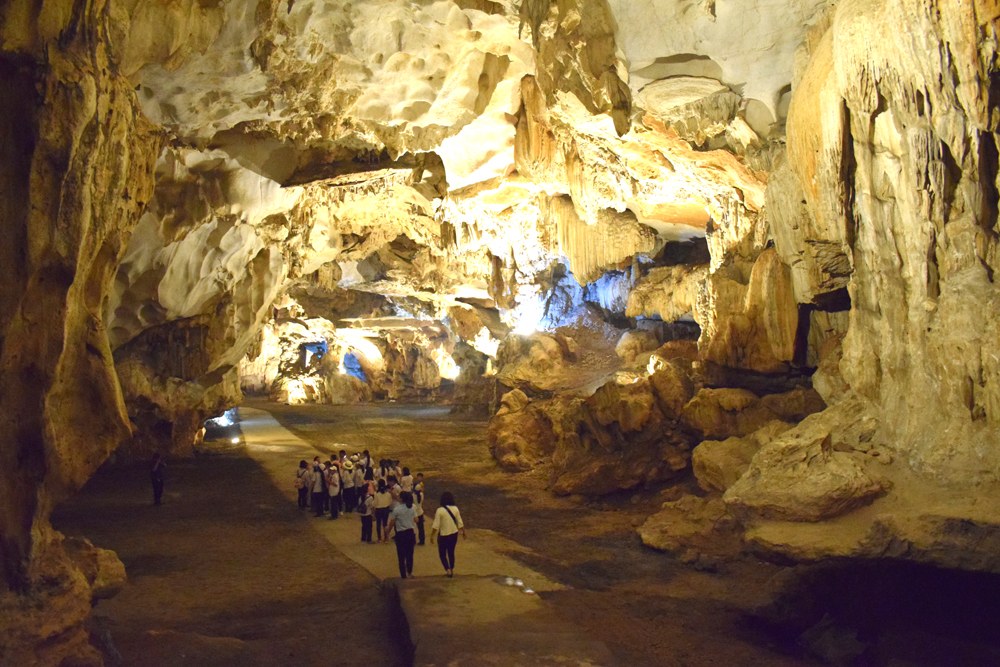
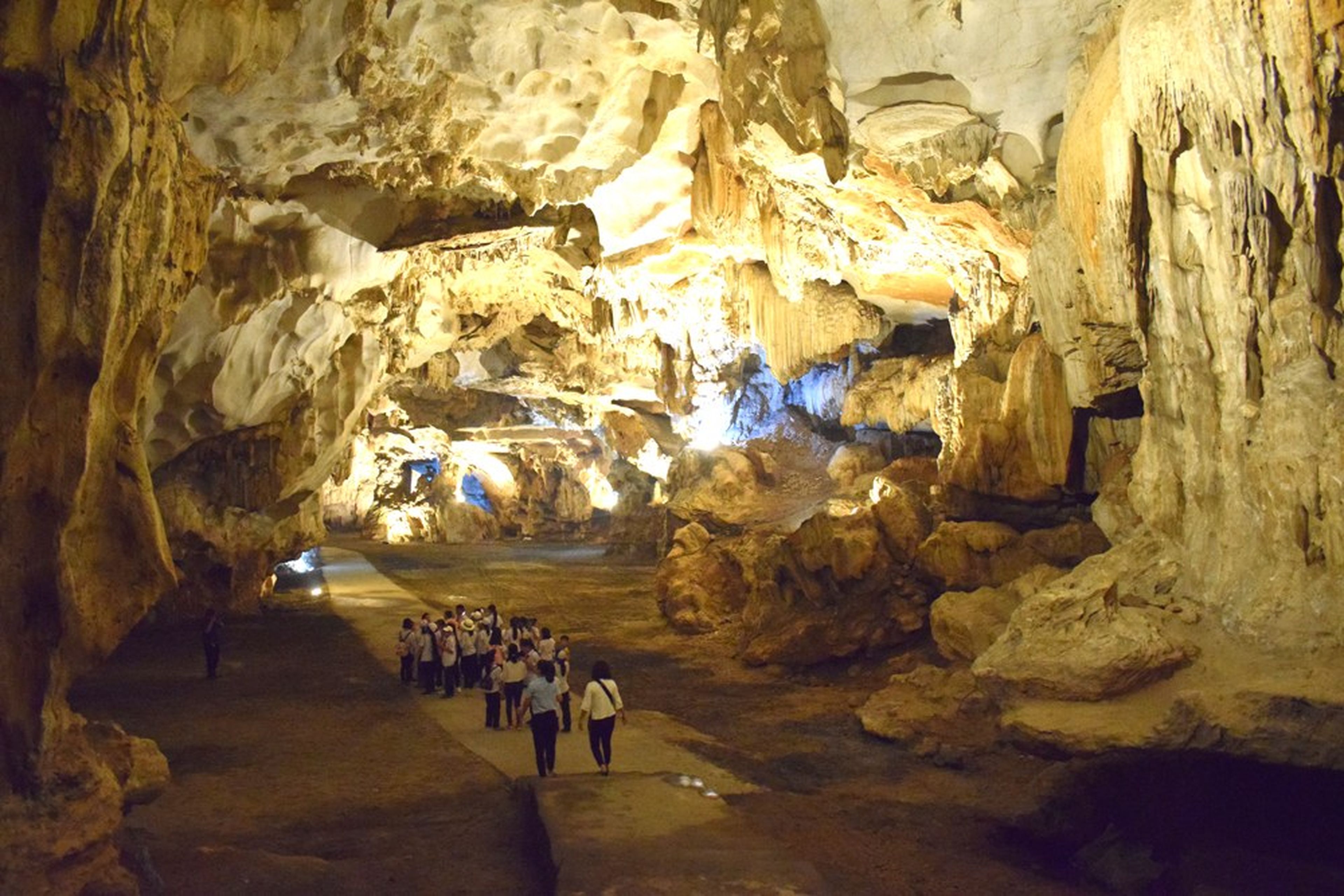
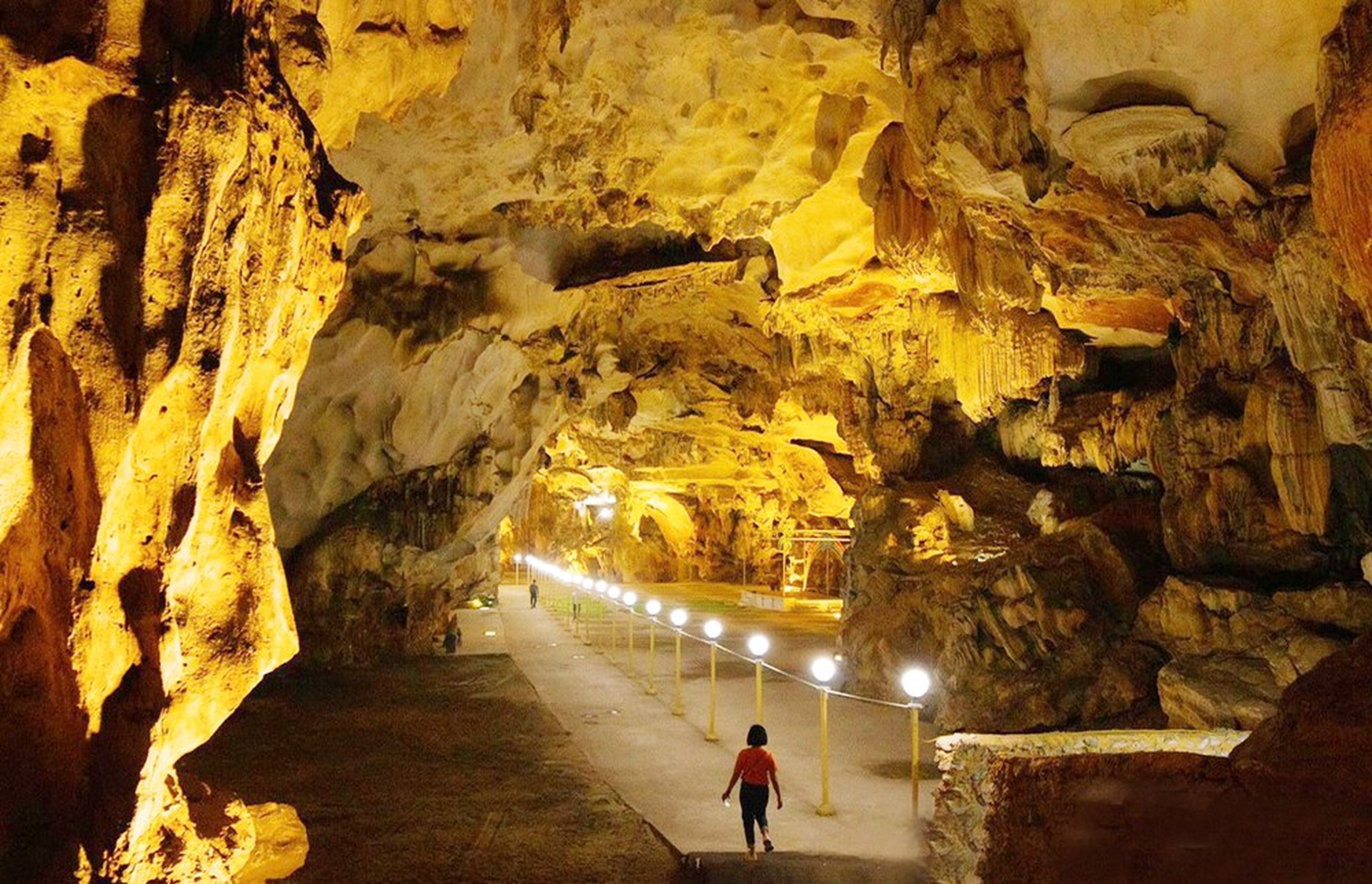
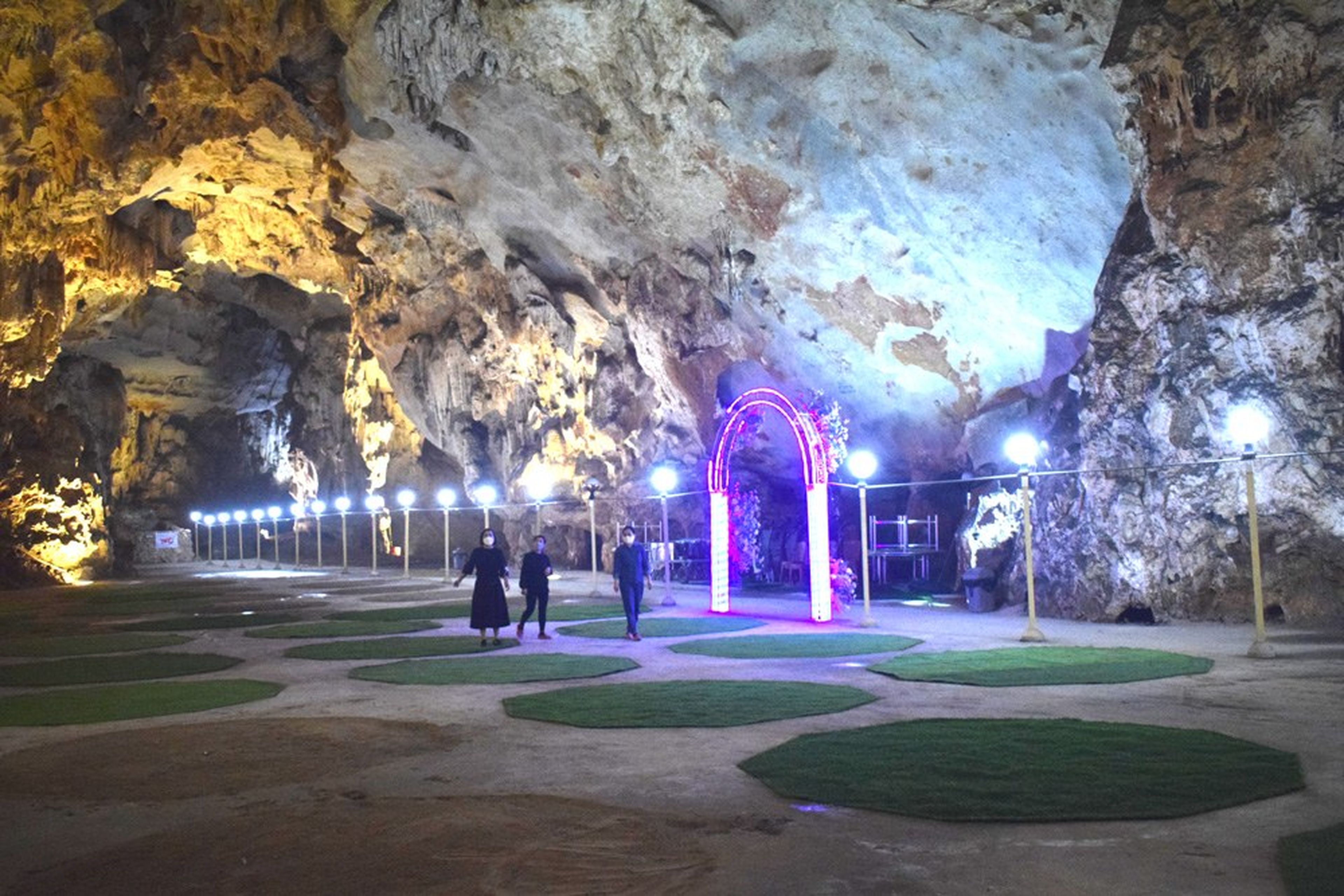
The cave is spacious and bright. Photo: Quang Ninh Newspaper.
This is a unique tourism destination imbued with historical and religious significance, connected by five magnificent caves: Ngo Ngang Cave, Thien Dang Cave, Kim Quy Cave, Long Van Cave, and Doi Cave. Geologically formed over millions of years, the caves remain almost fully intact to this day.
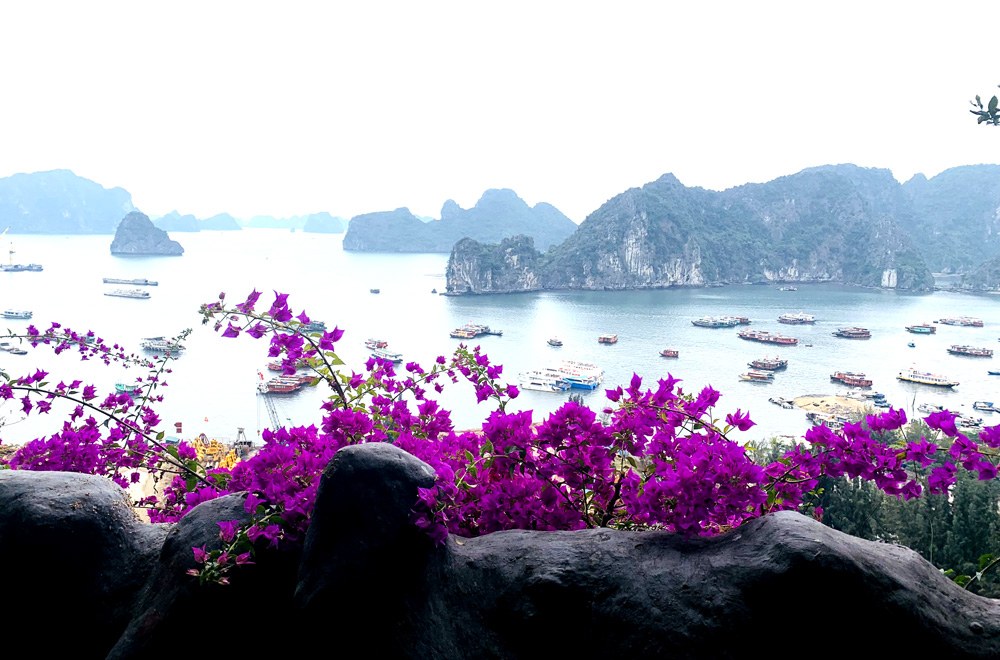
Bai Tu Long Bay seen from Thien Dang Cave. Photo: Quang Ninh Newspaper.
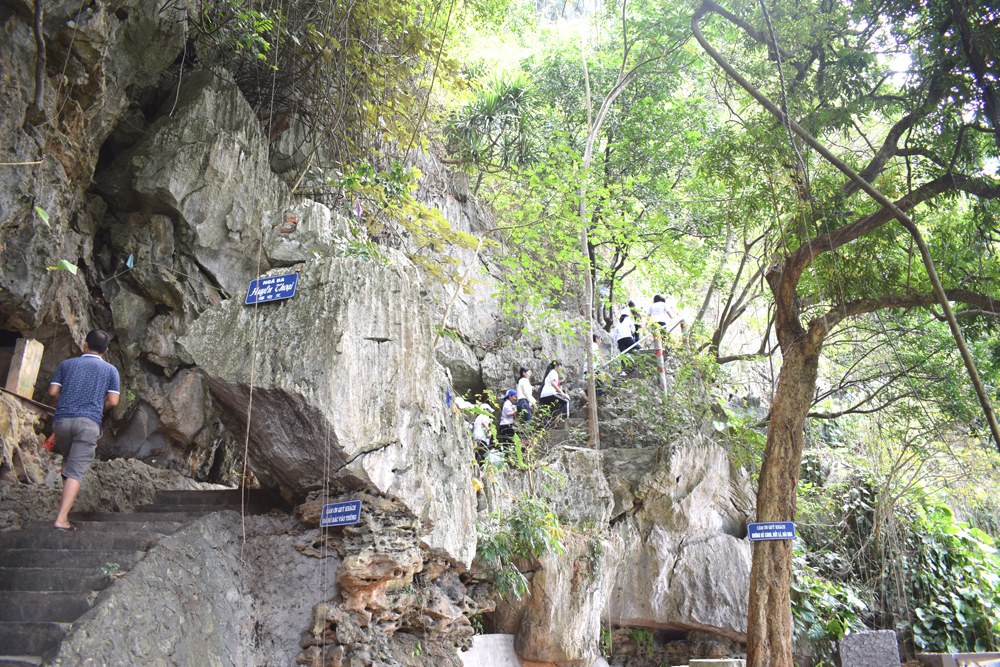
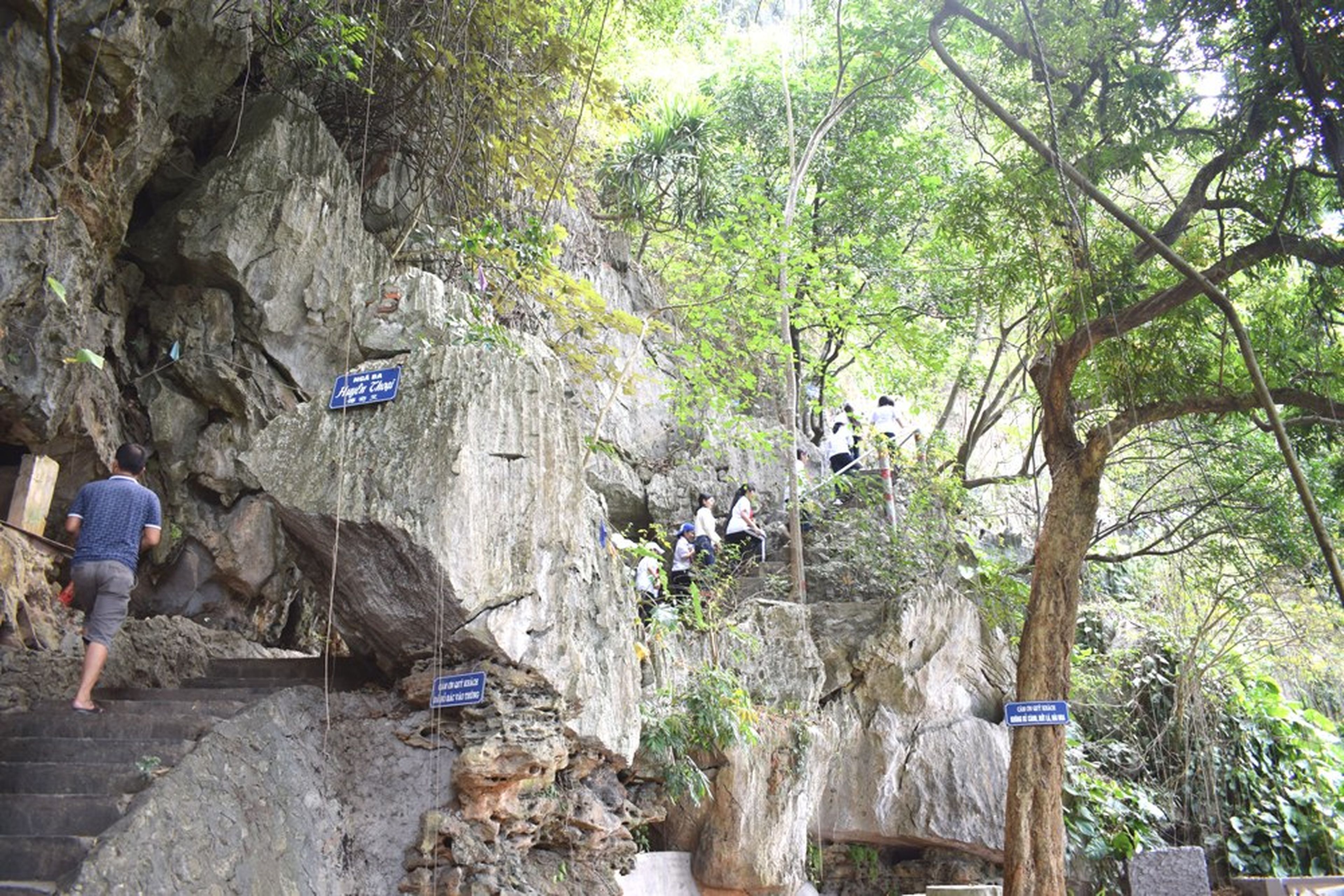
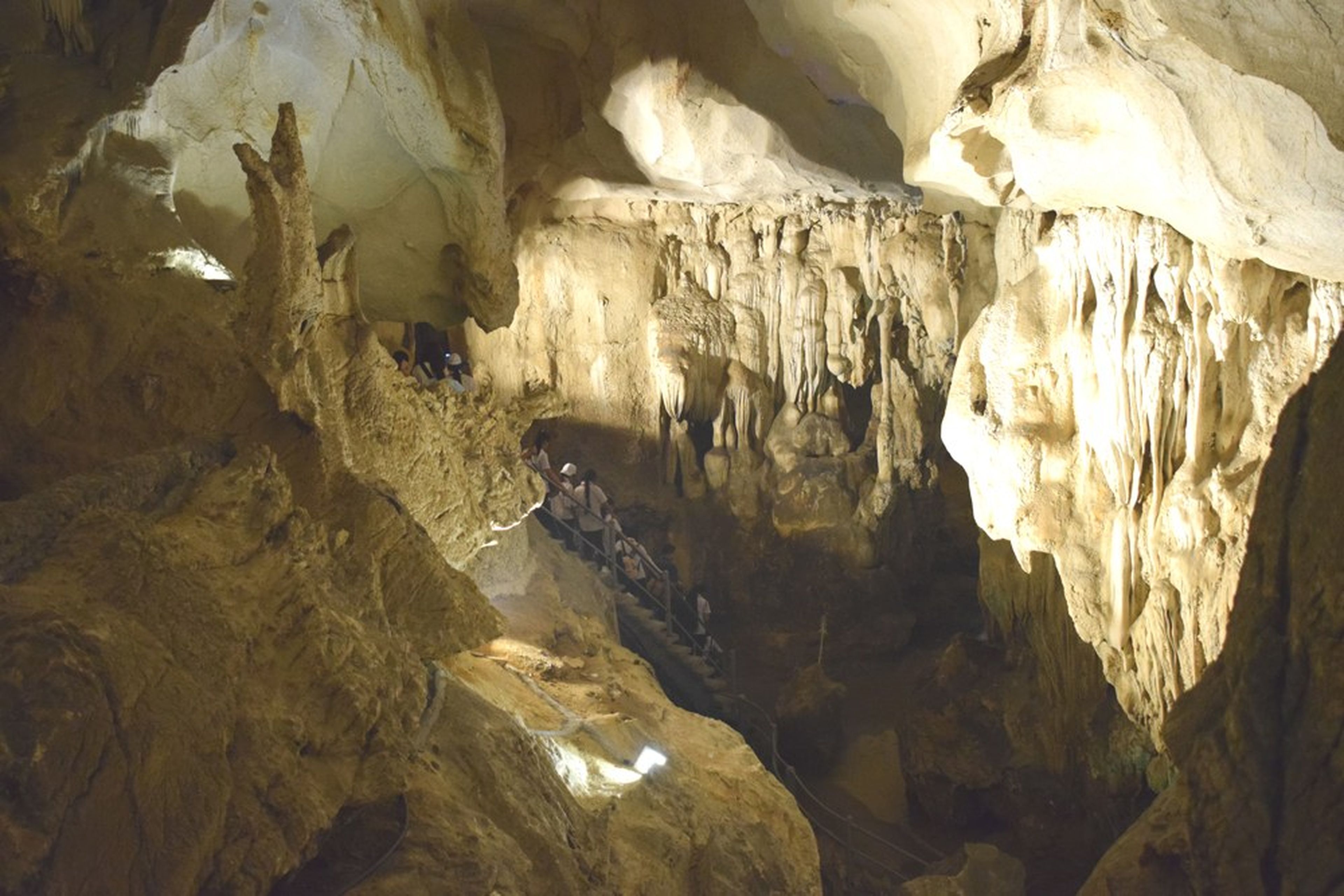
Stairs leading up to the cave. Photo: Quang Ninh Newspaper.
Arriving at the Vung Duc cave tourism area, the first stop for visitors is Thien Dang Cave, situated 46m above sea level. From the cave's vantage point, one can admire a panoramic view of Bai Tu Long Bay with rocky islands rising from the deep blue water.
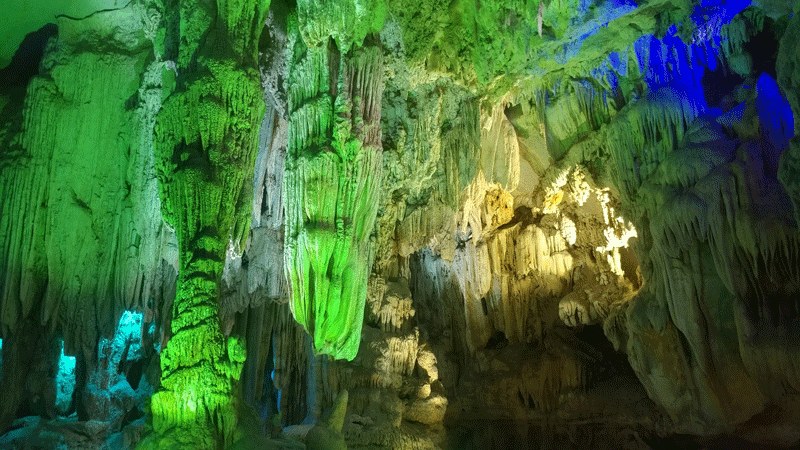
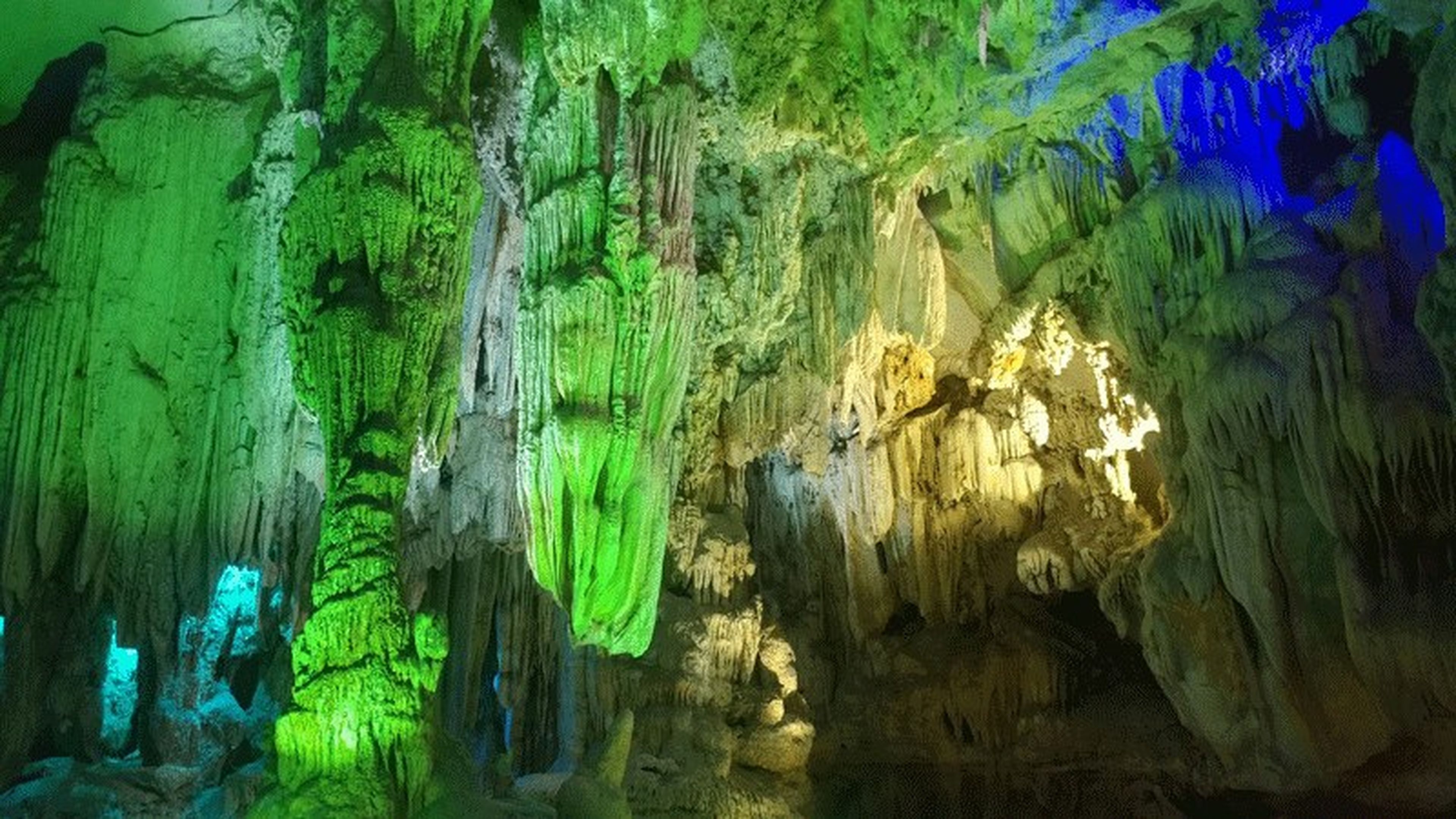
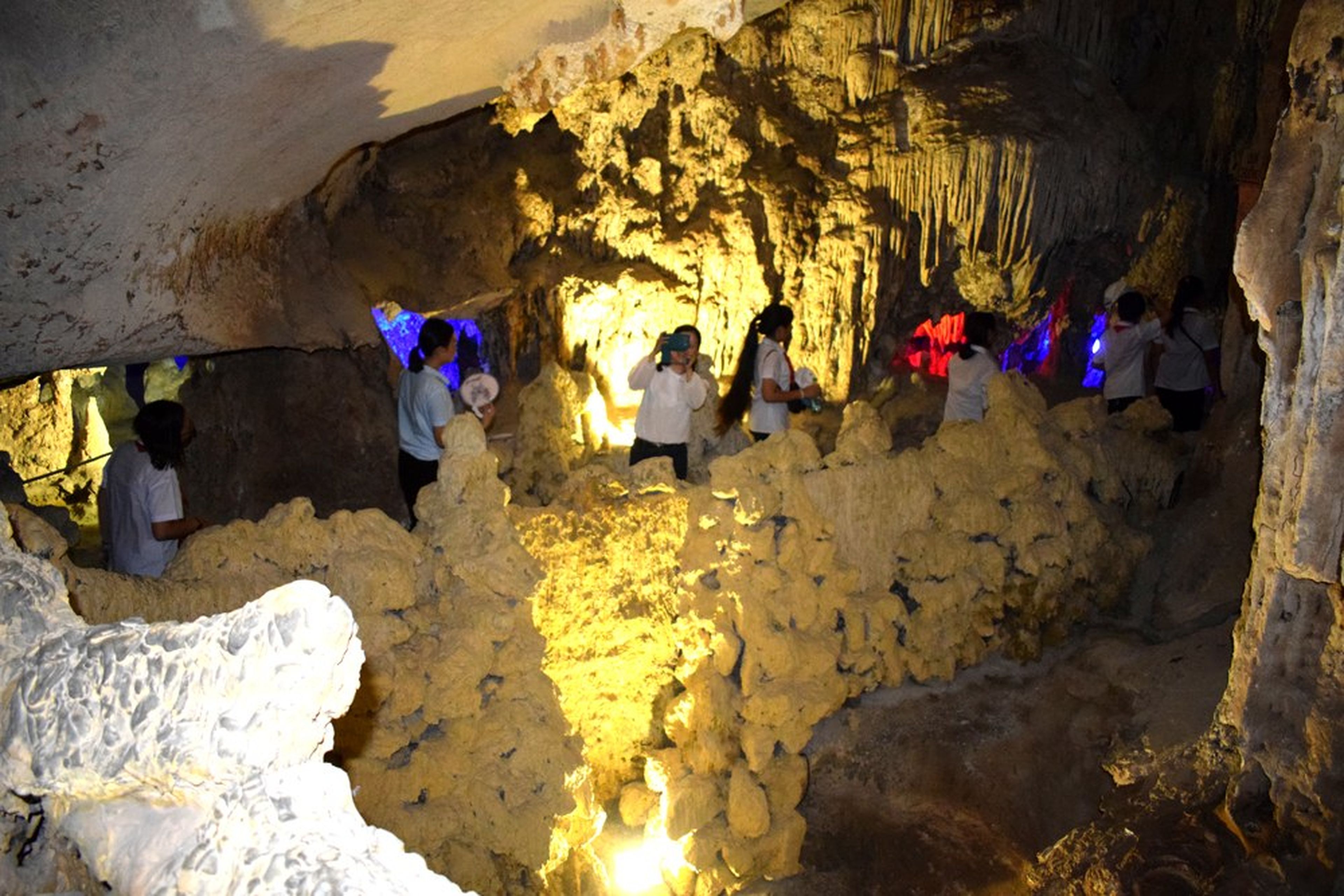
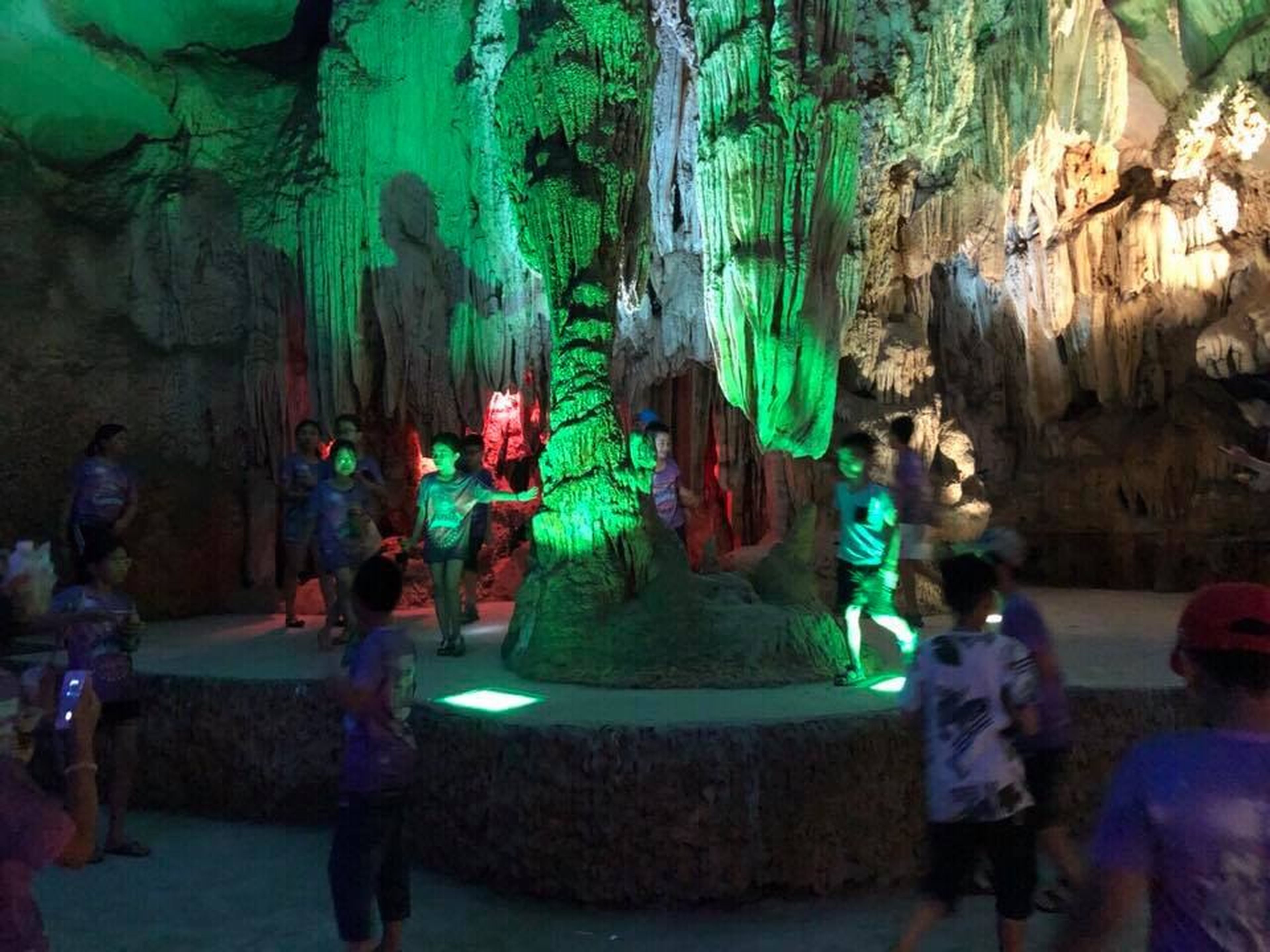
Stalactites and stalagmites in diverse shapes. Photo: Cam Pha City.
The cave is quite spacious with an area of about 300 square meters. Inside are softly cascading stone curtains that resemble a grand stage with exquisite contours. The cave floor is relatively flat, making it convenient for sightseeing and exploration.
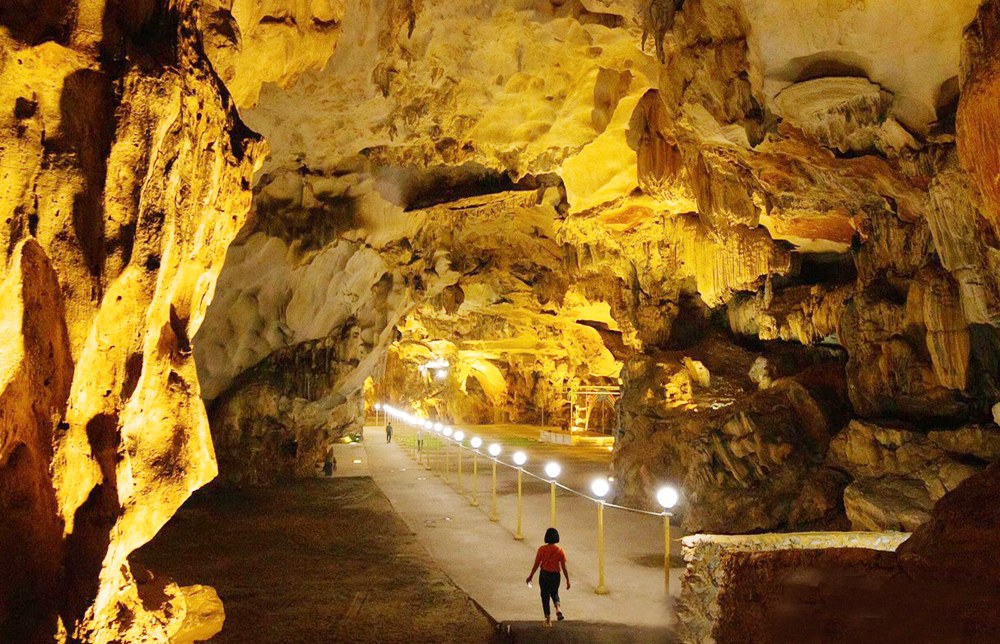
Photo: Cam Pha City.
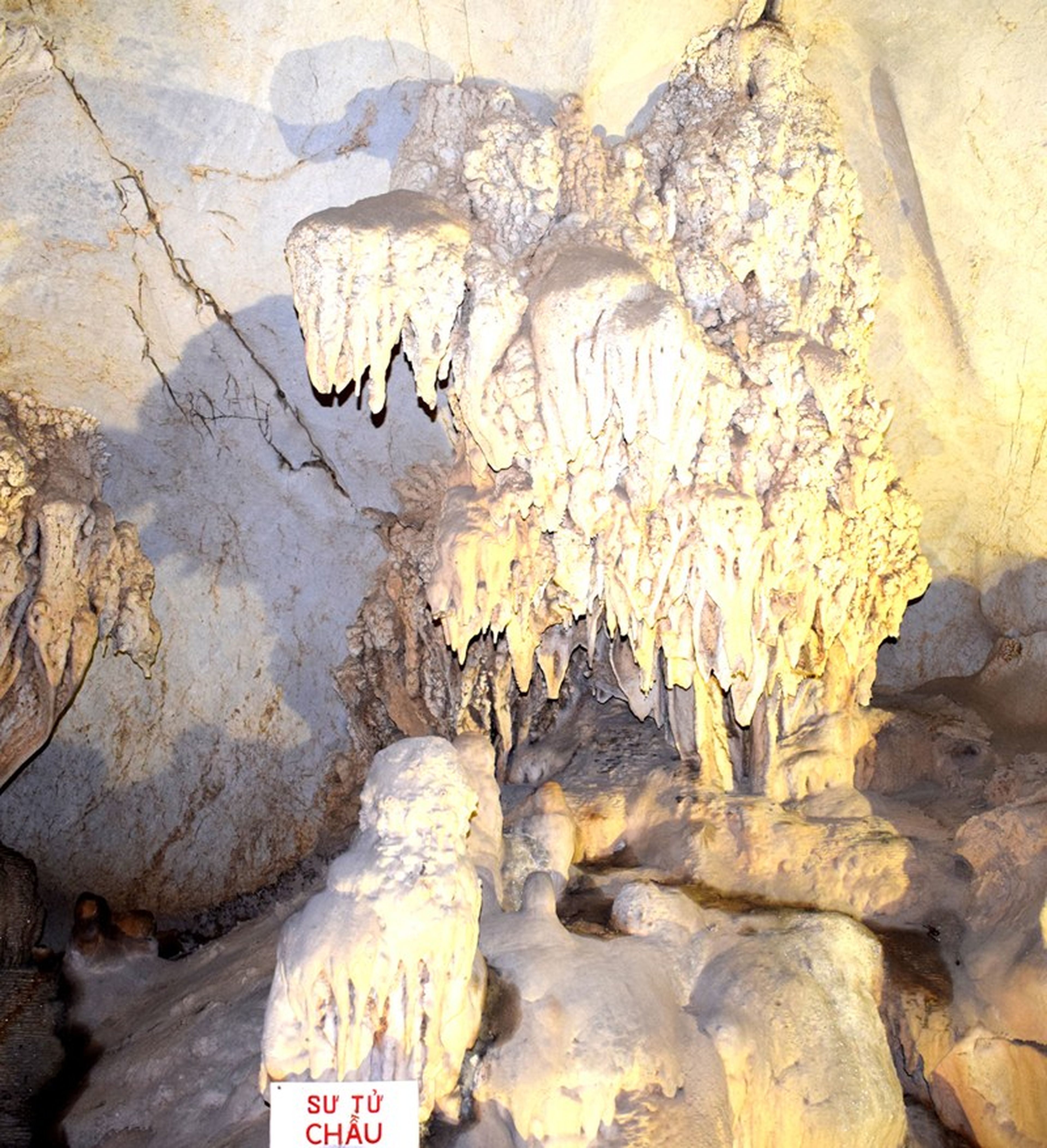
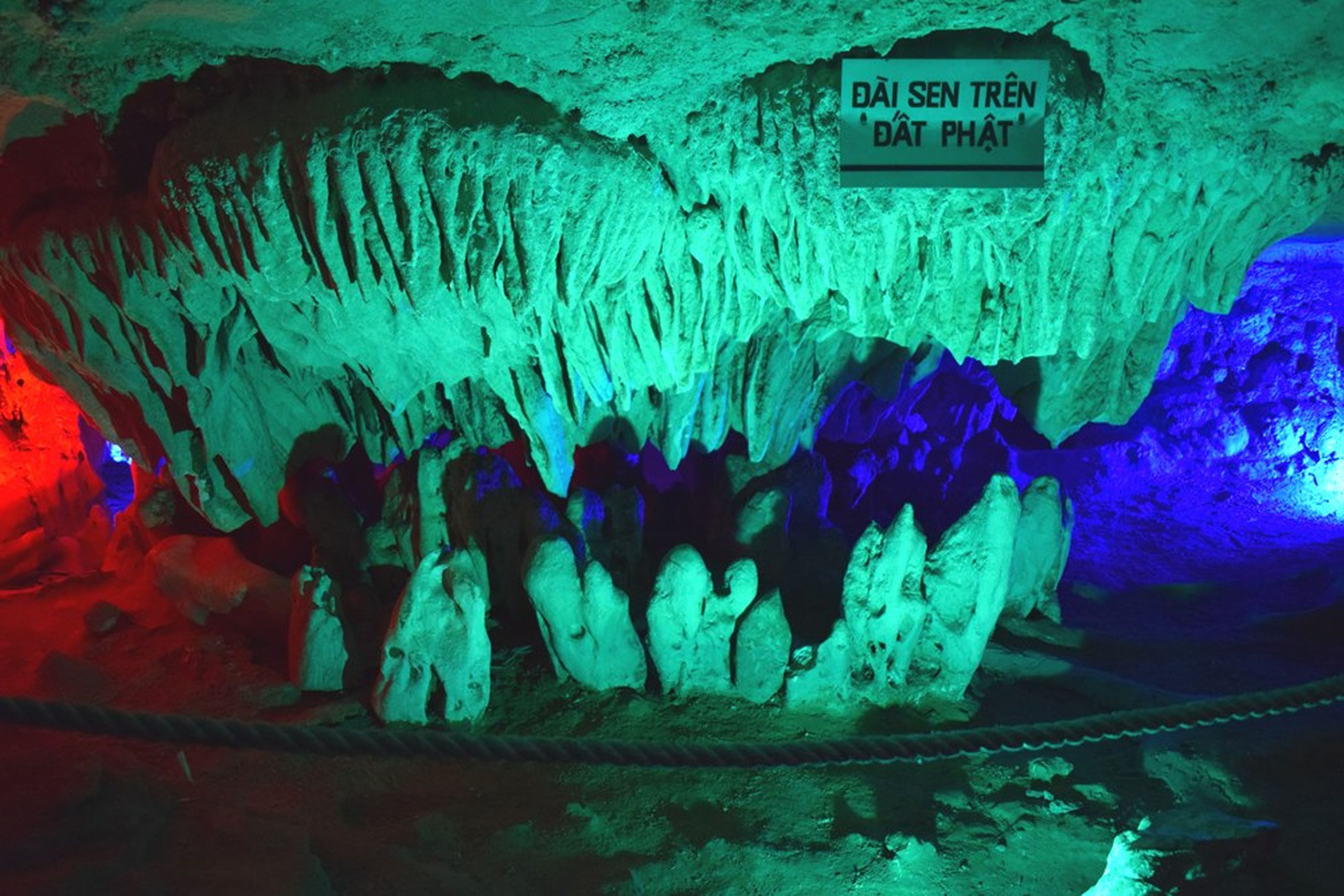
Next is Long Van Cave, perched higher than Thien Dang Cave. The interior of the cave is divided into two branches: upper and lower. The cave features many intriguing rock formations such as a stone lion, a stone table set, a drinking elephant, a bell, a swan, a lotus pedestal... the rock slabs are delightfully named according to human imagination.
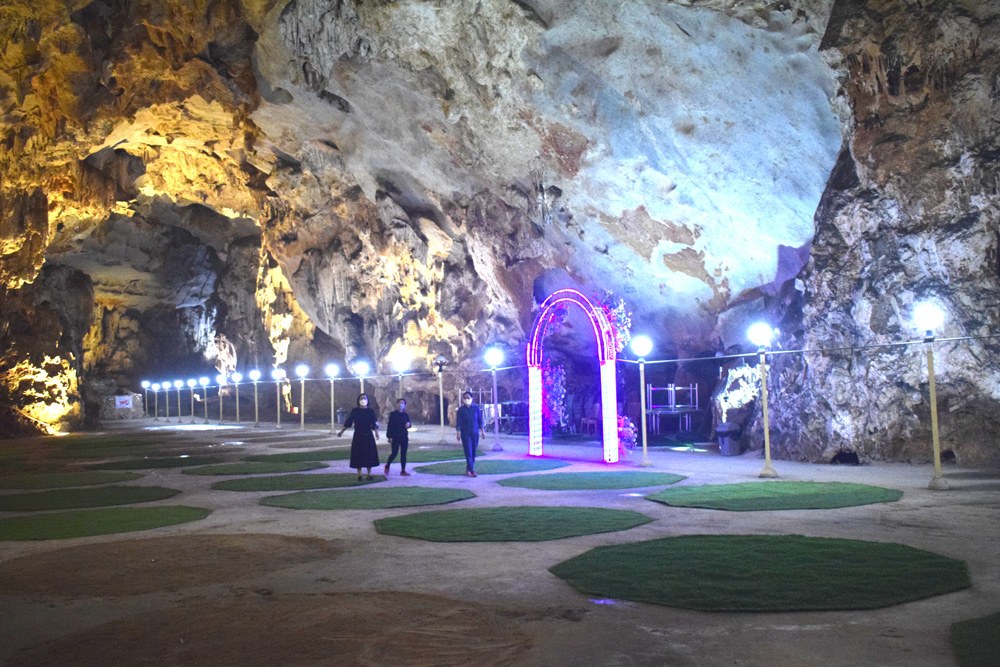
Photo: Quang Ninh Newspaper.
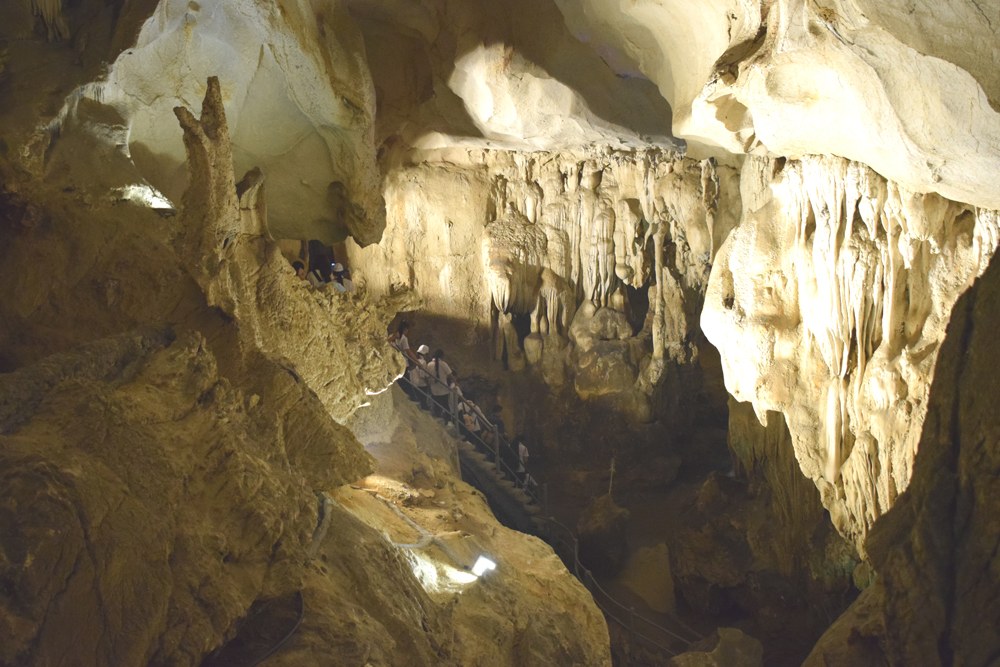
Photo: Quang Ninh Newspaper.
At Kim Quy Cave and Ngo Ngang Cave, visitors can envision fairy tales through the stone slabs and curiously shaped rock statues.
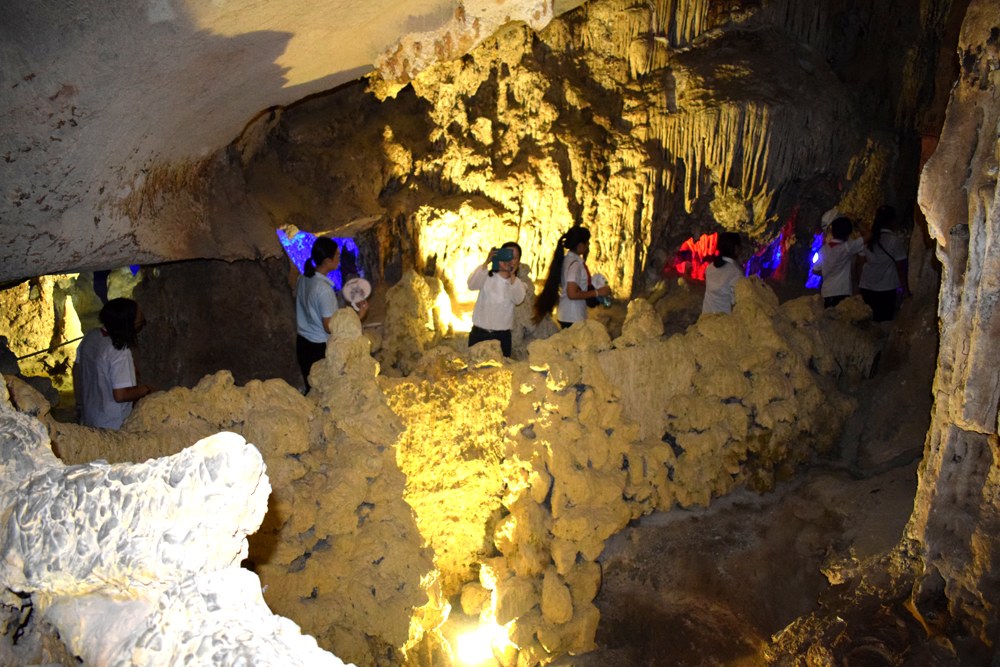
Photo: Quang Ninh Newspaper.
Finally, following a picturesque path, visitors arrive at Doi Cave. The cave is currently home to numerous bat species and is the final cave in the Vung Duc cave system.
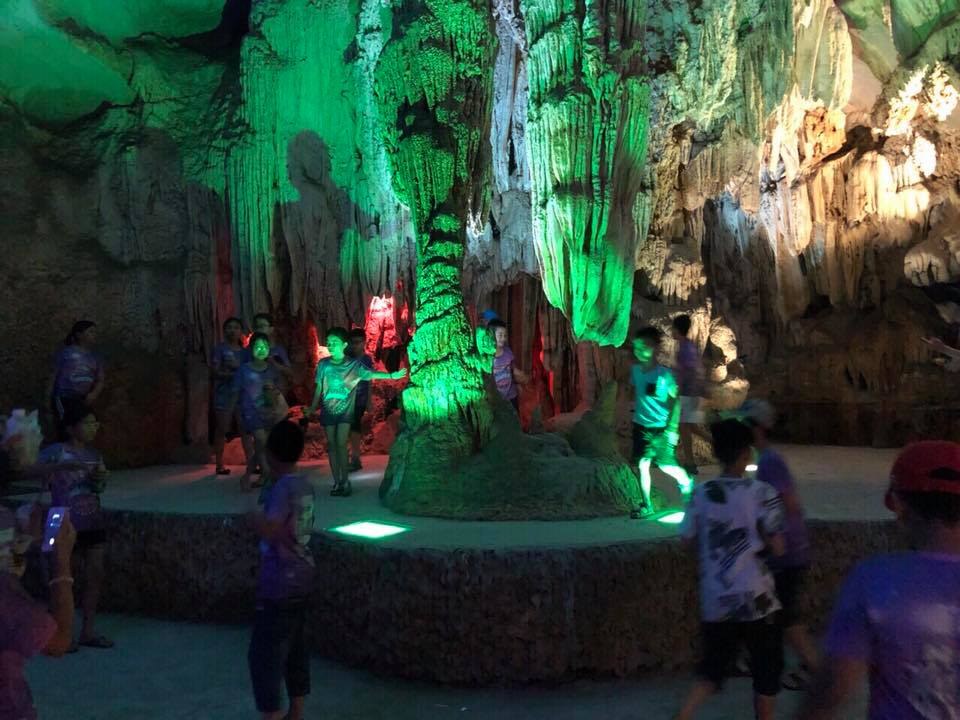
Photo: Cam Pha City.
In addition to the cave system, visitors can make a pilgrimage to worship at mountain-backed temples such as Mau Thoai Temple, Mau Thuong Temple, or Mau Lieu Hanh Temple. These temples, lining the pathway up to the caves, date back hundreds of years.
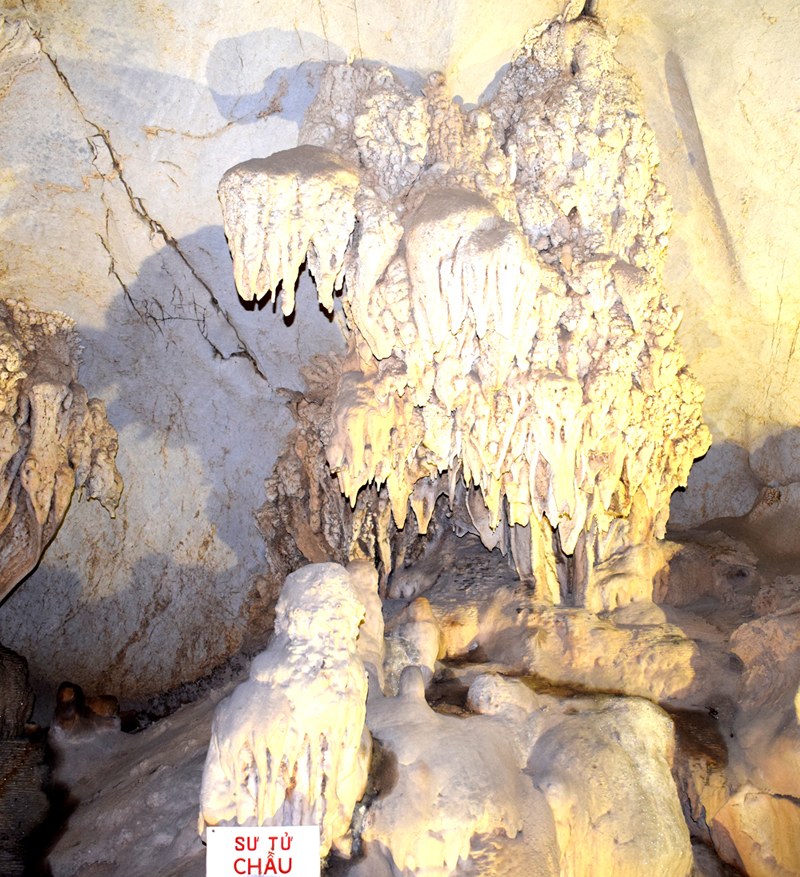
Prostrating lion rock formation. Photo: Quang Ninh Newspaper.
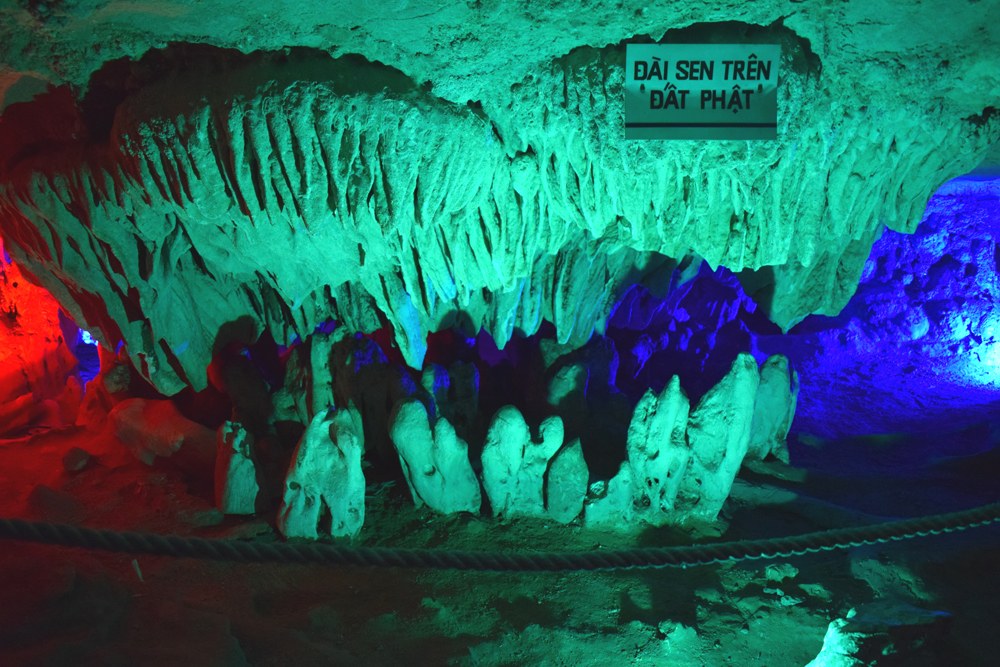
Lotus pedestal rock formation. Photo: Quang Ninh Newspaper.
The Vung Duc cave system is not only closely tied to the struggle movement of Cam Pha coal miners during the war of resistance against the French, but also holds unique geological, geomorphological, and spiritual values, making it an unmissable destination for every visitor to Quang Ninh.