One of five officially recognized tourist attractions in Cẩm Phả City, Vũng Đục Cave tourist area has consistently received investment over the years and become an appealing destination for visitors.
Vũng Đục Cave – Marvel at Nature’s Masterpiece
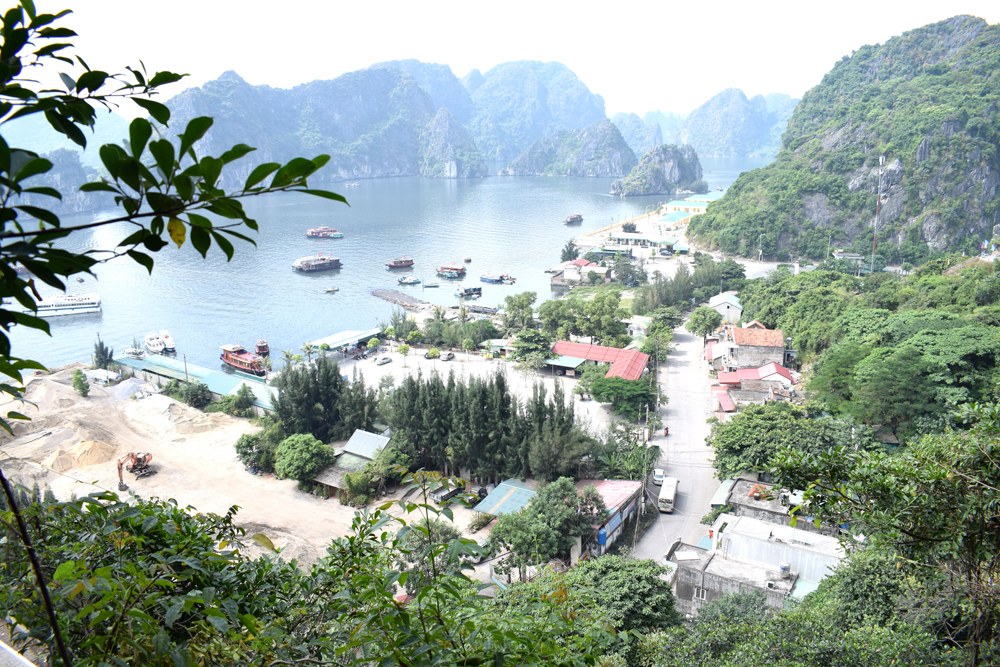
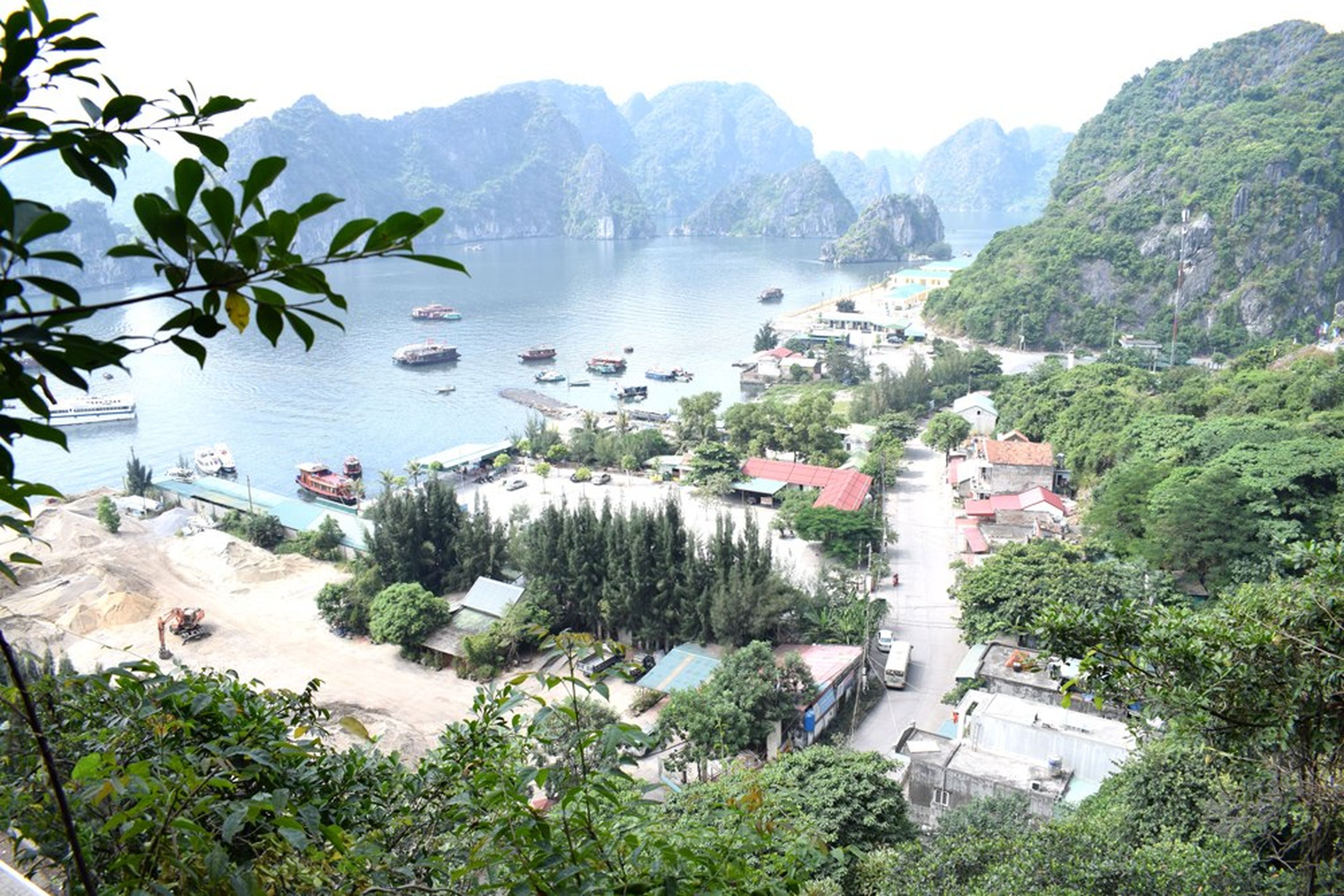
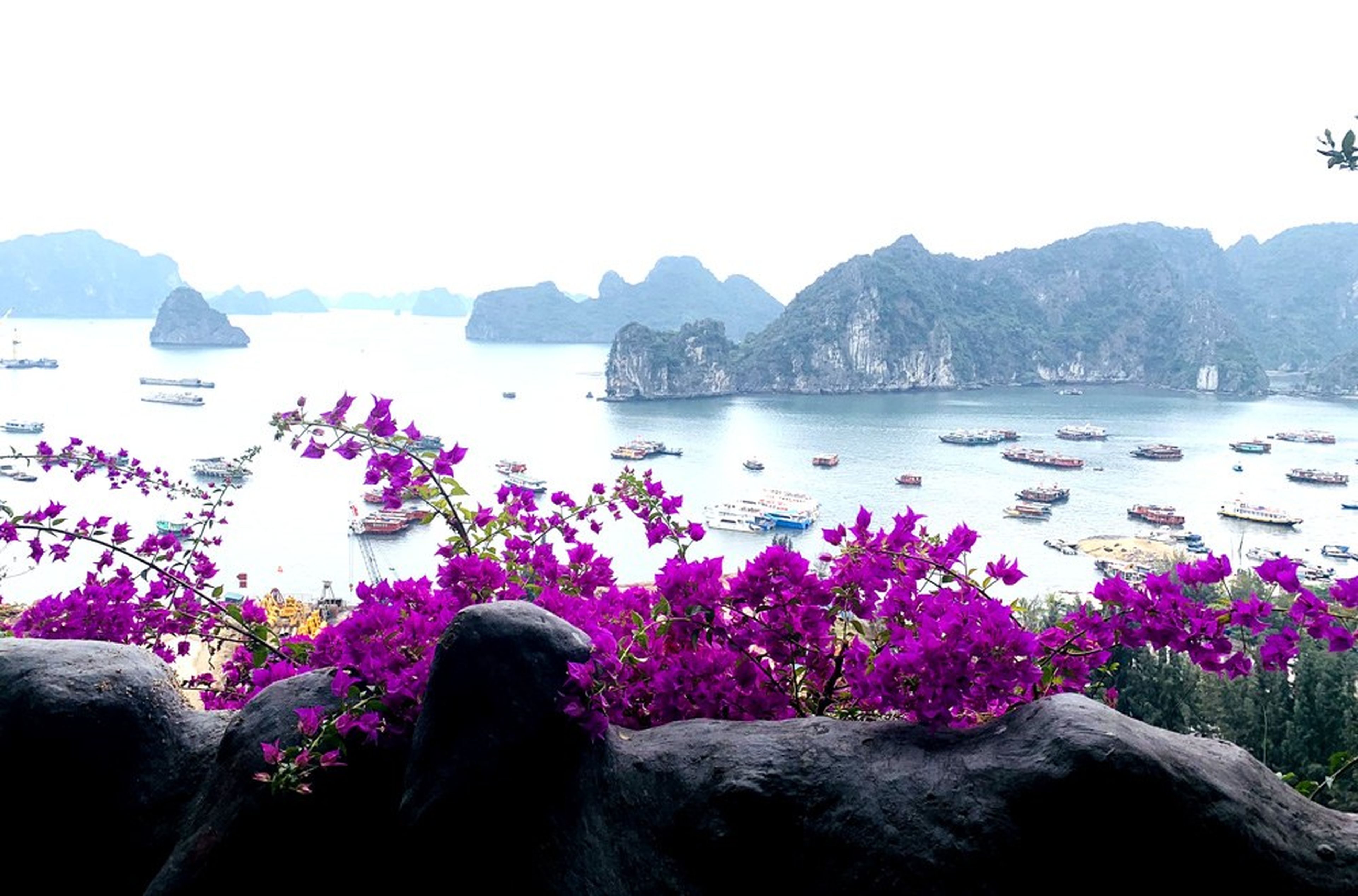
Panoramic view of Bái Tử Long Bay from Vũng Đục Cave. Photo: Quảng Ninh Newspaper.
Vũng Đục Cave tourist area is located along Bái Tử Long Bay, at the foot of Bàn Cờ Mountain, next to the memorial to heroic martyrs and Vũng Đục Temple. Situated 45km northeast of Hạ Long City, it is easy for visitors to find their way here.
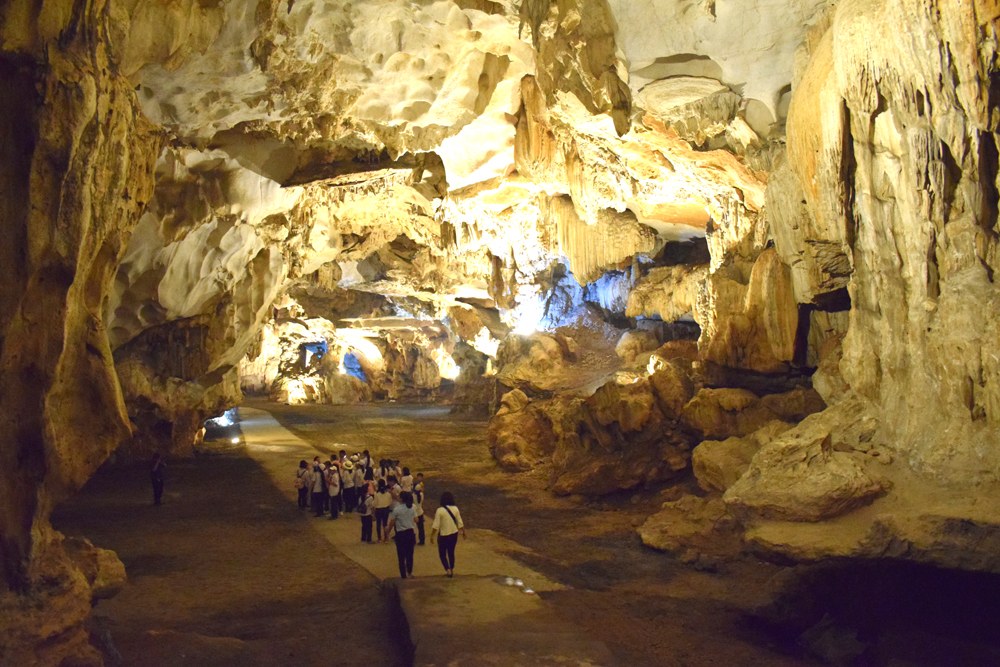
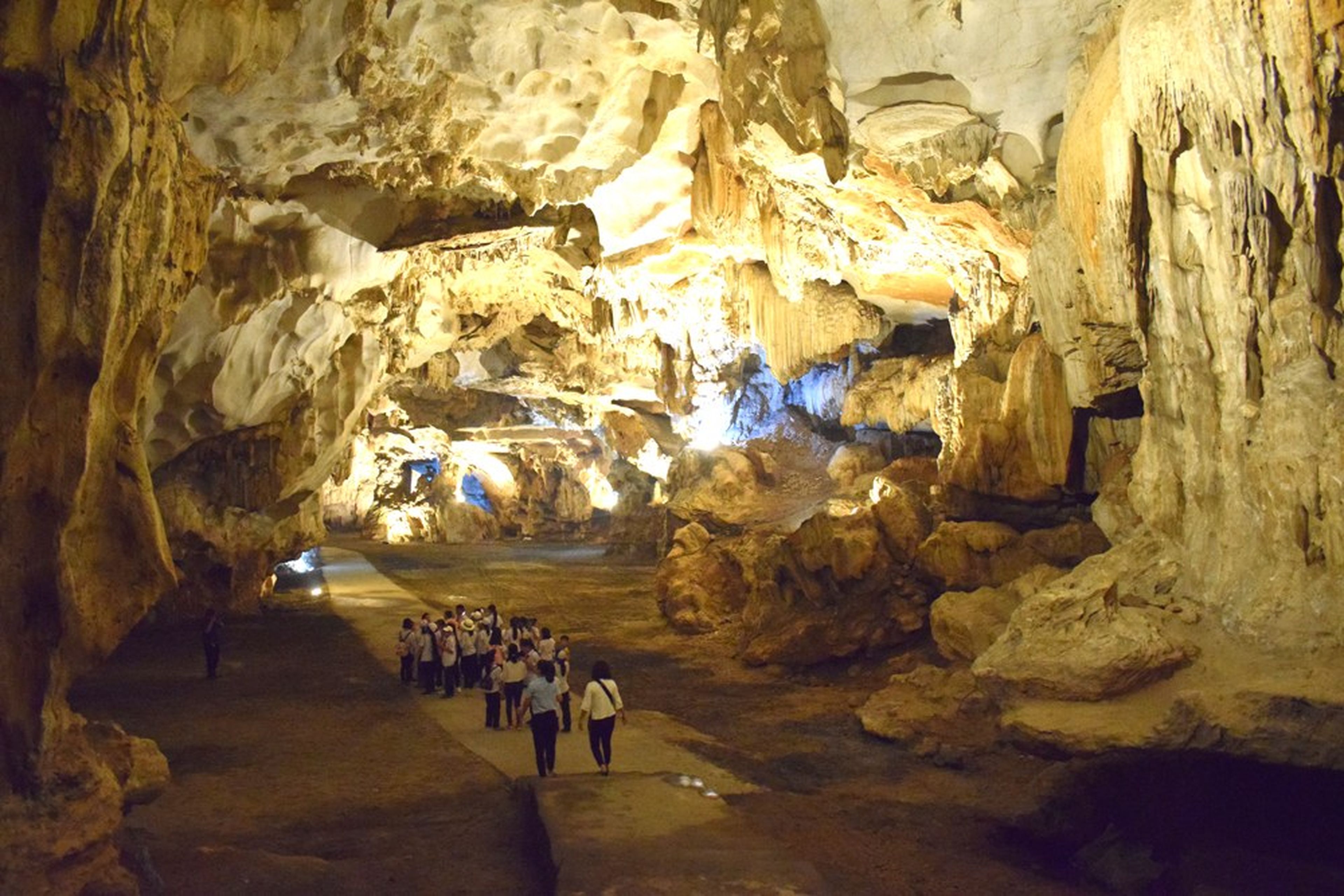
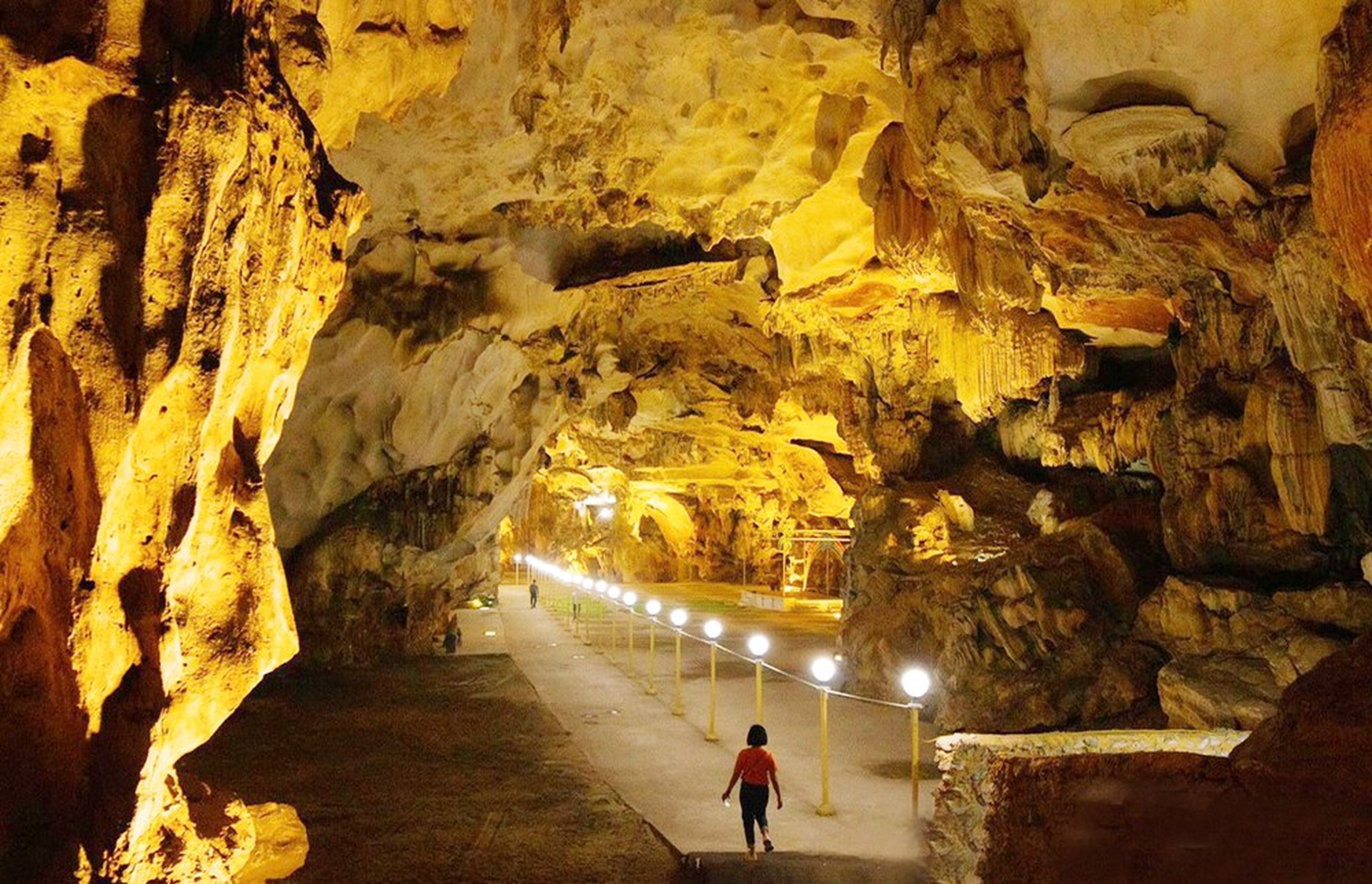
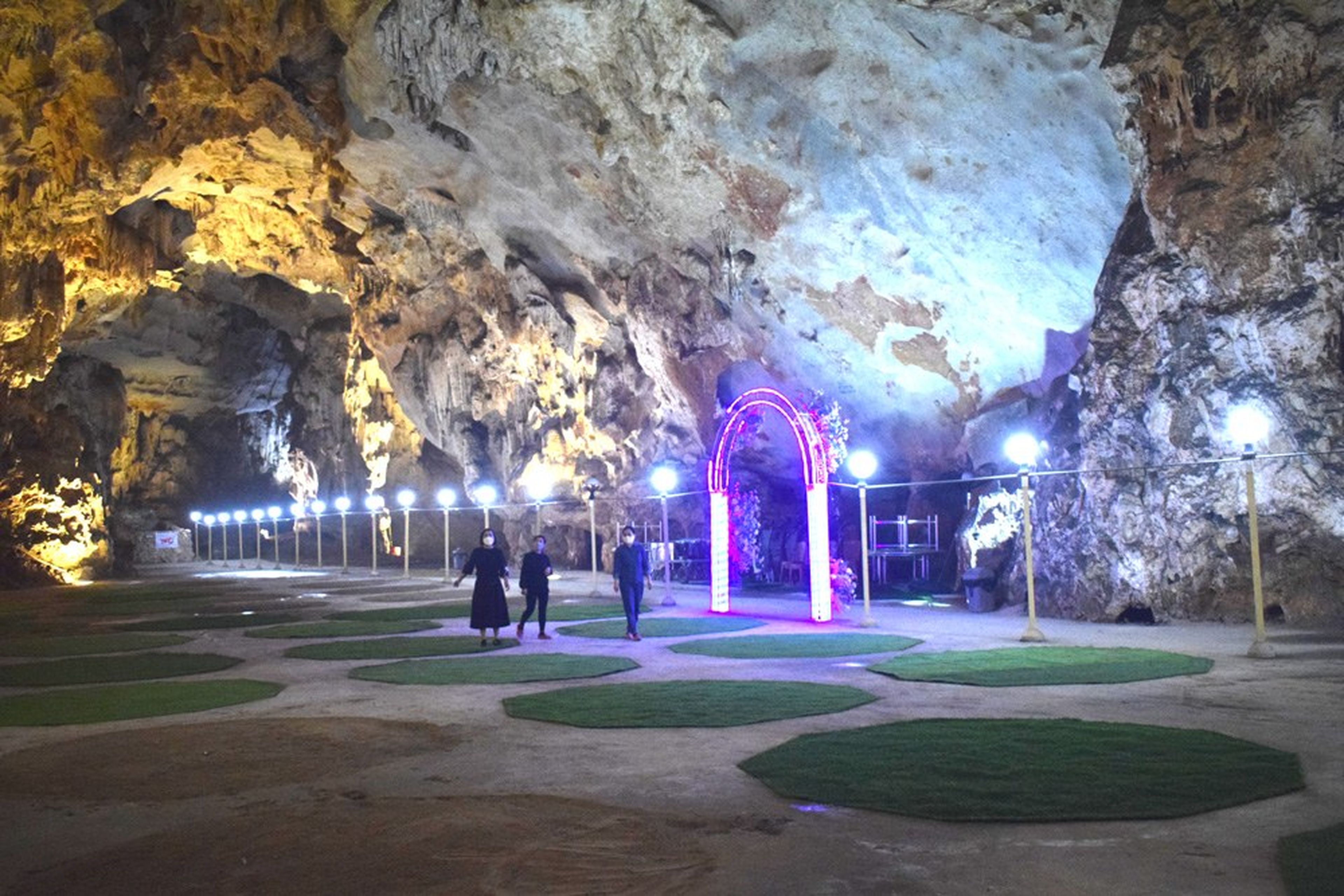
The cave is spacious and well lit. Photo: Quảng Ninh Newspaper.
This unique tourist area is steeped in historical and religious significance and comprises five magnificent caves: Ngỡ Ngàng Cave, Thiên Đăng Cave, Kim Quy Cave, Long Vân Cave and Dơi Cave. Formed through geological processes over millions of years, the caves have remained largely intact to this day.
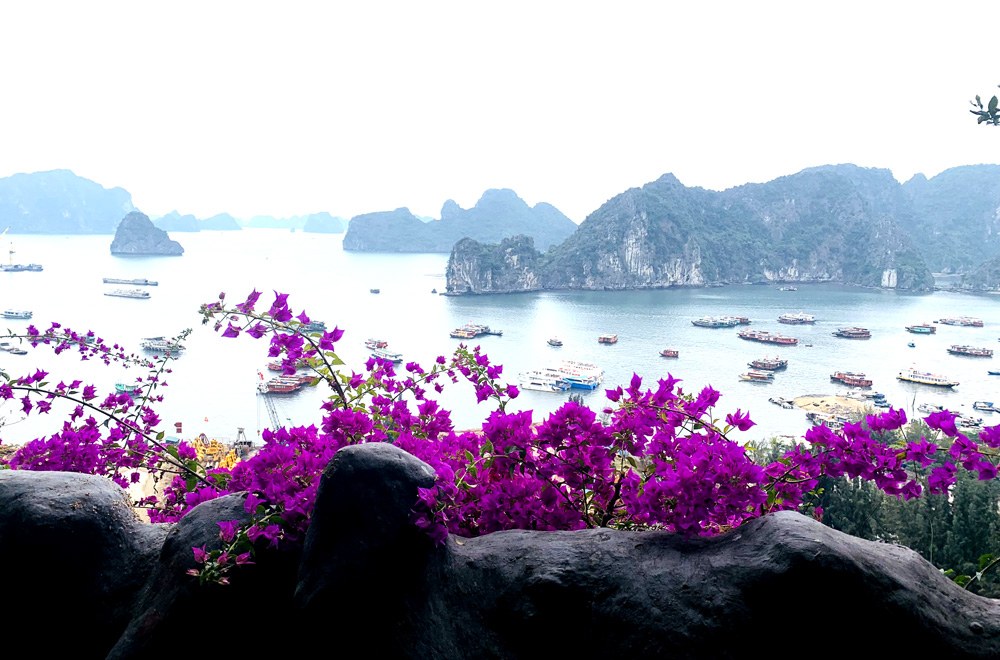
Bái Tử Long Bay viewed from Thiên Đăng Cave. Photo: Quảng Ninh Newspaper.
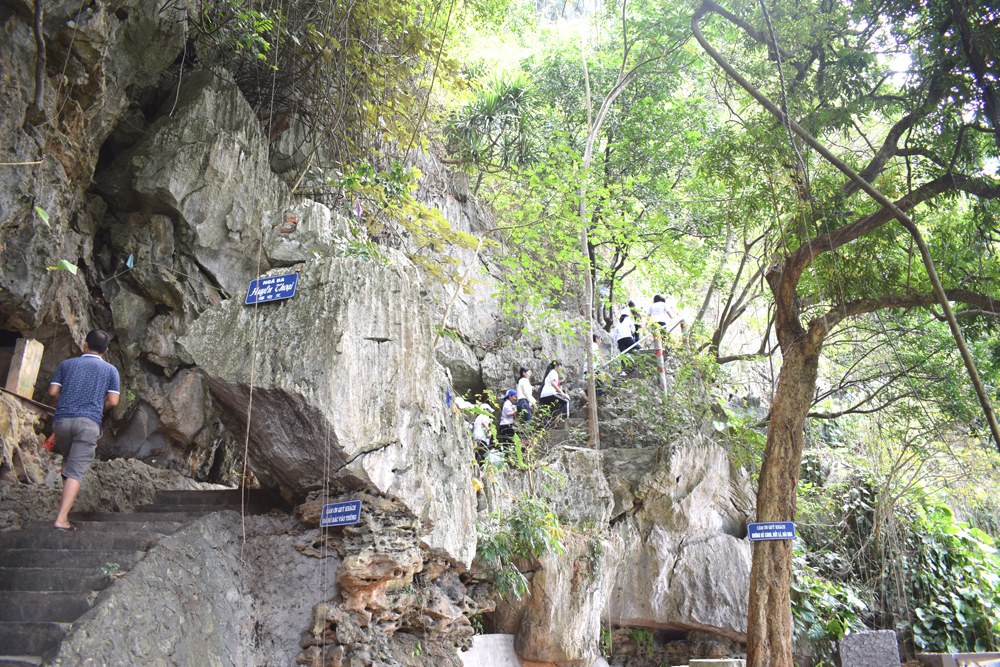
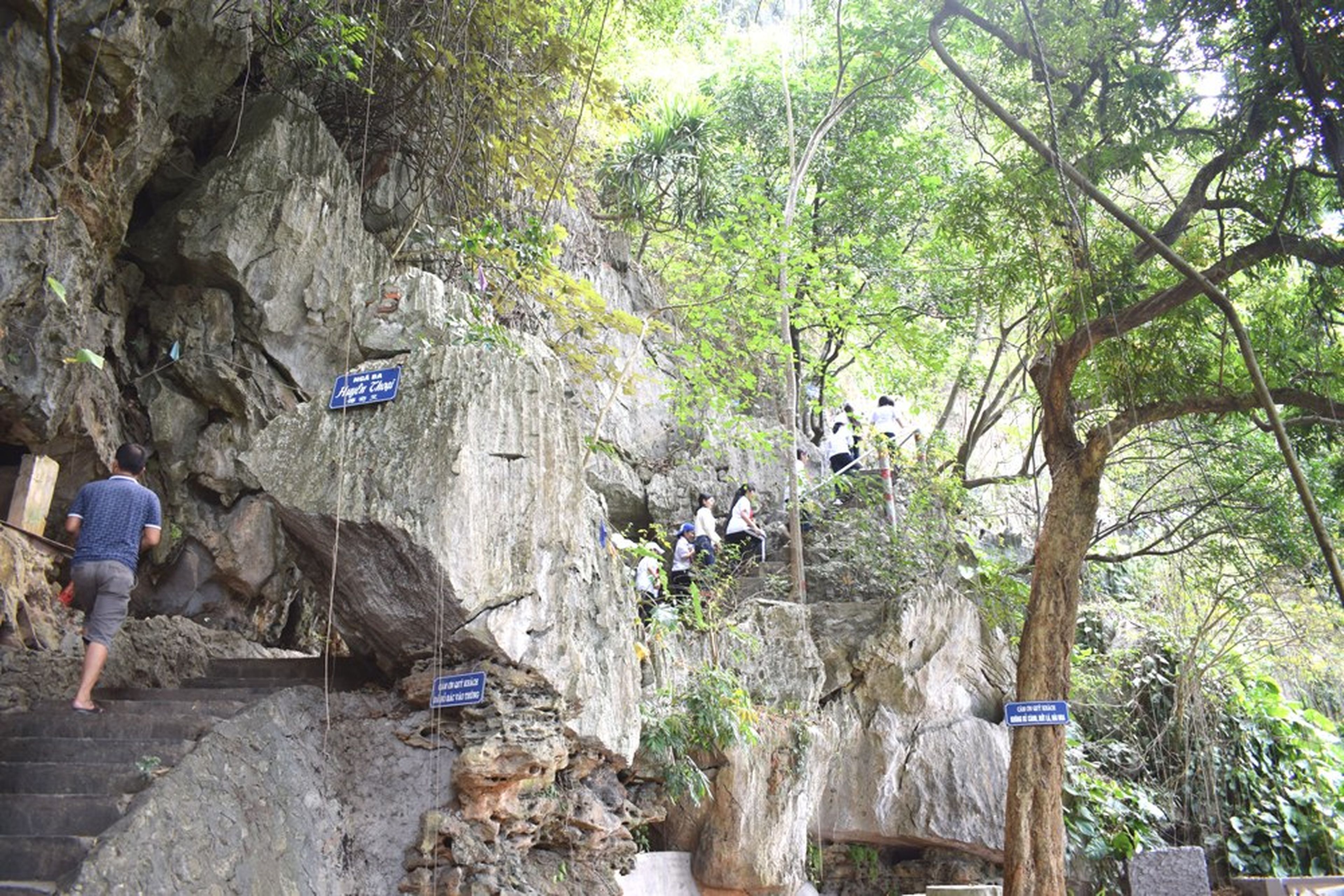
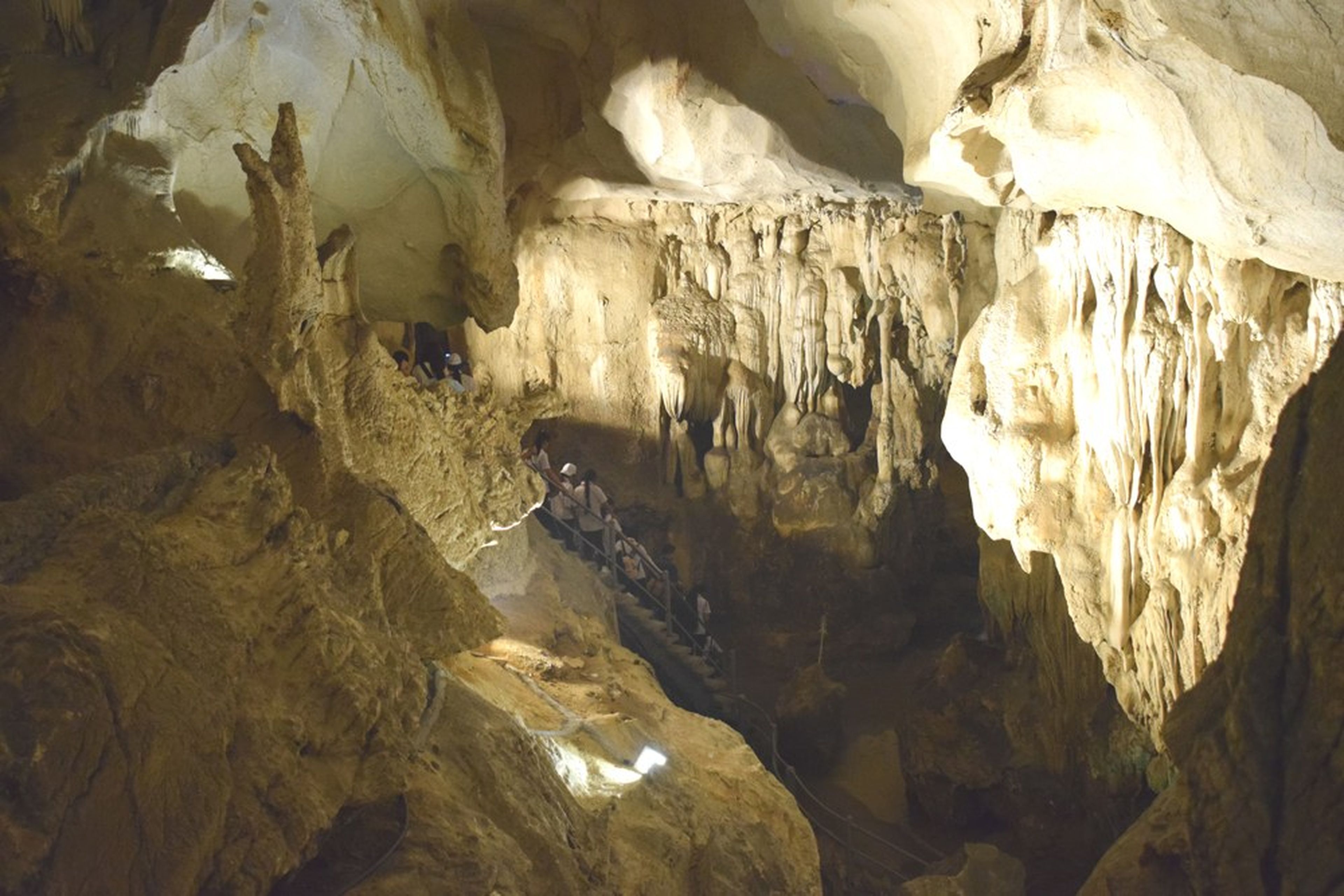
Stairs leading up to the caves. Photo: Quảng Ninh Newspaper.
When visiting the Vũng Đục Cave tourist area, the first stop for visitors is Thiên Đăng Cave, located 46m above sea level. From the cave, visitors can admire a panoramic view of Bái Tử Long Bay, with rocky islands rising and falling across the deep blue water.
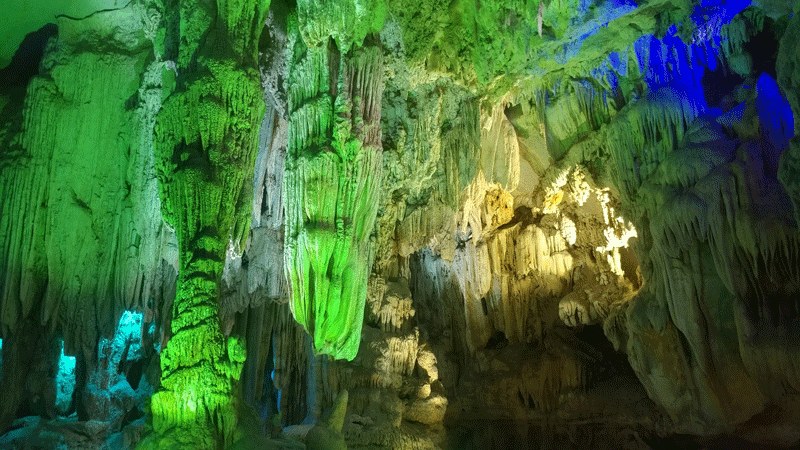
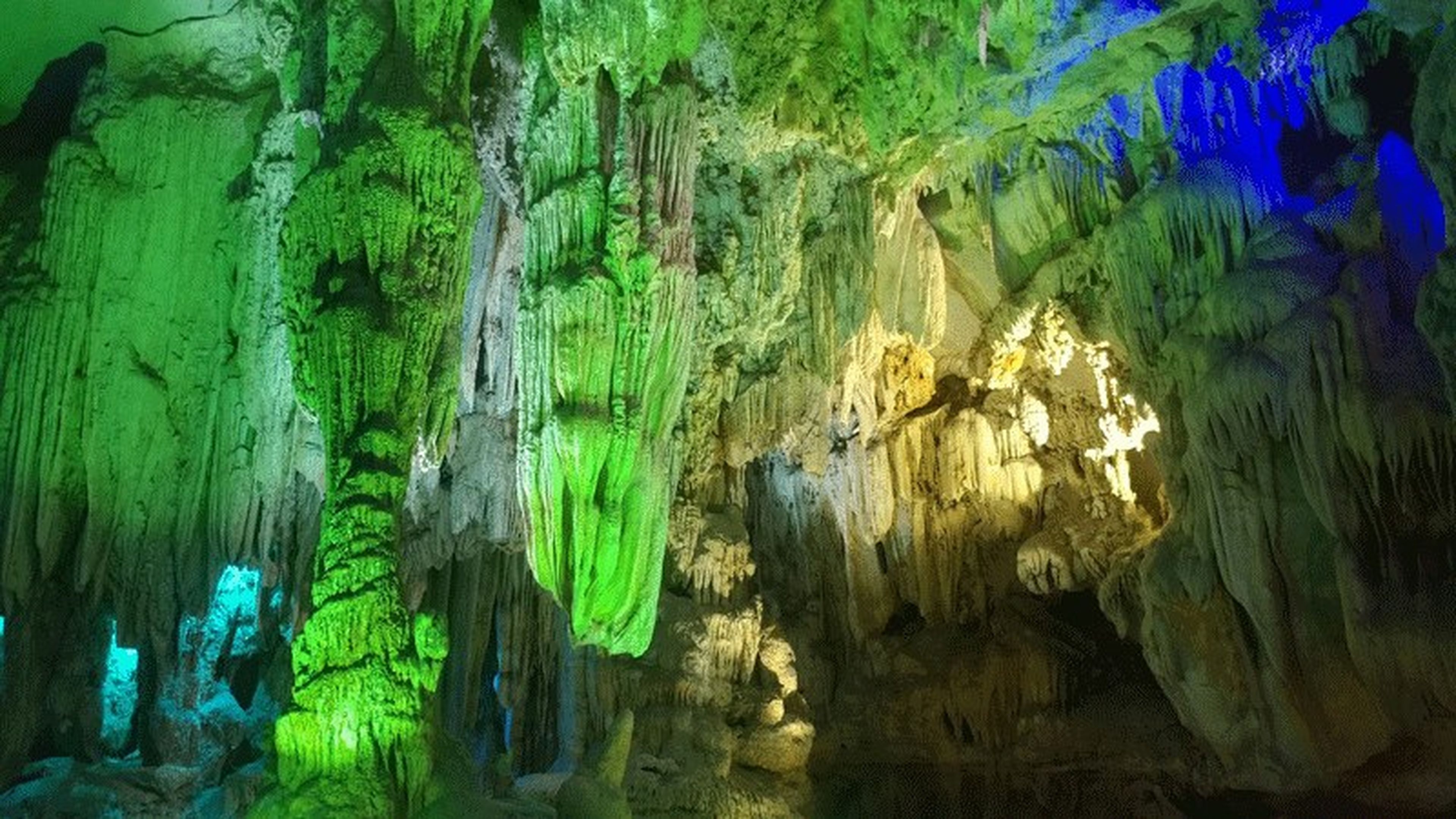
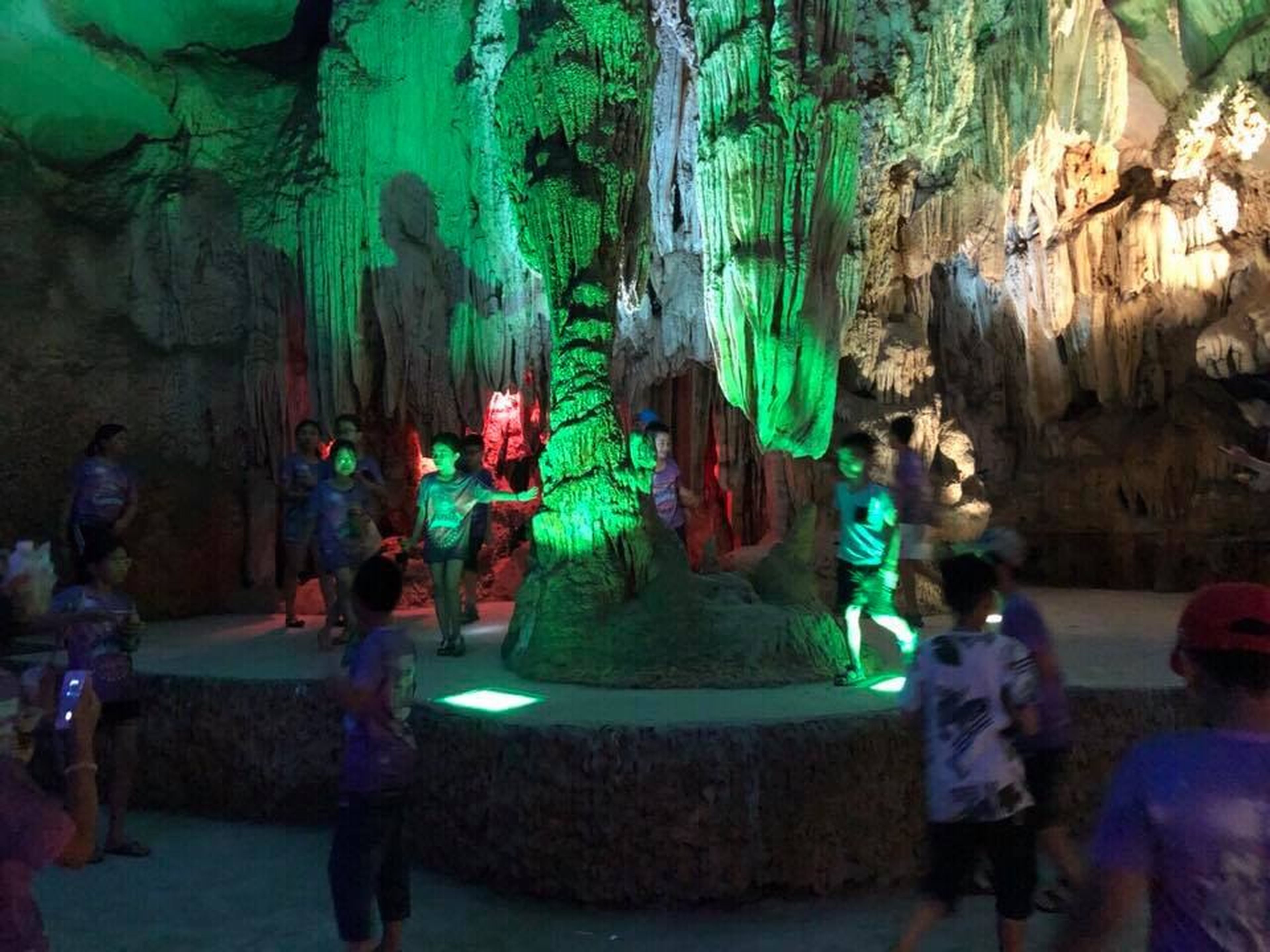
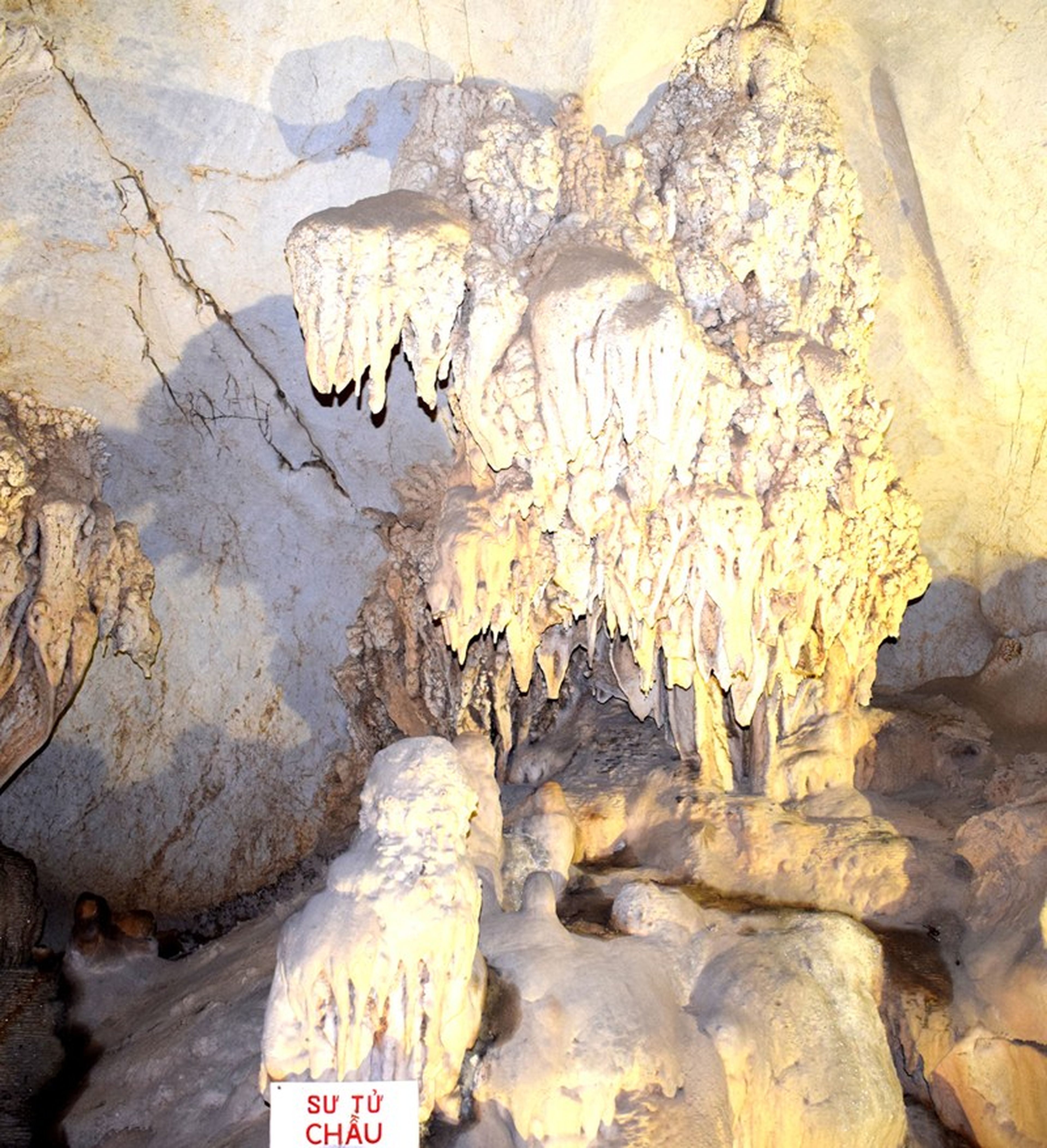
Stalactites in many shapes. Photo: Cẩm Phả City.
The cave is quite spacious, covering approximately 300 square meters. Inside, flowing curtains of stalactites resemble a large stage adorned with intricate lines. The cave’s relatively level interior makes it convenient to learn about and explore.
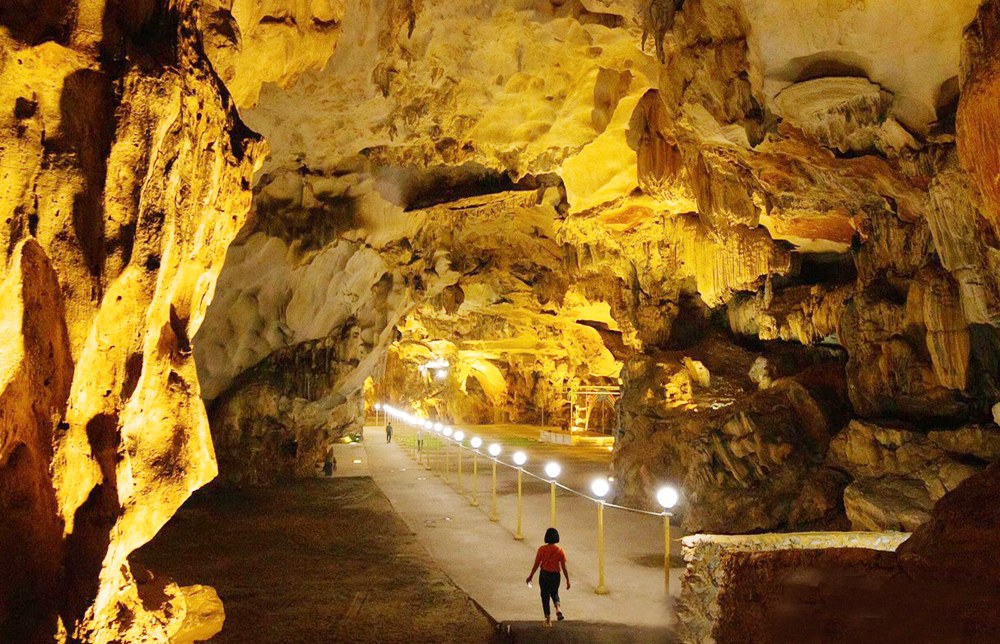
Photo: Cẩm Phả City.
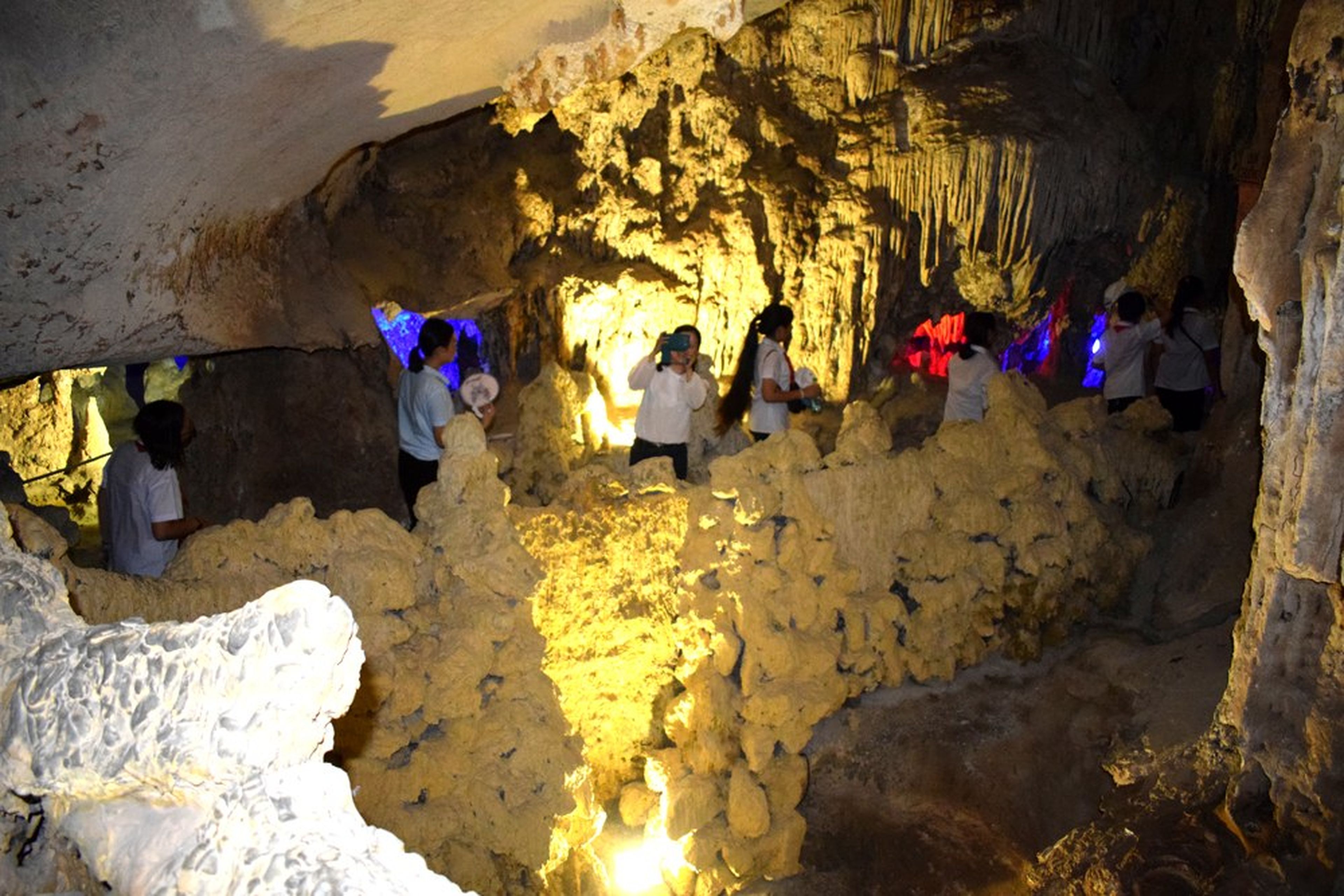
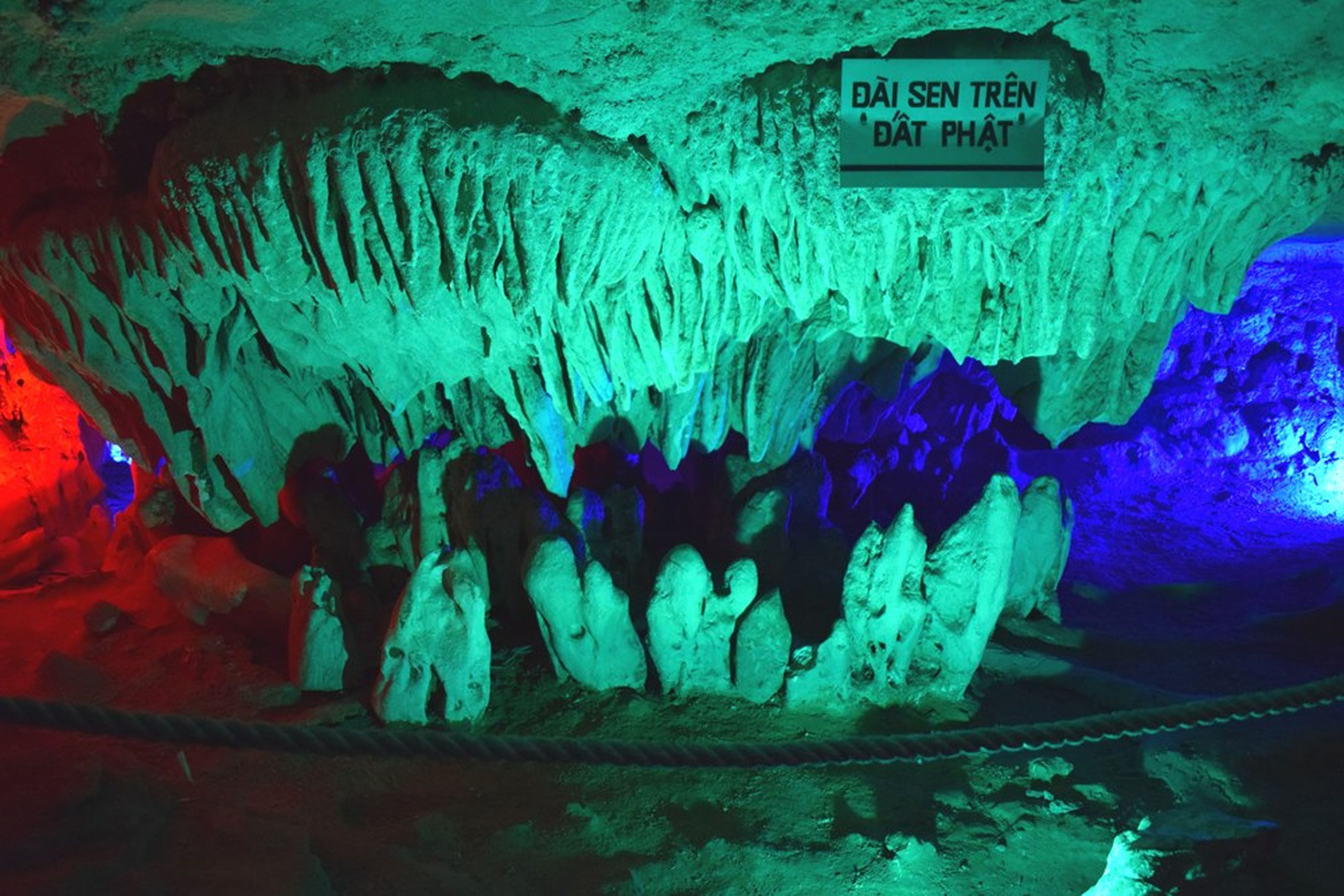
Next is Long Vân Cave, which is higher than Thiên Đăng Cave. Inside, the cave is divided into two branches, upper and lower. It features many intriguing rock formations, including a stone lion, a stone table set, an elephant drinking water, a bell, a swan and a lotus pedestal… The rock formations have been given fascinating names inspired by human imagination.
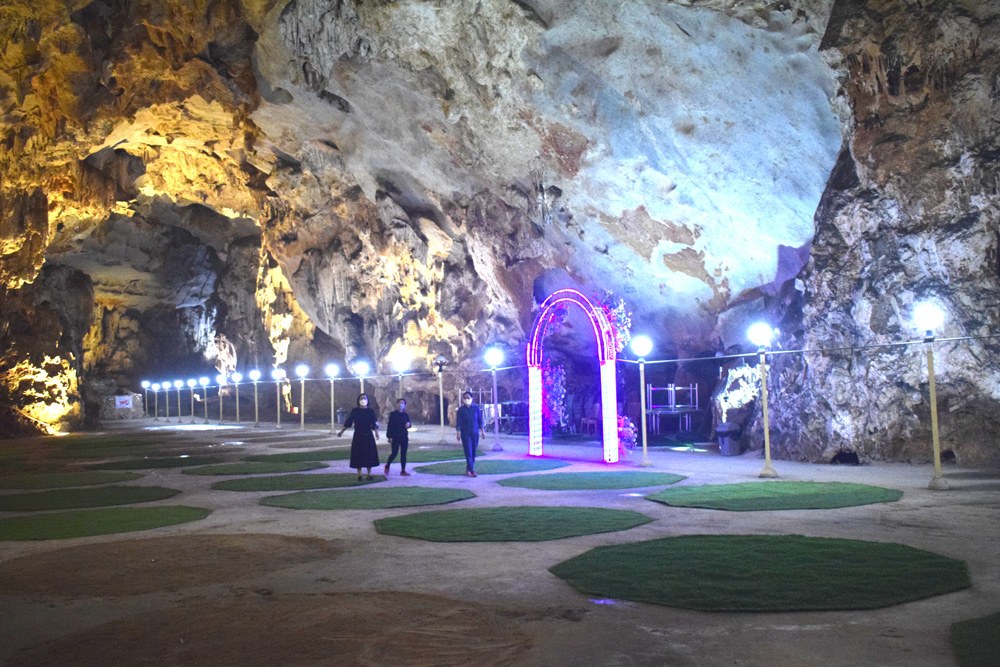
Photo: Quảng Ninh Newspaper.
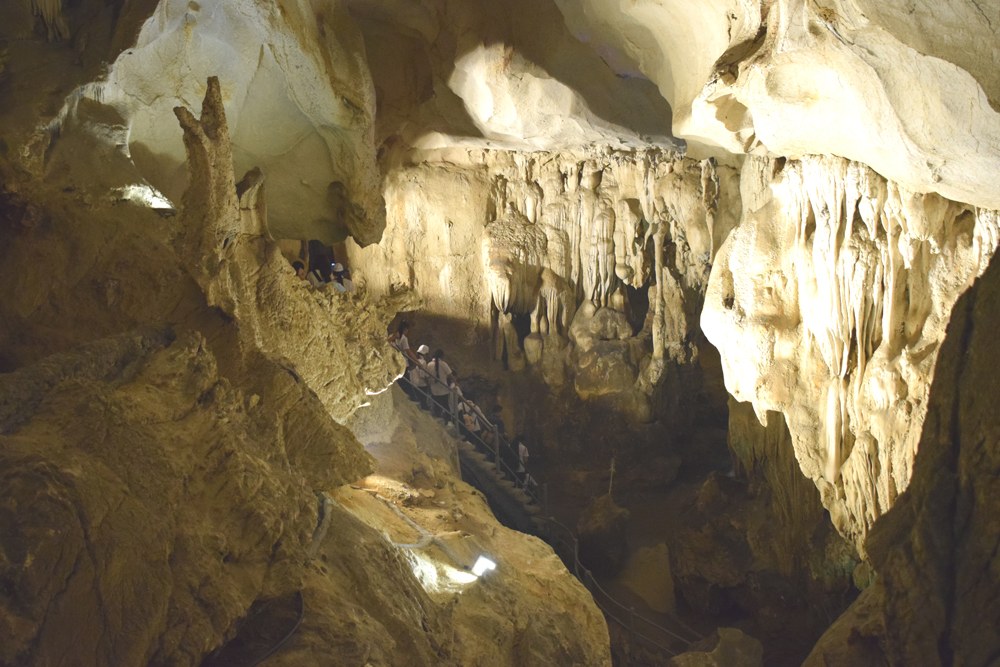
Photo: Quảng Ninh Newspaper.
In Kim Quy Cave and Ngỡ Ngàng Cave, visitors can imagine fairy tales through the rocks and statues with their unusual shapes.
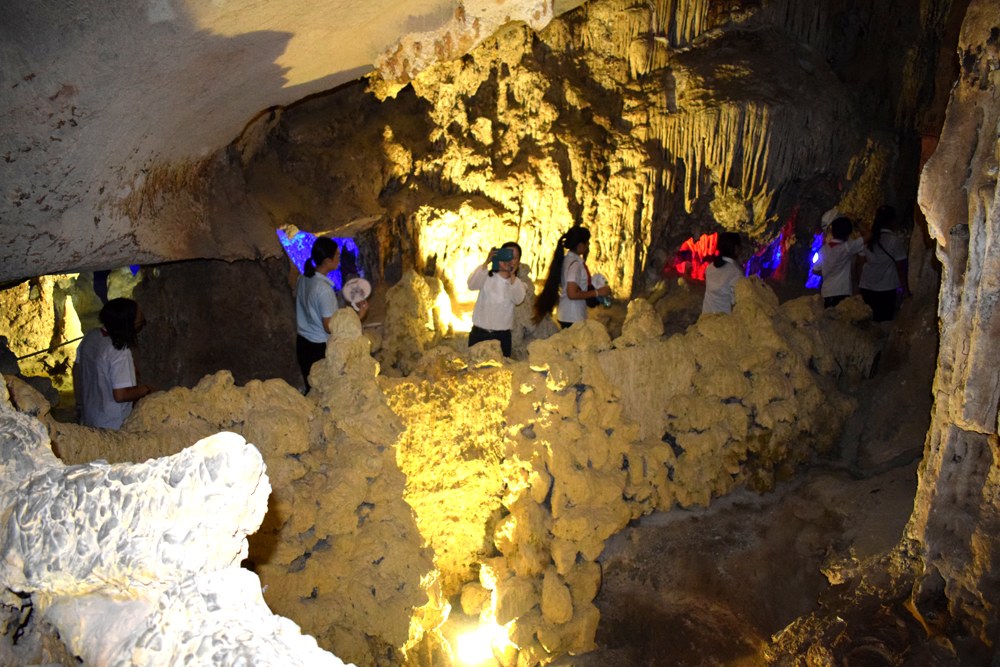
Photo: Quảng Ninh Newspaper.
Finally, following the romantic path, visitors arrive at Dơi Cave. The cave is currently home to quite a number of bat species and is the last cave in the Vũng Đục cave system.
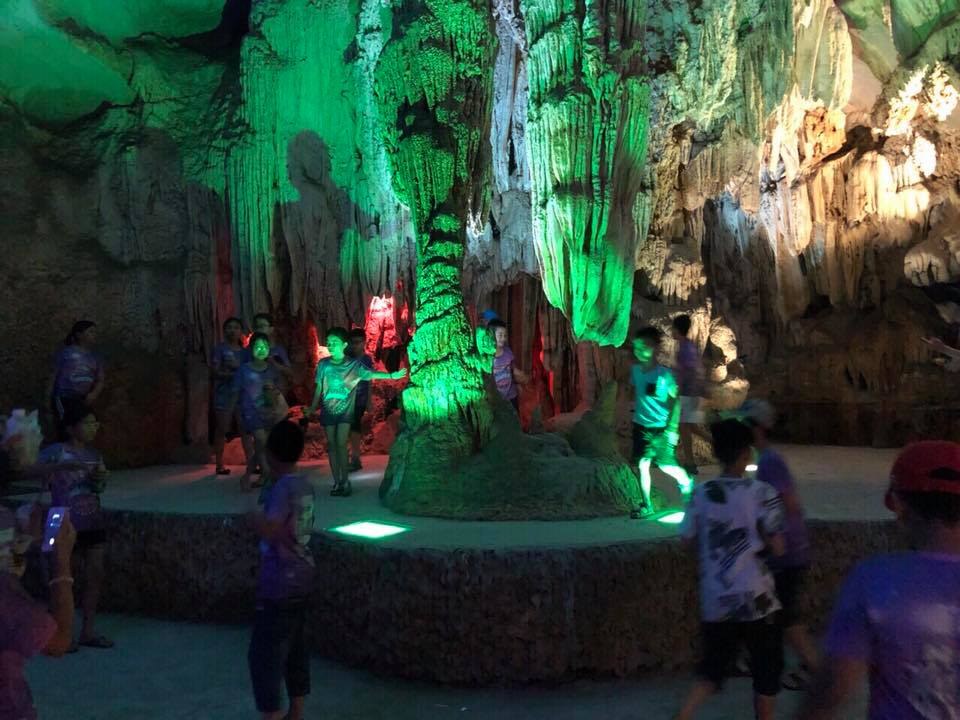
Photo: Cẩm Phả City.
Besides the cave system, visitors can make a pilgrimage and worship at temples built against the mountainside, such as Mẫu Thoải Temple, Mẫu Thượng Temple and Mẫu Liễu Hạnh Temple. Located along the road leading up to the caves, these temples date back hundreds of years.
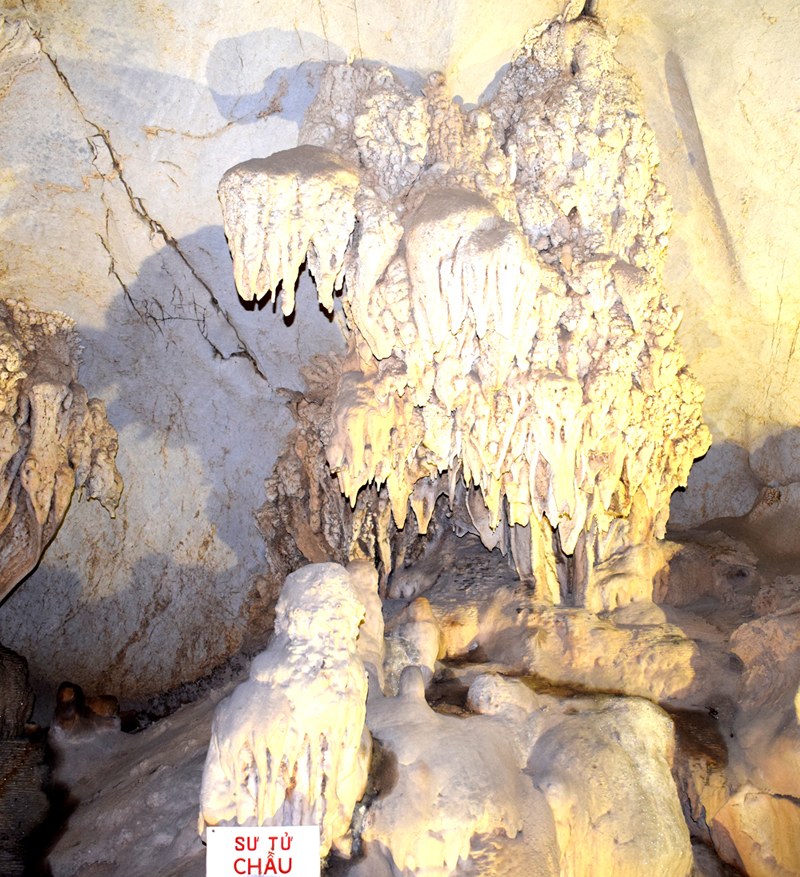
Stone lion in attendance. Photo: Quảng Ninh Newspaper.
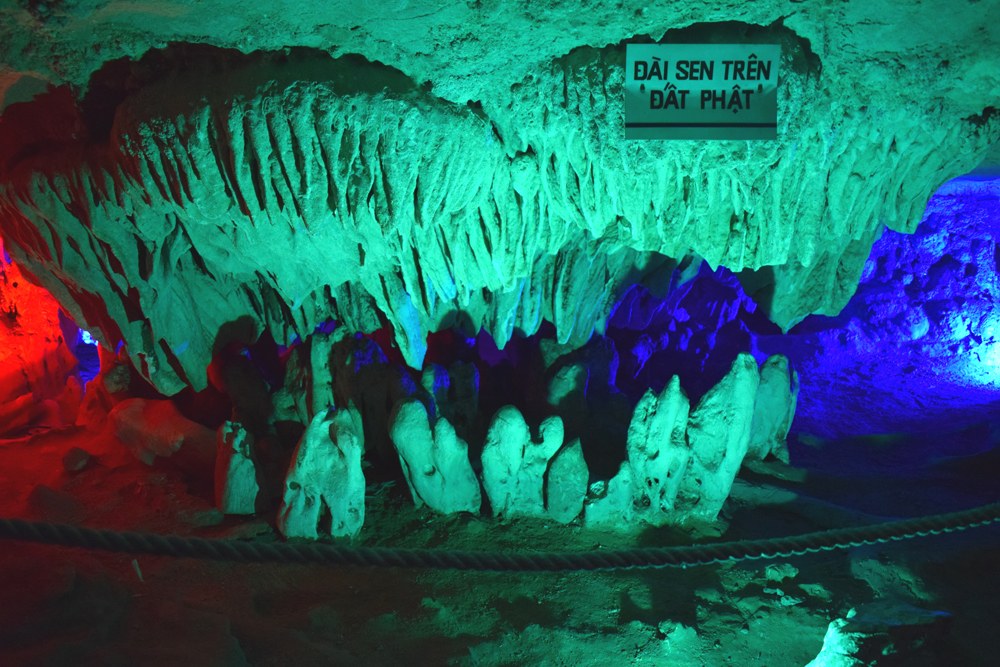
Lotus pedestal rock. Photo: Quảng Ninh Newspaper.
The Vũng Đục Cave system is not only associated with the struggle movement of Cẩm Phả mine workers during the years of resistance against the French, but also embodies unique geological, geomorphological and spiritual values, making it a must-visit stop for anyone traveling to Quảng Ninh.