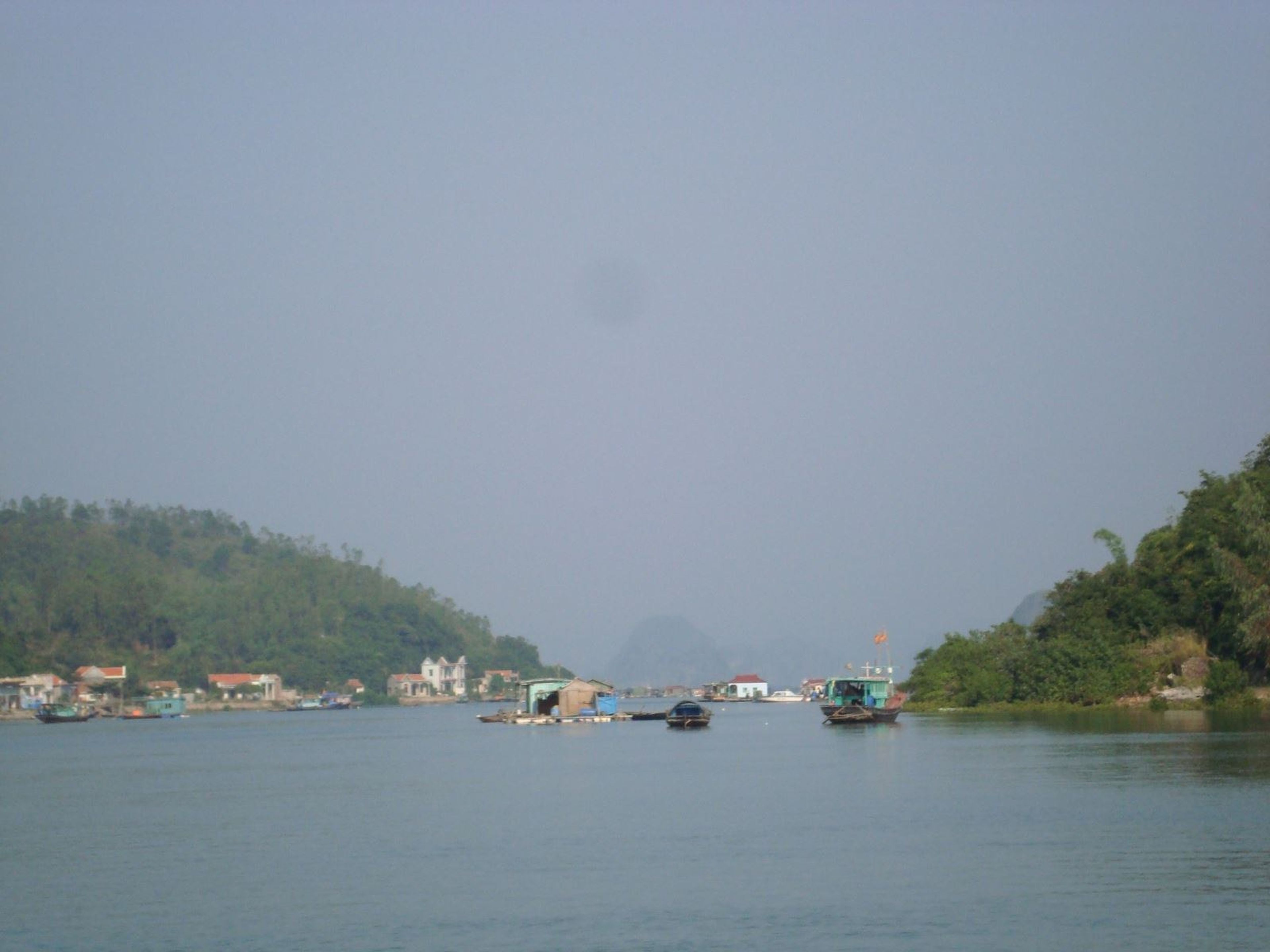
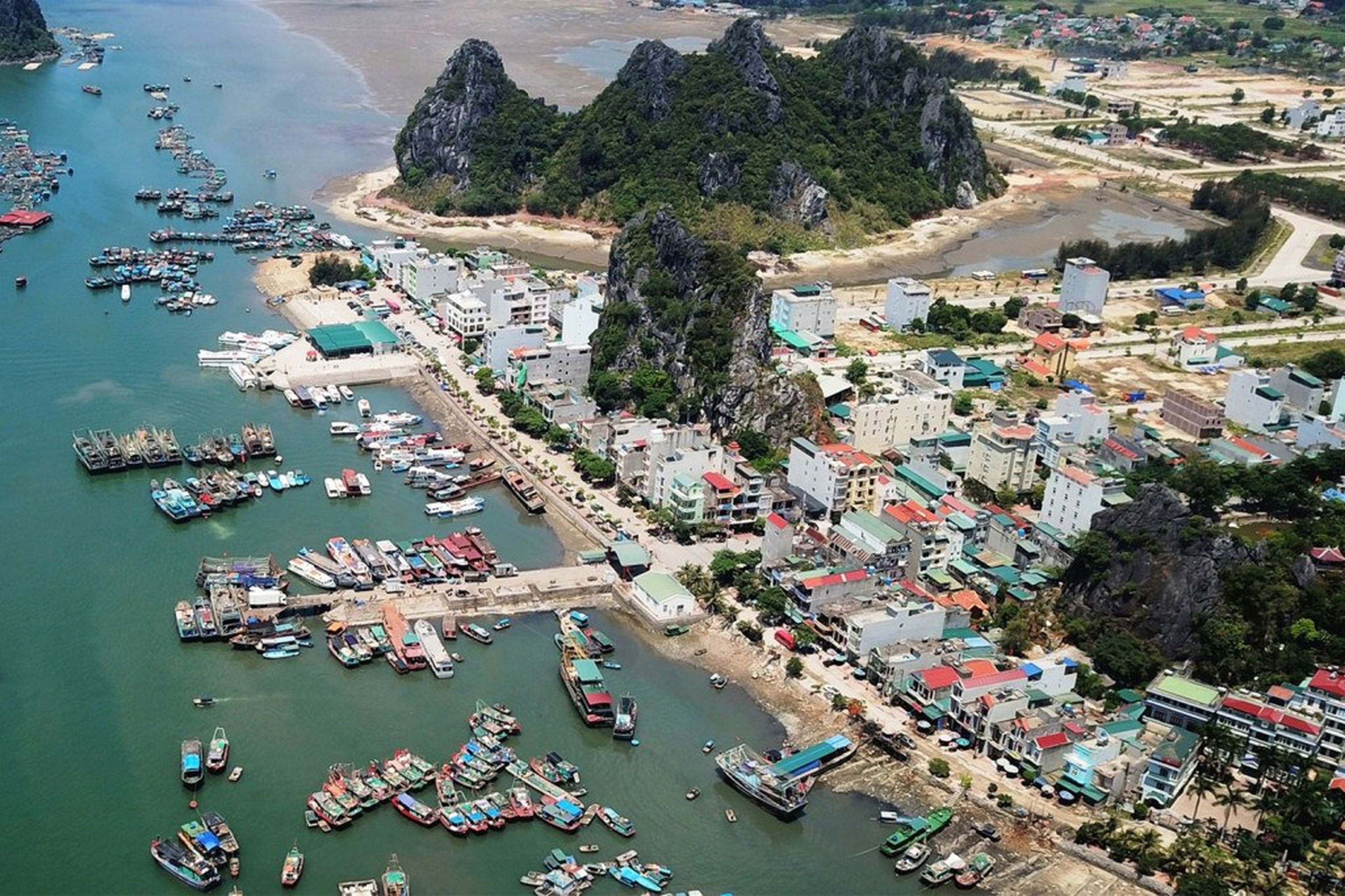
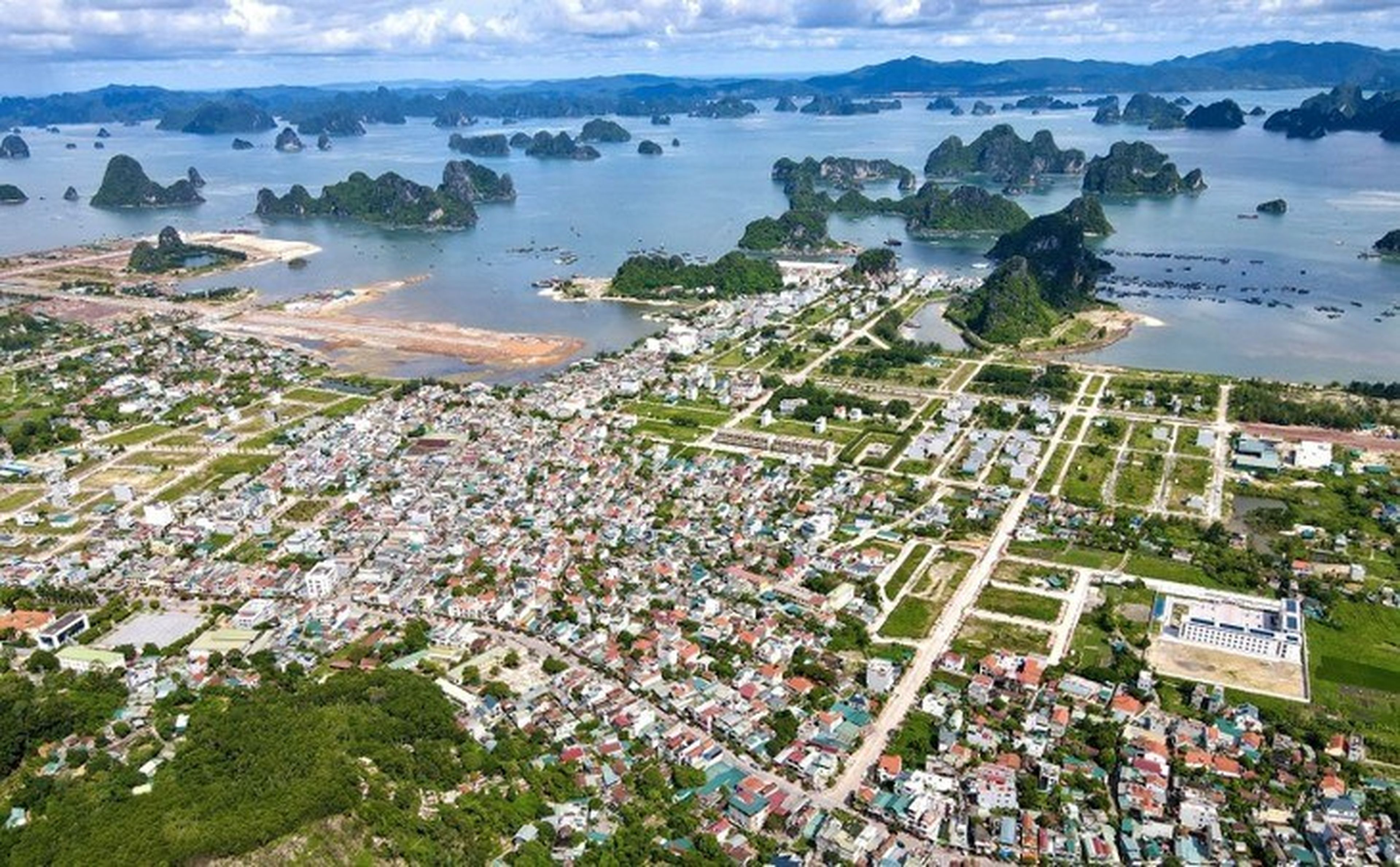
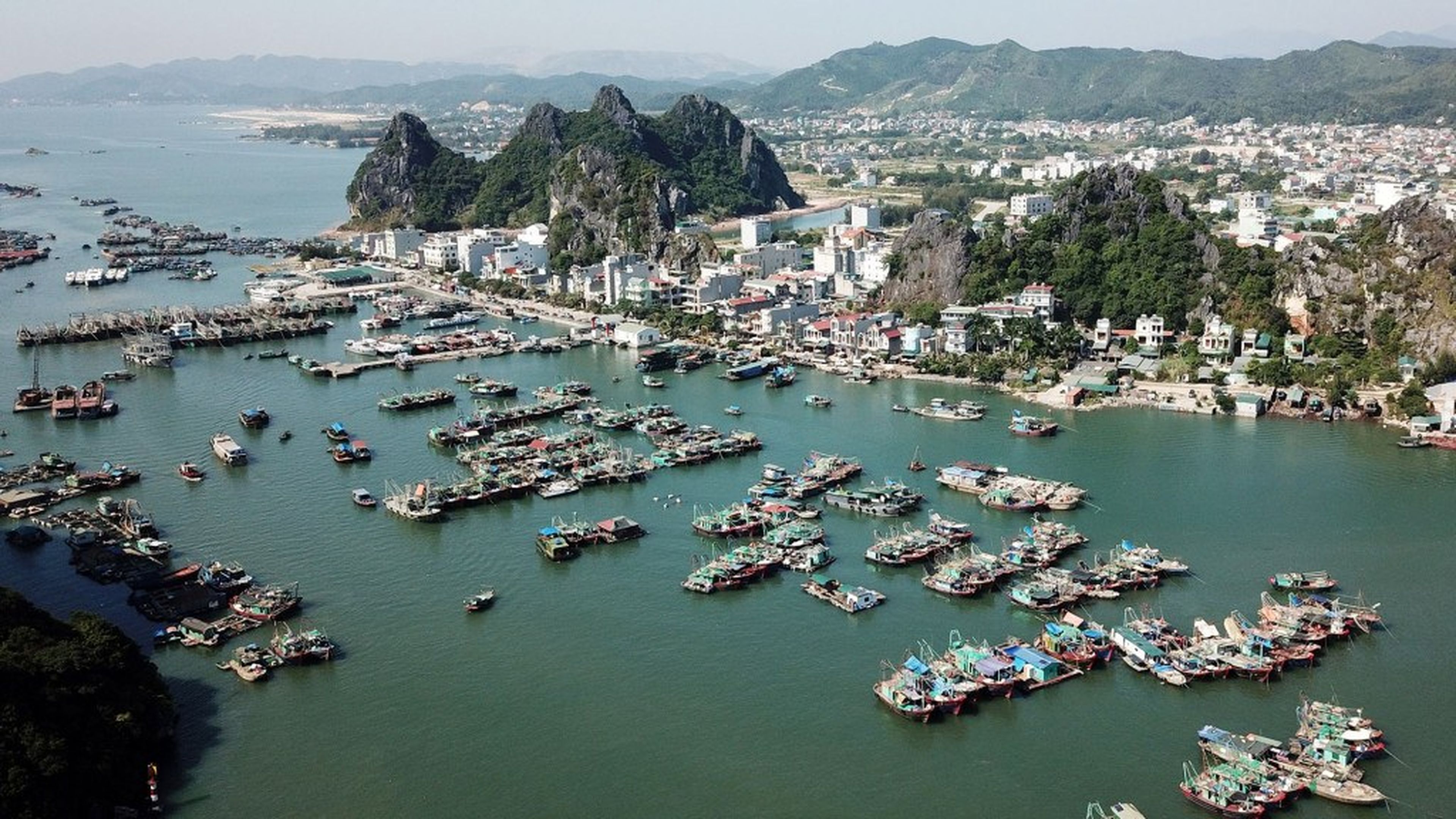
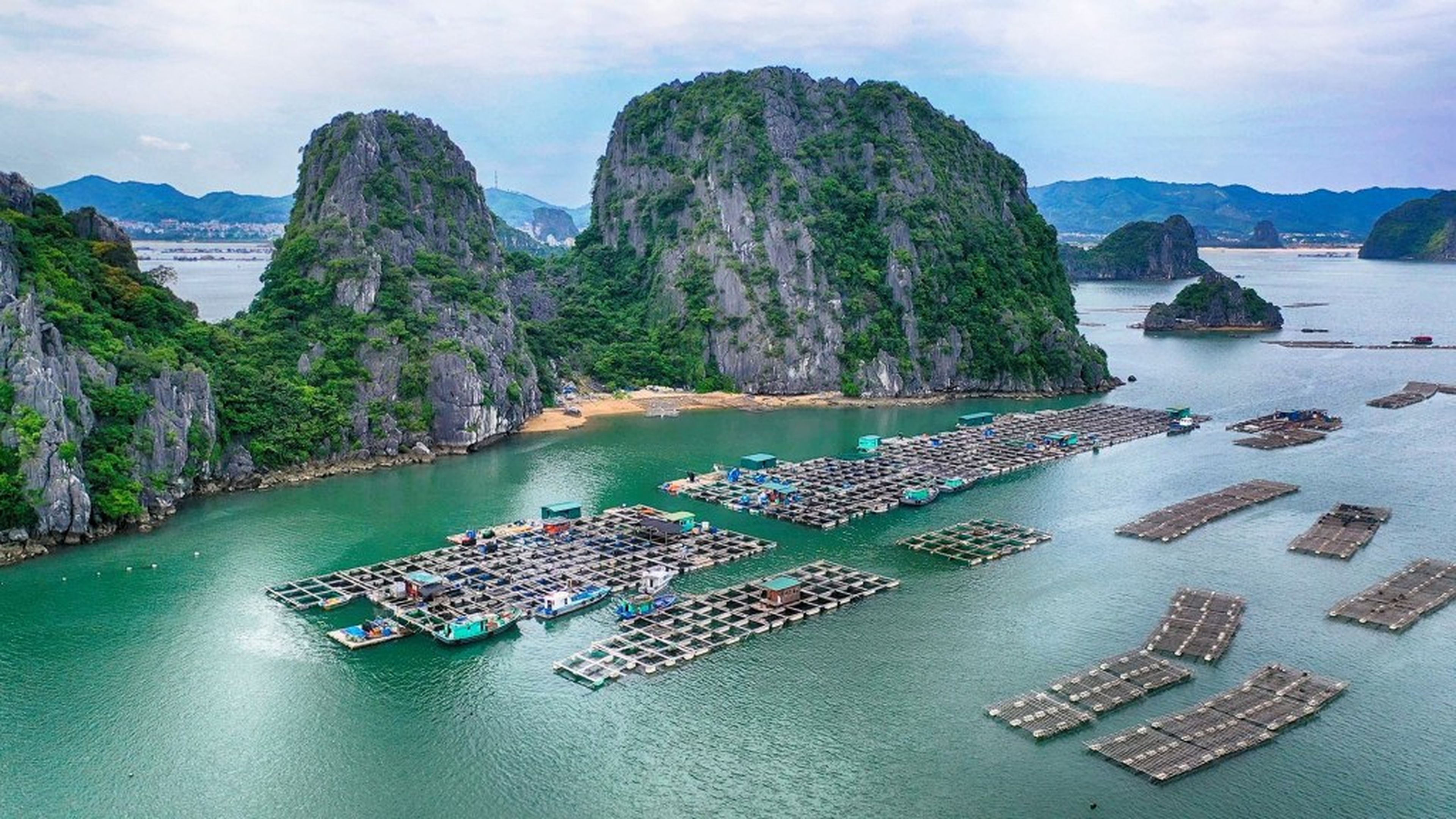

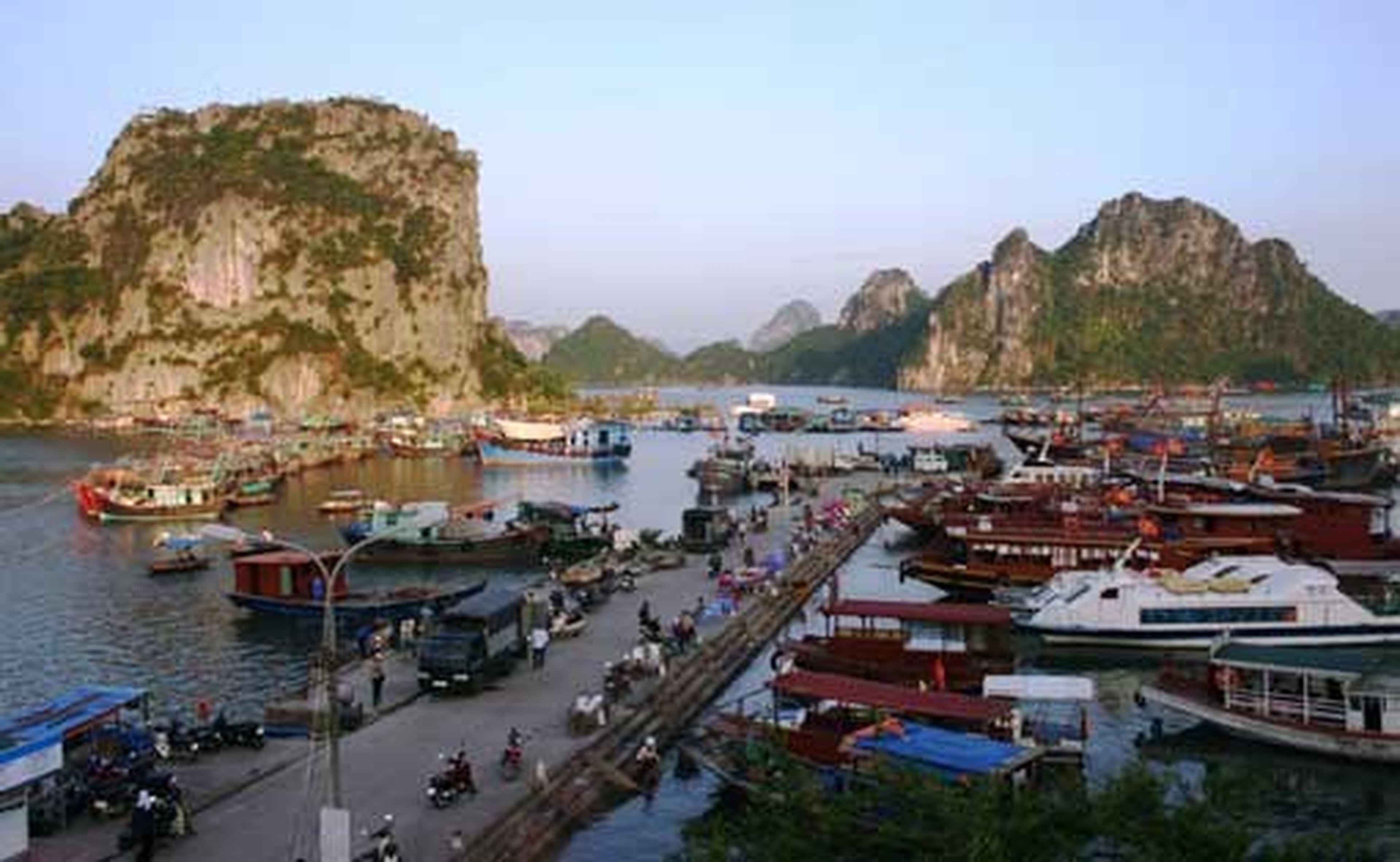
In 1149, King Ly Anh Tong established Vân Đồn Port for trade with foreign countries. This was the Vân Đồn trading port system, the first international trading port of Đại Việt.
Vân Đồn Trading Port Relic – Vietnam’s Oldest Ancient Trading Port
Vân Đồn Trading Port at that time served as a trading hub with countries in East Asia as well as Japan, China, India, Thailand, Indonesia, and more. The trading port prospered throughout the three dynasties of the Lý, Trần, and Later Lê, before being forgotten during the Mạc dynasty. The Vân Đồn trading port relic bears traces not only of resistance against foreign invaders but also of trade and the exchange of goods.
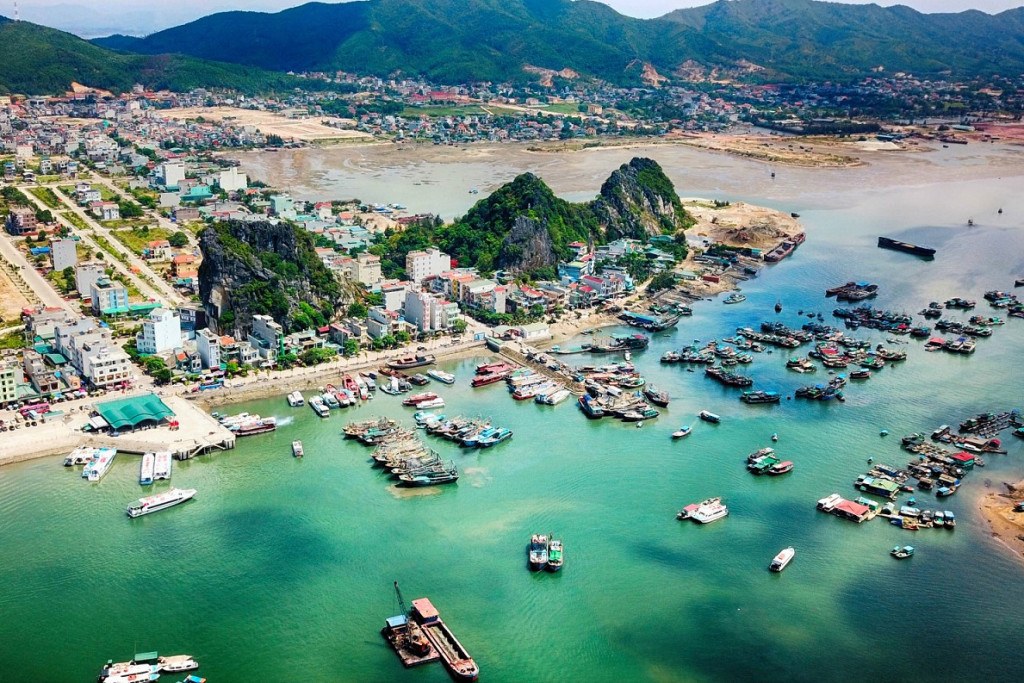
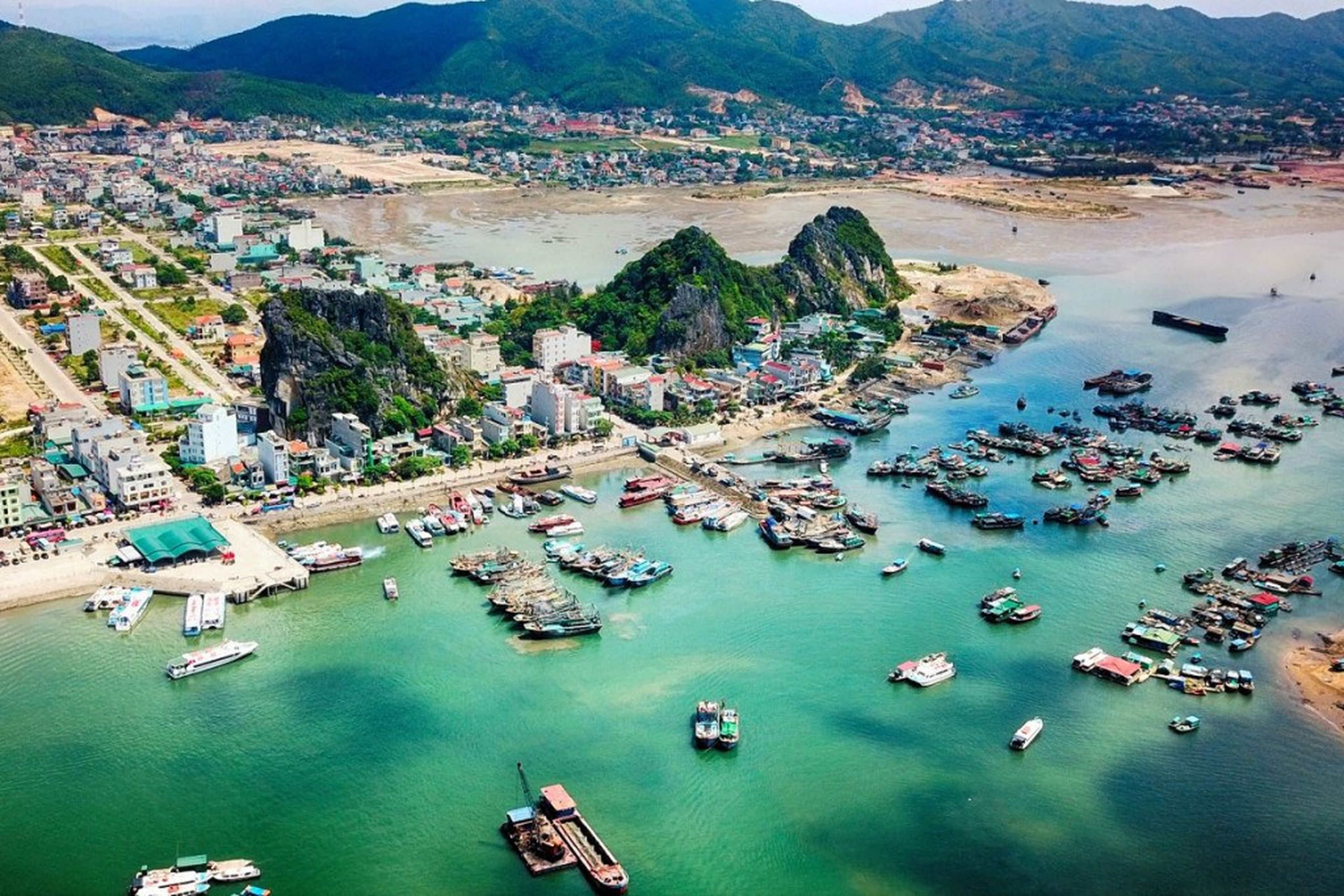
Vân Đồn Trading Port. Photo: Redsvn.
Based on the artifacts and documents discovered, Vân Đồn trading port was recognized as a National Historical Relic in 2003, comprising numerous relics belonging to ancient wharves. By 2021, the Quảng Ninh Provincial People’s Committee had prepared a dossier proposing that the Government recognize this relic complex as a Special National Relic.
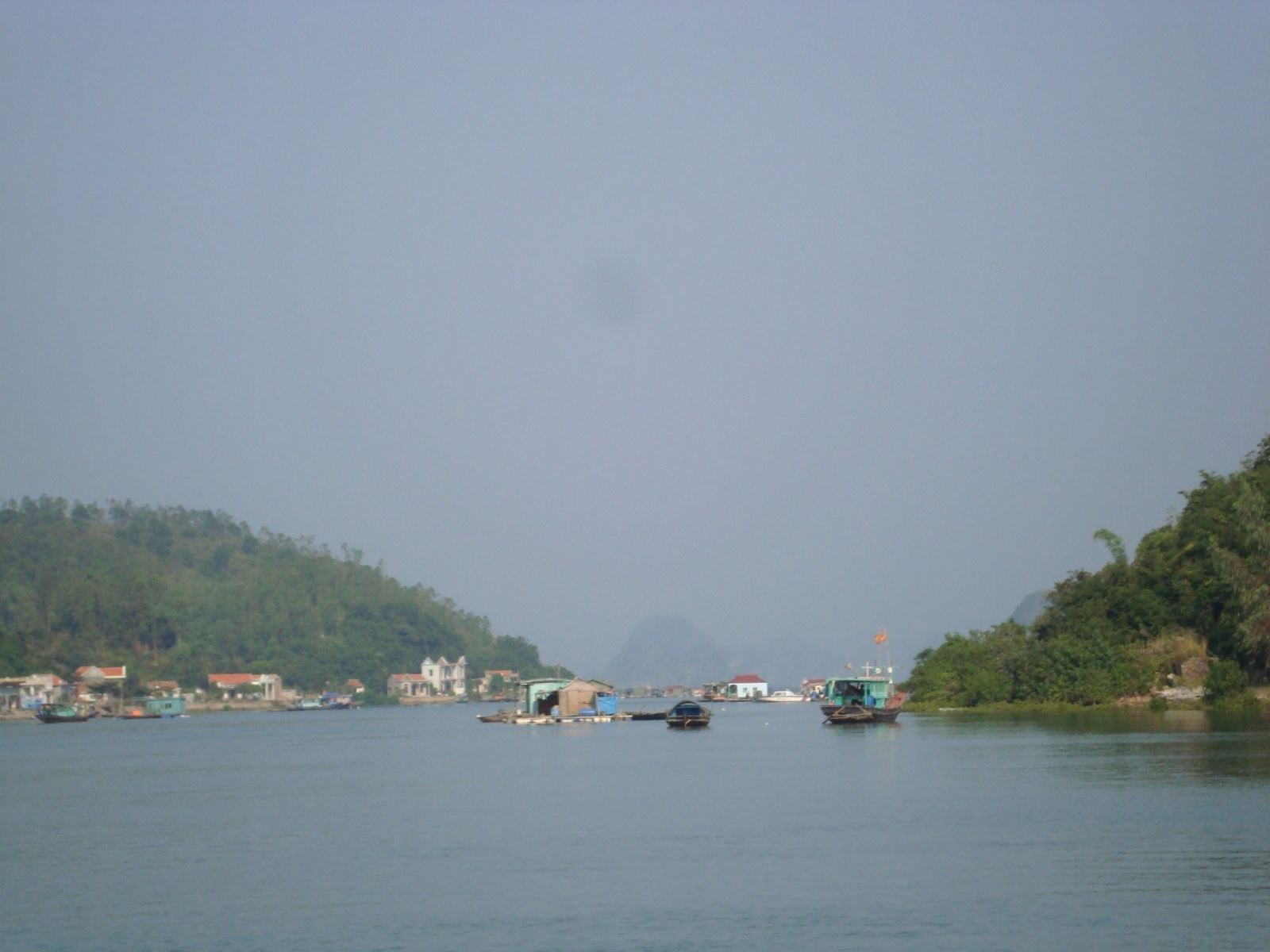
Cống Đông–Cống Tây Wharf in Thắng Lợi Commune is one of the ancient wharves of Vân Đồn Trading Port recognized as a National Relic in 2003.
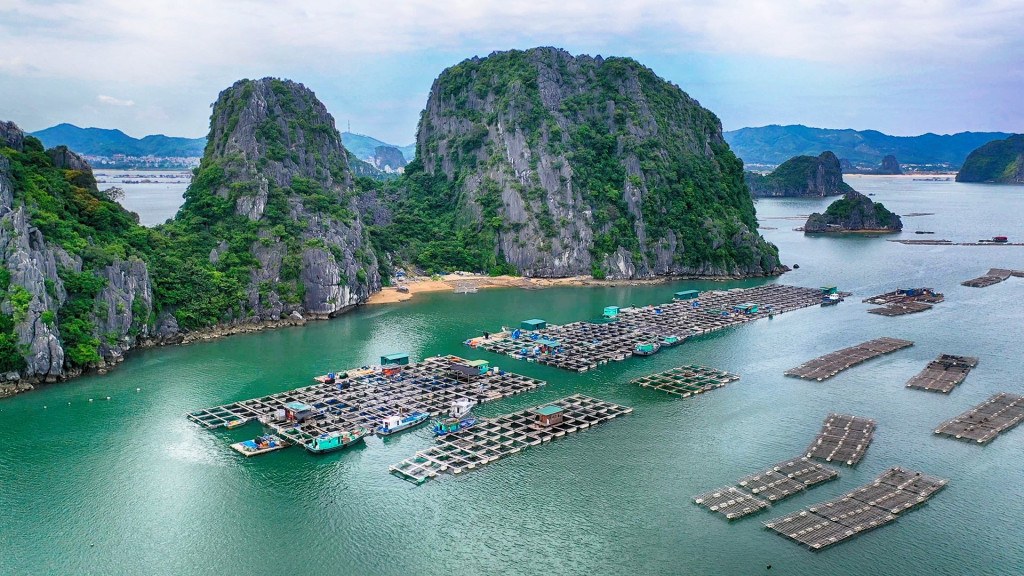
Today, traces of the ancient trading port consist only of millions of ceramic fragments, house foundations, structures, ancient coins, and more. Although its exact location has not been determined, Vân Đồn trading port was a system of dozens of wharves distributed across islands and along the shores of Hạ Long Bay and Bái Tử Long Bay, stretching from Móng Cái to Vân Đồn, Hạ Long, and Quảng Yên.
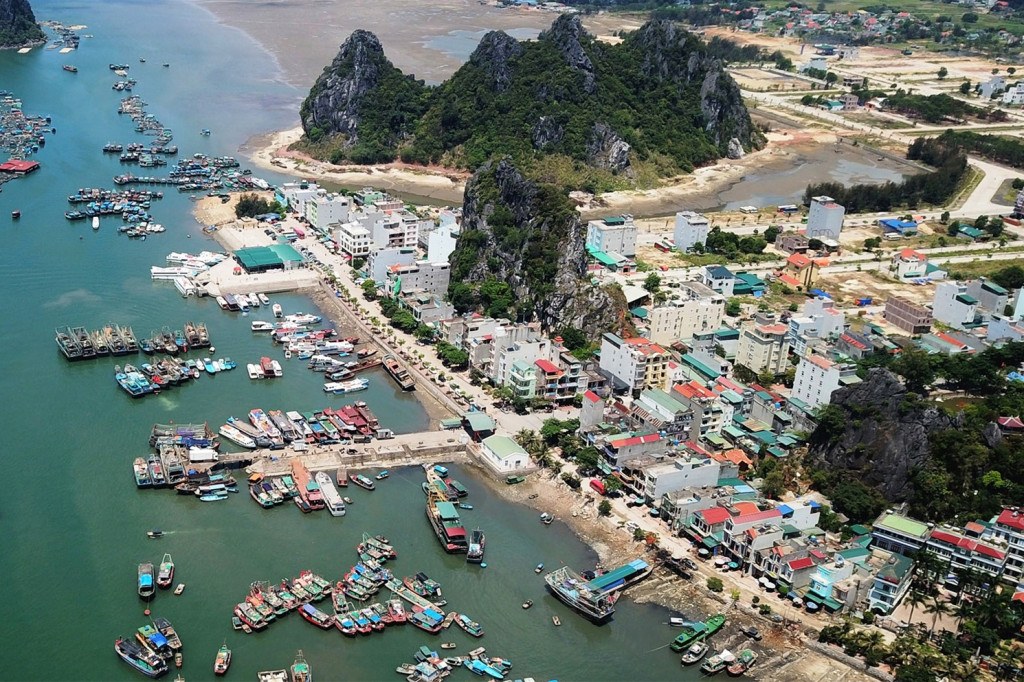
Photo: Redsvn.
Throughout its more than 700-year history, Vân Đồn Trading Port was not merely a single harbor but a system of interconnected wharves, anchorages, and berthing areas.
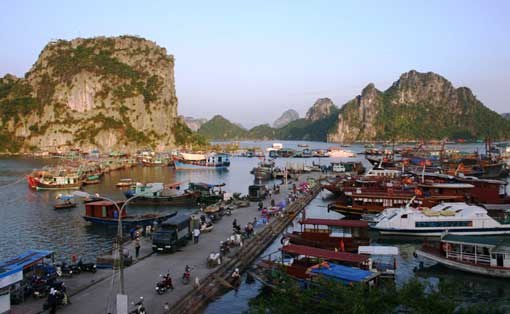
The bustling trading port of the past. Photo: Bình Dương Newspaper.
Locating the port at multiple sites helped reduce the number of vessels concentrated at a single wharf, while also designating specific berthing areas for vessels, especially foreign ships, preventing them from docking together and making management and supervision easier.
Numerous artifacts have been found in the island communes of Vân Đồn District, including the main center at Cái Làng in Quan Lạn Commune. The ancient transshipment wharves for goods such as spices, ceramics, and forest and agricultural products were located along the Bạch Đằng River and Cửa Lục, extending to the islands of Cống Đông and Quan Lạn.
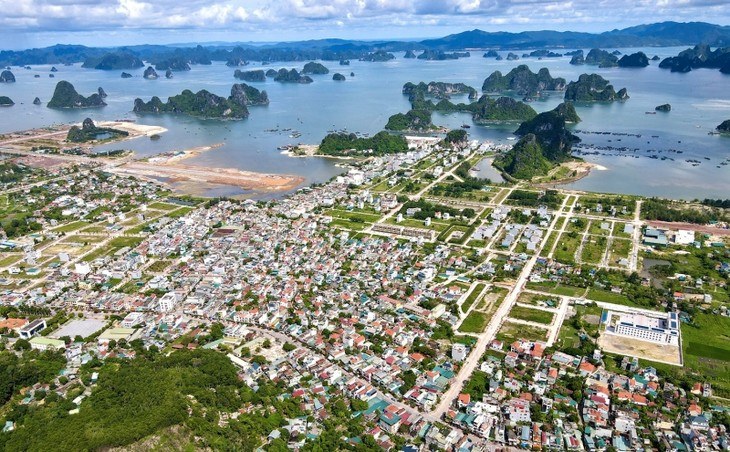
The vast former trading-port region. Photo: VOV.
It can therefore be concluded that the goods bought, sold, and exchanged at the ancient Vân Đồn trading port included natural products such as spices, rhinoceros horn, ivory, gold, pearls, silver, copper, and saltpeter. These goods accounted for a large proportion of Đại Việt’s total exports.
The second most common type of goods was porcelain. During the Lý dynasty, the techniques for producing celadon porcelain were by no means inferior and were in some respects superior to China’s Longquan blue-glazed porcelain. Vietnamese porcelain was elegant, with beautiful raised decorative patterns. According to a Japanese historian, Lý-dynasty porcelain was highly favored and had even been found for sale as far away as the East Indies.
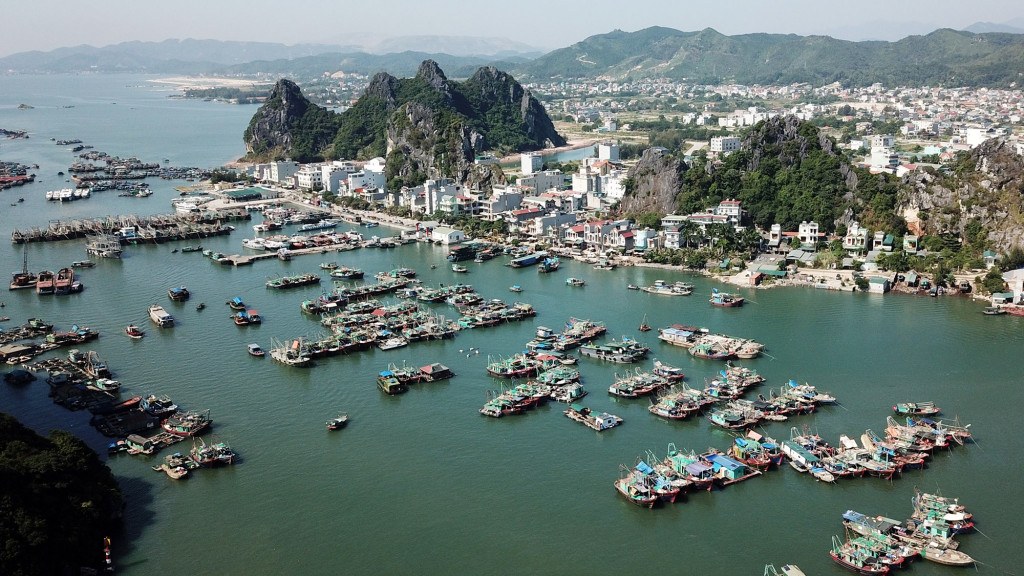
Illustrative photo: Thanh Niên Newspaper.
By the Trần dynasty, porcelain production had advanced further, featuring sturdy forms and graceful brown-red glazes. It was favored not only by foreign merchants but also by Chinese emperors, who enjoyed using it and repeatedly requested tribute porcelain bowls.
Illustrative photo: Thanh Niên Newspaper.
The third most common type of goods was silk and brocade. Although silk accounted for a relatively small proportion of exports, the textiles made by Đại Việt artisans were diverse, sophisticated, and brightly colored, making them highly sought-after imports among merchants from many places.

Photo: Người Lao Động Newspaper.
The Vân Đồn trading port relic, with its special commercial, cultural, and historical significance, has contributed to Vietnam’s vast cultural heritage and enriched the long history of Vietnamese trade. Don’t forget to contact iVIVU to book a Hạ Long tour with attractive deals and professional, dedicated services, bringing you the perfect holiday!