
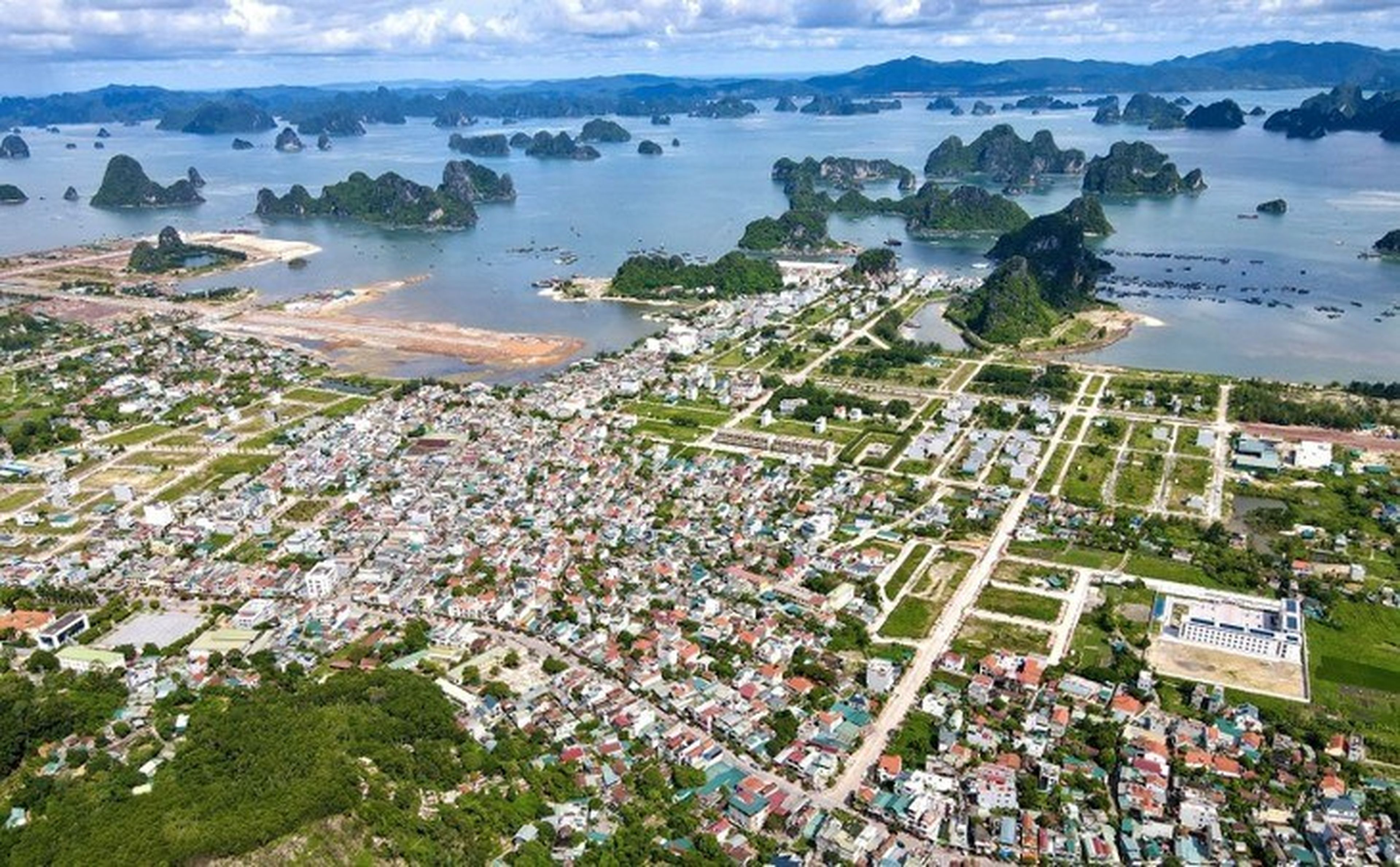
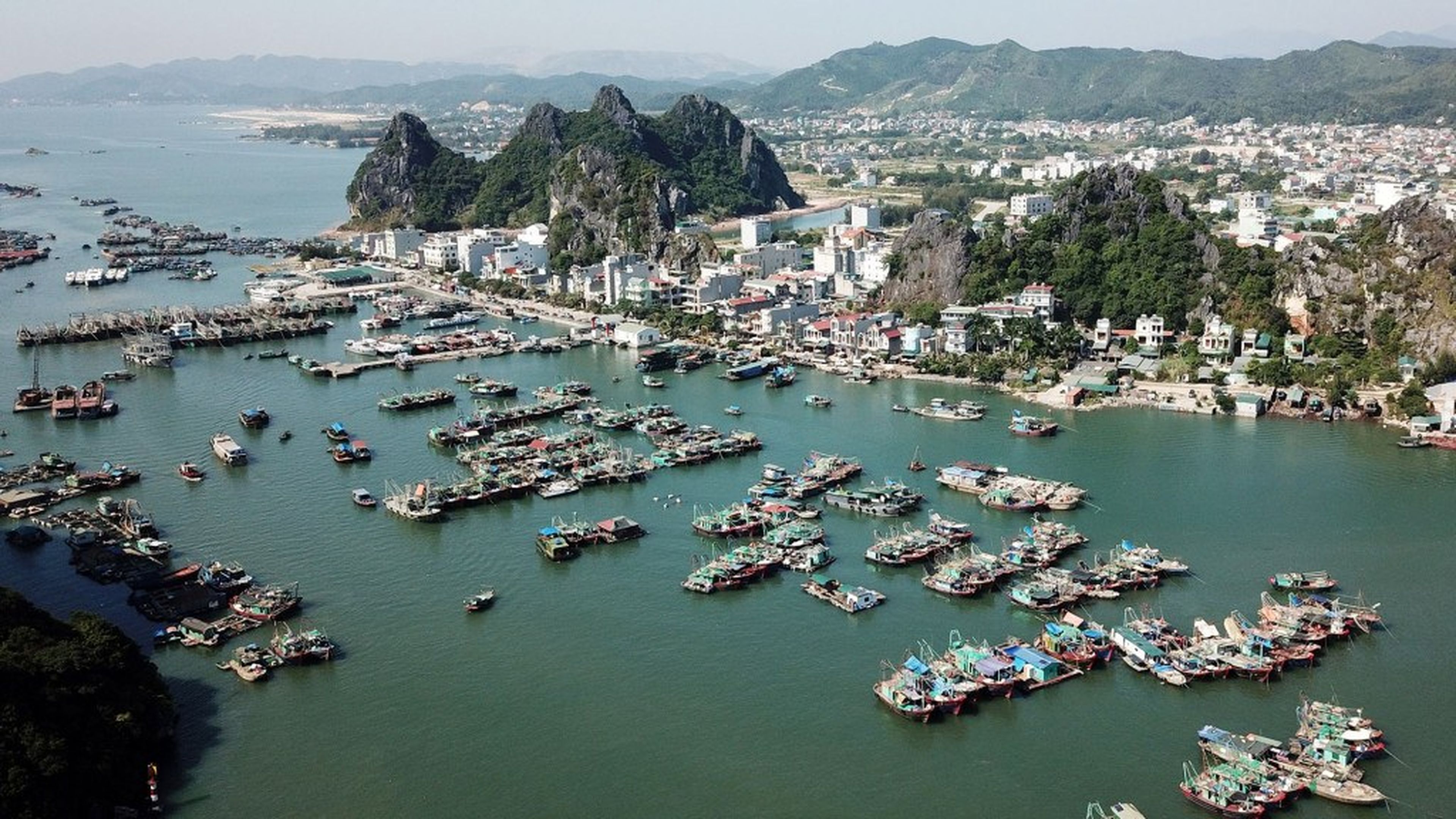


In 1149, King Ly Anh Tong established Van Don Port for foreign trade. That was the Van Don commercial port system, the first international trading port of Dai Viet.
Van Don Commercial Port Relic – The Oldest Ancient Commercial Port in Vietnam
Back then, Van Don Commercial Port functioned as a trading hub with countries in the East Asia region, Japan, China, India, Thailand, Indonesia, and more. The trading port flourished throughout three dynasties: Ly, Tran, and Later Le, before falling into oblivion during the Mac Dynasty. The Van Don commercial port relic bears the hallmarks of both the struggle against foreign invaders and the history of trade and commerce.

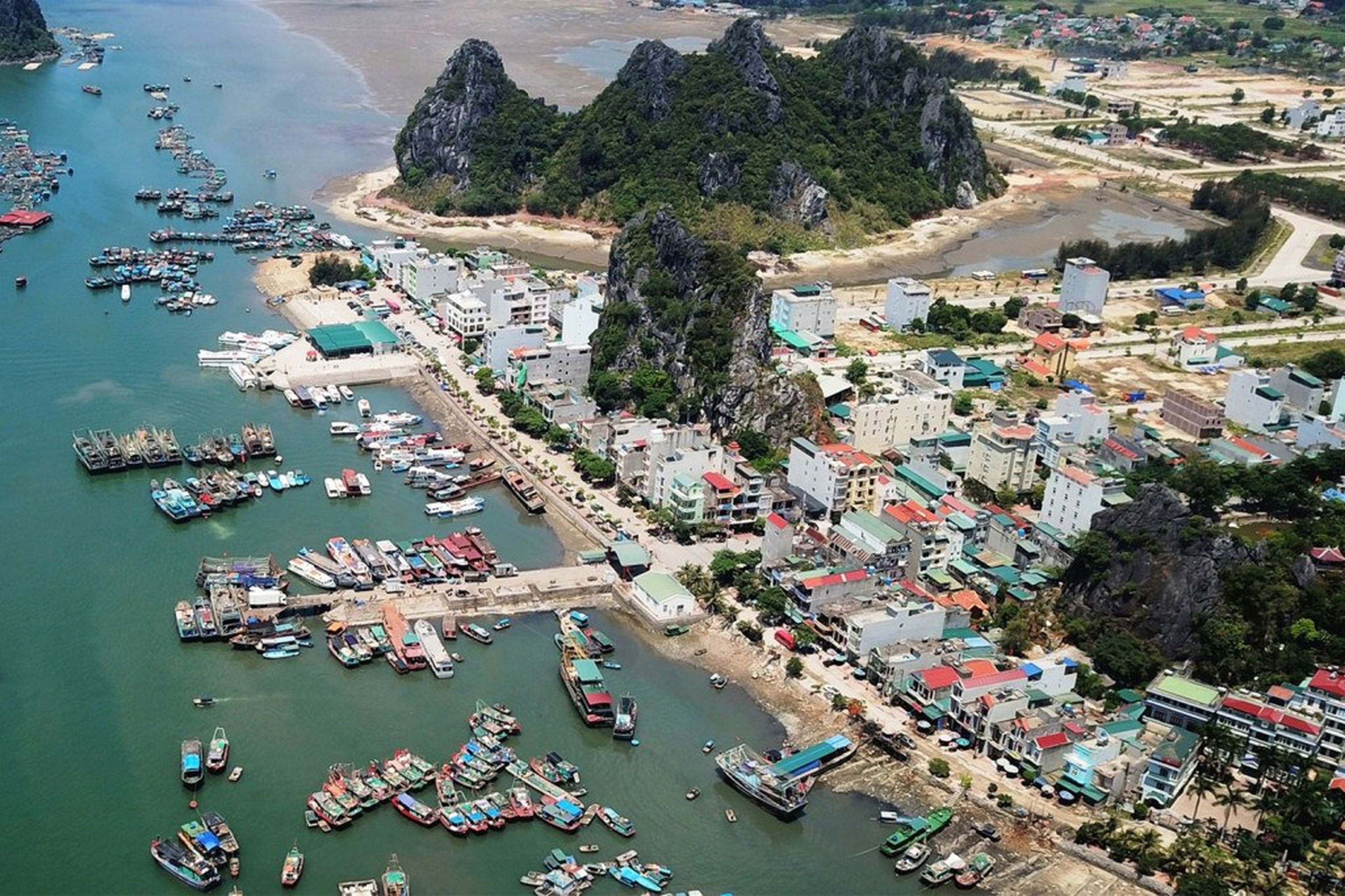
Van Don Commercial Port. Photo: Redsvn.
Based on discovered artifacts and historical records, Van Don Commercial Port was classified as a National Historical Relic in 2003, encompassing numerous ancient boat landing sites. In 2021, the People's Committee of Quang Ninh Province compiled a dossier requesting the Government to recognize this relic complex as a Special National Relic.
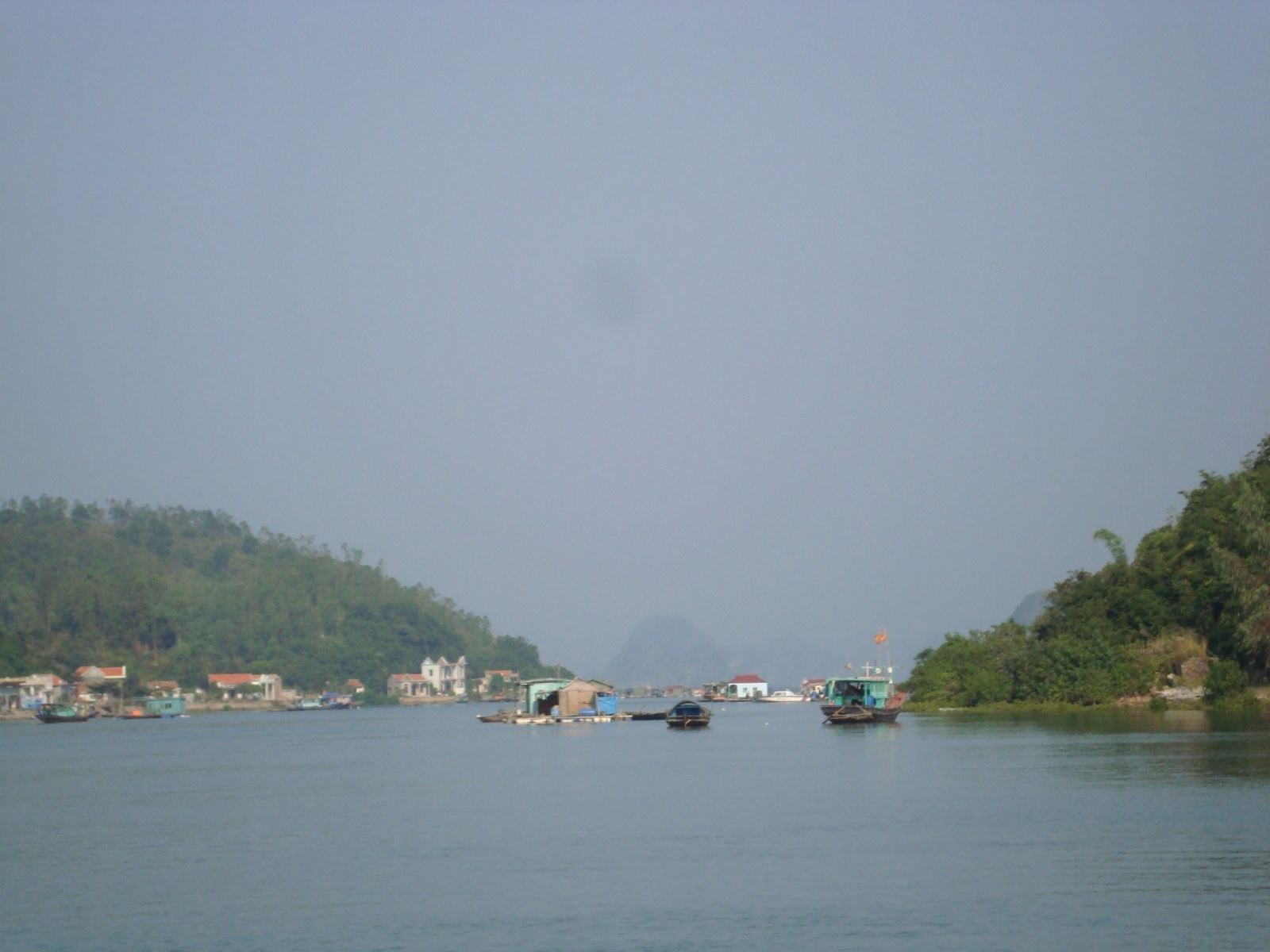
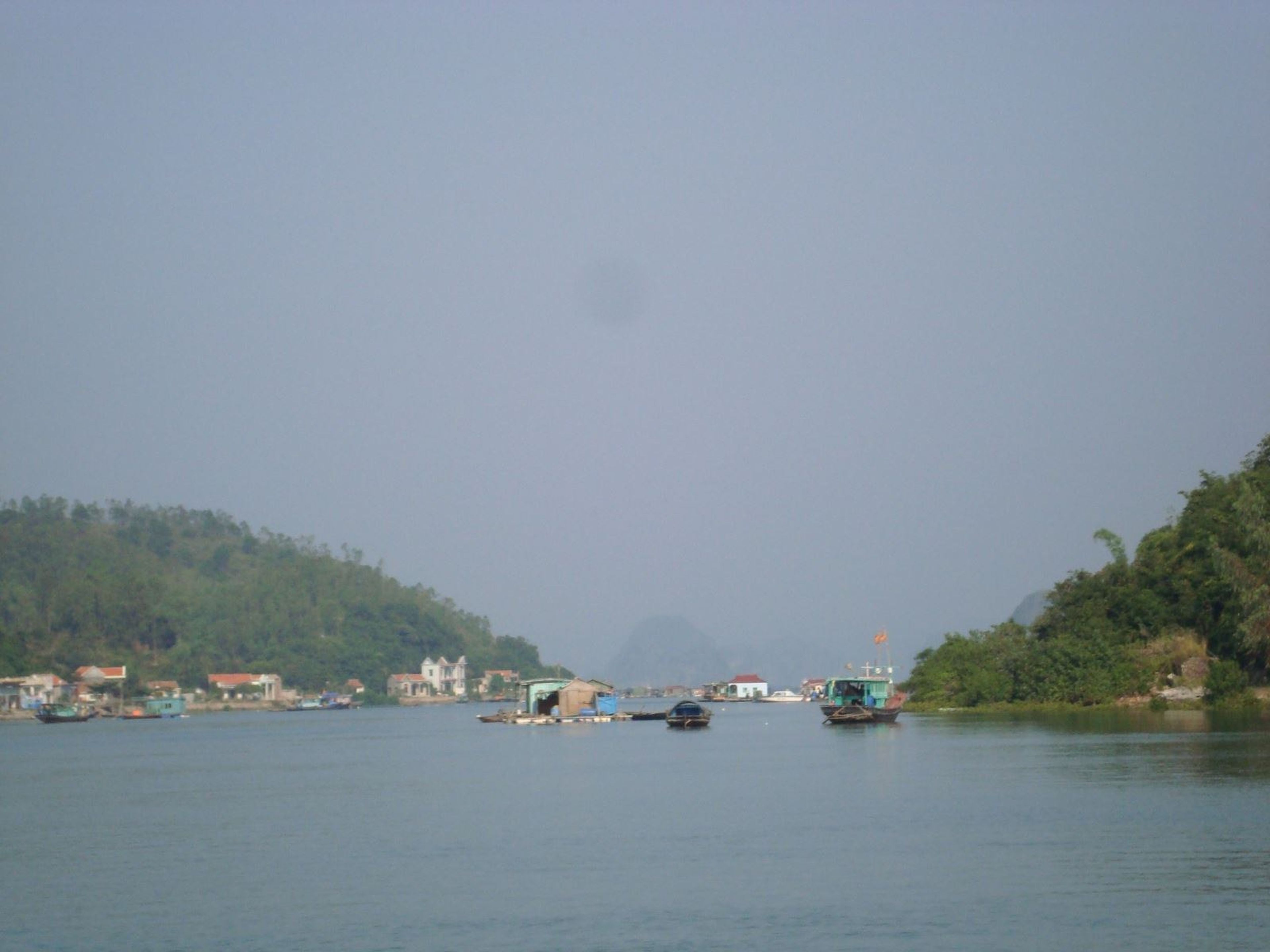
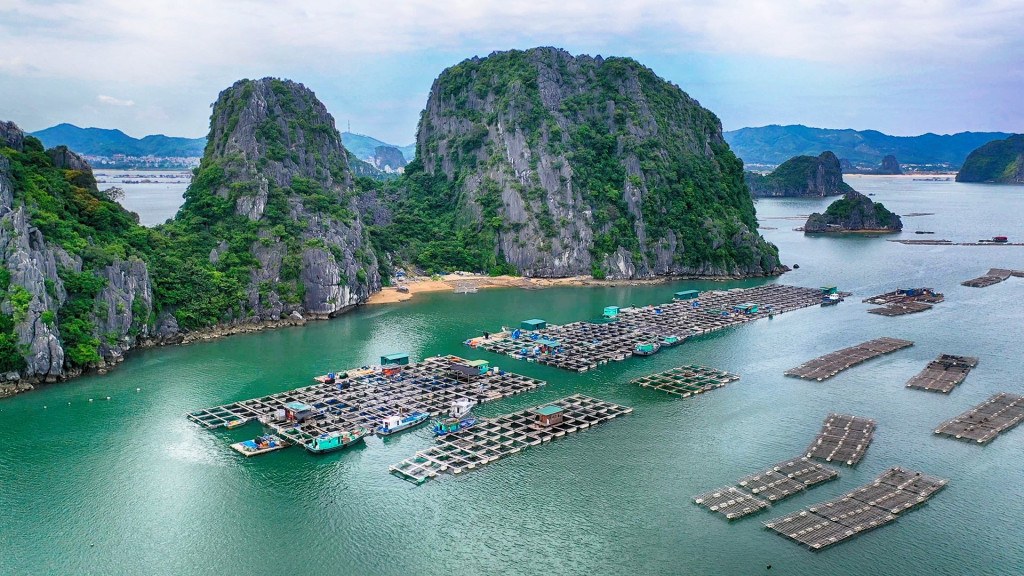
Cong Dong – Cong Tay Pier in Thang Loi Commune is one of the ancient boat docks of Van Don Commercial Port classified as a National Relic in 2003.
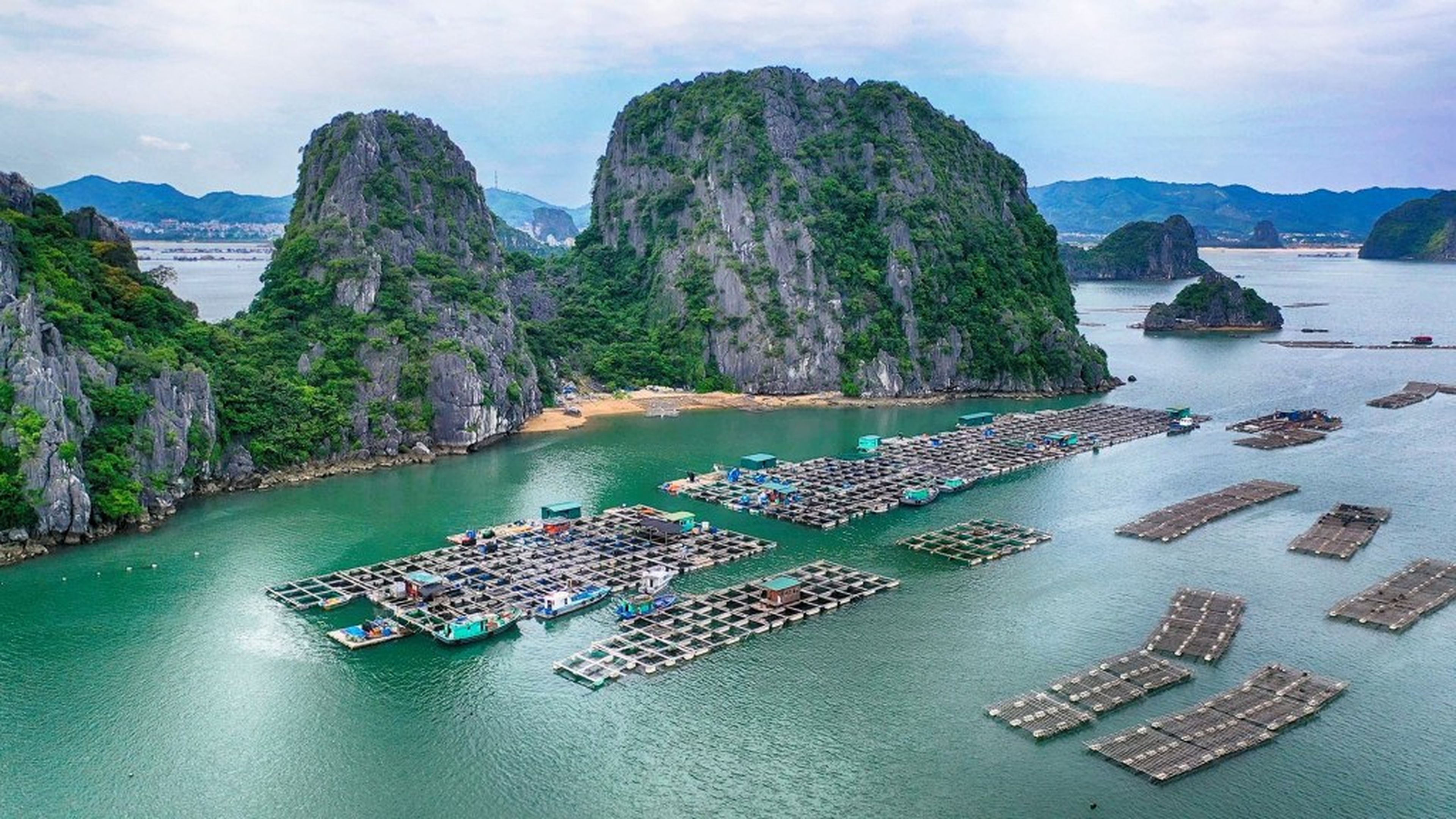
Today, the traces of the ancient commercial port remain only as millions of pottery and porcelain shards, building foundations, architectural structures, ancient coins, and more. Although a single precise location cannot be pinpointed, Van Don Commercial Port was a system of dozens of boat wharves distributed across islands and coastal shores along Ha Long Bay and Bai Tu Long Bay, stretching from Mong Cai to Van Don, Ha Long, and Quang Yen.
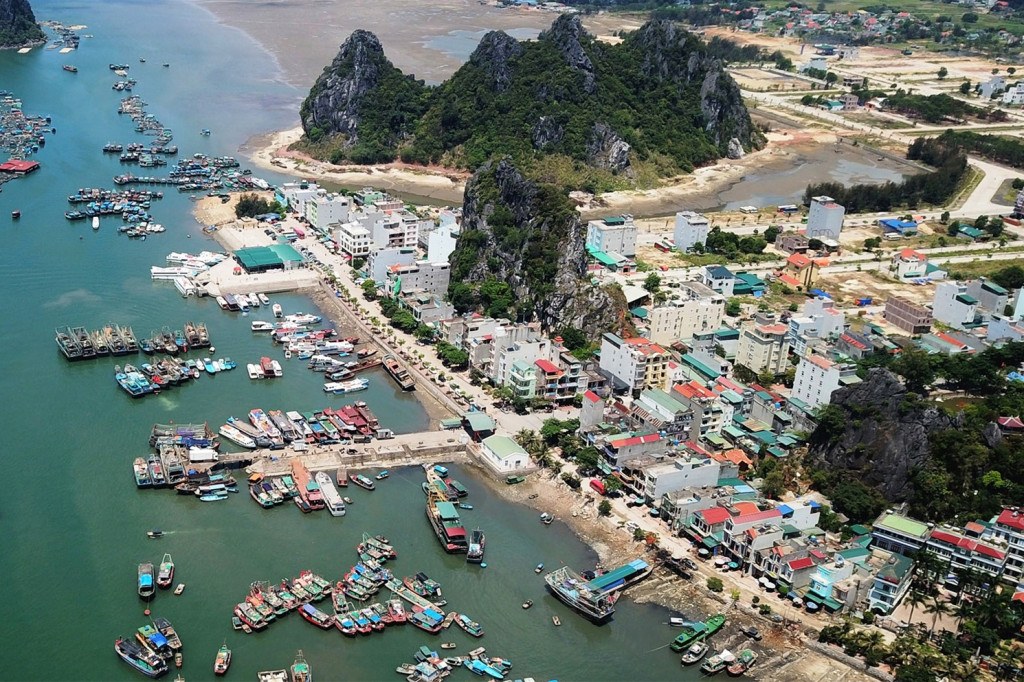
Photo: Redsvn.
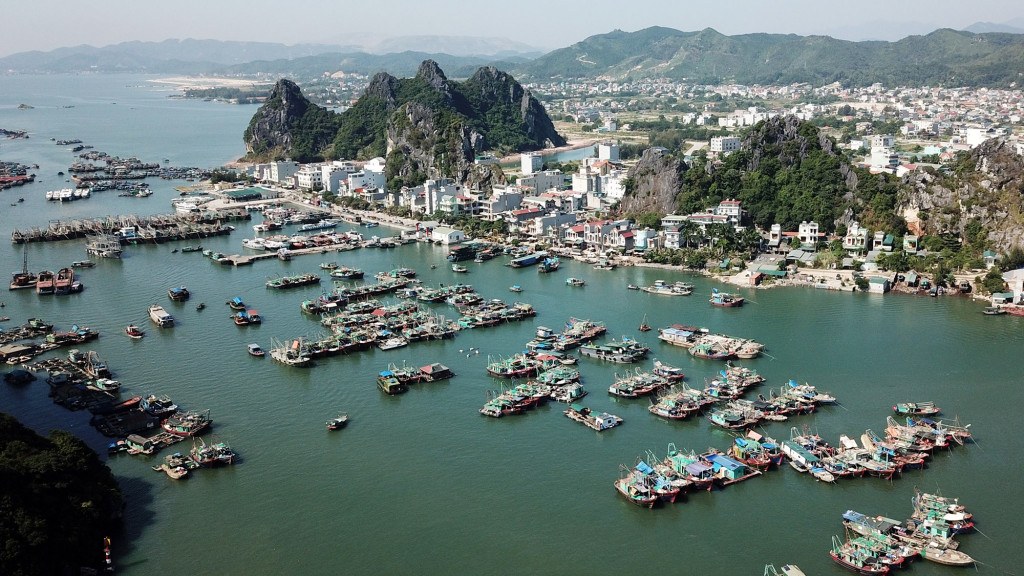
Throughout its more than 700-year history of existence, Van Don Commercial Port was not just an isolated port, but an interconnected system of wharves, docks, and ship anchorages.

The bustling commercial port in the past. Photo: Binh Duong Newspaper.
Arranging port facilities across multiple locations helped reduce boat traffic congestion at a single landing, while also clearly designating mooring areas for vessels—especially foreign ships—preventing mixed docking to facilitate administration and surveillance.
Many artifacts have been unearthed in the island communes of Van Don District, with the main center located in Cai Lang, Quan Lan Commune. Ancient boat wharves transshipping goods such as aromatics, ceramics, and forest products were situated along the Bach Dang River and Cua Luc, extending out to Cong Dong and Quan Lan islands.
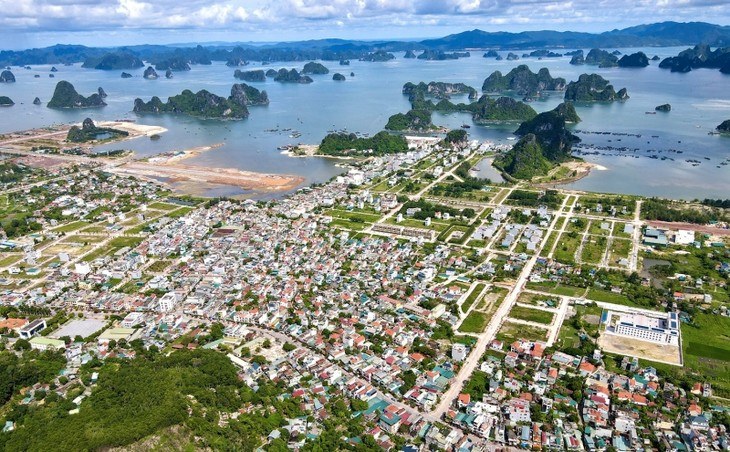
The vast commercial port area in ancient times. Photo: VOV.
Therefore, it can be concluded that goods traded and exchanged at the ancient Van Don Commercial Port included natural commodities such as aromatics, rhinoceros horn, ivory, gold, pearls, silver, copper, and saltpeter. These commodities accounted for a significant share of Dai Viet's total exports.
The second most common category of goods was porcelain. During the Ly Dynasty, Vietnamese celadon-glazed porcelain production techniques were by no means inferior, and in some respects even surpassed, China's Longquan celadon. Vietnamese porcelain was elegant, featuring exquisitely embossed decorative patterns. According to Japanese historians, Ly Dynasty porcelain was highly sought after and was found traded as far as the East Indies.
Illustrative photo: Thanh Nien Newspaper.
By the Tran Dynasty, ceramics took another leap forward with robust forms and graceful brown-iron glazes that not only appealed to foreign merchants, but were also favored by Chinese emperors, who repeatedly requested porcelain bowls as tribute.
Illustrative photo: Thanh Nien Newspaper.
The third most popular category of goods was silks and brocades. Although silk did not make up a massive share of exports, the textiles crafted by Dai Viet artisans were diverse, refined, and vibrant in color, making them highly sought after for import by merchants from near and far.

Photo: Nguoi Lao Dong Newspaper.
With its special commercial, cultural, and historical significance, the Van Don Commercial Port relic has contributed to an immense cultural treasury, shaping the rich and long-standing history of Vietnamese commerce. Don't forget to contact iVIVU to book a Ha Long tour with exclusive deals and dedicated, professional service for a perfect vacation!