With its mild climate, beautiful natural surroundings, distinctive landscapes, diverse terrain, and unique culture of ethnic minority communities, Bình Liêu tourism is gradually making an impression on visitors from everywhere!
Traveling to Bình Liêu – the “Sapa” of Quảng Ninh
With nearly 500 square kilometers of natural area, Bình Liêu features many grasslands, cardamom and star anise plantations, and terraced fields stretching as far as the eye can see. From the clothing and language to the cuisine and songs of the Tay, Dao, San Chi, and Hoa people, everything comes together to create a distinctive Bình Liêu.
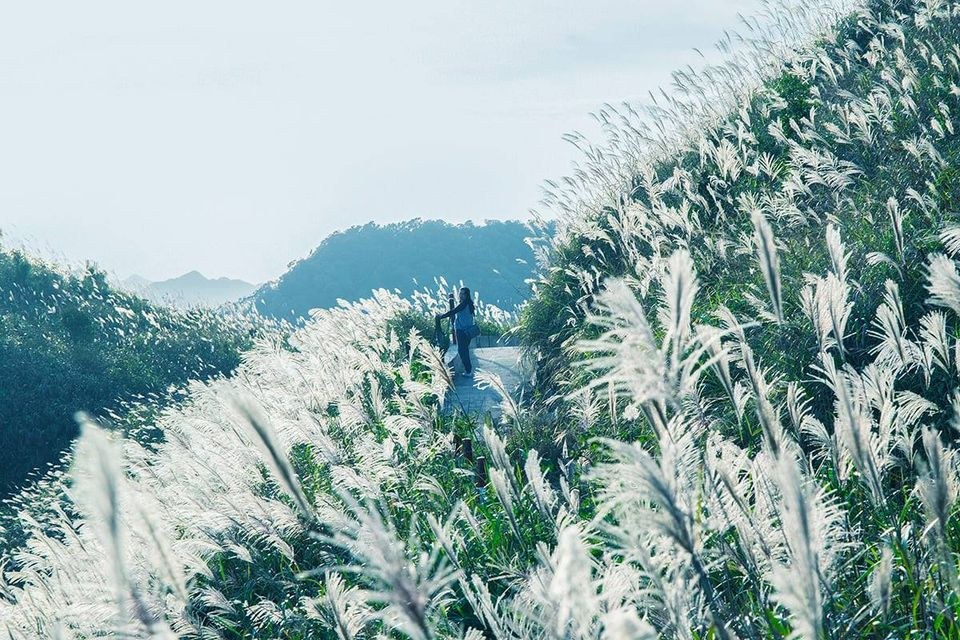
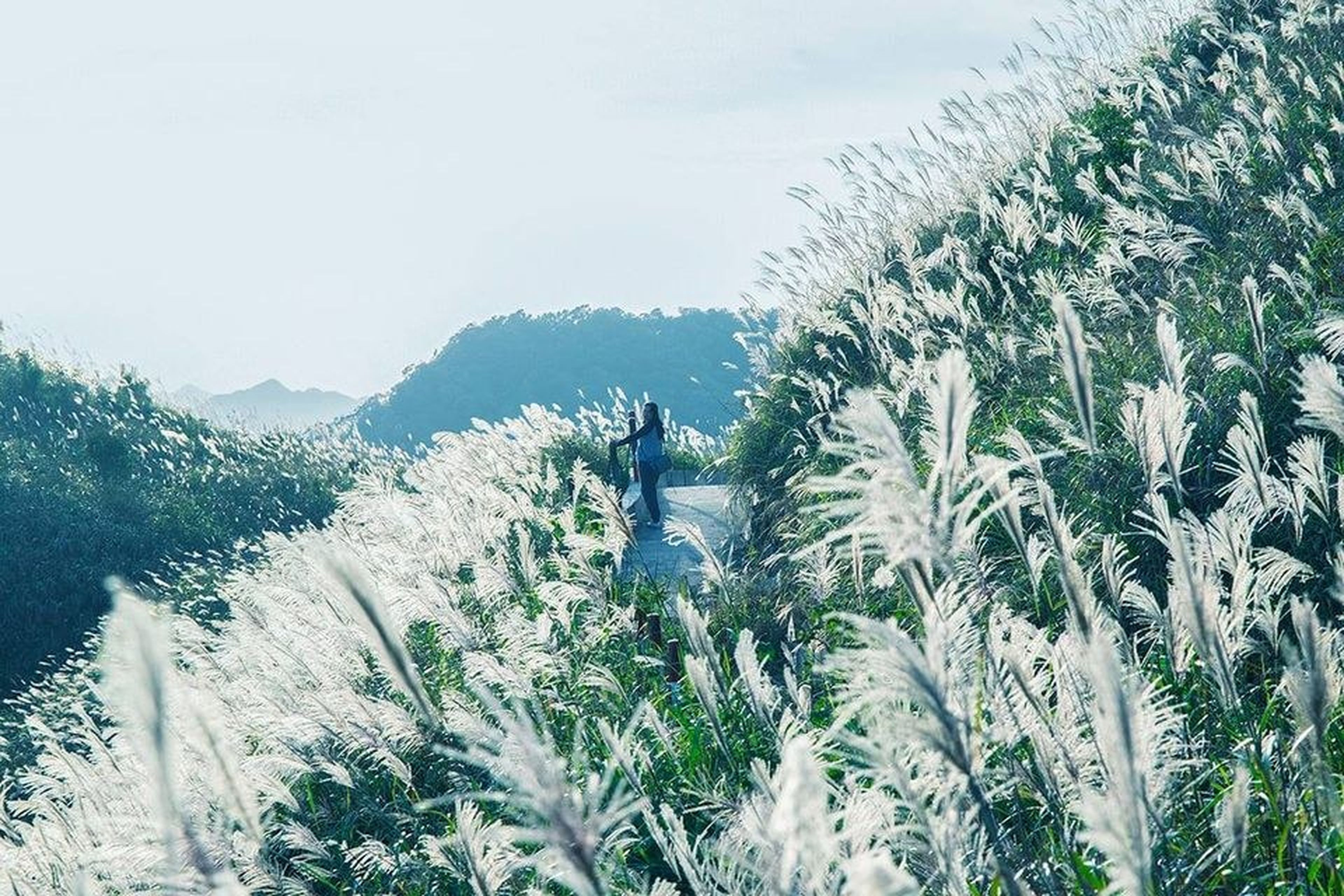
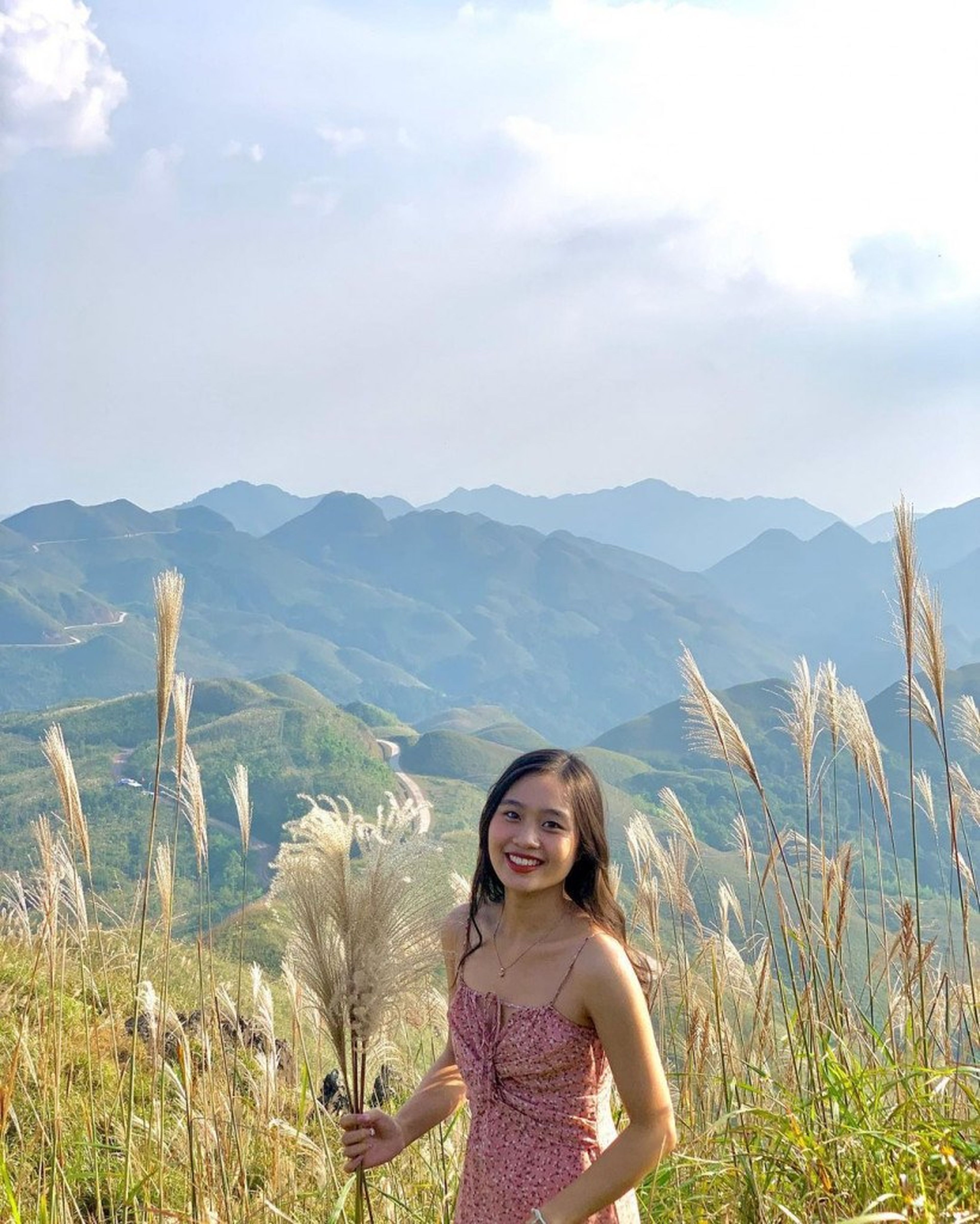
Bình Liêu during the reed grass season. Photo: Đặng Ngọc Quang.
Every season in Bình Liêu offers different delights. In spring, many festivals take place, such as the Lục Nà communal house festival, the Soóng Cọ courtship singing festival, and “Wind Abstinence Day”...
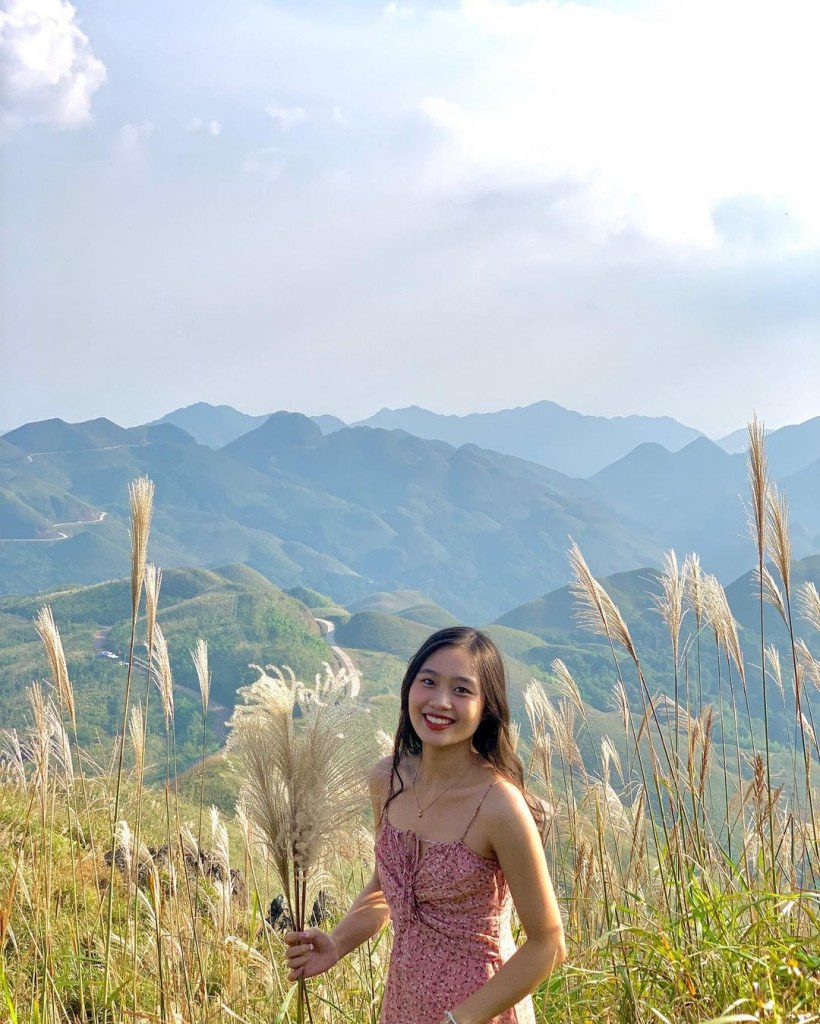
Photo: stella.btl.
In summer, Bình Liêu has cascading waterfalls and lush green terraced fields. When autumn arrives, reed grass blooms everywhere, especially attracting large numbers of visitors who come to admire the scenery. In winter, visitors may also see frost here.
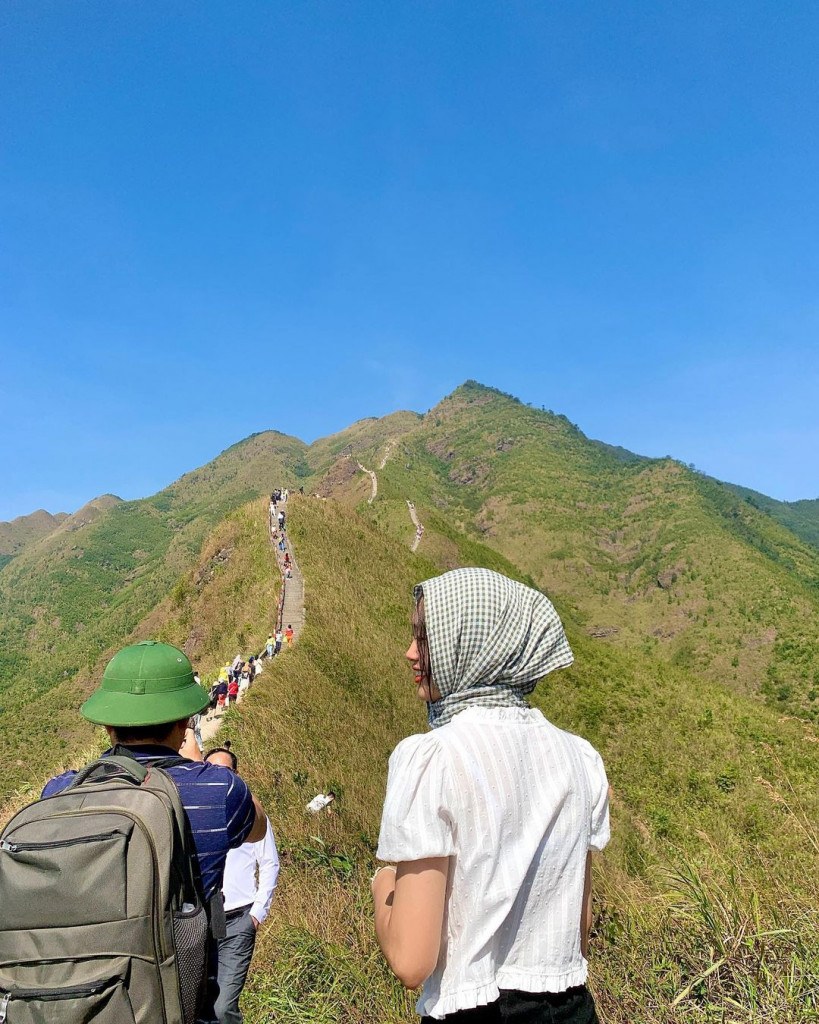
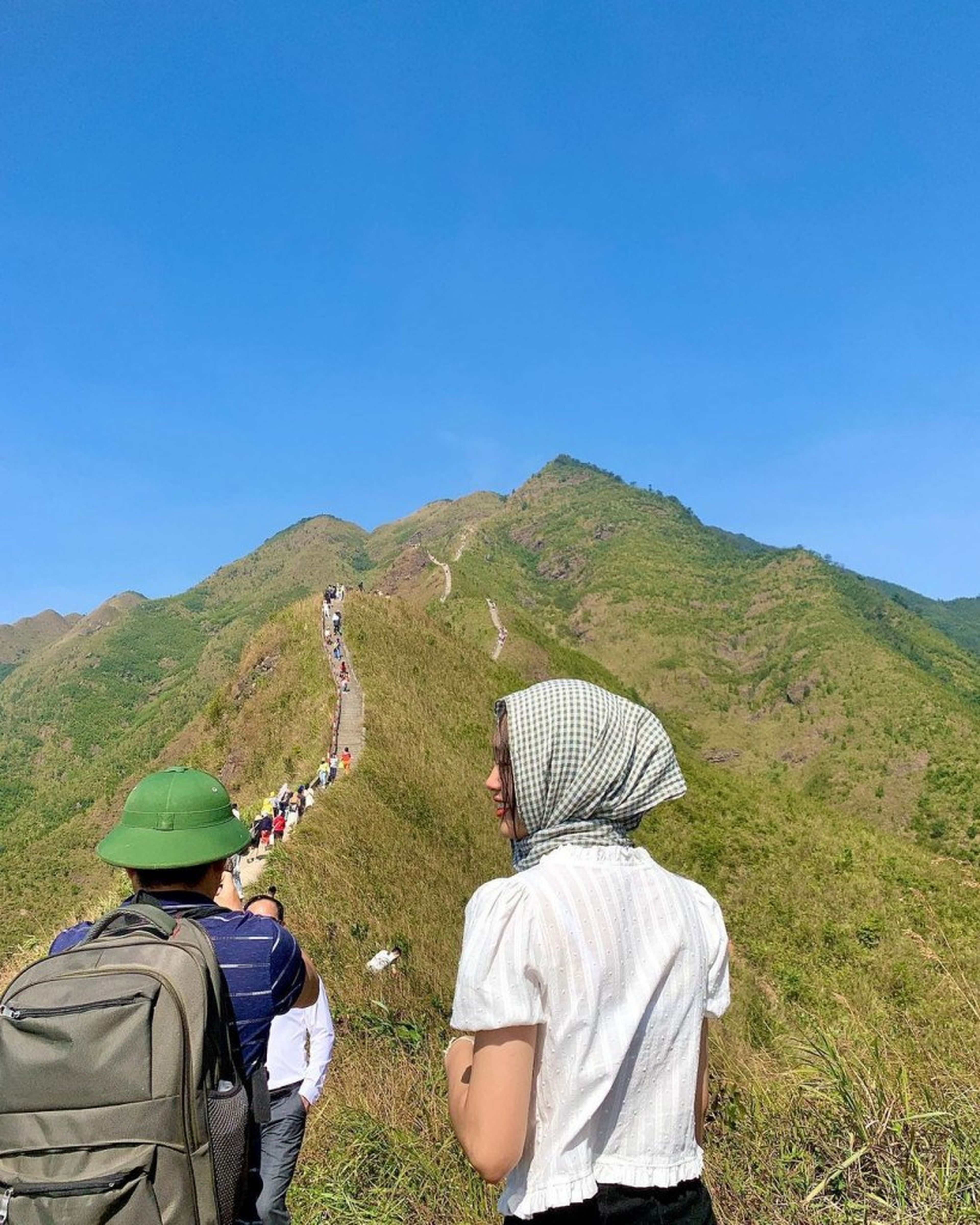
The road to Border Marker 1305. Photo: stella.btl.
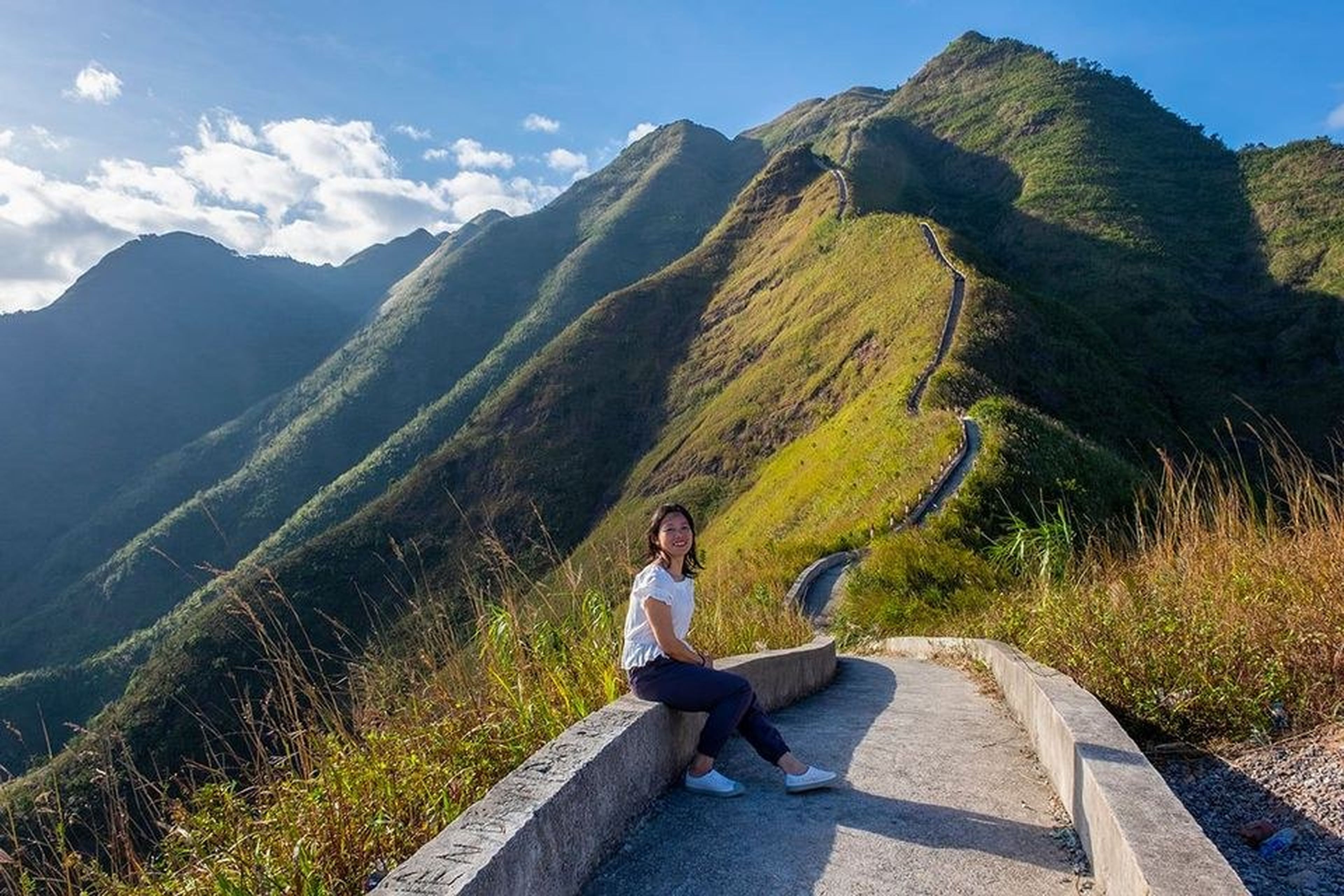
The most appealing destination for visitors from afar, especially young people, is the “dinosaur backbone.” The pristine scenery and overlapping mountains interspersed with green hillsides have captivated countless people. In recent years, the “backbone” has consistently been a trekking and conquest destination for many enthusiasts eager to explore challenging routes.
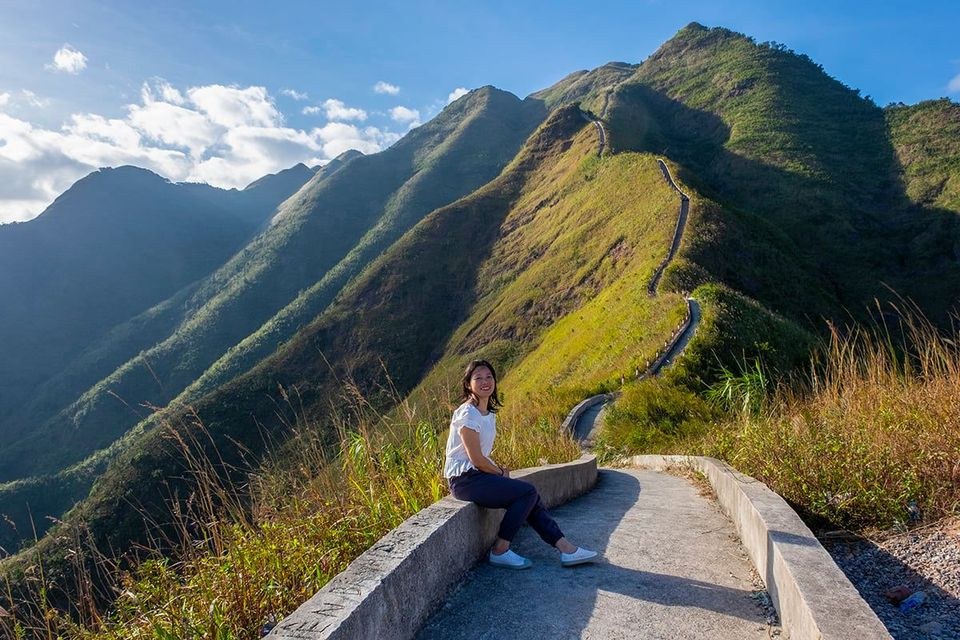
Checking in at Bình Liêu’s “dinosaur backbone.” Photo: Đặng Ngọc Quang.
The borderland markers are indispensable check-in locations during a trip to Bình Liêu. As Bình Liêu borders China’s Phong Thành and Nanning, it has many markers along an almost 50-kilometer-long border route that winds through rugged terrain. Bình Liêu has 64 border markers, but 4 important ones are 1300, 1302, 1305 and 1327.
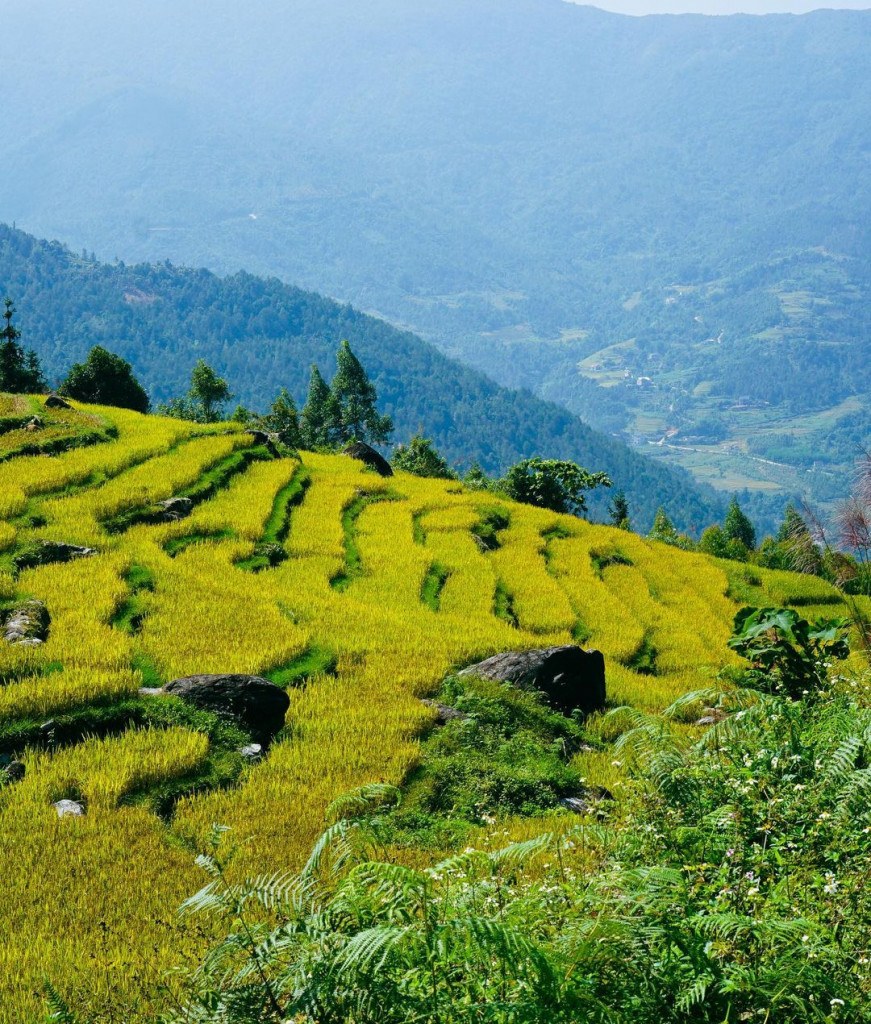
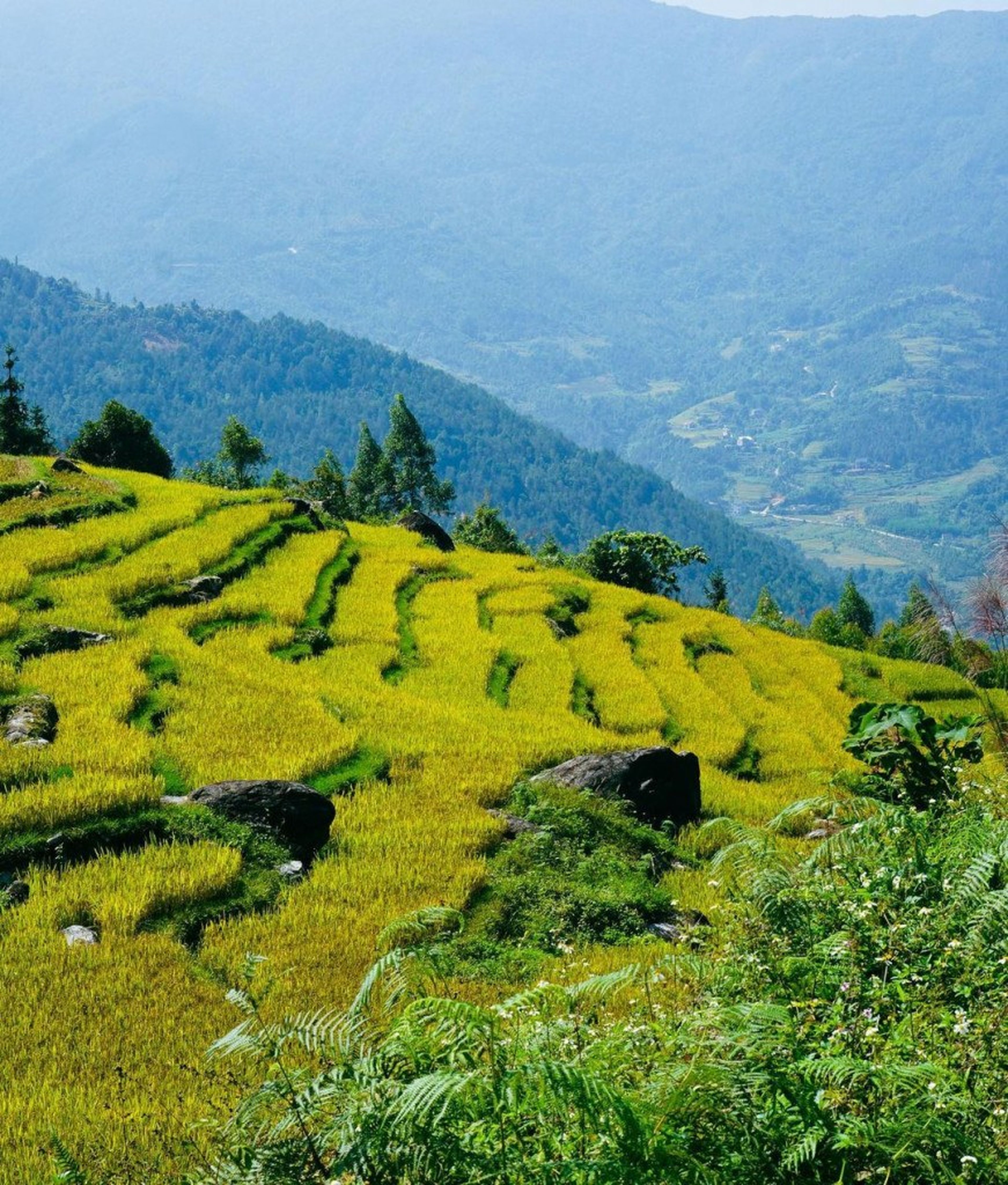
Terraced fields like those in Sapa. Photo: thewanderdairy.
In addition to visiting the border markers, visitors can challenge themselves by conquering Cao Xiêm Peak. Cao Xiêm Peak, also called Khau Khoang Peak or Flagpole Peak, stands 1,429m above sea level and is the “roof” of Quảng Ninh Province. The route from the foot of the mountain to Cao Xiêm Peak is a little over 7km long, making it possible to combine mountain climbing with camping and immersing yourself in nature.
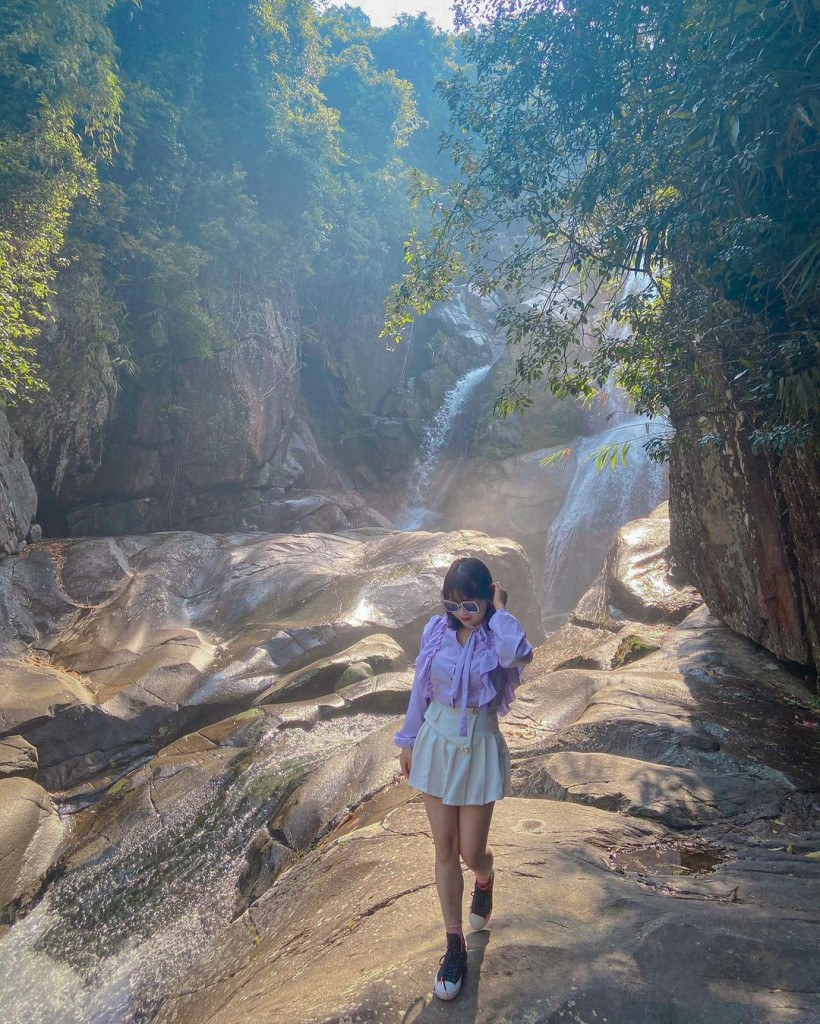
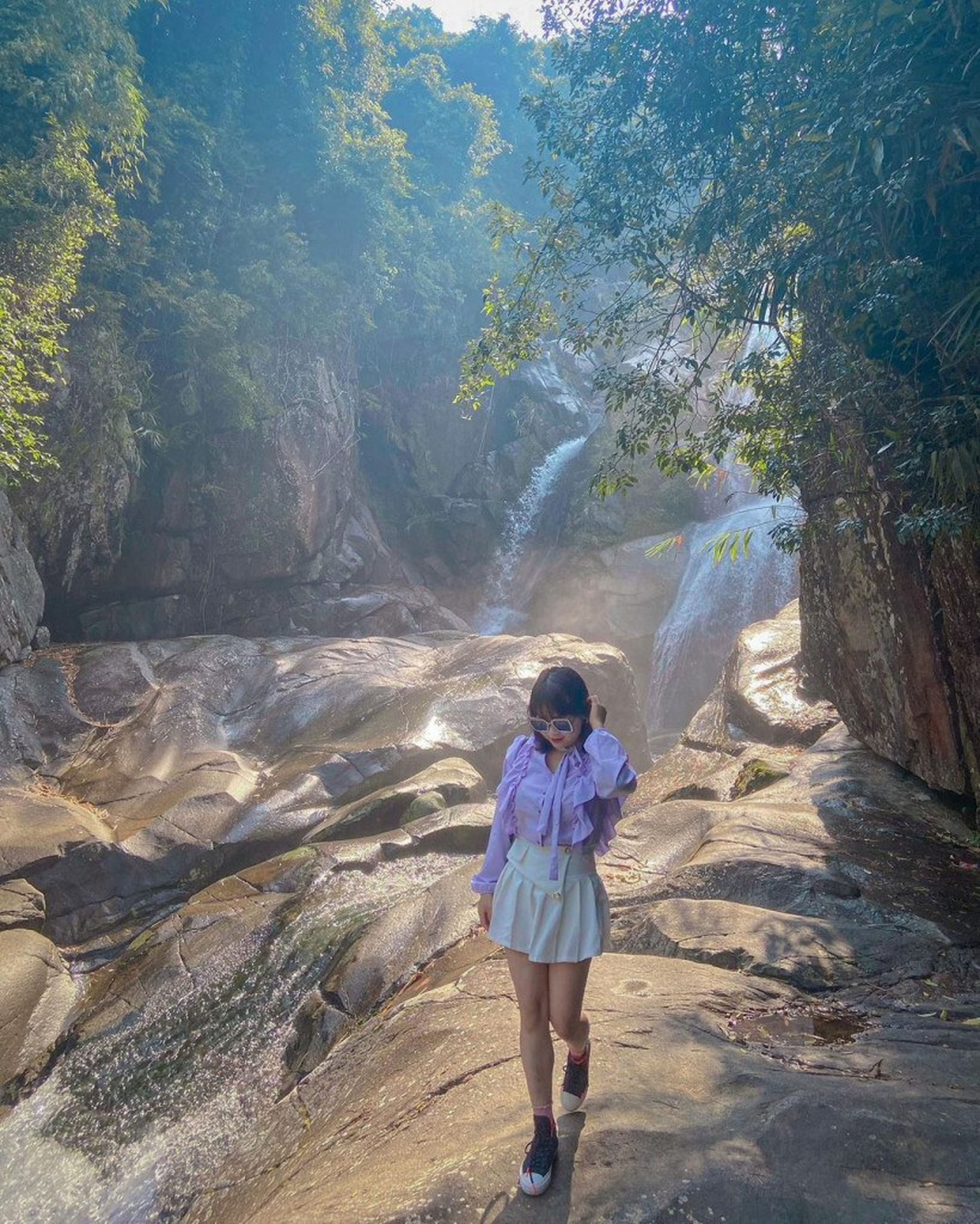
Khe Vằn Waterfall, Bình Liêu. Photo: phuongnga.1709.
To enjoy the cool water, combine your trip with an exploration of Khe Vằn Waterfall, Bình Liêu’s highest three-tiered waterfall. Khe Vằn Waterfall is located in Húc Động Commune, about 12 km from Bình Liêu town center. The waterfall is nearly 100m high and divided into 3 tiers, each with its own beauty.
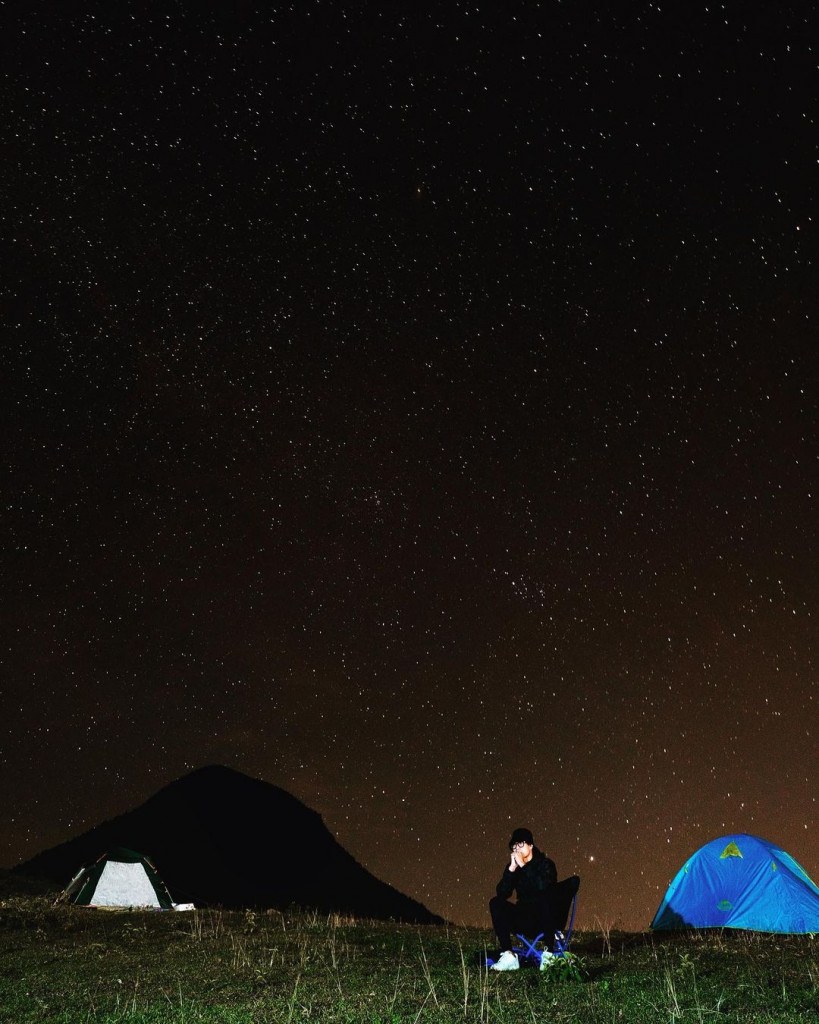
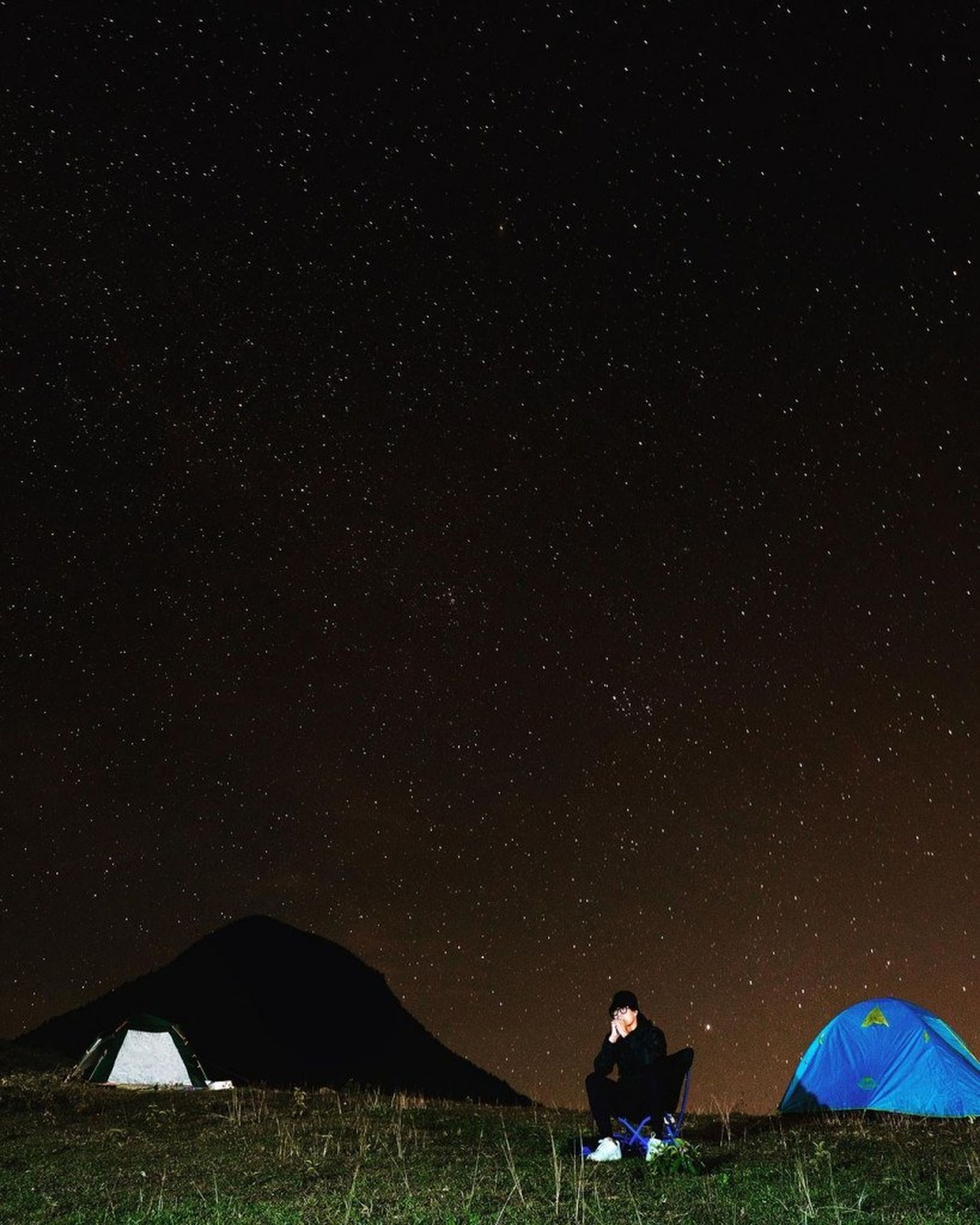
A star-filled night on Cao Ly Mountain, Bình Liêu. Photo: hiu.markus.
When traveling to Bình Liêu on weekends, visitors have the opportunity to explore the distinctive market of local ethnic communities. The market is held on Saturdays and Sundays, when people from villages and communes in nearby districts also bring goods and agricultural and forestry products to sell. Many mountainous products are found only at these markets, such as bathing leaves, medicinal herbs, wild honey, and forest bamboo shoots...
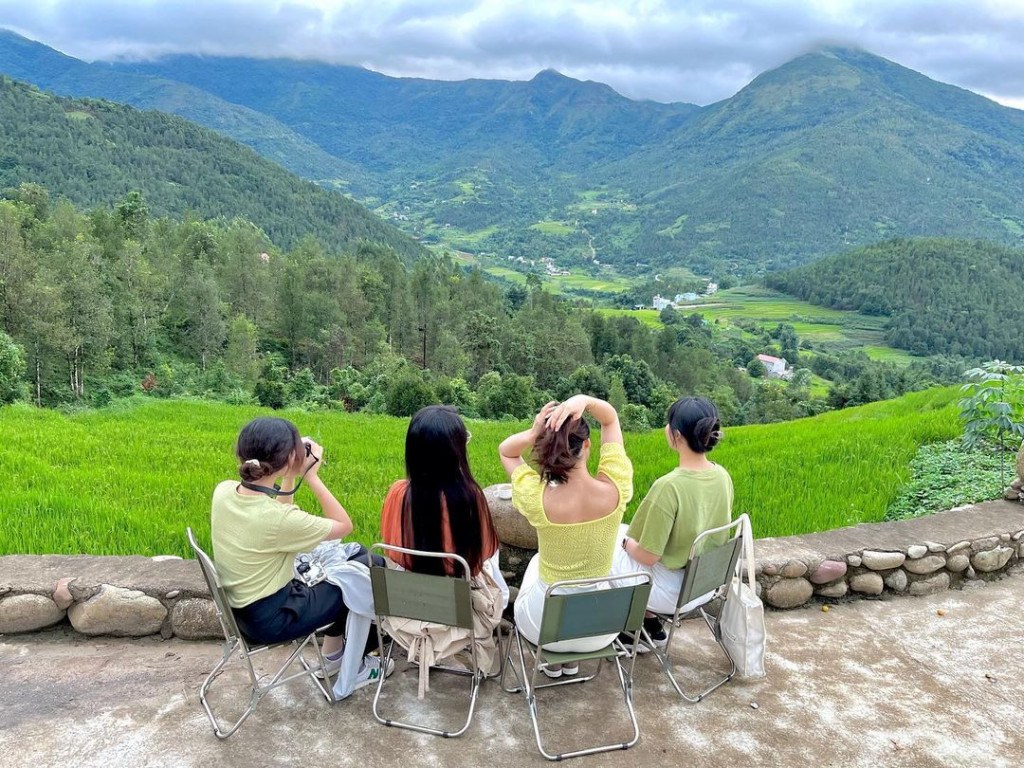
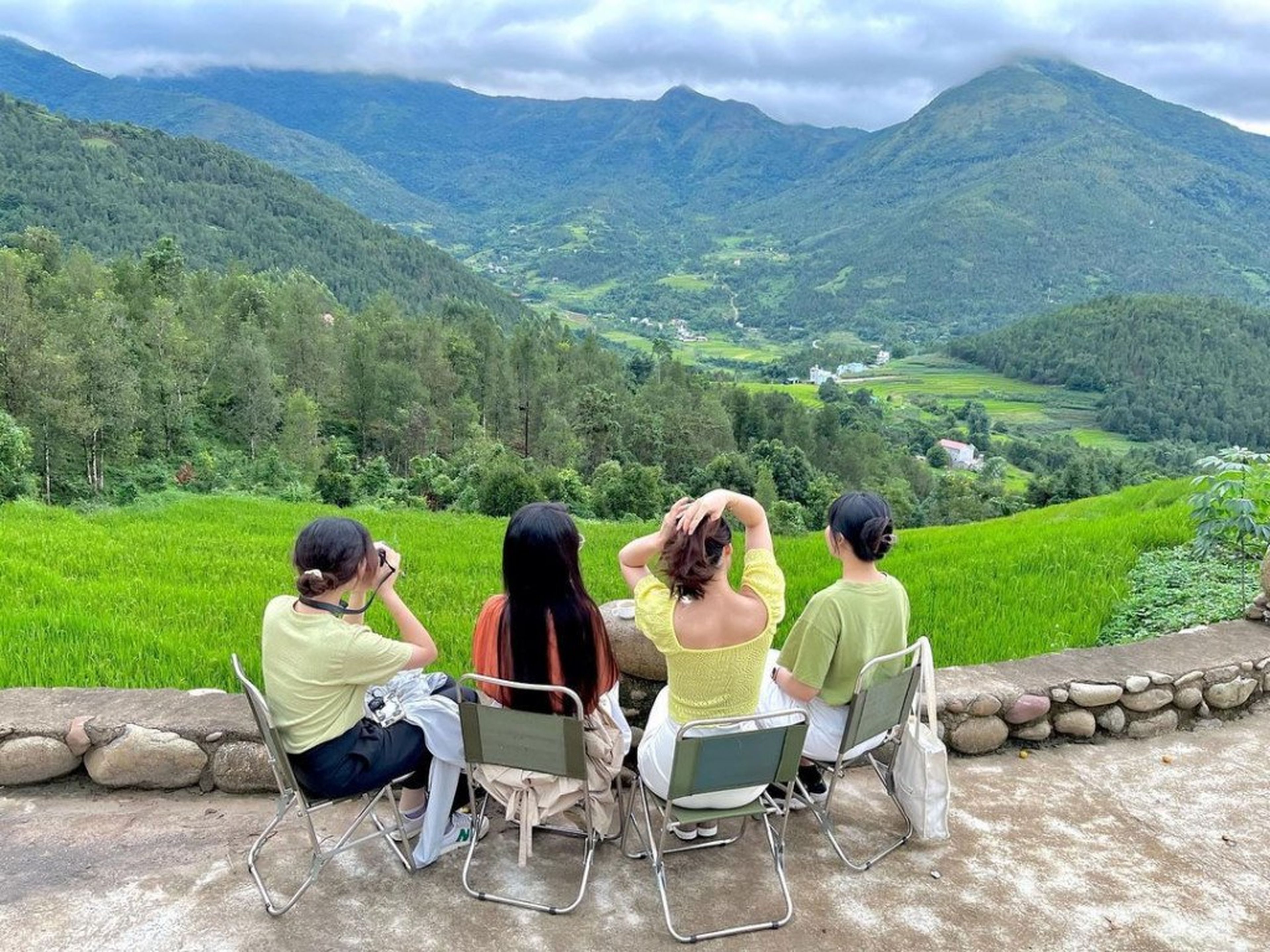
Chilling out on Cao Ba Lanh Mountain. Photo: _hoapricot.
At the market, it is also impossible to take your eyes off the stalls selling local specialties, seven-colored sticky rice, coóc mò cakes, gật gù cakes, ngải cakes, tài lồng ệp, arrowroot vermicelli, grilled stream fish, stir-fried forest bamboo shoots...
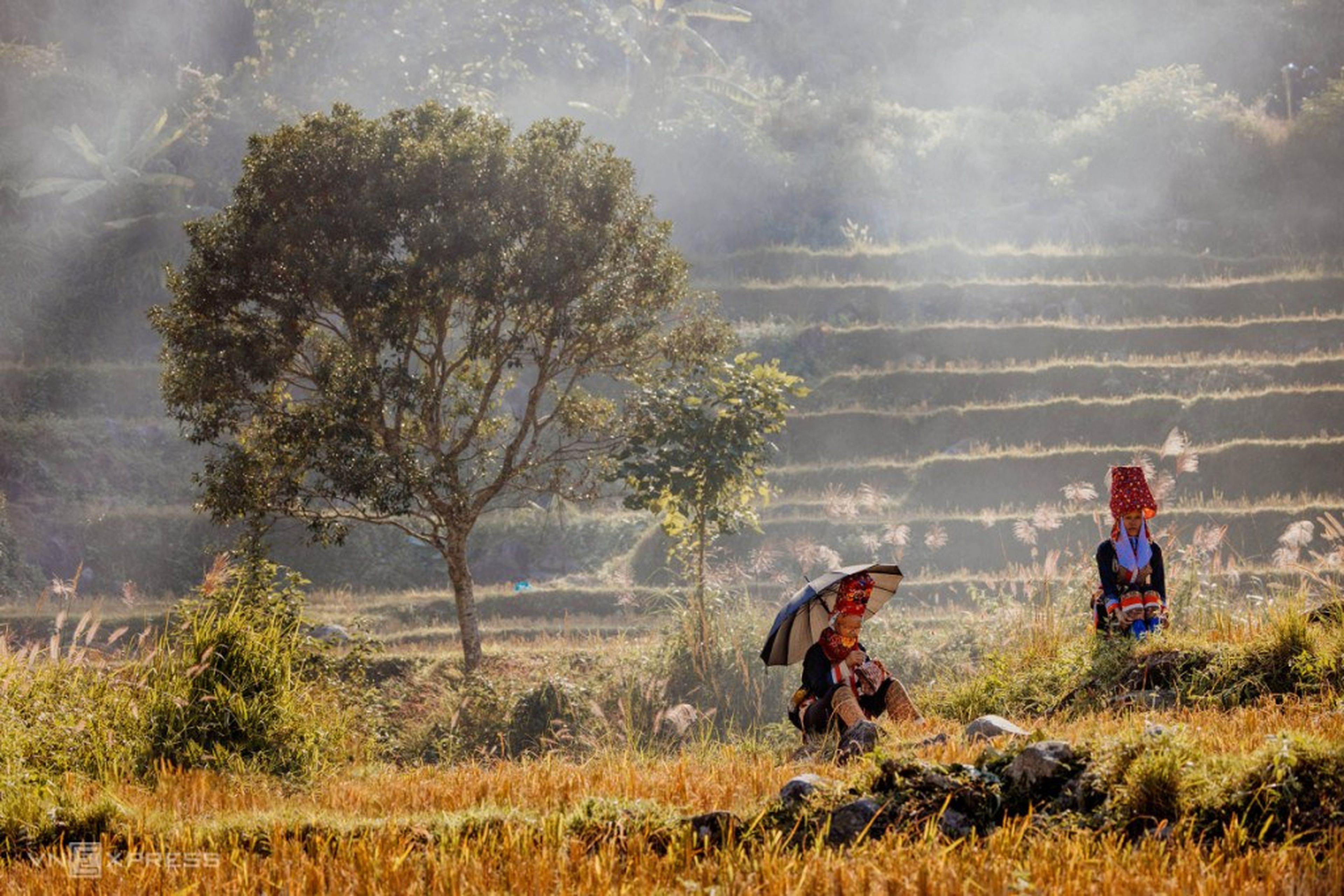
More than 96% of Bình Liêu’s population belongs to ethnic minorities, including the Tay, Dao, San Chi, and Hoa... Therefore, exploring the local culture is also an interesting experience when visiting Bình Liêu.
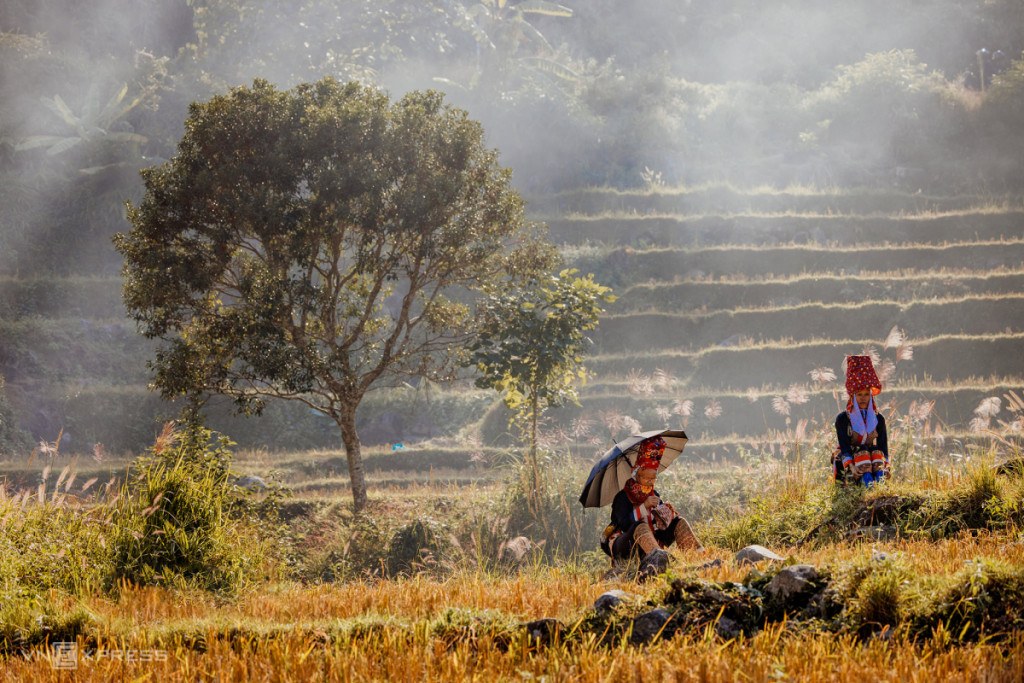
Photo: VnExpress.
Bình Liêu tourism is gradually flourishing with many fascinating experiences. It is not only home to the “dinosaur backbone” and the season when reed grass blooms across the sky, but also carries the spirit of the mountains and forests along with richly diverse ethnic cultures. Explore this borderland with useful articles from the iVIVU blog!