

The Tran Dynasty Historical Relic Site in Dong Trieu is located across the communes of An Sinh, Trang An, Binh Khe, and Thuy An. Today, this relic complex preserves the most profound traces of the illustrious Tran Dynasty.
Tran Dynasty Historical Relic Site in Dong Trieu – Traces of an Illustrious Dynasty
In the year of At Dau 1225, Ly Chieu Hoang abdicated the throne in favor of her husband Tran Canh, marking the transfer of power from the Ly Dynasty to the Tran Dynasty. From then on, the Tran Dynasty ruled the nation for 175 years across 12 emperors, forging one of the most illustrious dynasties in our country's history.
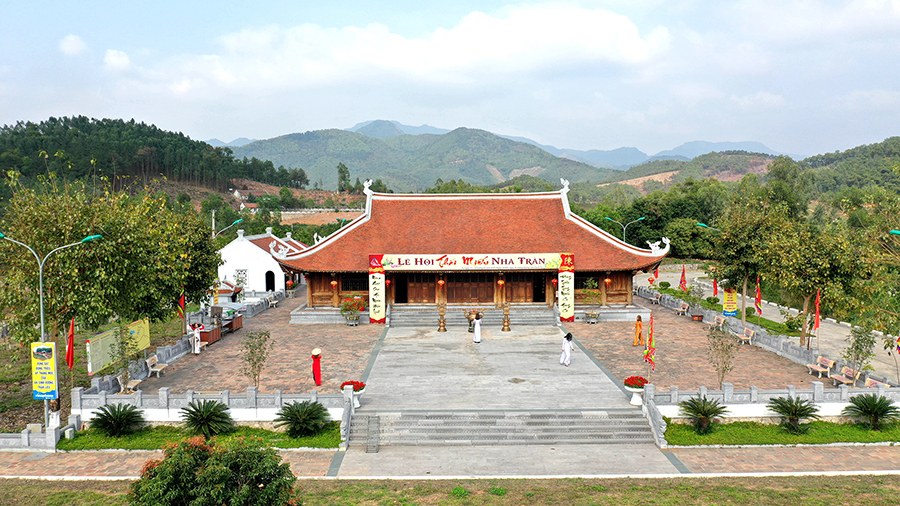
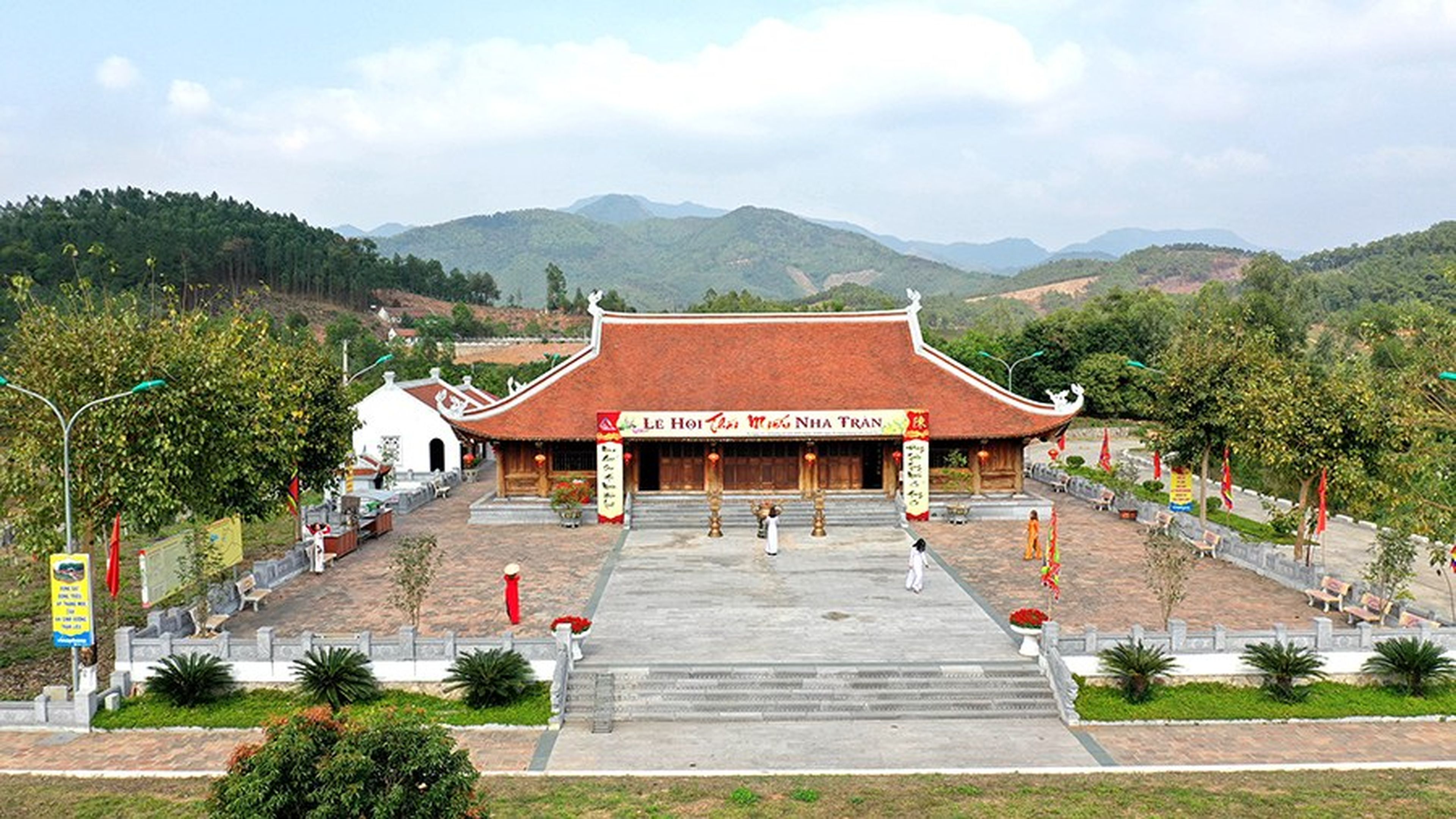
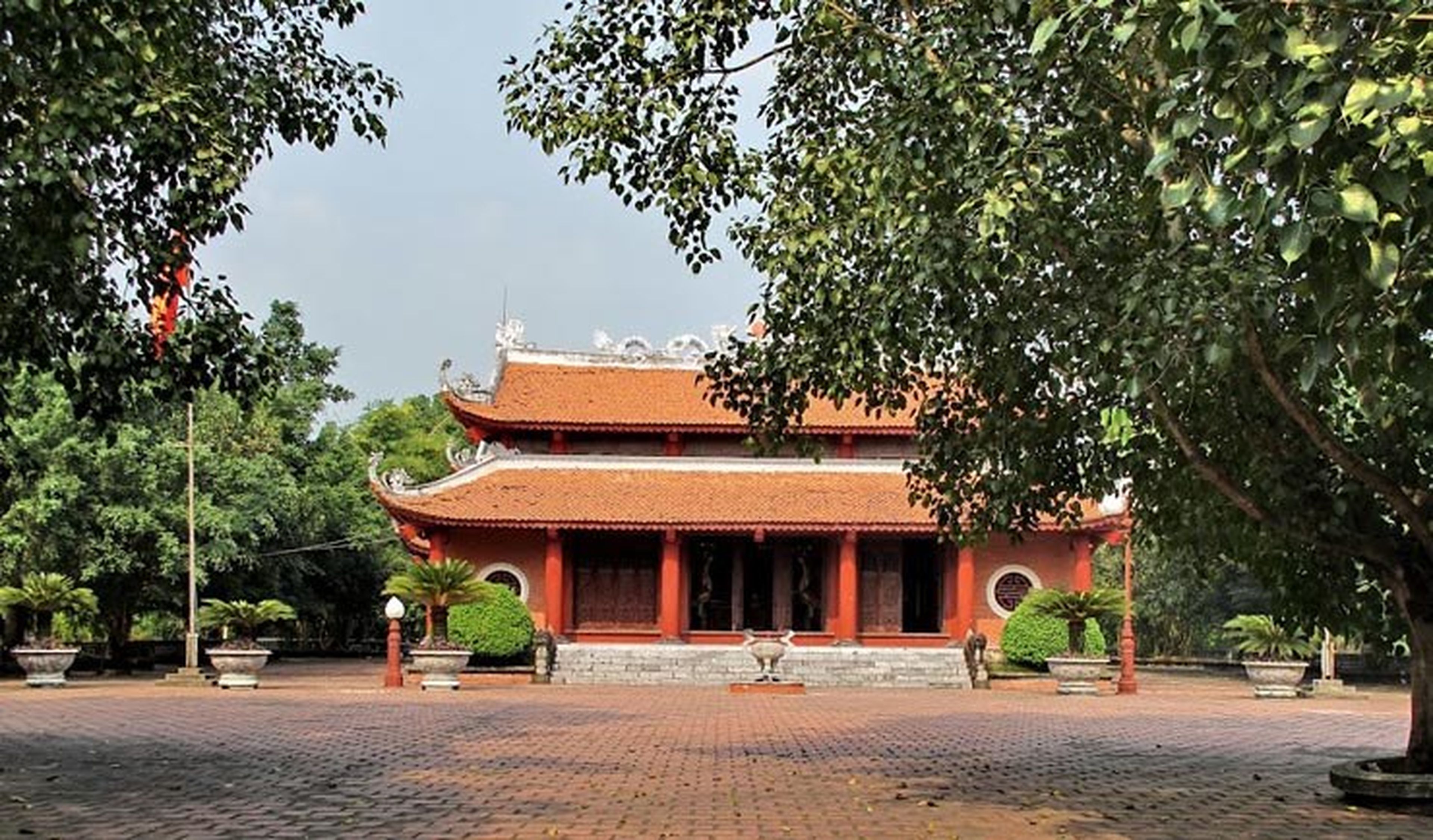
Thai Mieu (Royal Ancestral Temple). Photo: Quang Ninh Newspaper.
The Tran Dynasty (1225 – 1400), with its military feats and enlightened governance, opened a heroic epoch in the history of national construction and defense. According to historical records, the Dong Trieu region was the initial settlement of the Tran clan. Later, this land was bestowed by King Tran Thai Tong upon his elder brother Tran Lieu as a fief.
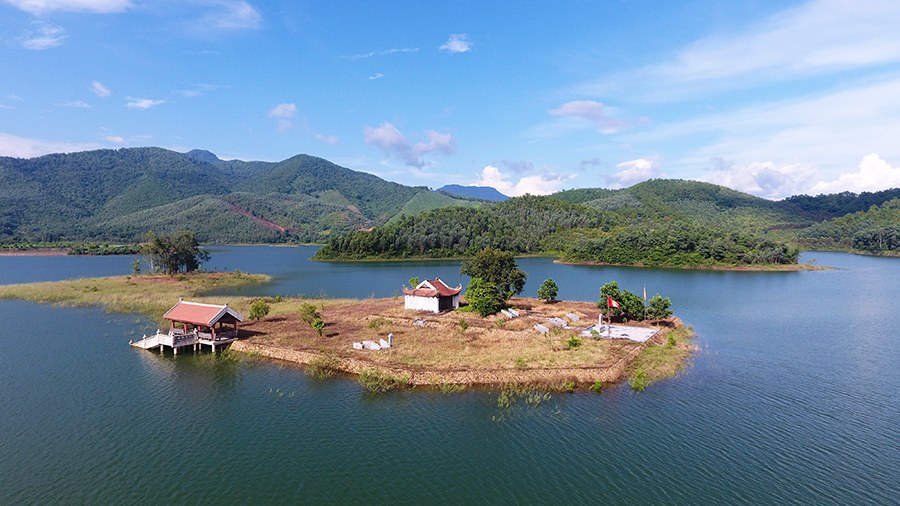
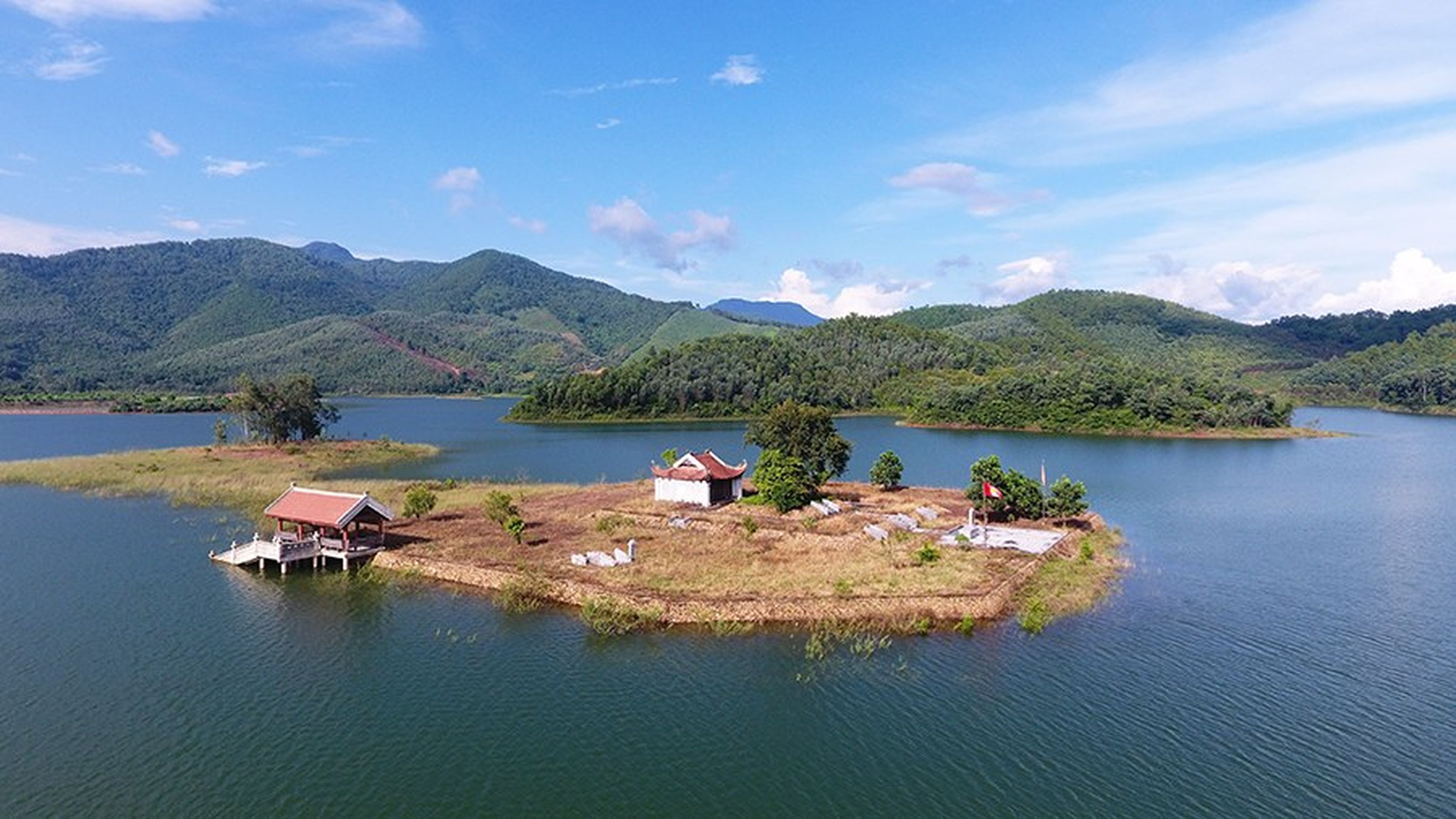
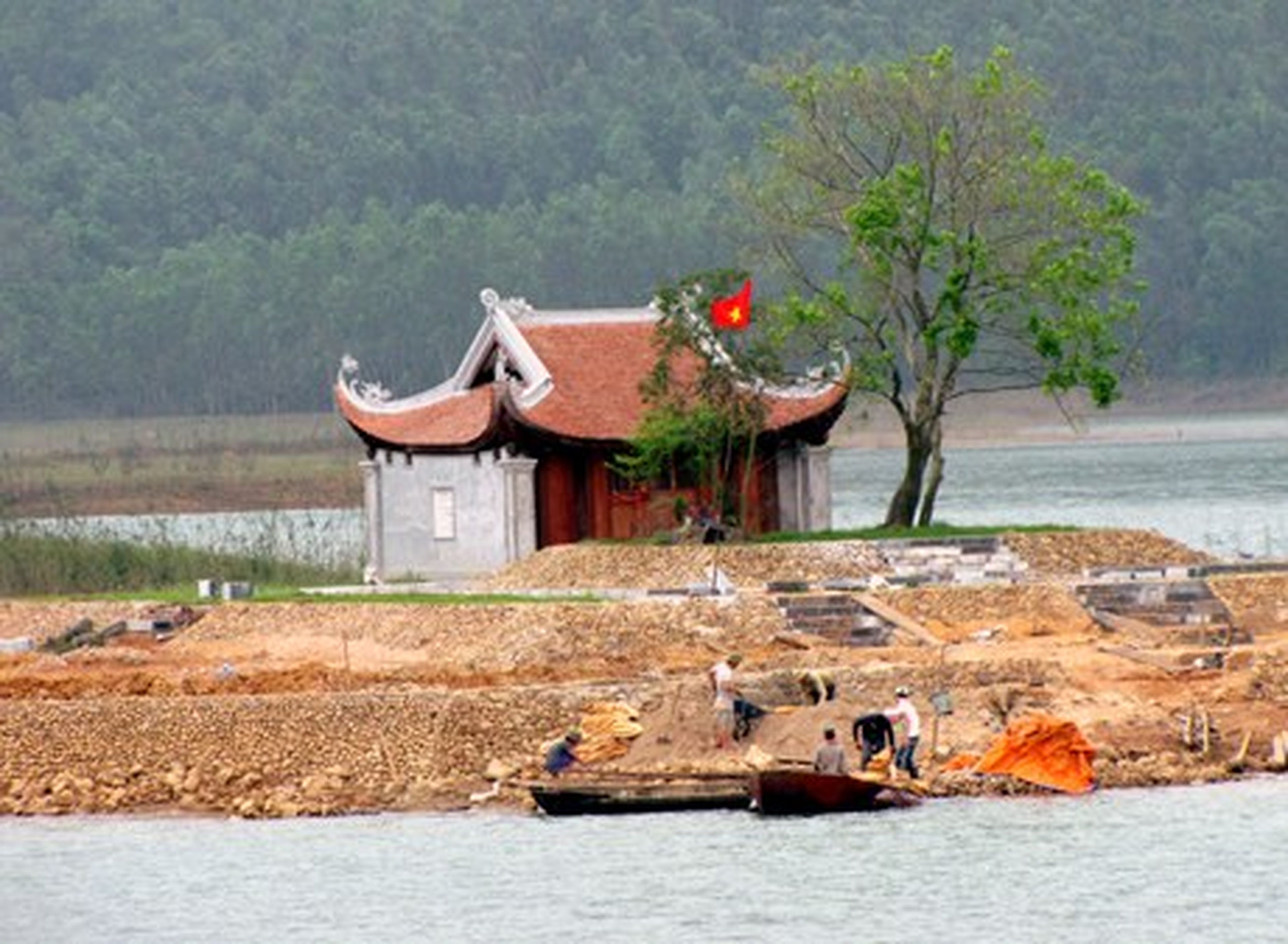
Thai Lang (Thai Mausoleum). Photo: Quang Ninh Newspaper.
Every ruling dynasty prioritized two fundamental matters: the realm of the living for establishing the imperial capital, and the realm of the departed for constructing ancestral temples and royal mausoleums. While Thang Long continued to be chosen as the imperial capital, the Tran Dynasty also built and developed two cultural centers and two mountain mausoleum regions to the east and south of the capital.
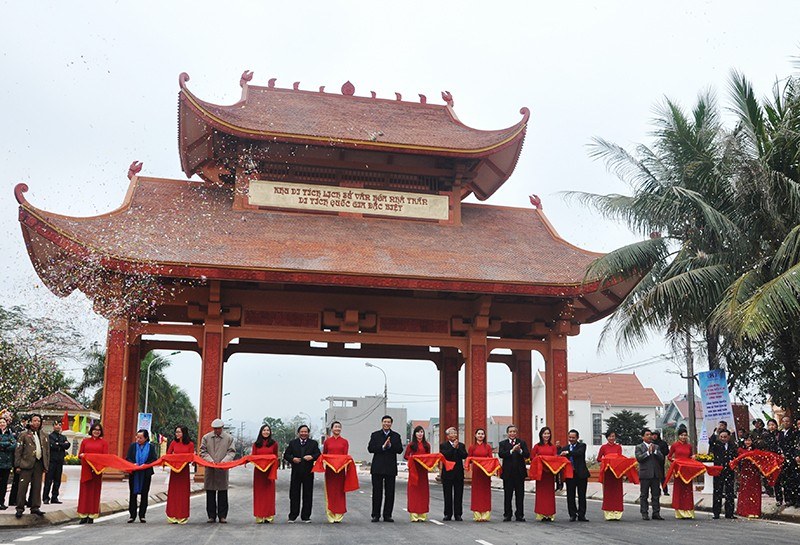
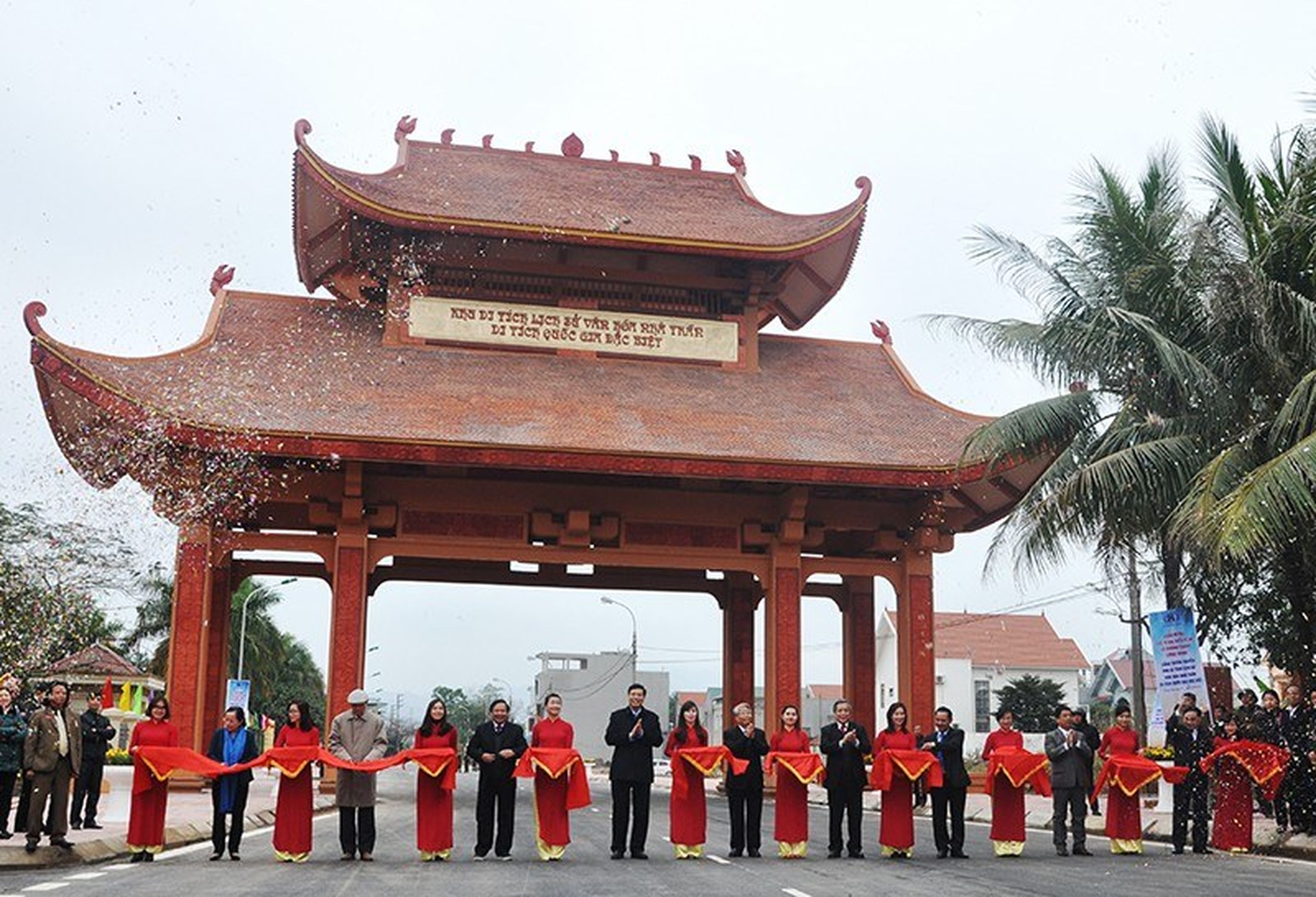
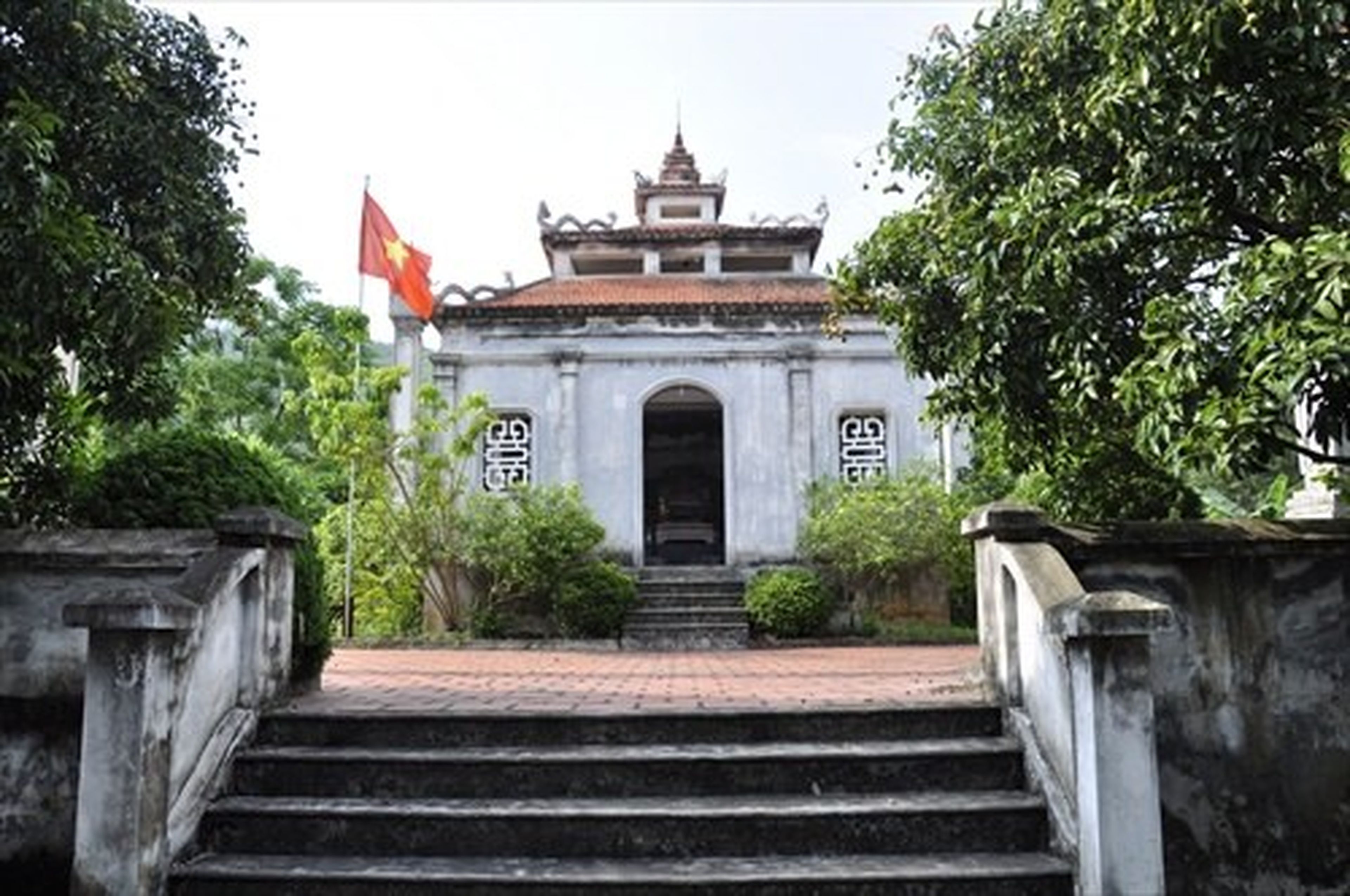
Entrance gate of the relic site. Photo: Bao Quoc Te.
Many scholars have recognized Dong Trieu as a major cultural and religious center, alongside Thang Long—the political and economic center, and Thien Truong - Long Hung—the cradle of the Tran Dynasty.
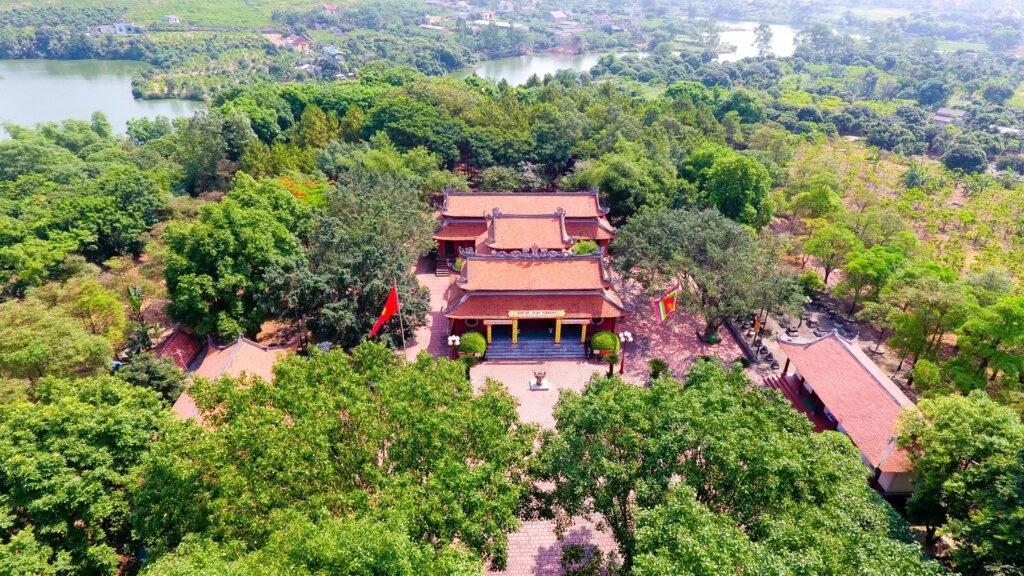
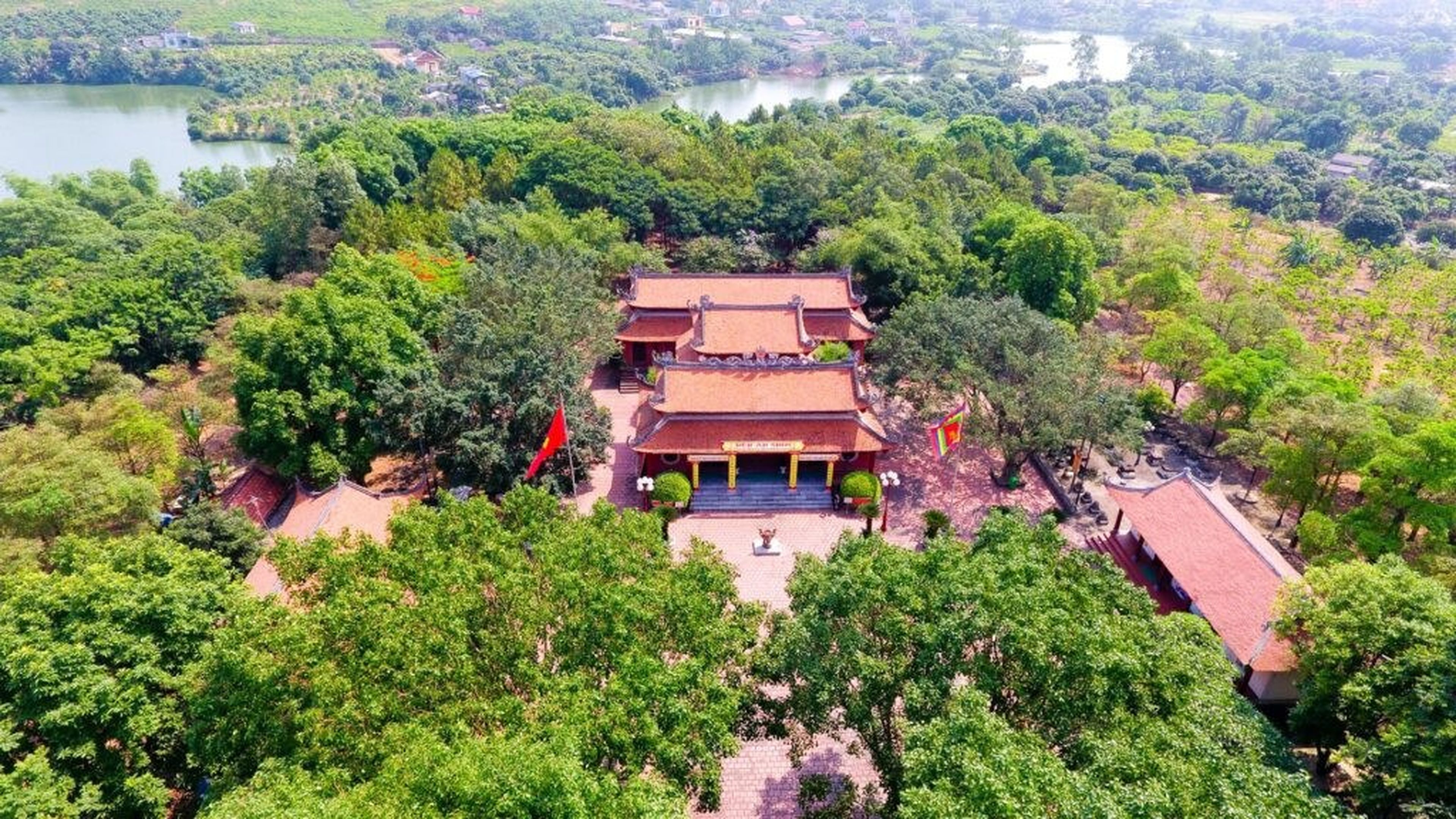
An Sinh Temple. Photo: Grand Fleuve Boutique.
The ancient name of Dong Trieu was An Sinh; it was renamed during the reign of King Tran Du Tong and has evolved into today's Tran Dynasty historical relic site. This is a special national relic site comprising royal tombs, temples, pagodas, hermitages, and stupas across 14 sprawling monuments. It is a sacred realm deeply imbued with historical and cultural spirit, serving as the ancestral origin of the Tran Dynasty.
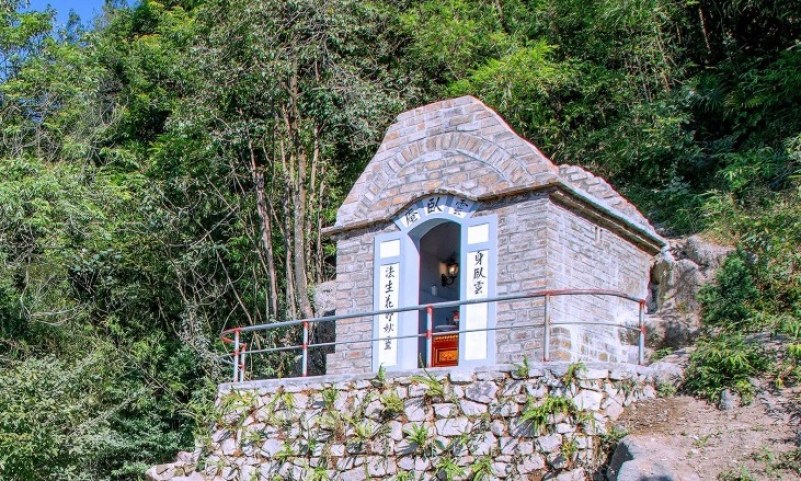
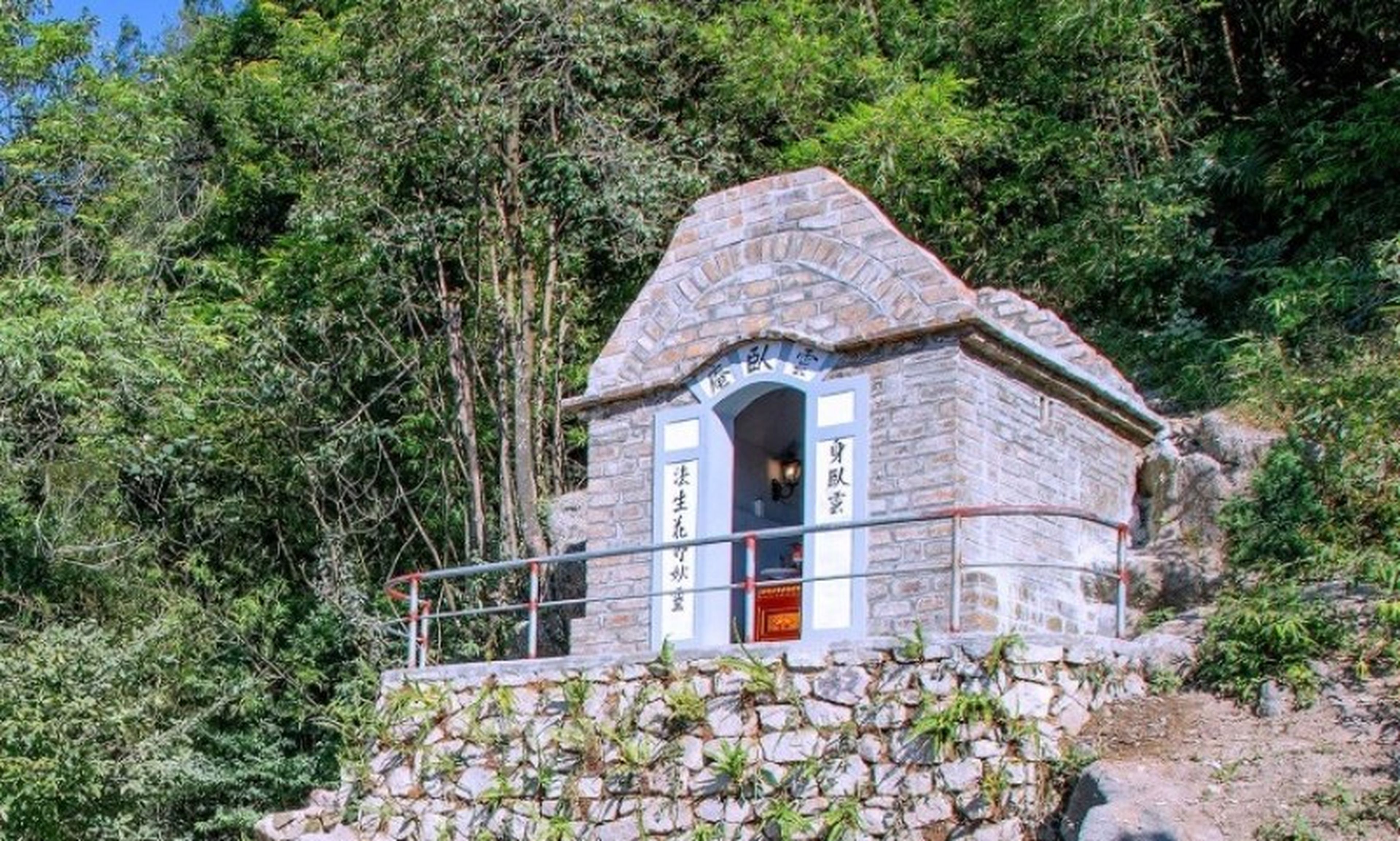
Ngoa Van Hermitage. Photo: Quang Ninh Newspaper.
Starting from the 13th century, the Tran Dynasty built the Thai Mieu to worship the Three Ancestors of the Tran clan, establishing it as the most important relic. By the late 14th century, many royal tombs of the Tran monarchs were relocated to Dong Trieu.
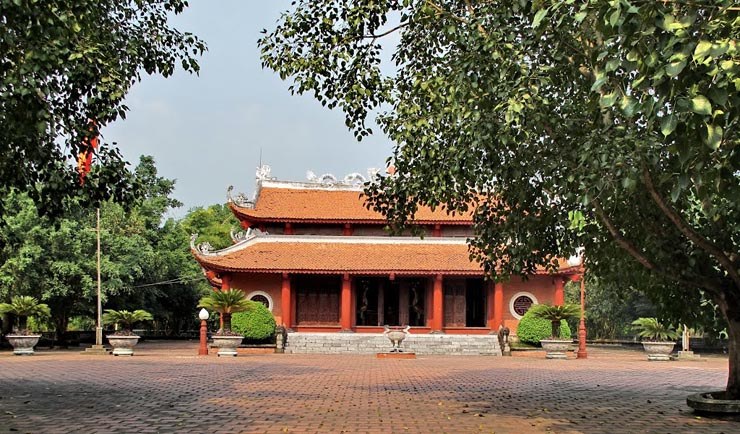
Main sanctuary of An Sinh Temple. Photo: nhatranodongtrieu.
The Tran Dynasty historical relic site comprises 3 groups: communal houses and shrines, royal tombs and mausoleums, and pagodas and stupas. The temples and mausoleums are intimately tied to the imperial ancestral cult of the Tran Dynasty.
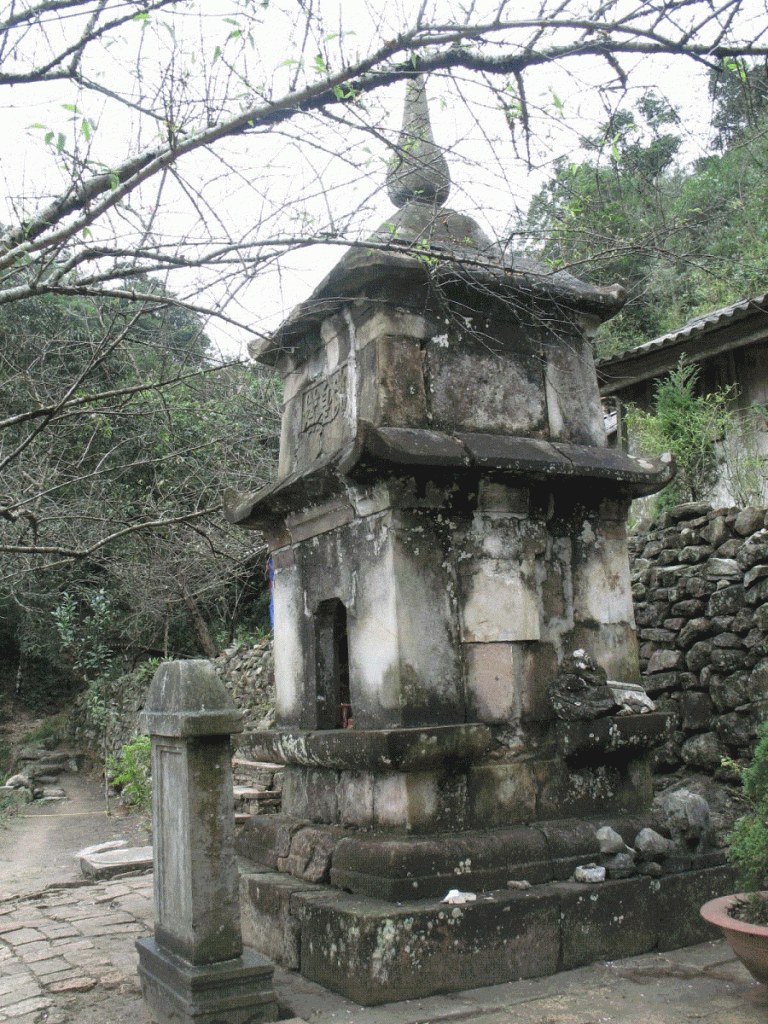
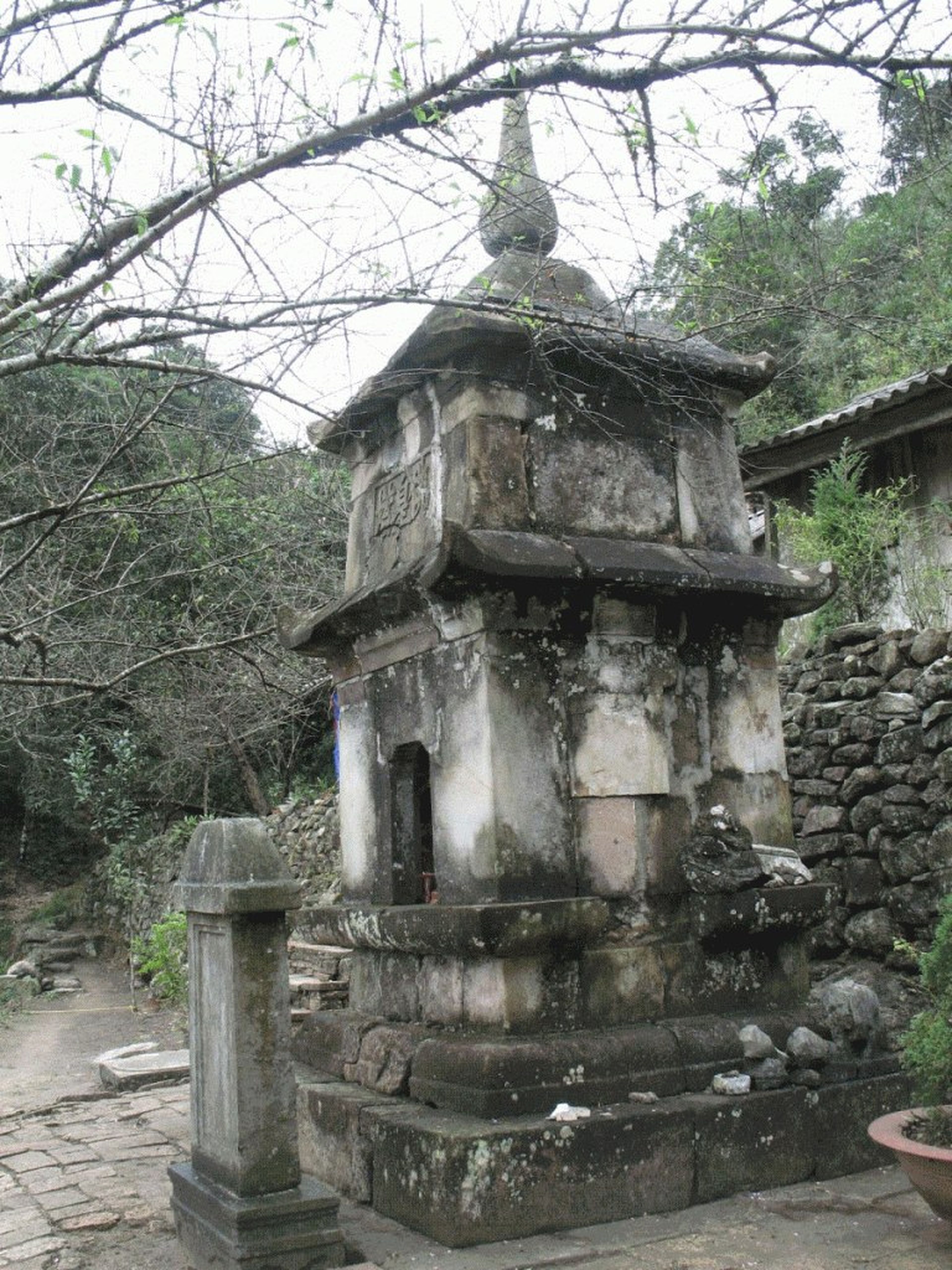
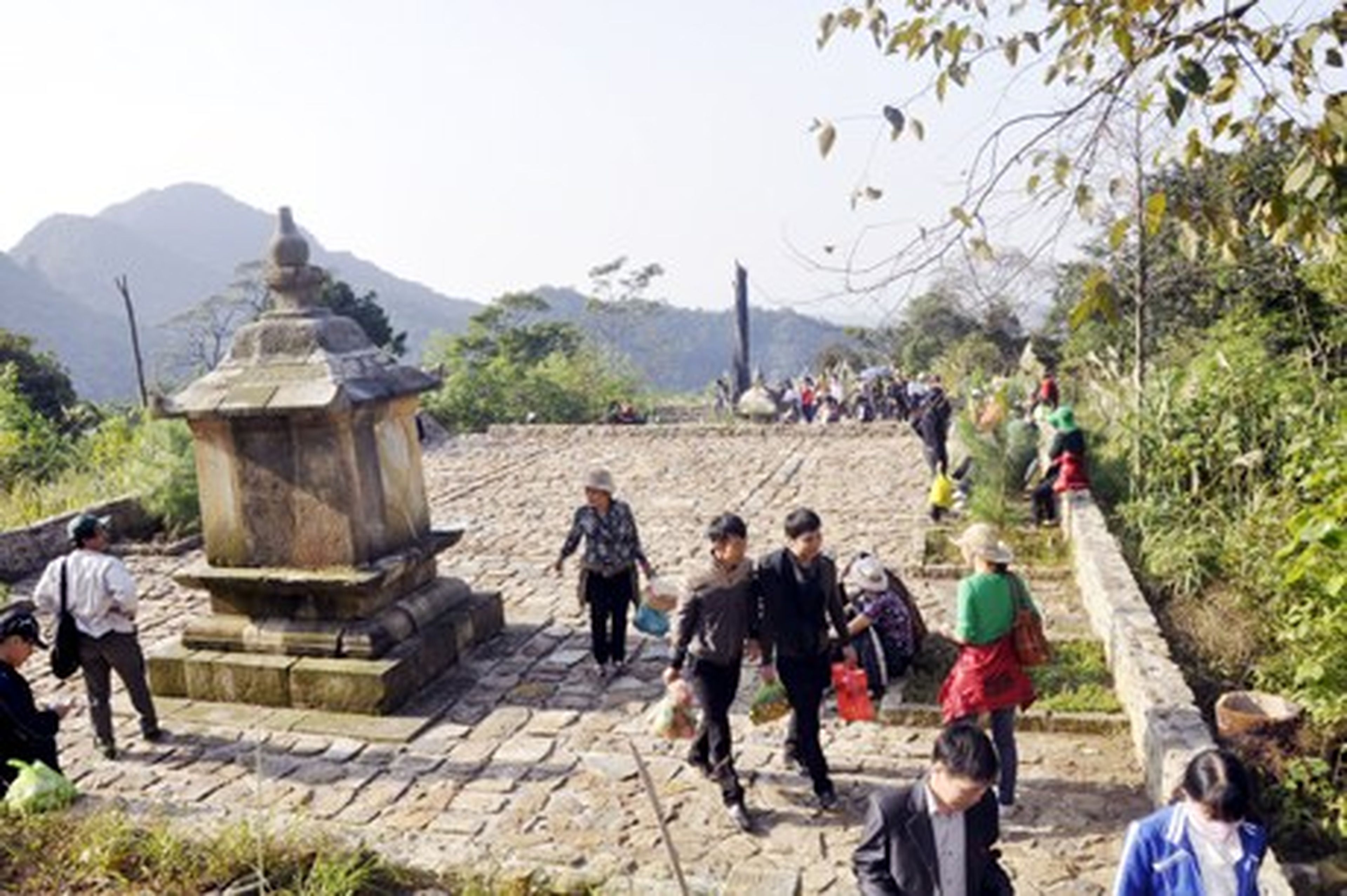
Stupa of King-Monk Tran Nhan Tong at Ngoa Van Hermitage - Pagoda. Photo: Quang Ninh Museum.
Alongside constructing royal tombs, the Tran Dynasty also erected temples to venerate ancestral monarchs, accompanied by the emergence of numerous pagodas. At that time, however, Dong Trieu served solely as an imperial mausoleum complex and had not yet become the Buddhist center of Dai Viet.
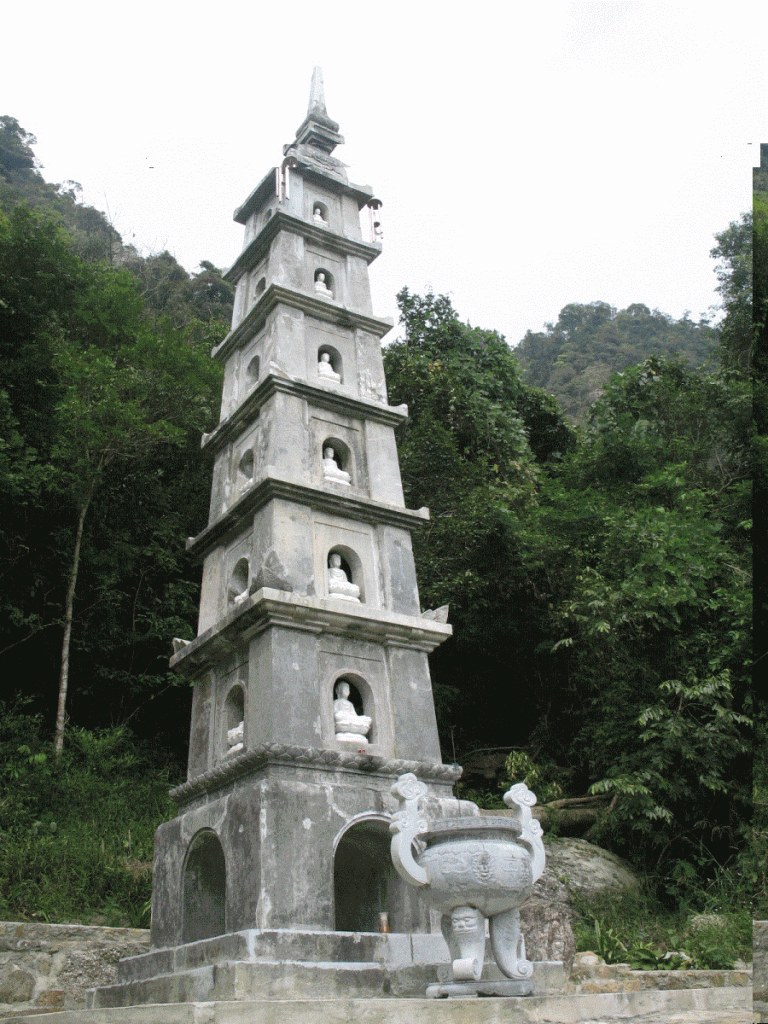
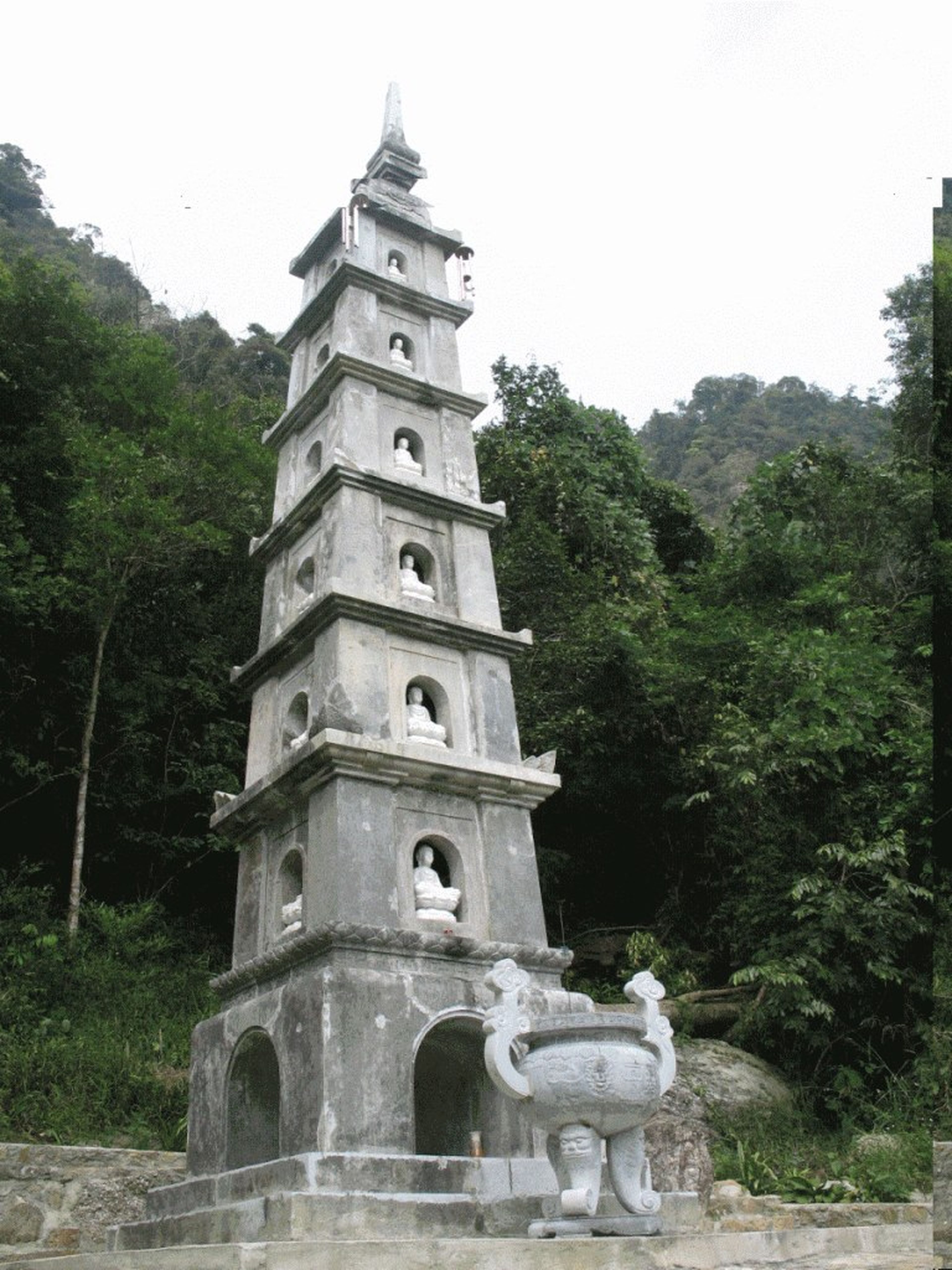
Ho Thien Pagoda Stupa. Photo: Quang Ninh Museum.
It was only when King Tran Nhan Tong renounced the throne, ascended Mount Yen Tu to lead an ascetic monastic life, and founded the Truc Lam Zen sect that this changed. He unified the pre-existing Zen schools and the entire Buddhist community of the Tran era under a single sangha.
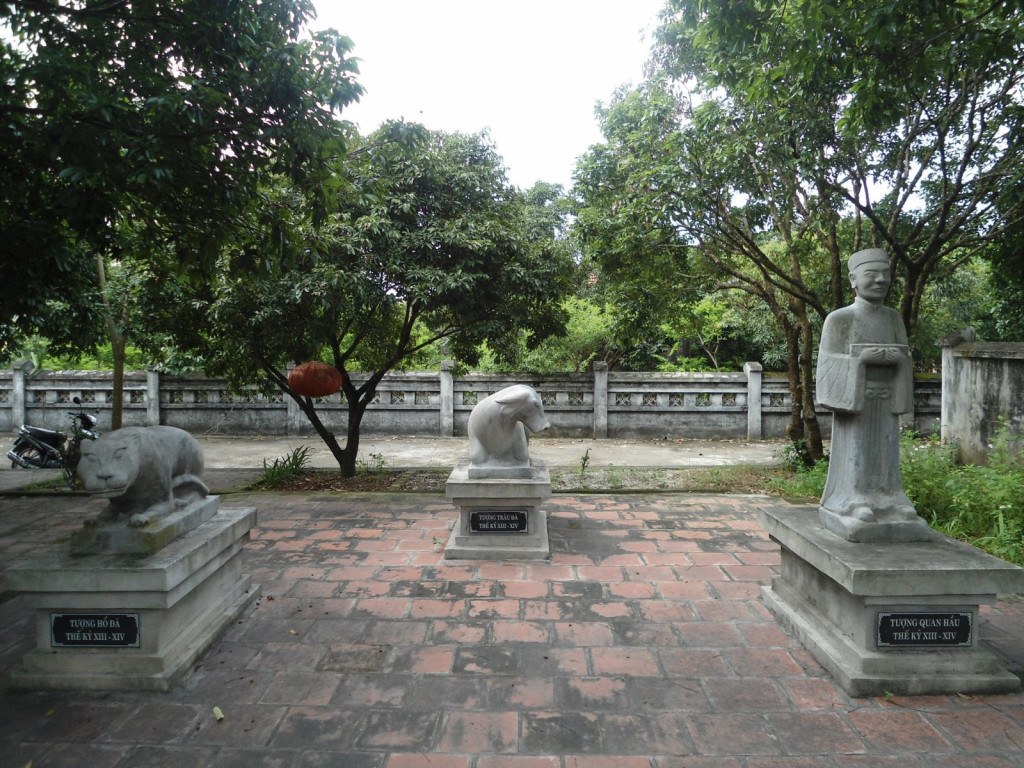
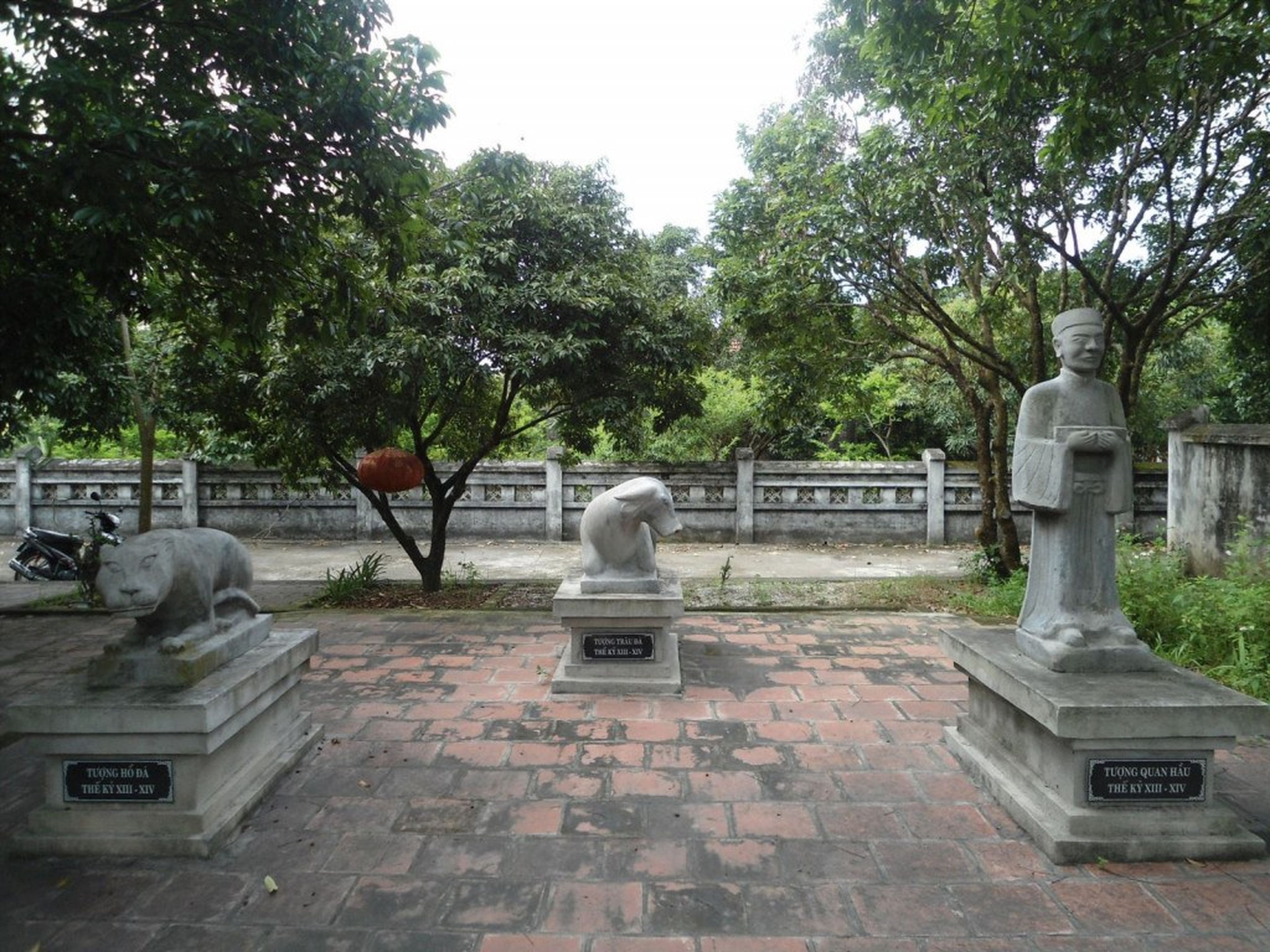
Stone statues of attendants and sacred beasts at Ngai Son Mausoleum. Photo: Quang Ninh Museum.
During this era, Dong Trieu became a crucial Buddhist center. Successive Tran kings built a dense network of shrines, mausoleums, pagodas, and stupas set within an expansive natural landscape reaching all the way up the slopes of Mount Yen Tu.
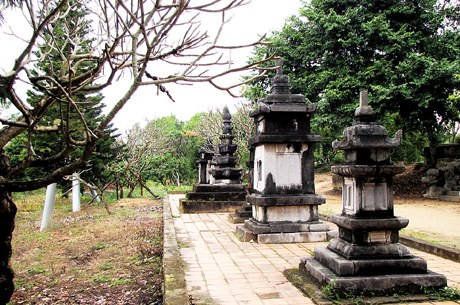
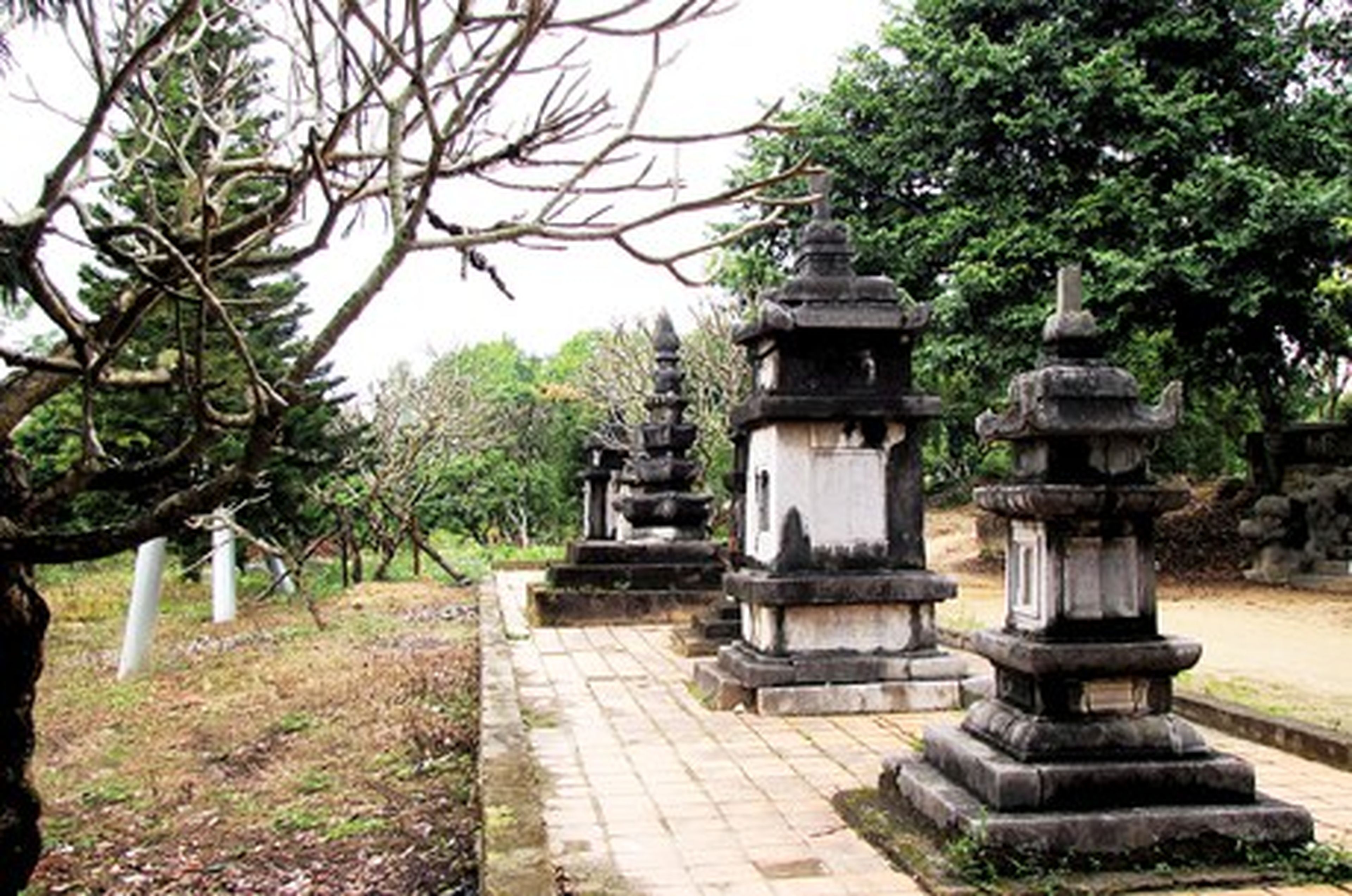
Stone stupa garden at Quynh Lam Pagoda. Photo: Quang Ninh Newspaper.
Ngoa Van and Ho Thien Pagodas were where King-Monk Tran Nhan Tong took the rostrum to preach Buddhist doctrine, closely associated with the propagation of Buddhism in Dai Viet and the training of monks at higher levels.
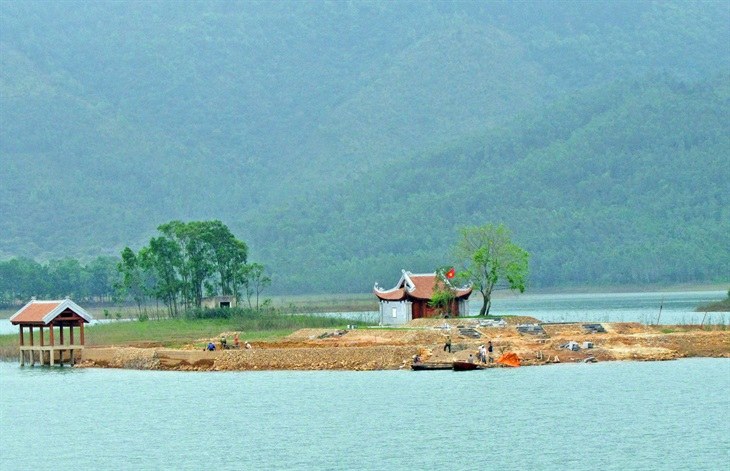
Sinh Temple, where 8 Tran kings are worshipped. Photo: Hai Ninh.
At Ho Thien Pagoda, there is also a 7-tier stone stupa whose architecture remains a mystery to researchers, attracting scholars and history enthusiasts from far and wide to visit and explore.
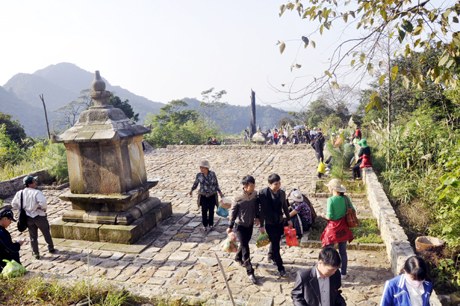
Ancient stupa at Thong Dan. Photo: Quang Ninh Newspaper.
Quynh Lam Pagoda is considered Vietnam's first Buddhist academy, once housing a Buddha statue regarded as one of the Four Great Treasures of An Nam. The stupa garden within the pagoda and the stone tomb stupas of Zen masters feature distinctive architecture, standing as an emblematic cultural heritage not only of Quang Ninh Province but of all Vietnam.
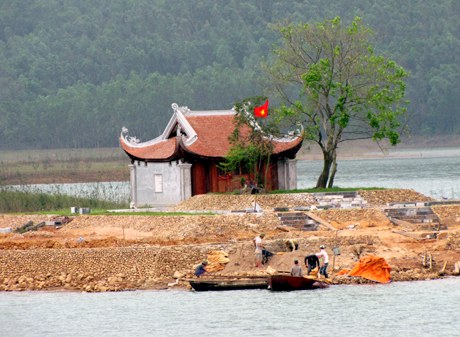
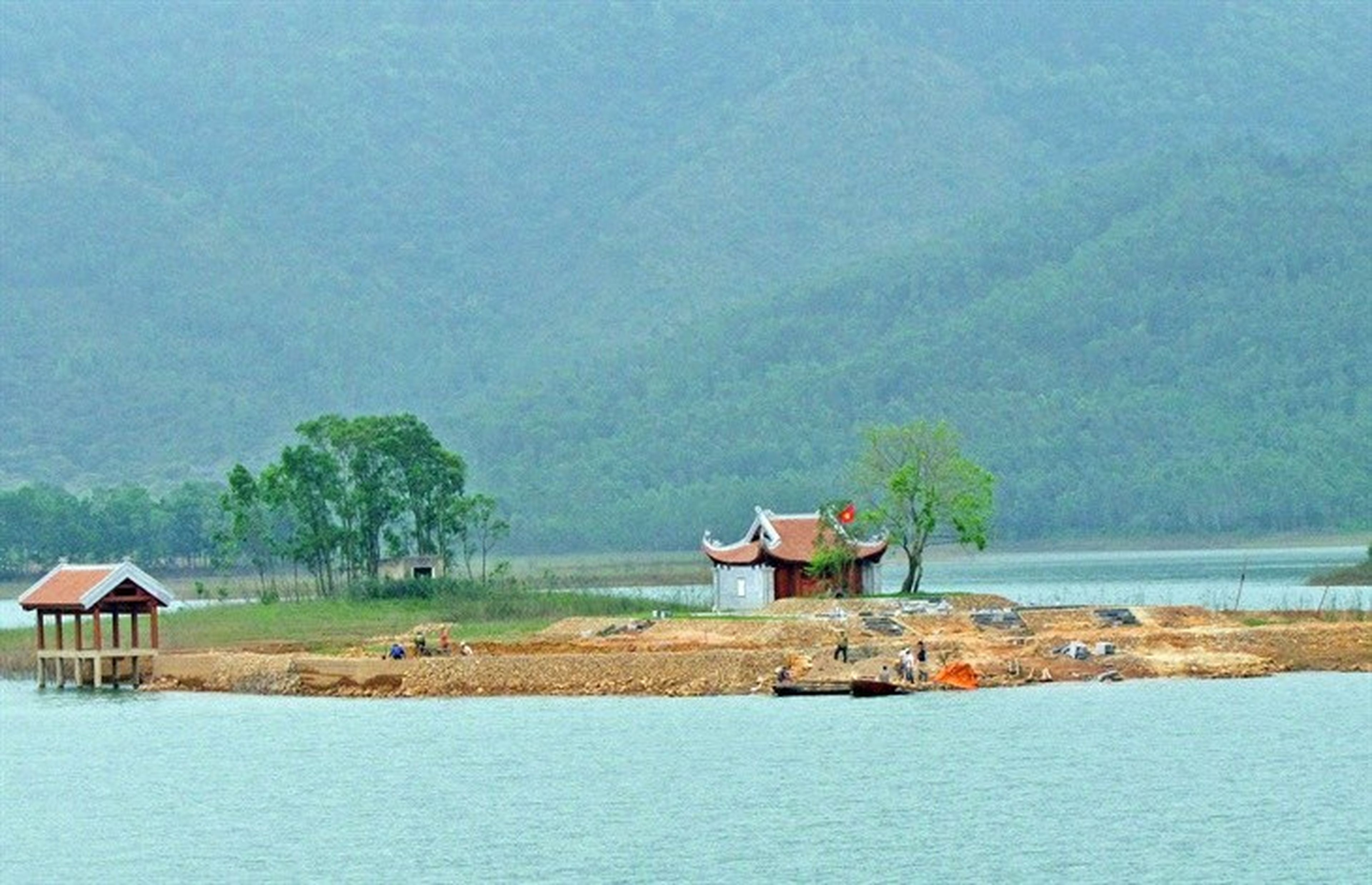
Thai Lang at Trai Loc Lake. Photo: Quang Ninh Newspaper.
Through the passage of time, natural destruction, and the devastation of war, many ancient structures in the Tran Dynasty historical relic site in Dong Trieu remain only as ruins. Nevertheless, those vestiges retain their intact value in the hearts of the people.
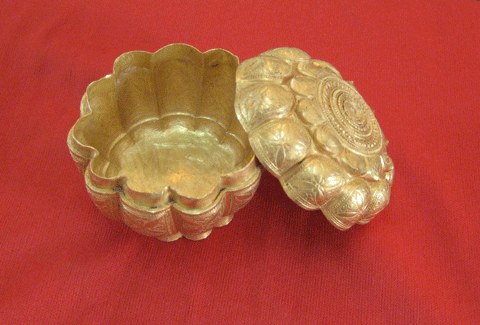
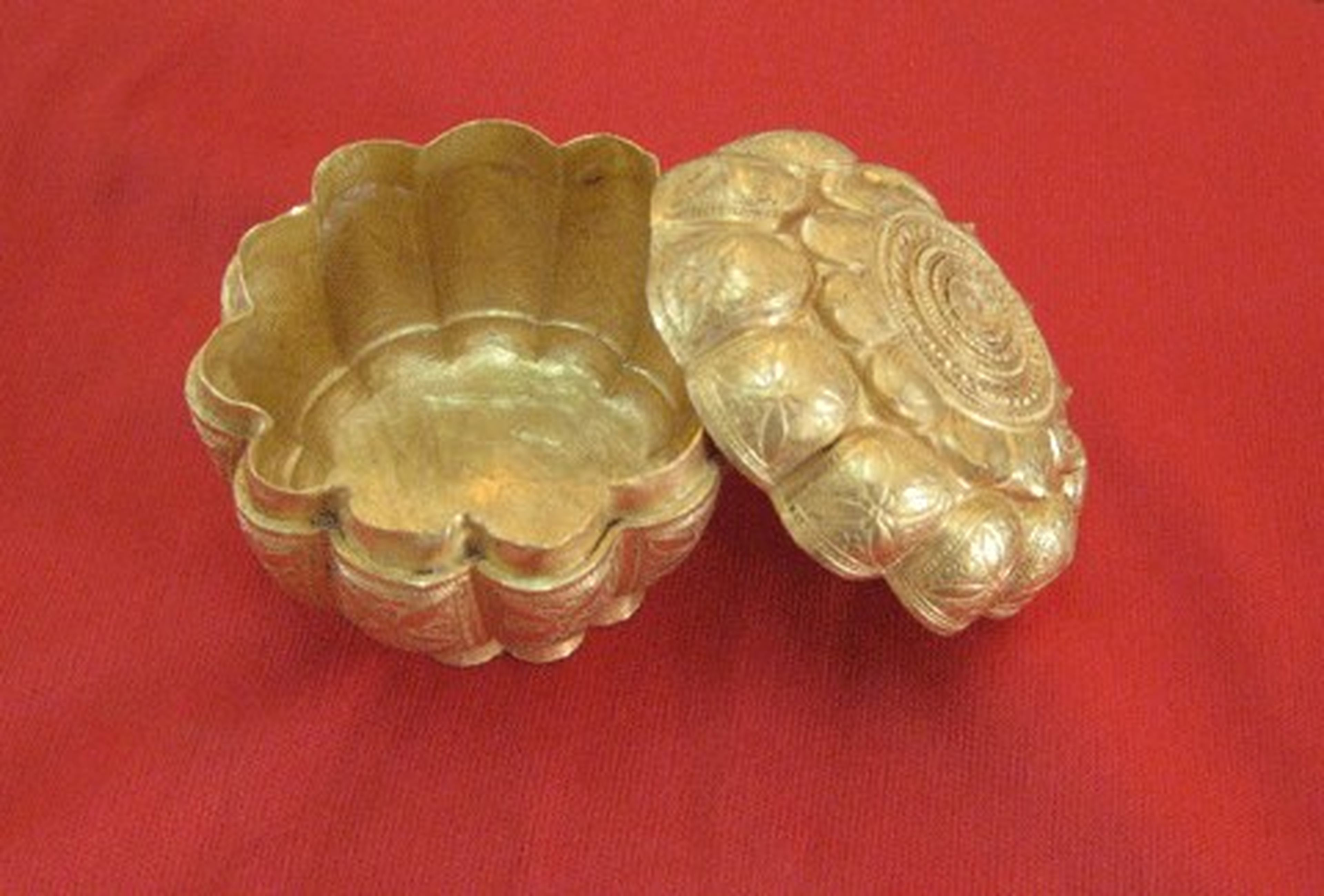
Golden lotus-shaped box artifact. Photo: dongtrieu.edu.
Ancient An Sinh, modern Dong Trieu, is where the Tran kings embodied the Vietnamese tradition of "fallen leaves returning to their roots." Both visible structures and those still buried underground remain a timeless heritage, carrying not only the historical values of a renowned dynasty but also serving as testament to 700 years of purely Vietnamese Buddhism.
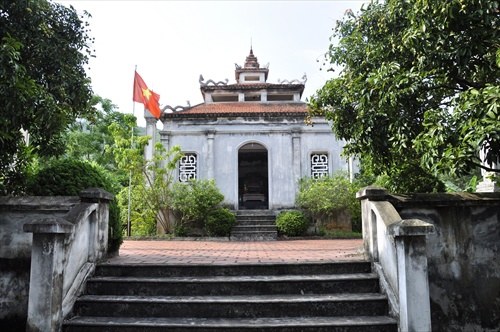
Ngai Son Mausoleum, the burial place of King Tran Hien Tong. Photo: dongtrieu.edu.
Today, archaeological efforts have gradually brought to light the structure, scale, and appearance of the significant historical monuments here. These ancient relics, bearing the legacy of an entire glorious era, are steadily being revived at the Tran Dynasty historical relic site in Dong Trieu.