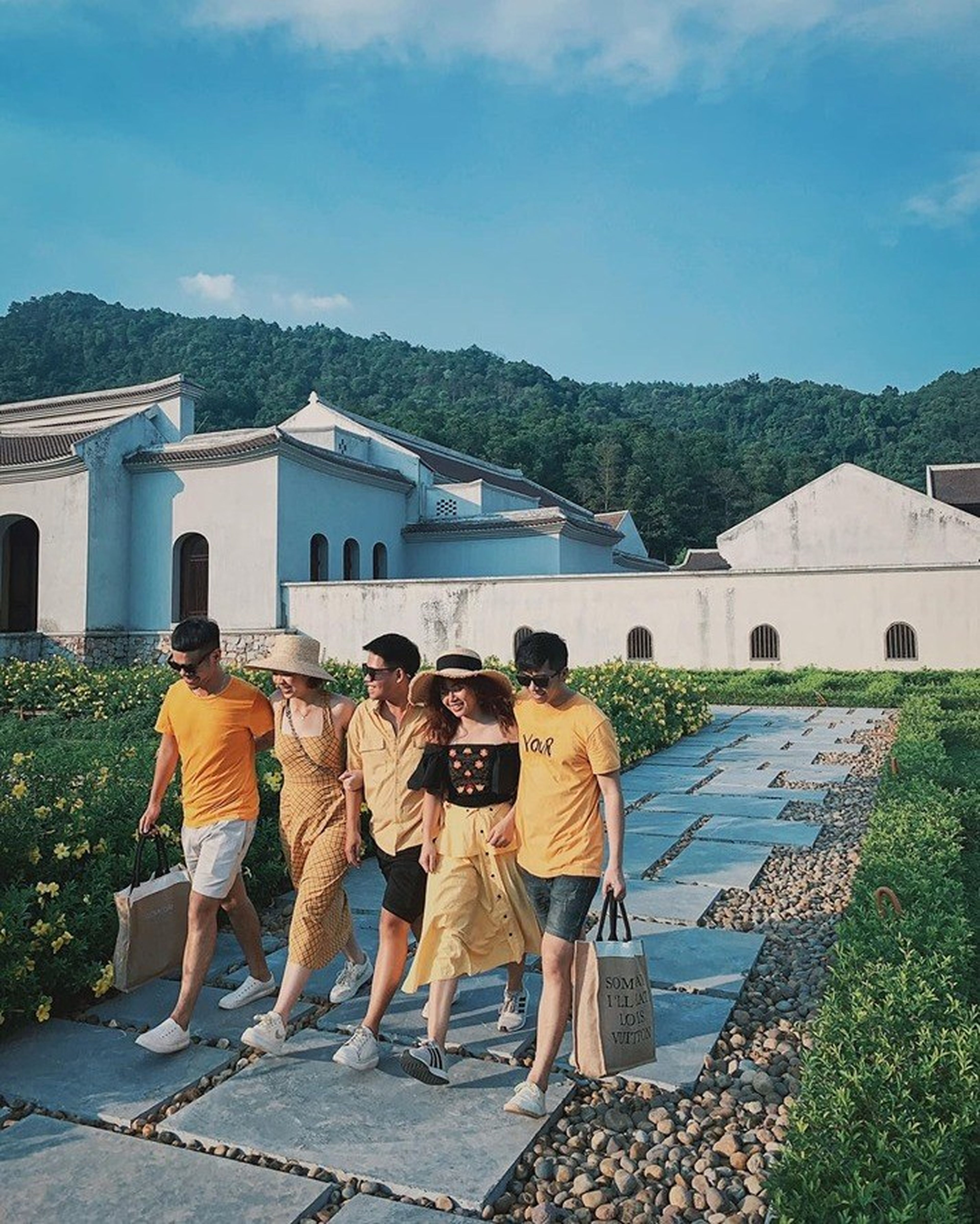
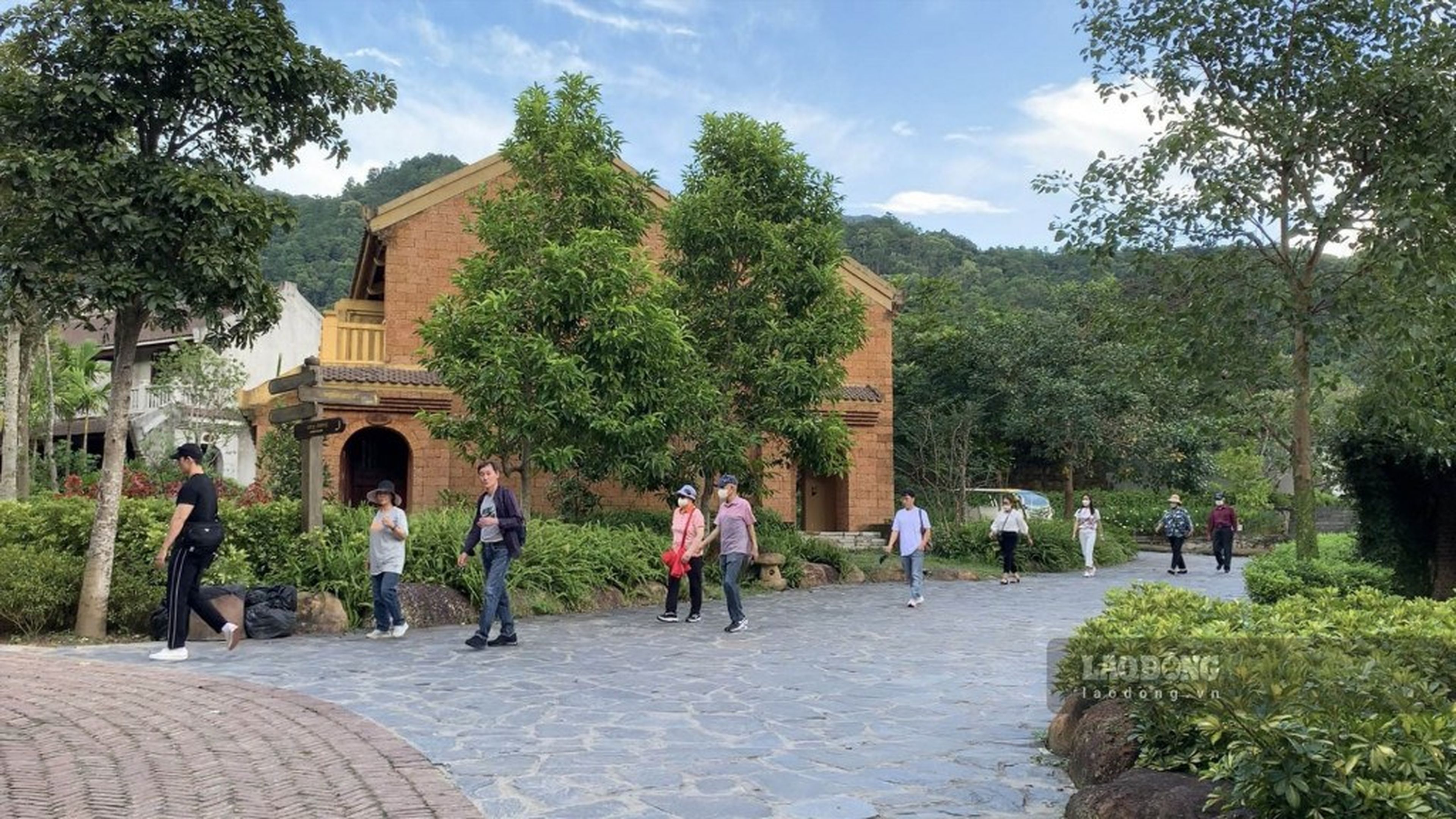
Nuong Village Yen Tu, nestled at the foot of the sacred Yen Tu mountain range, recreates an ancient Northern village with laterite stone houses, fired-brick walls... deeply imbued with the characteristic culture of Vietnam during the Tran Dynasty.
Tran Dynasty cultural space at Nuong Village Yen Tu
Yen Tu Mountain is where King Tran Nhan Tong retired to practice Buddhism and founded the Truc Lam Yen Tu Zen sect. Legend has it that when the king came here to practice, many imperial concubines followed him.
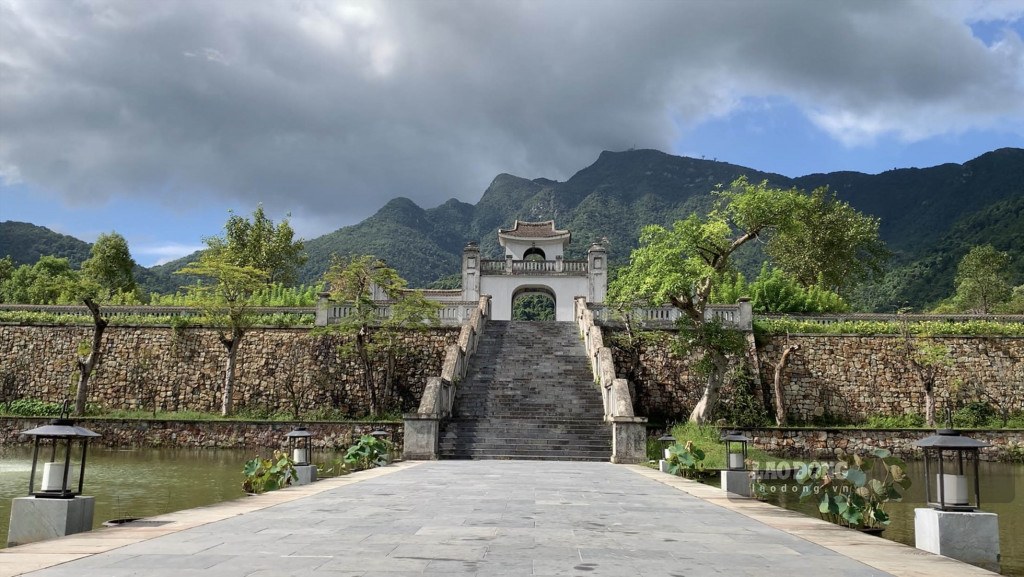
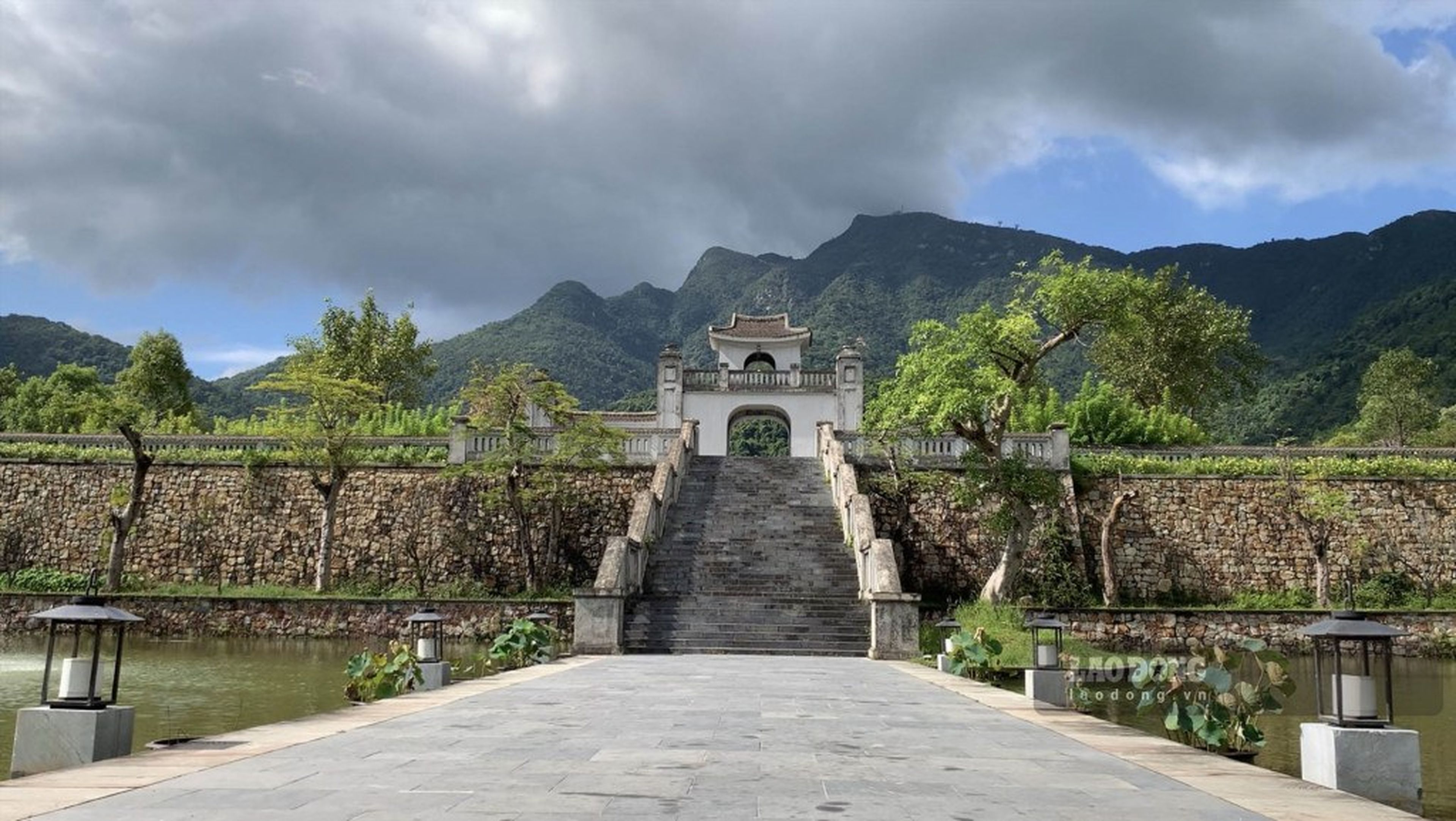
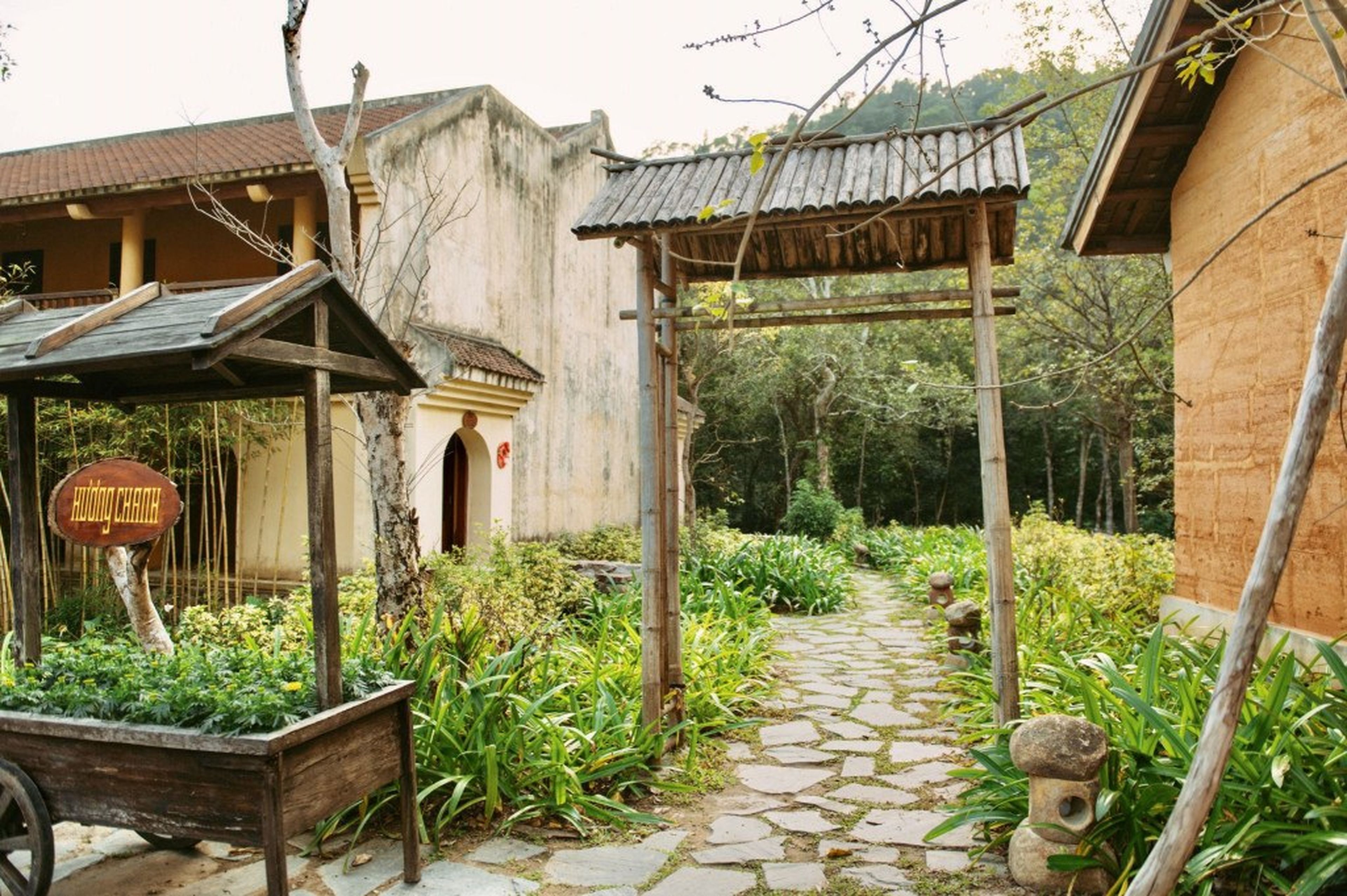
Entrance gate to Nuong Village. Photo: Thien Ha.
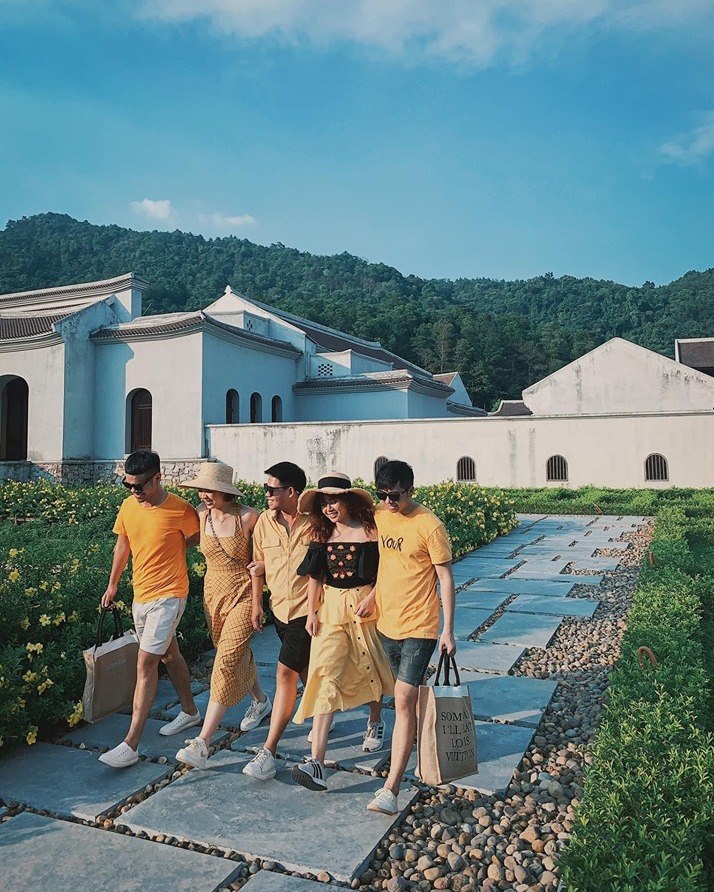
Photo: FB Lang Nuong Yen Tu.
Upon arriving at Giai Oan Stream, the king decided to send the ladies back to their hometowns, but many chose to stay at the foot of the mountain and settled into villages. Thus, villages like Nuong Village and Mu Village were born. However, over time, these villages gradually disappeared.
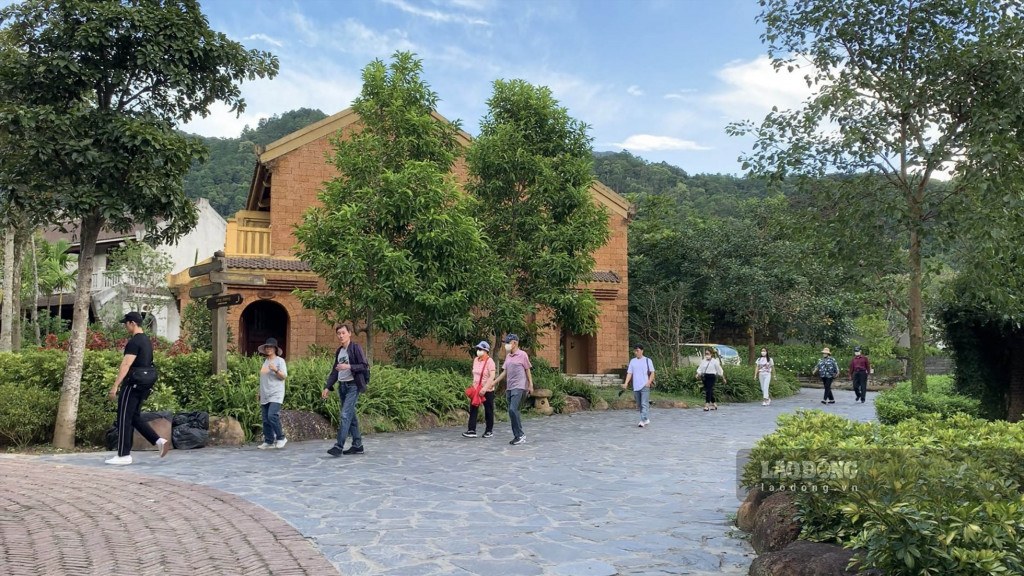
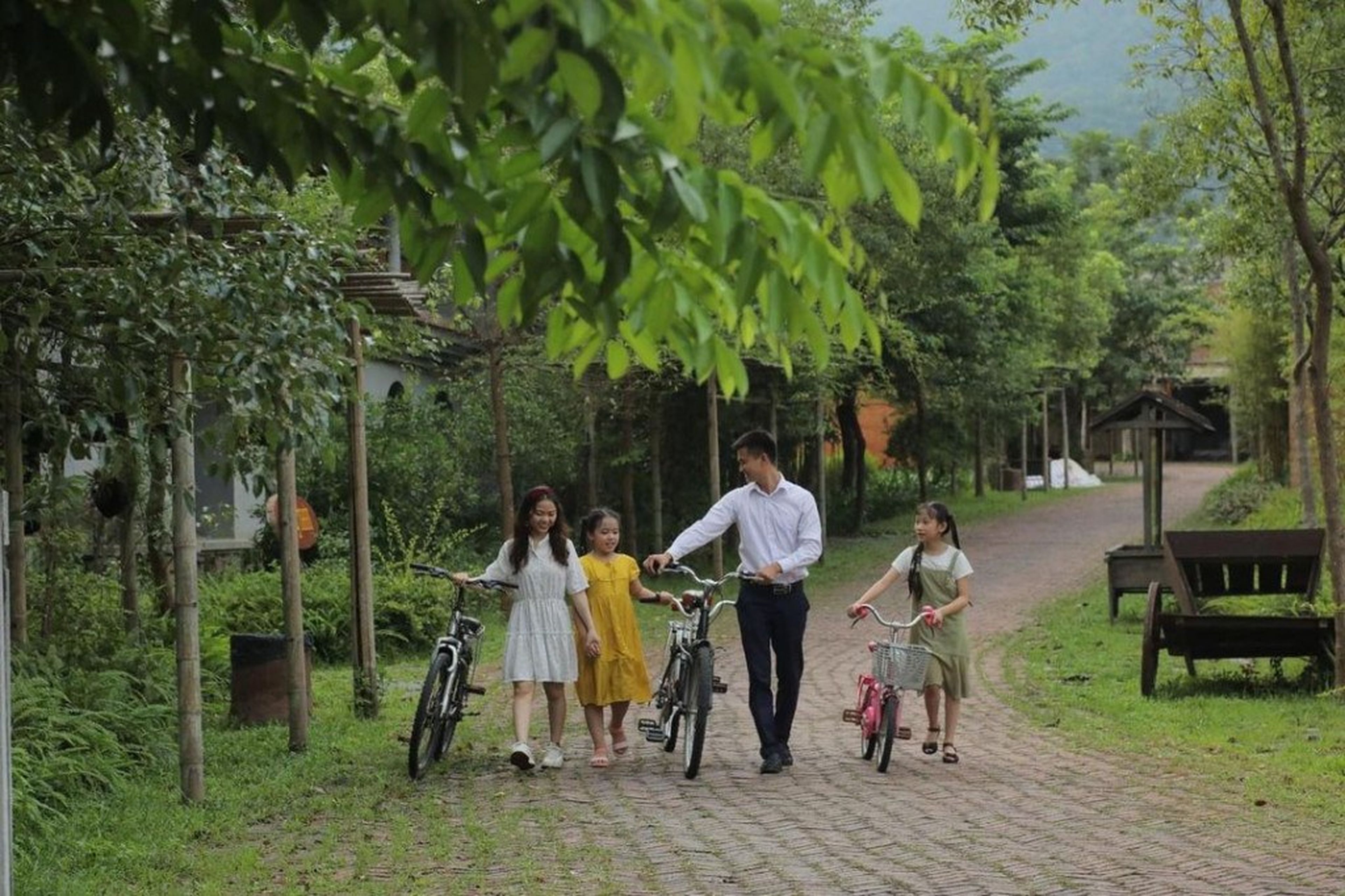
Stone-paved paths. Photo: Thien Ha.
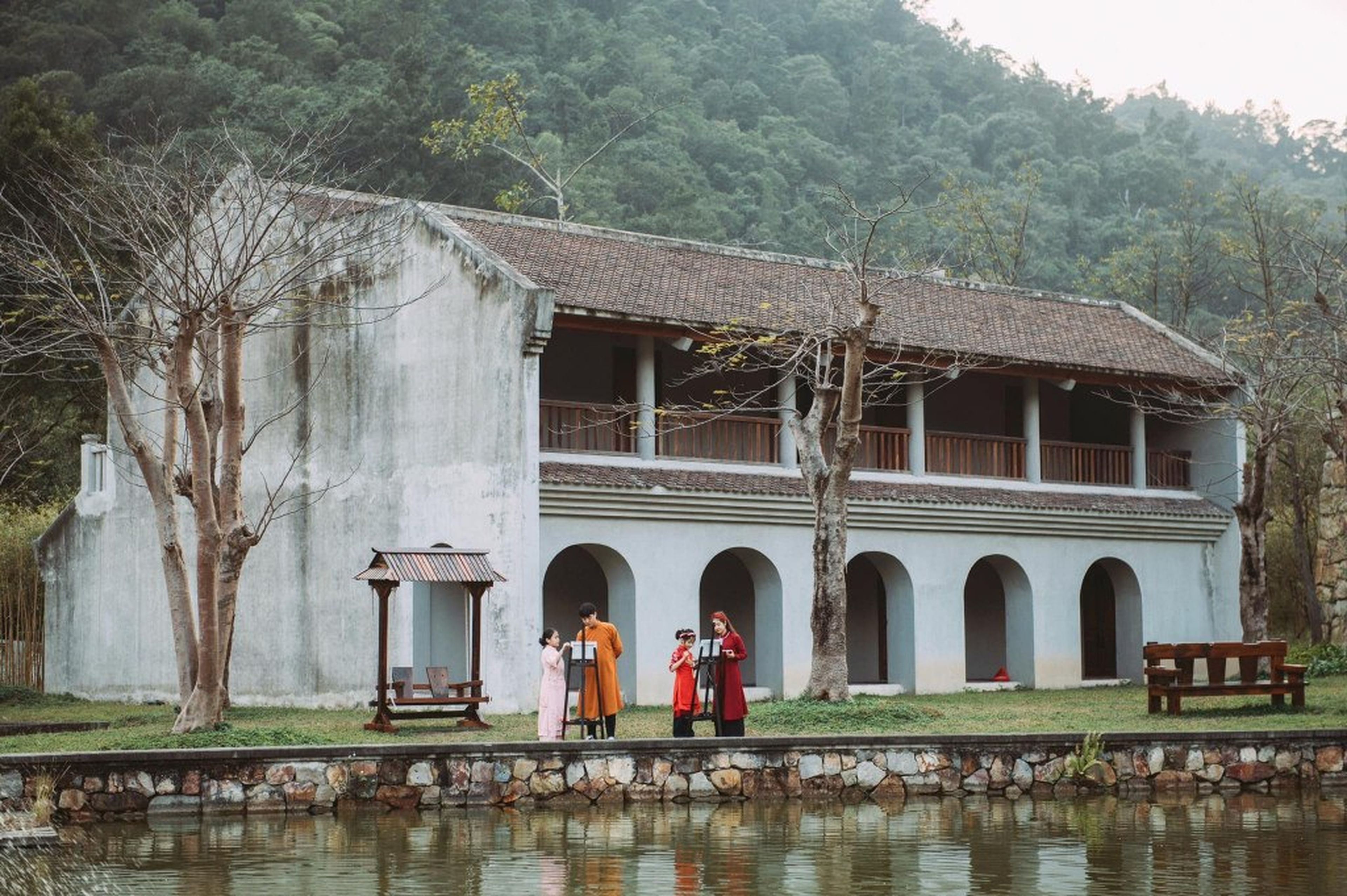
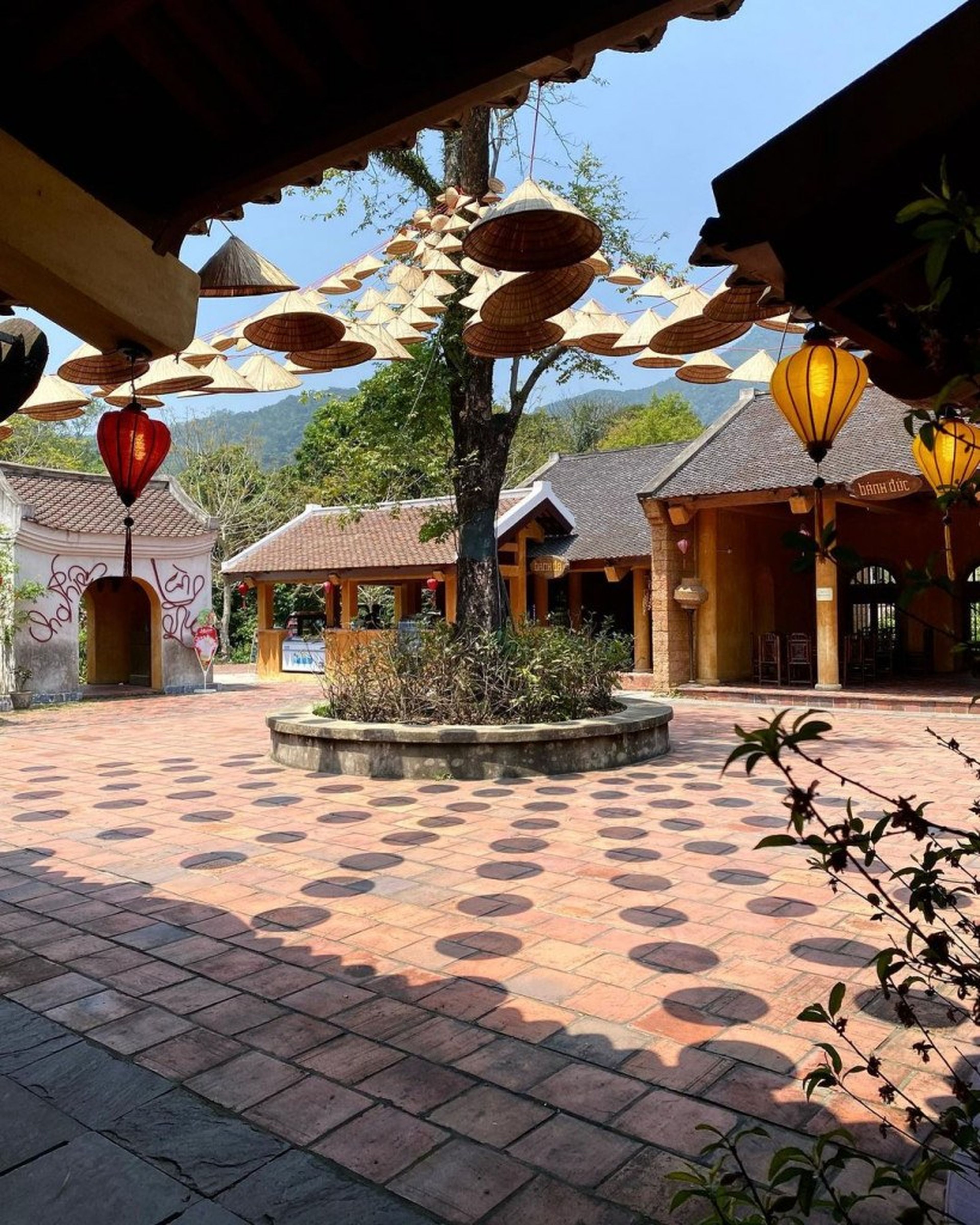
Drawing upon ancient legends, Quang Ninh Province restored Nuong Village with 50 houses, framed by two street rows in the Tran Dynasty village style. The houses are constructed with fired clay brick walls and rammed earth walls, combined with gates and doors made of ironwood.
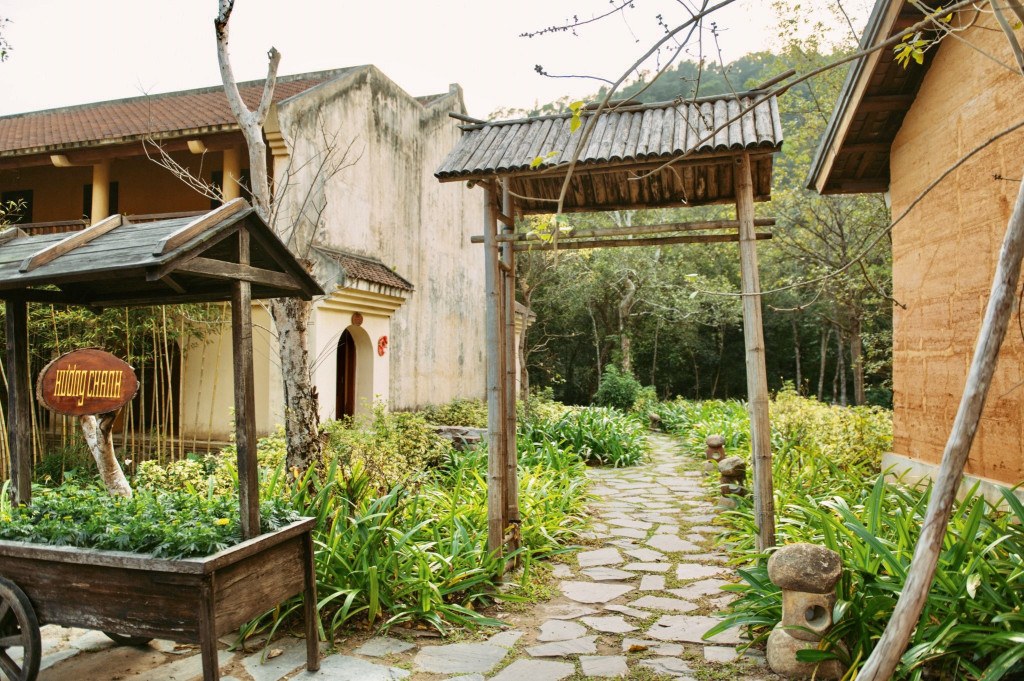
Huong Chanh room area. Photo: FB Lang Nuong Yen Tu.
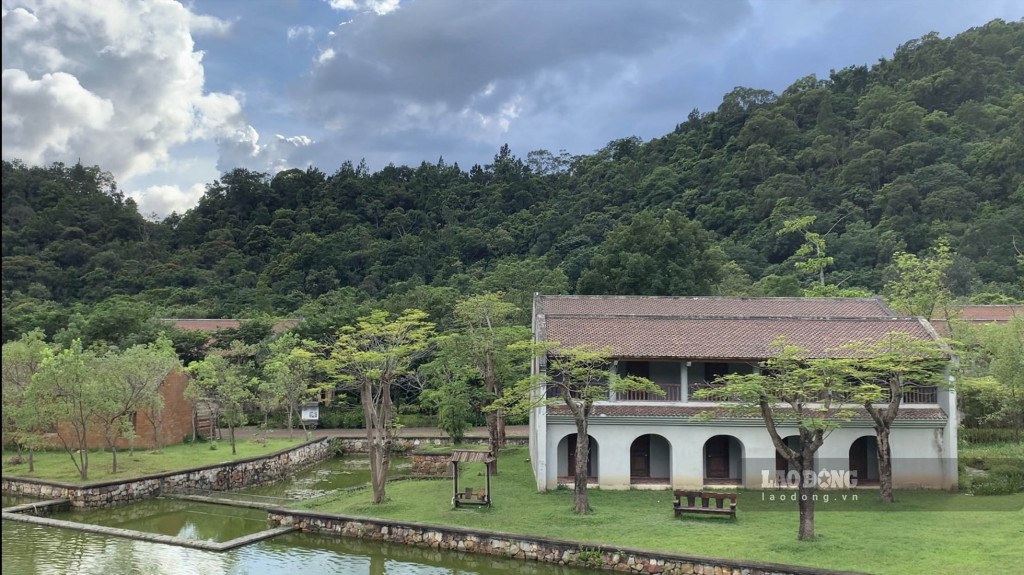
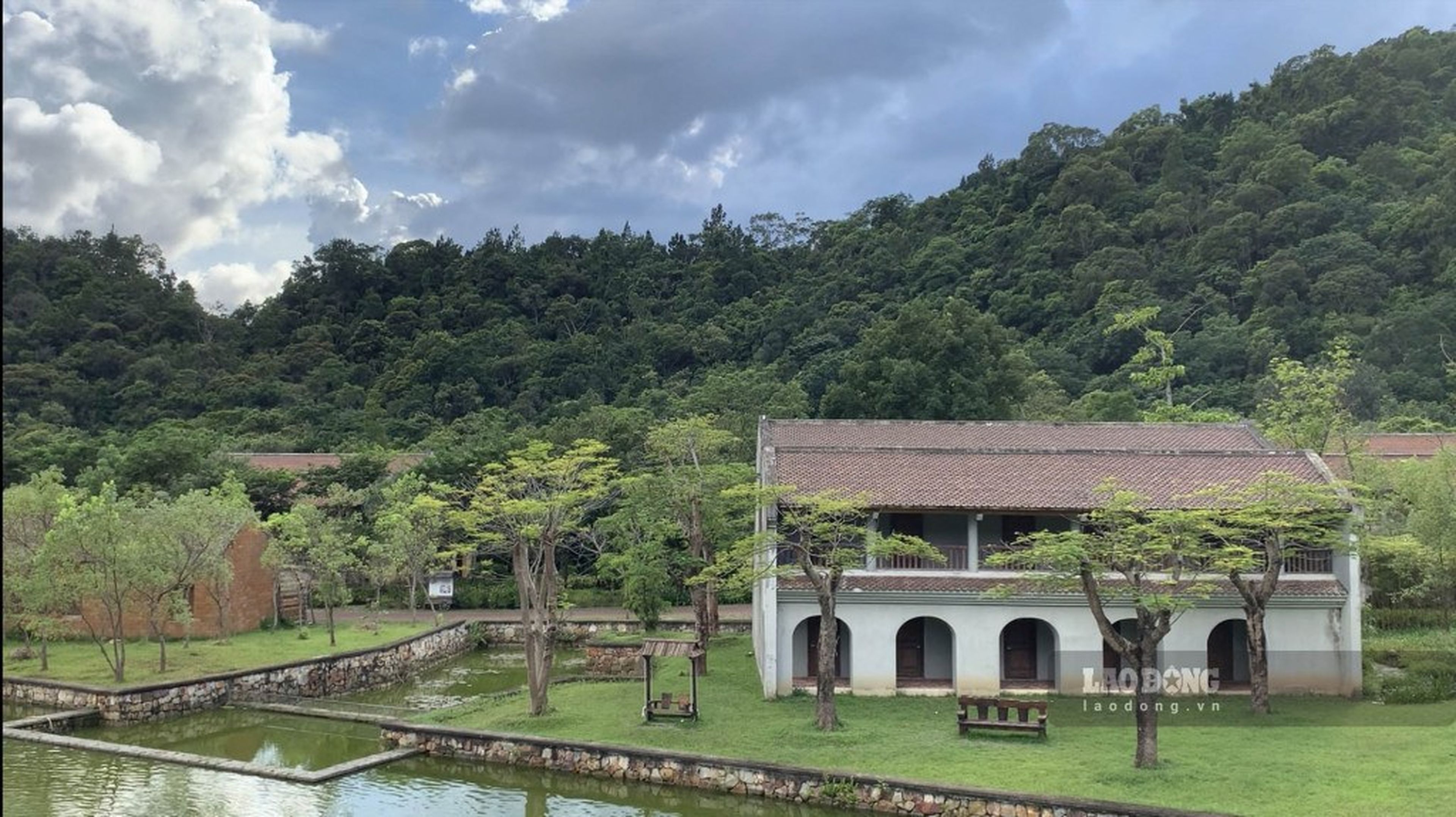
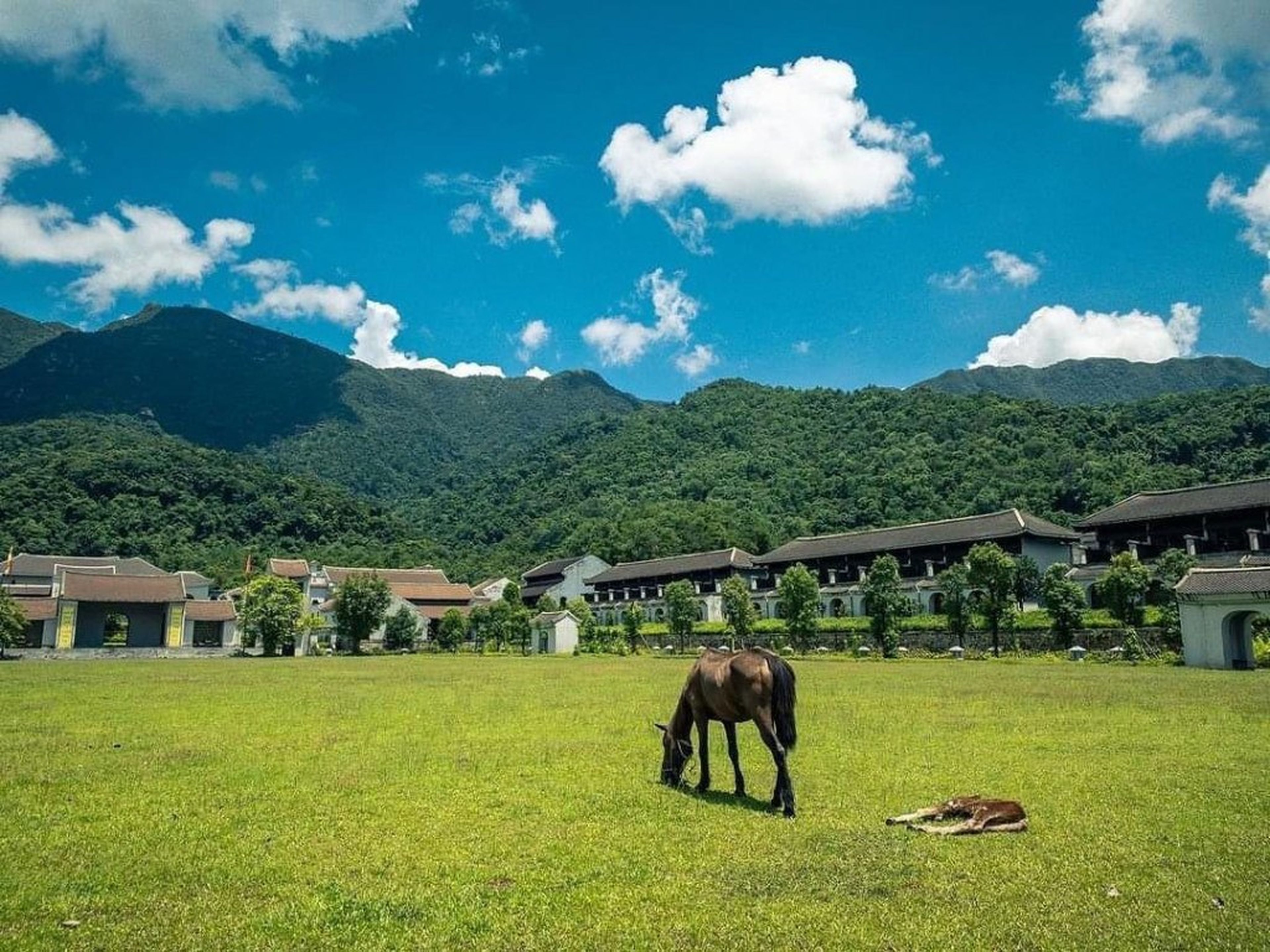
Lush green natural scenery. Photo: Thien Ha.
Nuong Village Yen Tu comprises 9 residential complexes with 90 rooms, given poetic names: Huong Sen (Lotus Fragrance), Huong Tram (Agarwood Fragrance), Huong Hoa Hong (Rose Fragrance), Huong Nhai (Jasmine Fragrance), Huong Chanh (Lemon Fragrance), Huong Cau (Areca Fragrance), Huong Bai (Vetiver Fragrance), Huong Sa (Lemongrass Fragrance), and Huong Buoi (Pomelo Fragrance). The rooftops are covered in antique, moss-covered tiles blended with new tiles, creating a harmonious architectural style. In the house gardens are groves of mango, pomelo, areca, tamarind…
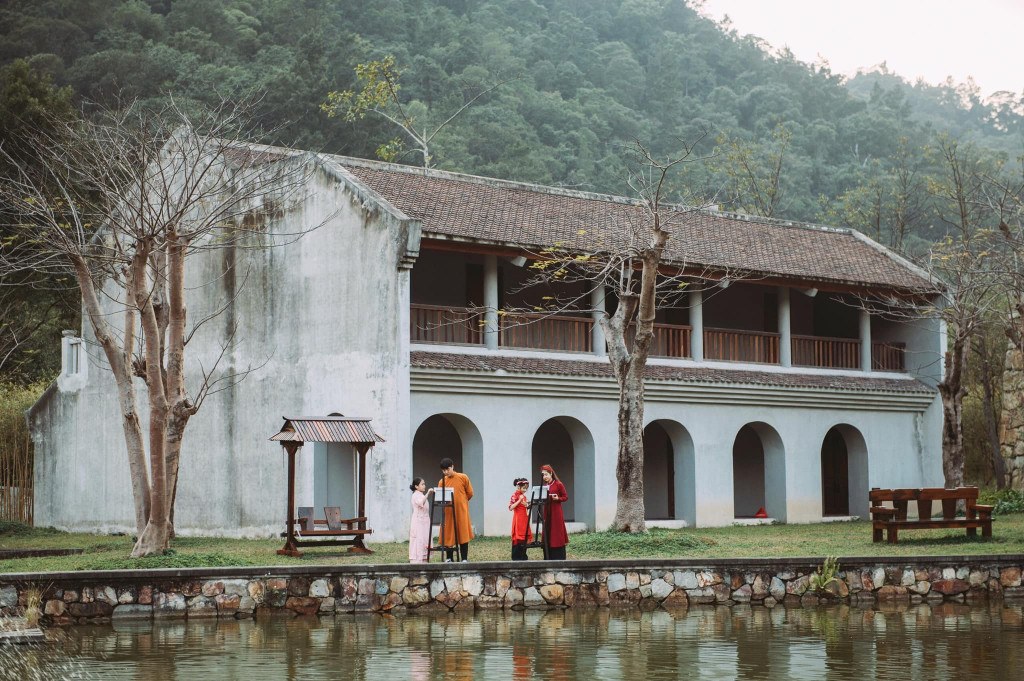
Photo: FB Lang Nuong Yen Tu.
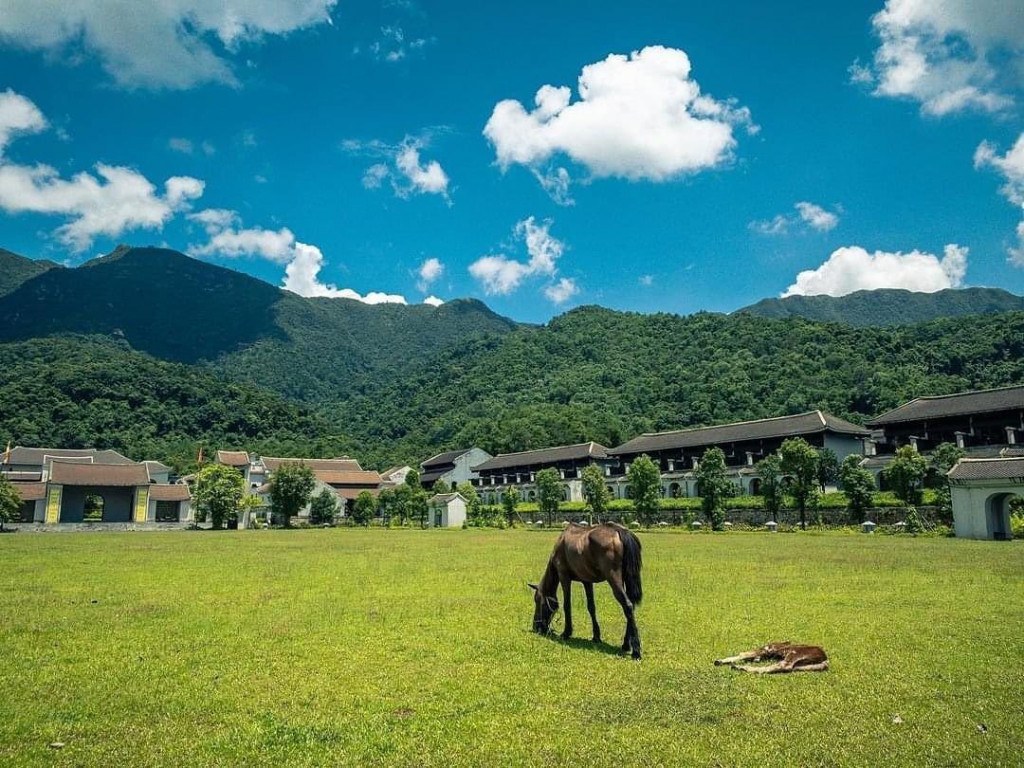
Morning at Nuong Village. Photo: yentuvillage.
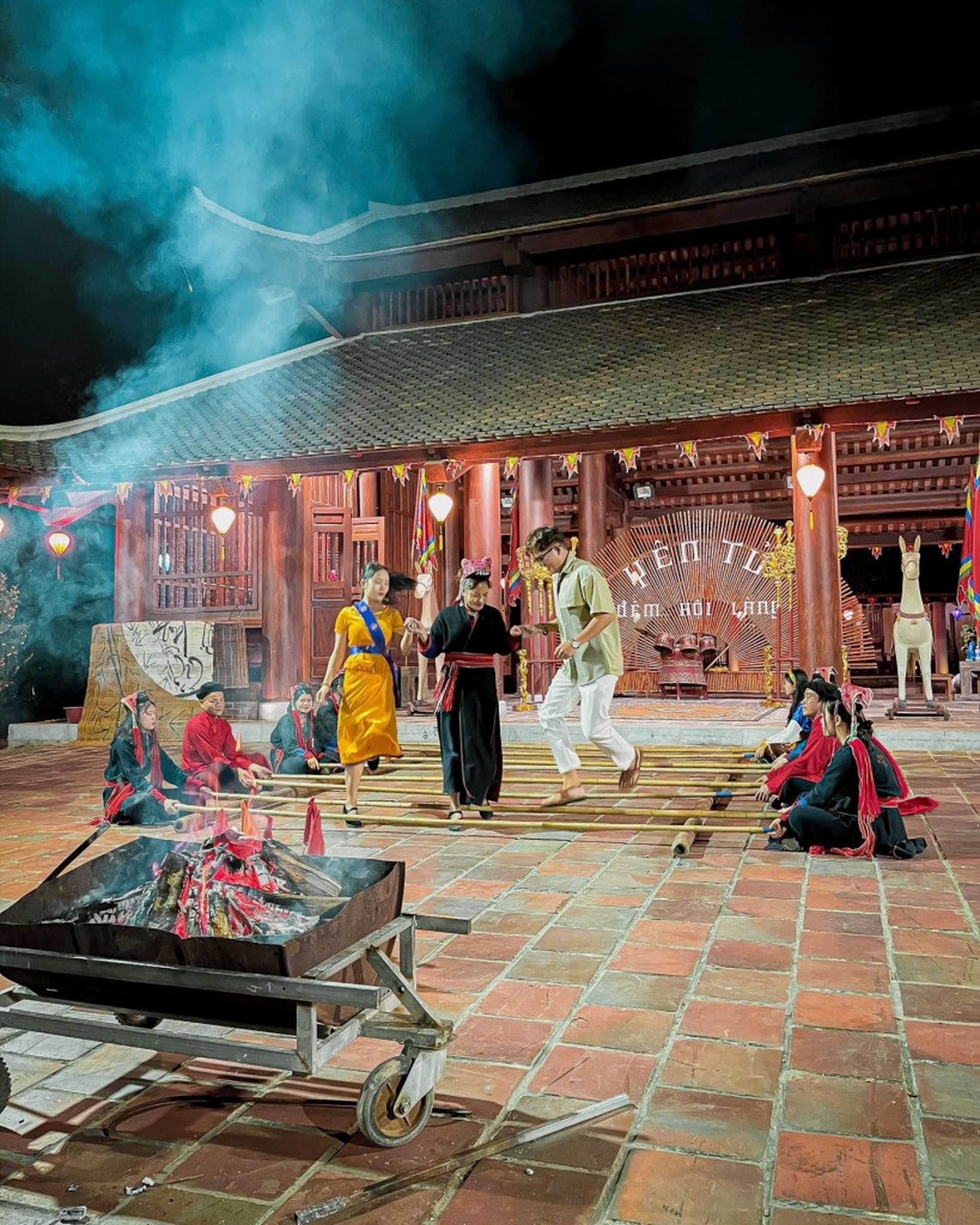
A highlight of Nuong Village Yen Tu that attracts every visitor is the two-story communal house in the center, serving as a venue for cheo singing, xam singing, quan ho folk songs, and traditional melodies performed for visitors.
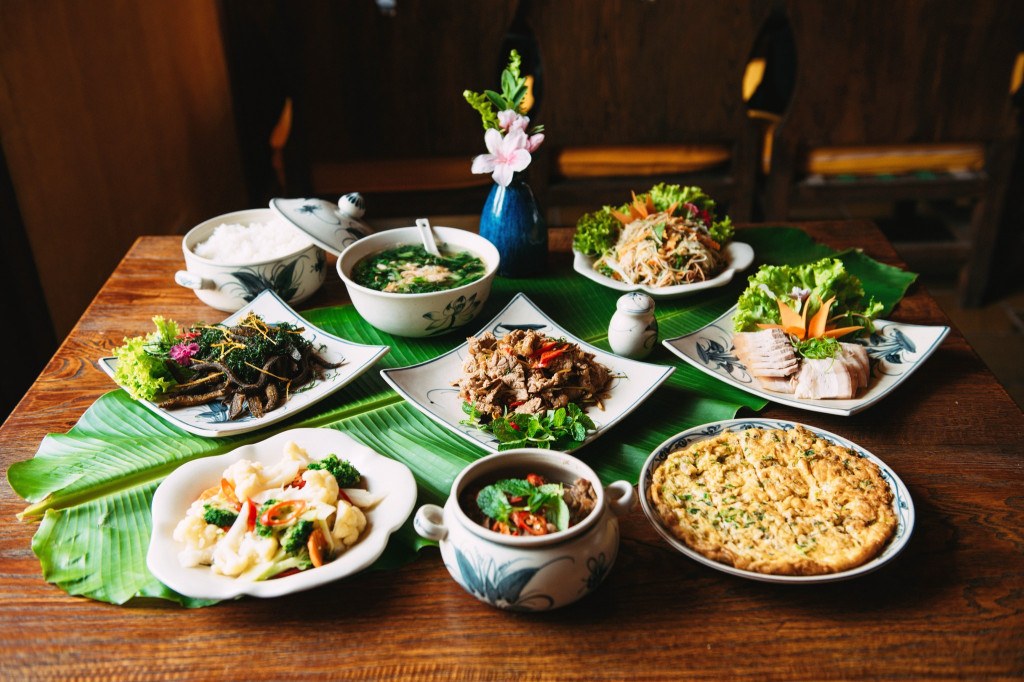
Photo: FB Lang Nuong Yen Tu.
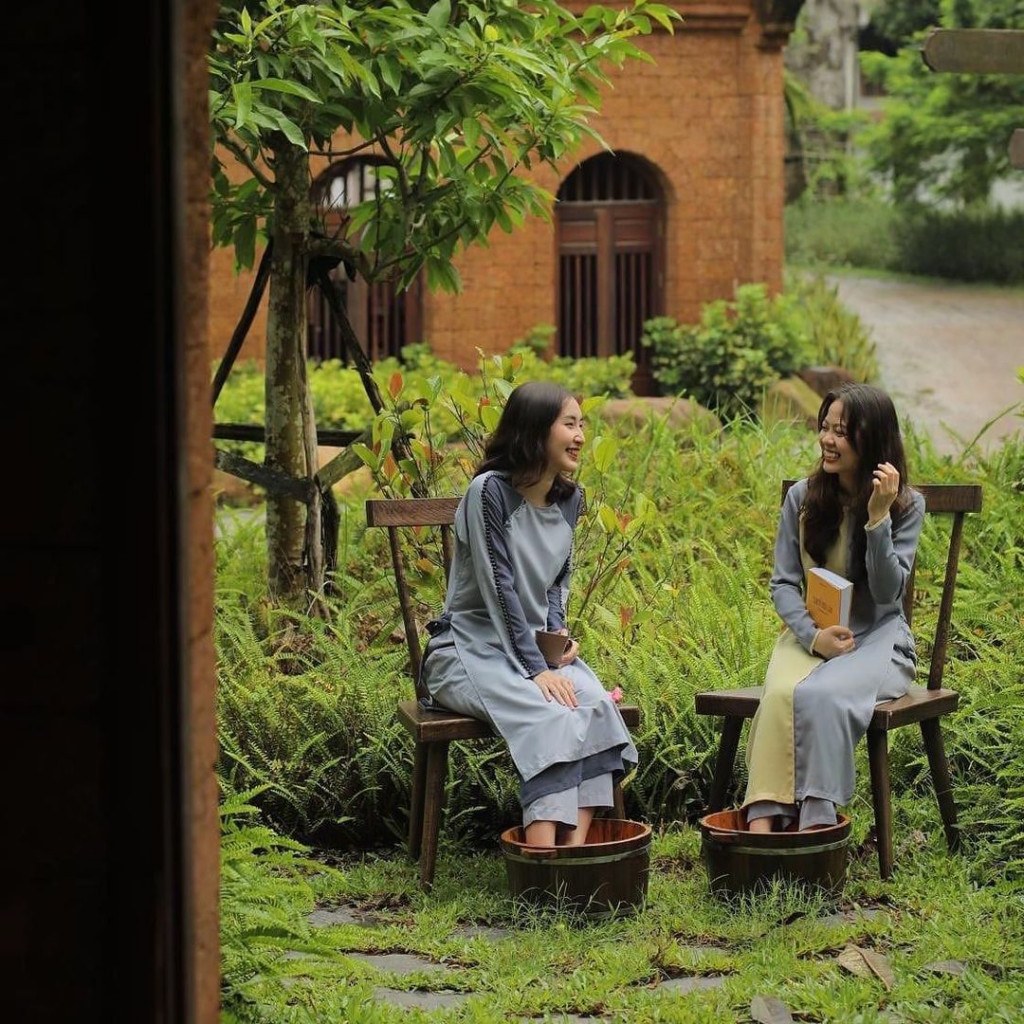
Photo: yentuvillage.
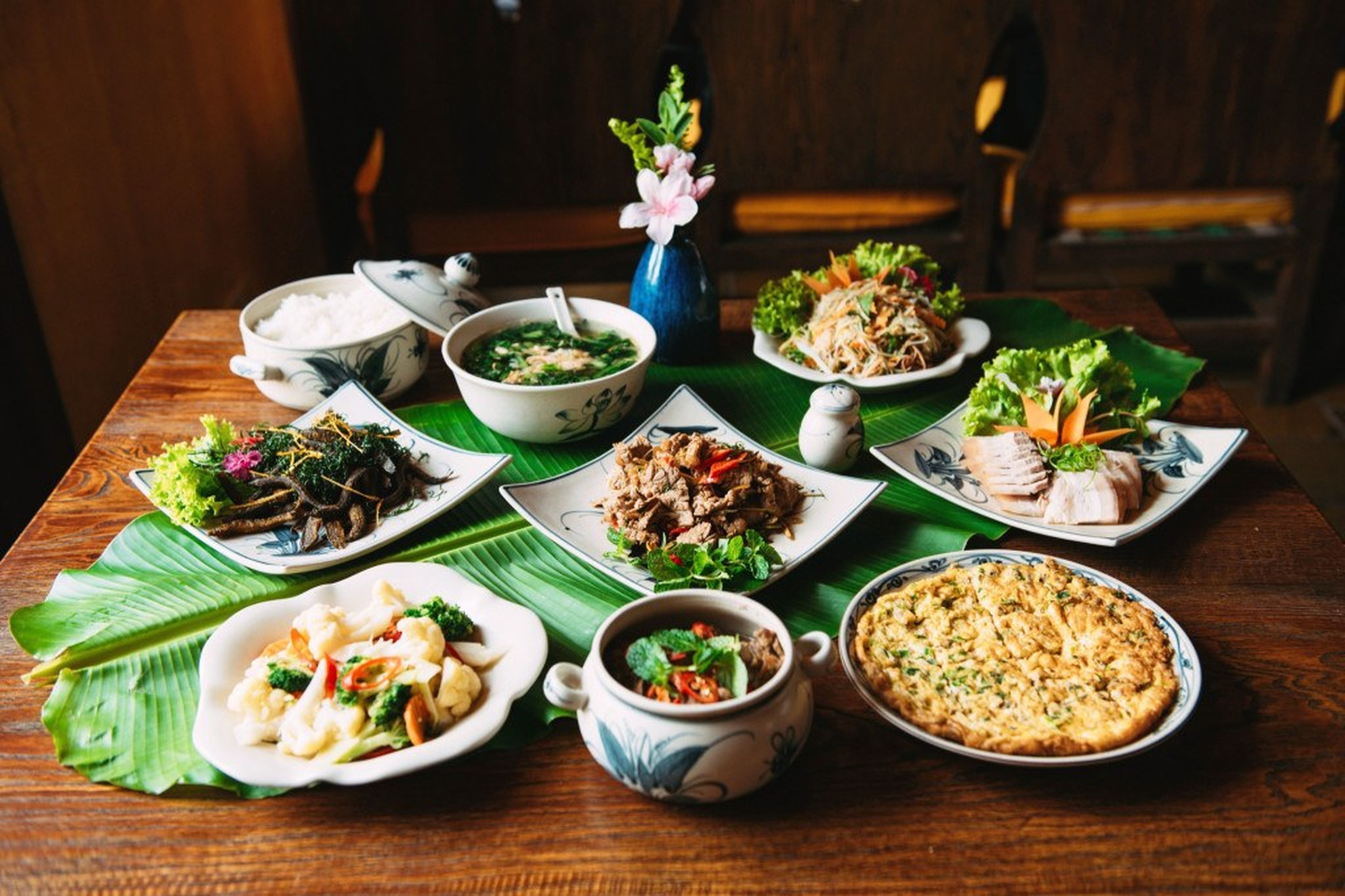
When visiting Nuong Village, tourists can also savor local specialties such as purple sticky rice banh chung, ash cake (banh gio), fermented pork rolls (nem chua)... as well as have the opportunity to learn meditation, practice yoga, and discover the Truc Lam Yen Tu Zen sect. There is also the King-Monk Tran Nhan Tong Museum, a zen monastery, and more for visitors to gain deeper insight into the King who attained Buddhahood.
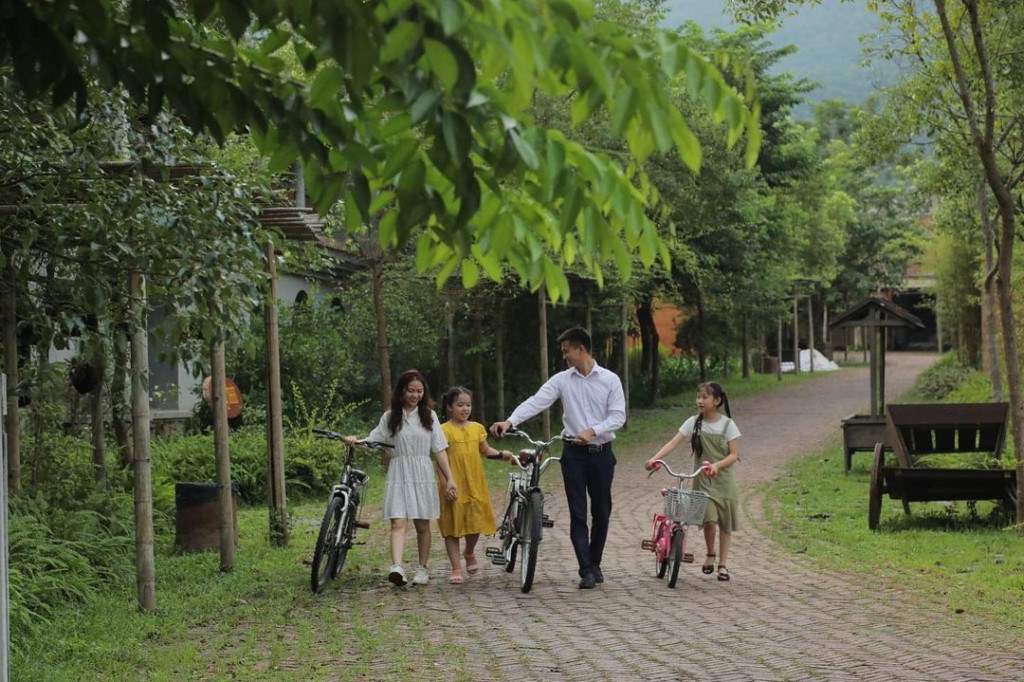
Photo: yentuvillage.
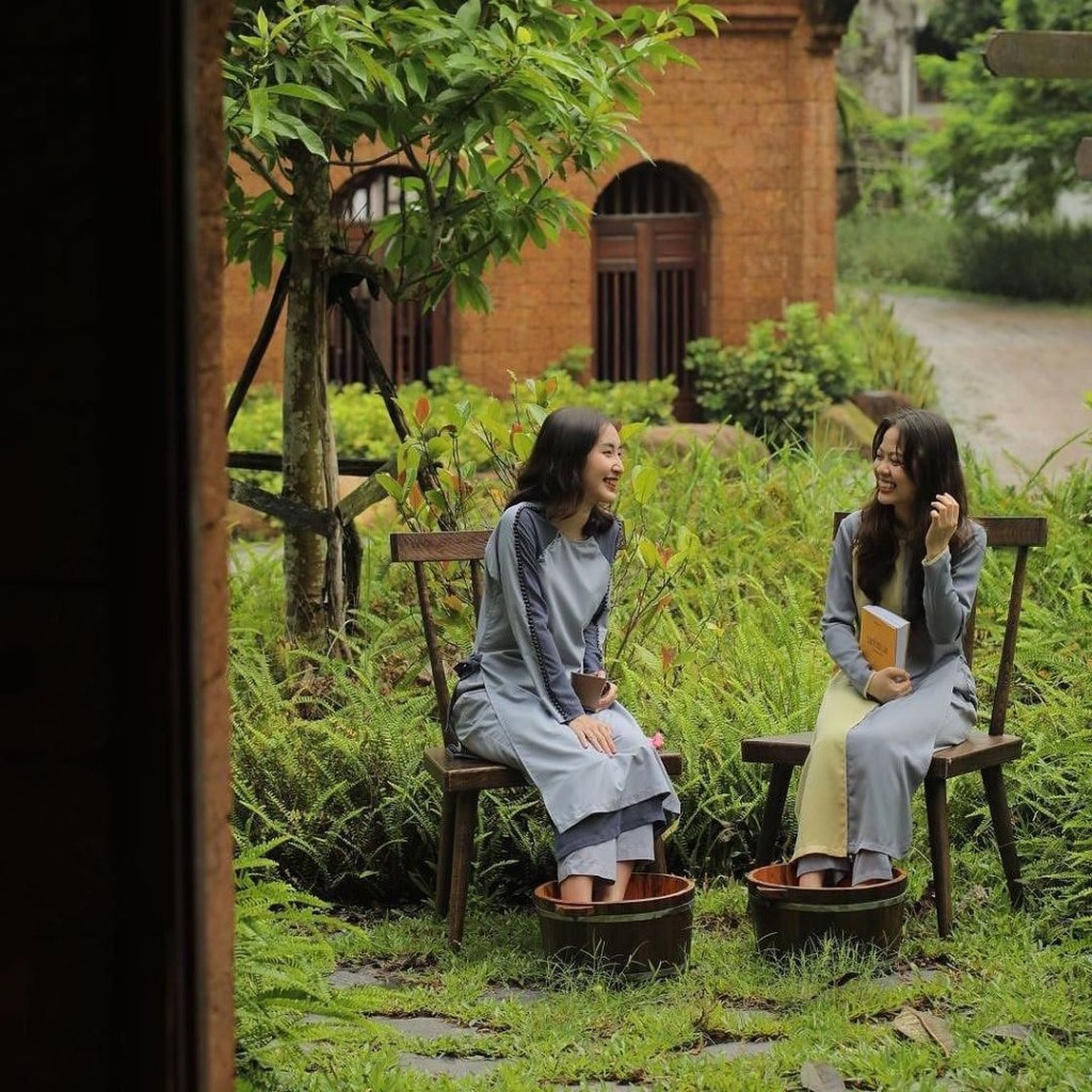
Right here, visitors can also experience the tranquility of nature in sleeping pods at the 3-star Yen Tu Pilgrim Village retreat, consisting of 9 houses situated along Giai Oan Stream with 75 rooms corresponding to 300 beds. All rooms feature a bunk-bed style with a minimalist design rich in Zen spirit, yet fully equipped with modern conveniences.
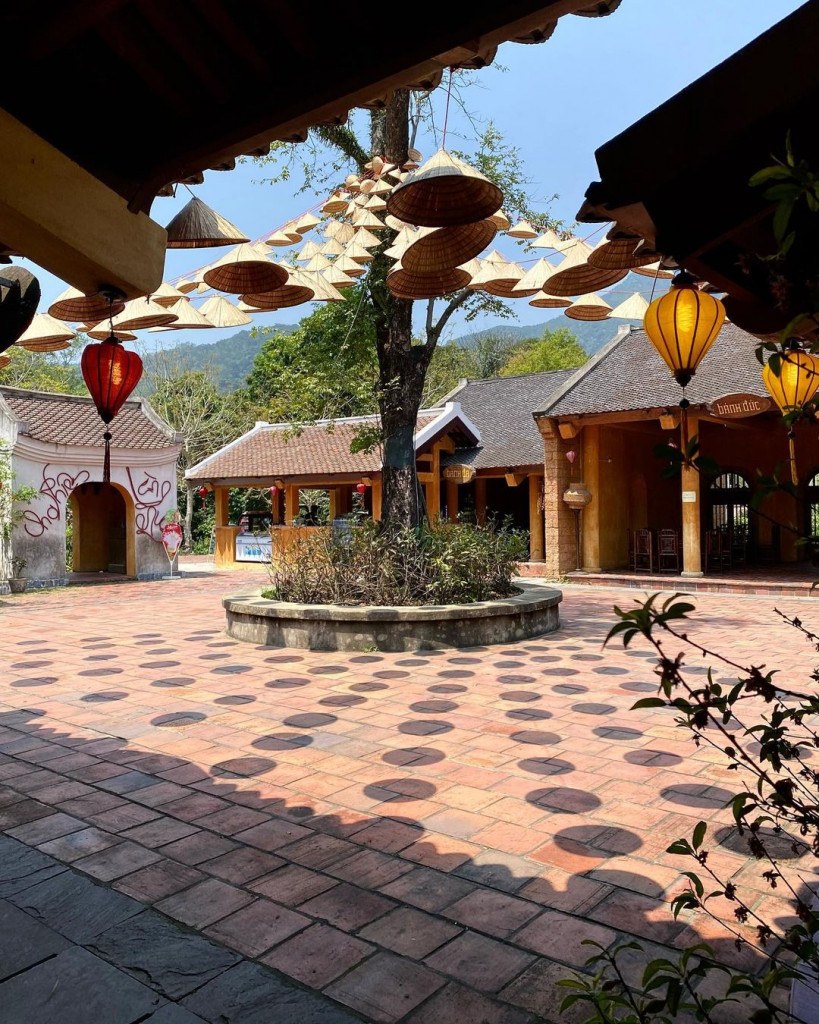
Houses in an antique style. Photo: _lavieer.
Inspired by traditional Vietnamese village markets, Cho Que Restaurant is located within the grounds of the Pilgrim Village, alongside Tung Lam Restaurant located on the way to the cable car station, serving diners all day and featuring a traditional music ensemble performing for guests.
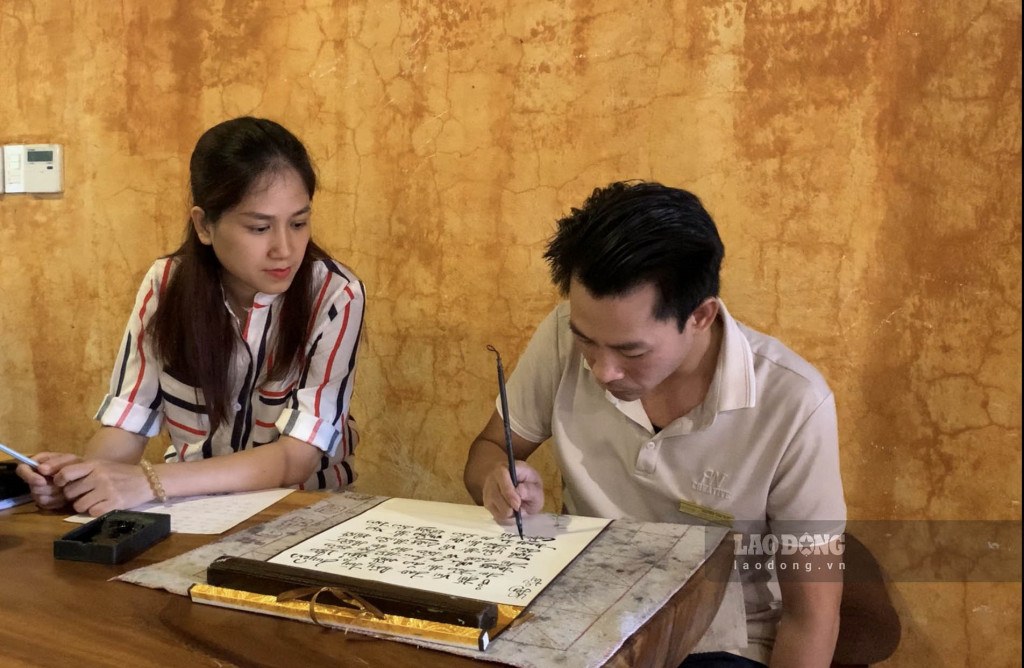
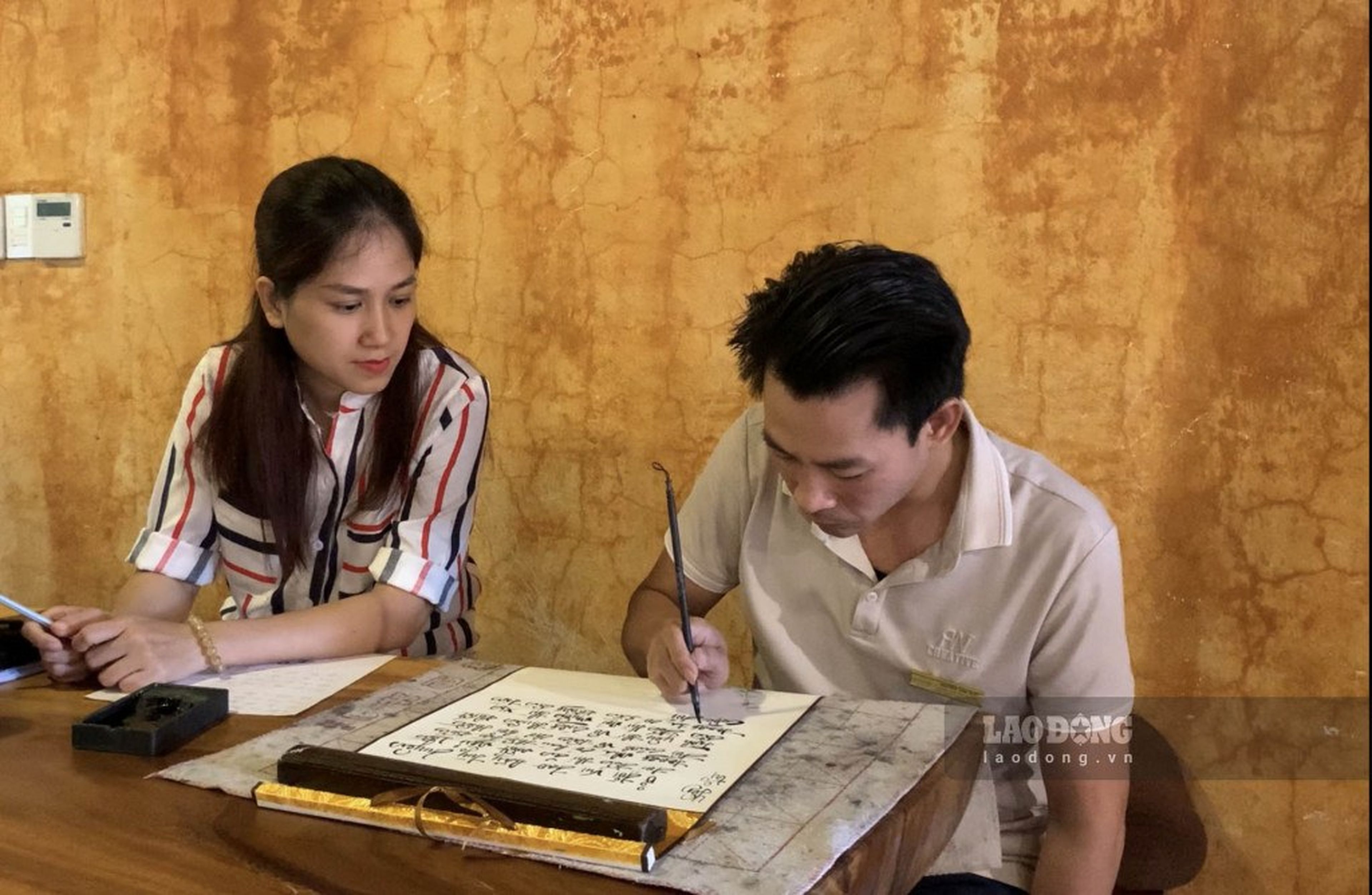
Experiencing calligraphy writing. Photo: Thien Ha.
Visiting Nuong Village Yen Tu, tourists have the chance to stroll along paths paved with Bat Trang ceramic bricks, wander on wooden horse carriages to admire ancient houses, visit models of traditional craft villages, and directly experience artisans' work such as crafting bamboo handicrafts, making conical hats, fashioning bamboo flutes, printing Dong Ho paintings…
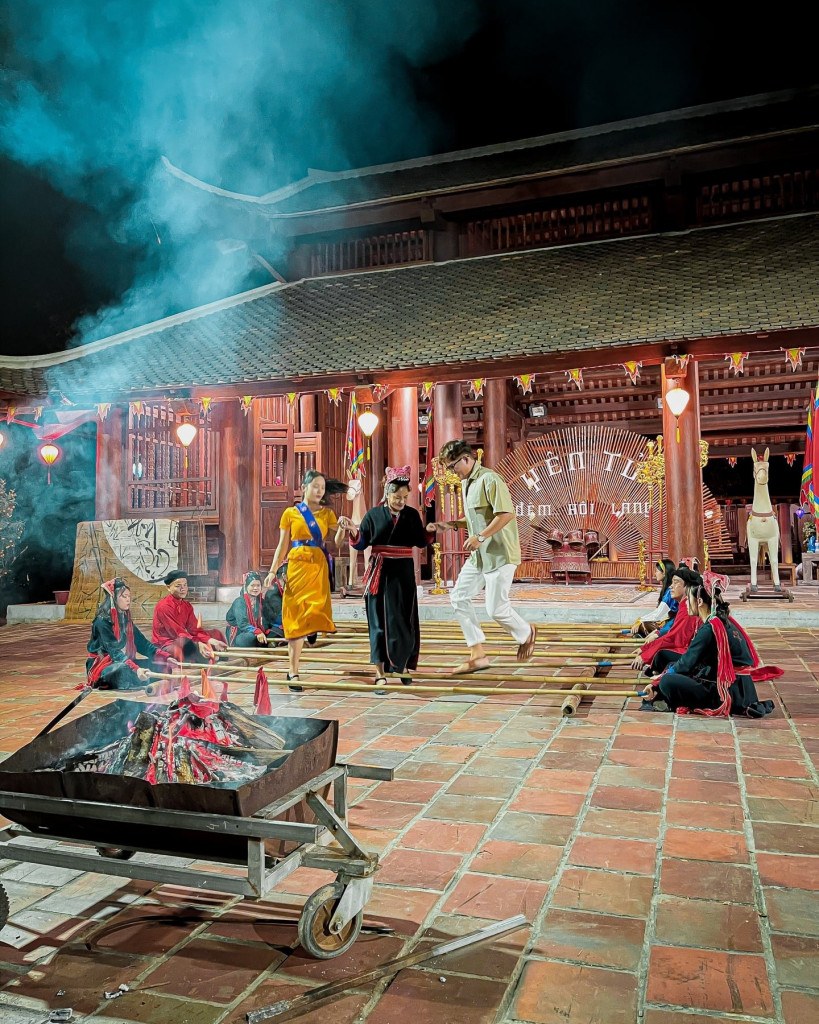
Photo: FB Lang Nuong Yen Tu.
All of these unique experiences and the breathtaking scenery of the Yen Tu mountains and forests will create unforgettable memories for every traveler. If you wish to return to nature after stressful working days, come to Nuong Village Yen Tu for a wonderful getaway!