

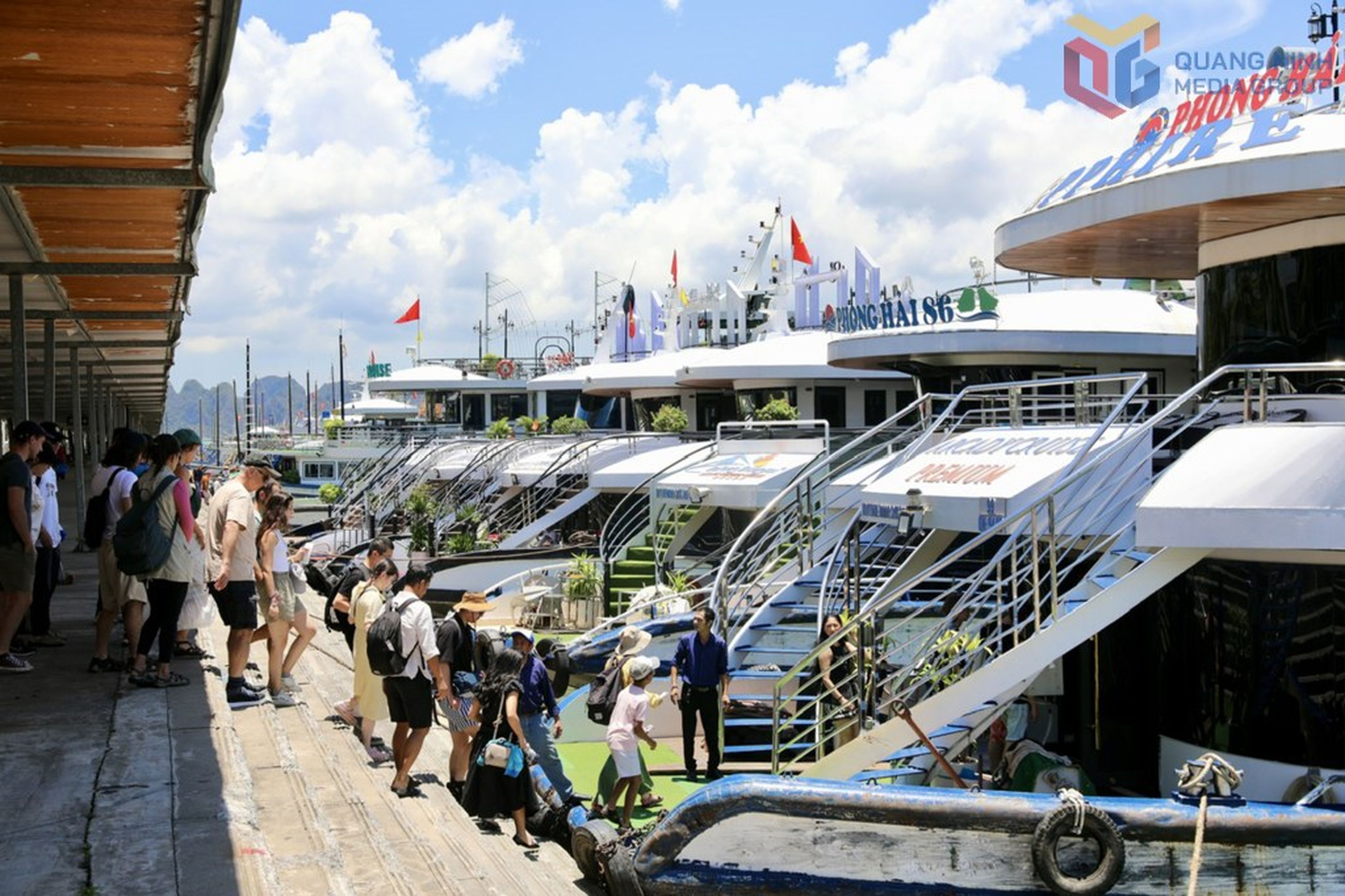
April is also the start of the summer tourist season, as Ha Long Bay begins entering its peak period for welcoming visitors, bringing significant pressure on waterway tourism transport. In this context, ensuring tourist boat safety is not only a regulatory requirement but has also become a key factor in maintaining the destination's brand.
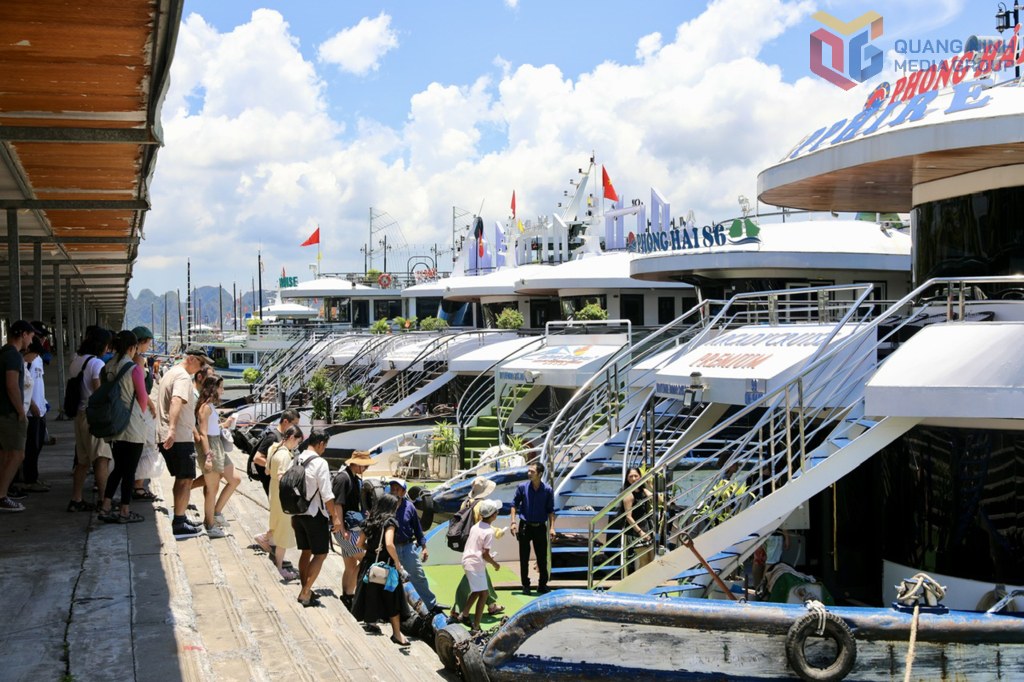
Currently, Ha Long Bay has nearly 400 tourist boats licensed to operate. In recent years, the fleet has undergone a clear shift in quality as many steel-hull vessels and luxury overnight cruise boats have been invested in, gradually replacing older vessels. Along with this, the system of ports, wharves, navigational channels, and anchorage areas has been comprehensively upgraded, contributing to improving safety margins and service capacity. The bay's tourism space has therefore become increasingly professional, better meeting the diverse needs of domestic and international visitors.
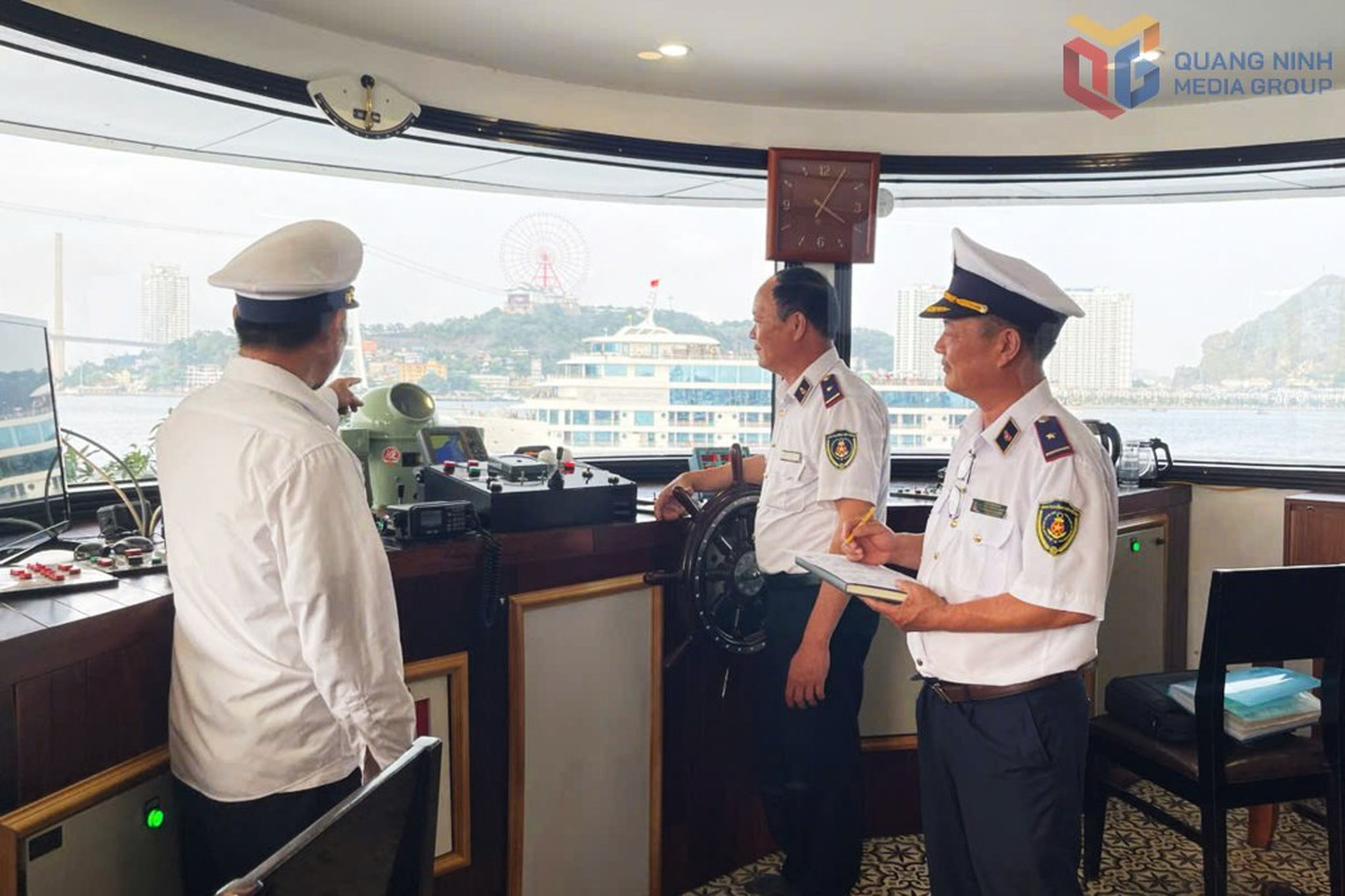
However, the rapid increase in visitor numbers and vessel density also imposes stricter requirements on safety control. Clearly recognizing this, the Department of Construction proactively implemented a plan for a comprehensive review of the entire fleet ahead of the peak season. Inter-agency inspection teams were established, focusing on checking the technical conditions of vessels, life-saving and rescue equipment, as well as the professional records and certificates of captains and crew members.
A new point this year is the tighter scrutiny applied to crew members, particularly new workers. In addition to checking paperwork, functional agencies also directly evaluate practical situational handling skills in order to minimize risks arising from human factors—the underlying cause of many waterway incidents. Alongside inspections, training work has been promoted in a substantive manner. Fire prevention, firefighting, search, and rescue plans at sea are rehearsed periodically with the participation of multiple forces. Simulating realistic scenarios such as vessel fires, loss of control in thunderstorms, and collisions on the bay helps crew members enhance their reflexes and coordination ability when incidents occur.
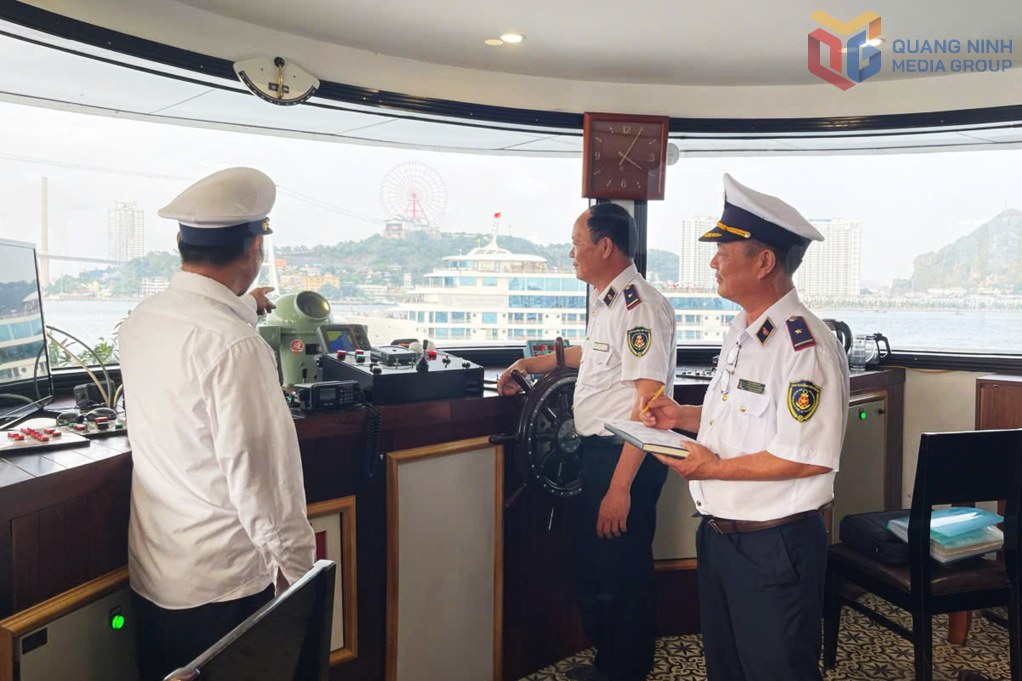
Meanwhile, the Quang Ninh Inland Waterway Port Authority continues to effectively demonstrate its role as a "coordination center" for tourist boat operations. 100% of vessels operating on the bay are equipped with GPS tracking devices. Through this system, parameters on vessel location, speed, and itinerary are continuously updated, helping management agencies promptly detect anomalies and issue early warnings. Moving beyond technical surveillance, management is also tightened through a clear accountability mechanism. Coordination regulations among relevant parties have been perfected in the direction of "clear persons, clear tasks," assigning specific responsibilities to each boat owner and captain. Hotlines are made public, creating a channel to directly receive feedback from tourists—a "soft surveillance channel" that is nonetheless effective in practice.
According to a representative of the Quang Ninh Inland Waterway Port Authority, along with heritage value, the safety factor is the foundation for the sustainable development of Ha Long Bay tourism. During this year's peak season, all vessel owners and crew members have been fully briefed on regulations before welcoming passengers, ensuring that every vessel leaving the port is in the highest state of safety.
However, the greatest challenge today lies not in vessels or people, but in natural factors. Weather developments on the bay are increasingly unpredictable, especially thunderstorms and squalls that occur quickly and over a narrow area but with strong intensity. This poses a high potential safety risk, especially for boats operating in the middle of the bay or anchoring overnight. Faced with this reality, functional forces have stepped up duty shifts, closely monitored weather developments, and maintained day-and-night patrols and controls in key areas. Boat owners are required to arrange 24/7 watchkeeping and proactively devise response plans for abnormal situations. The principle of "no safety – no port clearance" continues to be strictly enforced, even during peak tourist periods.
In 2026, Quang Ninh aims to welcome over 20 million visitor arrivals, making an important contribution to the province's economic growth. On that journey, ensuring safety for nearly 400 tourist boats operating on the bay is not only an immediate task, but also a long-term commitment to tourists. Maintaining safety for every voyage and every journey is not only the responsibility of regulatory authorities or businesses, but also a core factor for Ha Long Bay to continue affirming its position as a safe, world-class destination on the world tourism map.