

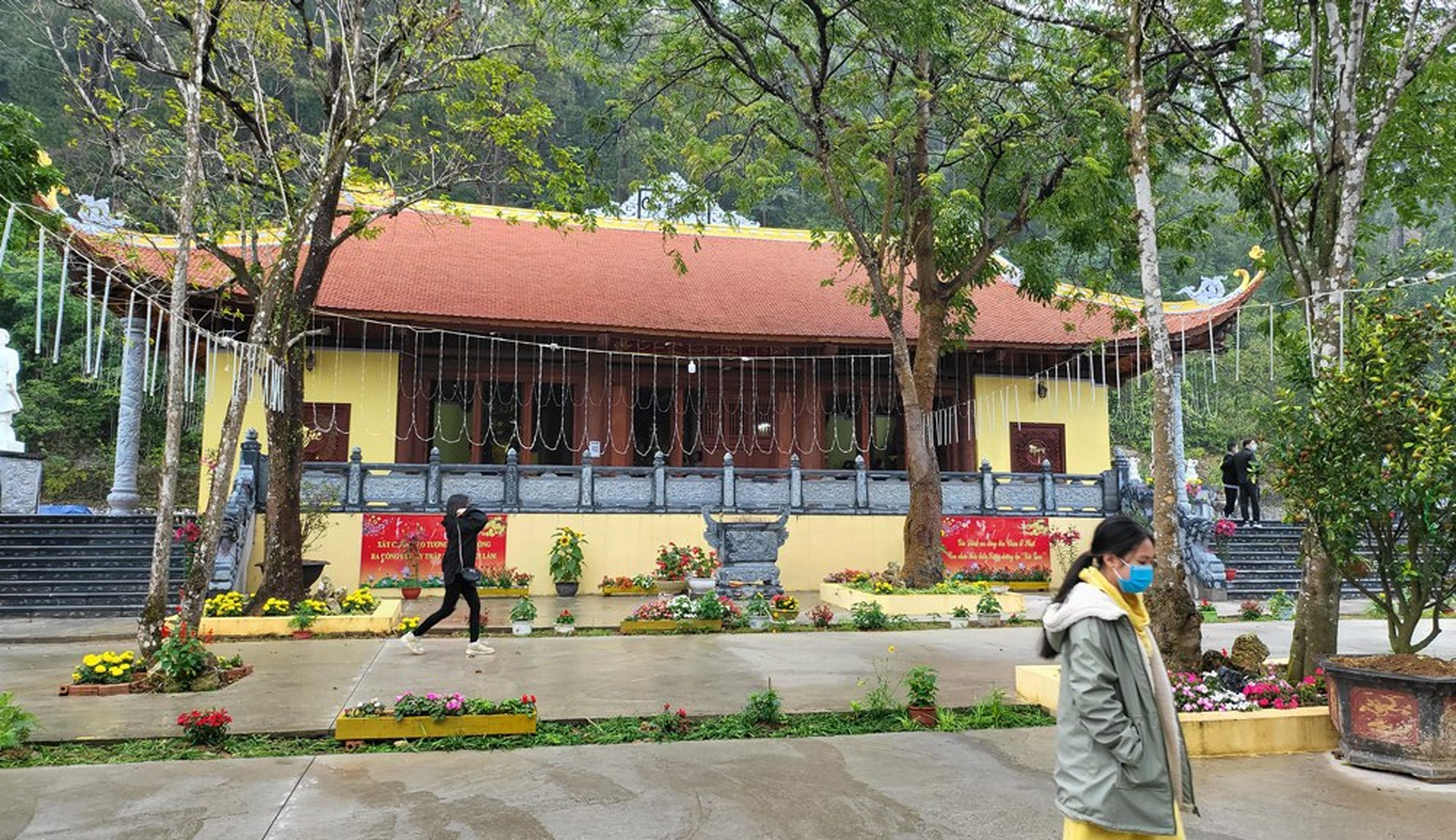
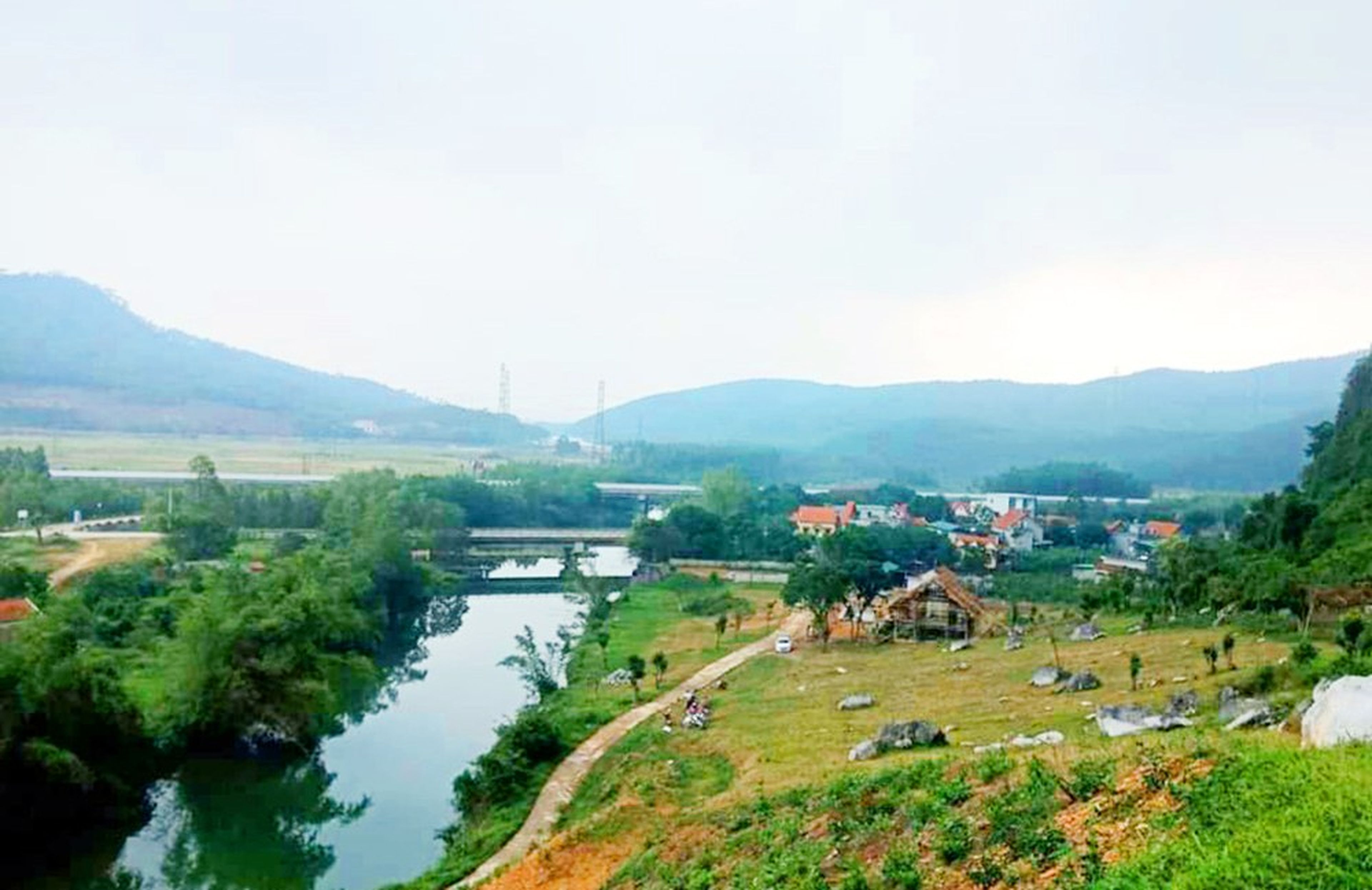
Hoanh Bo Ward in Ha Long City has great potential and many advantages, possessing a large number of scenic attractions. Among them, the Nui Man scenic complex stands out, home to the sacred Quyt Pagoda (Thien Quyt Pagoda) nestled among the hills and mountains and overlooking Da Trang River, creating a poetic landscape.
Thien Quyt Pagoda in Ha Long – A Meditative Space Amid the Mountains and Forests
Thien Quyt Pagoda in Da Trang Hamlet is a very old pagoda built during the Tran Dynasty. According to folk legend, in the past, the summit of Mount Man was home to a wild mandarin orange orchard that produced delicious, sweet fruit all year round, but the fruit could only be eaten on the spot. Anyone who deliberately carried the fruit away would become confused and forget the way home. However, the high and treacherous mountain could only be climbed by strong and robust young men.
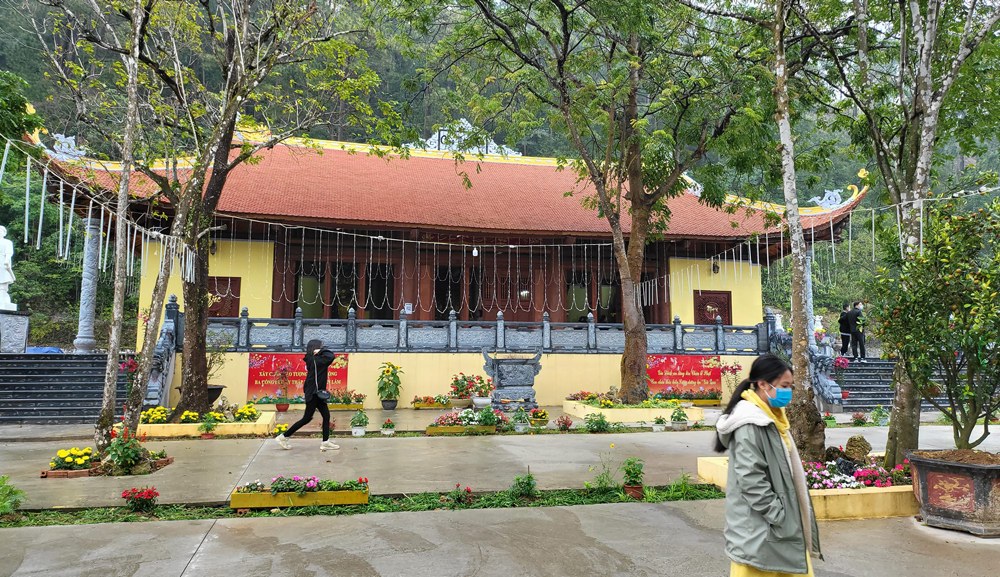
Thien Quyt Pagoda. Photo: Quang Ninh Newspaper.
Later, moved by compassion, the mountain deity summoned phoenixes to fly to Mount Man, carry the mandarin oranges down, and scatter them across the lower hills. The seeds quickly germinated and grew into a lush mandarin orange forest. To give thanks to Heaven and Buddha, local residents built a pagoda to commemorate their blessings and named it Quyt Pagoda. The old mandarin orange hill was gradually encroached upon by forest trees, leaving only one tree, which still stands in the middle of the pagoda gate.
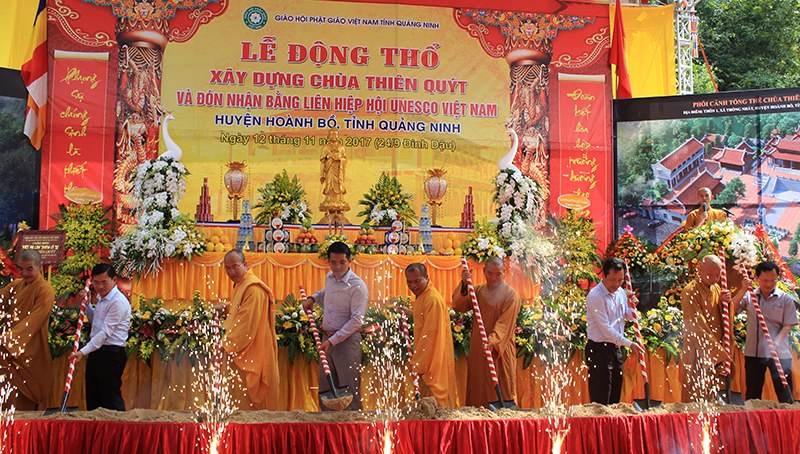
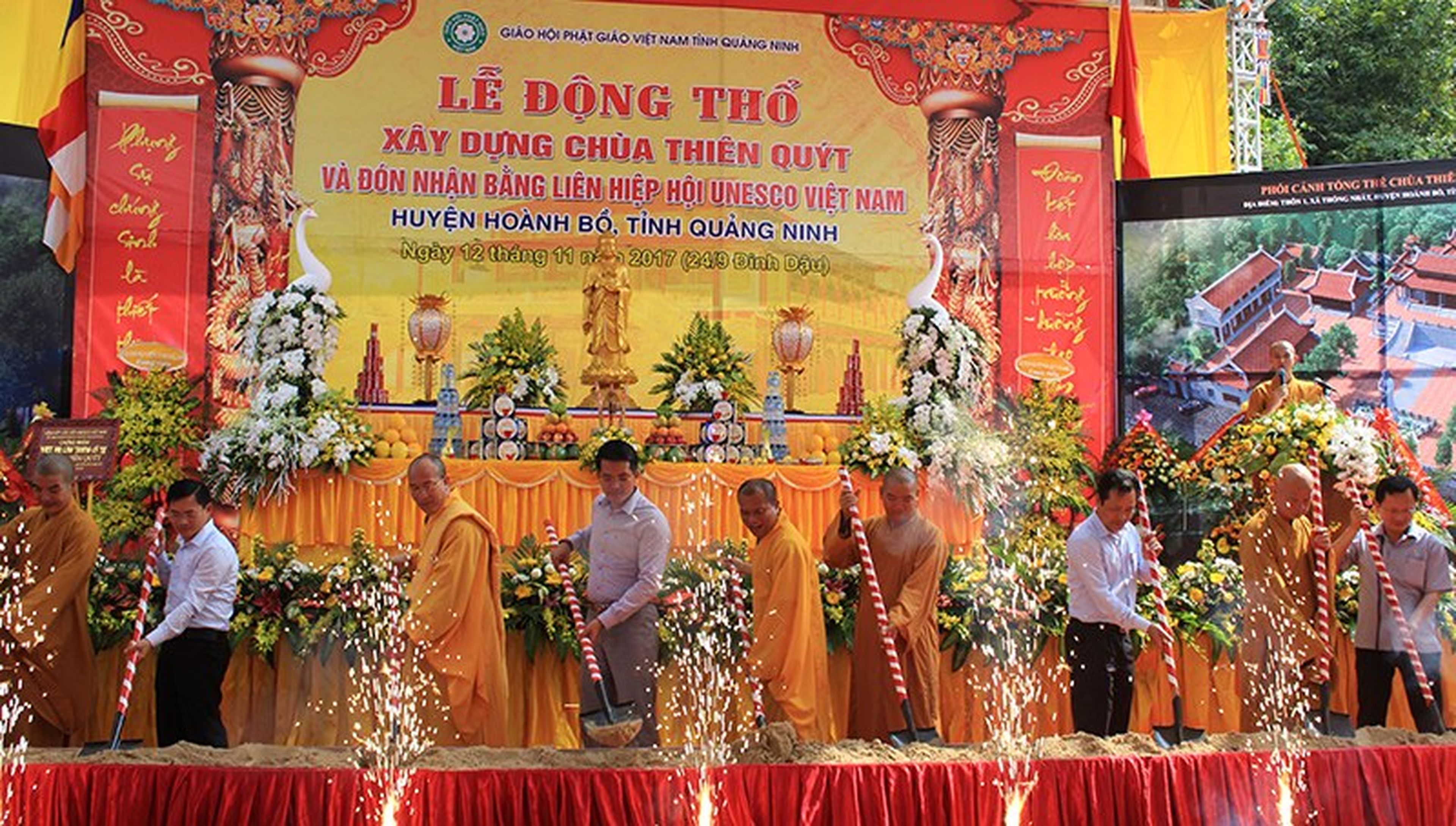
Pagoda reconstructed in 2017. Photo: Quang Ninh Newspaper.
According to accounts passed down by local elders, this was originally an ancient pagoda with no stele, incense tree, or recorded origins. In the past, a famous general died after fighting the enemy, and local residents brought him back to be buried and worshipped. At first, the site was only a small shrine; later, statues of Buddha and Bodhisattvas were added, turning it into a pagoda.
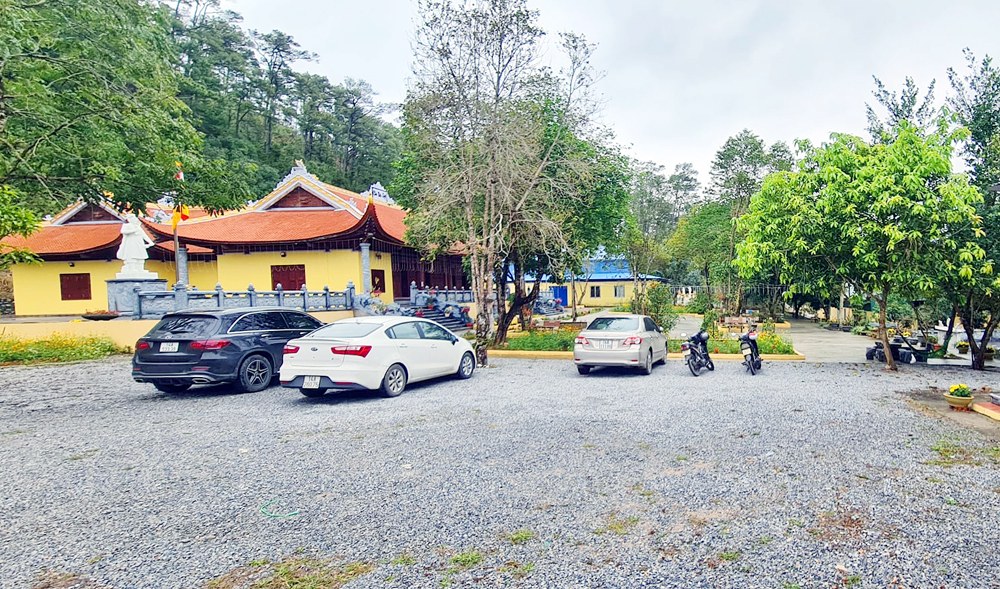
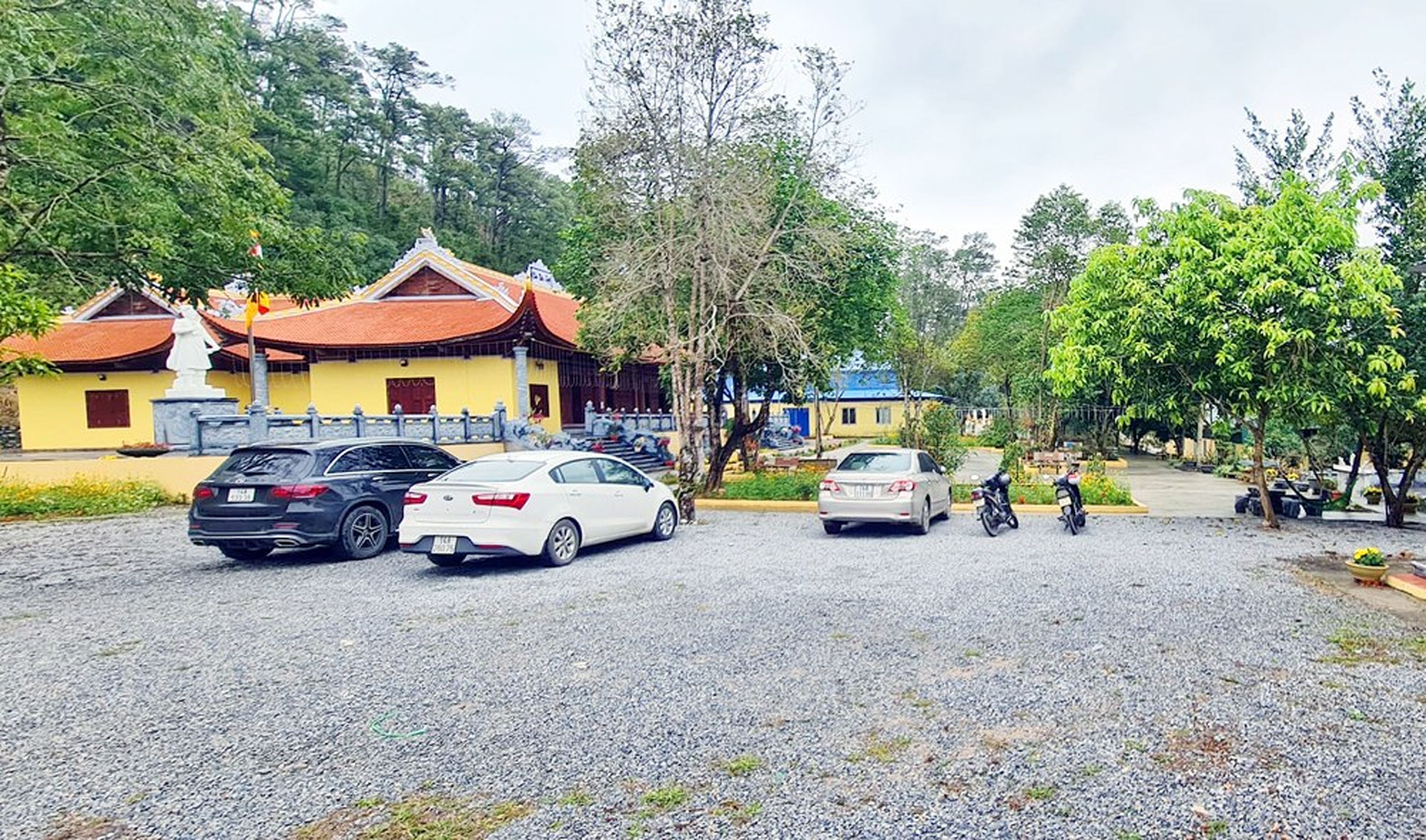
The pagoda courtyard is spacious. Photo: Quang Ninh Newspaper.
The Thien Quyt Pagoda was initially very simple, small, and low, built of sandstone, lime, and other materials… Visitors had to stoop to enter. The pagoda was later renovated and rebuilt several times. The most recent renovations took place in 2005 and then in 2017, funded through social contributions and donations from Buddhists. The road to the pagoda was also built to make travel more convenient for pilgrims.
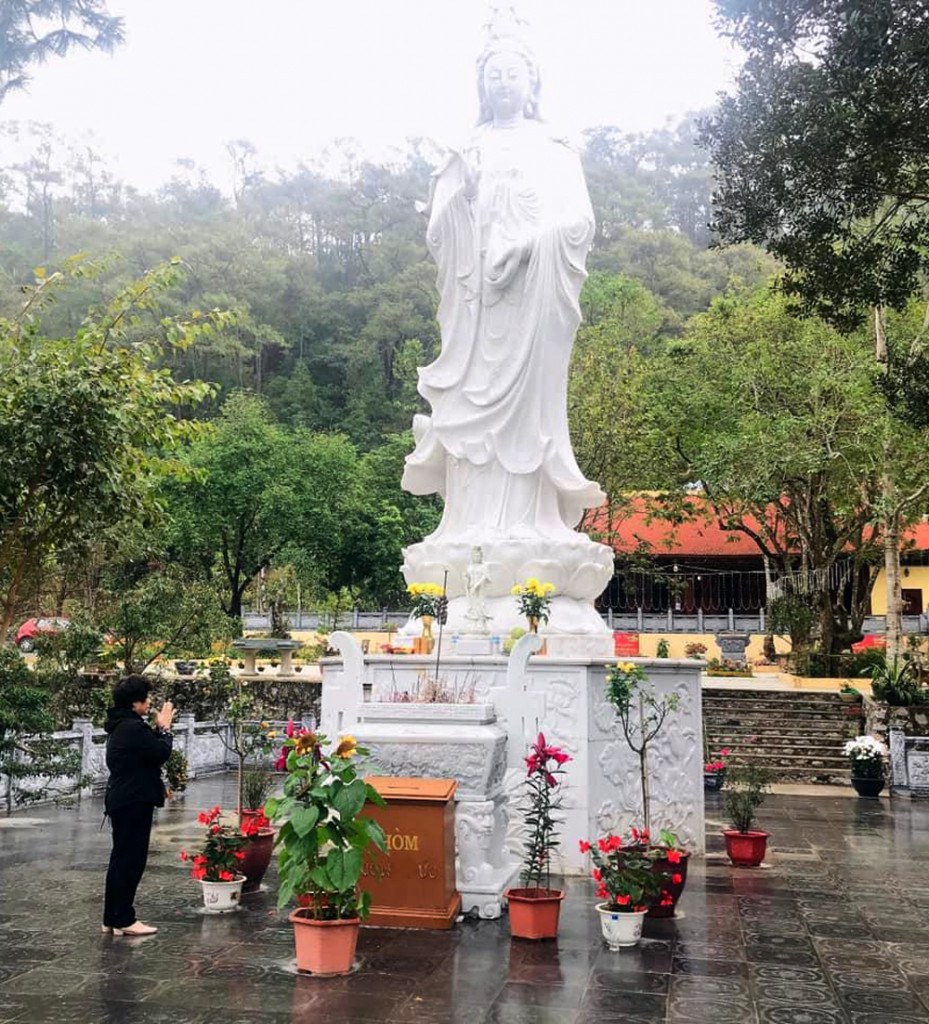
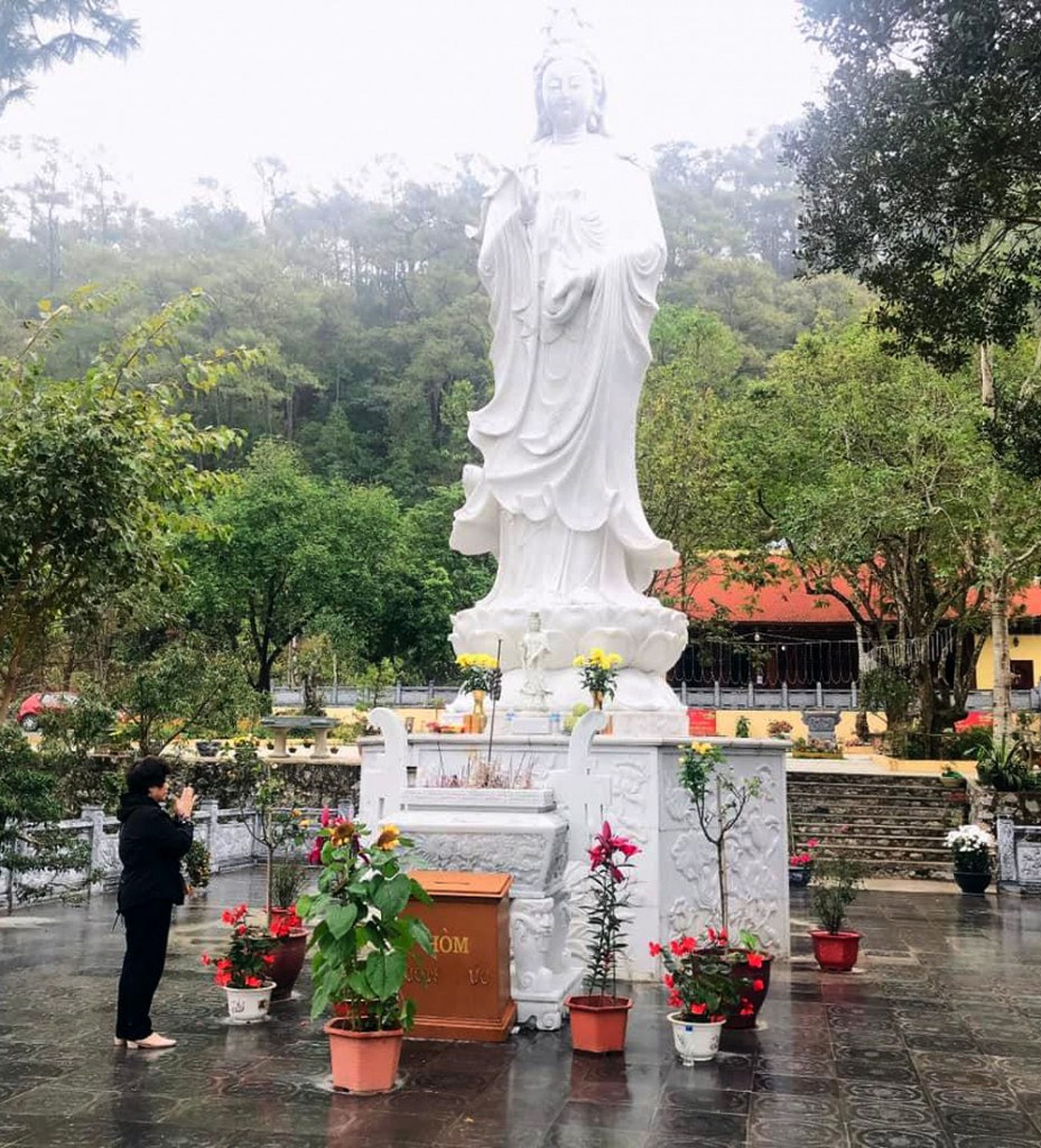
Guanyin statue at Thien Quyt Pagoda. Photo: Thien Quyt Pagoda.
Today, the pagoda has a spacious, airy, and well-appointed appearance, following the “Buddha in front, saint behind” architectural layout. It has a guest house and a ritual preparation house serving pilgrims. The pagoda enjoys a beautiful location, with its back against the mountain and its front facing Man River (Da Trang River). Notably, it has preserved the scenic beauty of ancient times, with a tranquil green space amid vast pine forests, bringing a sense of peace and relaxation to anyone who visits.
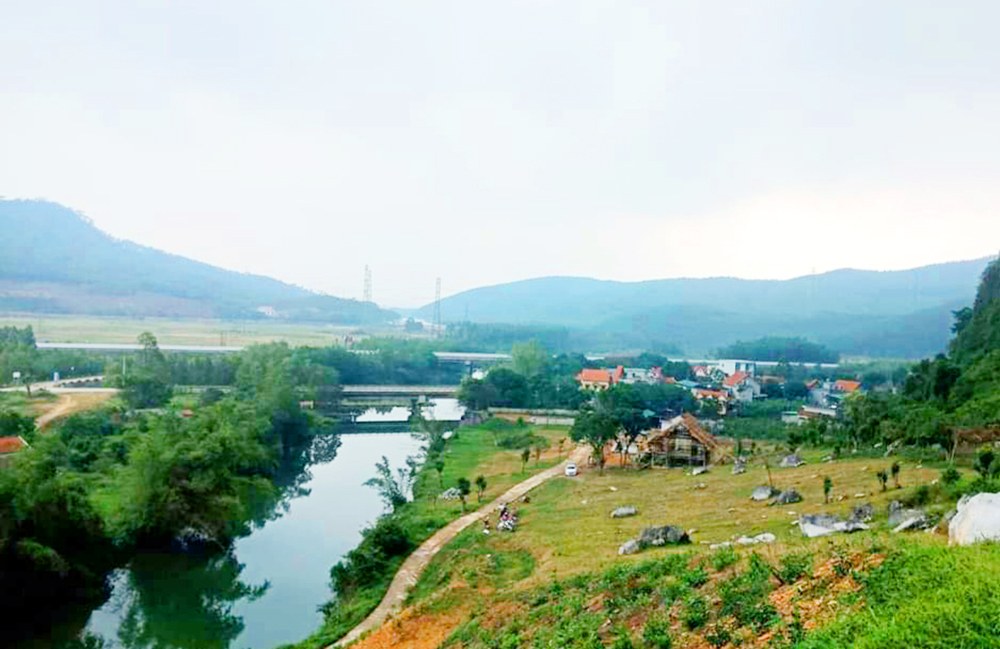
The pagoda beside Da Trang River. Photo: Quang Ninh Newspaper.
Besides its historical significance, Thien Quyt Pagoda also holds spiritual significance as a peaceful meditation retreat and a destination for Buddhists and worshippers from all over. After tiring days of work, on the full-moon days and the first days of the lunar month, local people come to the pagoda to listen to the monk's teachings, helping them relax mentally and encouraging people to love and help one another.