

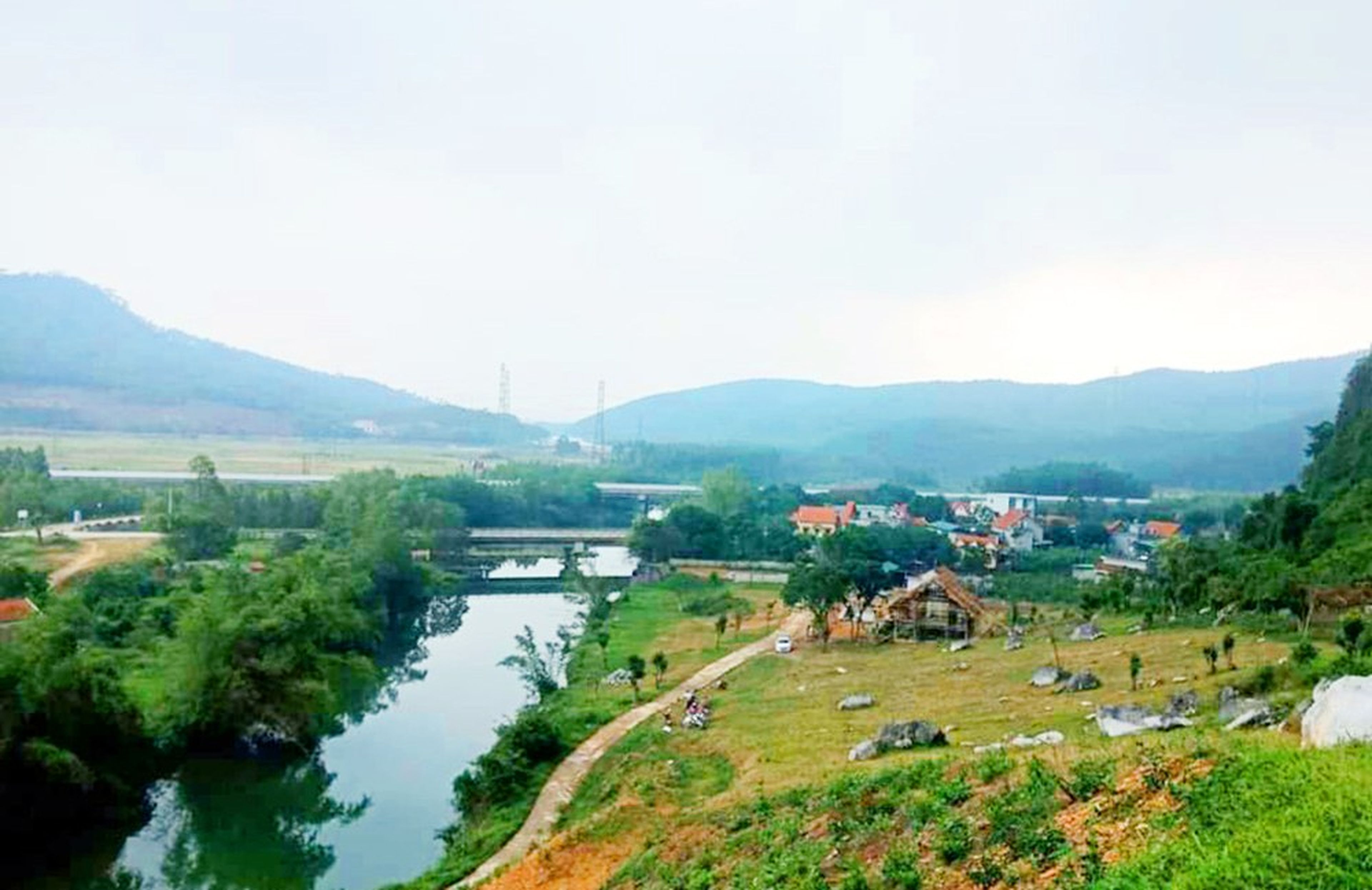
Hoanh Bo Ward in Ha Long City holds immense potential and advantages with its abundance of scenic attractions. Among them, the Man Mountain scenic complex stands out, featuring the sacred relic of Quyt Pagoda (Thien Quyt Pagoda), nestled against the hills and overlooking the Da Trang River to form a picturesque landscape.
Thien Quyt Pagoda in Ha Long – A Meditative Sanctuary Amidst Mountains and Forests
Thien Quyt Pagoda in Da Trang Village is an ancient pagoda built during the Tran Dynasty. According to folklore, there was once a wild mandarin grove atop Man Mountain that bore sweet, luscious fruit year-round, which could only be enjoyed on-site. Anyone who intentionally tried to take the mandarins away would become disoriented and lose their way home. However, because the mountain peak was rugged and perilous, only strong, robust youths could undertake the climb.
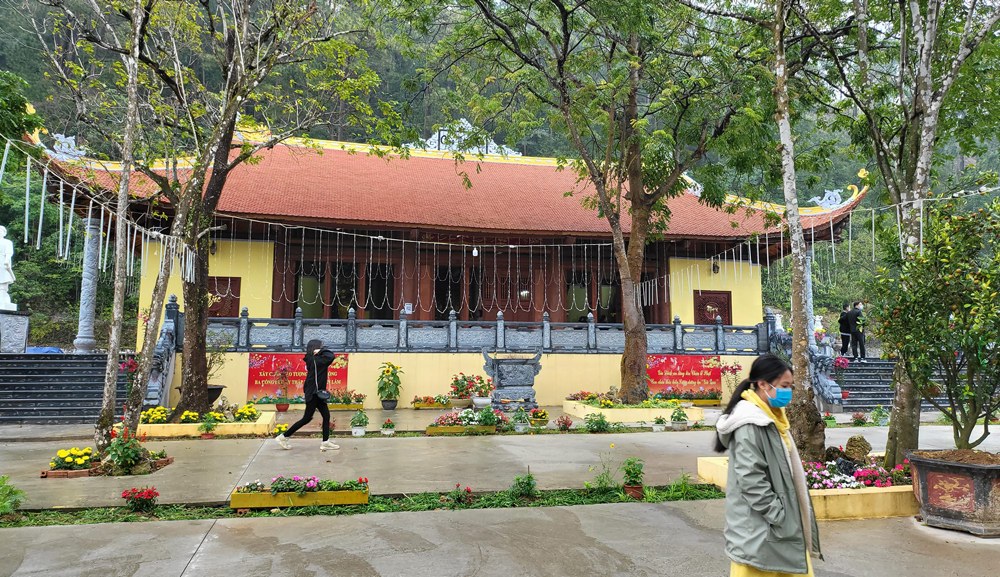
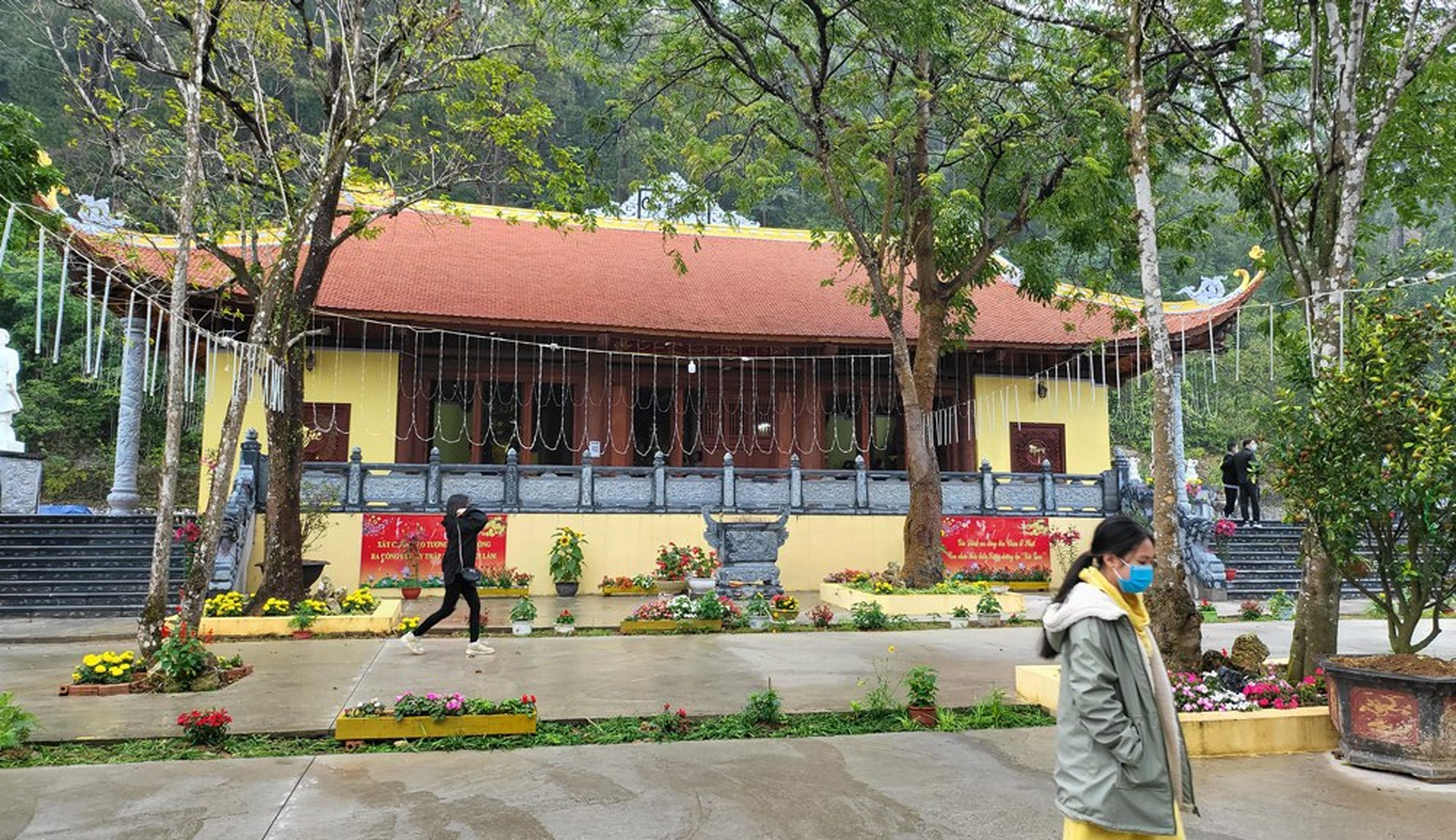
Thien Quyt Pagoda. Photo: Quang Ninh Newspaper.
Moved by compassion, the mountain deity summoned phoenixes to Man Mountain to carry the mandarins down and scatter them across the lower hills. The seeds quickly sprouted, growing into a lush mandarin grove. In gratitude to Heaven and Buddha, the local villagers built a pagoda to commemorate this blessing, naming it Quyt Pagoda (Mandarin Pagoda). The ancient mandarin grove has since been overtaken by the encroaching forest, leaving only a single original tree that still stands right at the entrance of the pagoda today.
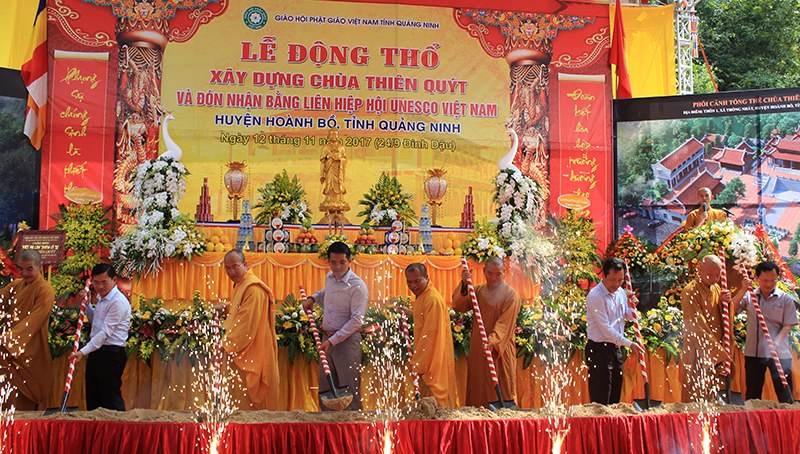
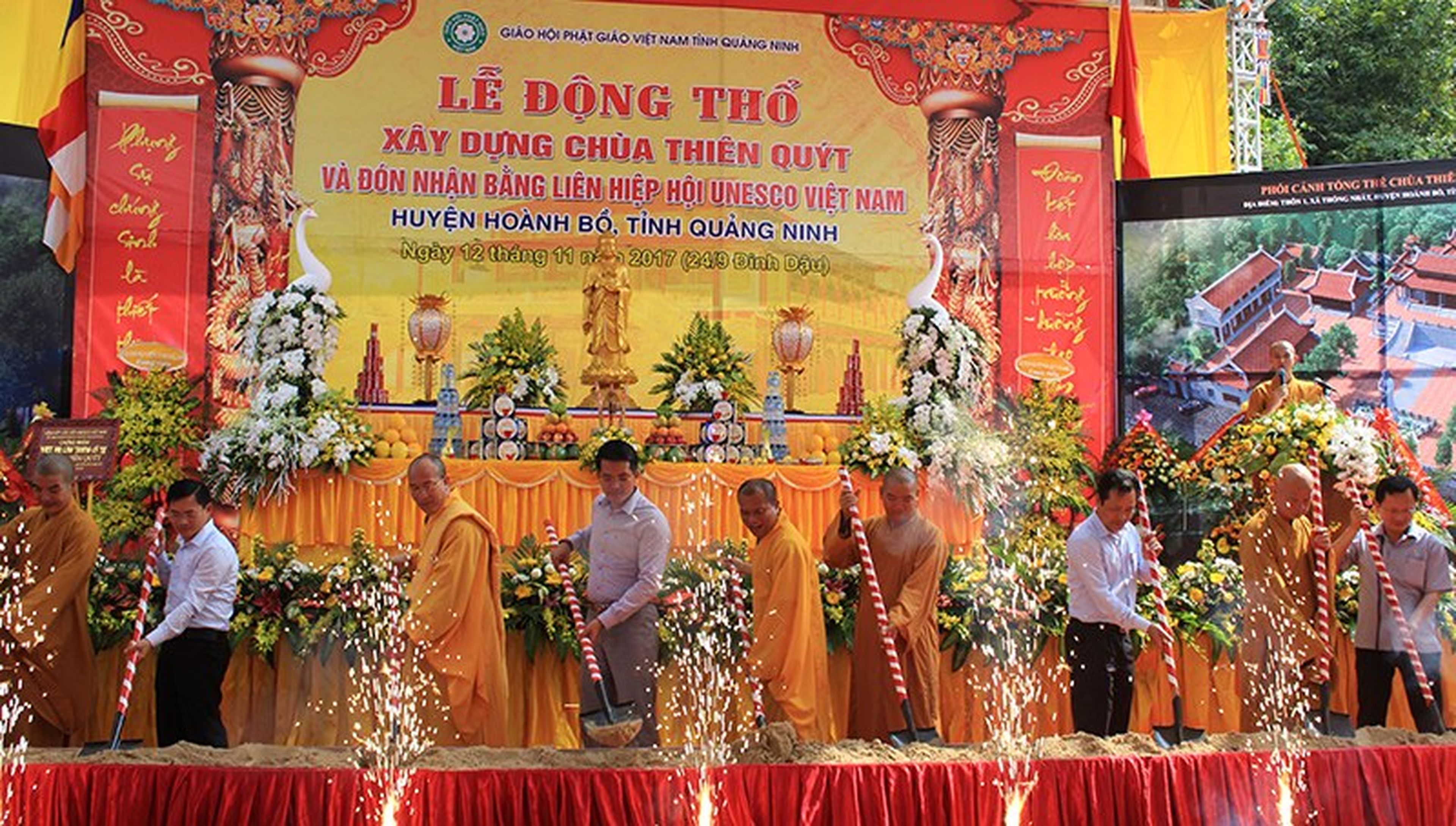
Rebuilding the pagoda in 2017. Photo: Quang Ninh Newspaper.
According to village elders, this was originally an ancient pagoda without steles, incense altars, or written historical records. In ancient times, a renowned general sacrificed his life while fighting invaders and was brought back by local residents for burial and worship. It was initially just a small shrine, which later expanded to include statues of Buddha and Bodhisattvas, thus becoming a Buddhist pagoda.
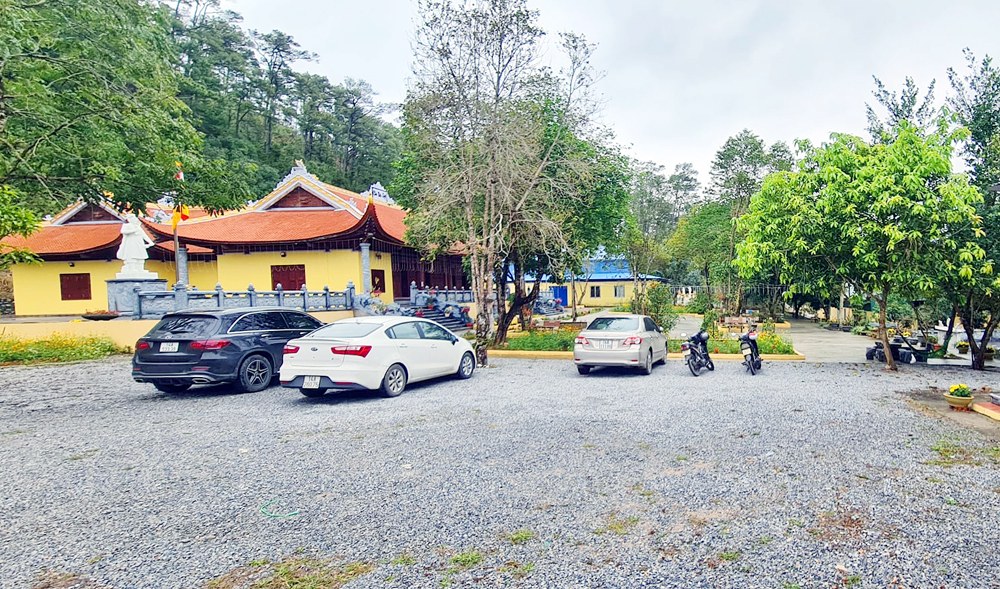
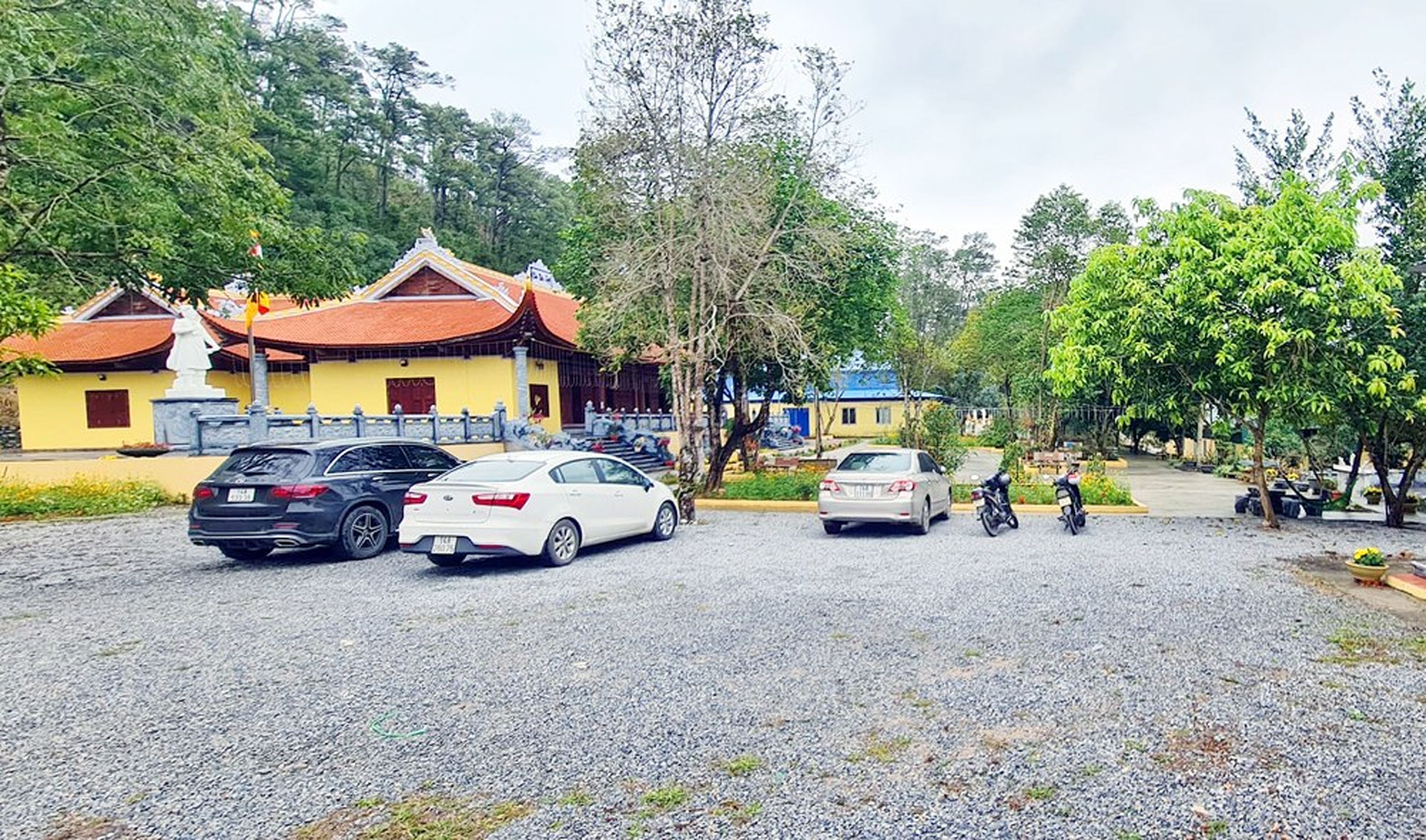
The spacious pagoda courtyard. Photo: Quang Ninh Newspaper.
Originally, Thien Quyt Pagoda was very modest, low, and small, constructed from sandstone and lime, requiring visitors to stoop low to enter. Over the years, the pagoda was renovated and rebuilt multiple times. The most recent restorations took place in 2005 and 2017 through community contributions and donations from Buddhist devotees; the pathway leading up to the pagoda was also constructed to facilitate easy travel for pilgrims.
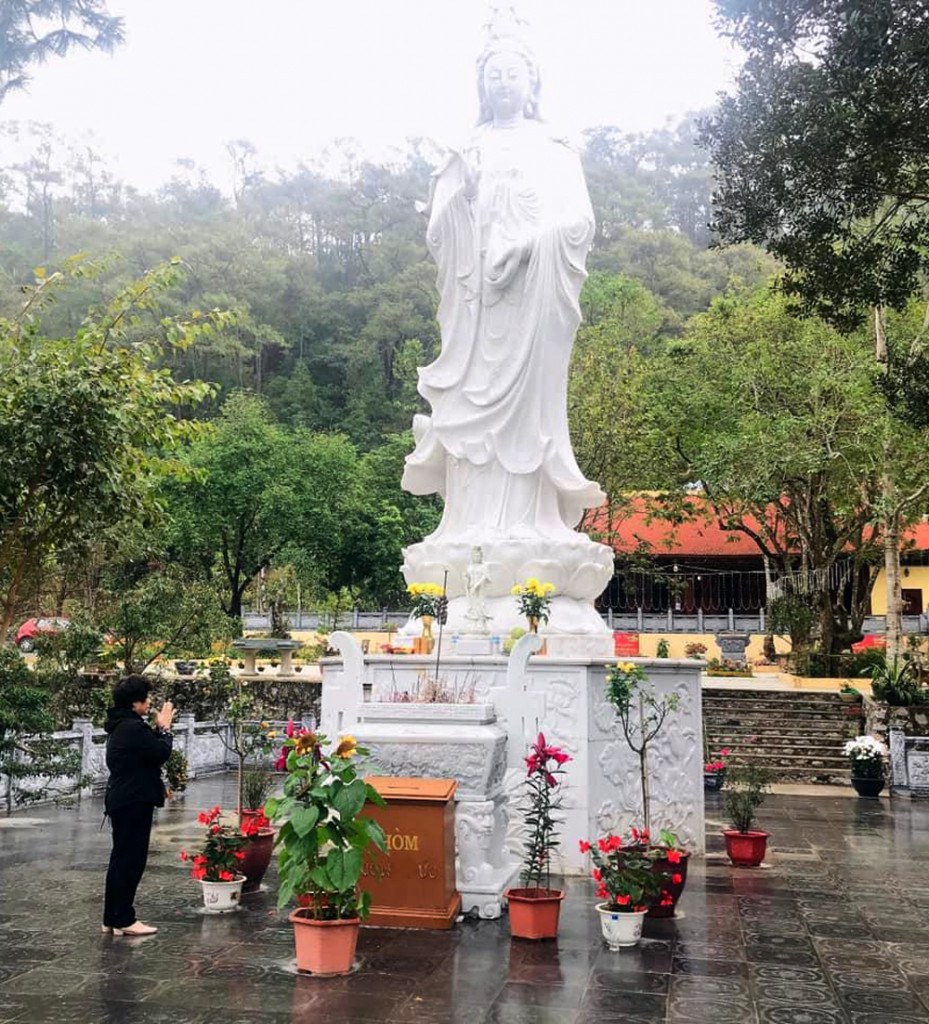
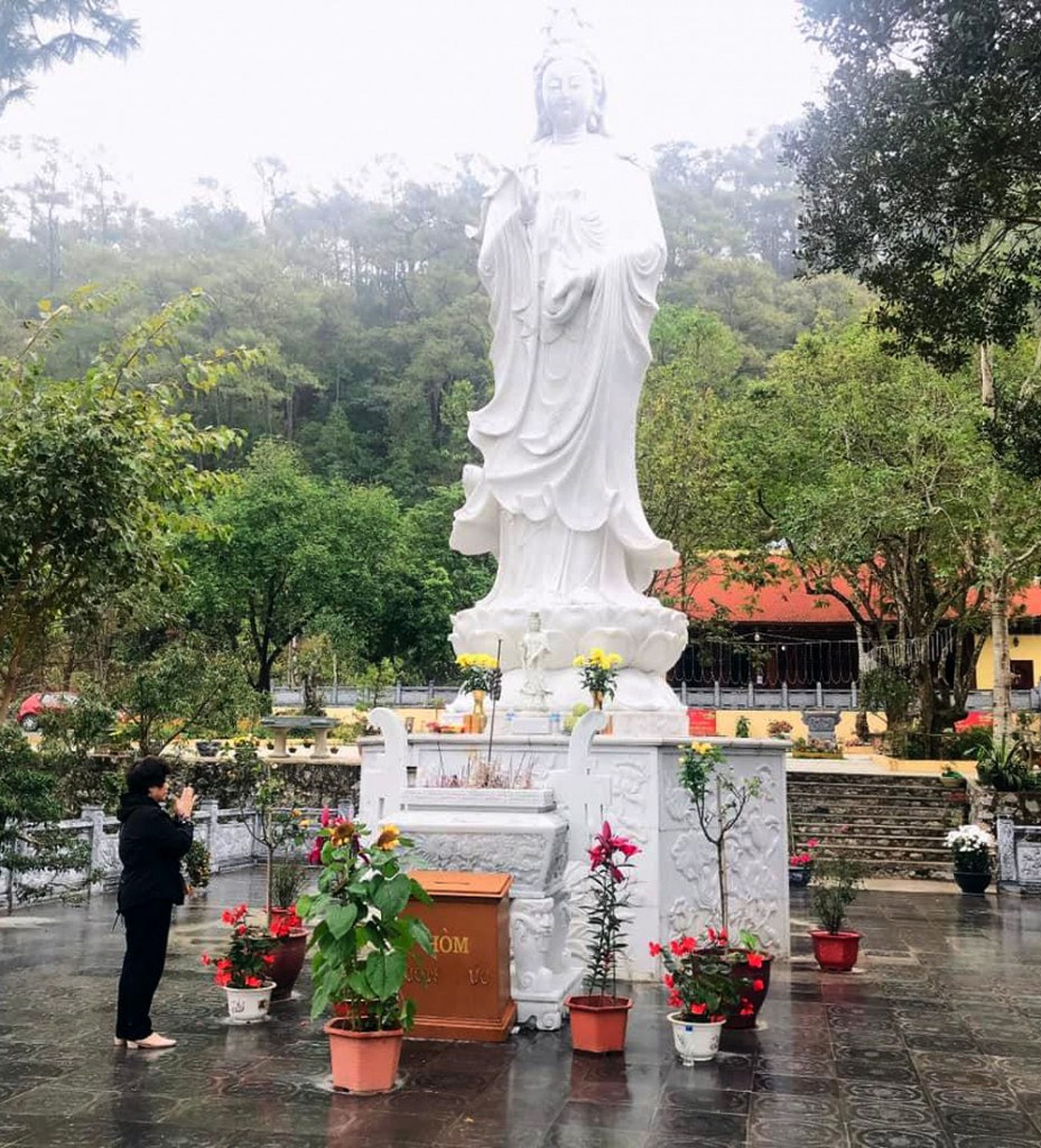
Statue of Guan Yin at Thien Quyt Pagoda. Photo: Thien Quyt Pagoda.
Today, the pagoda boasts a stately, spacious, and airy appearance, following the architectural layout of “Buddha in front, deities in back,” complete with a guest house and an offering preparation area to serve pilgrims. The pagoda occupies an auspicious location, backed by mountains and facing the Man River (Da Trang River). Notably, it still preserves its pristine ancient beauty—a peaceful green space amidst vast, quiet pine forests that brings a sense of serenity and relaxation to anyone who visits.
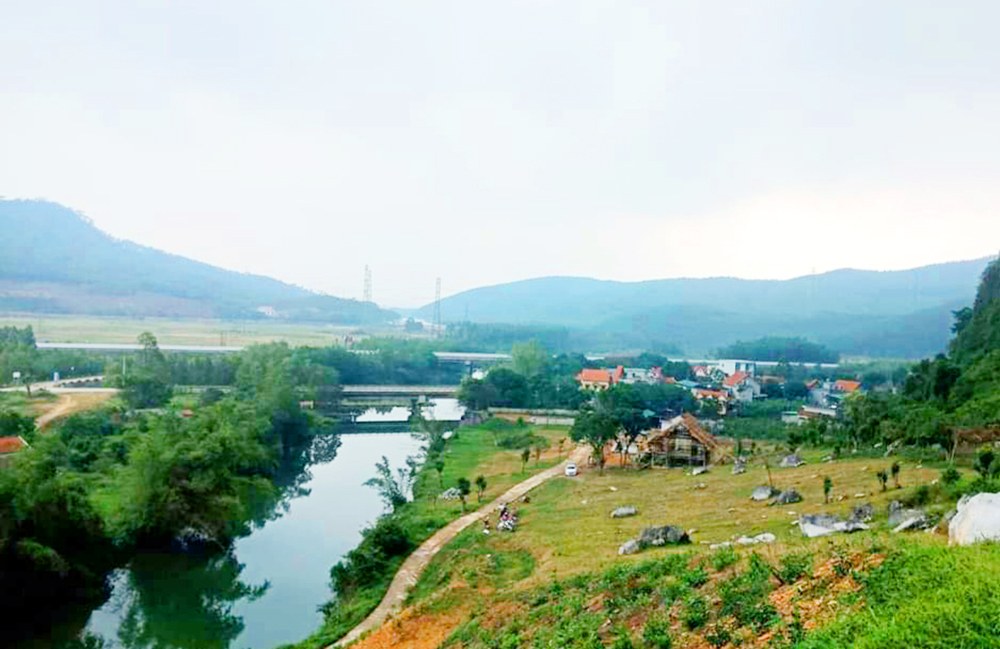
The pagoda beside the Da Trang River. Photo: Quang Ninh Newspaper.
Beyond its historical significance, Thien Quyt Pagoda holds profound spiritual meaning as a tranquil Zen sanctuary, attracting Buddhist followers and pious visitors from all around. After days of strenuous labor, locals gather at the pagoda on the first and fifteenth days of the lunar month to listen to monastic dharma talks, easing their minds and encouraging compassion and mutual support in the community.