

1 An Introduction to Tra Co Communal House – Mong Cai
1.1 Location of Tra Co Communal House – Mong Cai
Tra Co Communal House – Mong Cai is located in the southeast of Tra Co Ward, about 50 meters from the coast. The area is densely populated, and the main livelihoods here are fishing and aquaculture. To the south of the communal house lies the open sea, while the Vietnam–China border is about 8km to the north as the crow flies. To the west and south are the neighborhoods of Nam Tho, Dong Thinh, Trang Lo, and Trang Vi, about 8km from Mong Cai city via the provincial road.
Read more: Tra Co Beach – One of the most beautiful beaches in Ha Long
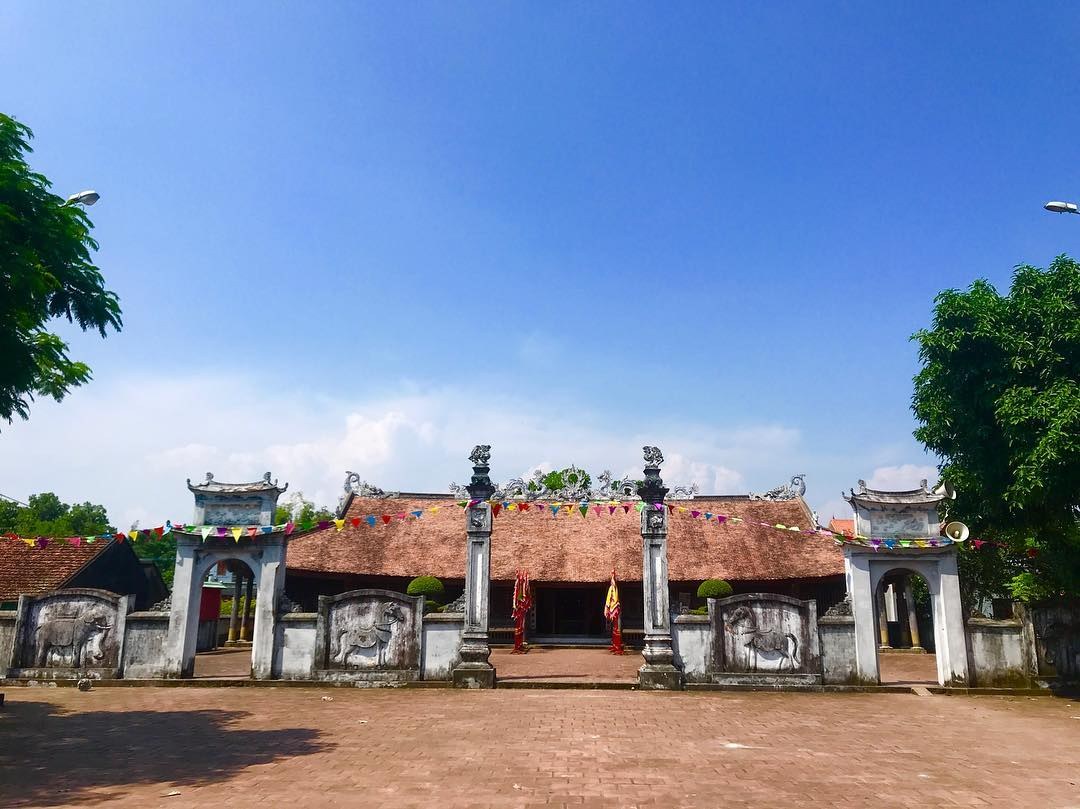
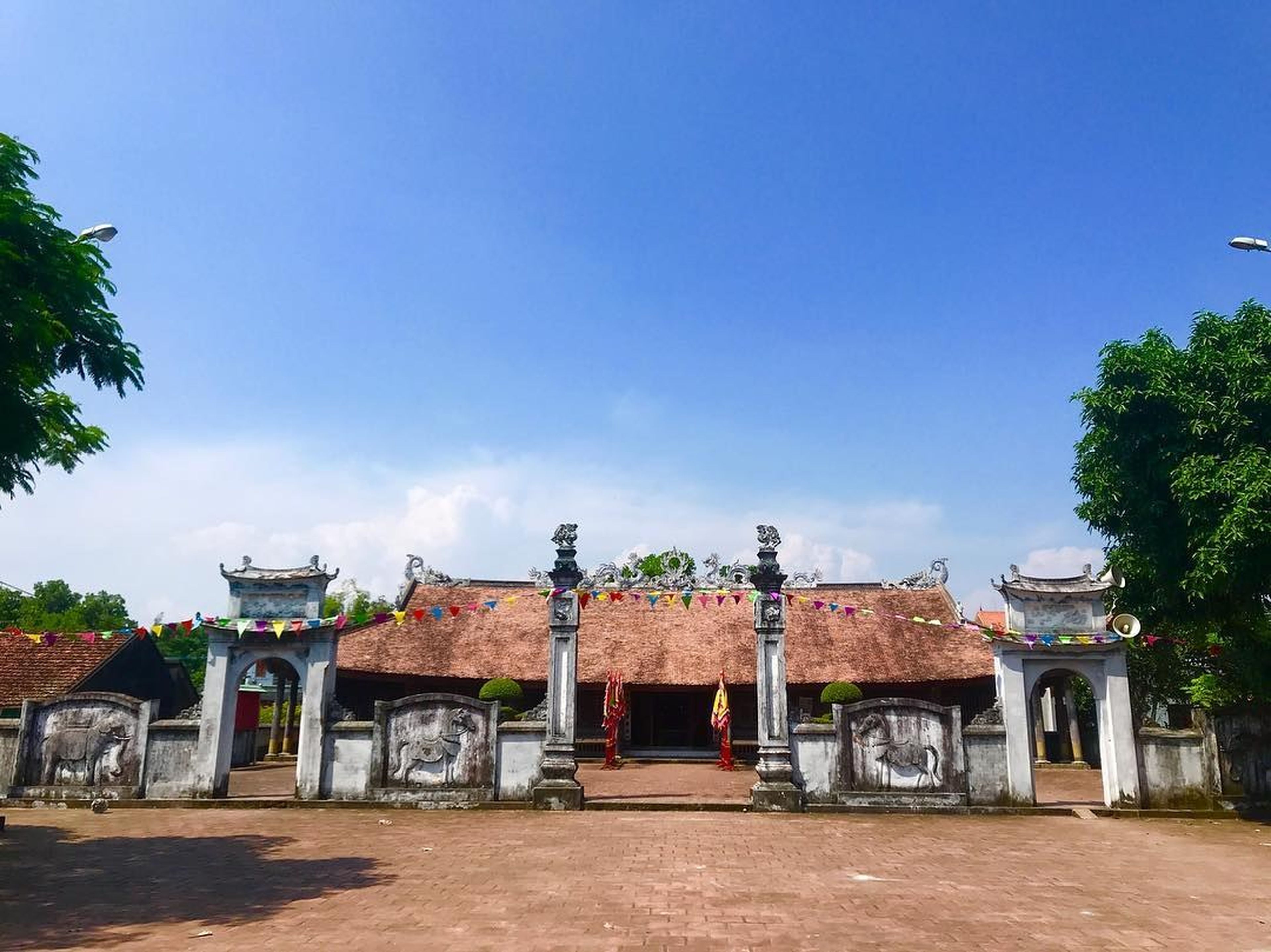
An ancient beauty pervades Tra Co Communal House – Mong Cai, whose time-honored architectural style has endured through the ages
1.2 The legend associated with this place
Tra Co Communal House – Mong Cai is a village communal house representing the community life and self-governance of the village. It is the village’s cultural center, where many notable community activities are organized, especially festivals.
In Mong Cai, whenever Tra Co is mentioned, local residents and visitors alike remember the history of Tra Co Communal House, which is associated with the legend, “The people of Tra Co, descendants of Do Son.”
According to legend, during the Later Le dynasty (in 1461), fishermen from Do Son (now part of Hai Phong) would travel with their families to distant coastal areas to make a living, fishing as far as the estuary regions (now part of the waters off Tra Co, Mong Cai). During a severe storm, twelve families were swept onto a desolate peninsula covered only in reeds and mangroves. Unable to endure the hardships, six families eventually found a way to leave and return to their old village. The other six were determined to settle and thrive in this area, and worked hard to build a new home here.
Read more: Ngoa Van Pagoda – A majestic and sacred Buddhist “holy land”
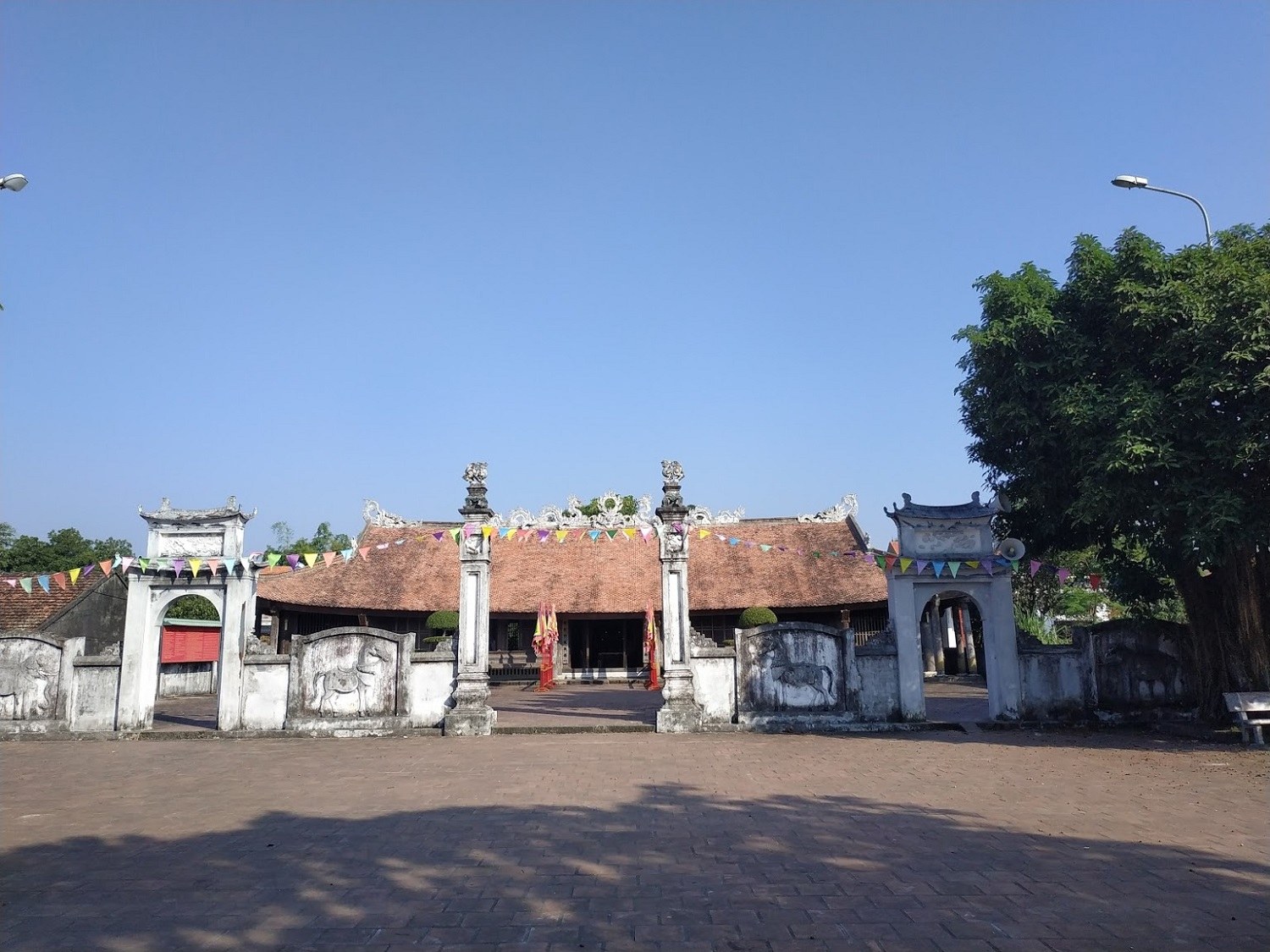
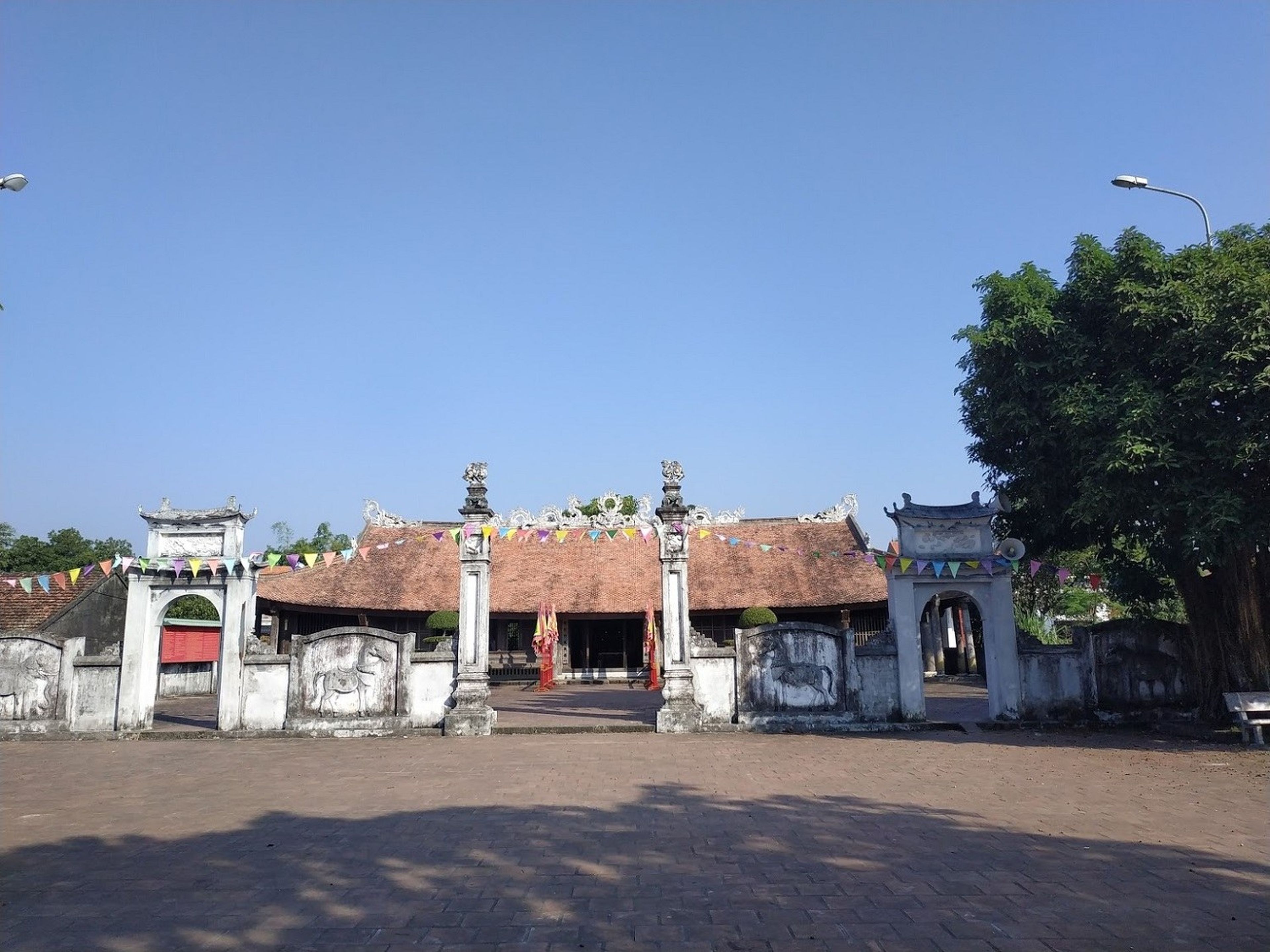
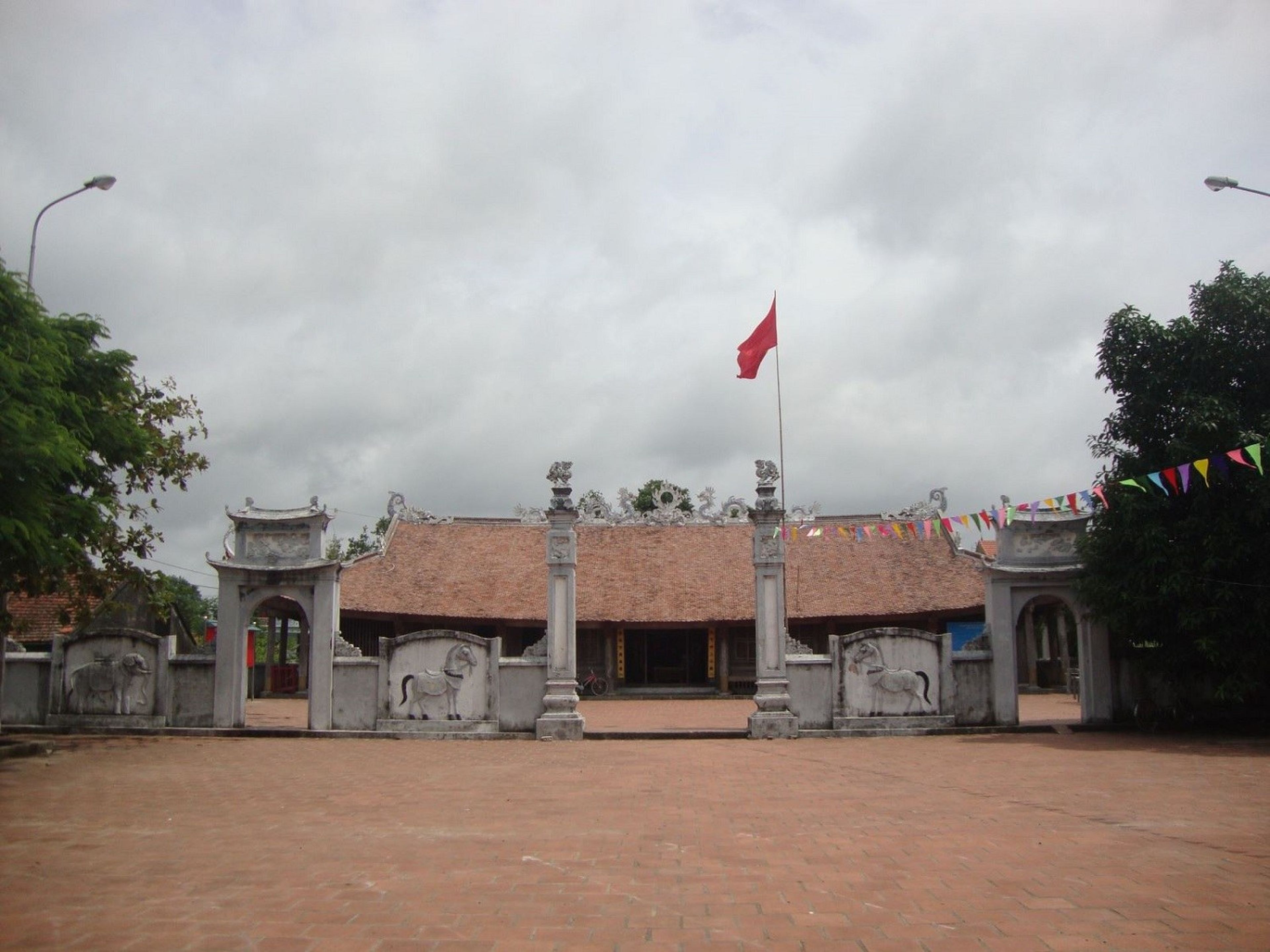
Despite passing through centuries and many generations, Tra Co Communal House – Mong Cai has retained its original layout
Together, they then cleared the new land, cultivating it and fishing. At first, there were just six simple houses, but over time they grew into a prosperous village. Like other villages across Vietnam, Tra Co Communal House was built with contributions from the local people. Once construction was complete, residents returned to their ancestral homeland to ask for incense from the village tutelary deities—Quang Trach, Huyen Quoc, Nhan Minh, Giac Hai, and Khong Lo—to worship at the communal house. It is also dedicated to the six pioneers who reclaimed and founded Tra Co.
Today, the communal house is regarded as a public meeting place where village elders address local affairs. It also hosts a distinctive annual village festival on the 30th day of the fifth lunar month.
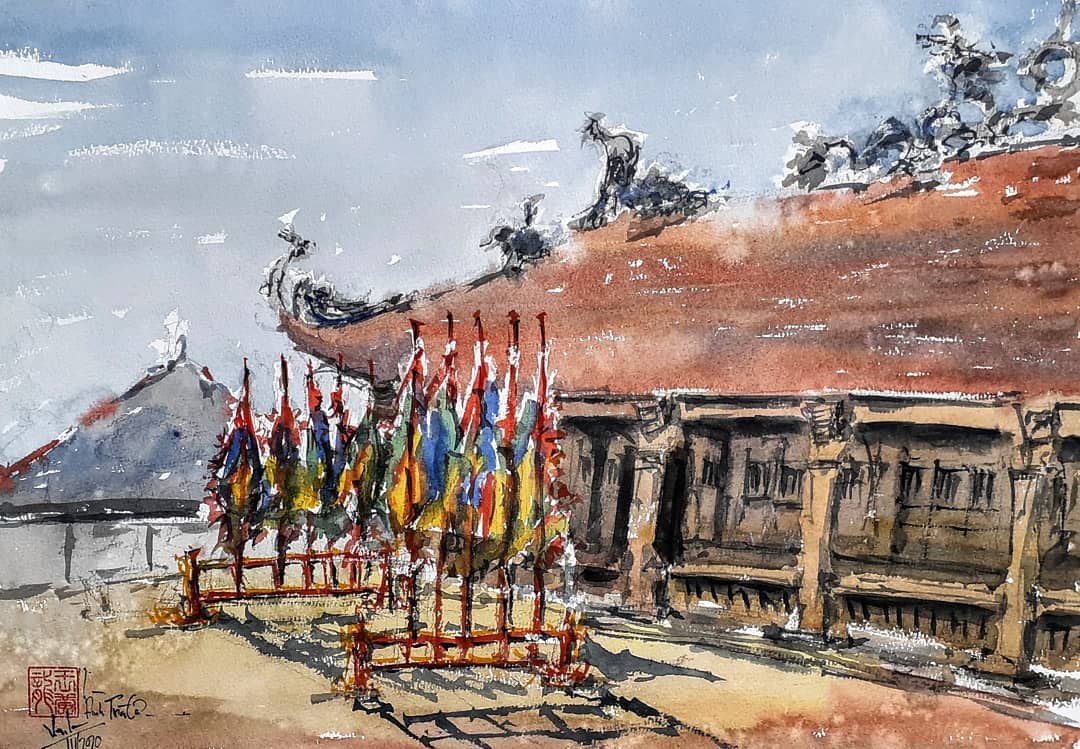
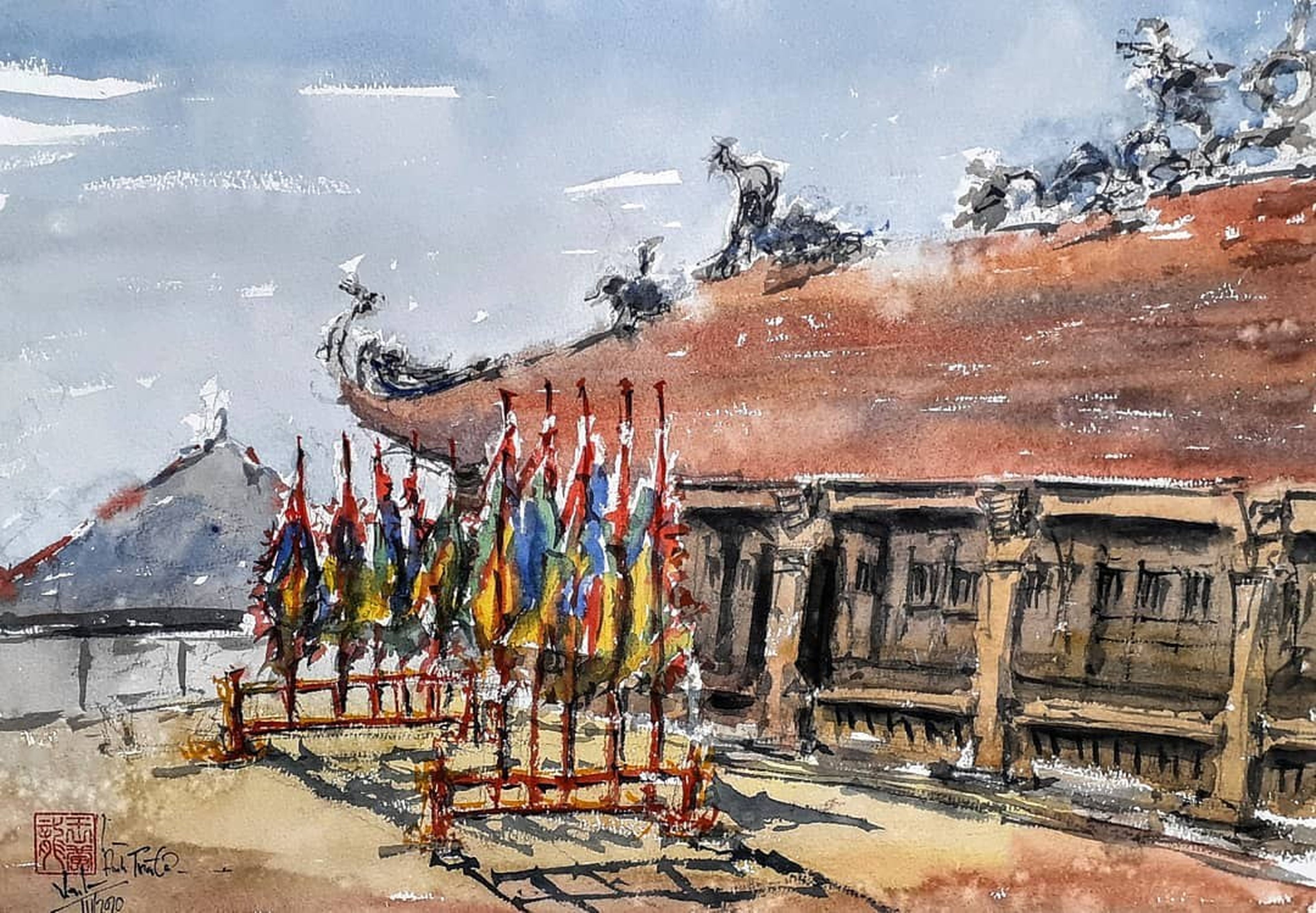
A watercolor painting depicting the communal house in a striking style
2 Discover the distinctive architecture of Tra Co Communal House – Mong Cai
Tra Co Communal House – Mong Cai is one of the largest communal houses in Quang Nam Province. It was built during the Later Le dynasty in 1461. This remarkable architectural work on Vietnam’s northern border was recognized as a cultural relic in 1974.
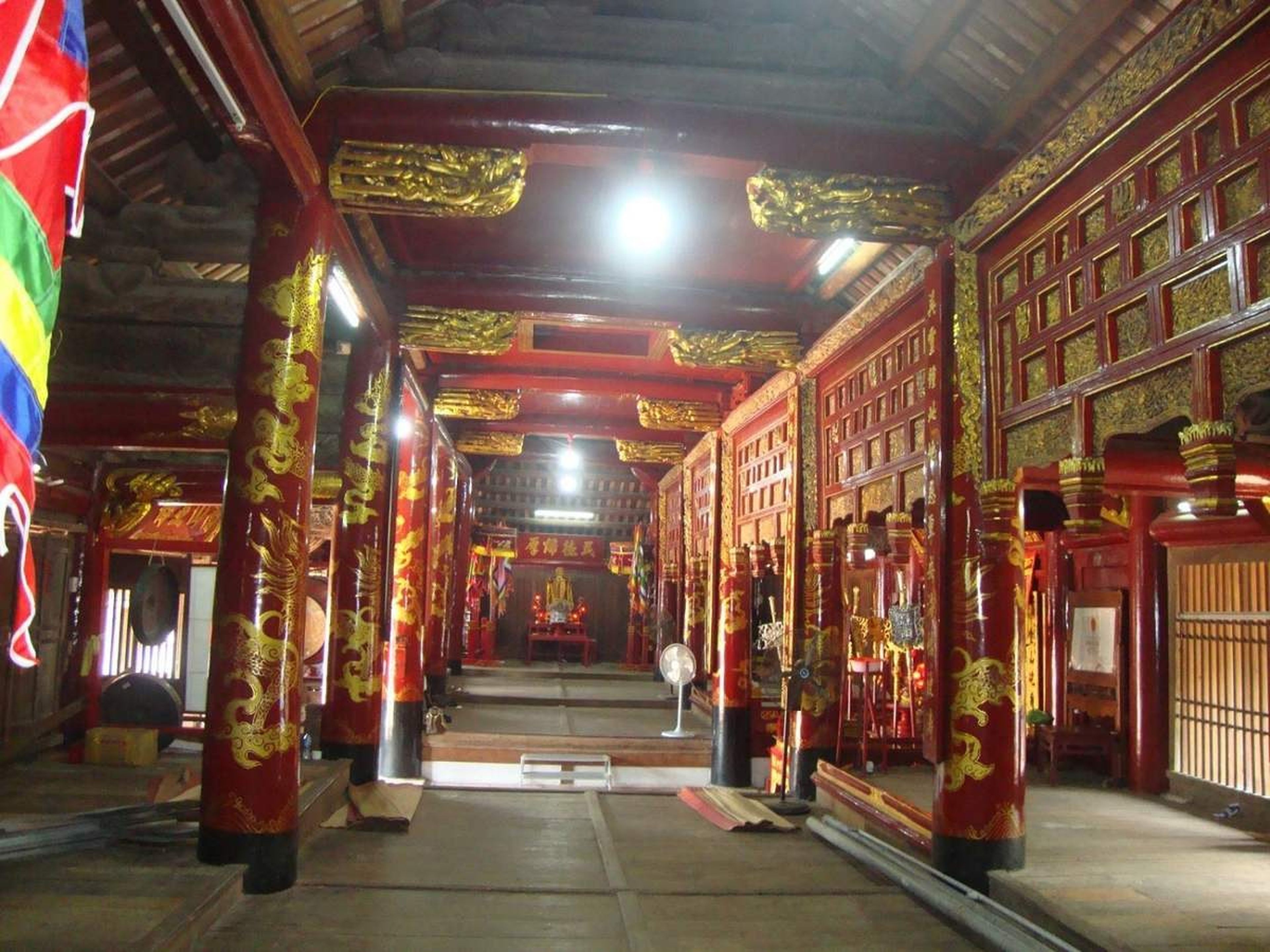
The front of the communal house faces south, and the building follows the “đinh” layout, with five bays: two front-hall bays and three sanctuary bays. The overall structure appears imposing and monumental, yet a closer look reveals the graceful, flowing lines of its design and the elaborate, meticulous carvings inside and out. The building is supported primarily by 32 ironwood pillars, including 18 secondary pillars and 14 main pillars, which form the structure’s essential framework. The pillars are connected by horizontal beams, each end adorned with a carved dragon’s head as a focal detail.
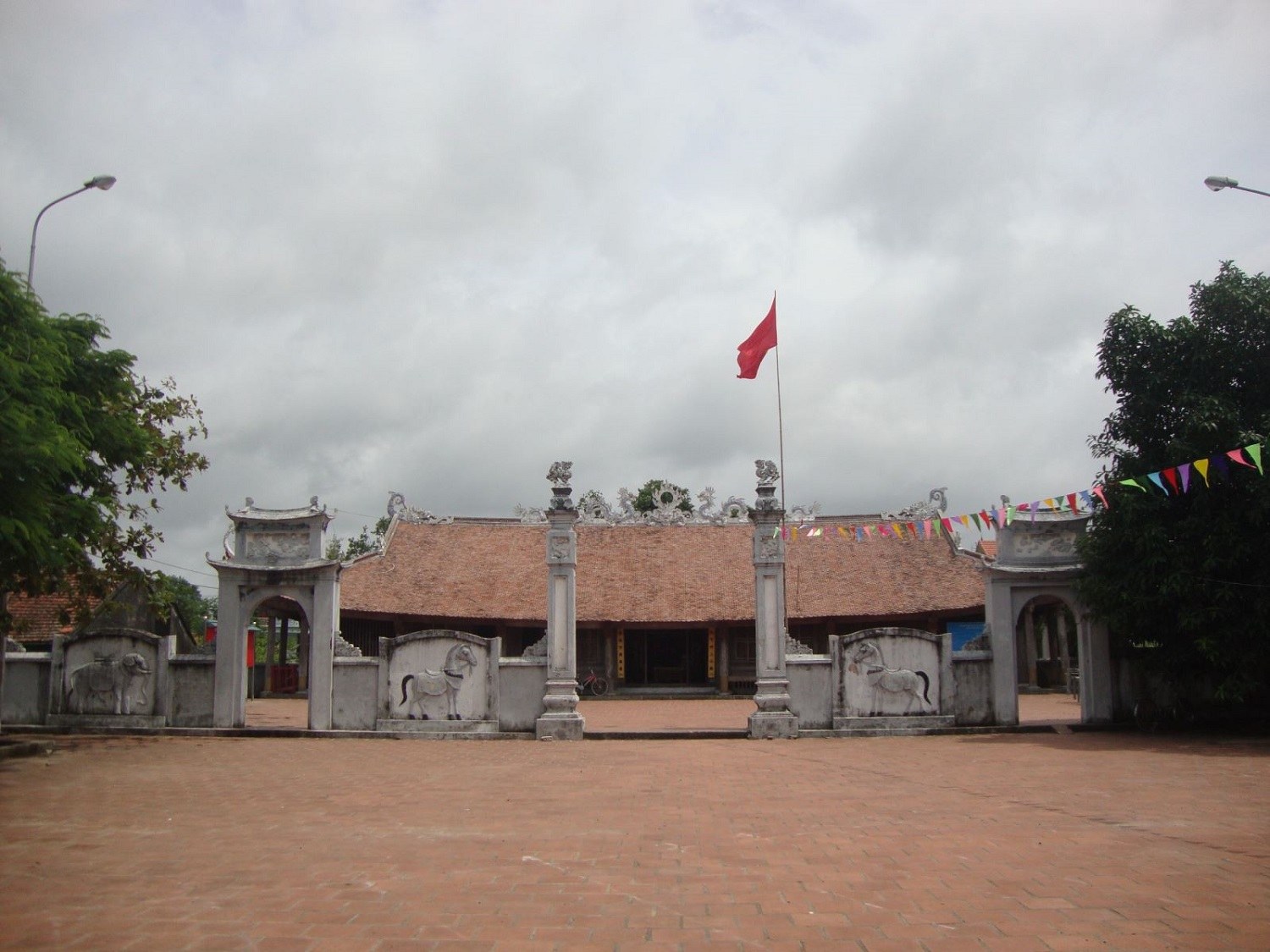
On ordinary days, the communal house has a sacred, tranquil atmosphere, making it ideal for anyone seeking to cleanse their soul
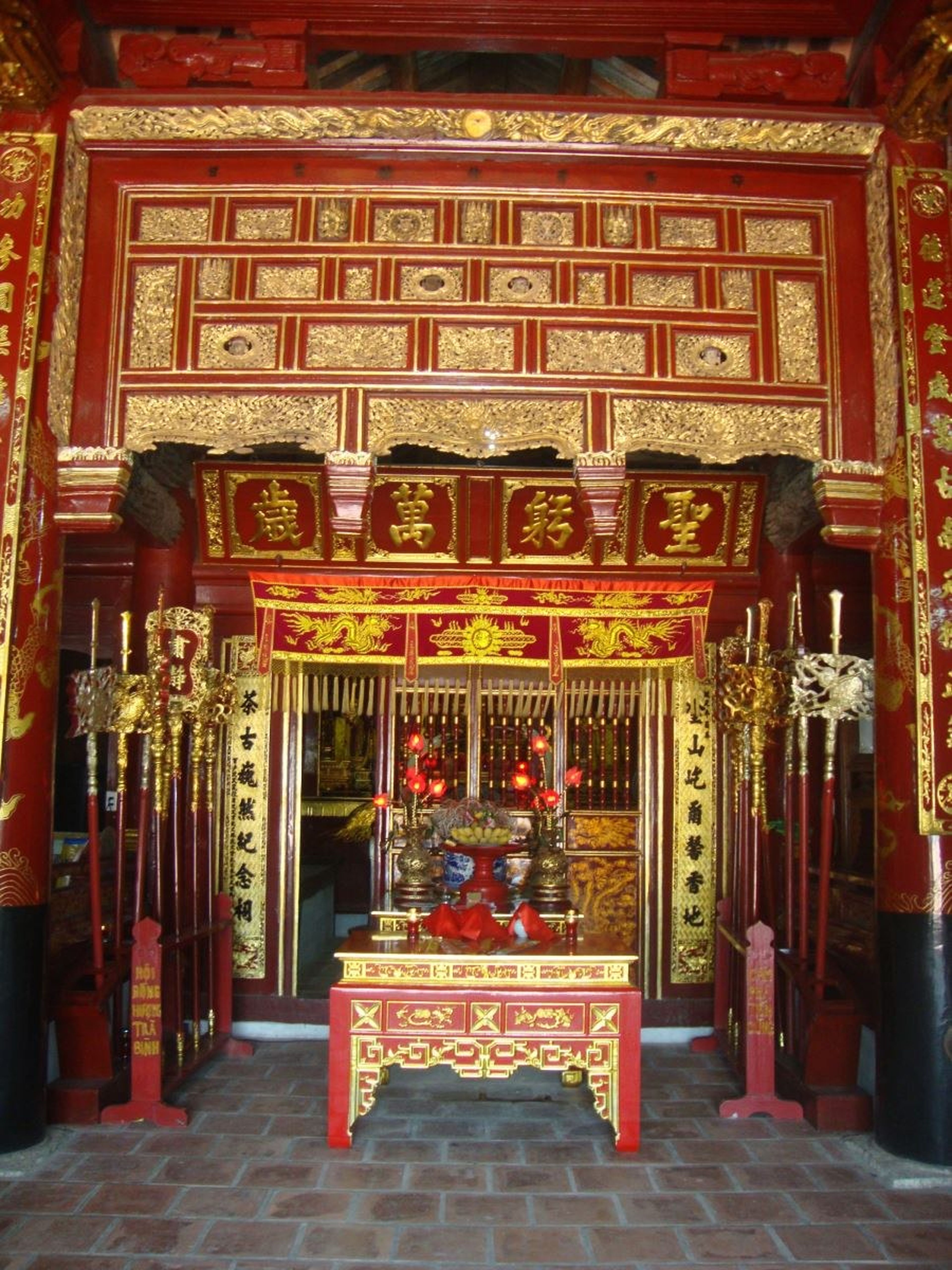
With their skilled, meticulous hands, artisans created vivid carved panels and scenes, achieving such artistic heights that visitors cannot help but marvel at their masterful work. The beams and pillars also feature engraved boards and couplets with historical significance, helping visitors better understand the history, way of life, and people of Tra Co.
Over more than 500 years, the communal house has undergone many repairs and changes. Each dynasty added its own touch to the building’s beauty, lending great significance to both the area and the structure. Nevertheless, on its original site, Tra Co Communal House – Mong Cai has retained its original layout and form, along with the pristine, timeworn beauty it had in the Le dynasty—particularly the dragons and phoenixes carved on its pillars.
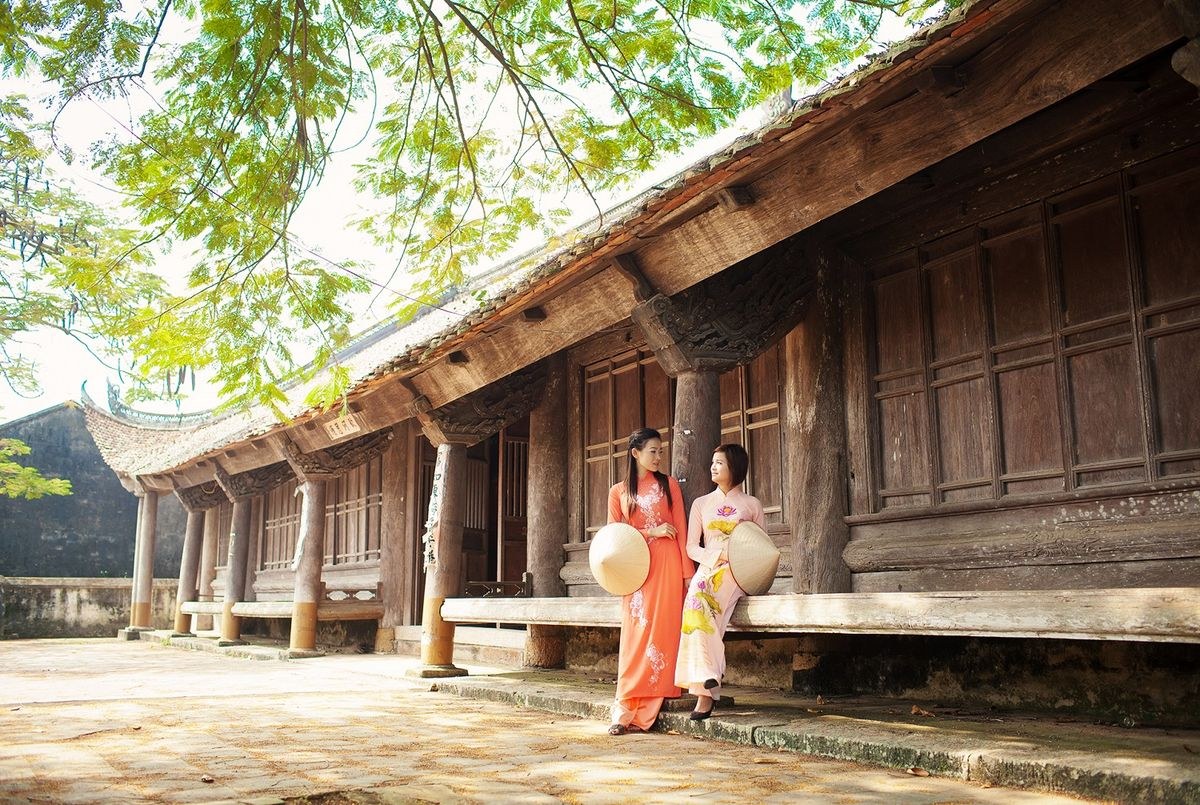
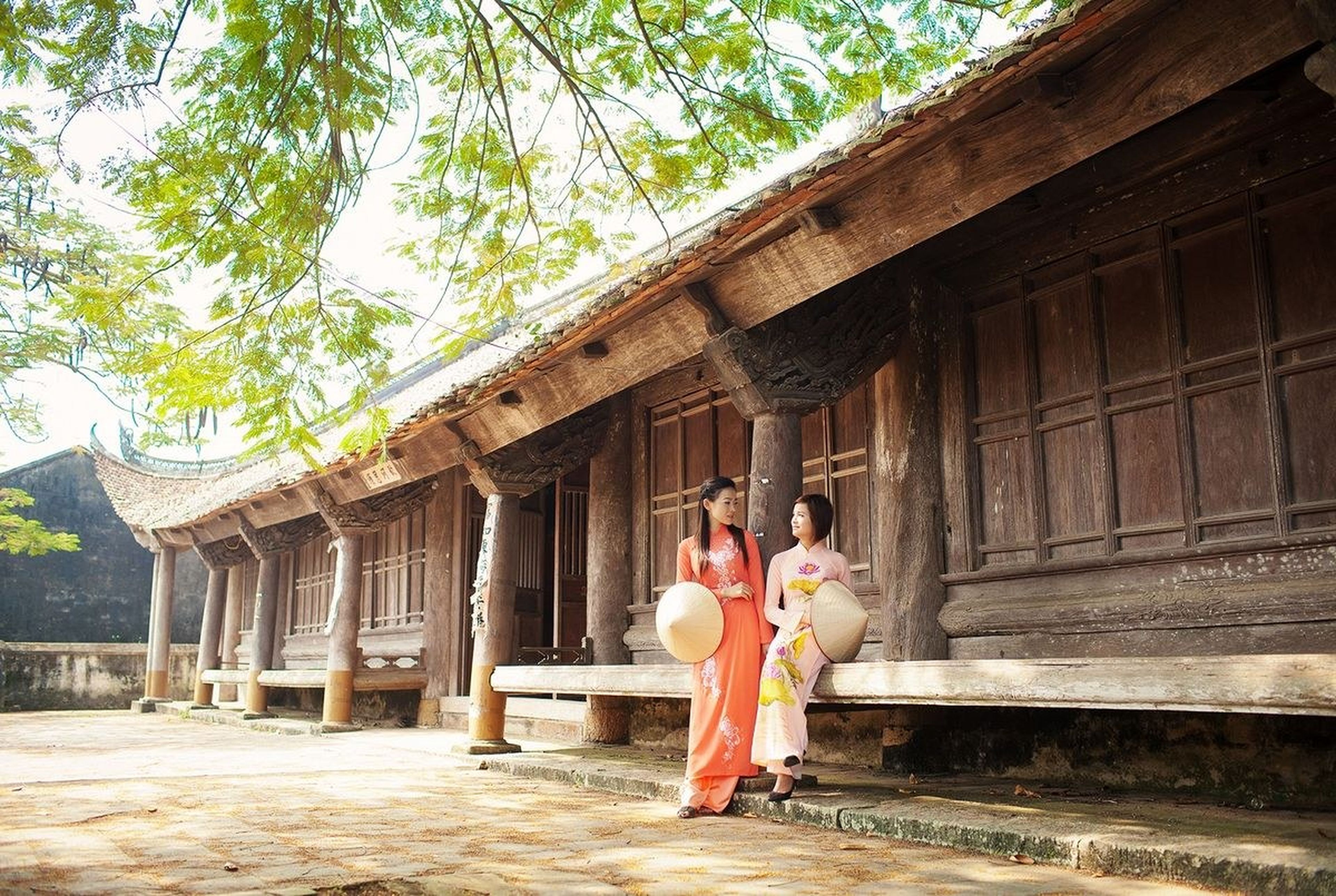
With its ancient charm, Tra Co Communal House – Mong Cai seems like an ideal destination for visitors to showcase the beauty of traditional Vietnamese attire
Notably, Tra Co Communal House – Mong Cai is the only communal house in Quang Ninh Province that has retained its original floorboard system, characteristic of the communal-house architecture of its time. The raised floor is about 0.4m above the ground and enclosed with intricately carved panels. At the center of the communal house is the rear sanctuary, which most clearly reflects the care taken to preserve and restore the building. In addition, the carved beams and door screens feature swirling floral motifs that date back to the original structure. Although they have been repaired and repainted, they still embody Vietnam’s traditional cultural beauty.
Read more: Pride of Ha Long Bay – Where the dragon descended upon Vietnam
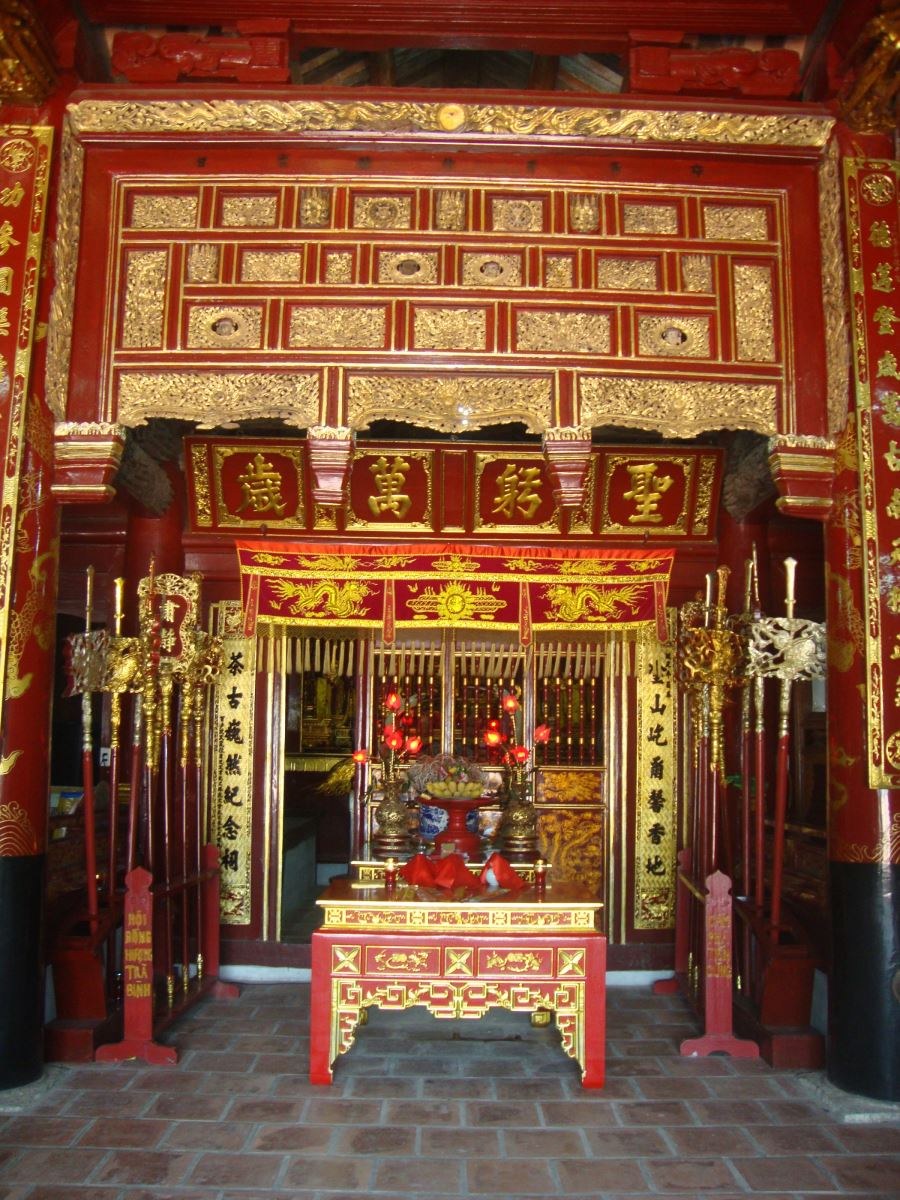
The communal house preserves many precious artifacts dating back to its construction during the Later Le dynasty
In addition to its preserved architectural carvings, Tra Co Communal House – Mong Cai houses many other valuable artifacts, including two wooden plaques, a set of eight ceremonial emblems, a set of eight offerings, a bronze ritual furnishing set, couplets, door screens, engraved boards, and dozens of large calligraphic plaques. The inscriptions and couplets express self-reliance, determination, and national resilience, and clearly reflect the rich cultural identity of the Northeast. The site fascinates visitors from Vietnam and abroad with its distinctive architecture and intriguing customs, and is also a compelling subject for researchers. Beyond this, in the local community’s collective memory, Tra Co Communal House – Mong Cai is a cultural landmark affirming Vietnam’s territorial sovereignty at the nation’s northernmost frontier.
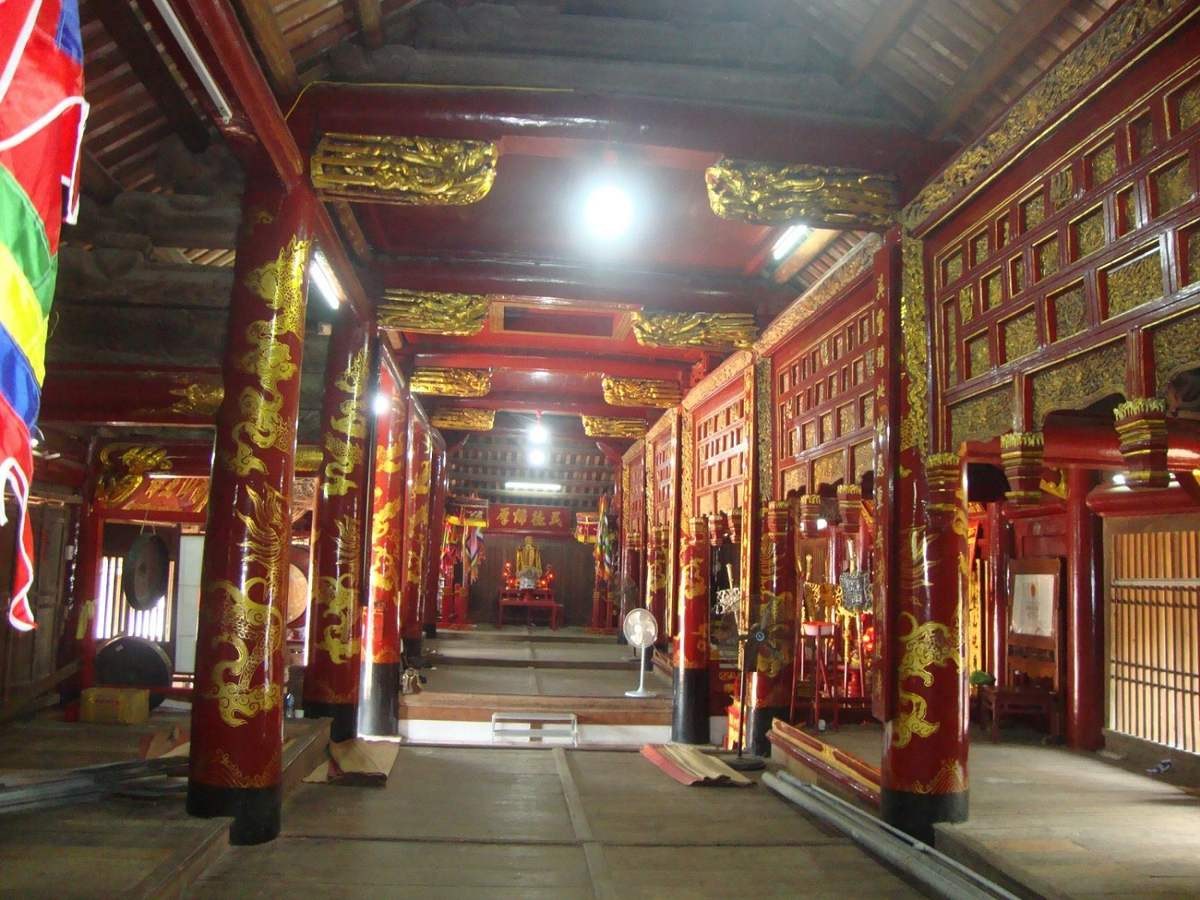
The intricate carvings are a distinctive highlight that draws visitors to Tra Co Communal House – Mong Cai
Despite standing for hundreds of years, Tra Co Communal House – Mong Cai remains untouched by the passage of time. It retains its sacred significance and close ties to generations of Tra Co residents. If you have the chance to visit Mong Cai, don’t miss the opportunity to explore this sacred communal house and offer a stick of incense.