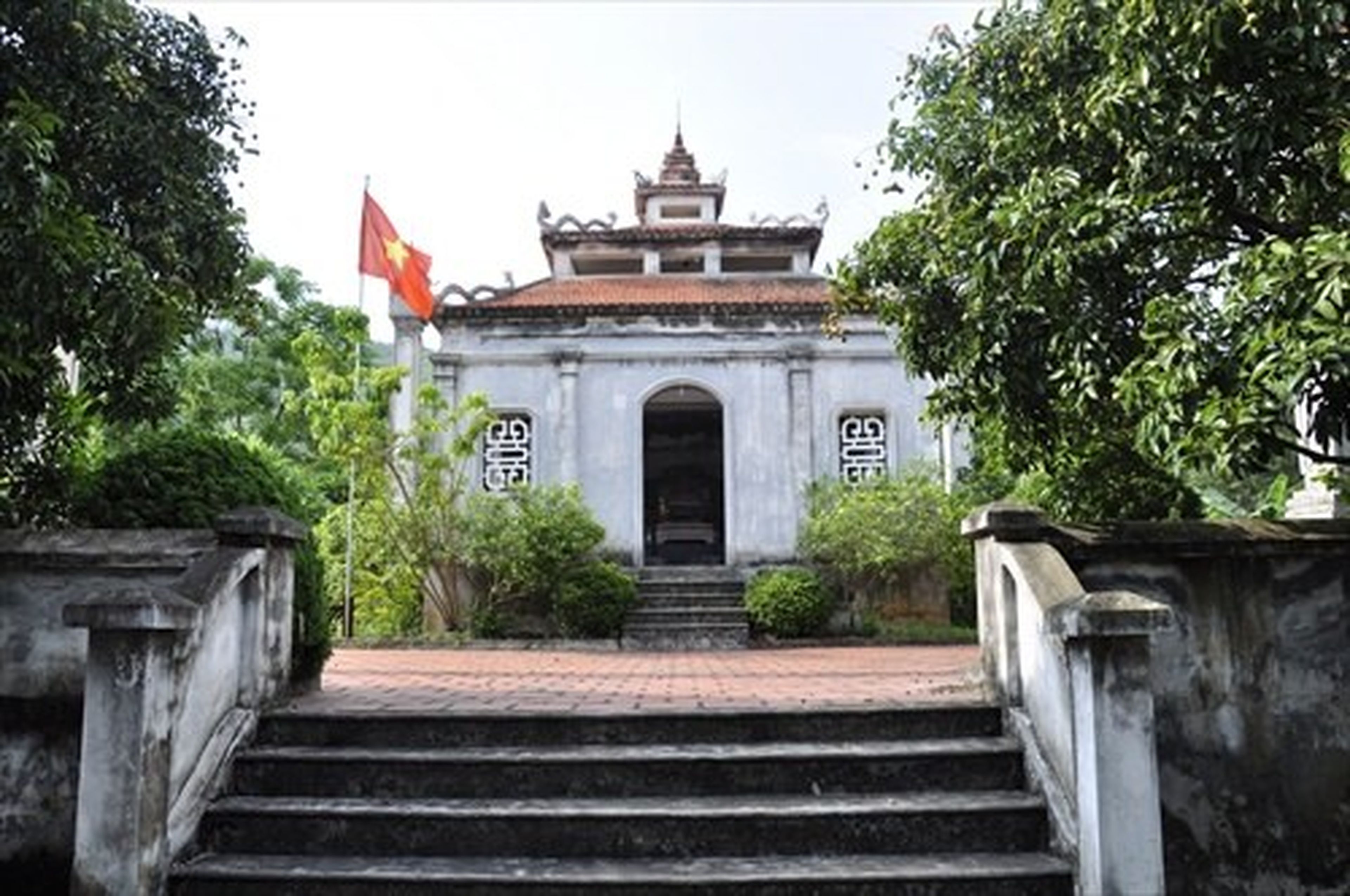
The Tran Dynasty Historical Relic Site in Dong Trieu is located in An Sinh, Trang An, Binh Khe, and Thuy An communes. Today, it is the site preserving the most significant imprints of the illustrious Tran Dynasty.
The Tran Dynasty Historical Relic Site in Dong Trieu – Where the Imprint of a Glorious Dynasty Remains
In the Year of the Rooster, 1225, Ly Chieu Hoang ceded the throne to her husband, Tran Canh, marking the transfer of power from the Ly Dynasty to the Tran Dynasty. From that point, the Tran Dynasty ruled the country for 175 years, with 12 kings, creating one of the most illustrious dynasties in the history of Vietnam.
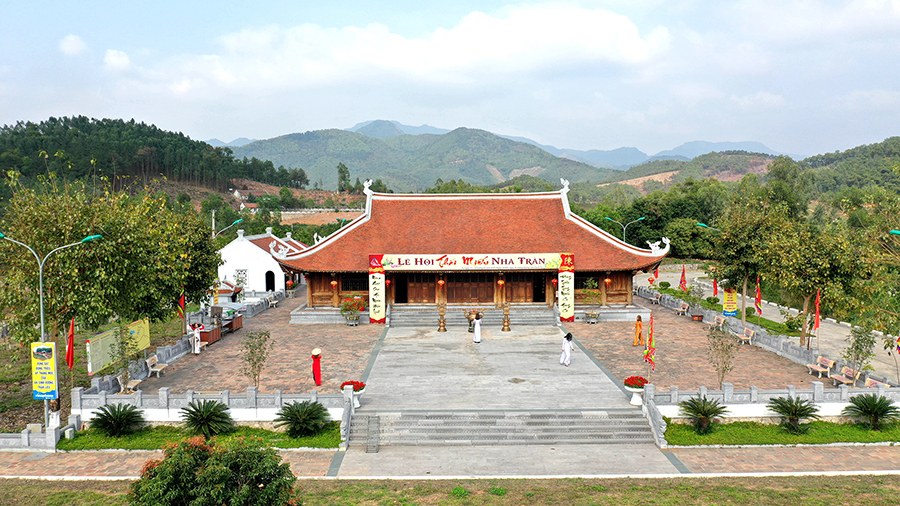
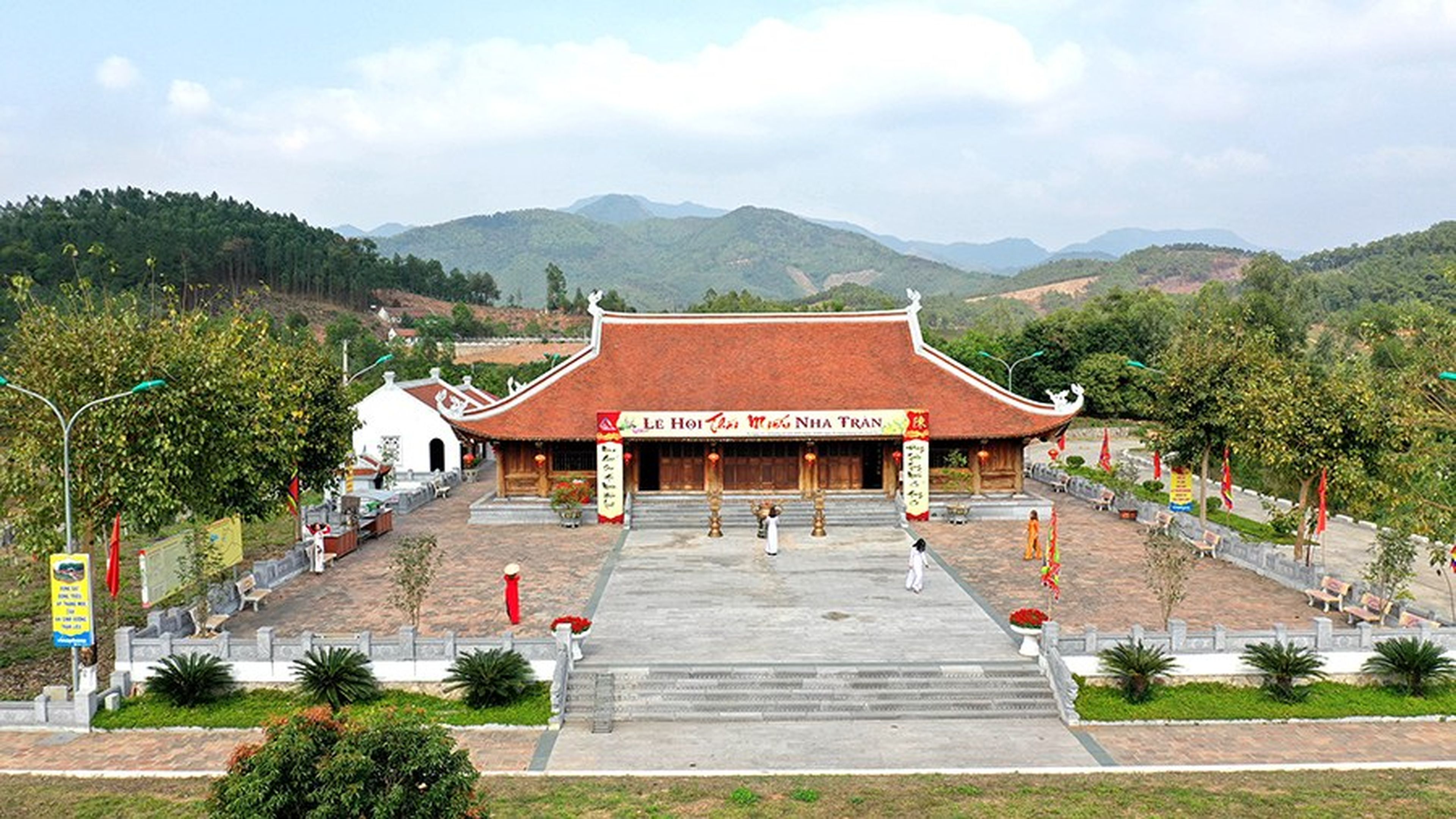
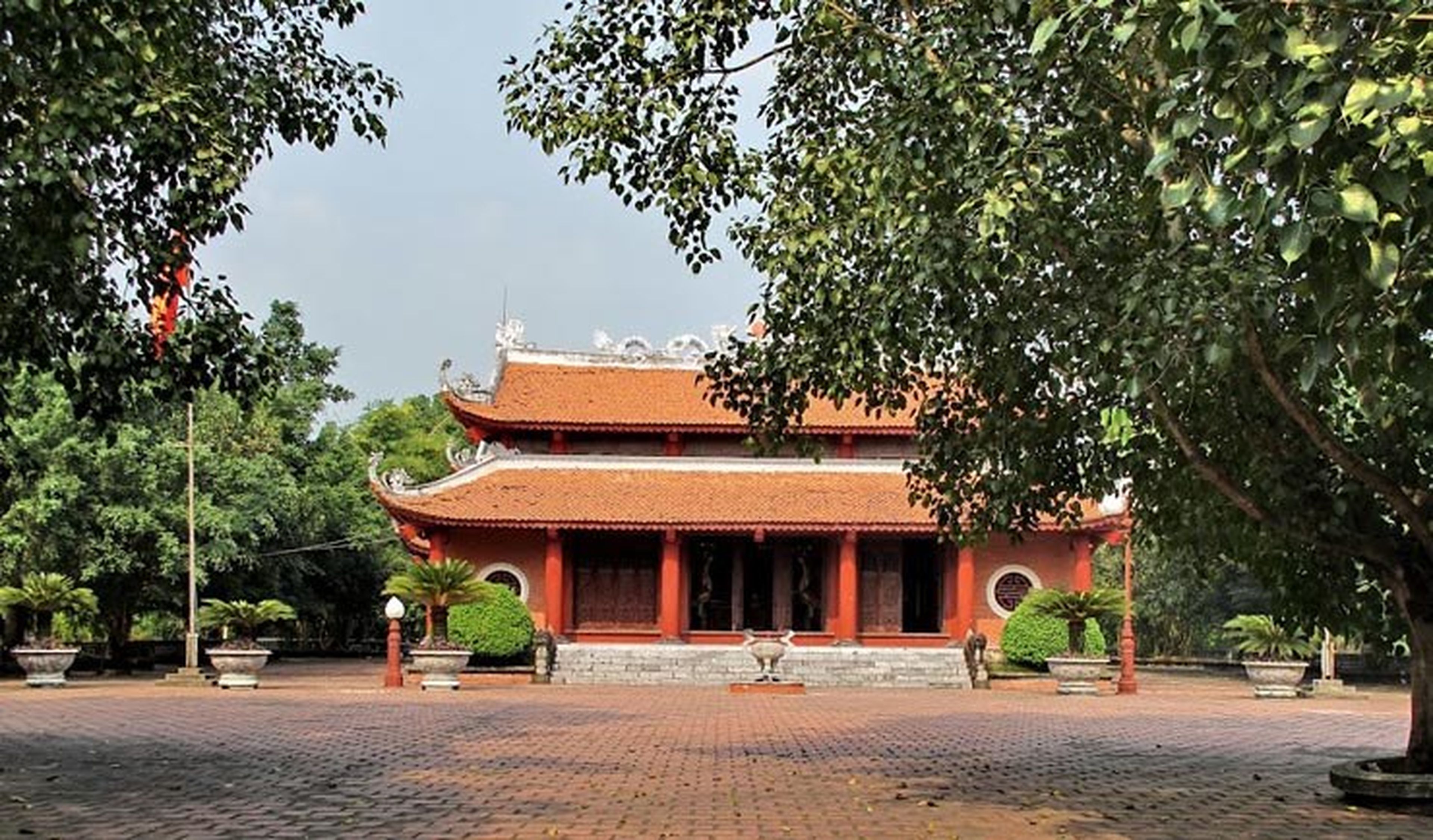
Thai Temple. Photo: Quang Ninh Newspaper.
The Tran Dynasty (1225–1400), with its military achievements and civil governance, ushered in a heroic era in the history of building and defending the country. According to historical documents, the Dong Trieu area was the first settlement of the Tran family. Later, this land was bestowed by King Tran Thai Tong on his elder brother, Tran Lieu, as a thang moc fief.
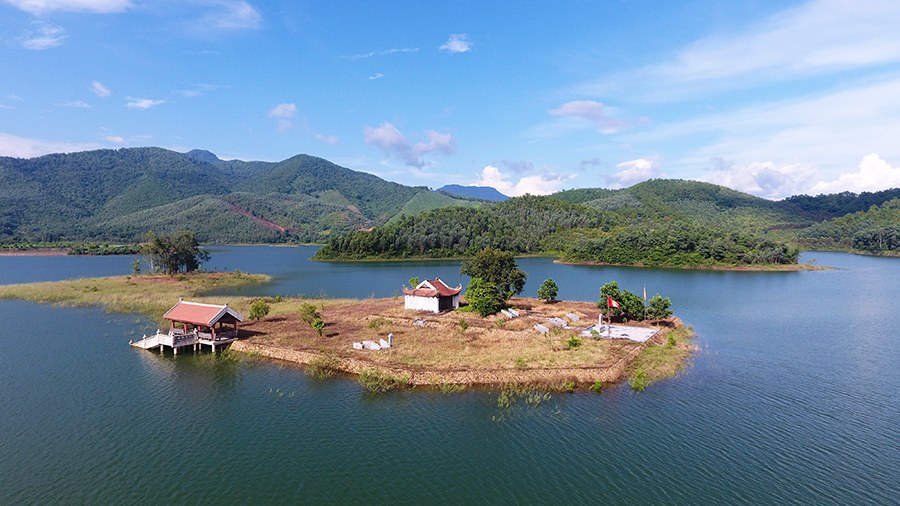
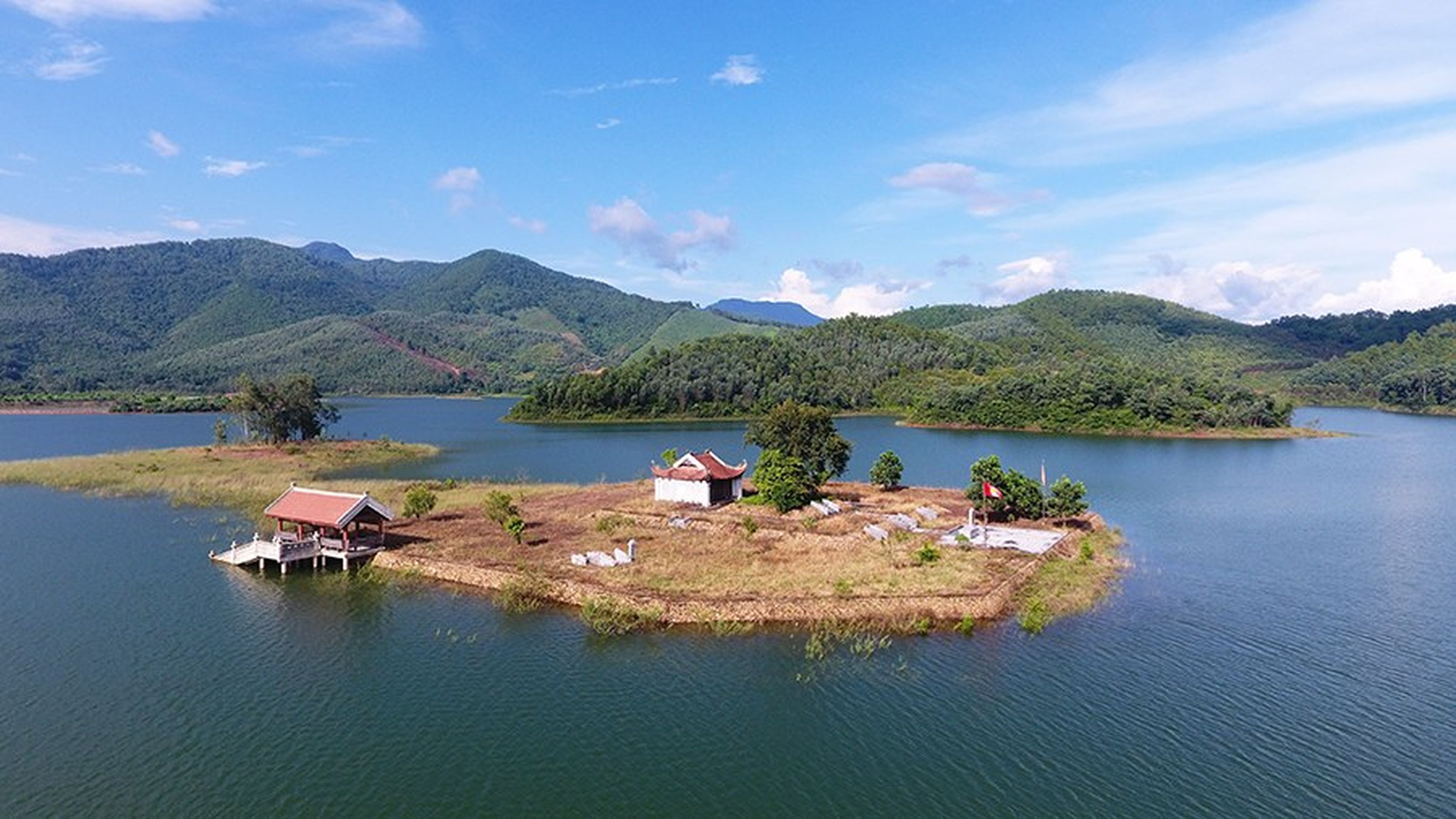
Thai Tomb. Photo: Quang Ninh Newspaper.
Every dynasty, when ruling, paid attention to two matters: duyen trach, the land chosen for establishing the capital, and am trach, the place where the ancestral temple and royal tombs were located. Alongside Thang Long, which continued to be selected as the capital, the Tran Dynasty also built and developed two cultural centers and two royal tomb areas to the east and south of the citadel.
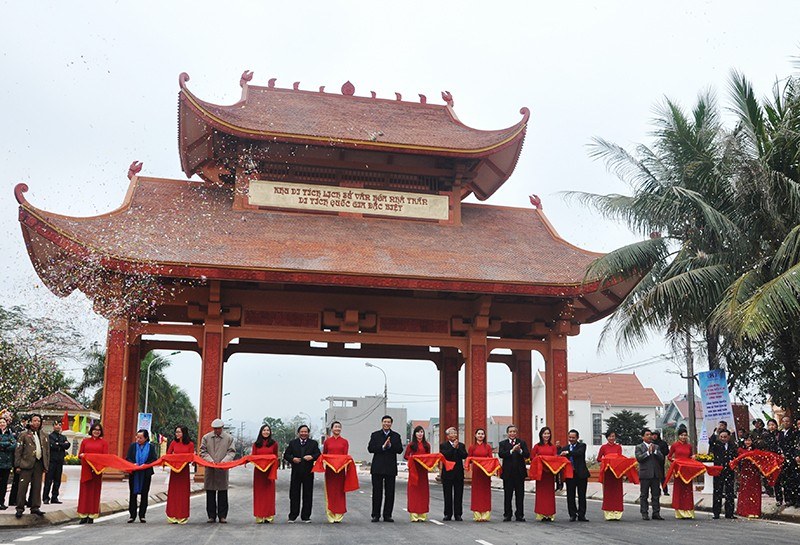
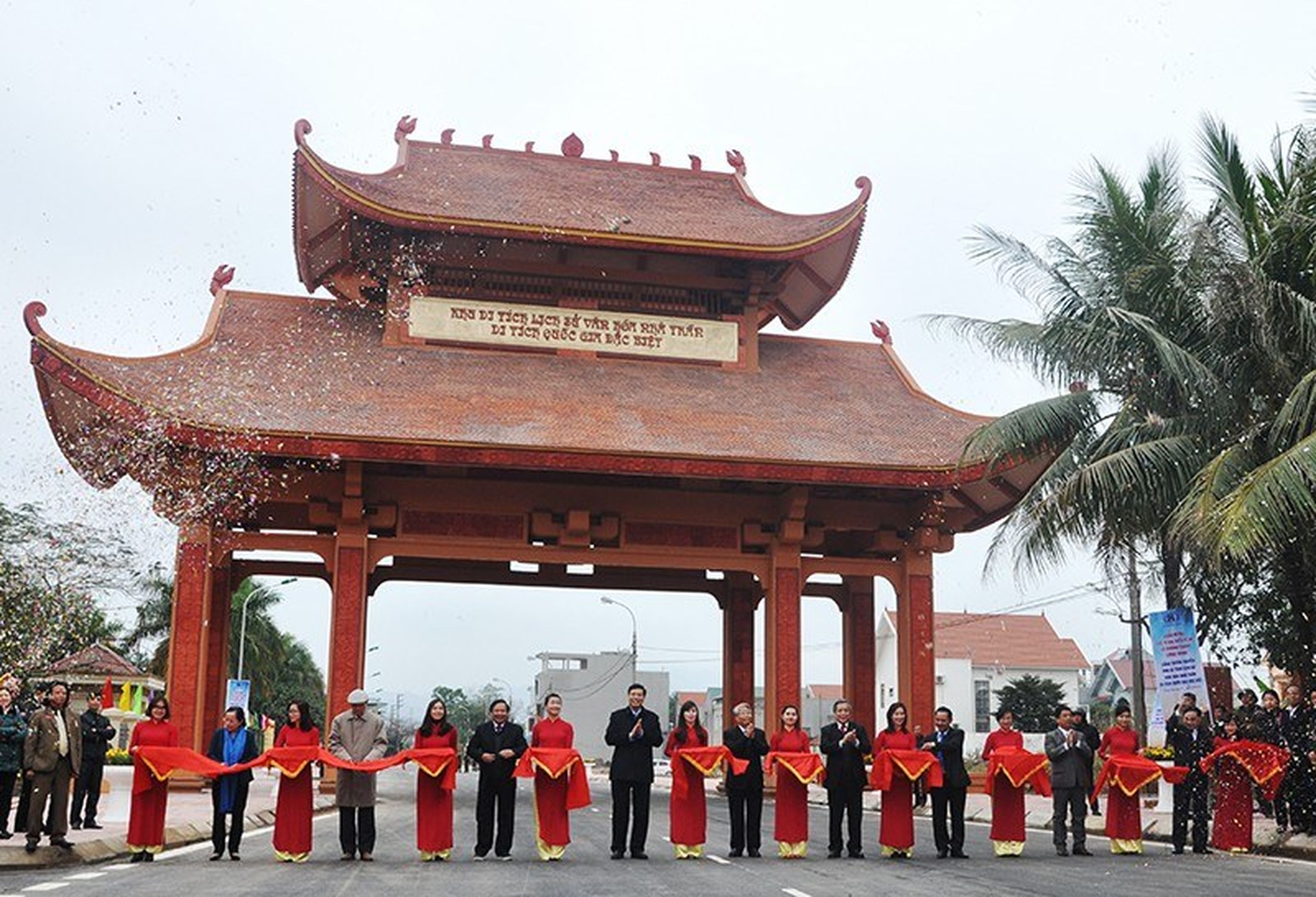
Entrance gate to the relic site. Photo: International Newspaper.
Many researchers have identified Dong Trieu as a major cultural and religious center, together with Thang Long—the political and economic center—and Thien Truong Long Hung, the birthplace of the Tran Dynasty.
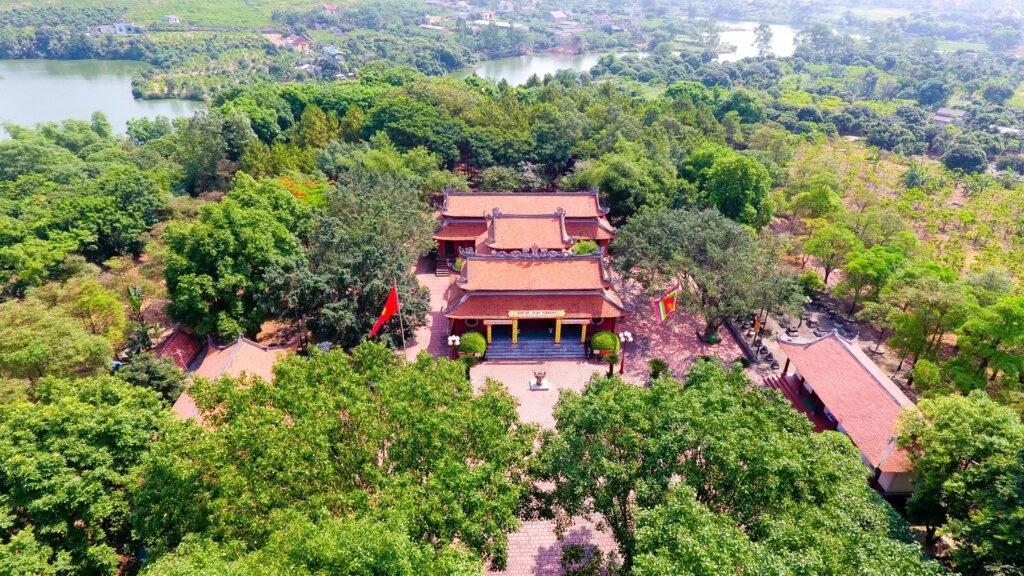
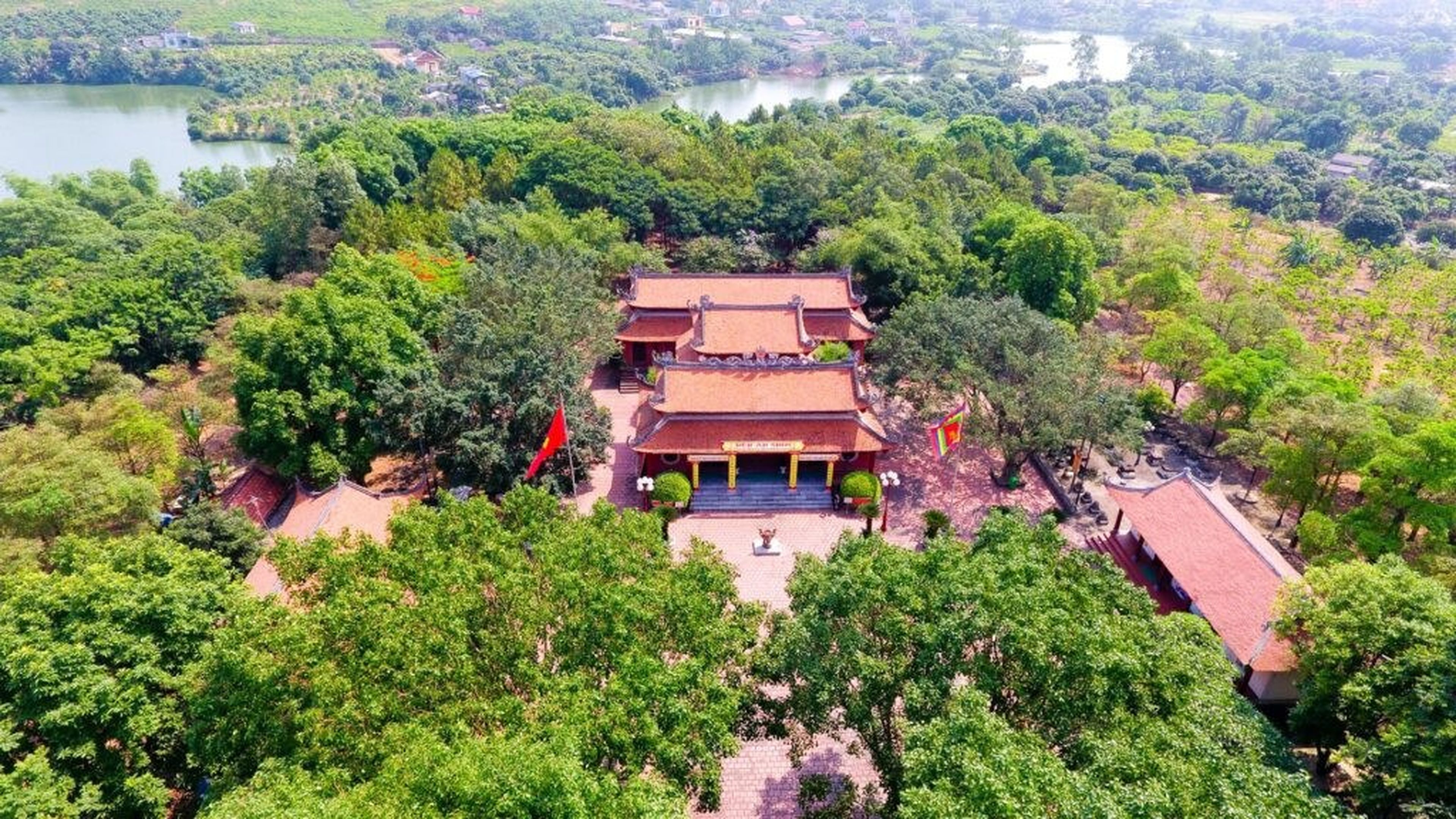
An Sinh Temple. Photo: Grand Fleuve Boutique.
The ancient name of Dong Trieu was An Sinh. It was not renamed until the reign of King Tran Du Tong, and it became the Tran Dynasty historical relic site known today. This is a special national relic site comprising tombs, temples, pagodas, hermitages, and towers, with 14 relics spread across the area. This sacred holy land is steeped in historical and cultural spirit and is the ancestral homeland of the Tran Dynasty.
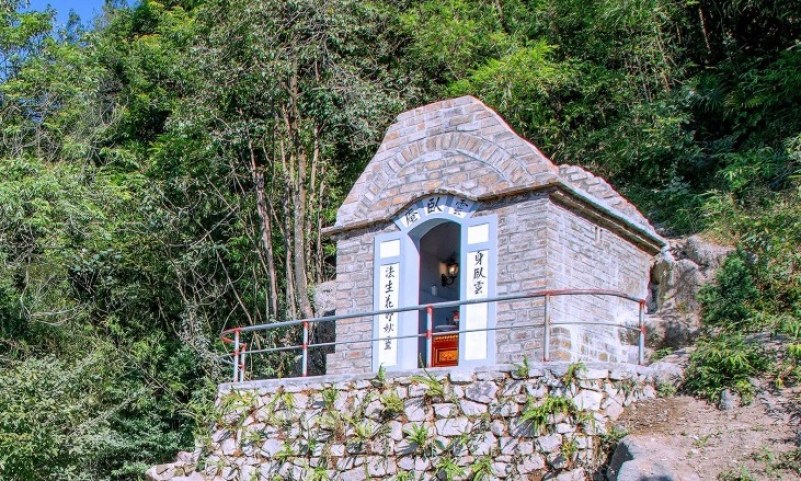
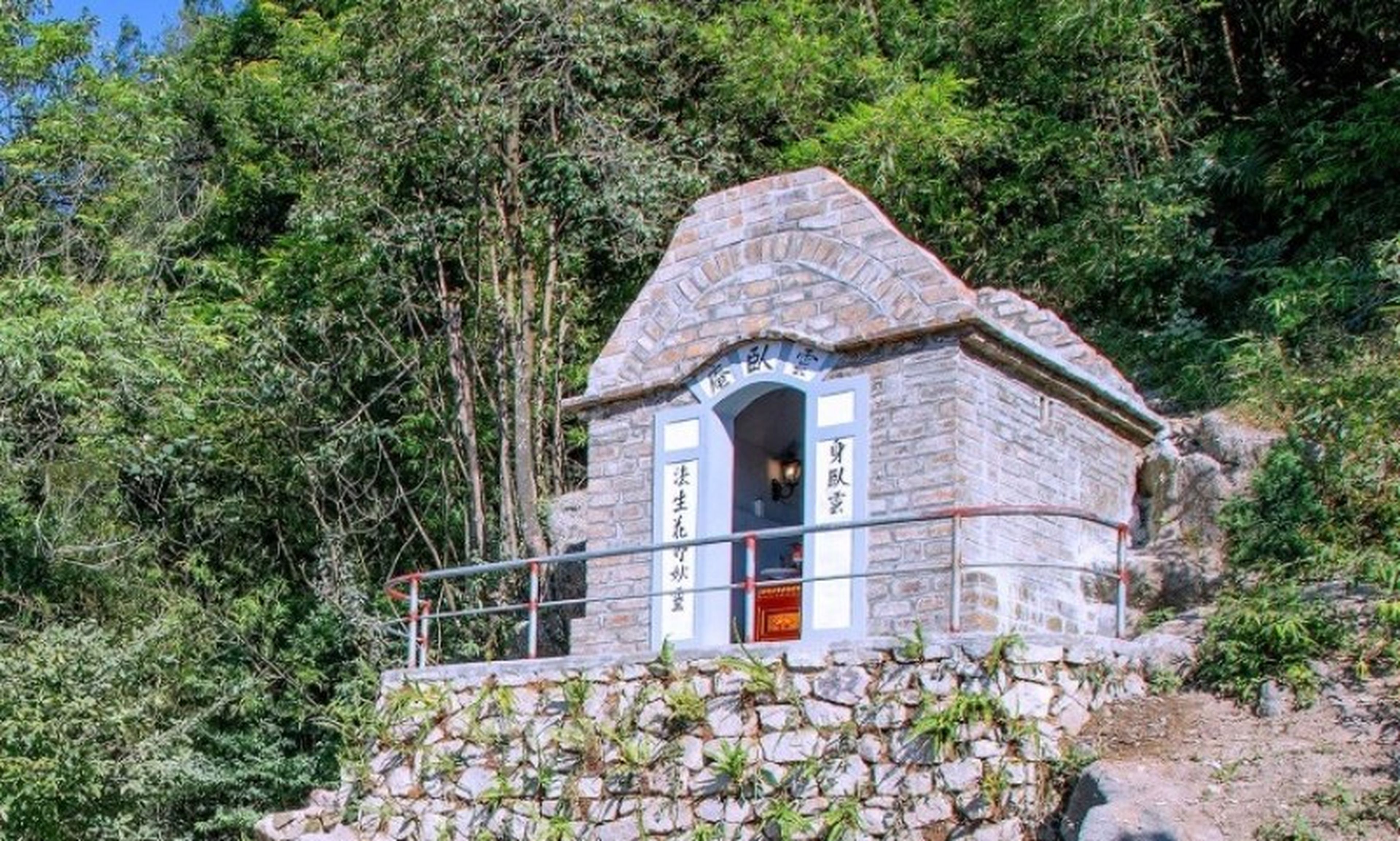
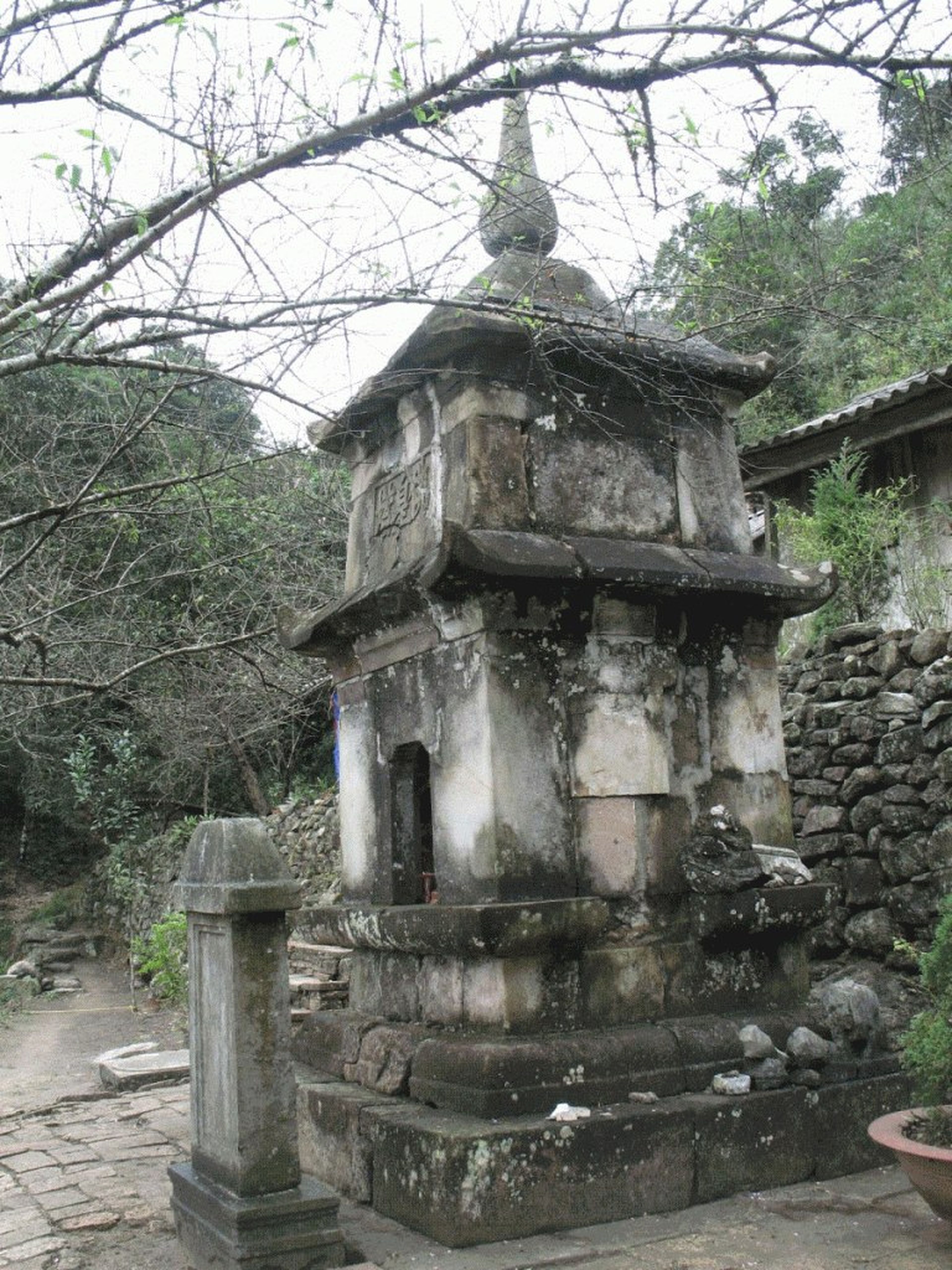
Ngoa Van Hermitage. Photo: Quang Ninh Newspaper.
From the 13th century, the Tran Dynasty built the Thai Temple, dedicated to the worship of the Three Holy Ancestors of the Tran Dynasty, making it one of the most important relics. By the end of the 14th century, many tombs of Tran kings had been moved to Dong Trieu.
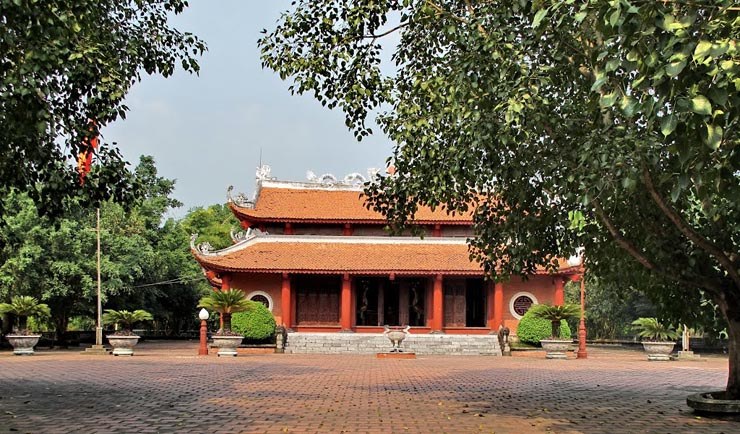
Main hall of An Sinh Temple. Photo: nhatranodongtrieu.
The Tran Dynasty historical relic site comprises three groups: communal-house and temple relics, tomb relics, and pagoda and tower relics. The temples and tombs are associated with the Tran Dynasty's ancestral temples.
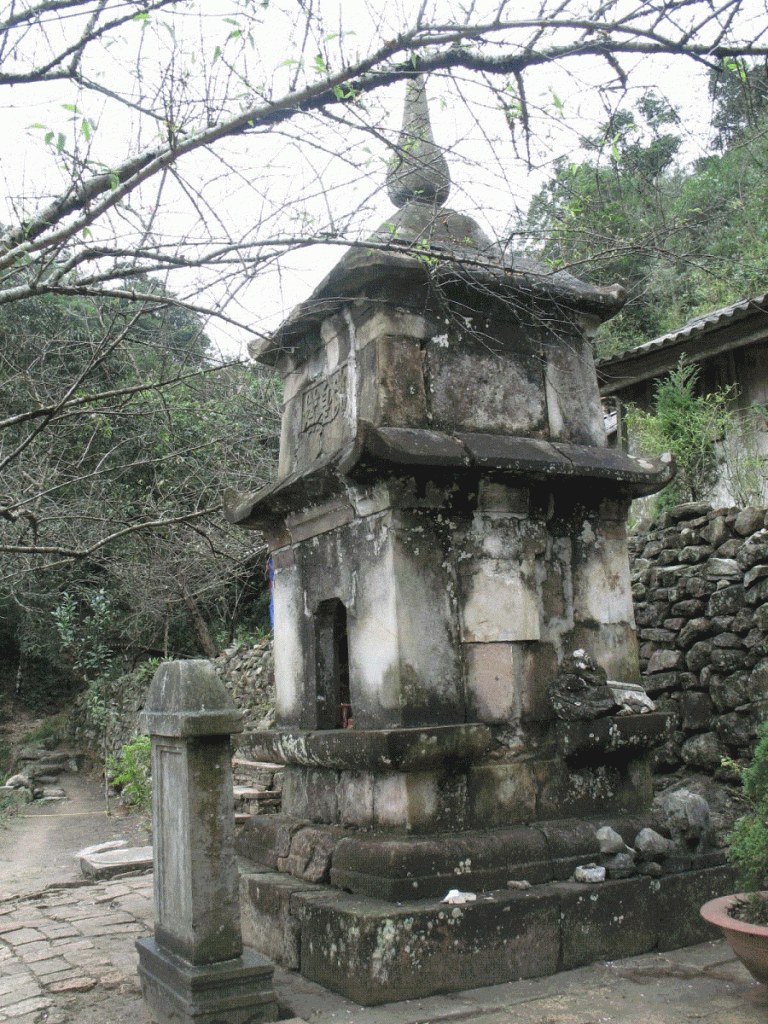
The Buddha King Tran Nhan Tong's tower at Ngoa Van Hermitage–Pagoda. Photo: Quang Ninh Museum.
Alongside the construction of tombs, the Tran Dynasty also built temples to worship the preceding emperors, and numerous pagodas were built as well. At that time, however, Dong Trieu served only as a royal tomb area and had not yet become the Buddhist center of Dai Viet.
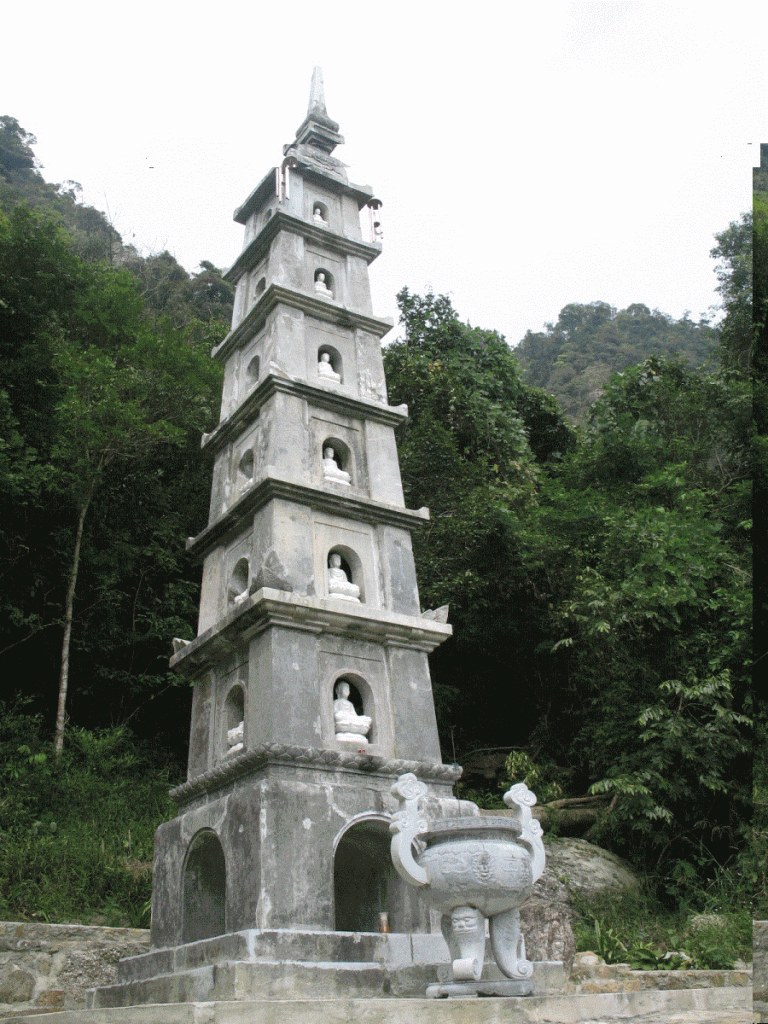
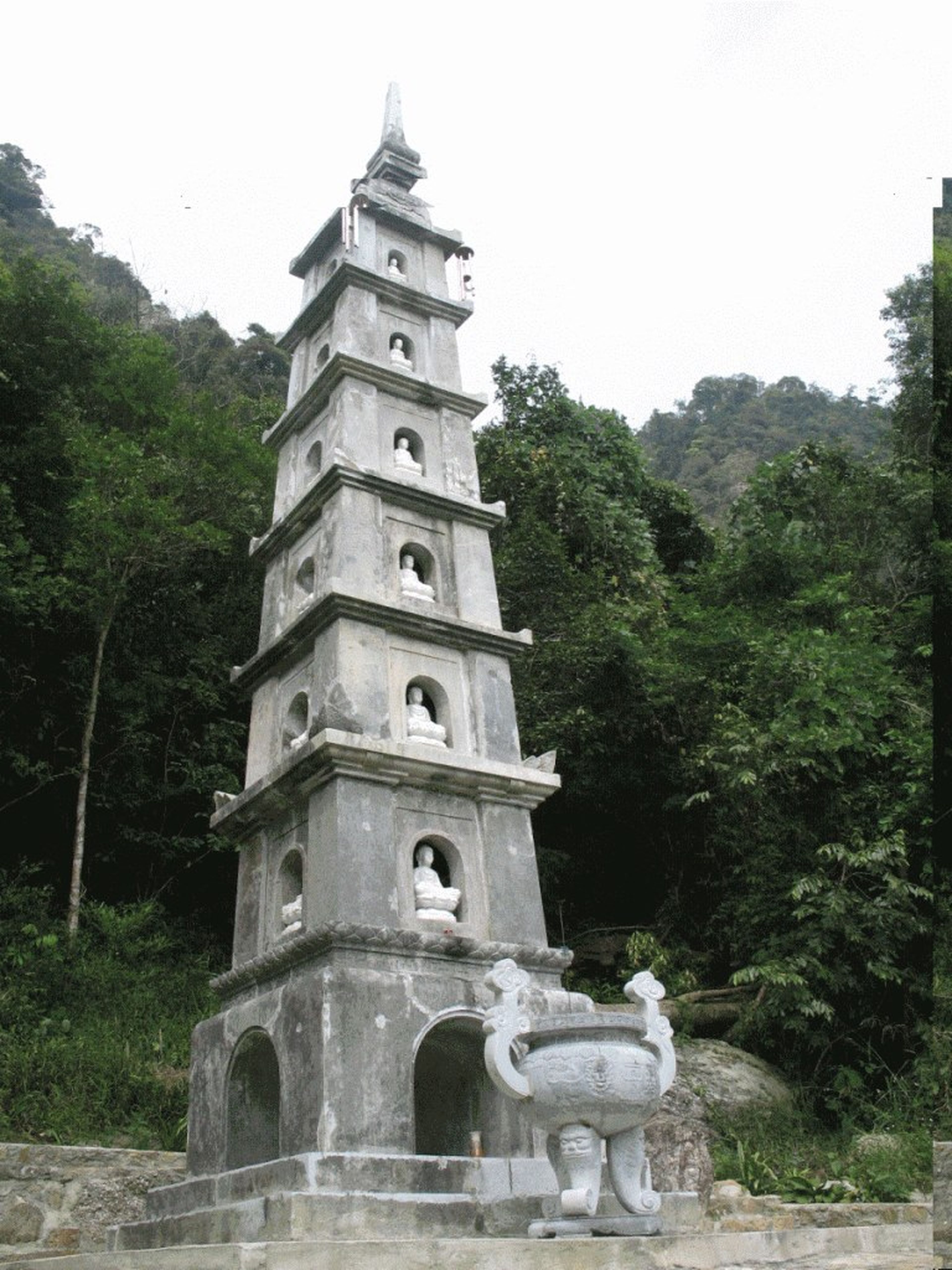
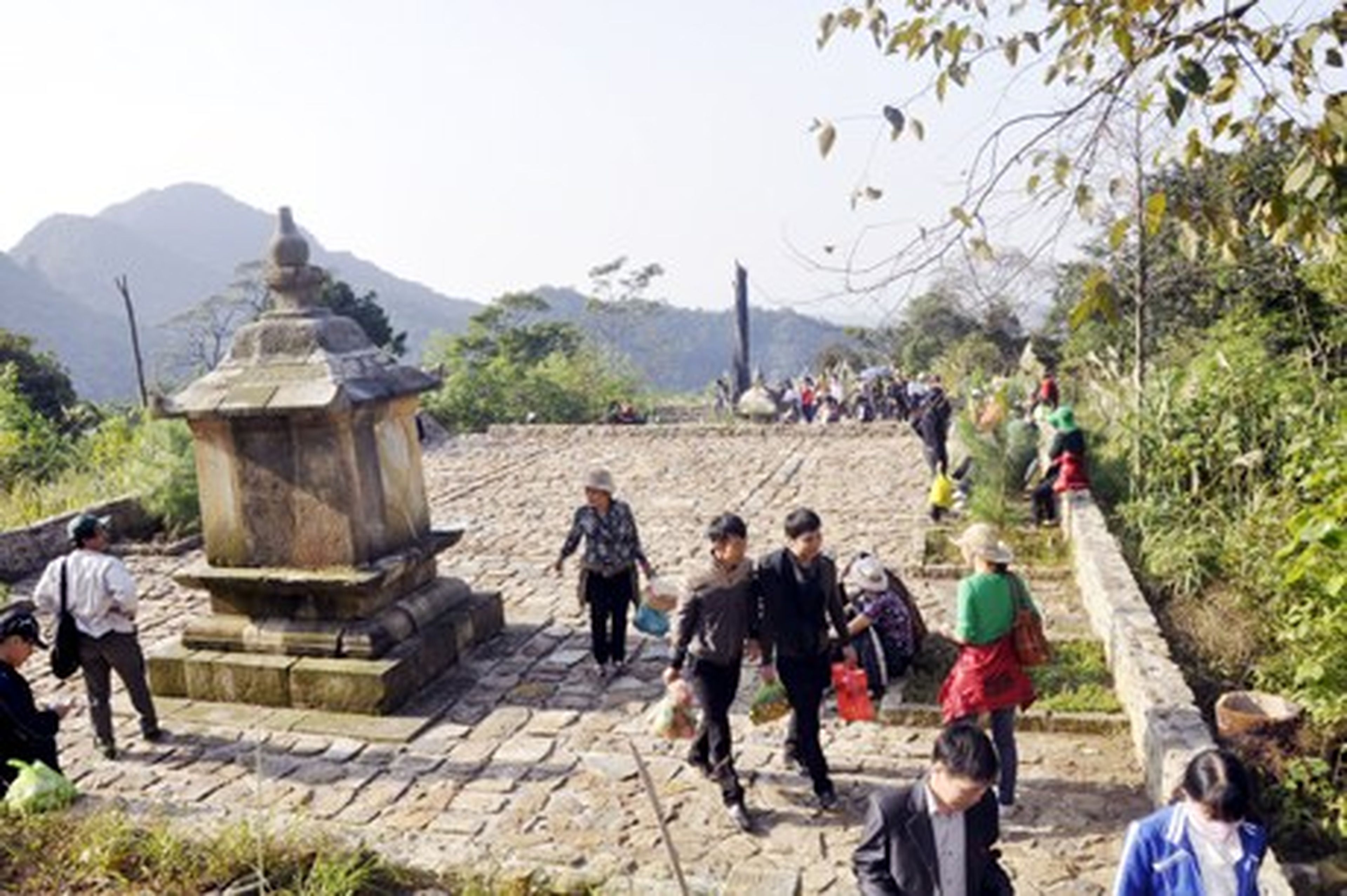
Tower of Ho Thien Pagoda. Photo: Quang Ninh Museum.
It was not until King Tran Nhan Tong entered monastic life on Yen Tu Mountain and founded the Truc Lam Zen sect. He unified the earlier existing Zen sects and brought the entire Buddhist sangha of the Tran era under one organization.
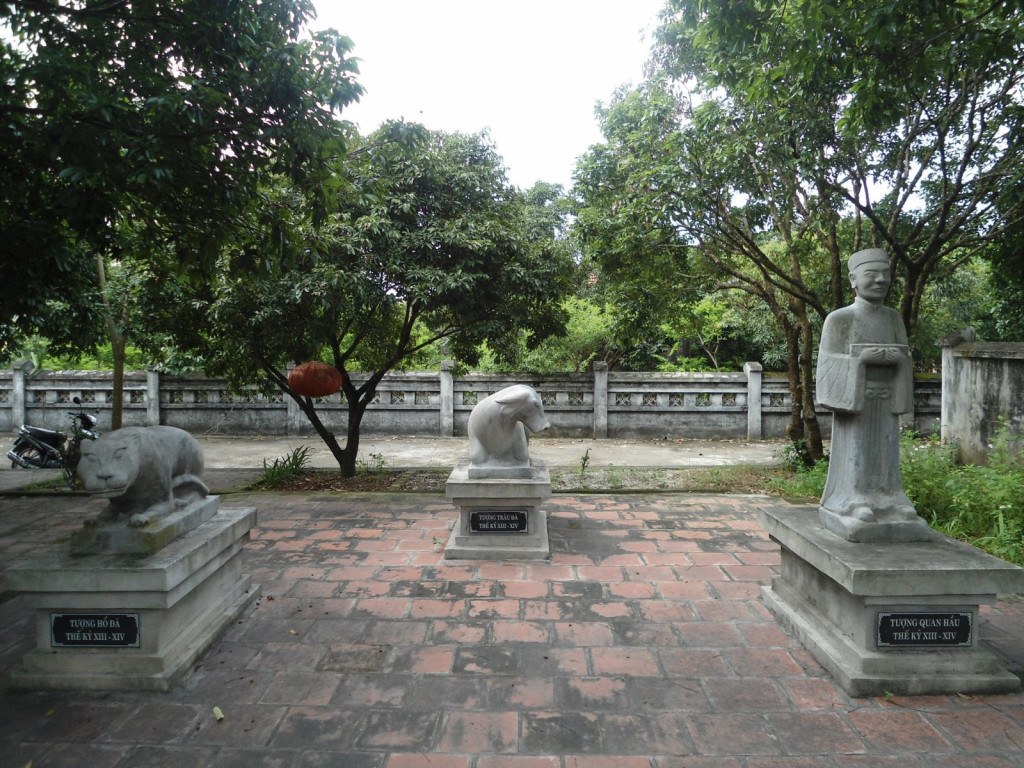
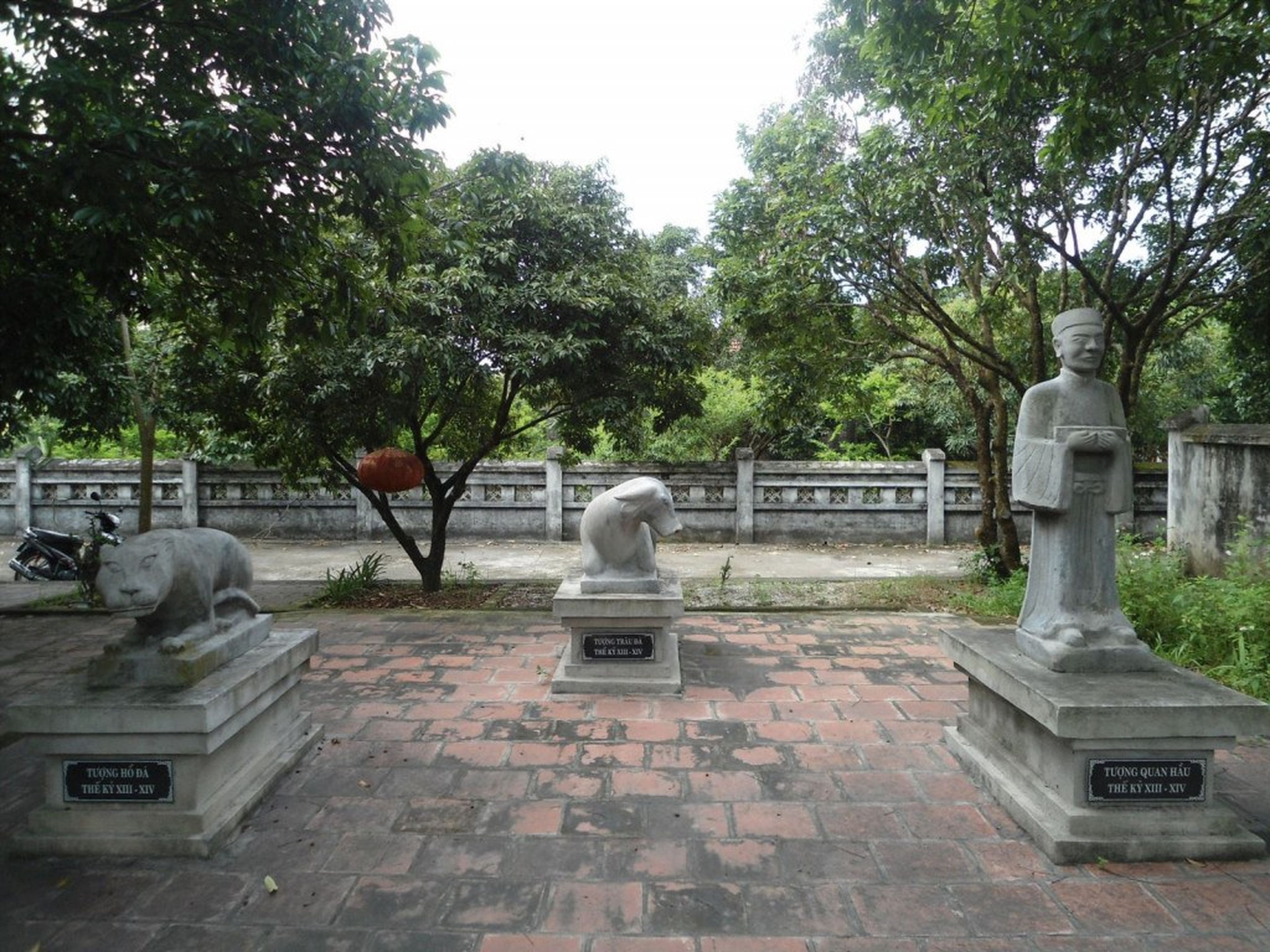
Stone statues of attendant officials and mythical animals at Ngai Son Tomb. Photo: Quang Ninh Museum.
During this period, Dong Trieu became an important Buddhist center. Successive Tran kings had a dense system of temples, tombs, pagodas, and towers built here across a vast landscape extending all the way to the slopes of Yen Tu Mountain.
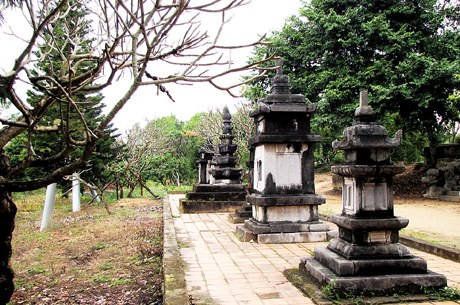
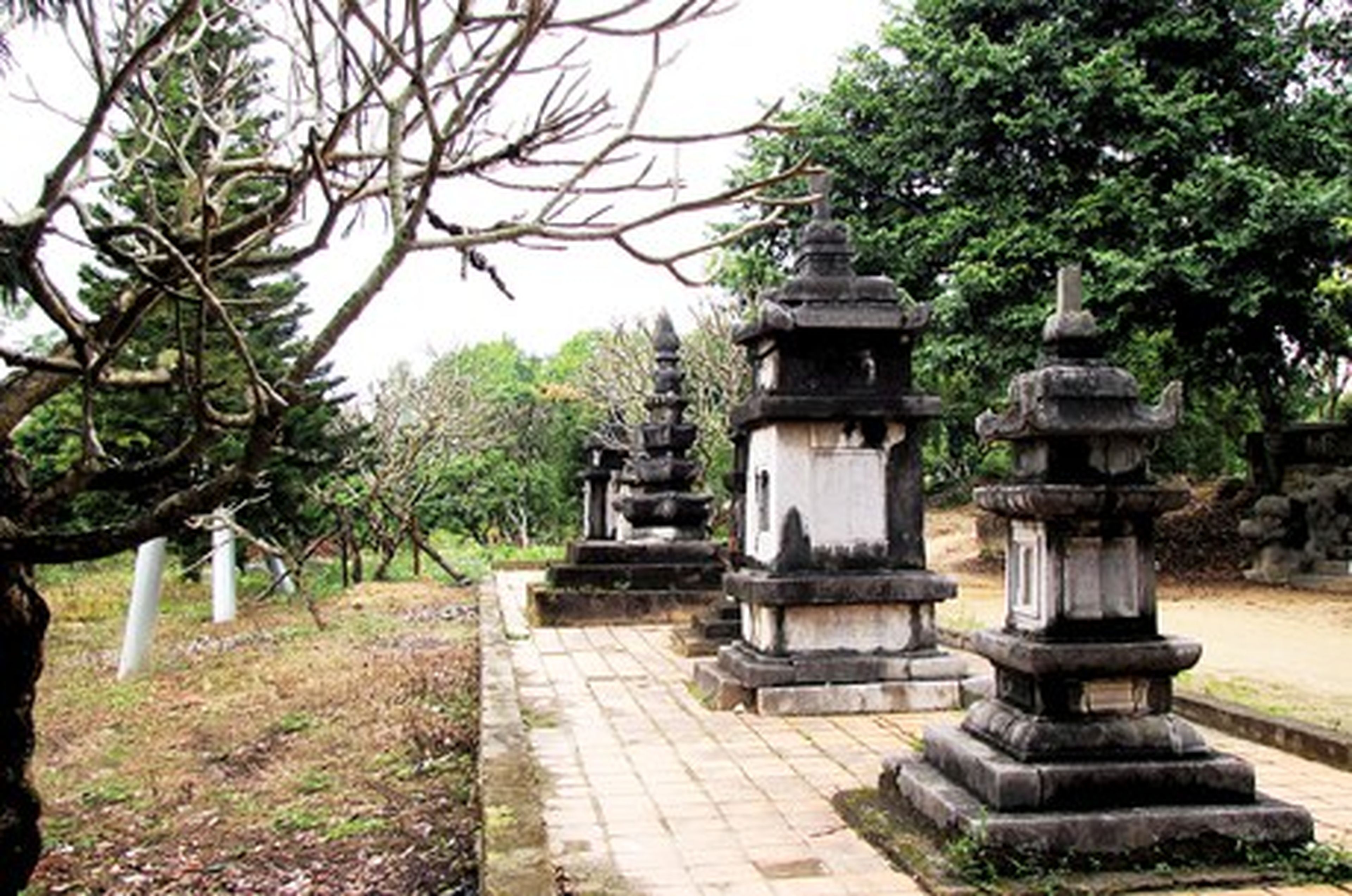
Stone tower garden at Quynh Lam Pagoda. Photo: Quang Ninh Newspaper.
Ngoa Van–Ho Thien Pagoda is where Buddha King Tran Nhan Tong ascended the platform to preach the Dharma. It was also closely associated with the propagation of Buddhism throughout Dai Viet and the training of monks at a higher level.
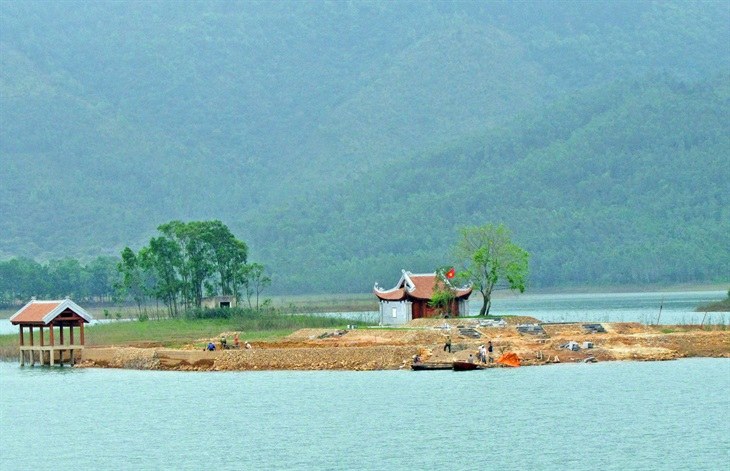
Sinh Temple, where eight Tran kings are worshipped. Photo: Hai Ninh.
Ho Thien Pagoda also features a seven-story stone tower whose architecture remains a mystery to researchers today, attracting many researchers and history enthusiasts from far and wide to visit and study it.
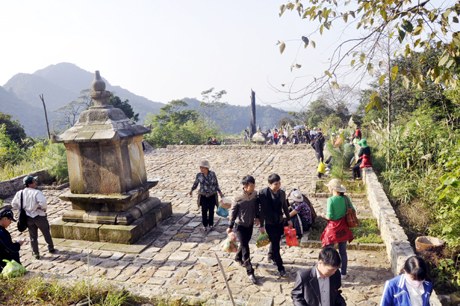
The ancient tower at Thong Dan. Photo: Quang Ninh Newspaper.
Quynh Lam Pagoda is considered Vietnam's first Buddhist university and houses one of the Four Great Treasures of An Nam: a Buddha statue. The pagoda's tower garden and the stone burial towers of Zen masters feature unique architecture, representing an outstanding cultural heritage not only of Quang Ninh Province but of Vietnam as a whole.
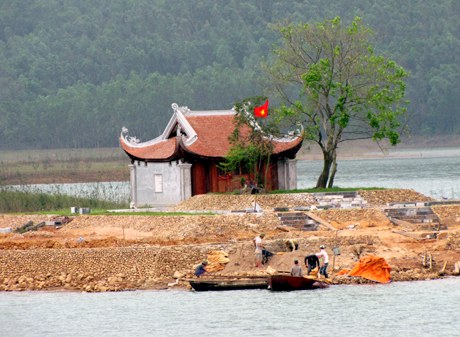
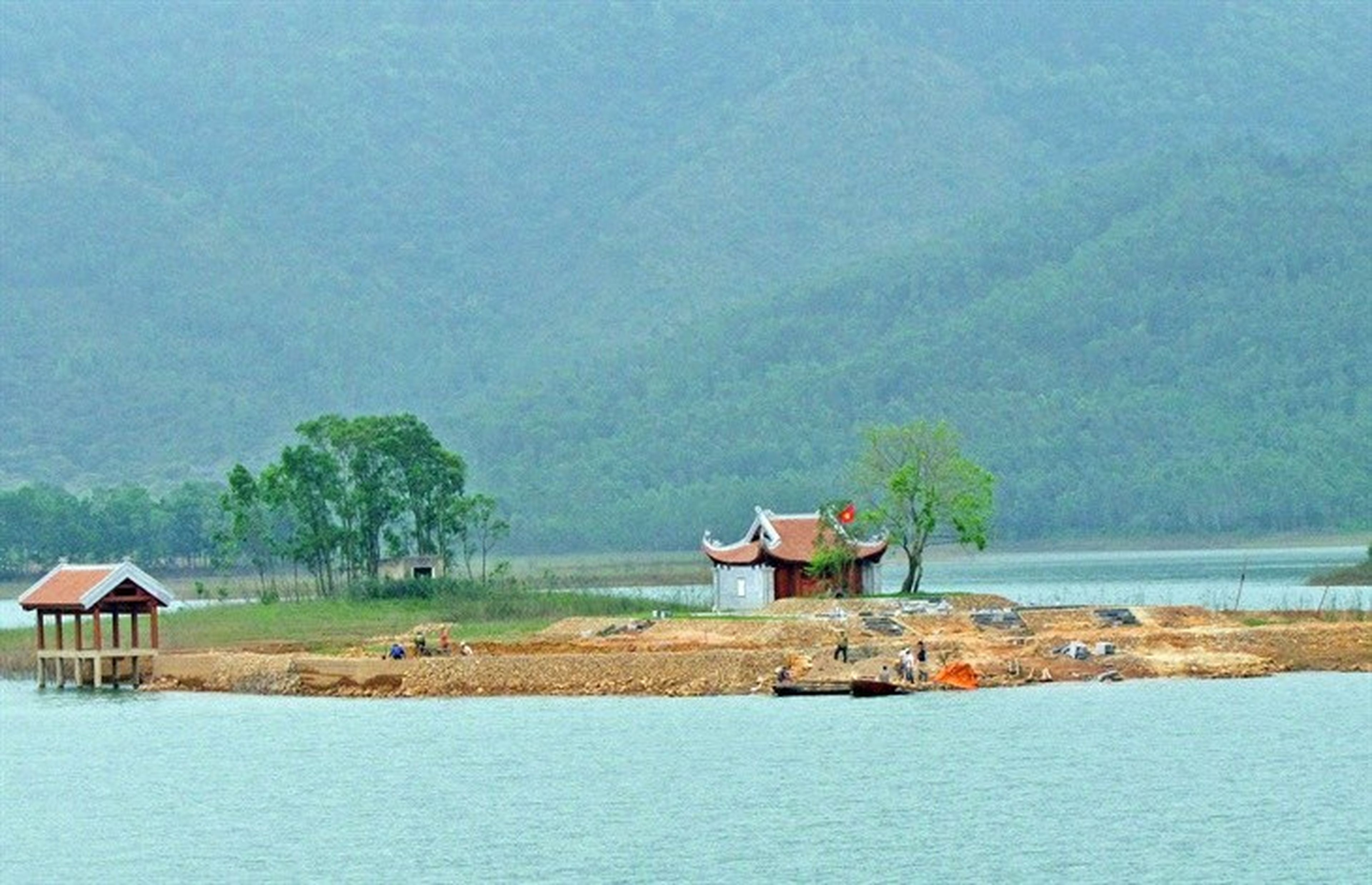
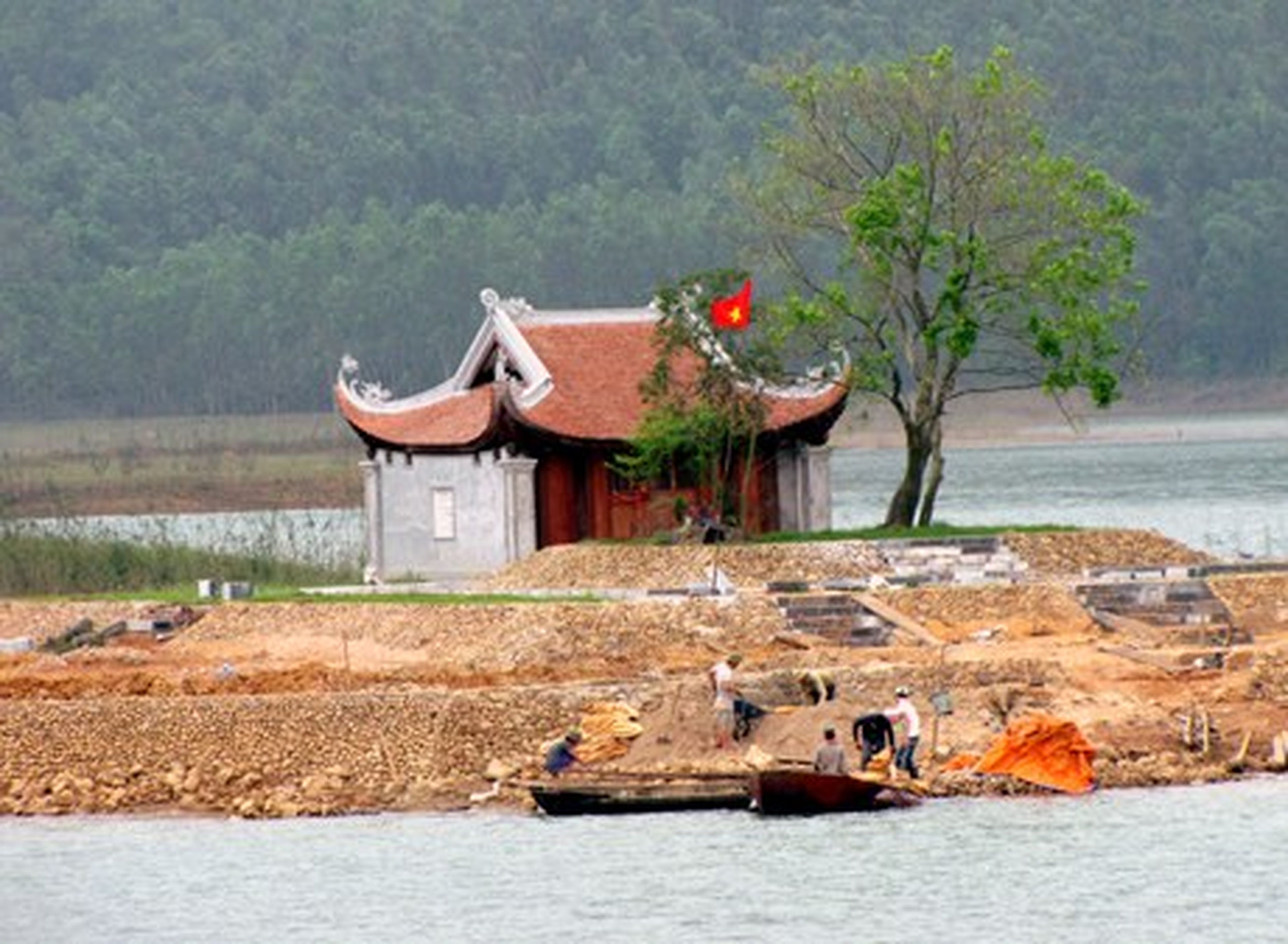
Thai Tomb at Trai Loc Lake. Photo: Quang Ninh Newspaper.
Over time, natural disasters and wars destroyed many of the ancient structures at the Tran Dynasty historical relic site in Dong Trieu, leaving only ruins. Nevertheless, those ruins retain their full value in the hearts of local people.
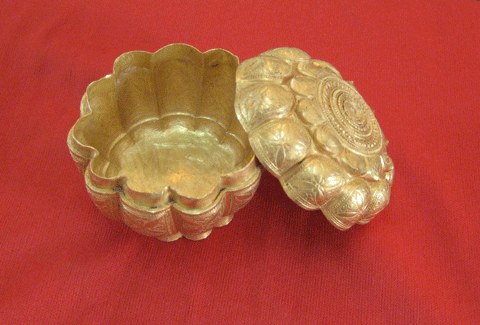
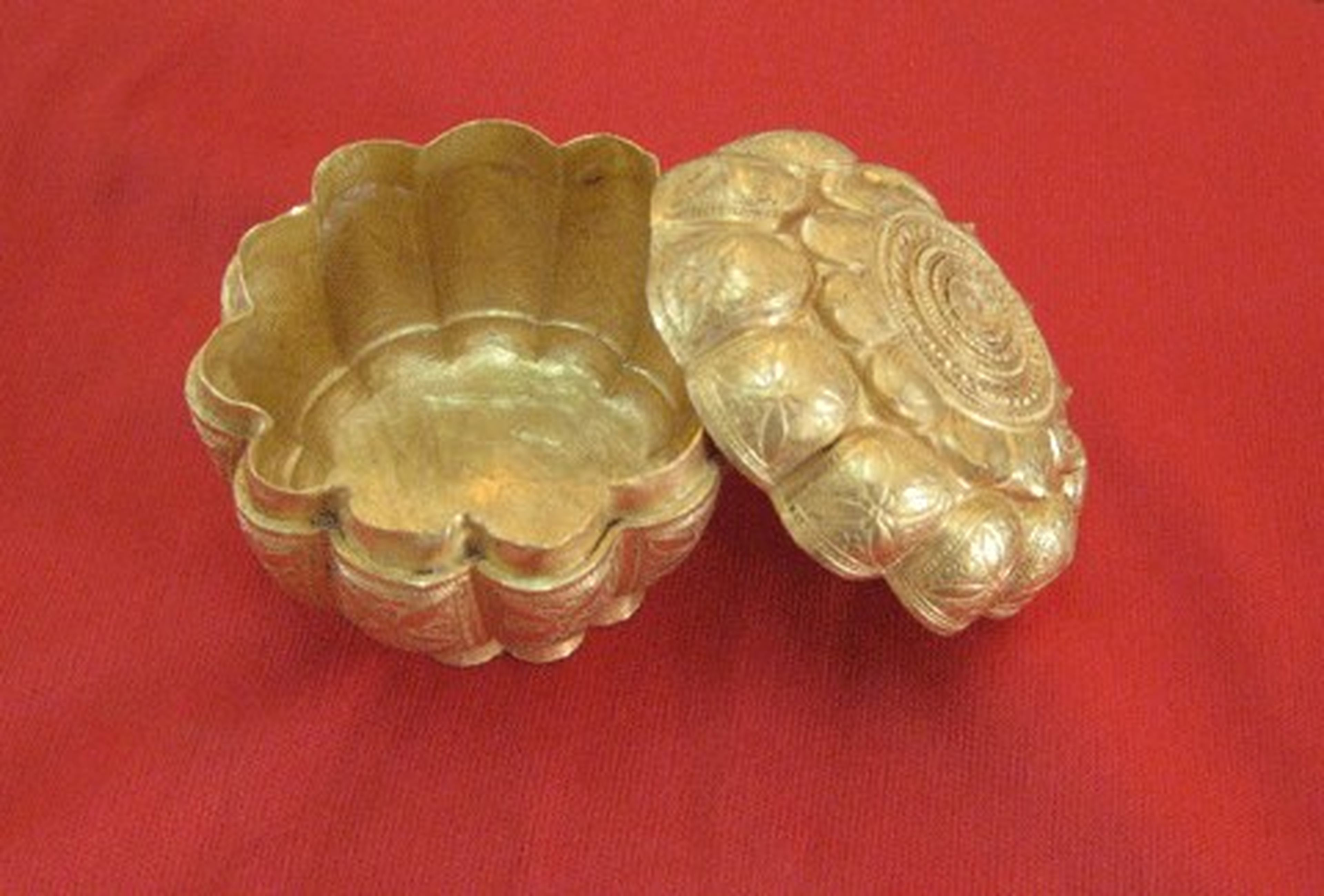
Ancient golden lotus-box artifact. Photo: dongtrieu.edu.
An Sinh of the past, Dong Trieu today, is where the Tran kings expressed the Vietnamese people's belief that fallen leaves return to their roots. What still exists, as well as what remains buried underground, constitutes a timeless heritage that carries not only the historical value of a renowned dynasty but also serves as evidence of 700 years of the existence of Vietnam's indigenous Buddhist tradition.
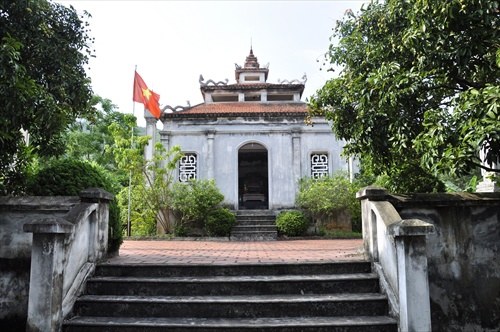
Ngai Son Tomb, where King Tran Hien Tong was buried. Photo: dongtrieu.edu.
Today, the efforts of archaeology are gradually clarifying the structure, scale, and appearance of the important historical relics here. The ancient relics, carrying the legacy of an entire brilliant era, are gradually returning at the Tran Dynasty historical relic site in Dong Trieu.