Nương Yên Tử Village, located at the foot of the sacred Yên Tử mountain range, recreates a traditional Northern Vietnamese village with laterite houses and fired-brick walls… vividly reflecting the distinctive cultural features of Vietnam during the Trần Dynasty.
The Trần Dynasty Cultural Space in Nương Yên Tử Village
Yên Tử Mountain is where King Trần Nhân Tông came to practice Buddhism and founded the Trúc Lâm Yên Tử Zen school. Legend has it that when the king came here to practice, many of his royal consorts followed him.
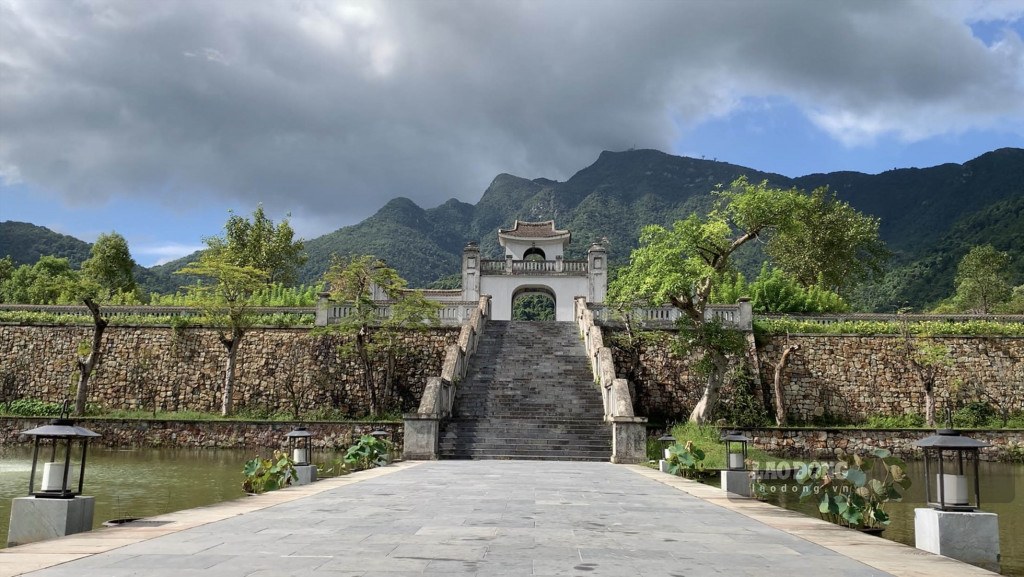
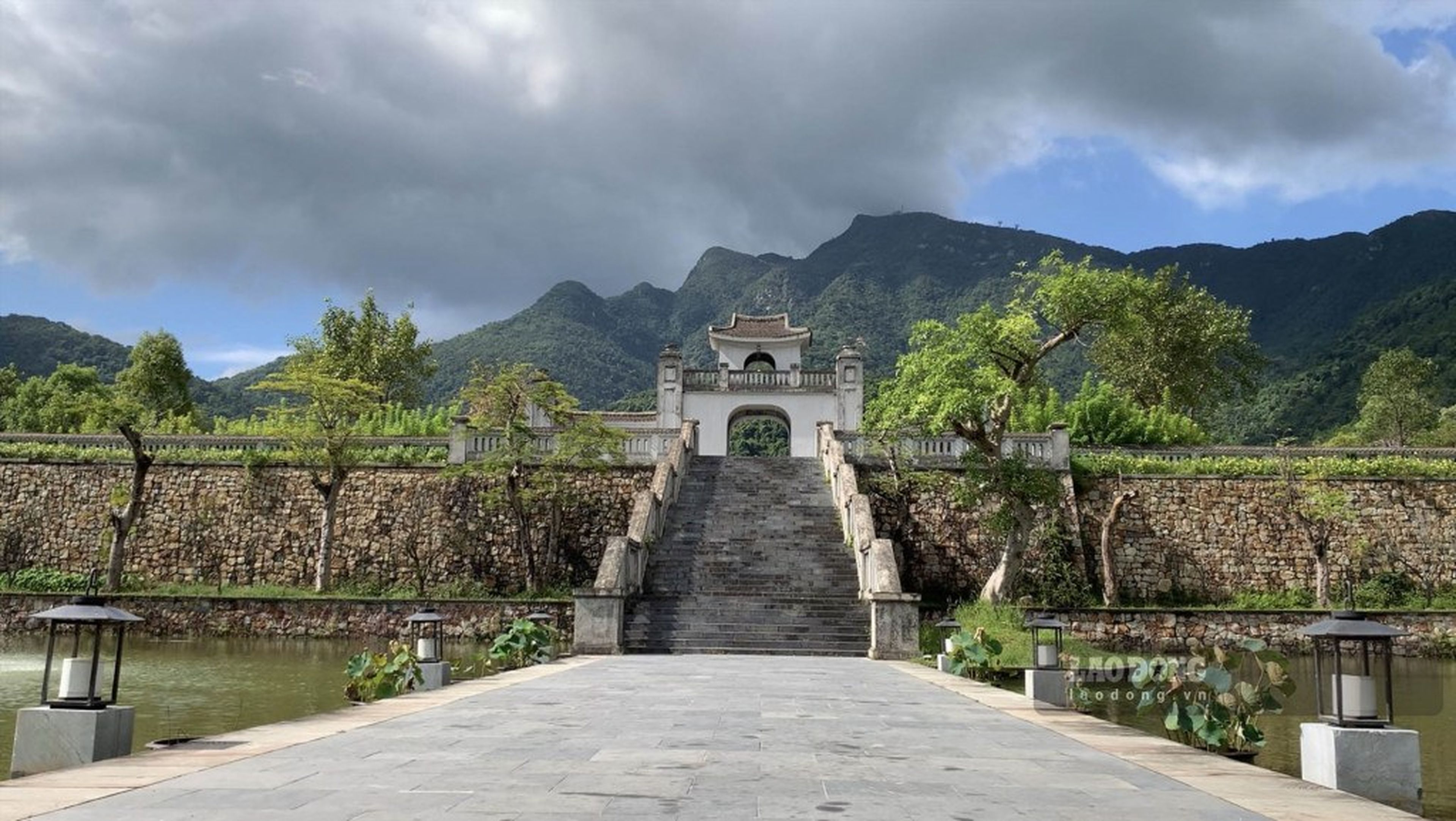
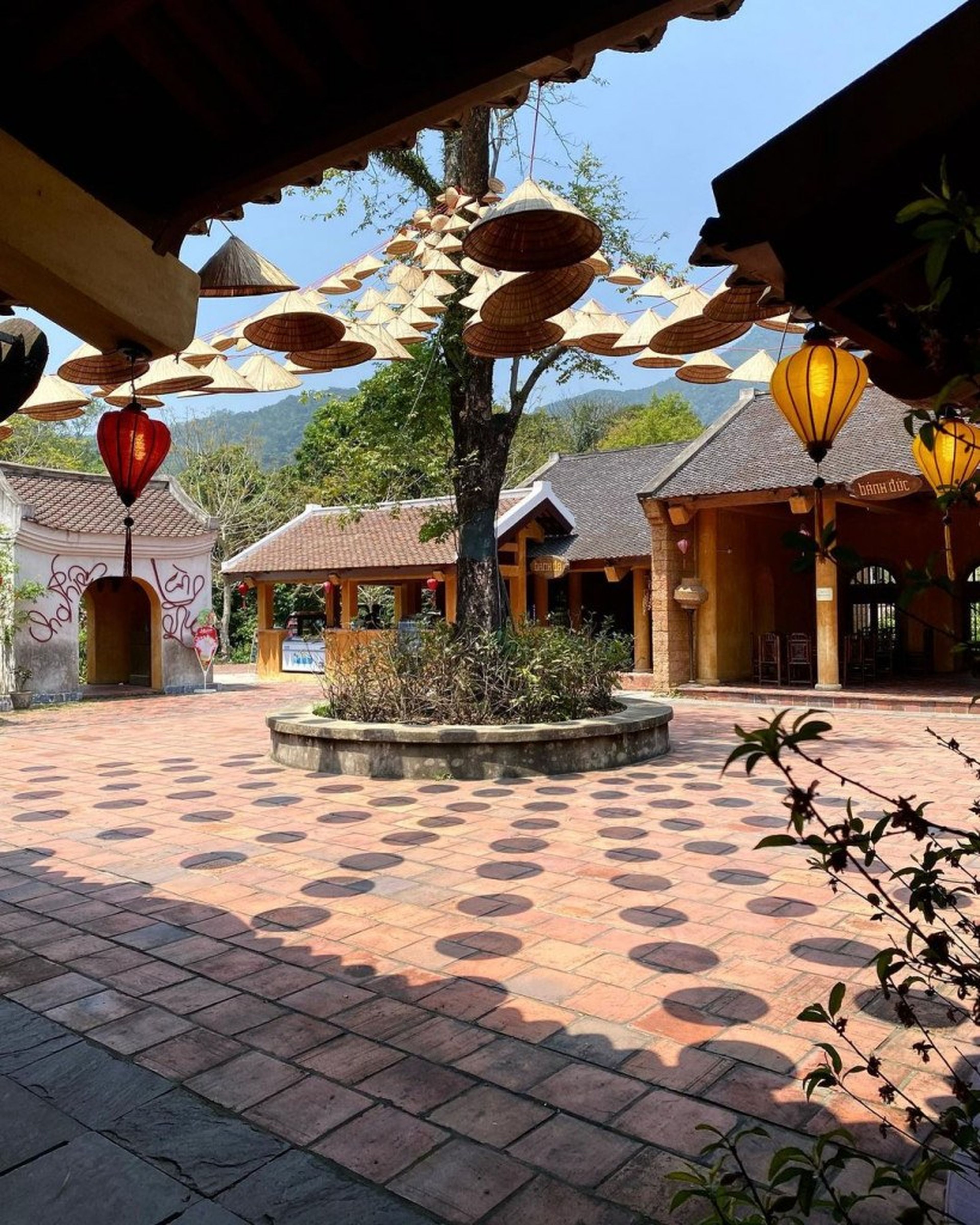
The entrance to Nương Village. Photo: Thiên Hà.
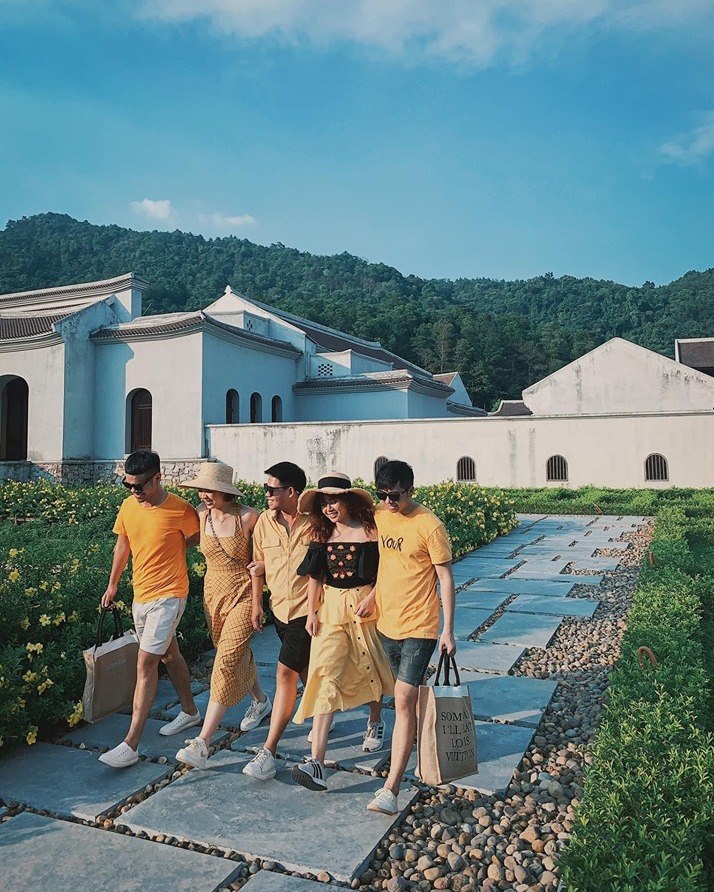
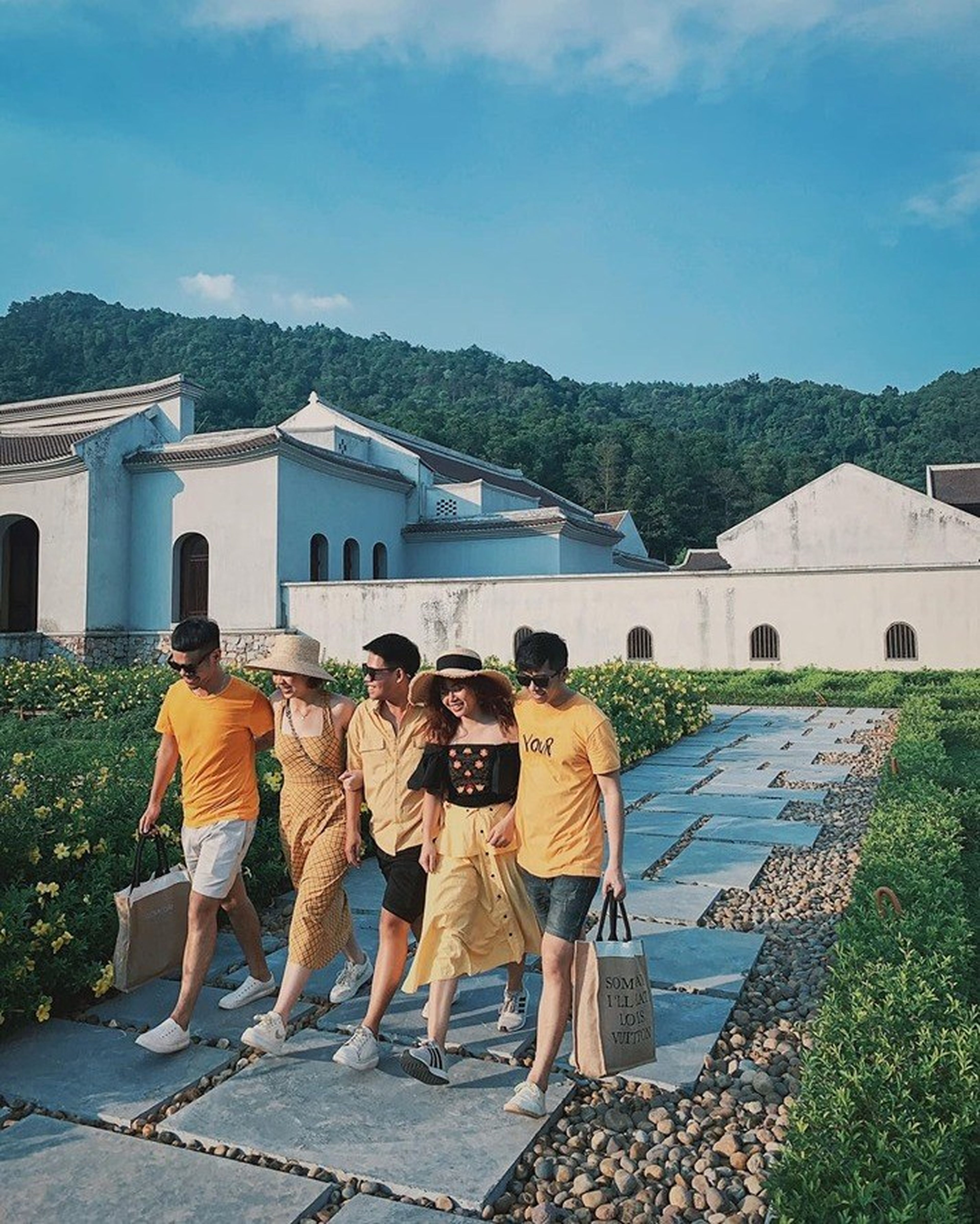
Photo: Fb Làng Nương Yên Tử.
When he reached Giải Oan Stream, the king decided to send the women back to their hometowns, but many remained at the foot of the mountain and settled there, forming villages. Thus, villages such as Nương and Mụ came into being. Over time, however, these villages gradually disappeared.
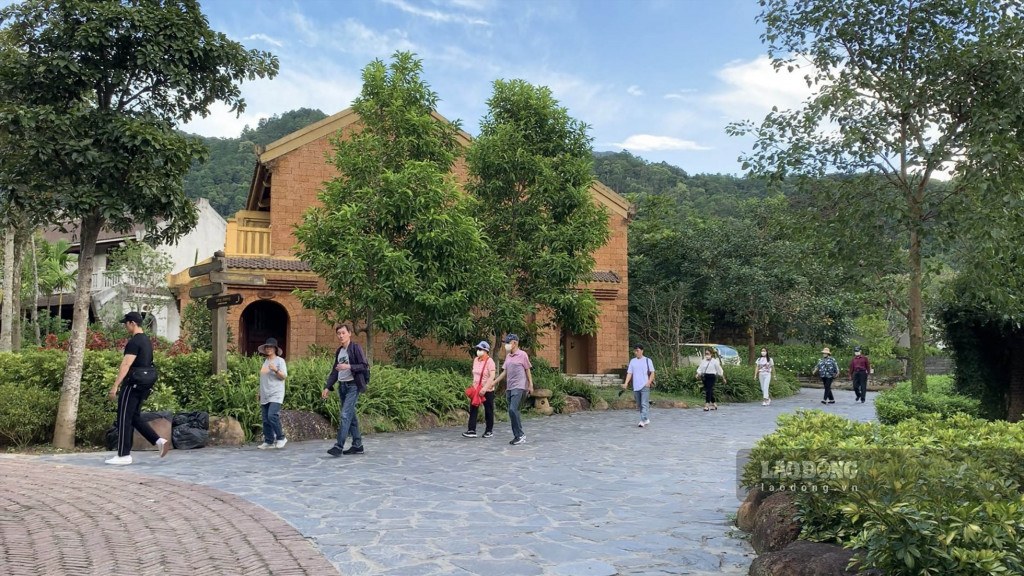
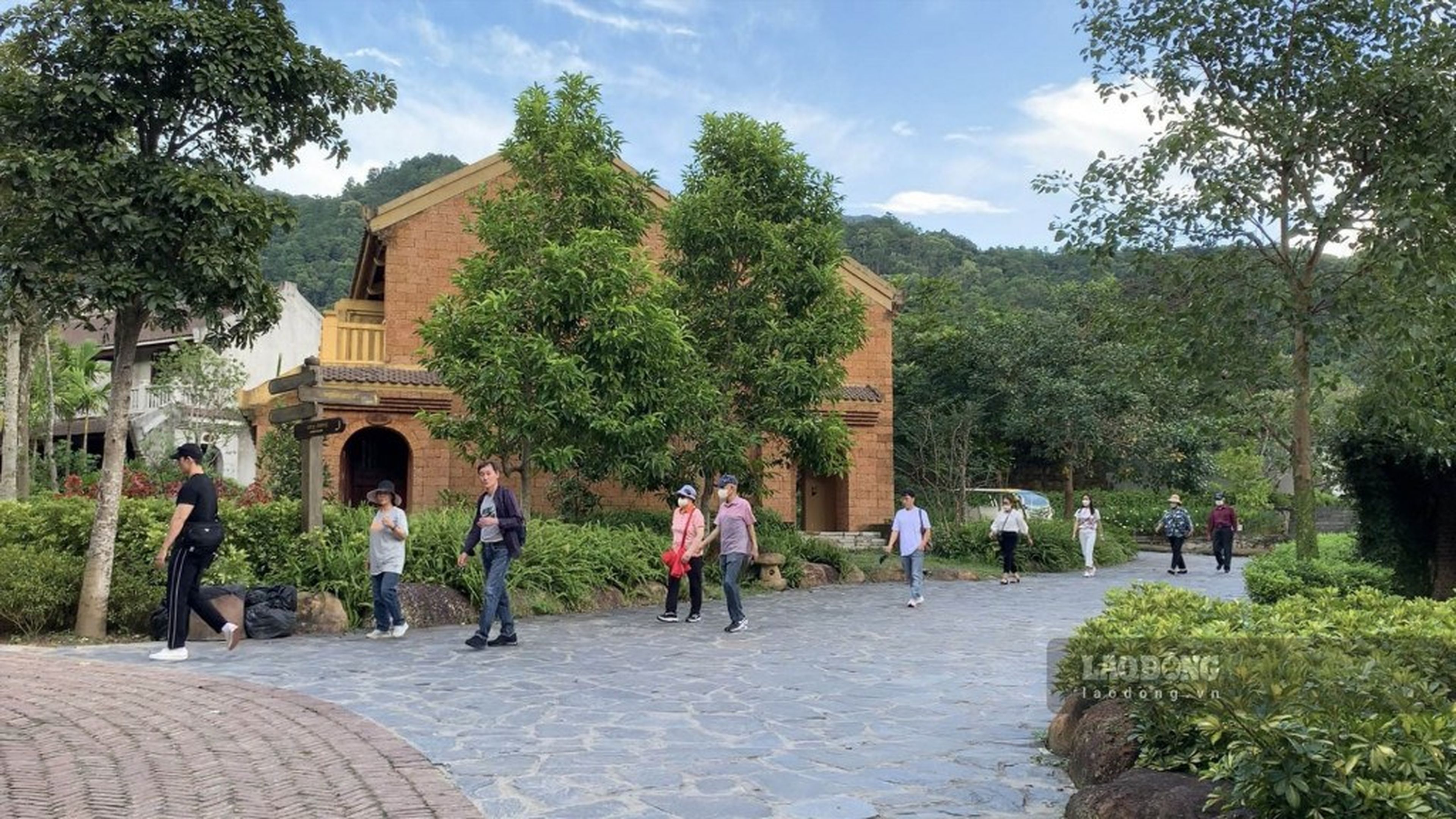
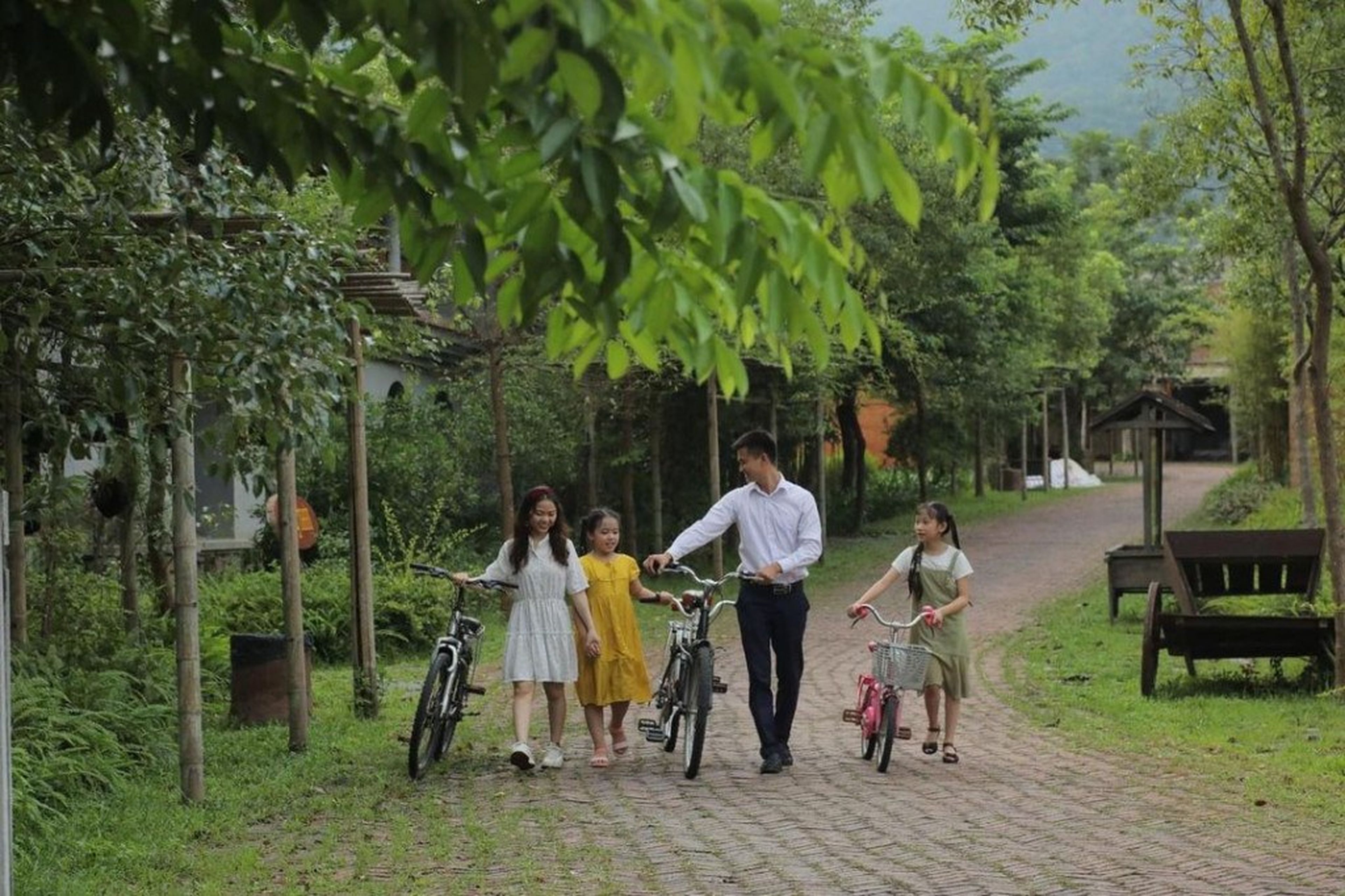
Stone-paved roads. Photo: Thiên Hà.
Based on stories passed down from the past, Quảng Ninh Province reconstructed Nương Village with 50 houses, enclosed by 2 rows of streets in the style of a Trần Dynasty hamlet. The houses are built with fired-clay brick walls and rammed-earth walls, combined with gates and doors made of ironwood.
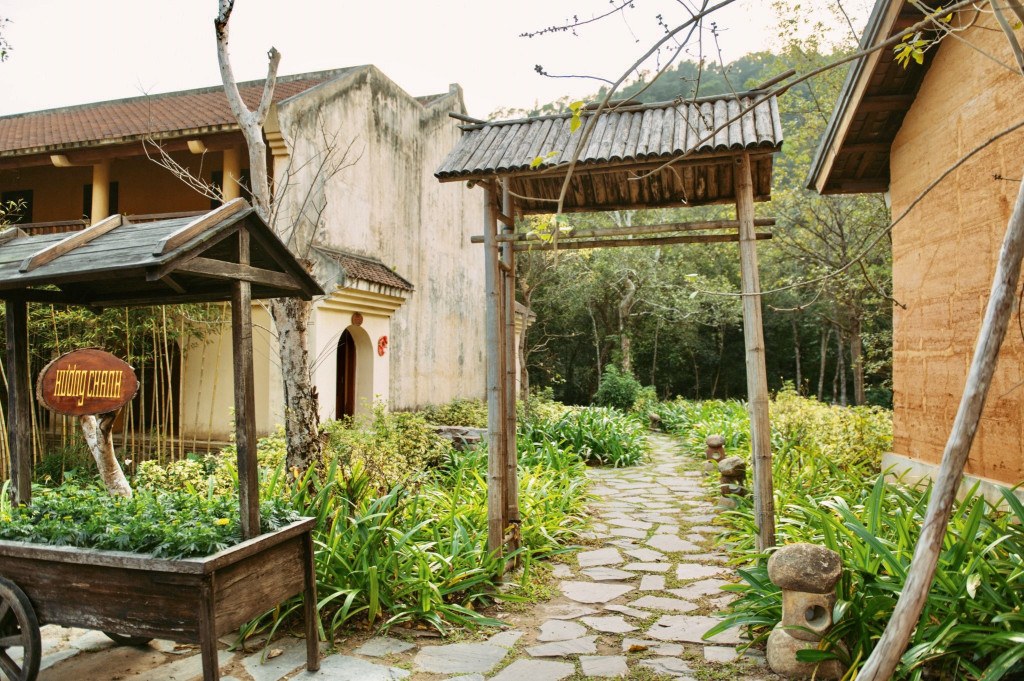
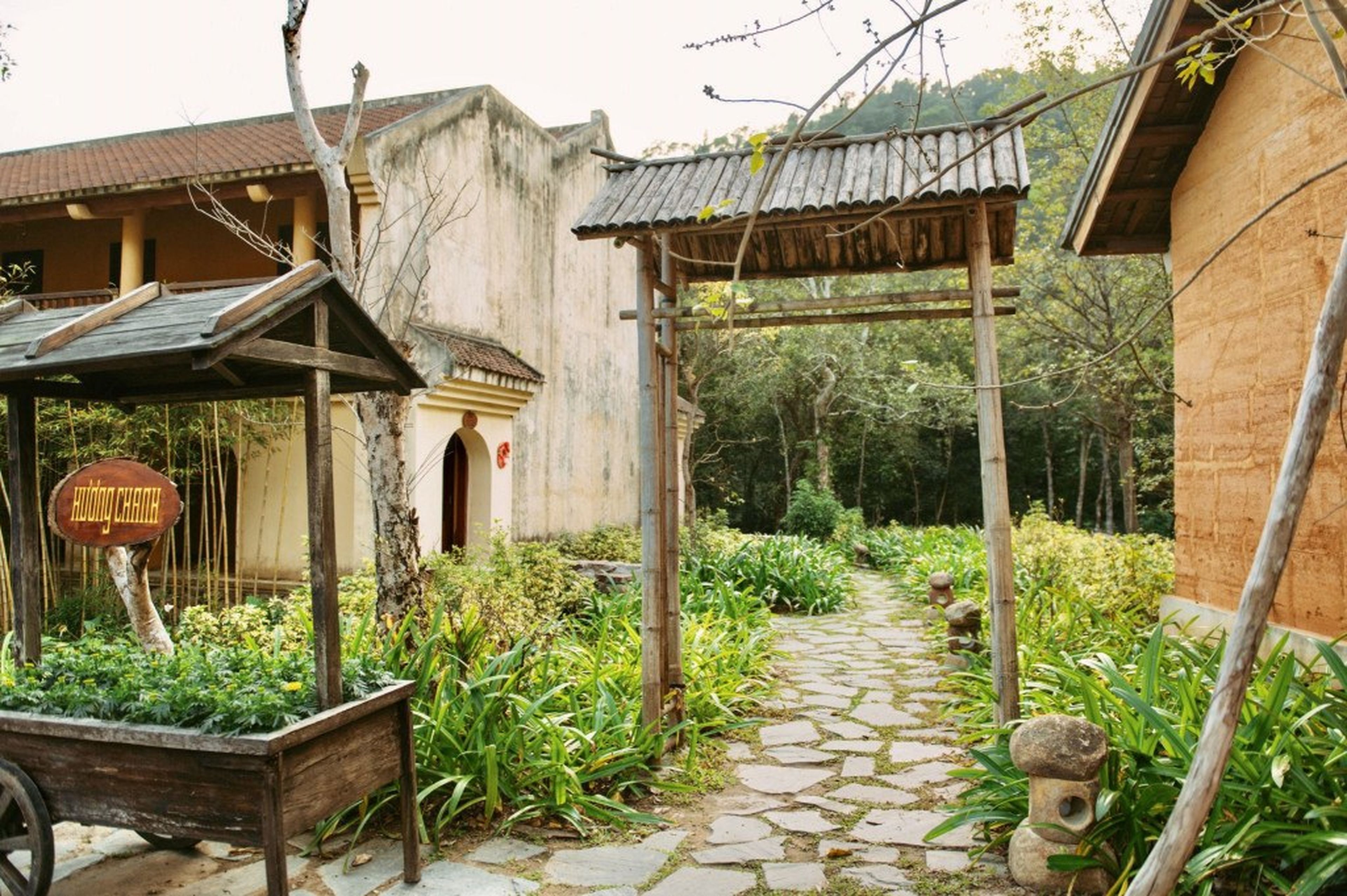
Hương Chanh area. Photo: Fb Làng Nương Yên Tử.
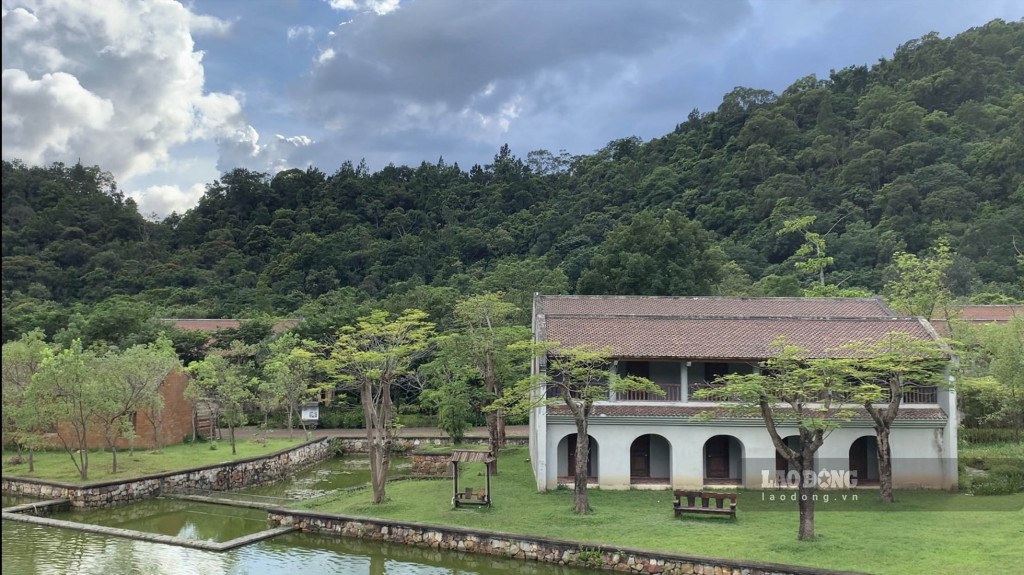
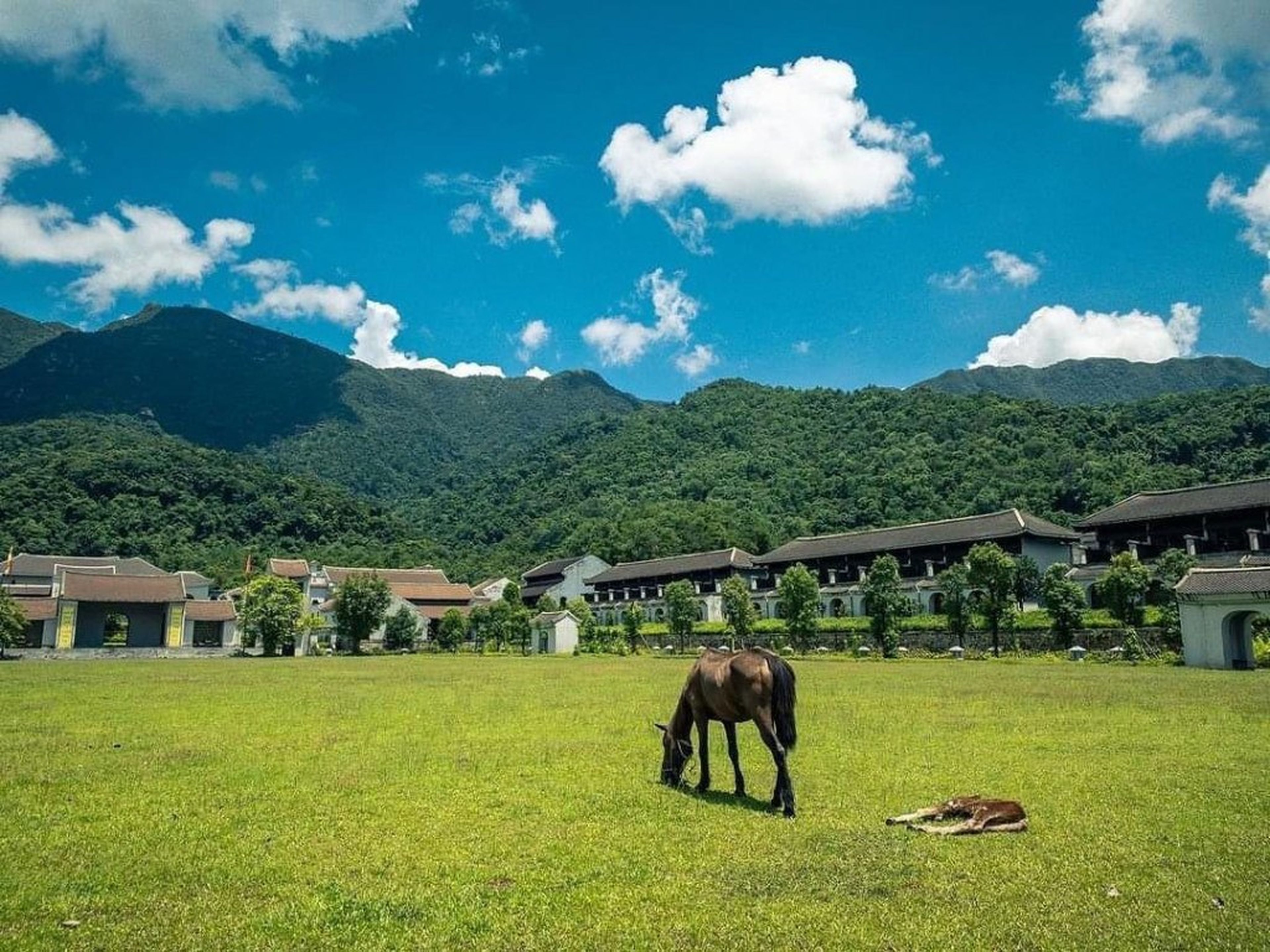
Lush natural scenery. Photo: Thiên Hà.
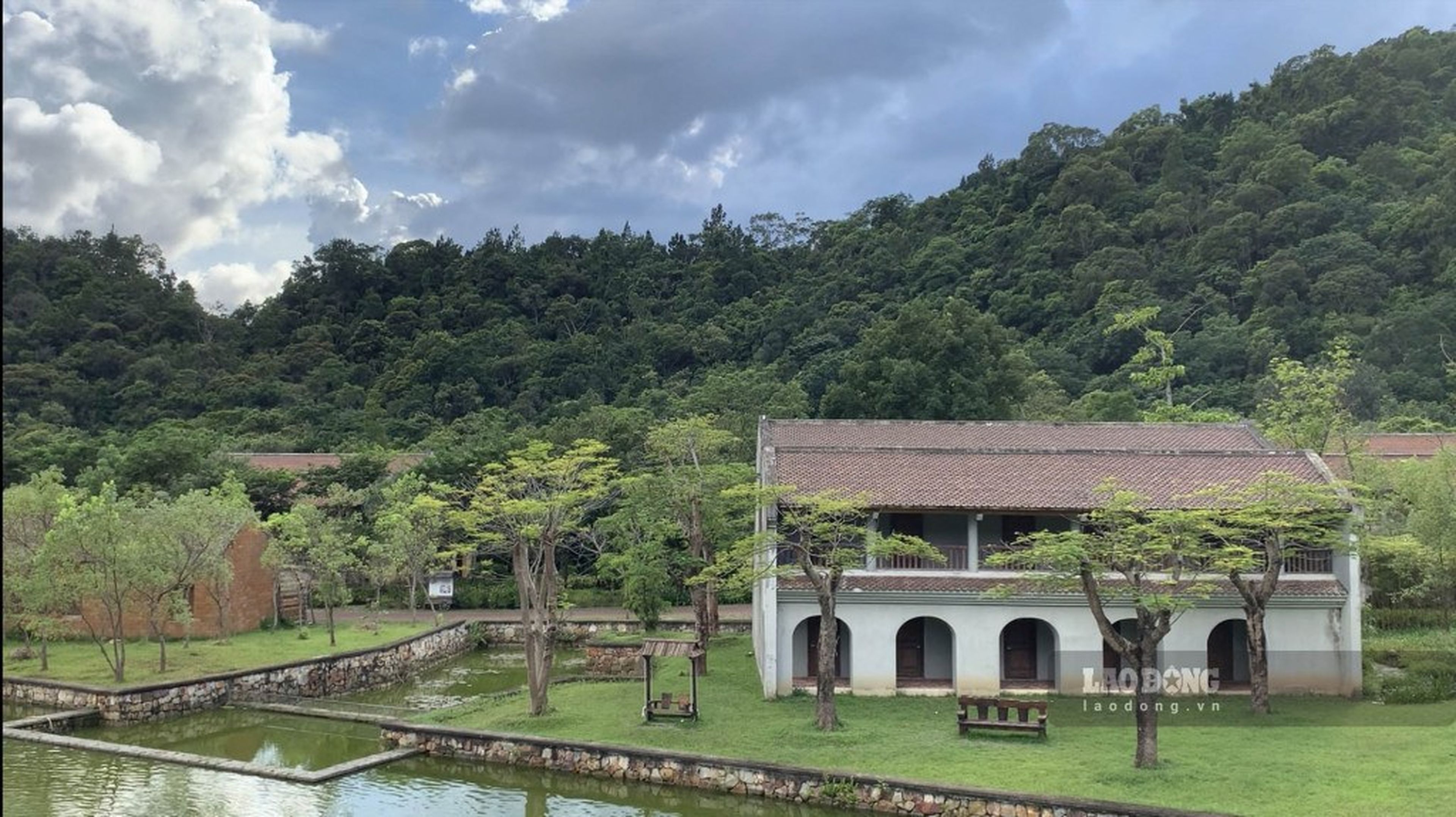
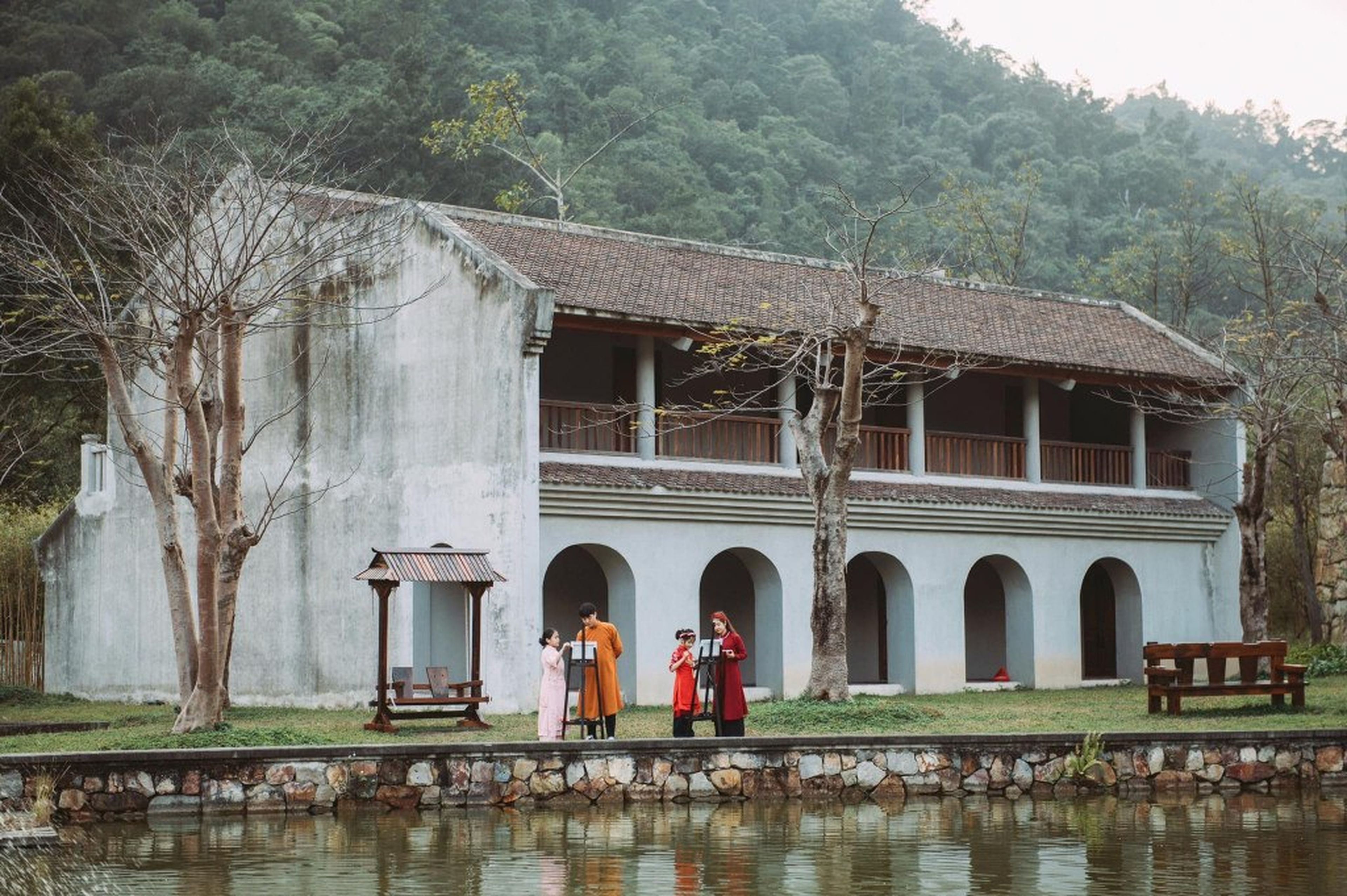
Nương Yên Tử Village has 9 residential areas comprising 90 rooms, with poetic names: Hương Sen, Hương Trầm, Hương Hoa Hồng, Hương Nhài, Hương Chanh, Hương Cau, Hương Bài, Hương Sả and Hương Bưởi. The rooftops are covered with antique-style tiles; weathered, moss-covered tiles intermingle with new ones, creating harmonious architecture. The gardens surrounding the houses feature mango, pomelo, areca palm and tamarind trees…
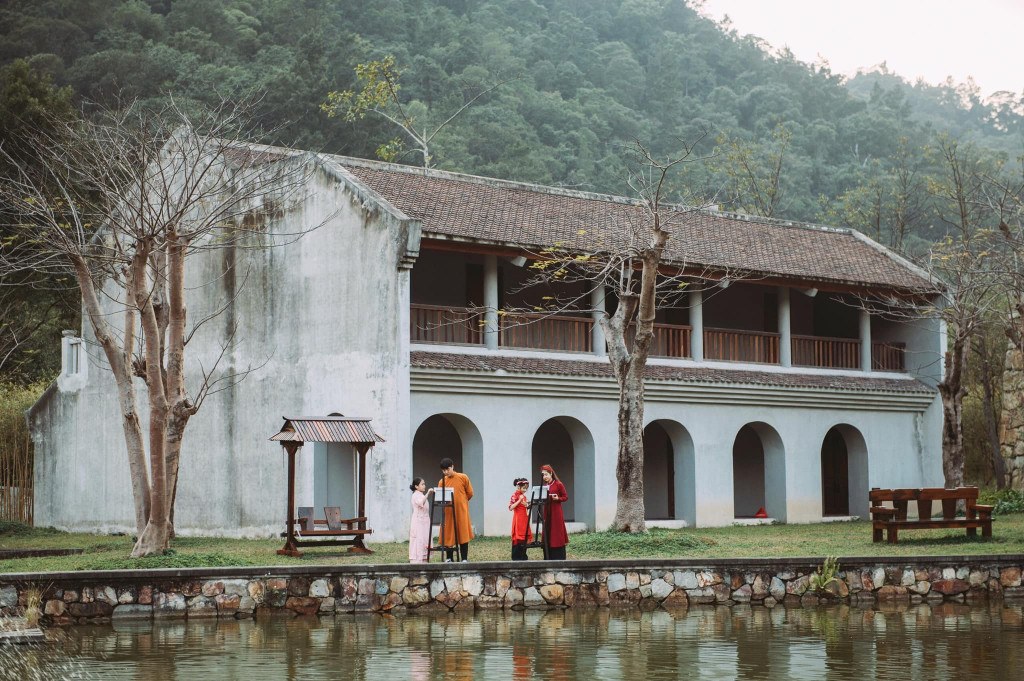
Photo: Fb Làng Nương Yên Tử.
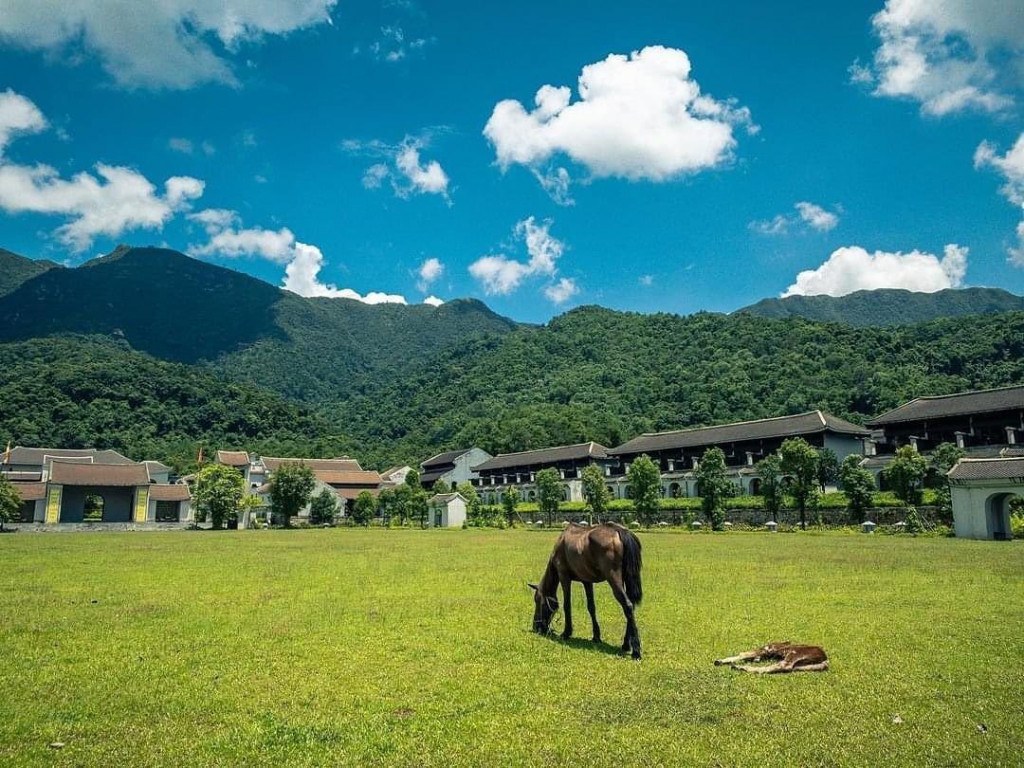
Morning in Nương Village. Photo: yentuvillage.
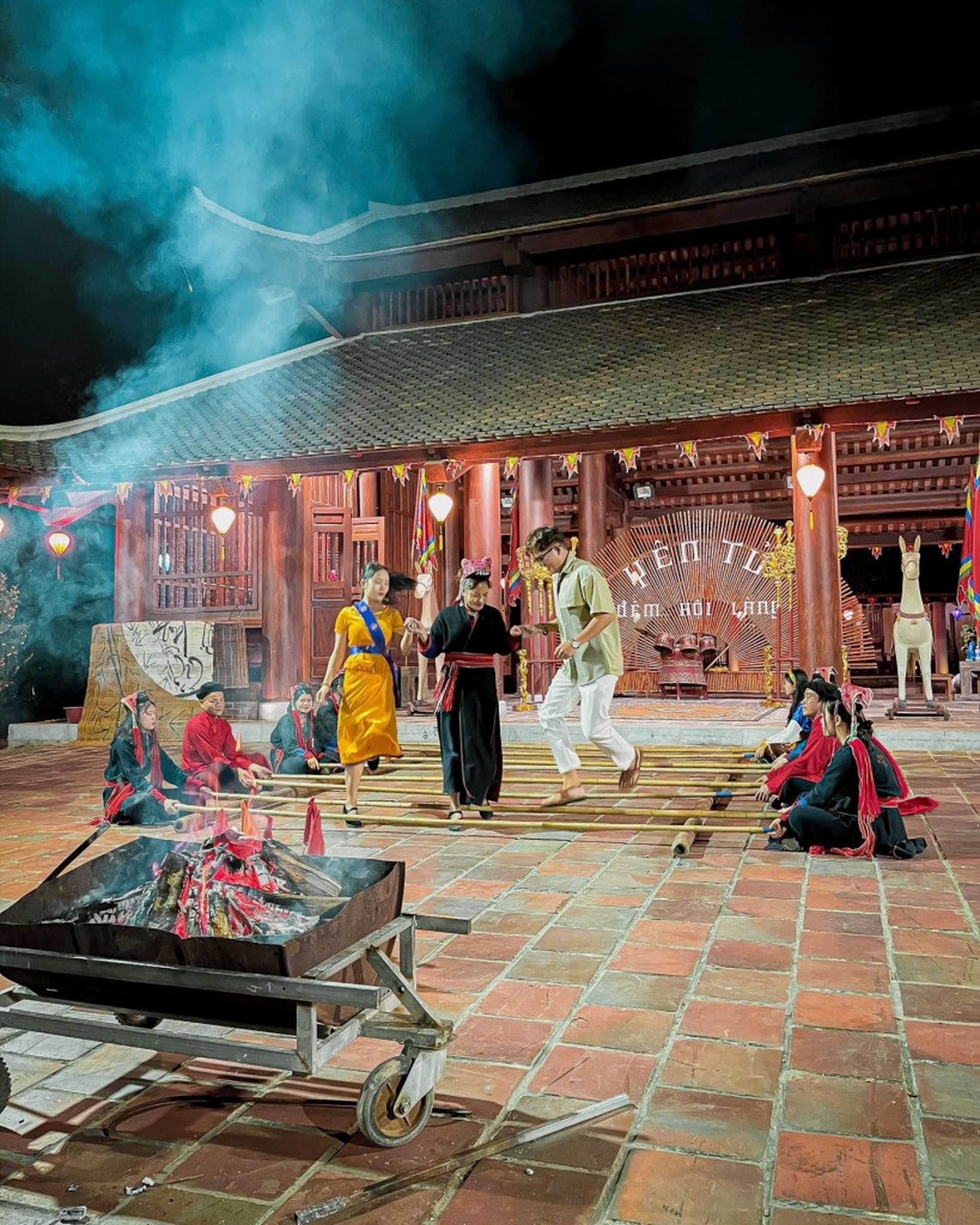
The highlight of Nương Yên Tử Village that attracts visitors is the two-story communal house in the center, where chèo and xẩm performances, quan họ singing, folk melodies… and other shows are held for visitors.
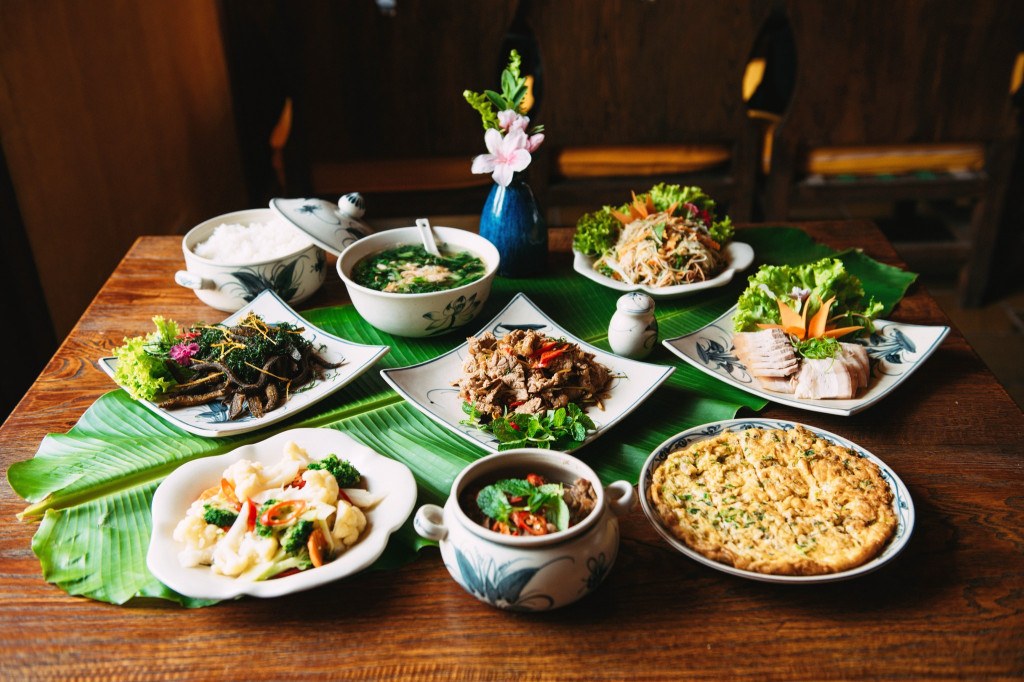
Photo: Fb Làng Nương Yên Tử.
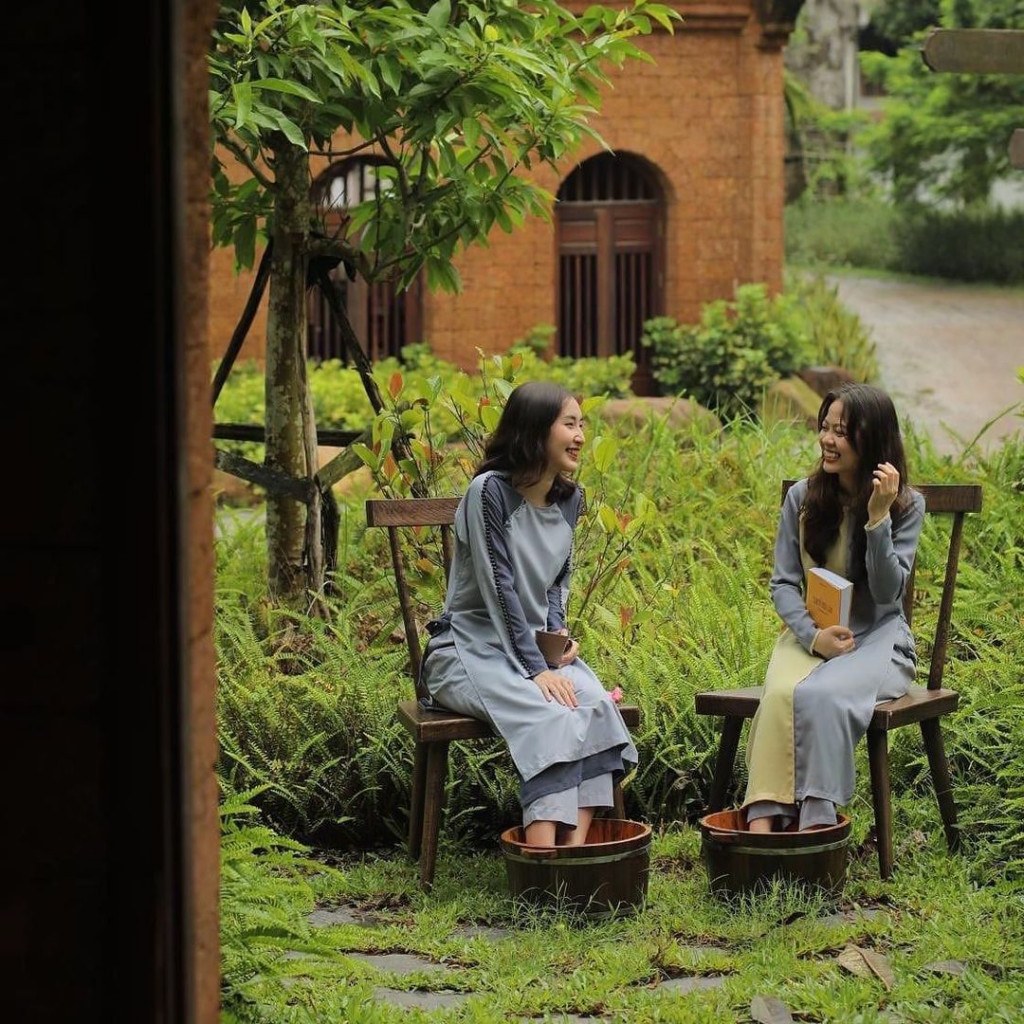
Photo: yentuvillage.
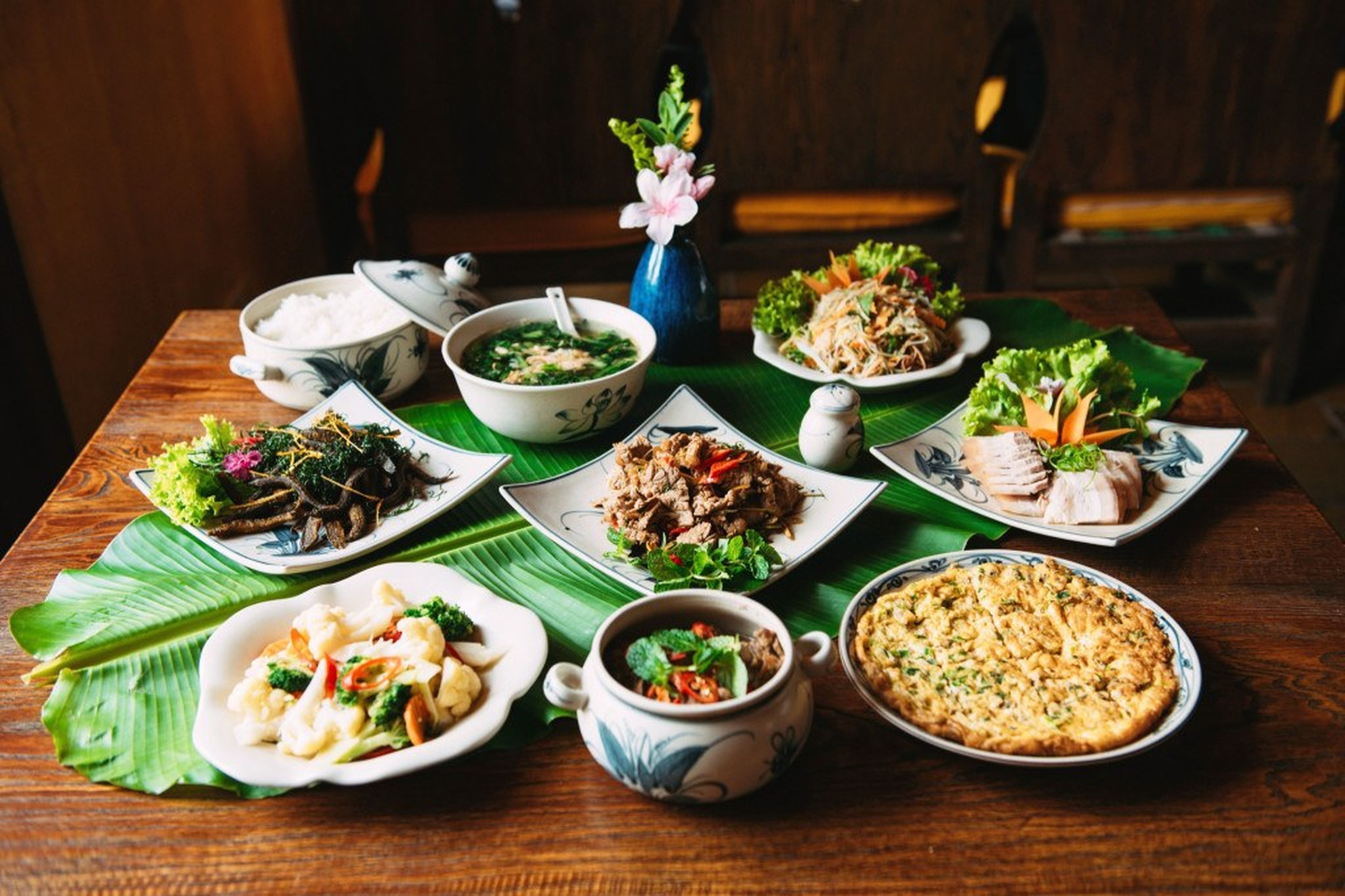
When visiting Nương Village, visitors can also enjoy local specialties such as black glutinous rice bánh chưng, bánh gio and fermented pork rolls… as well as take meditation and yoga classes and learn about the Trúc Lâm Yên Tử Zen tradition. There is also the Buddhist King Trần Nhân Tông Museum and a Zen monastery… where visitors can learn more about the king who became a Buddha.
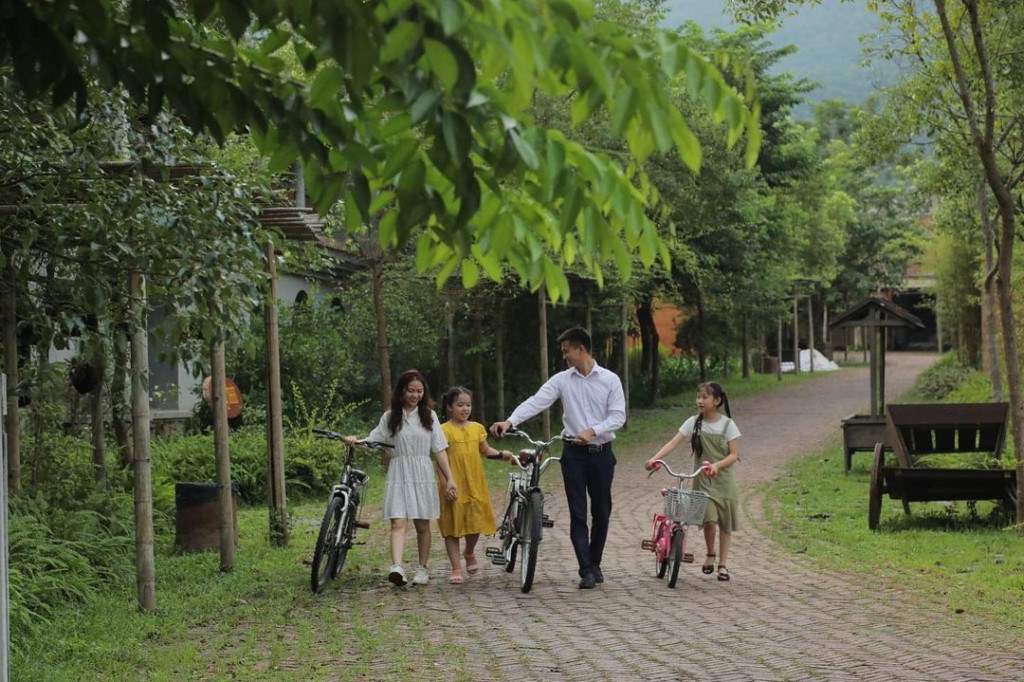
Photo: yentuvillage.
Here, visitors can also experience the tranquility of nature from sleeping pods at the 3-star Hành Hương Yên Tử Village resort, which comprises 9 houses stretching along Giải Oan Stream, with 75 rooms and 300 beds. All rooms feature bunk beds with simple designs that embody the spirit of meditation while still offering full amenities.
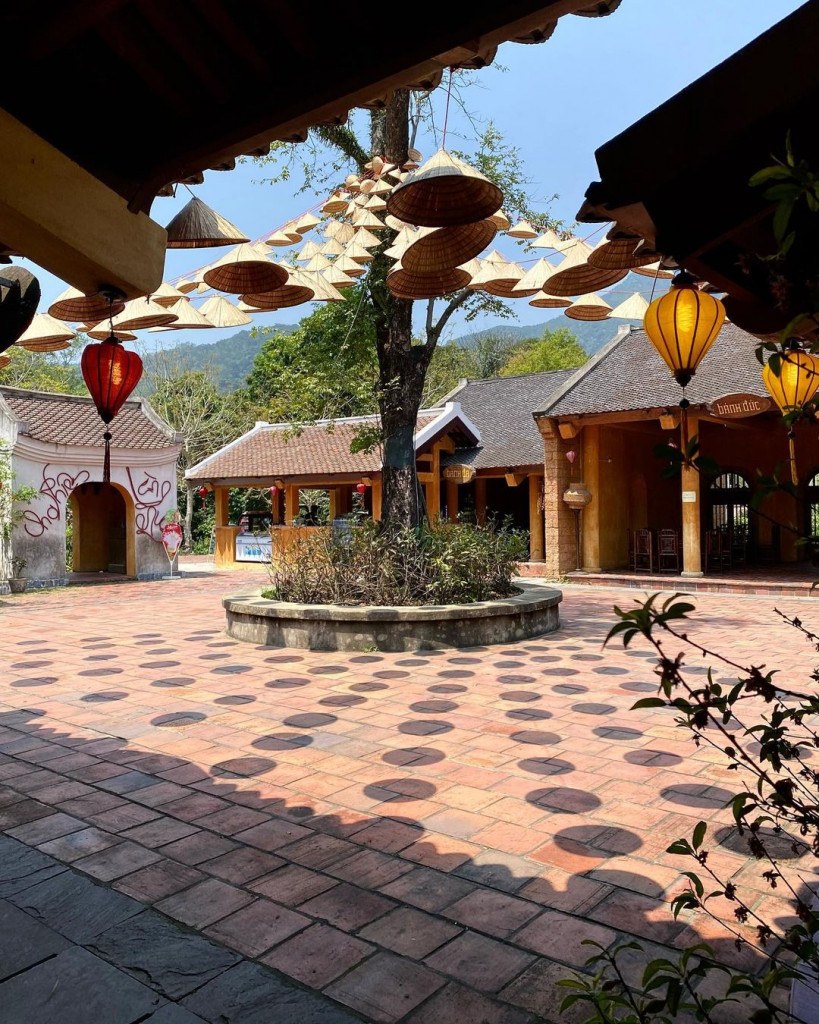
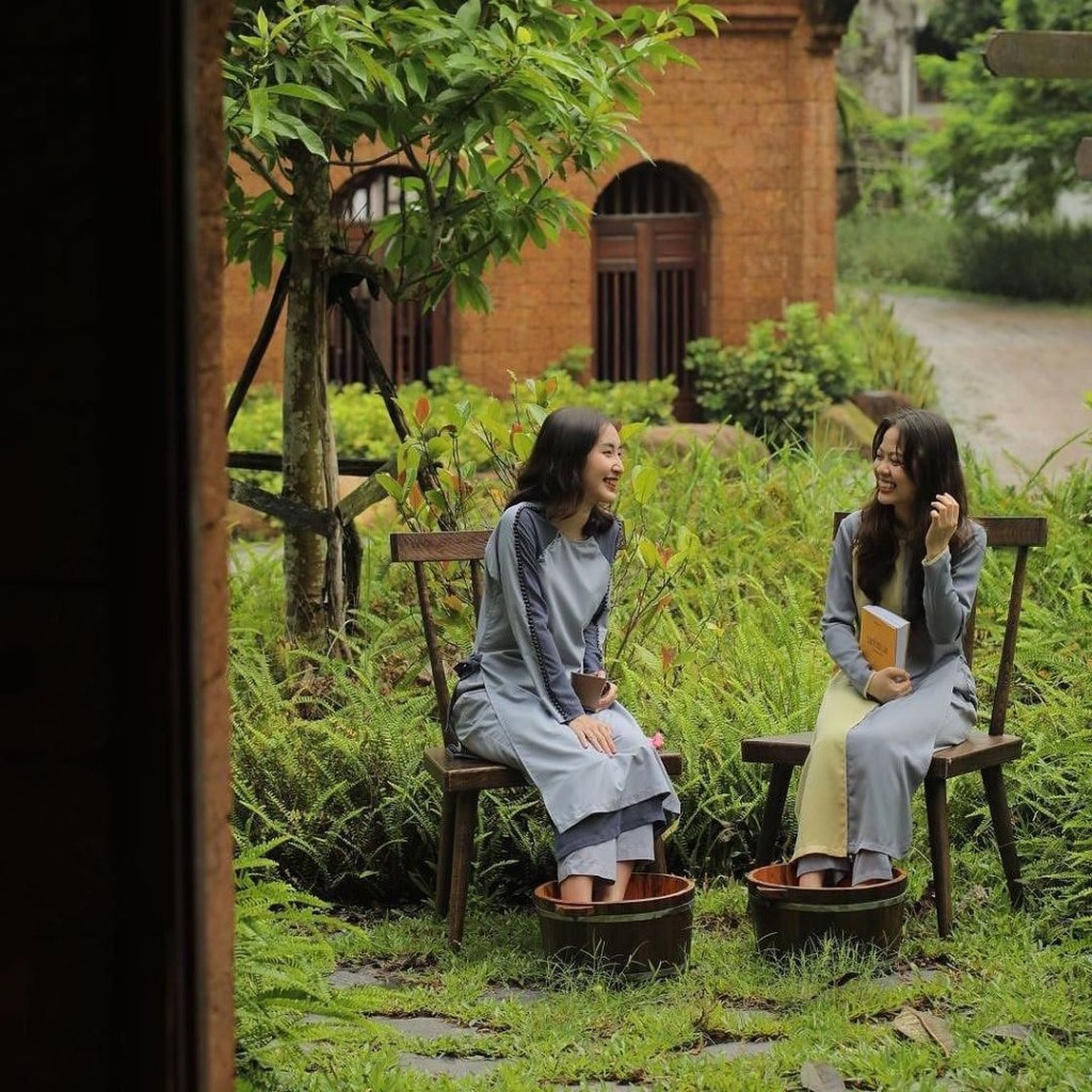
Antique-style houses. Photo: _lavieer.
Inspired by Vietnam’s village markets, Chợ Quê Restaurant is located within the grounds of Hành Hương Village, alongside Tùng Lâm Restaurant on the road to the cable-car station. They serve diners all day and also feature traditional instrumental music performances.
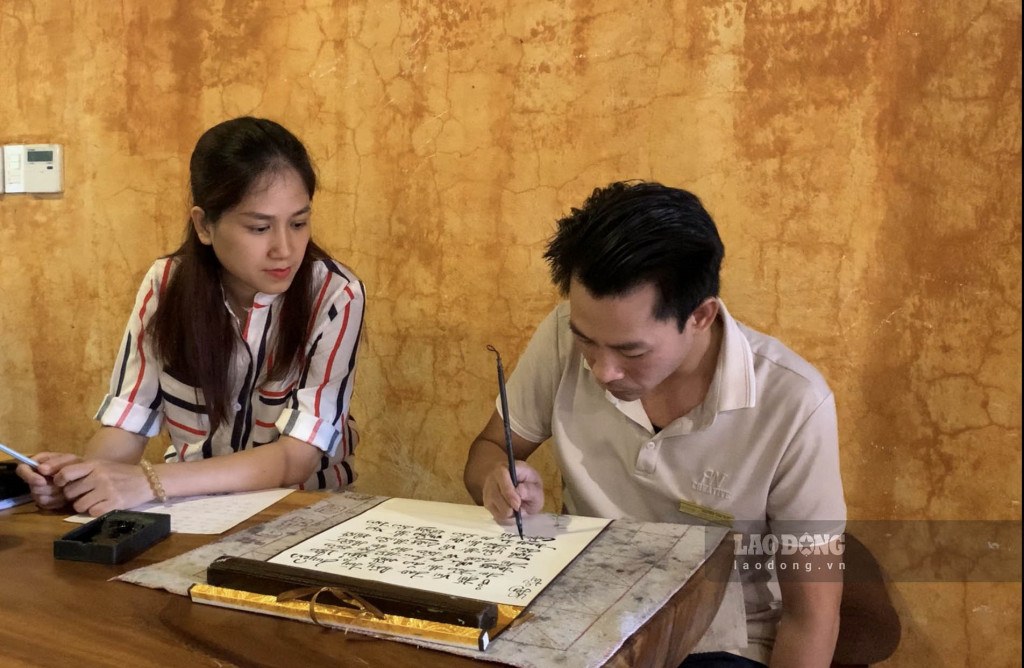
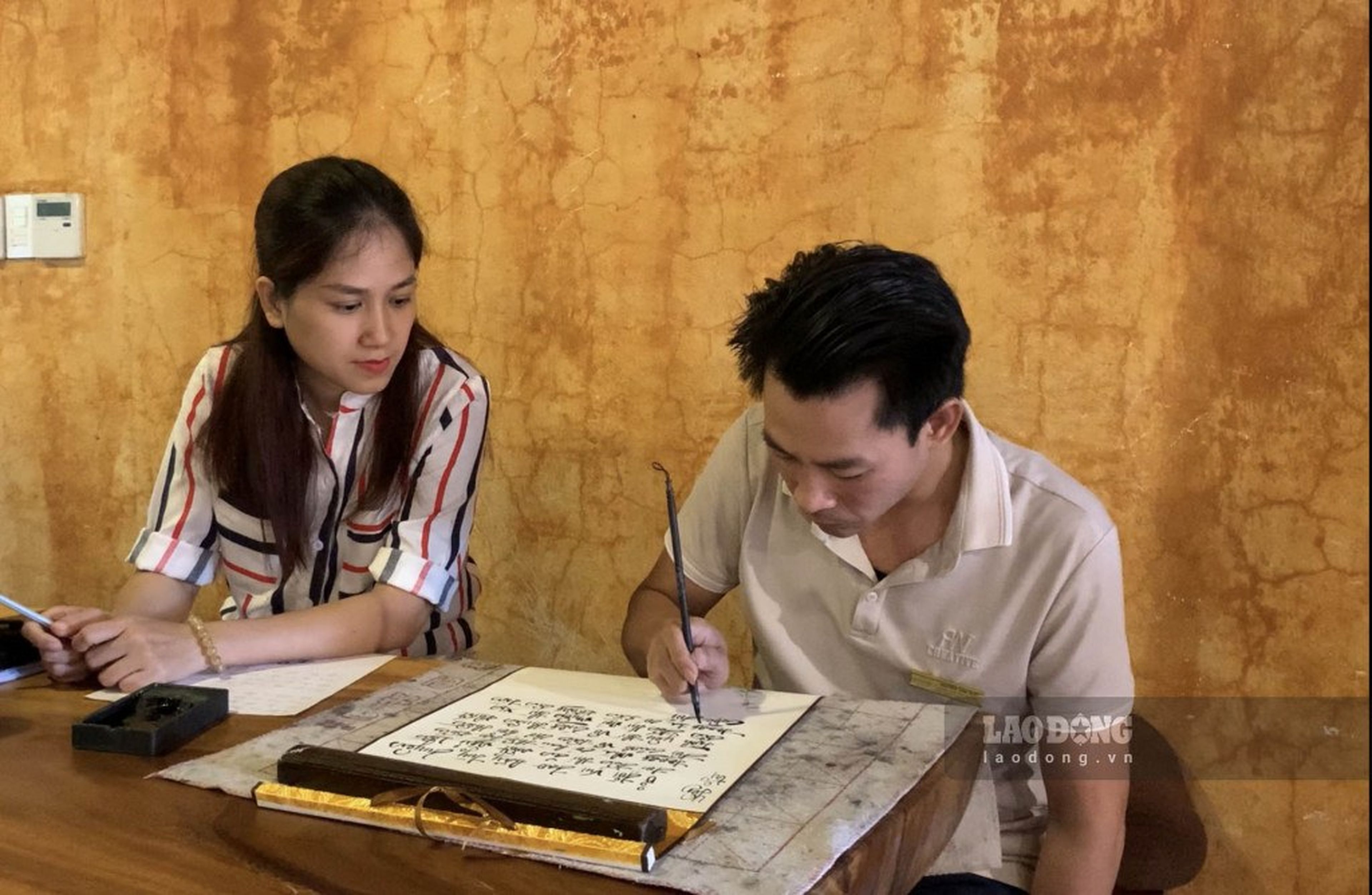
A calligraphy-writing experience. Photo: Thiên Hà.
At Nương Yên Tử Village, visitors have the opportunity to walk along a road paved with Bát Tràng bricks, ride in wooden horse-drawn carriages to explore the rows of old-style houses, visit models of traditional craft villages and directly experience the work of artisans, such as making handmade bamboo products, conical hats, bamboo flutes and Đông Hồ prints…
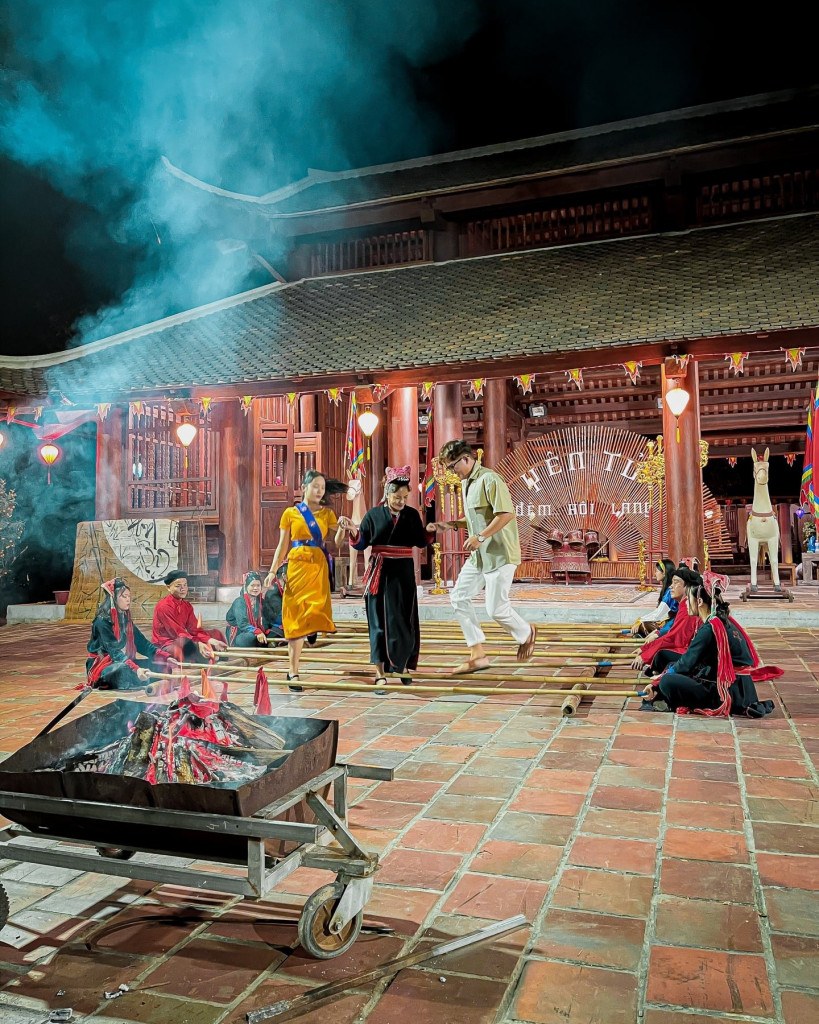
Photo: Fb Làng Nương Yên Tử.
All of these unique experiences and the scenery of the Yên Tử mountains and forests will become unforgettable memories for every visitor. If you want to return to nature after stressful working days, come to Nương Yên Tử Village for a wonderful getaway!