

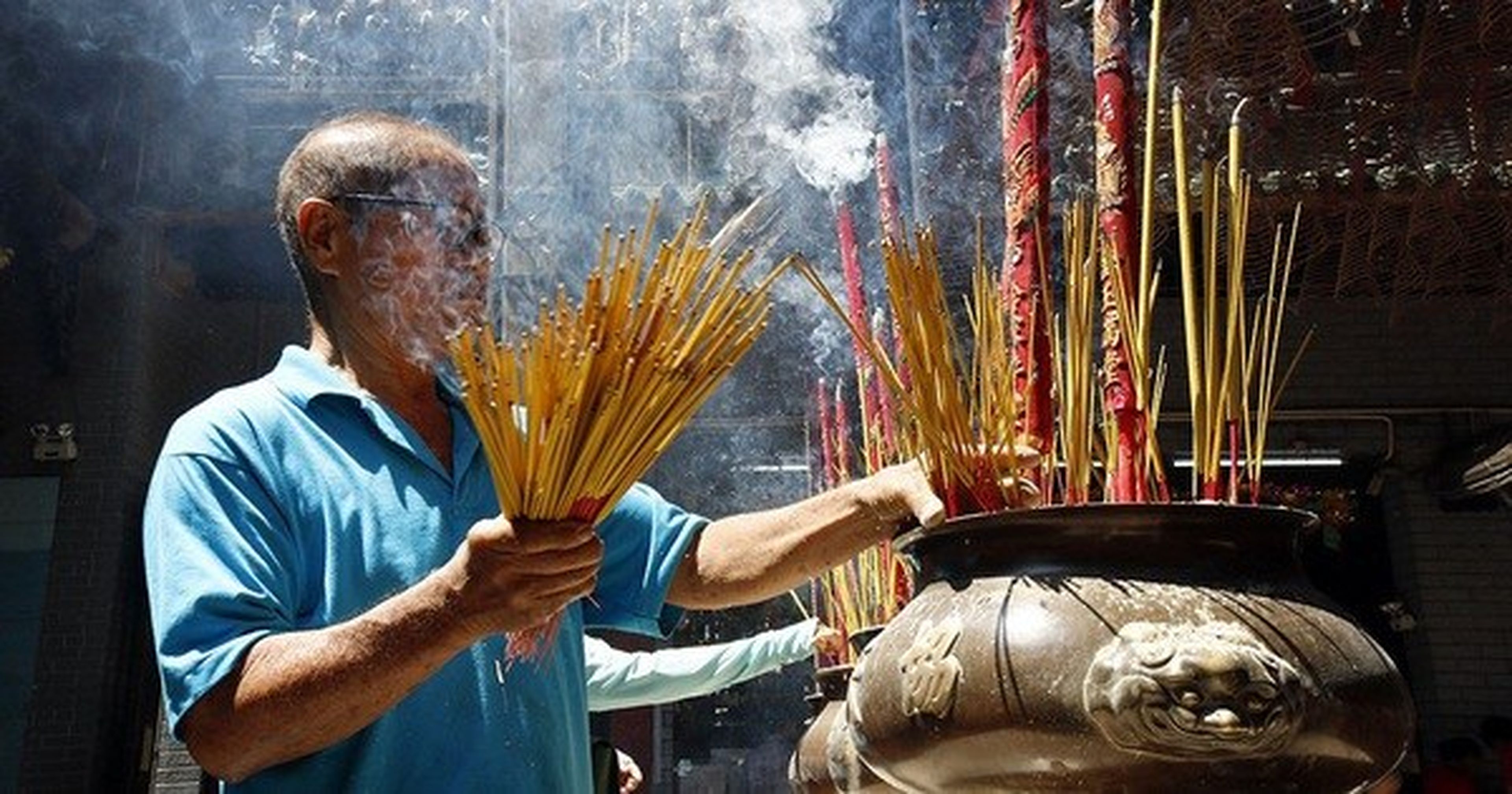
The traditional craft of making bài incense is not merely a livelihood handed down by past generations; above all, it is a symbol of the cultural lifeblood of villages and families, nurtured over countless generations.
The traditional Bài incense-making craft in Quảng Ninh
Bài incense is indispensable during Tết in every Vietnamese family. Its fragrance evokes longing and memories, calls to mind the warm atmosphere of family reunions, and is a scent remembered by anyone living far from home. The gentle, distinctive fragrance is made from natural ingredients such as bài roots, cinnamon, star anise, liquorice, cloves…
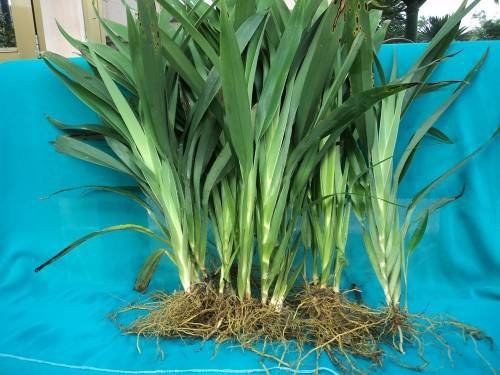
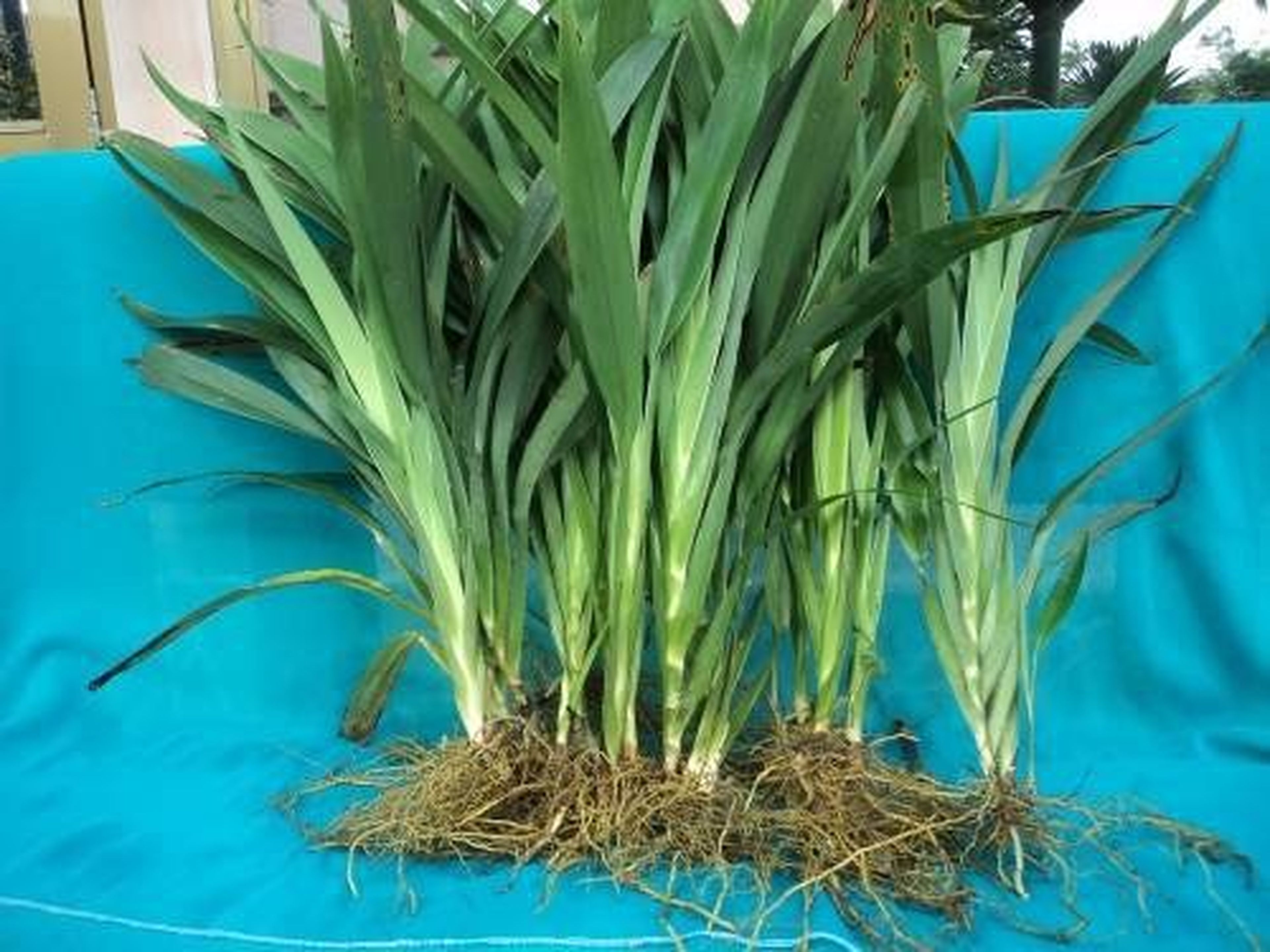
The bài plant. Photo: Vinmec.
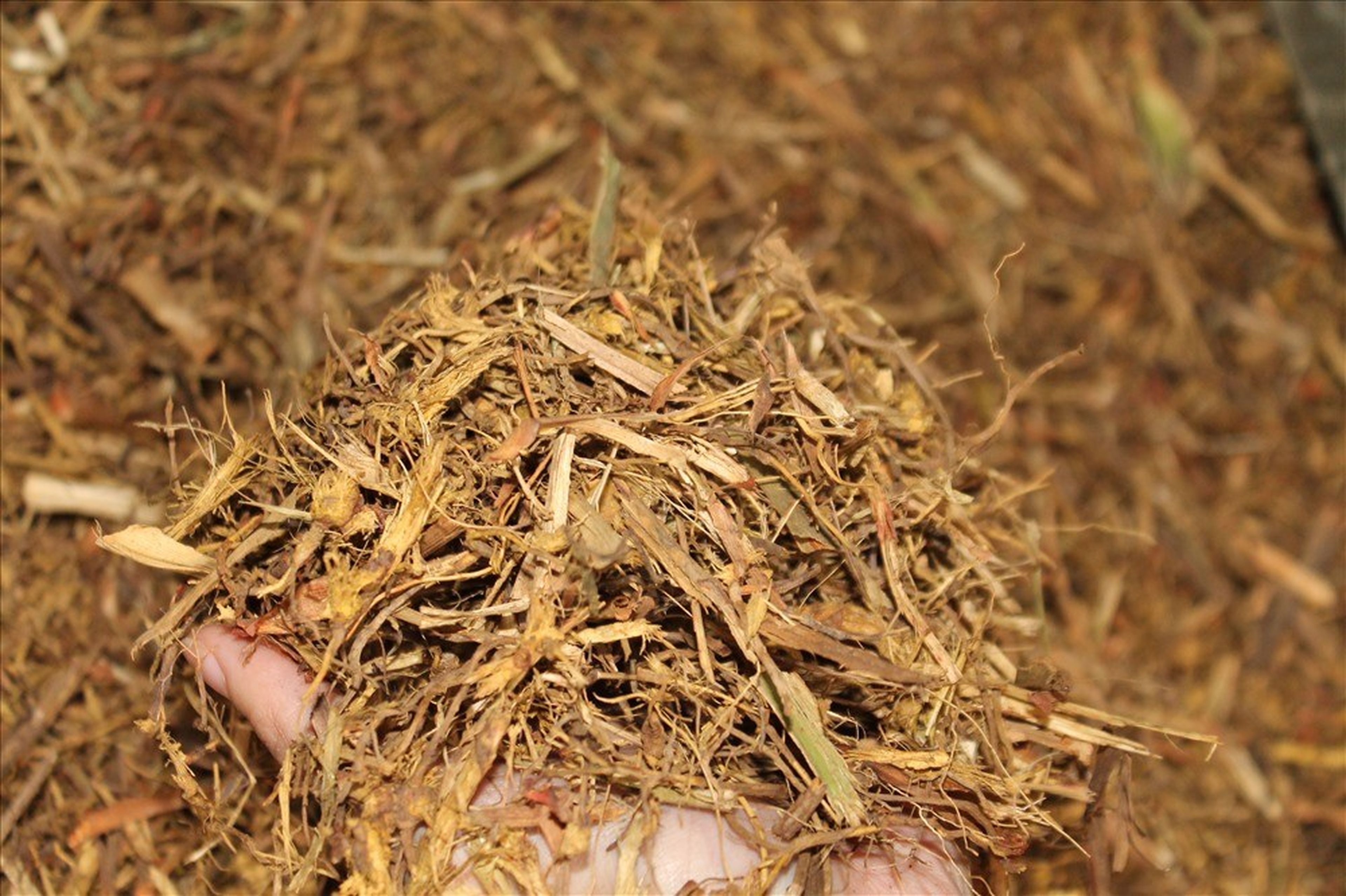
Depending on the region, the recipe for making bài incense varies, but the indispensable ingredient is the root of the bài plant. In Bình Liêu District, Quảng Ninh Province, the bài plant grows very well in the area’s forests.
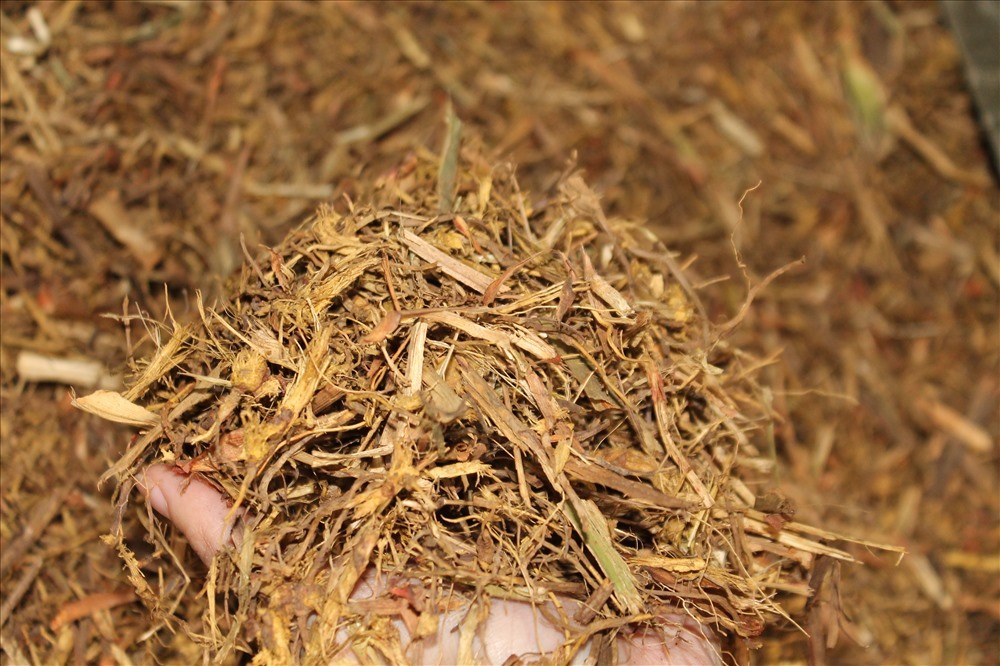
Dried bài roots. Photo: Mai Dung.
The purchase of bài plants usually begins in November each year. After the roots are purchased from people who harvest them in the forest, they are washed, dried and then preliminarily processed.
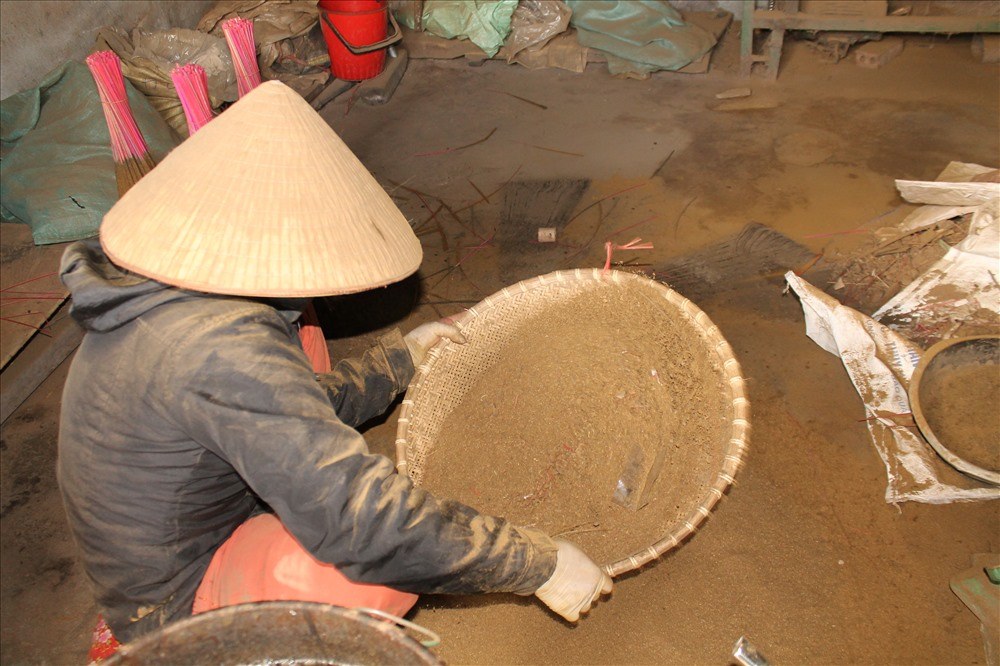
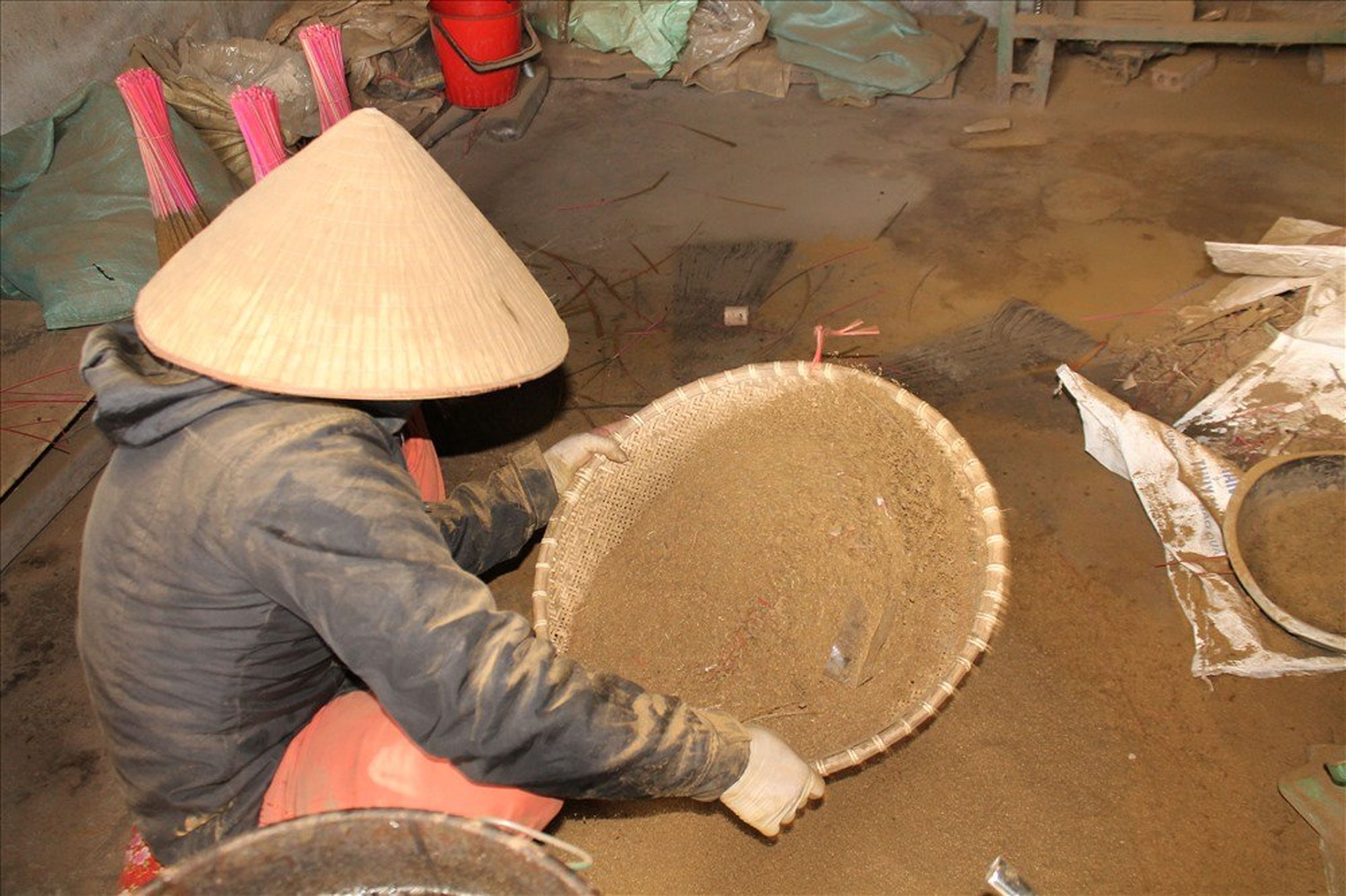
The ingredients are finely ground. Photo: Mai Dung.
In Bình Liêu, bài plants grow entirely naturally on hills and in forests; it takes about three years for the plants to develop roots that meet the standards for making bài incense.
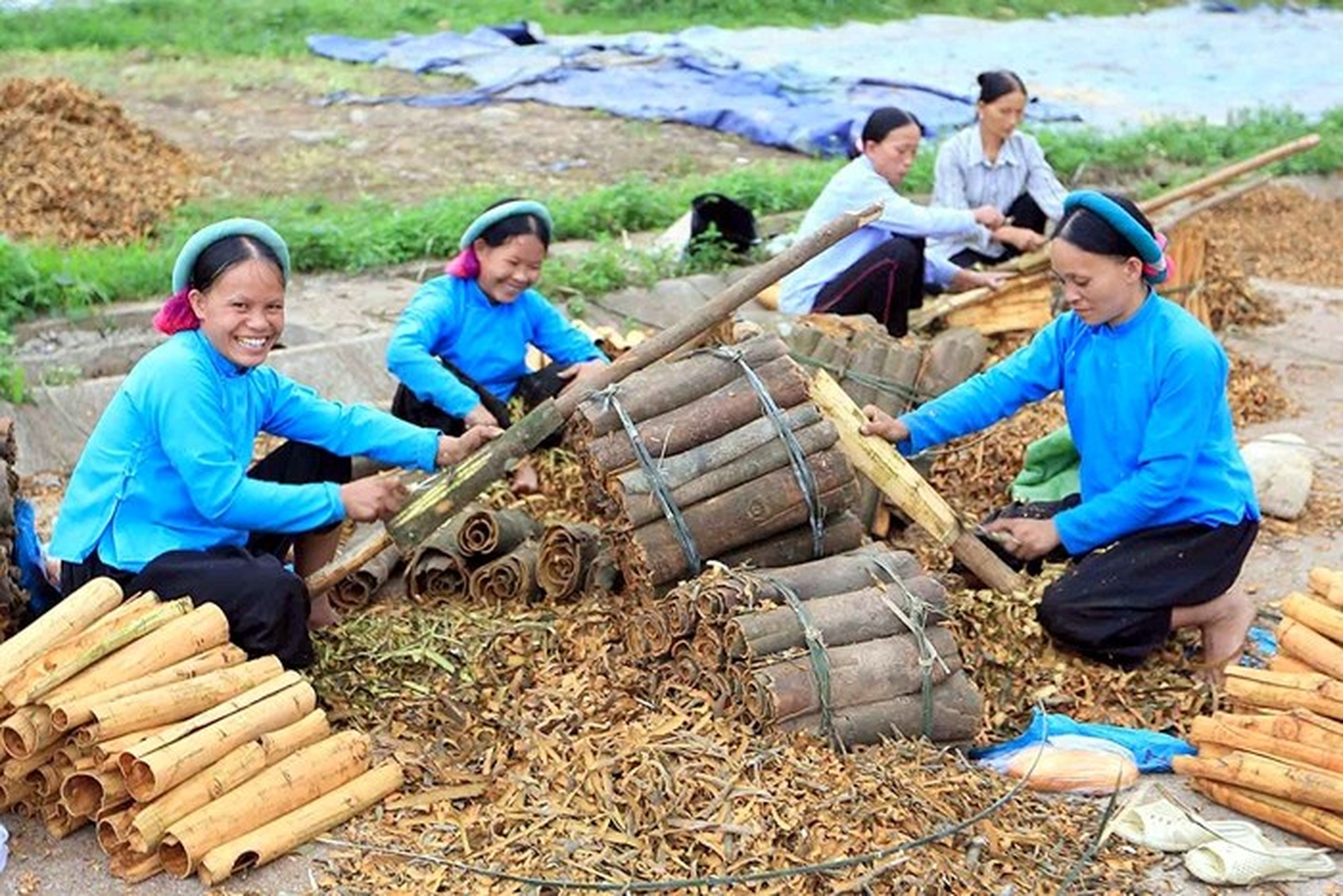
In addition to bài roots, incense makers in Bình Liêu also use cinnamon, star anise and sugarcane bagasse during the process. All are dried, finely ground and then mixed together in specific proportions.
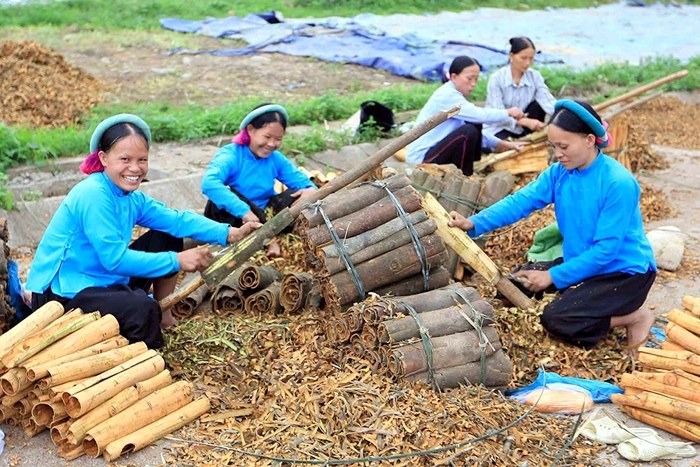
Cinnamon bark used in bài incense. Photo: Quảng Ninh Newspaper.
The process of making bài incense is not overly complicated, but it involves certain secrets. In particular, the ingredients must be blended according to precise proportions, as any inaccuracy will affect the fragrance and burning quality of the incense.
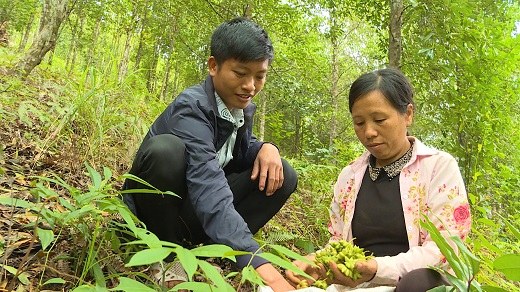
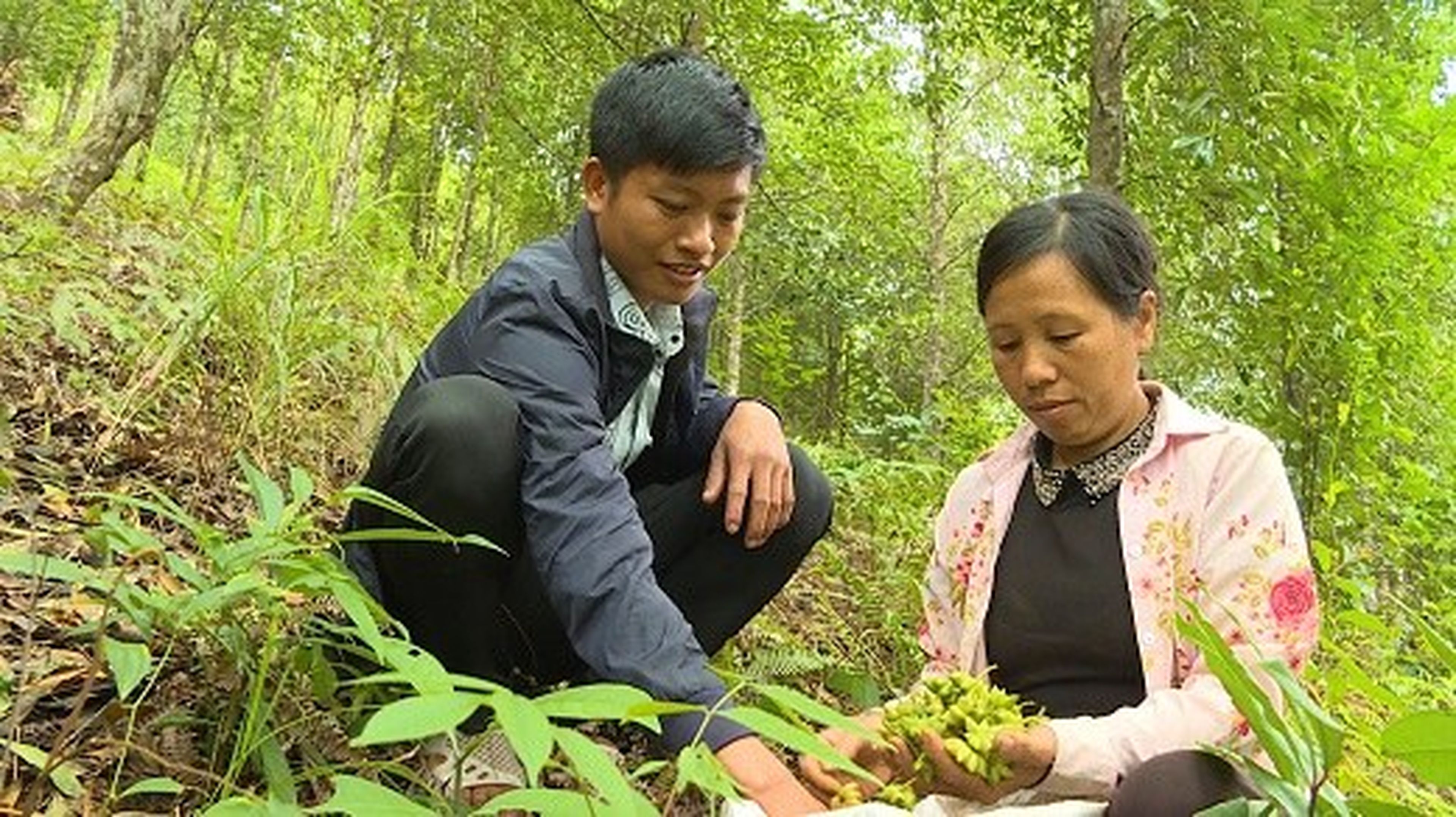
People in Bình Liêu harvest star anise. Photo: Quảng Ninh Newspaper.
After the ingredients are weighed according to exact proportions, the incense powder mixture is poured into a mixer, and water is added while it is mixed until the incense reaches the necessary moisture level and cohesiveness for rolling. Today, with the support of machinery and equipment in some stages such as grinding, mixing and rolling the incense, the craft of making bài incense in Bình Liêu achieves high productivity and provides a good income.
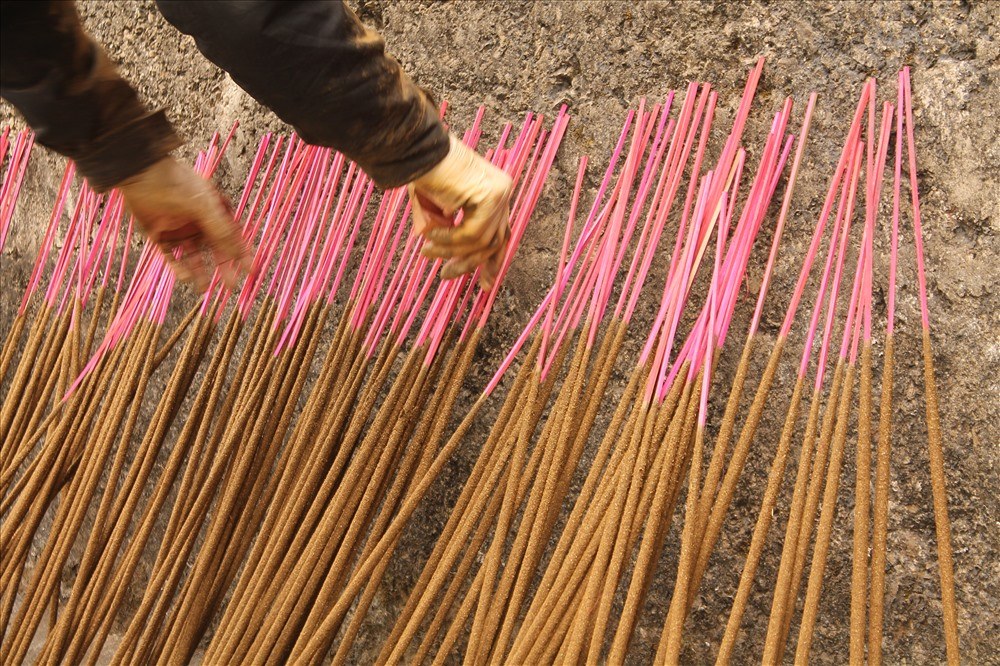
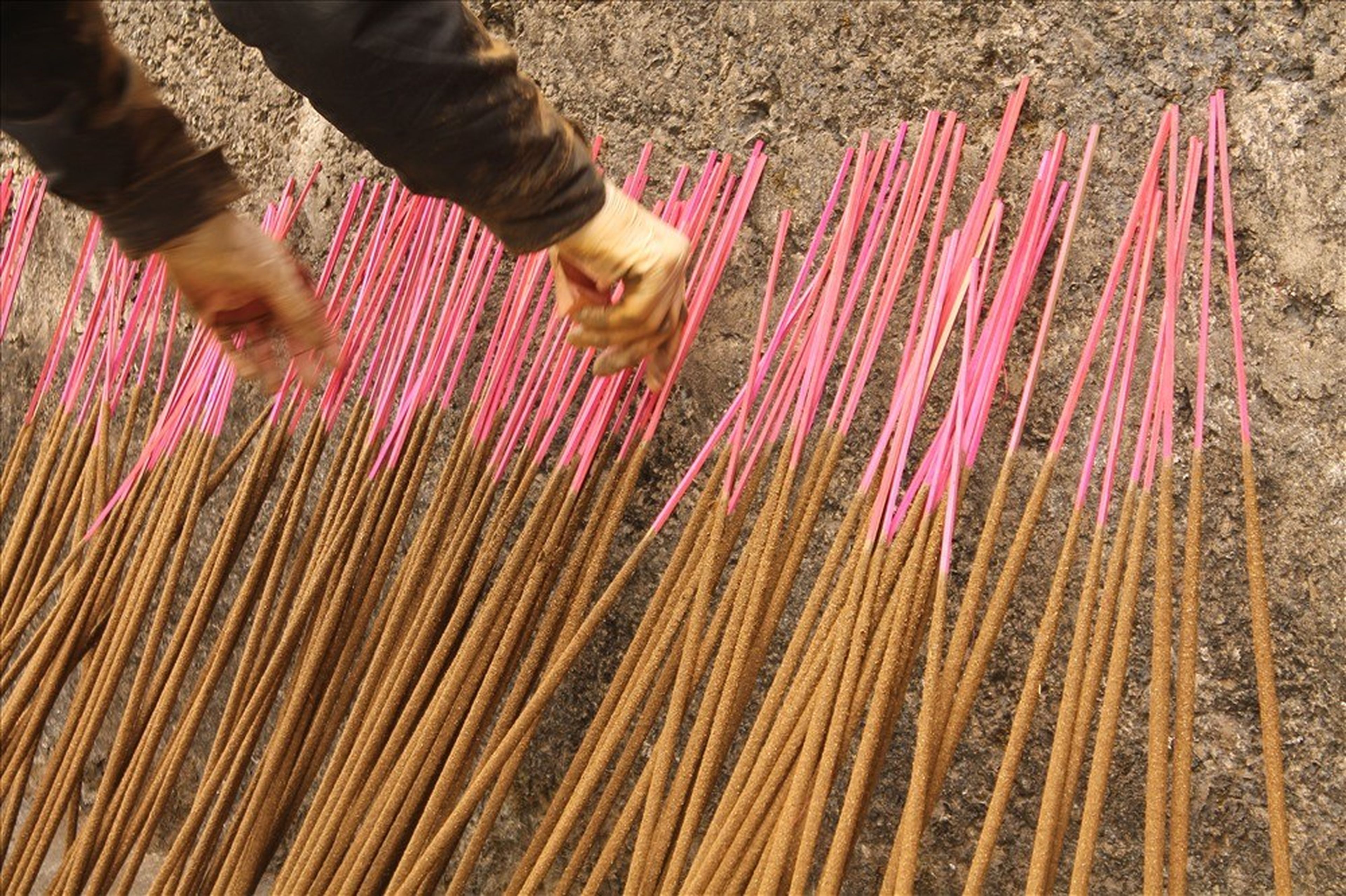
Drying the incense. Photo: Lao Động Newspaper.
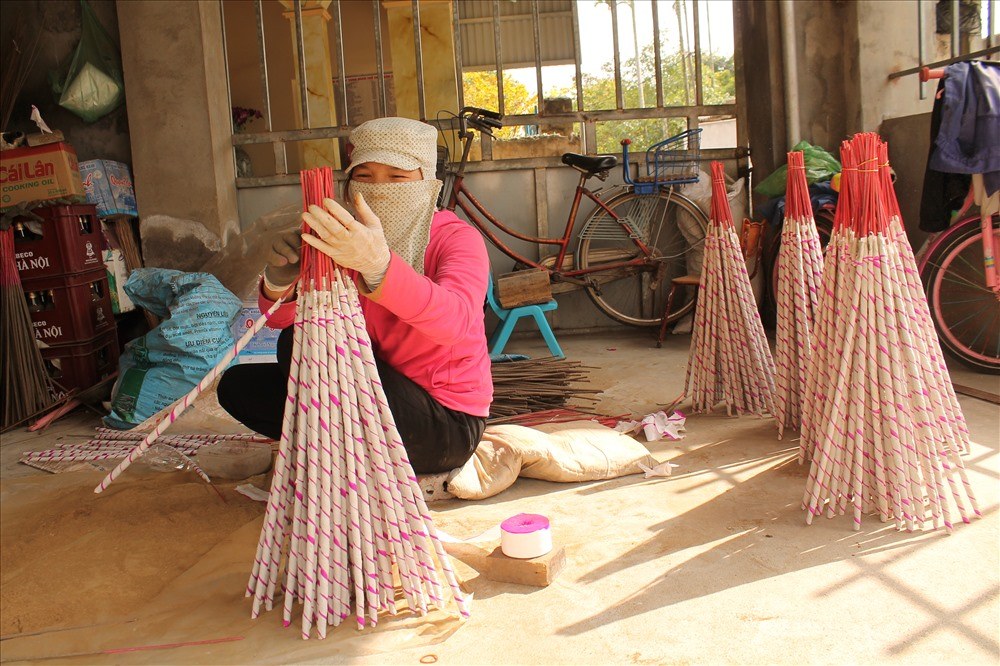
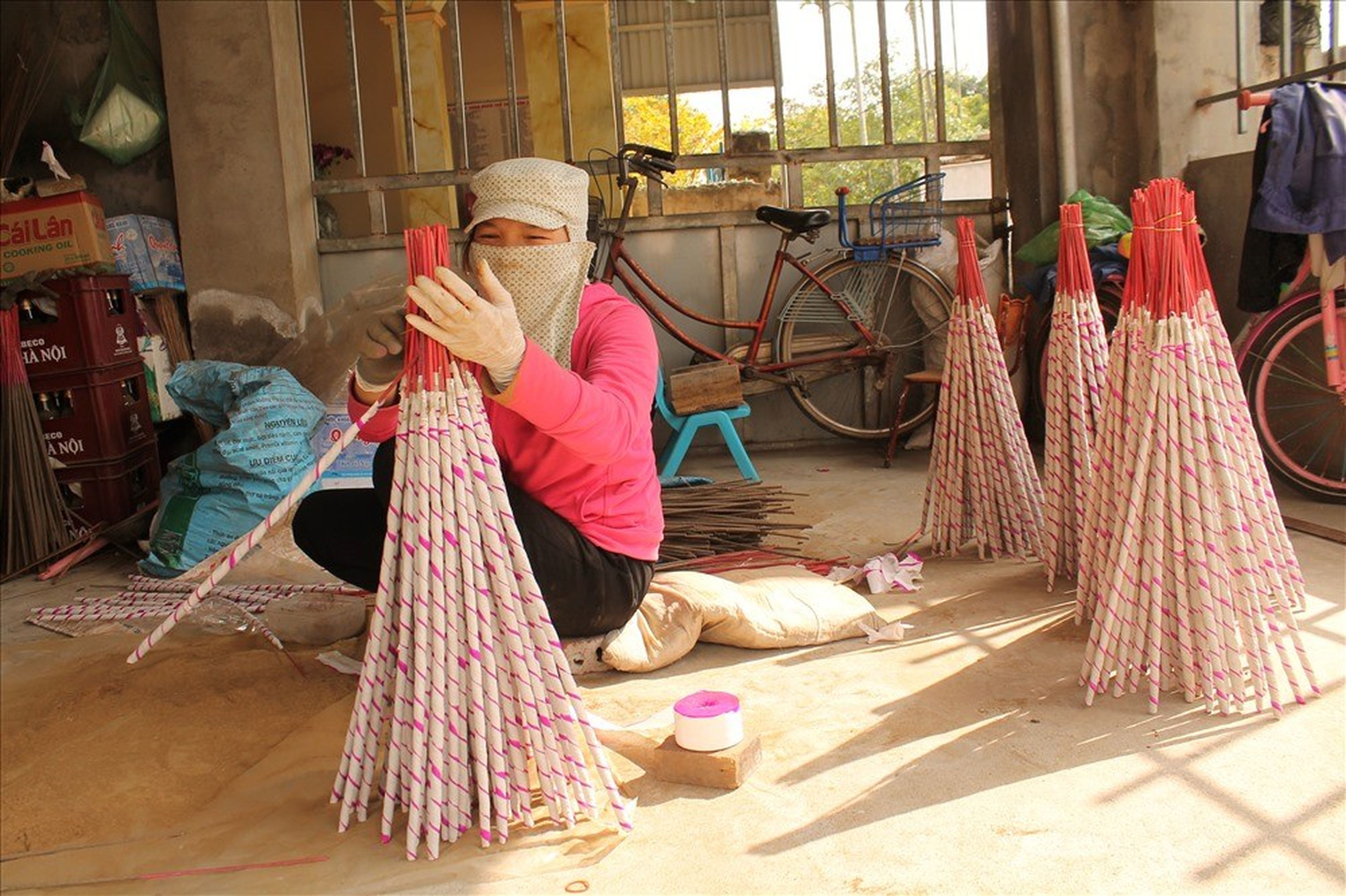
The incense sticks are wrapped in paper to tightly bind the layer of bài powder inside. Photo: Mai Dung.
The bundles of incense are dried in the sun for 1 to 2 days before being packaged. During the drying process, the temperature must be carefully monitored to prevent breakage. On days with insufficient sunlight, incense makers place the sticks in a dryer for 5 hours at a temperature not exceeding 45 degrees C.
Once dried or sun-dried, the finished incense is complete. The final step is to inspect it, remove any sticks that fail to meet the standards, and package it before bringing it to market.
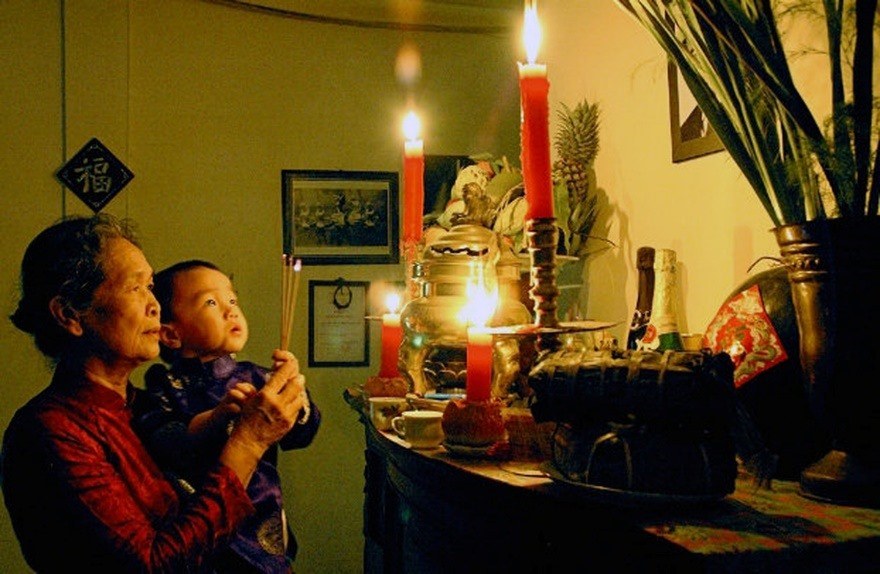
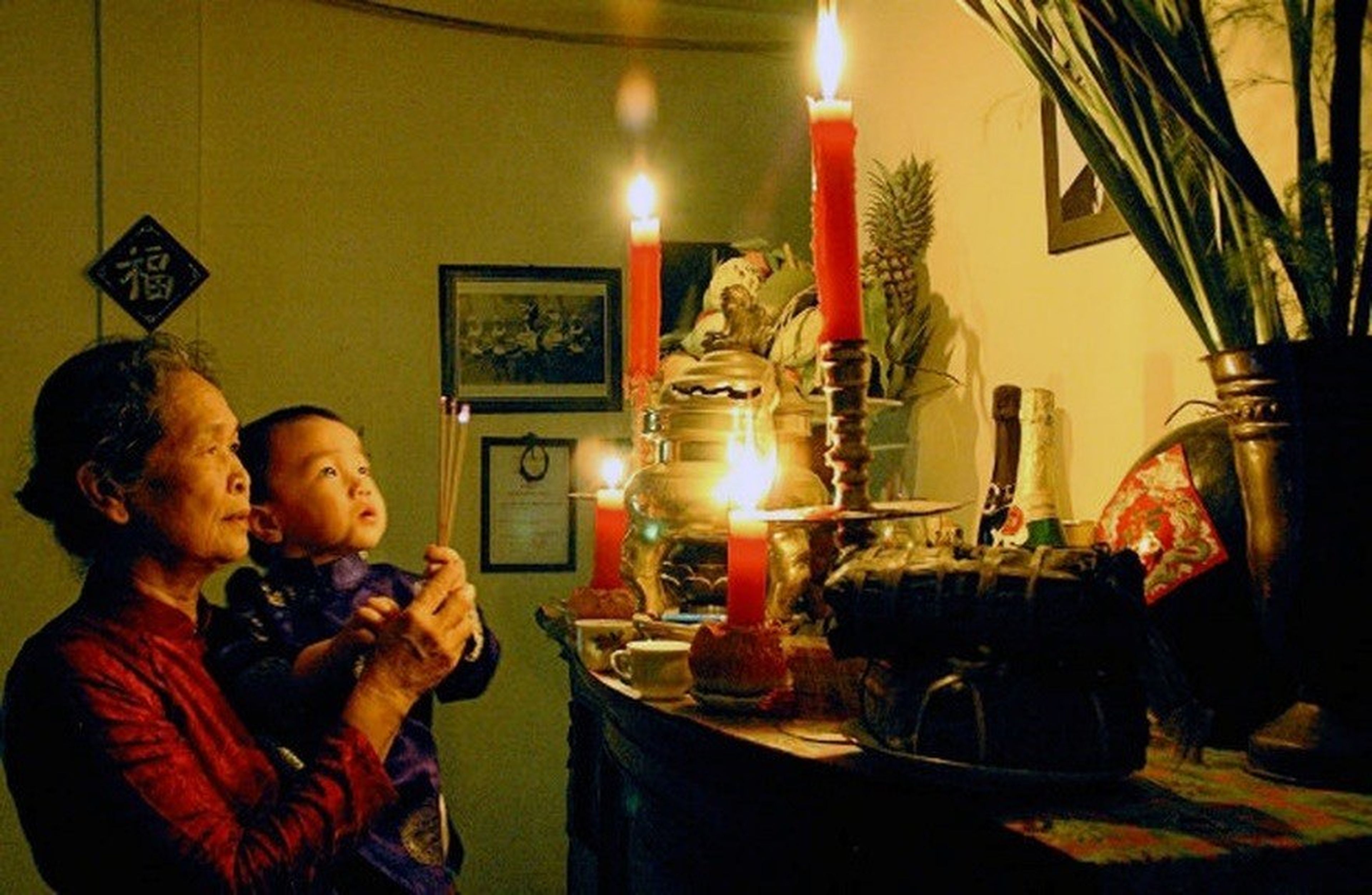
Incense sticks are indispensable during Tết. Illustrative photo: Lao Động Newspaper.
Bài incense products make use of ingredients available in Bình Liêu, creating jobs for local people while bringing a quality-standard incense product to the market without using chemicals, helping protect consumers’ health.
Whenever a stick of bài incense is lit, the pleasant, lingering fragrance of the aromatic ingredients makes people feel more excited and invigorated, while making the Tết holiday feel warmer as well.
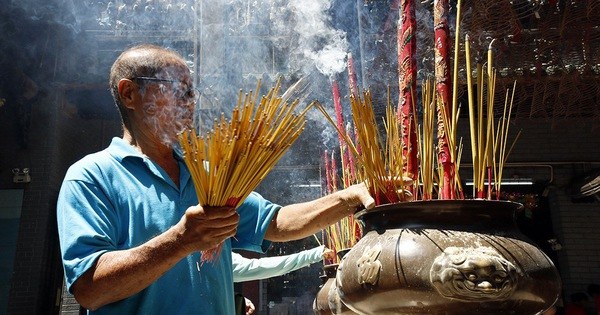
The scent of incense smoke lives in the subconscious of every Vietnamese person. Photo: Tuổi trẻ Newspaper.
Although today the craft of making bài incense in Bình Liêu is pursued by only a section of the population, its cultural values are still preserved. The fragrance of bài incense thus continues to naturally permeate the air, leaving its scent in the hearts and minds of every son and daughter of Vietnam.