

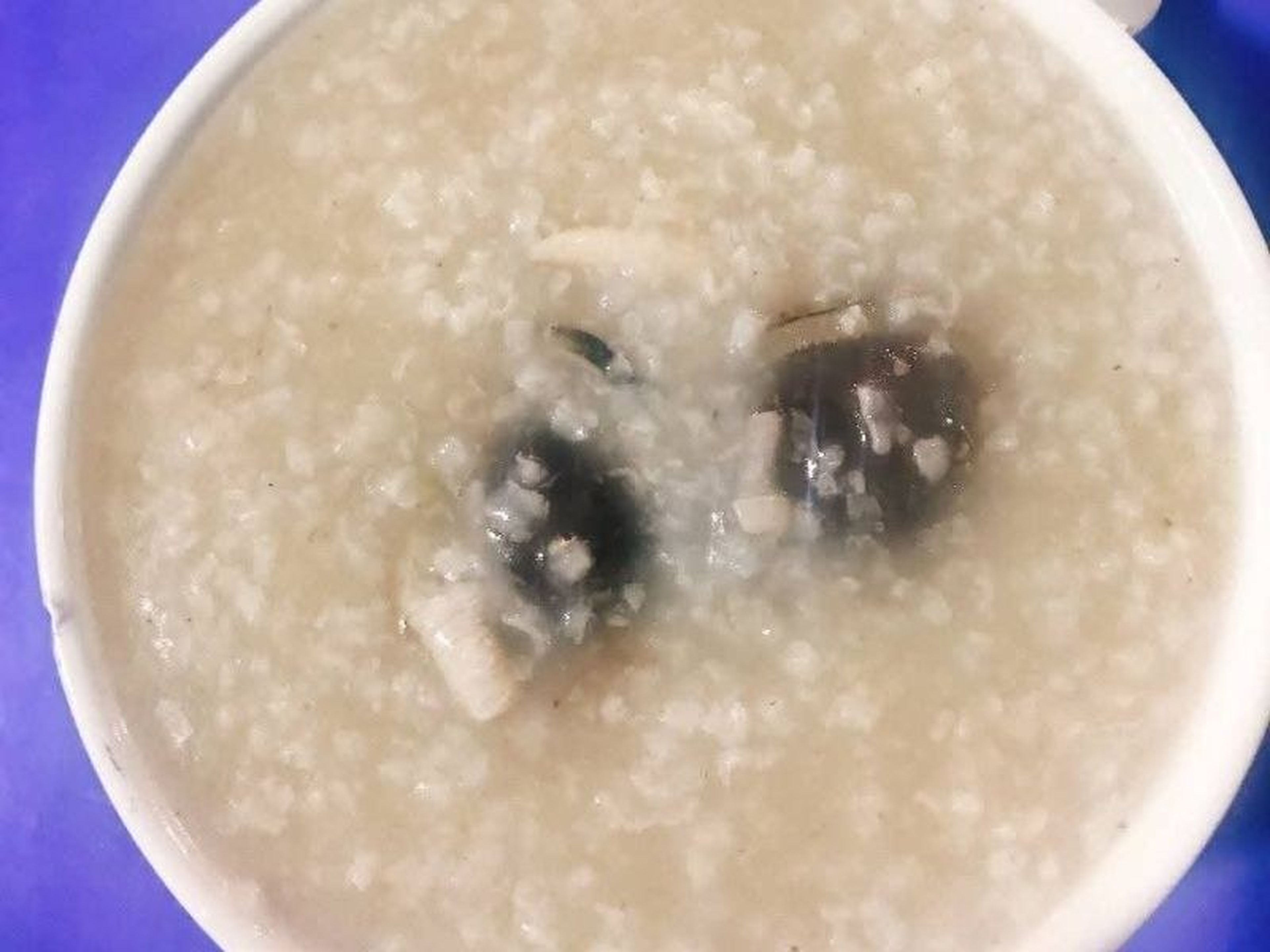
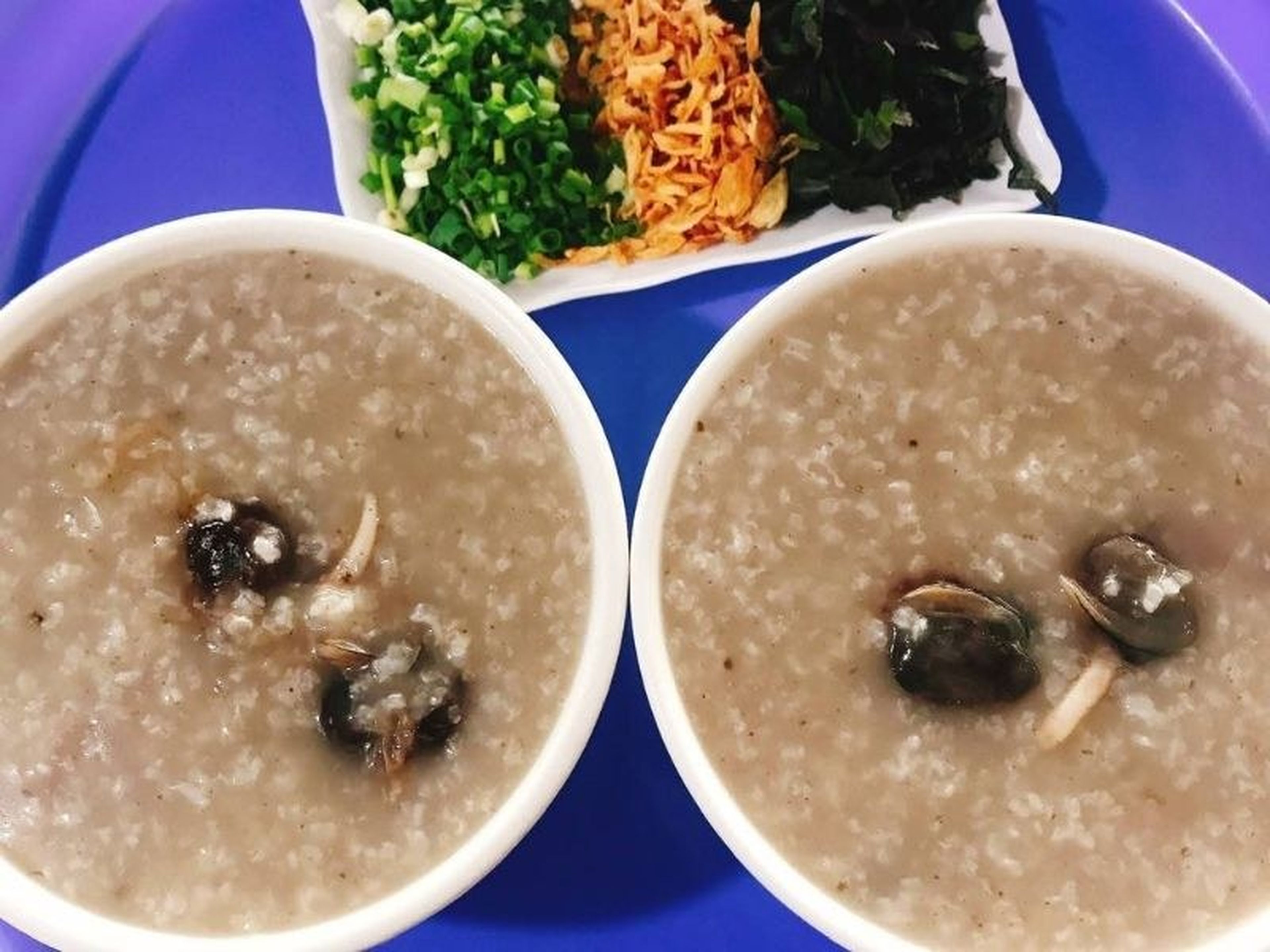
1 What Is Ngán Porridge? The Dish’s Characteristics
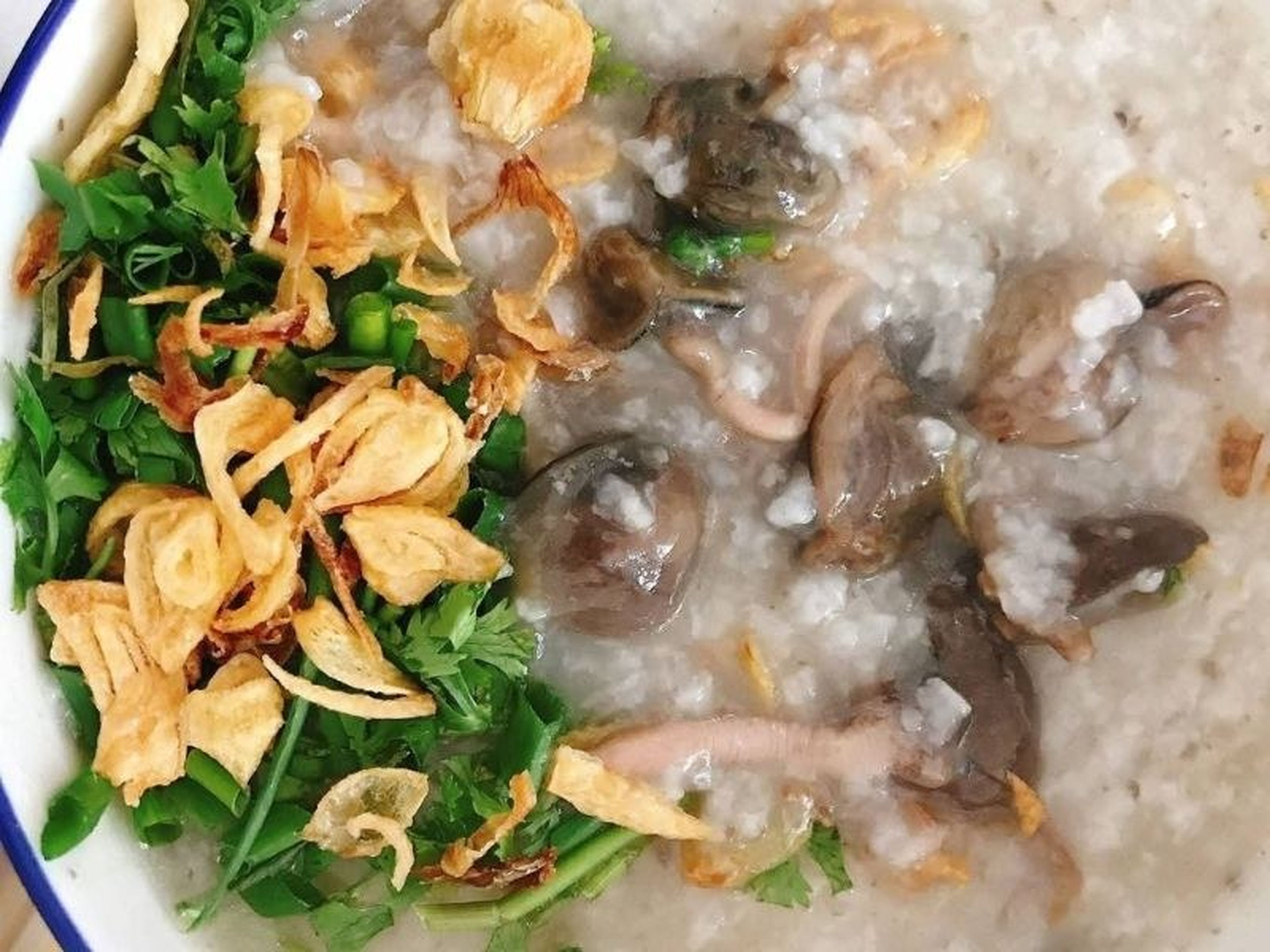
Ngán porridge is a famous specialty of Quang Ninh, made with sea ngán meat, plain rice mixed with a portion of glutinous rice, scallions, Vietnamese coriander and basic seasonings. Ngán is a bivalve mollusk that looks similar to a clam but is larger, with thick, tender flesh and a naturally rich sweetness.
Ngán porridge is not only delicious but also provides protein, iron, zinc, calcium and many minerals from seafood. Thanks to its soft, easy-to-digest texture, the dish is often chosen by families to nourish the body and added to young children’s menus once they are old enough to eat seafood and have no allergies.
Ngán porridge has several notable characteristics:
- Flavor: The porridge has a rich sweetness from the ngán meat and cooking liquid, combined with the distinctive mild richness of seafood.
- Texture: Plain rice makes the porridge soft, while a portion of glutinous rice gives it moderate thickness and chewiness.
- Ngán meat: The meat is quickly stir-fried before being added to the porridge to preserve its tenderness and sweetness and prevent it from becoming tough.
- Aroma: Scallions, Vietnamese coriander and pepper balance the seafood aroma while making the dish more fragrant.
- How to enjoy it: Ngán porridge is best served hot and is commonly eaten for breakfast, dinner or on cool days.
With its distinctive flavor and preparation deeply rooted in the coastal region, ngán porridge has become a dish many people want to try when traveling to Quang Ninh.
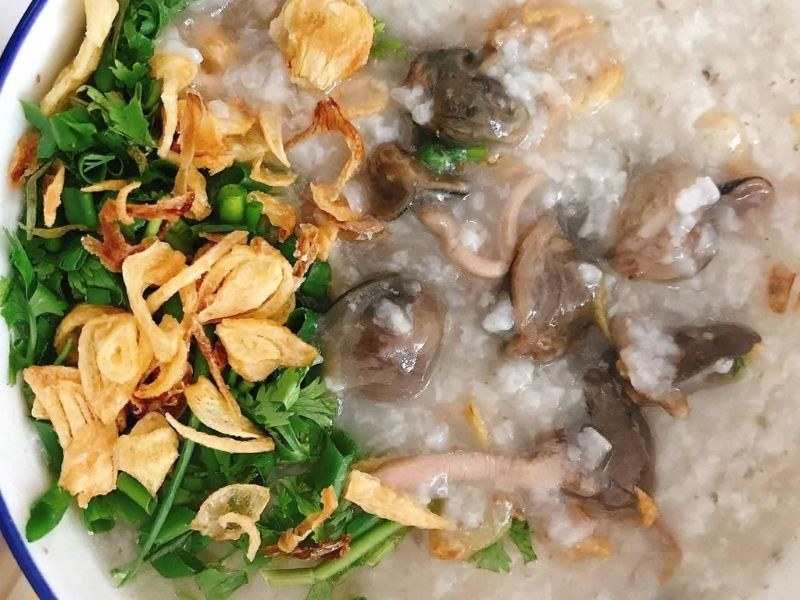
A steaming bowl of ngán porridge with natural seafood sweetness is a famous specialty of Quang Ninh. Illustrative photo: CHÁO CHÃ HẠ LONG
2 Ingredients Needed to Cook Ngán Porridge
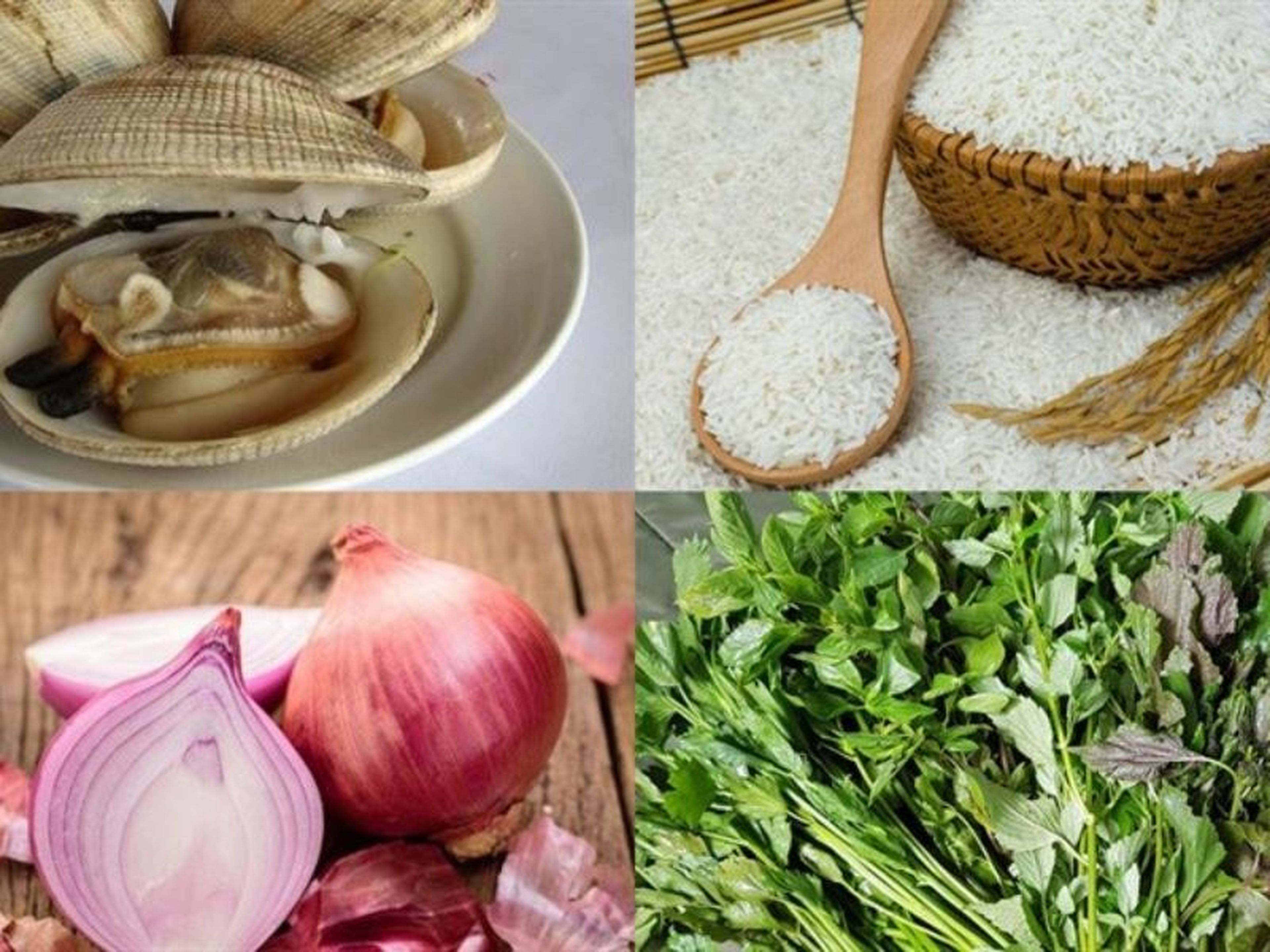
To cook ngán porridge for about 3-4 people, prepare:
- Fresh sea ngán: About 700g-1kg.
- Plain rice: 150g.
- Glutinous rice: 30-50g, helping make the porridge more fragrant and thicker.
- Herbs: Scallions, Vietnamese coriander.
- Seasonings: Shallots, fish sauce, salt, seasoning powder, pepper and cooking oil.
- Water: About 1.5-2 liters, depending on the desired thickness.
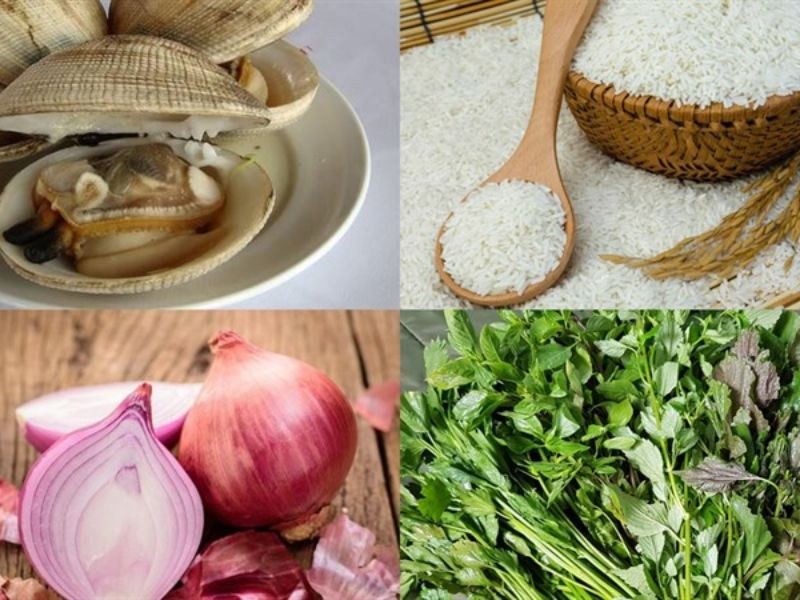
Fresh, high-quality ingredients determine the distinctive flavor of ngán porridge. Illustrative photo: Điện máy XANH
When buying the ingredients, keep the following points in mind:
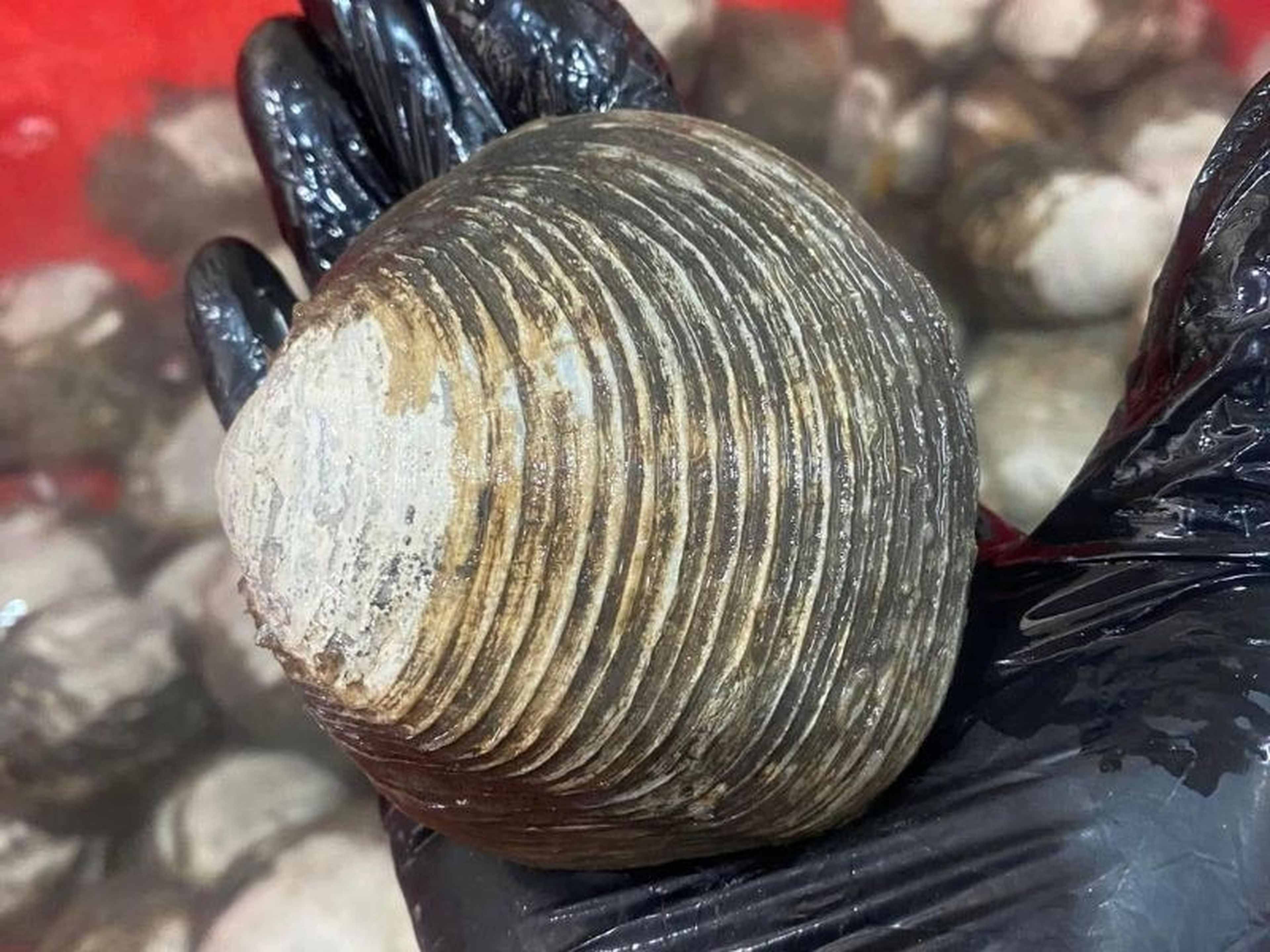
- Choose large, relatively uniform ngán: Mature ngán have relatively large shells, reaching about 7.3cm in length and about 7.1cm in height. However, at markets, their size is usually calculated by the number per kilogram rather than measured in centimeters. Quang Ninh ngán commonly weigh 8-20 per kilogram, with large ones usually weighing about 7-10 per kilogram.
- Check that they are alive: Touch or gently tap the shell. A live one will close its shell or react, while one that does not close should not be selected.
- Discard cracked or broken ones: Do not use ngán with broken shells, shells that have remained open for a long time, or no remaining reaction.
- Buy close to the cooking date: Fresh ngán retain tender meat and a rich sweetness while producing less of a fishy smell.
- Choose a reputable seller: Ngán should have a clear origin and be kept cool while on sale.
- Note the season: Ngán are considered tastier in early autumn, when the meat is usually thicker and richer.
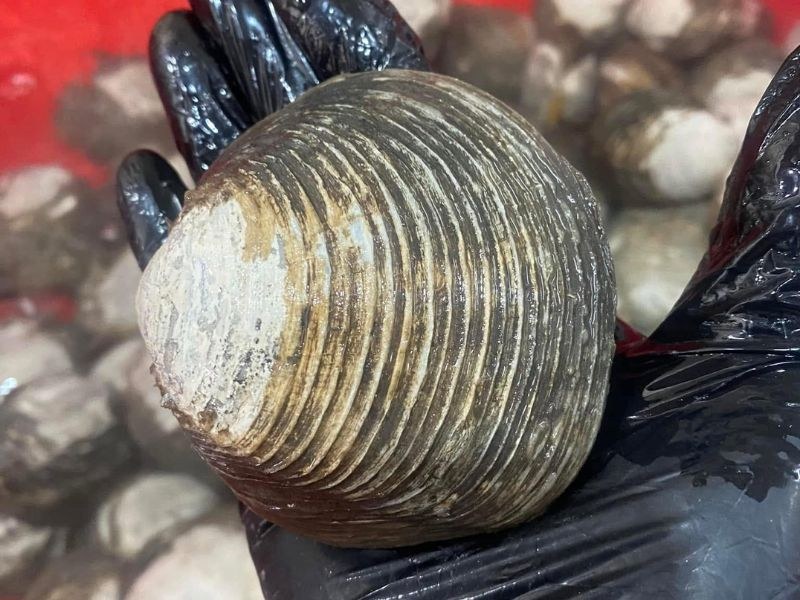
You should choose large ngán. Illustrative photo: Vũ Bún Bún
3 How to Cook Delicious Quang Ninh Ngán Porridge
3.1 Step 1 - Prepare the Ingredients
To ensure the ingredients are clean, easy to prepare and retain their natural flavor, follow these preparation steps in order:
- Prepare the rice: Mix plain rice and glutinous rice at a ratio of about 2:1, rinse well and soak in water for about 1 hour. Then remove the rice and let it drain thoroughly before roasting. This ratio makes the porridge soft while giving it moderate thickness and a light fragrance.
- Clean the ngán: Soak the ngán in rice-rinsing water to remove some of the mud and sand, then scrub the shells clean.
- Remove the ngán meat: Use a knife to open the shells, remove the meat and set aside the liquid inside.
- Strain the ngán liquid: Strain the liquid through a sieve to remove sediment, sand and shell fragments.
- Marinate the meat: Cut the ngán meat into bite-sized pieces, then marinate with a little fish sauce and pepper for about 15 minutes.
- Prepare the herbs and shallots: Peel and finely chop the shallots. Wash the scallions, Vietnamese coriander and rice paddy herb, then chop finely.
3.2 Step 2 - Roast the Rice
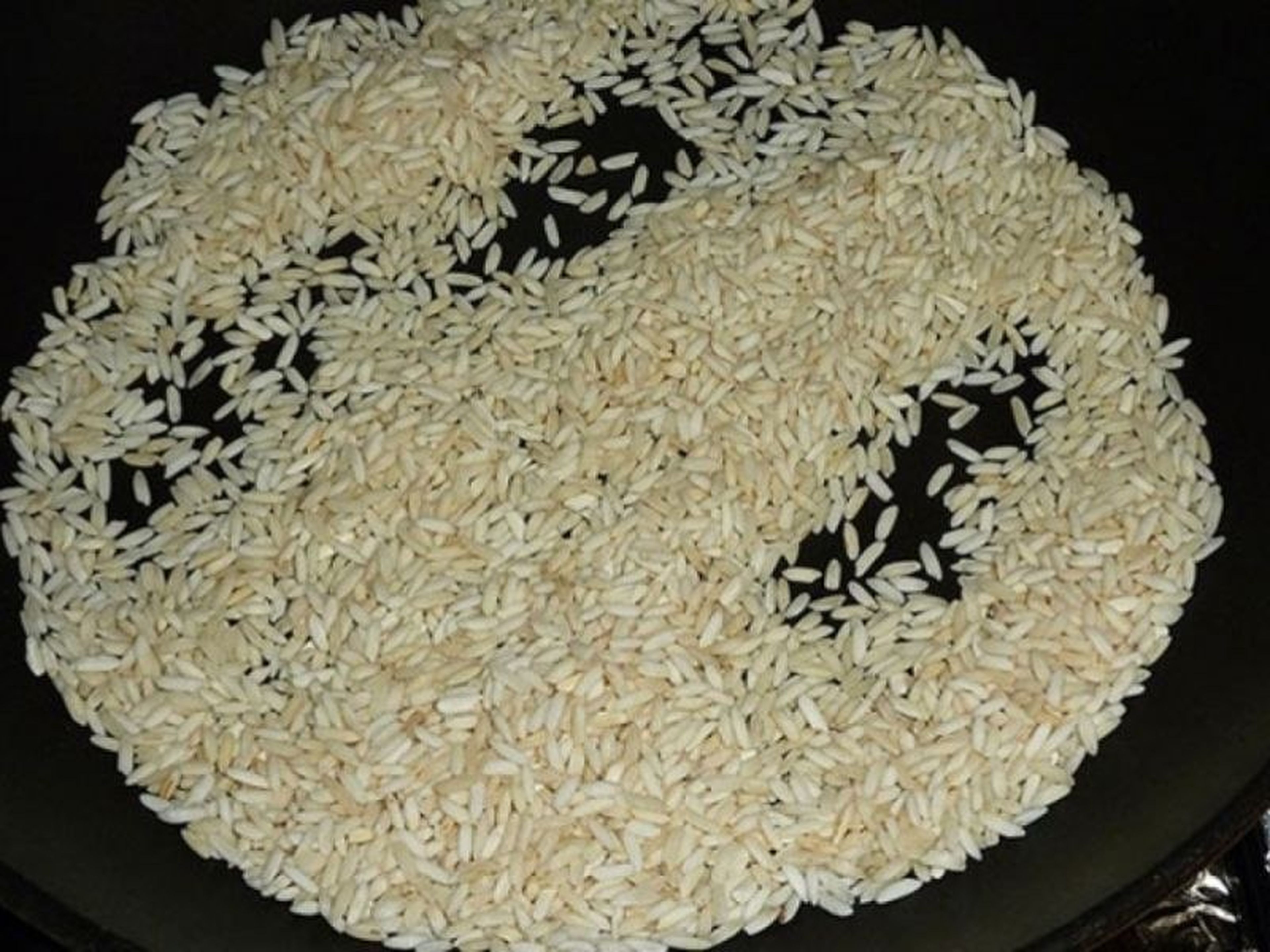
Once the rice has drained, place it in a pan and roast over low heat. Stir continuously so the grains heat and firm up evenly. When the rice turns opaque white and begins to smell fragrant, turn off the heat.
However, do not roast the rice until it turns dark golden, as the porridge may develop a burnt smell and an unappealing color. In general, roasting helps the rice grains expand evenly and makes the porridge more fragrant while preserving its texture. If you prefer completely smooth porridge, you can skip this step and cook the soaked rice directly.
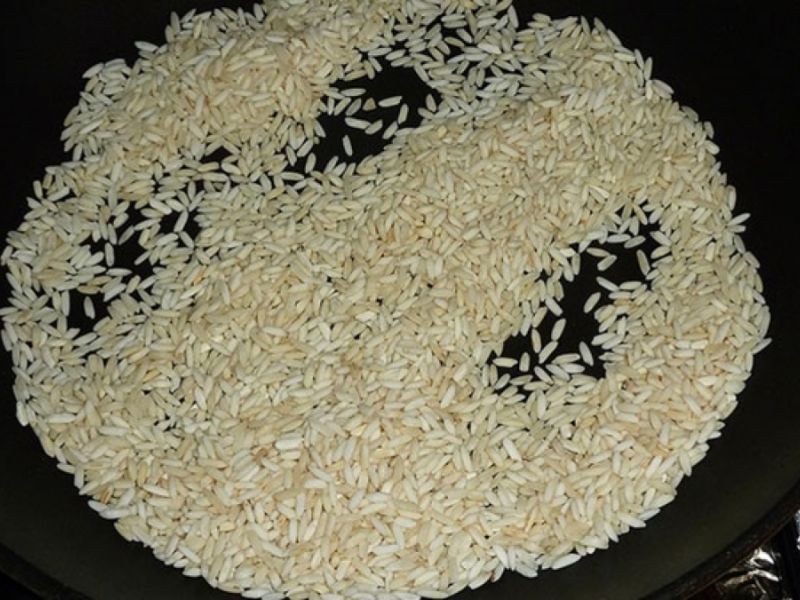
Lightly roasting the rice before cooking makes the porridge more fragrant and moderately thick. Illustrative photo: FPT Shop
3.3 Step 3 - Cook the Porridge
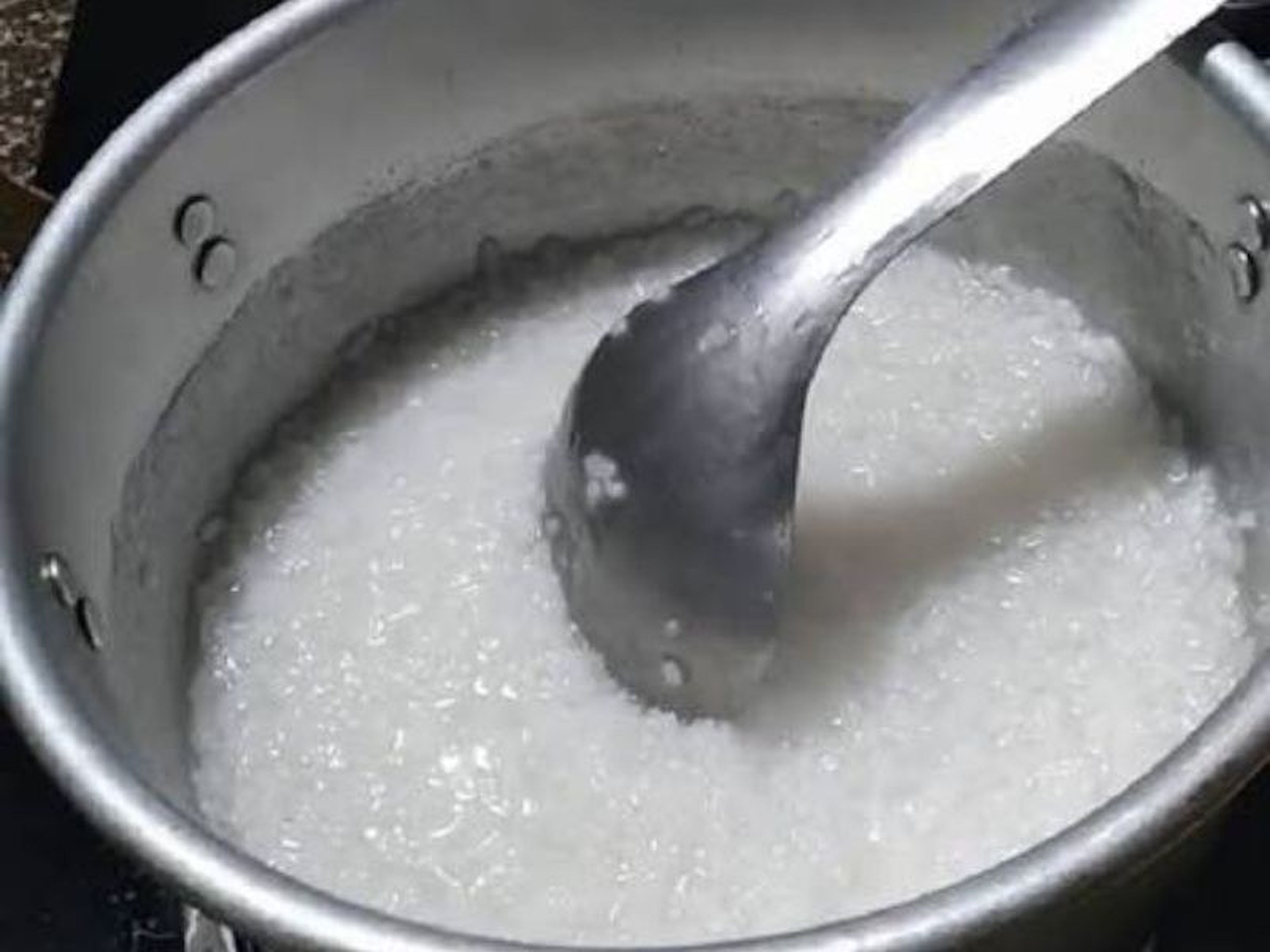
Next, place the roasted rice in a pot with about 1.5-2 liters of water. Bring to a boil over high heat, then reduce the heat. Simmer the porridge for about 45-60 minutes, until the rice grains burst and soften and the porridge reaches moderate thickness. While cooking, stir gently a few times so the porridge does not stick to the bottom of the pot.
When the porridge is thoroughly cooked, season with a little salt or fish sauce. However, do not add the meat and ngán liquid too early, as prolonged cooking will cause the ngán meat to shrink, lose its tenderness and become tough.
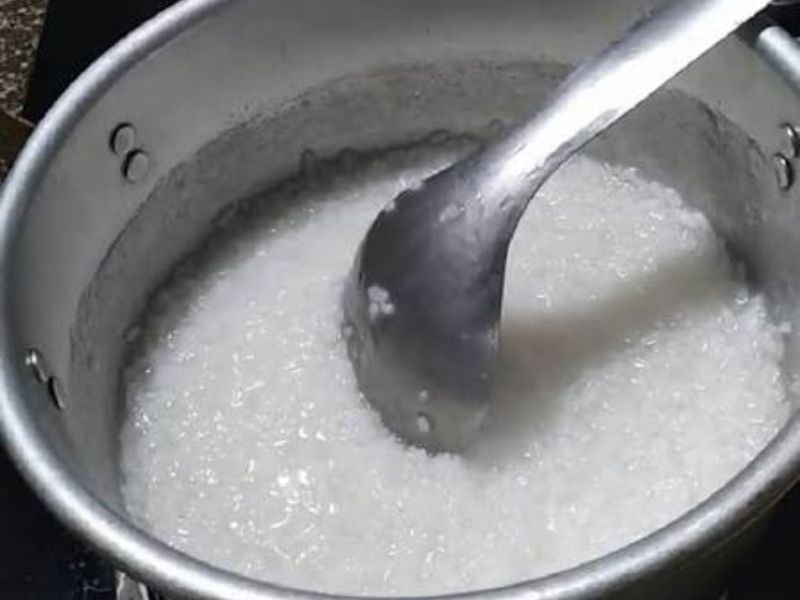
The rice is simmered until soft and burst open, creating smooth, richly flavored porridge. Illustrative photo: Điện máy XANH
3.4 Step 4 - Stir-Fry the Ngán Meat
When the porridge is nearly done, add 1-2 teaspoons of cooking oil to a pan, sauté the shallots until fragrant, then add the ngán meat and stir-fry quickly over high heat. Finely sliced meat needs only about 1-2 minutes, while thicker pieces require about 2-3 minutes.
When the meat turns opaque, firms up slightly and becomes fragrant, add a little fish sauce and turn off the heat. Do not stir-fry for too long, as ngán meat can easily shrink and become tough.
3.5 Step 5 - Add the Ngán to the Porridge
When the rice grains have burst and softened, add the strained ngán liquid to the pot and bring it to a gentle boil for about 1-2 minutes. Then add the stir-fried ngán meat, stir gently and cook for another 30 seconds to 1 minute so the flavors combine.
Instead of adding everything directly to the pot, you can also place the ngán meat and herbs at the bottom of a bowl, then ladle the hot porridge over them to preserve more of the meat’s tenderness.
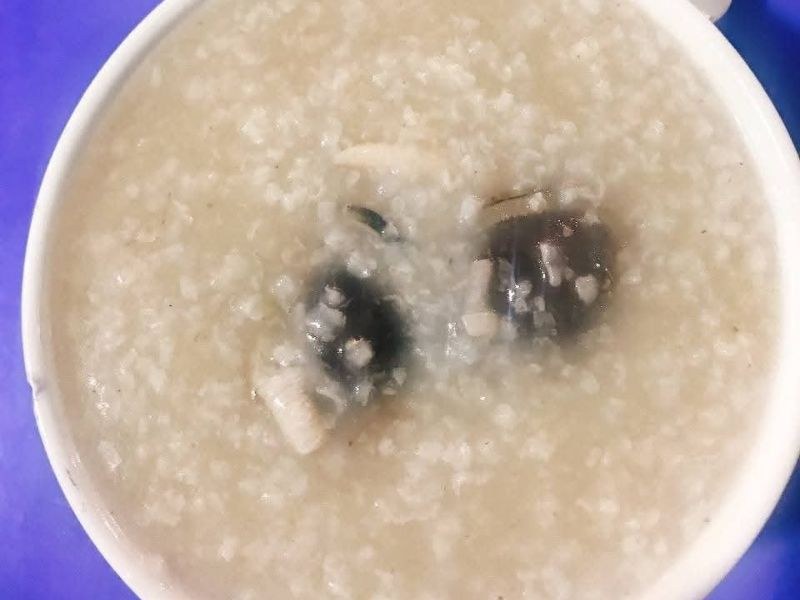
Adding the meat and ngán liquid at the right time gives the porridge a more rounded flavor. Illustrative photo: CHÁO CHÃ HẠ LONG
3.6 Step 6 - Season and Finish
Finally, add about 1-2 teaspoons of fish sauce and taste before adding salt or seasoning powder. Since the ngán liquid and meat already have a rich sweetness, add the seasonings a little at a time.
When the porridge reaches a gentle boil, add scallions, Vietnamese coriander or perilla, then turn off the heat. Ladle the porridge into bowls, sprinkle with about 1/4 teaspoon of pepper and serve immediately while hot.
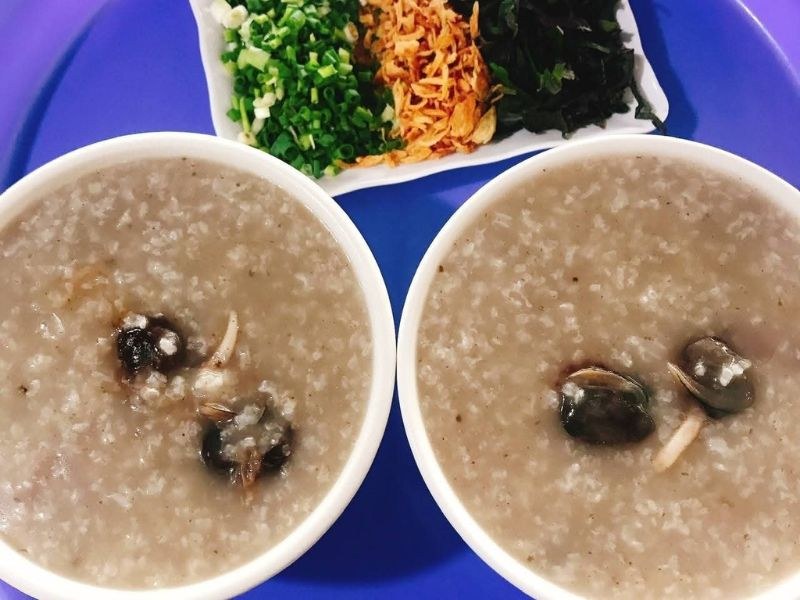
The finished bowl of porridge with herbs and ground pepper is ready to enjoy while hot. Illustrative photo: Hải Sản Bảo An
4 What Goes Well with Ngán Porridge?
Ngán porridge has a rich sweetness and mild richness, so it is often served with herbs, spicy seasonings or crispy foods to balance the flavor. You can pair it with:
- Hot fried dough sticks: Add a crispy texture and are suitable for dipping directly into the porridge.
- Vietnamese coriander and scallions: Make the dish more fragrant while balancing the richness of the ngán meat.
- Ground pepper or fresh chili: Add warming spiciness and reduce the fishy sensation.
- Fried shallots: Add fragrance and a light crunch to the porridge.
- Chili fish sauce: Serve separately for dipping the ngán meat or adjusting the intensity to taste.
- Perilla and cilantro: Suitable for those who want the porridge to have a more pronounced aroma and be easier to eat.
When eating, add only small amounts of herbs and seasonings at a time so they do not overpower the ngán’s natural sweetness.
Simply choose fresh ingredients, clean them thoroughly and control the cooking time, and you can prepare a steaming bowl of porridge at home without a fishy smell or tough meat. If you have the opportunity to pack your bags for Quang Ninh, do not forget to enjoy ngán porridge locally to fully experience the flavor of this coastal specialty.