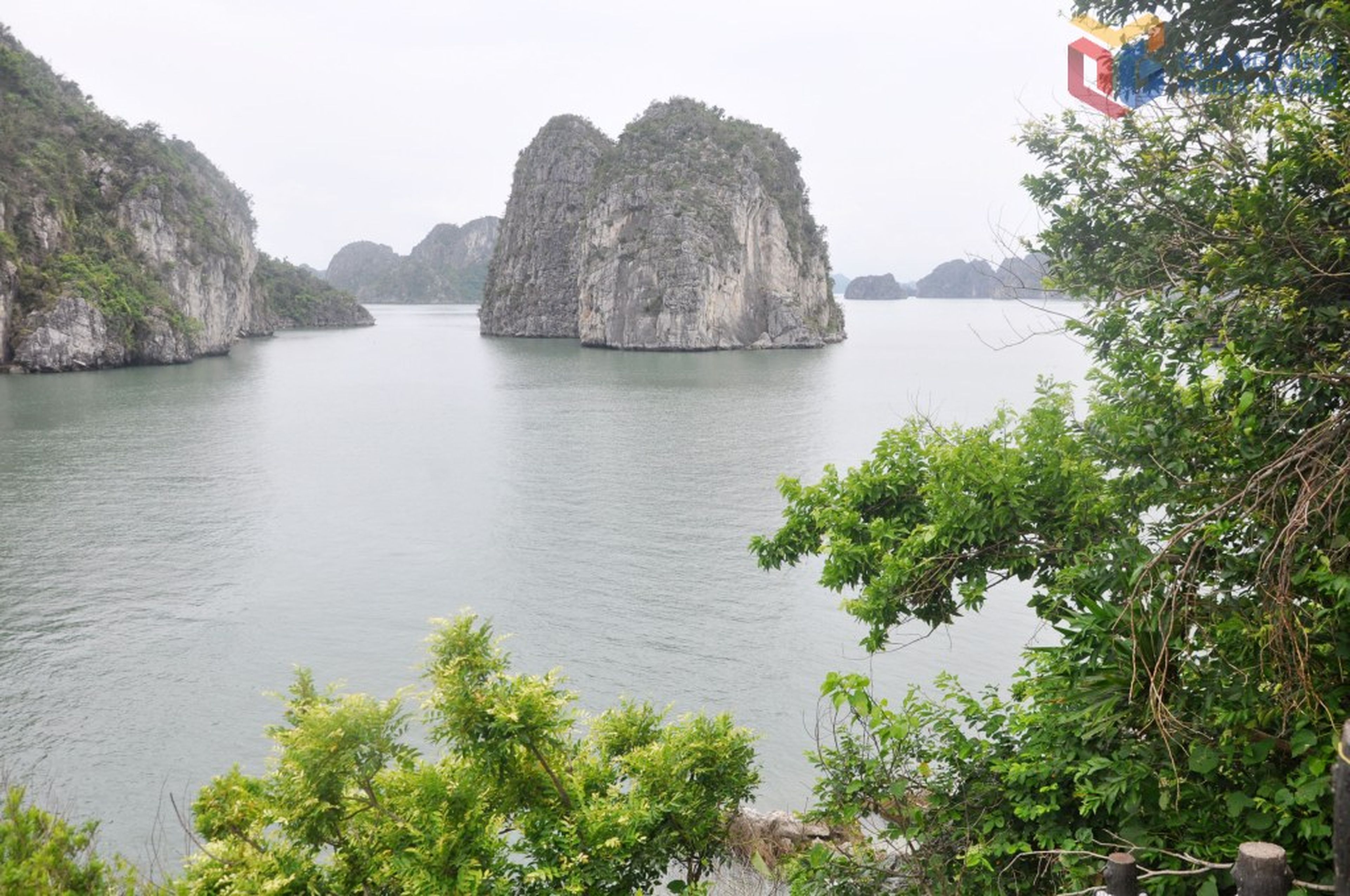
The Ha Long Bay 3 - Lan Ha Bay itinerary features many beautiful scenic spots, rich in natural and cultural values, such as: Cua Van Floating Cultural Center, Tien Ong Cave, Ba Ham Lake, Ba Men Temple, Ang Du, Rung Truc (Ha Long Bay), Tra Bau, Sang Cave, Toi Cave, Ba Trai Dao, Quai To, Viet Hai inlet, Turtle Islet, and Cai Beo - Ben Beo fishing village (Lan Ha Bay).
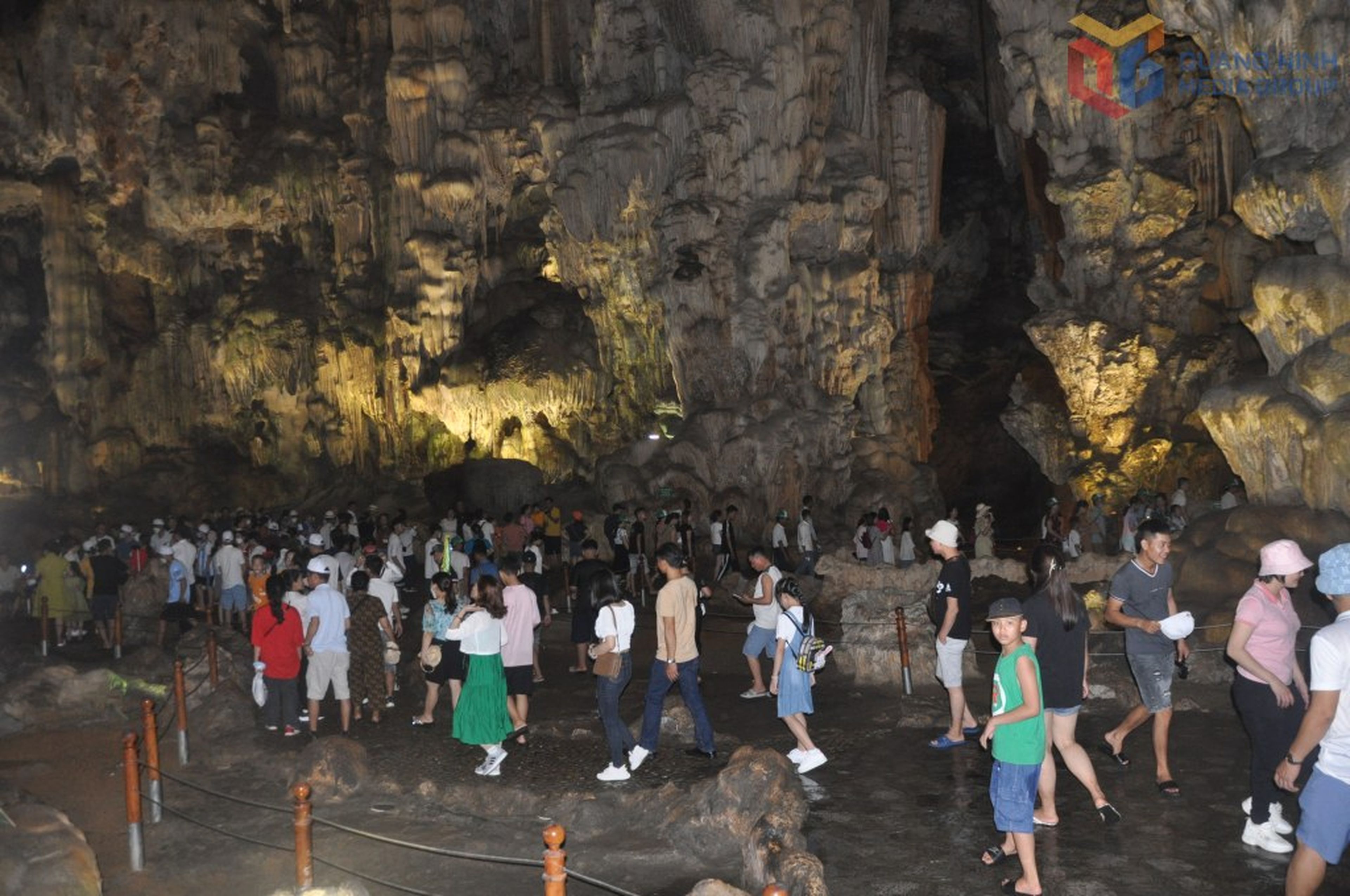
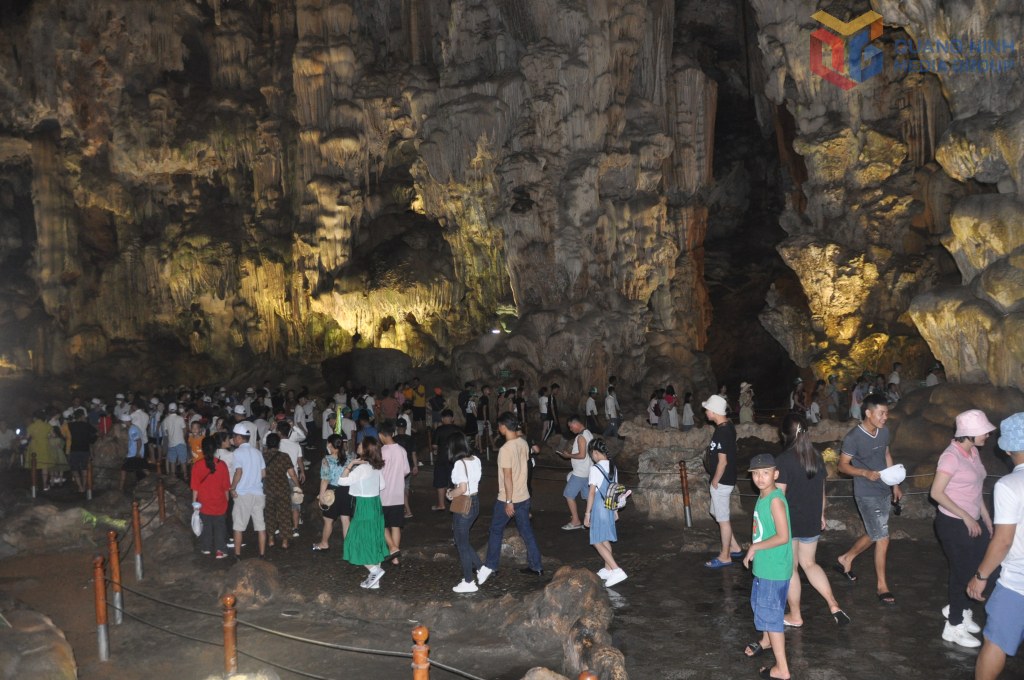
Among them, Tien Ong Cave not only stands out with beautiful stalagmites and stalactites, especially a stalagmite formation shaped like a benevolent, fairy-like old man, but also preserves exceptional historical values. Through artifacts excavated in the cave, historians have determined that Tien Ong Cave was one of the settlements and dwelling places of ancient Vietnamese people during the Early Neolithic period, part of the Soi Nhu culture dating back about 10,000-8,000 years ago. Visiting here, tourists can encounter traces of prehistoric life inside the cave such as stream snail and mountain snail shells, or crude stone and bone tools.
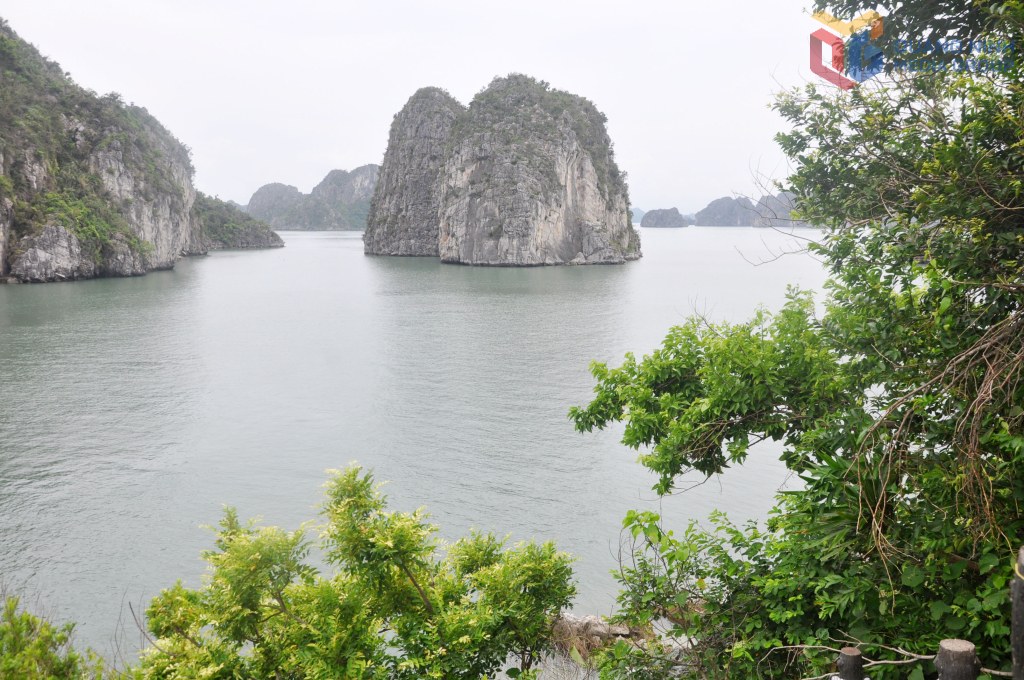
Or Ba Ham Lake, which consists of 3 enclosed marine lakes connected to each other through submerged caves inside the karst mountains. Rowing a small boat through the cave tunnels to visit each lake, visitors can feel the quiet, peaceful, and poetic ambiance on the lake surface and the lush green vegetation covering the limestone slopes. Somewhere in the distance, bird songs echo, or the fleeting silhouettes of a few golden monkeys playing in the branches can be seen. Bordering Lan Ha Bay is the Ba Men Temple area - a temple held sacred by local fishermen. Tourists visiting during the annual temple festival held on the 19th and 20th of the first lunar month will witness a vibrant maritime festival atmosphere, with many fishermen from Ha Long and Cat Ba gathering to participate in the festival and pray for a smooth, peaceful year of seafaring.
This is a journey of discovery with destinations rich in cultural, ecological, and spiritual values, offering a peaceful and profound experience amidst the heritage space of Ha Long Bay. As for the destinations on this itinerary in the Lan Ha Bay area, visitors will also have many memorable experiences. The Turtle Islet area - a special symbol of the Cat Ba archipelago, impresses visitors with its fresh, pristine, and magnificent natural landscape. When paddling through Sang Cave and Toi Cave, a 70-meter-long passage through the mountain, visitors will feel as if they are lost in paradise as they gaze upon the vast lagoon surrounded by majestic, towering limestone ranges. And in the Ba Trai Dao area - a cluster of small islands in Lan Ha Bay boasting picturesque natural scenery and romantic love legends, visitors can swim to their heart's content at the three crescent-shaped sandy beaches embracing the peach-shaped mountains here…
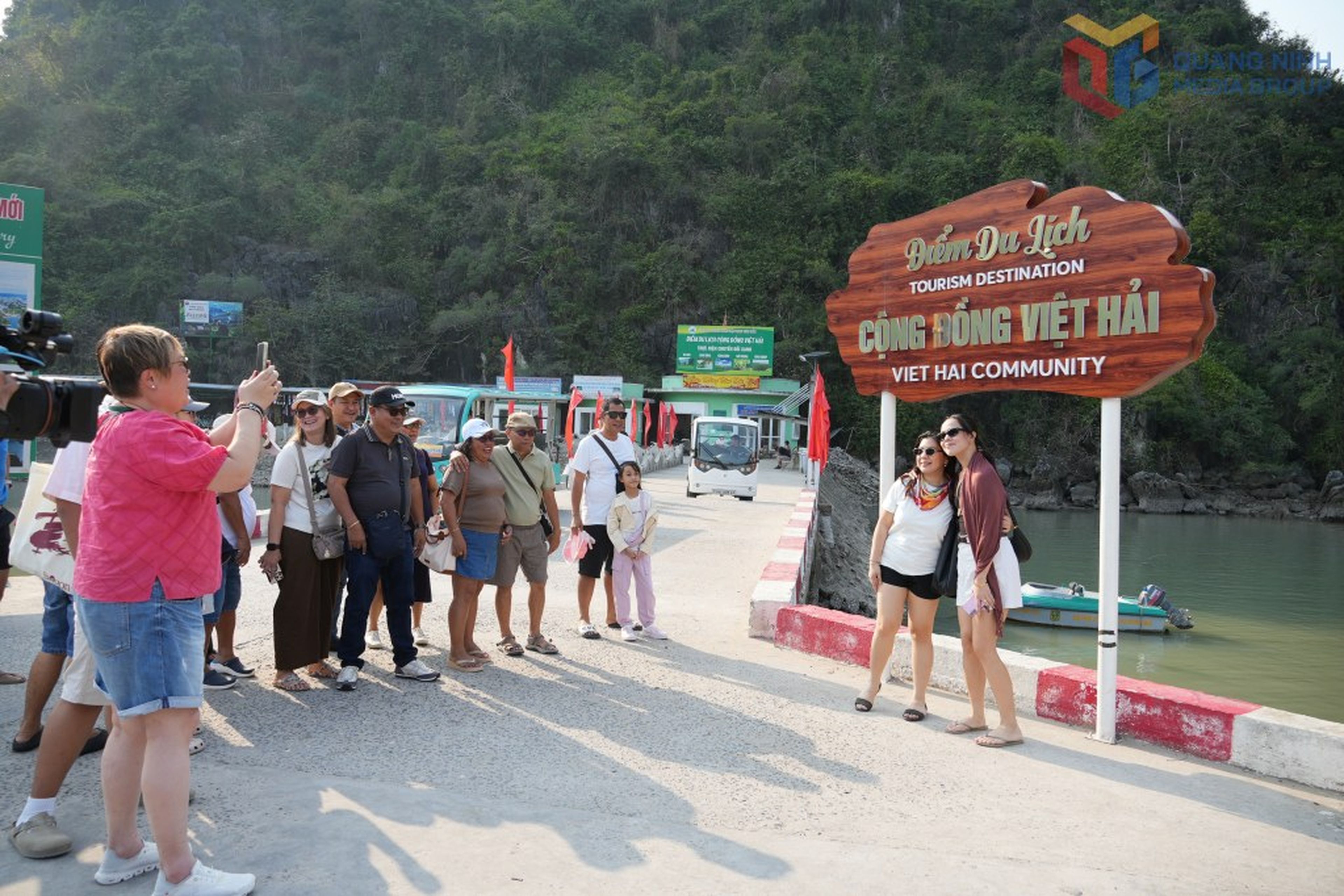
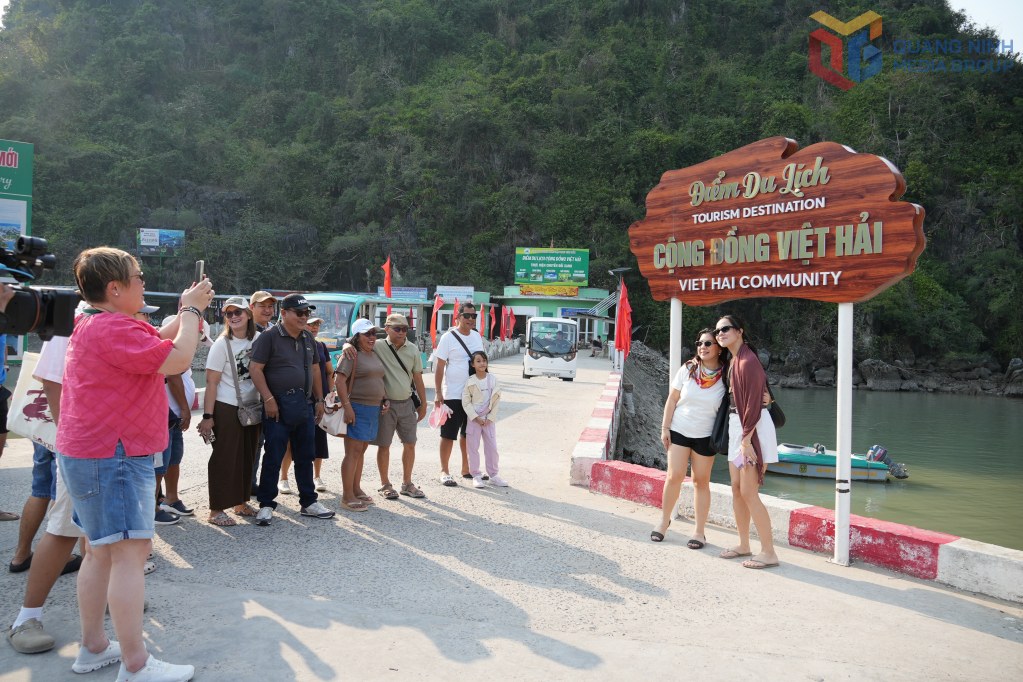
In particular, along this sightseeing route, there are three fishing villages with many unique features for visitors to experience. In Tra Bau fishing village, visitors can experience catching seafood, cook their own catch, and enjoy a seafood feast in a floating raft house. To reach Viet Hai fishing village, visitors take an electric car from Viet Hai pier across a 5-km road through Cat Ba National Park and admire the diverse natural ecosystem here. In the village center, visitors can explore the unique local culture, sightsee, and experience other activities such as fish massage…
Meanwhile, at Cai Beo fishing village, known as the oldest sea village in Vietnam and also the most famous tourist destination in the Cat Ba archipelago, visitors can go sightseeing on bamboo sampans or kayak around the fishing village to discover the natural landscape as well as the aquaculture and fishing activities of local fishermen…
Findings indicate that the destinations across the four itineraries connecting Ha Long Bay - Lan Ha Bay within Lan Ha Bay are quite similar, with each route typically adding or removing a few spots. In contrast, the destinations within Ha Long Bay differ on each route, expanding from nearshore areas to offshore spots and extending to the area bordering Lan Ha Bay.
Specifically, on the Ha Long Bay 6 - Lan Ha Bay Itinerary, destinations on Ha Long Bay such as Chan Voi (Elephant Foot) Islet, Ba Cua Cove, Tung Lam Island, and Cap Bai Islet mainly lie along the cruise's transit route, allowing visitors to relax and experience the magnificent, distinctive natural beauty. These are the mountain peaks connected across a vast space, creating the shape of giant elephant legs stretching out toward the sea in the Chan Voi Islet area. It is the lush mangrove forest in the Ba Cua Cove area, or the picturesque beauty of Tung Lam Island, where Ha Long palms—an endemic plant species of the Ha Long Bay - Cat Ba Archipelago—flourish. It is also Cap Bai Islet, featuring two tall limestone peaks that stand opposite and mirror each other. This island also serves as a landmark marking the boundary between Ha Long Bay and Lan Ha Bay.
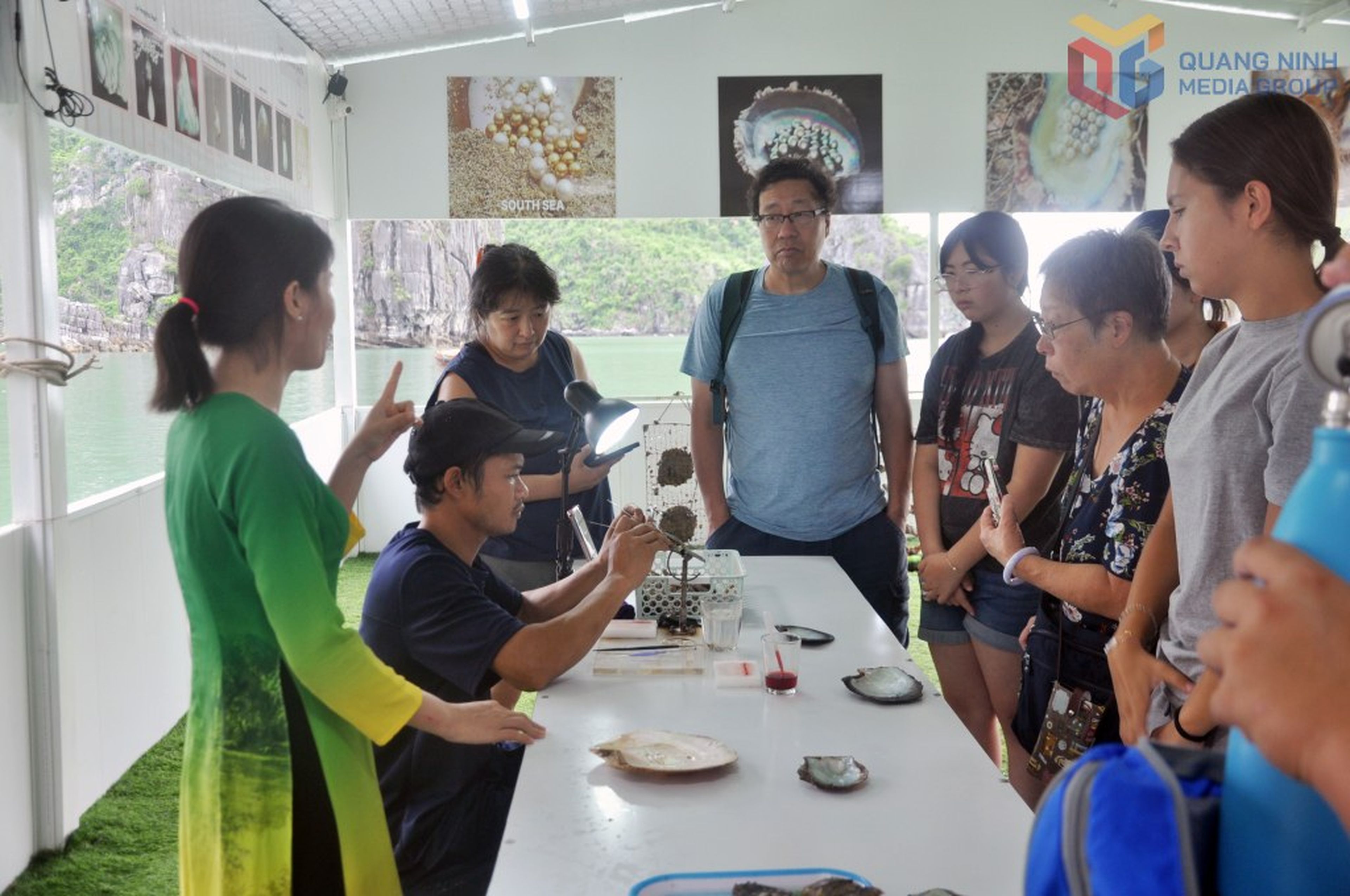
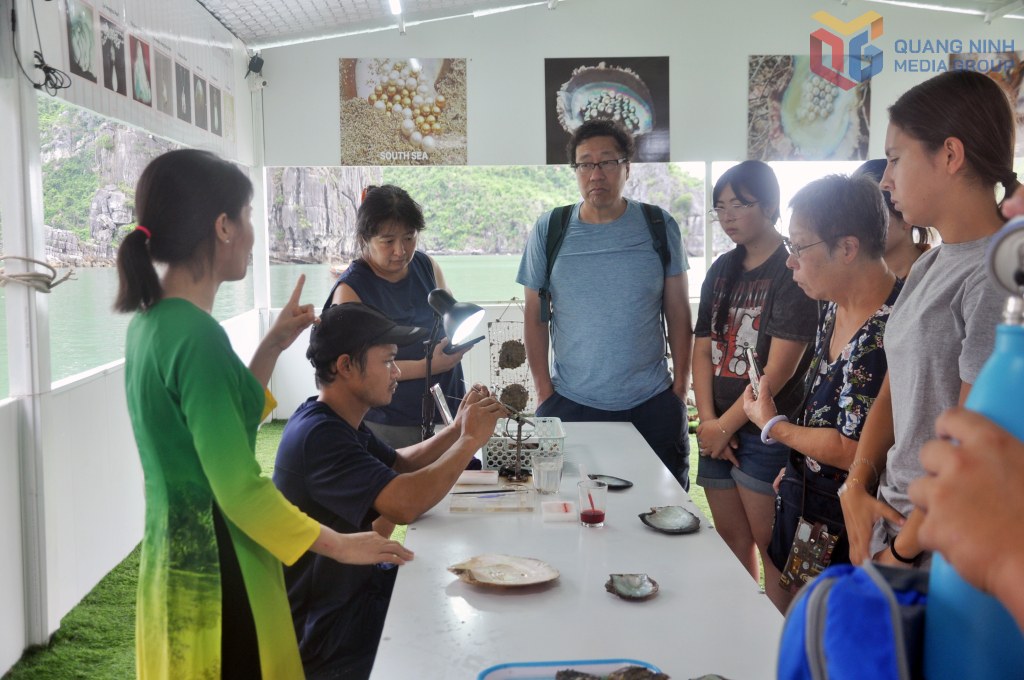
In contrast, on the Ha Long Bay 4 - Lan Ha Bay Itinerary, destinations in Ha Long Bay such as Co Cave (Thien Canh Son), Thay Cave, Cap La Cave, Vong Vieng, and the Tung Ang ecological area - Hon Xep Park allow visitors not only to enjoy sightseeing from the boat but also to directly explore and experience beautiful caves, picturesque fishing villages, and the daily customs of Ha Long fishermen. Tourists can also experience rowing bamboo boats, kayaking, dragon boat racing on the bay, enjoying fresh seafood, and watching pearl oyster farming and crafting on the bay... These are all destinations in the offshore area of Ha Long Bay, where lush mountains and crystal-clear waters remain pristine, fresh, and magnificent.
And on the Ha Long Bay 5 - Lan Ha Bay Itinerary, destinations in Ha Long Bay such as Thien Cung Cave - Dau Go Cave, Cho Da (Stone Dog) Islet, Ba Hang, Dinh Huong (Incense Burner) Islet, and Trong Mai (Fighting Cocks) Islet take visitors to explore typical attractions located relatively close to shore. These include the splendid Thien Cung Cave resembling a "heavenly palace", the ancient Dau Go Cave, the peaceful Ba Hang, along with the heritage site's famous, distinctive rocky islets such as Dinh Huong Islet, Cho Da Islet, and Trong Mai Islet (the symbol of Ha Long Bay).
Currently, it is only the initial phase of connecting sightseeing itineraries between the two bays of Ha Long and Lan Ha, within the scope of the Ha Long Bay - Cat Ba Archipelago World Heritage site. In the future, as cruise vessels more comprehensively exploit these interconnected sightseeing routes, tourists will certainly have even more opportunities to experience attractive destinations across this inter-provincial heritage area.