1Overview of Cua Ong Temple
Cua Ong Temple is a special national-level historical site located in Cua Ong Ward, Cam Pha City, Quang Ninh Province. It was originally a place of worship for Hung Nhuong Dai Vuong Tran Quoc Tang, the third son of Tran Hung Dao, who made great contributions to defending the northeastern region. The temple also worships many famous figures from the Tran Dynasty (Tran Quoc Tuan, Tran Anh Tong, Tran Khanh Du, Pham Ngu Lao, Yet Kieu…) and hosts the annual Cua Ong Temple Festival.
- Address: Cua Ong Ward (formerly Cam Pha City), Quang Ninh Province
- Festival: The 3rd day of the second lunar month
- Established: The Tran Dynasty
Before it became a place of worship for Hung Nhuong Vuong, the temple was called Mieu Hoang Tiet Che and worshipped Hoang Can, a local figure who made great contributions to suppressing bandits and was granted the title “Kham Sai Dong Dao Tiet Che” by successive kings.
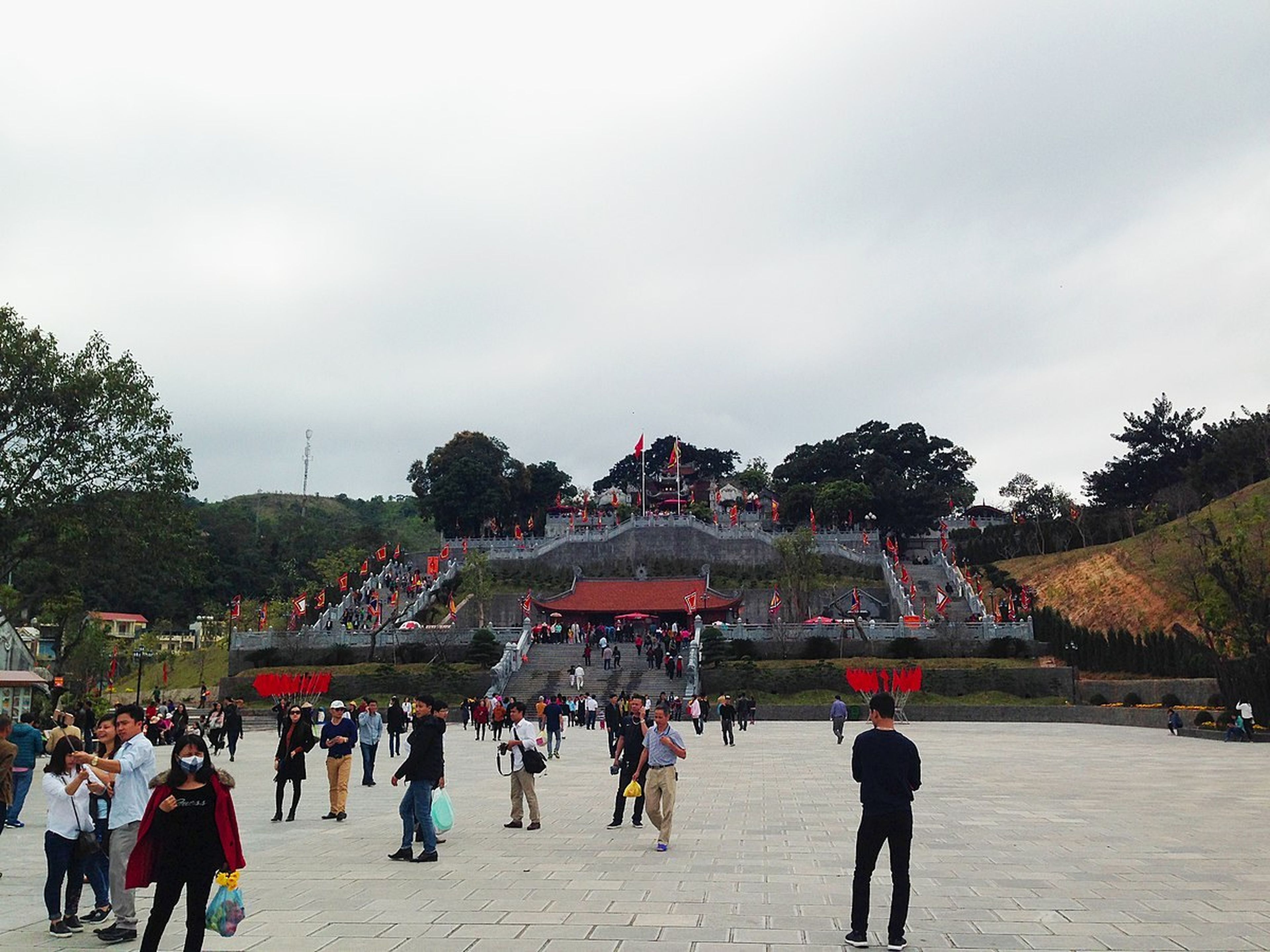
Cua Ong Temple is regarded as a symbol of resistance against foreign invaders among the people of the northeastern frontier region. Photo: Truong Giang/VOV-Northeast
See also: Tuan Chau Island - Discover the brilliant gem of Ha Long Bay
2Getting to the Temple
Cua Ong Temple is located on Hill 9A, Cua Ong Ward, Cam Pha City, Quang Ninh Province. From Ha Long City, follow National Highway 18 northeast for about 30km, then turn right and continue for approximately 300 meters to reach Cua Ong Temple. This is also one of the three most famous temples in Quang Ninh Province, where mountains, primeval forests and the sea “meet” in a prime location generously bestowed by nature.
Specifically, if traveling from Hanoi, you have the following two options:
- Coach: You can take a coach from Hanoi to Cam Pha, with fares ranging from 80,000 - 300,000 VND per journey. After arriving in Cam Pha, continue by motorbike taxi or taxi to Cua Ong Temple.
- Private car or motorbike (total distance approximately 200km): From central Hanoi, travel along Nguyen Khoai Street, cross National Highway 1A at Linh Nam, then continue onto National Highway 5B/Expressway 04. Continue along National Highway 5B/Expressway 04, then follow National Highway 10 and National Highway 18. Upon reaching Ly Thuong Kiet Street in Cam Pha City, continue straight to the temple.
3Exploring Cua Ong Temple
3.1 More Than 700 Years of History
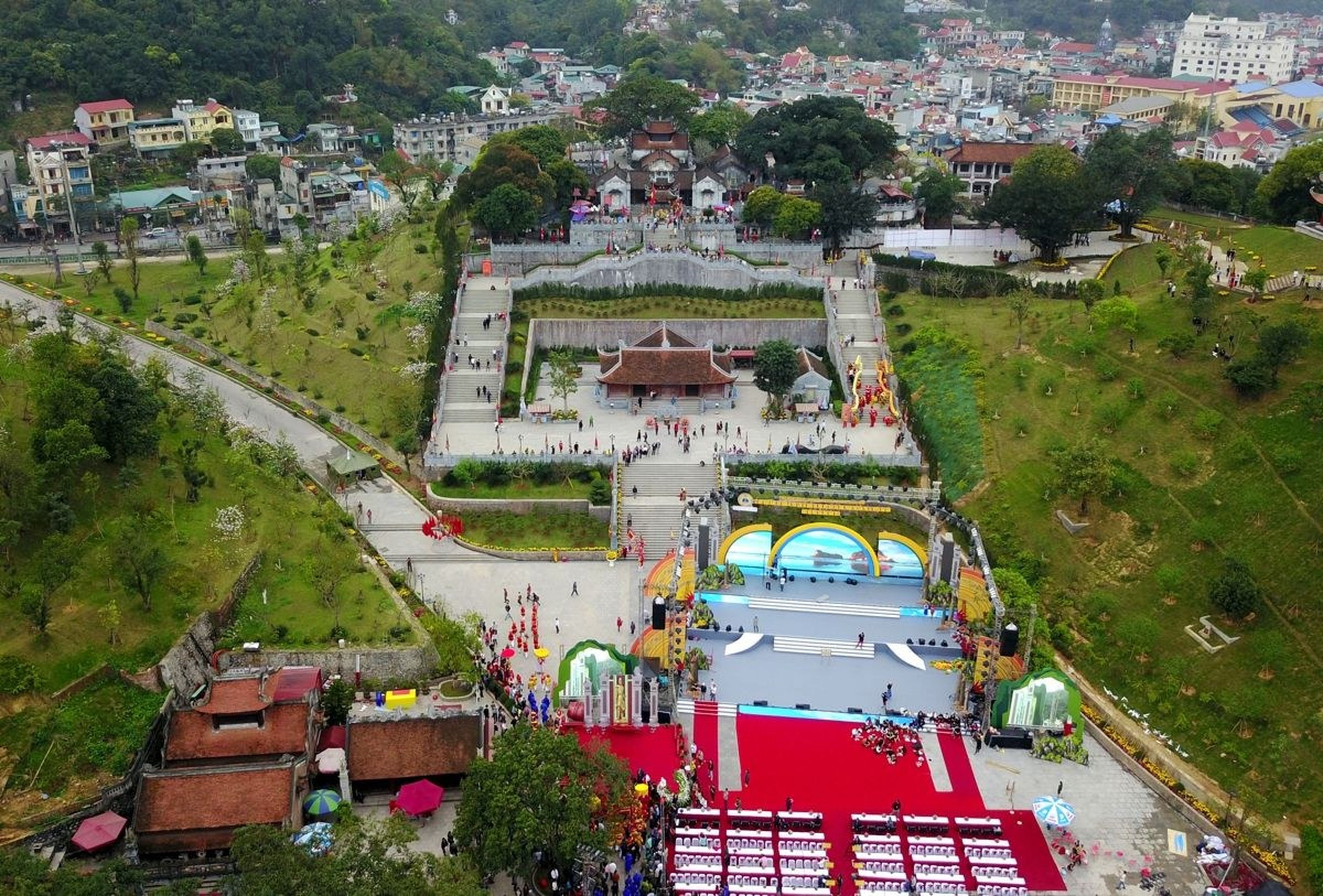
Historical records indicate that Cua Ong Temple in Quang Ninh was built and has existed for more than 700 years, undergoing several major restorations before taking on its present appearance. When first established, the temple was only a small thatched hermitage made from straw, bamboo and reeds... Around 1907 – 1916, Cua Ong Temple was restored. In 1916, the complex was expanded with Thuong Temple, Trung Temple, Ha Temple and a pagoda.
In the following years, the temple continued to be repaired and embellished. In 2014, the master plan for the complex was approved, covering up to 18,125ha. Trung Temple was later built and completed in 2017.
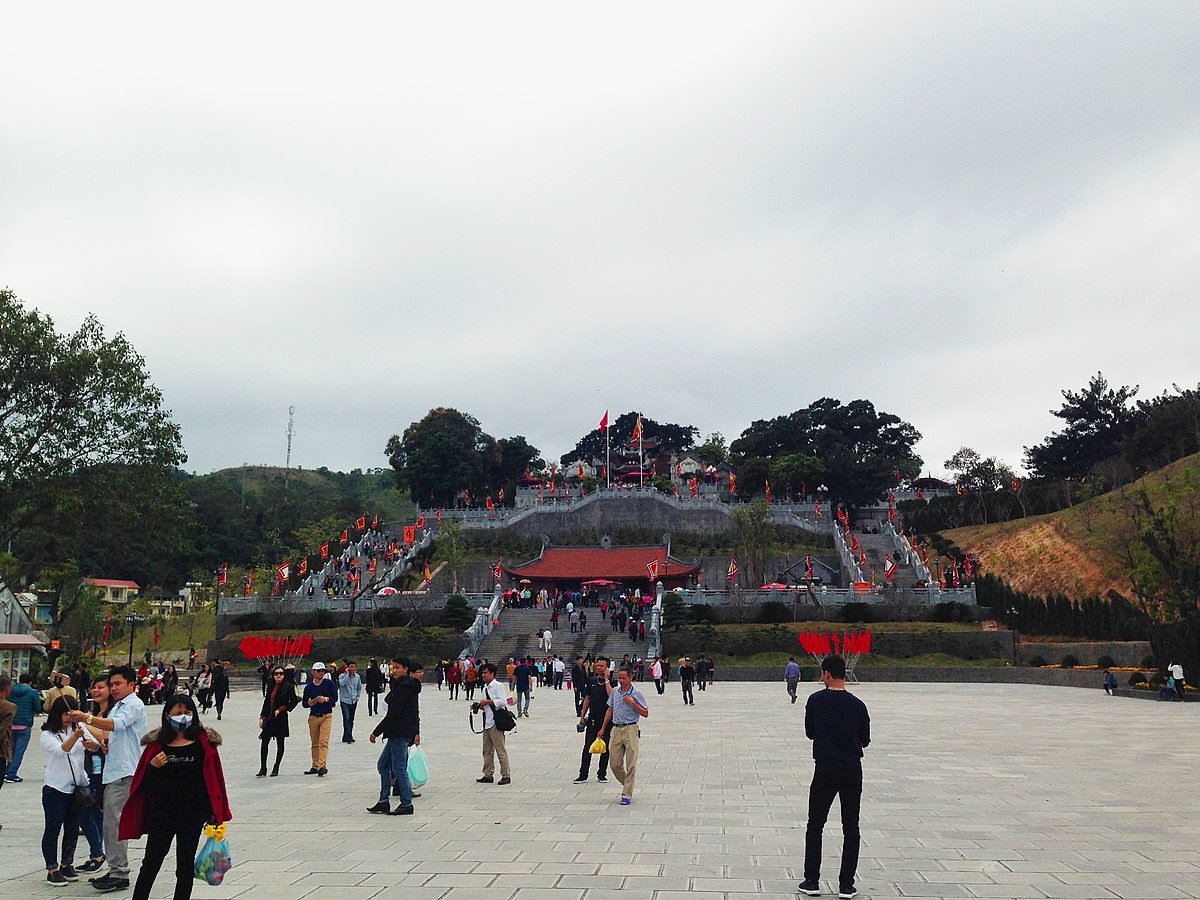
Trung Temple and Thuong Temple on the hill, viewed from the main courtyard. Photo: Hoangkid
3.2 The Structure of Cua Ong Temple Complex
Initially, the temple worshipped only Duc Ong Tran Quoc Tang, but after additional temple and pagoda areas were built, many other prominent figures were also worshipped. These include:
- Ha Temple: Includes Mau Temple and Trung Thien Long Mau Temple.
- Trung Temple: Worships Kham Sai Dong Dao Tiet Che Hoang Can, as well as the Mountain and Water Deities.
- Thuong Temple: Includes Thuong Temple, Quan Chanh Temple, Quan Chau Temple, a pagoda and the tomb of Tran Quoc Tang.
- Cap Tien Temple: Worships a young lady—the daughter of Tran Quoc Tang, also known as “Co Be Cua Suot”—Quan Chanh, human deities, Buddha, the Jade Emperor, Nam Tao, Bac Dau and Tien Thien Thanh Mau.
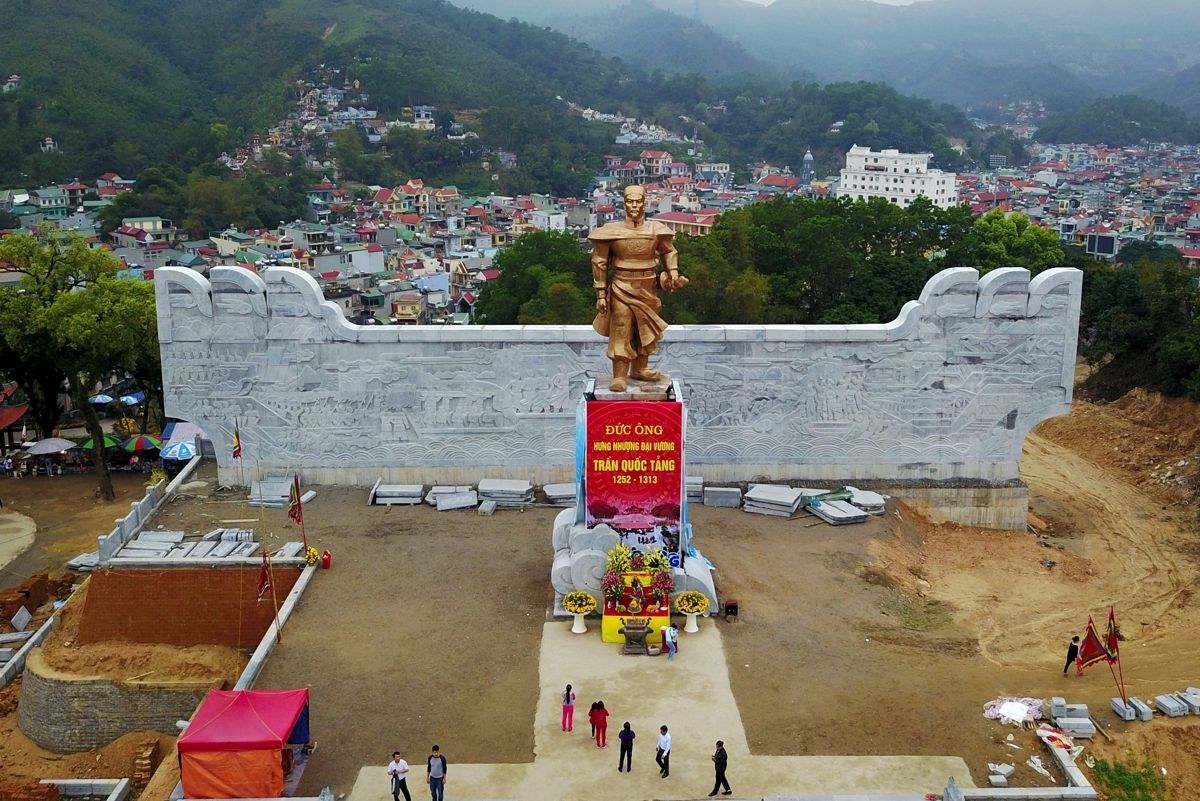
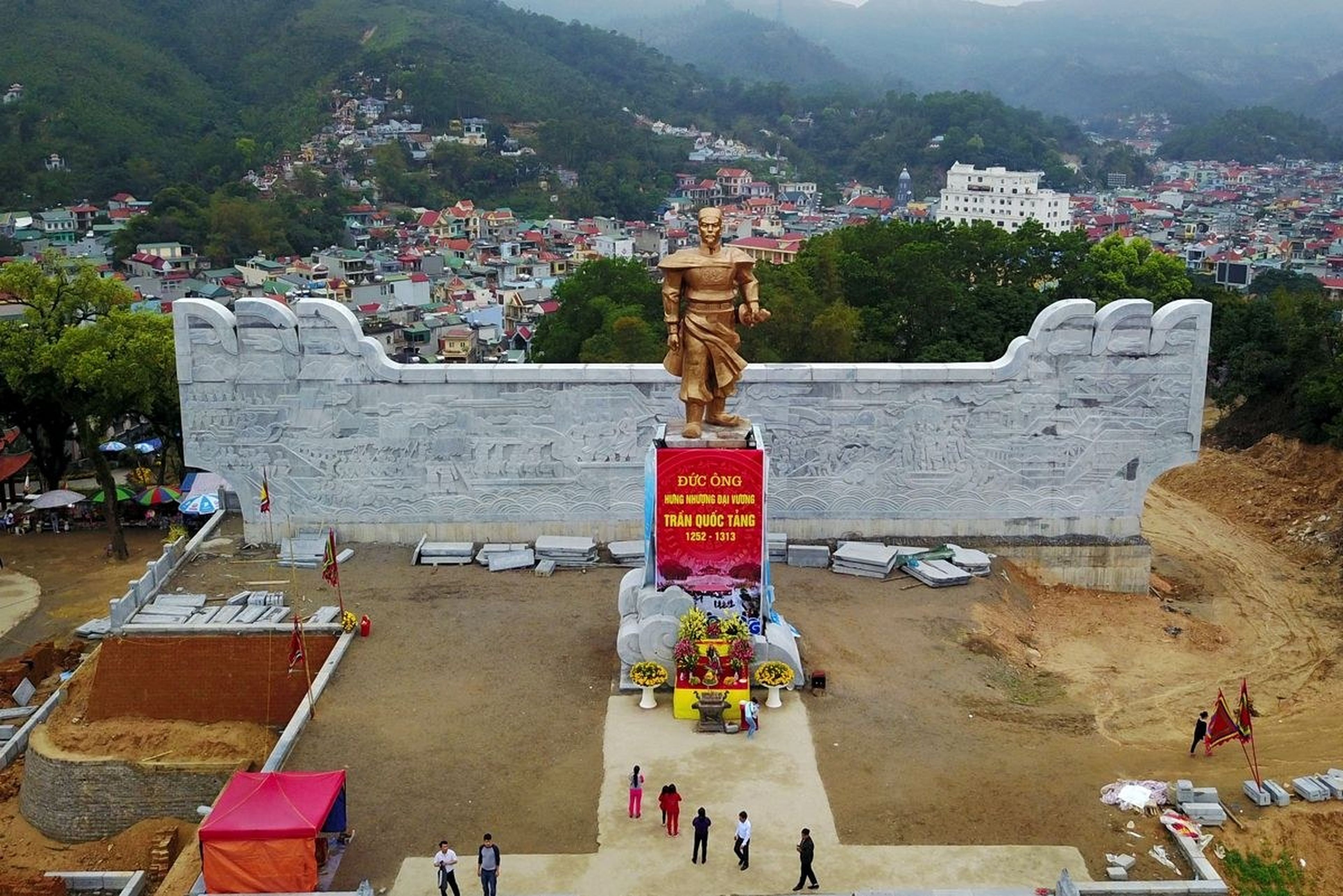
The temple worships Hung Nhuong Dai Vuong Tran Quoc Tang. Photo: Truong Giang/VOV-Northeast
4Distinctive Features of Cua Ong Temple
4.1 A Sacred 700-Year History
Cua Ong Temple in Quang Ninh is widely known and trusted by local residents, who frequently come here to worship. It is dedicated to Hung Nhuong Dai Vuong Tran Quoc Tang, who helped defeat the Mongol invasions in the 13th century. Although many centuries have passed, the temple’s sacred and heroic legends continue to be handed down to later generations.
4.2 The Temple with the Most Beautiful Architecture in Quang Ninh
Cua Ong Temple is often known as the temple with the most beautiful architecture in Quang Ninh. It is both unique and mysterious, while bringing together the four feng shui symbols: the Azure Dragon on the left, the White Tiger on the right, the Vermilion Bird in front and the Black Tortoise behind. The temple was built from materials such as cast stone, Bat Trang bricks, baked clay-tiled roofs and mortar mixed with honey... Its architecture is mainly decorated with stories about the four sacred animals: Dragon, Qilin, Tortoise and Phoenix... Inside Cua Ong Temple, strong and durable woods such as ironwood, trắc and gụ are used. The house frames are decorated with reliefs, parallel sentences and magnificent vermilion-and-gold patterns.
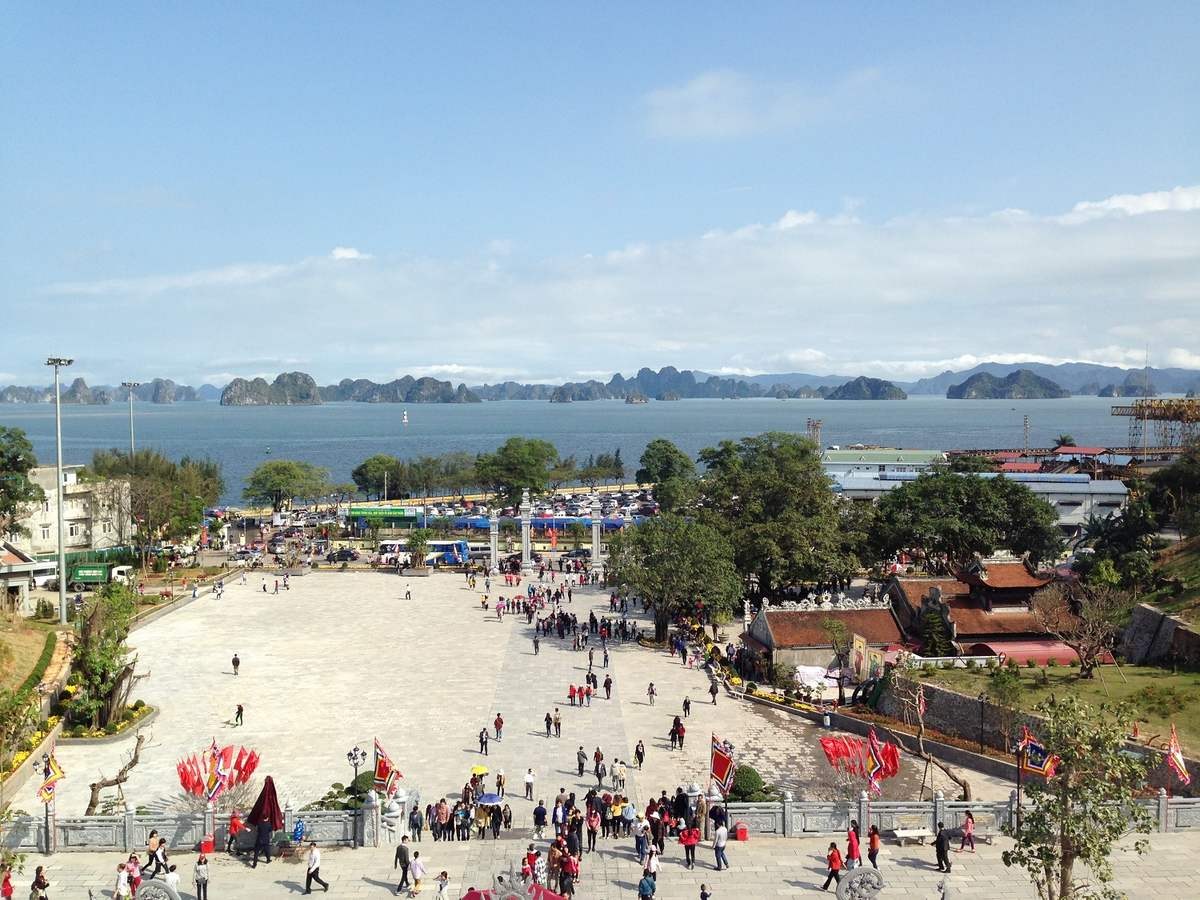
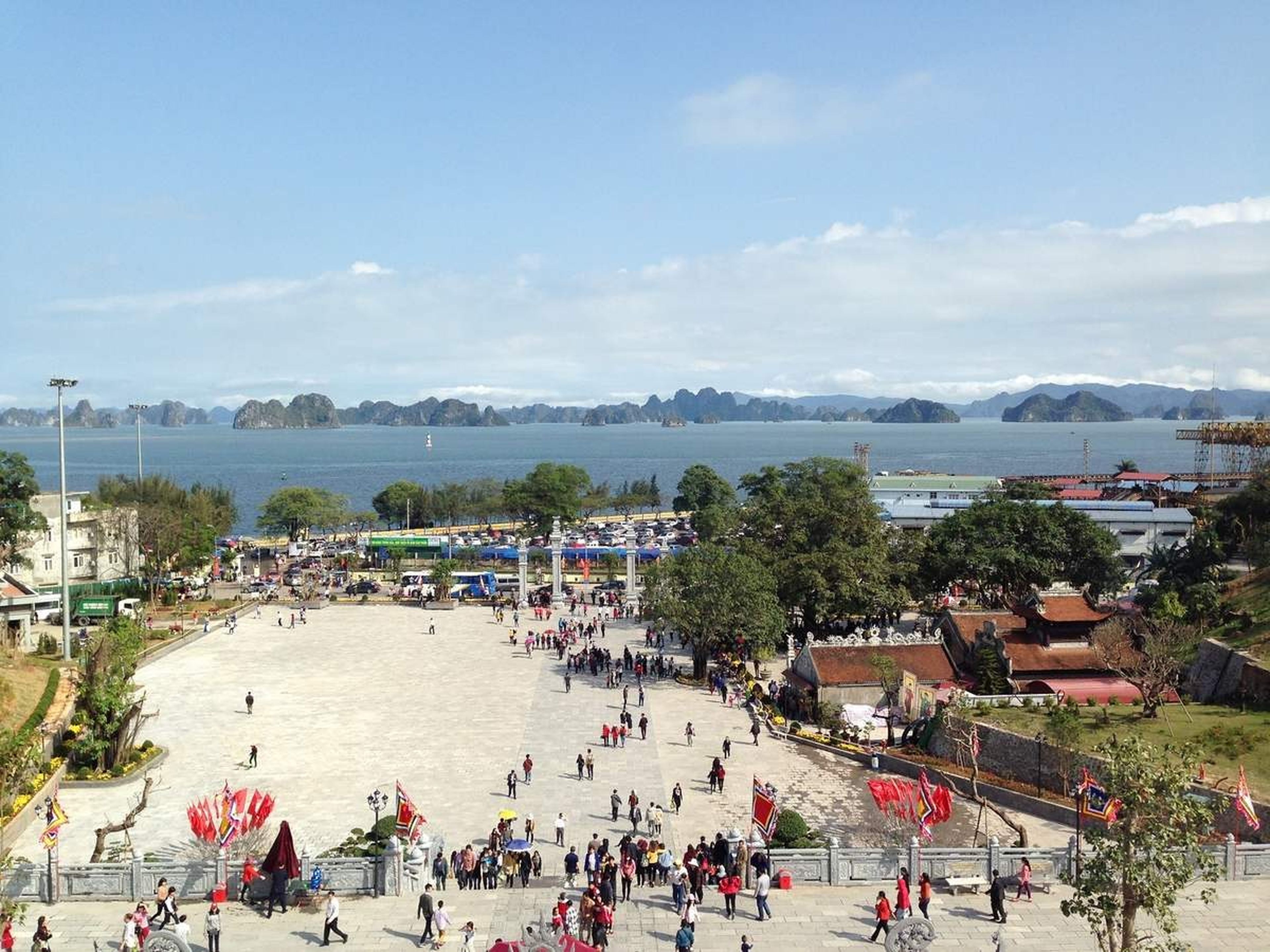
The view of Bai Tu Long Bay from Thuong Temple. Photo: Hoangkid
4.3 A Cultural and Spiritual Destination for Local People
With a history spanning hundreds of years, Cua Ong Temple preserves many cultural and historical values, making significant contributions to conserving and promoting national cultural identity, strengthening community bonds and developing spiritual culture. For a long time, it has been a place for community cultural activities and the spiritual life of local people. Alongside Yen Tu Pagoda, Trinh Pagoda and Ho Thien Pagoda in Dong Trieu, Cua Ong Temple is also an attractive sightseeing destination for visitors to Quang Ninh.
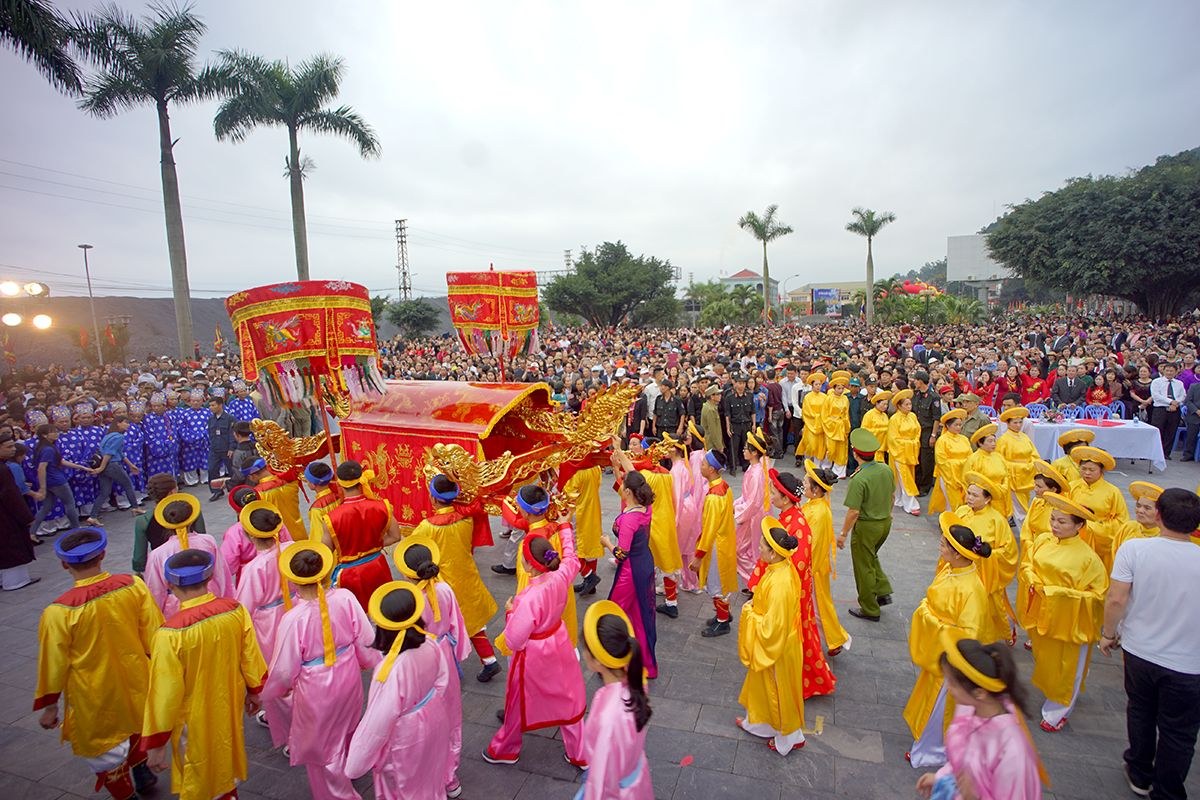
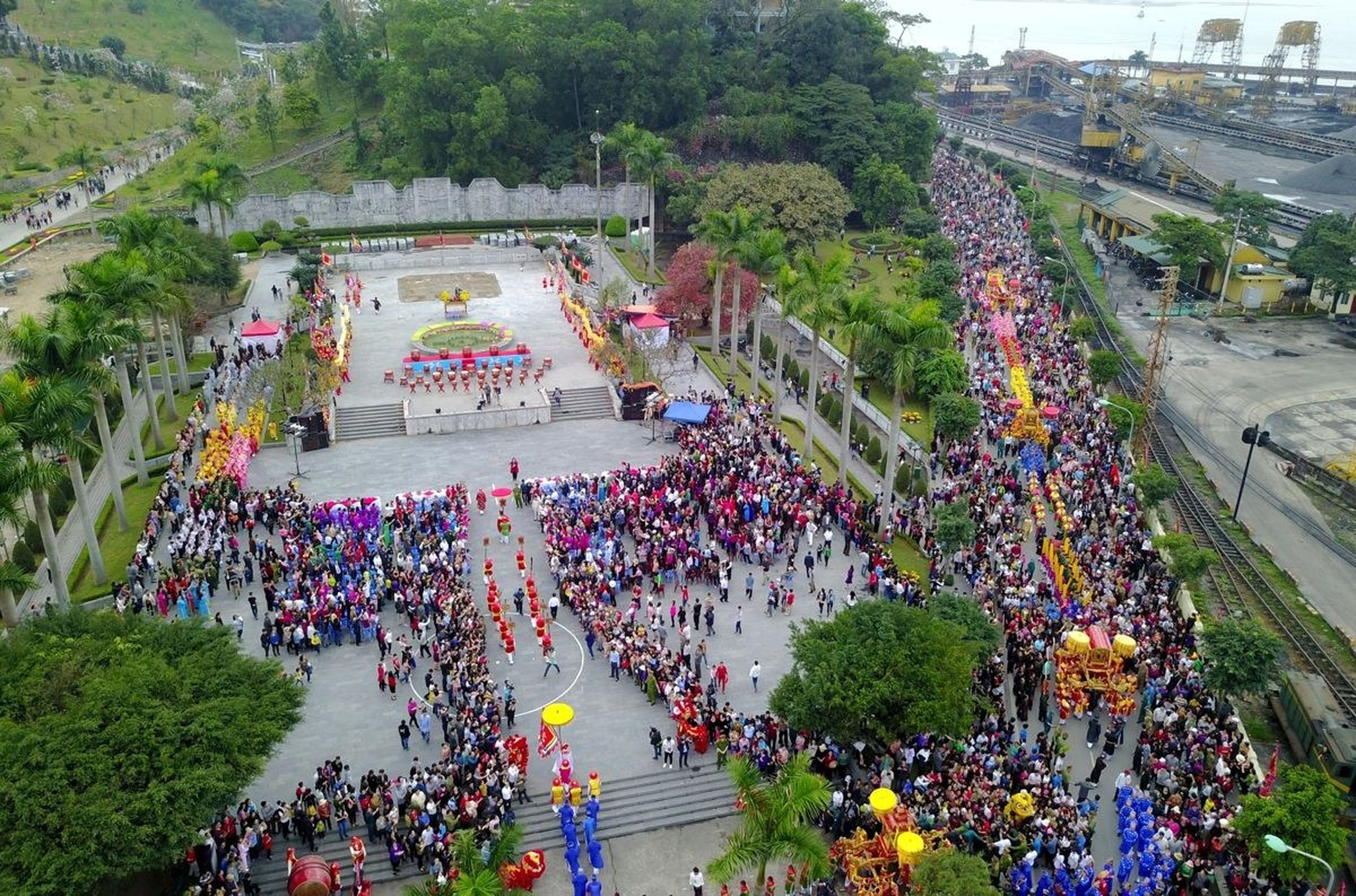
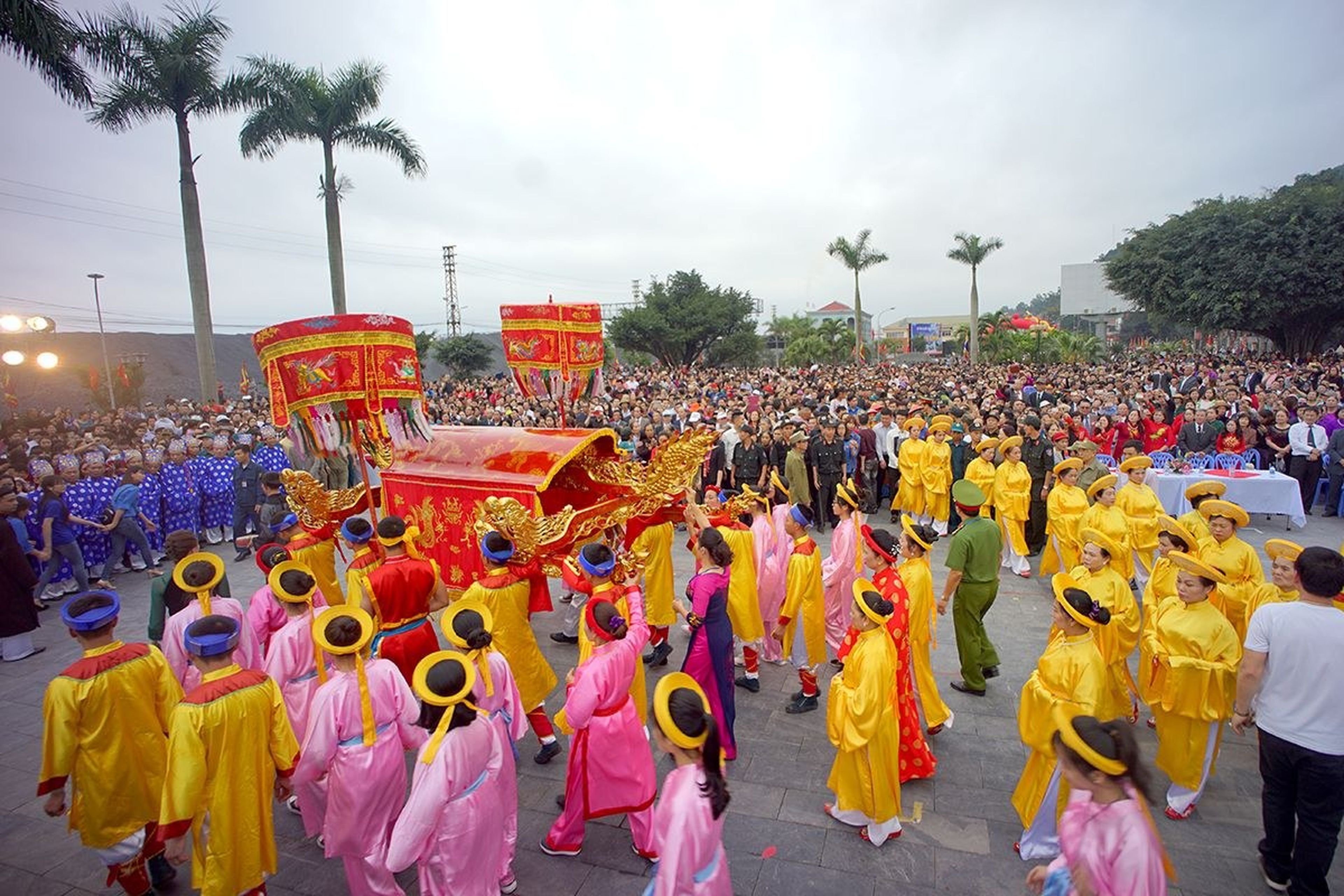
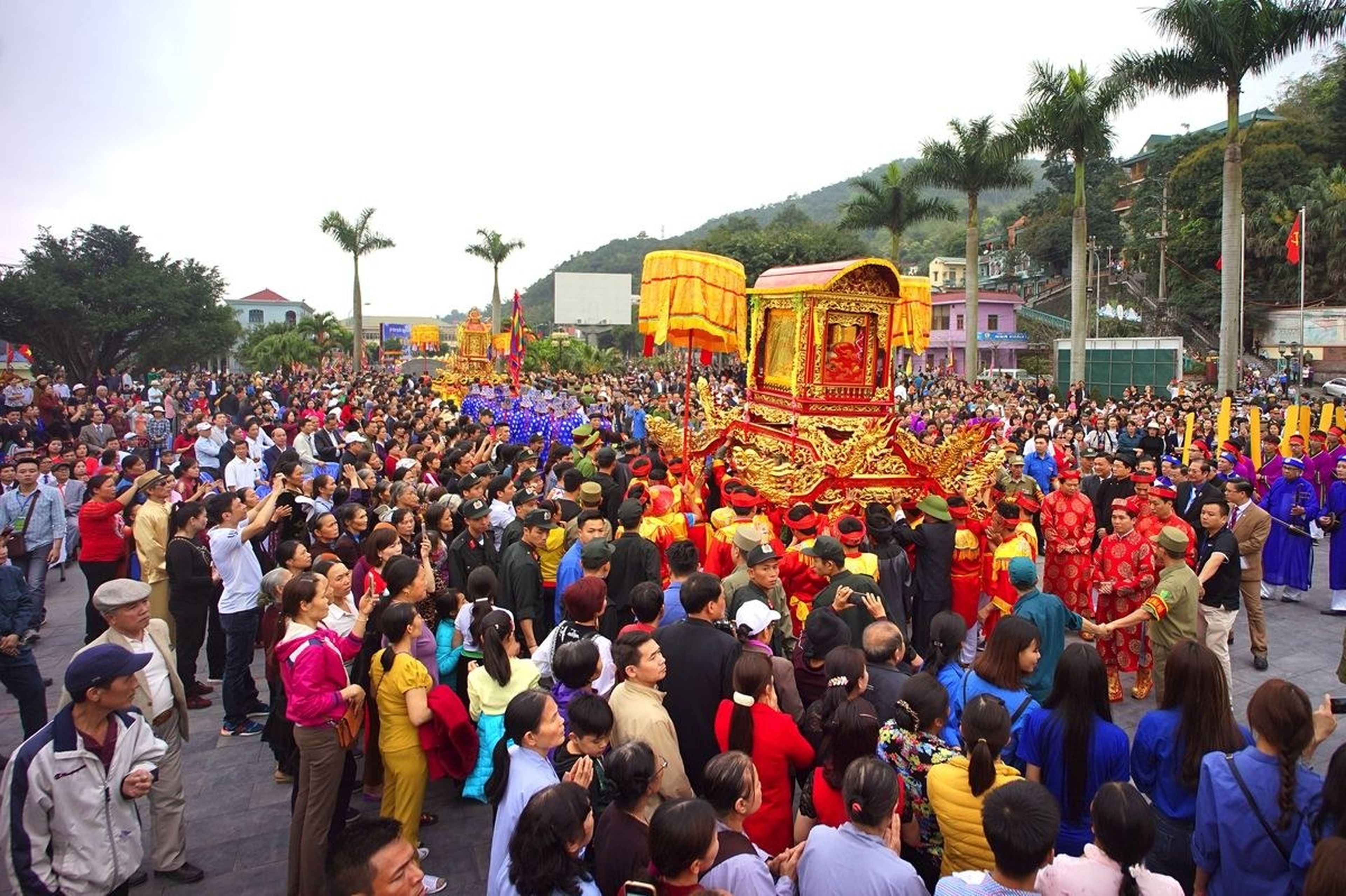
The Cua Ong Temple Festival, a major event in the northeastern region. Photo: Truong Giang/VOV-Northeast
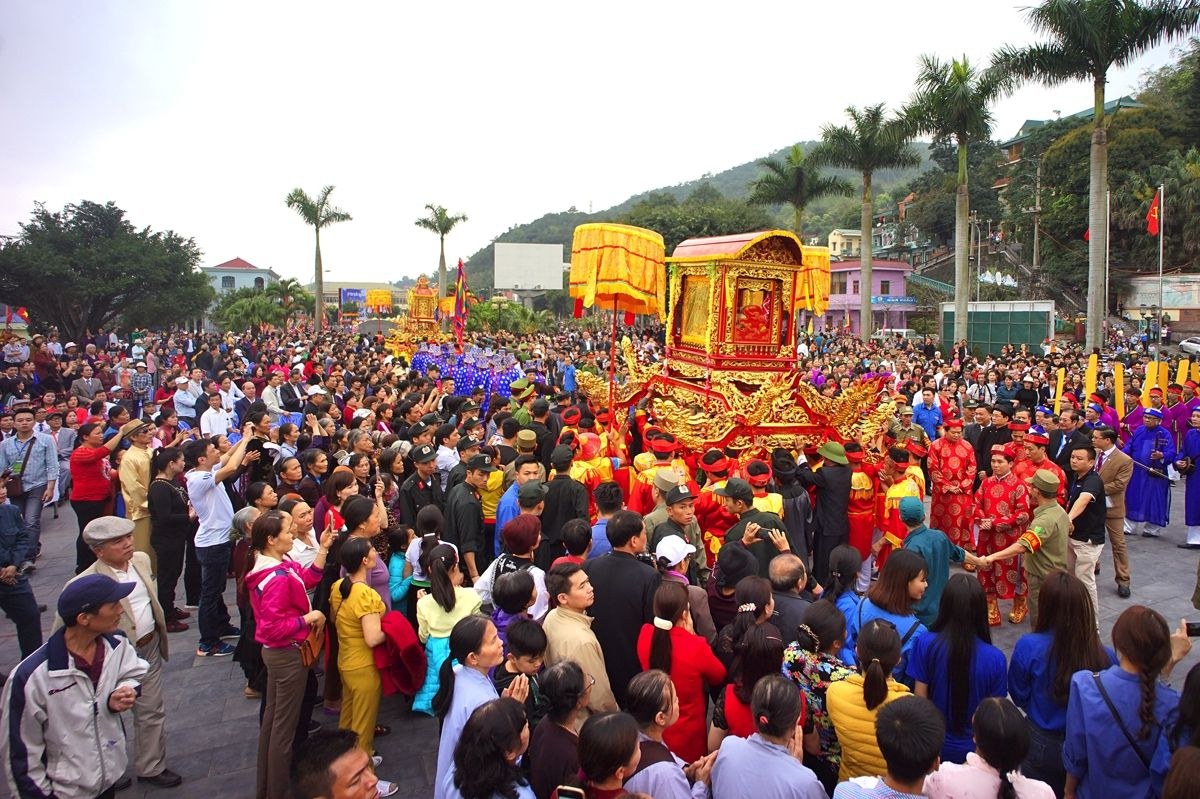
The event opens with the procession of Duc Ong, attracting large numbers of participants. Photo: Truong Giang/VOV-Northeast
4.4 A Venue for Many Major Festivals Throughout the Year
Since the 19th century, the Cua Ong Temple Festival has been known as a large-scale celebration. You can visit the temple during the first three lunar months and experience a series of fascinating events such as:
- Main Cua Ong Temple Festival: Takes place from the 2nd day of the first lunar month until the end of the third lunar month.
- Prayer for the Salvation of the Deceased, Temple Gate Prayer Ceremony and Duc Ong Procession: Includes two main parts—the sacrificial ceremony and the procession of Tran Quoc Tang’s ancestral tablet.
- Duc Ong Procession Back to the Palace and Enshrinement Ceremony: Takes place until the end of the third lunar month. On this occasion, you can participate in many folk games such as blindfolded drumming, stick pushing, tug of war, To Tom Diem, cooking and betel leaf preparation...
To fully enjoy your journey exploring Cua Ong Temple, you should choose accommodation and learn some important information before setting out.
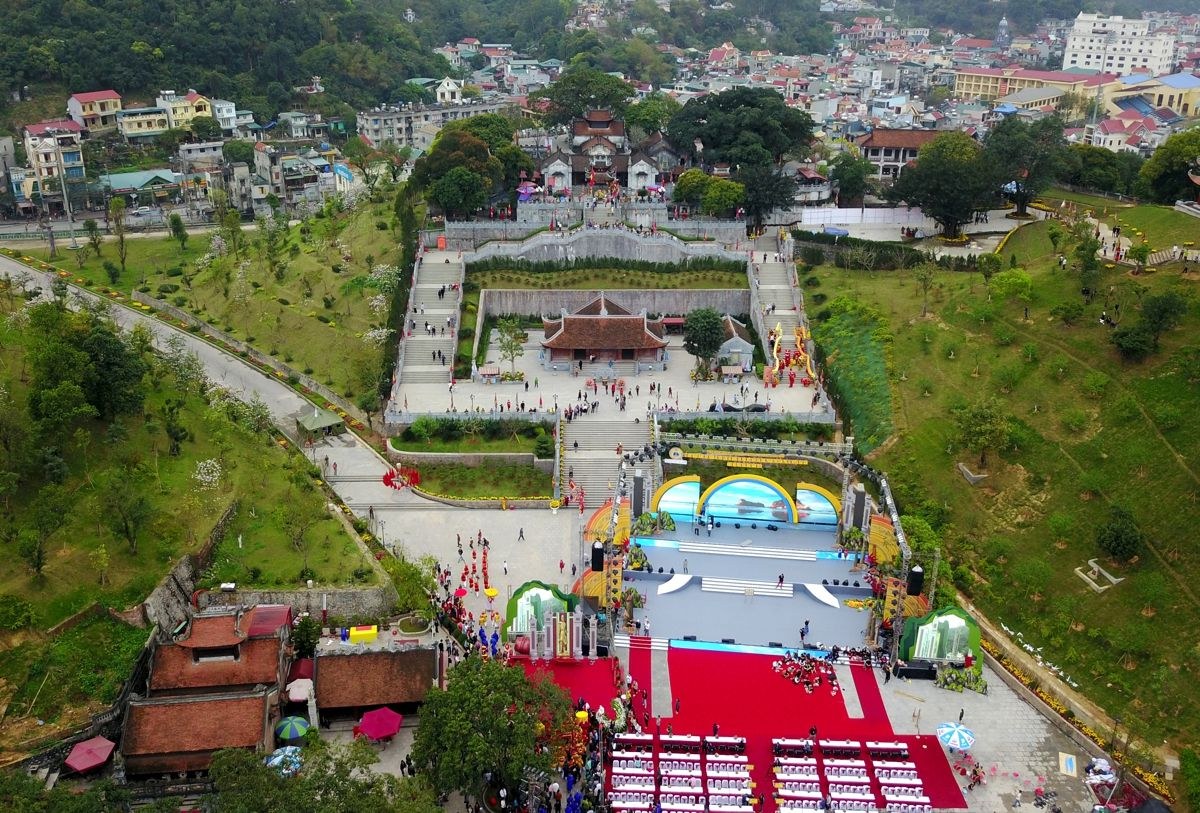
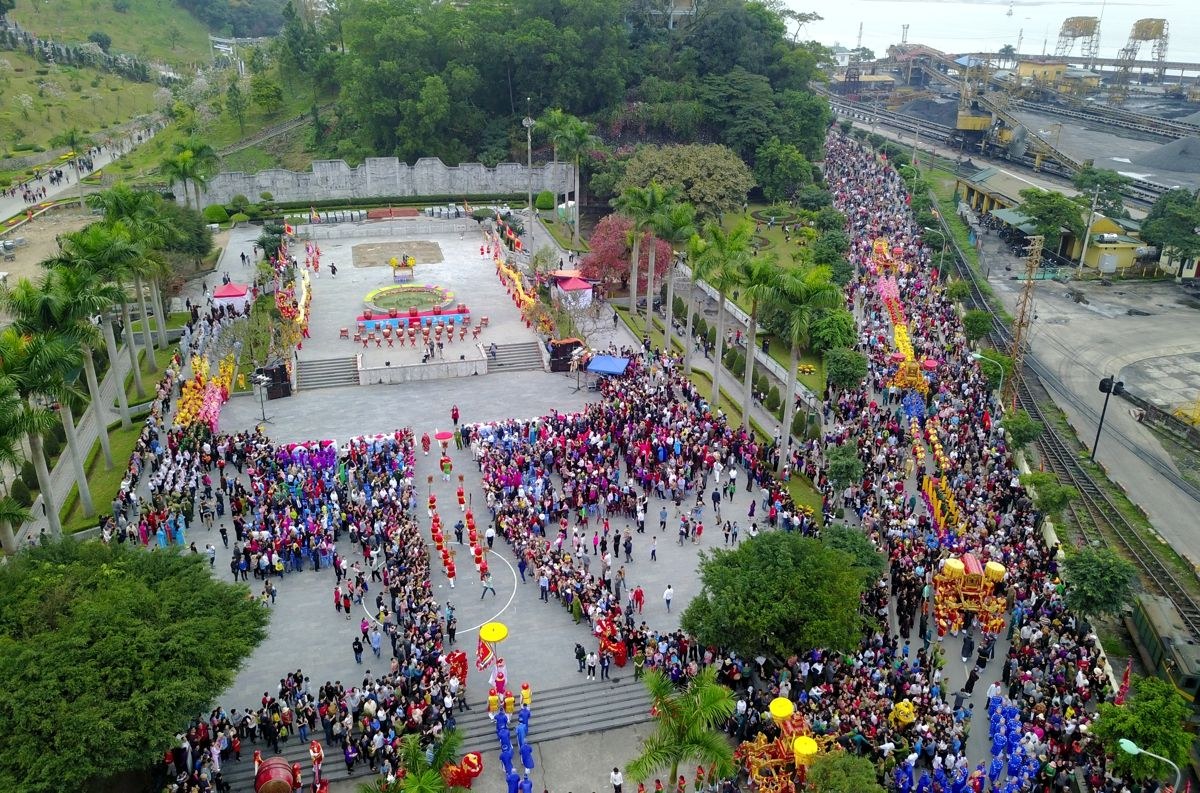
The expansive complex is a well-known venue for community cultural and spiritual activities in Quang Ninh. Photo: Truong Giang/VOV-Northeast
5Things to Note When Visiting Cua Ong Temple
5.1 The Best Time to Visit Cua Ong Temple
Cua Ong Temple in Quang Ninh is always open to welcome local people and domestic and international visitors for sightseeing and worship. Even on New Year’s Eve, the temple remains open for visitors. However, the time generally considered most suitable for a visit is the beginning of the new year, when the weather is cool and pleasant, with little rain. This is also when the series of distinctive festivals mentioned above takes place.
5.2 Things to Prepare
The Cua Ong Temple complex includes both temples and a pagoda, so if you plan to offer incense at all the altars, you should prepare vegetarian offerings, savory offerings and raw offerings. Offerings may include: vegetarian offerings (incense, flowers, sweets, fruit and votive paper money—all purchased in odd quantities); savory offerings for the Cong Dong altar (chicken, pork, pork sausage, meatloaf... cooked and carefully arranged); and raw offerings (salt, rice, raw eggs and votive paper).
Worship is primarily about sincerity. Moreover, because Cua Ong Temple attracts many visitors, we should limit the burning of votive paper. Offerings do not need to be overly elaborate, in order to avoid waste. Instead of placing small-denomination bills, you should put money into the merit box so as not to affect the site’s appearance.
5.3 Notes When Visiting the Pagoda
- Dress respectfully and modestly, appropriately for a sacred place.
- Walk quietly and avoid speaking too loudly, which could disturb the solemn atmosphere.
- Do not touch things arbitrarily, to avoid damaging the historical site.
Cua Ong Temple can be considered one of the foremost peaceful destinations that visitors—especially those coming to explore Ha Long Bay and Quang Ninh—would like to visit at least once.