Traveling to Ha Long Bay, you cannot miss the experience of exploring its island cluster—a marvel of nature that left behind a world natural heritage for mankind.
Stunning islands you cannot miss when traveling to Ha Long Bay
Although up to the present Vietnam has had many more world natural heritage sites recognized by the world, the very first time Vietnam had a world natural heritage recognized was Ha Long Bay. It is no exaggeration to say that Ha Long Bay has played a tremendous role in bringing Vietnamese tourism in particular and Vietnam in general to wider international acclaim, increasingly asserting its position on the tourism map.
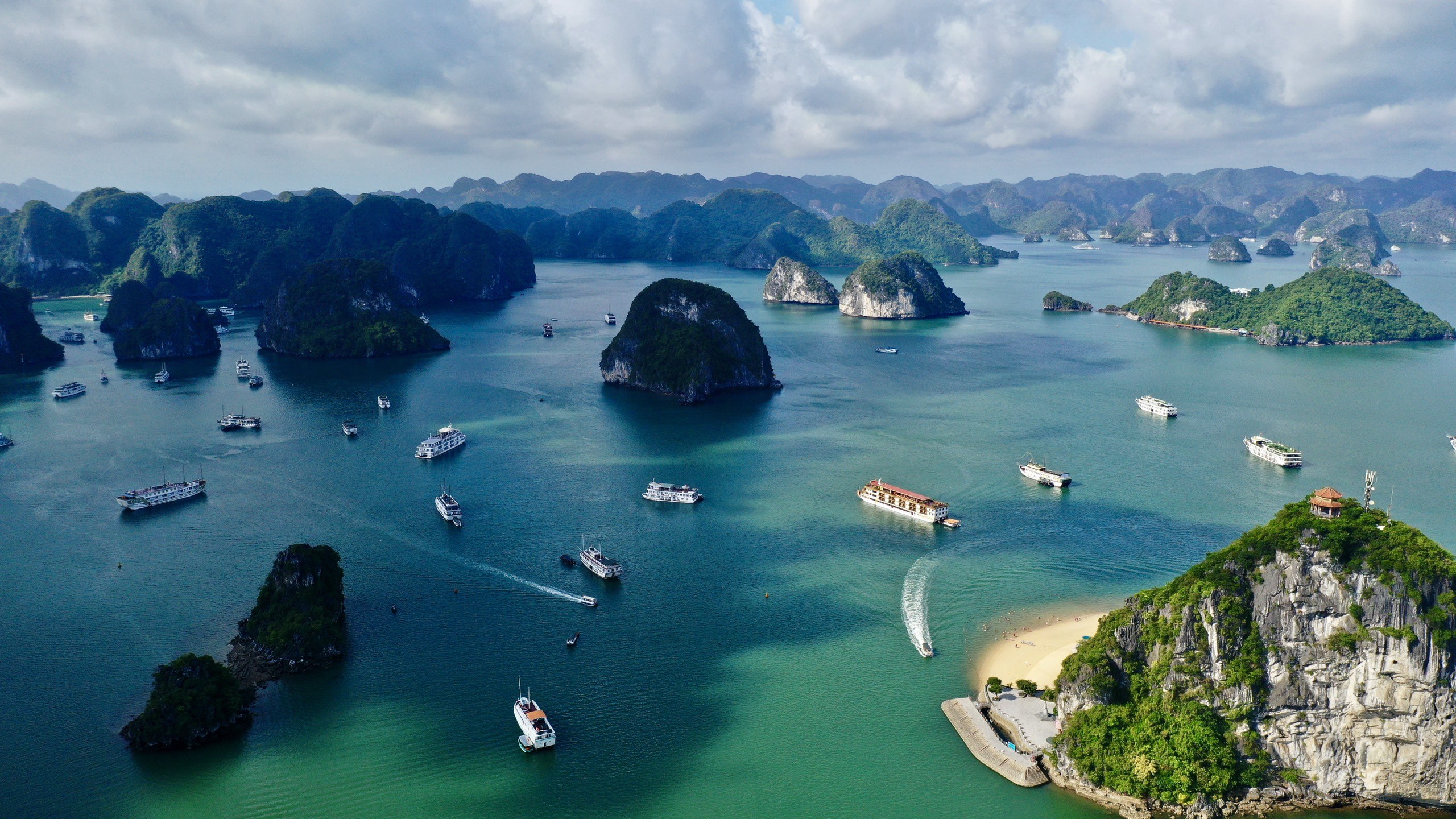
Photo: baoquangninh
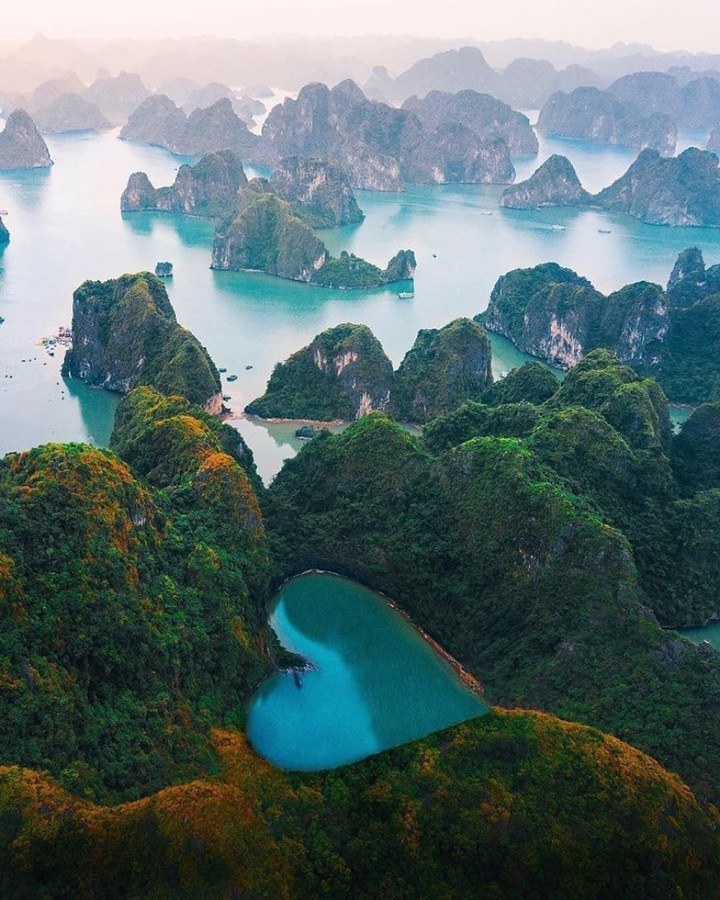
Photo: @canhdepvietnam_12
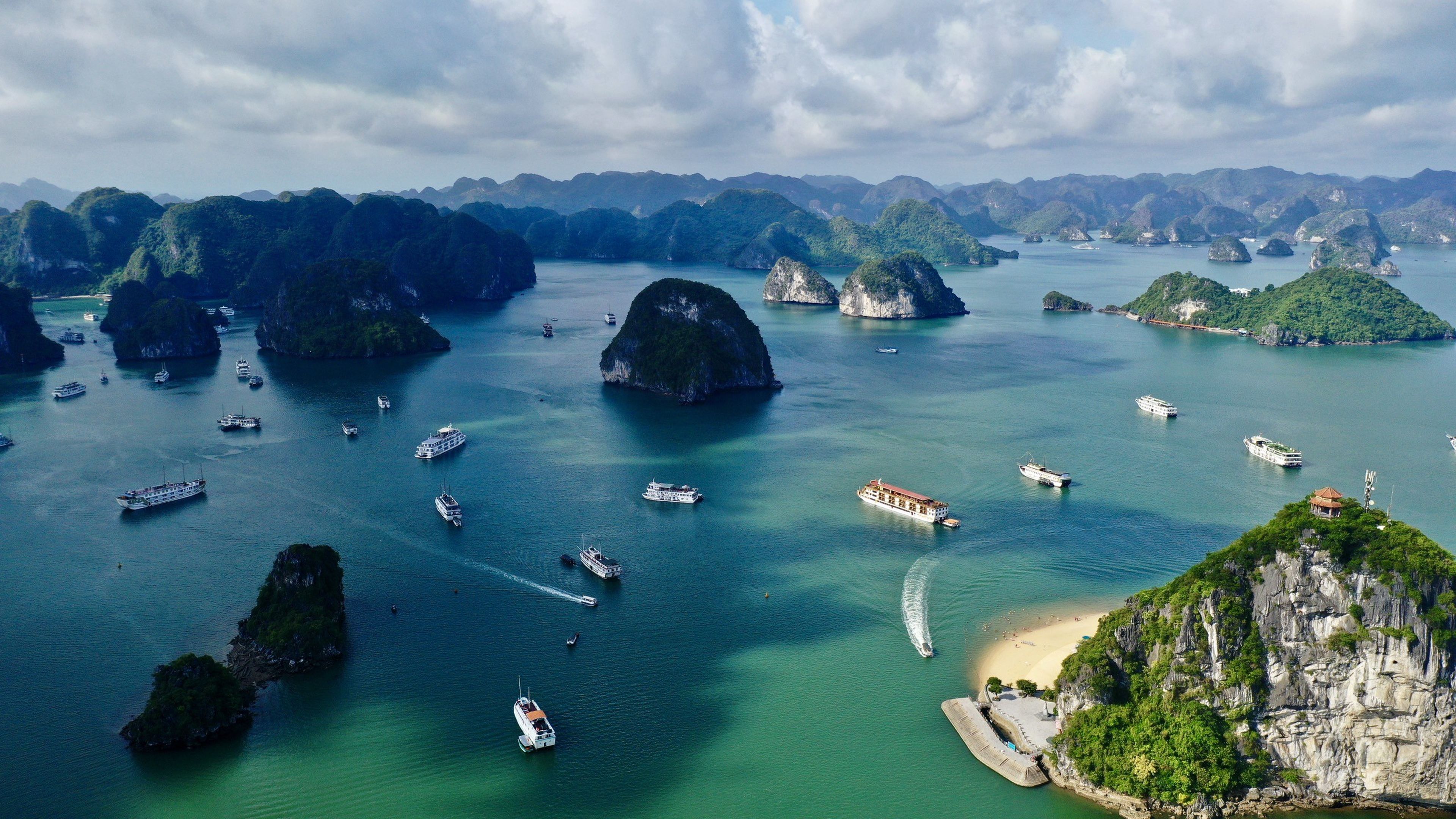
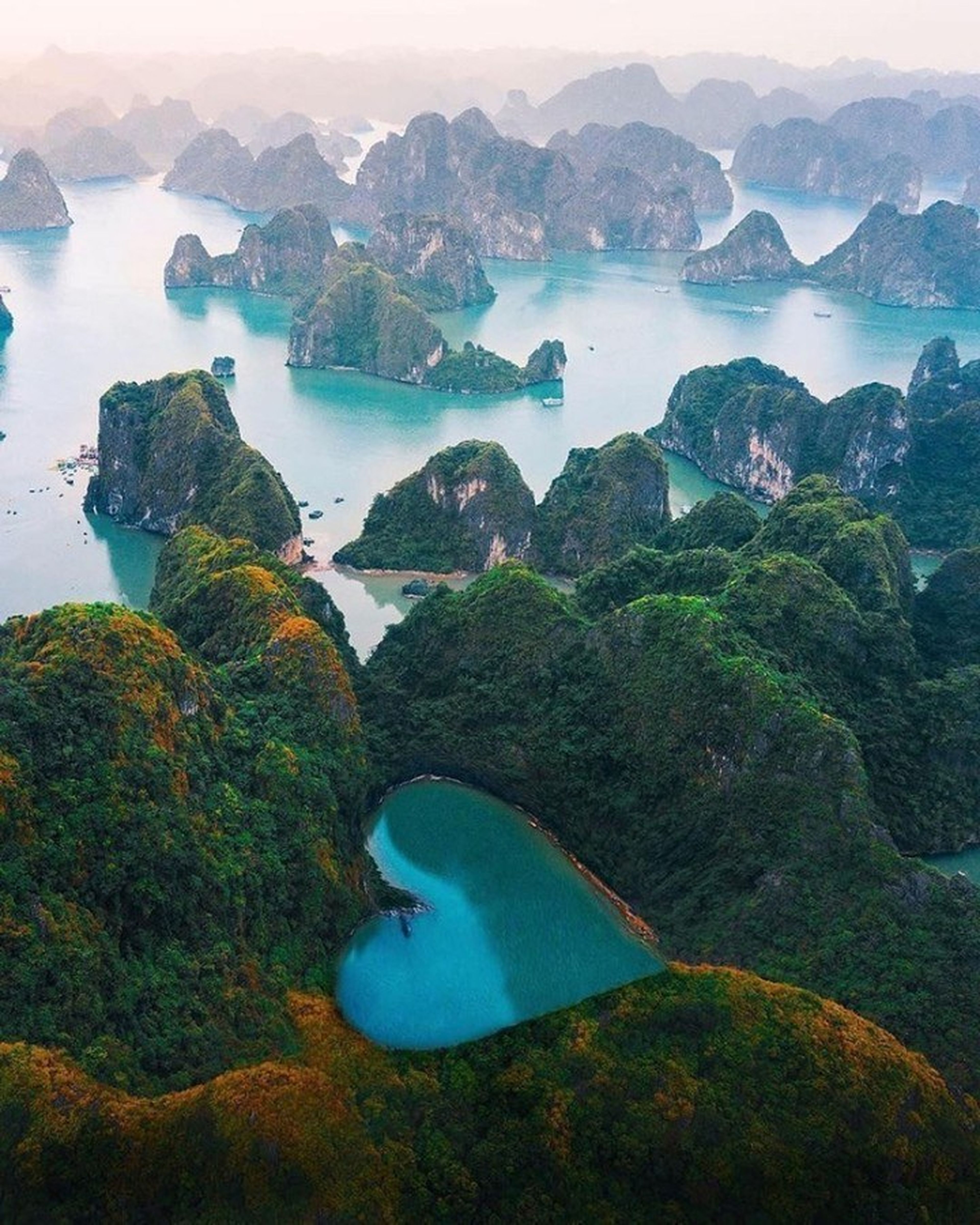
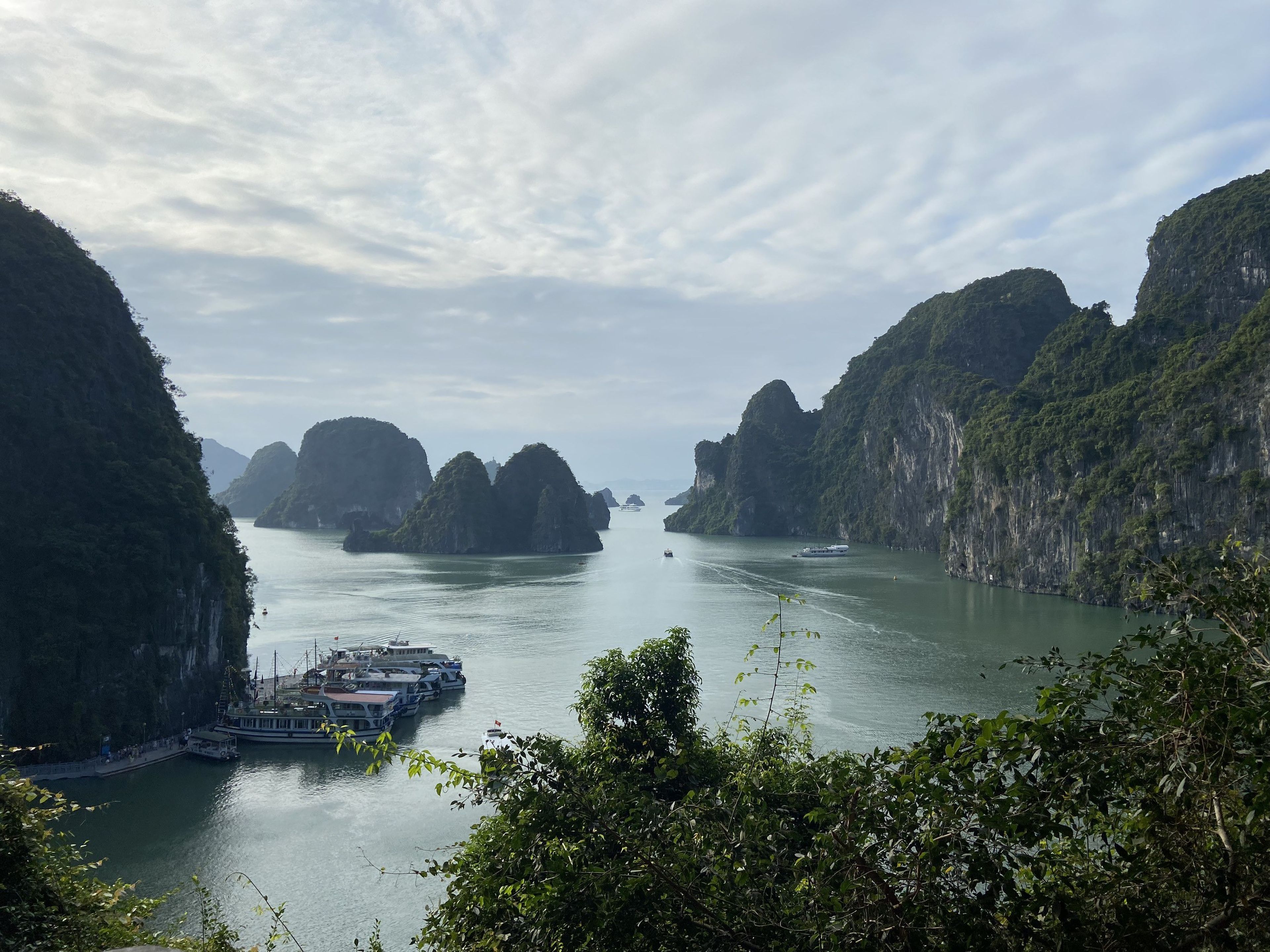
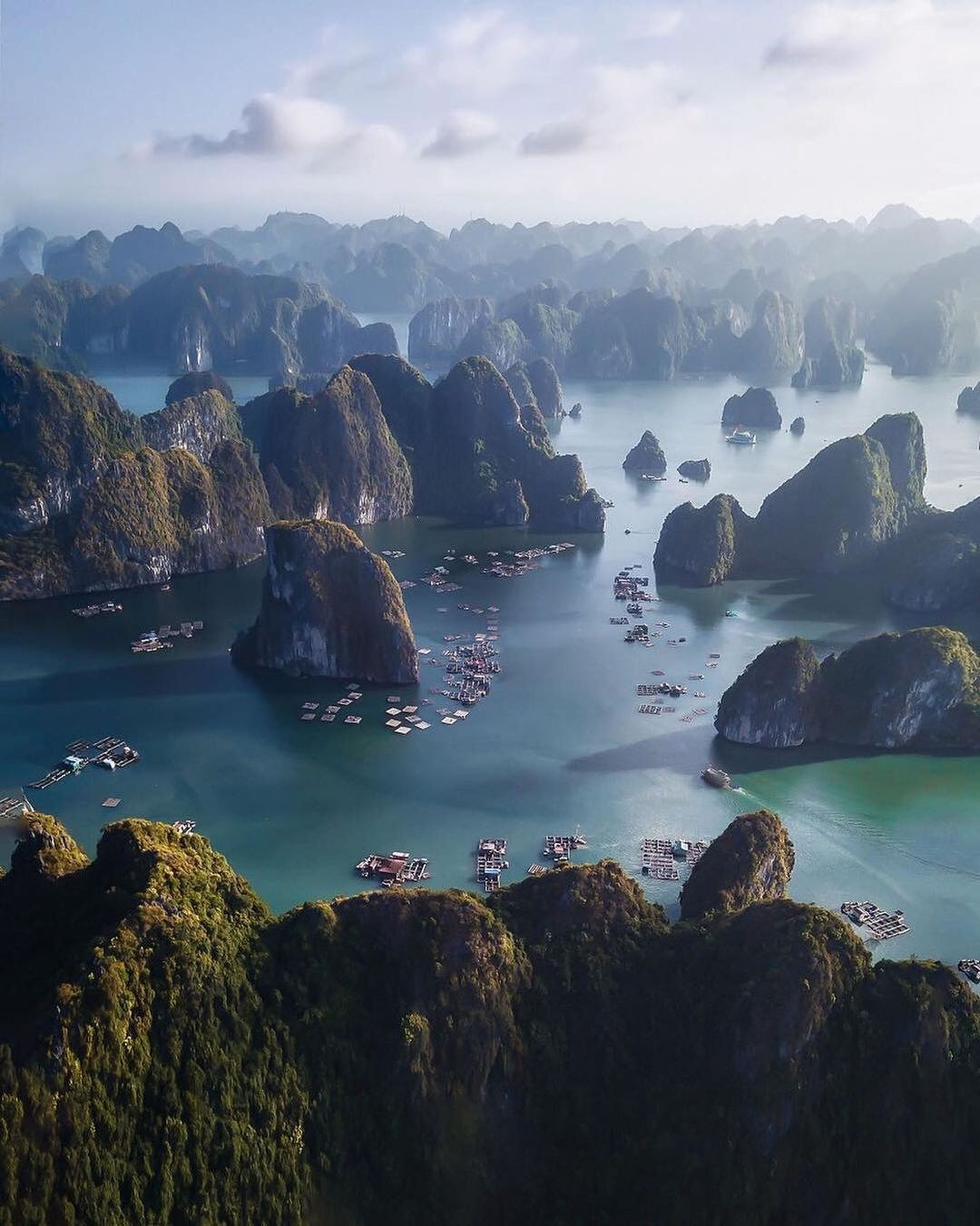
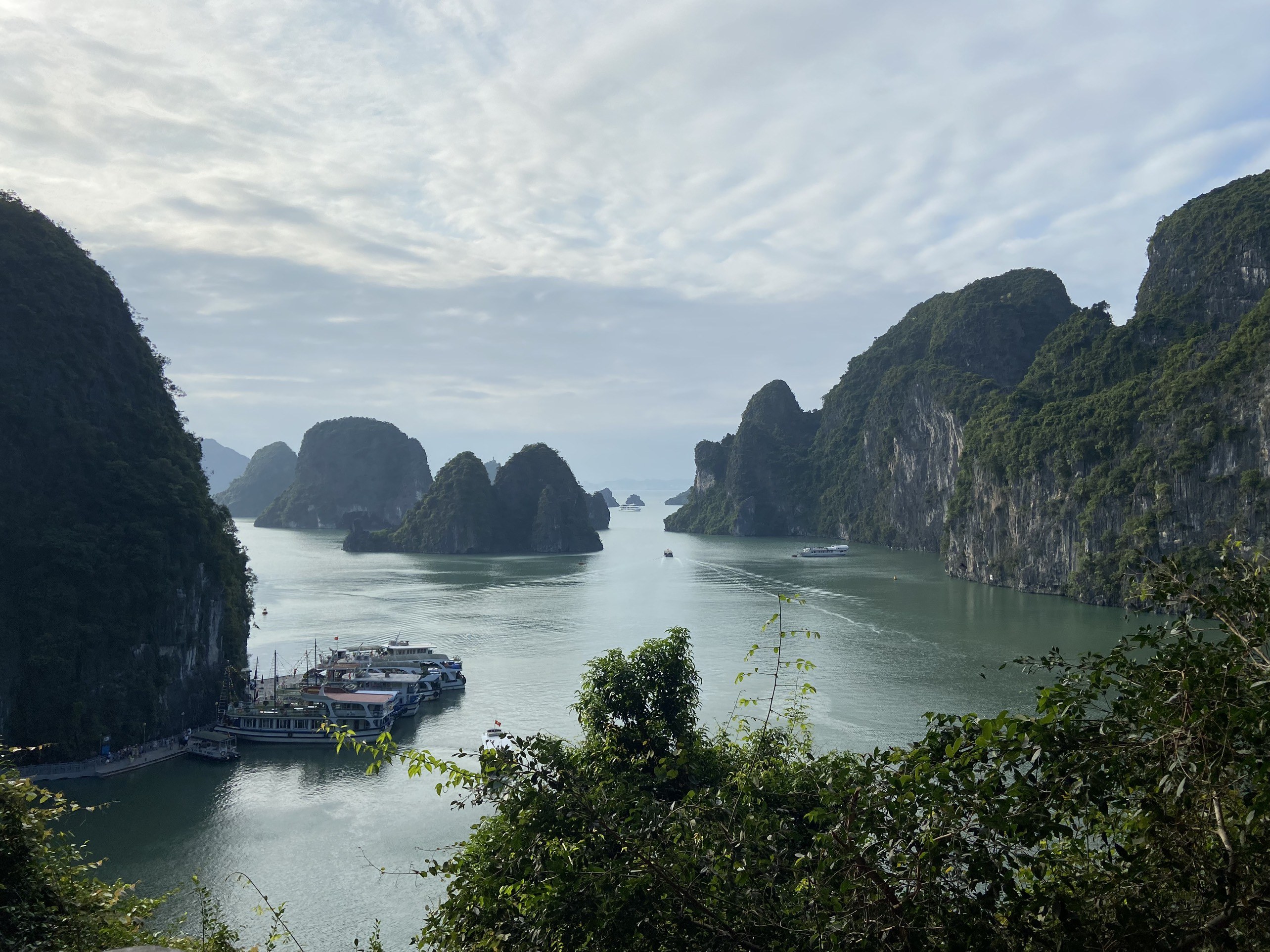
Ha Long Bay is a small bay on the western shore of the Gulf of Tonkin in the East Sea region, encompassing the waters of Ha Long City. Ha Long Bay is bounded within an area of about 1,553 km² comprising 1,969 islands and islets, mostly limestone islands, of which the bay's core zone covers 335 km² densely clustering 775 islands, with a geological history spanning roughly 500 million years.
Ha Long Bay. Photo: @ng.ngoc.hanh
The world-recognized heritage area in Ha Long Bay (core zone) has an area of 434 km², forming a triangle with three vertices: Dau Go Island (west), Ba Ham Lake (south), and Cong Tay Island (east), comprising 775 islands with numerous caves and beaches. The adjacent area (buffer zone) is a national scenic relic designated by the Ministry of Culture and Information of Vietnam since 1962. Ha Long's topography features islands and mountains interspersed among marine depressions, saline land where mangroves grow, and sheer limestone islands that create contrasting beauty, harmoniously and vividly blending the elements of mountains, sea, and sky.
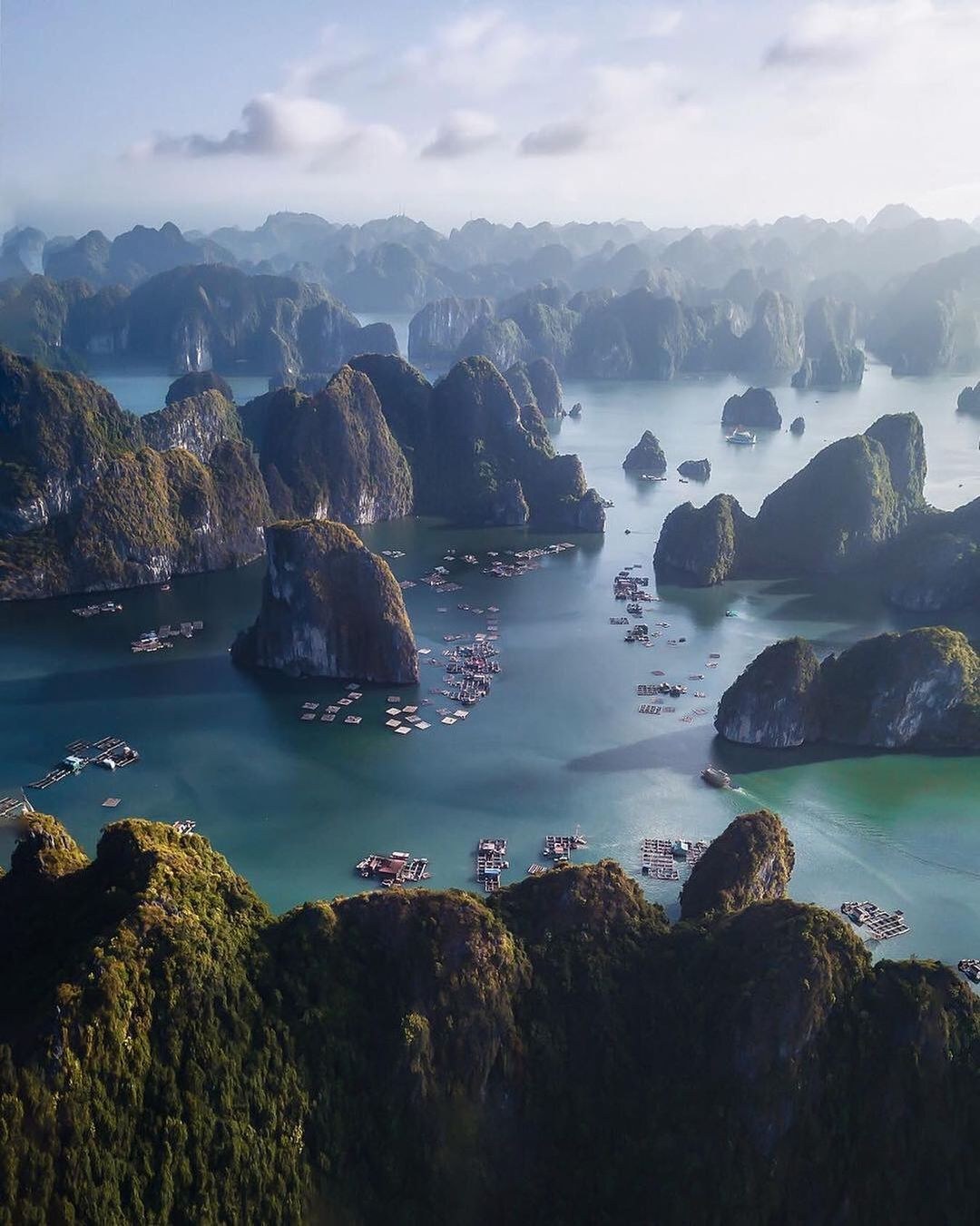
The islands in Ha Long Bay come in two forms: limestone islands and schist islands. These islands are the result of repeated tectonic uplift and subsidence processes from continent into marine depressions, each possessing a unique shape carved by weathering and erosion. These islands were named by locals according to their shapes or folk tales. Below are some famous, picturesque islands that frequently have tours organized to visit them.
Tuan Chau Island
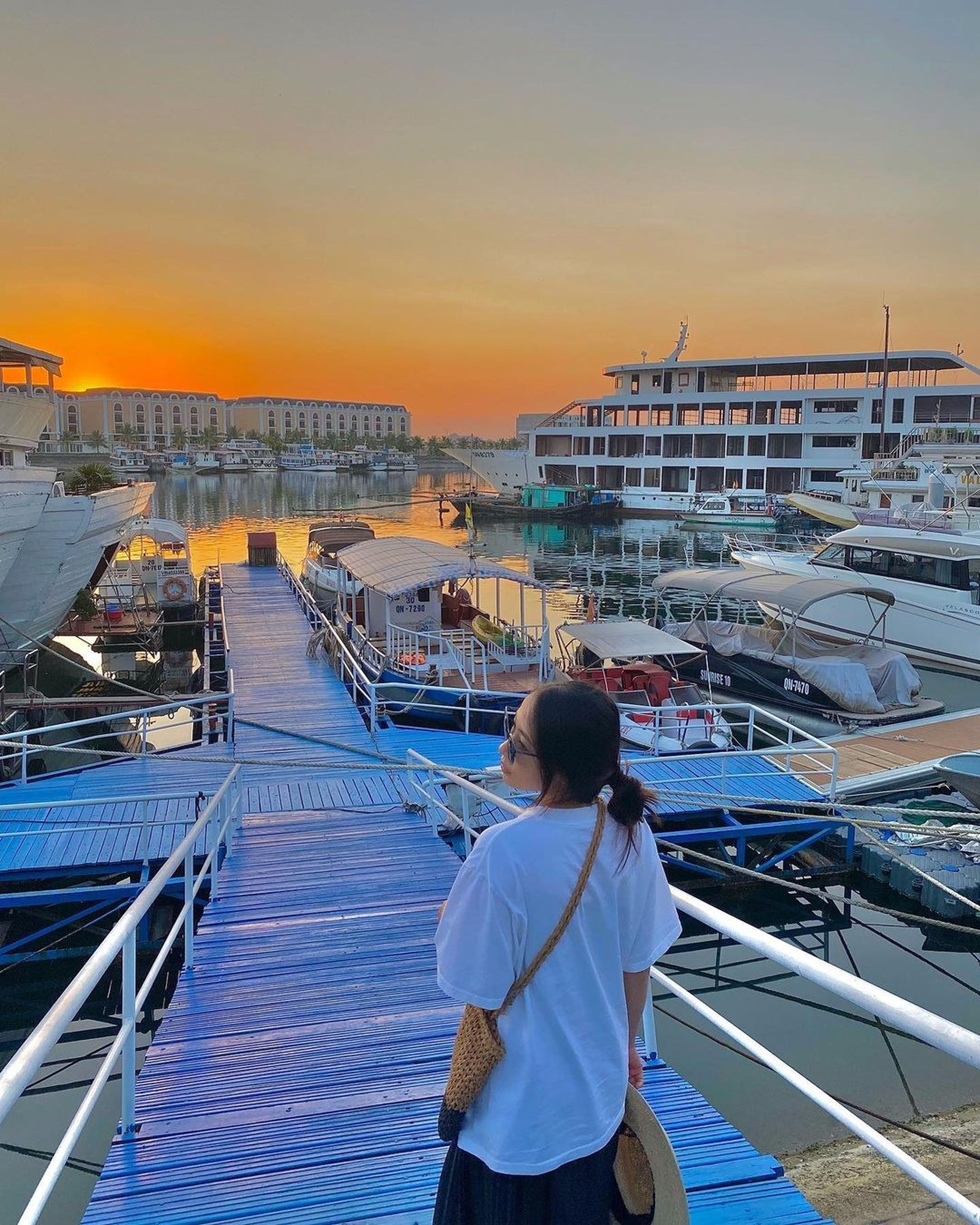
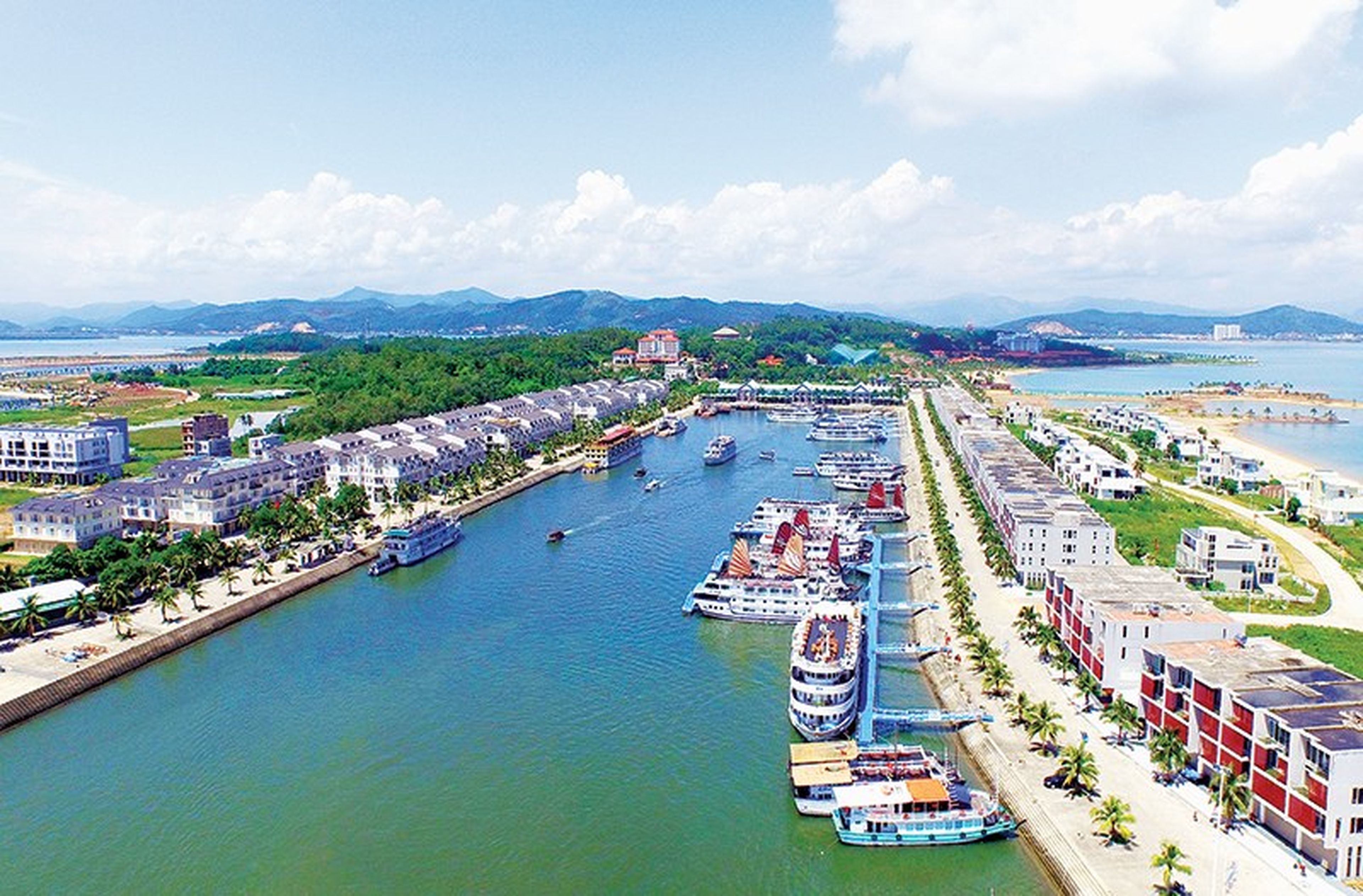
Tuan Chau Island is an inshore earthen island with villages and local residents. In 2001, a bridge connecting the island to the mainland was built, helping the island develop more than ever. A complex of entertainment, recreation, restaurants, hotels, and especially Tuan Chau International Passenger Port was built, contributing greatly to the development of Ha Long tourism.
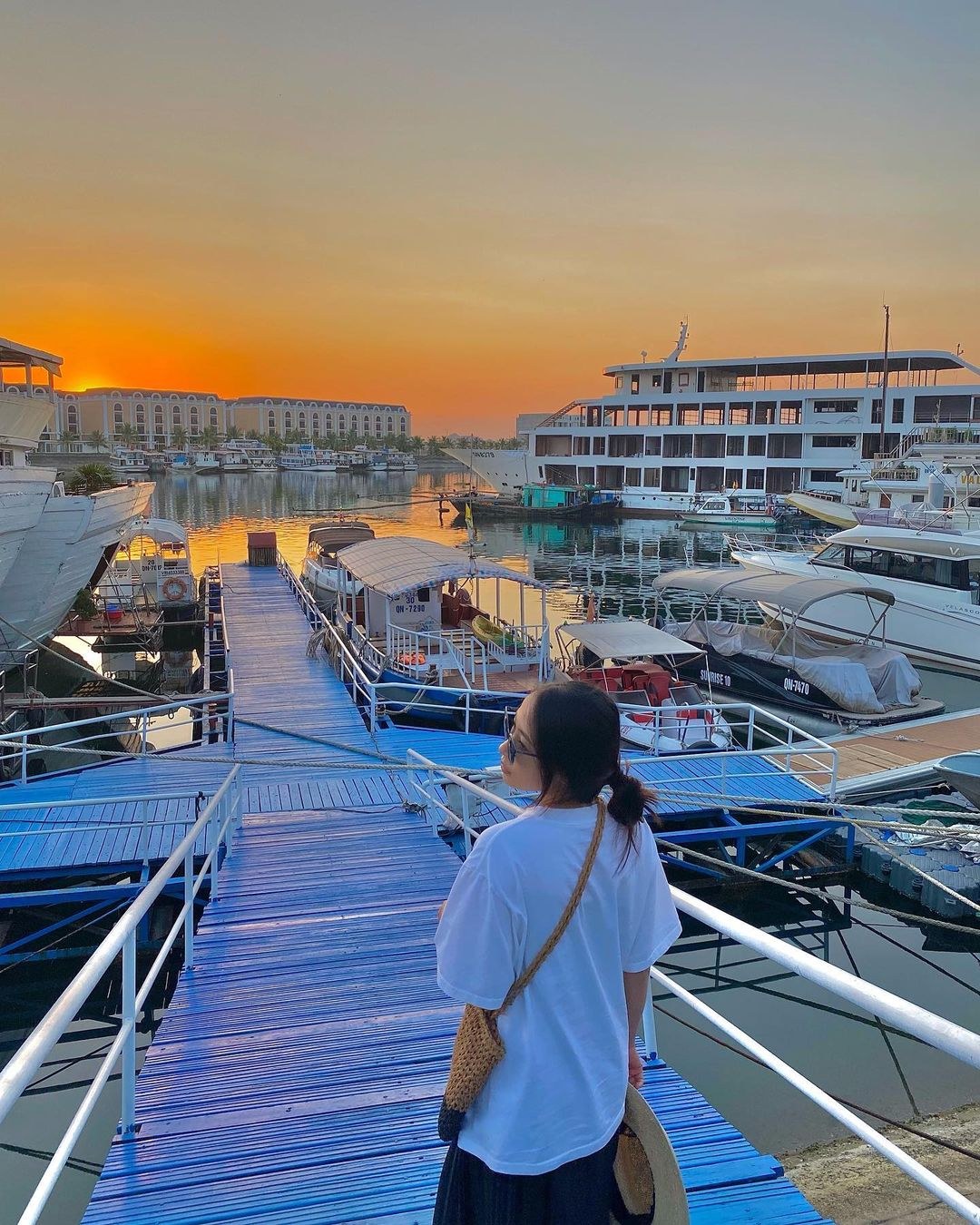
Tuan Chau Island International Port. Photo: @b.aobeii
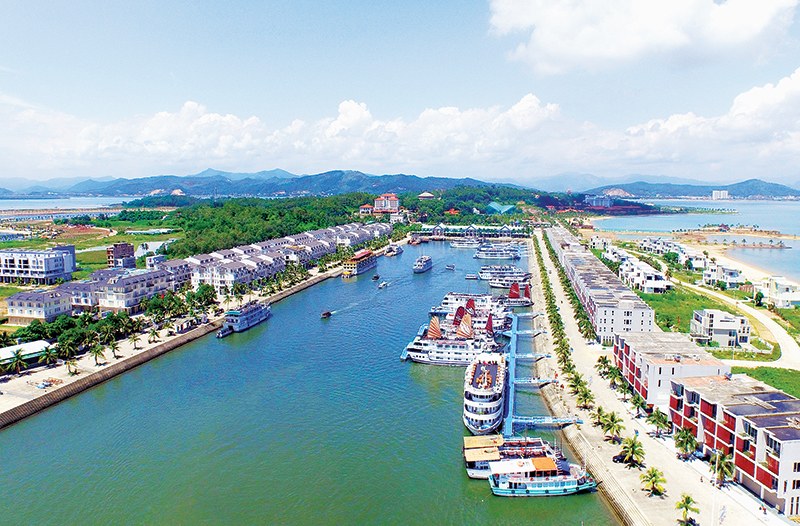
Tuan Chau Island – Ha Long. Photo: thuonghieuvietnoitieng
Ti Top Island
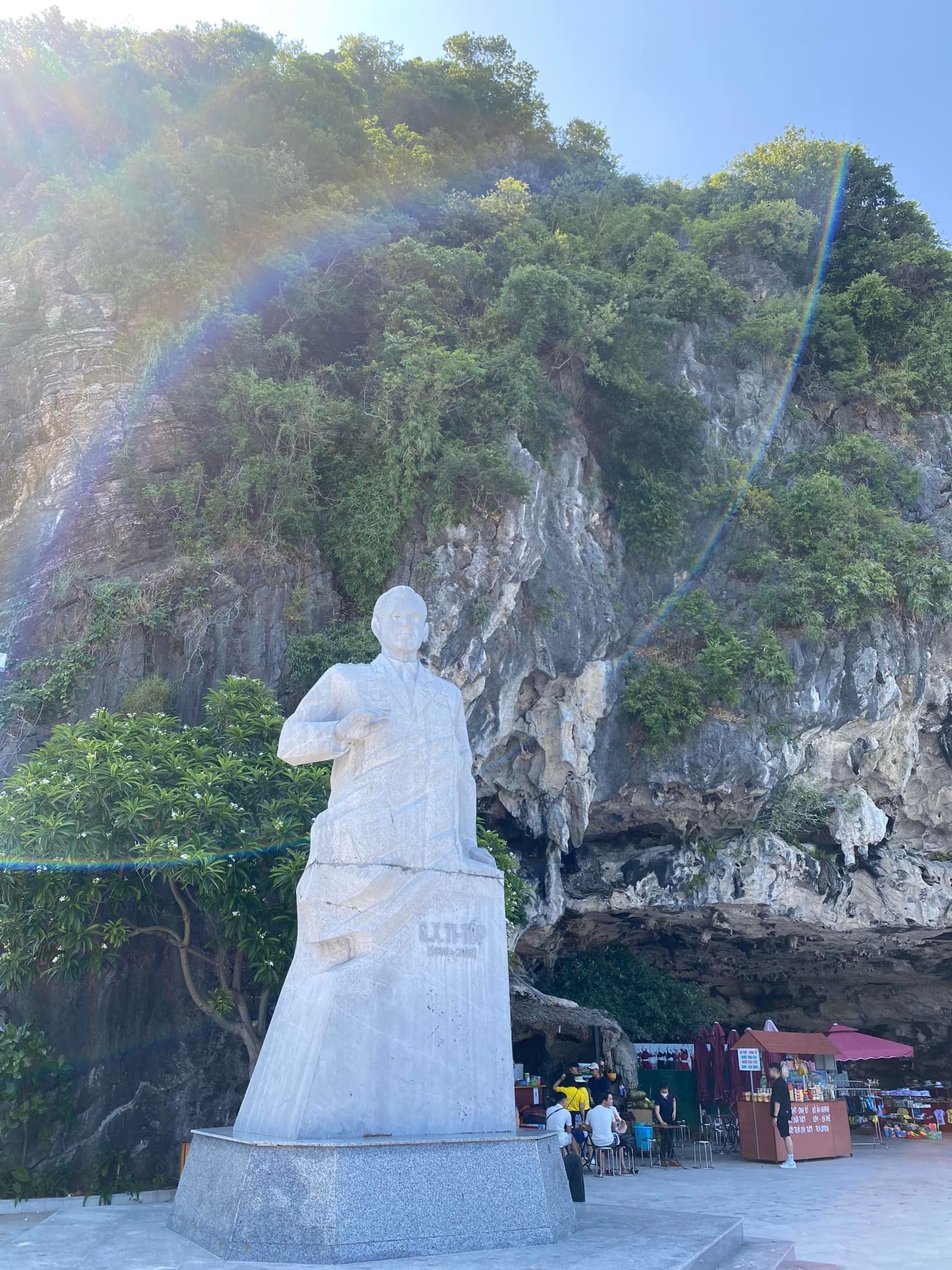
The island was named after Russian cosmonaut Gherman Titov when he visited Ha Long Bay with President Ho Chi Minh in 1962. Today, a statue of Mr. Titov has been erected on the island to commemorate him.
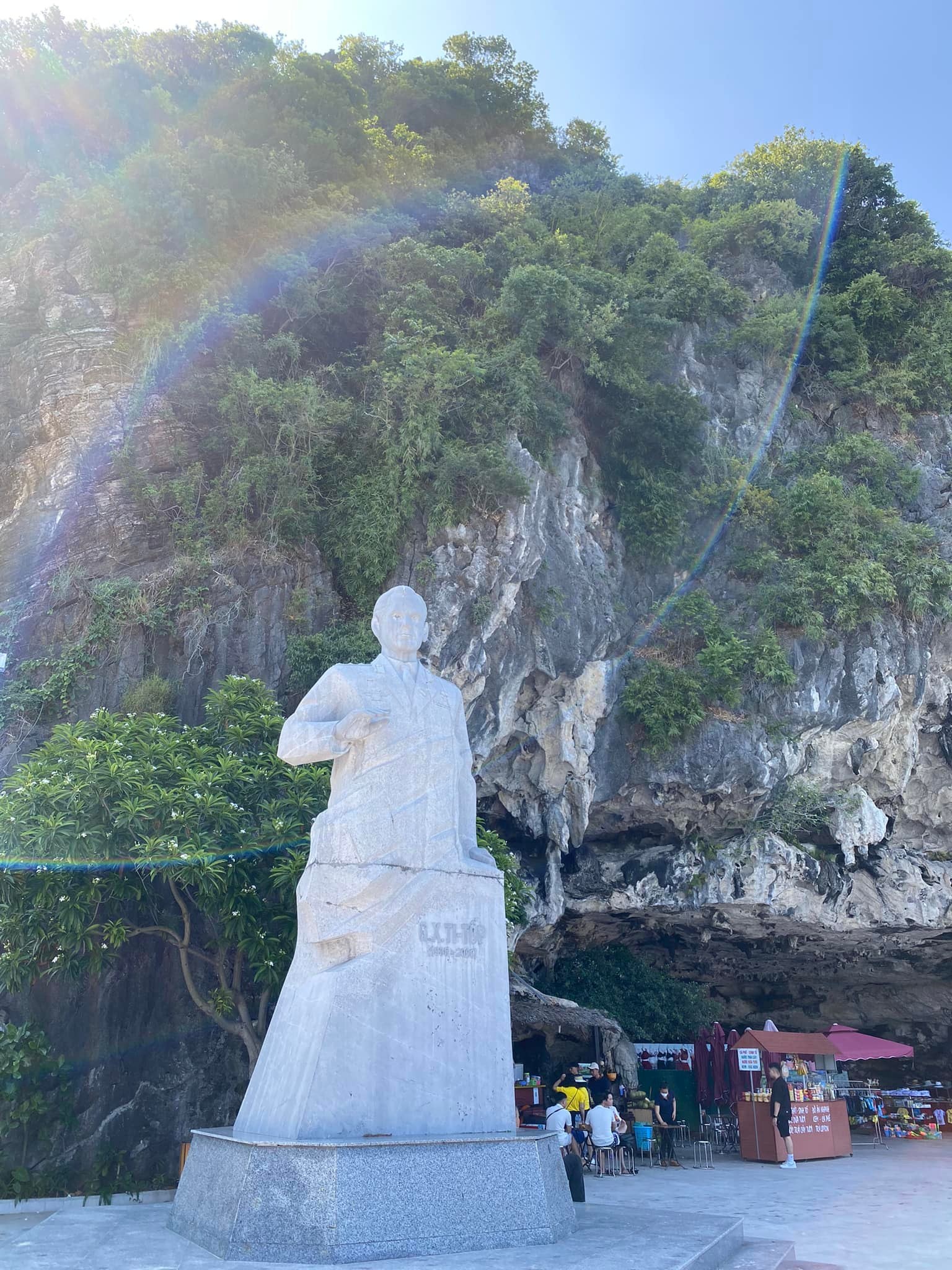
Ti Top statue on the island. Photo: @ng.ngoc.hanh
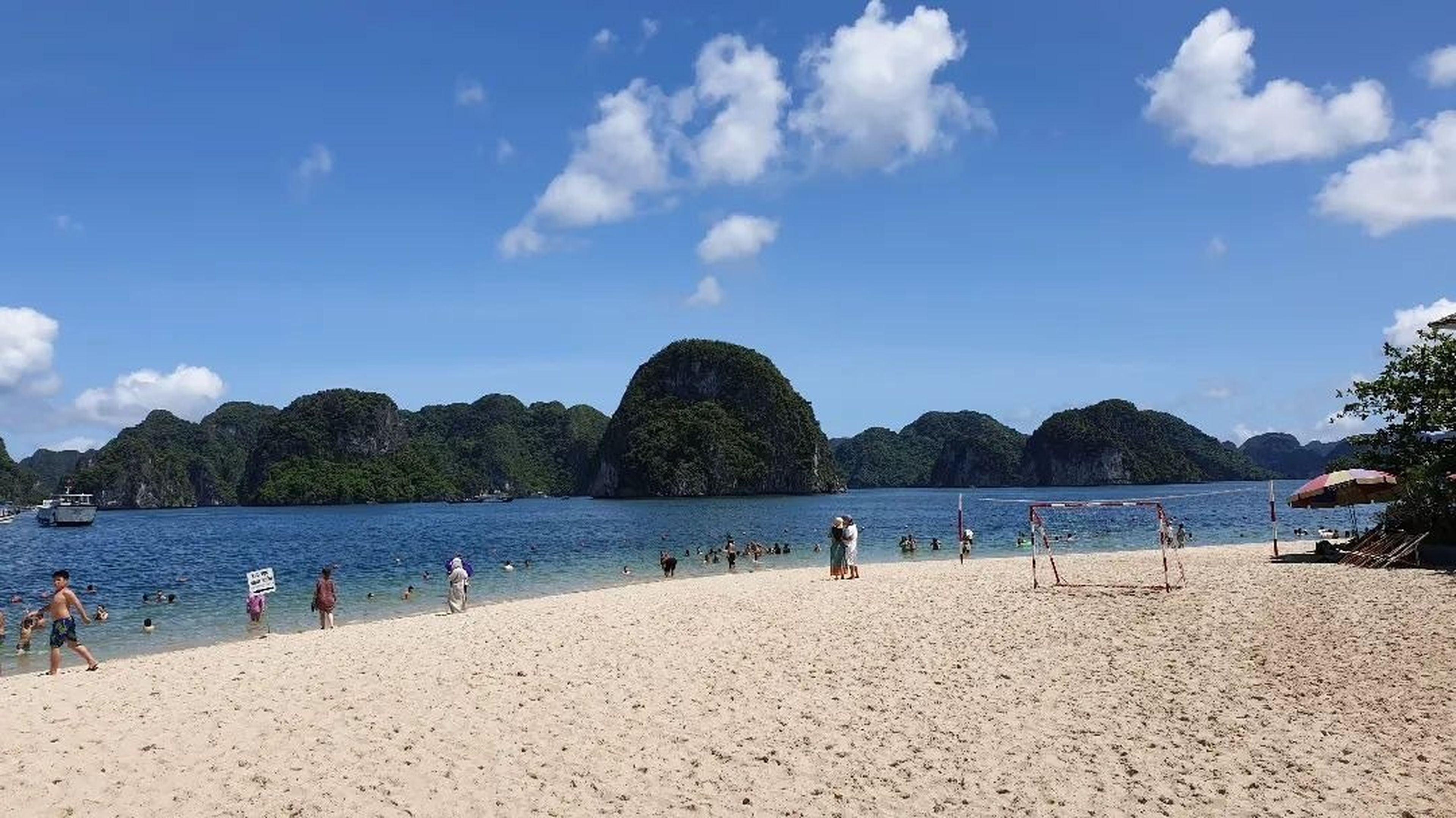
Ti Top Island features steep slopes and a flat, crescent-shaped white sandy beach. When visiting the island, tourists can climb the mountain to admire the stunning surrounding scenery or swim and enjoy beach games in the clear blue water.
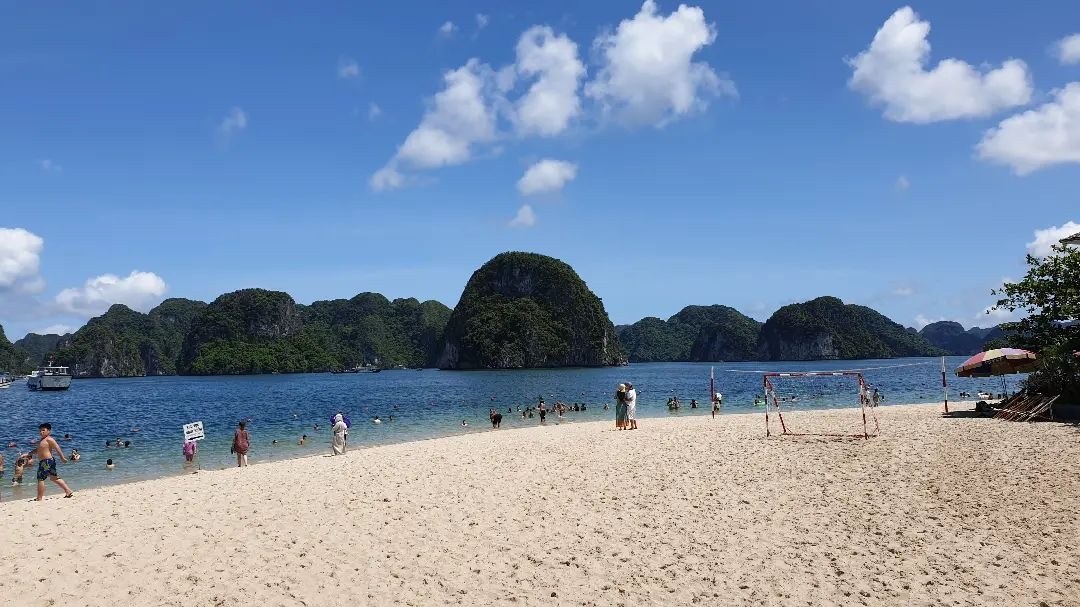
Ti Top Island beach. Photo: @lzx_aini
Dinh Huong Islet
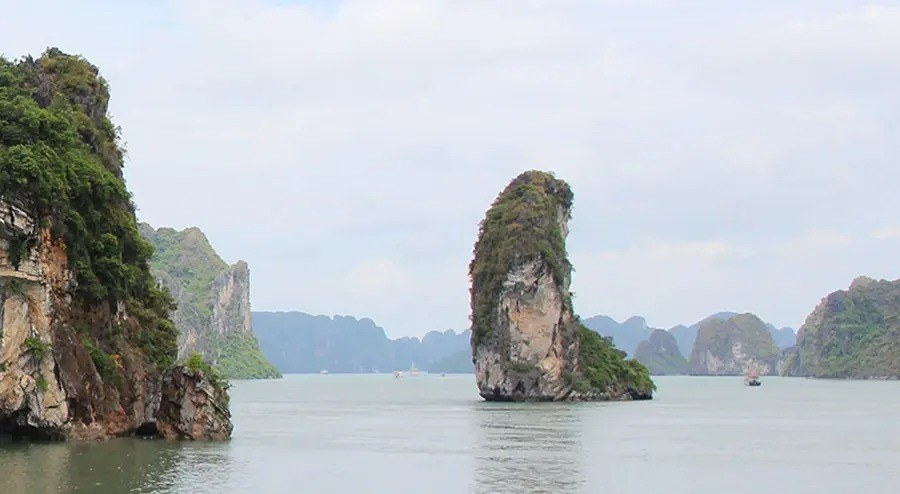
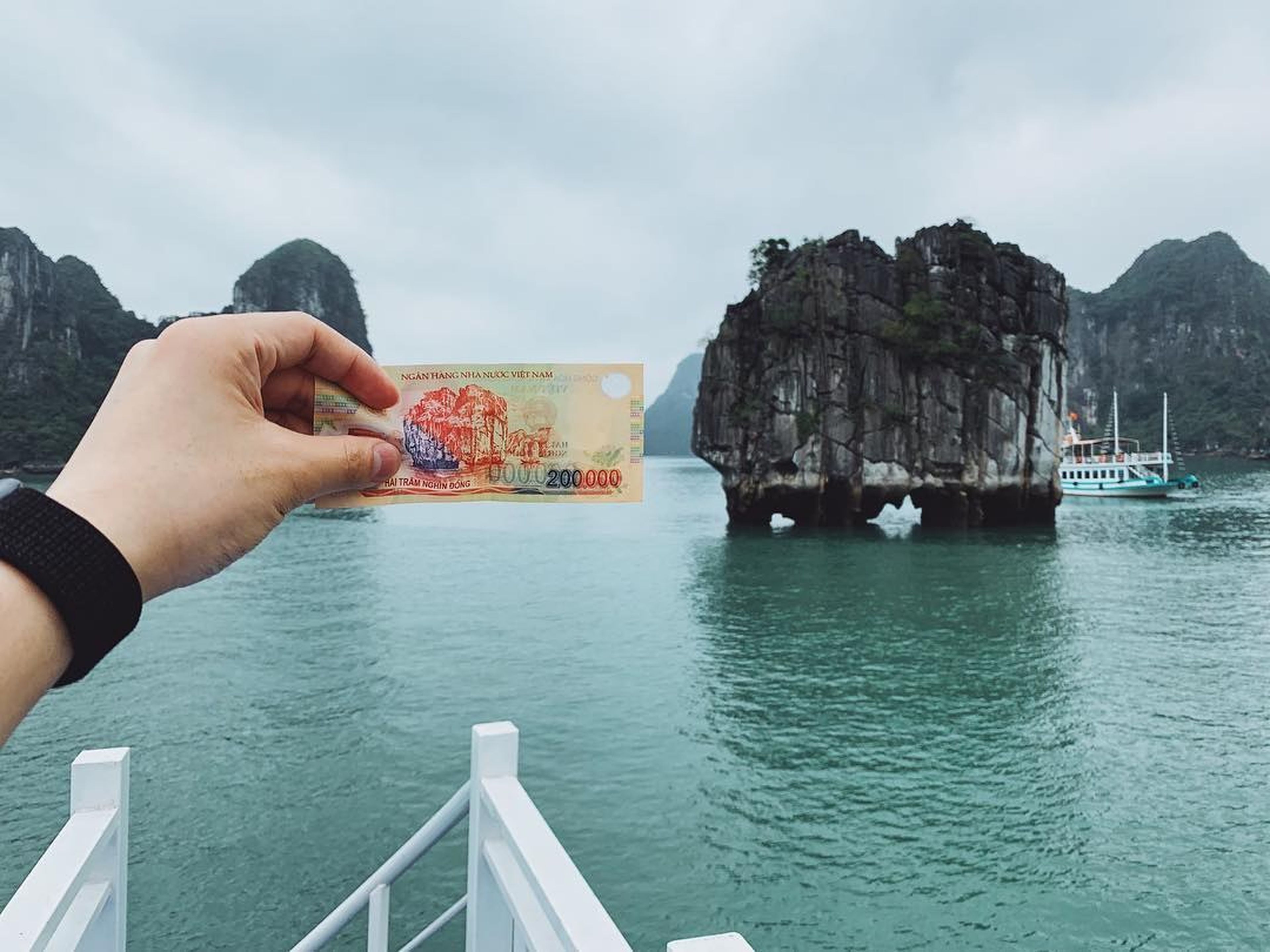
Also known as Lu Huong Islet because its shape resembles a giant incense burner in the middle of the sea. Dinh Huong Islet is considered sacred by the locals. The image of Dinh Huong Islet will be very familiar to you, as it is the image printed on Vietnam's 200,000 dong banknote.
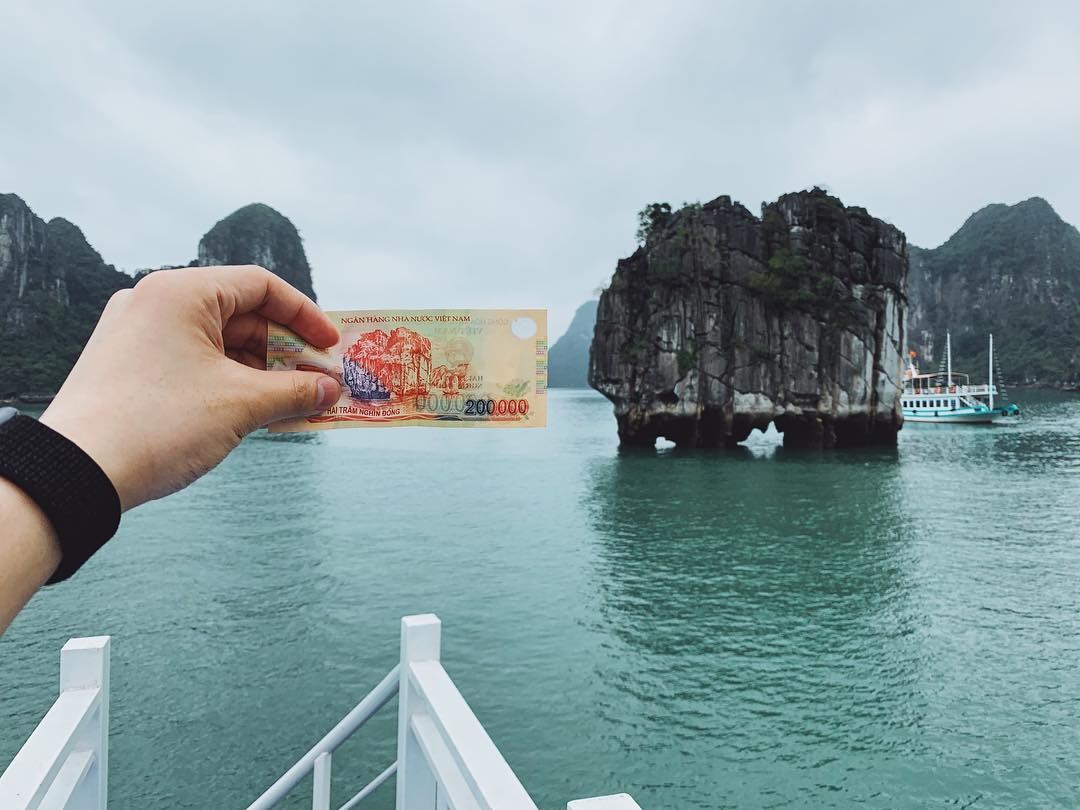
Dinh Huong Islet. Photo: @vieetjxt
Ga Choi Islet (Trong Mai Islet)
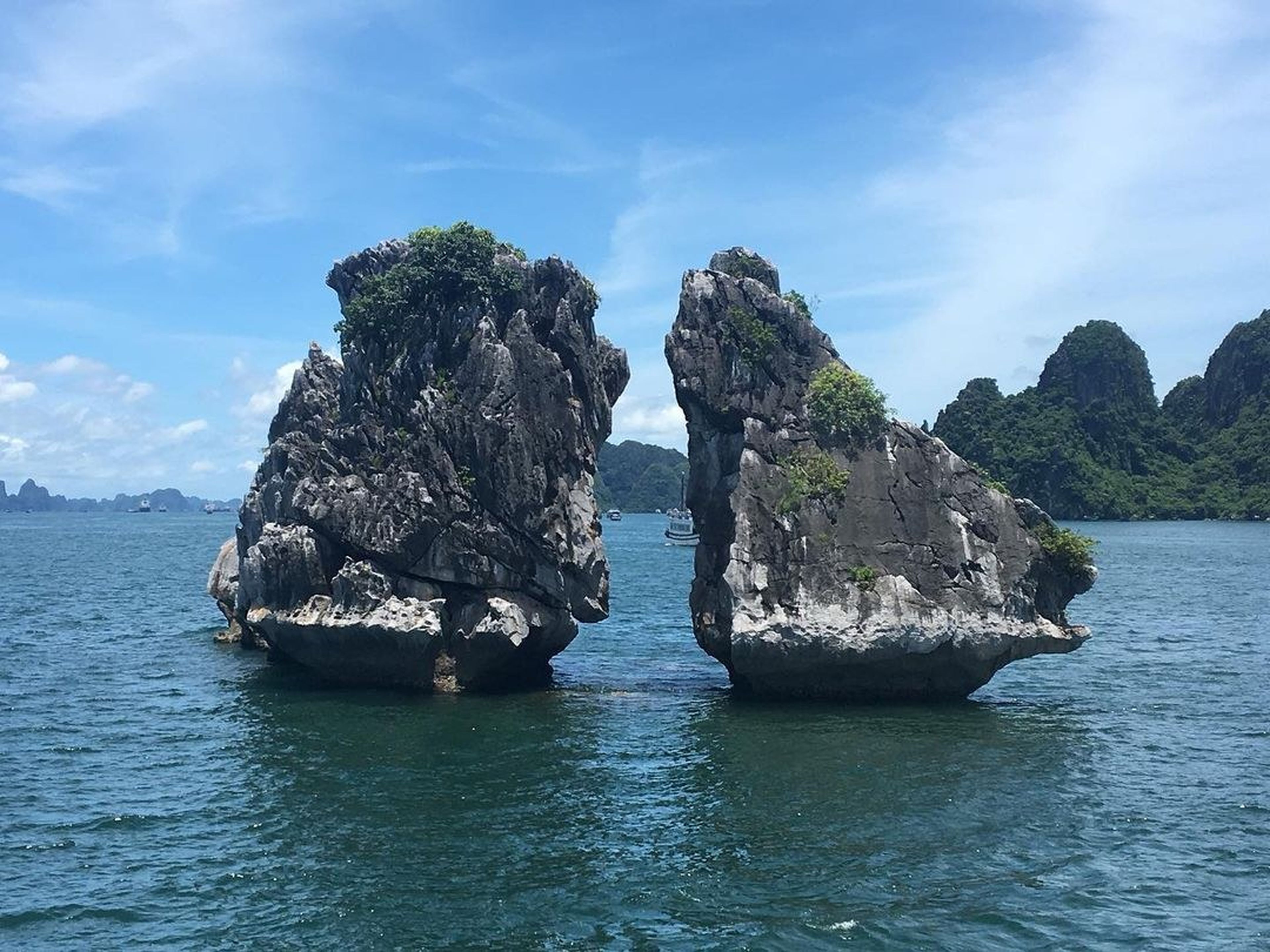
Commonly known as Trong Mai Islet because its shape resembles a pair of chickens facing each other. Ga Choi Islet is used as a symbol of Ha Long Bay, appearing on the Ha Long Bay logo.
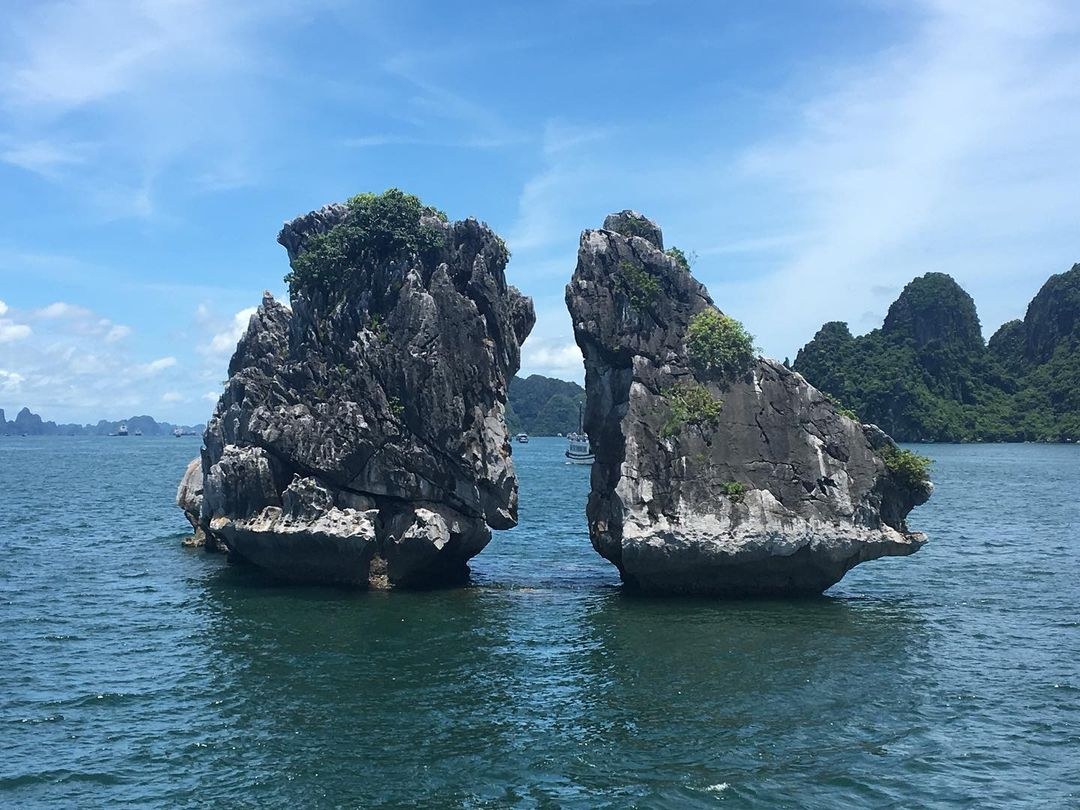
Trong Mai Islet. Photo: @scorpie.art
Con Coc Islet
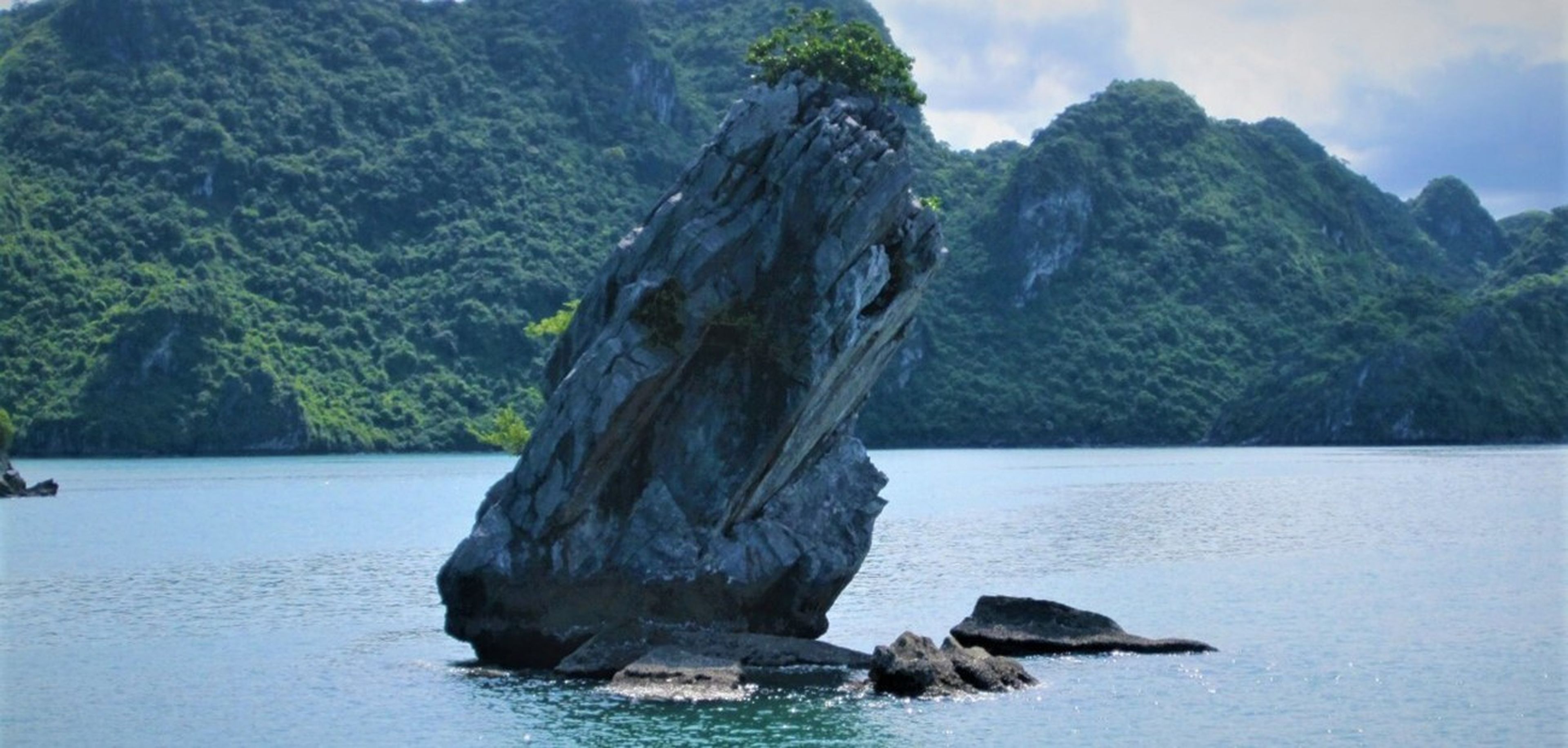
Located about 12km from Bai Chay tourist wharf. The islet was named Con Coc (Toad) because its angled profile looks like a toad squatting amidst the vast sea.
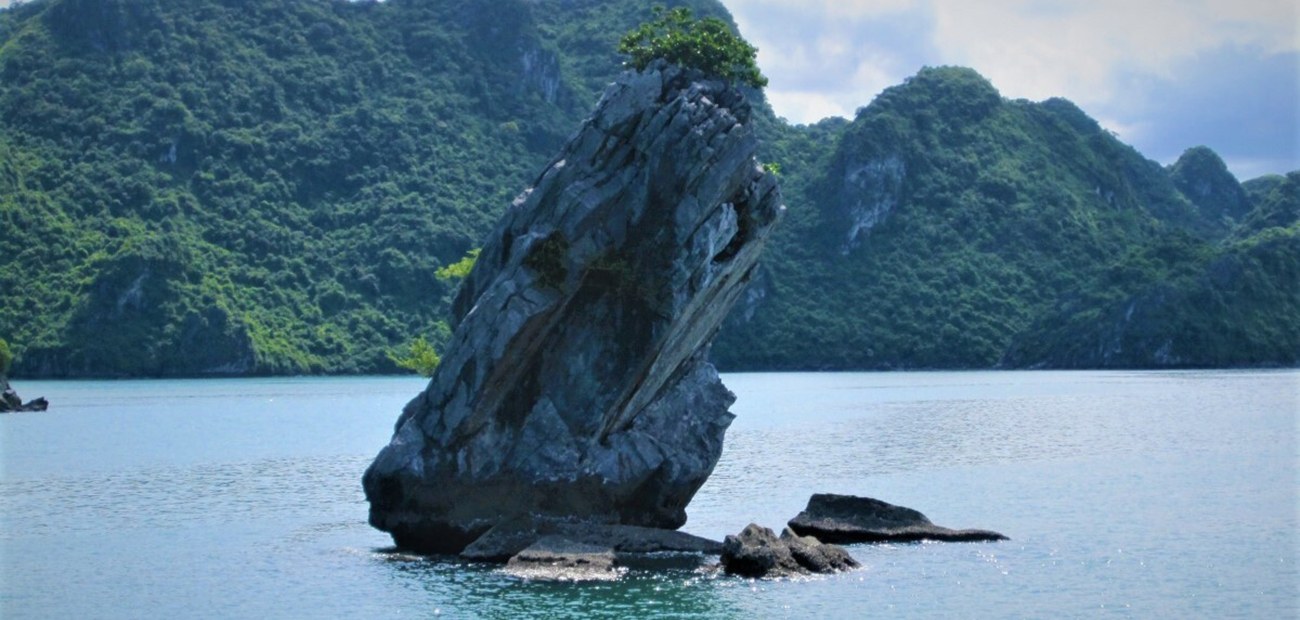
Con Coc Islet
Finger Islet
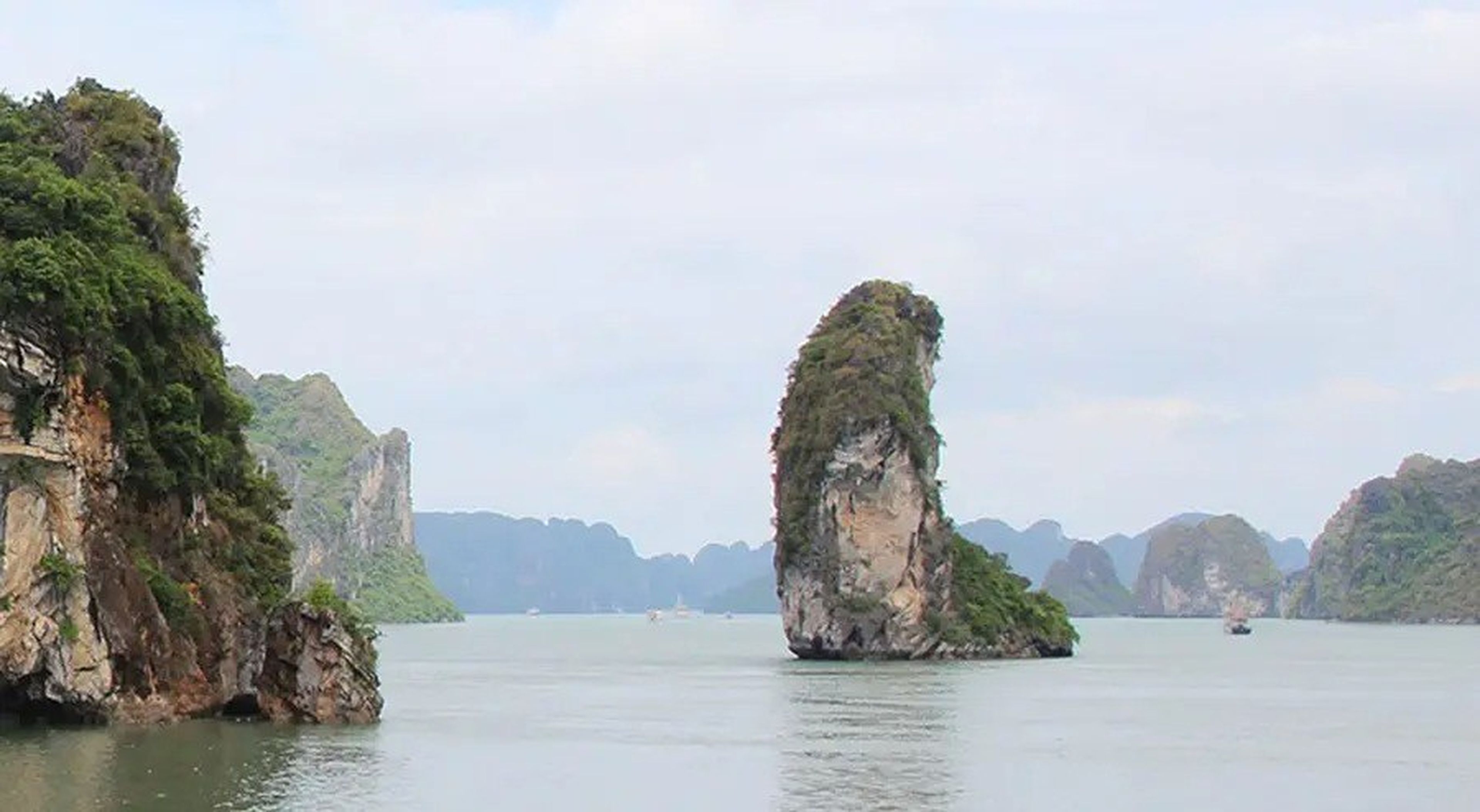
Located on the way to Ti Top Island, Finger Islet is the name locals often call it; its official name is Muoi Nam Islet. The islet is shaped like a thumb giving a “thumbs up”, which is why locals usually call it Finger Islet.