

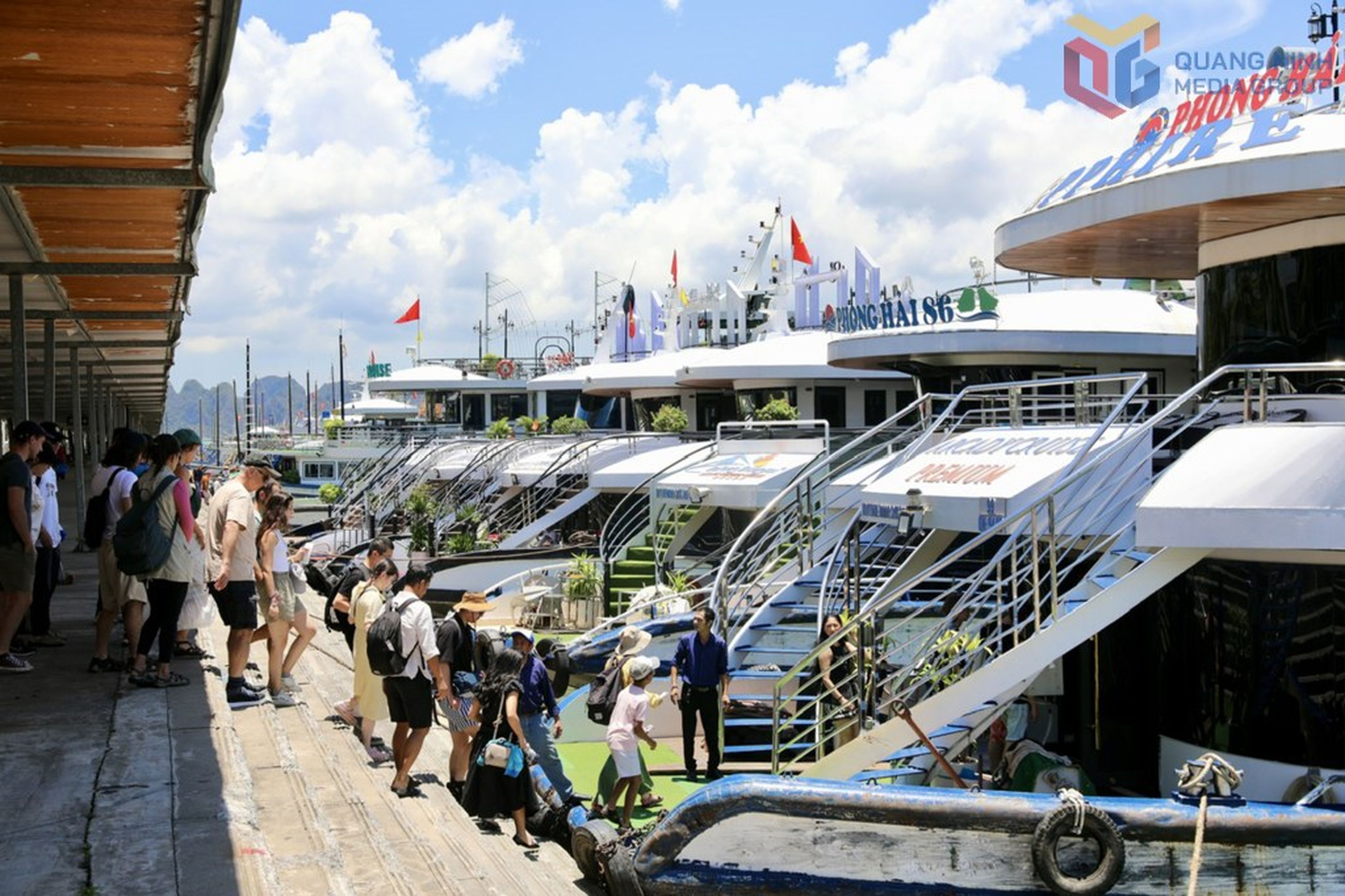
April marks the start of the summer tourist season as Ha Long Bay enters its peak period for welcoming visitors, putting significant pressure on waterway passenger transport activities. In this context, ensuring tourist boat safety is not only a regulatory requirement but has also become a crucial factor in safeguarding the destination's brand.
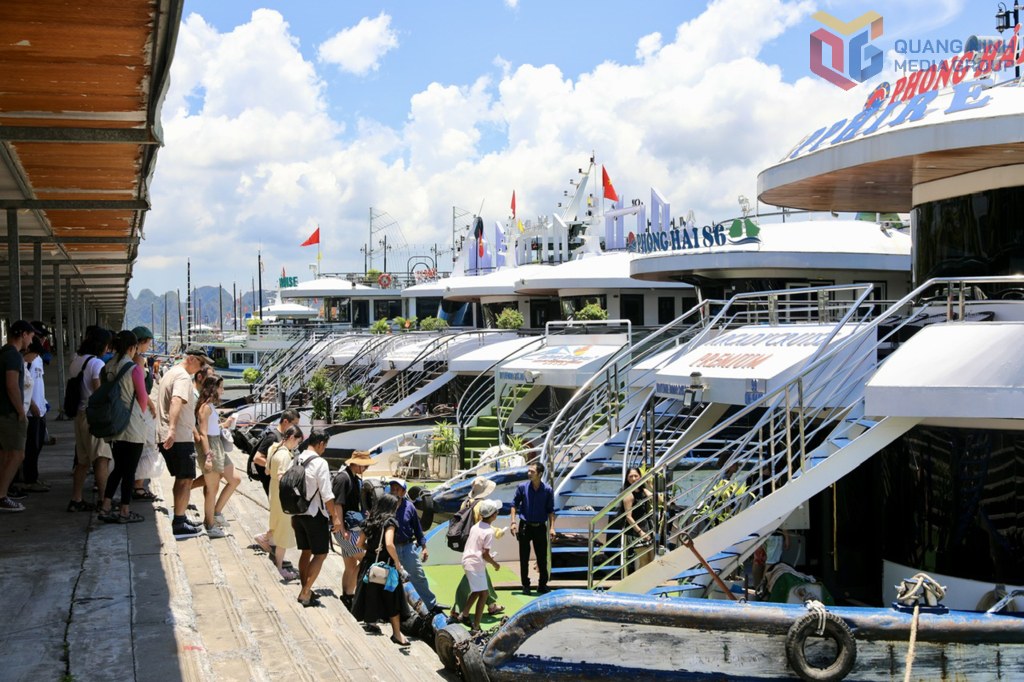
Currently, nearly 400 tourist boats are licensed to operate in Ha Long Bay. In recent years, the fleet has undergone a distinct transformation in quality, with significant investments in steel-hull vessels and high-end overnight cruise ships gradually replacing older craft. Concurrently, port systems, navigational channels, and anchorage areas have been comprehensively upgraded, contributing to higher safety margins and service capacity. Consequently, the bay's tourism landscape has become increasingly professional, better catering to the diverse needs of both domestic and international visitors.
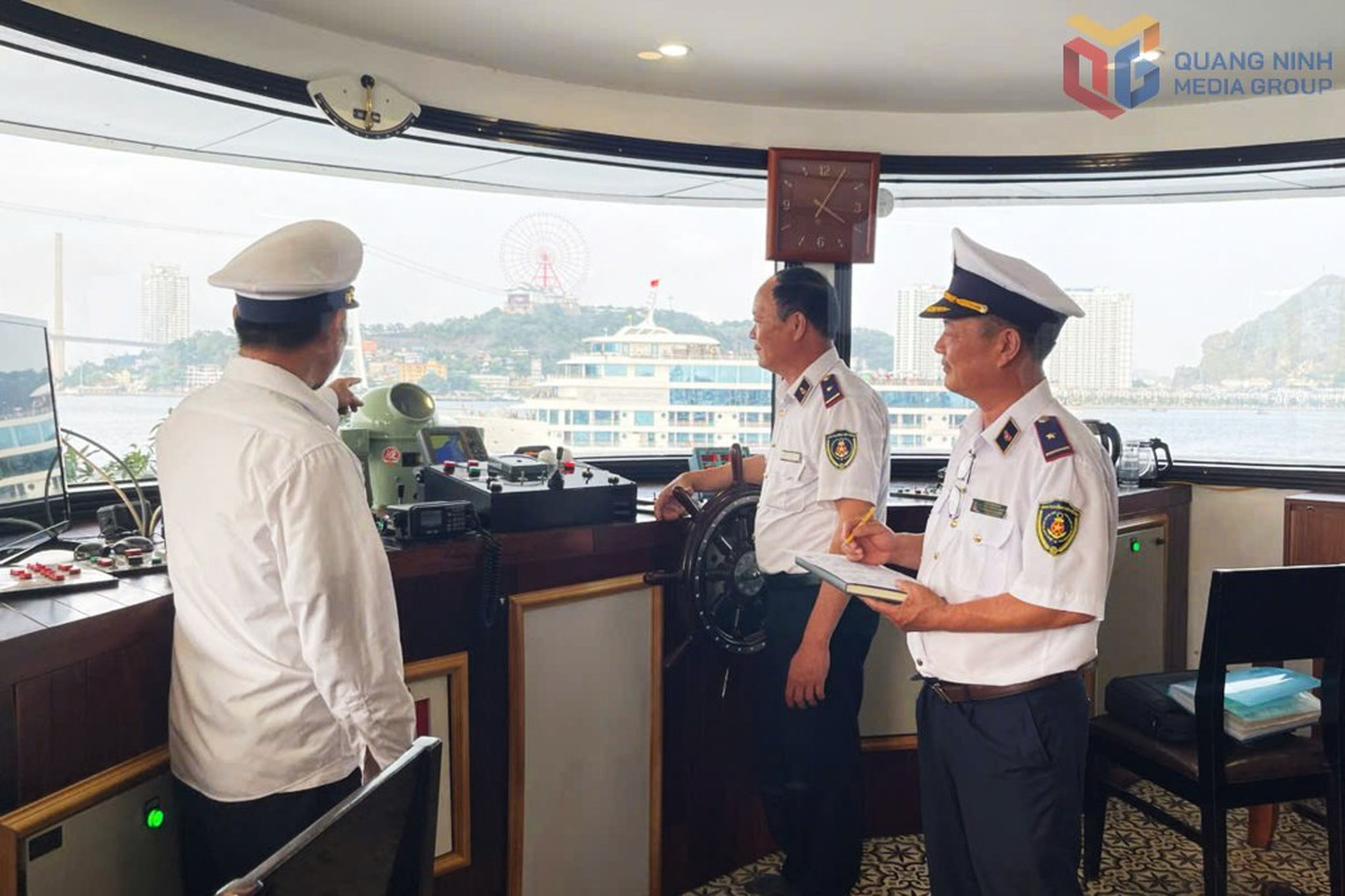
However, the rapid increase in tourist volume and vessel density has also imposed more rigorous safety control demands. Recognizing this clearly, the Department of Construction proactively rolled out a comprehensive inspection plan for the entire fleet ahead of the peak season. Interdisciplinary inspection teams were established, focusing on checking vessel technical conditions, life-saving and rescue equipment, as well as the professional credentials and certifications of captains and crew members.
A new highlight this year is the tighter scrutiny placed on crew members, especially new recruits. In addition to reviewing credentials, functional agencies directly assess practical crisis-handling skills to minimize risks stemming from human error—a latent cause of many waterway accidents. In parallel with inspections, training programs have been accelerated toward practical effectiveness. Fire prevention, firefighting, search, and rescue drills at sea are conducted periodically with the participation of multiple forces. Simulating realistic scenarios such as onboard fires, loss of steering control during squalls, and collisions in the bay helps crew members hone their reflexes and coordination capabilities during emergencies.
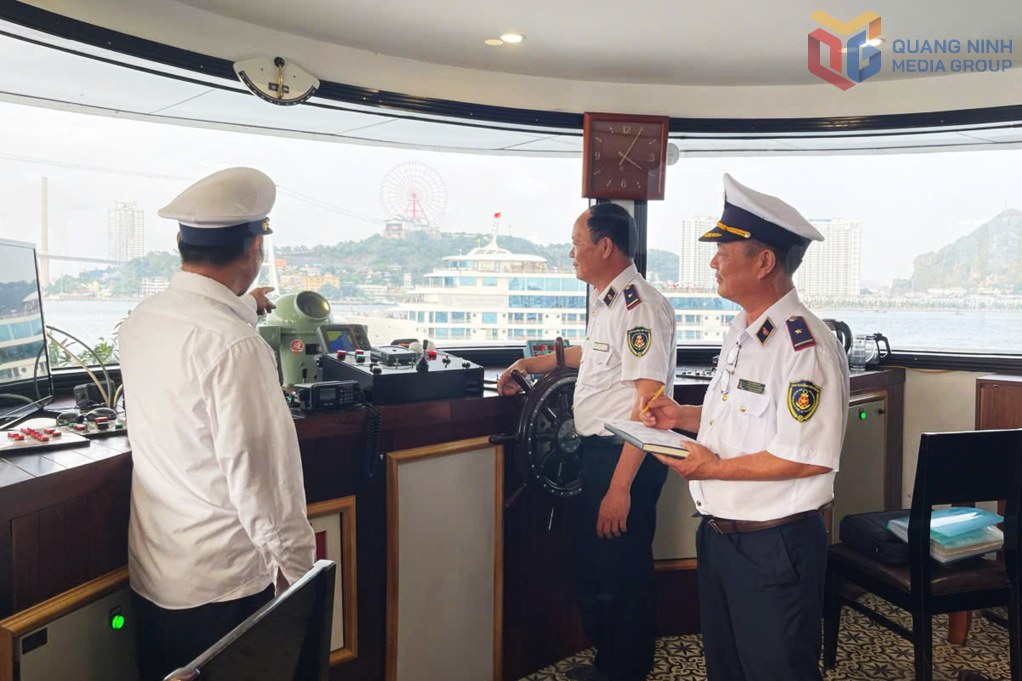
Meanwhile, the Quang Ninh Inland Waterway Port Authority continues to effectively perform its role as a "coordination hub" for tourist boat operations. 100% of vessels operating in the bay are equipped with GPS tracking devices. Through this system, vessel position, speed, and voyage parameters are continuously updated, enabling regulatory bodies to promptly detect anomalies and issue early warnings. Moving beyond technical monitoring, management is further tightened through a clear accountability framework. Coordination regulations among relevant parties have been refined toward "clear personnel, clear tasks," binding specific responsibilities to each vessel owner and captain. Hotlines are widely publicized, offering a direct feedback channel for tourists—a "soft supervision channel" that proves highly effective in practice.
According to a representative of the Quang Ninh Inland Waterway Port Authority, alongside its heritage value, safety serves as the cornerstone for the sustainable development of Ha Long Bay tourism. For this year's peak season, all vessel owners and crew members have been thoroughly briefed on regulations before serving guests, ensuring that every vessel departs under the highest safety standards.
However, the greatest challenge today lies neither in vessels nor in human resources, but in natural elements. Weather patterns in the bay are increasingly erratic, especially localized squalls and thunderstorms that develop rapidly with intense strength. These represent high potential safety risks, particularly for vessels cruising offshore or anchored overnight. Faced with this reality, functional authorities have bolstered on-duty shifts, closely monitored weather patterns, and maintained round-the-clock patrols and inspections across key areas. Vessel owners are required to maintain a 24/7 watch and proactively devise response plans for adverse weather situations. The principle of "no departure without absolute safety" continues to be strictly enforced, even during peak tourism periods.
In 2026, Quang Ninh aims to welcome over 20 million tourist arrivals, making a vital contribution to the province's economic growth. On that journey, ensuring the safety of nearly 400 tourist vessels operating in the bay is not only an immediate priority but also an enduring commitment to visitors. Safeguarding every voyage and every journey is not solely the responsibility of regulatory authorities or businesses, but a core factor for Ha Long Bay to continuously affirm its stature as a safe, world-class destination on the global tourism map.