The 5D4N Sapa Tet tour offers travelers an inter-provincial journey through many breathtaking landscapes of Northern and Northwestern Vietnam, exploring the culture and enticing specialties of each region and ethnic group.
Spring journey through spectacular Northern landscapes with the 5D4N Sapa Tet tour
Lao Cai – Sapa
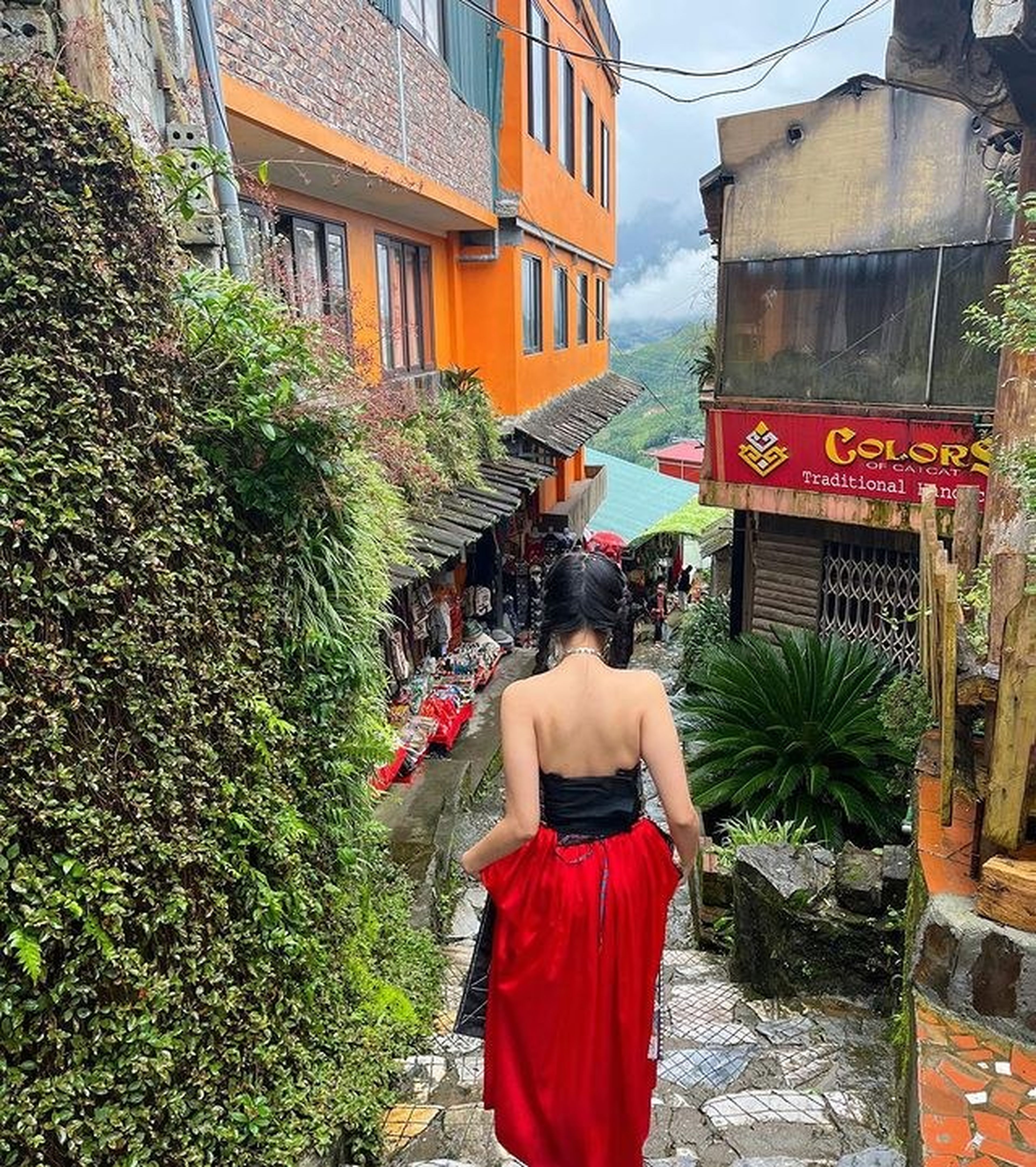
Cat Cat Village
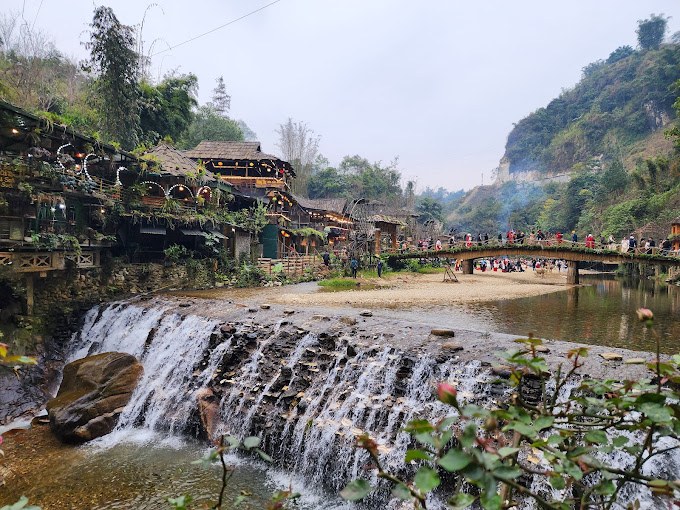
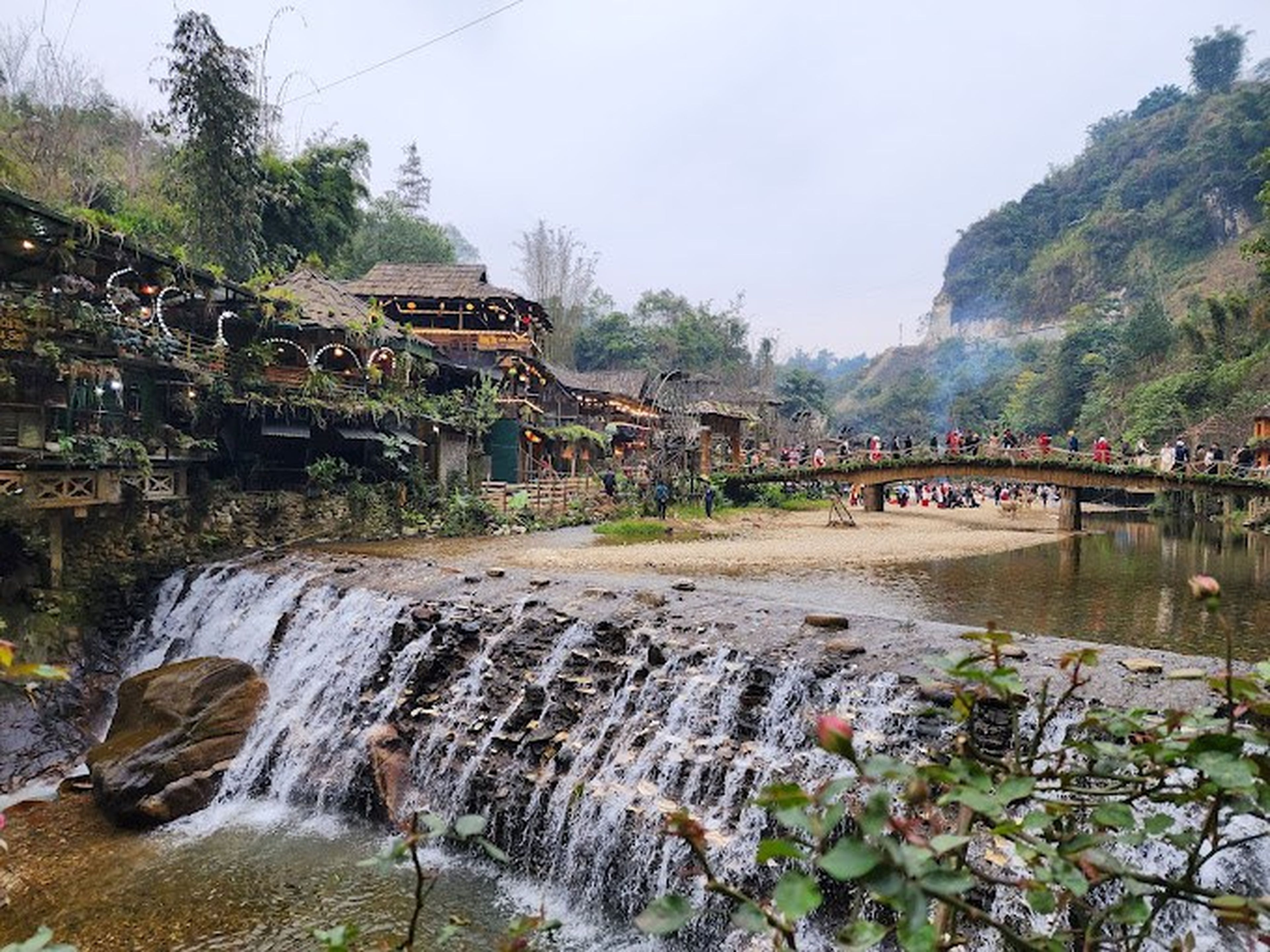
Cat Cat Village is the first destination on this 5D4N Sapa Tet tour. Nestled at the foot of the Hoang Lien Son mountain range in San Sa Ho commune, Sapa district, Lao Cai province, the village is only about 2 km from the town center. Cat Cat Village captivates visitors with rustic wooden houses, gurgling streams, vibrant brocade fabrics, and gentle, simple ethnic people.
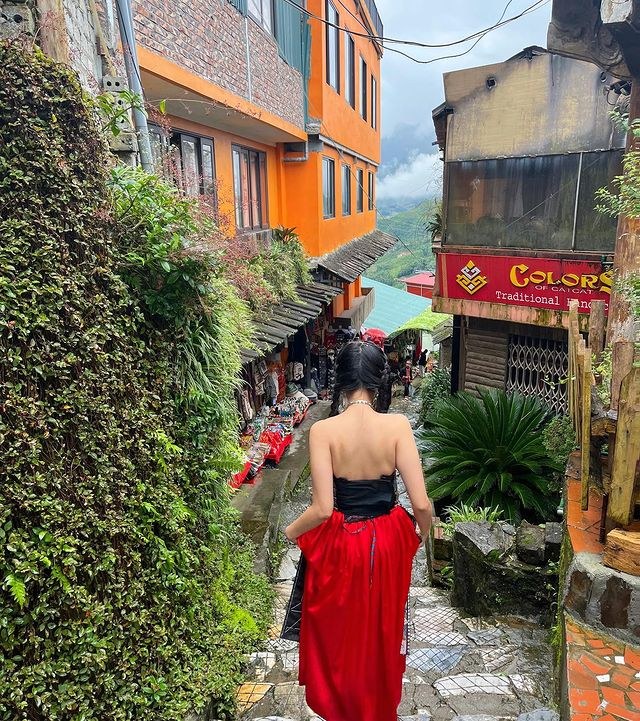
Photo: @adorehyo
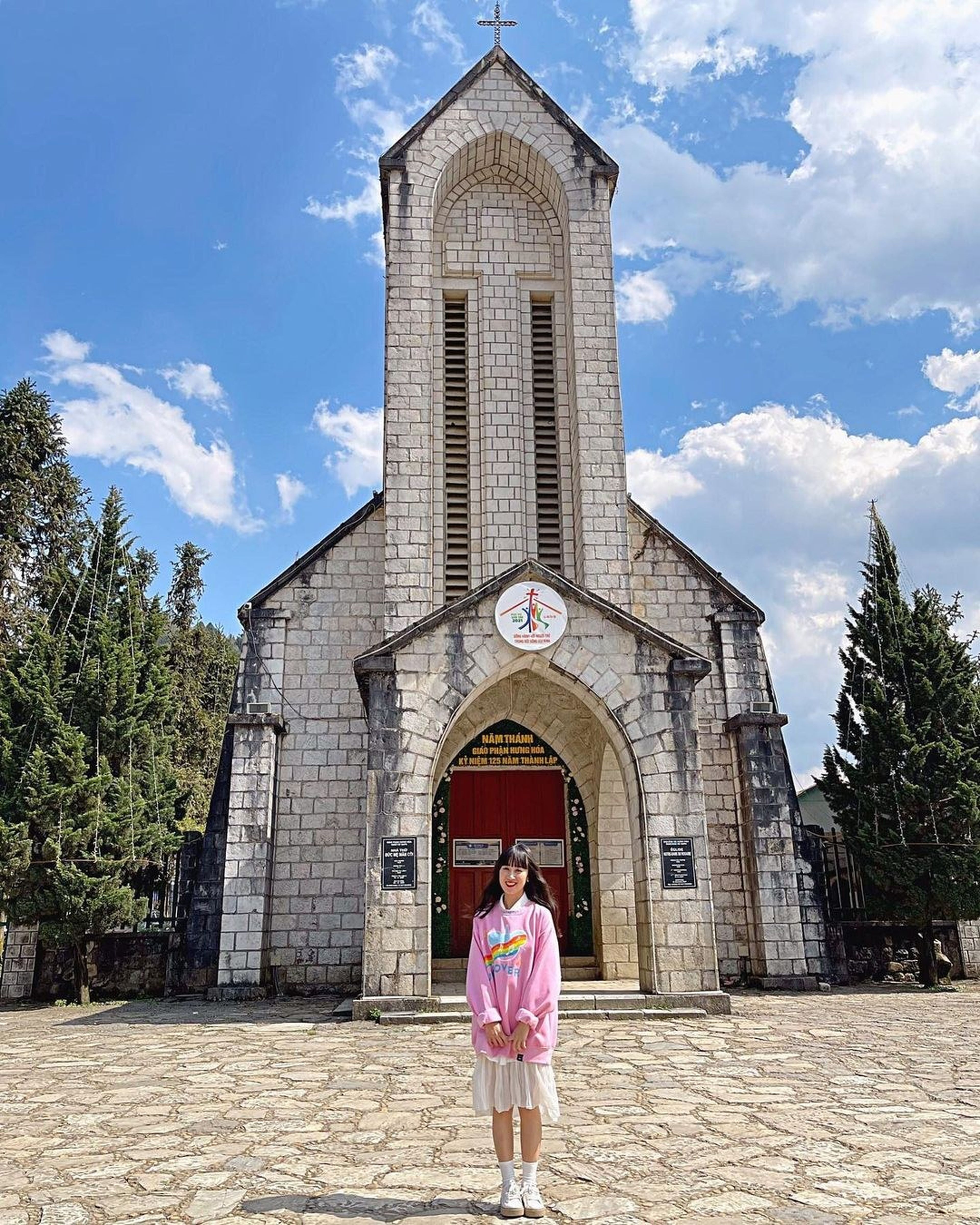
Stone Church
The Stone Church is located right in the heart of Sapa town. Built in 1895, it is regarded as the most intact ancient French architectural landmark remaining here. Despite several renovations and restorations following war and severe natural weathering, the church has retained its graceful charm and spiritual soul as a historic religious monument.
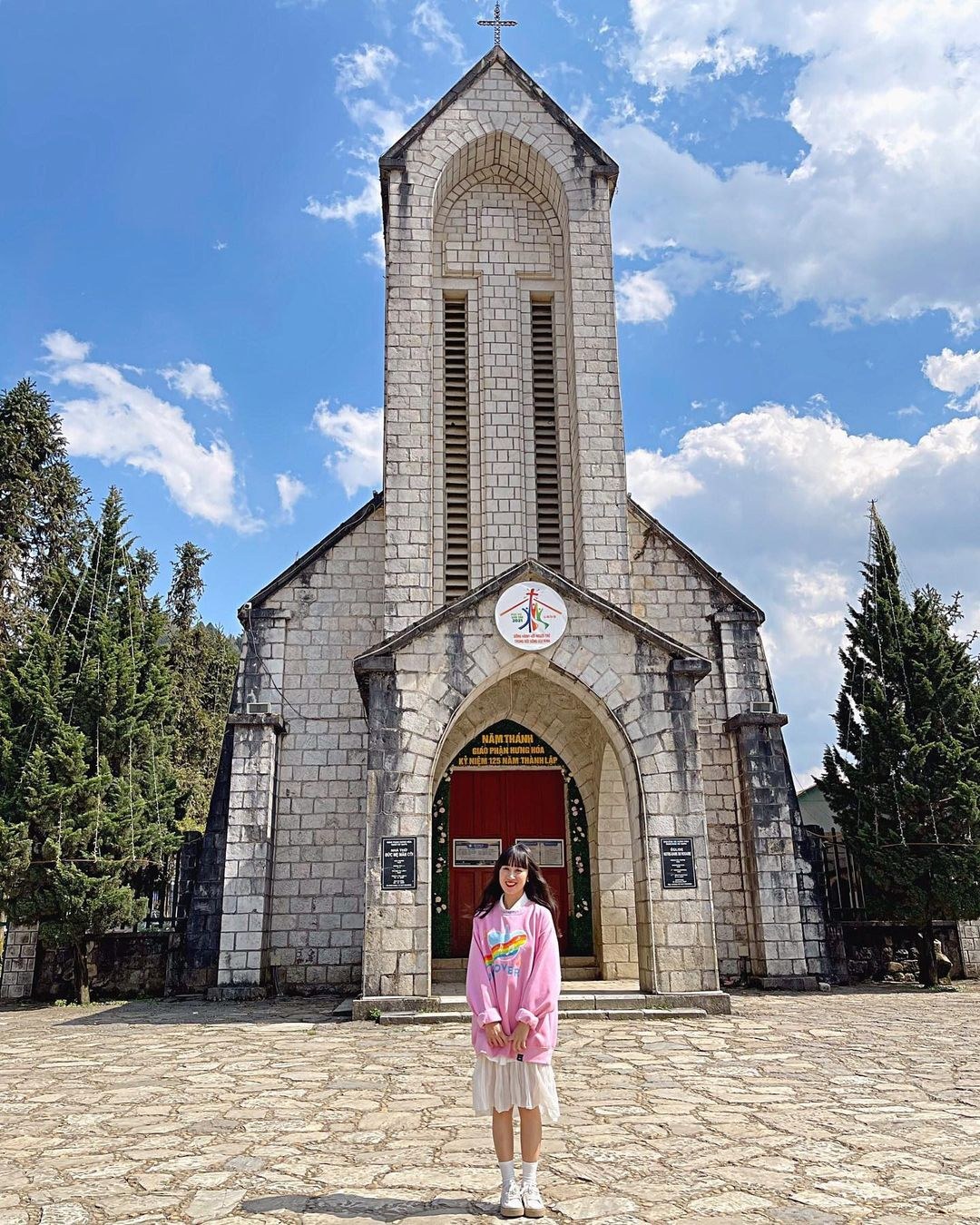
Photo: @trinh_x
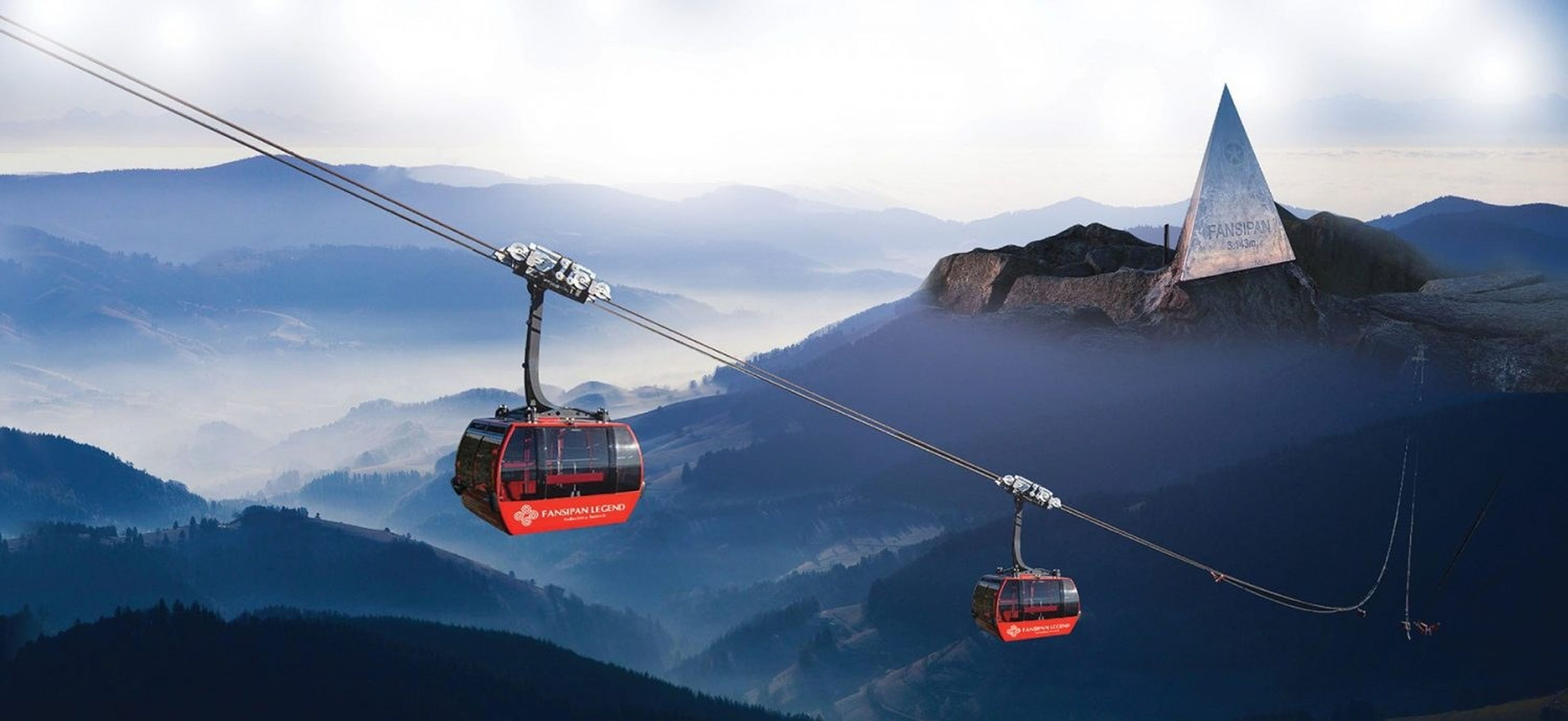
Fansipan Peak
Fansipan Peak is known as the “Roof of Indochina” and an unmissable stop on the 5D4N Sapa Tet tour. Standing here, visitors can take in panoramic views from soaring heights. Leaving behind all fatigue and worries, the indescribable exhilaration of standing amidst the vast green forests promises an unforgettable once-in-a-lifetime experience. Fansipan stands proudly as an inviting challenge for adventure enthusiasts.
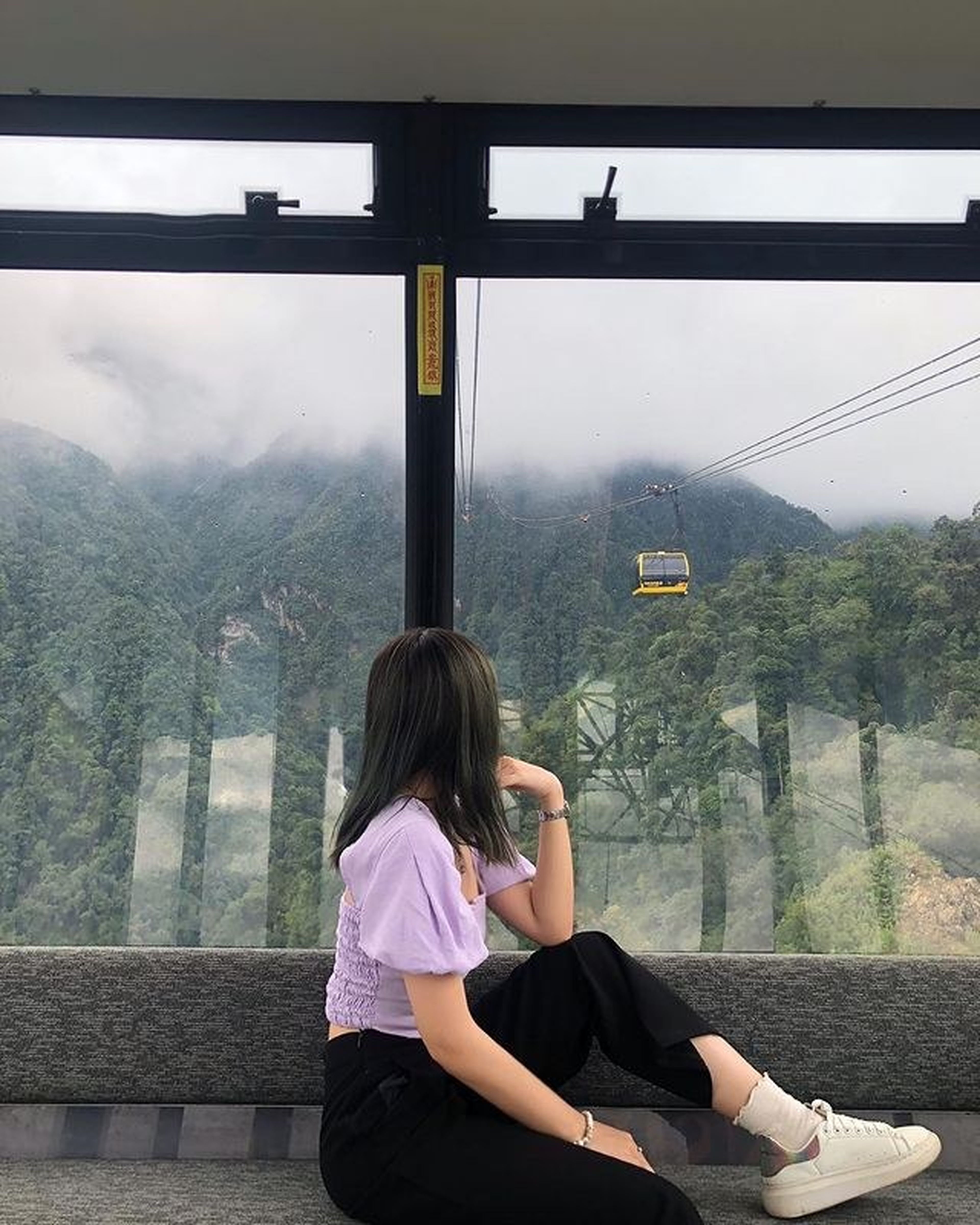
Fansipan Cable Car
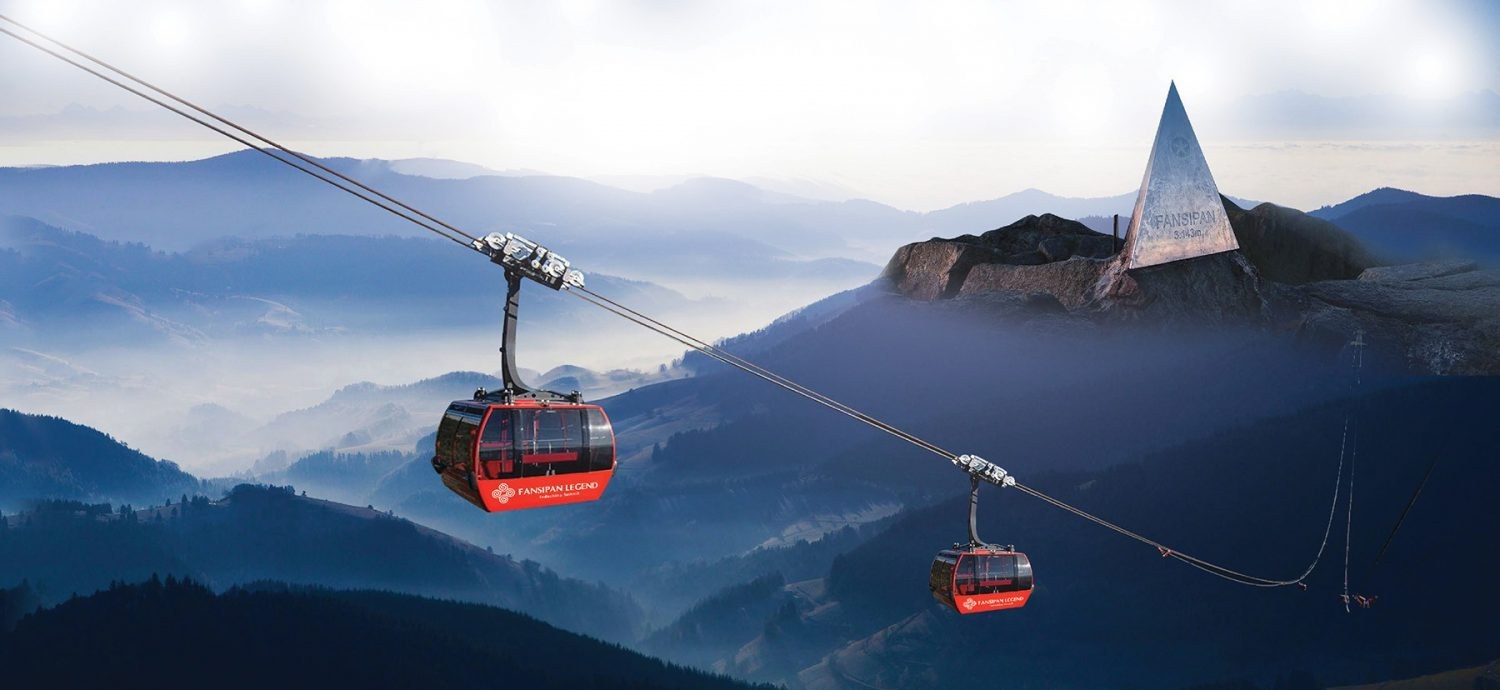 During the journey of the 5D4N Sapa Tet tour, you will experience the Fansipan cable car—a modern three-rope cable car system connecting the town center to the summit of Fansipan. This state-of-the-art three-rope cable car spans 6,292.5 meters. Not only does it reduce travel time to Fansipan Peak from two days to just 15 minutes, but it also allows visitors to admire stunning panoramic views of sea-of-clouds vistas, Muong Hoa Valley, and the Hoang Lien Son mountain range from above.
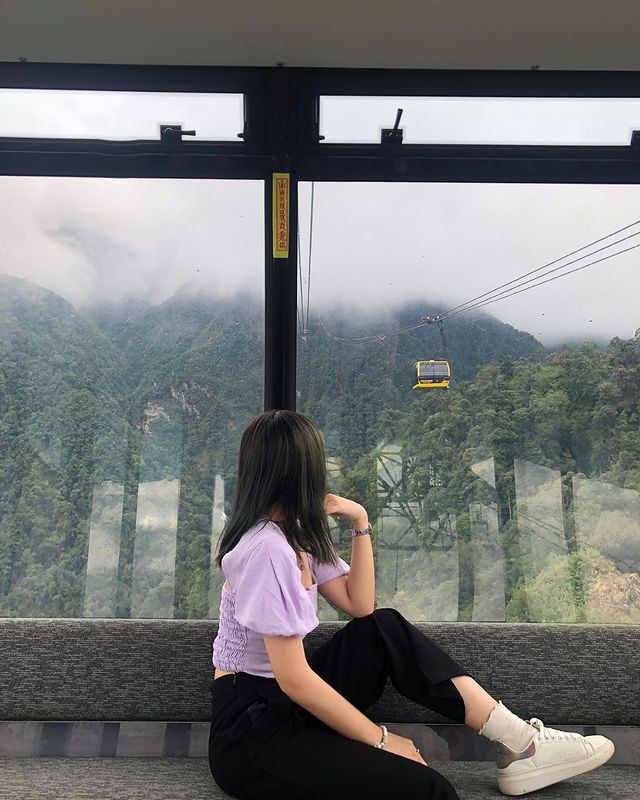
Photo: @tdunq15
Coc Leu Market, Lao Cai
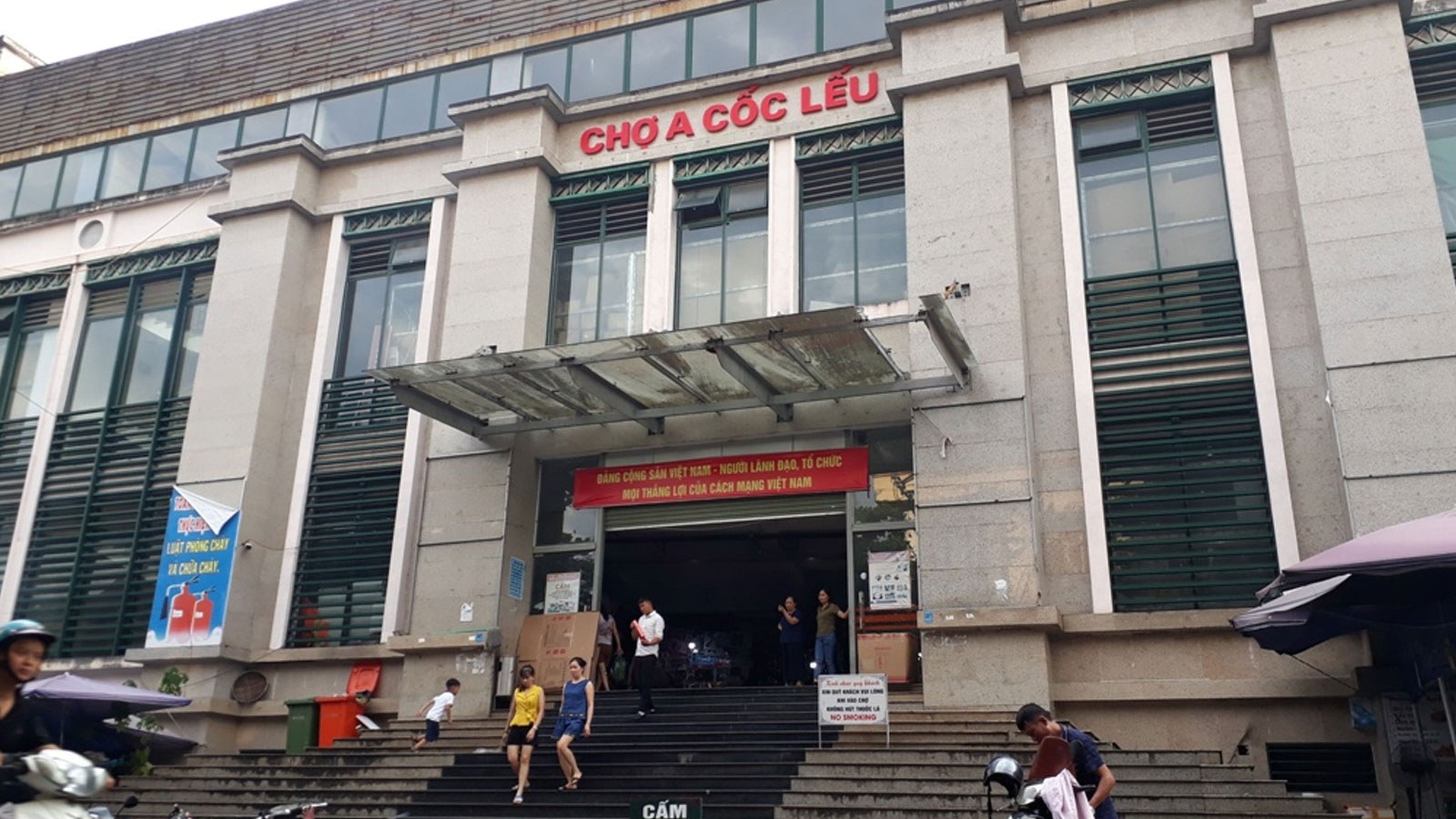
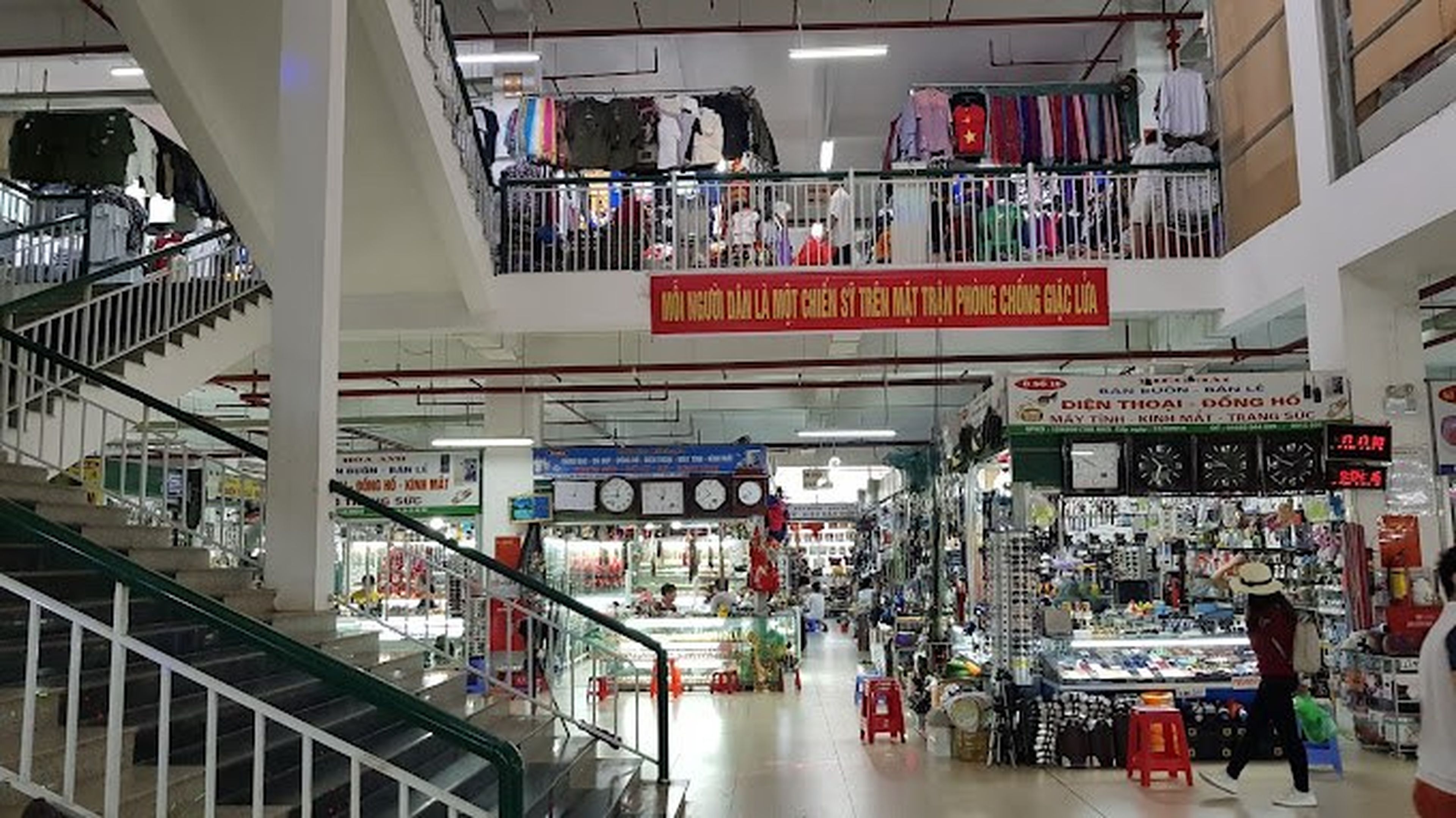
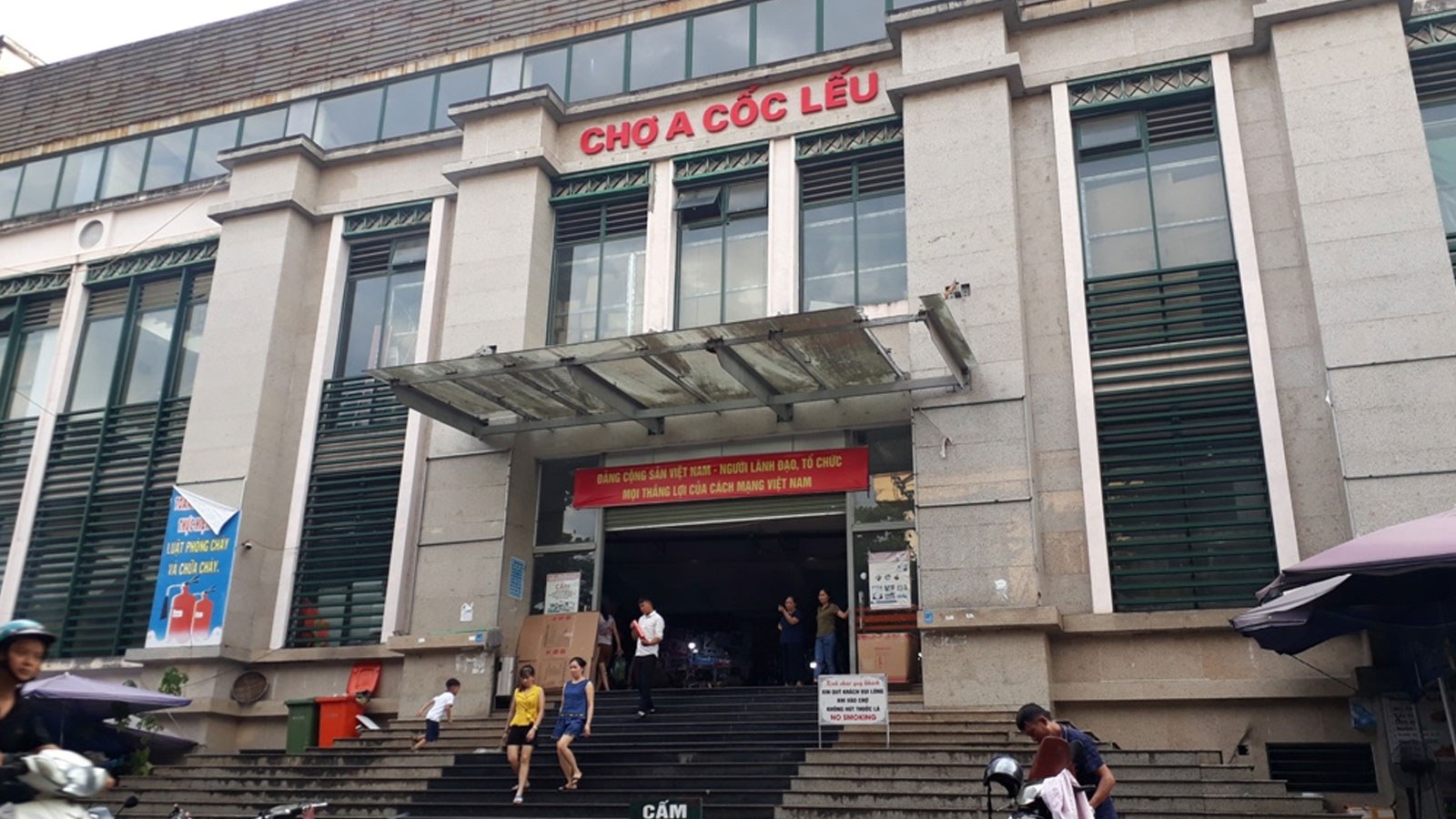 Coc Leu Market is considered the largest commercial center in Lao Cai province. As goods are imported directly through the border gate, the merchandise here is extremely diverse, rich in designs, and affordably priced, offering shoppers an abundance of choices. Furthermore, vendors in the market cater to everyone from retail shoppers buying small quantities to wholesale distributors sourcing large to massive volumes.
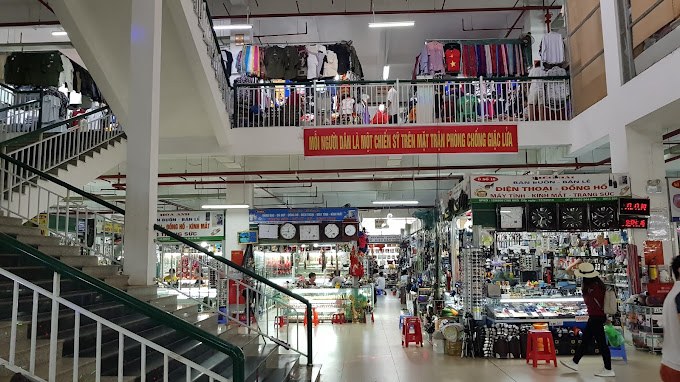
Inside the market
Hanoi
Ba Dinh Square
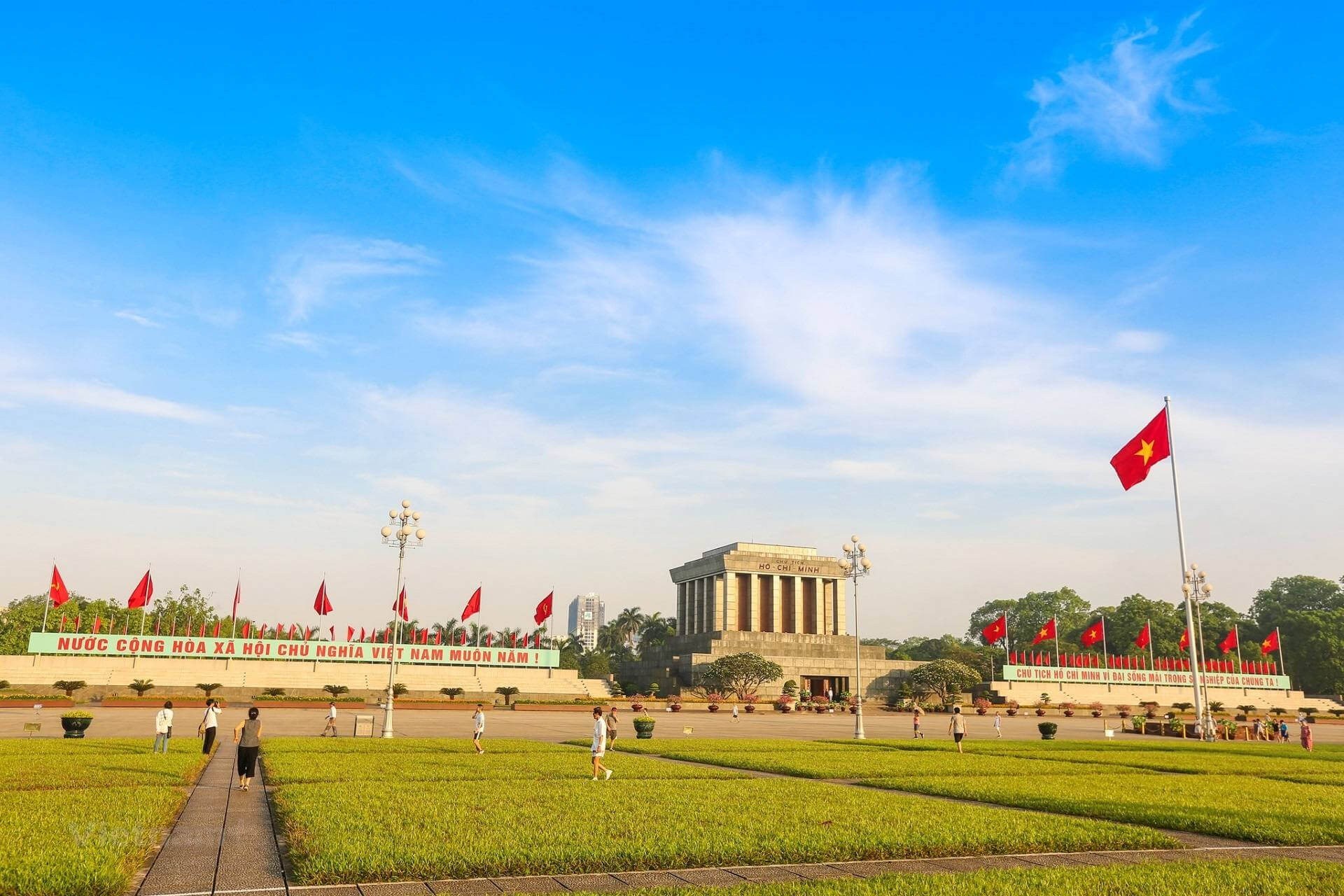
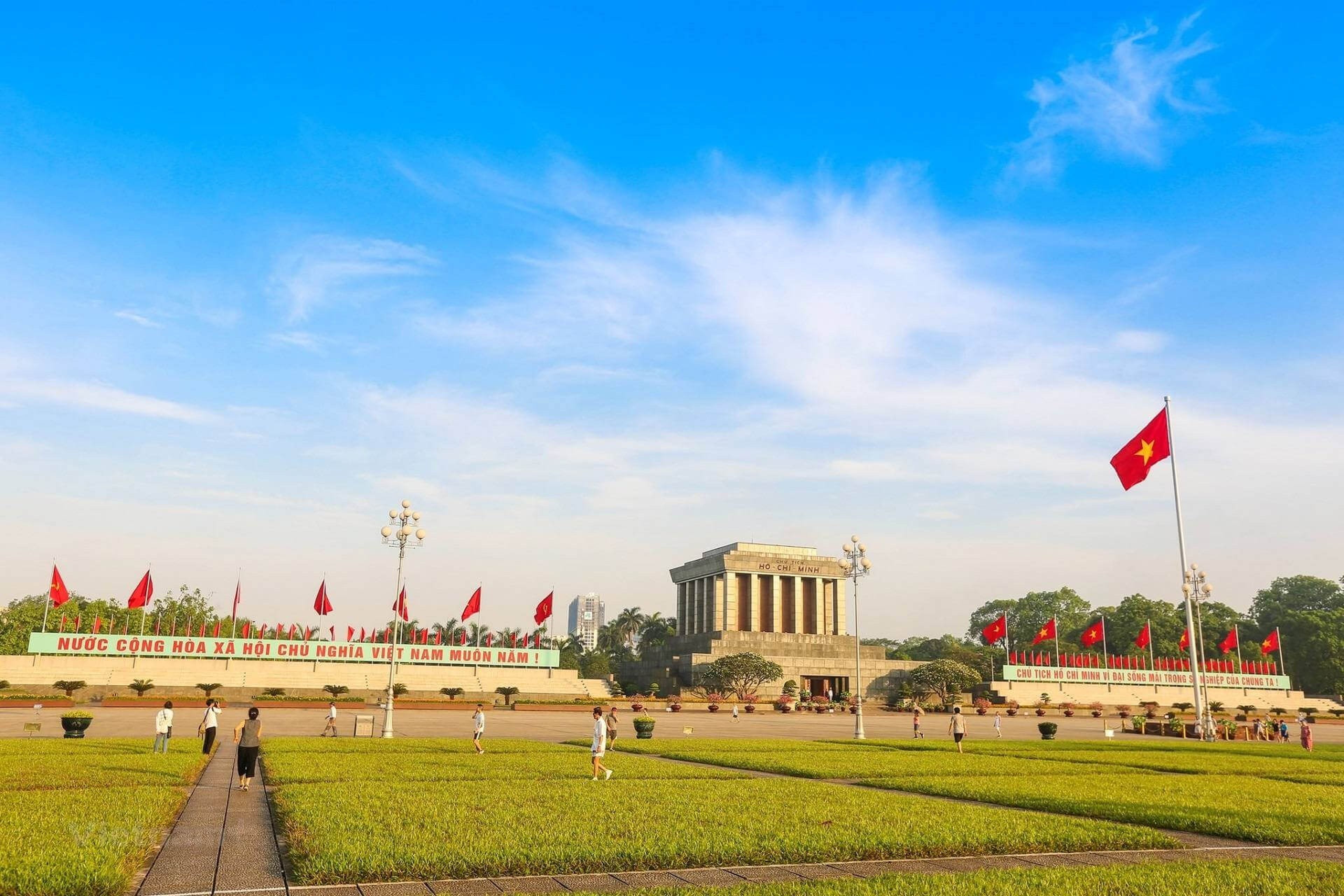
Ba Dinh Square in front of the Ho Chi Minh Mausoleum.
Ba Dinh Square is the largest square in Vietnam, located on Hung Vuong Street directly in front of the Ho Chi Minh Mausoleum. This site has witnessed numerous historic milestones of the nation. On September 2, 1945, President Ho Chi Minh read the Declaration of Independence here, establishing the Democratic Republic of Vietnam.
One Pillar Pagoda
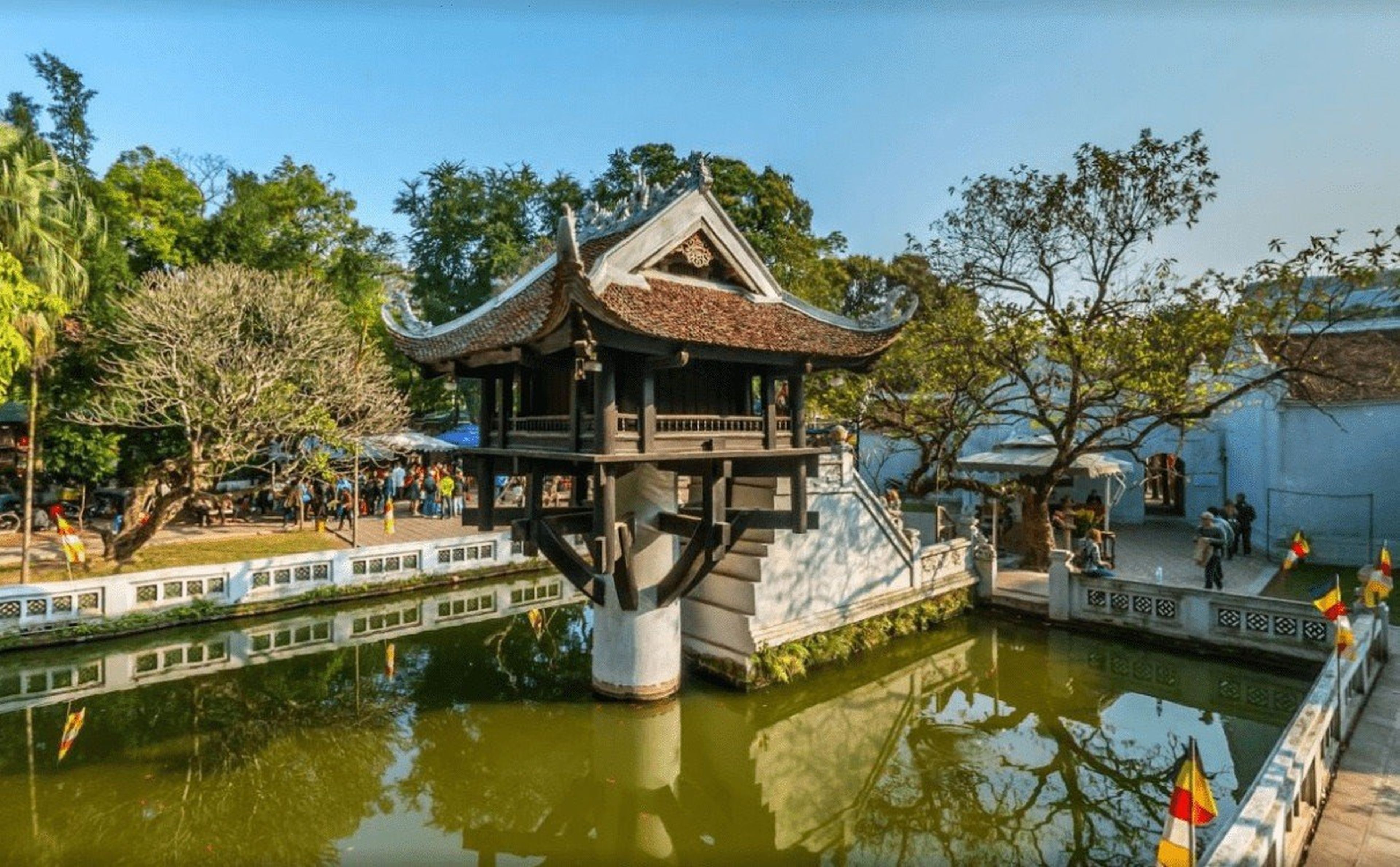
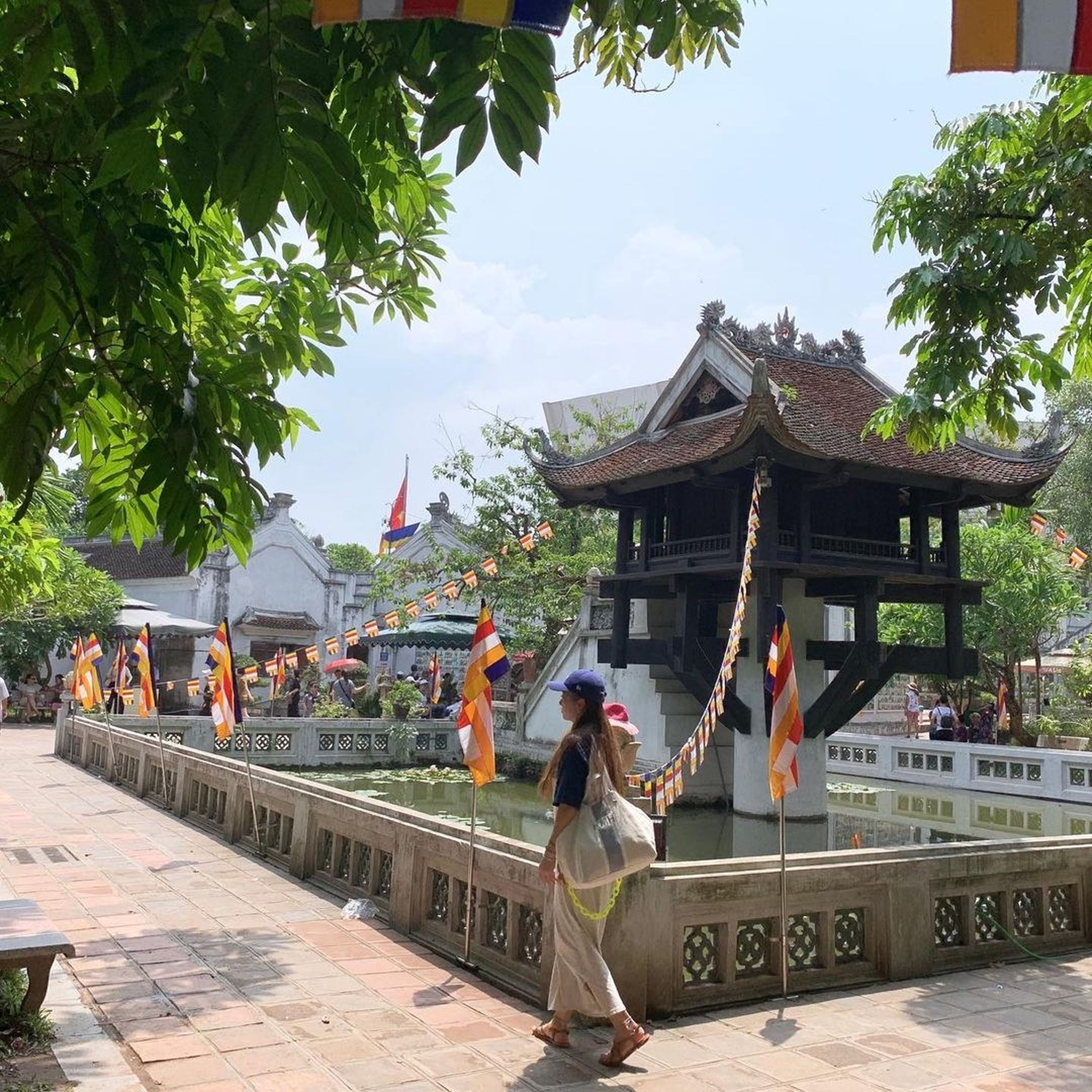
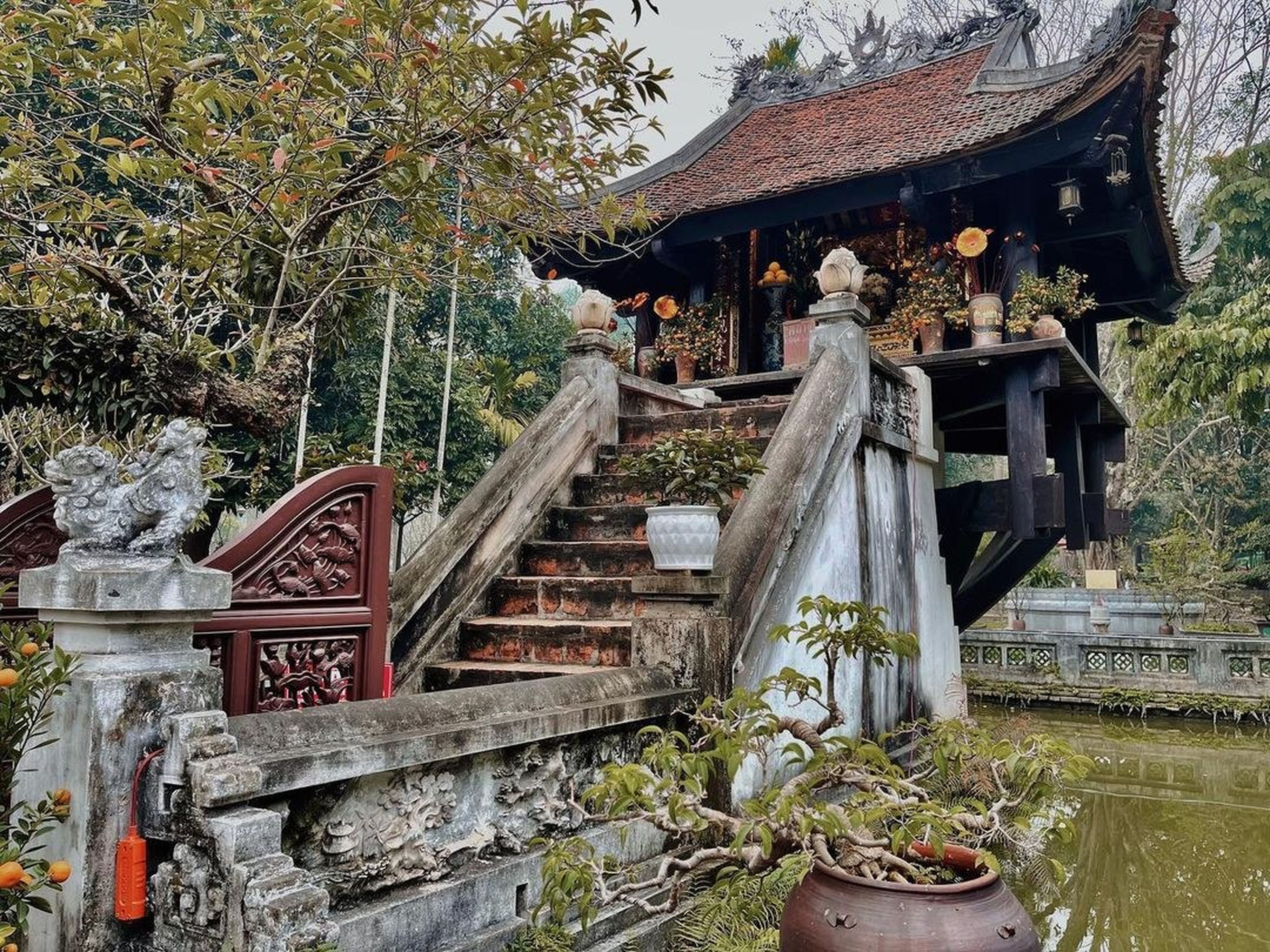
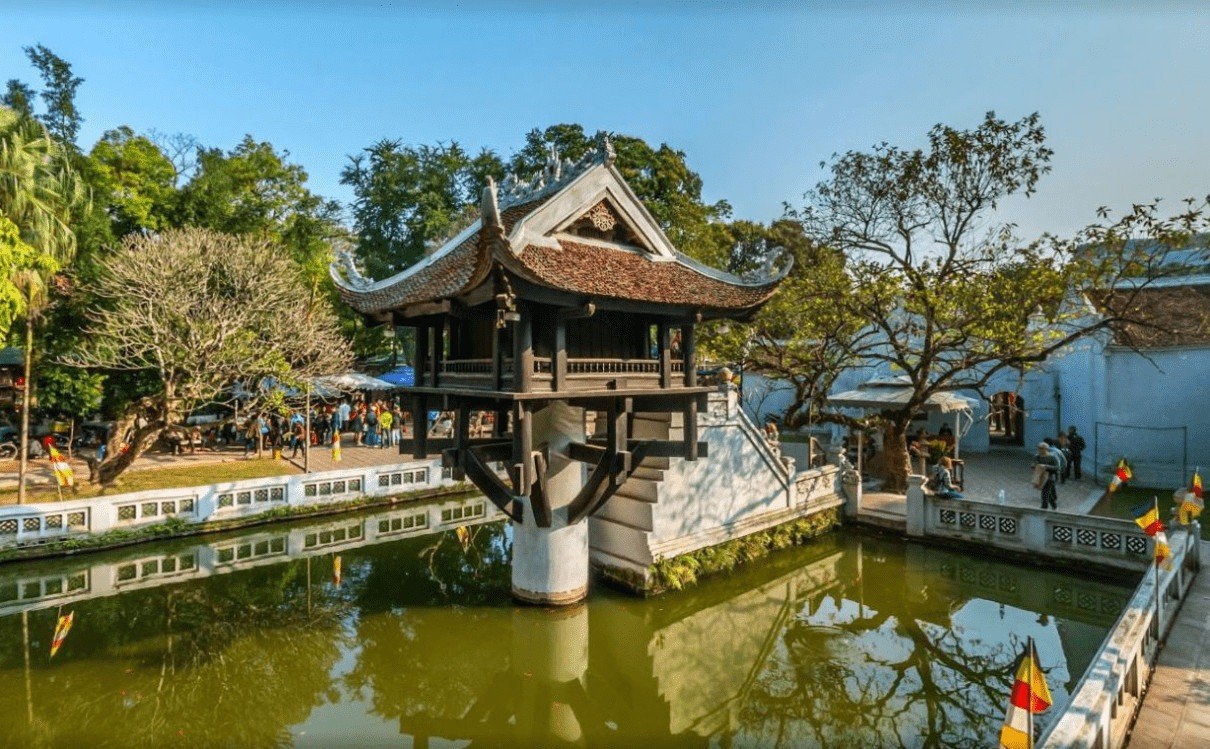 The pagoda is also known as Dien Huu Pagoda or Lien Hoa Dai (Lotus Station). It is situated on the street of the same name in Ba Dinh District, Hanoi. Not only recognized as possessing a unique architectural style in Vietnam and throughout Asia, the One Pillar Pagoda is also a revered spiritual destination and a thousand-year-old cultural symbol of Hanoi. The pagoda was honored by the Asian Book of Records as “the most unique architectural pagoda in Asia.” The original structure was supported by wooden beams anchored firmly to a stone pillar. Today's structure consists of the stone pillar, the Lotus Station, and the pagoda roof. The One Pillar Pagoda was even embossed on the 5,000 VND metal coin as a symbol of pride, reflecting the preservation and promotion of this exceptional heritage.
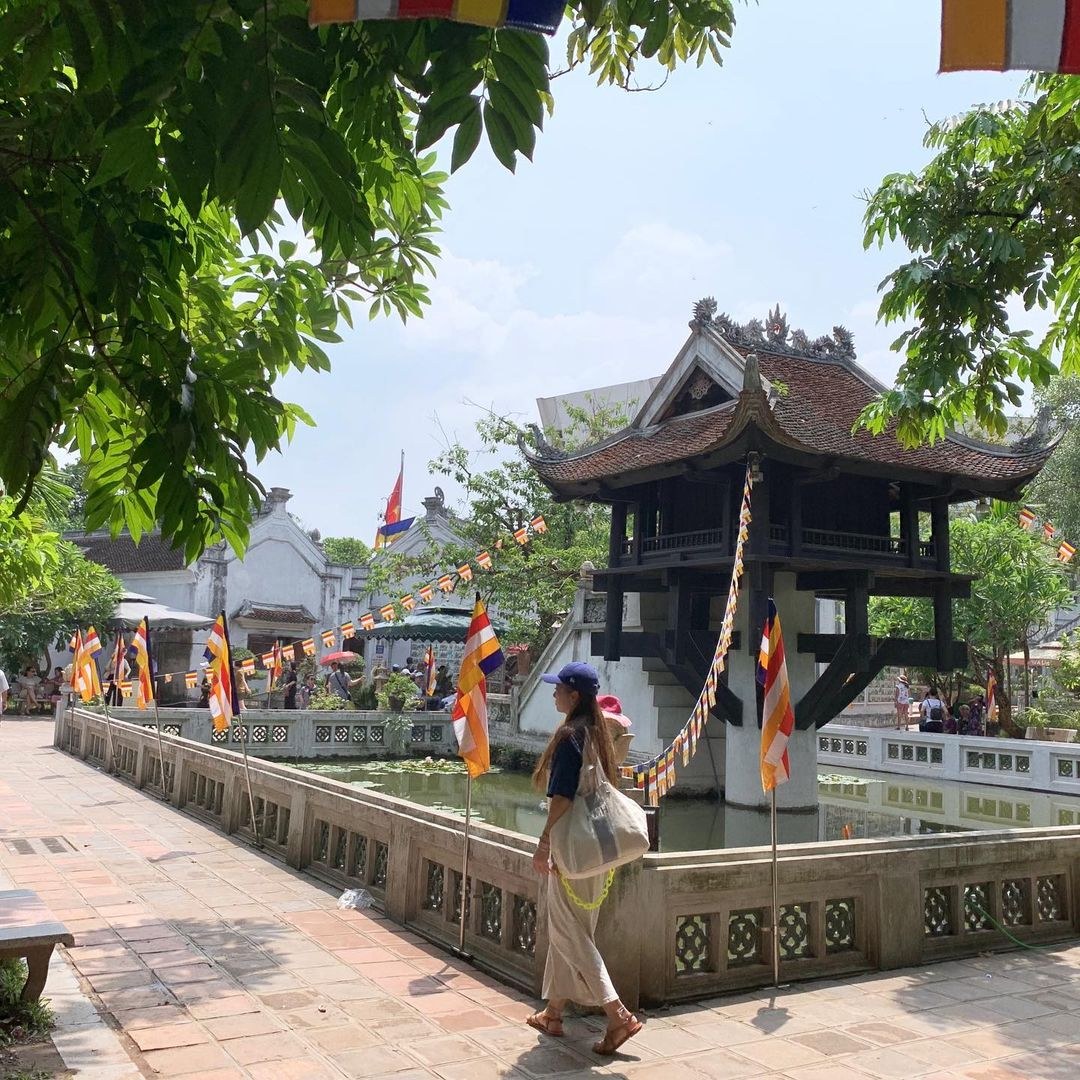
Photo: @zizizi006
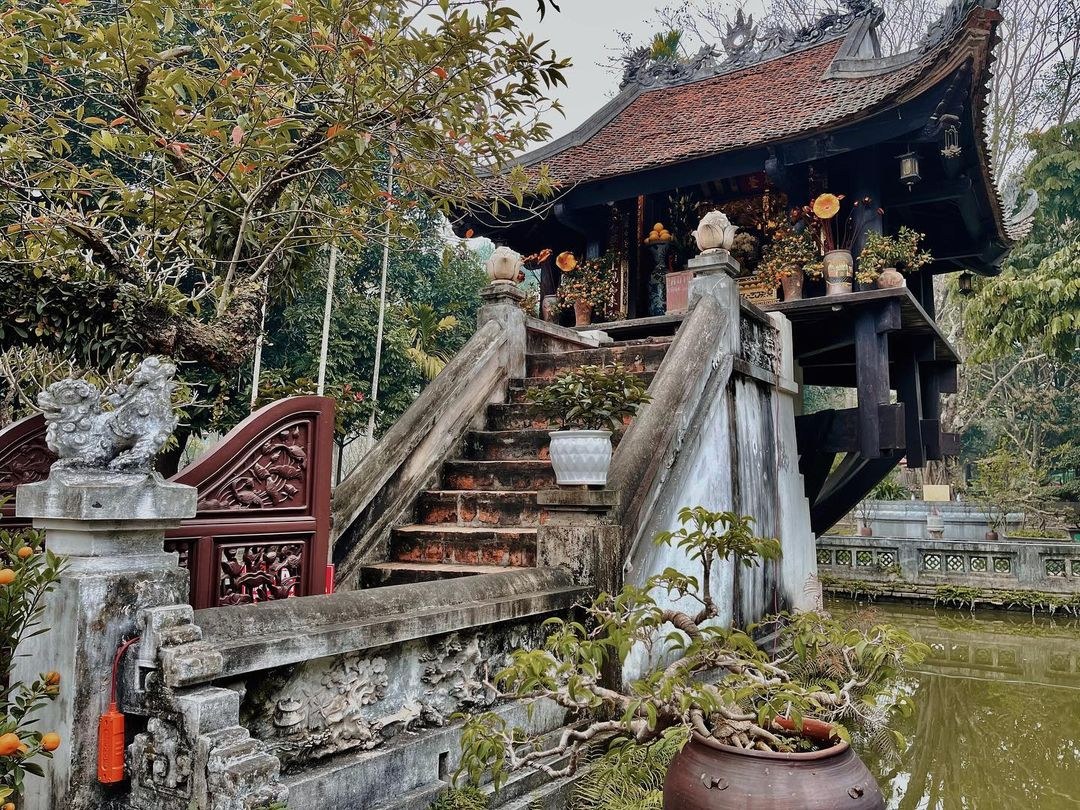
Photo: @kn_6102
Tran Quoc Pagoda
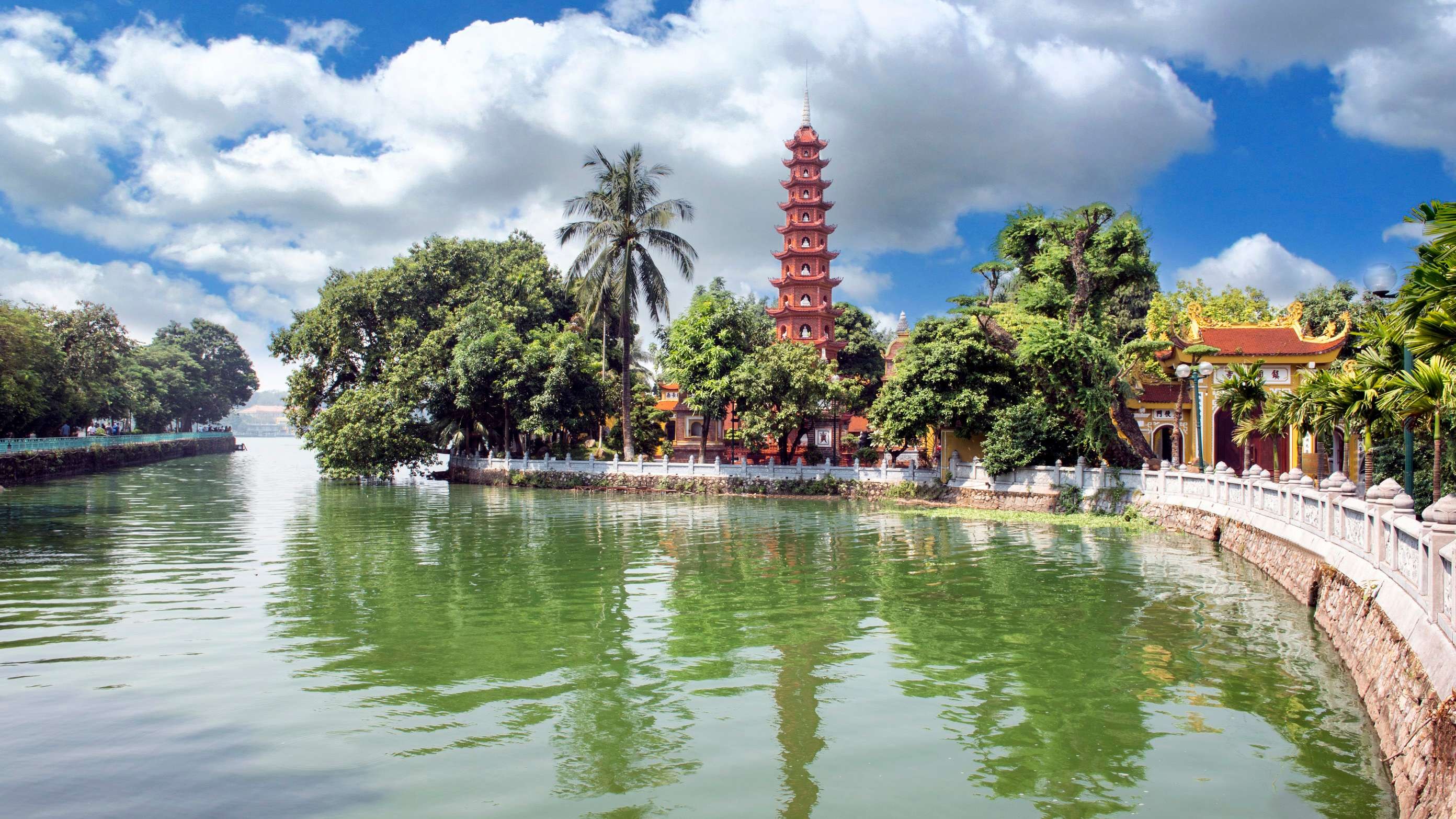
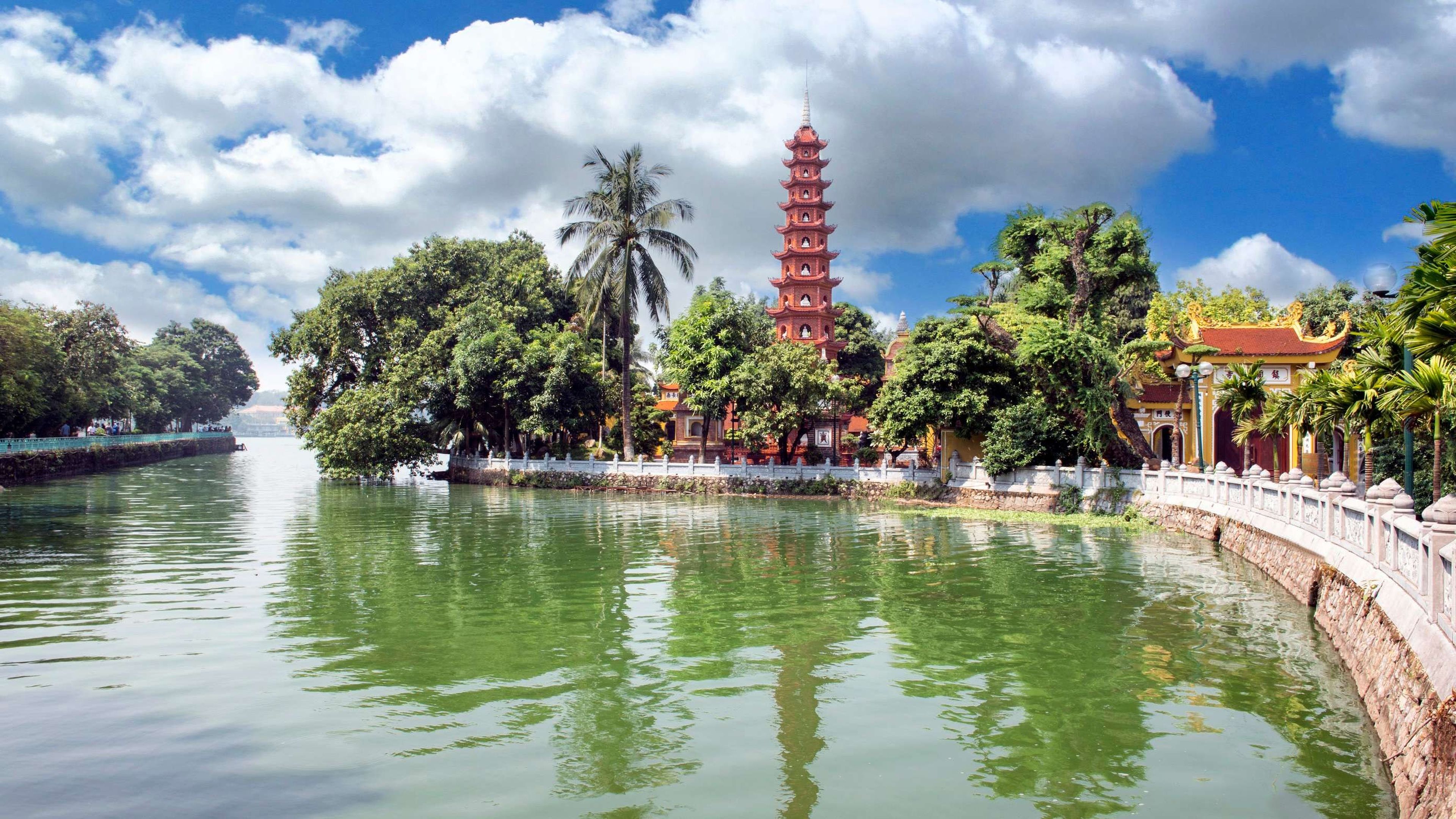
Tran Quoc Pagoda seen from afar.
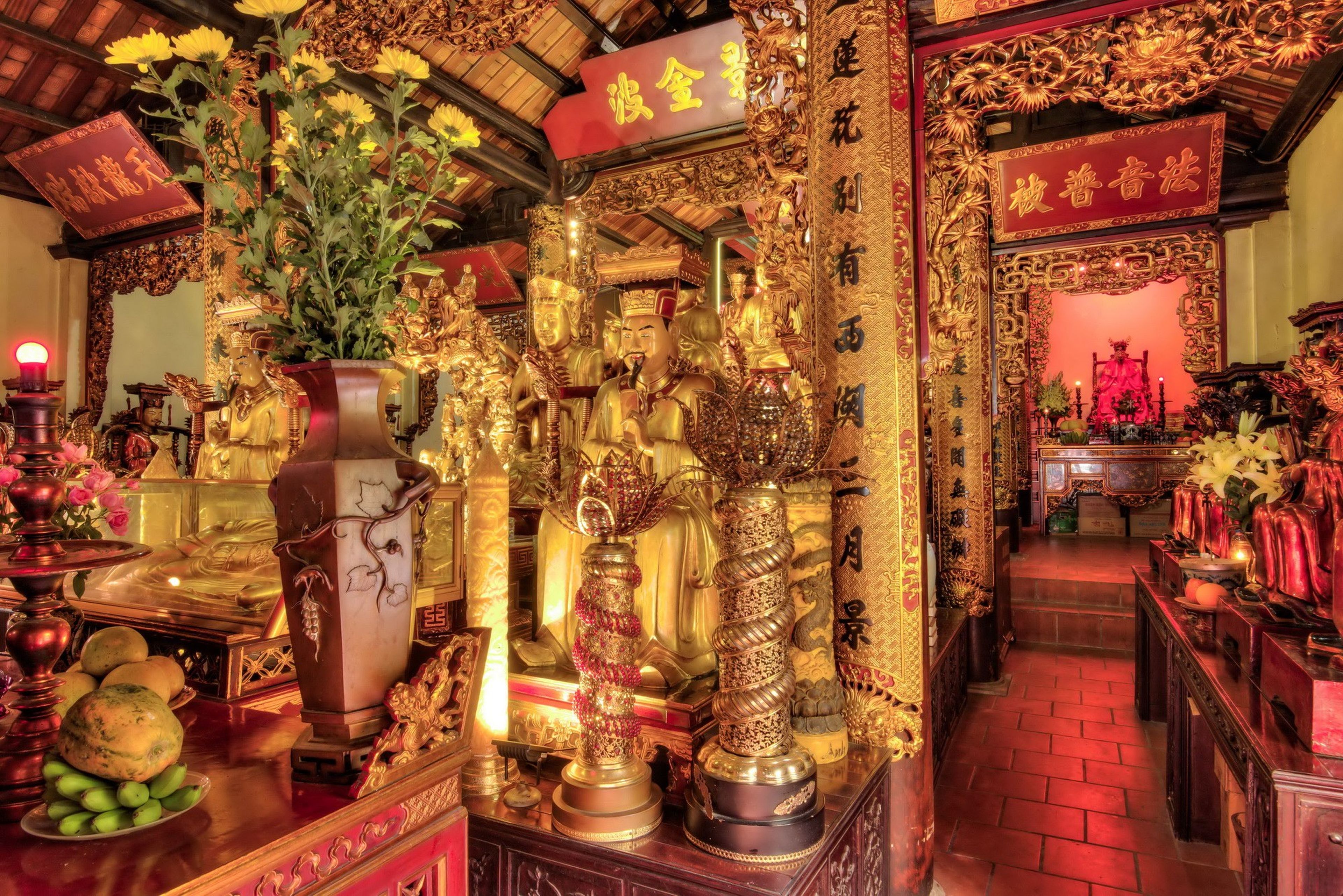
Tran Quoc Pagoda was originally named Khai Quoc Pagoda, built in 541 during the Early Ly Dynasty. It was renamed Tran Quoc Pagoda during the reign of King Le Hy Tong (1681–1705) with the wish that it would help shield people from natural disasters and bring peace to the nation. The pagoda is situated on an islet on the eastern side of West Lake. Today, it still preserves many valuable statues of Buddhas and Bodhisattvas, mainly placed in the upper shrine. Most prominent among them is the statue of Shakyamuni Buddha entering Nirvana, crafted from red-lacquered and gilded wood, one of the most exquisite Nirvana statues in Vietnam.
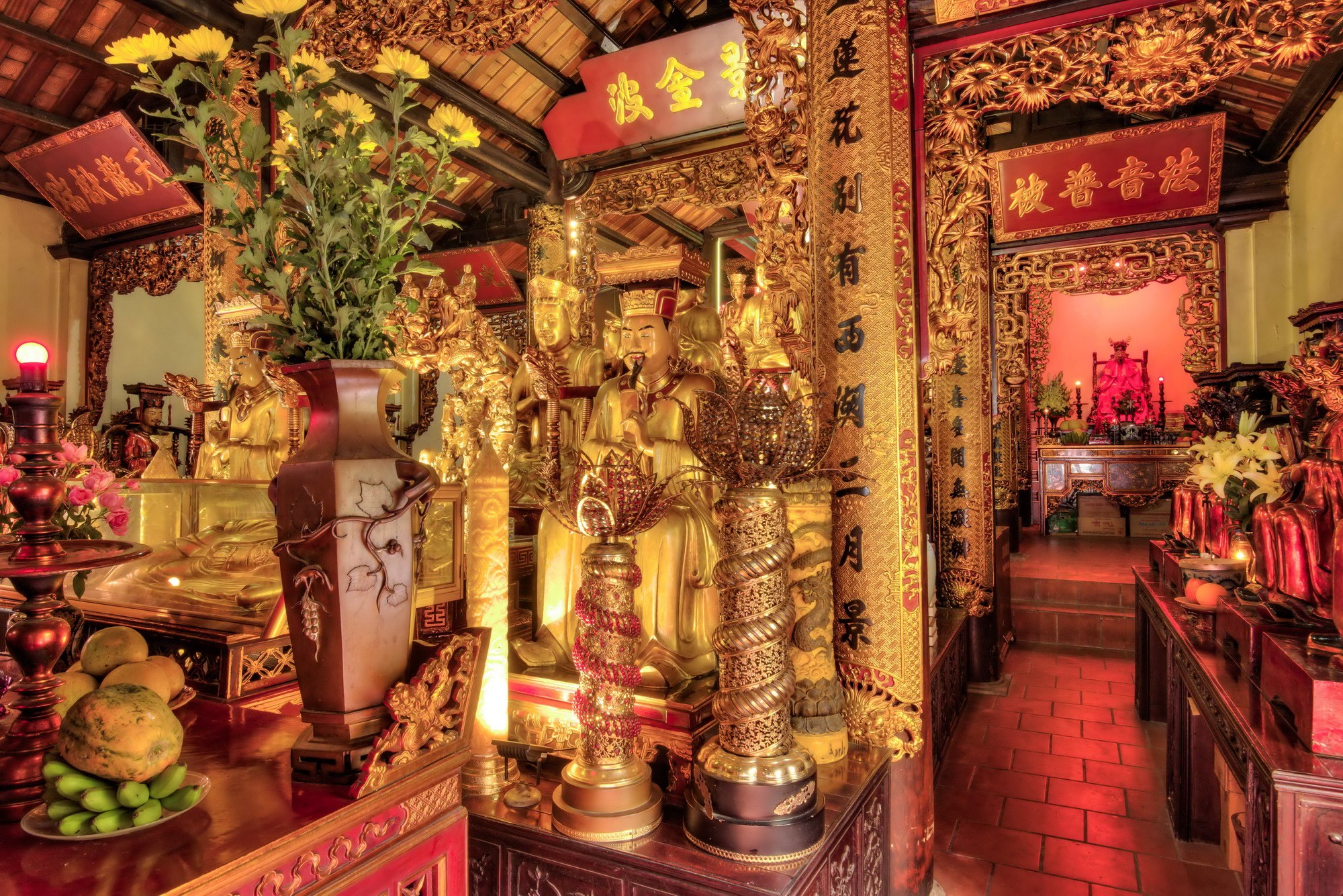
Inside Tran Quoc Pagoda.
Ha Nam
Tam Chuc Pagoda
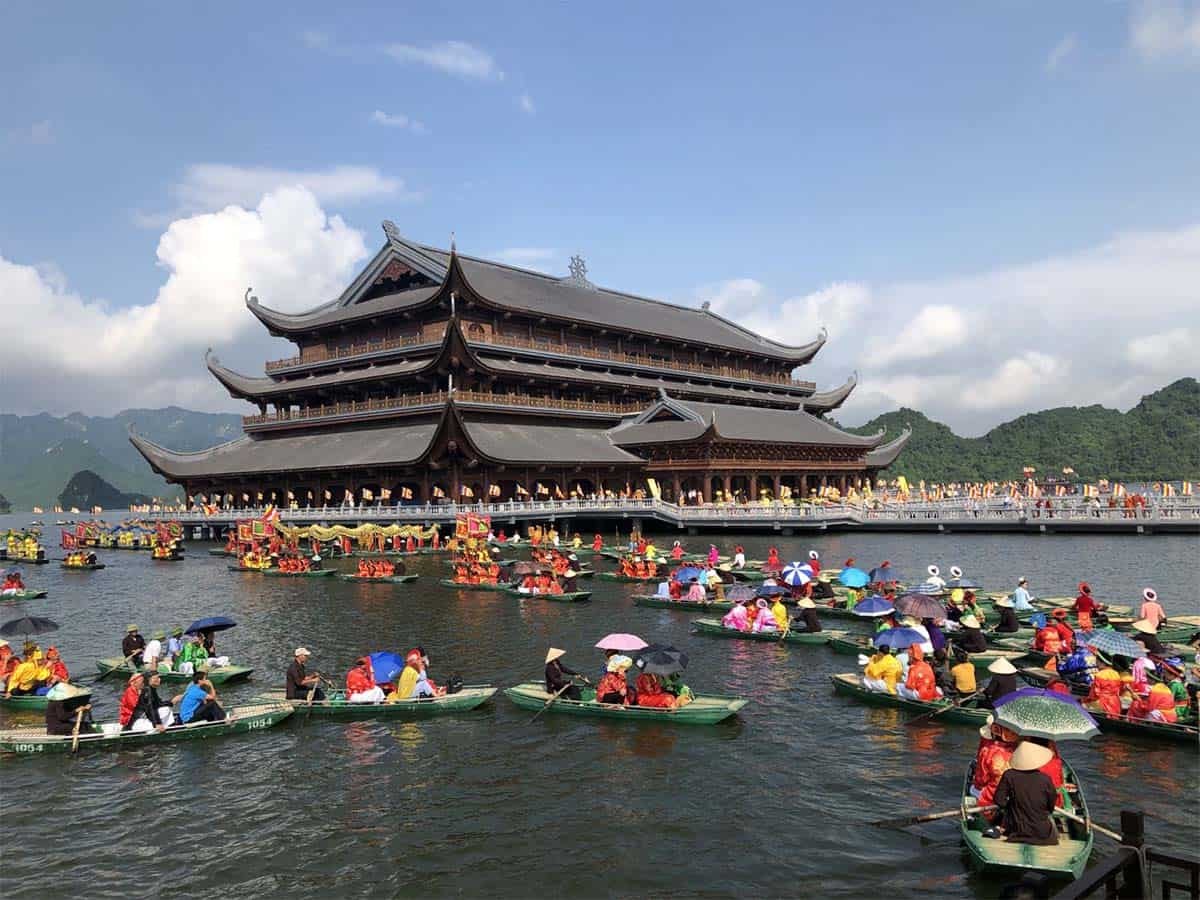
Tam Chuc Pagoda is also known as the Tam Chuc tourist complex. It is renowned as one of the most captivating spiritual travel destinations in Vietnam. The complex features Vietnam's largest natural lake, encircled by majestic limestone karst mountains. Rising from the lake are six small rocky islets, creating a poetic, picturesque landscape. Cruising across the lake, visitors can stop at a small island to visit Tam Chuc Communal House, which embodies the architectural essence of traditional Northern Vietnamese temples and communal houses.
Ninh Binh
Trang An Scenic Landscape Complex
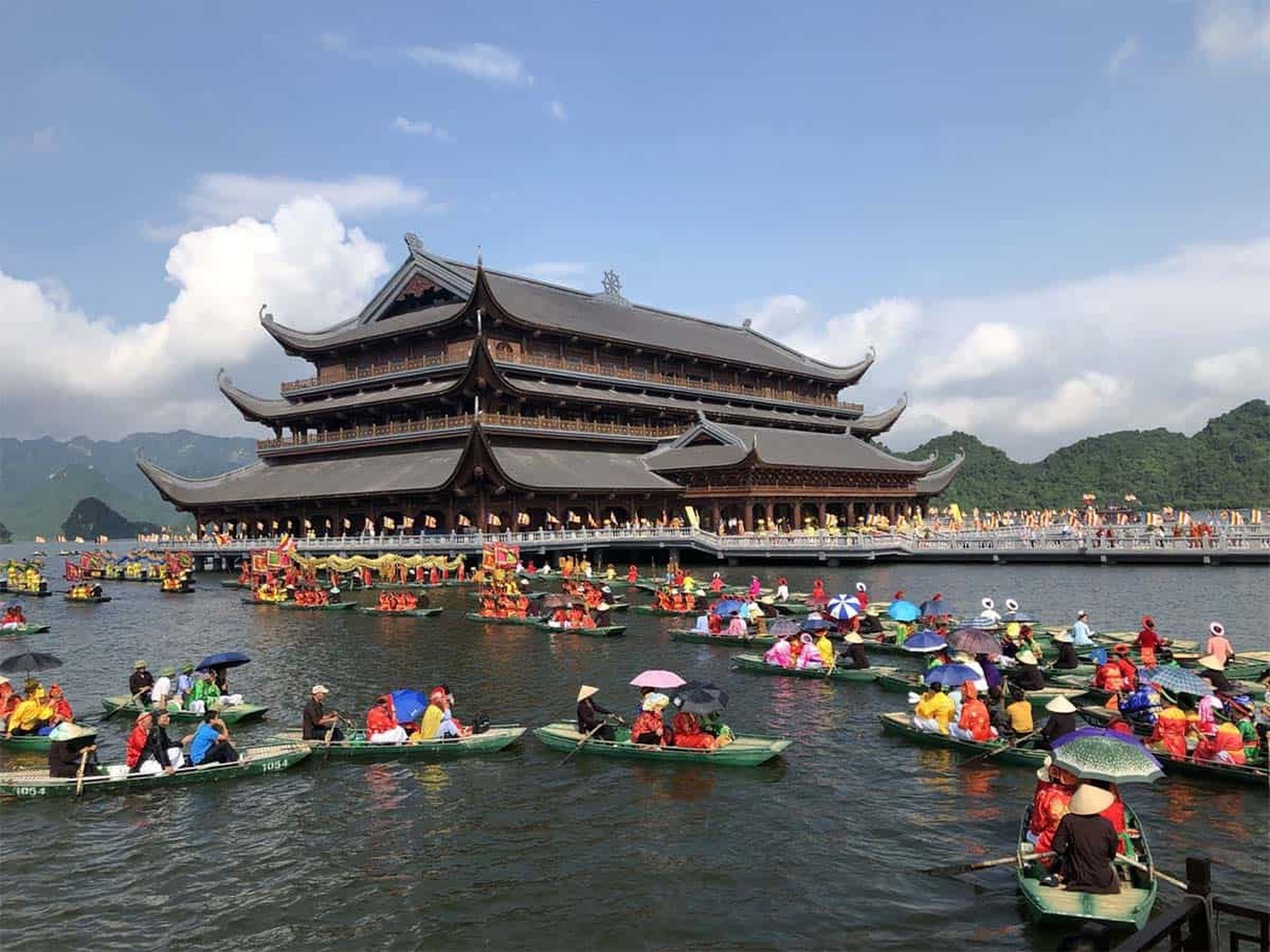
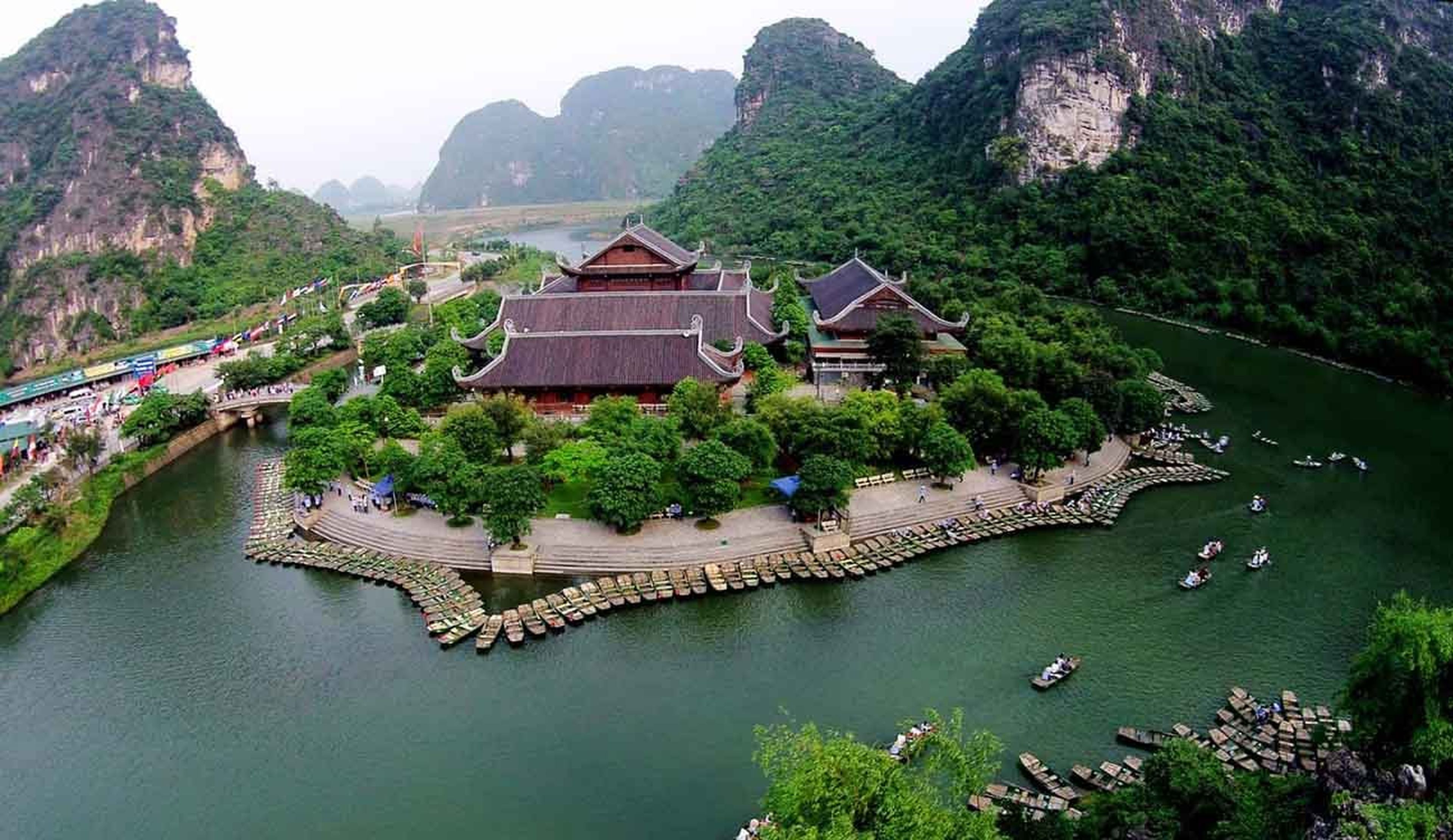
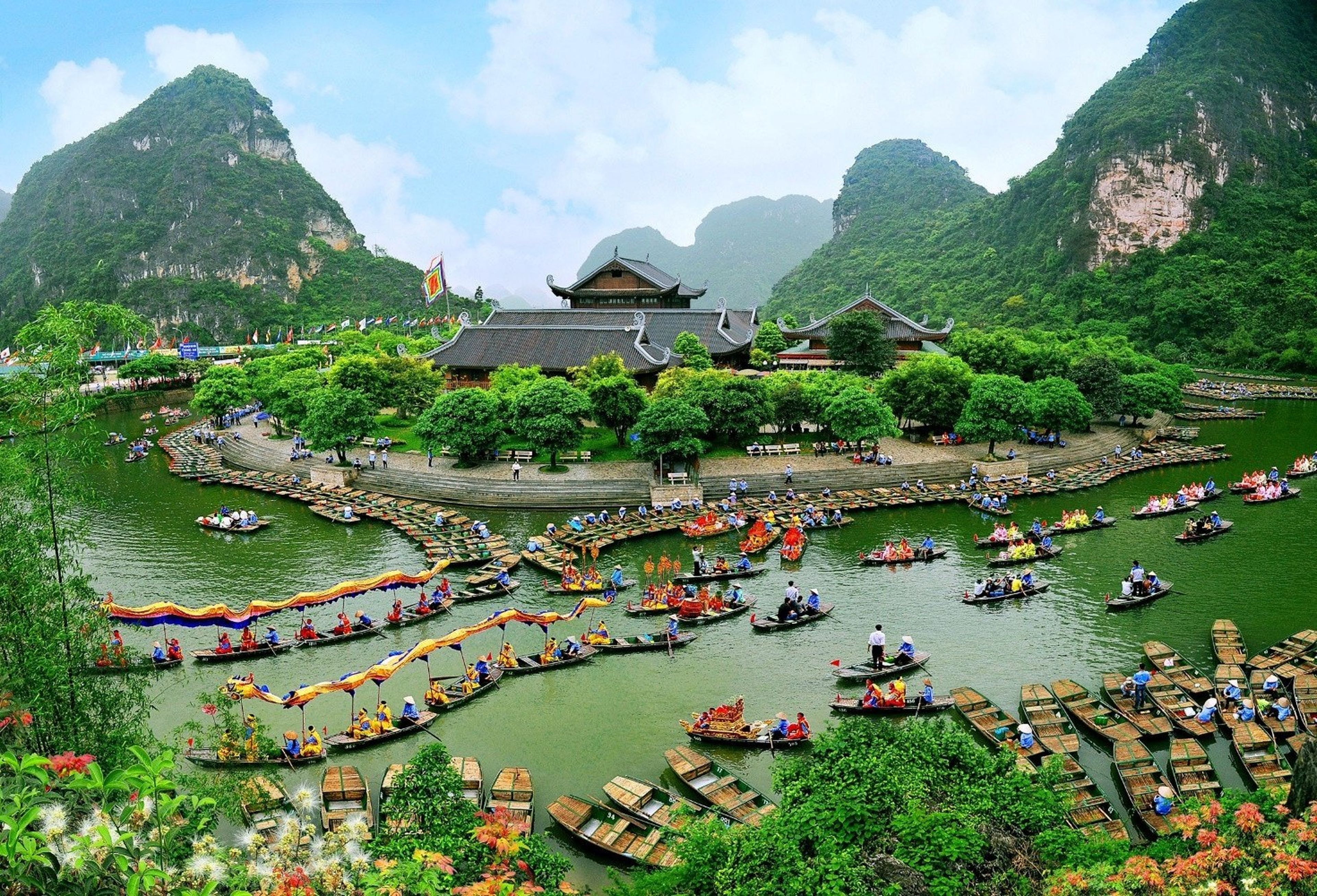
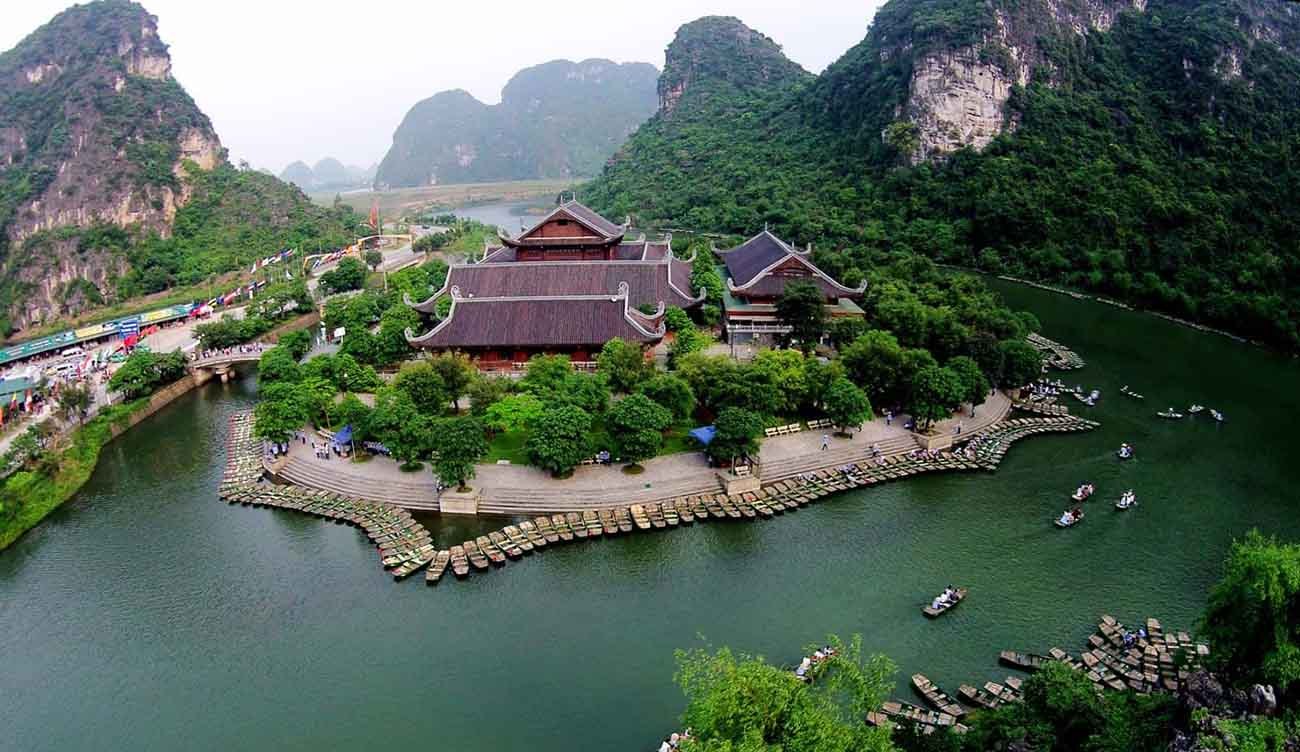 The Trang An Scenic Landscape Complex is an integrated tourism area encompassing a UNESCO World Cultural and Natural Heritage site in Ninh Binh, standing out as a premier travel destination not only in Vietnam but across Southeast Asia and the world. The serene, timeless natural beauty captivates visitors, making those who come once yearn to return. Make sure to visit Trang An to fully appreciate the beauty of this land's people and culture!
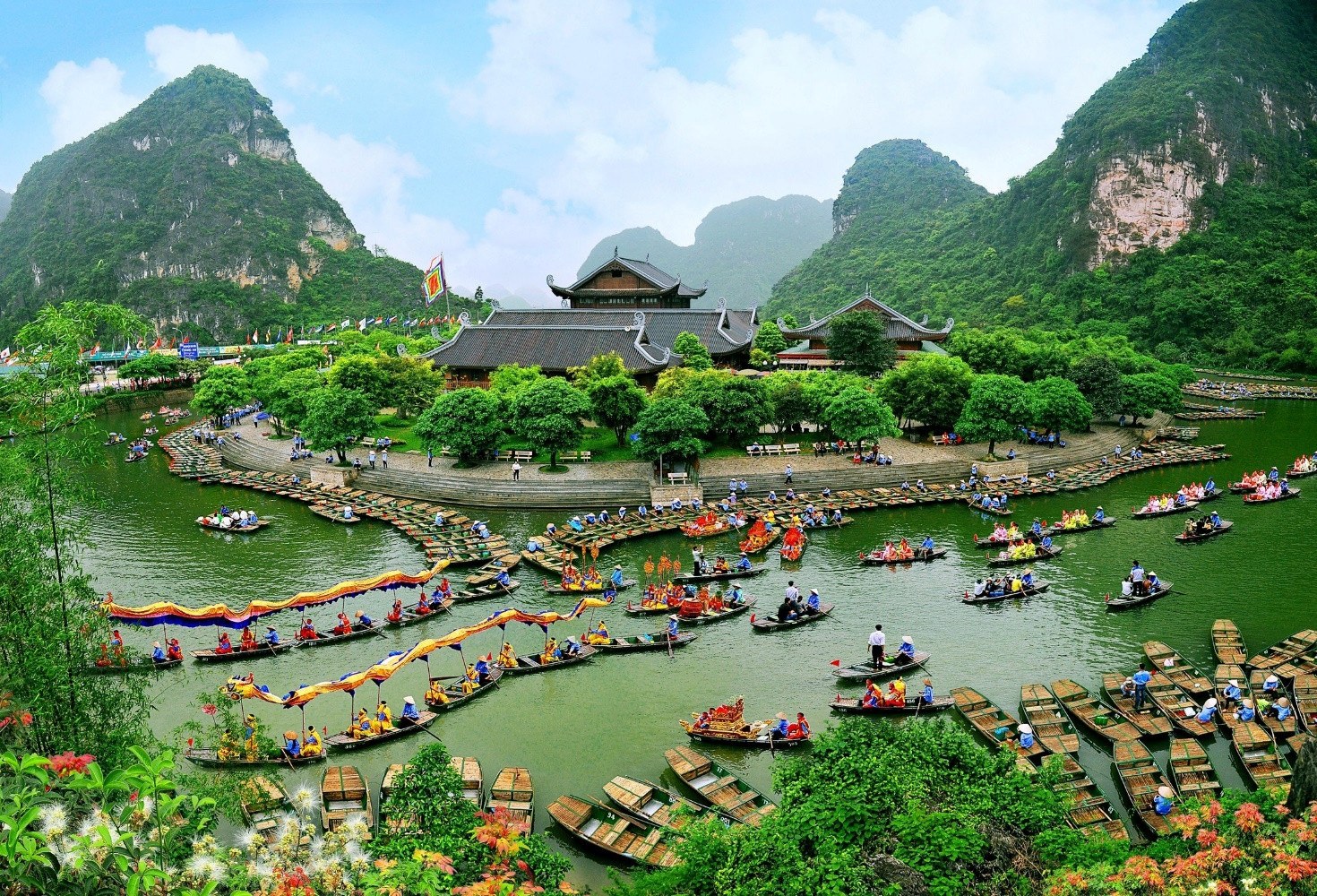
The Trang An Scenic Landscape Complex during festival days.
Bai Dinh Pagoda
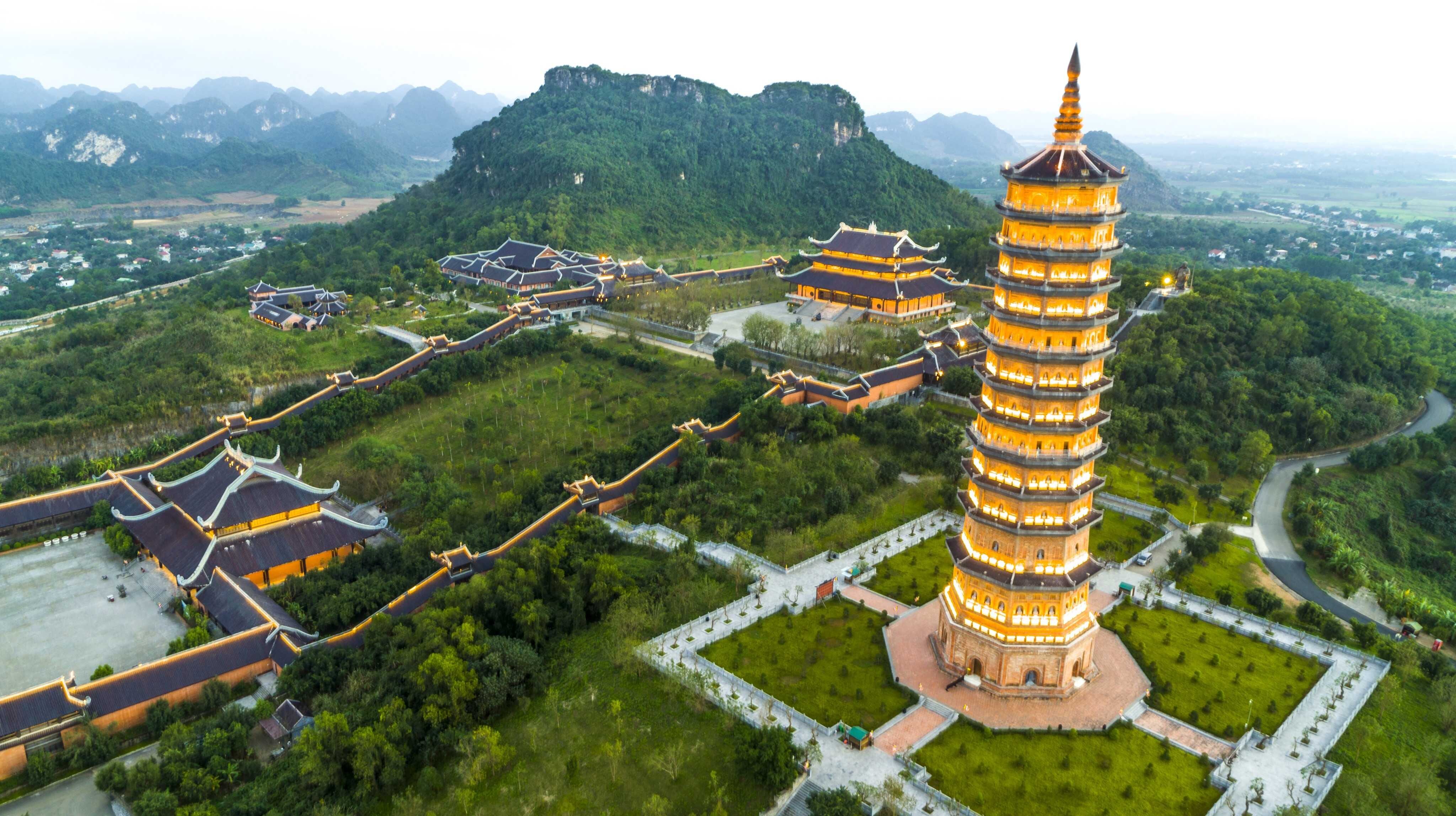
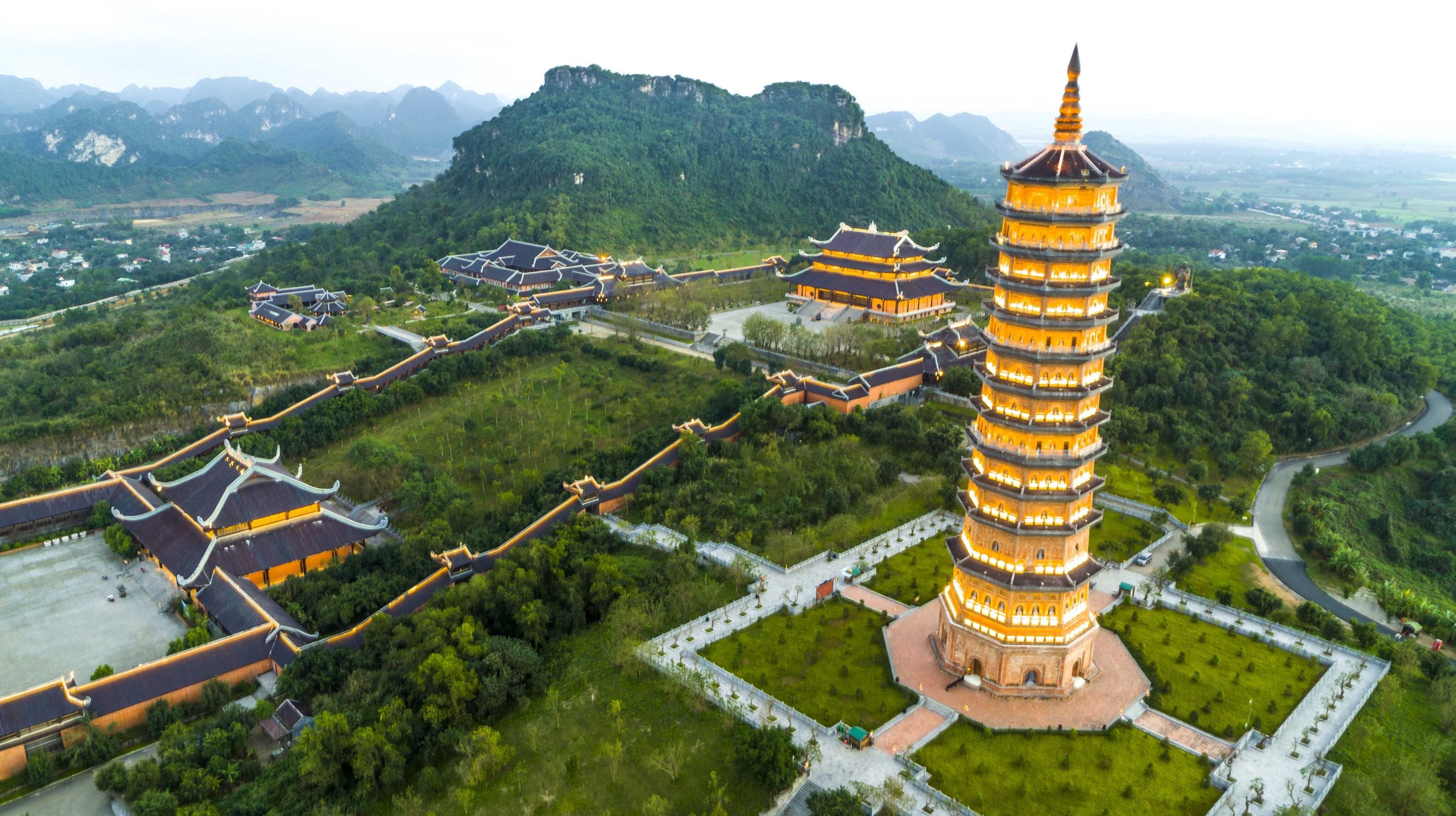
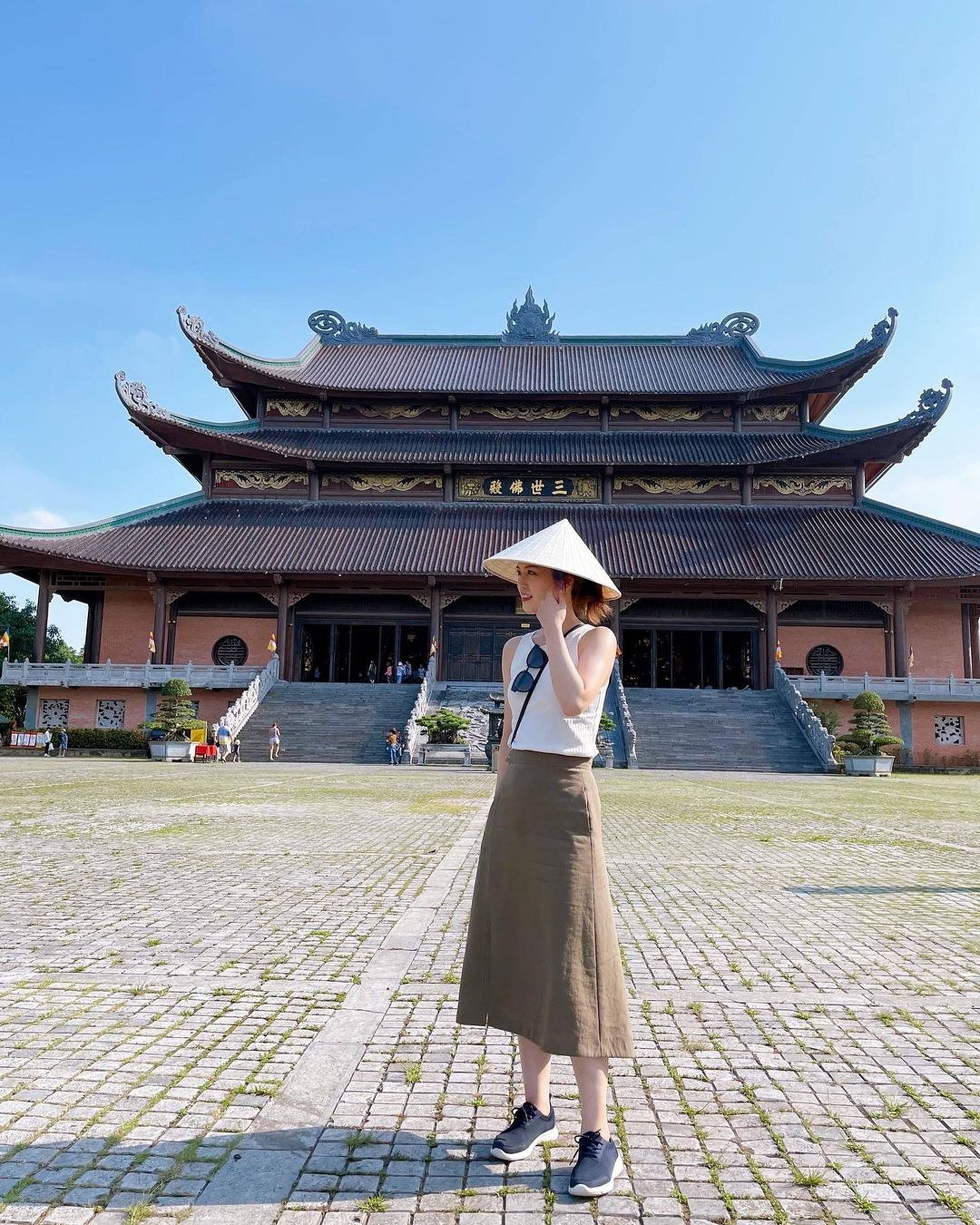
Panoramic view of Bai Dinh Pagoda.
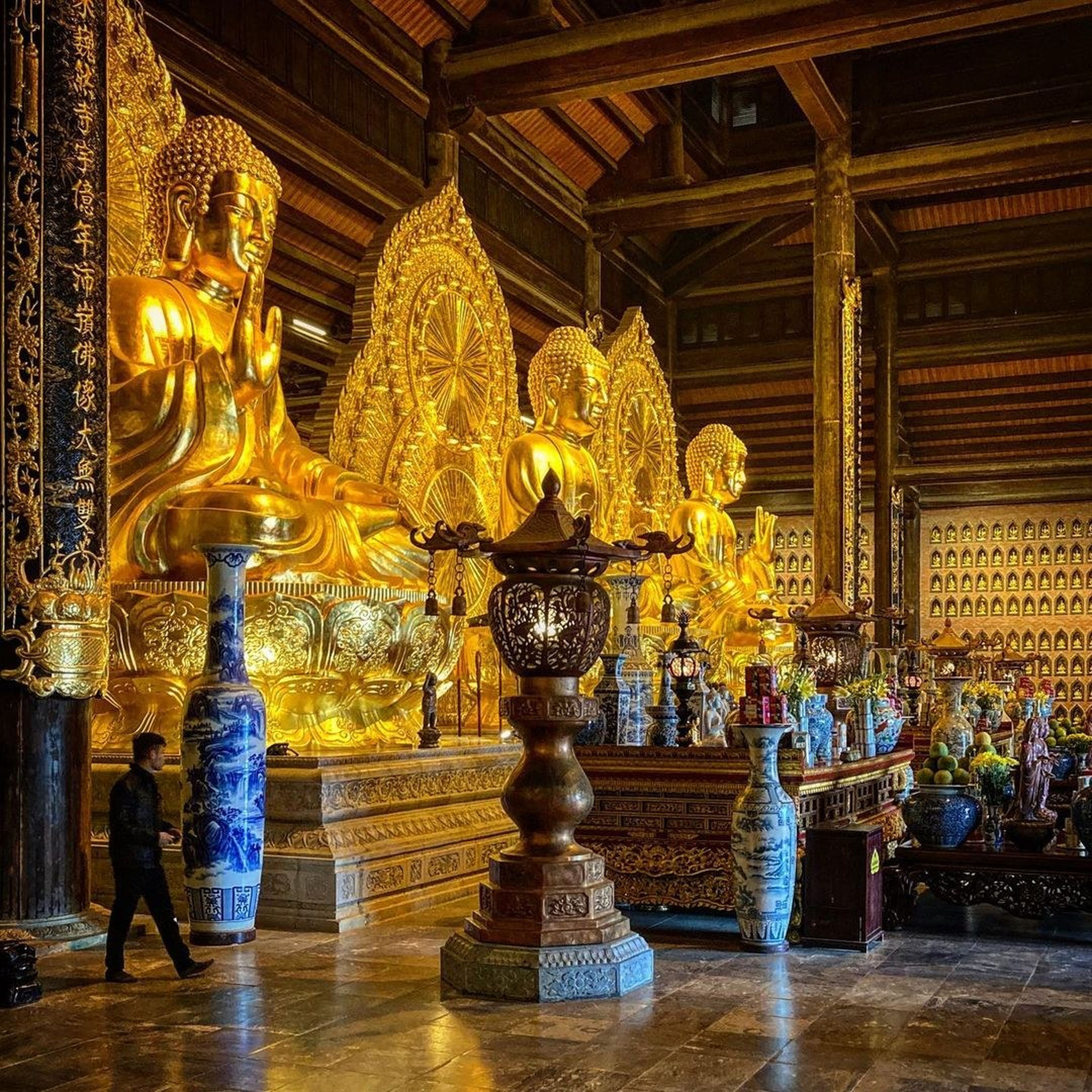
Bai Dinh Pagoda is a spiritual landmark located within the Bai Dinh - Trang An eco-tourism complex, boasting a history of over 1,000 years intertwined with the heritage of various feudal dynasties. Visiting here, travelers can explore history amidst a serene, airy atmosphere—an ideal retreat for venerable monks, nuns, and Buddhist followers to worship and practice. Bai Dinh Pagoda holds 8 notable records, including the largest bronze bell in Vietnam, the tallest and heaviest bronze Shakyamuni Buddha statue in Asia, the largest gilded bronze set of Three Jewels (Tam The) statues in Vietnam, the largest bronze Maitreya Buddha statue in Southeast Asia, the longest Arhat corridor in Vietnam, and the temple with the most Bodhi trees in Vietnam...
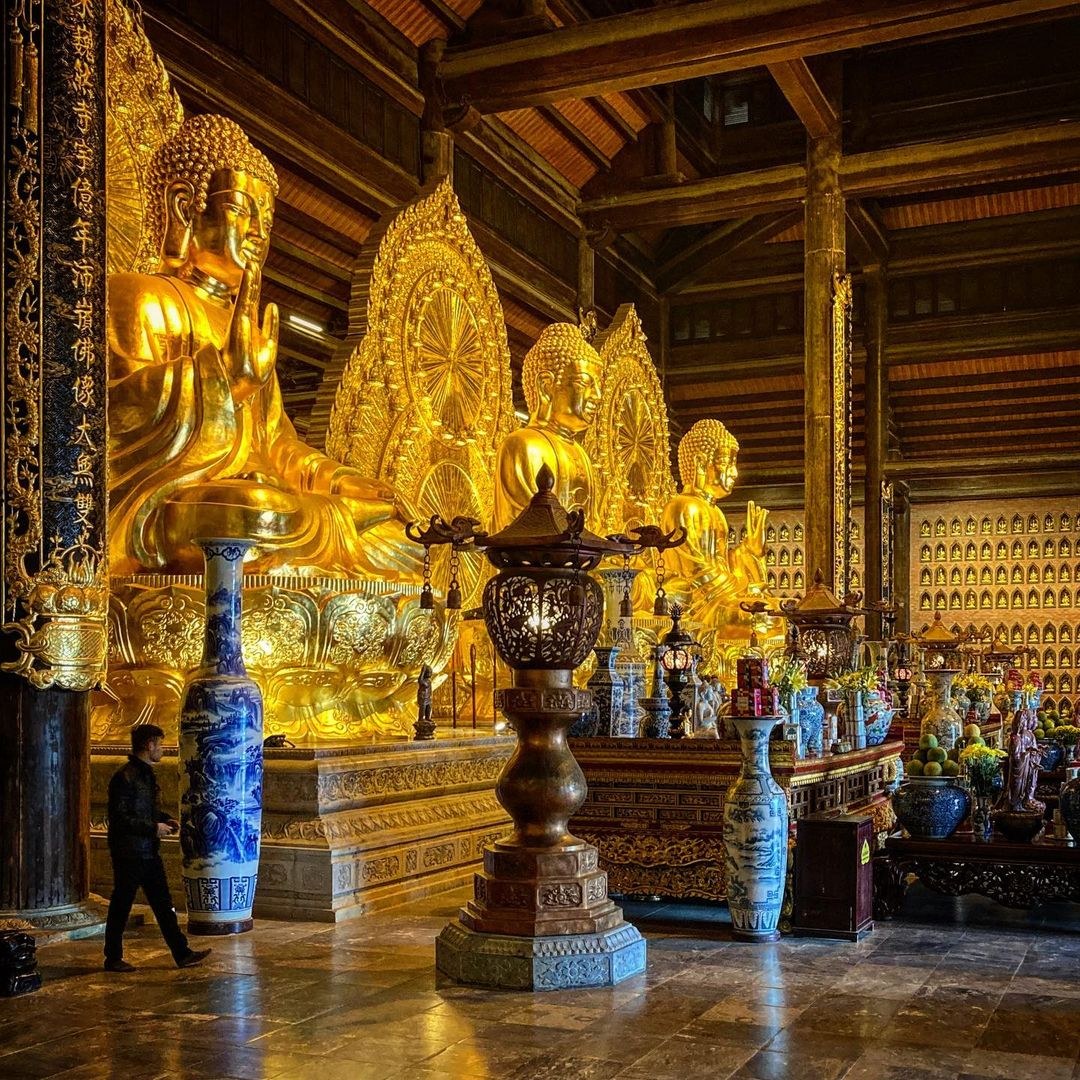
Photo: @soliter_na_cestach
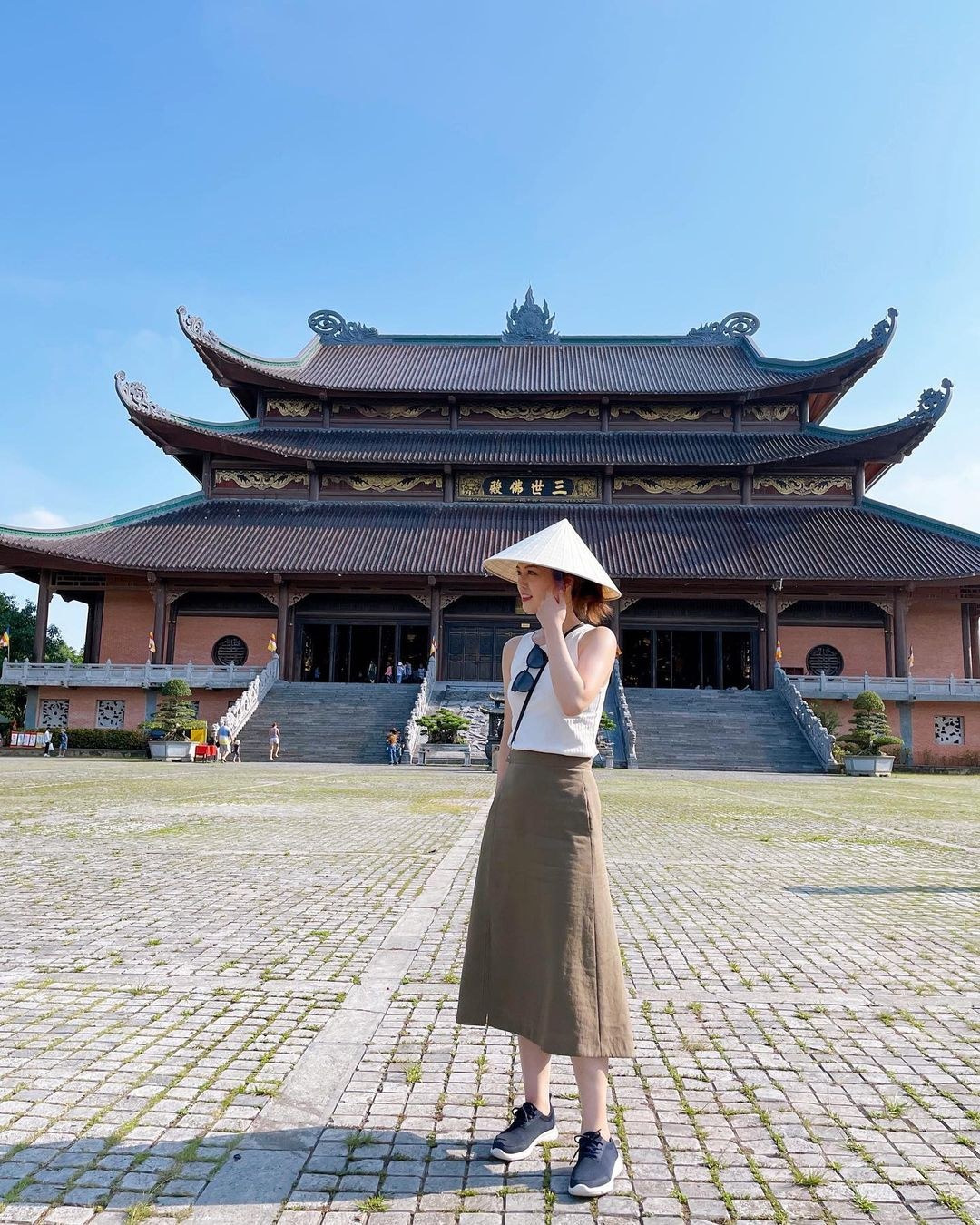
Photo: @narum_i_muran
Ha Long
Thien Cung Cave
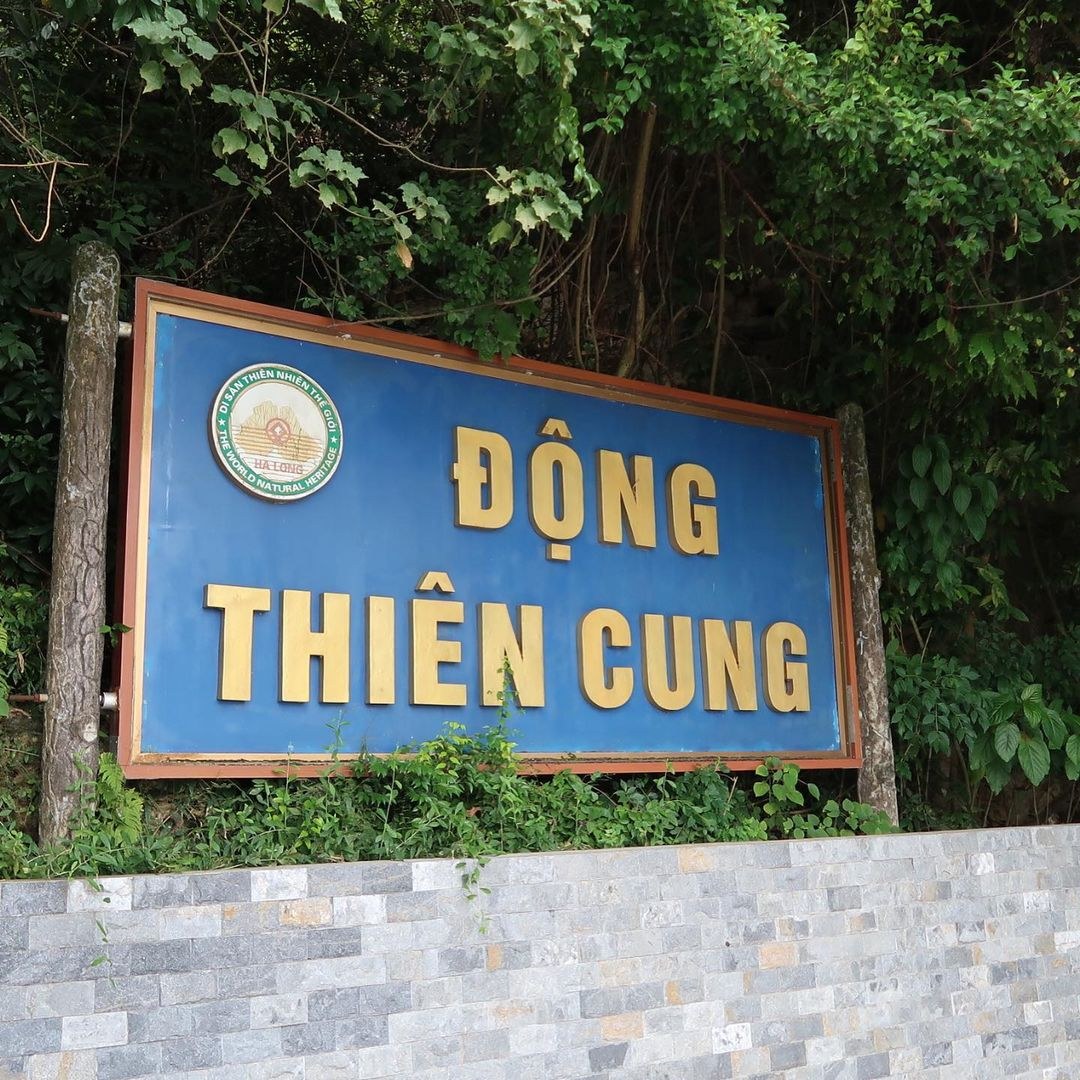
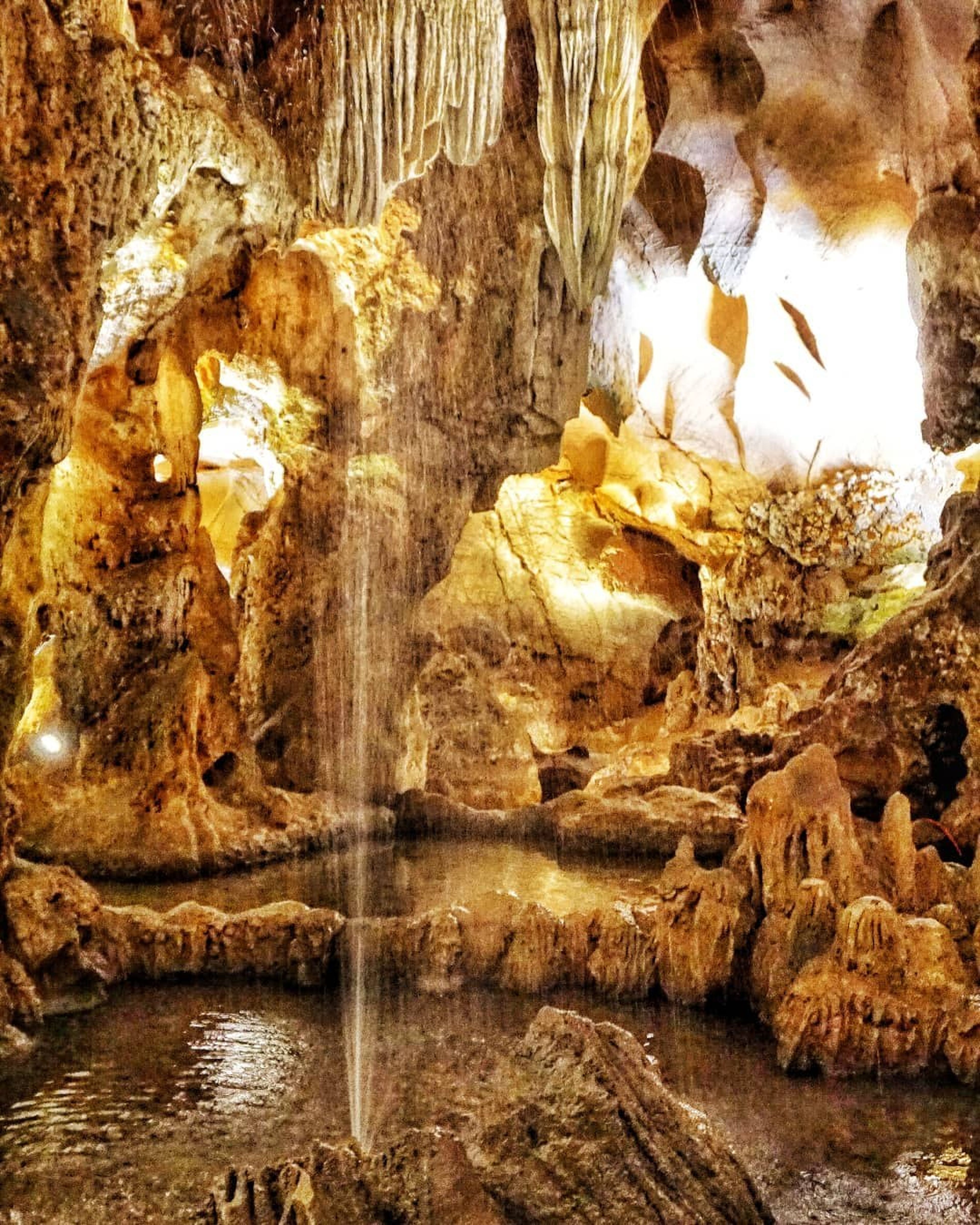
Photo: @saki_sekamaru
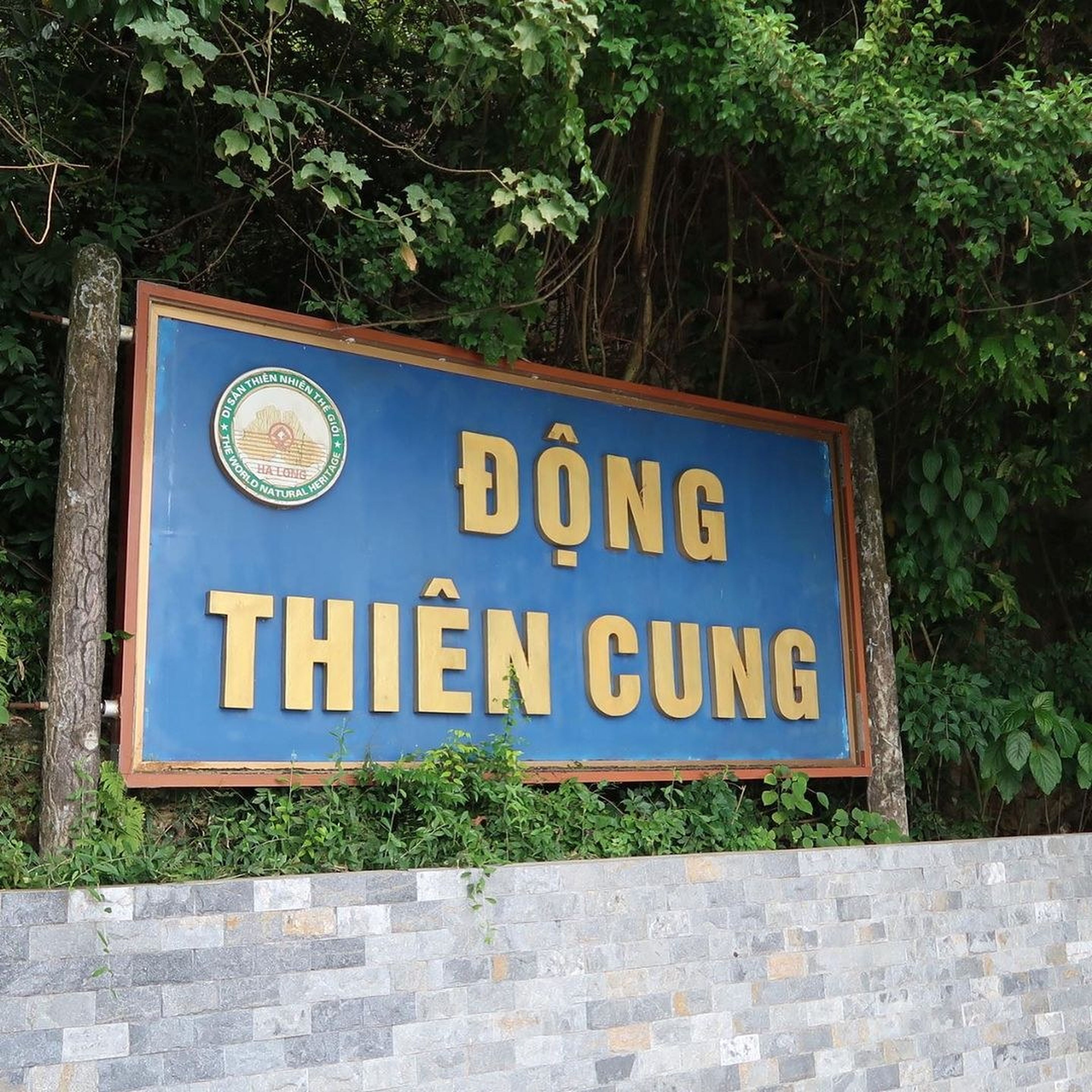
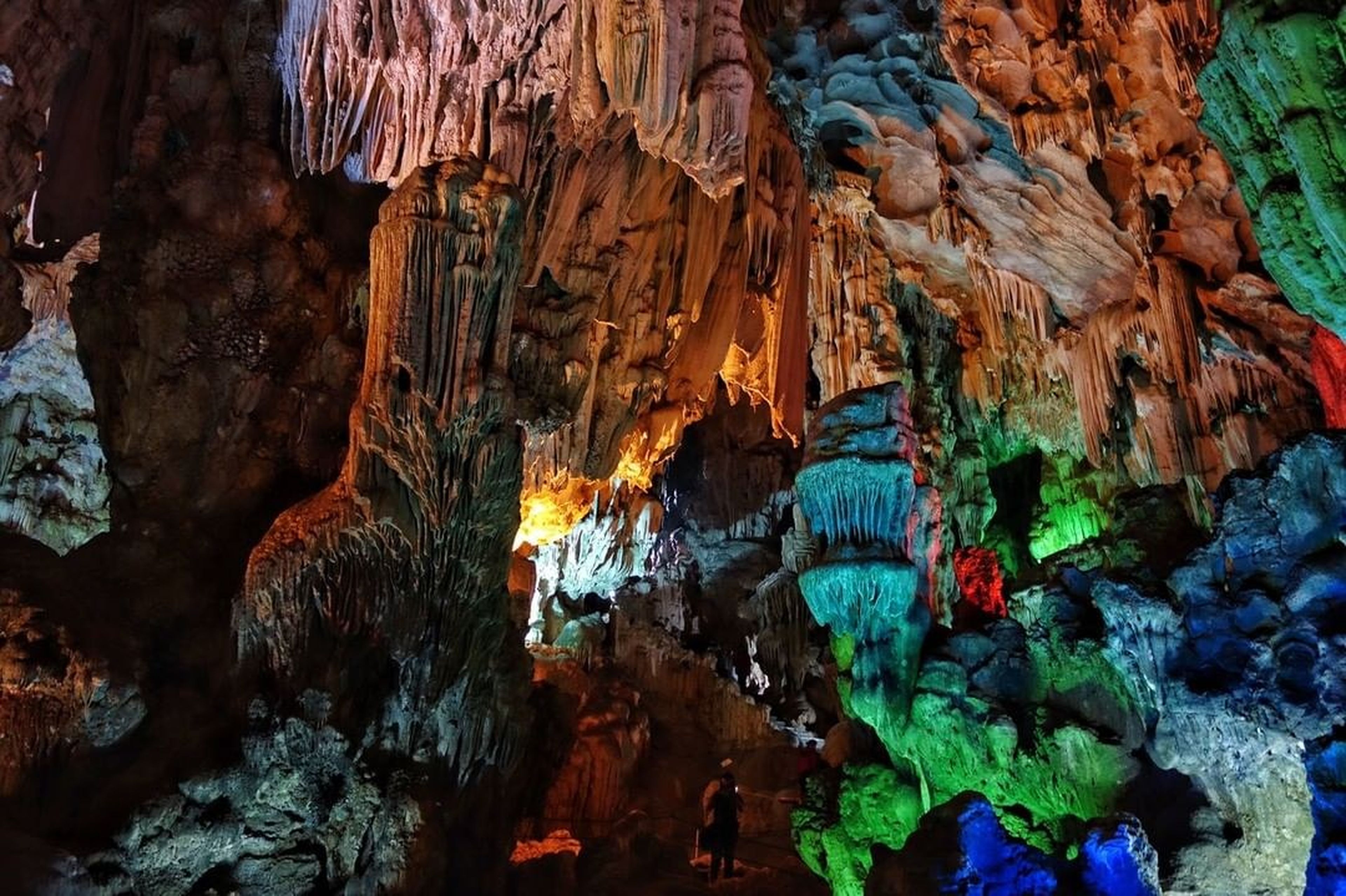
Thien Cung Cave (Heavenly Palace Cave) is one of the most stunning caves in Ha Long Bay, featuring an expansive interior, multiple levels, and chambers adorned with countless unique stalactites and stalagmites. In an inner alcove, the cave opens outdoors through a small aperture looking down onto a secluded sea cove enclosed by an arc of mountains. An elaborate, well-designed system of stairs and walkways has been installed both inside and outside the cave, complete with illumination to allow visitors easy access and exploration.
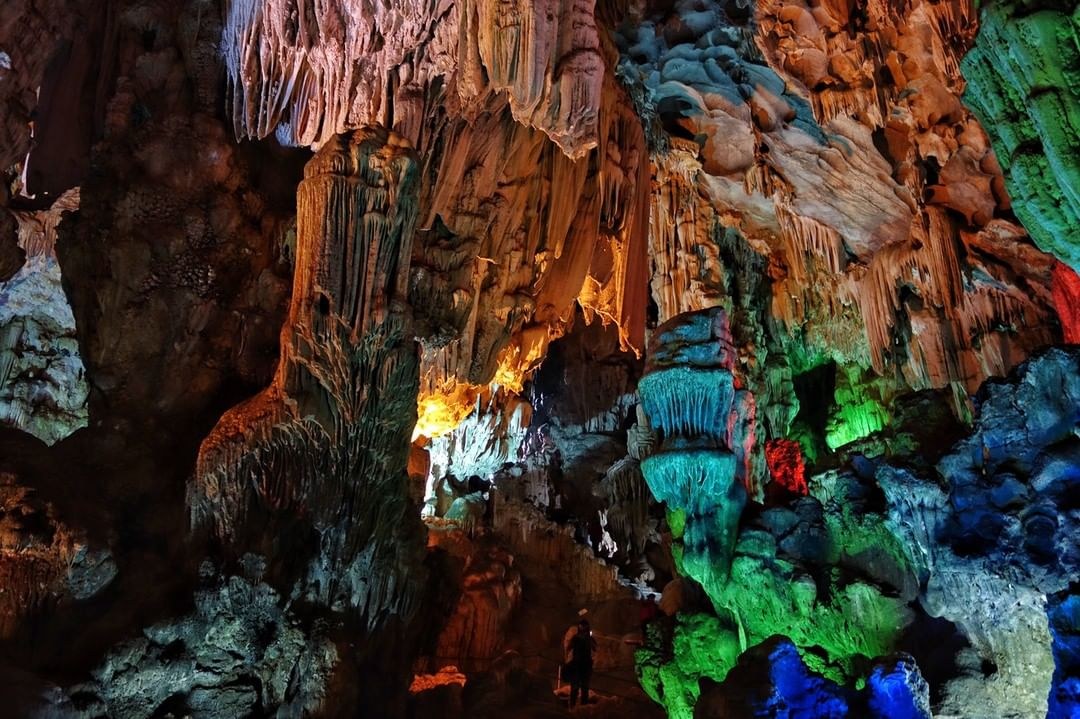
The magnificent scenery inside the cave. Photo: @jetsetpandaz.
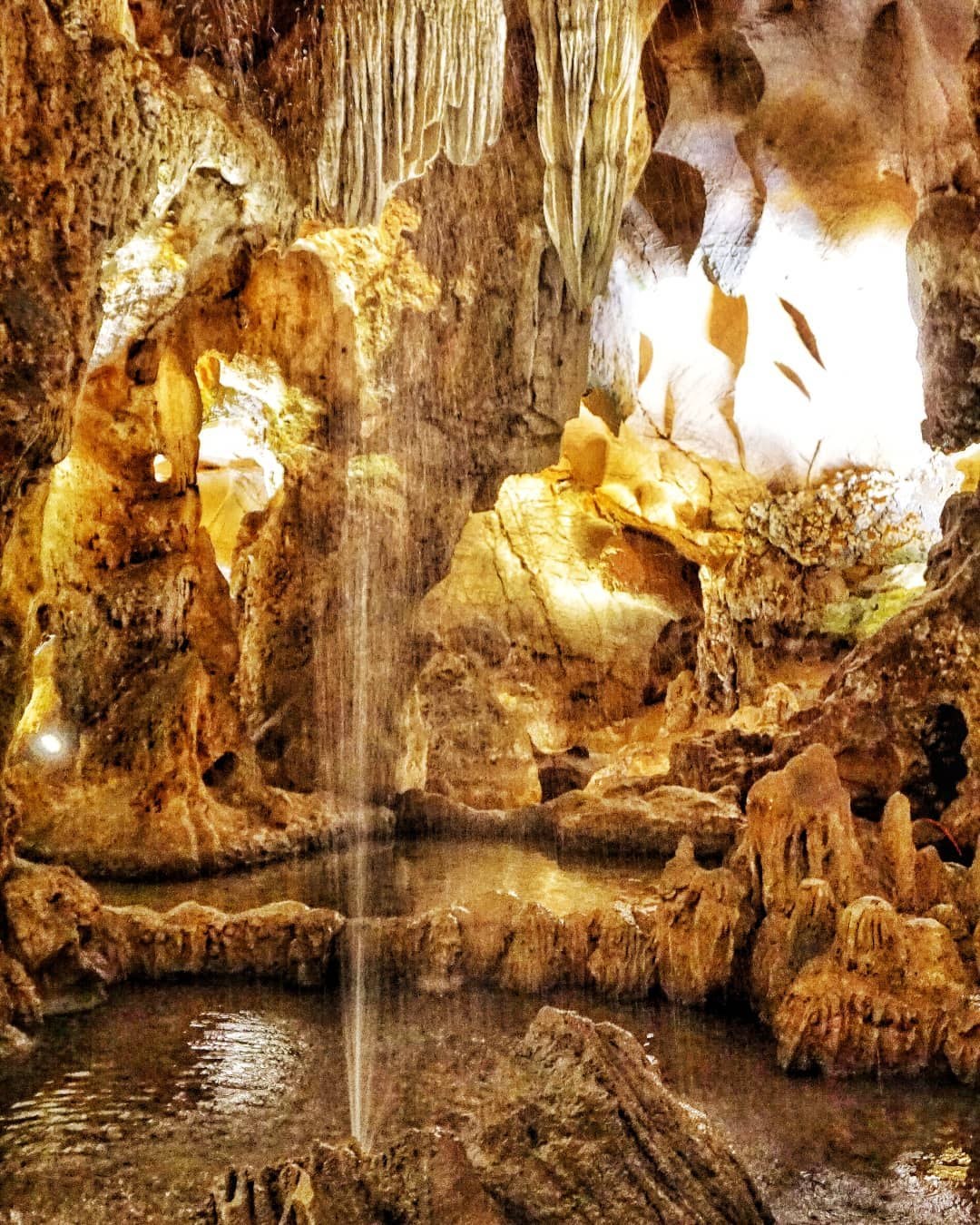
Photo: @lo.randomsnaps
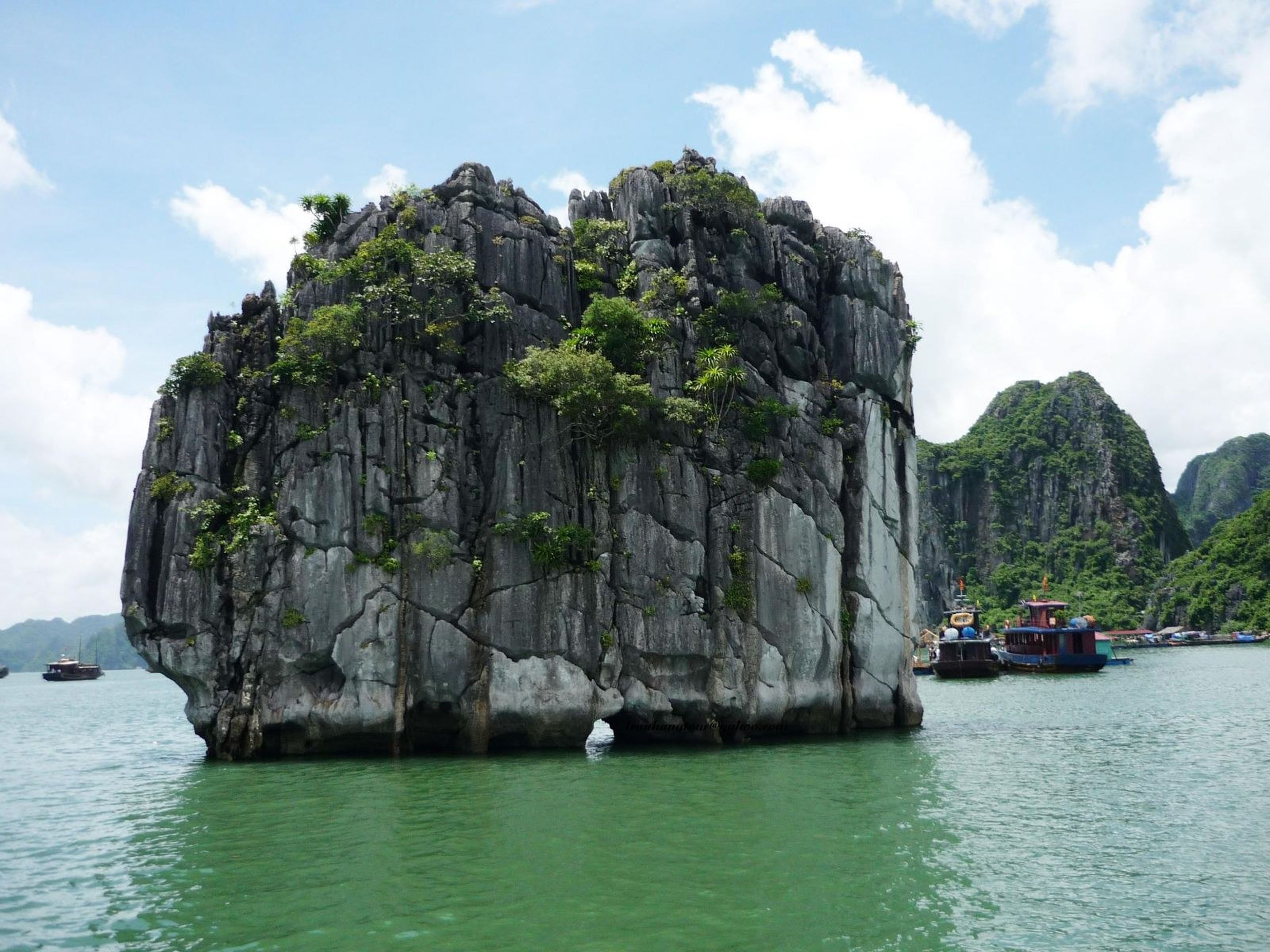
Dinh Huong Islet
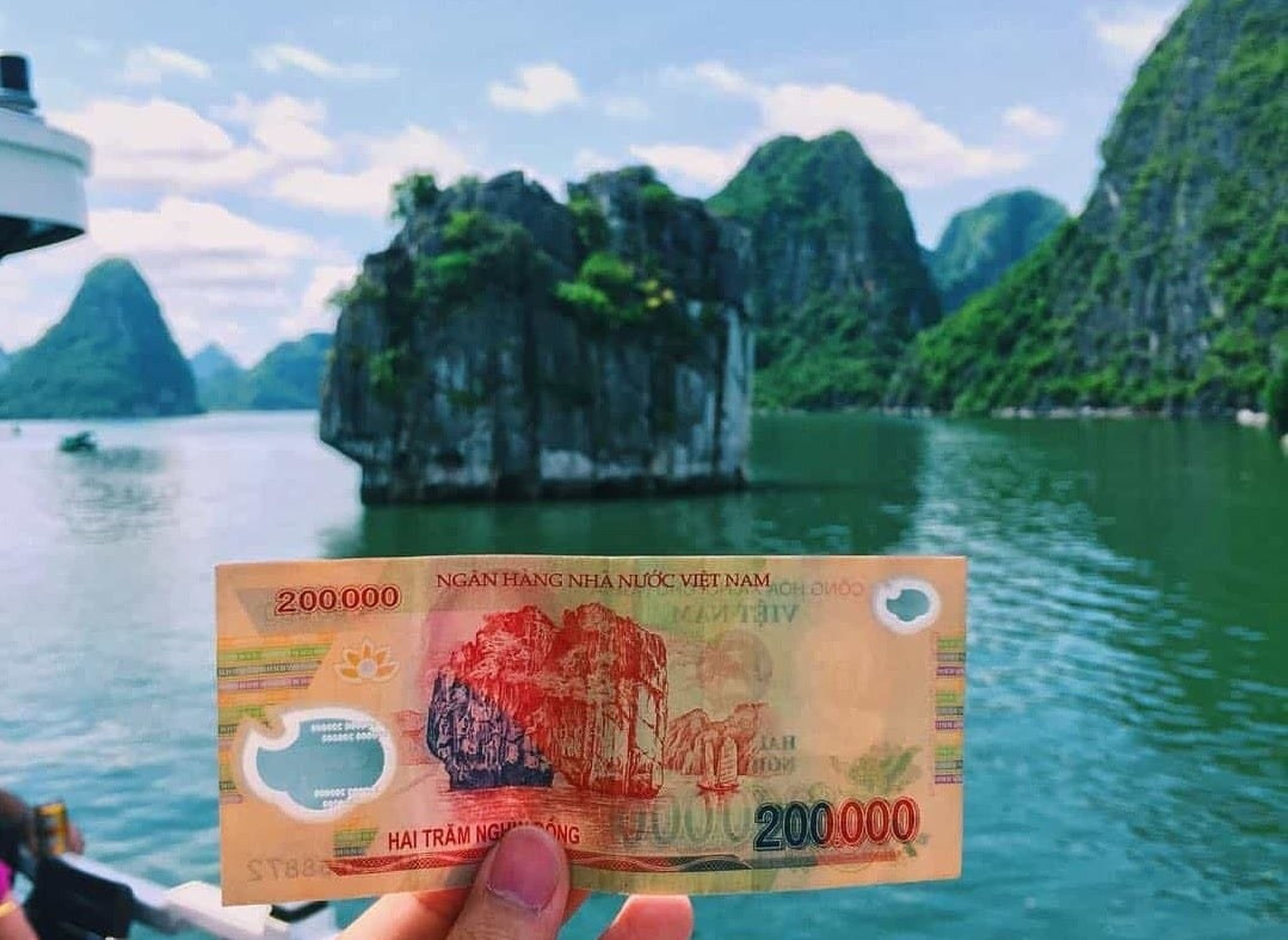
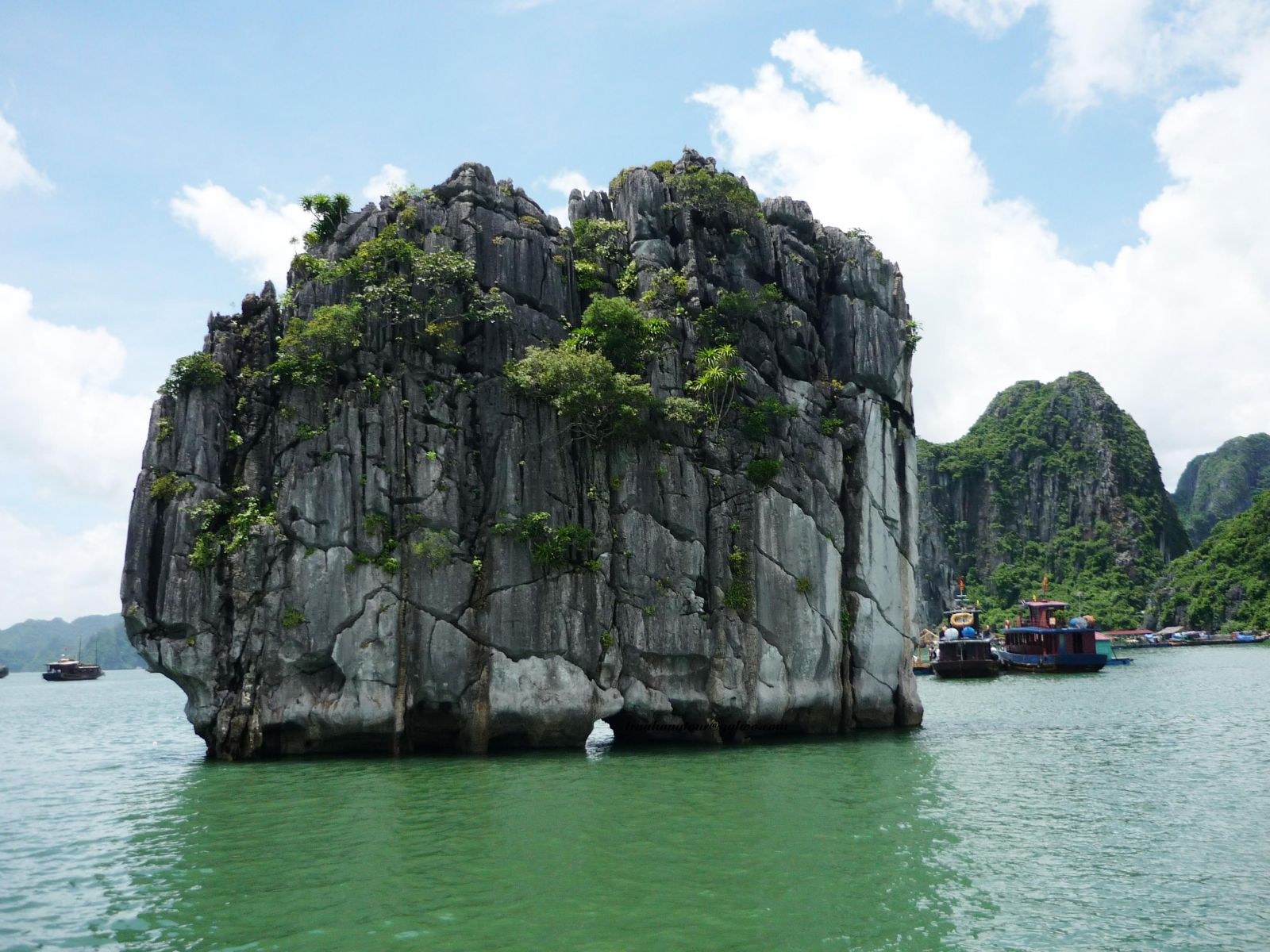 The final stop on the 5D4N Sapa Tet tour is Dinh Huong Islet (Incense Burner Islet), a charming little islet set amidst Ha Long Bay. Dinh Huong is a sacred symbol featured on Vietnam's 200,000 VND banknote. From a distance, you can see Dinh Huong Islet standing majestically in the open sea. It consists of an imposing rock formation perched on four slender stone slabs, blocking the passage. The rock strikingly resembles a colossal incense burner resting in the middle of the vast ocean.
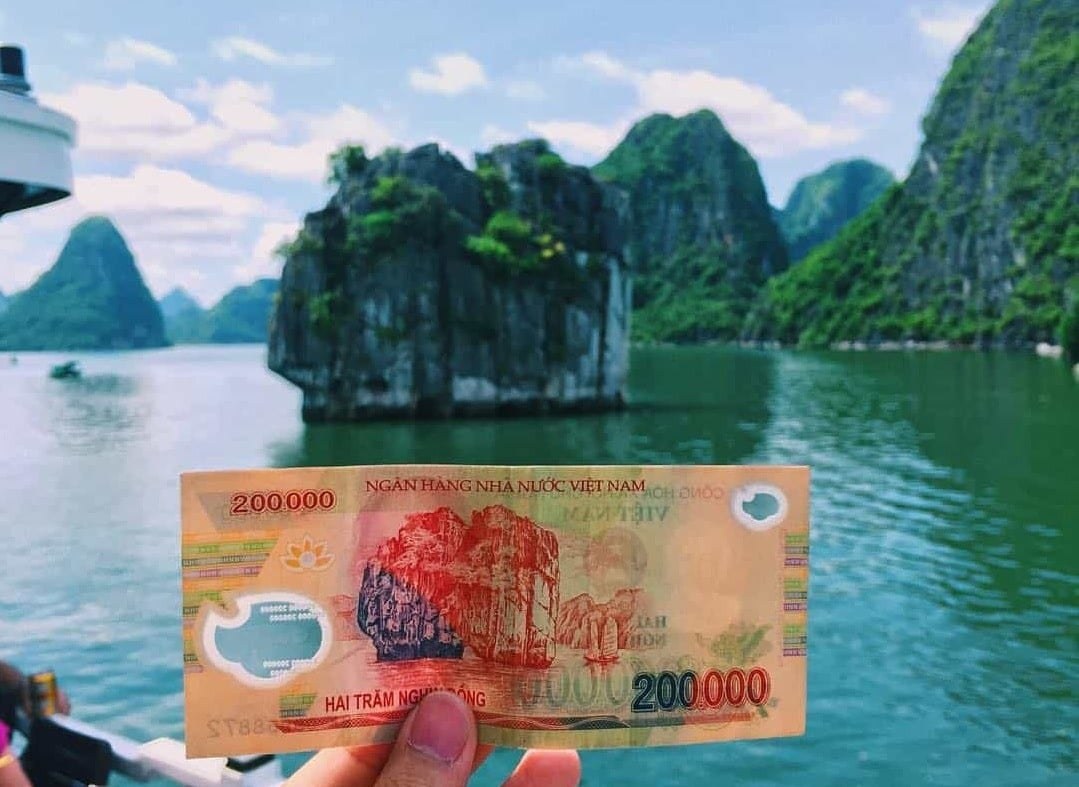
Dinh Huong Islet featured on the Vietnamese 200,000 VND banknote.