

1 An overview of what you need to know about Quỳnh Lâm Pagoda
1.1 A brief introduction to Quỳnh Lâm Pagoda
Address: Bình Khê Ward, Quảng Ninh Province
Established: 12th century
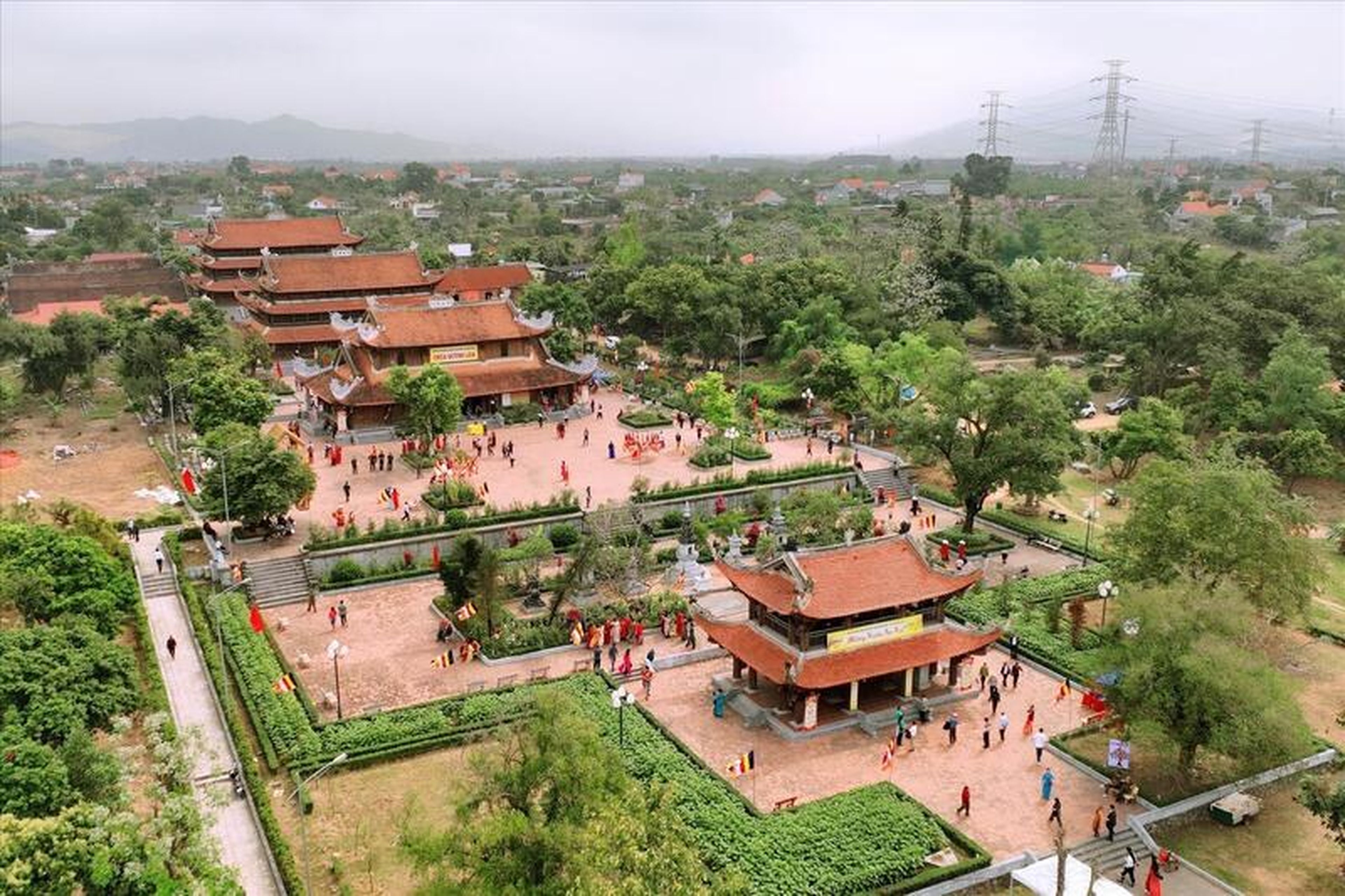
Quỳnh Lâm Pagoda, also known as Nhất Trụ Pagoda, is located in Bình Khê Ward, Quảng Ninh Province (formerly Tràng An Ward, Đông Triều Town). The pagoda captivated me with its majestic beauty, standing on elevated ground in a picturesque setting.
According to the information I found, the ancient Quỳnh Lâm Pagoda is part of the Trần Dynasty Special National Relic Site in Đông Triều. This sacred place is renowned for attracting large numbers of monks, nuns, and Buddhists from all over the country on pilgrimages.
Quỳnh Lâm Pagoda impressed me with its peaceful atmosphere and distinctly Vietnamese cultural architecture. It was once hailed as the “finest ancient scenic site in the southern realm” and was the largest Buddhist center in Đại Việt. The pagoda is also considered the first Buddhist university in our country.
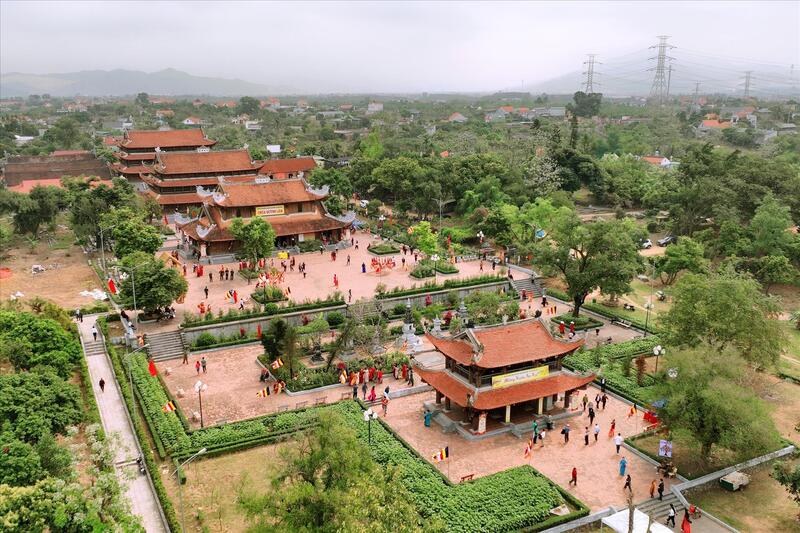
Quỳnh Lâm Pagoda is also known as Nhất Trụ Pagoda. Illustrative photo: Thanh Vân/TTXVN
1.2 The history and role of Quỳnh Lâm Pagoda
According to what I learned, Quỳnh Lâm Pagoda has witnessed many historical dynasties and bears distinctive cultural imprints. Here is a look at the marks left by the pagoda during each period.
The Lý Dynasty
The pagoda was founded during the reign of either King Lý Thánh Tông or King Lý Thần Tông, with National Preceptor Nguyễn Minh Không (Lý Quốc Sư) playing a major role in its establishment. He commissioned a 20-meter-tall bronze Buddha statue, considered one of the Four Great Treasures of An Nam.
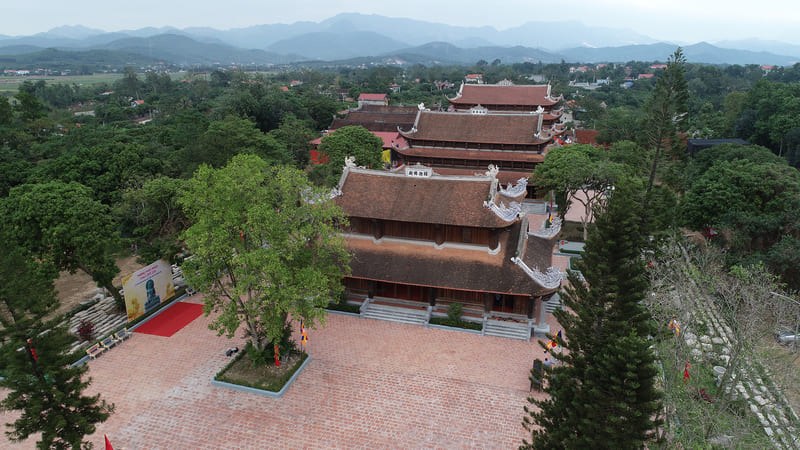
Quỳnh Lâm Pagoda has witnessed many historical dynasties and bears distinctive cultural imprints. Illustrative photo: N.H
The Trần Dynasty
The pagoda flourished and became closely associated with the Trúc Lâm Yên Tử Zen sect. According to the information I gathered, in 1317, the sect's second patriarch, Pháp Loa, founded Quỳnh Lâm Institute. At the time, it was the largest center for training monks, teaching Buddhist doctrine, translation, and printing scriptures and royal decrees.
Later periods
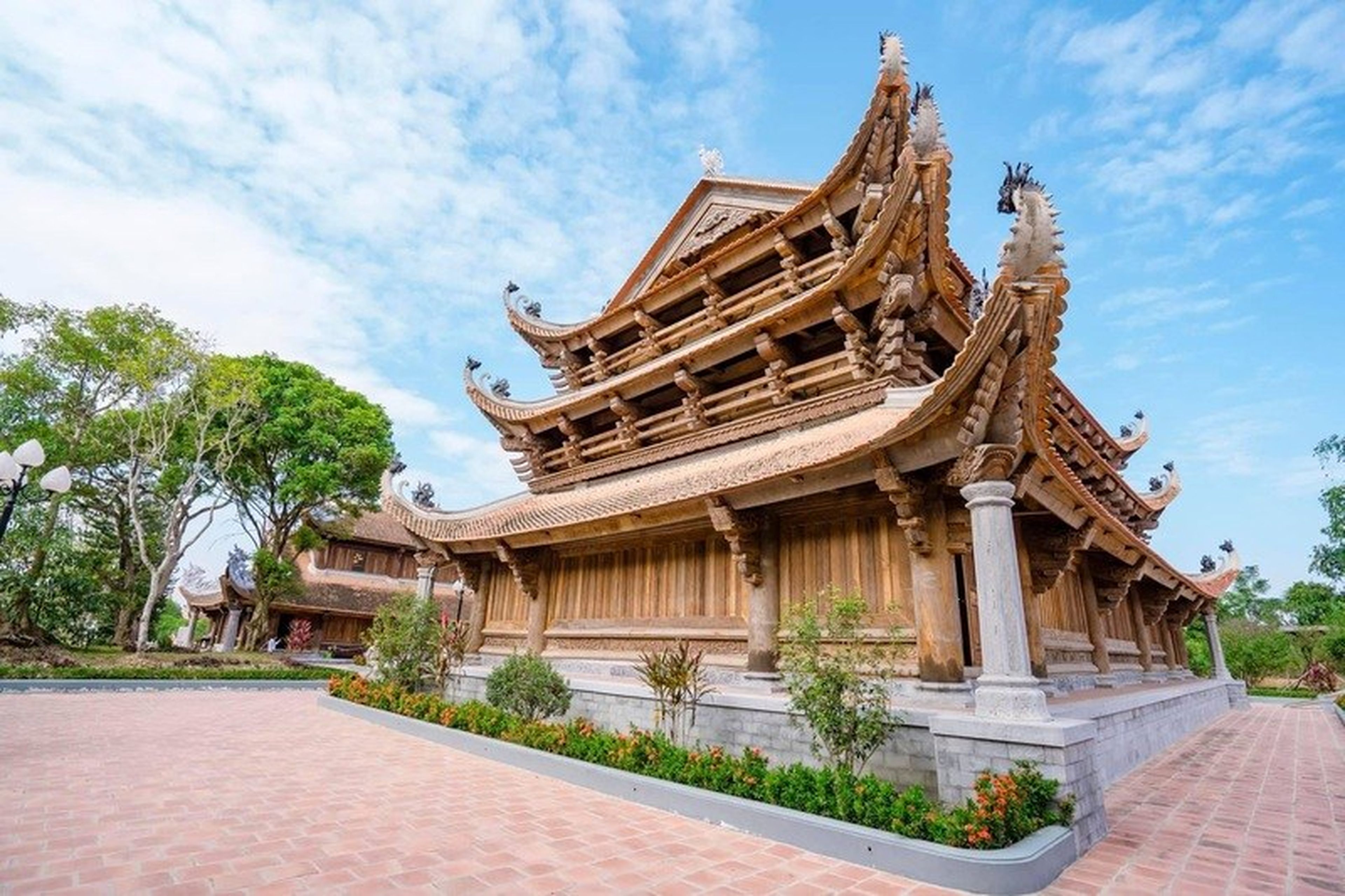
The pagoda was destroyed several times by fires and wars (especially during the Ming occupation and in the mid-20th century). The present-day pagoda has been rebuilt on a large scale, primarily using timber.
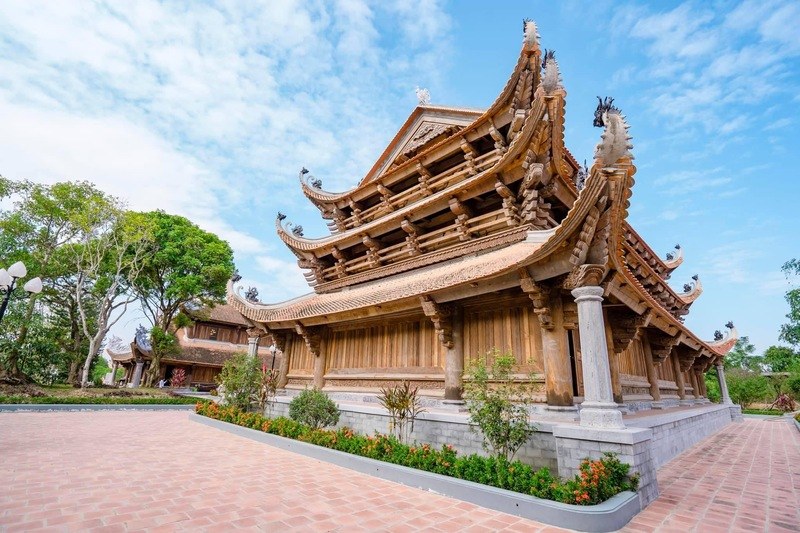
Quỳnh Lâm Pagoda has been destroyed and rebuilt several times. Illustrative photo: Chonthing
2 How to get to Quỳnh Lâm Pagoda
Quỳnh Lâm Pagoda is fairly close to the central residential area, so it is easy to find. You can get here from Đông Triều Station, which is only about 1.5 km away—a journey of around 4 minutes. Route: Đông Triều Station - Quỳnh Lâm Street - turn right toward Quỳnh Lâm Pagoda.
3 Architectural highlights and precious artifacts at Quỳnh Lâm Pagoda
Quỳnh Lâm Pagoda is a historic cultural site of enduring significance, distinguished by its unique architecture. Join MIA.vn in discovering the pagoda's architectural highlights and precious artifacts!
3.1 The overall architecture of Quỳnh Lâm Pagoda
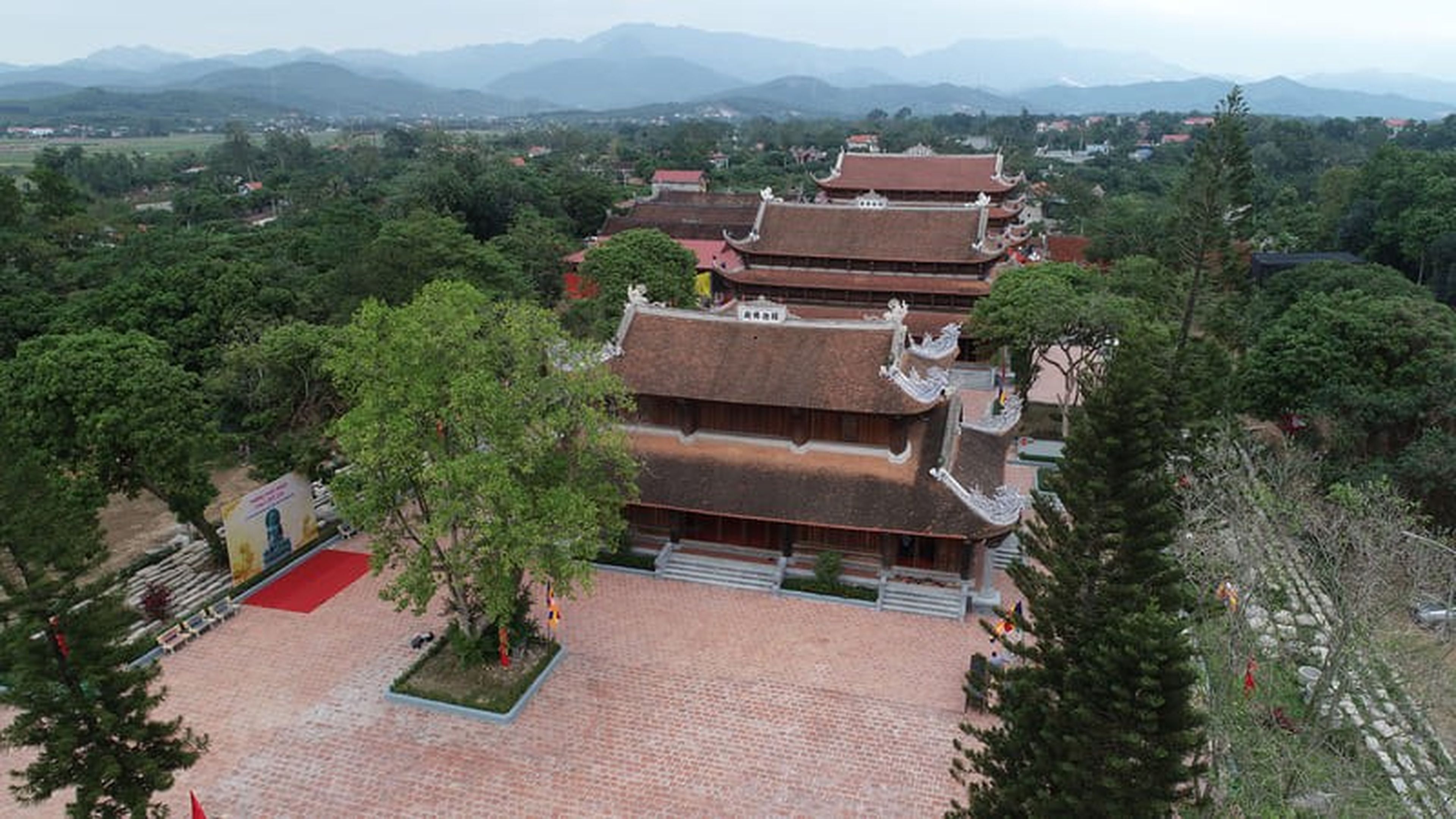
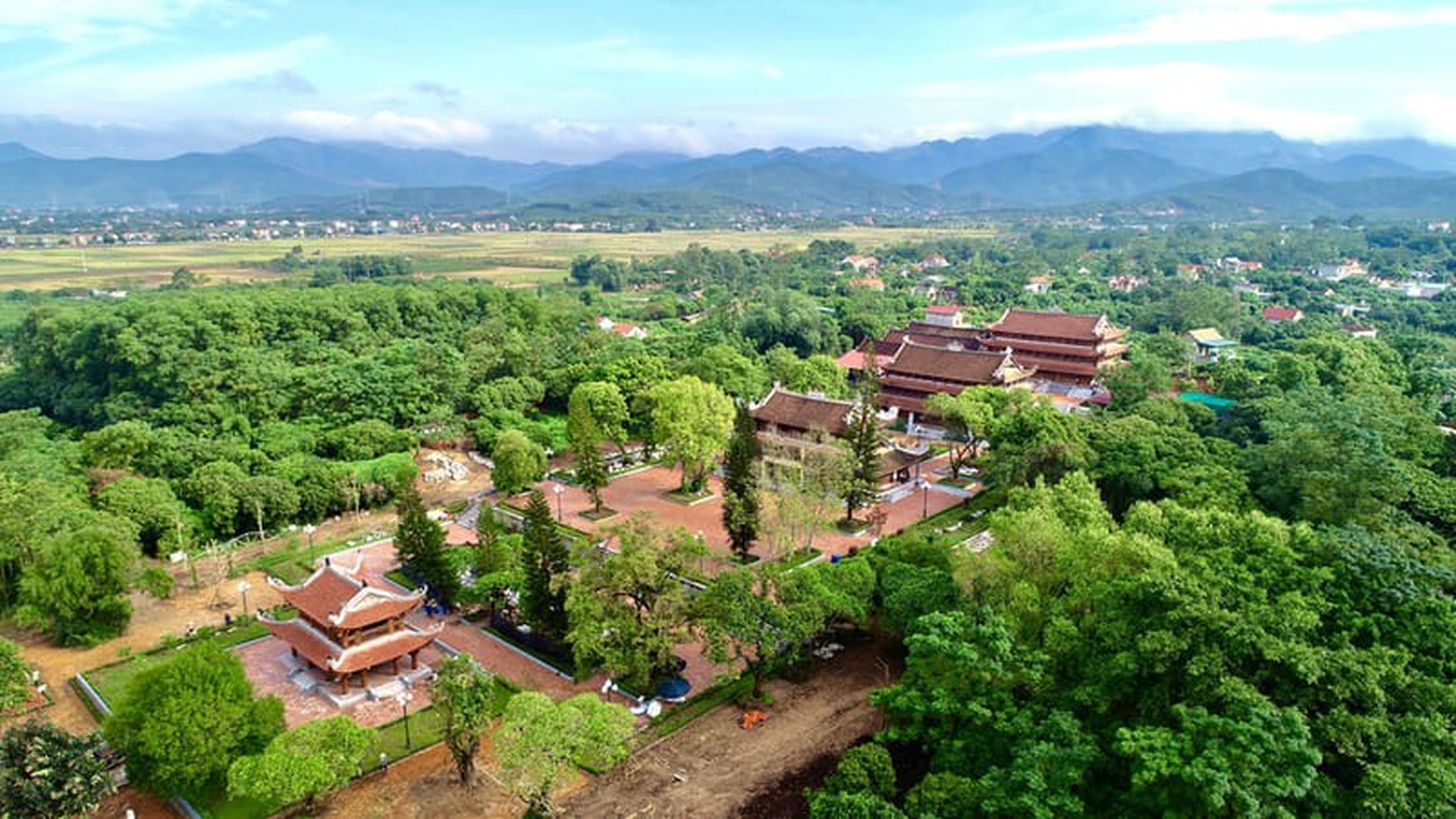
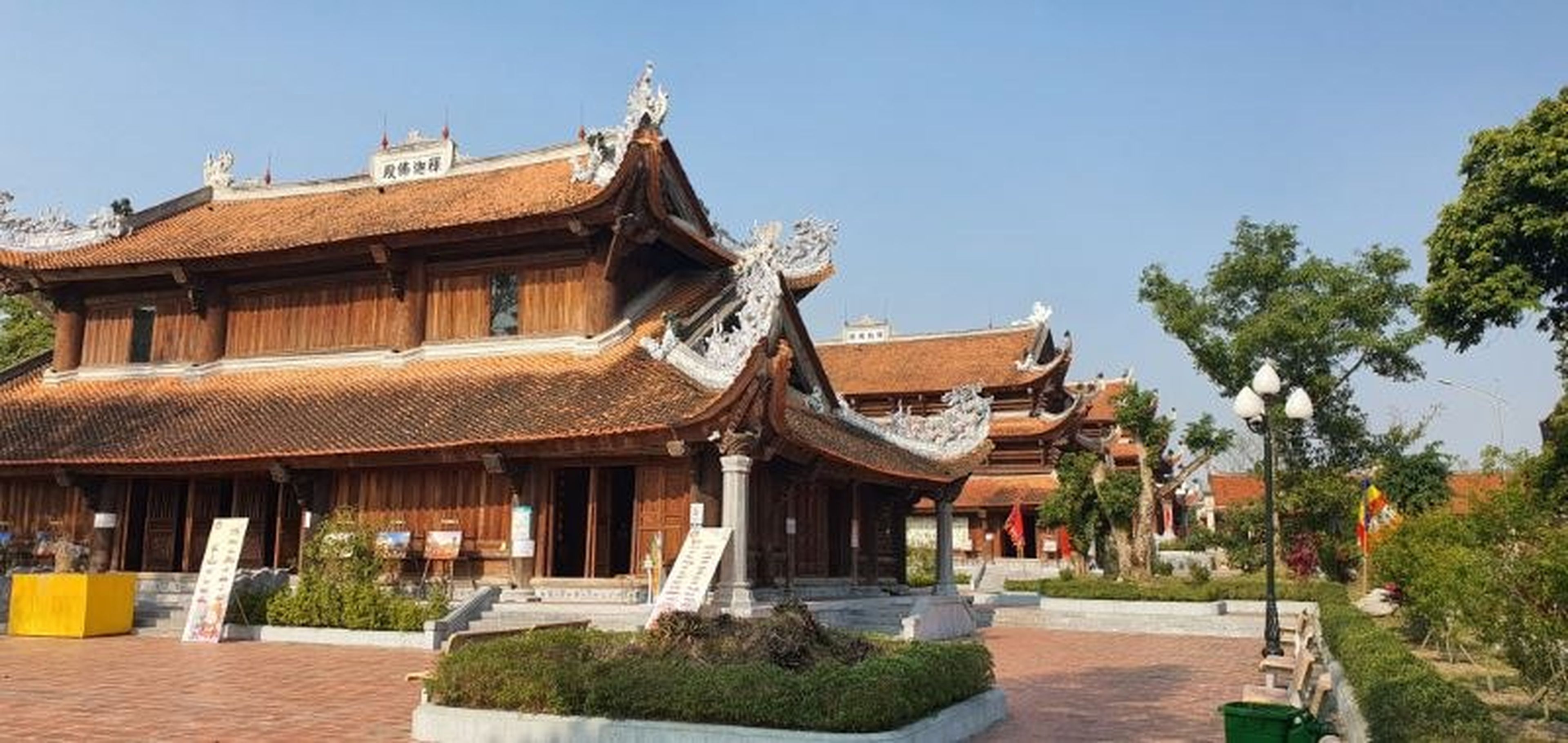
Quỳnh Lâm Pagoda is an ancient temple of imposing proportions, among the grandest in the eastern region. I was struck by its throne-shaped hilltop setting, on a hill in the Đông Triều Arc. Surrounded by hills, the pagoda faces a large lake, creating an impressive feng shui arrangement that gathers water.
The major Quỳnh Lâm Pagoda project, completed in 2020, transformed the site into one of the largest wooden pagodas in northern Vietnam. According to the information I found, the project used more than 1500 m3 of premium ironwood.
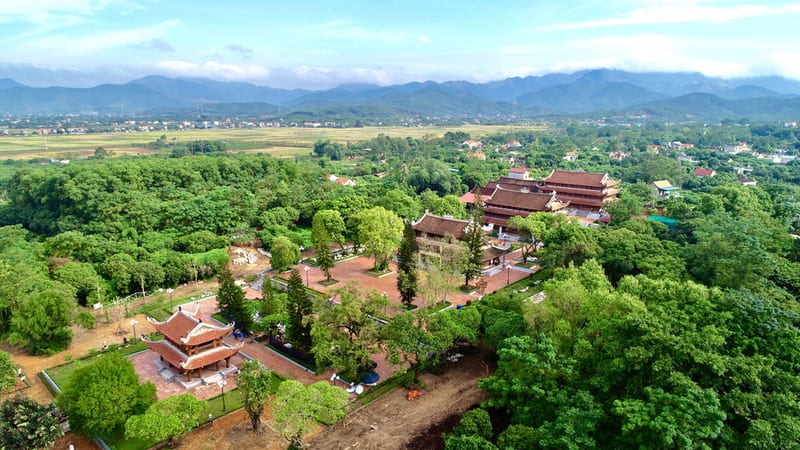
Quỳnh Lâm Pagoda is an ancient temple with some of the most imposing architecture in the eastern region. Illustrative photo: Ngọc Lâm
Along the main architectural axis of Quỳnh Lâm Pagoda, I found several structures, including the Front Hall, Central Hall, and Rear Sanctuary. The Front Hall is the Śākyamuni Buddha Hall, featuring massive wooden columns, most notably two rare columns made of agarwood.
The Central Hall of Quỳnh Lâm Pagoda is the Maitreya Buddha Hall, an impressive space dedicated to the worship of the Three Buddhas of the Past, Present, and Future. Finally, the Rear Sanctuary houses the Vairocana Buddha Hall, where Vietnam's largest monolithic jade statue of Śākyamuni Buddha is enshrined.
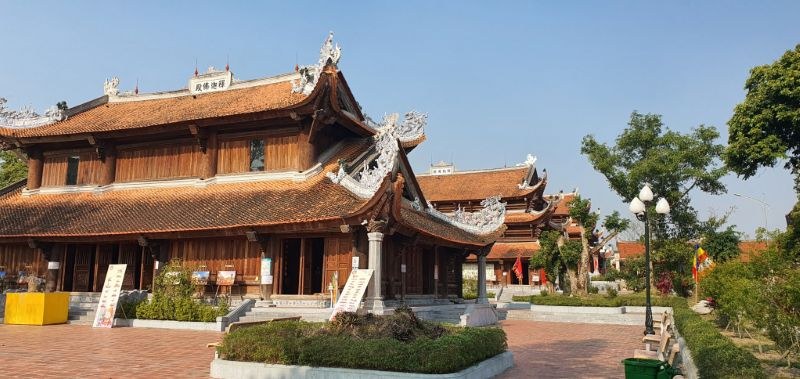
The overall architecture of Quỳnh Lâm Pagoda is quite impressive. Illustrative photo: Quảng Ninh Newspaper
In addition to these halls, the auxiliary structures—including the three-entrance gate, bell tower, patriarch's house, and surrounding corridors—also made a strong impression on me. These structures adhere closely to traditional Buddhist architecture, with curved eaves and lotus-shaped roof tiles.
3.2 The monolithic jade Buddha statue
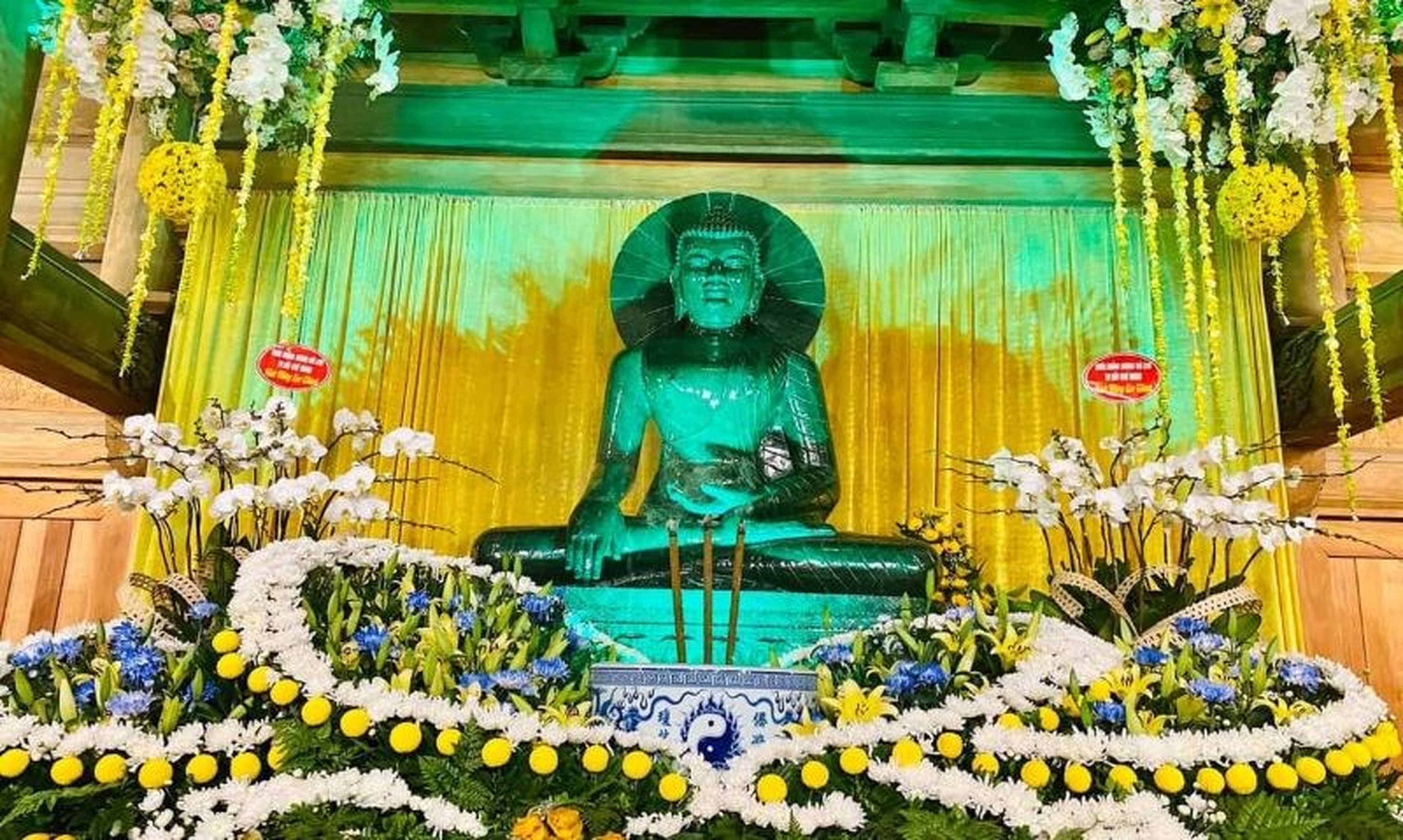
What I found most remarkable at Quỳnh Lâm Pagoda was Vietnam's largest monolithic jade Buddha statue. It is one of the most prominent spiritual treasures at the Trần Dynasty Special National Relic Site.
According to the information I gathered, the jade Buddha statue weighs approximately 3,8 tons and stands about 2,2 meters tall. The statue was donated to the pagoda by Vingroup[.
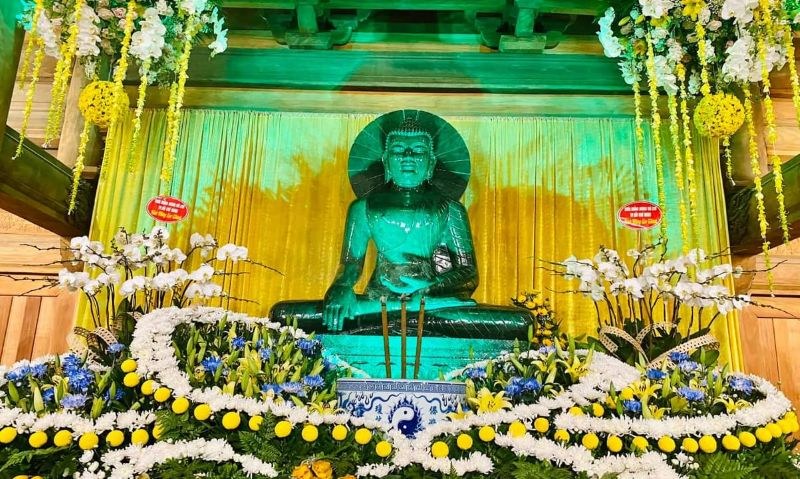
What I found most remarkable at Quỳnh Lâm Pagoda was its monolithic jade Buddha statue. Illustrative photo: N.H
The jade Buddha statue is carved from a single piece of jade sourced from the North Vancouver area of Canada. From what I observed, it was intricately and skillfully carved by talented artisans from Nepal, India, and Thailand.
3.3 The Lý Dynasty stone stele
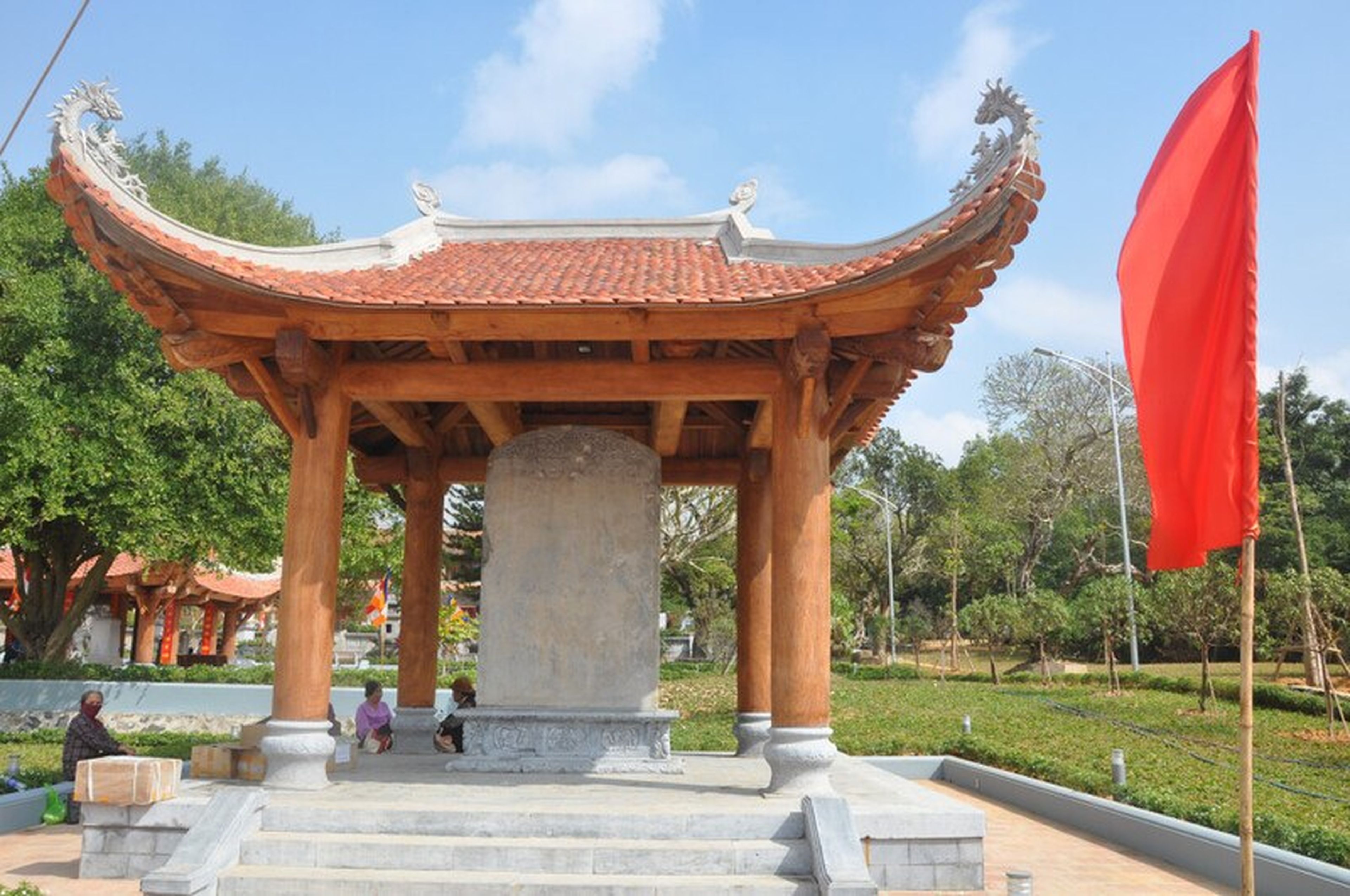
The Lý Dynasty stone stele was one of the features I found most fascinating during my visit to Quỳnh Lâm Pagoda. To date, it is the largest stone stele among Quảng Ninh's religious relics and one of the largest surviving steles from the Lý Dynasty.
During a major restoration in the later Lê period (1629), the original inscription was chiseled away and replaced with new text. However, archaeologists have noted that the stele combines artistic styles in a highly distinctive way.
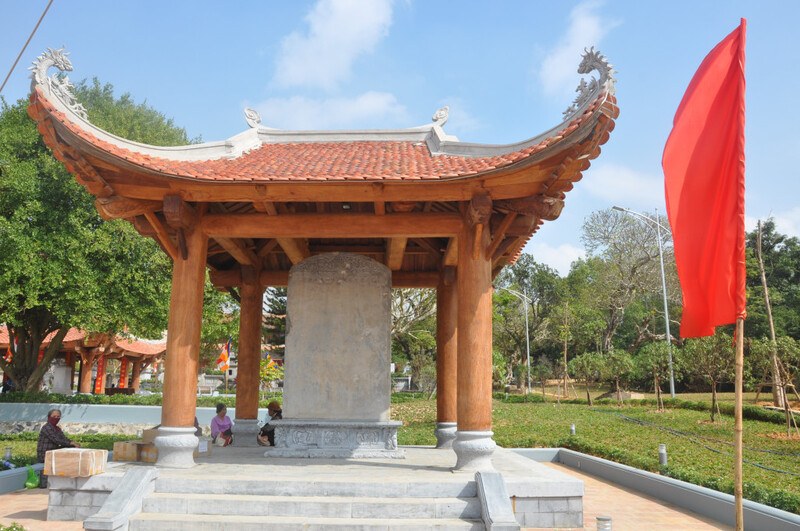
The Lý Dynasty stone stele was one of the features I found most fascinating during my visit to Quỳnh Lâm Pagoda. Illustrative photo: Quảng Ninh Newspaper
3.4 The ancient blue-stone stupa garden
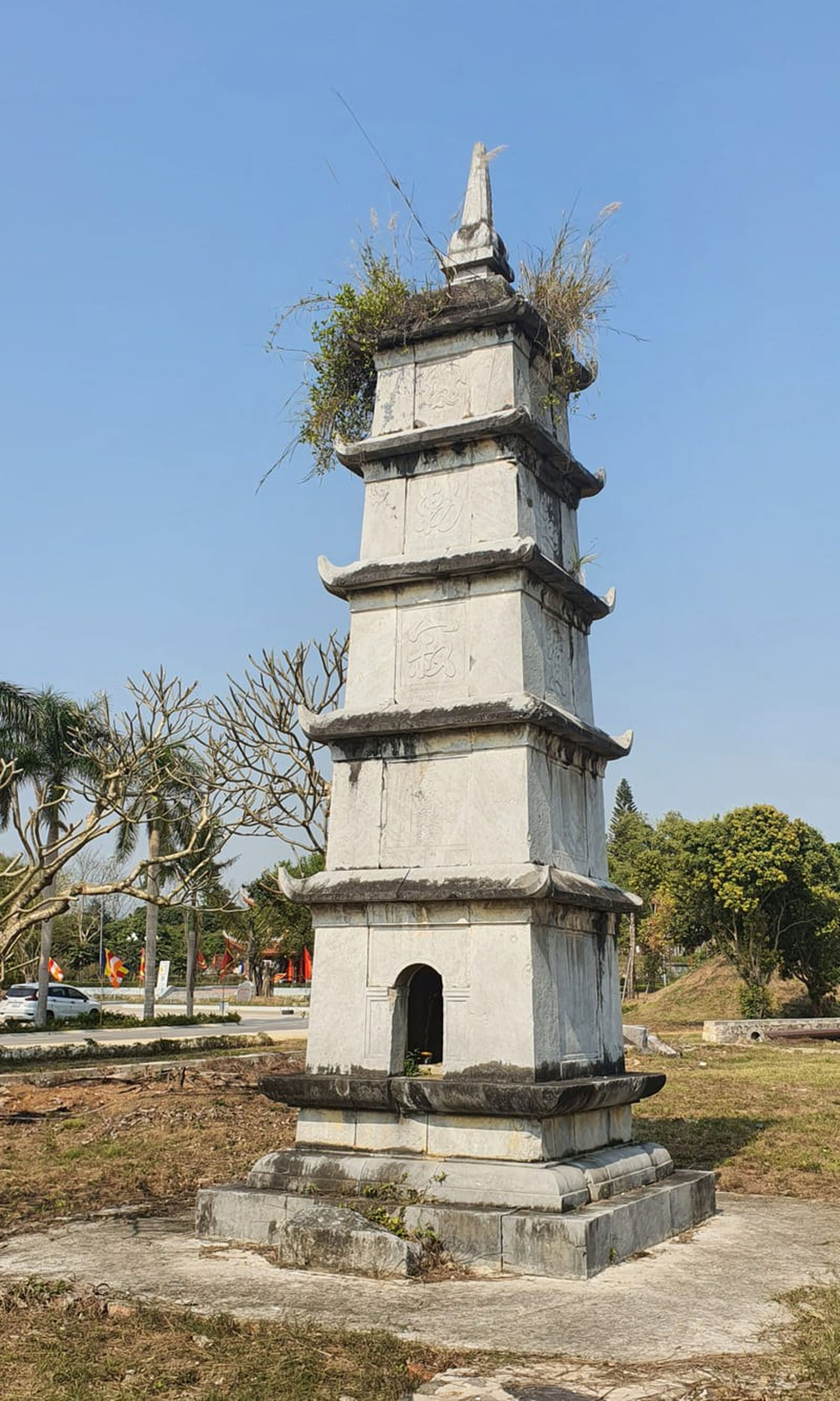
The ancient blue-stone stupa garden best reveals the striking architectural beauty of Quỳnh Lâm Pagoda. All the ancient stupas here are made from fine-grained blue stone, prized for its durability and smooth surface.
The blue-stone blocks in Quỳnh Lâm Pagoda's stupa garden have been cut into neat, square shapes and fit together to form sturdy structures. Today, the garden contains two monuments that I feel are especially significant: the Tịch Quang Stupa and the stupa containing the relics of Buddha Emperor Trần Nhân Tông.
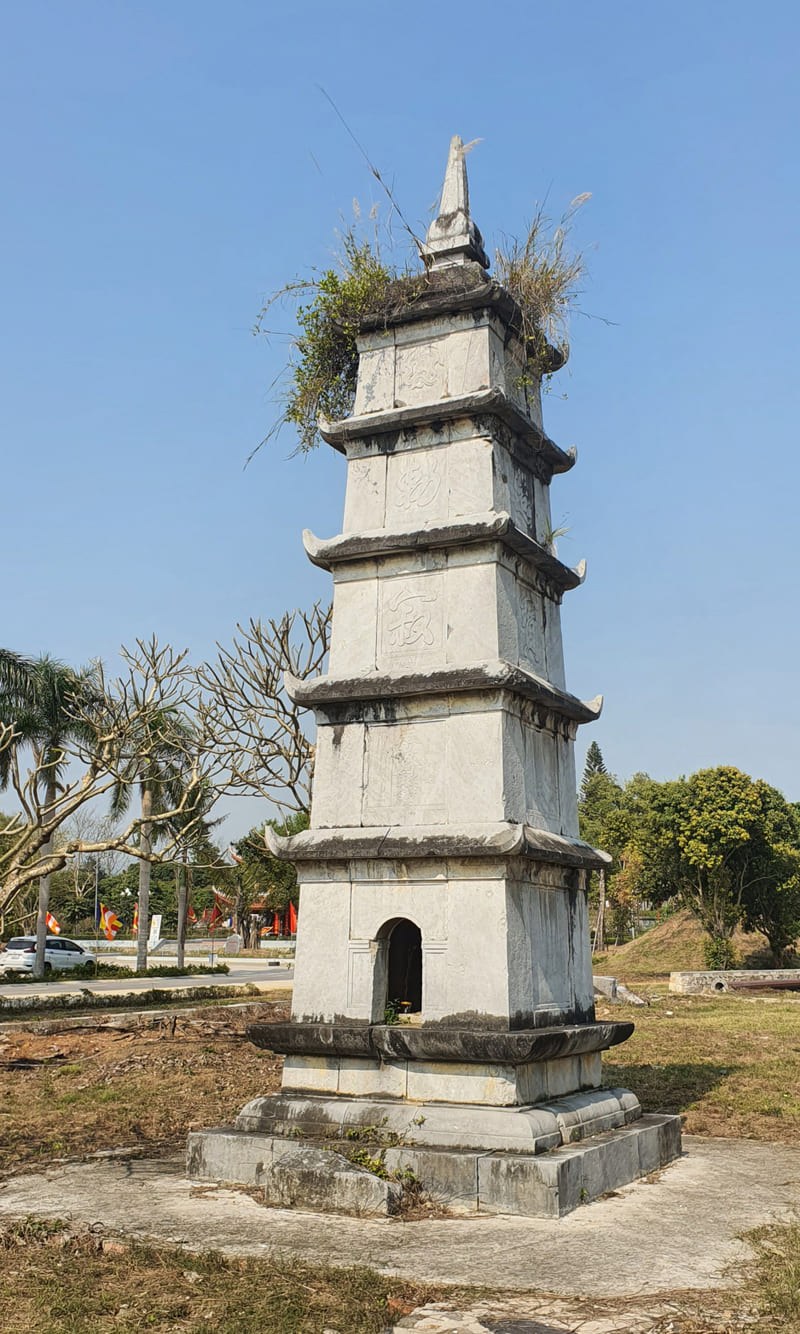
The majestic Tịch Quang Stupa in the pagoda courtyard. Illustrative photo: Quảng Ninh Newspaper
4 Quỳnh Lâm Pagoda Festival: a distinctive celebration of traditional culture
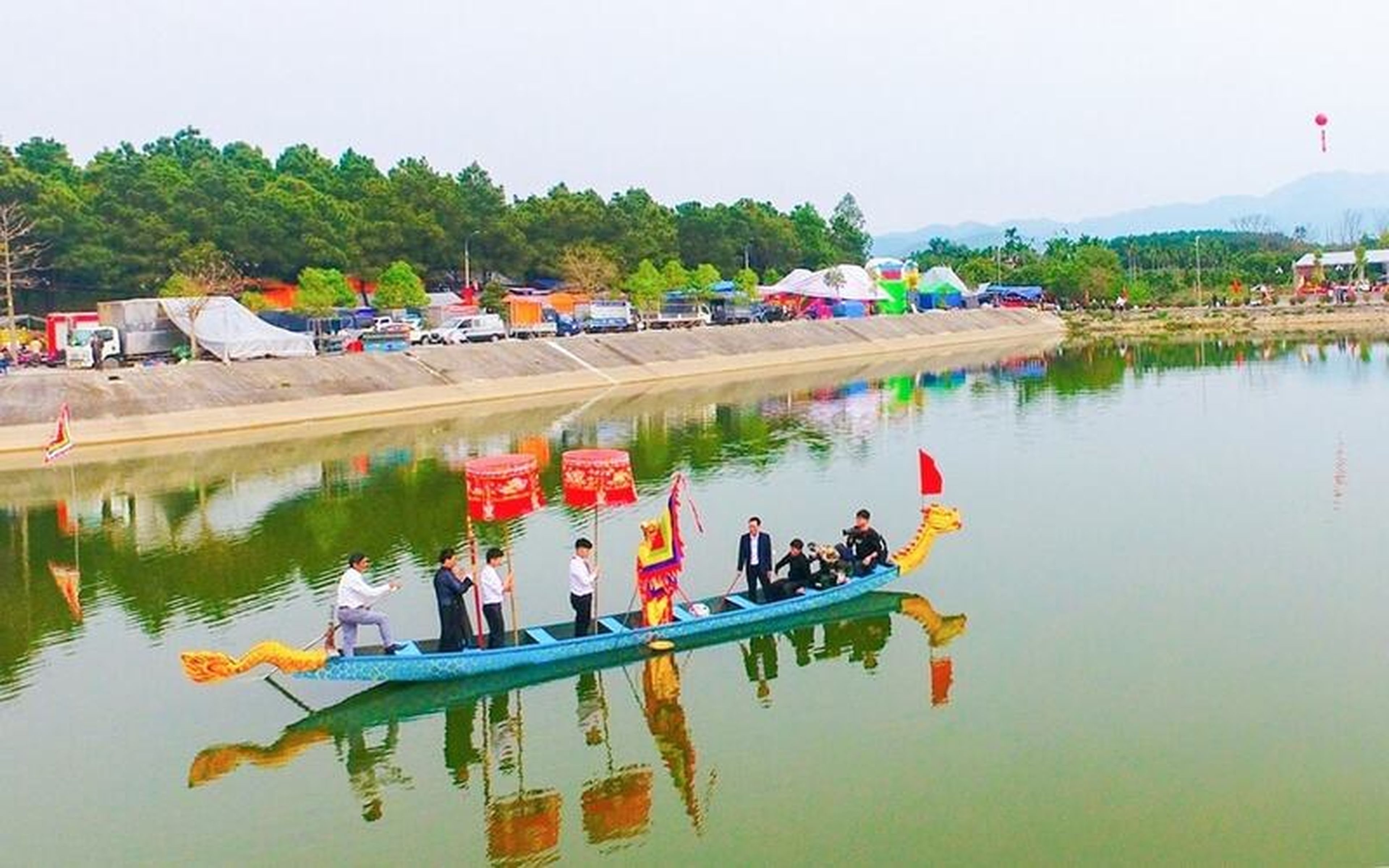
The Quỳnh Lâm Pagoda Festival is one of the largest and most sacred spring festivals in the Đông Triều area of Quảng Ninh. The festive atmosphere here gave me a sense of the area's distinctive cultural beauty.
I learned that the Quỳnh Lâm Pagoda Festival takes place annually from the first through the third day of the second lunar month. Events include a procession of prayer petitions and ancestor offerings, prayers for national peace and prosperity, a ritual bathing ceremony, folk games, cultural performances, and food events.
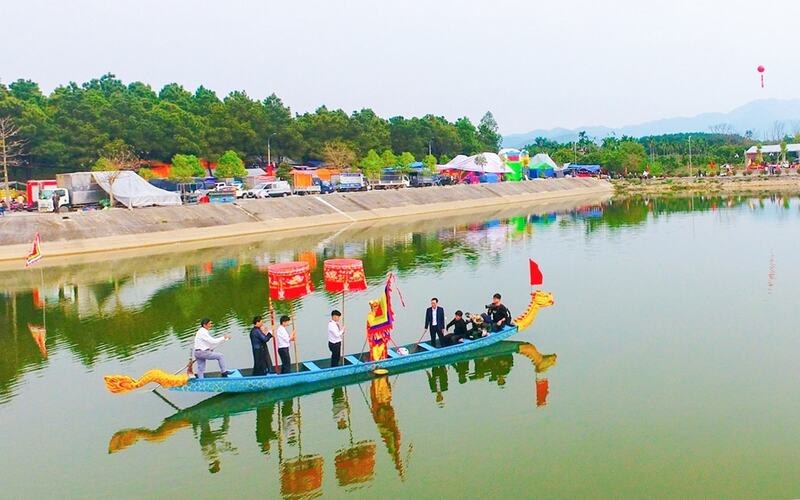
The Quỳnh Lâm Pagoda Festival is one of the largest and most sacred spring festivals. Illustrative photo: Dân tộc và Phát triển
5 FAQ - Frequently asked questions about Quỳnh Lâm Pagoda
5.1 Who is worshipped at Quỳnh Lâm Pagoda?
Quỳnh Lâm Pagoda is dedicated to Śākyamuni Buddha, Maitreya Buddha, bodhisattvas, and the three patriarchs of the Trúc Lâm Yên Tử Zen sect. The pagoda also venerates National Preceptor Nguyễn Minh Không, known as Lý Quốc Sư.
5.2 Where is Quỳnh Lâm Pagoda's “Four Great Treasures of An Nam” now?
The enormous bronze Maitreya Buddha statue from the Lý Dynasty was one of the “Four Great Treasures of An Nam.” However, this treasure no longer exists. In the 15th century, Ming forces invaded our country, destroyed the pagoda, and melted down the statue to cast weapons.
With all the remarkable features described above, Quỳnh Lâm Pagoda offers a peaceful, meditative atmosphere and a distinctive cultural experience. If you get the chance to pack your bags and travel to Quảng Ninh, consider visiting this pagoda and discovering its unique cultural heritage!