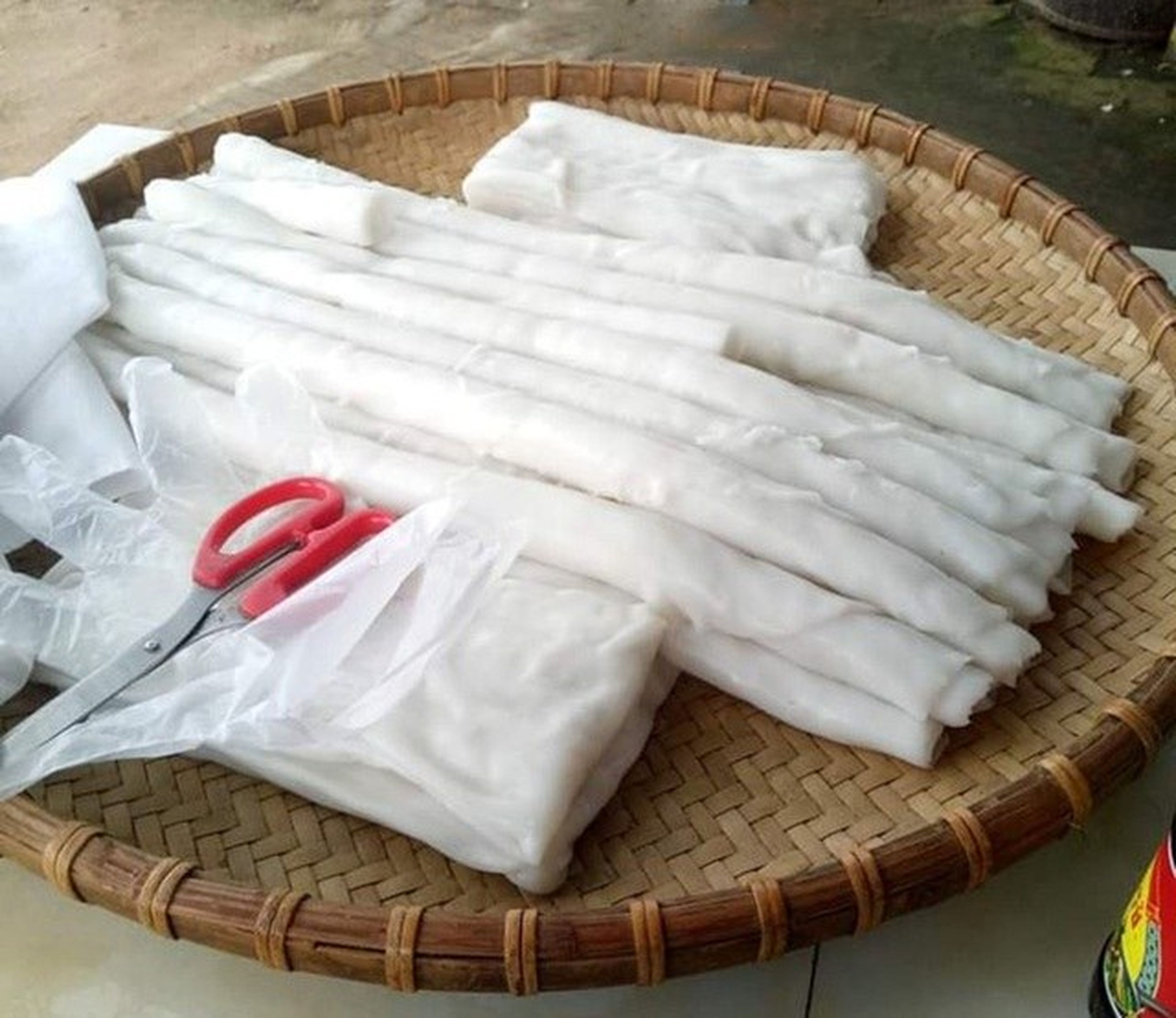
In the Tiên Yên area, there is a type of cake with an interesting name – bánh gật gù. It looks quite similar to phở sheets and bánh cuốn, but is made in a more distinctive way and has no filling inside.
Quang Ninh’s Unique Bánh Gật Gù Specialty
Tiên Yên preserves many of Quang Ninh province’s longstanding cultural values. Visitors to Tiên Yên have the opportunity to admire its beautiful natural landscapes and explore the ancient homes of the Dao, Tày and Sán Dìu ethnic communities.
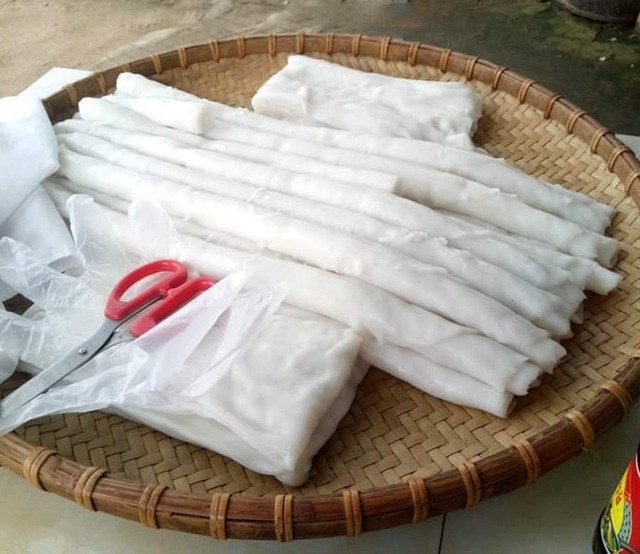
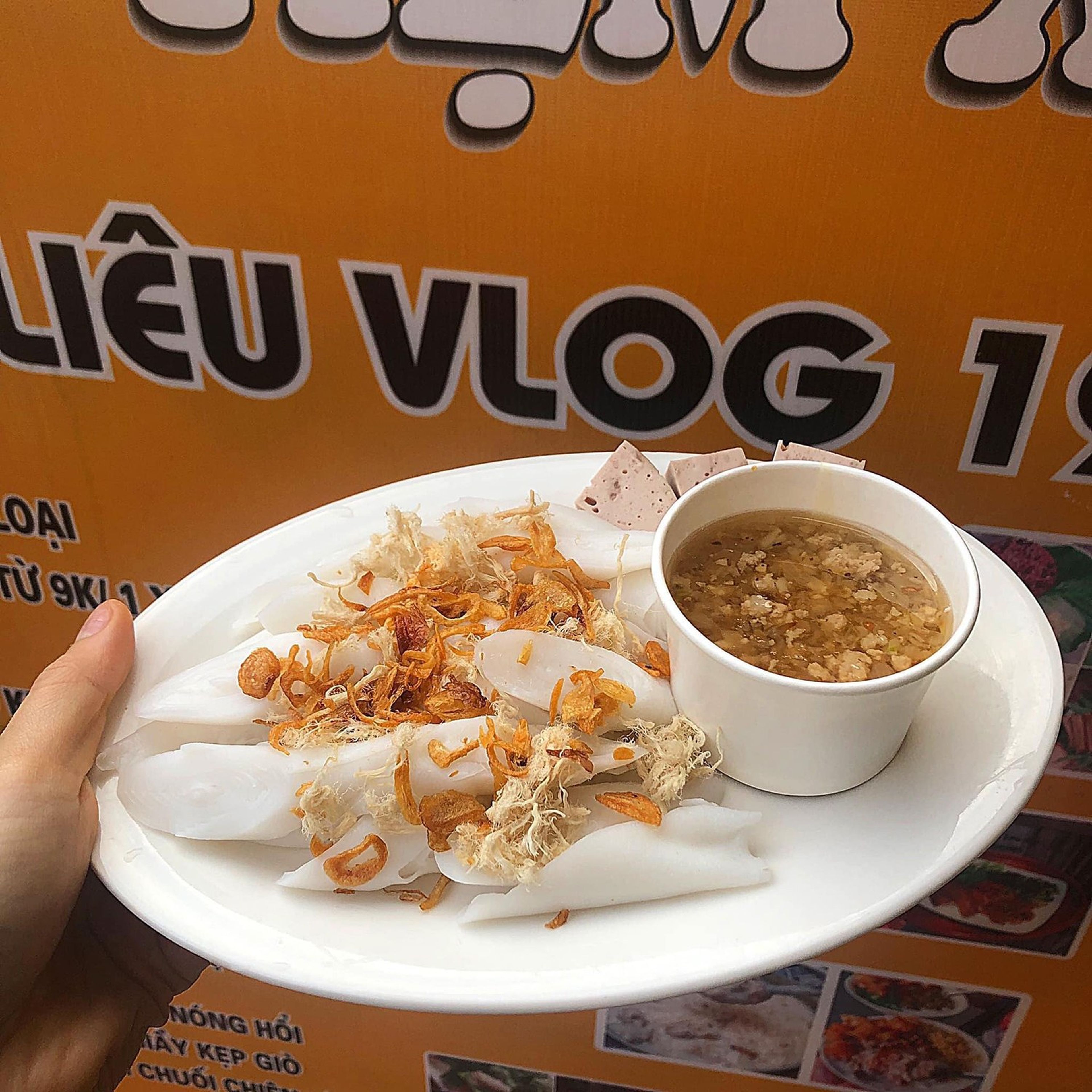
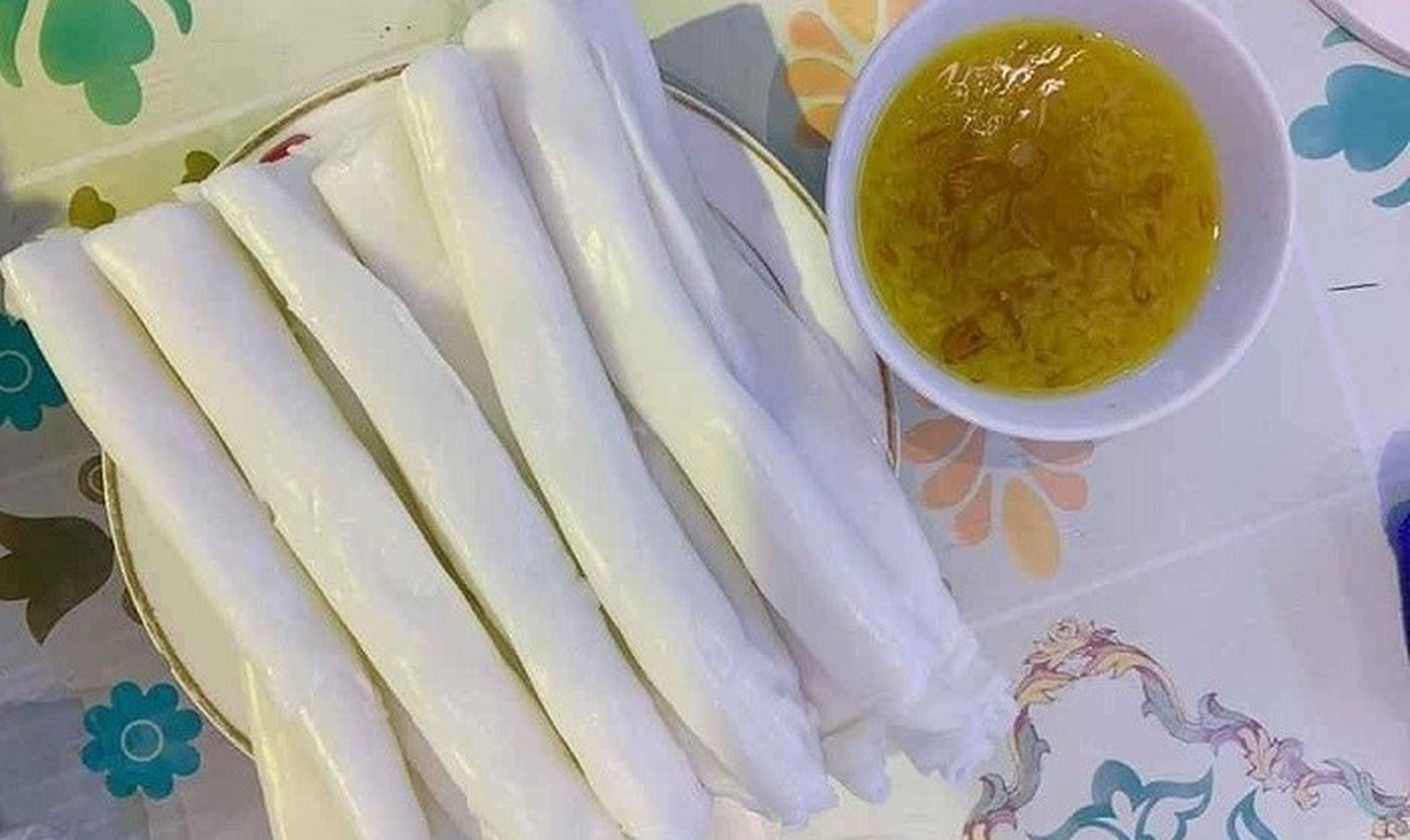
Bánh gật gù. Photo: Quang Ninh Newspaper.
In addition, the local cuisine also delights visitors. Besides famous specialties such as khâu nhục and hill chicken… there is another specialty that simply cannot go unmentioned: bánh gật gù.
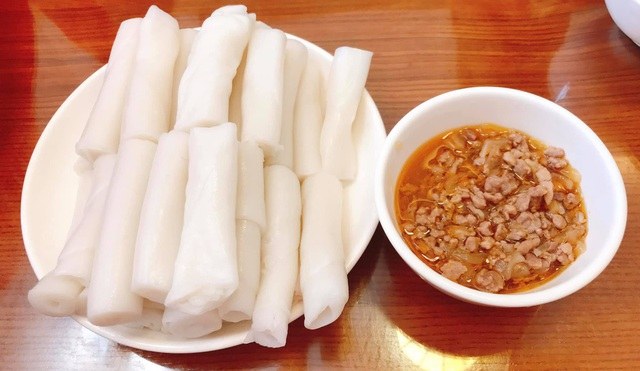
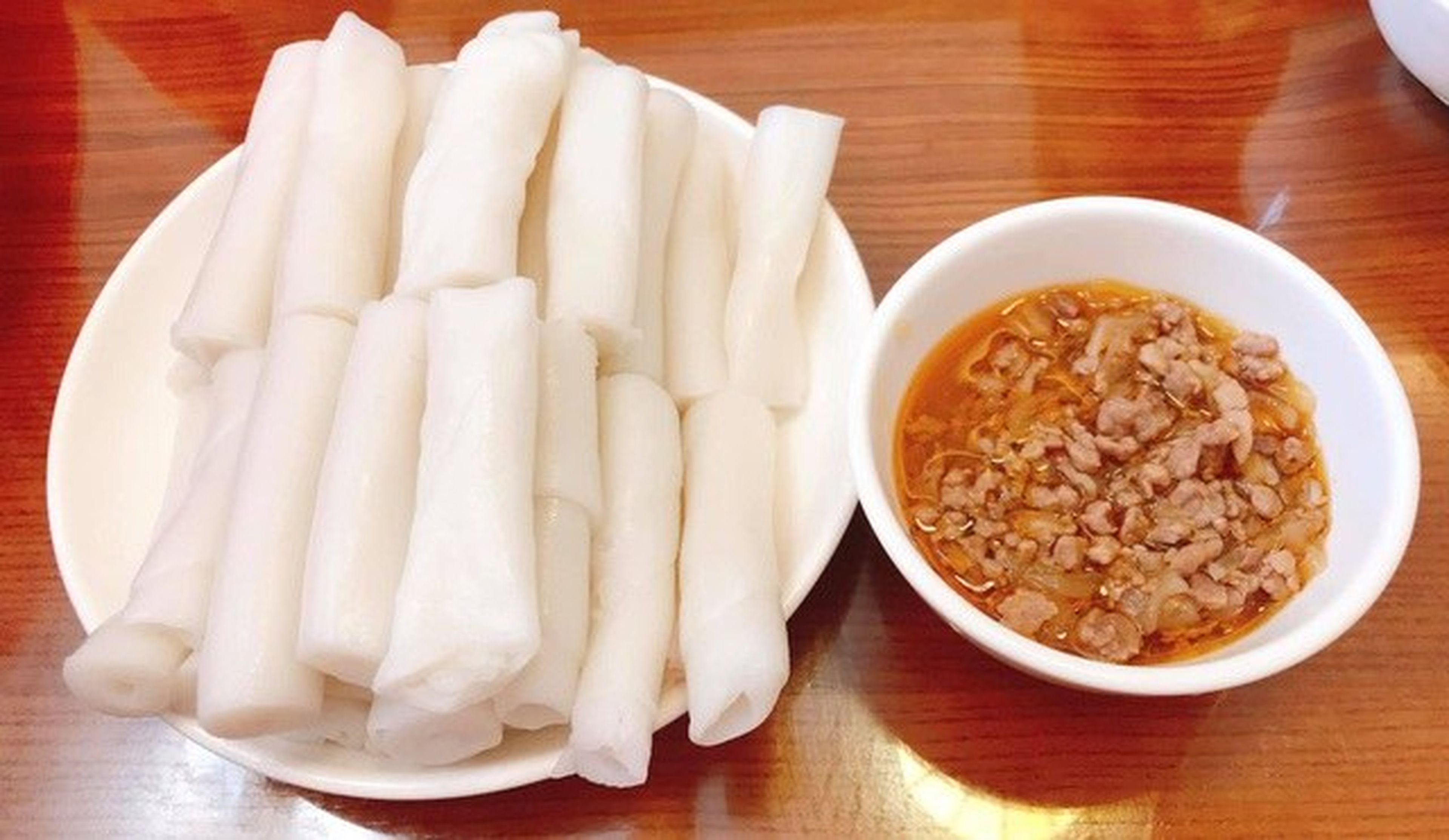
Dipping sauce with minced meat, fried shallots and chicken fat. Photo: Quang Ninh Newspaper.
The cake has this amusing name because it always sways back and forth when diners hold it to eat. With its simple appearance, many people might mistakenly think that it is also simple to make. However, the secret to making the cake has been passed down from generation to generation.
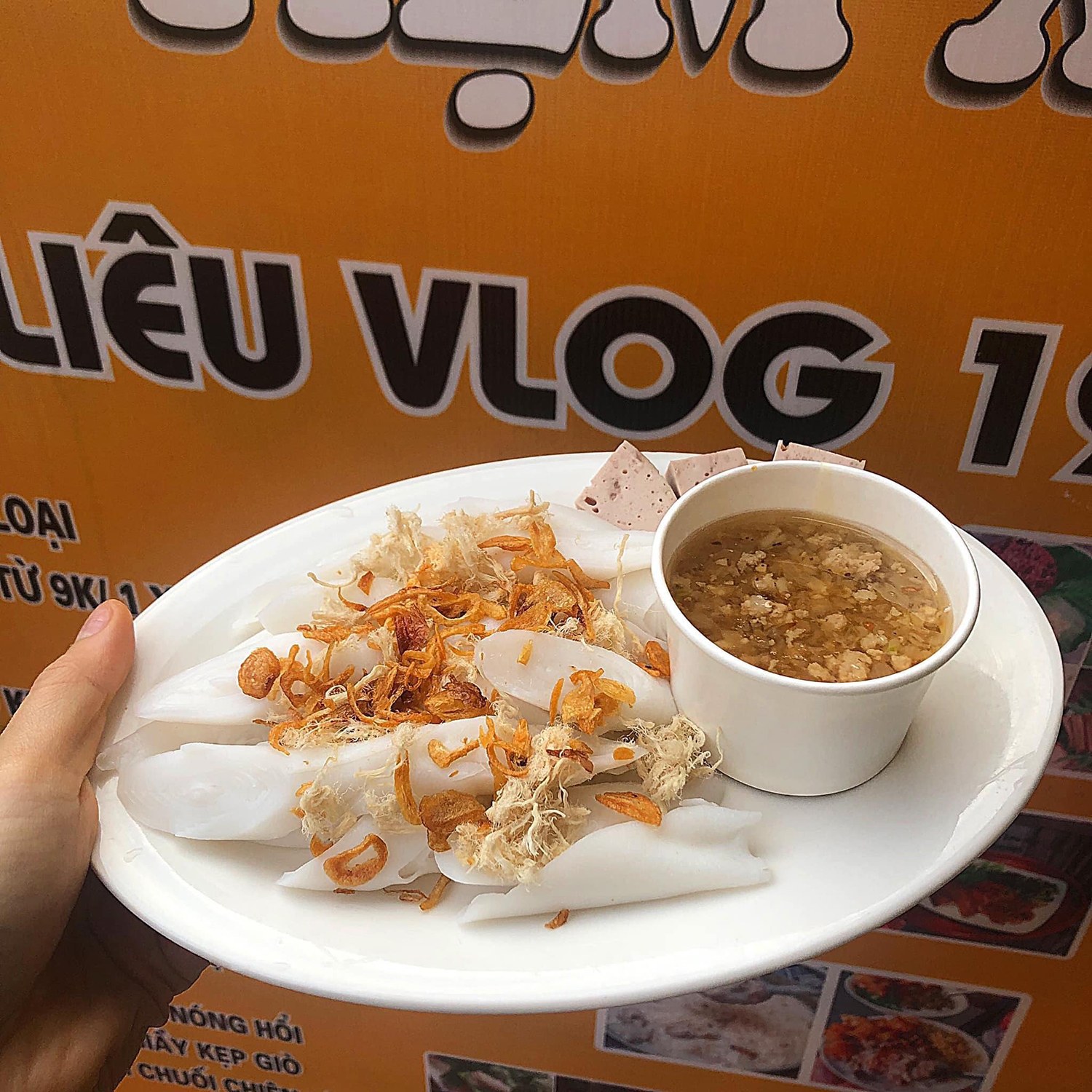
You can eat bánh gật gù with Vietnamese pork sausage and minced-meat dipping sauce.
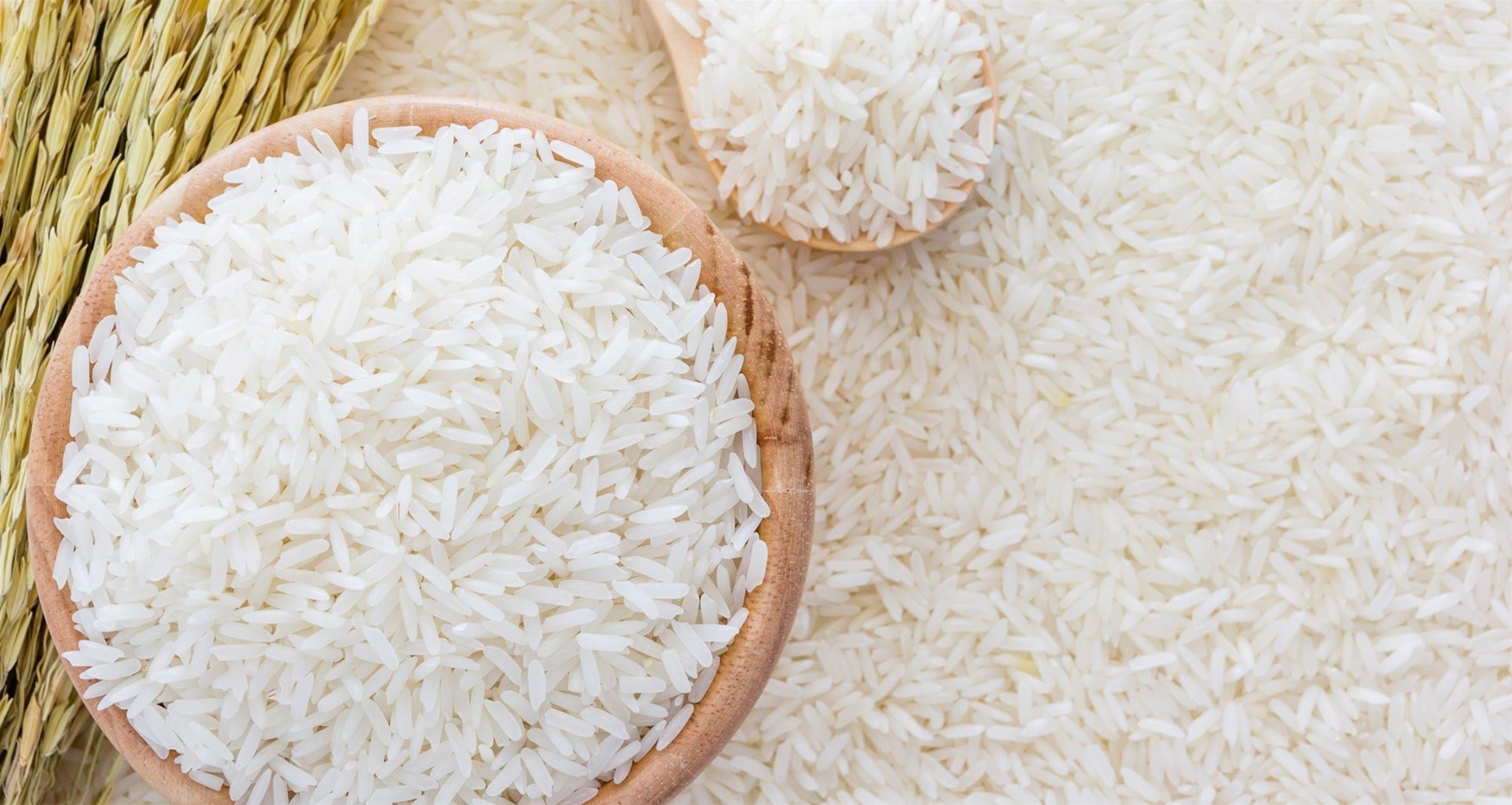
To make bánh gật gù you need to choose a variety of non-glutinous rice, the prized rice variety from Hải Dương and Tiên Yên’s Bao Thai rice, then soak the rice from one day until the next before making the cake. When grinding the rice, people often add cooked rice left over from the previous meal to make the cake glossy, chewy and airy.
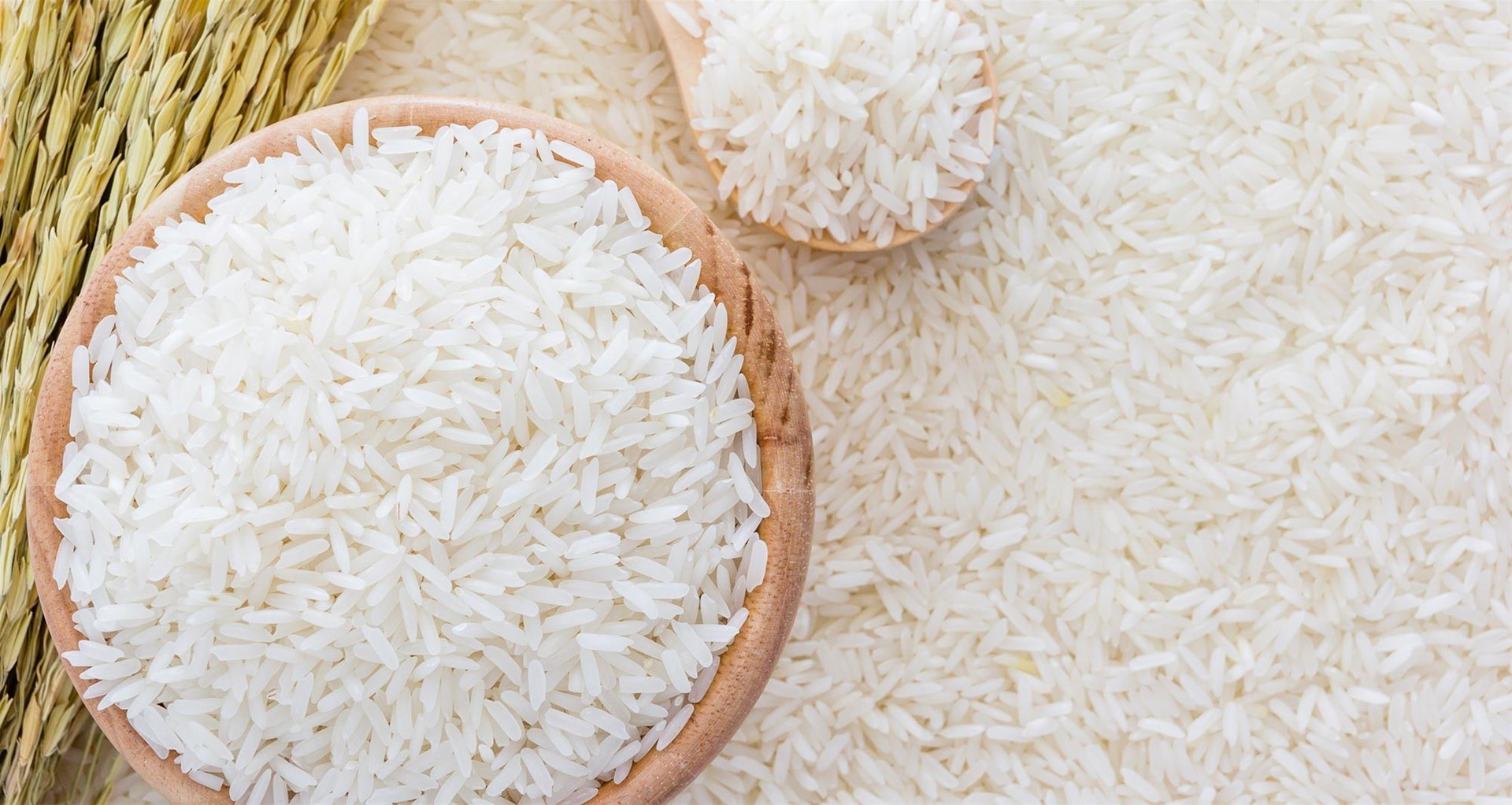
Illustrative photo: nongsanlangson.
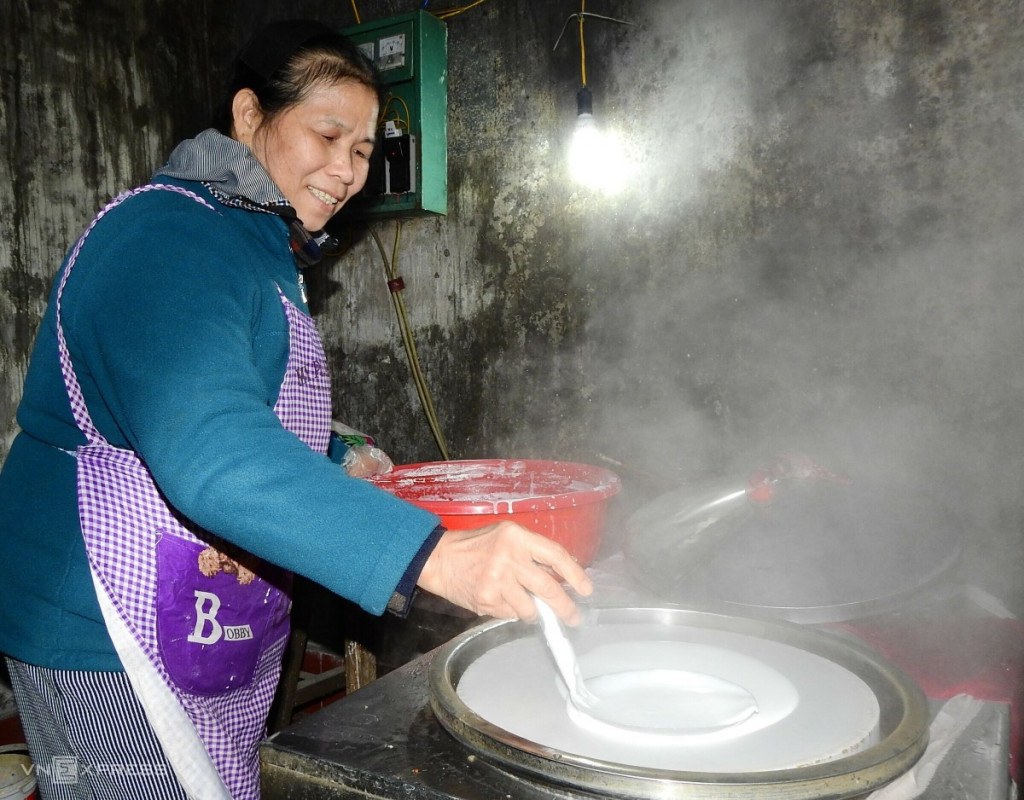
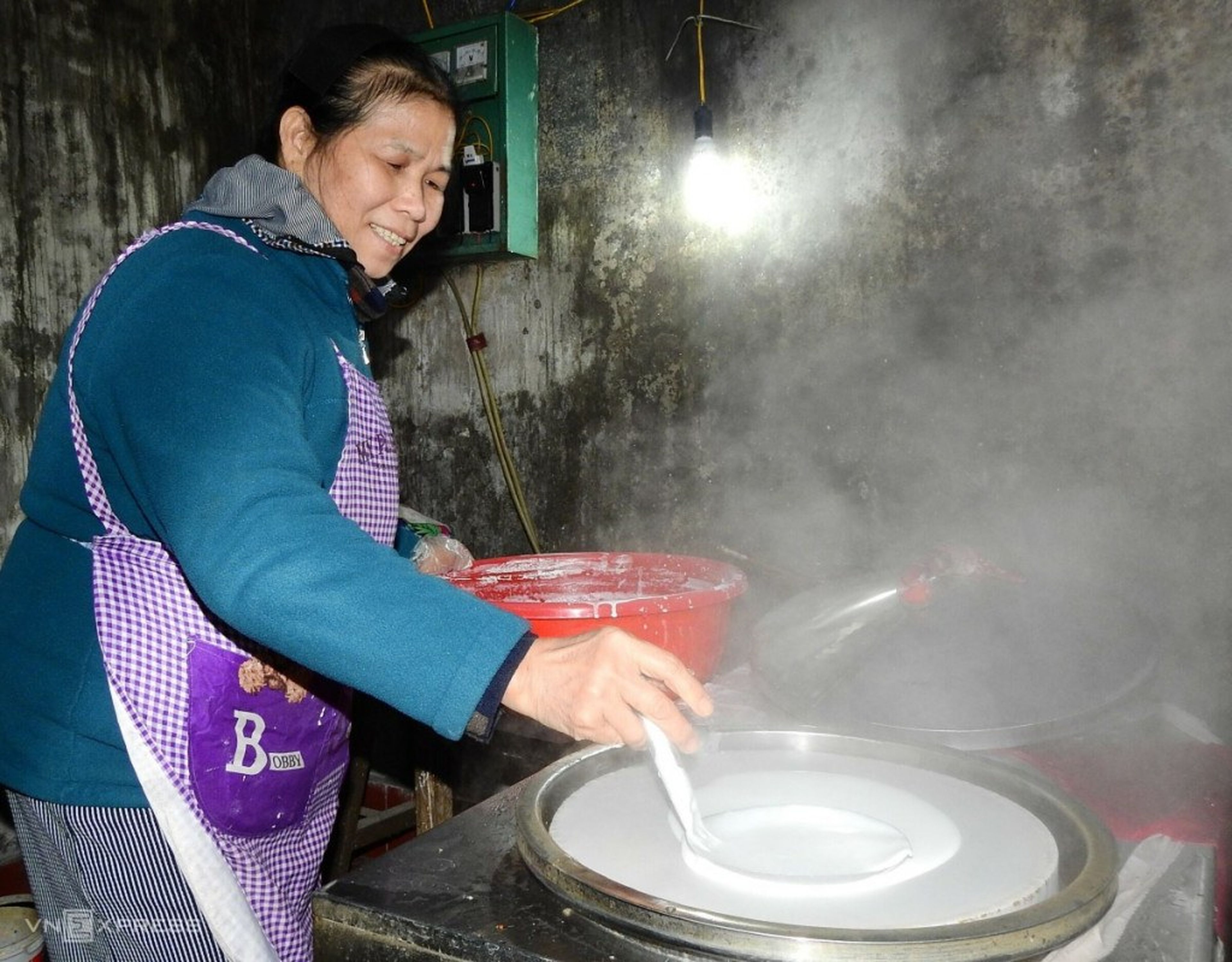
A famous bánh gật gù maker in Tiên Yên. Photo: VnExpress.
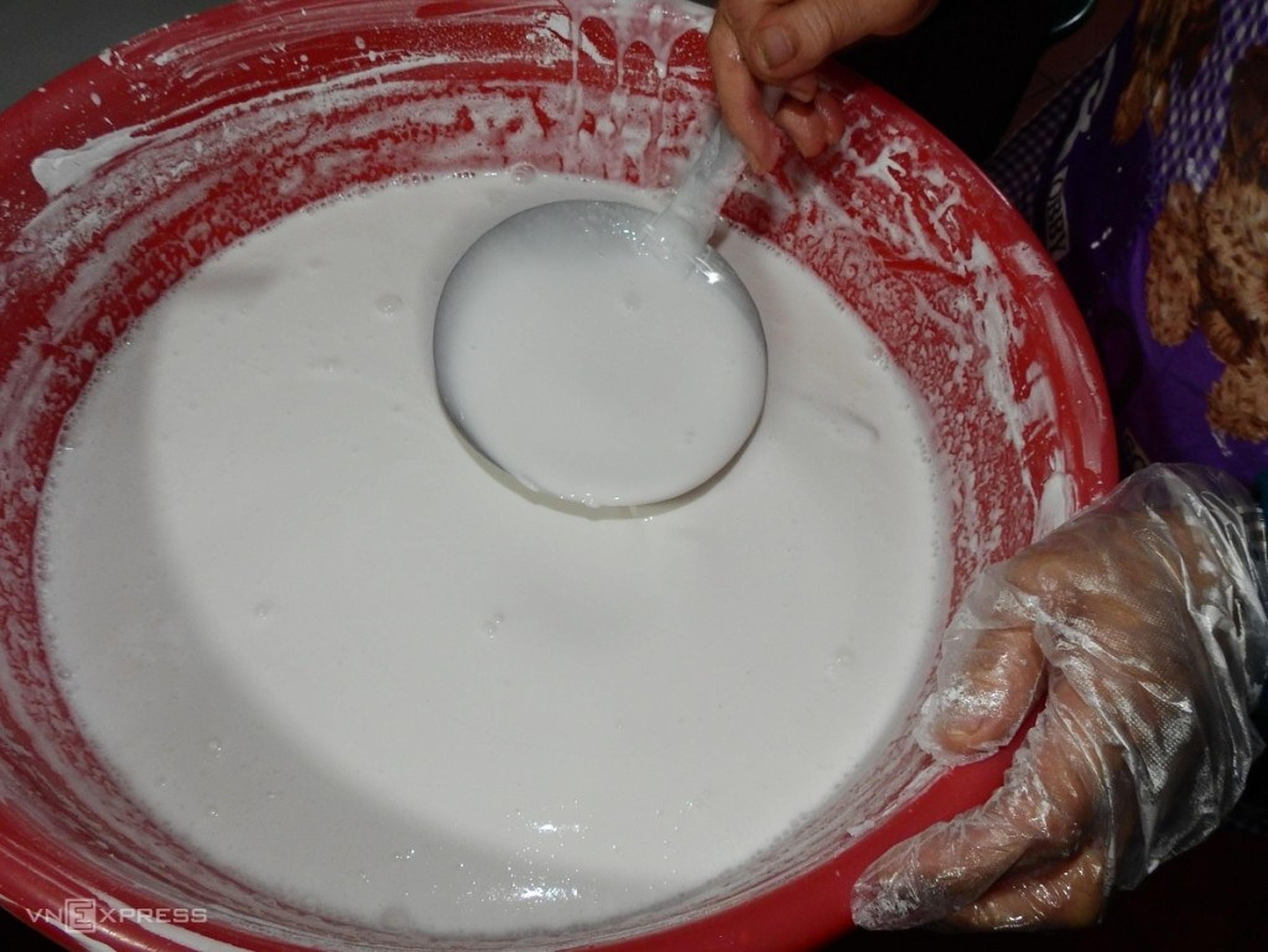
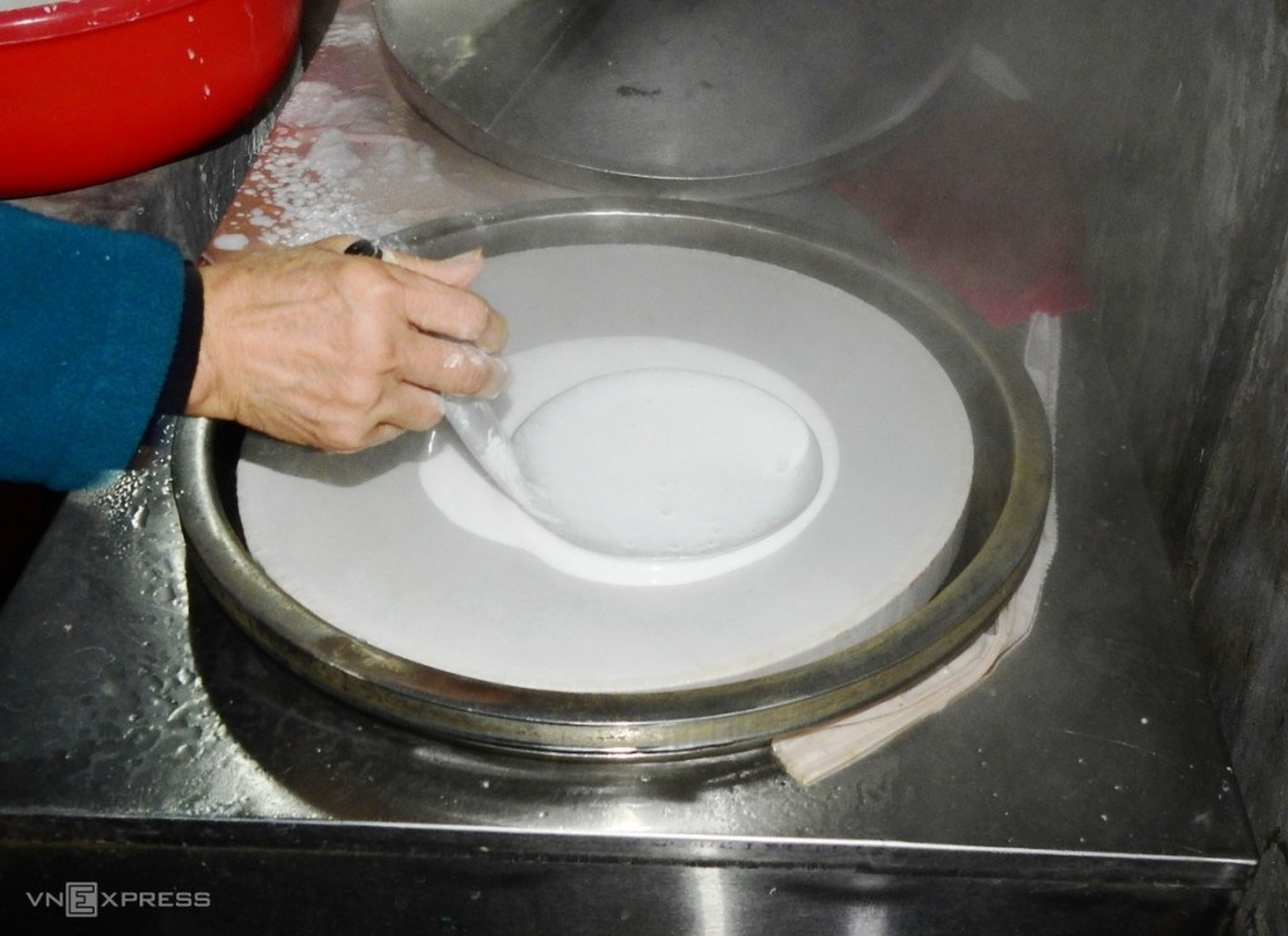
During the making of bánh gật gù the process of steaming the cakes is also very meticulous. The maker must measure the right amount of batter so that it is neither too thick nor too thin. A layer of batter of just the right thickness is poured onto the mold—not as thin as bánh cuốn and not as thick as bánh đa.
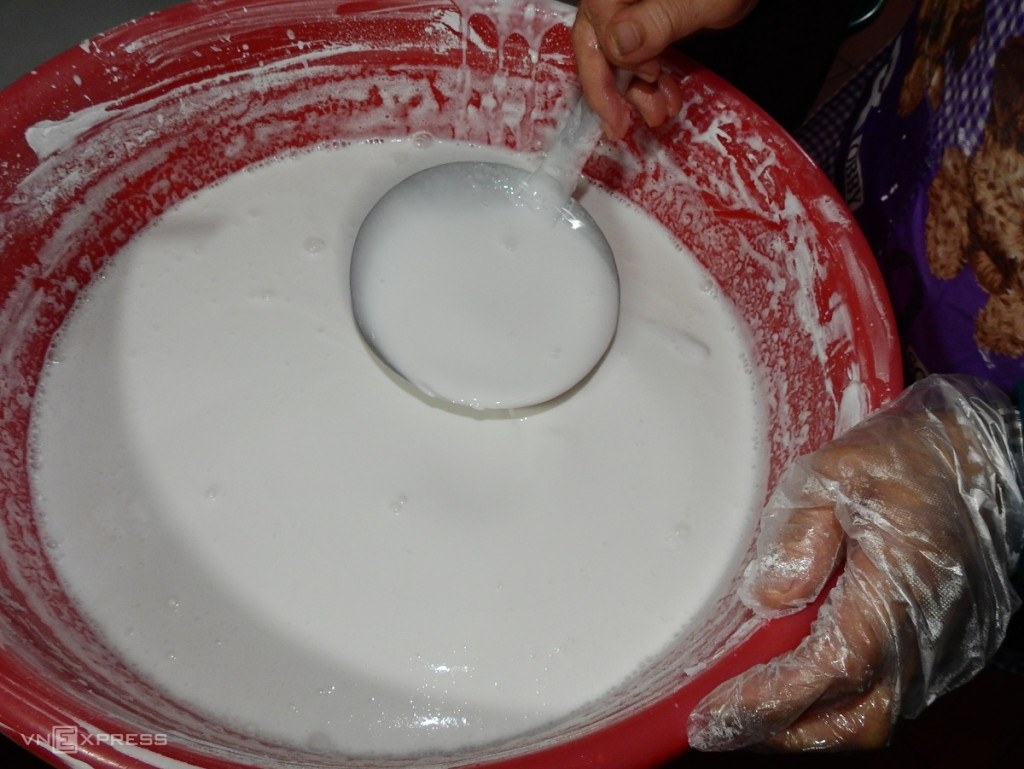
Cake batter. Photo: VnExpress.
The batter is then spread evenly into a circle, and the lid is closed while waiting for the cake to cook. Today, people use electric steamers to make the cakes instead of the wood-fired stoves used in the past. Electric steamers make the process faster, cleaner and less labor-intensive. Every step requires care, dexterity, speed and a practiced hand.
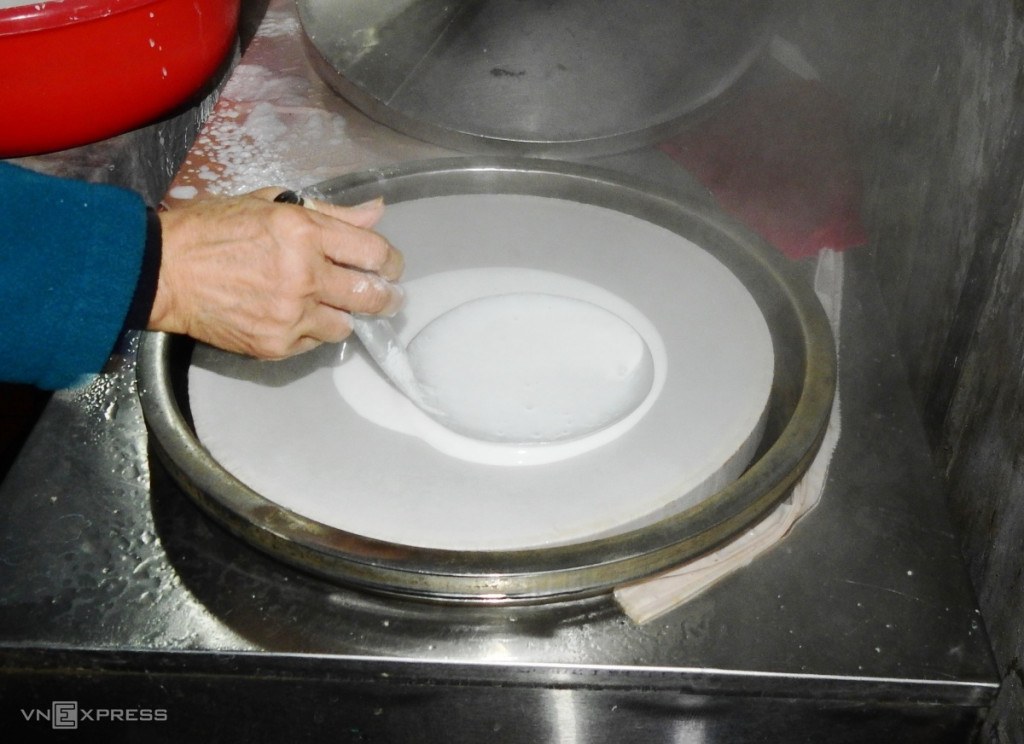
Skillfully pouring the batter so that the cake is neither too thick nor too thin. Photo: VnExpress.
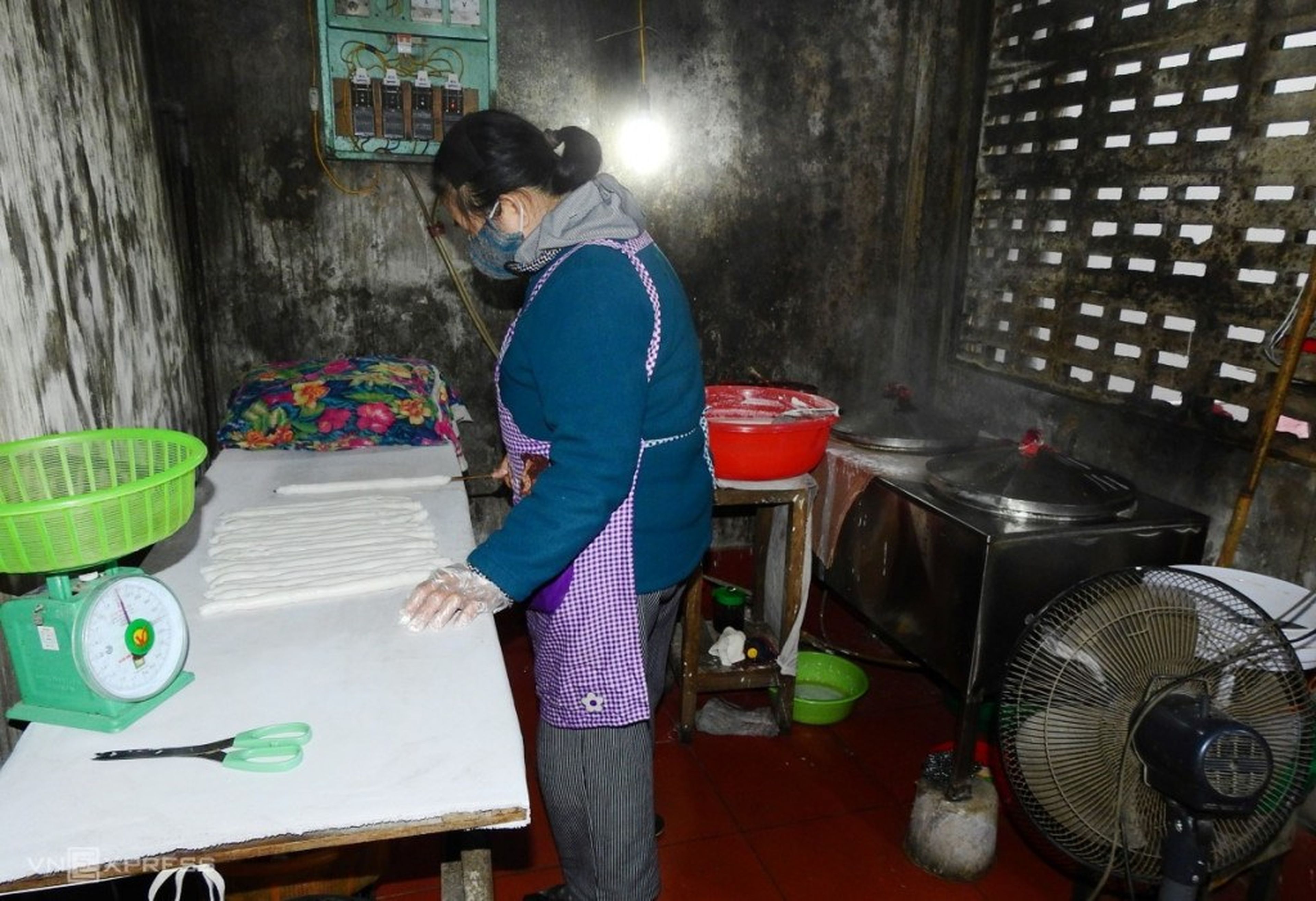
When the cake is cooked and puffs up, the maker skillfully uses a bamboo stick to lift it from underneath, then continues steaming a new batch. Before being rolled, bánh gật gù resembles bánh cuốn and phở sheets, but has no filling. Once evenly rolled, the cakes are placed on banana leaves so they do not stick together.
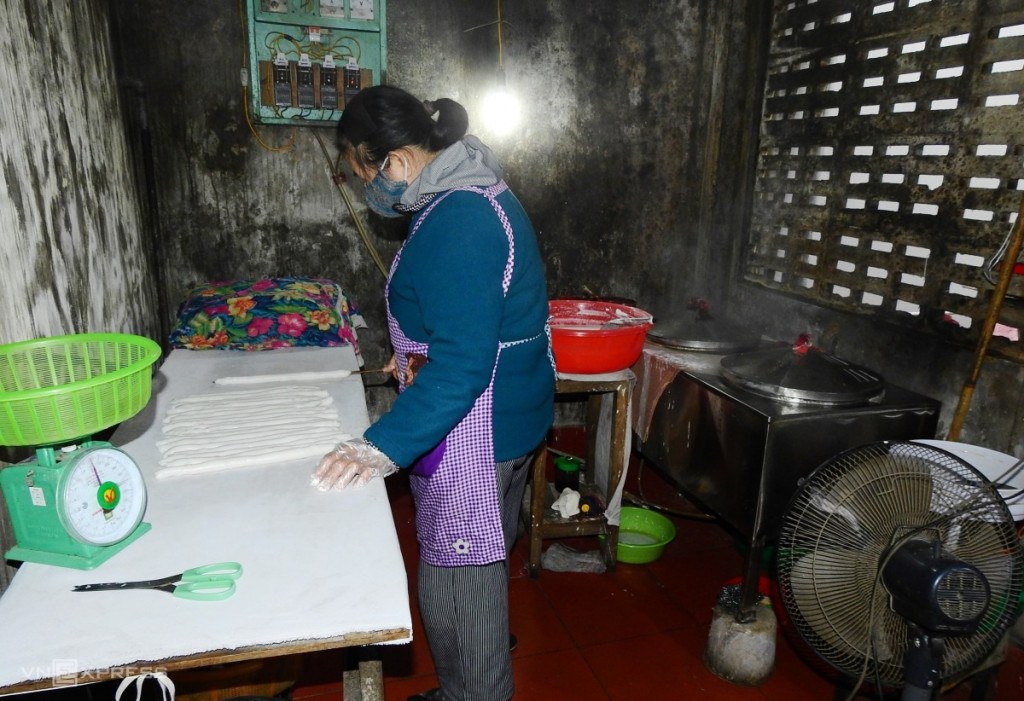
Rolling bánh gật gù. Photo: VnExpress.
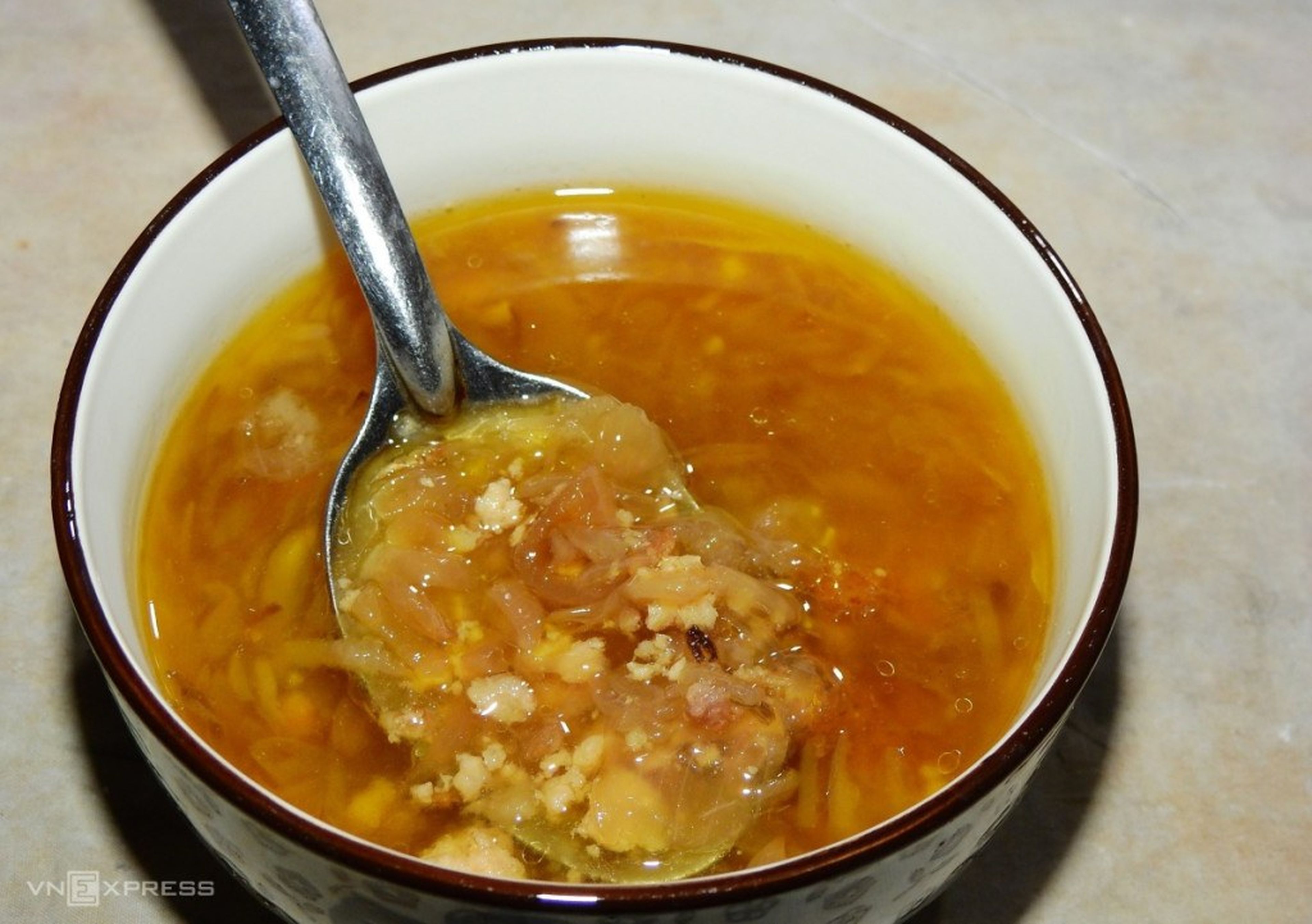
Delicious bánh gật gù also depends on its dipping sauce. The sauce served with the cake varies according to the tastes of different regions, but it mainly consists of minced meat, fish sauce, shallots and chicken fat. The chicken fat is heated until sizzling, then the shallots are fried until fragrant, followed by the minced meat and good-quality fish sauce.
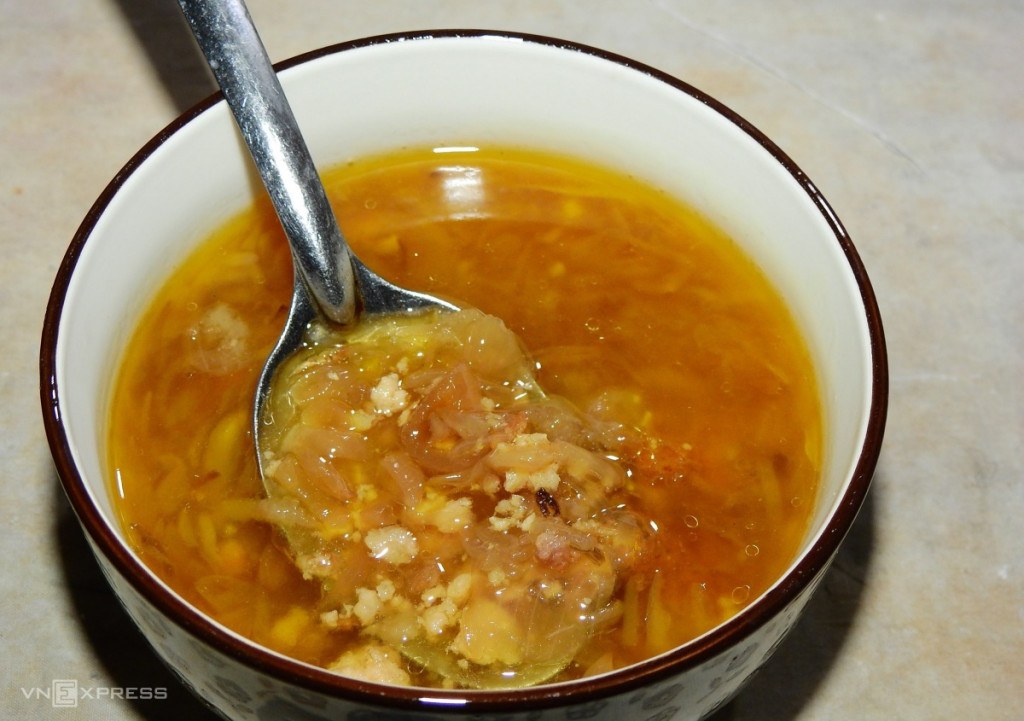
Dipping sauce made with a distinctive recipe. Photo: VnExpress.
Bánh gật gù can be found in many places, but the flavor in Tiên Yên, Quang Ninh still leaves the strongest impression on diners. The cake is chewy and fragrant, while the dipping sauce in particular brings out the dish’s finest qualities.
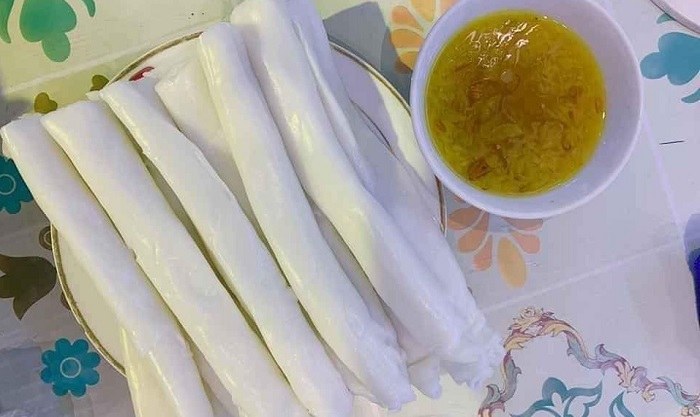
A simple dish famous far and wide.
As part of Vietnam’s culinary map, Quang Ninh’s bánh gật gù deserves to become a specialty not to be missed when visiting the mining region. Follow the iVIVU blog for more useful articles!