The historic Hưng Học Communal House now worships two village tutelary deities, Đức Huyền Quang Lý Đạo Tái and Đông Hải bản thổ Vũ Hoàng Đào. It has been recognized as a national relic and is a source of pride for the people of Quảng Yên.
Quang Ninh Travel: Discovering the Historic Hưng Học Communal House
Hưng Học Communal House is located in the Đình hamlet of Hưng Học Village, Quảng Yên Town. The people named the communal house after Hưng Học Village. Hưng Học Village has changed its name several times: When the village was first established, it was called Huyền Quang Village; it was later changed to Tả Quan Village to avoid a taboo name, followed by Quan Village, Hương Village, and finally Hưng Học Village.
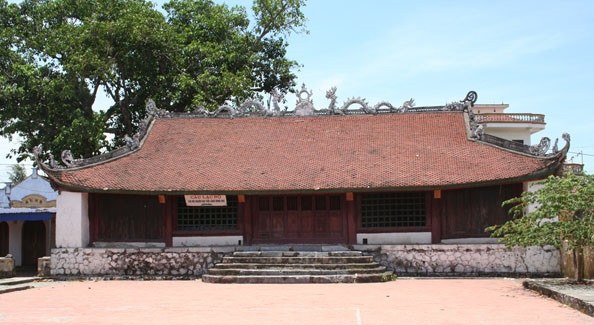
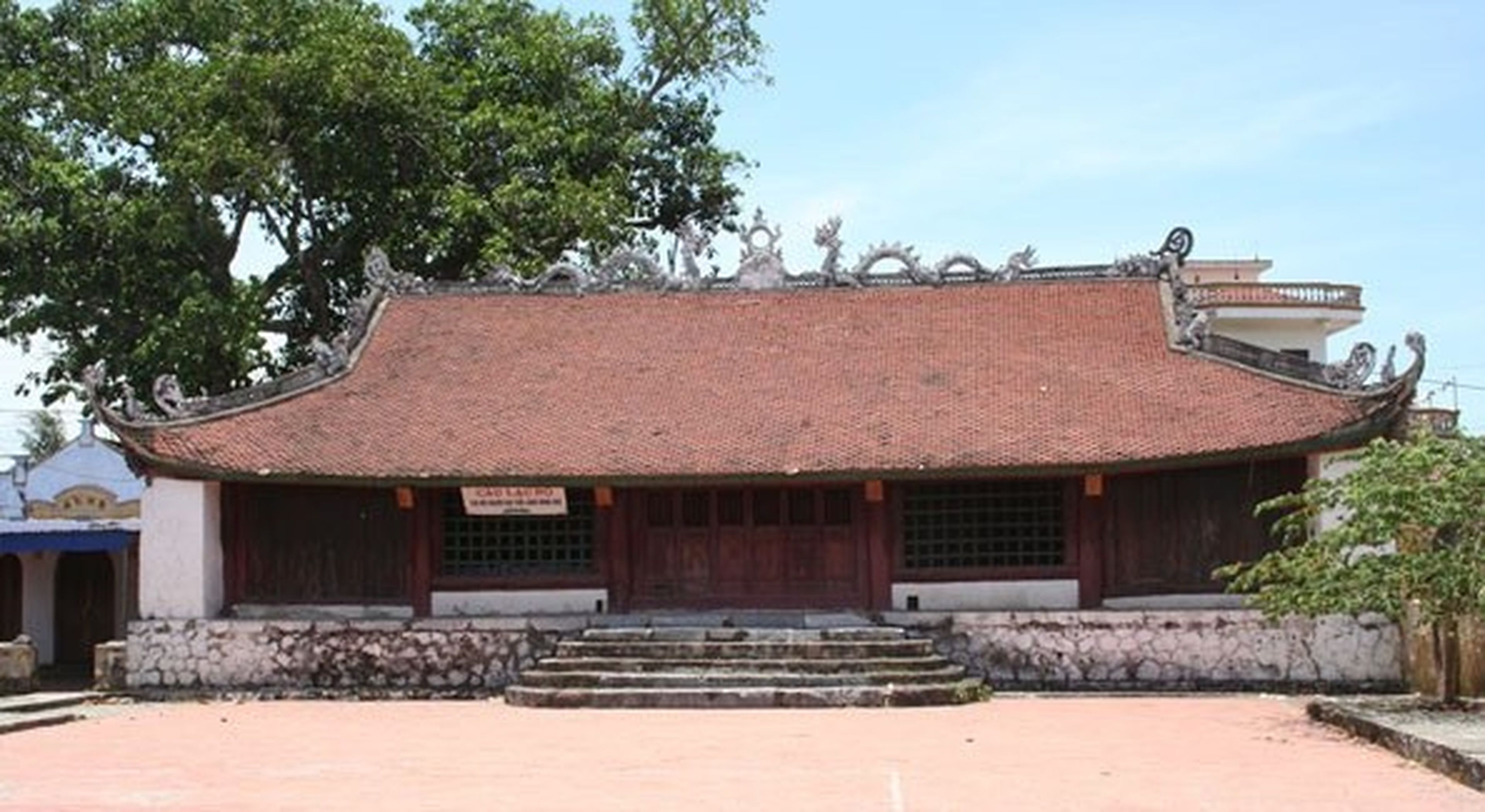
Hưng Học Communal House. Photo: Quảng Ninh Newspaper.
Hưng Học Communal House was built around the late 18th century. It has since undergone several restorations and features a distinctive artistic architectural style. The communal house was initially built near Hưng Học Pagoda; it was not until the reign of King Thiệu Trị, in 1841, that it was rebuilt at its present location.
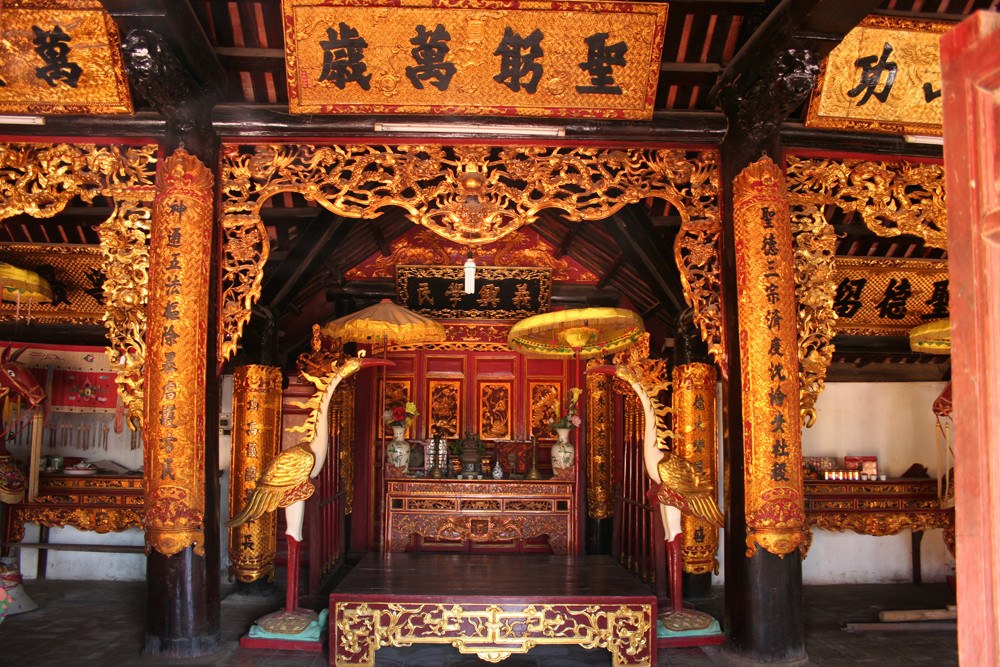
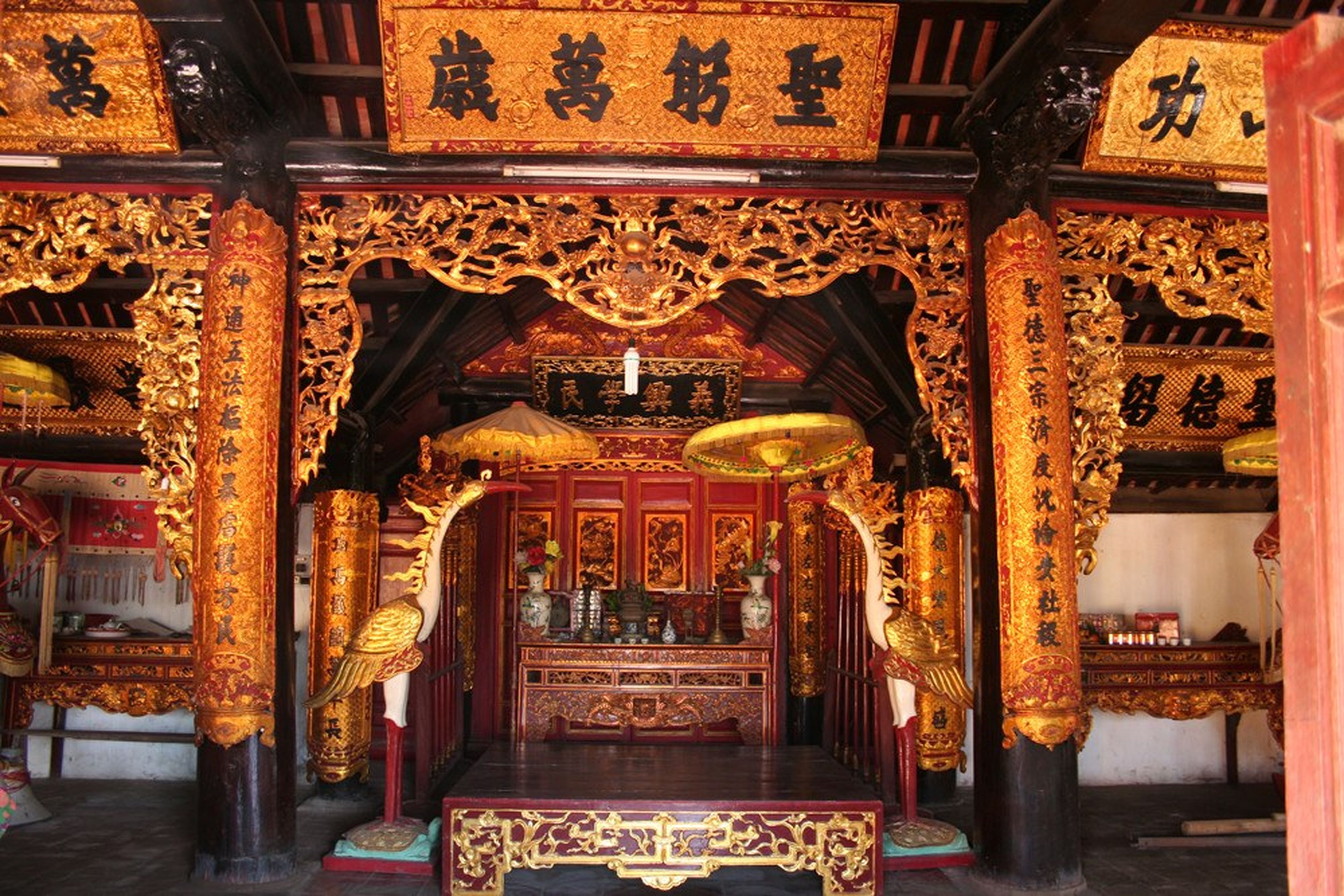
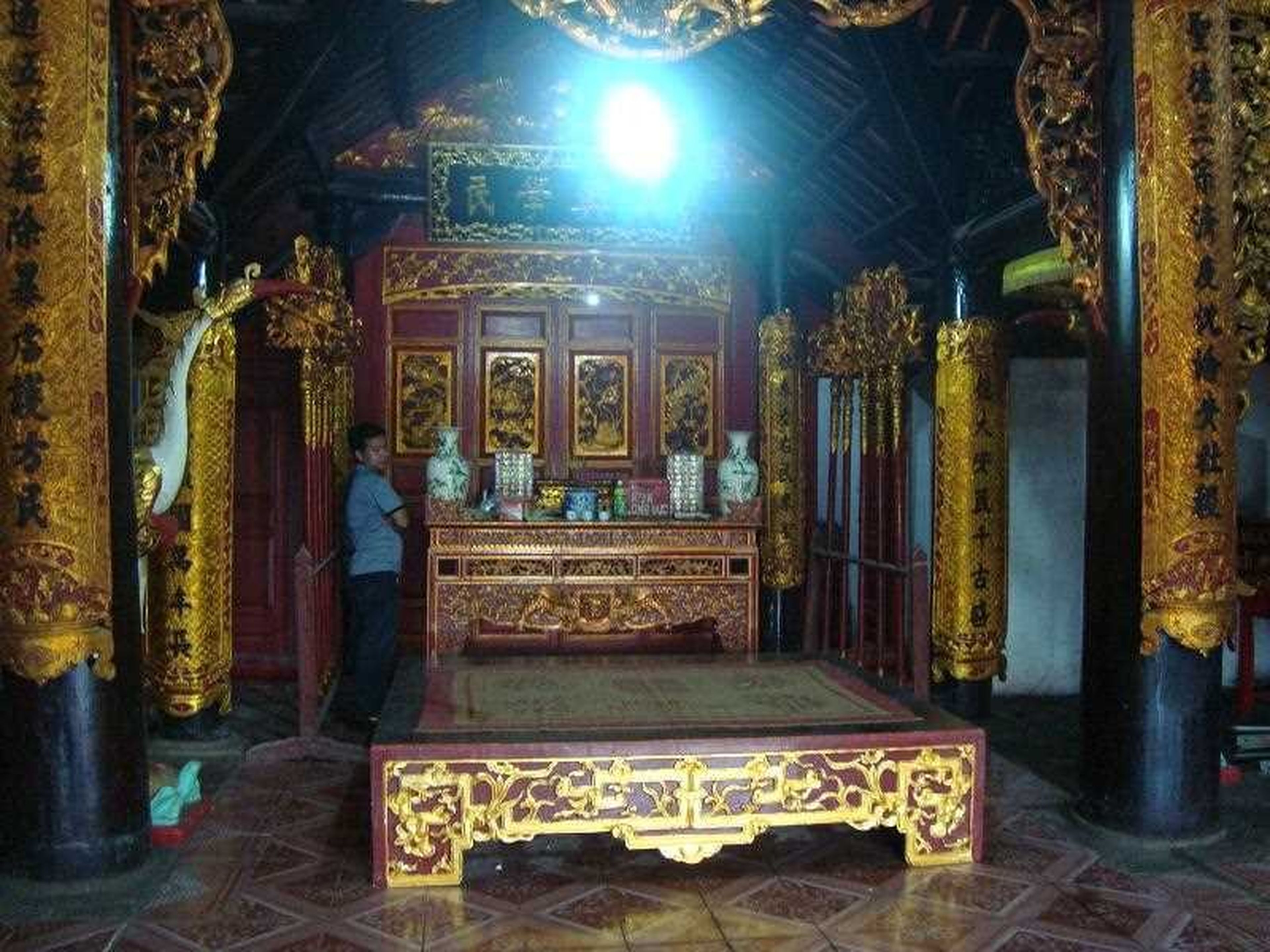
The rear sanctuary of Hưng Học Communal House. Photo: Quảng Ninh Newspaper.
The communal house was restored in 1875, 1935, and 1994, but it has retained the characteristic architectural and sculptural form of a Vietnamese village communal house. Its brackets, projecting beam ends, rafter tails, supporting brackets, and dougong blocks supporting the purlins are all artistically carved, with sophisticated reliefs depicting traditional motifs of the four sacred animals and stylized flowers and foliage in the artistic style of the Lê Dynasty.
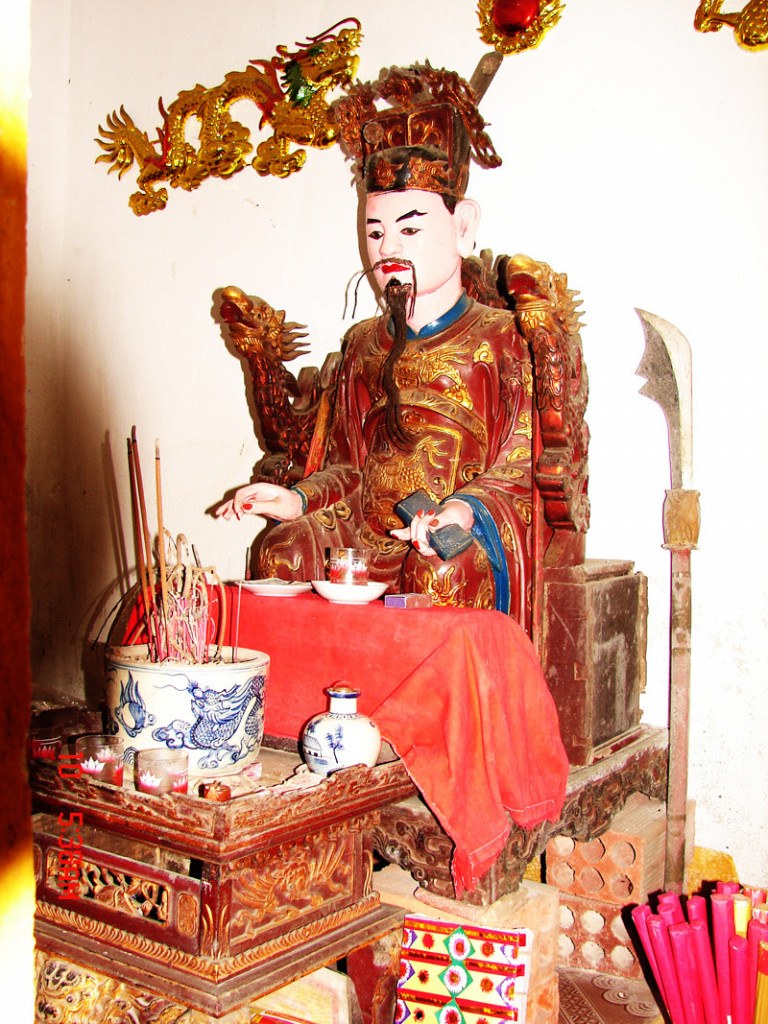
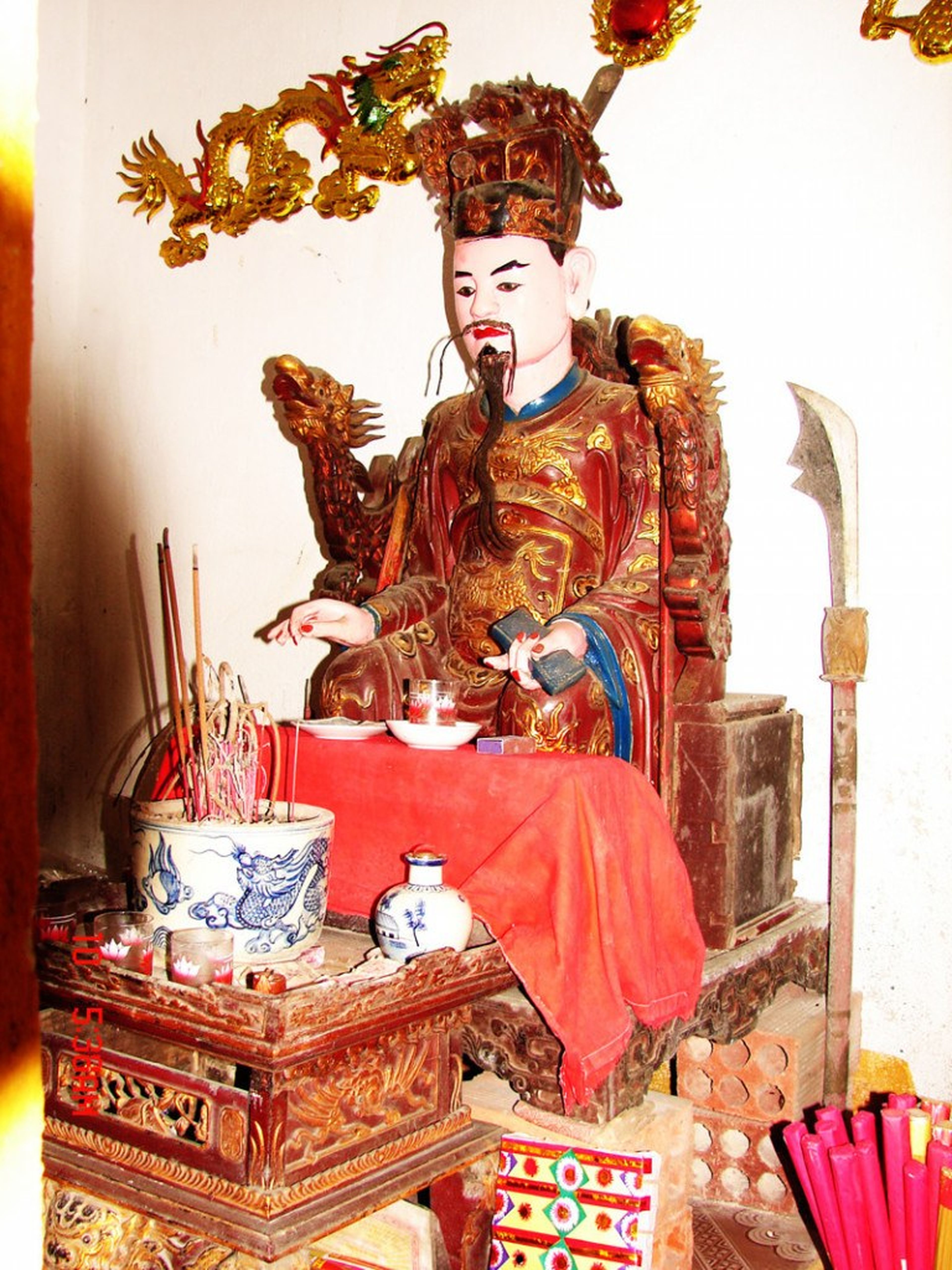
Tutelary deity Vũ Hoàng Đào. Photo: Quảng Ninh Newspaper.
The communal house also preserves many valuable artifacts, including 6 royal ordination documents dating from the reign of King Tự Đức to the Khải Định Dynasty, a stele, parallel sentences, horizontal lacquered boards, village regulations, and more. In addition, several antique worship objects of historical value have been kept relatively intact at the communal house.
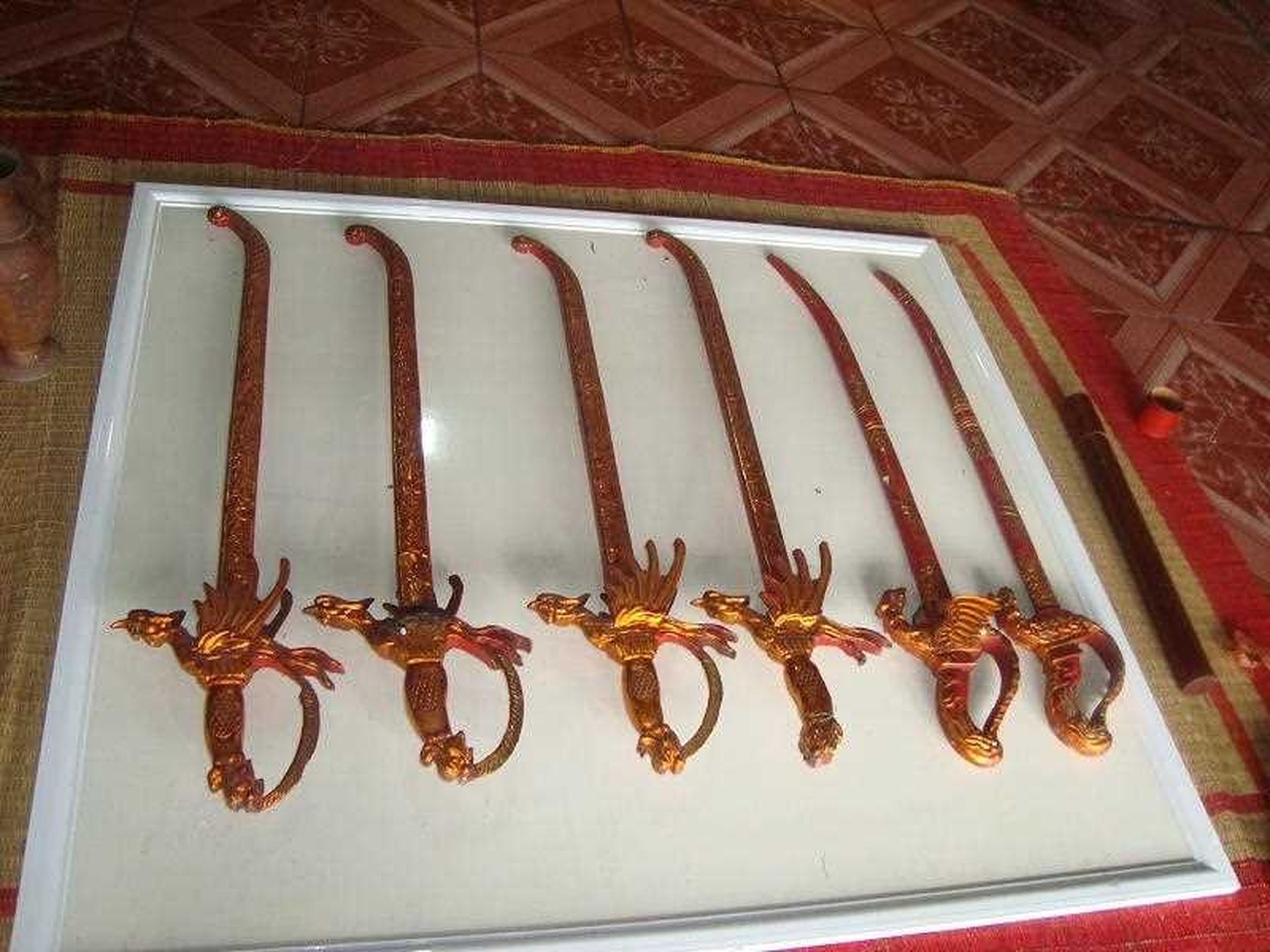
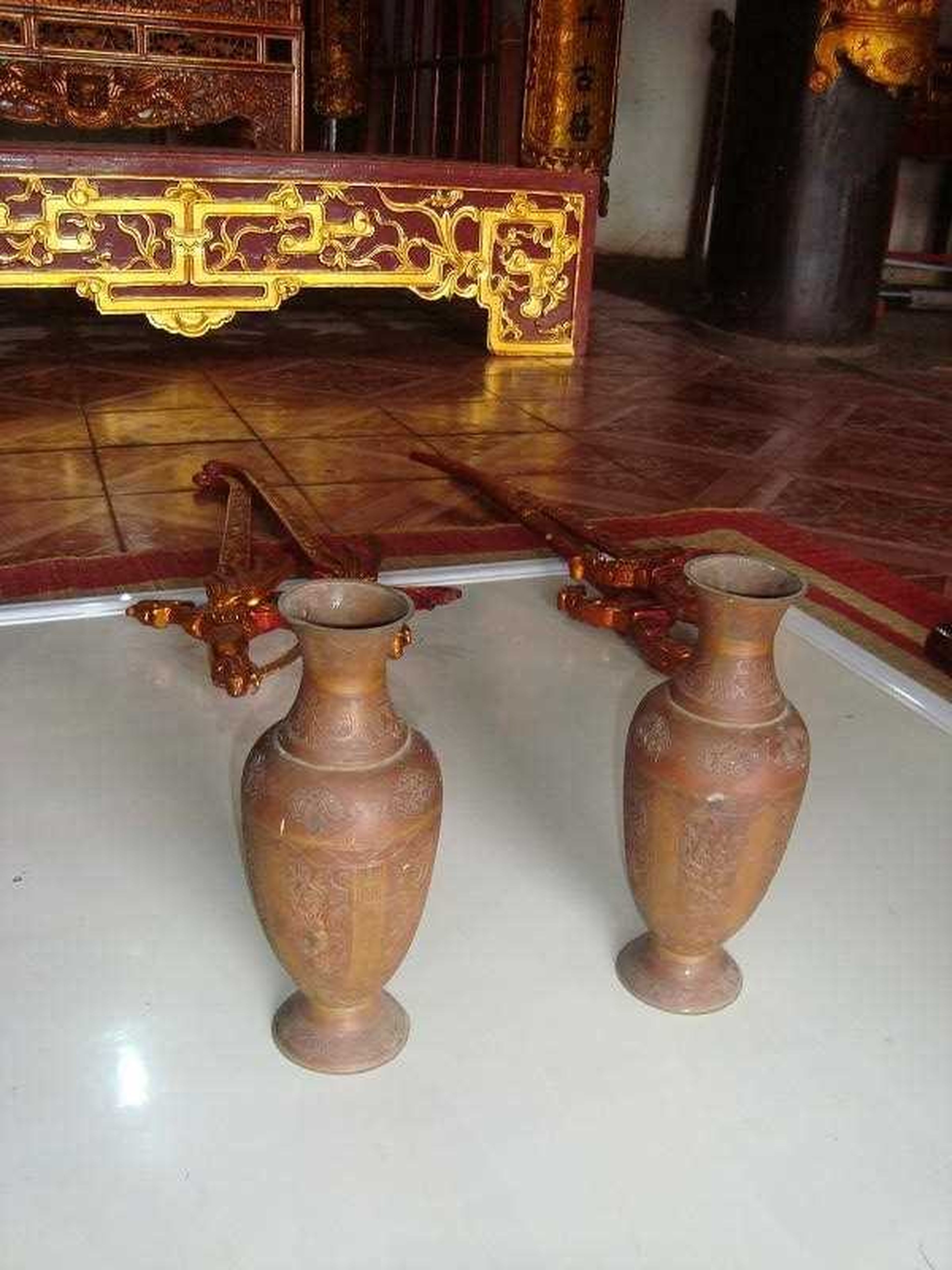
These include a set of 6 wooden swords with vermilion-and-gold-lacquered wooden scabbards, 3 wooden ancestral tablets, a wooden ceremonial text board, and 2 bronze baluster vases with relief carvings of the four sacred animals, dragons, and phoenixes.
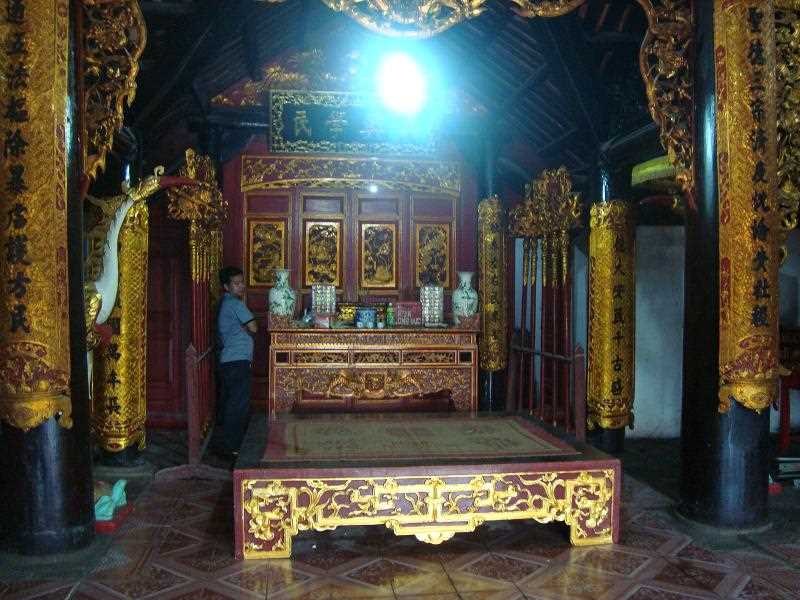
Photo: quangninh.org.vn.
According to legend, when building the communal house, the villagers requested relics of Đức Huyền Quang Lý Đạo Tái, the third patriarch of the Trúc Lâm Yên Tử Zen sect, from Côn Sơn Pagoda to build a burial stupa within the grounds of the village pagoda. They also requested incense ash from him to worship at the village communal house and asked the king to issue a royal ordination appointing him as the village tutelary deity.
In addition, Hưng Học Communal House also worships the deity Phạm Bá Linh, also known as Phạm Nhan, a defeated Yuan general. It is said that when the villagers encountered an epidemic, they dreamed that the deity appeared and told them that worshipping him would bring an end to the disease.
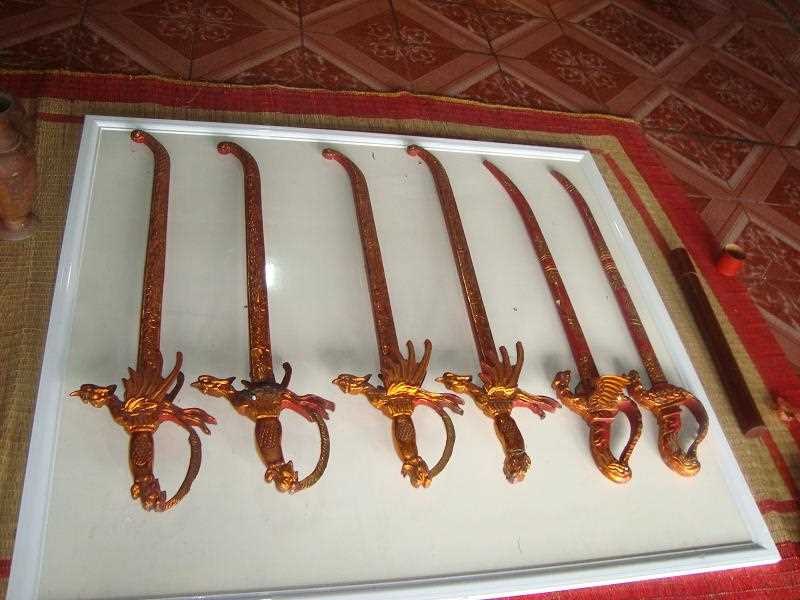
The wooden swords. Photo: quangninh.org.vn.
The people then built a shrine to the deity right next to the shrine dedicated to Đức Huyền Quang Lý Đạo Tái, with the intention of using Buddhist teachings to convert the deity so that he would protect the villagers.
As for the local tutelary deity Vũ Hoàng Đào, he was the fifth-generation ancestor of the Vũ family in Hưng Học Village and once served as a Quốc Tử Giám student during the Lê Dynasty. Around the late 15th or early 16th century, he helped the people reclaim land and establish Hưng Học Village, and was one of the 19 founding pioneers of the area.
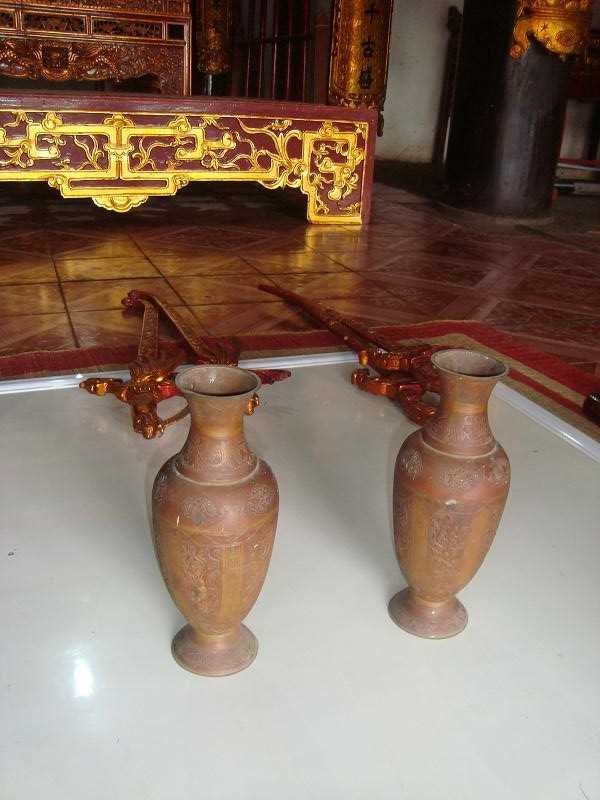
A pair of bronze baluster vases. Photo: quangninh.org.vn.
The stele of the Vũ family, placed at the family ancestral hall, also clearly records his divine title as Thiên hoàng thủy tế Vũ Hoàng Đào Tôn thần. After his death, he manifested as the Đông Hải deity, a sea god who protected people traveling on rivers and the sea, granting them safety and helping them ward off epidemics.
The contributions of the tutelary deity Vũ Hoàng Đào to land reclamation and settlement are clearly expressed in the parallel sentences at Hưng Học Communal House. In memory of his contributions, the people of Hưng Học Village carved a statue and built a shrine dedicated to him, called the Chính phủ Shrine. King Khải Định bestowed on the deity the title Đông Hải Deity, a Trung đẳng thần local tutelary deity, and described him as having an intelligent and dignified appearance.
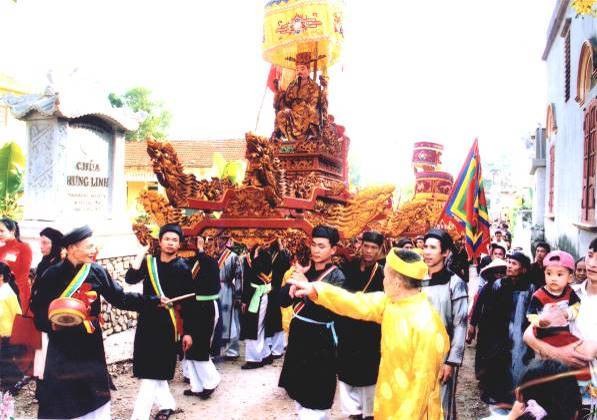
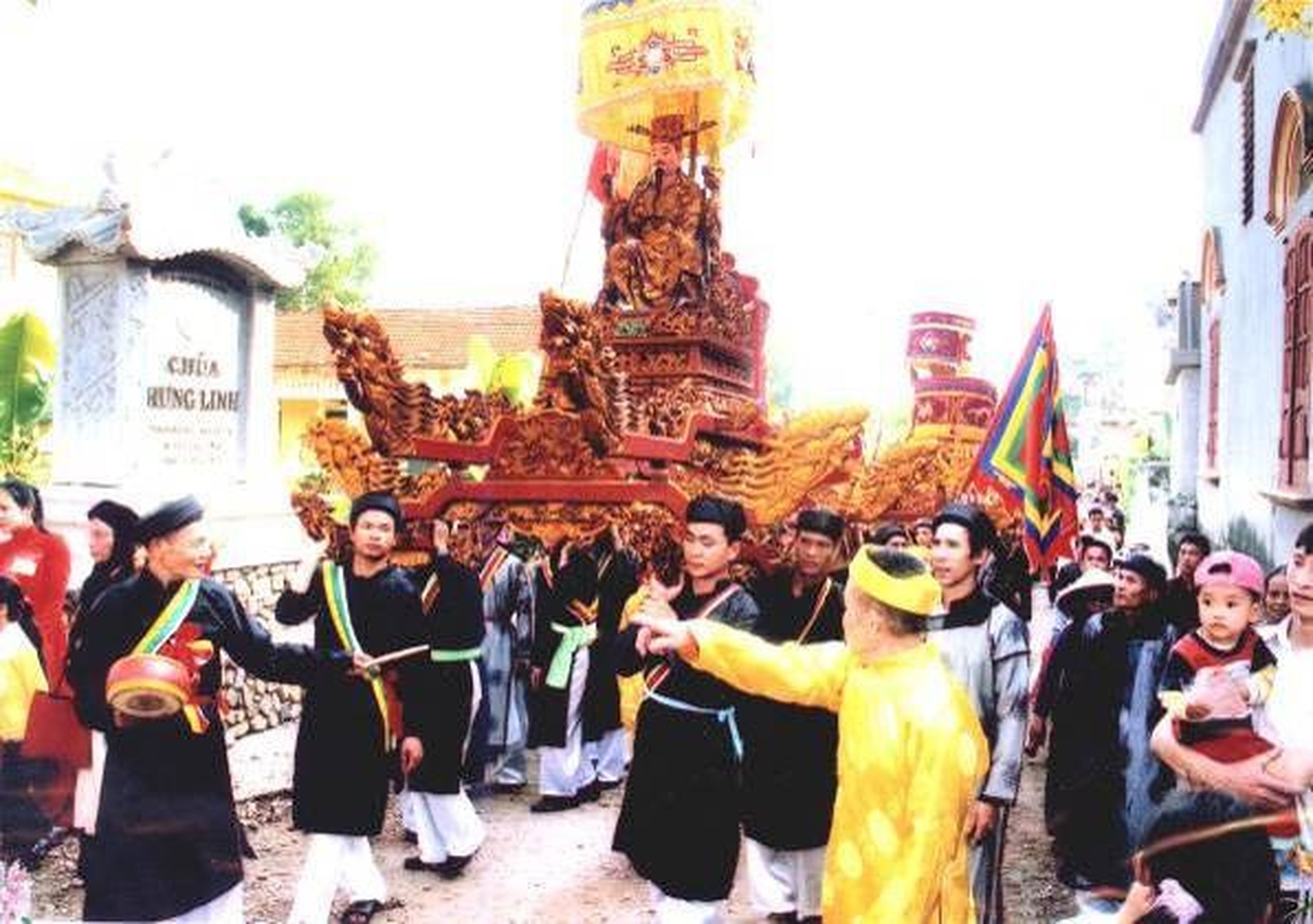
The Đại kỳ phúc Festival at Hưng Học Communal House. Photo: Quảng Ninh Newspaper.
To reach the communal house, visitors travel by road from Hạ Long City to the Hạ Long–Hải Phòng Expressway, then take the Hoàng Tân–Tân An interchange and travel about 6 km before turning toward the center of Quảng Yên Town. After crossing Sông Chanh Bridge for about 2 km, they will arrive at the Hưng Học Communal House relic site.