When traveling to Quang Ninh, beyond Ha Long Bay, Tra Co is also a renowned destination for both its islands and seas as well as cultural heritage sites. Let's discover more about this frontier region of the nation through the following article!
Quang Ninh travel: Exploring attractive destinations in Tra Co
Sa Vi Cape
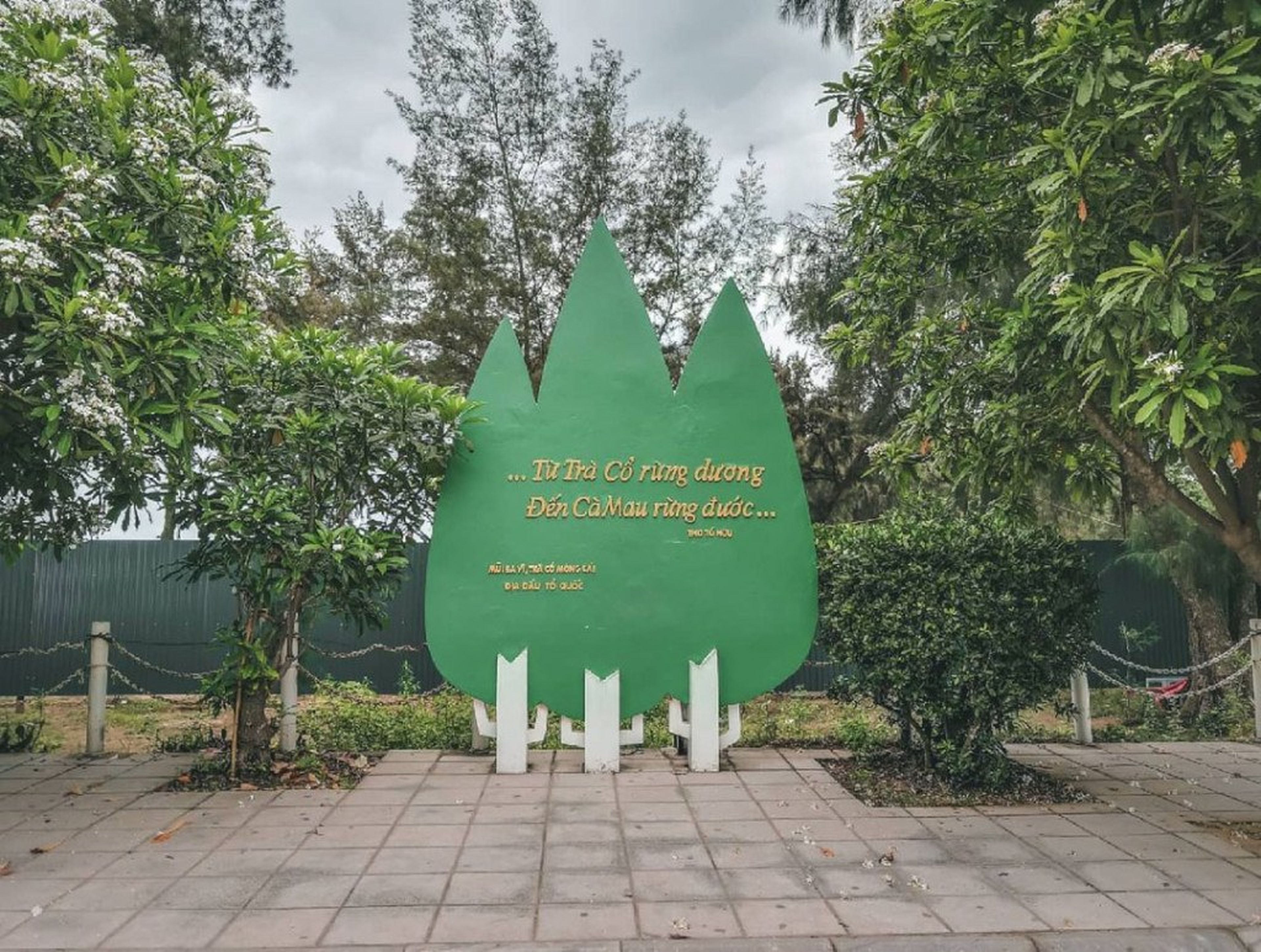
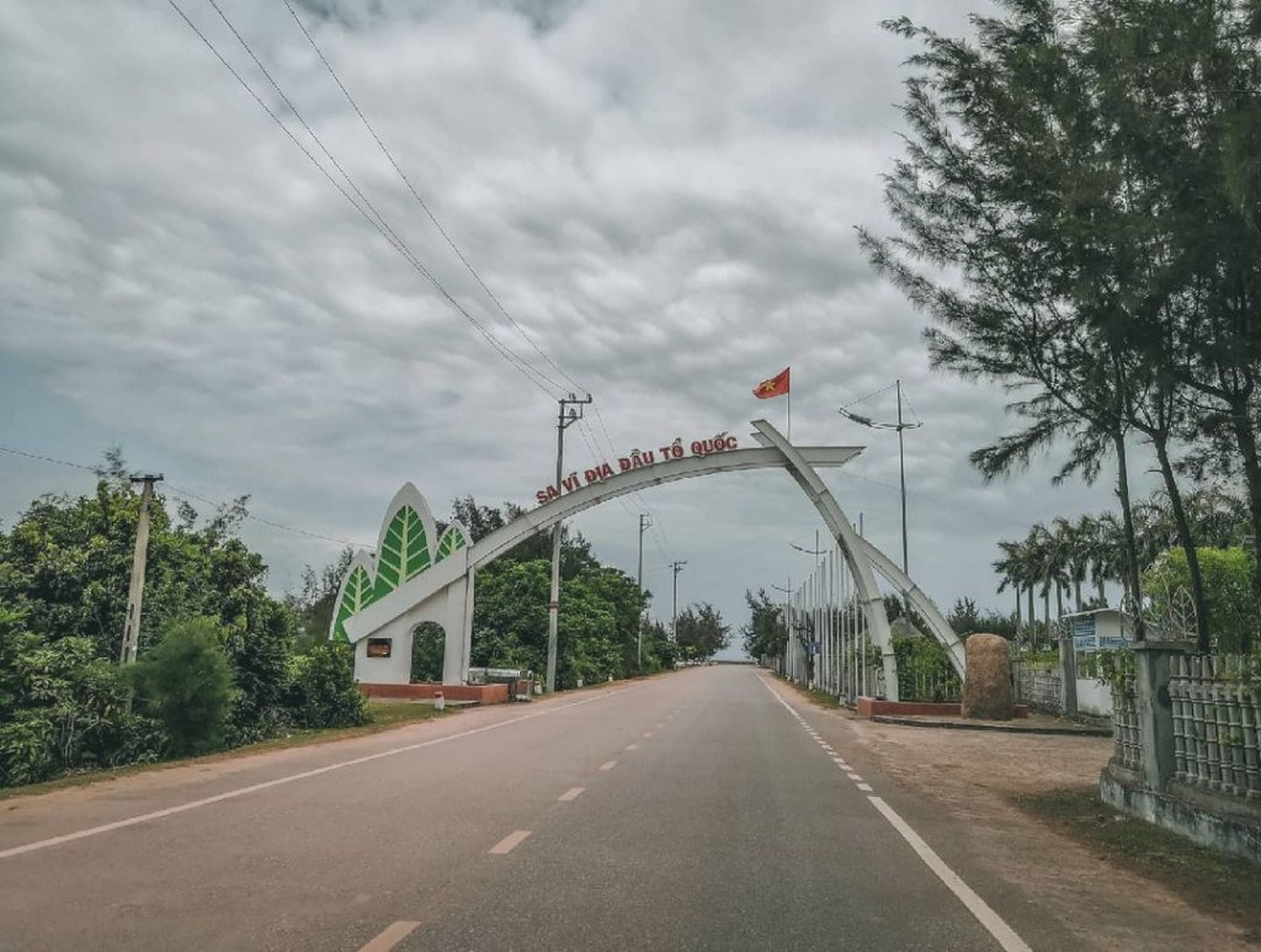
Sa Vi Cape (Got Cape) is a headland at the northeasternmost point of Vietnam, located in Tra Co Ward. At Sa Vi Cape, there is a bas-relief depicting three pine trees carved with the verses of poet To Huu: “…From Tra Co's casuarina forest / To Ca Mau's mangrove forest…”. These simple poetic lines instill a sense of pride in our homeland for every visitor who comes here.
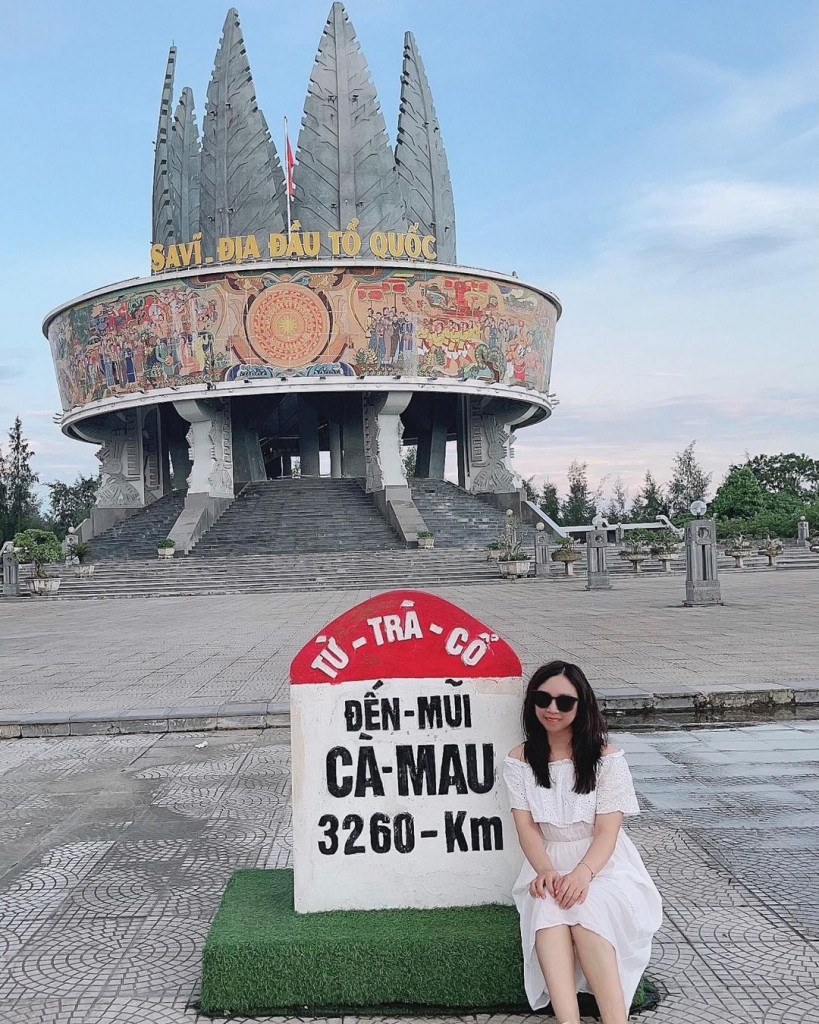
Photo: nancy_djnh.
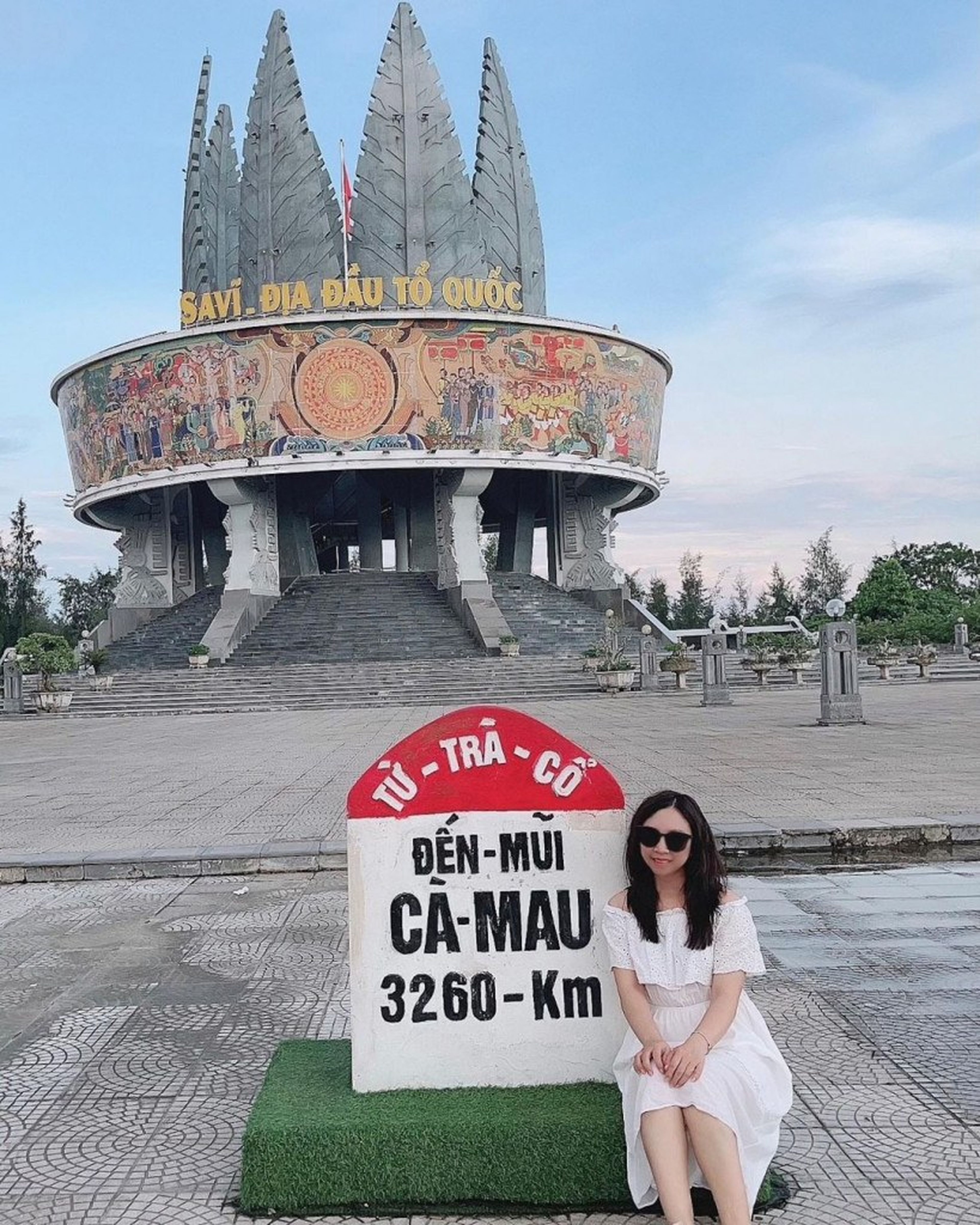
When visiting Sa Vi Cape, Quang Ninh tourists can capture memorable photos next to the bas-relief. In addition, you can explore the Sa Vi Border Propaganda Information Complex—a symbol of this borderland.
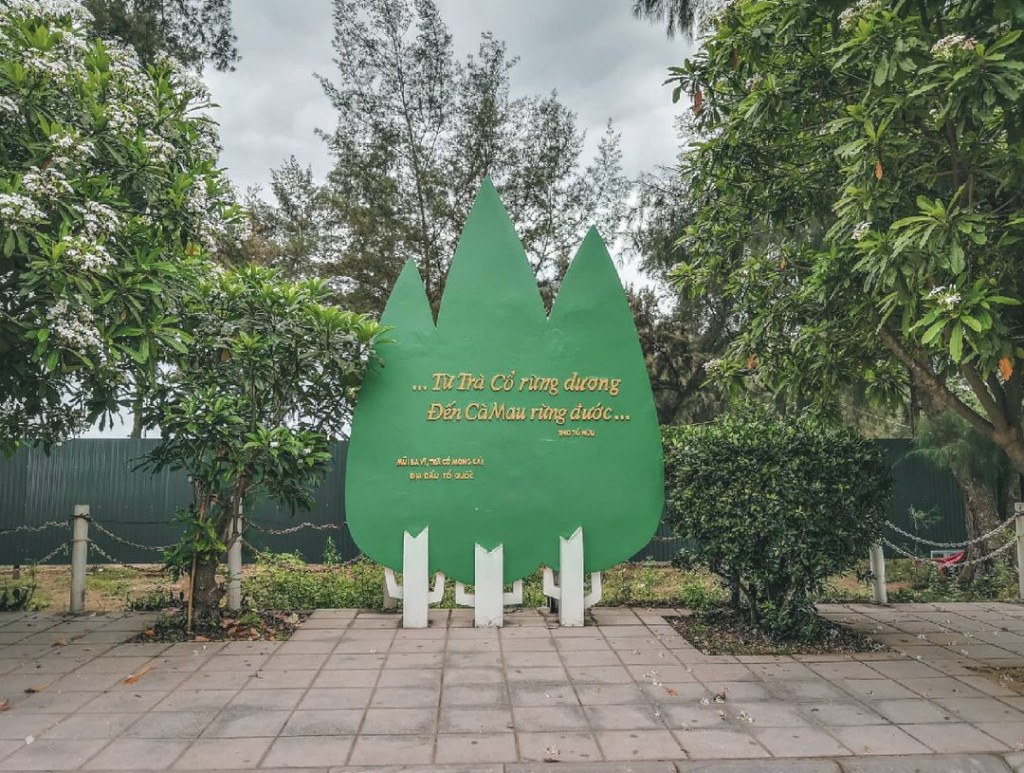
Photo: nguyenkhaitrung.
The complex consists of three parts: a square, the main architectural cluster, and a service building, coming together to form a unique cultural architectural ensemble. At the top of the main structure stand eight casuarina sprout shapes reaching up to the blue sky, 27m high, cast from permanent concrete and galvanized on the surface to withstand harsh weather conditions.
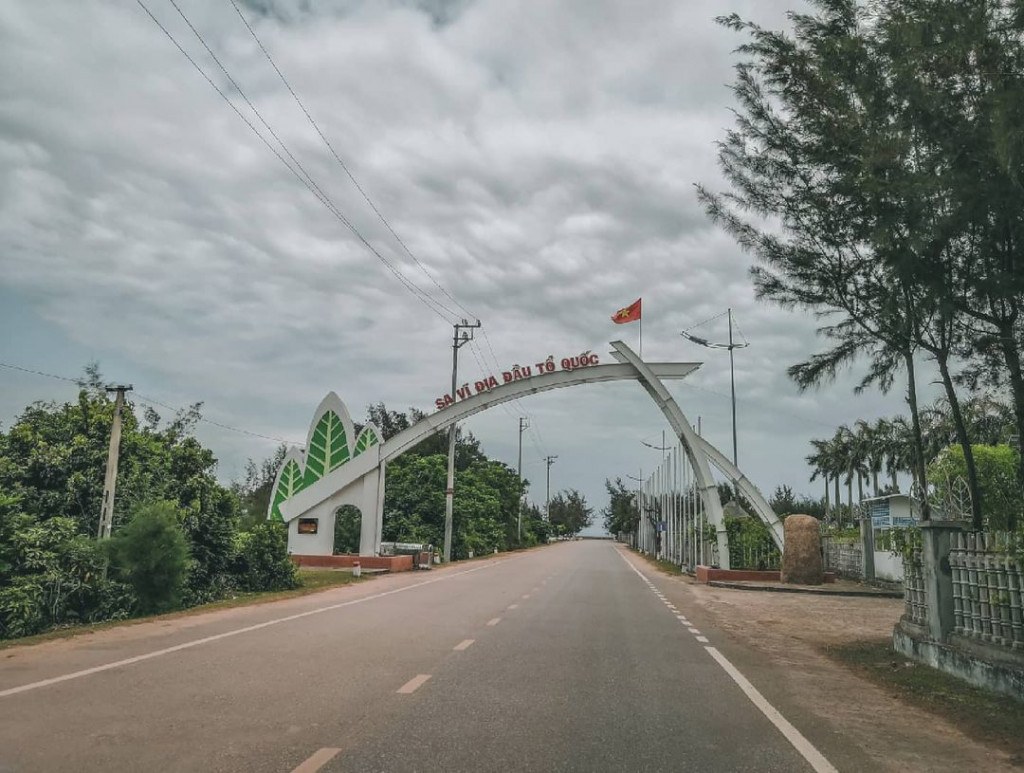
Photo: nguyenkhaitrung.
A 17km-long beach
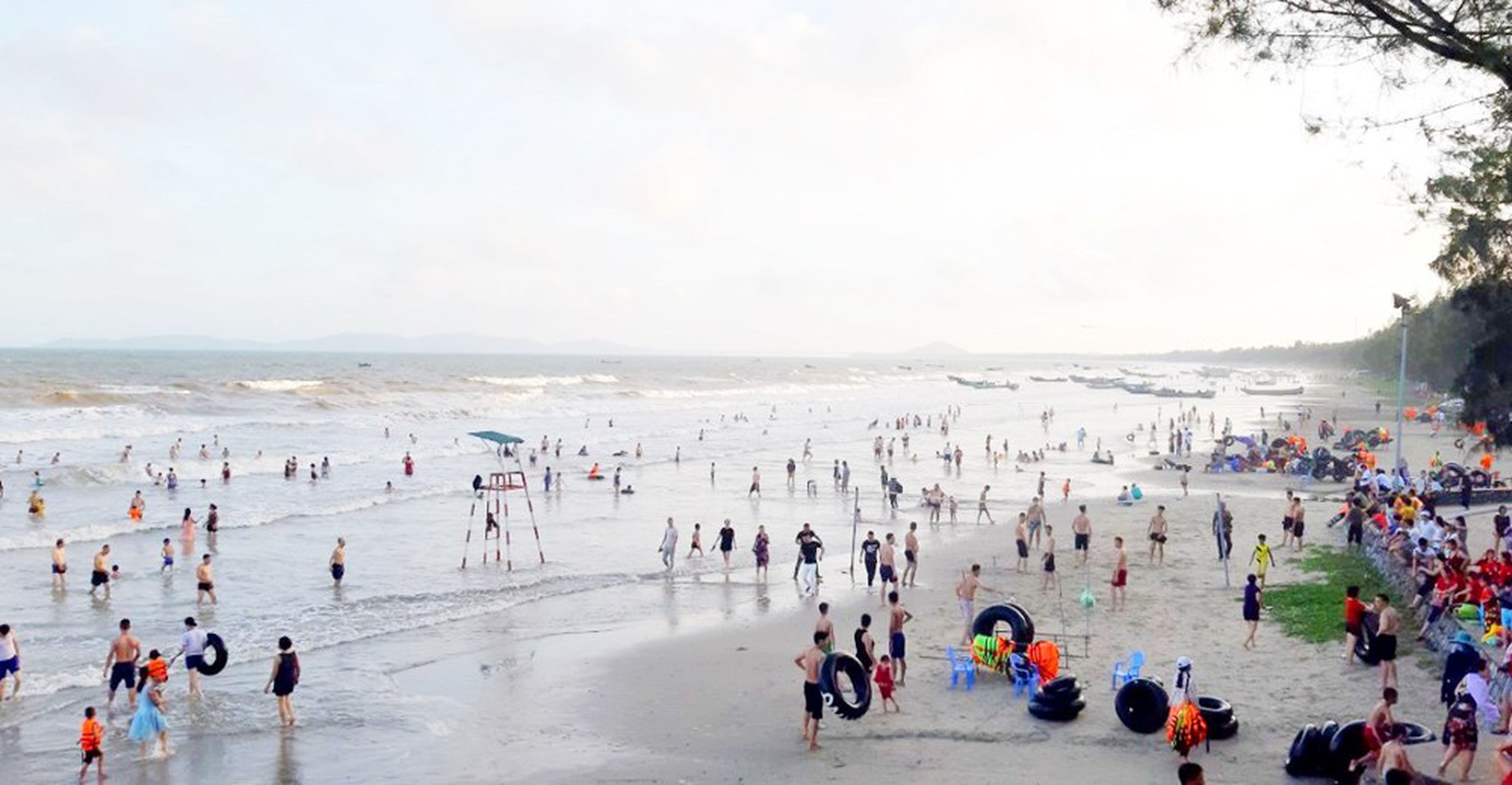
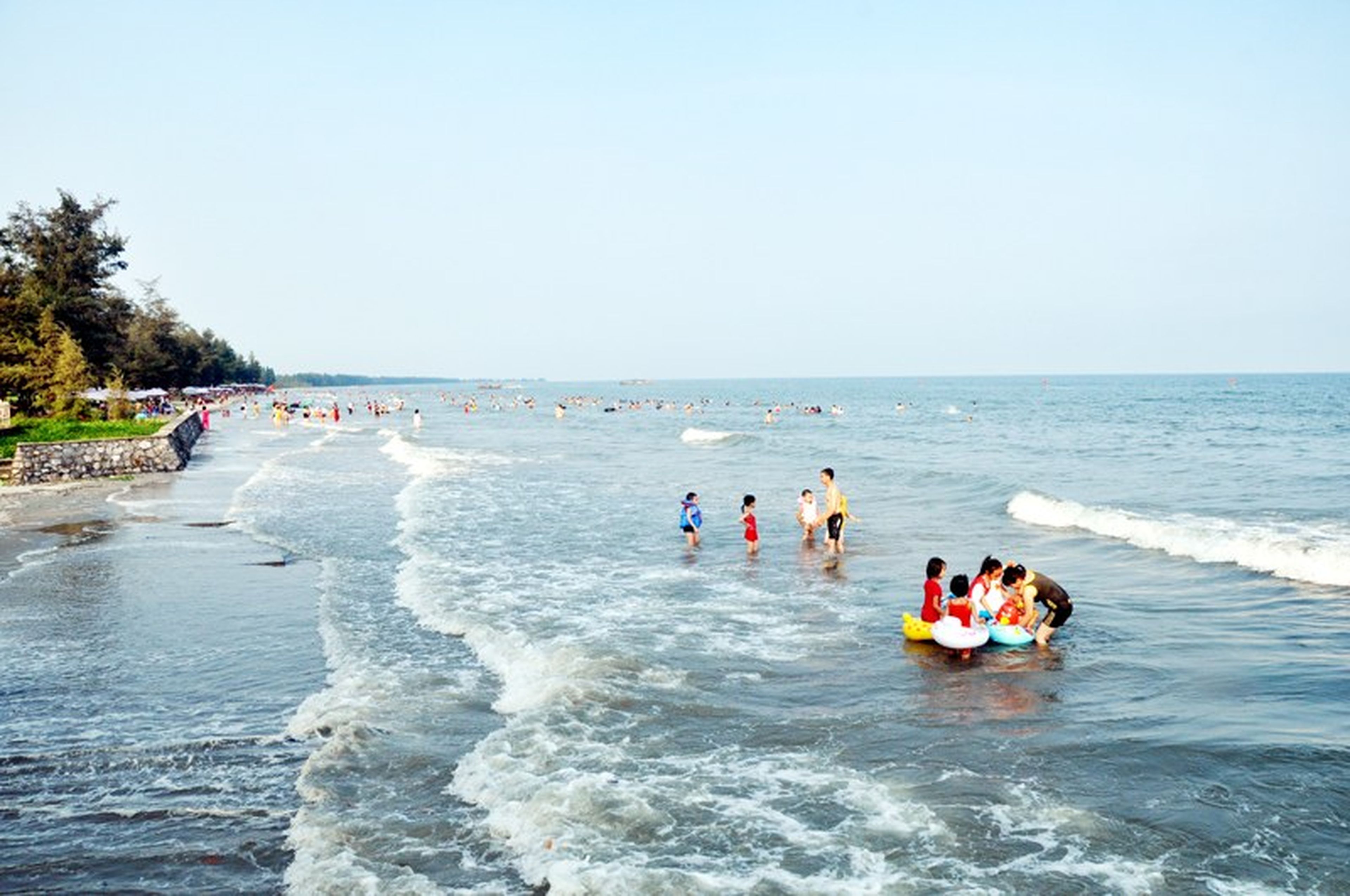
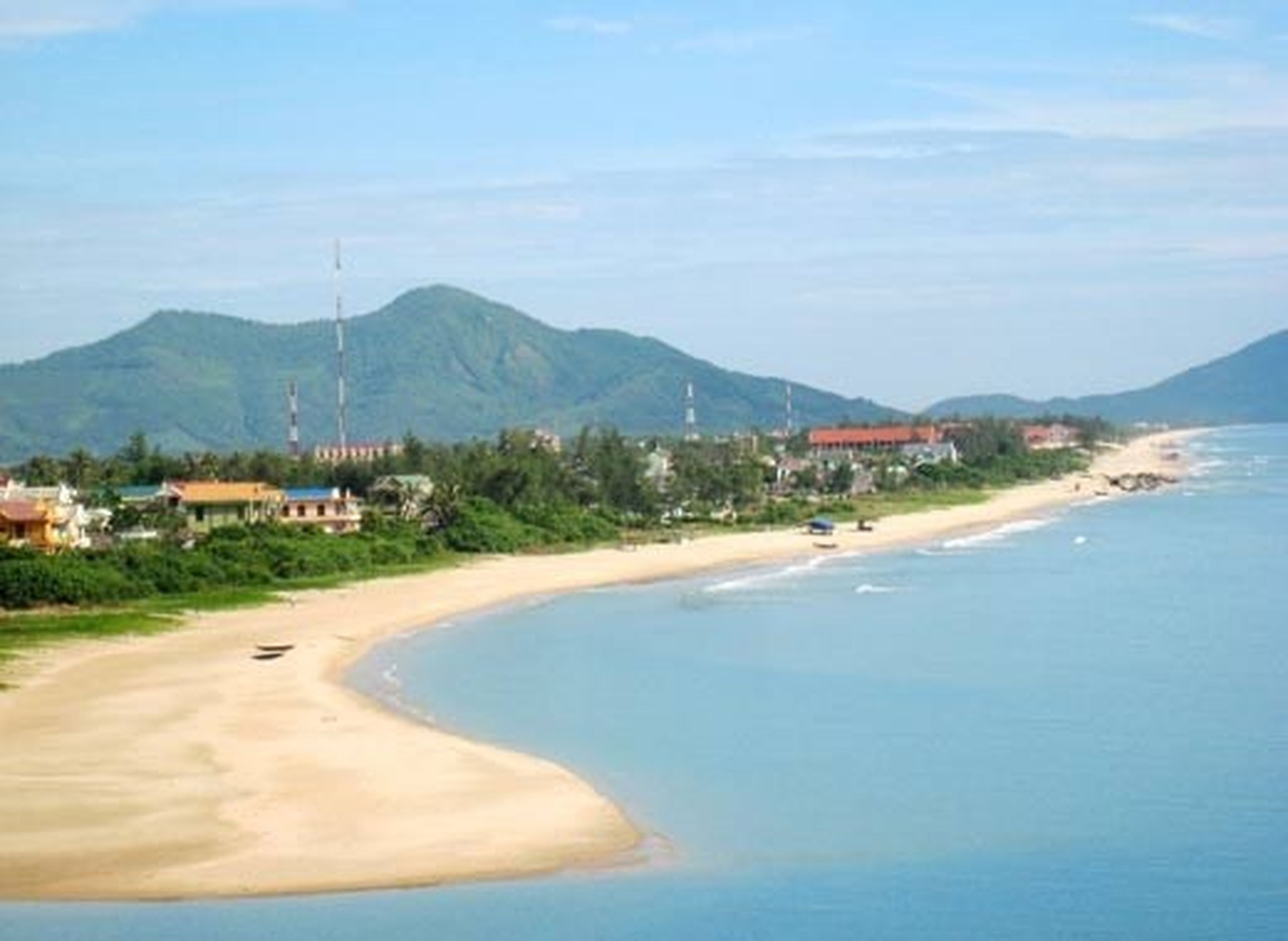
Located 8km from Mong Cai City, Tra Co boasts the longest coastline in Vietnam, stretching up to 17km. White sand, crystal-clear waters, and lush green casuarina rows leave a strong impression on visitors from near and far. The pristine nature and peaceful atmosphere of the coastal fishing village also provide a valuable holiday retreat experience.
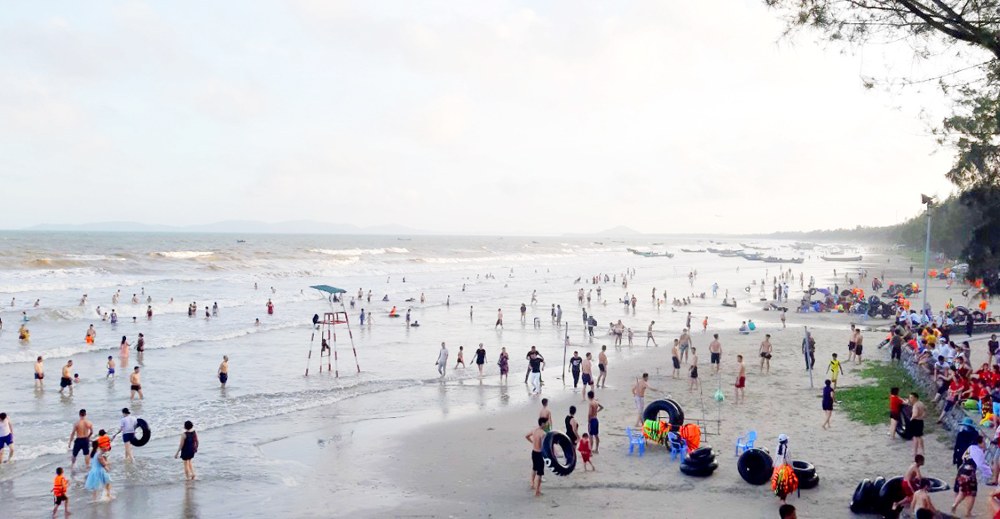
Tra Co Beach attracts numerous visitors for sightseeing and swimming. Photo: quangninh.gov.
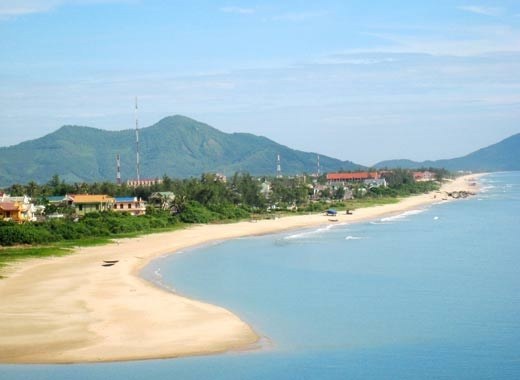
Tra Co Beach is the longest beach in Vietnam. Illustrative photo: VOV.tv.
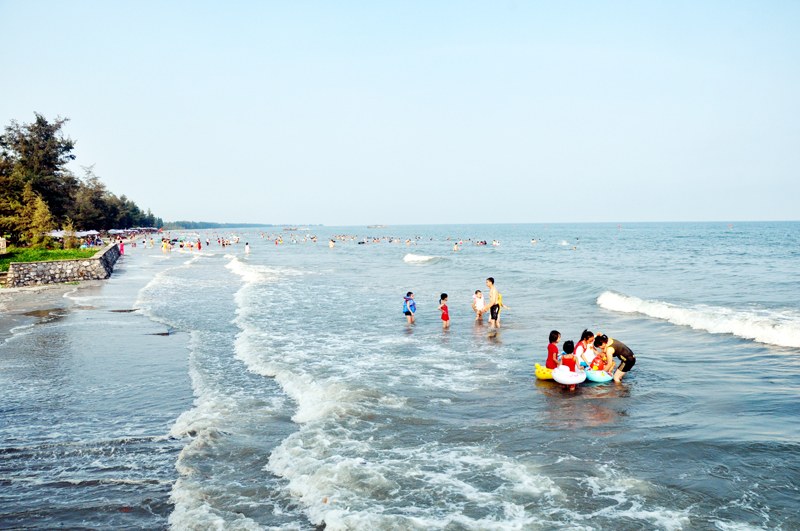
Photo: Quang Ninh Newspaper.
Tra Co Communal House
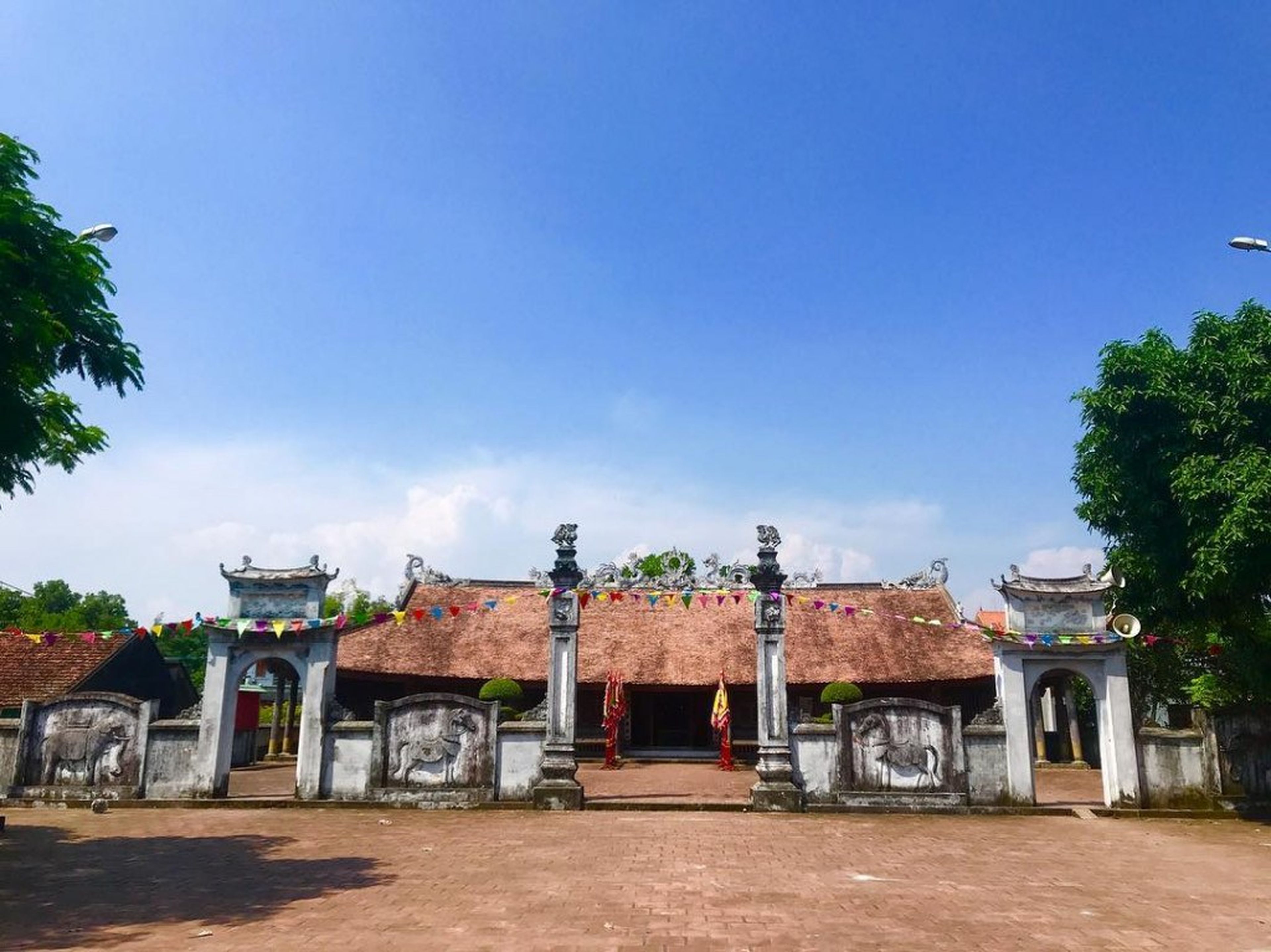
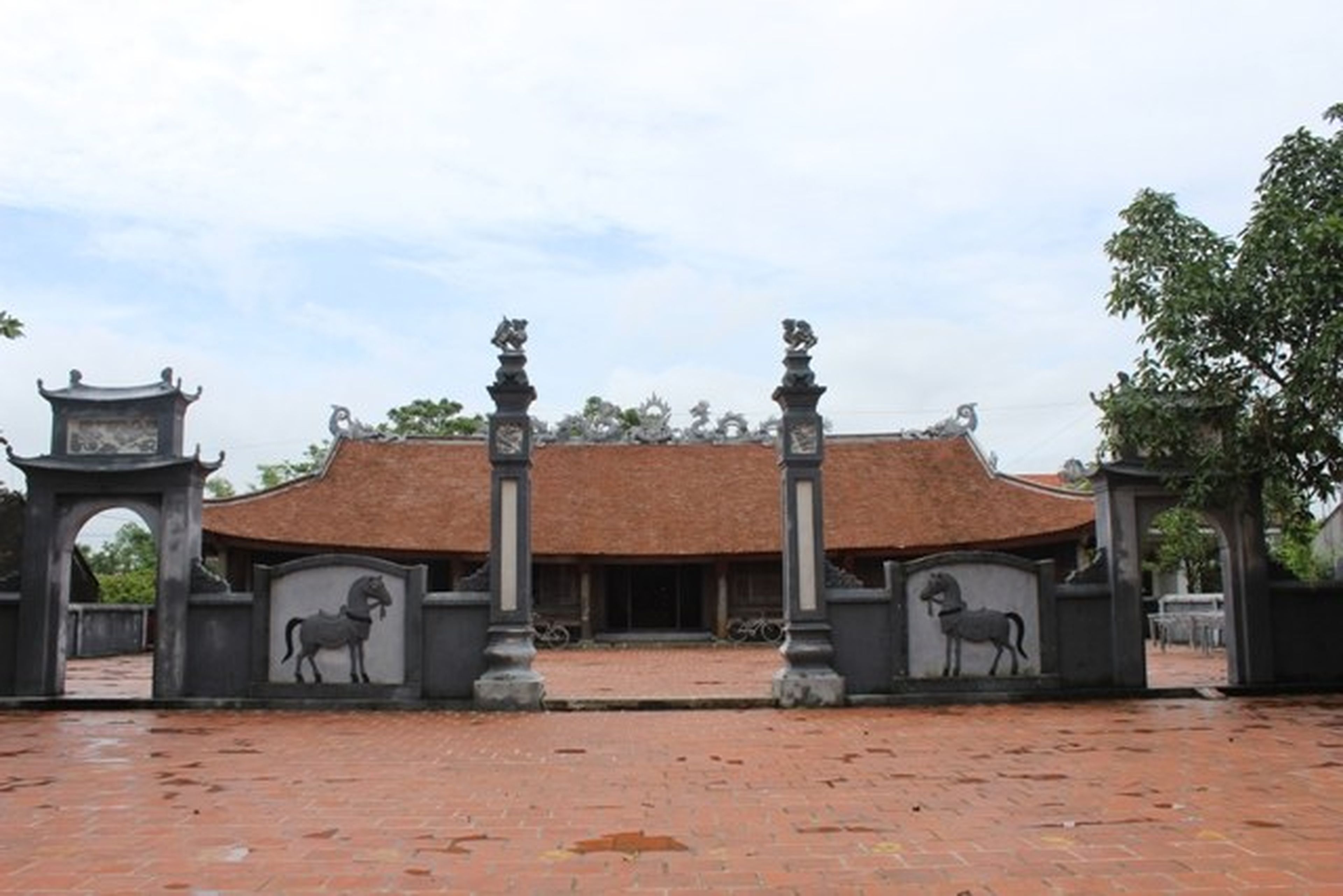
When traveling to Quang Ninh and arriving in Tra Co, tourists cannot miss Tra Co Communal House, an ancient communal house associated with the legend “Tra Co people, Do Son ancestors”. Built during the Later Le Dynasty (in 1461), the establishment and existence of the communal house are closely tied to the history of formation and development of Tra Co today.
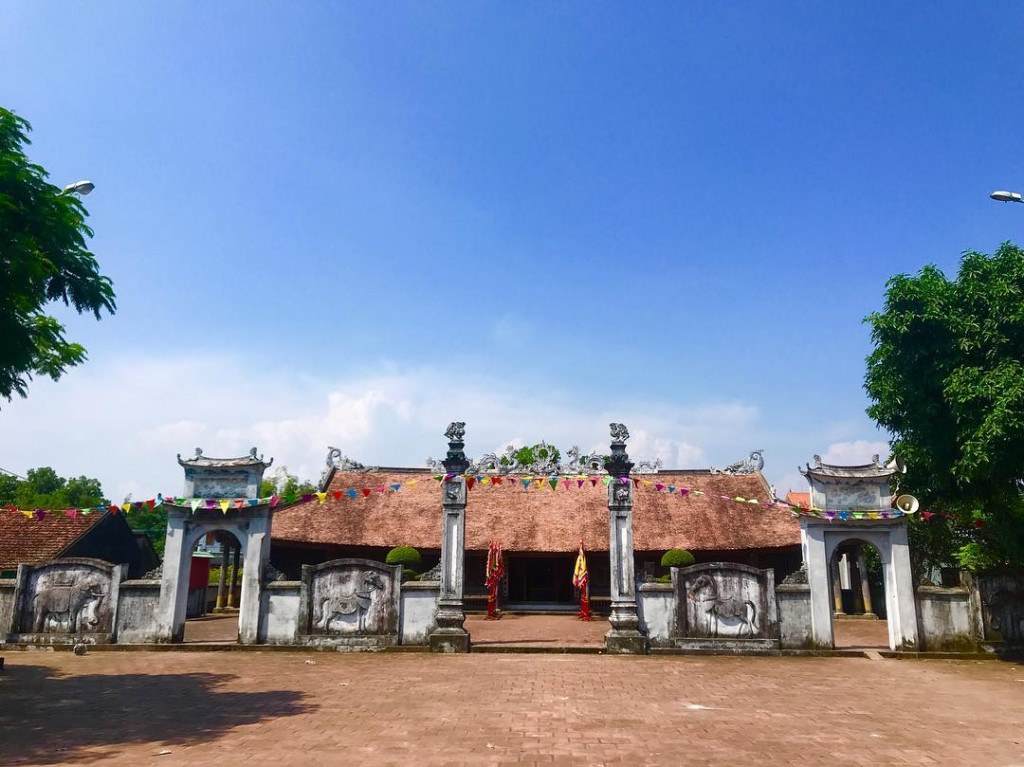
Ancient Tra Co Communal House. Photo: hienbh2203.
Legend has it that during the Later Le Dynasty, fishermen from the land of Do Son (Hai Phong) set out far to make a living. Caught in fierce winds and massive waves, twelve families drifted onto a desolate peninsula covered only in mangroves and reeds. Among them, six families persevered, determined to hold on to the land and sea, establishing a new homeland.
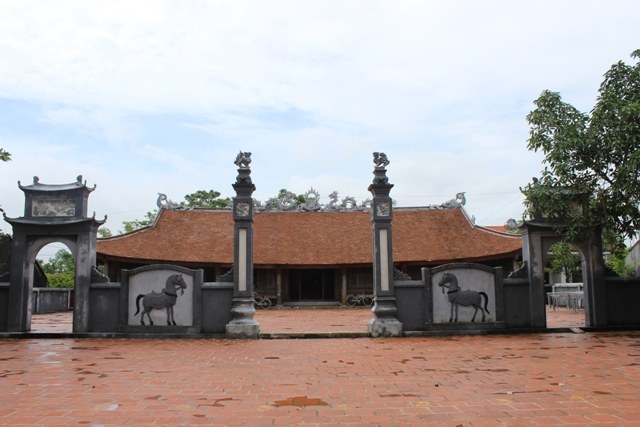
Photo: VnExpress.
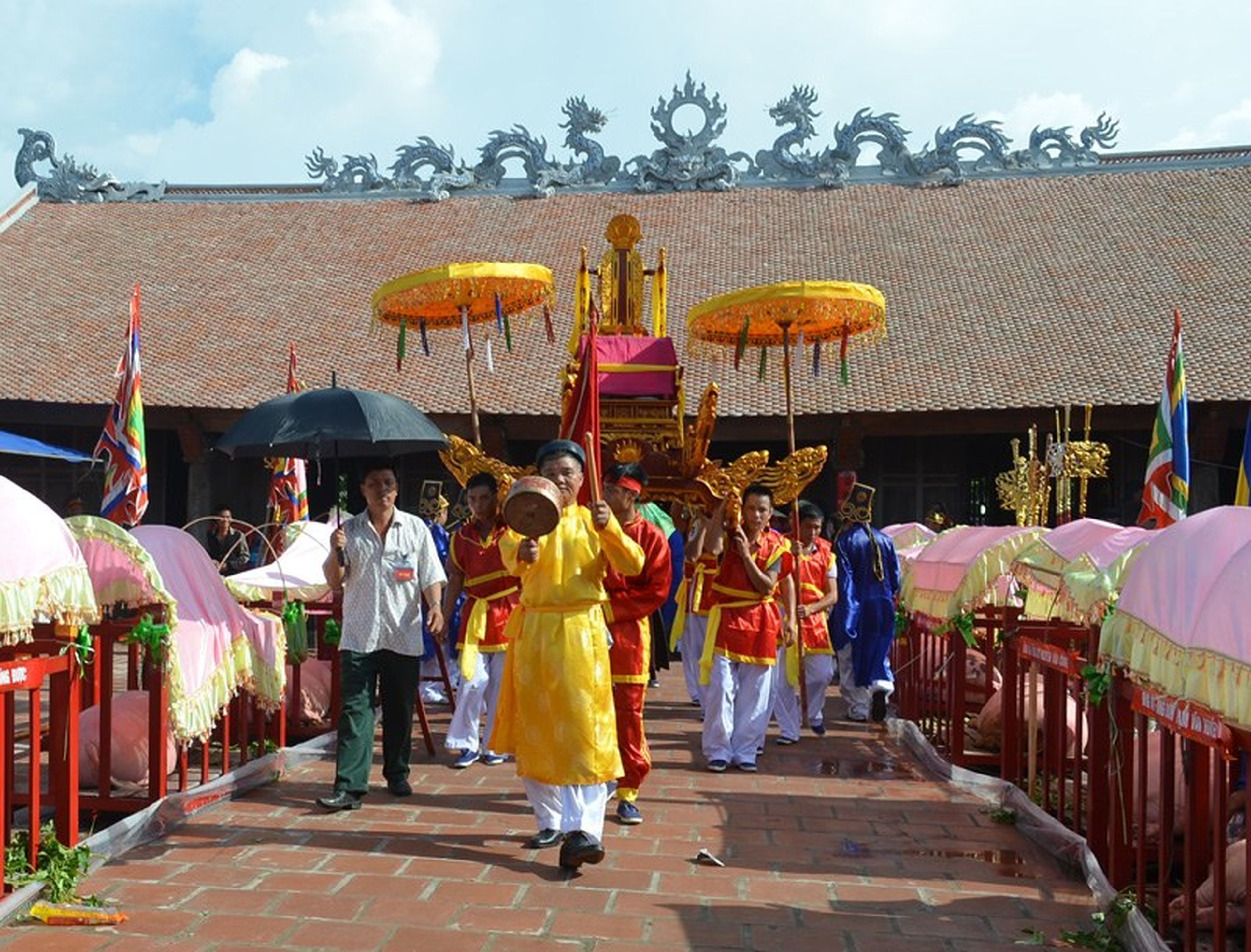
Gradually, this area grew into a prosperous village. Tra Co Communal House was erected through the collective labor and wealth of the local people to worship those who rendered meritorious service to this land, the pioneering ancestors who founded the territory.
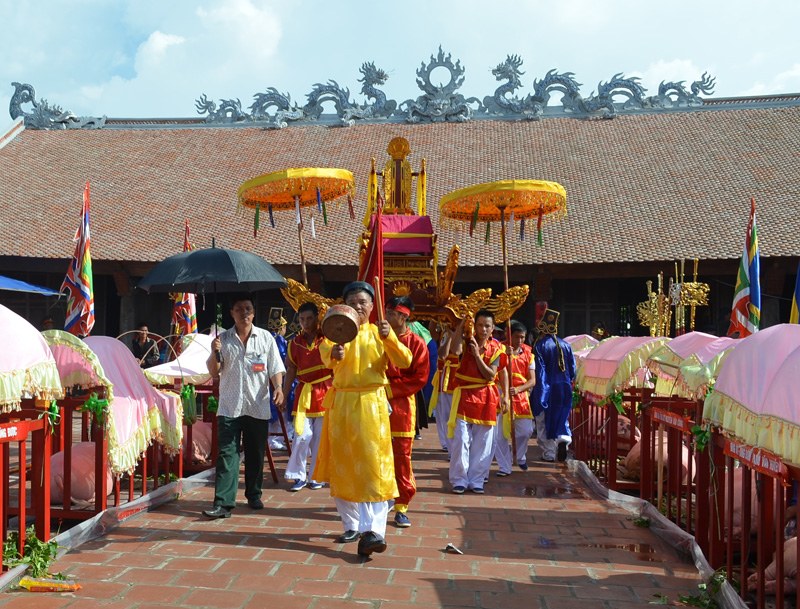
Tra Co Communal House Festival. Photo: Mong Cai City.
Recognized for its immense architectural, artistic, and cultural value, Tra Co Communal House was ranked as a National Architectural and Artistic Monument in 1974. In 2005, the Tra Co Communal House Festival was chosen to be presented at the “Northeast Ethnic Cultural Festival”.
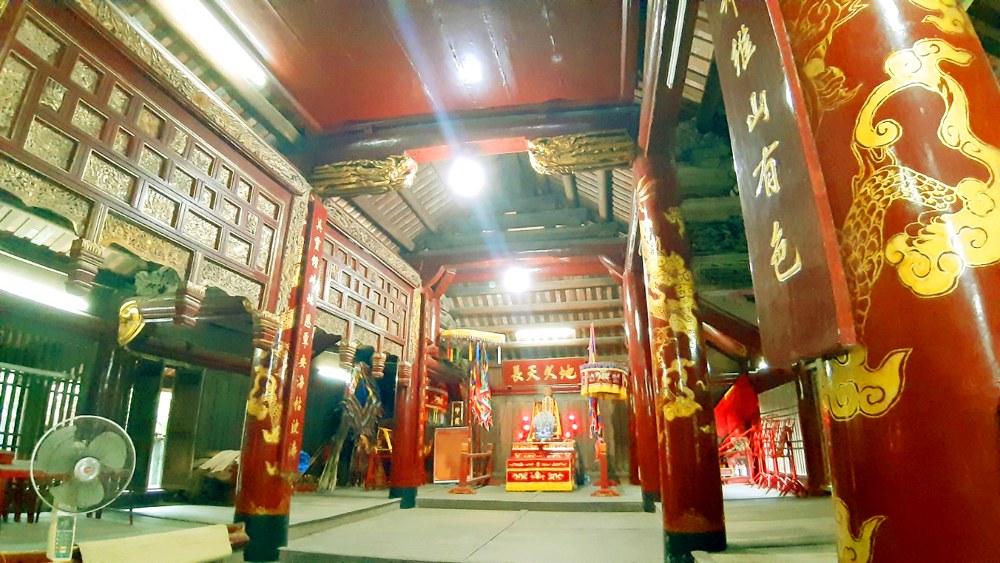
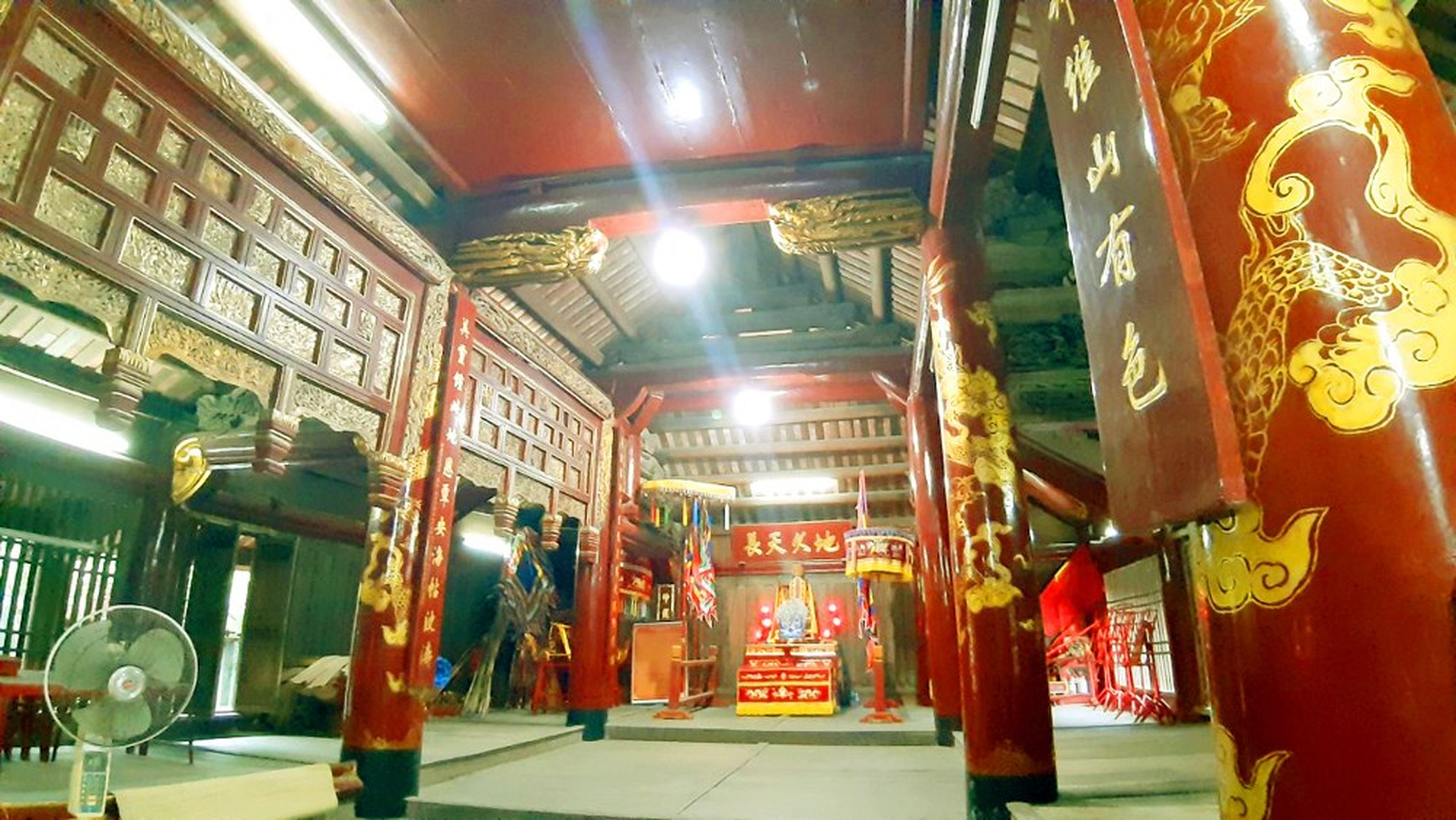
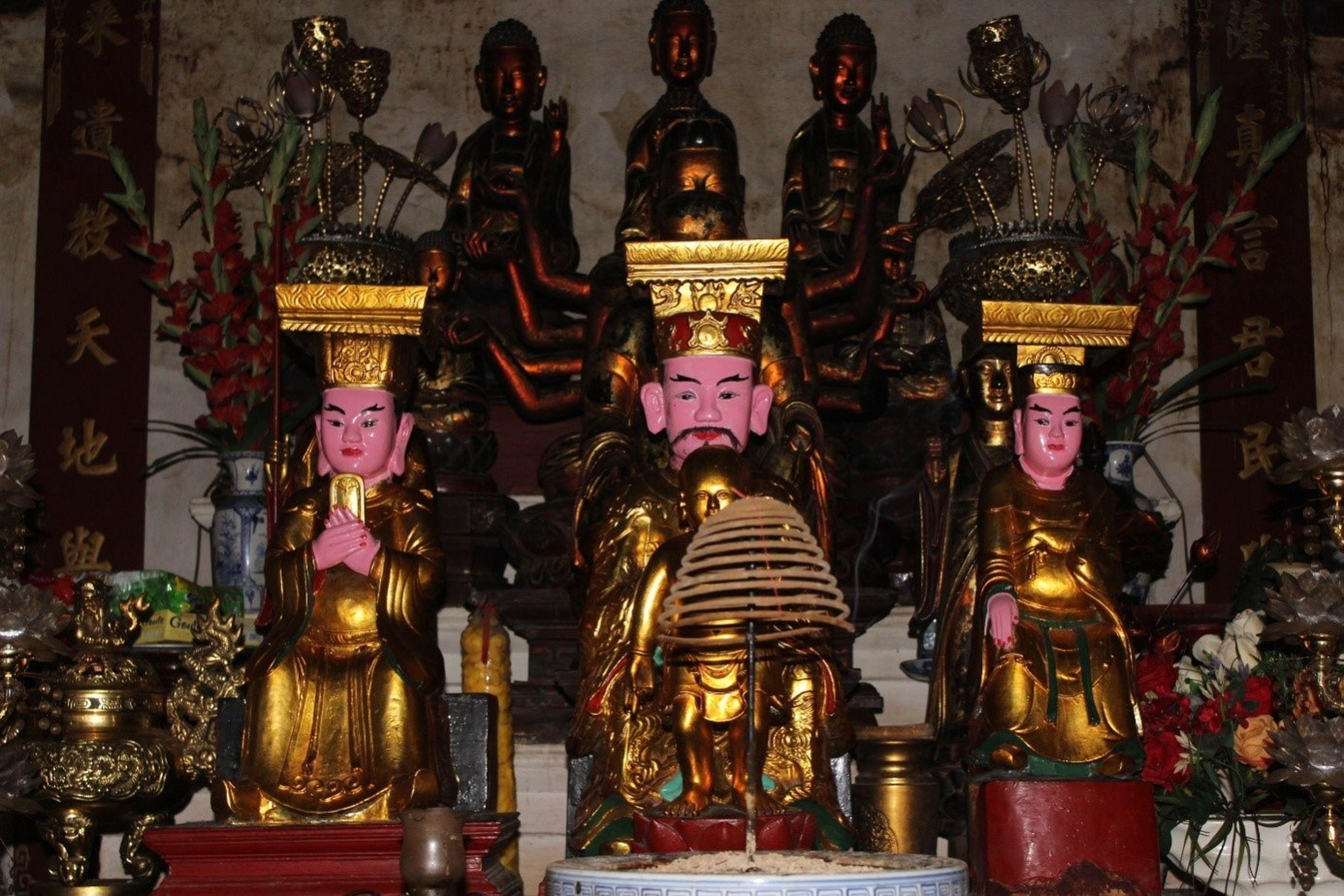
Inside Tra Co Communal House. Photo: vnexpress.
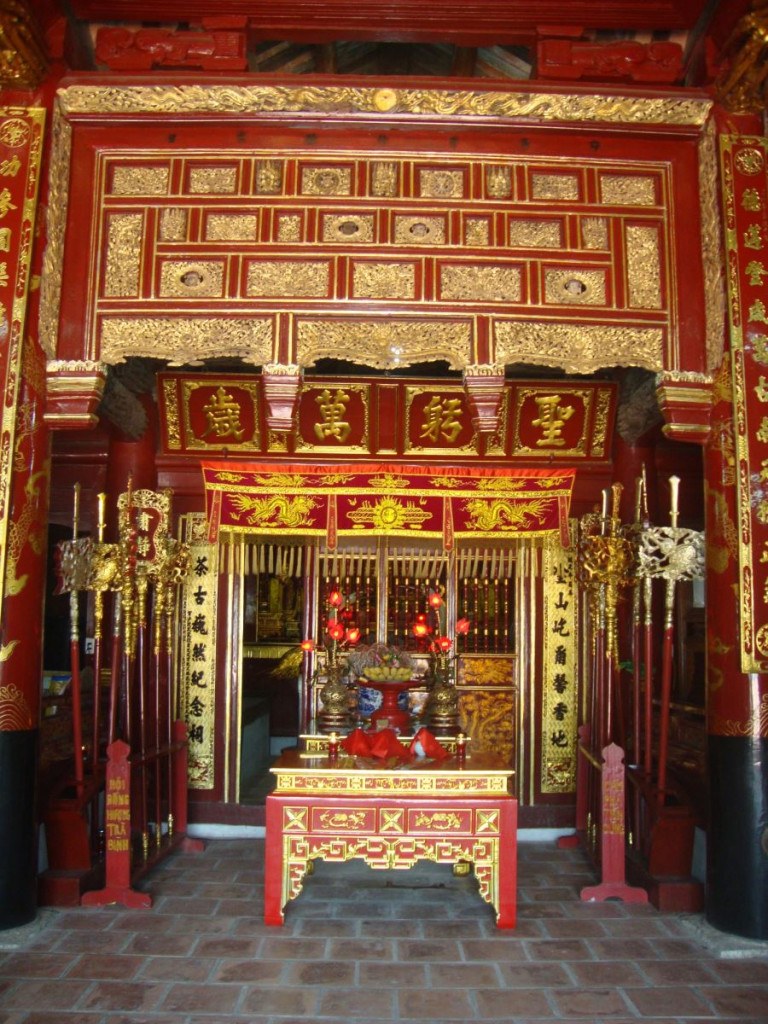
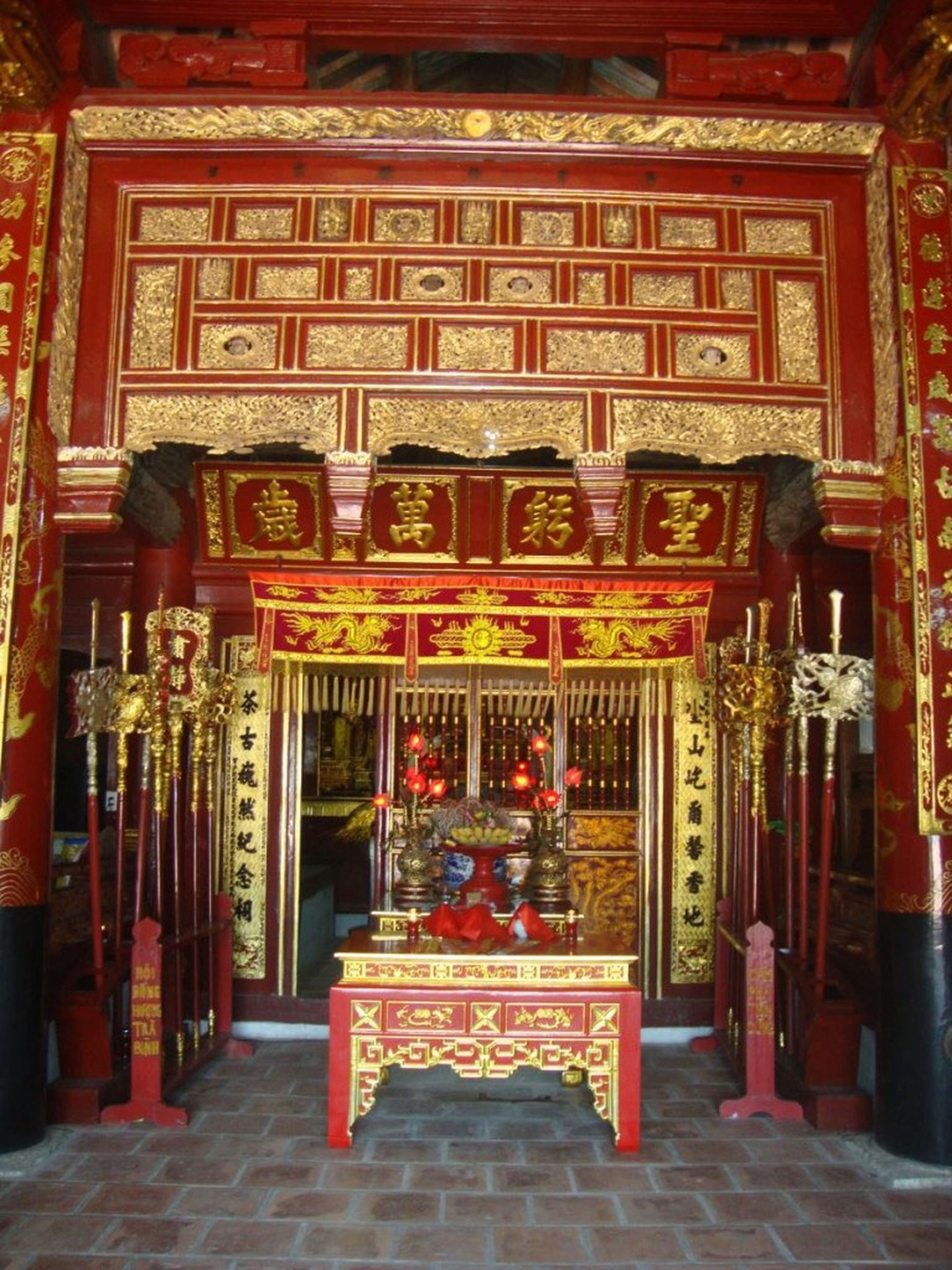
The central altar inside the communal house. Photo: Quang Ninh Museum.
Nam Tho Pagoda
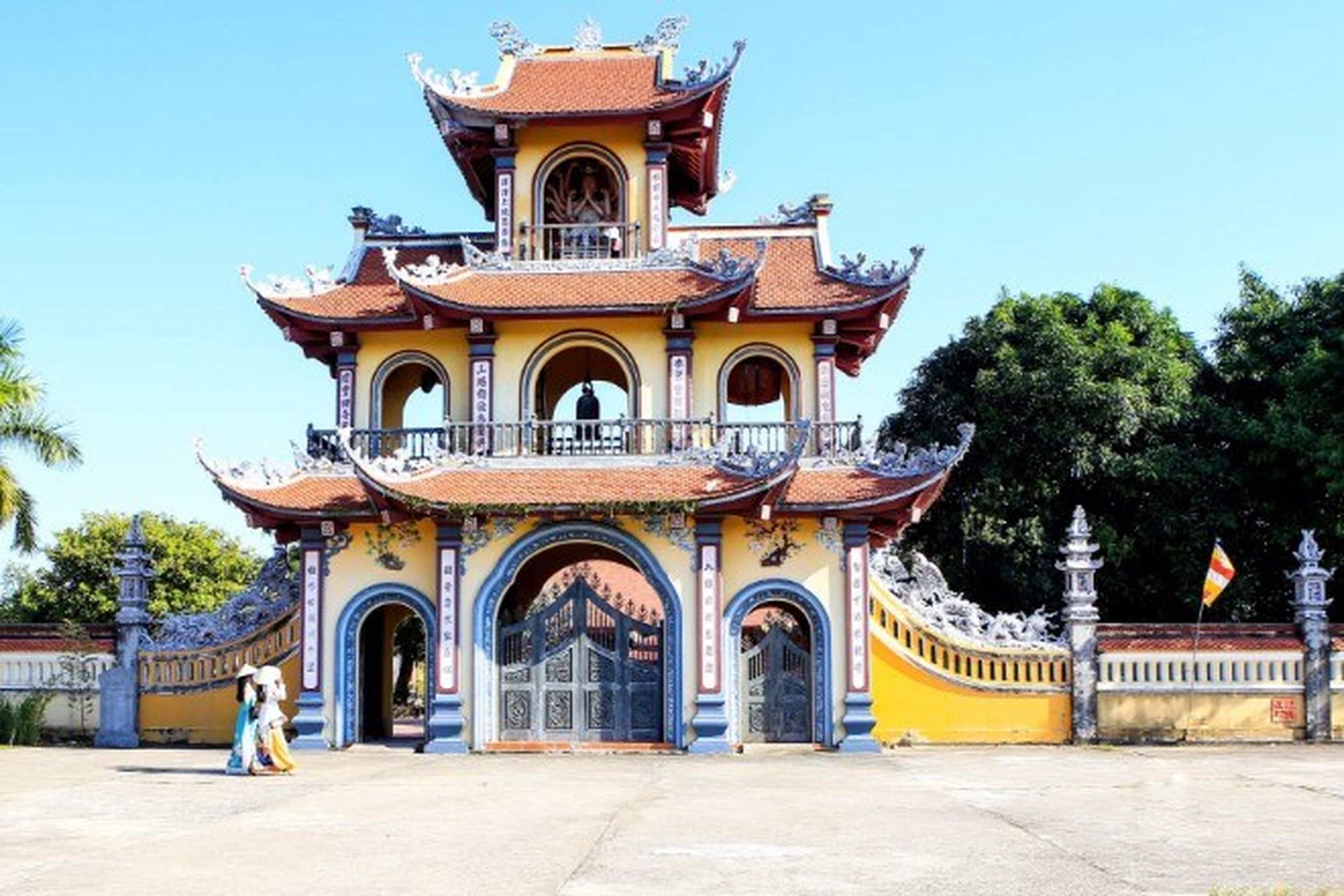
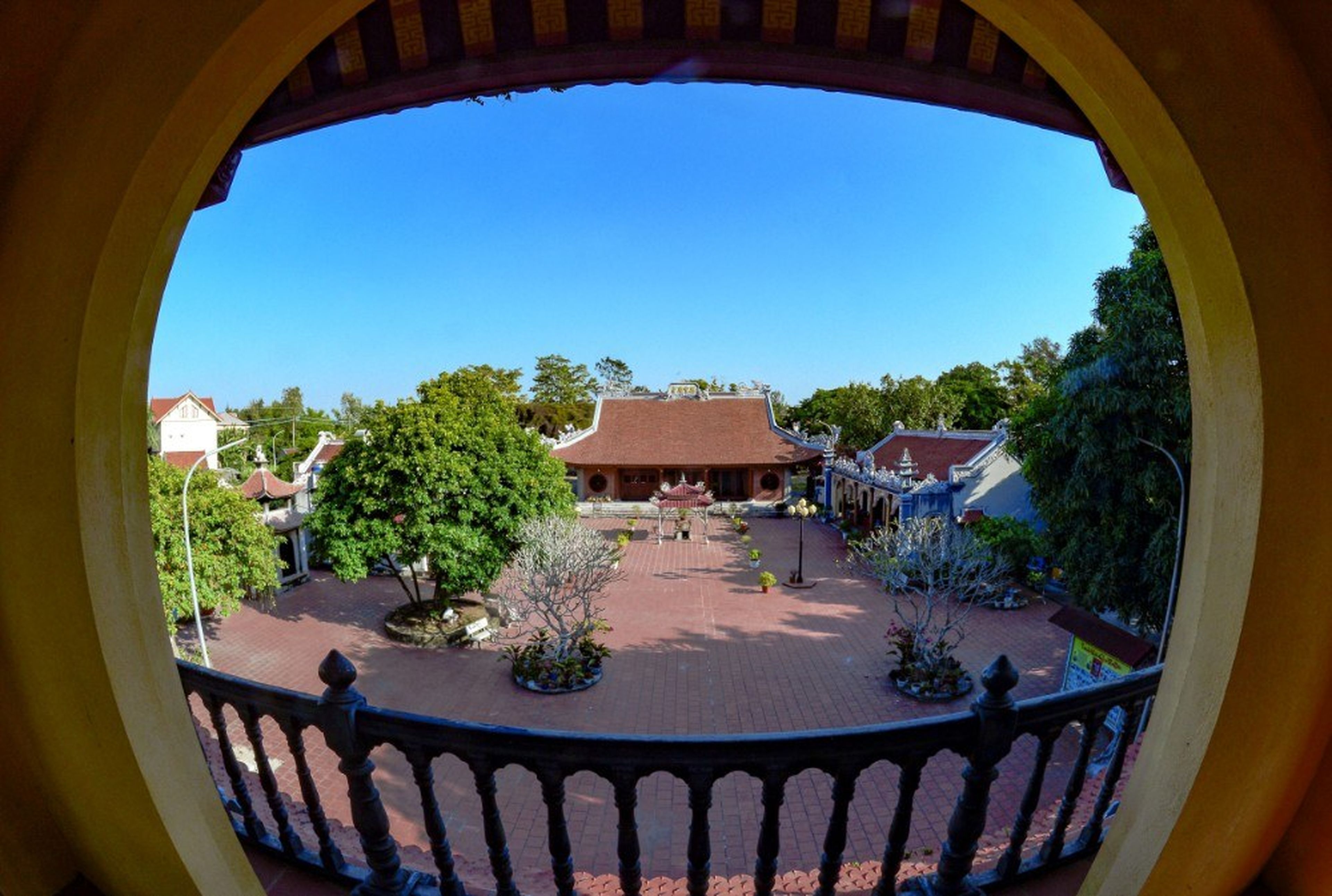
According to the inscription on its bronze bell, the pagoda dates back to the 3rd year of Thieu Tri's reign (1843). It was built facing north, with an architectural layout shaped like the character "Hoi" (回), symbolizing the convergence of water flows.
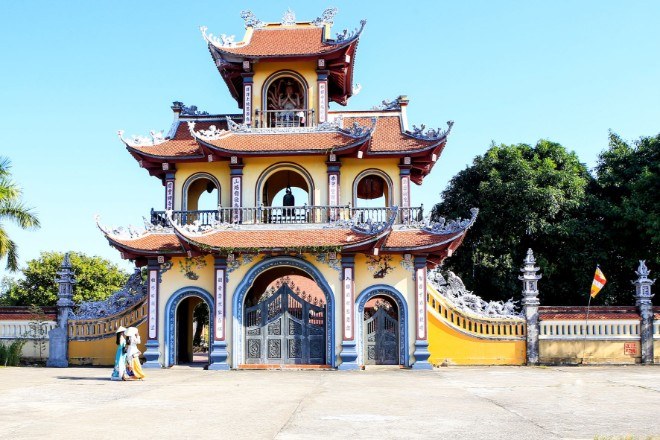
The three-entrance gate of Nam Tho Pagoda. Photo: Mong Cai City.
Nam Tho Pagoda comprises main architectural sections: the three-entrance gate, the ancestral house, the Mother Goddess house, and the guest house. Although renovated numerous times, it still preserves a collection of 53 ancient statues.
Most remarkable are 4 statues of the newborn Shakyamuni Buddha, 2 statues of Guanyin holding a child, and 2 small statues of the Three Buddhas of Past, Present, and Future. Because of this, the site serves as a miniature “ancient sculpture museum” of northeastern Vietnam.
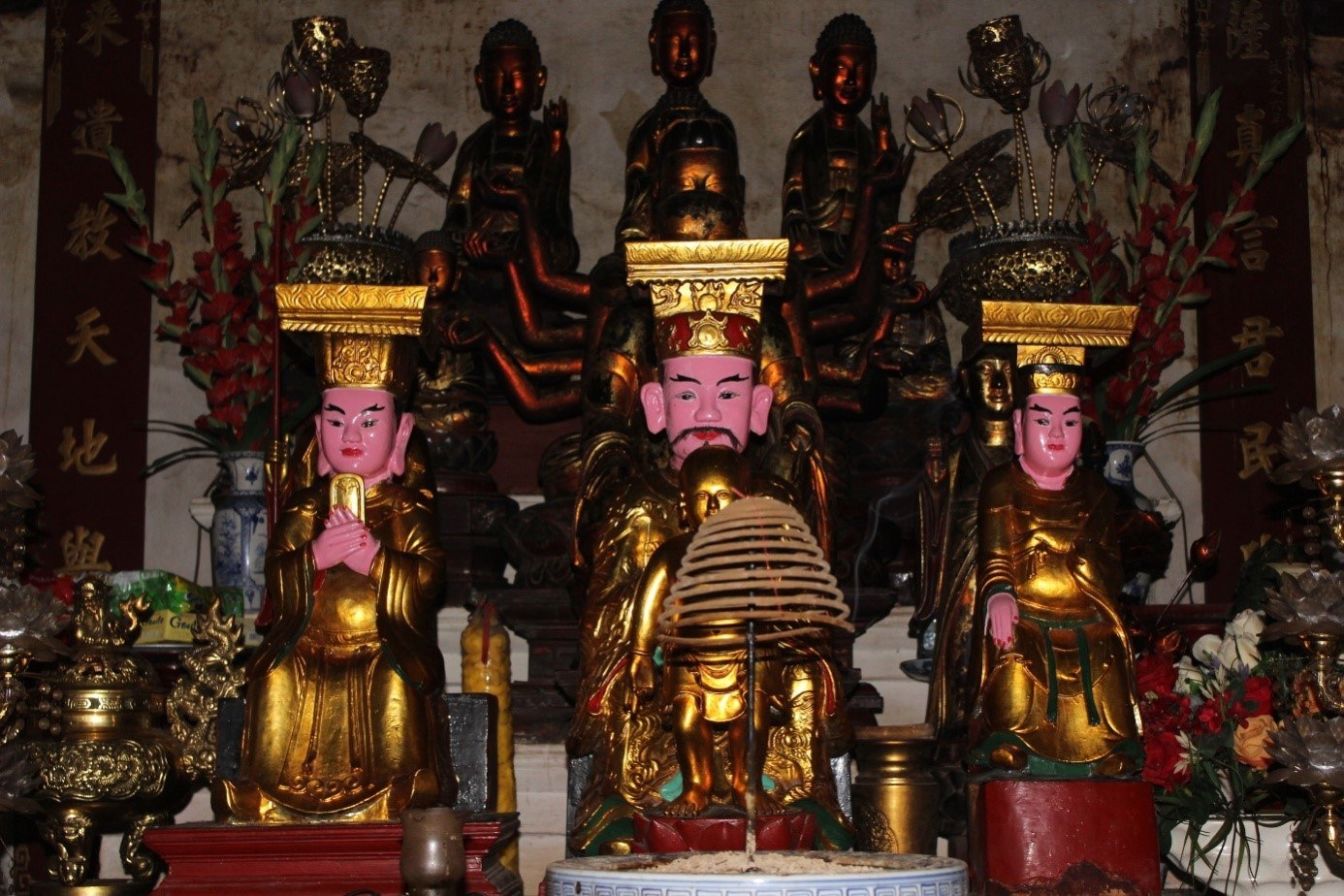
Worship statues inside Nam Tho Pagoda.
Not only a center for cultural and religious life, Nam Tho Pagoda is also a historical and cultural relic linked to our nation's cause of national defense. In 1905, while traveling to China to meet Japanese and Chinese revolutionaries to seek assistance for the Dong Du Movement, Phan Boi Chau was pursued by the enemy; he took refuge at Nam Tho Pagoda and was sheltered and aided by the local people.
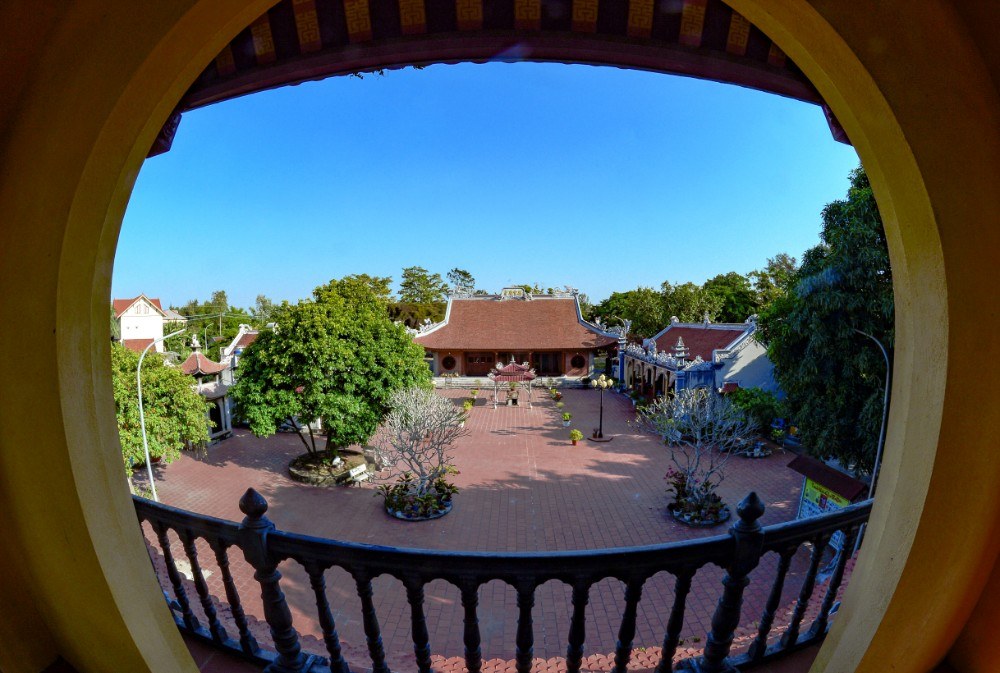
Courtyard of Nam Tho Pagoda. Photo: Mong Cai City.
During the two resistance wars against the French colonialists and the American imperialists, Nam Tho Pagoda was a place used for storing food, sheltering cadres, hiding revolutionary documents, and sending off local youths as they embarked on resistance missions.
Tra Co is an exemplary destination on any Quang Ninh travel itinerary that every visitor should explore to learn more about the nation's frontier land. Follow the iVIVU blog to discover more helpful articles for a truly fulfilling vacation!