When traveling to Quang Ninh, besides Ha Long Bay, Tra Co is also a famous destination, known for both its islands and beaches and its cultural landmarks. Discover more about this land at the nation’s northeastern frontier in the following article!
Quang Ninh Travel: Discover the Fascinating Attractions of Tra Co
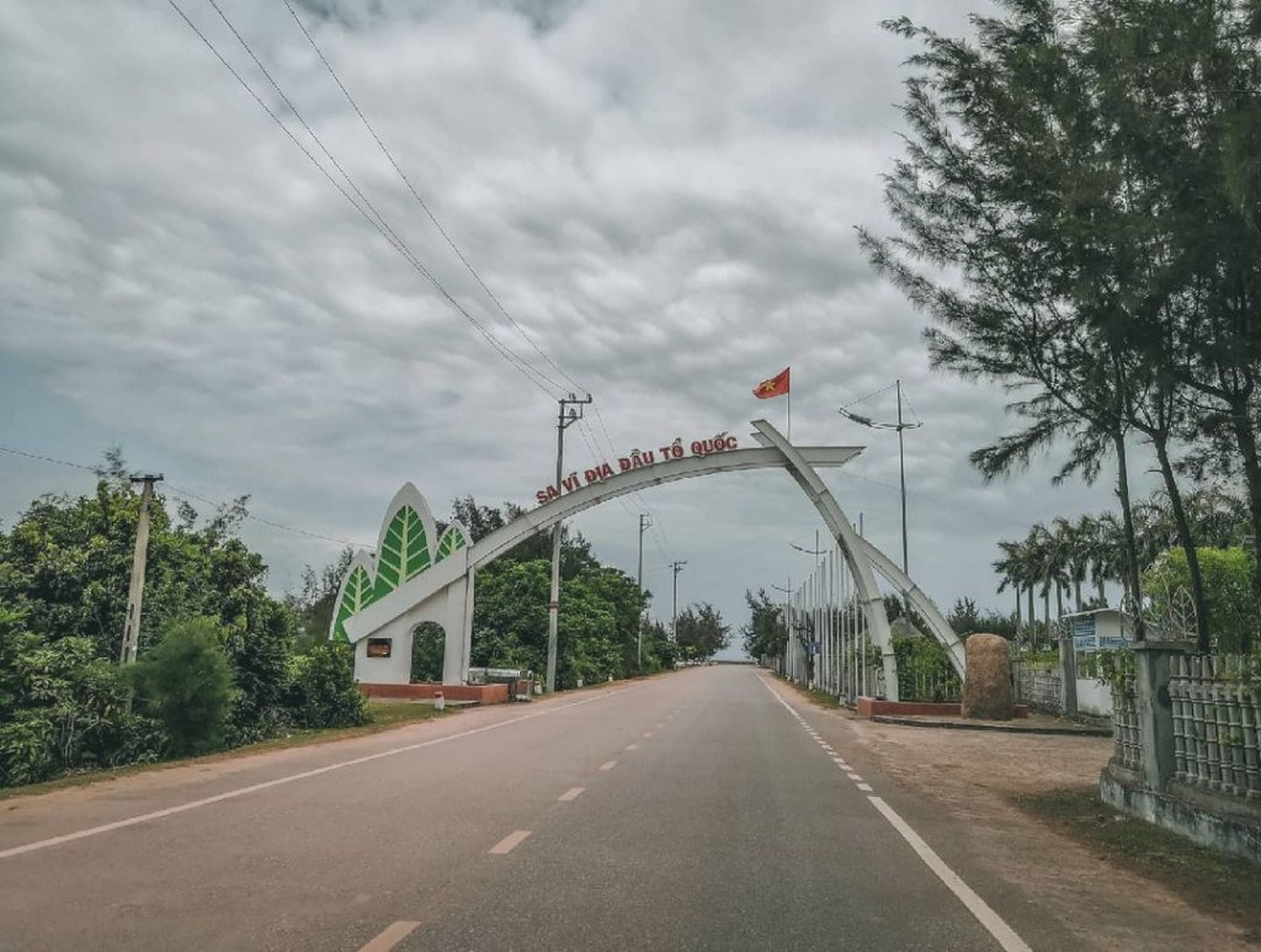
Sa Vi Cape
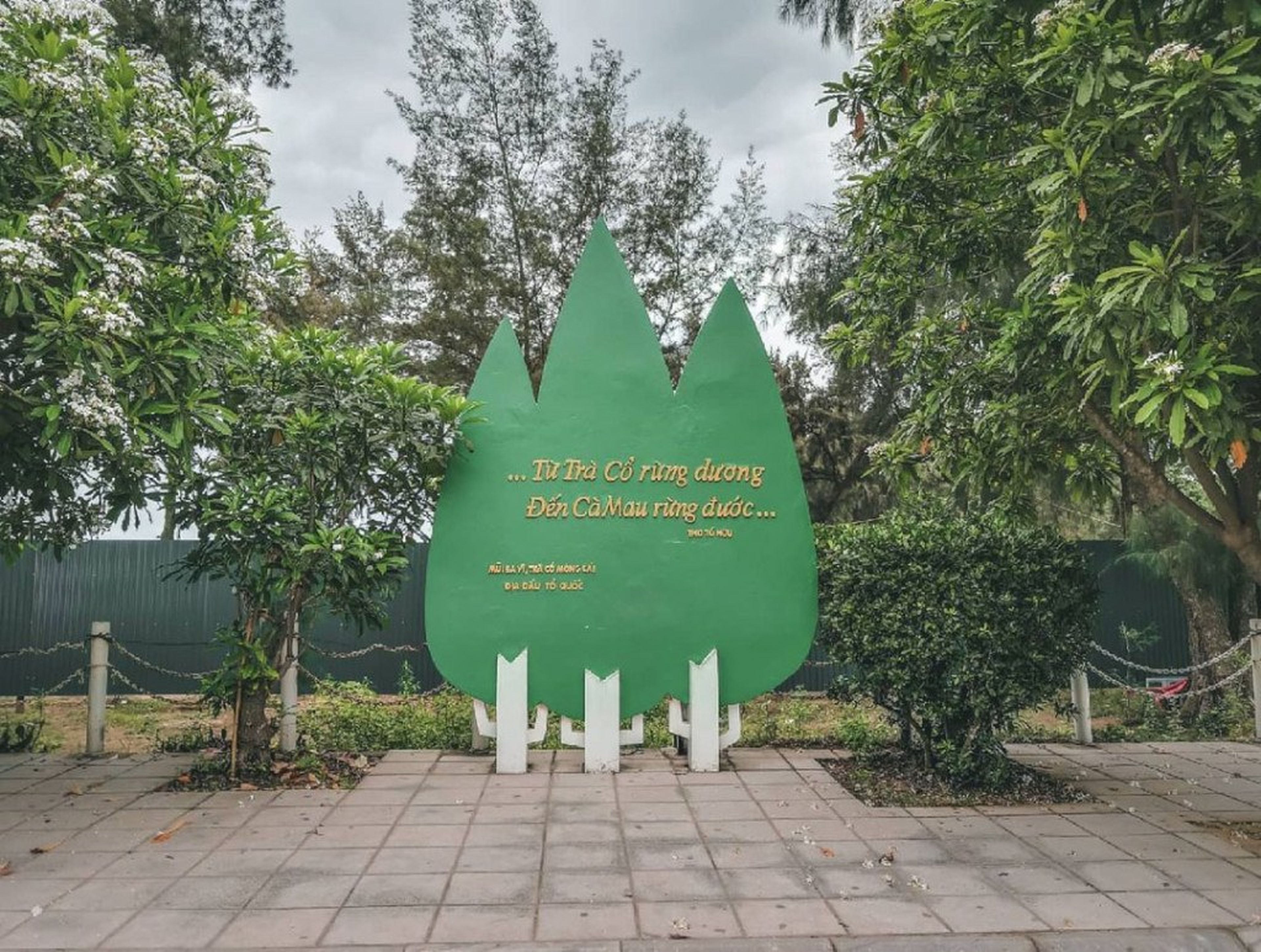
Sa Vi Cape (Got Cape) is a headland at the northeasternmost point, in Tra Co Ward. At Sa Vi Cape stands a relief featuring three pine trees, engraved with lines of poetry by poet To Huu: “...From Tra Co’s casuarina forest/ To Ca Mau’s mangrove forest...”. The simple verse fills everyone who visits with pride in their homeland and country.
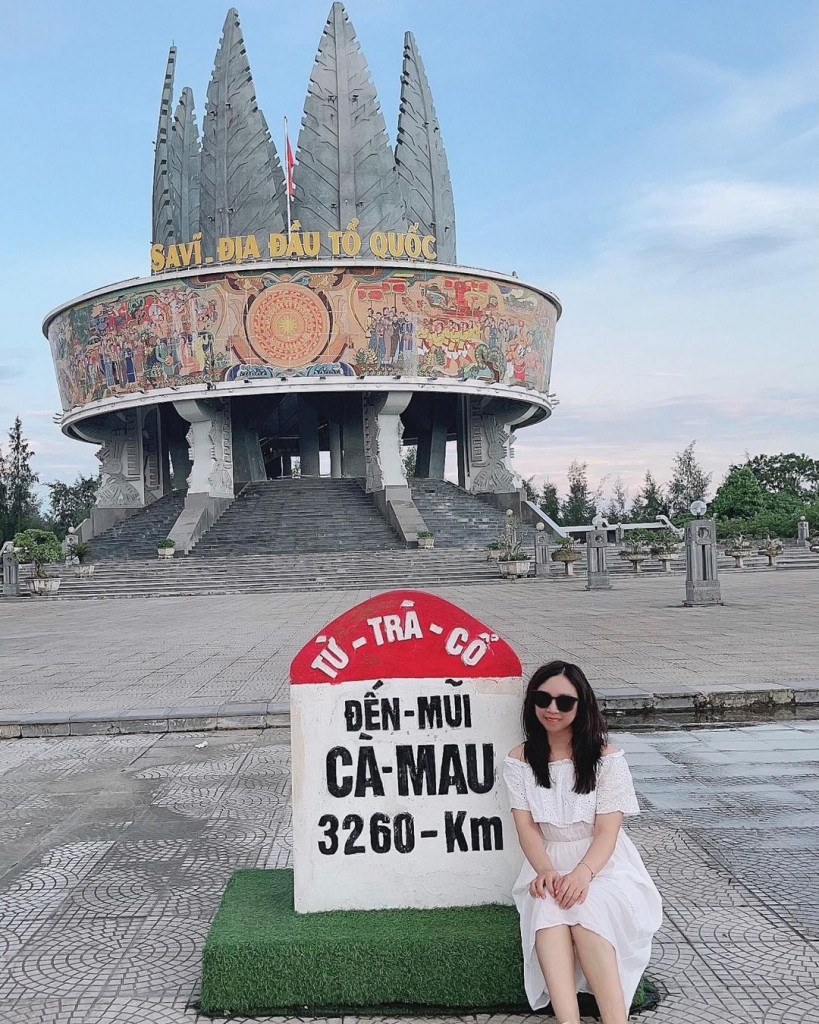
Photo: nancy_djnh.
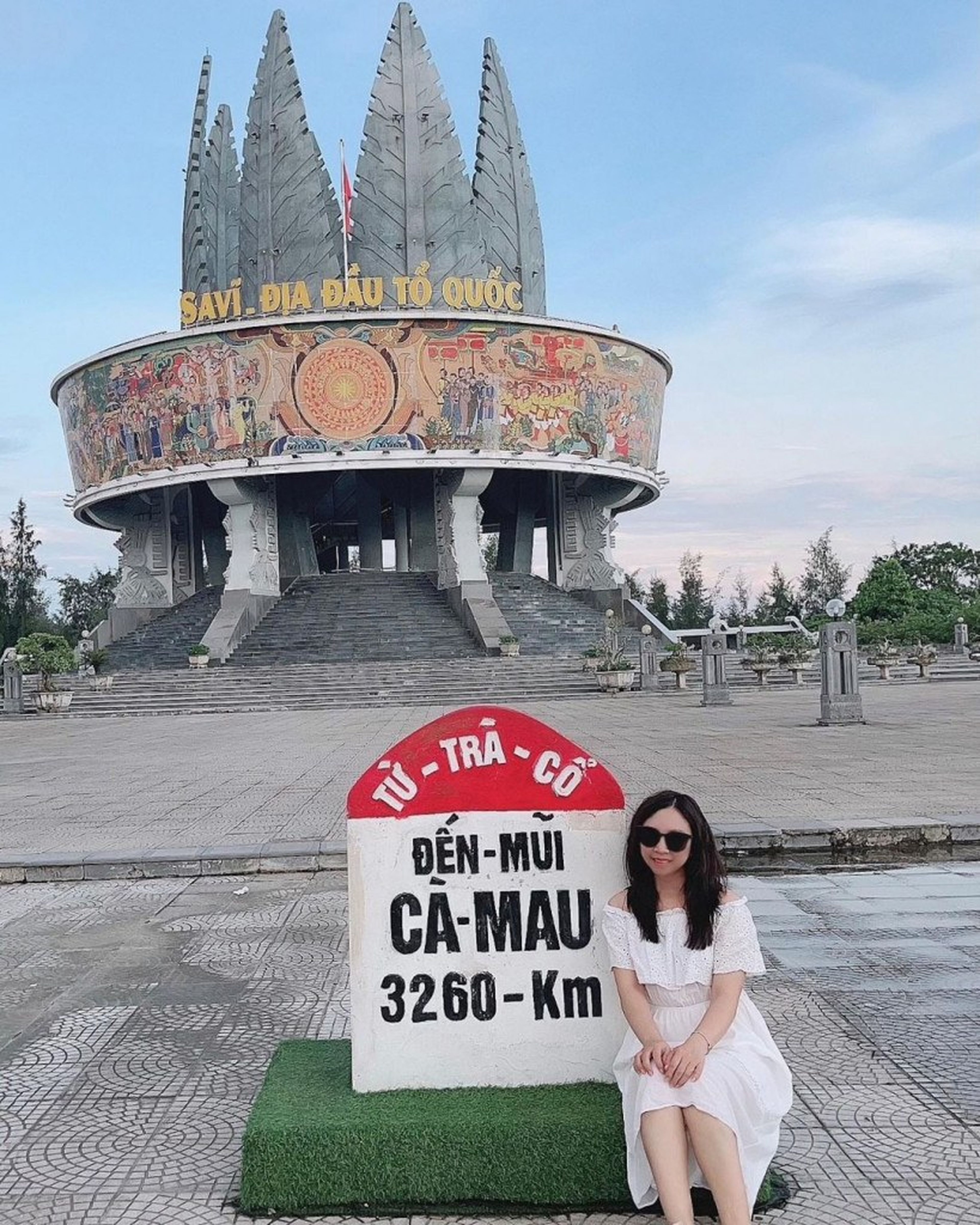
When visiting Sa Vi Cape, travelers to Quang Ninh can capture photos beside the relief. You can also visit and explore the Sa Vi border propaganda information complex – a symbol of this borderland.
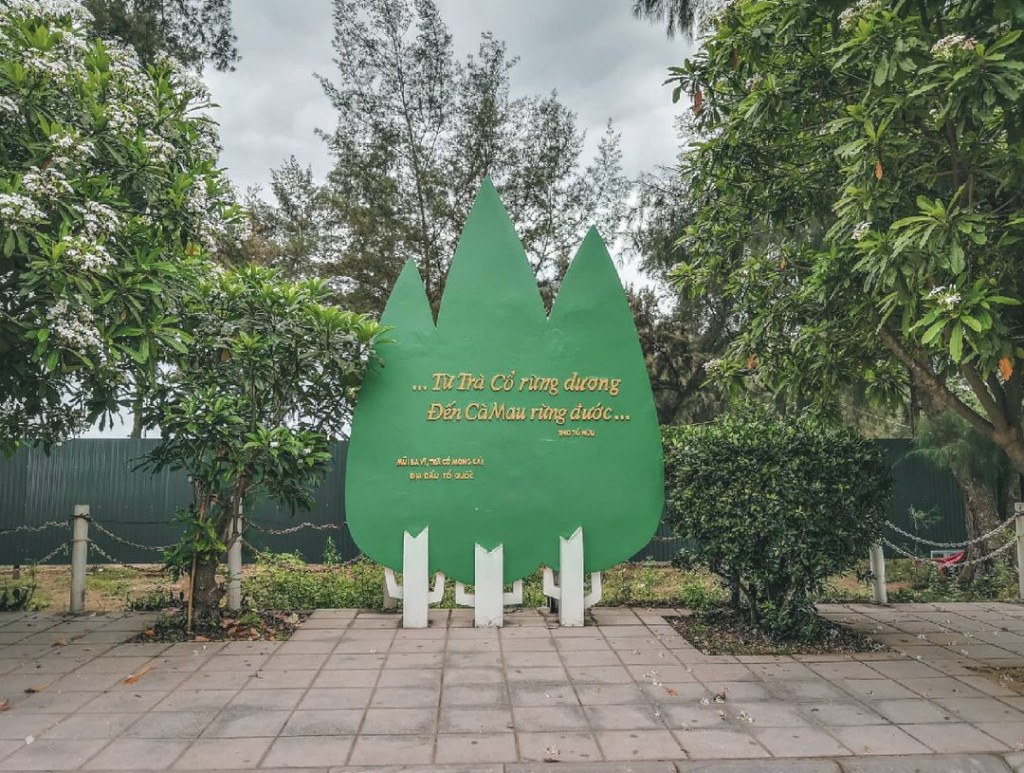
Photo: nguyenkhaitrung.
The site consists of three parts: a square, the main complex, and a service building, forming a unique cultural architectural ensemble. At the top of the main complex are eight casuarina trees reaching toward the blue sky, standing 27m high. They are cast from durable concrete and coated with zinc on the surface to withstand the effects of the weather.
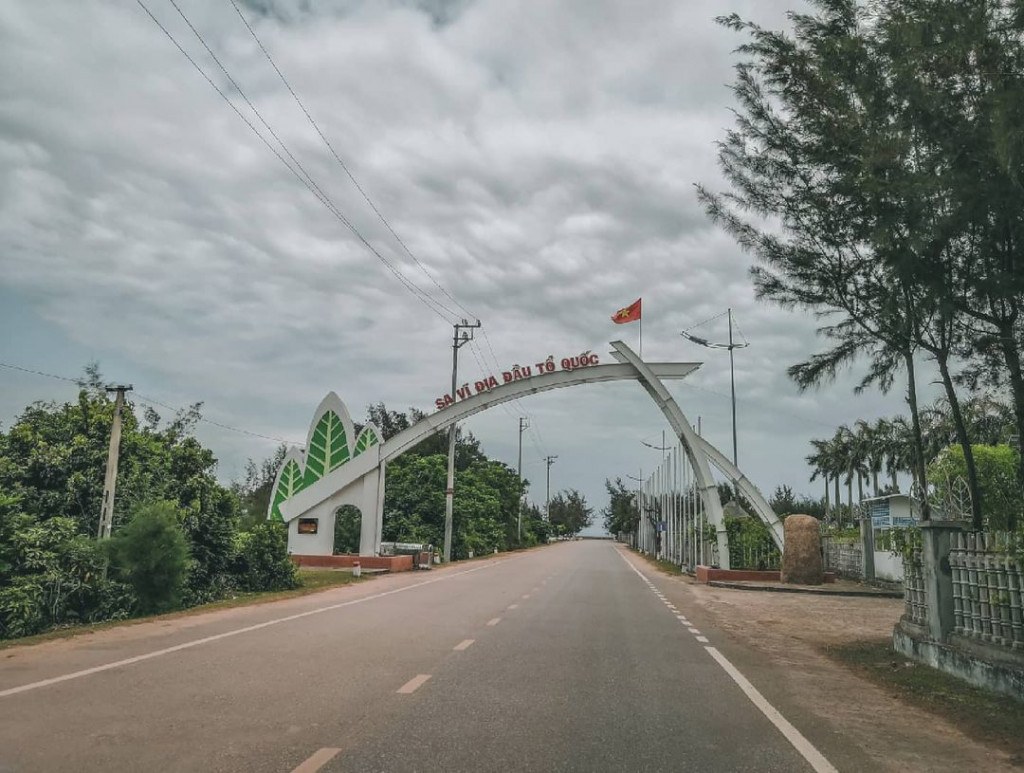
Photo: nguyenkhaitrung.
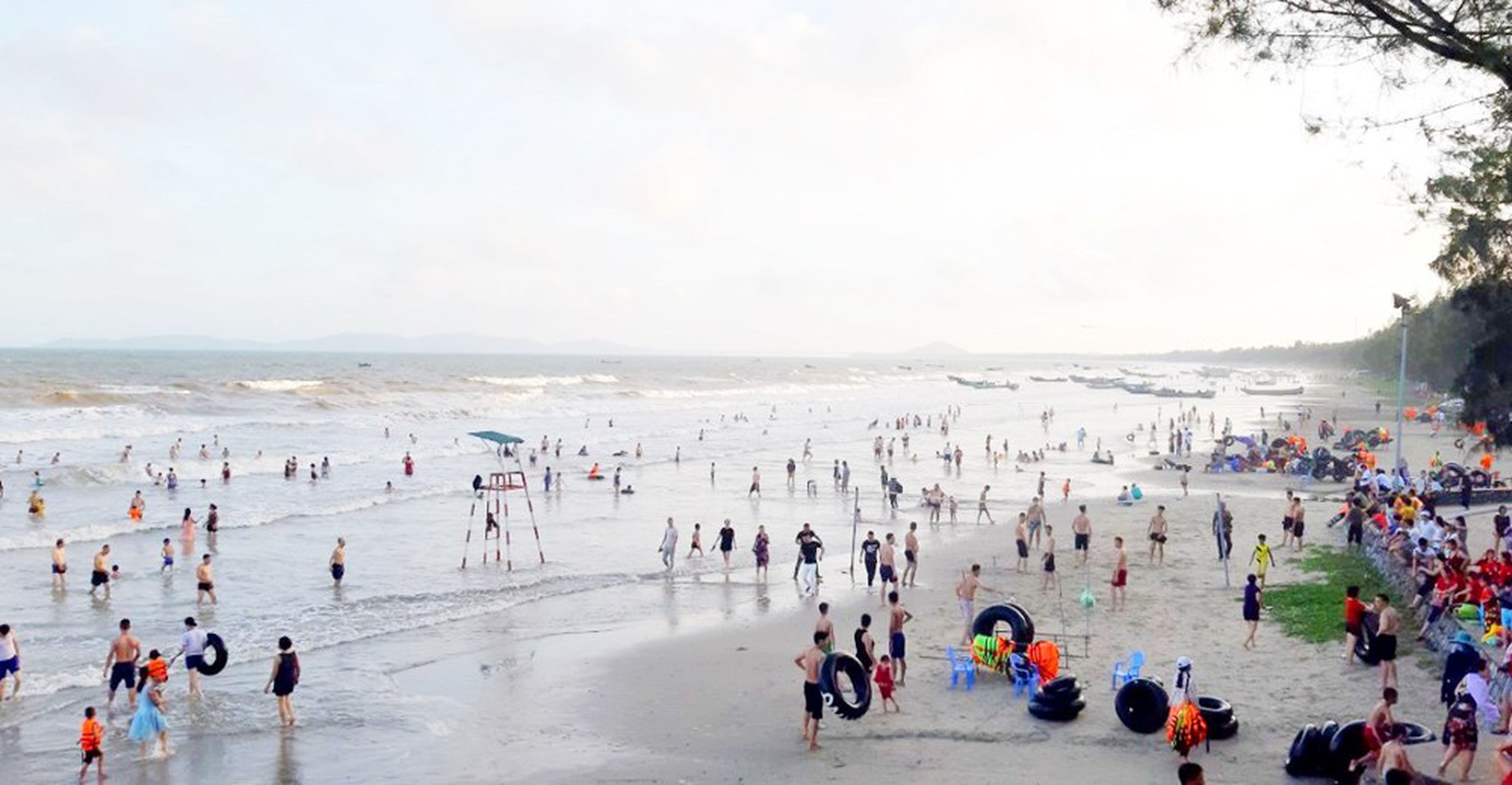
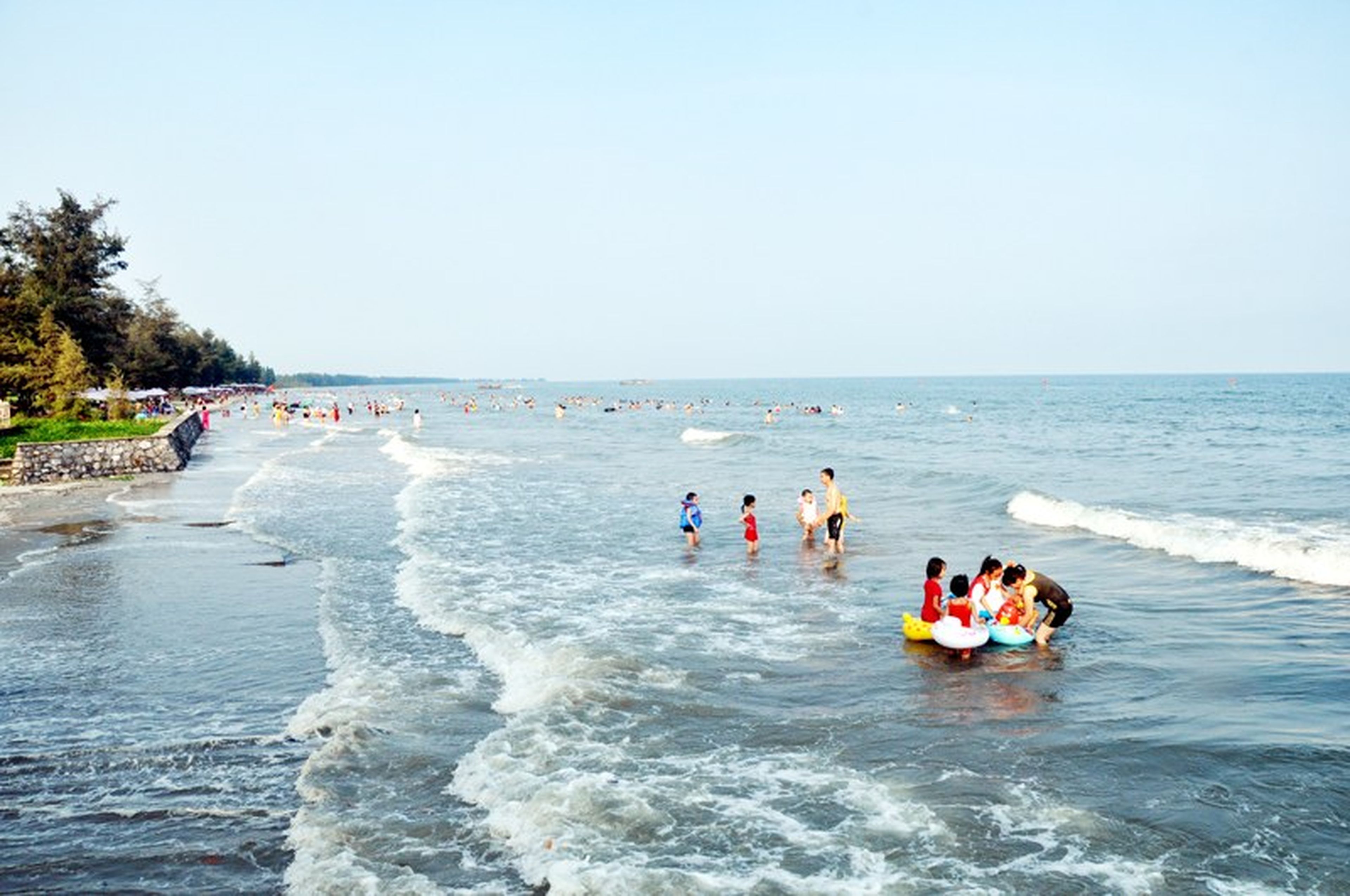
A 17km-long beach
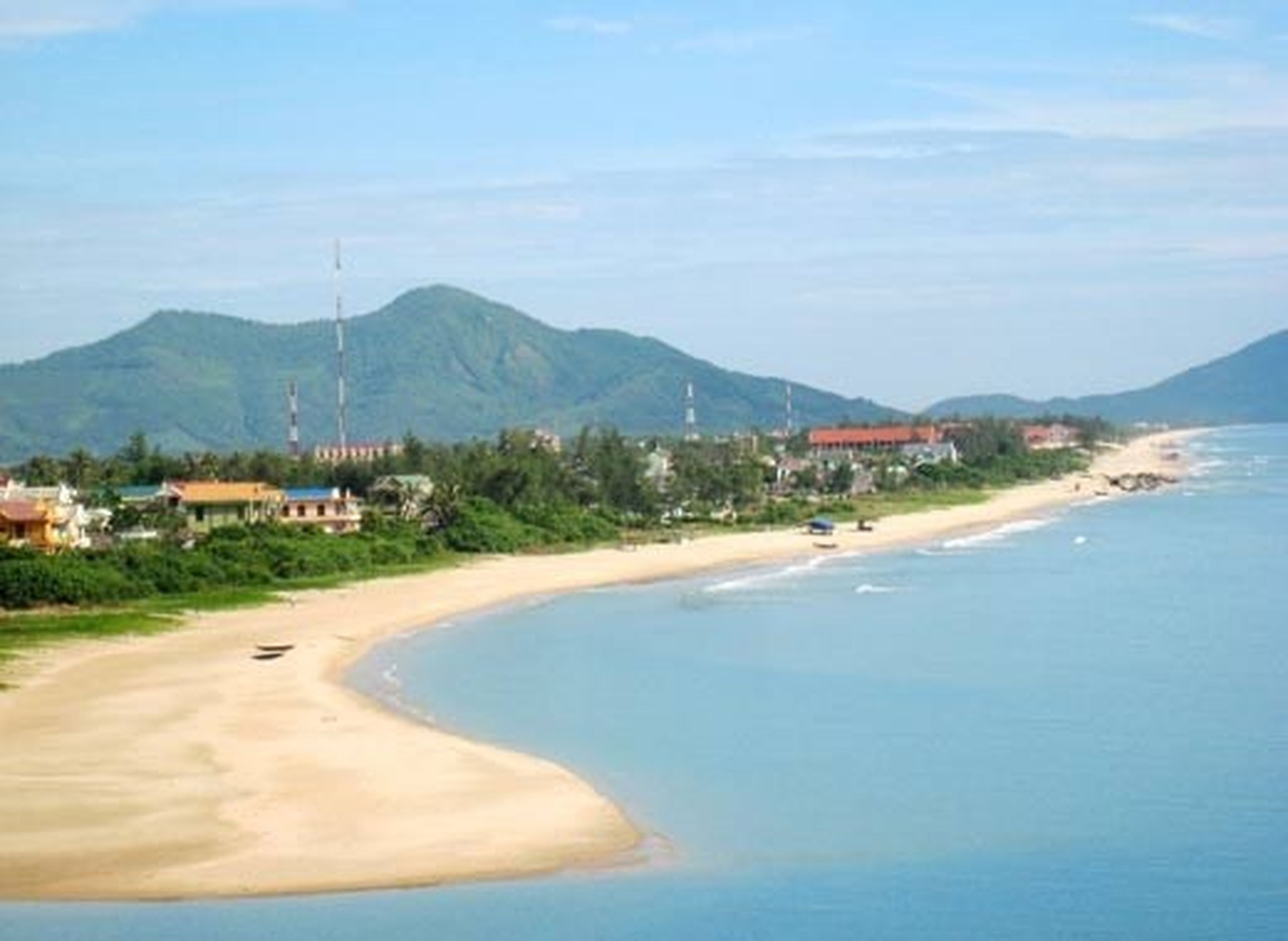
Located 8km from Mong Cai City, Tra Co is home to Vietnam’s longest coastline, stretching up to 17km. The white sand, clear water, and lush green casuarina trees impress visitors from near and far. The unspoiled nature and peaceful atmosphere of the coastal fishing village also offer a valuable relaxing experience.
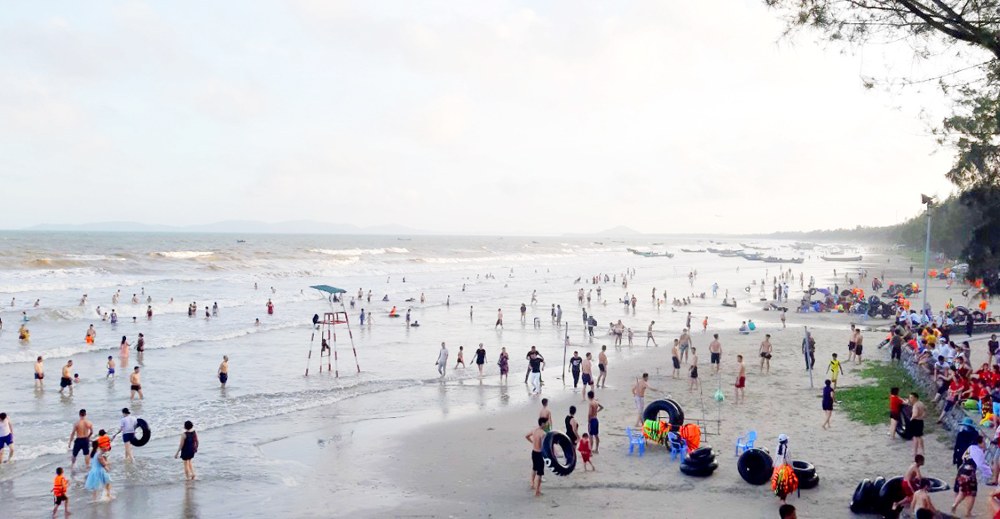
Tra Co Beach attracts many visitors for sightseeing and swimming. Photo: quangninh.gov.
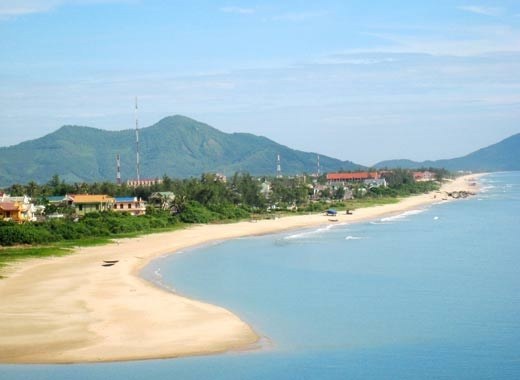
Tra Co Beach is the longest beach in Vietnam. Illustrative photo: VOV.tv.
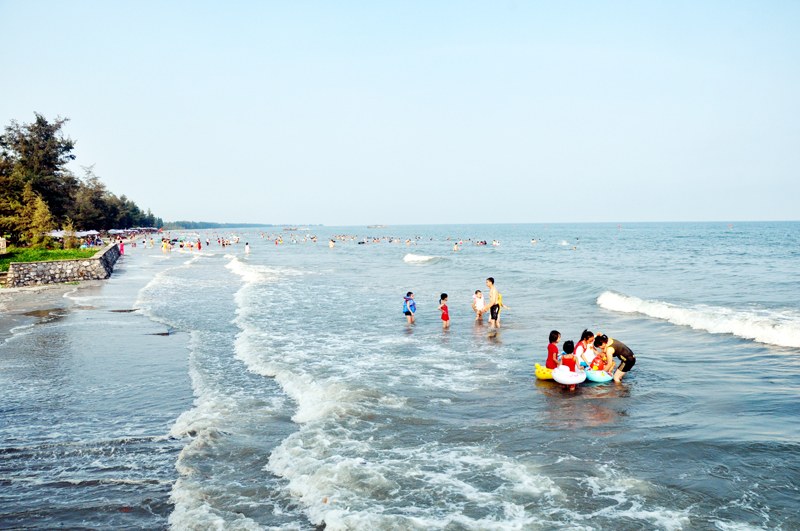
Photo: Quang Ninh Newspaper.
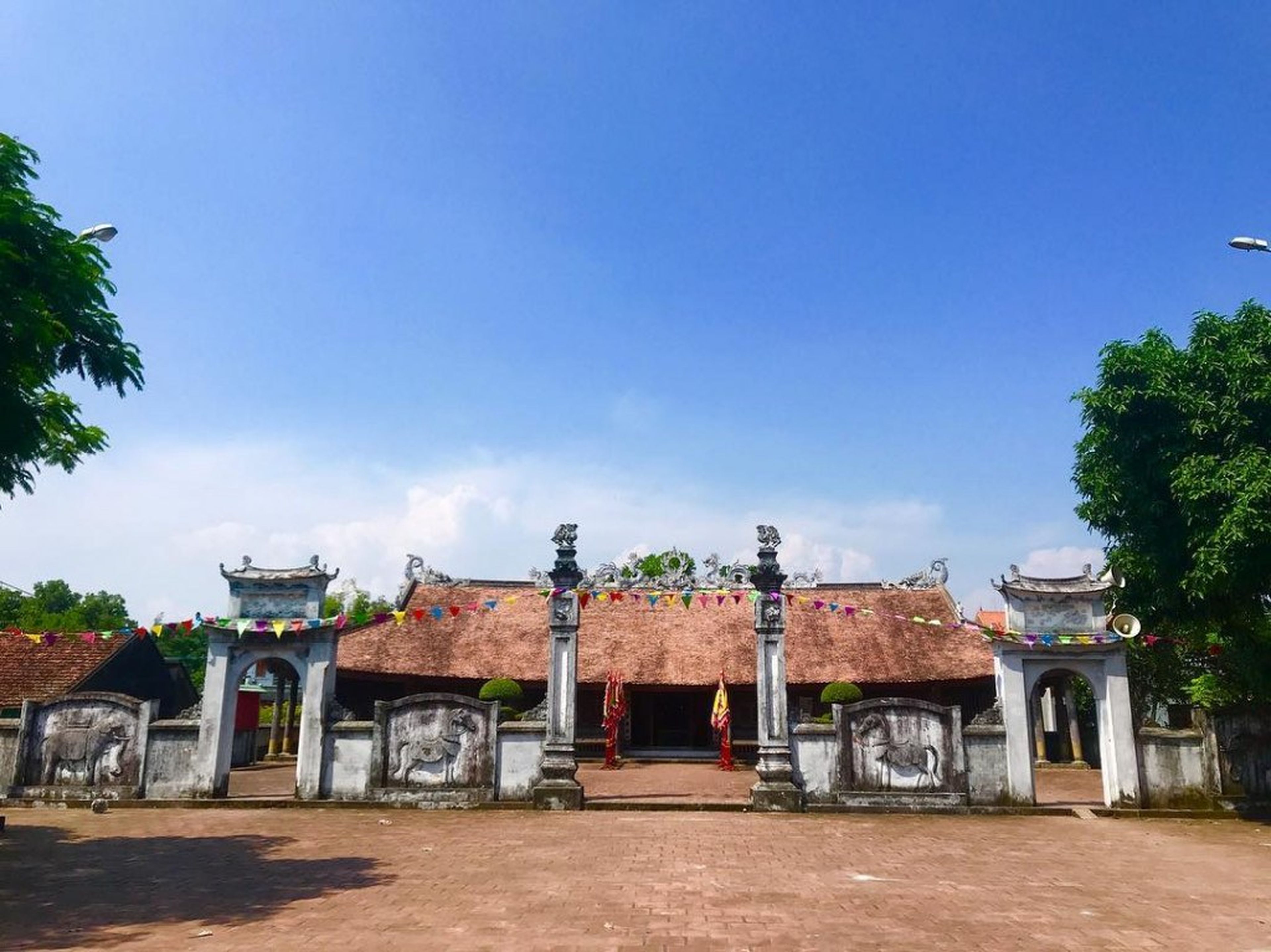
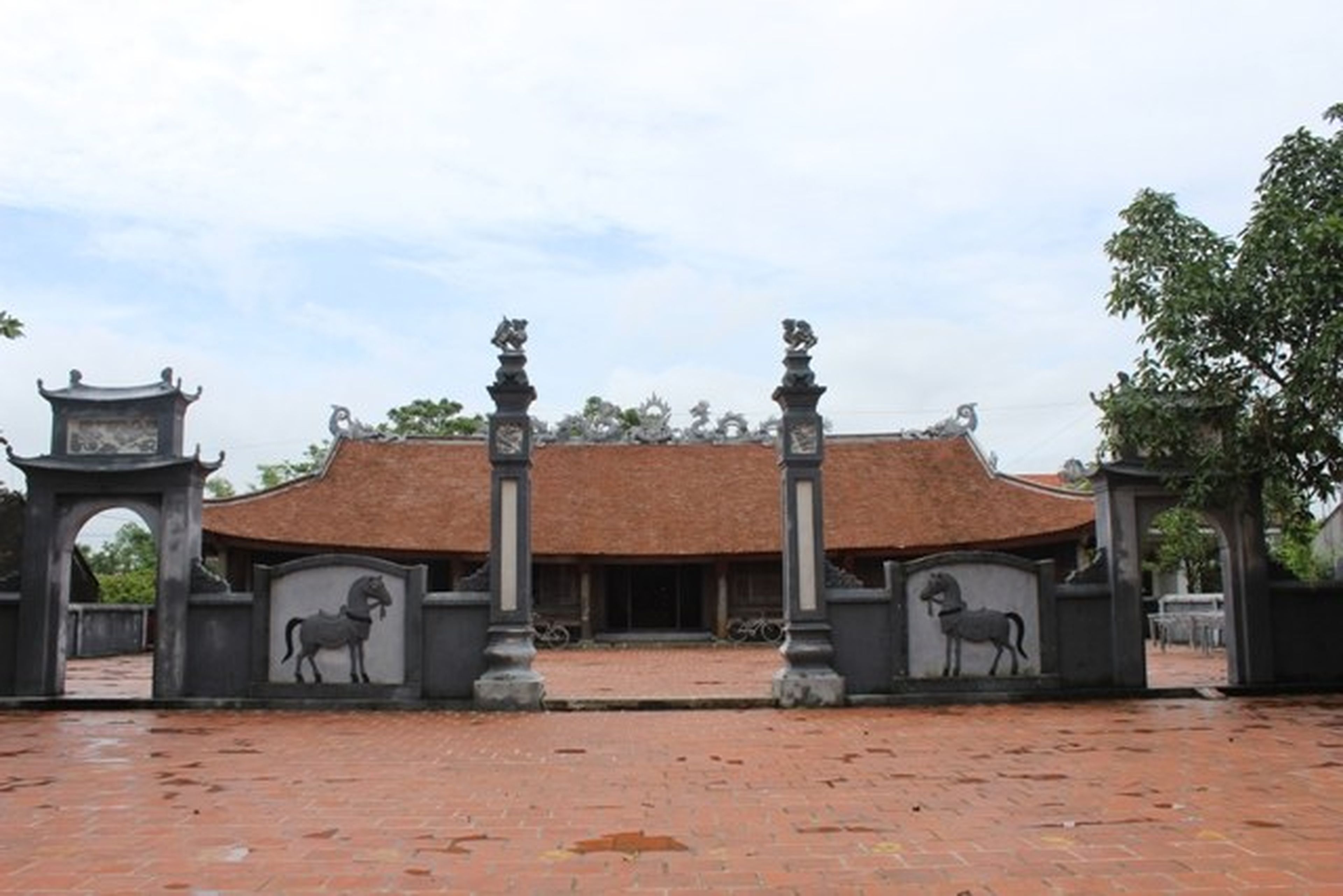
Tra Co Communal House
When traveling to Quang Ninh and visiting Tra Co, travelers should not miss Tra Co Communal House, an age-old communal house associated with the legend “The people of Tra Co, descendants of Do Son.” The communal house was built during the Later Le Dynasty (in 1461), and its formation and existence are closely connected with the history of the formation and development of what is now Tra Co.
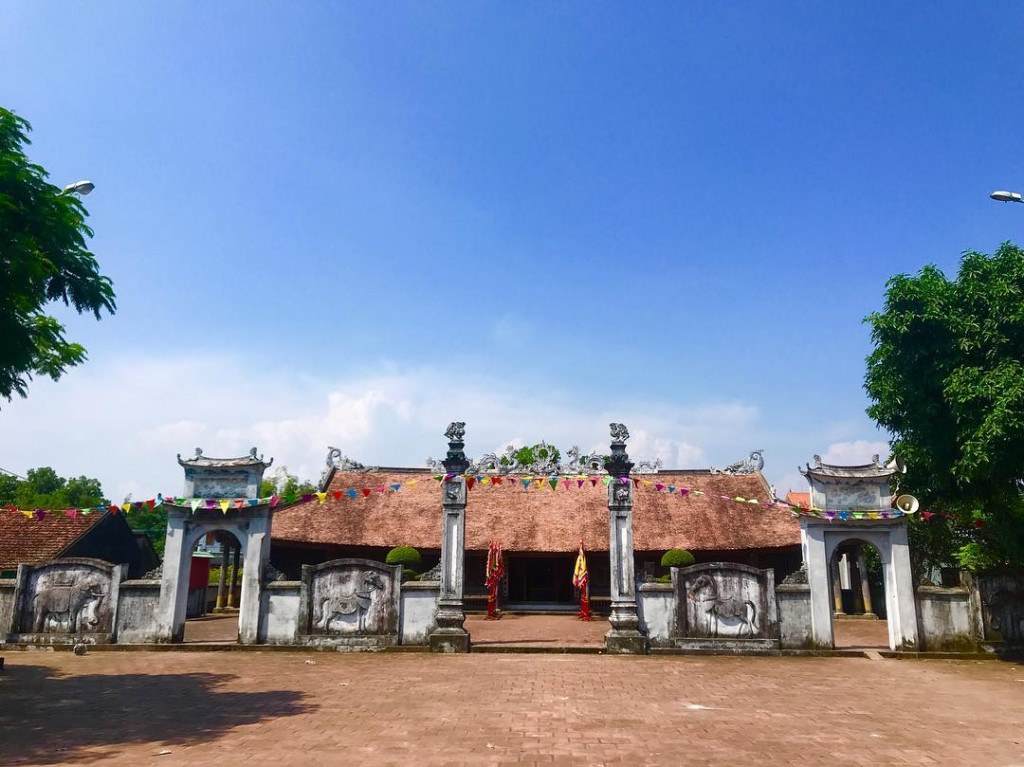
The timeworn Tra Co Communal House. Photo: hienbh2203.
Legend has it that during the Later Le Dynasty, fishermen from Do Son (Hai Phong) traveled far away to earn a living. Amid rough seas and strong winds, twelve families drifted to a desolate peninsula covered only with mangroves and reeds. Of these, six families persevered, determined to settle on the land and depend on the sea while building a new homeland.
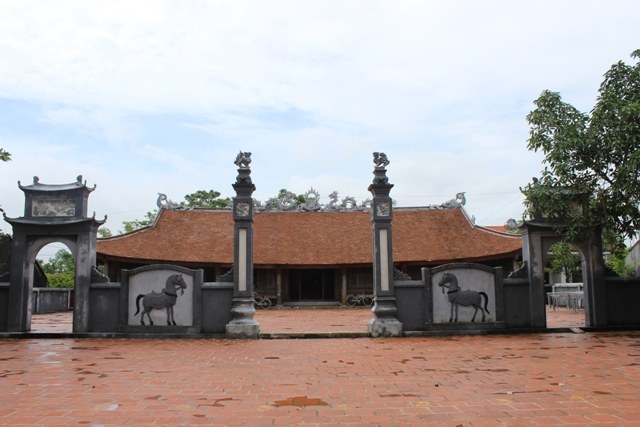
Photo: VnExpress.
Over time, the area became a prosperous hamlet. The people contributed labor and resources to build Tra Co Communal House, where they worshipped those who had contributed to the land and the early ancestors who established it.
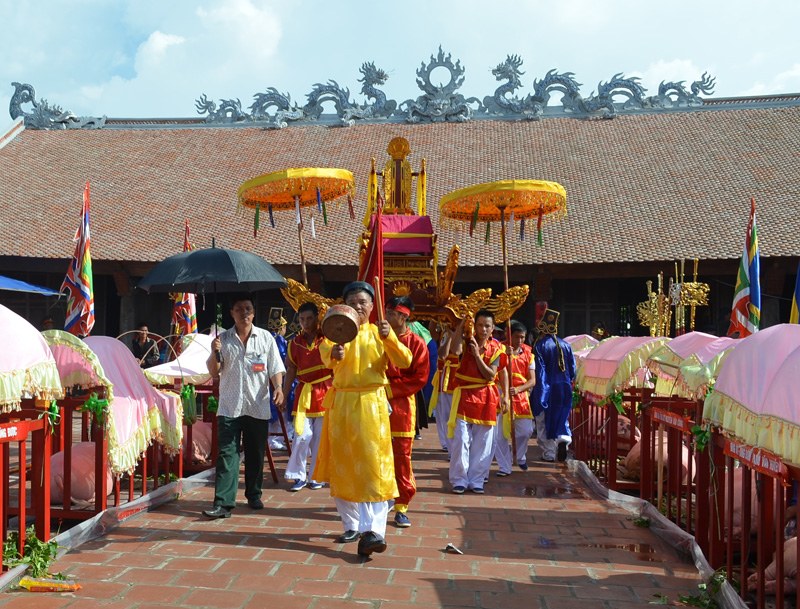
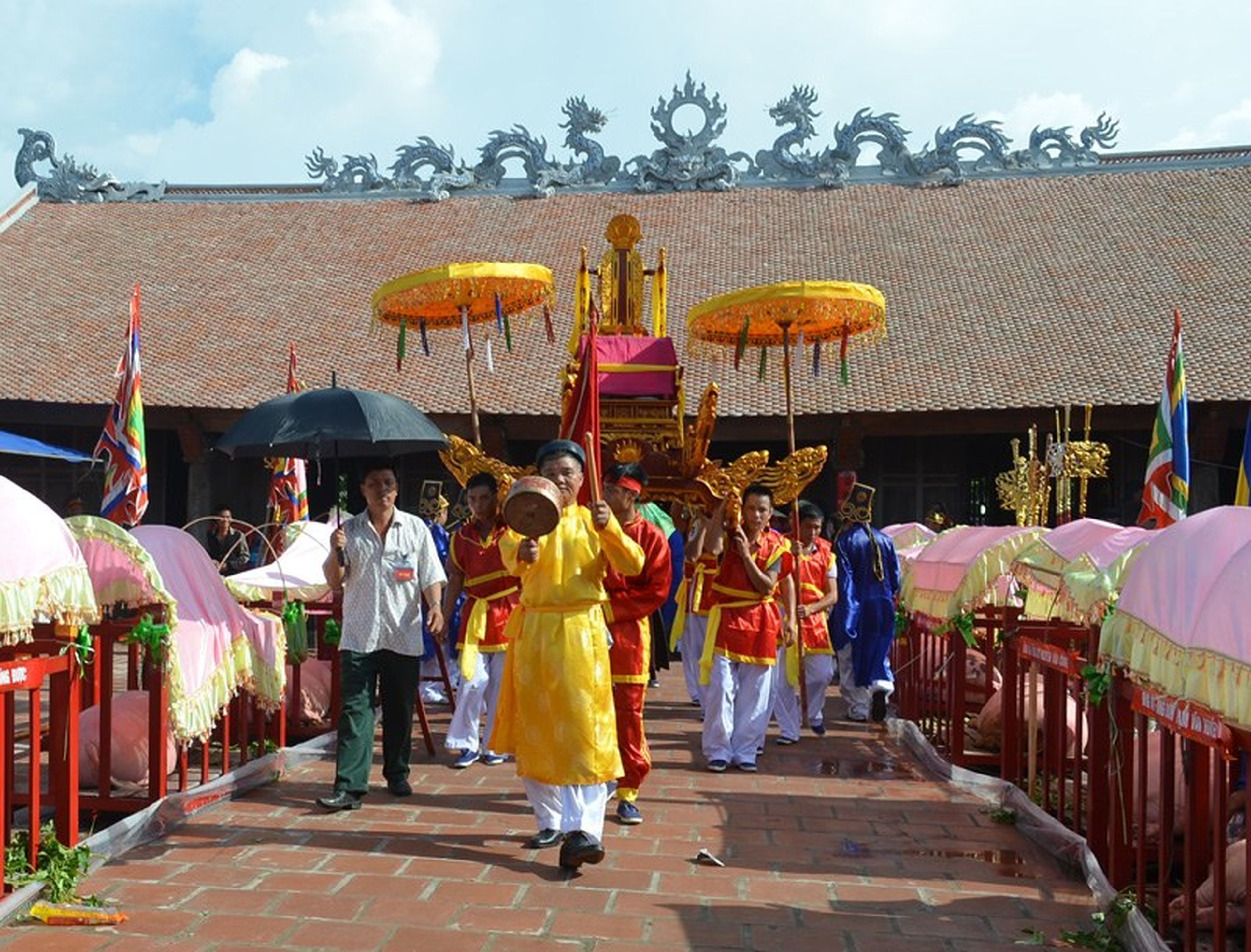
Tra Co Communal House Festival. Photo: Mong Cai City.
For its outstanding architectural, artistic, and cultural values, Tra Co Communal House was recognized in 1974 as a National-level Architectural and Artistic Relic. In 2005, the Tra Co Communal House Festival was selected for presentation at the “Northeastern Region Ethnic Cultural Festival”.
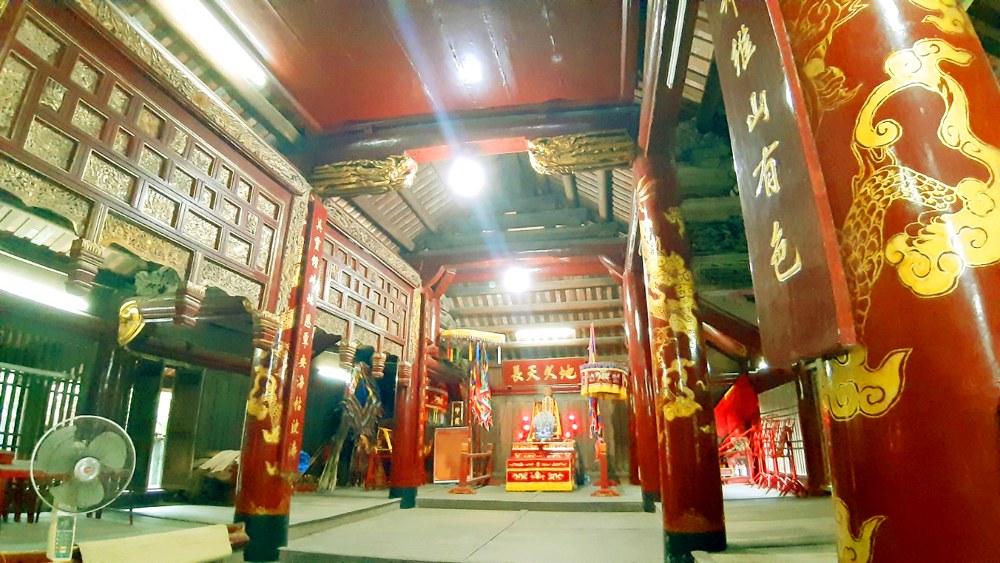
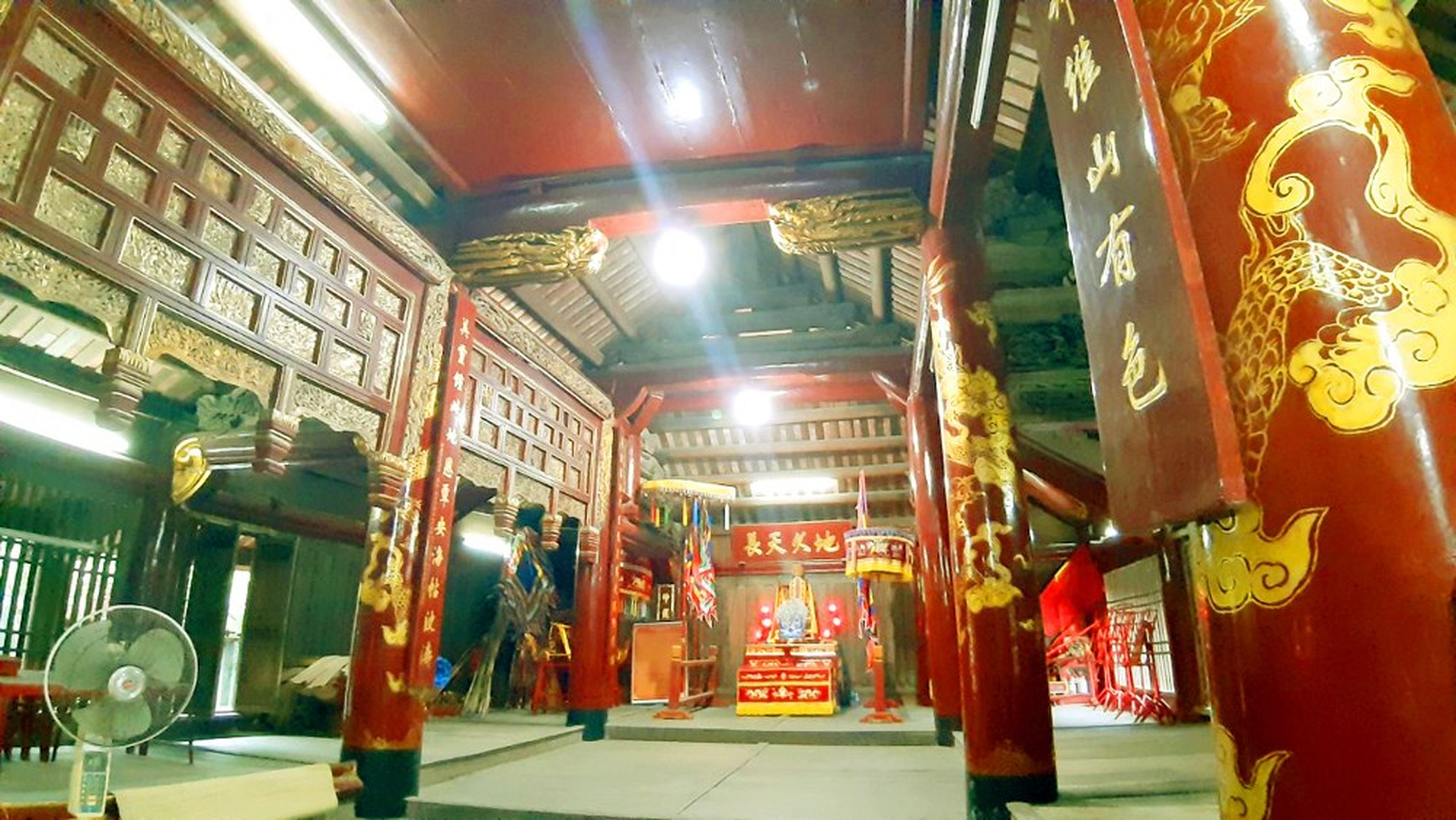
Inside Tra Co Communal House. Photo: vnexpress.
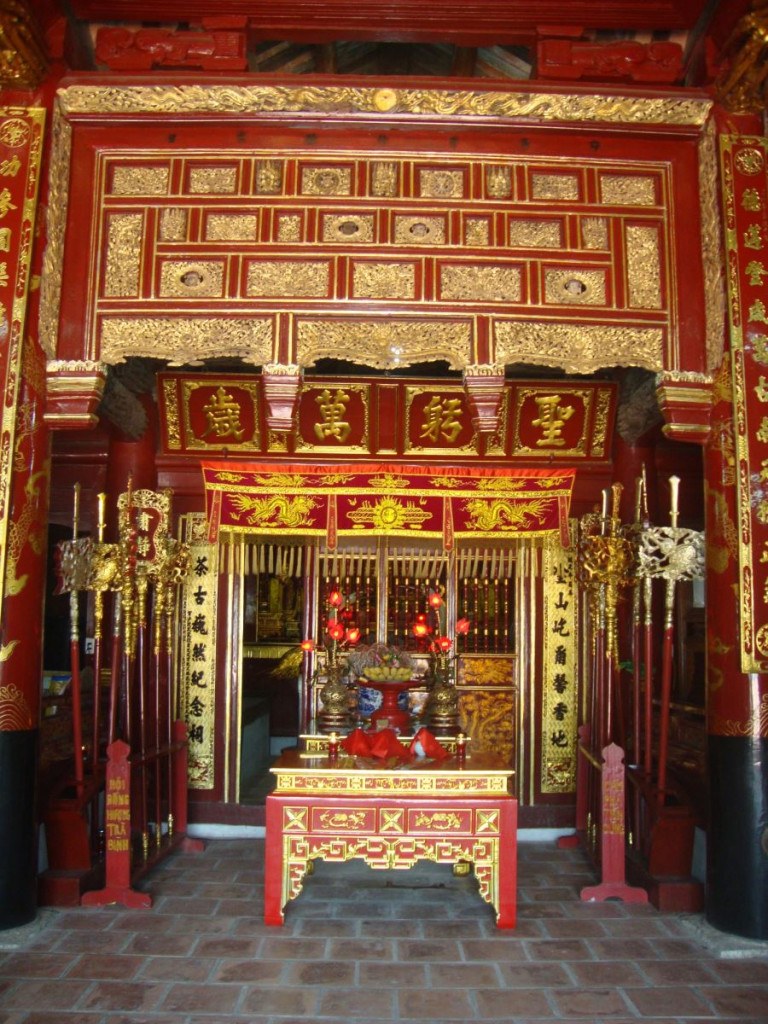
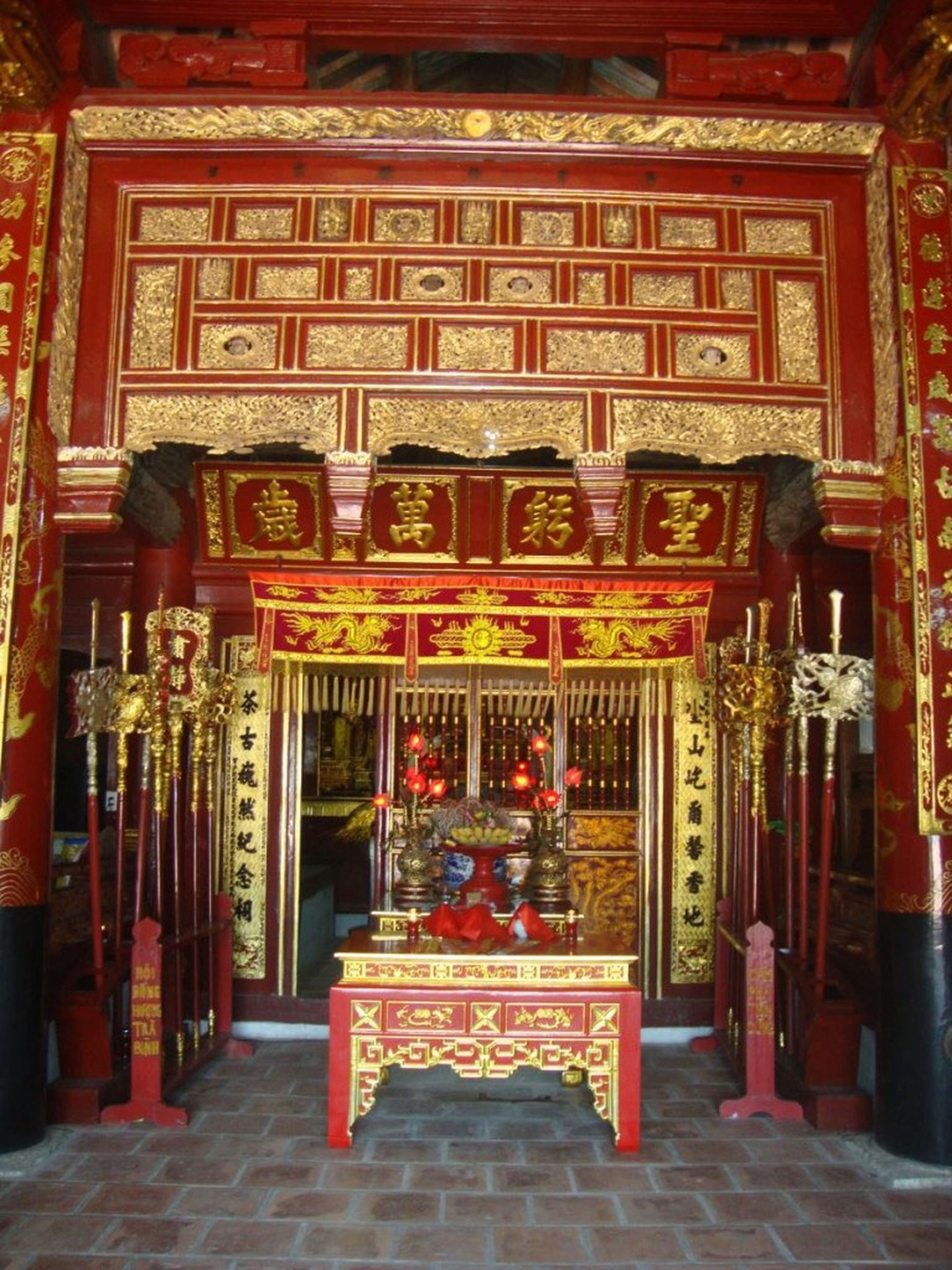
The main altar in the center of the communal house. Photo: Quang Ninh Museum.
Nam Tho Pagoda
According to the inscription on the bronze bell, the pagoda dates back to the third year of the Thieu Tri reign (1843). It was built facing north, with a Hui-shaped layout symbolizing the convergence of water currents.
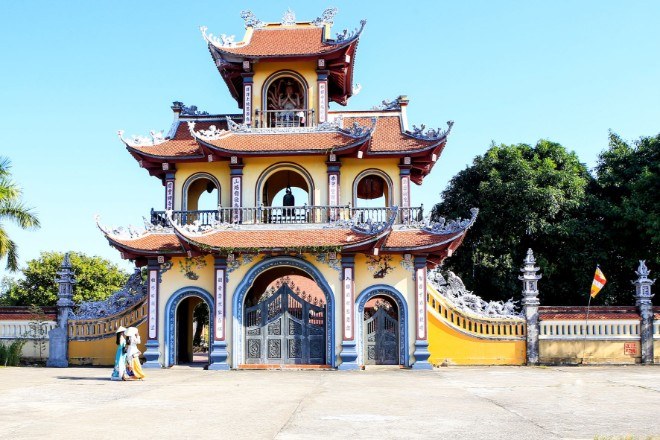
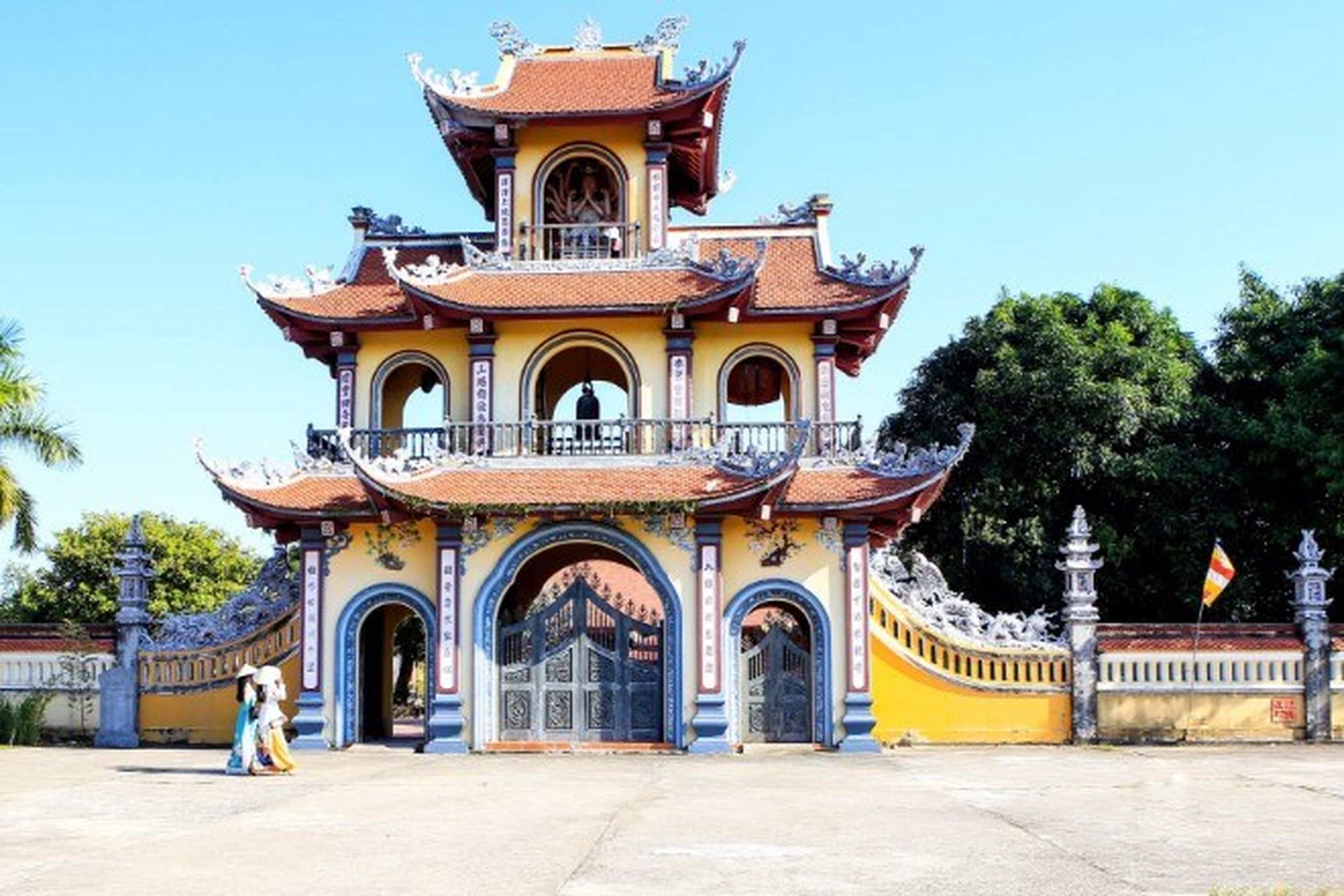
The three-entrance gate of Nam Tho Pagoda. Photo: Mong Cai City.
Nam Tho Pagoda comprises the main structures of the three-entrance gate, the patriarch’s house, the mother goddess shrine, and the guest house. Although the pagoda has been renovated many times, it still preserves a collection of 53 ancient statues.
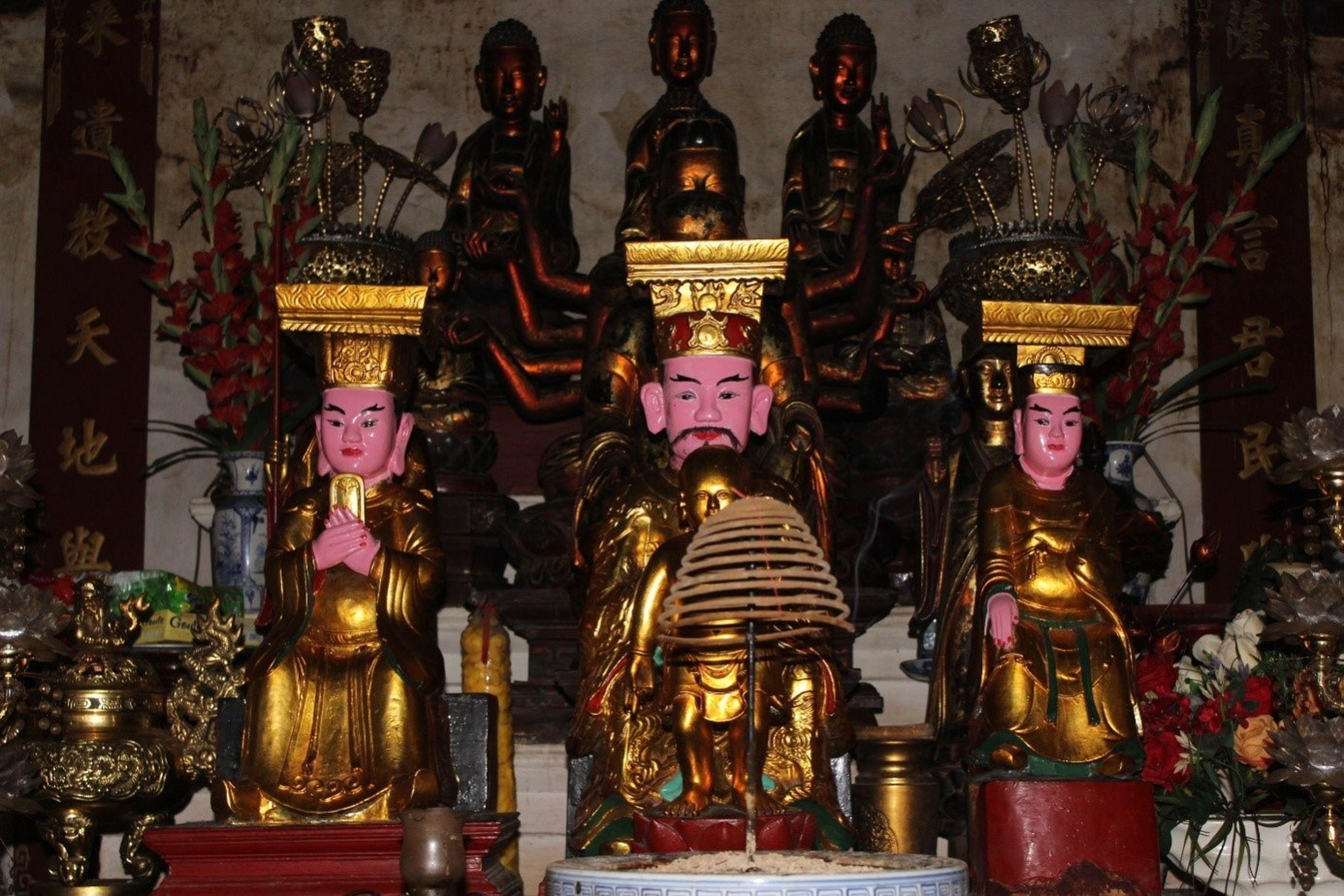
Most notable are four statues of the infant Shakyamuni Buddha, two statues of Guanyin Sending a Child, and two small statues of the Three Buddhas. For this reason, the site is also a miniature “museum of ancient sculpture” of northeastern Vietnam.
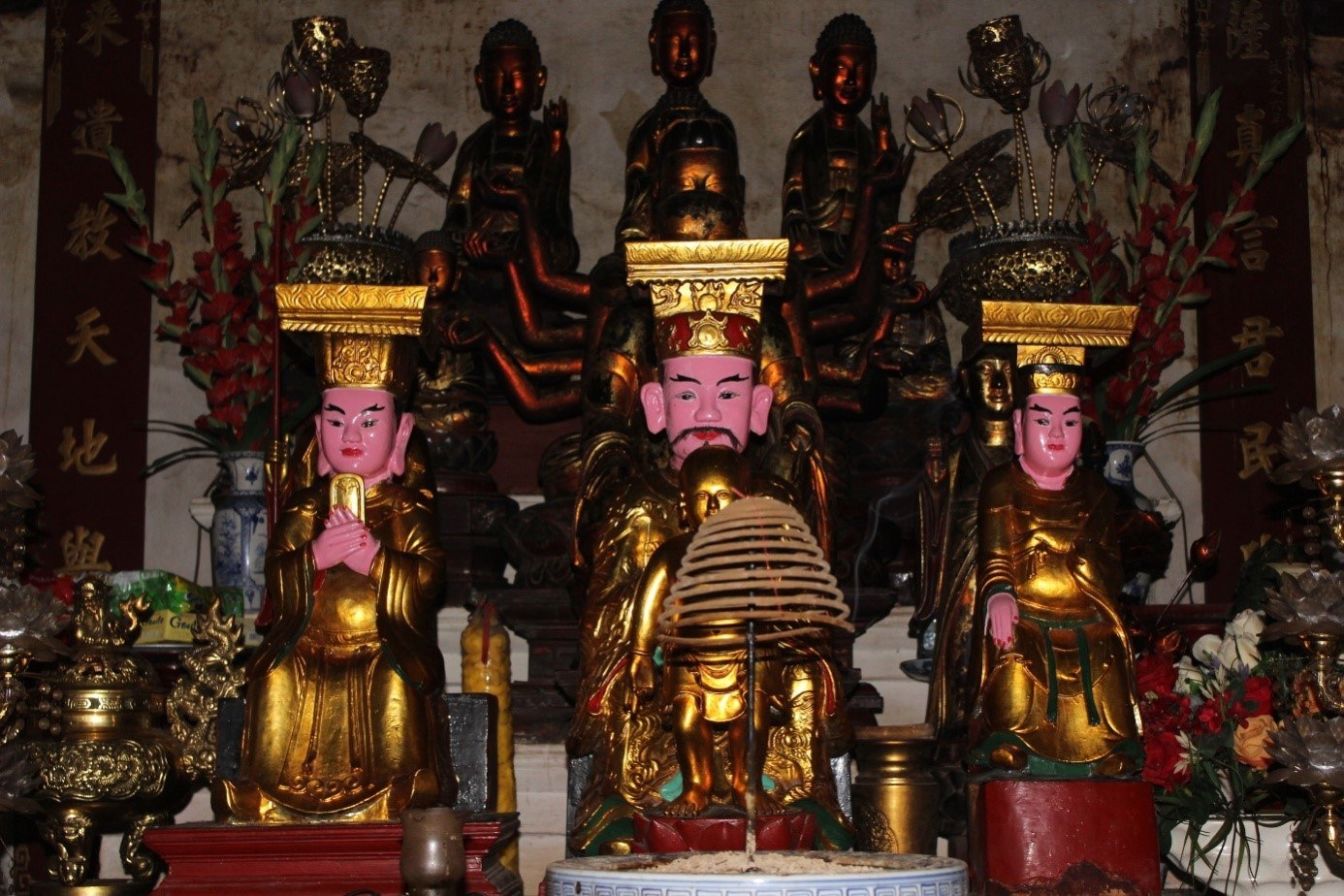
Worship statues at Nam Tho Pagoda.
Not only a place for cultural and religious activities, Nam Tho Pagoda is also a historical and cultural relic associated with the people’s efforts to protect the homeland. In 1905, on his way to China to meet Japanese and Chinese revolutionaries and ask them to support the Dong Du movement, Phan Boi Chau was pursued by the enemy. He then hid at Nam Tho Pagoda, where local people sheltered and assisted him.
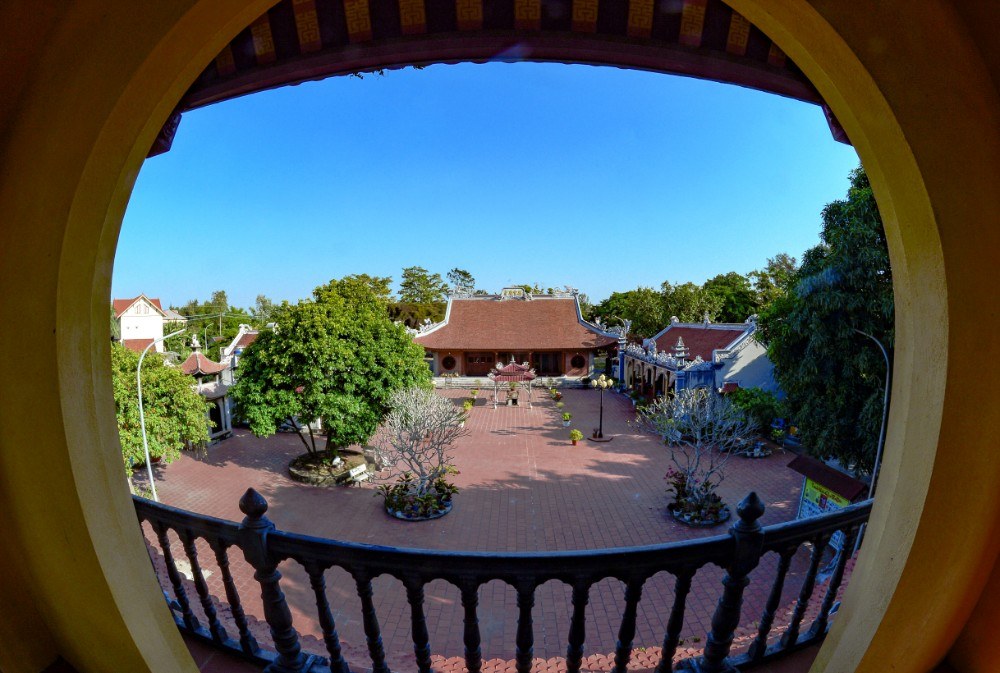
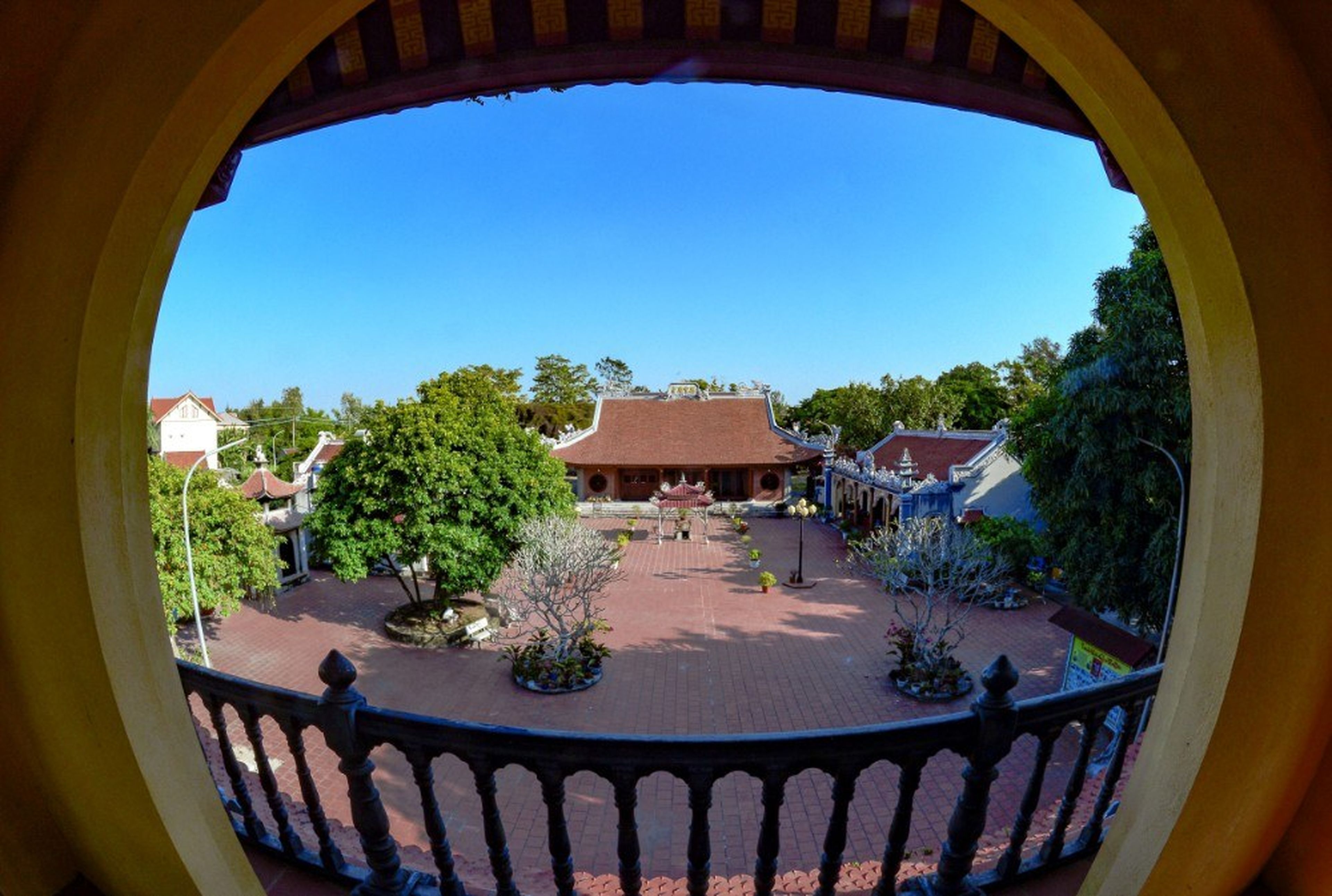
The grounds of Nam Tho Pagoda. Photo: Mong Cai City.
During the two resistance wars against French colonialism and American imperialism, Nam Tho Pagoda served as a place to store food, shelter cadres, hide revolutionary documents, and see off local young people as they left to join the resistance.
Tra Co is a signature destination on any Quang Ninh travel itinerary that every traveler should visit to learn more about this land at the nation’s frontier. Follow the iVIVU blog for more helpful articles to make your vacation truly complete!