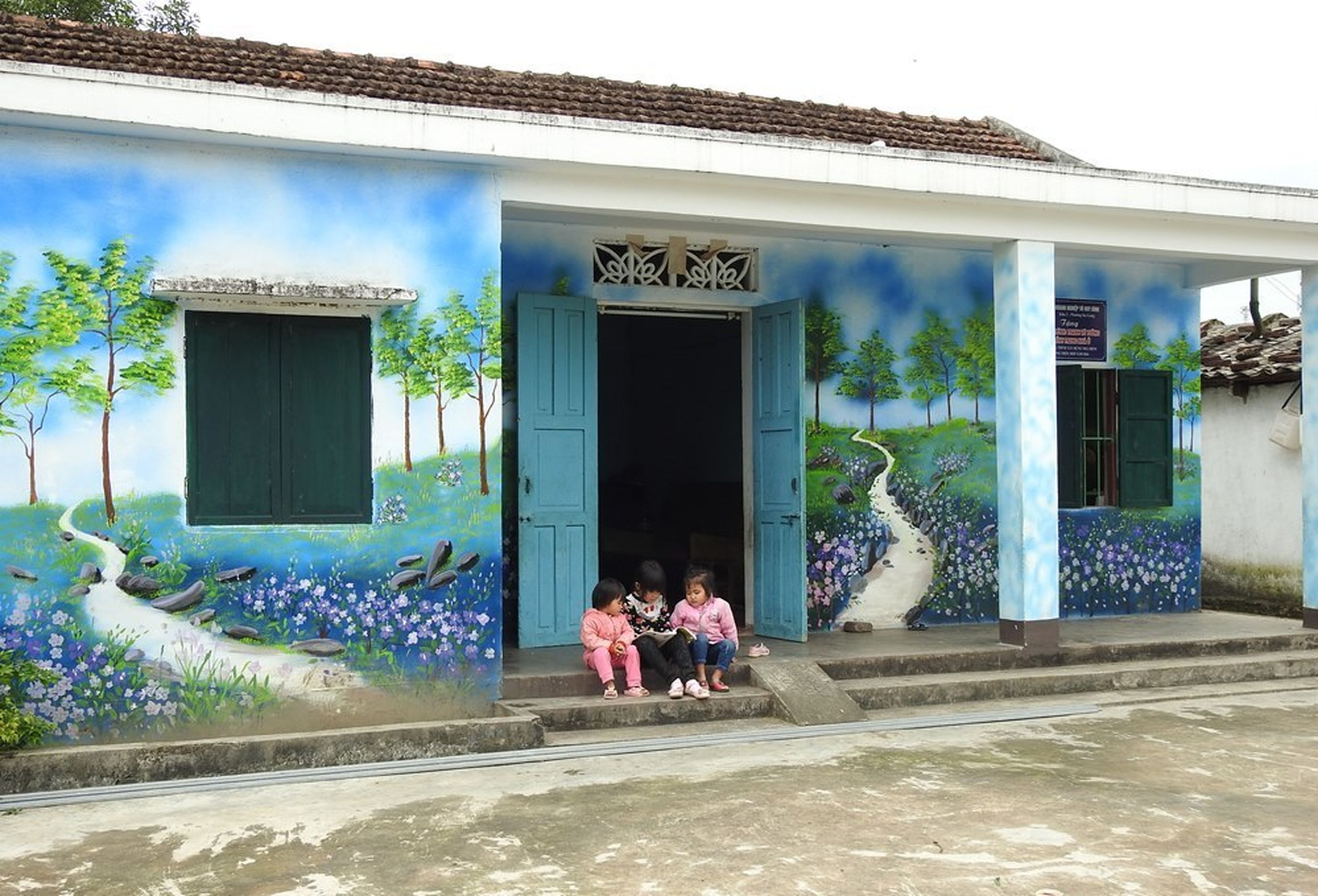
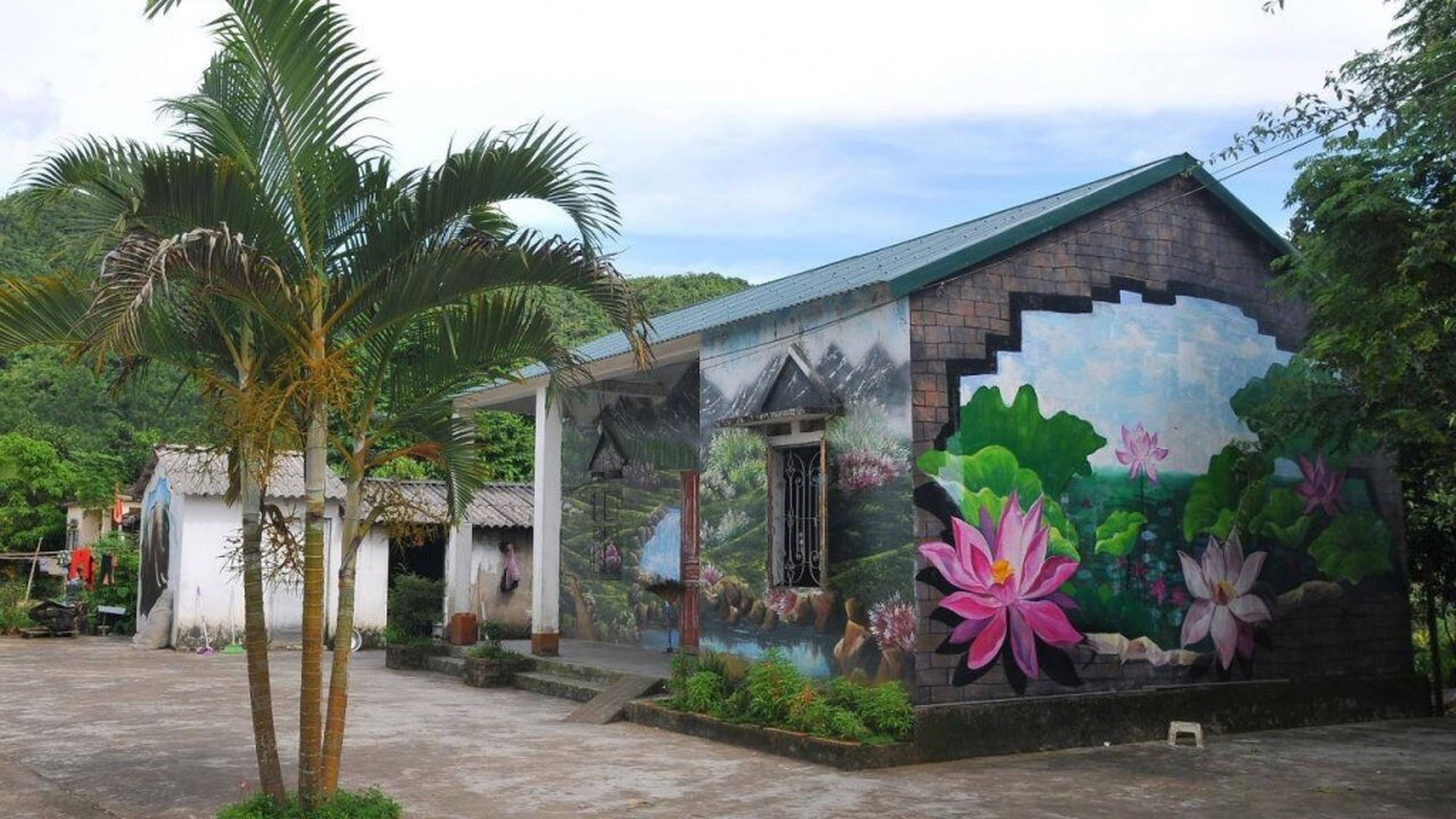
Standing out vibrantly amidst the northeastern mountains and forests, the mural village in the border hamlet of Po Hen delights Quang Ninh travelers with its large, lively wall paintings.
Quang Ninh travel: Captivated by the border mural village
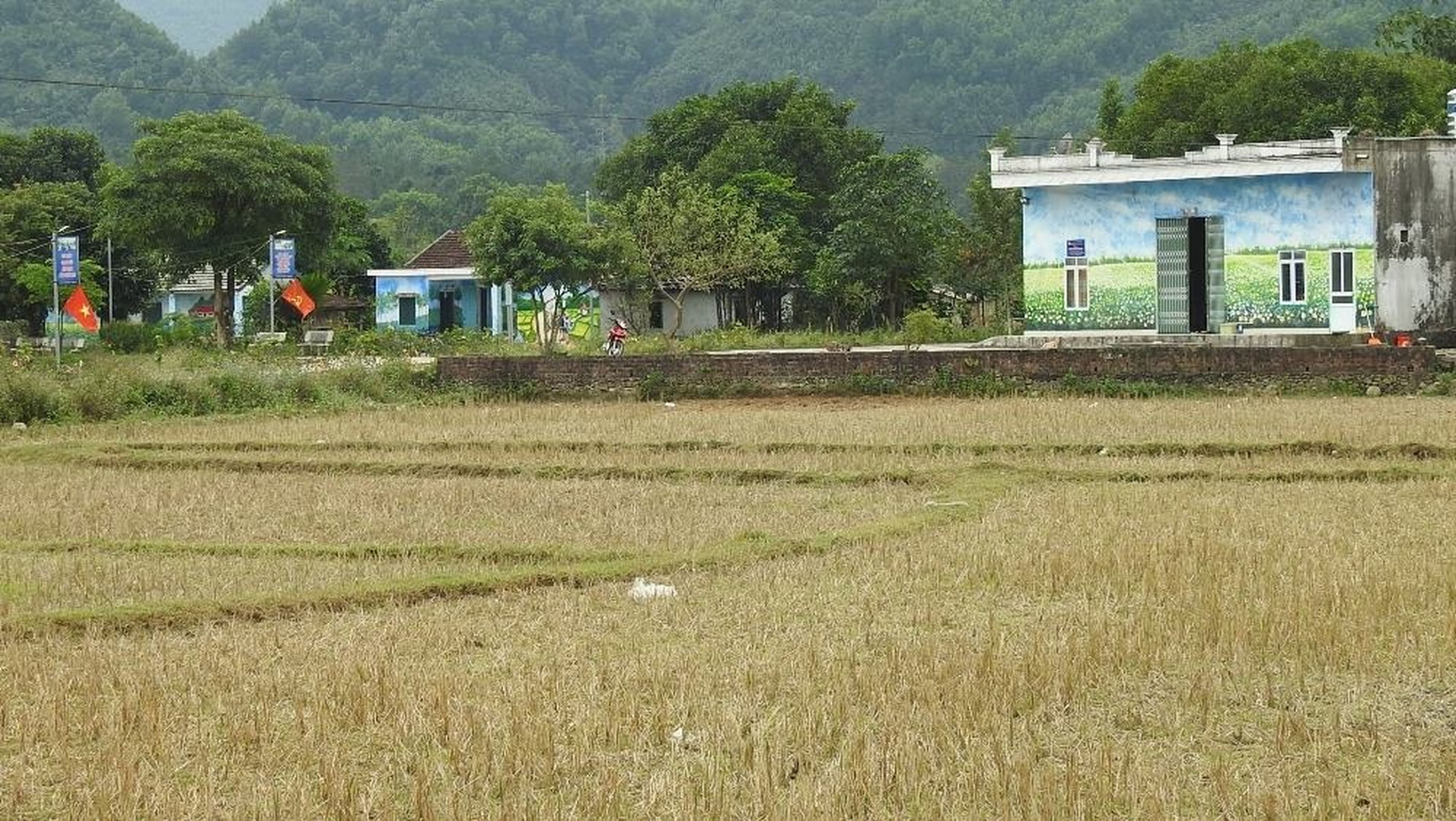
After the 1979 border war, 15 Dao ethnic households surnamed Tang settled here and established a new hamlet in Po Hen village, now known as Dang Hamlet. It is likely called Dang Hamlet because the pronunciations of "Tang" and "Dang" are quite similar.
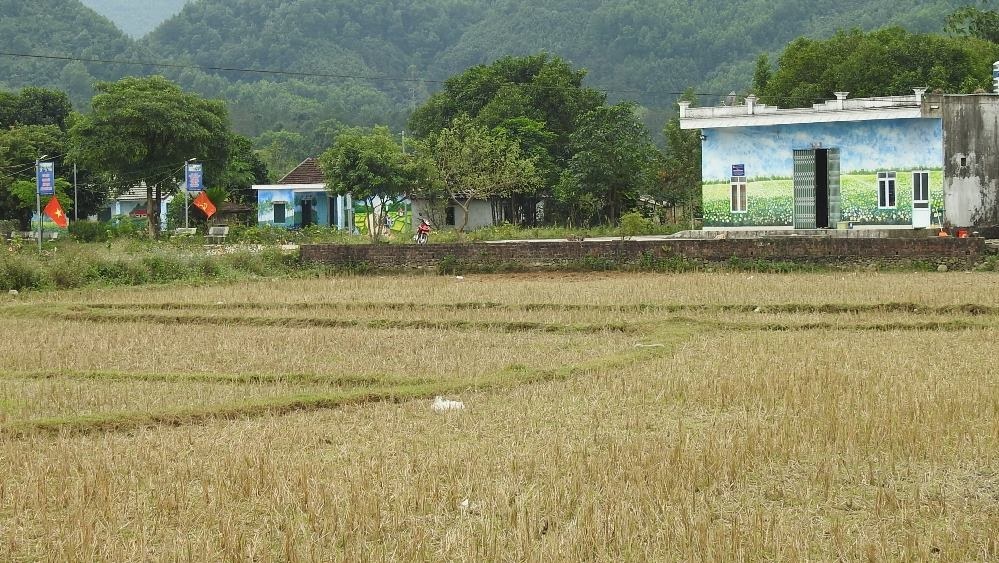
Dang Hamlet. Photo: VnExpress.
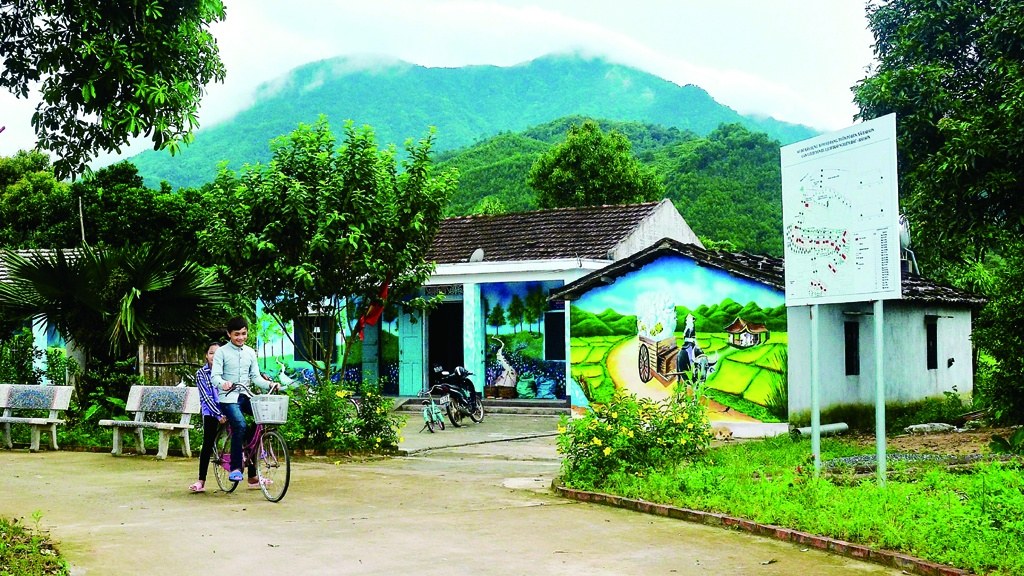
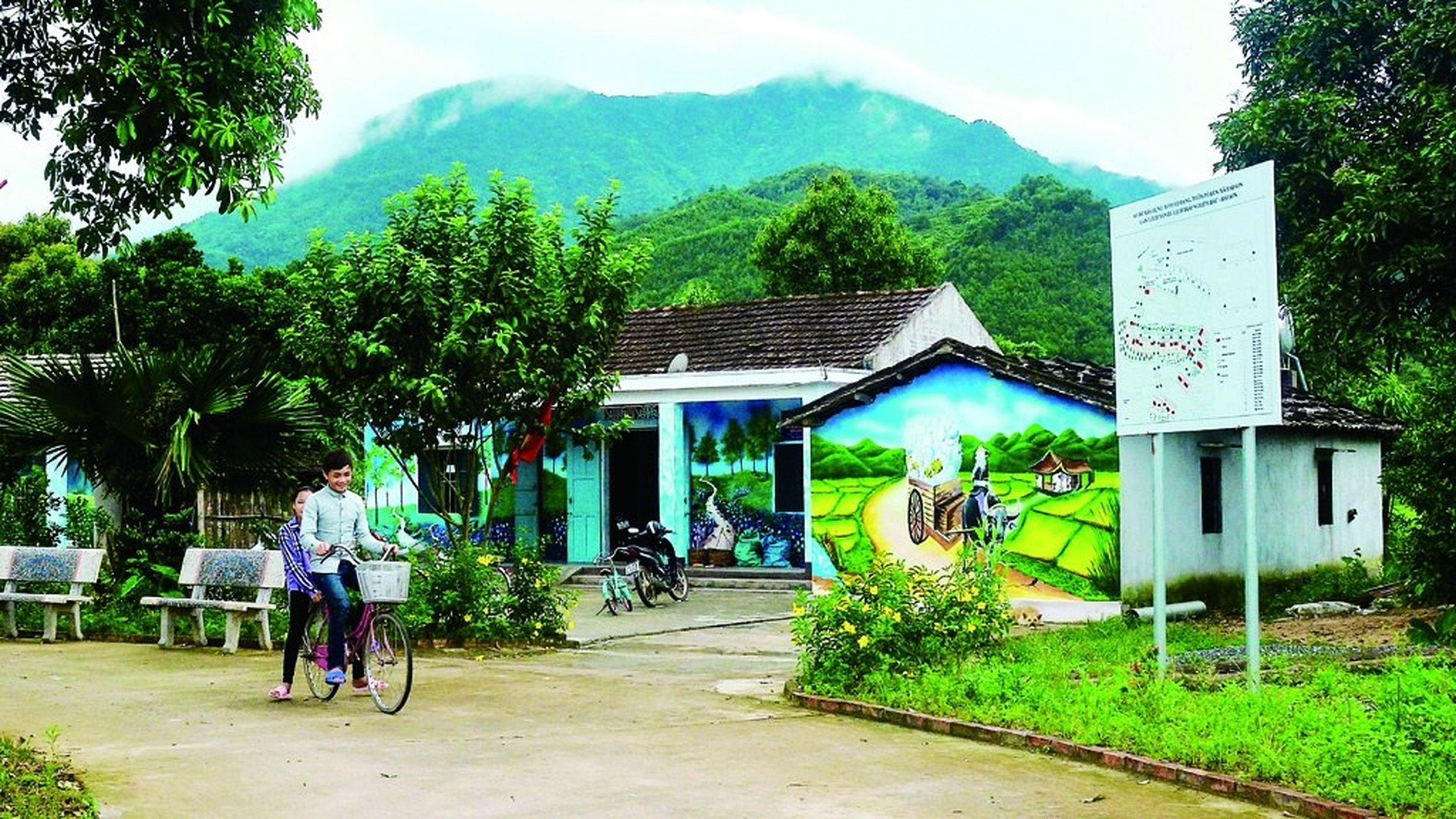
A corner of the mural village in Dang Hamlet. Photo: La Nghia Hieu/Thanh Nien Newspaper.
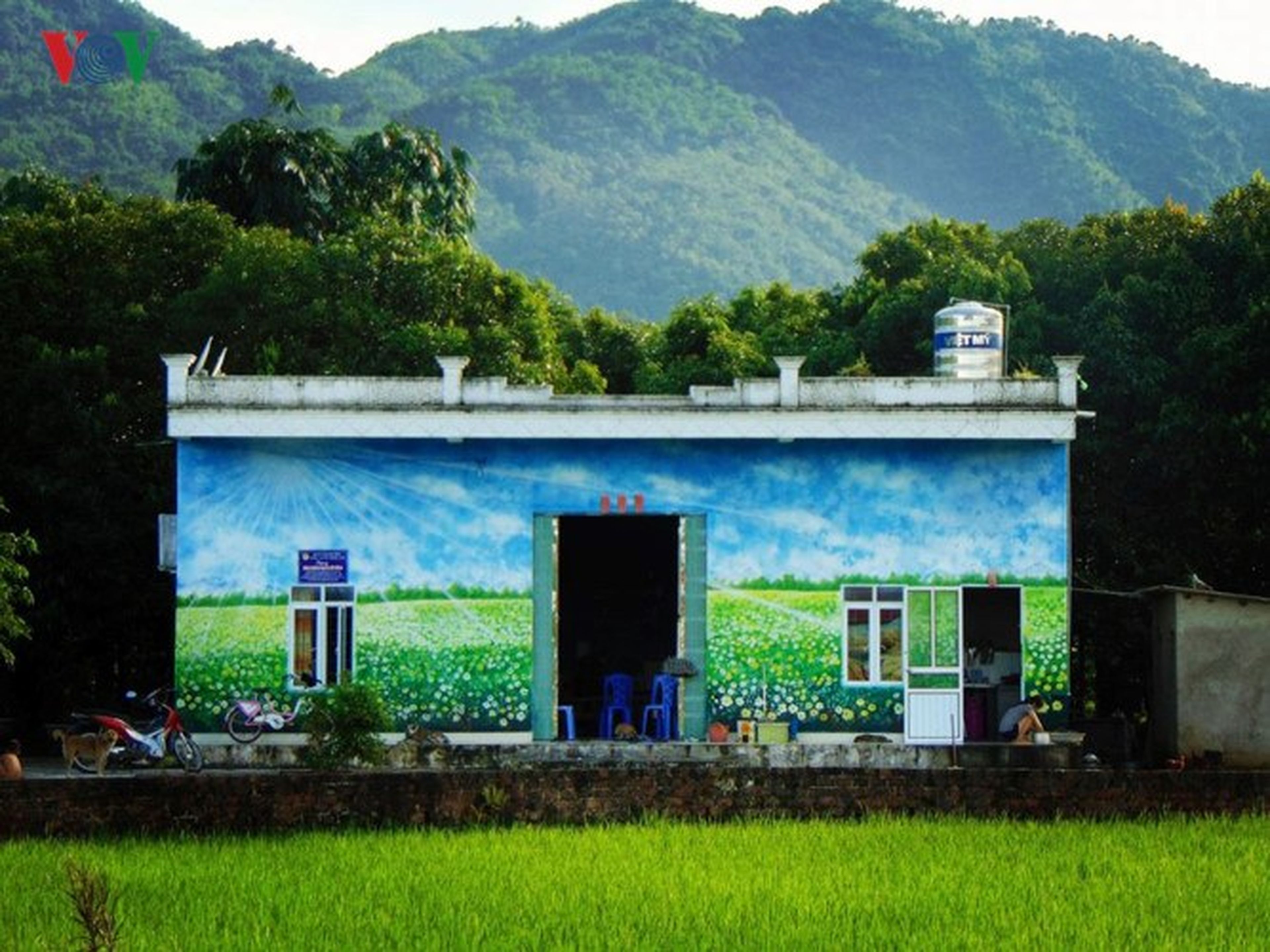
In 2016, Mong Cai City designated Hai Son Commune as a community-based tourism destination. Consequently, buffalo and cattle sheds were relocated far away from homes to maintain sanitation throughout the village. In addition, to create a highlight, local authorities encouraged households to permit mural paintings on their walls, giving birth to the mural village.
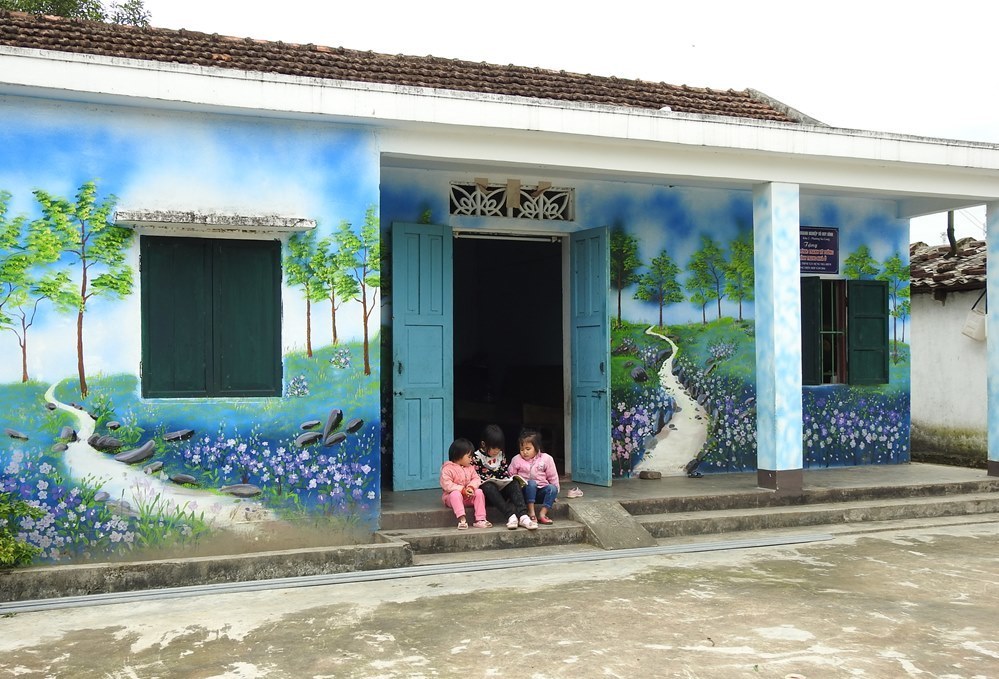
Houses revitalized with vibrant colors. Photo: VnExpress.
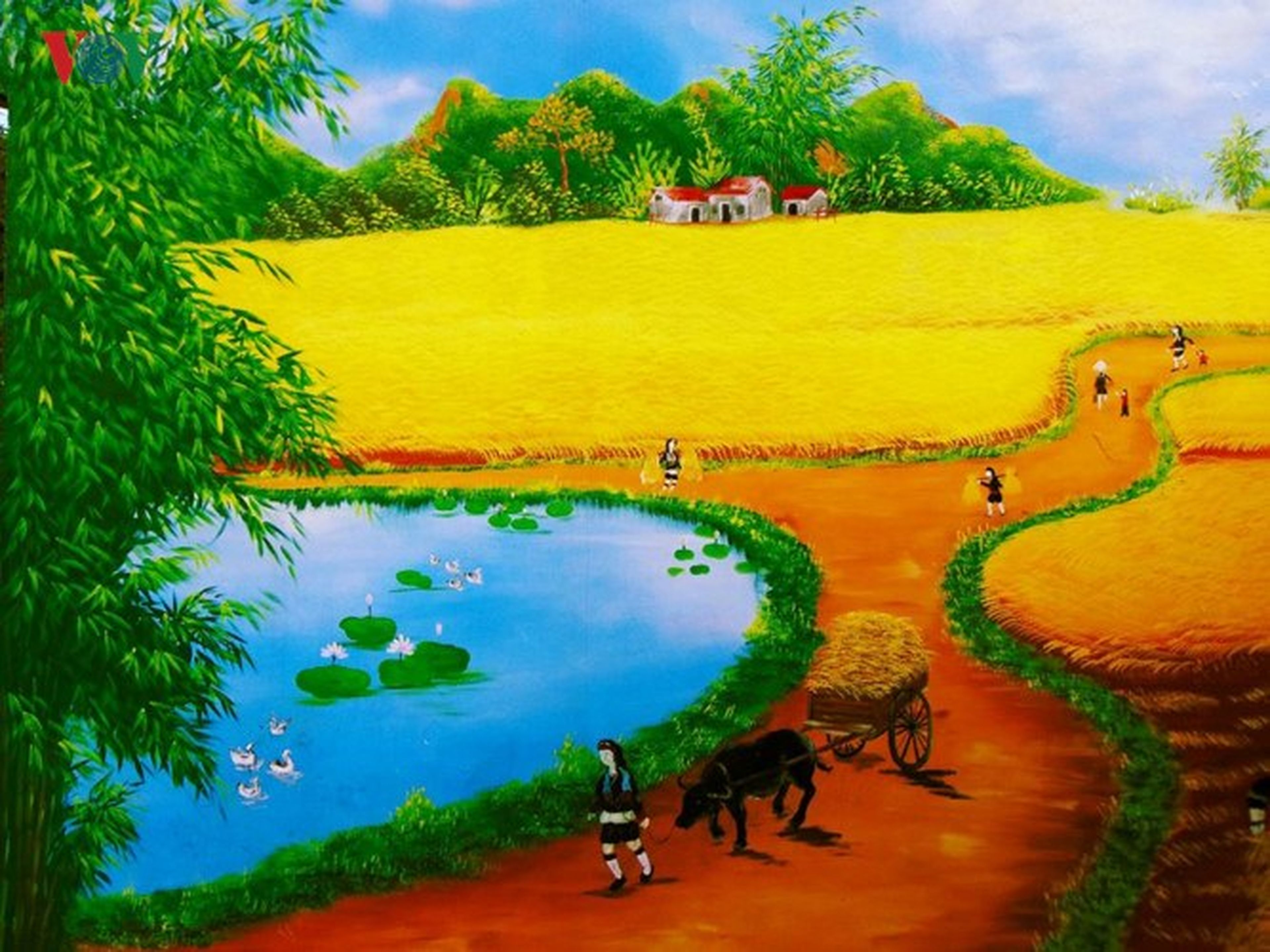
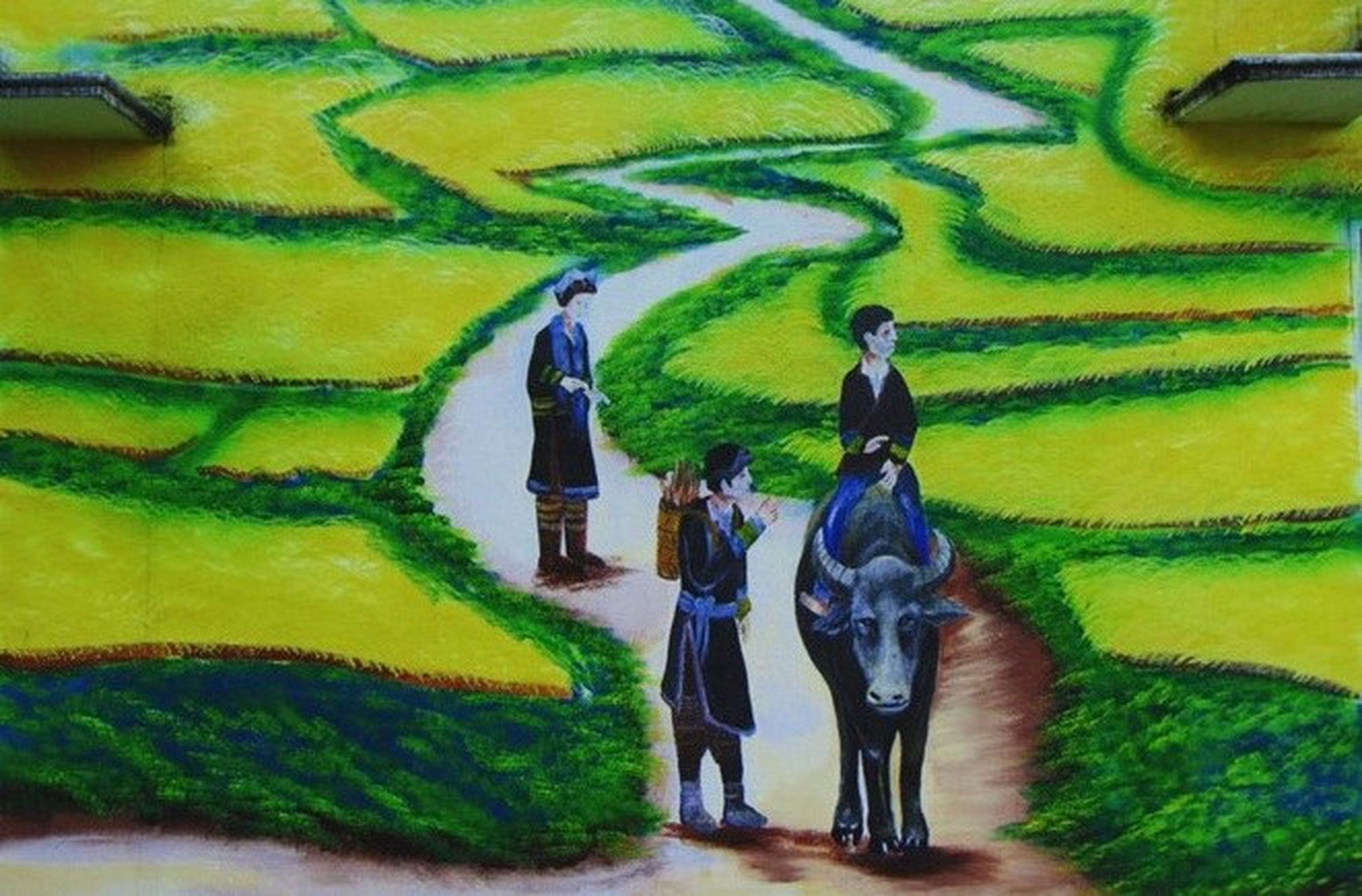
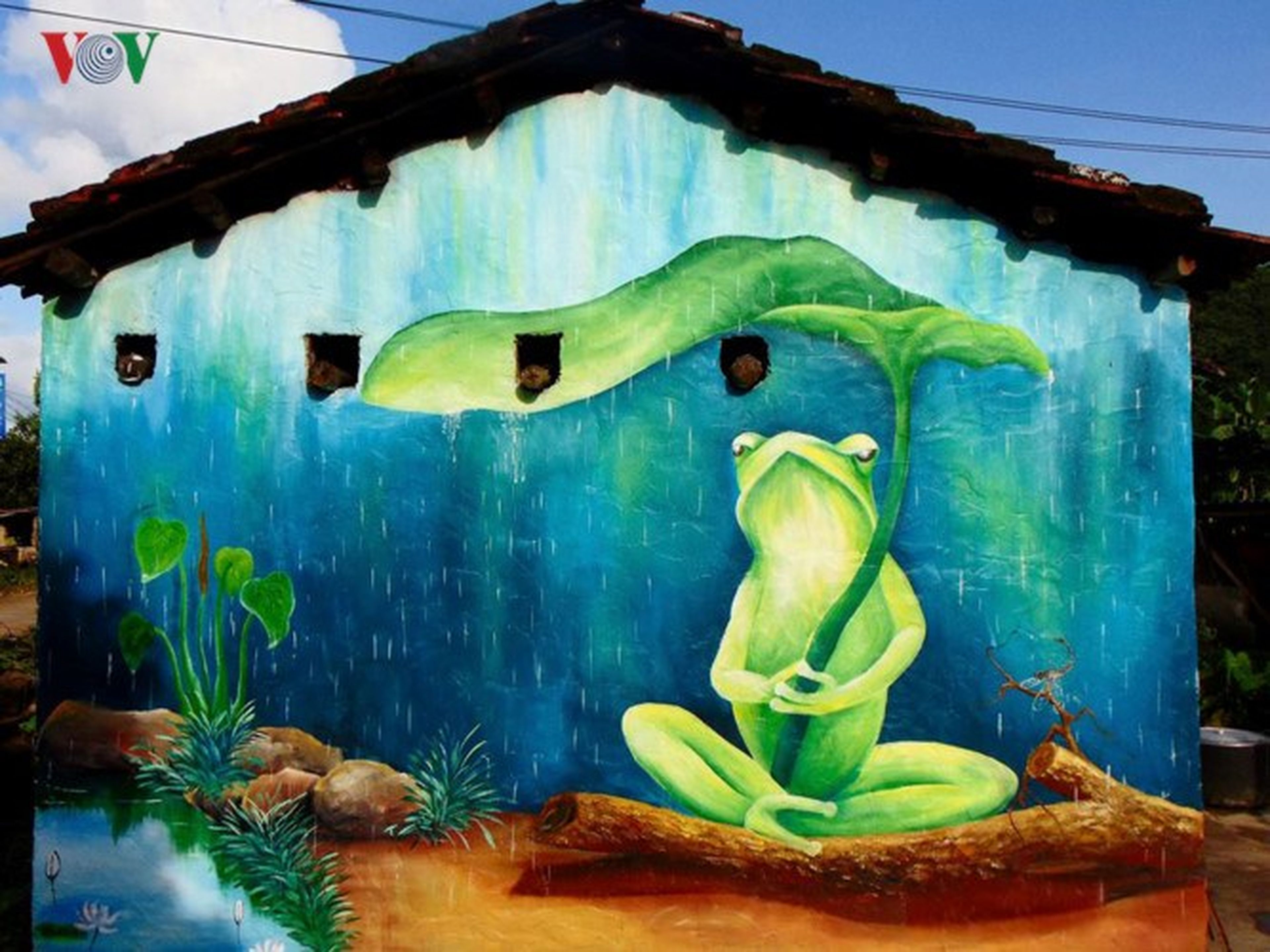
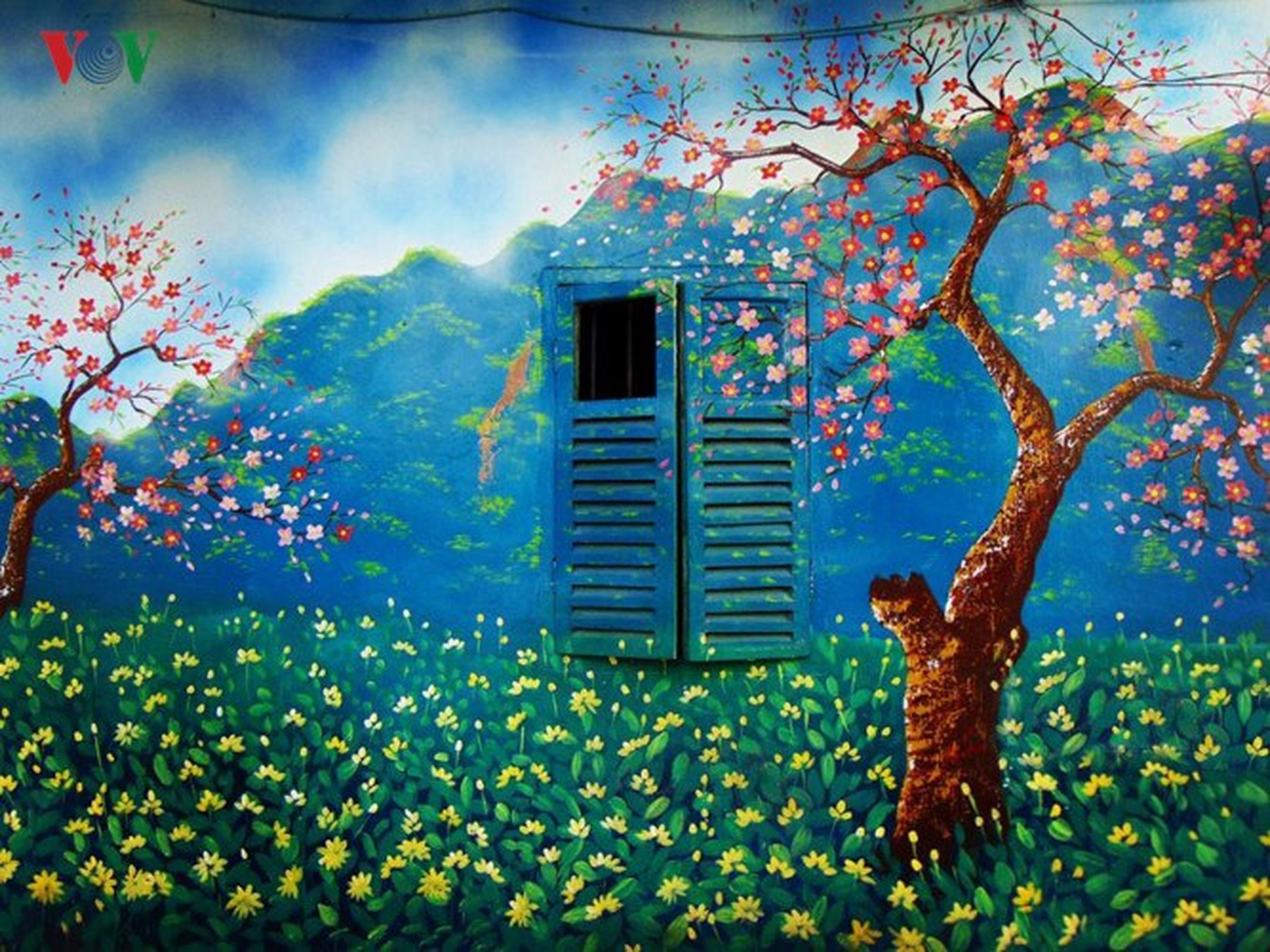
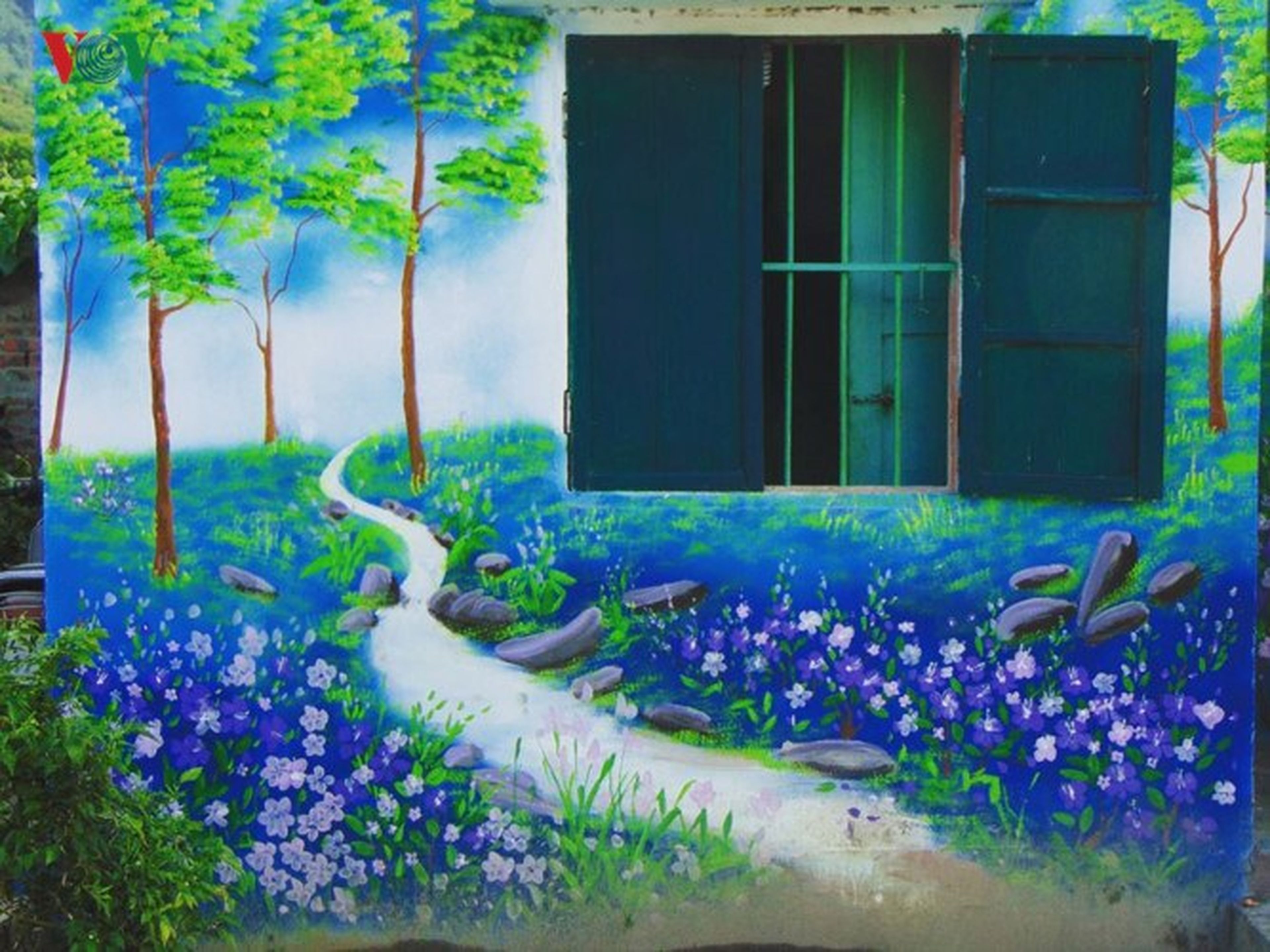
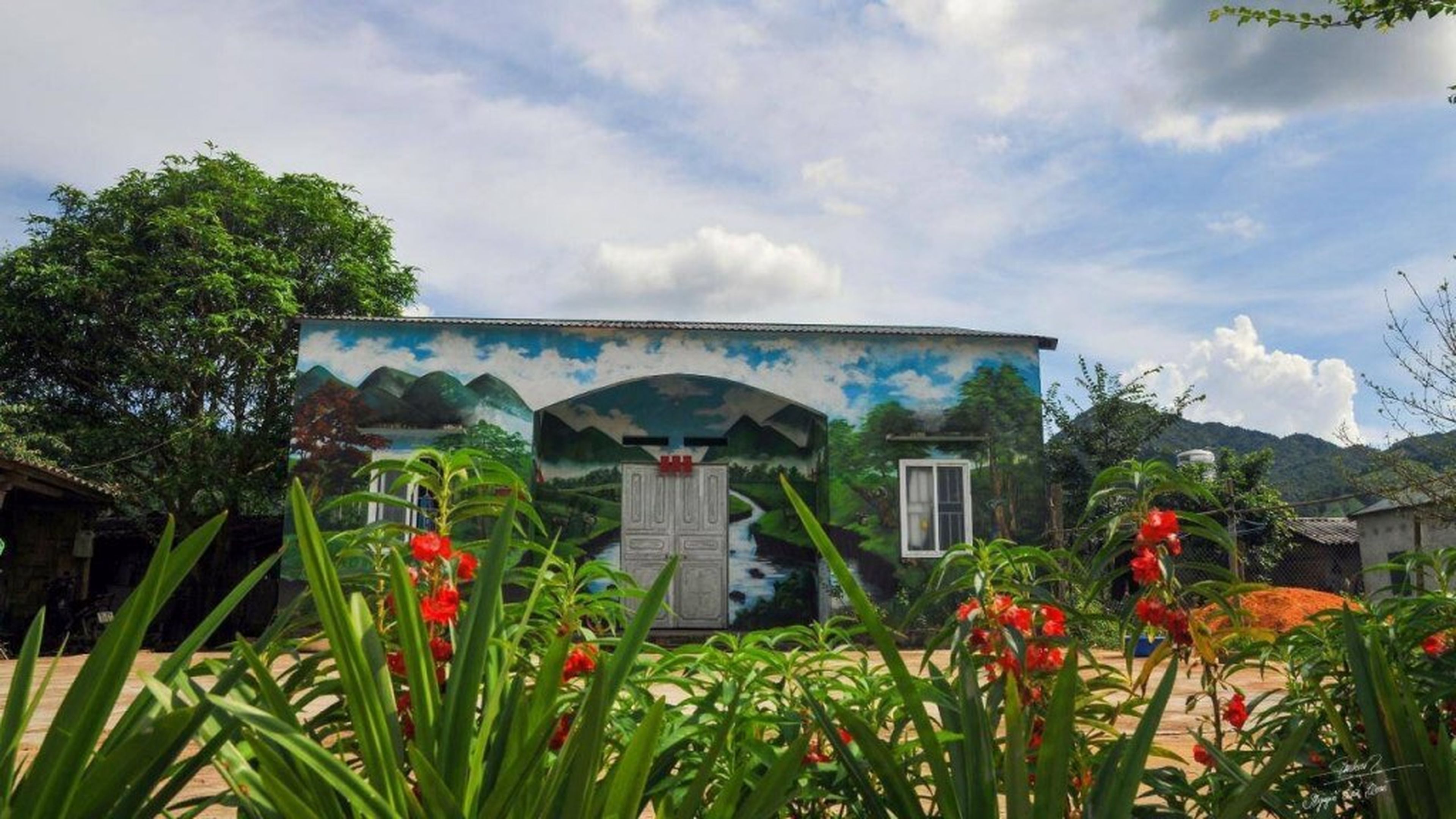
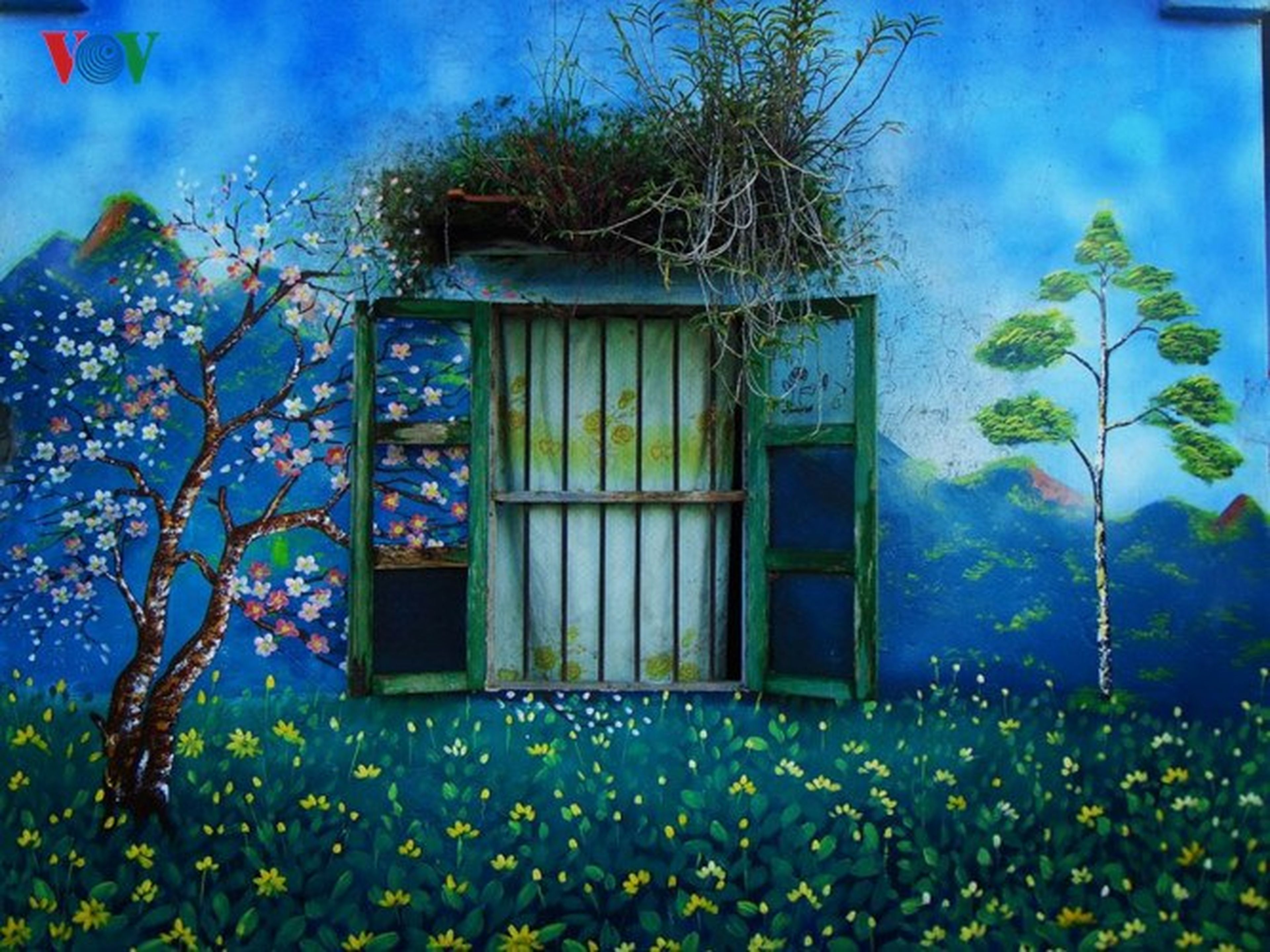
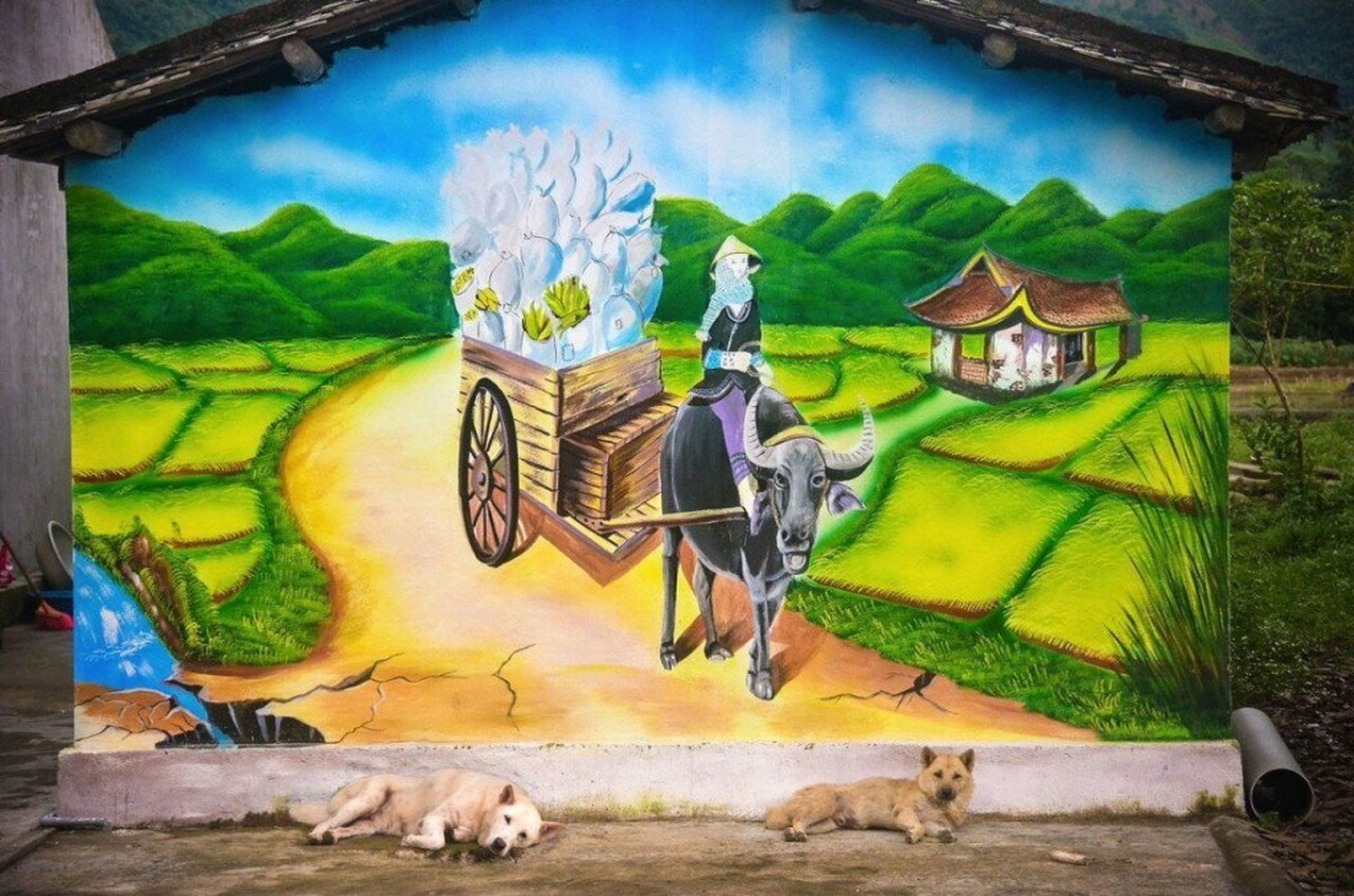
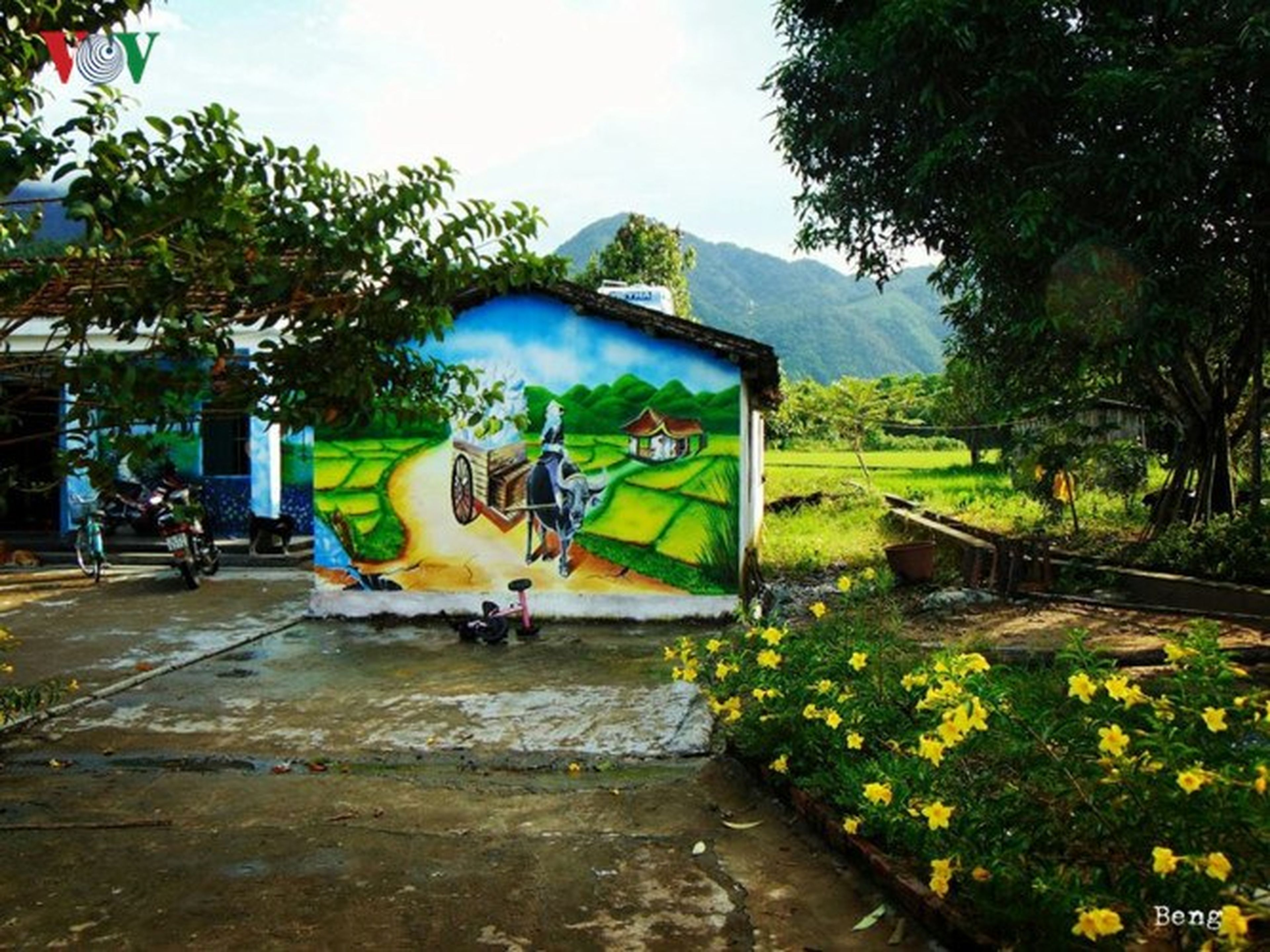
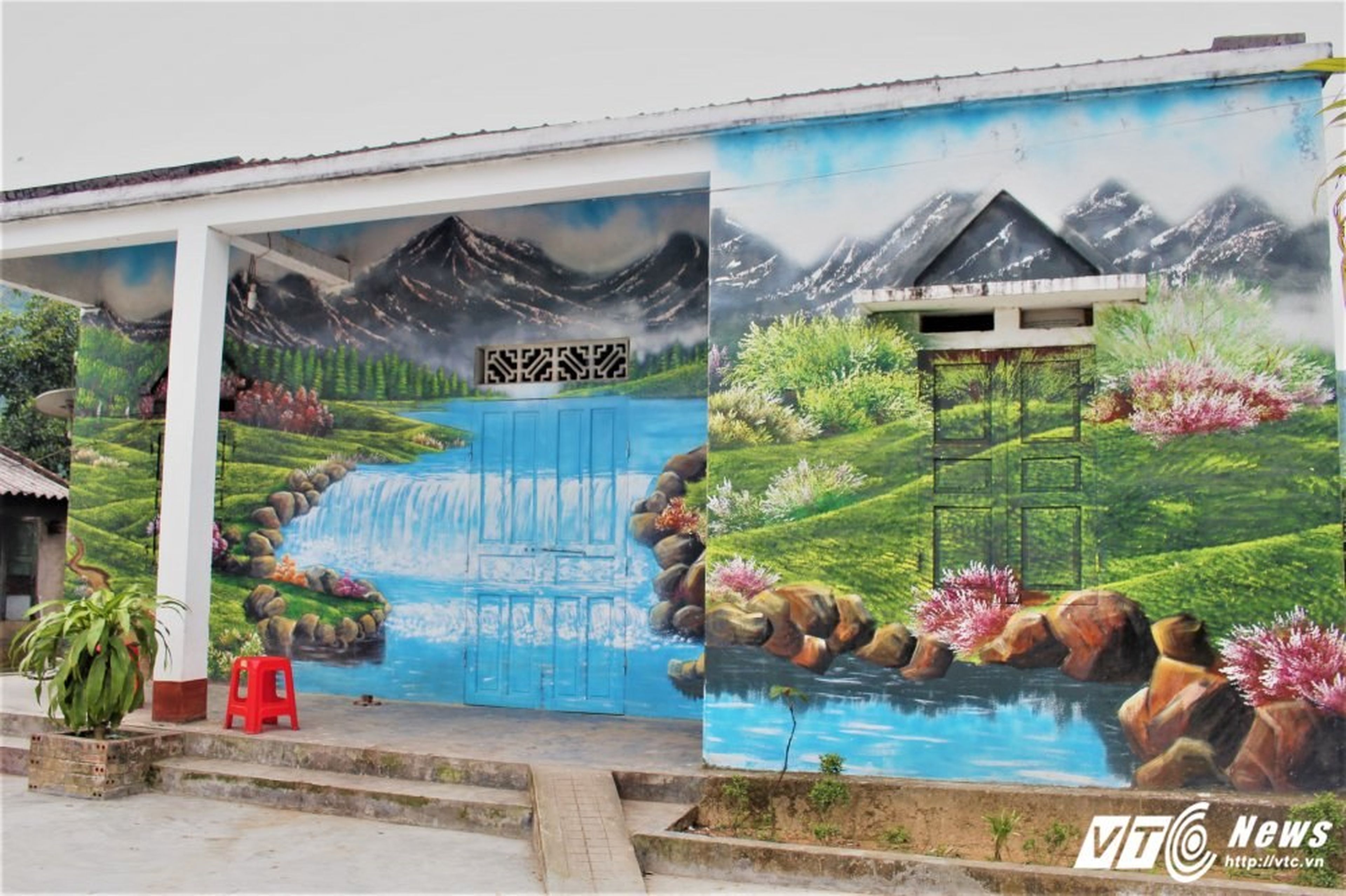
Under the hands of talented artists, once-moldy concrete walls have been transformed into extraordinarily beautiful and vivid paintings depicting the people and daily life of the border region, drawing more Quang Ninh tourists to the border area of Po Hen, Mong Cai.
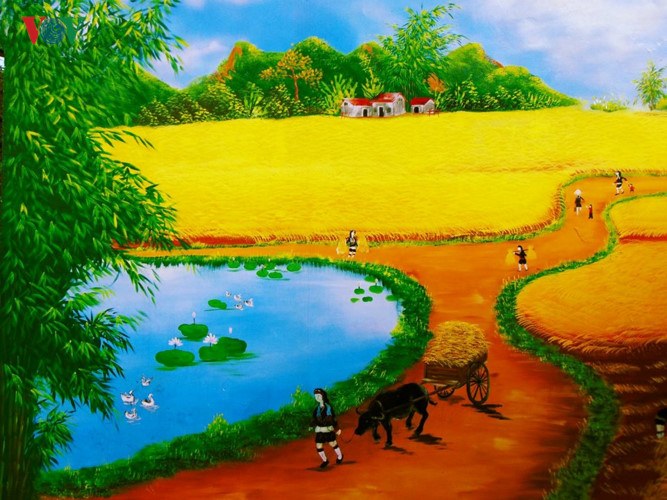
Photo: VOV.
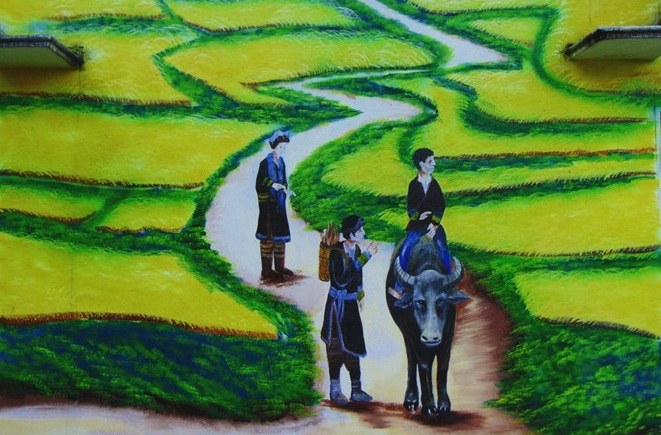
Paintings depicting the lives of border residents. Photo: Environment Magazine.
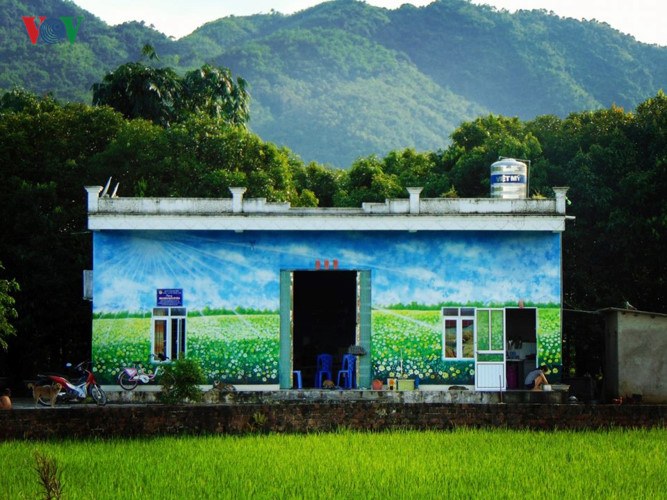
Photo: VOV.
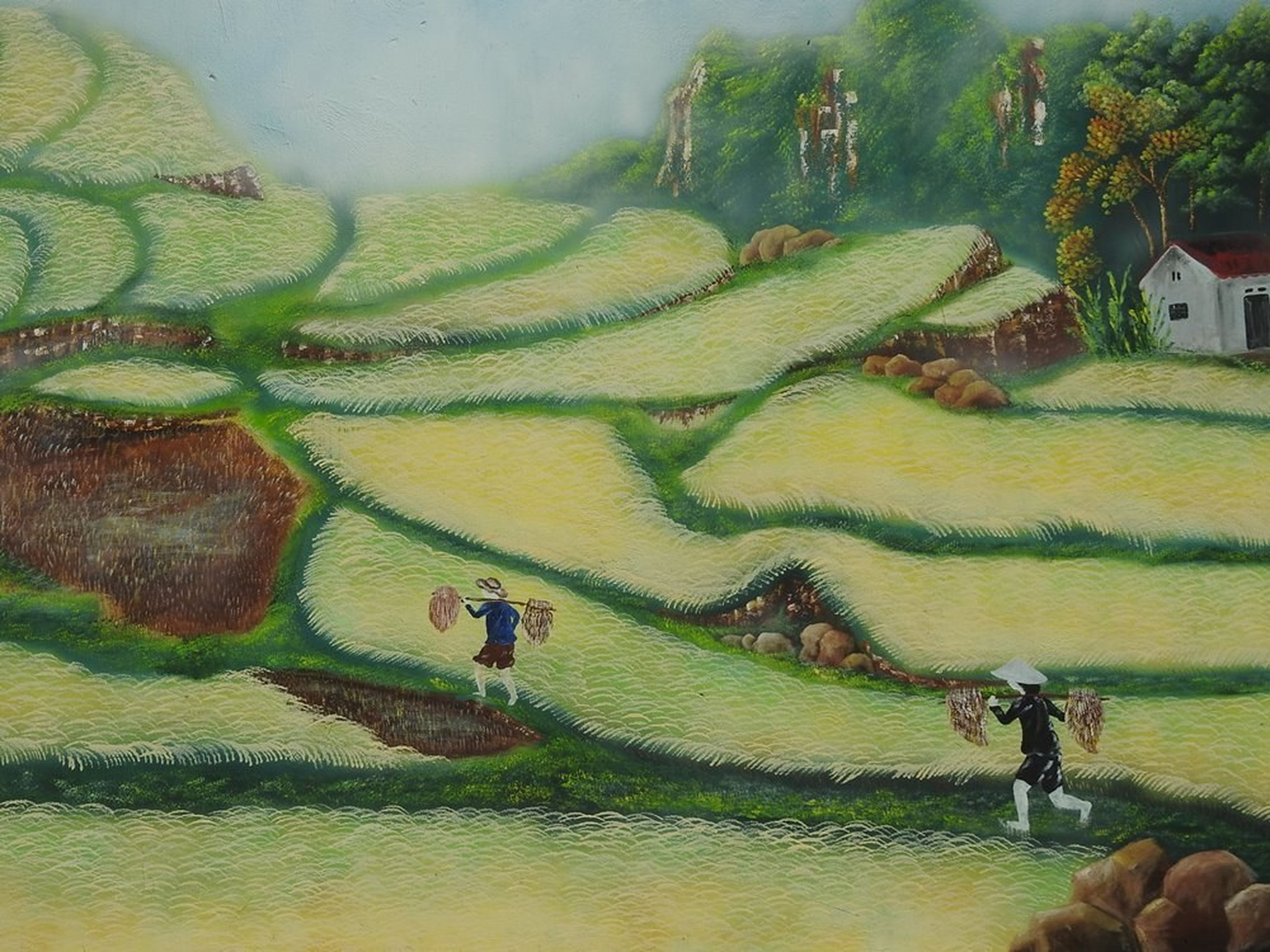
The themes of these murals include harvest season in the Dao village, a green frog, villages with terraced fields, and colorful nature adorning the rural scenery. Furthermore, many paintings depict the lives of working people in the borderland, helping visitors better understand the unique local cultural identity.
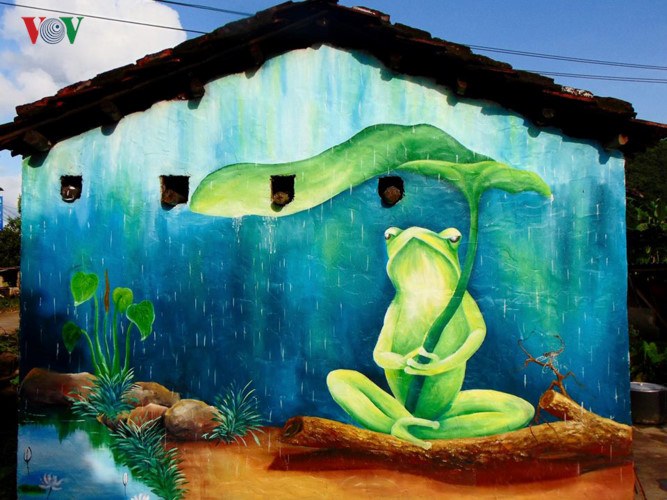
The frog mural is one of the hamlet's most famous paintings. Photo: VOV.
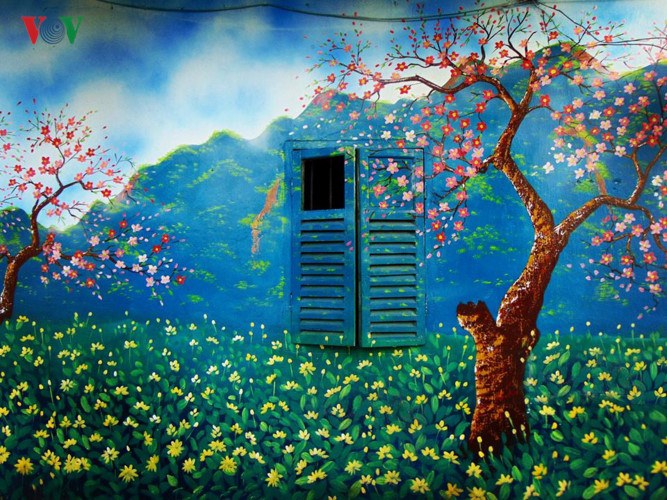
Photo: VOV.
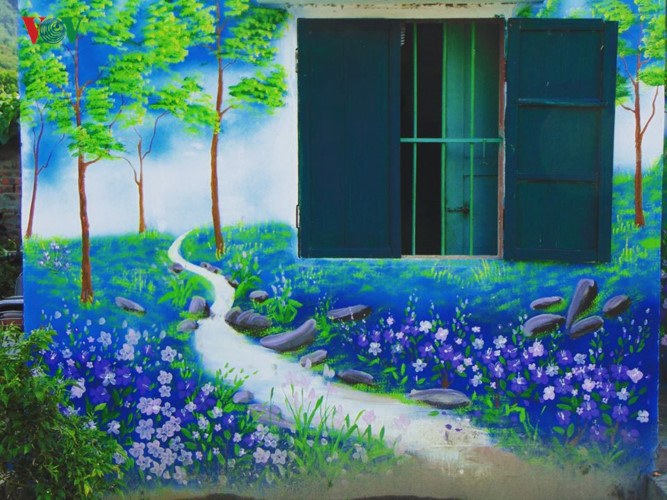
Photo: VOV.
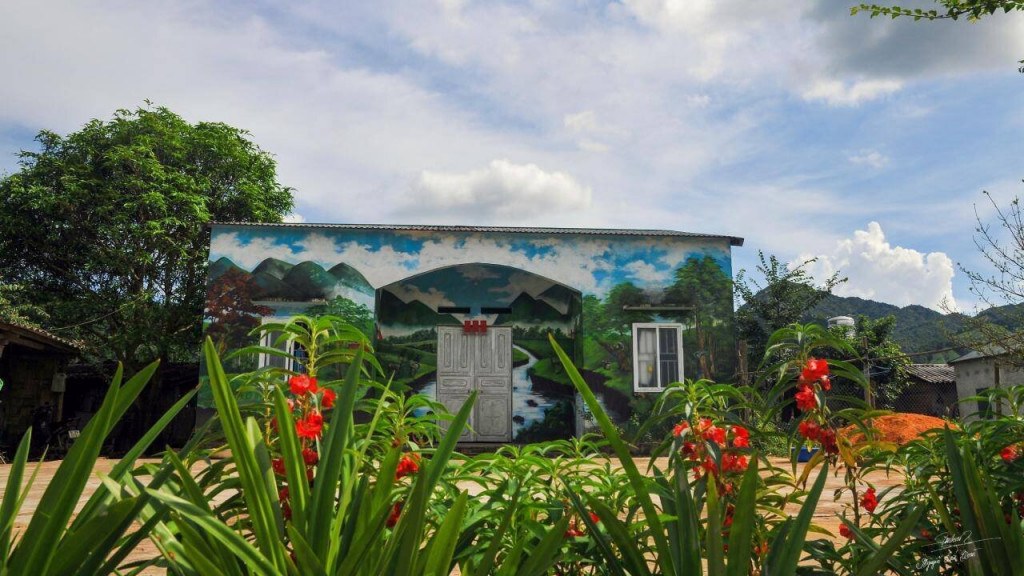
Photo: Quang Minh.
With over 90% of Dang Hamlet’s population being ethnic Dao, local authorities spent nearly half a year campaigning door-to-door to obtain the villagers' consent for painting murals. Initially, hamlet officials led by example; gradually, seeing the appealing results, more and more residents agreed.
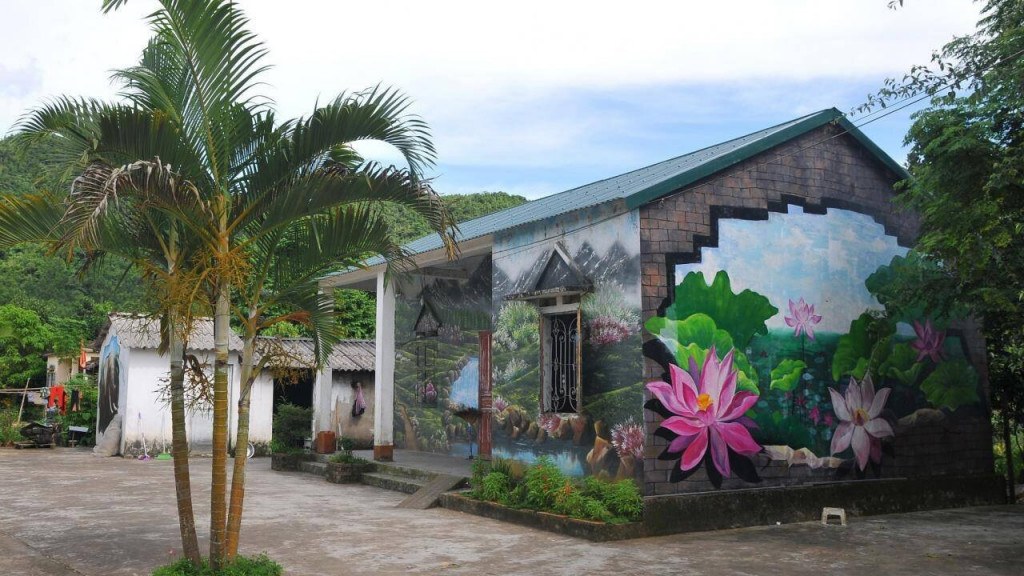
Photo: Quang Minh.
Apart from farming and tending to hillside fields, local residents previously had almost no other occupations. Revitalizing the village has helped the community learn how to provide tourism services and earn additional income for their livelihood. Many locals have also raised bamboo rats and wild boars, and sold golden camellia tea to cater to visitors from afar.
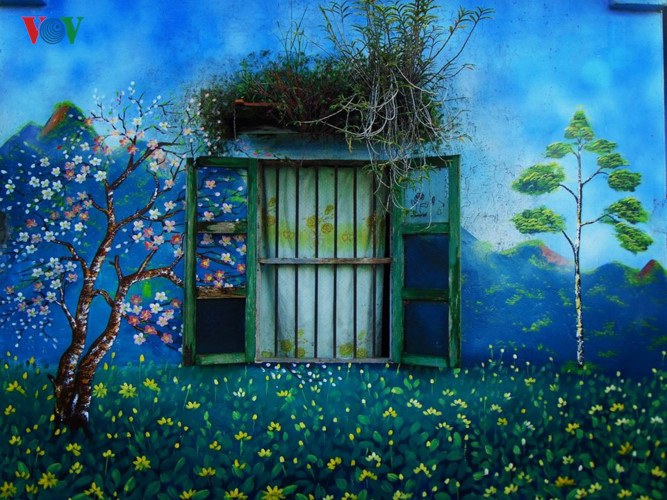
Photo: VOV.
Traveling to Quang Ninh and visiting Po Hen, tourists can not only listen to heroic and poignant stories of the 1979 border war at the Po Hen Border Guard Post, but also admire the mural village and explore the daily life of local ethnic communities.
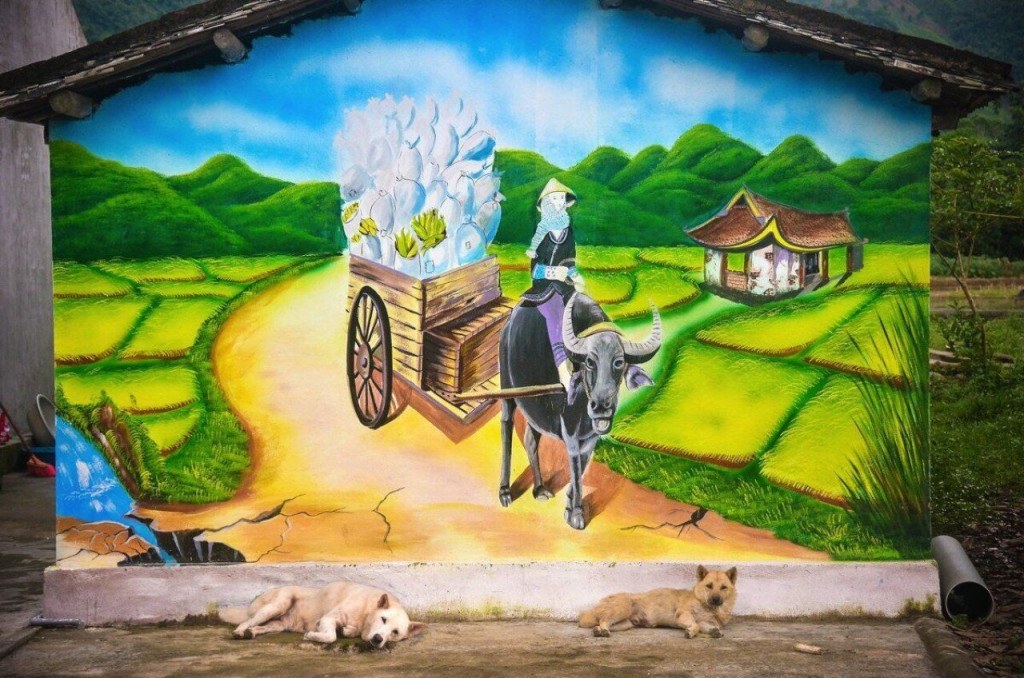
Photo: Quang Minh.
Previously, both Dang Hamlet and Po Hen Village saw very few tourists, but since the mural village was developed for community-based tourism, the village's appearance has opened a new chapter.
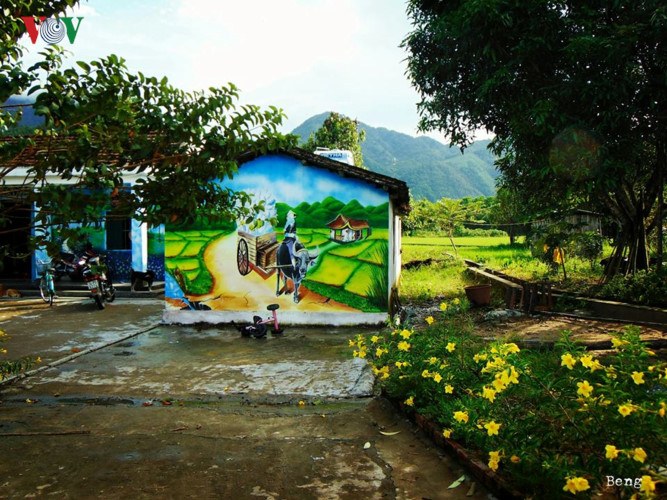
Photo: VOV.
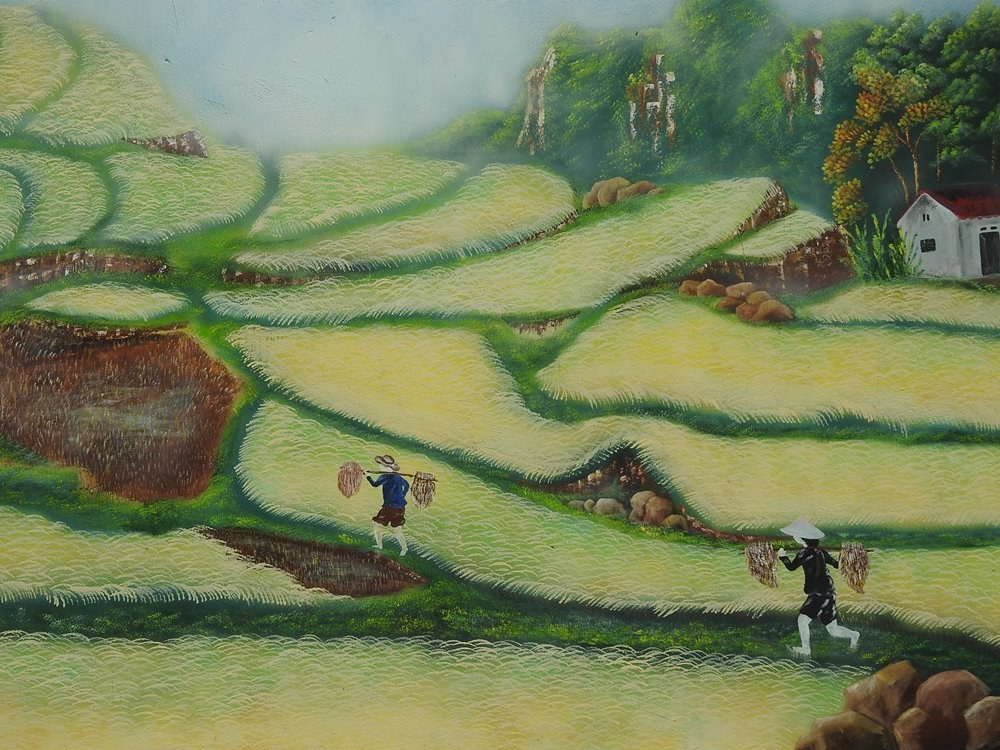
Terraced fields in the Northeast. Photo: VnExpress.
In addition to the mural village, visitors here can also explore Cao Lan Waterfall, Trang Vinh River, Po Hen Border Gate, the Po Hen Martyrs Memorial, and savor specialties such as stream fish, black duck, or ca say (a cross between duck and muscovy duck), and purchase local products like golden camellia flowers, khau nhuc (braised pork belly), black glutinous rice banh chung, brocade fabric, and more.
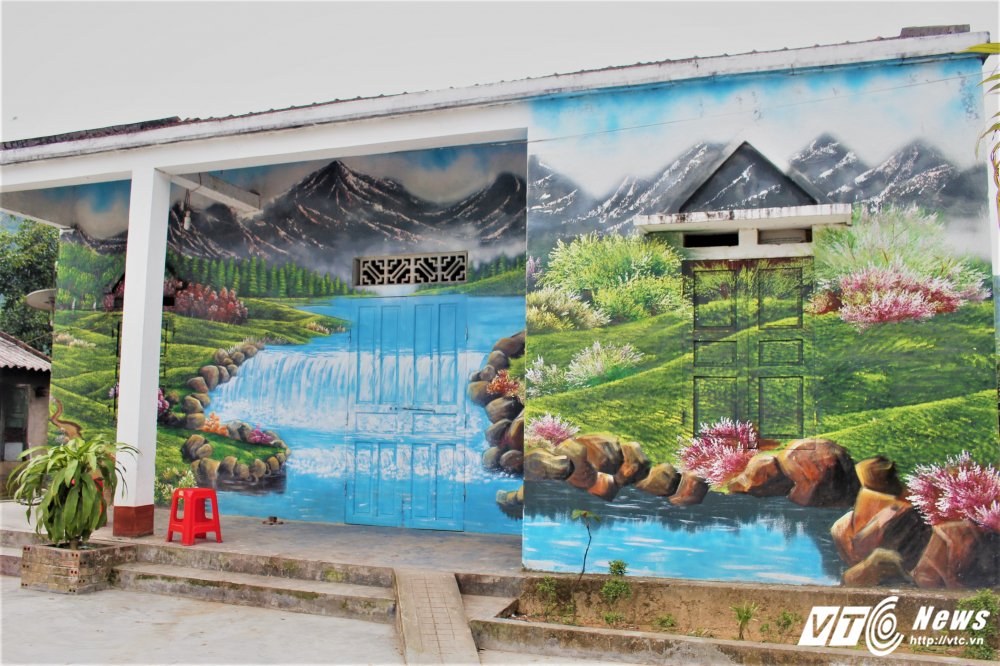
Photo: VTC News.
Beyond well-trodden destinations, when traveling to Quang Ninh, consider visiting Dang Hamlet, Po Hen Village, Mong Cai City to gain a deeper insight into the nature and people of this northeastern borderland. And do not forget to check out the latest articles on the iVIVU blog for a wonderful vacation!