

1 Nui Da Chong, Quang Ninh: Discover its fascinating rock formations
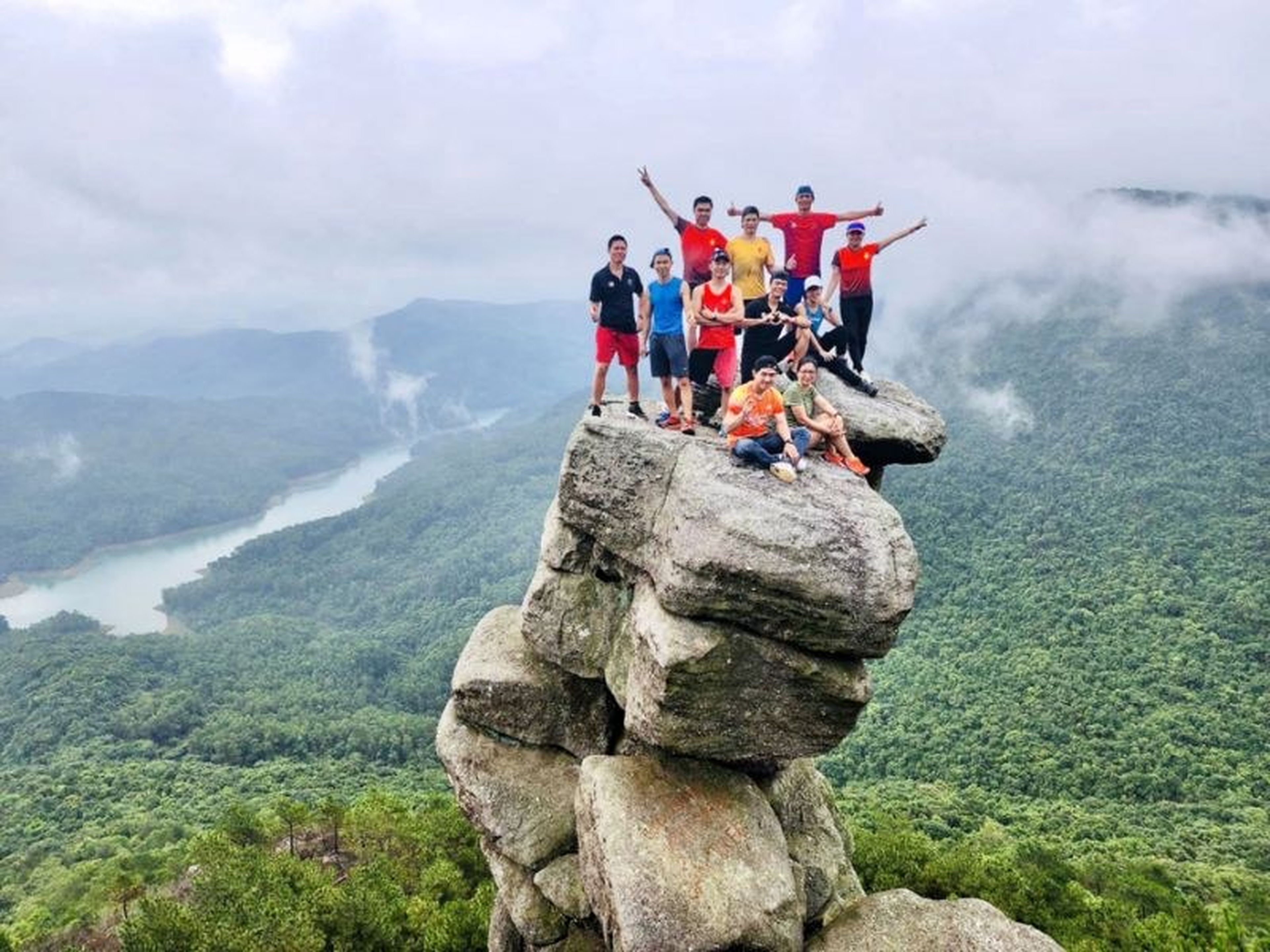
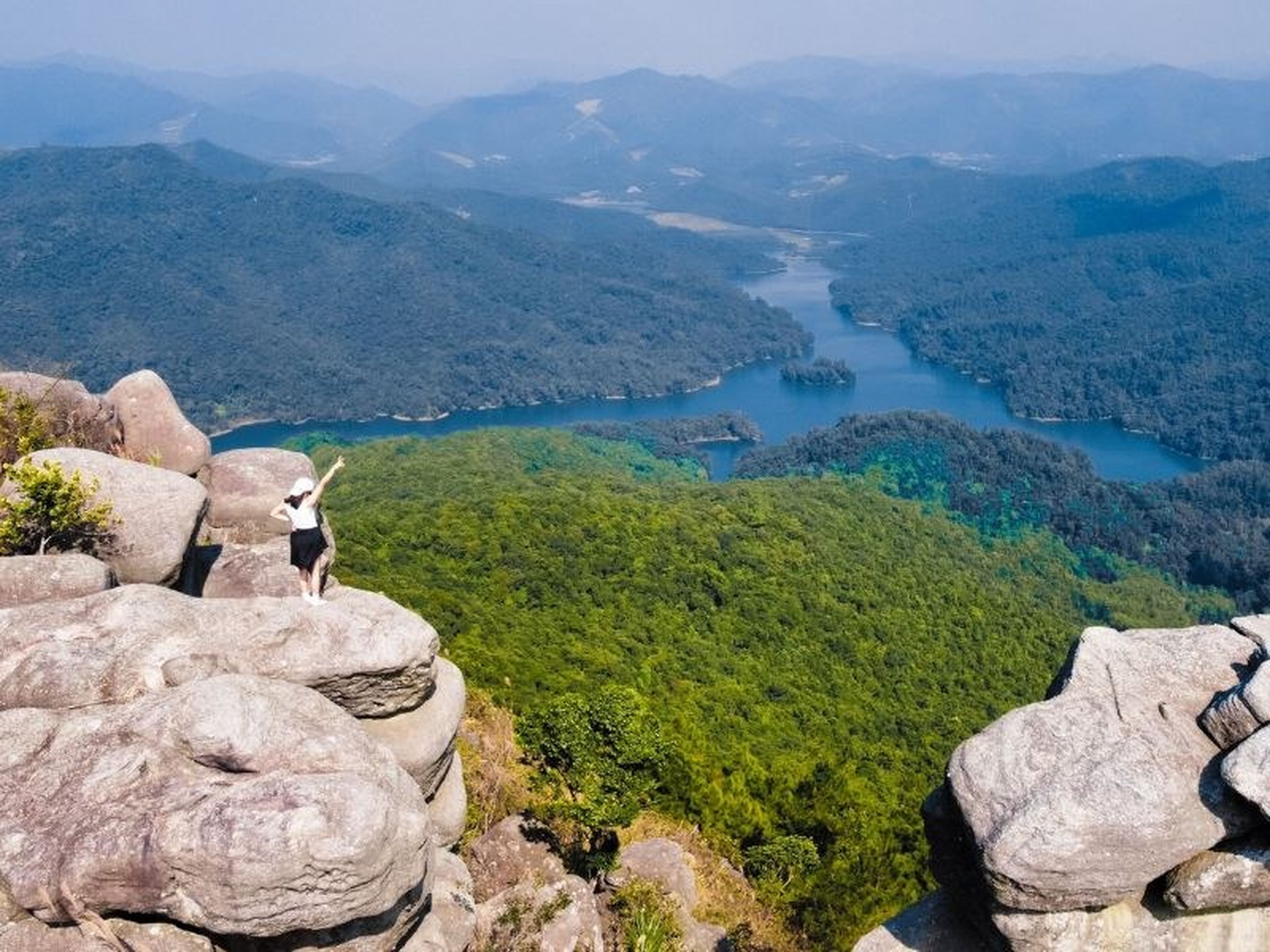
Nui Da Chong is located in the Bang Ca area, which was formerly part of Hoanh Bo District and later became part of Ha Long City, Quang Ninh Province. The site stands out for its dozens of naturally formed rocks precariously stacked at an altitude of more than 400m, creating a unique landscape amid the mountains and forests. From this elevated vantage point, I can gaze out over Yen Lap Lake, the forest, and the small islands scattered below.
Traveling in Quang Ninh and trekking to Nui Da Chong have given me many memorable experiences. The higher I climb, the more the landscape opens up, revealing successive mountain ranges, a blue lake nestled in the valley, and large rocks with distinctive shapes. Standing amid this scenery, I can truly appreciate the vastness of nature and momentarily forget the bustle of everyday life.
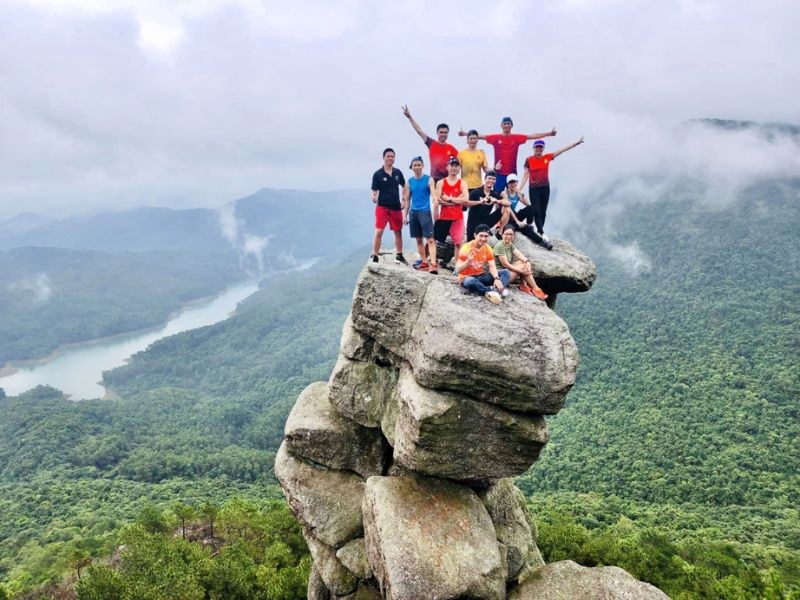
A panoramic view of naturally stacked rocks atop Nui Da Chong, amid the mountains and forests of Quang Ninh. Illustrative photo: Vietnam National Authority of Tourism
2 The origin of the name Nui Da Chong
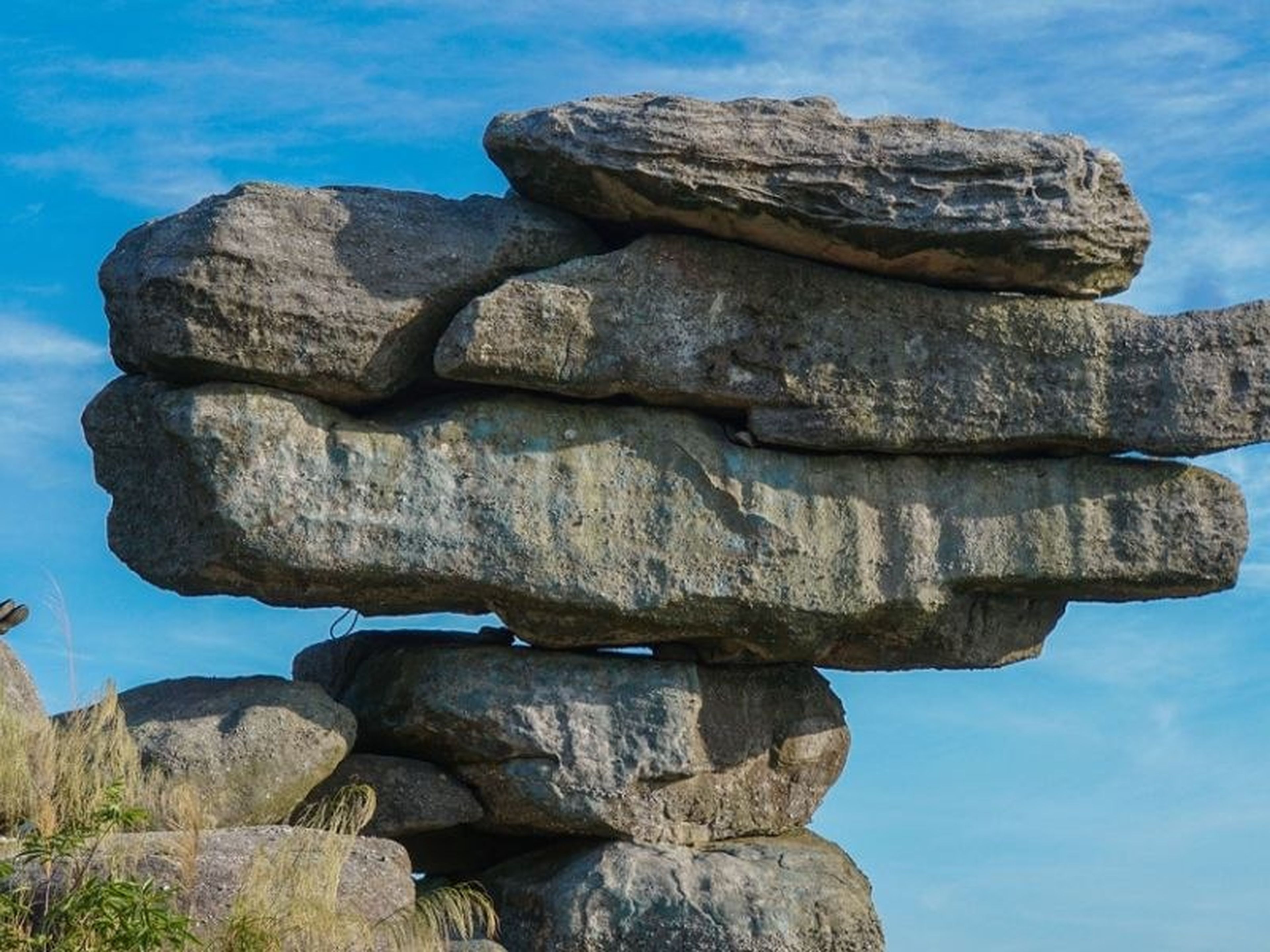
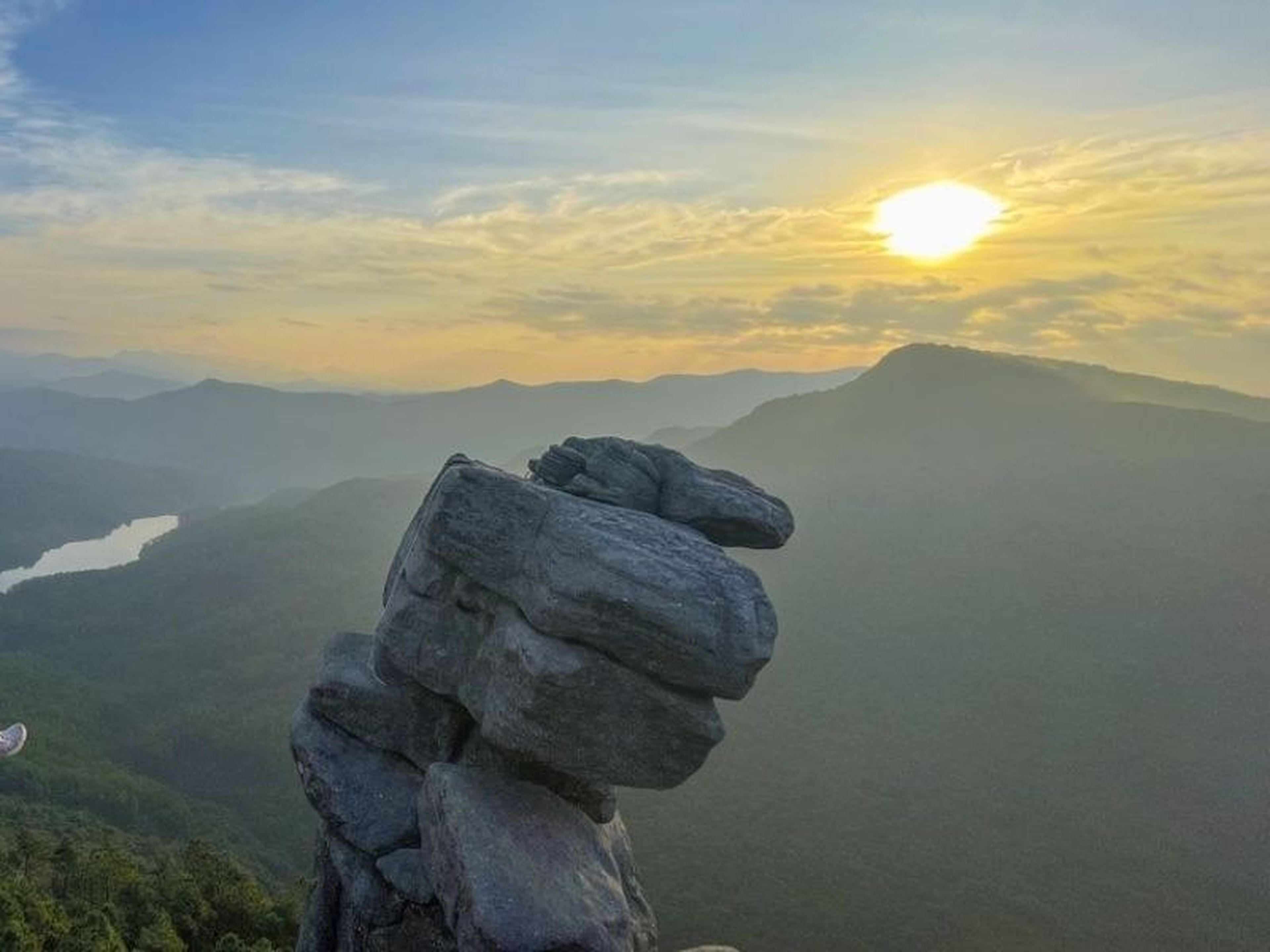
From what I have learned, the name Nui Da Chong comes from the natural shape of the rocks on the mountaintop. Dozens of large slabs are stacked on top of one another here, with some jutting out over the mountainside and forming a particularly precarious arrangement. This straightforward name makes it easy for locals to identify the landmark by its most distinctive feature.
People in Bang Ca also pass down a story that the gods once placed additional rocks to balance the two ends of the mountain range, forming the Da Chong outcrop we see today. This folk legend offers an explanation for the rocks' unusual shapes; it is not a scientific conclusion about how the geological formations came to be.
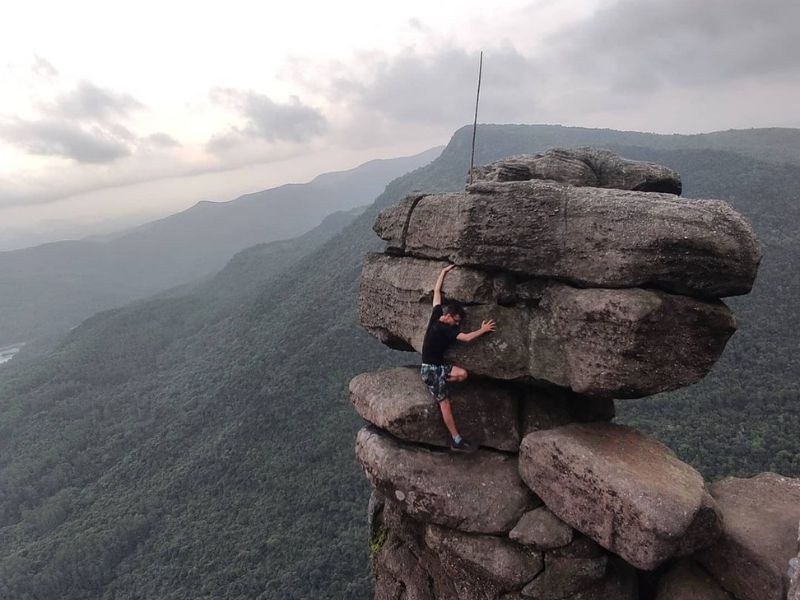
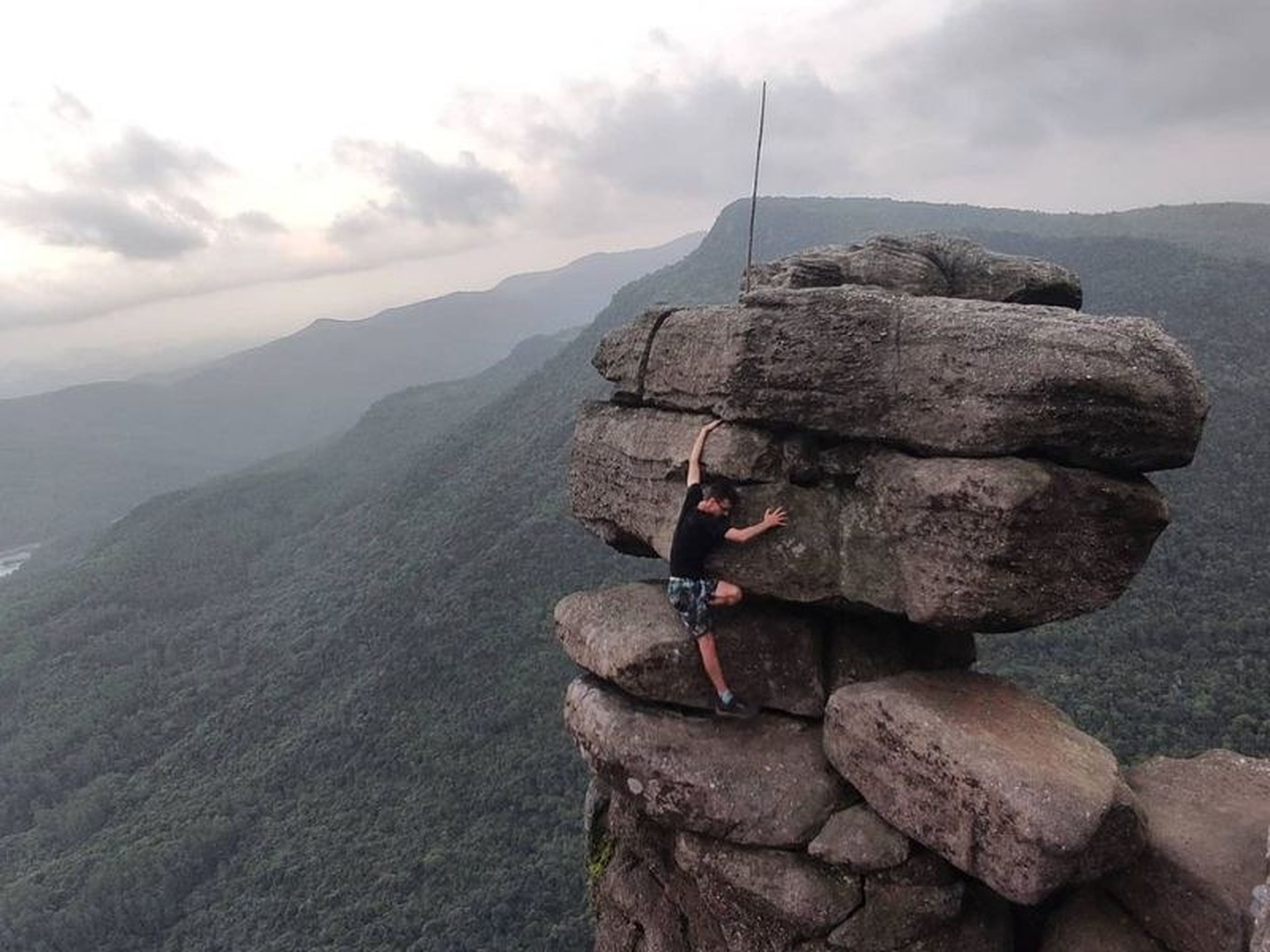
Large slabs stacked on top of one another give the famous Nui Da Chong its name. Illustrative photo: IVIVU
3 Must-do activities when visiting Nui Da Chong
3.1 Admire the distinctive stacked rock formations
When I get close to the Da Chong area, I can clearly see the size, contours, and natural arrangement of each rock slab. Viewed from different angles, the rock formations feel both unusual and majestic, making them the most striking highlight of the visit.
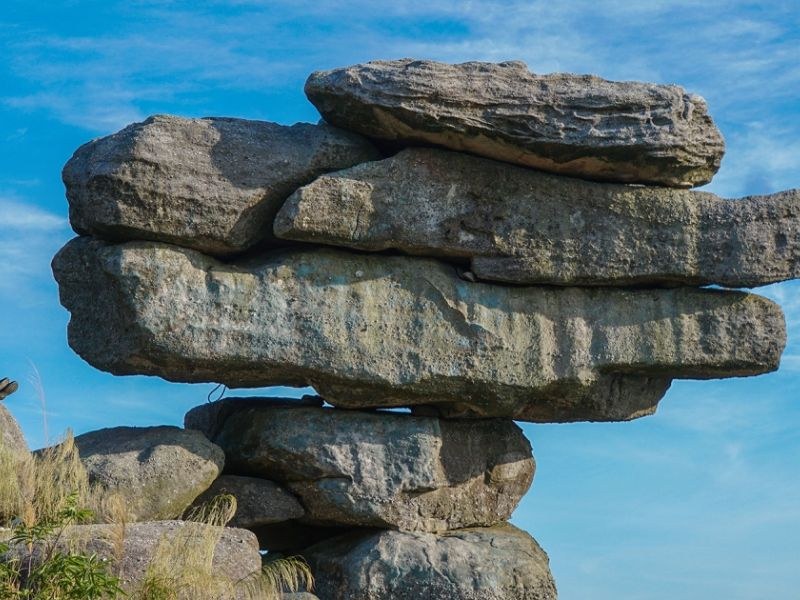
The strangely shaped rocks are a highlight that attracts many curious explorers. Illustrative photo: CafeF
3.2 Take in the view of Yen Lap Lake from above
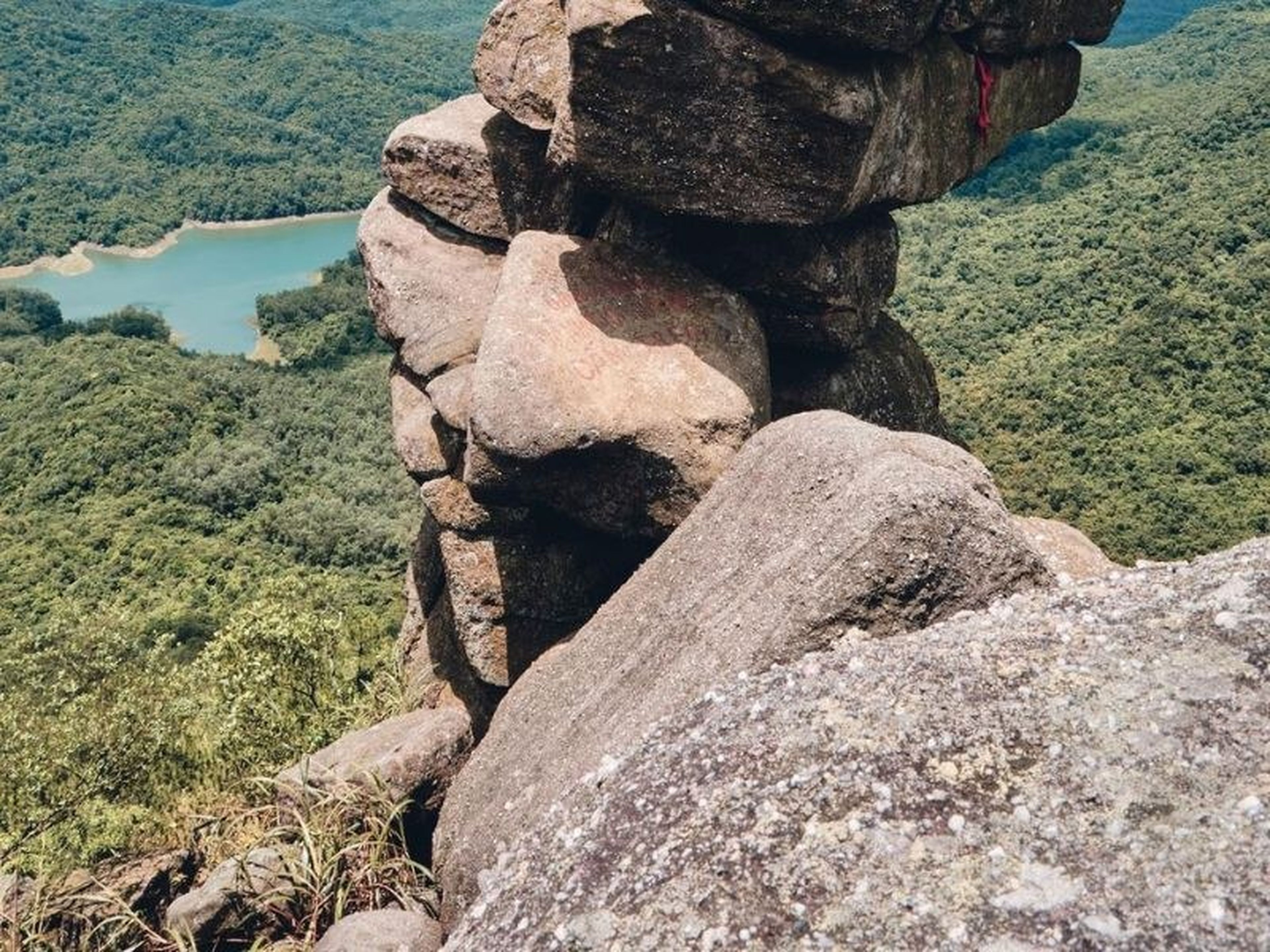
From the Nui Da Chong area, I can look down over Yen Lap Lake, with its expansive waters, small islands, and surrounding pine forests. After rainy days followed by sunshine, clouds sometimes gather around the forests and lake at mid-mountain, creating a misty scene. This is also when I can most clearly appreciate the combination of rocky mountains, forests, and water all within one view.
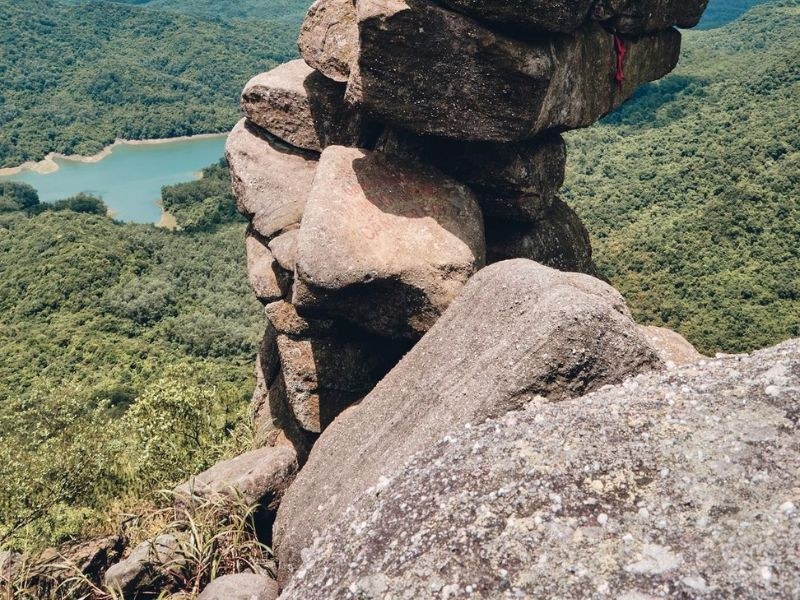
The refreshing green landscape of Yen Lap Lake, viewed from the Nui Da Chong area. Illustrative photo: IVIVU
3.3 Photograph the mountain scenery
Nui Da Chong offers a variety of photo opportunities, with rocks, forests, a lake, and mountain ranges stretching into the distance. I usually choose a level spot, make use of natural light, and include the surrounding scenery in the frame to create a sense of depth. When taking photos, keep a safe distance from steep edges and avoid dangerous spots just to get a more unusual angle.
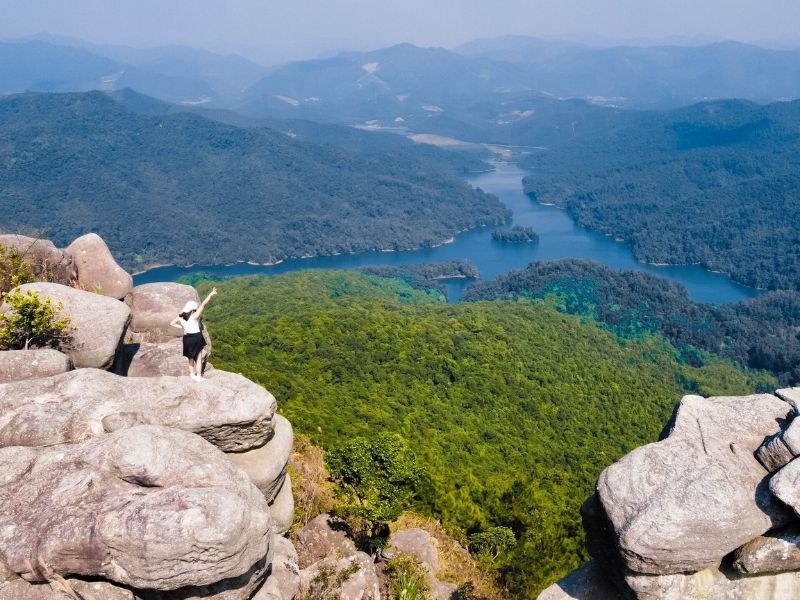
Mountains, forests, a lake, and rock formations create an impressive scene for visitors. Illustrative photo: IVIVU
3.4 Walk and explore nature
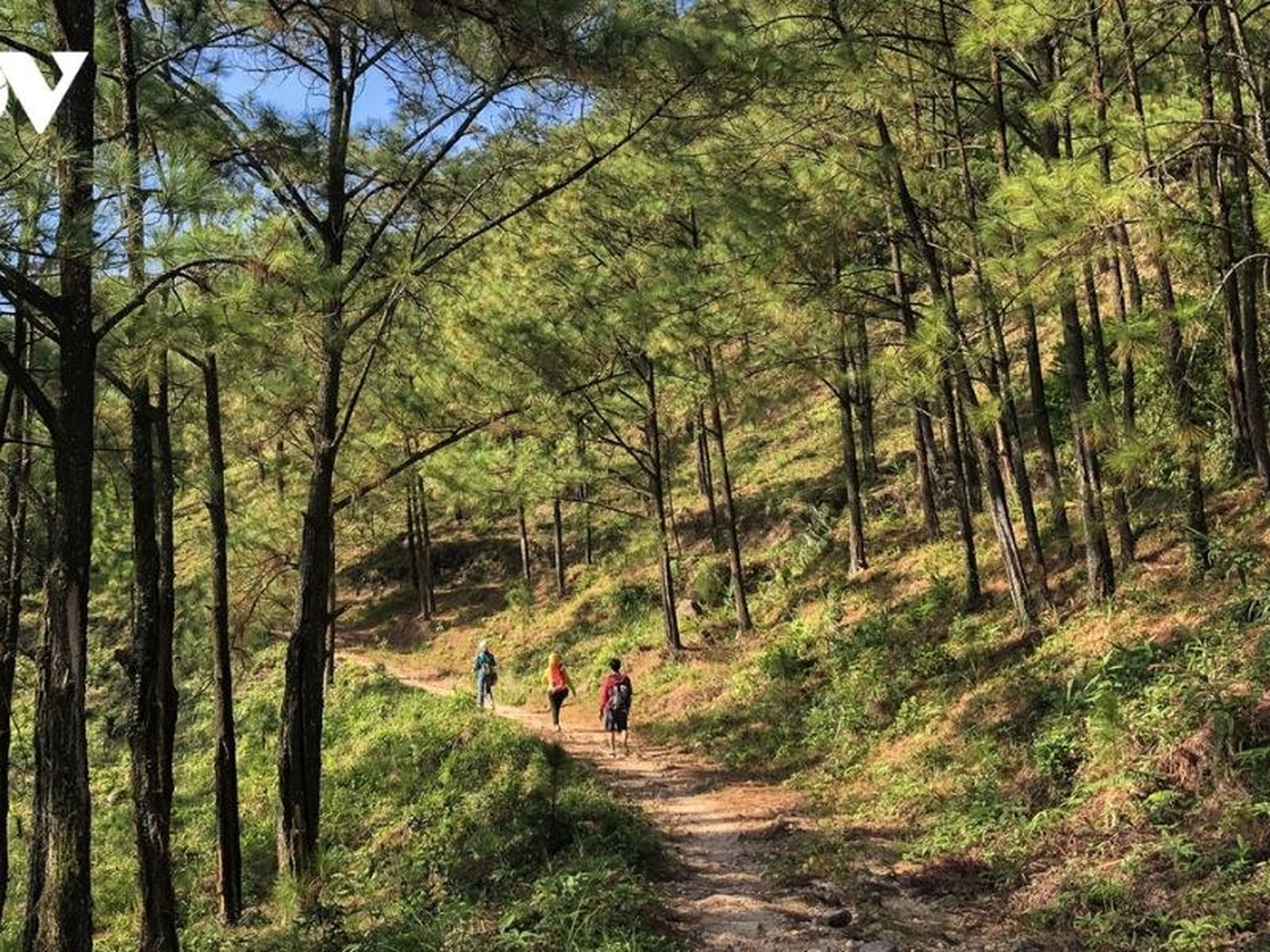
Walking along forest trails is an experience that lets me fully appreciate the unspoiled beauty of Nui Da Chong. Along the way, I can observe the vegetation, listen to birdsong, and enjoy the quiet of the mountains and forests. Some sections are quite steep and it can be difficult to find your way, so I always stay with my group, follow the guide, and never leave the route on my own.
3.5 Explore nearby attractions
After exploring Nui Da Chong, I can visit a few nearby places to add variety to the trip:
- Yen Lap Lake: Notable for its broad waters, small islands, and surrounding forests, it is ideal for sightseeing and relaxation.
- Dao Thanh Y Cultural Conservation Area: Covering about 5ha, it recreates the architecture, daily life, and distinctive culture of the Dao people in Bang Ca.
- Quang La Flower Paradise: A suitable place for taking photos, strolling, and admiring seasonal flower gardens.
- Bang Ca area: I can learn about the local community's way of life, cuisine, and cultural identity.
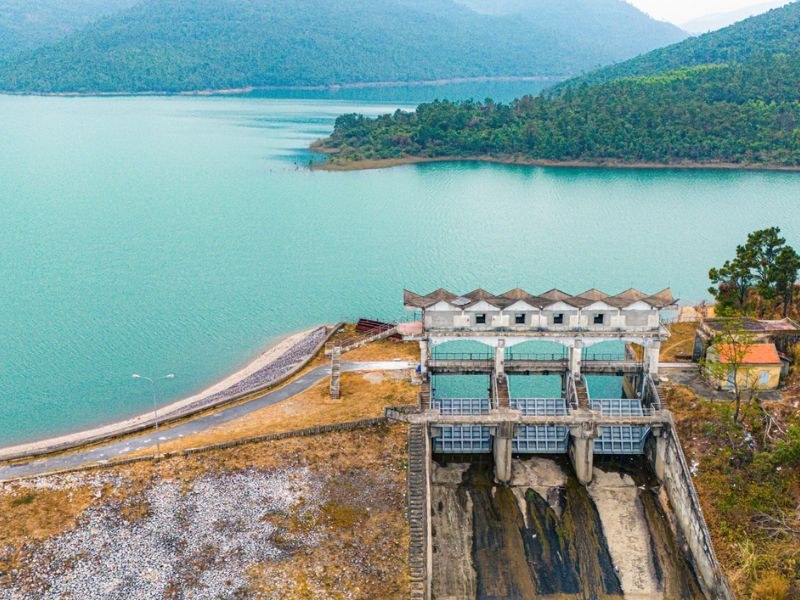
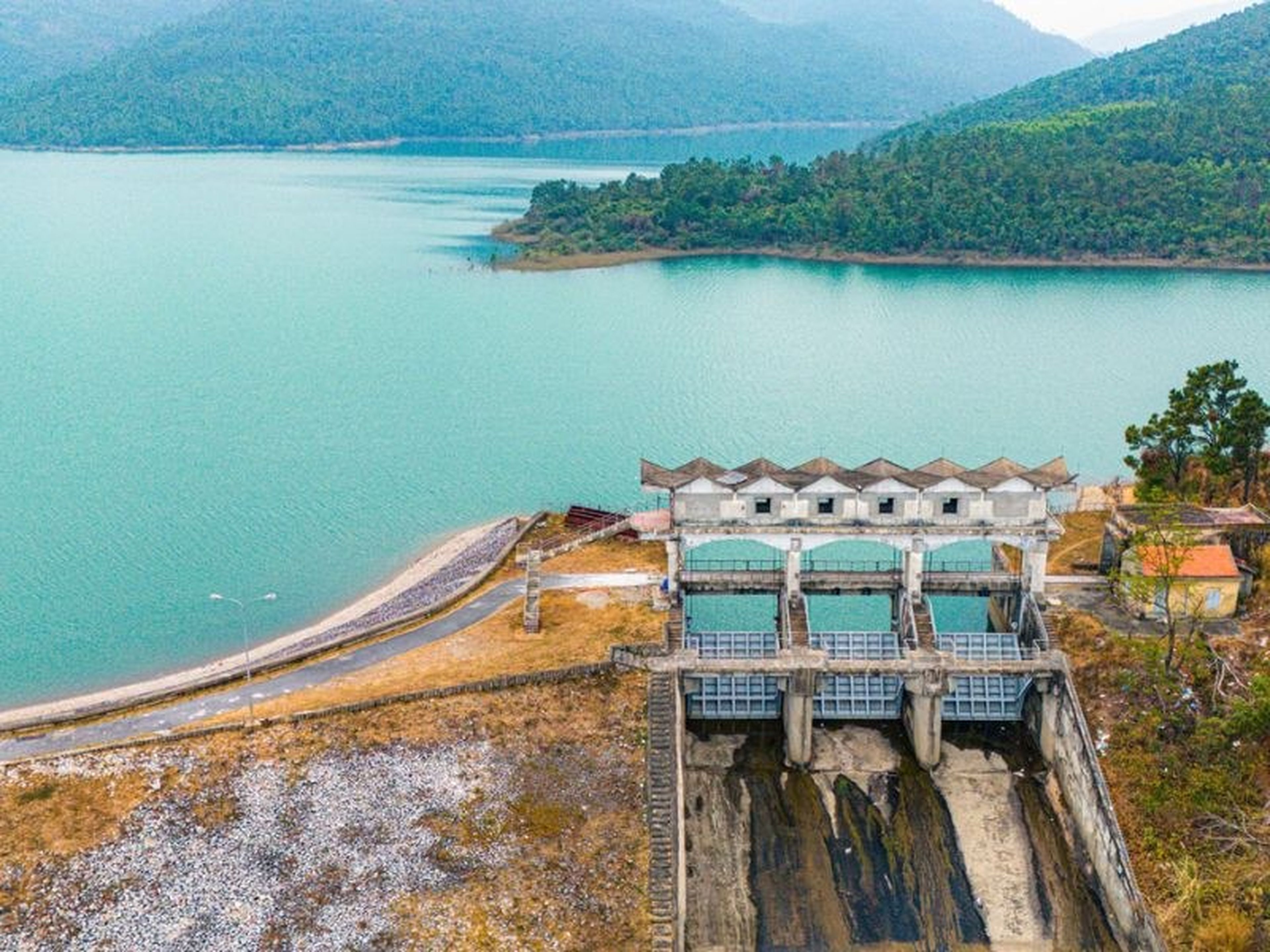
Yen Lap Lake is a worthwhile stop near Nui Da Chong. Illustrative photo: SOHA
4 How to get to Nui Da Chong
Nui Da Chong is about 40km from central Ha Long. From Ha Long, I travel toward the Hoanh Bo area, then follow National Highway 279 for about 19km to Khe Lieu, in what was formerly the Bang Ca area. On a map, search for “Bang Ca,” “Khe Lieu,” or “Yen Lap Lake” to locate the route more easily.
From Khe Lieu, I hire a boat to cross Yen Lap Lake, a trip of about 45 minutes, to reach Khe Mung. The journey then continues on foot through the forest for about 1.5 hours to the Da Chong area. As the forest trail has many steep sections and can be difficult to follow, I recommend contacting a local or a guide familiar with the trekking route. Avoid relying on GPS directions alone if you lack experience.
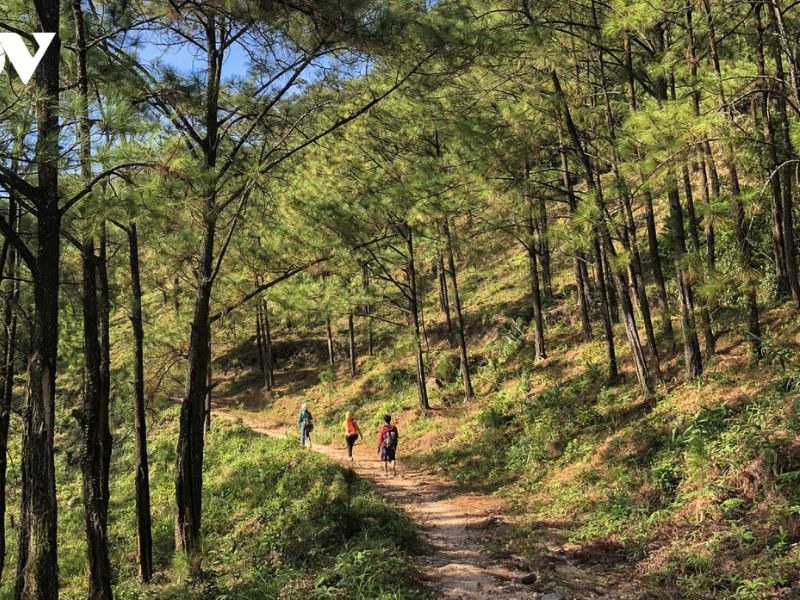
How to get to Nui Da Chong. Illustrative photo: VOV
5 The best time to visit Nui Da Chong
The period from November to April is a good time to trek to Nui Da Chong. This is the dry season in Quang Ninh, so forest trails are usually drier, visibility is better, and steep sections are easier to navigate.
Choose a day with mild sunshine, set out in the morning, and avoid going in rainy, foggy, or windy conditions. Quang Ninh's rainy season typically lasts from May to October, when dirt trails, rocks, and areas along the lake can become slippery. Before your trip, check the weather forecast and postpone if conditions are not safe.
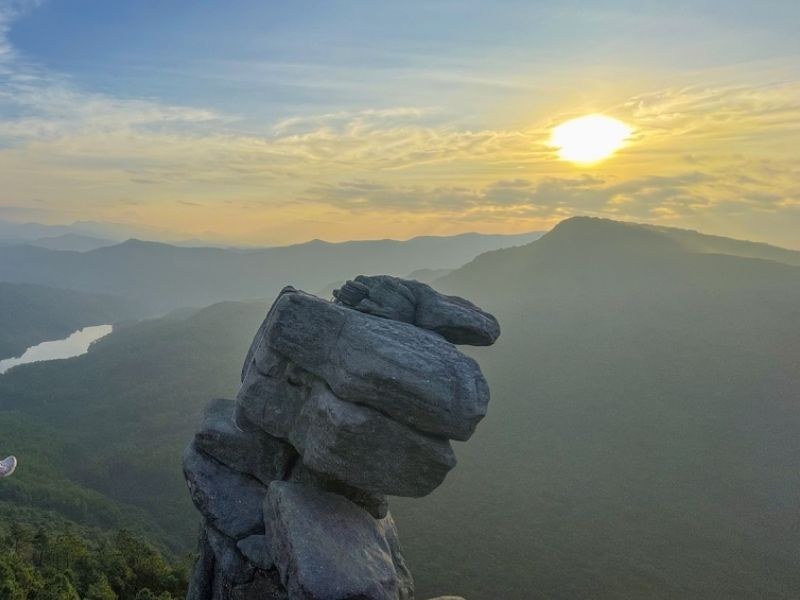
The dry season offers favorable conditions for tackling the Nui Da Chong trekking route. Illustrative photo: VOV
6 Safety tips for visiting Nui Da Chong
The route to Nui Da Chong has many steep sections, hard-to-follow forest trails, and rugged terrain. Here are some tips to help make your trip safer.
- Travel in a group and have a local or someone familiar with the route guide the way.
- Check the weather before setting out; do not go on rainy, foggy, or windy days.
- Bring trekking shoes with good grip, comfortable clothing, drinking water, snacks, and personal medication.
- Bring a fully charged phone and a power bank, and download an offline map in advance, as some areas may have poor reception.
- If crossing Yen Lap Lake by boat, wear a life jacket and follow the operator's instructions.
- Do not stand close to steep edges, climb onto precarious spots, or take risks for a photo.
- Set out early, stay with your group, and turn back if the weather deteriorates or you cannot find the trail.
- Always follow warning signs and local authorities' instructions, as the area has previously been flagged for accident risks when visitors organize their own adventure activities.
I hope these tips help you plan your timing, route, and preparations for the trip. As the journey involves crossing a lake and walking through the forest, leave your suitcase at your accommodation and bring only a light backpack with the essentials for a more convenient and safer trek.