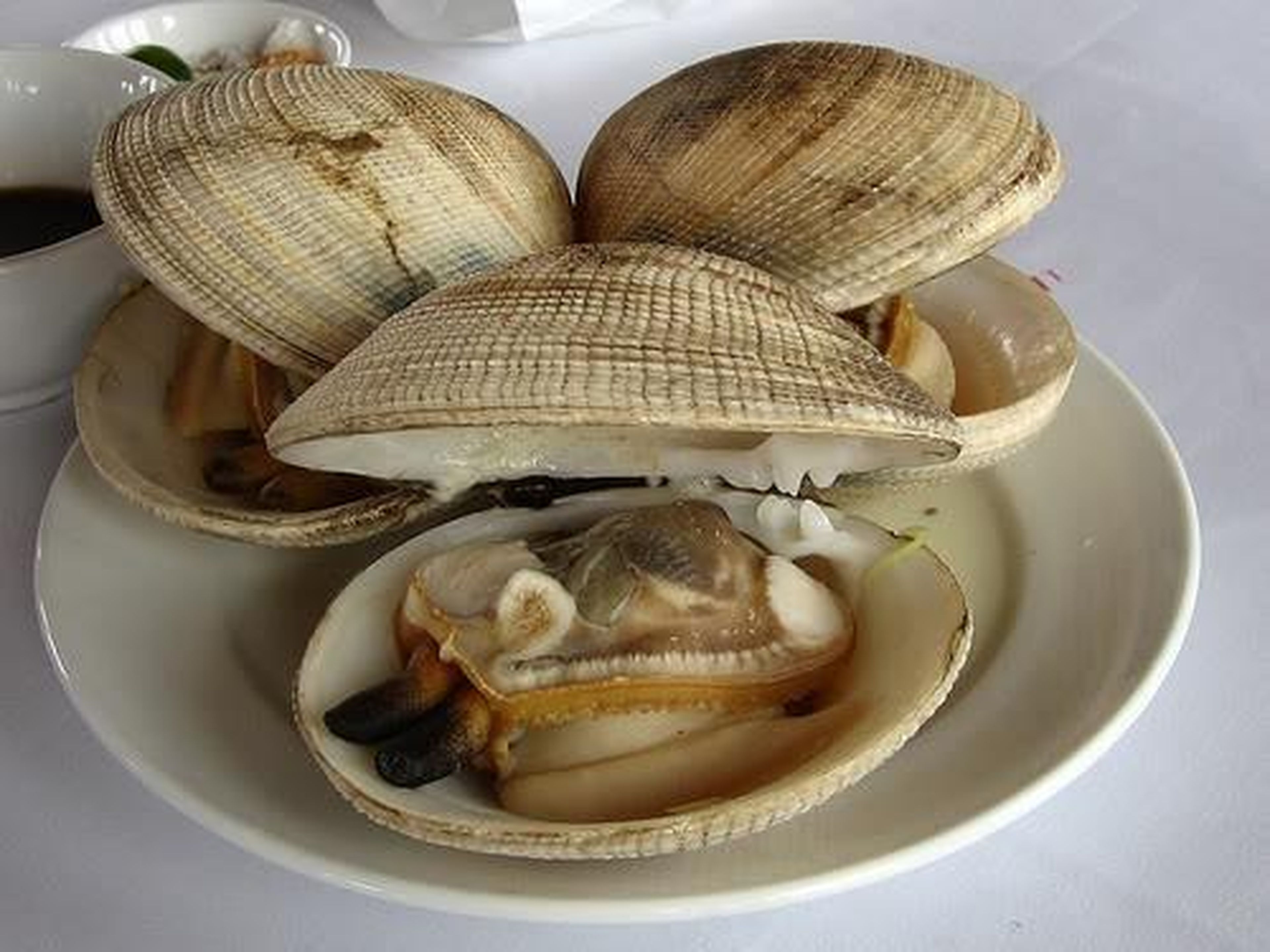
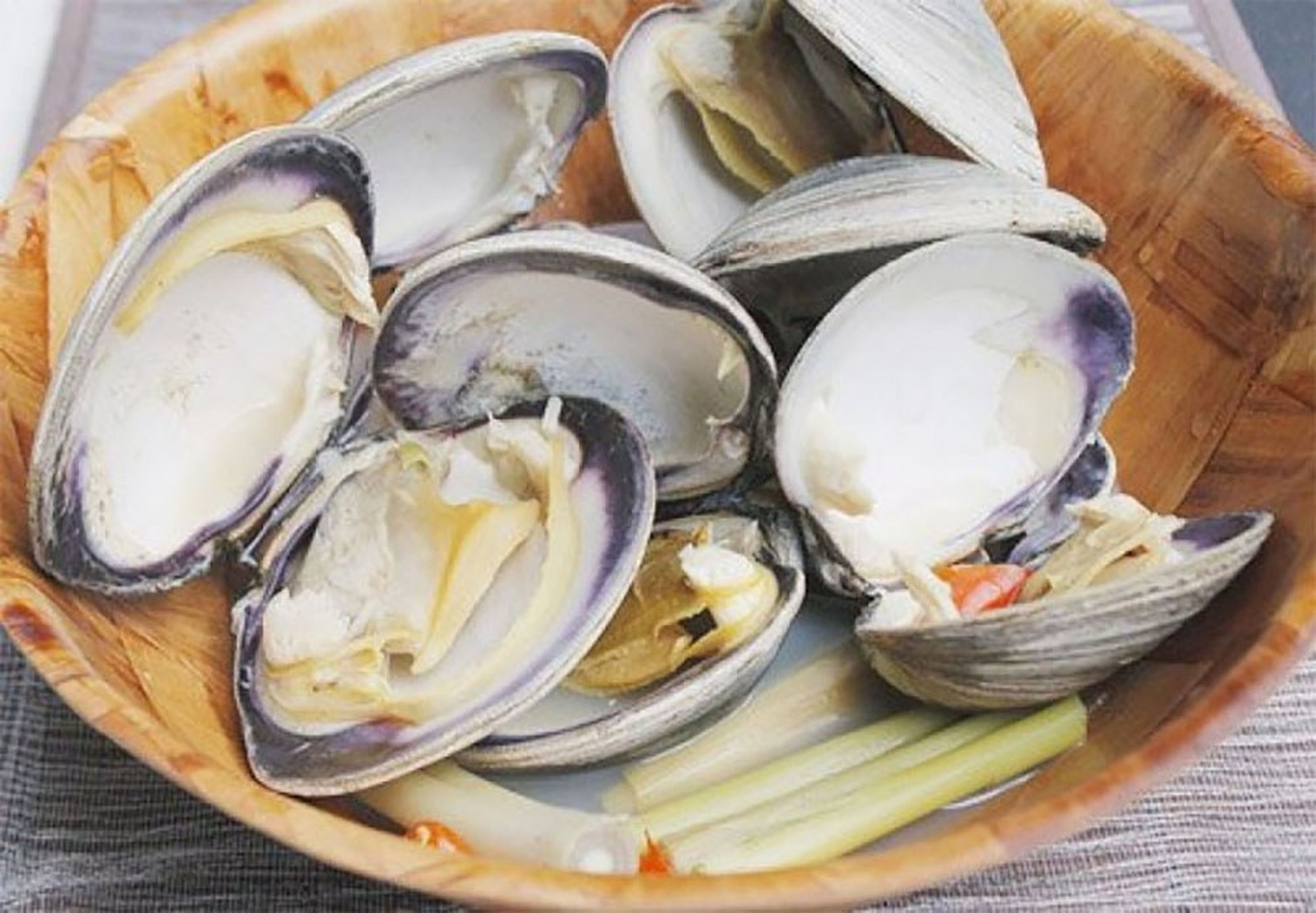
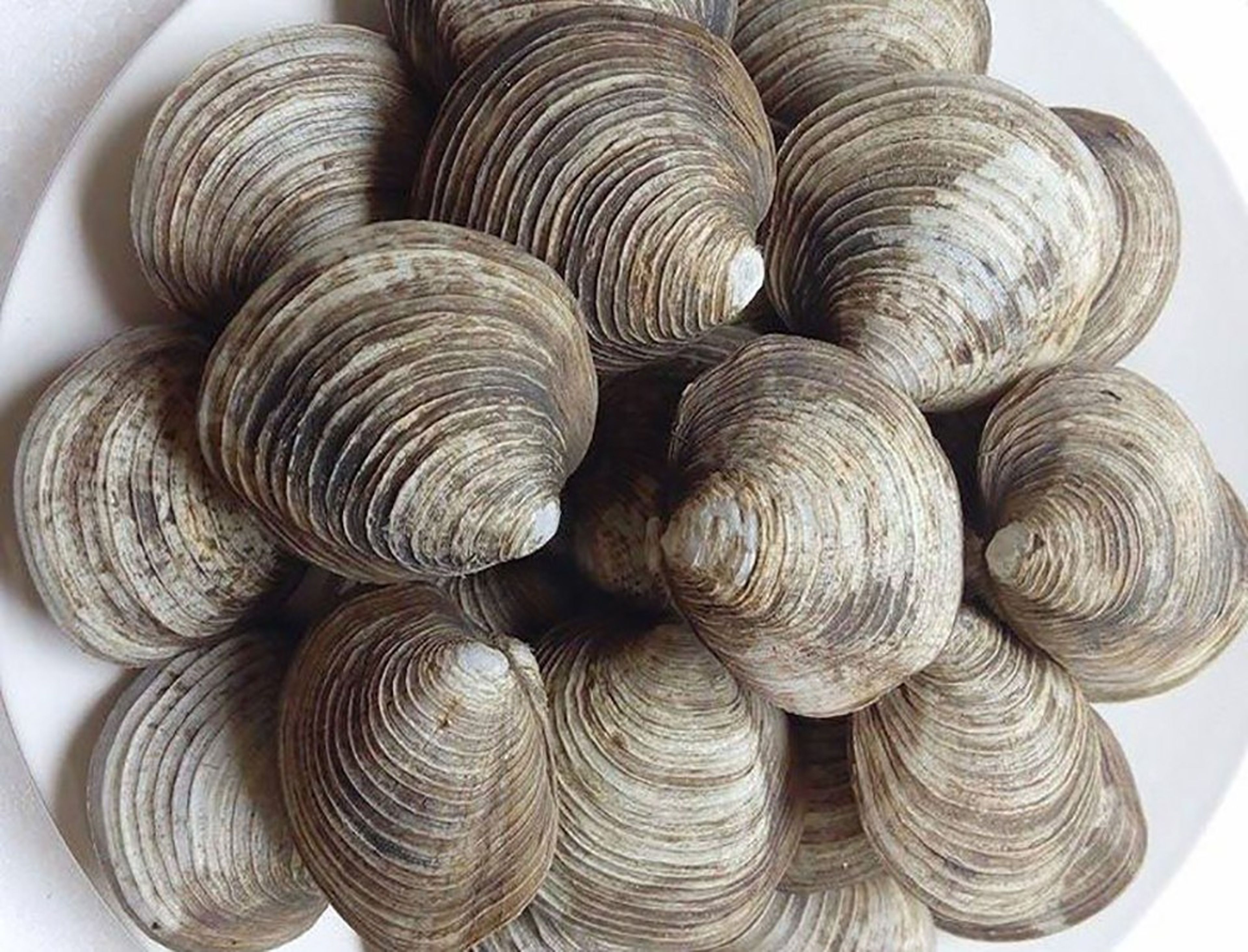
The ngán clam is a bivalve mollusk living in saltwater and brackish water areas. Although found in various places, the Quang Ninh ngán clam is considered the most delectable by food connoisseurs.
The ngán clam is typically slightly larger than a hard clam, featuring a rough whitish shell and burrowing deep beneath the mud. Underwater, it extends a large, long siphon to breathe and forage for food. Whenever the water surface ripples or is disturbed, it quickly burrows deep into the mud to hide.
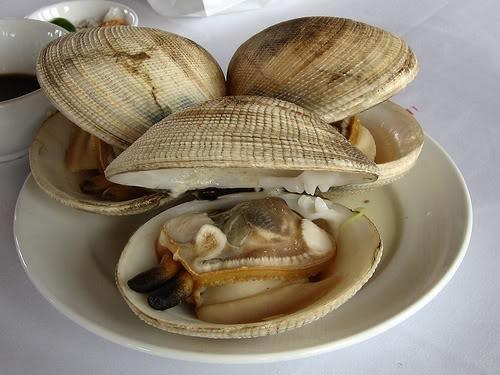
During the Quang Ninh ngán clam season, fishermen often have to wade deep into the mud to harvest them, requiring tremendous patience. Many agree that nowhere are the ngán clams as delicious as those living in the Bach Dang river estuary area bordering Quang Ninh province and Hai Phong city.
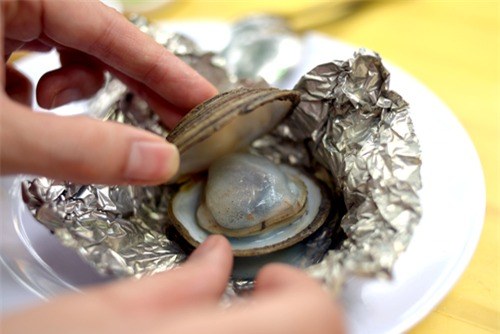
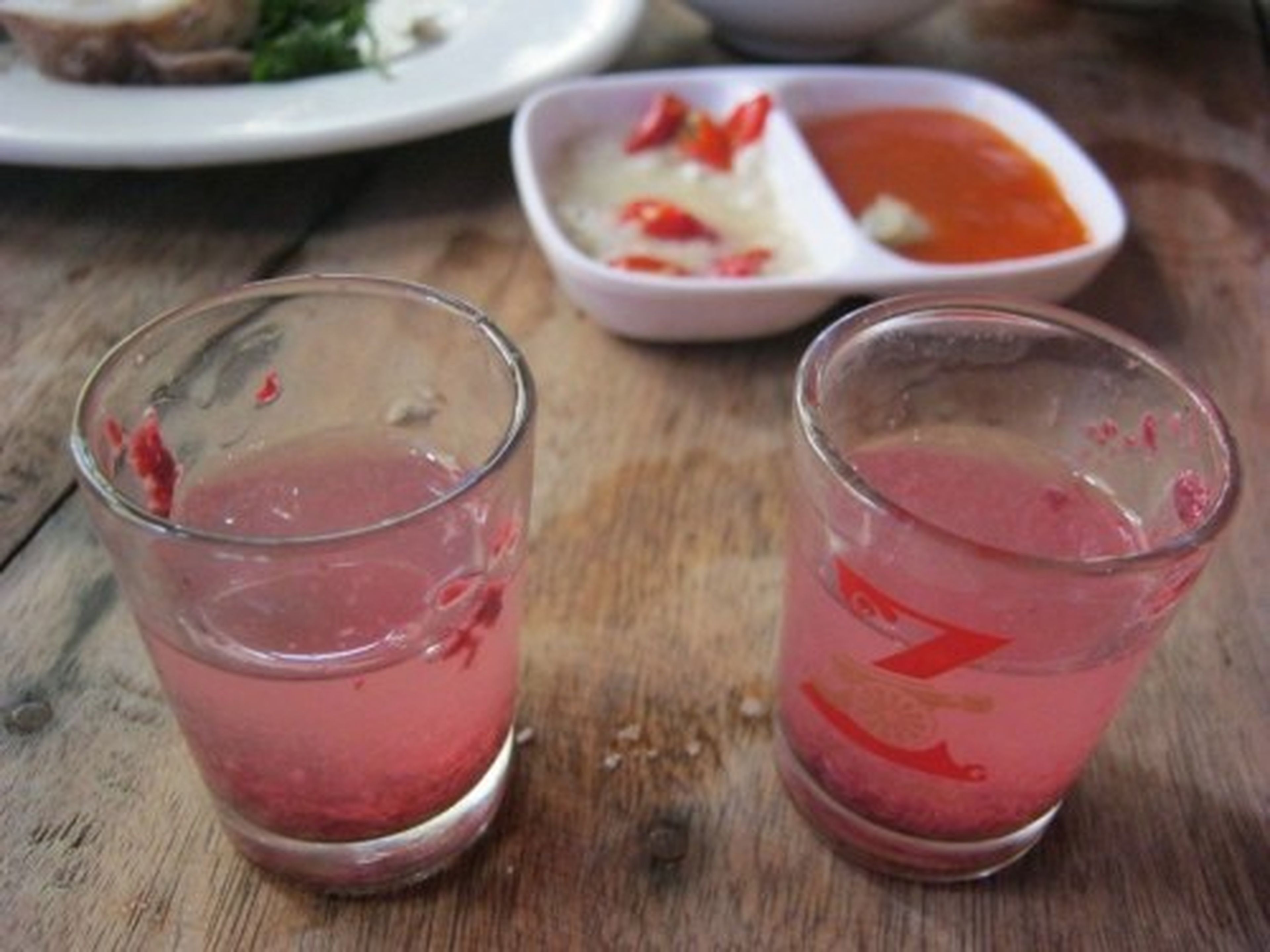
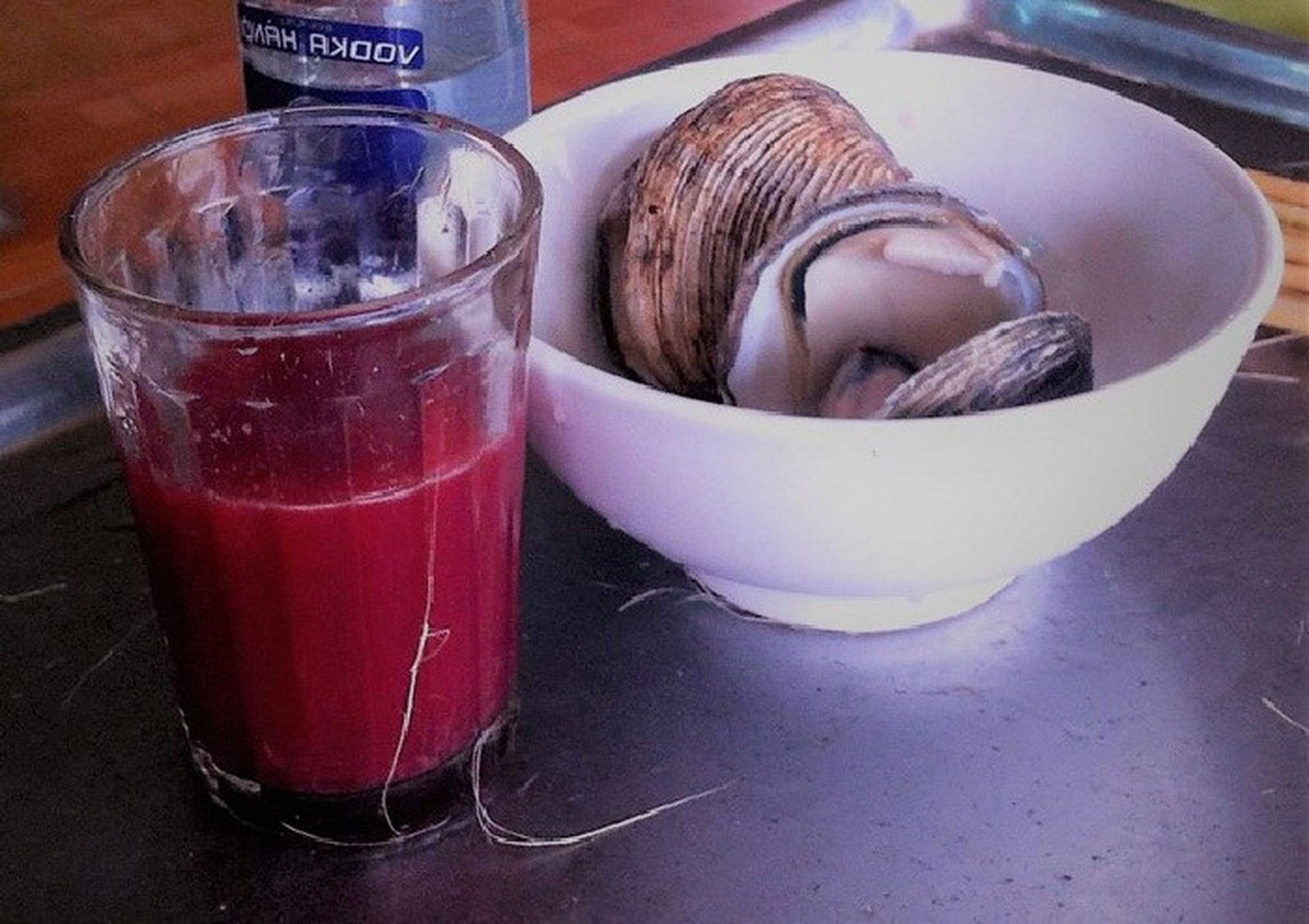
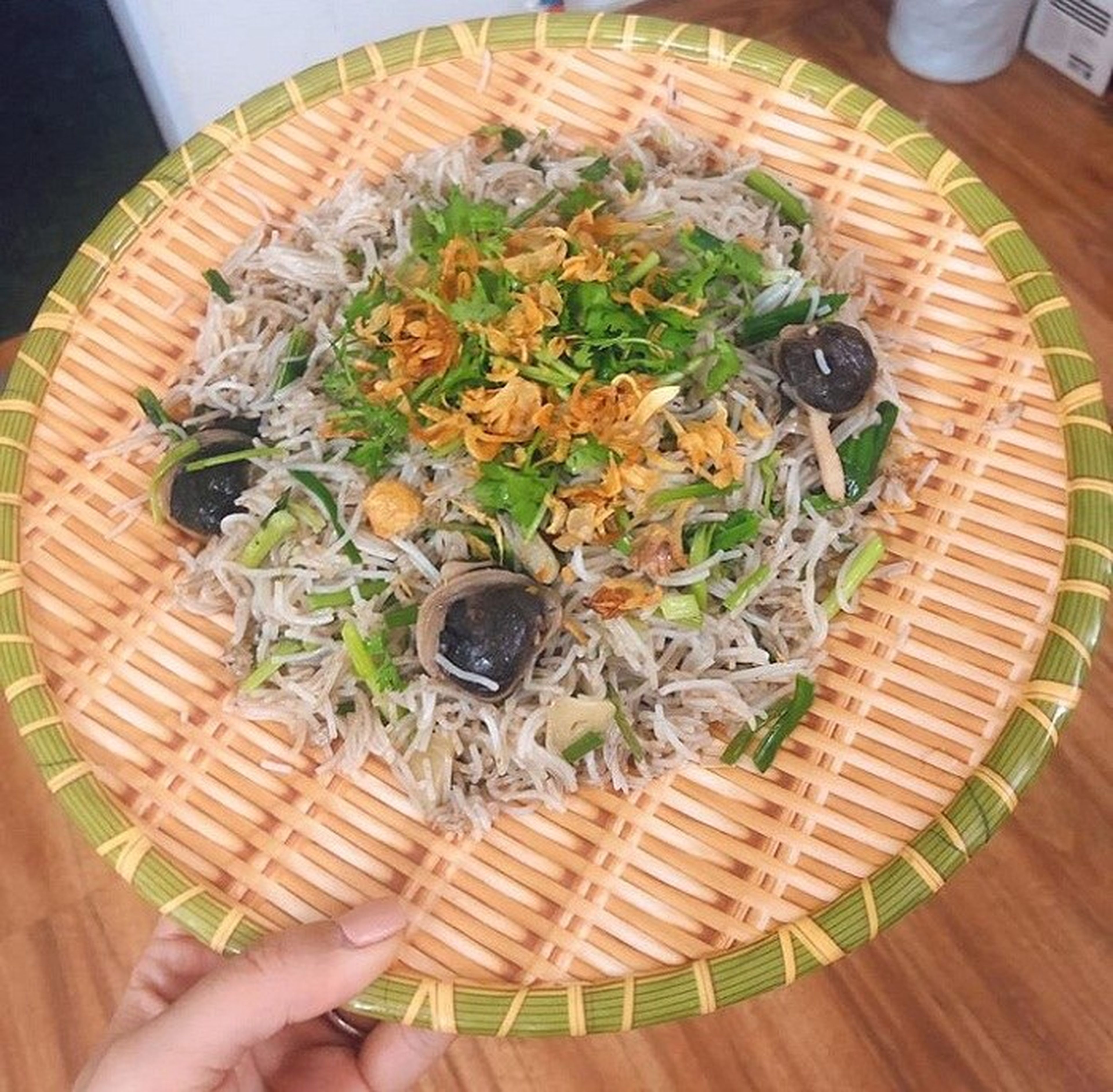
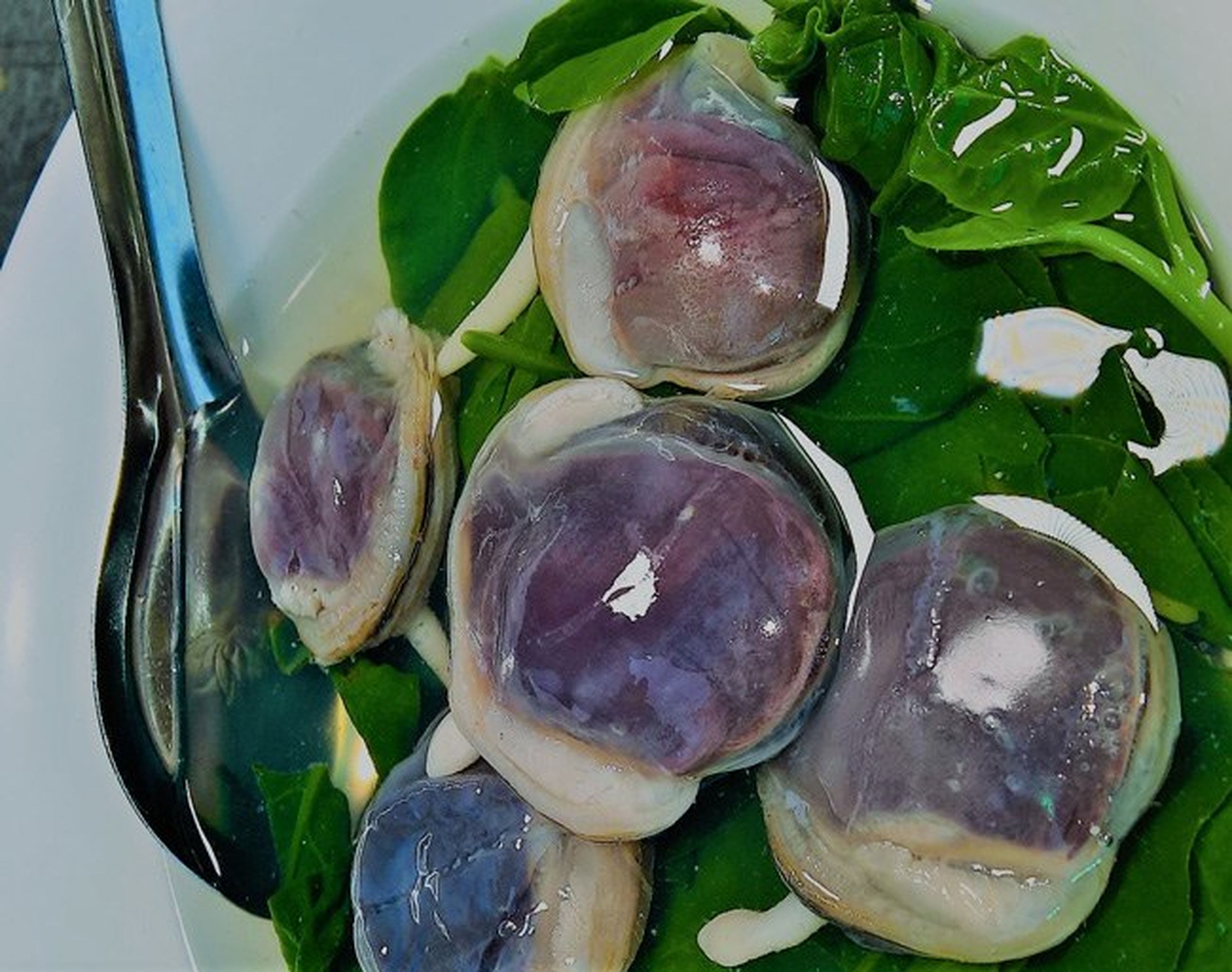
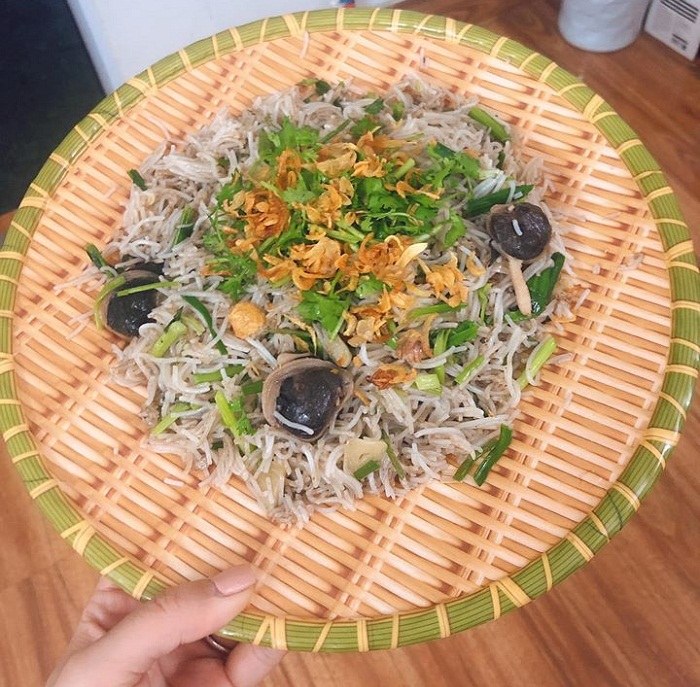
Quang Ninh locals prepare ngán clams into a diverse range of dishes: grilled ngán, steamed ngán, ngán porridge, ngán salad, glass noodles stir-fried with ngán, rice vermicelli stir-fried with ngán, ngán soup with Malabar spinach, and even ngán blood liquor.
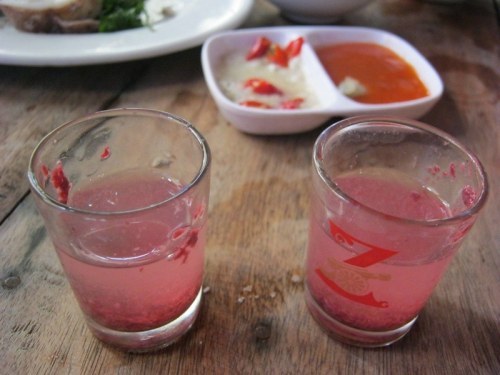
Ngán blood liquor.
Ngán clams are highly nutritious; their meat contains proteins, glucids, lipids, and many essential vitamins and minerals. Furthermore, the meat contains compounds that stimulate the release of sex hormones once absorbed by the body.
Though its name "ngán" means "tiresome" or "cloying" in Vietnamese, eating it never feels dull or cloying. The meal often begins with ngán blood liquor as an appetizer; fresh live clams are opened, and their liquor/blood drips into wine, turning it blood-red. It is smooth to drink without easily causing intoxication, and is regarded as a nutritious tonic for men.
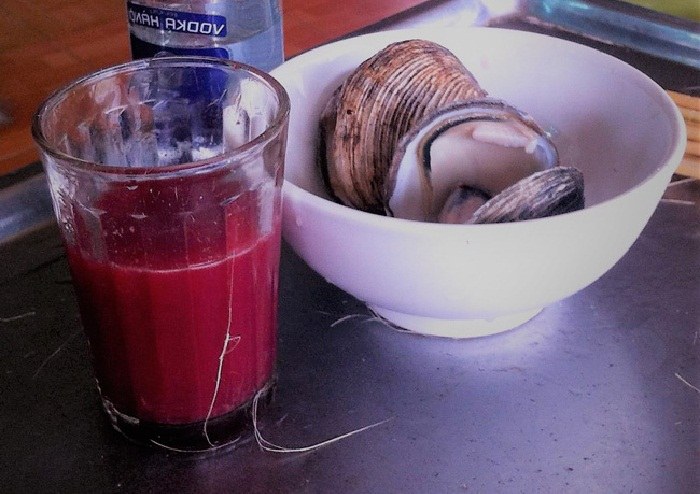
Ngán blood liquor.
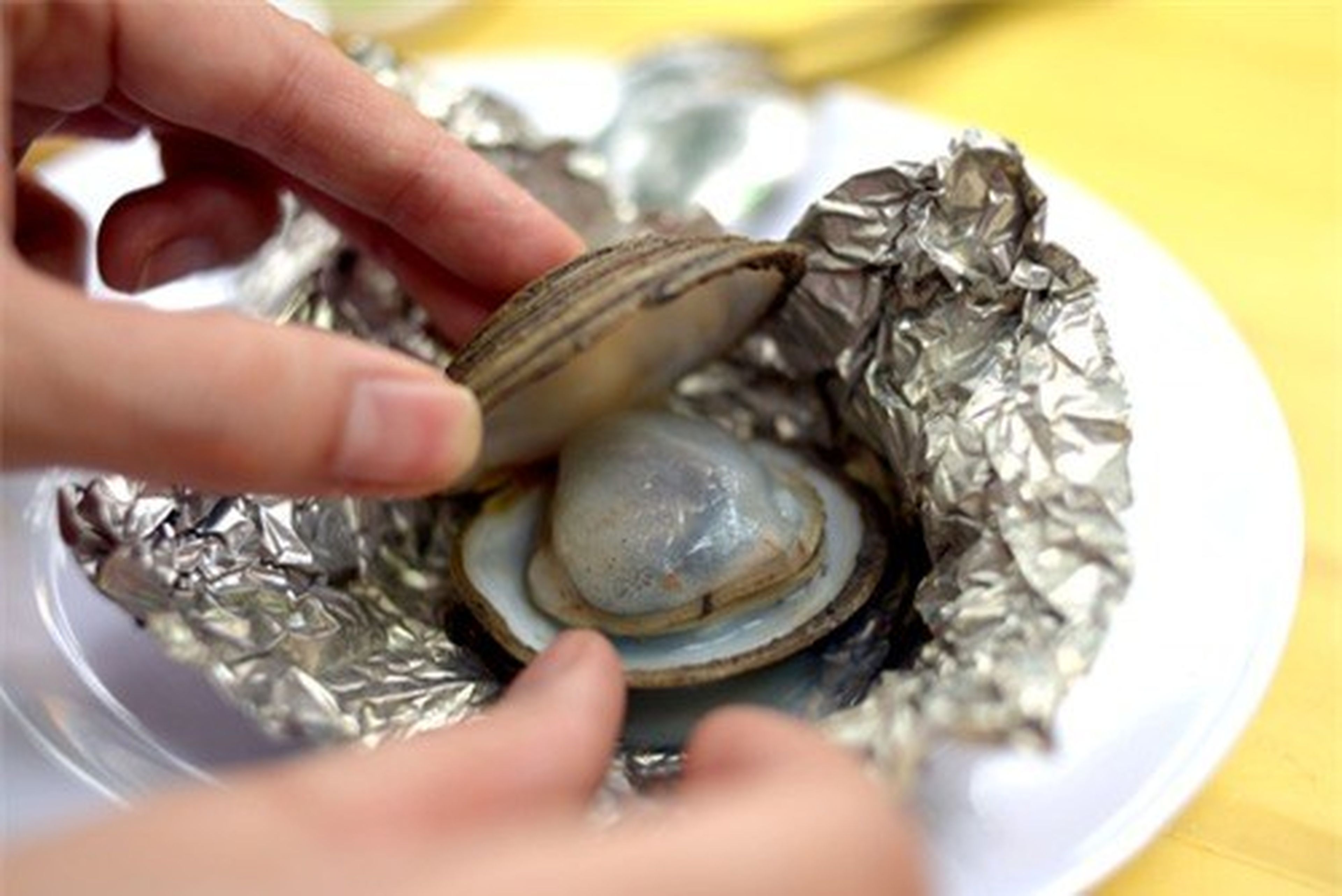
For those hesitant to drink it raw, the wine is warmed up and called ngán sake, removing the raw fishy aroma. Ngán can be grilled or steamed; when steaming, they are often tied tightly with string to keep the natural juices inside from escaping.
Explore the 2D1N Vacation with Buffet Breakfast + Free for 02 Children at Novotel Ha Long Hotel:
Gourmets prefer steaming them rare, as overcooking ruins their delicate texture. Steamed or grilled ngán typically has a briny taste followed by a sweet aftertaste; dipping it in chili sauce mixed with seasoning salt, black pepper, fresh lime juice, and paired with aromatic herbs makes it unforgettable for anyone who tries it.
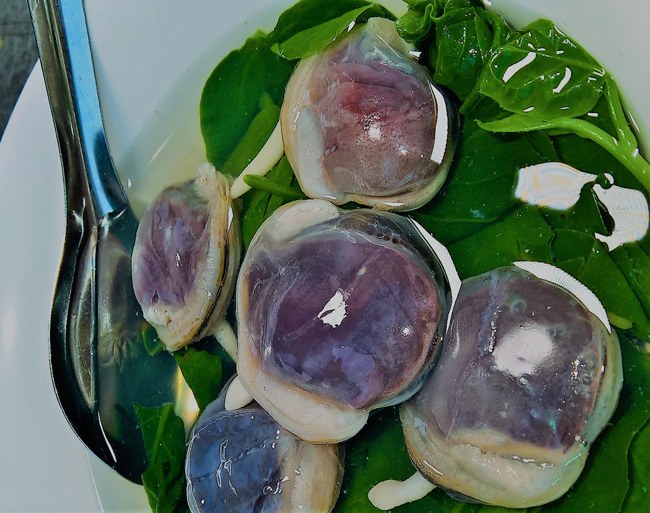
Ngán clam soup. Photo: Dan Viet Newspaper.
Ngán clam porridge is also a favorite because the natural sweetness of the clams infuses into the congee, creating a rich, flavorful dish. To cook it, the clams are first shucked in half to extract the meat, finely sliced, and quickly stir-fried with fish sauce, black pepper, and fried shallots. The mixture is then added directly into the boiling porridge pot, seasoned to taste, and garnished with chopped scallions, cilantro, culantro, and ground pepper.
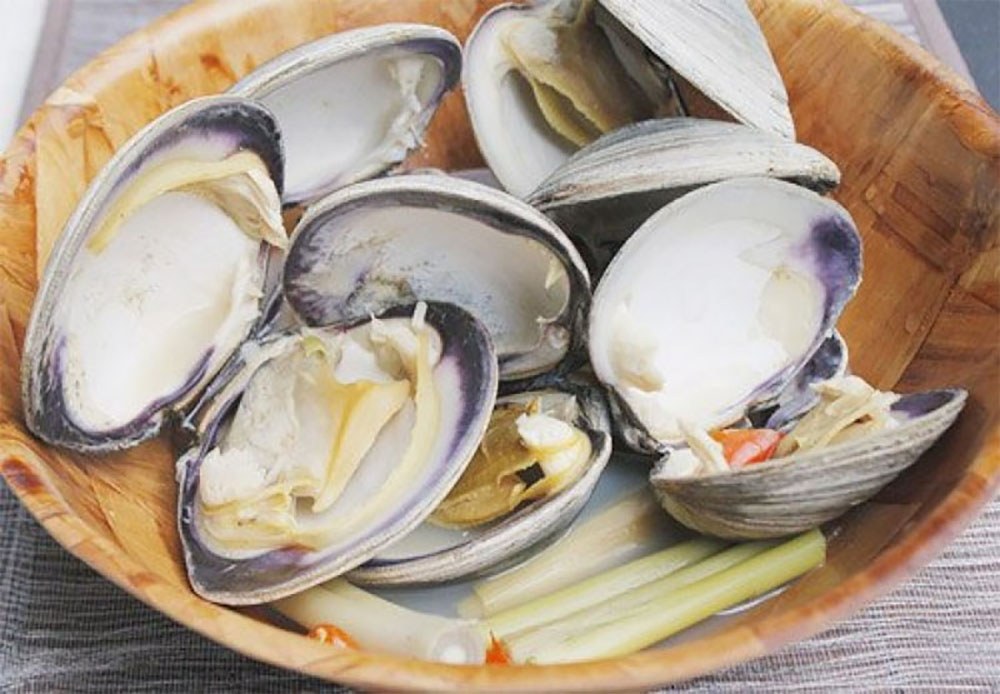
Steamed ngán clams. Photo: Internet.
Quang Ninh ngán clams can also be made into a fresh salad (gỏi ngán), which is simple to prepare yet extraordinarily delicious. With just a banana flower and about 10 ngán clams, one can create a captivating salad that leaves diners longing for more.
Ngán clams are generally easier to harvest in summer and autumn; in cold winter, they burrow deeper into the mud, making harvesting much more challenging. In the past, when they were abundant, they were cheaper than blood cockles, but today ngán has become a rare delicacy with high prices.
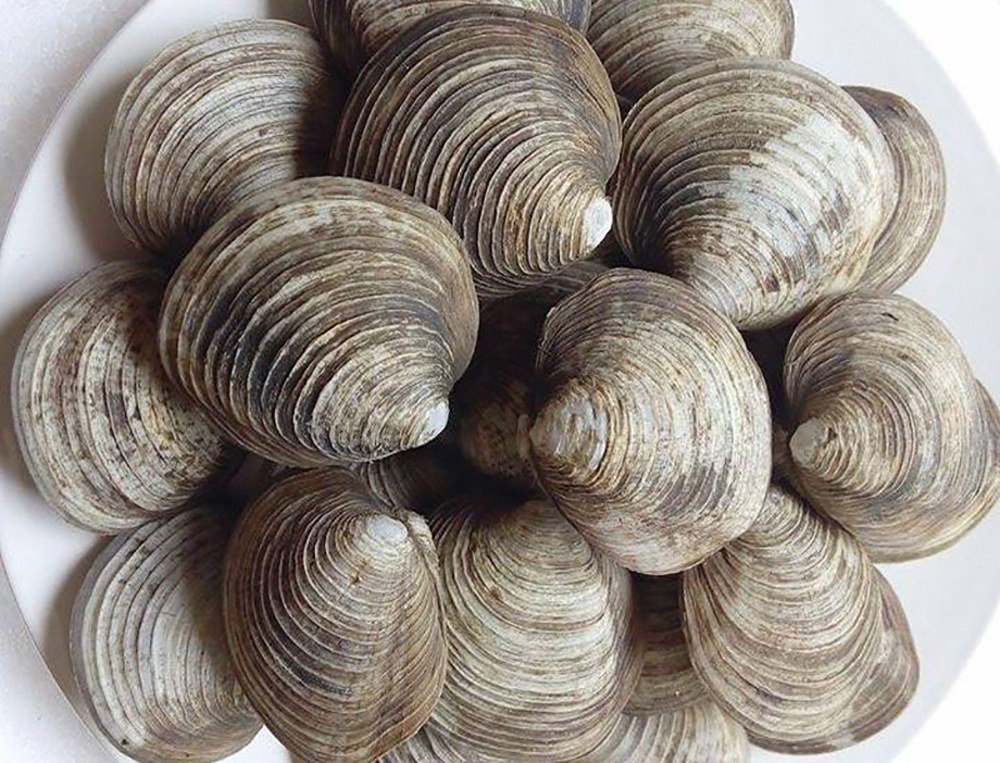
Ngán clams are increasingly rare and expensive. Illustrative photo: Internet.
To date, no facility has succeeded in farming ngán clams on a large scale, making Quang Ninh ngán clams from the Bach Dang estuary scarce. Visitors to Ha Long market will easily spot large, brightly colored ngán clams; however, these are usually brought in from the southern region and offer a milder flavor compared to the native variety.