


1 Quan Lạn Communal House – A National Historical Relic on an Island Far from the Mainland
Address: Quan Lạn island commune, Vân Đồn District, Quảng Ninh Province.
Quan Lạn Communal House is a resilient cultural symbol, where the islanders’ gratitude and national pride converge. This structure embodies rare historical and architectural-artistic values.
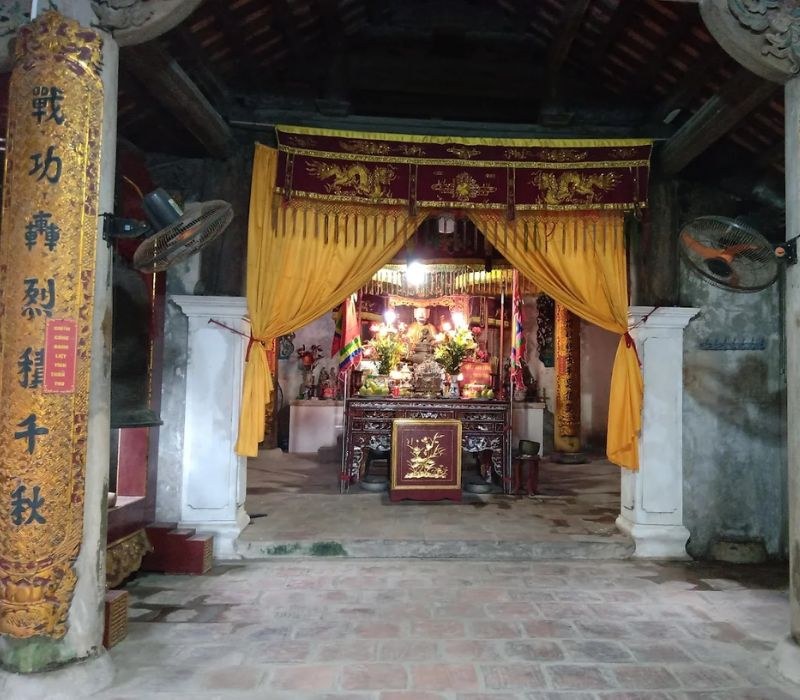
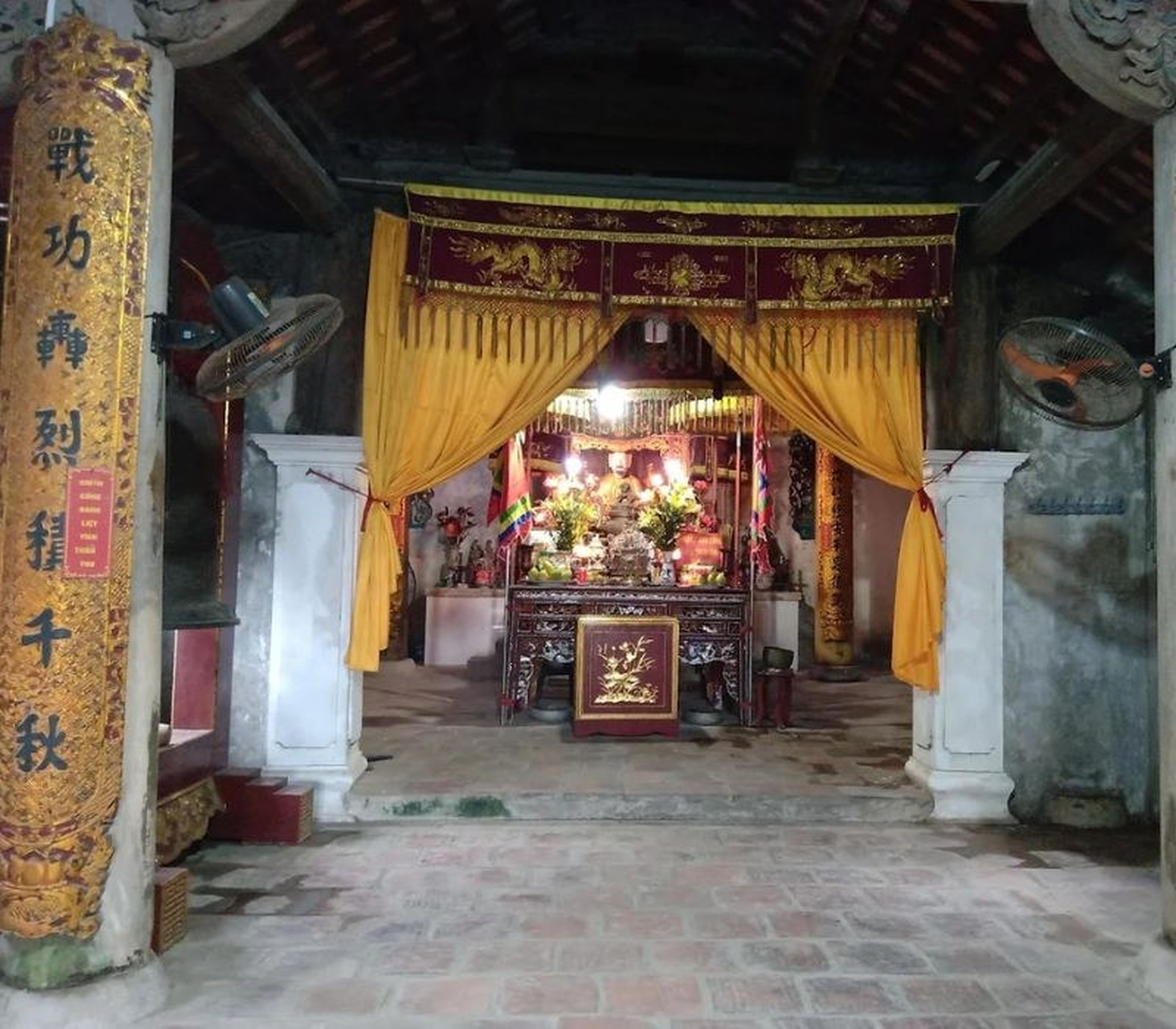
Quan Lạn Communal House is a place of worship dedicated to King Lý Anh Tông and other national heroes who made contributions to the country. Illustrative photo: TripAdvisor
What makes this relic unique is that it is the only ancient communal house in Vietnam located on an island far from the mainland. The presence of this sacred communal house has become a cultural landmark and a firm spiritual anchor for the island’s residents. With outstanding historical and architectural-artistic values, the Quan Lạn Communal House, Pagoda, Temple, and Shrine complex was officially recognized as a National Historical and Architectural-Artistic Relic on July 14, 1990.
2 The History of Quan Lạn Communal House
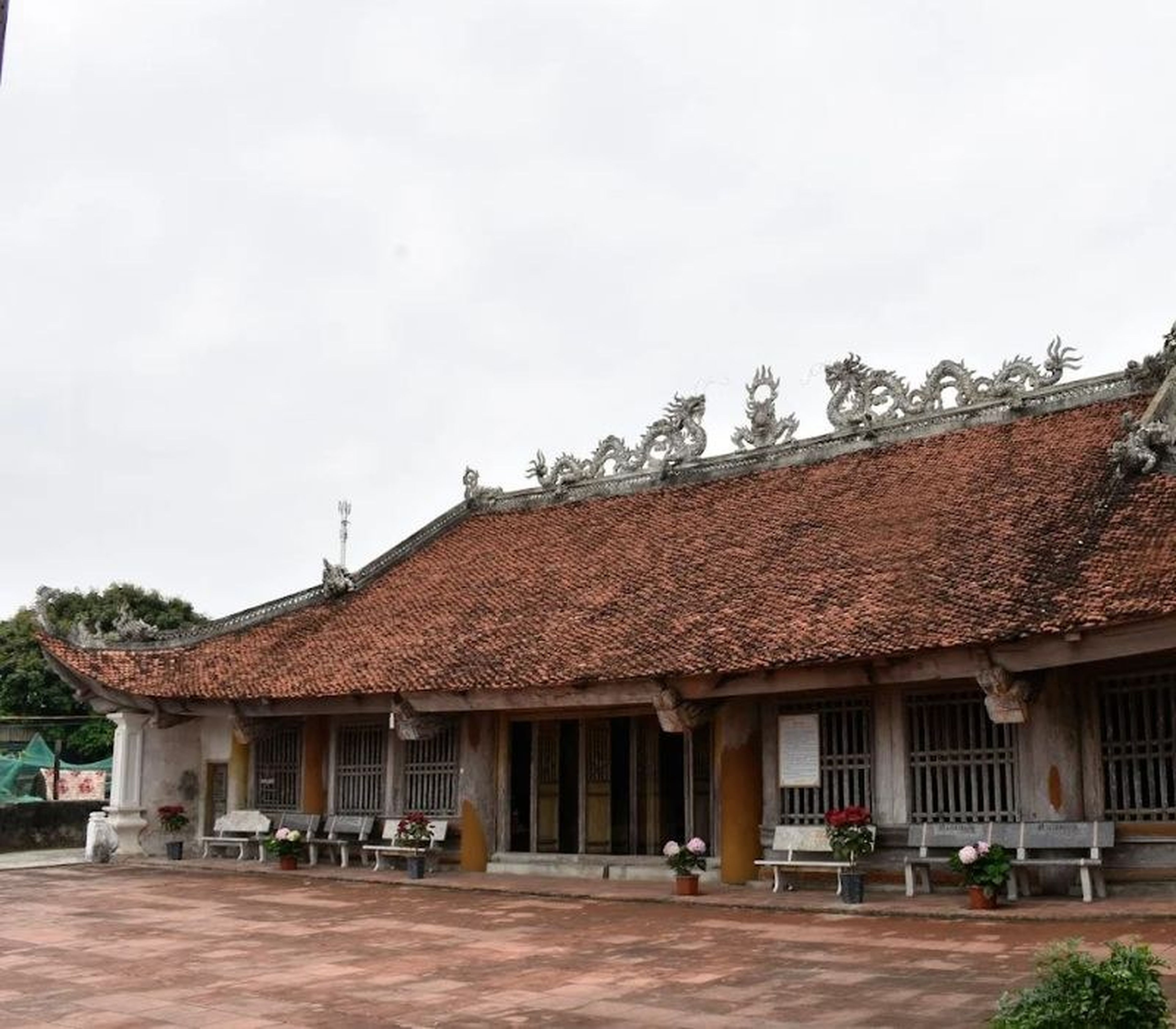
Quan Lạn Communal House was first built during the Later Lê dynasty, around the 17th century. Later, due to many historical upheavals and the ravages of time, the communal house was relocated and rebuilt more sturdily around 1890 - 1900 at its present location.
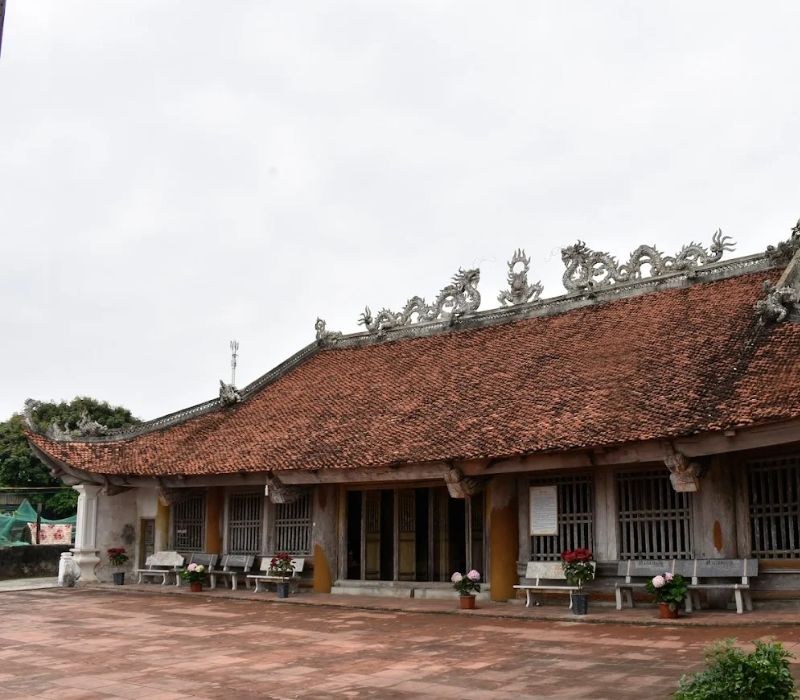
Quan Lạn Communal House was built around the 17th century in the traditional architectural style of temples and pagodas in northern Vietnam. Illustrative photo: VinWonders
The communal house is a place of worship for many deities and heroes who contributed to the village and the country. Most notably, it honors King Lý Anh Tông, who made major contributions to establishing Vân Đồn port in 1149, one of the busiest and most important trading ports under the Lý dynasty.
In addition, the communal house commemorates deities and people who protected the village and island throughout different periods. In particular, Quan Lạn Communal House also worships the renowned general Trần Khánh Dư, who guarded the Vân Đồn pass and commanded the destruction of the Yuan-Mongol supply fleet in 1288, making a decisive contribution to the great victory on the Bạch Đằng River. This reflects the profound tradition of "drinking water, remembering its source" and pride in the nation’s heroic history of resistance against foreign invaders.
3 Admiring the Ancient Architectural Beauty of Quan Lạn Communal House
More than just a historical relic, Quan Lạn Communal House is also a unique architectural-artistic work that reflects the talent and craftsmanship of Vietnamese artisans in the past.
3.1 Quan Lạn Communal House’s “Công” Layout and Refined Carving Art
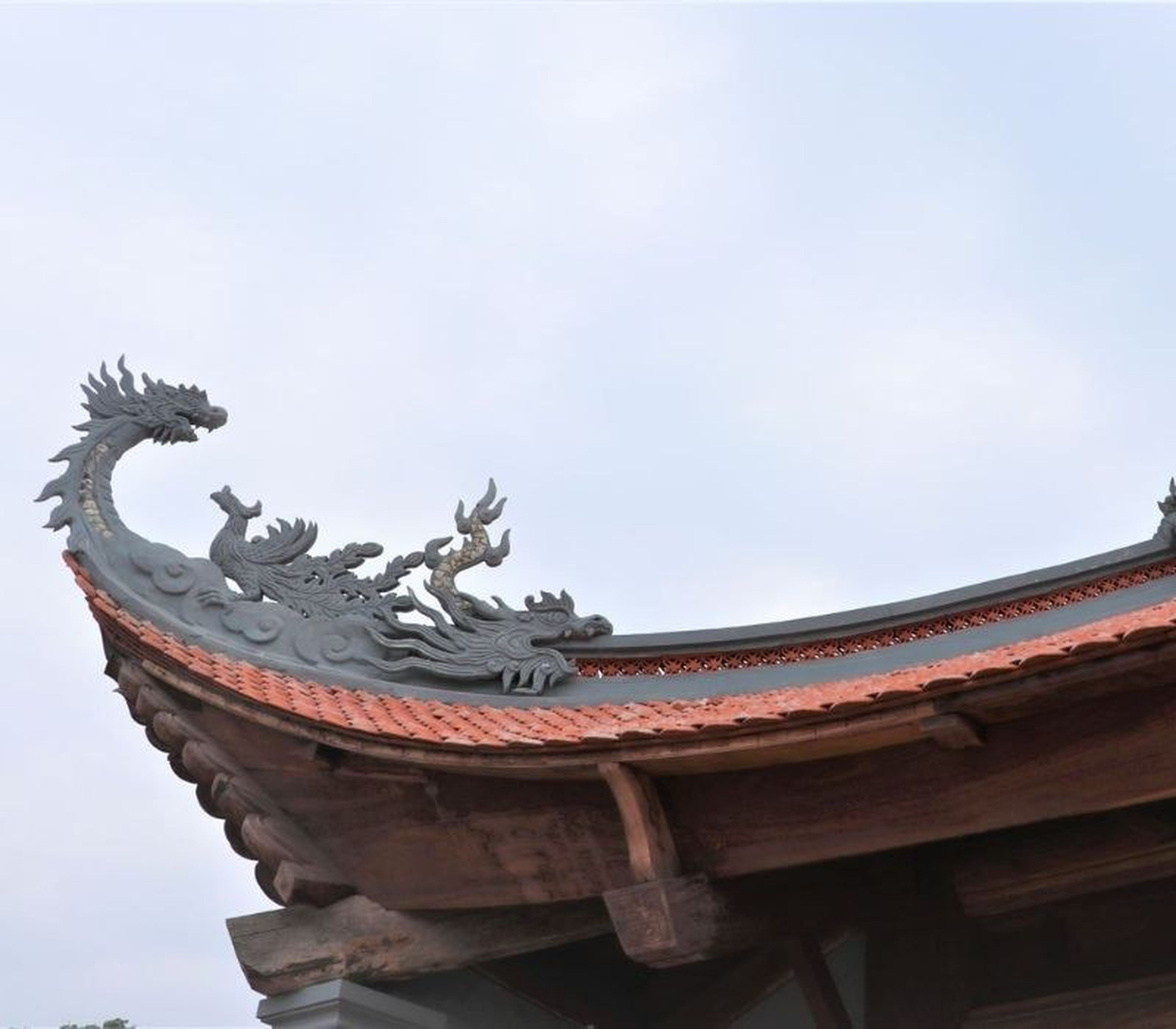
Quan Lạn Communal House was built in the traditional “Công” (工) layout, a floor plan commonly found in communal-house architecture in northern Vietnam. This layout includes the Bái đường (front ceremonial hall), Hậu cung (rear sanctuary), and three Ống muống compartments connecting the two areas harmoniously. The roof is covered with fish-scale tiles, highlighted by an intricately molded image of two dragons facing the moon on the roof ridge.
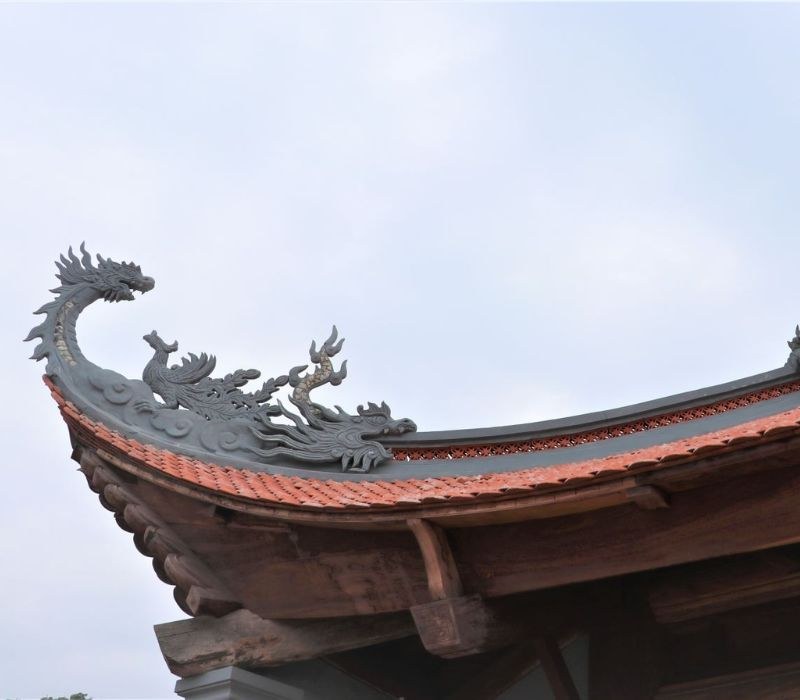
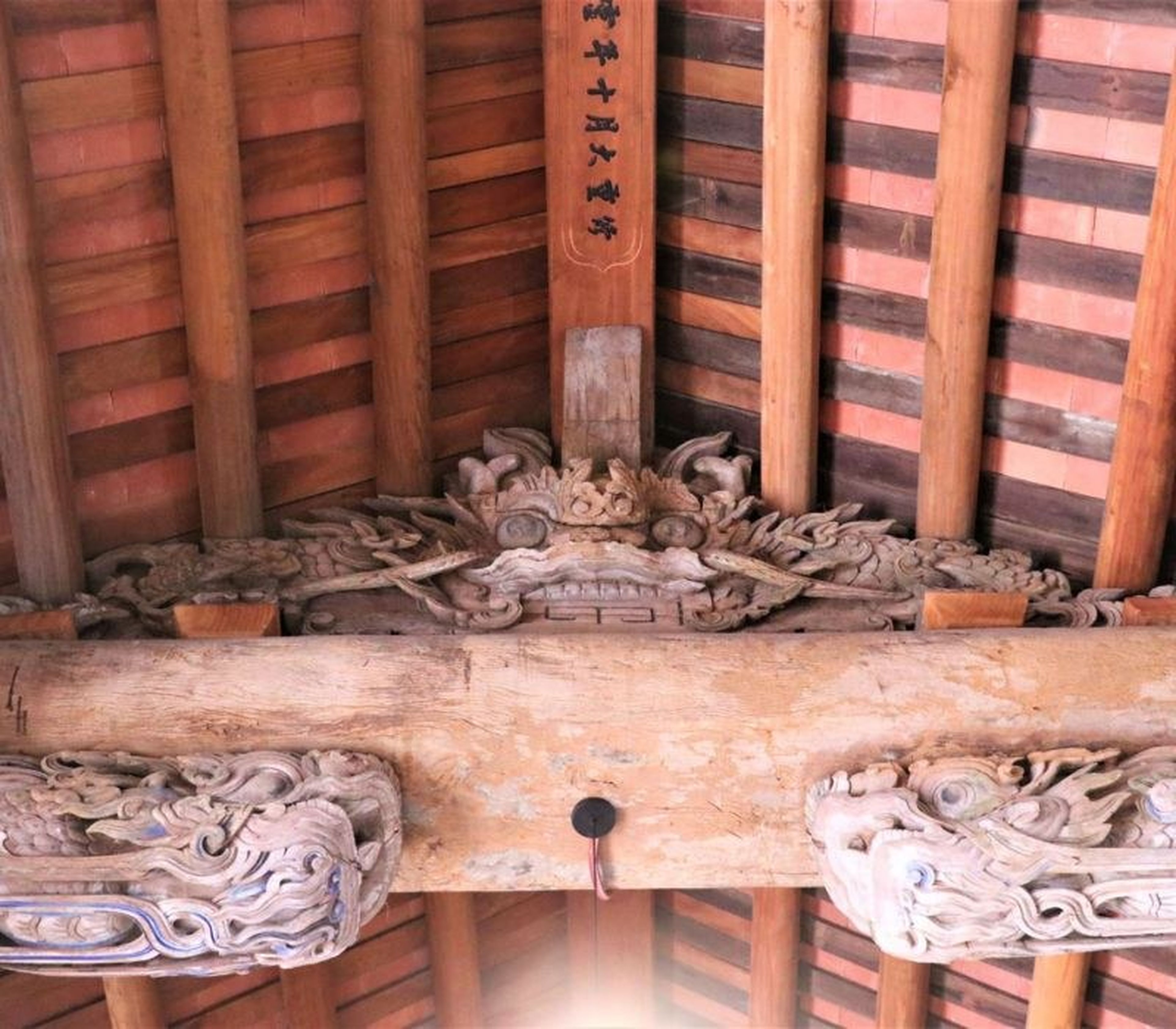
Quan Lạn Communal House impresses visitors with its refined carvings, mainly featuring motifs characteristic of the Lý, Trần, Lê, and Nguyễn dynasties. Illustrative photo: TripAdvisor
The outstanding architectural value of Quan Lạn Communal House lies in its building materials and carving art. The entire frame uses mần lái wood, a rare hardwood with high durability and resistance to termites, even more durable than lim wood. This has enabled the structure to stand firm and withstand the harsh, humid and saline climate of the islands for hundreds of years.
The wooden carvings here are masterpieces of folk sculpture. The decorative motifs mainly feature dragons, phoenixes, and patterns characteristic of the Lý, Trần, Lê, and Nguyễn dynasties, rendered with great intricacy and liveliness on the trusses and roof corners.
3.2 The Feng Shui Setting of “Three Mountains in Front, Five Peaks Behind”
When building Quan Lạn Communal House, people in the past focused not only on architecture but also strictly followed traditional feng shui principles. The communal house was built on an exceptionally favorable site, with its front facing directly toward the open sea, once the bustling trading area of Vân Đồn port. Behind it are five majestic limestone mountains.
Quan Lạn residents believe that the communal house is situated in the position of "three mountains in front, five peaks behind," creating a sturdy and sacred setting that shields the island commune and brings it peace and prosperity. This unique feng shui location further enhances the relic’s reverence and sacredness.
4 Quan Lạn Communal House Festival - Cultural Beauty on a Remote Island
4.1 When the Quan Lạn Communal House Festival Takes Place
If you have the chance to visit Quan Lạn in summer, you definitely should not miss the Quan Lạn Communal House Festival. It is one of the largest and most distinctive traditional festivals in the coastal and island region of Quảng Ninh.
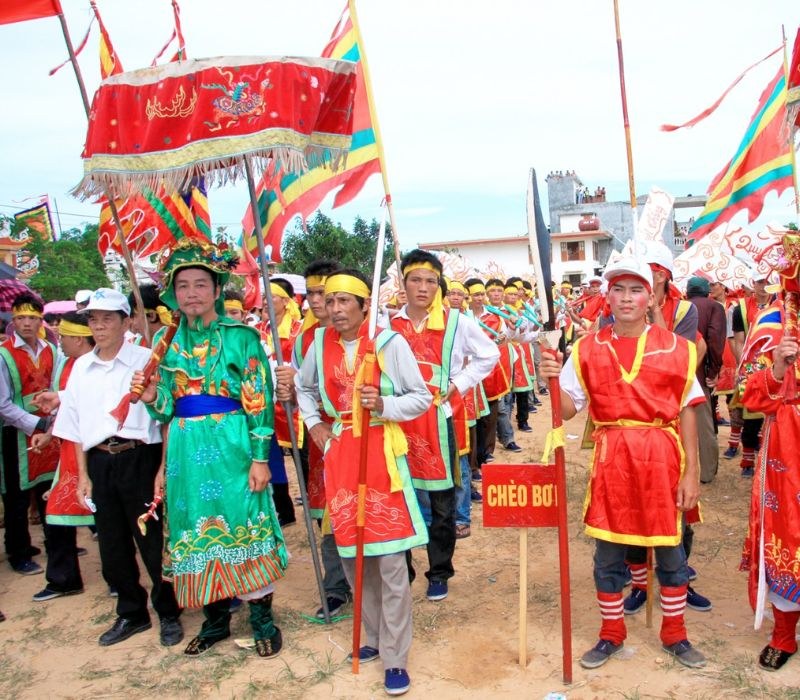
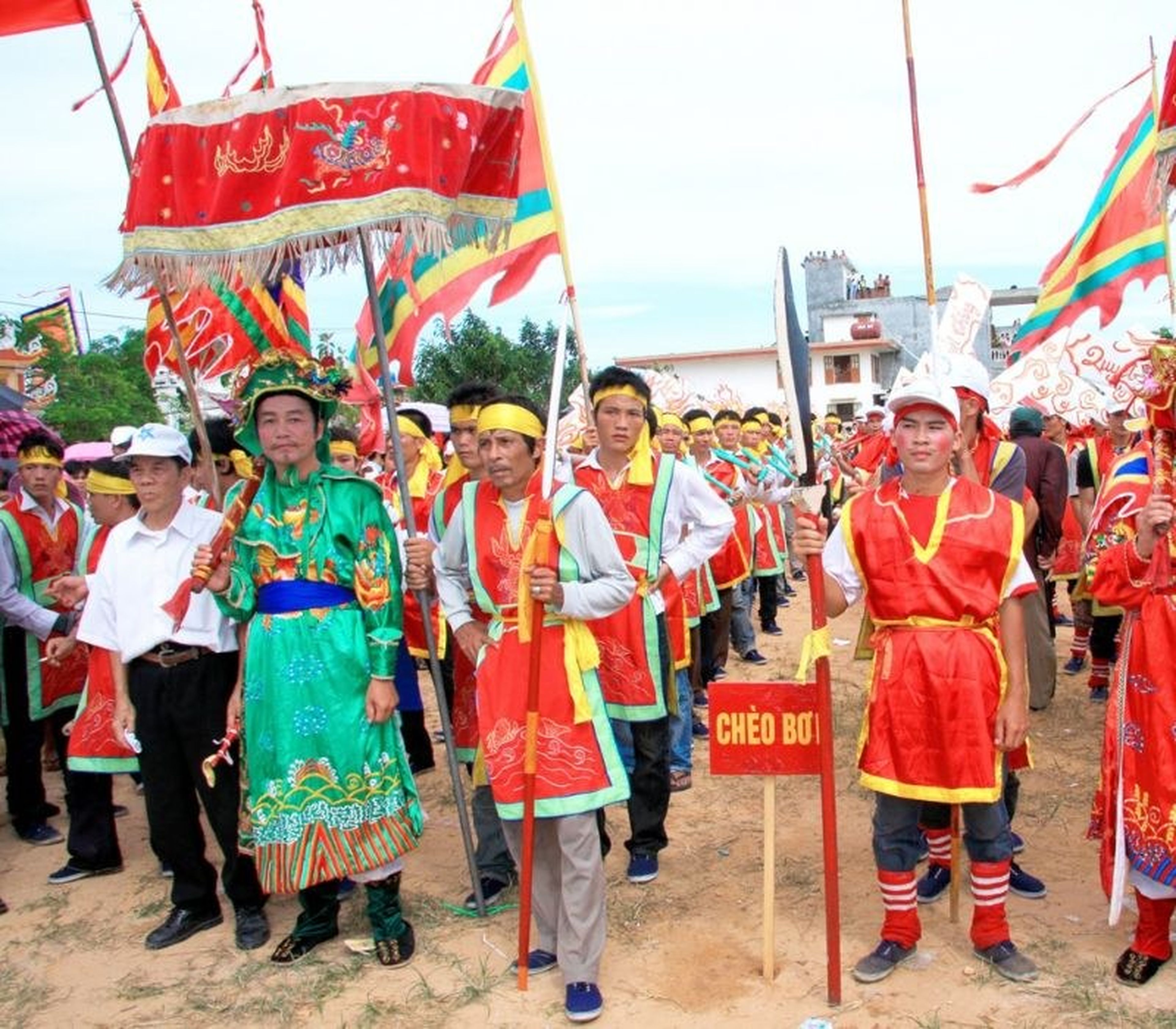
The Quan Lạn communal-house festival expresses the islanders’ tradition of "drinking water, remembering its source" and their respect for national heroes. Illustrative photo: Wyndham
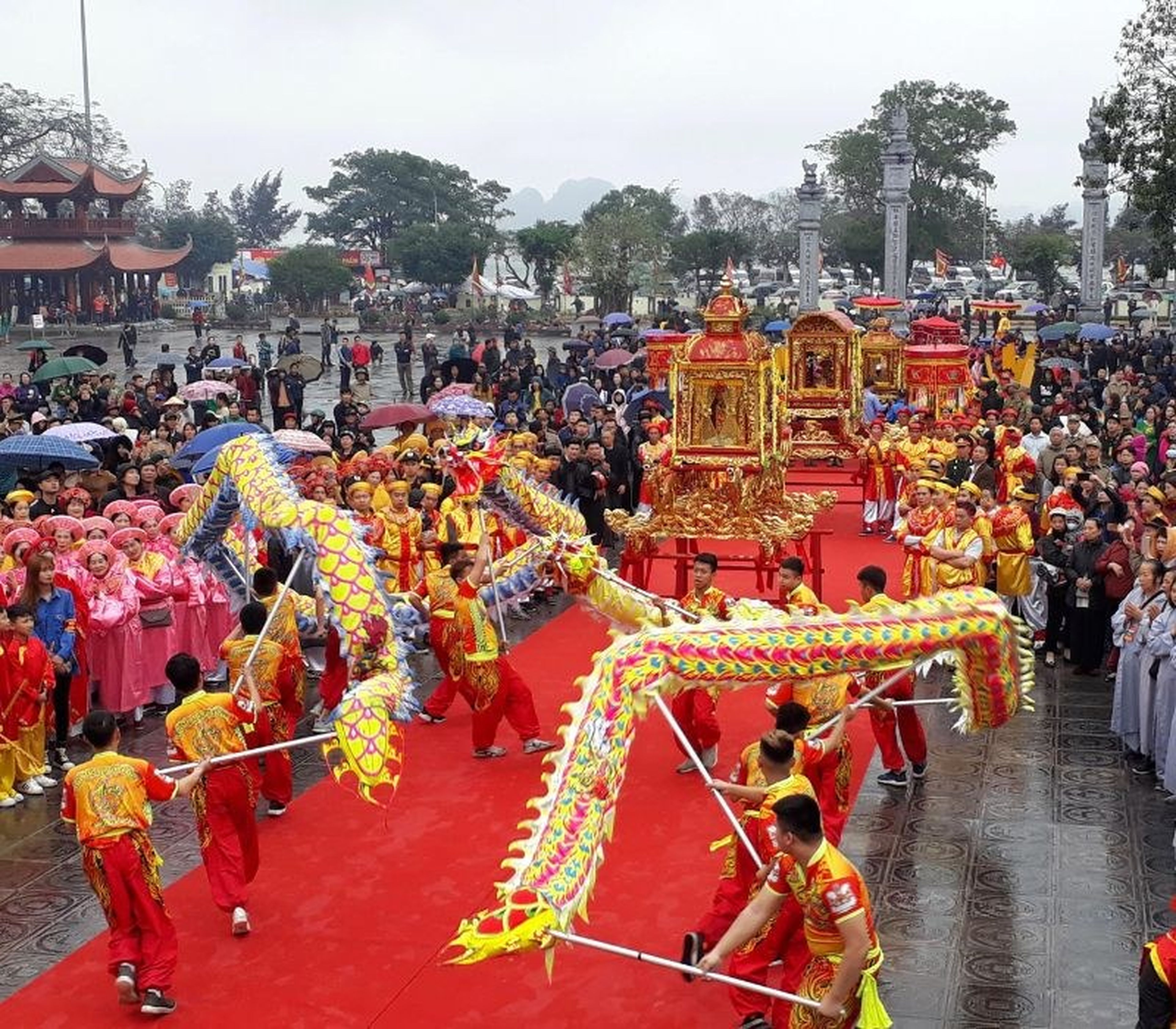
The Quan Lạn Festival, also known as the Quan Lạn rowing race festival, is a traditional festival held annually from the 10th to the 20th day of the sixth lunar month. It is an occasion for residents to commemorate the resounding victory in which Nhân Huệ Vương Trần Khánh Dư destroyed the Yuan-Mongol enemy’s supply fleet at Vân Đồn pass in 1288, reenacting that glorious historical naval battle.
Alongside its historical significance, this is also a major village festival where relatives and people living far from home can gather and meet. At the same time, the festival carries the meaning of praying for favorable weather and good fishing, expressing the hope for a year of calm winds and timely rains, abundant catches of shrimp and fish, prosperity, and peace.
4.2 Exploring the Solemn Rituals of the Ceremonial Portion
The ceremonial portion is held with great solemnity and includes many traditional rituals. The 10th day of the sixth lunar month is the day Quan Lạn village is closed, a sacred ritual during which the festival flag is raised and island residents—except those returning from working away from home or visitors who arrived earlier—are not allowed to leave the island. This ritual demonstrates the entire village’s absolute focus on preparing for the festival.
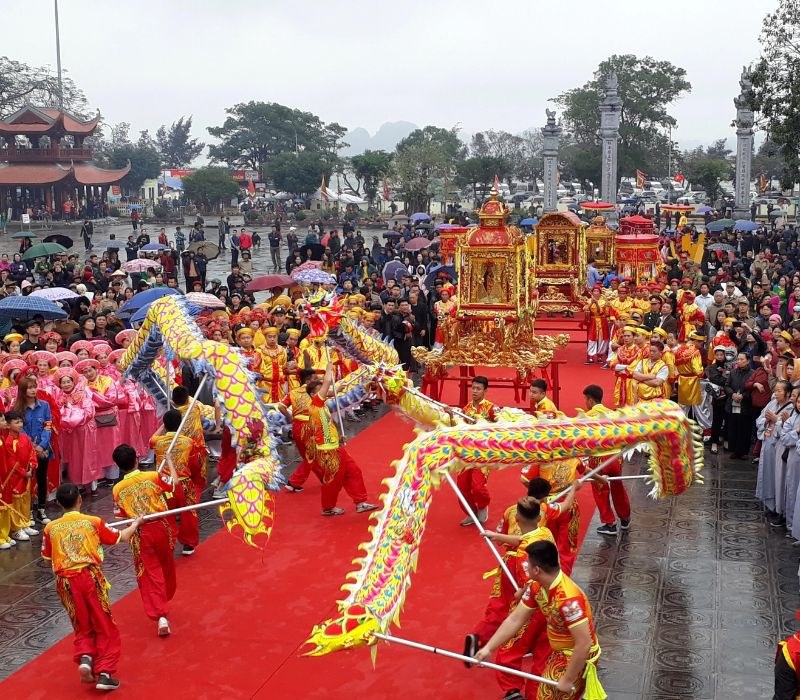
The ceremonial portion includes a palanquin procession from the Nhân Huệ Vương temple to Quan Lạn Communal House, along with many other traditional activities. Illustrative photo: angsana.com
The 16th day of the sixth lunar month is when the palanquin procession takes place, traveling from the temple of Nhân Huệ Vương Trần Khánh Dư to Quan Lạn Communal House. Other rituals include lễ mộc dục (washing the statue), raising the festival flag, welcoming the deity, ceremonies at Đức Ông Pagoda/Temple, and prayers for peace. All are performed according to traditional rites, expressing the local people’s profound reverence.
4.3 Traditional Boat Racing - The Most Exciting Highlight
The most important and exciting highlight of the festival is the boat race (bơi chải), held on the afternoon of the 18th day of the sixth lunar month in the Bến Đình area. The event is organized on a large scale to reenact the naval battle of the past, with large racing boats weighing approximately 5-6 tons and decorated with imposing dragon heads.

Boat racing, or bơi chải, is one of the features that makes the Quan Lạn Communal House Festival distinctive, attracting widespread attention. Illustrative photo: Halotravel
The competition takes place between two teams: Đông Nam Văn and Đoài Bắc Võ. This is not merely a contest but also a display of strength and solidarity. The winning team is warmly cheered and receives a major prize, symbolizing a lucky and bountiful year. In addition, the festival includes many other attractive activities and folk games, such as wrestling, tug-of-war, human chess, and lion dances, attracting participation and support from large numbers of residents and visitors.
5 Complete Quan Lạn Travel Tips
5.1 The Best Time to Visit
The ideal time to visit Quan Lạn Island is from May to November. During this period, the climate is mild, there is little rain, and the sea is calm, making it very convenient for recreational activities, swimming, and exploring the island. In particular, if you love culture and want to experience the traditional festival atmosphere, you should arrange your trip for the middle of the sixth lunar month each year to attend the Quan Lạn Communal House Festival.
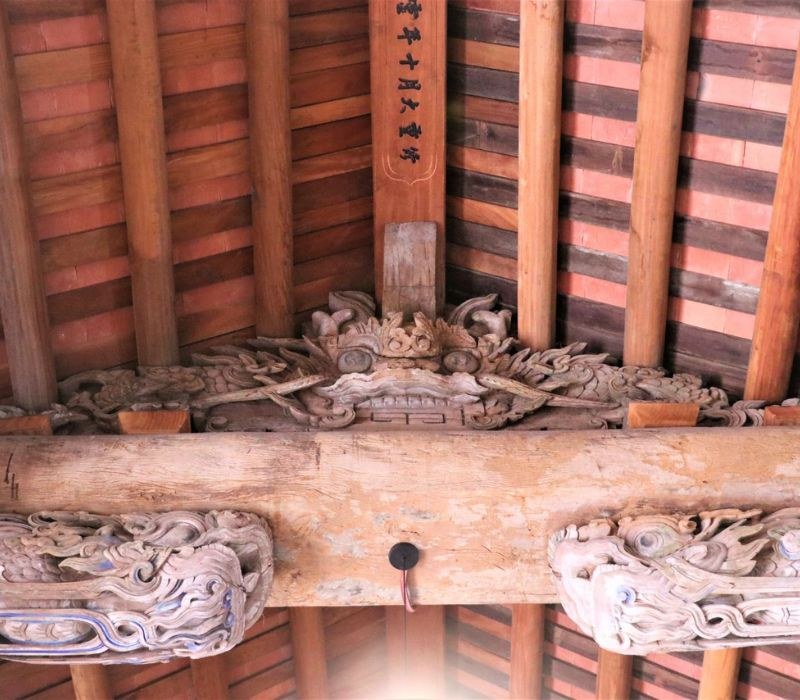
Visitors can travel to Quan Lạn Island and admire the structure’s finely carved details at the communal house. Illustrative photo: Baotintuc.vn
5.2 Getting to and Around the Island
To reach Quan Lạn Island, visitors need to travel to Cái Rồng Port in Vân Đồn, Quảng Ninh. From Cái Rồng Port, there are two options for reaching the island: a high-speed boat (taking a little over 40 minutes, with an estimated fare of around 100,000 VND/person) or a wooden boat (taking approximately 2 hours, with a fare of about 60,000 VND/person). Depending on their schedule and budget, visitors can choose the most suitable option.
Once on the island, popular and convenient transportation options include renting a motorbike for independent exploration or taking an electric vehicle (seating 9-12 passengers, with fares from 20,000 VND - 60,000 VND depending on the destination). You can also rent a tuk-tuk (seating around 8 people, costing approximately 300,000 VND/trip) when traveling in a large group.
Quan Lạn Communal House is an essential destination on any journey to explore Quảng Ninh. Here, visitors can admire the architectural beauty, learn about the region’s heroic history, experience a lively traditional festival, and enjoy fresh island seafood. This is sure to be a journey offering profound cultural and spiritual value. With this article from MIA.vn, you can confidently pack your suitcase and set off!