Amid the strong growth of tourism, many destinations are at risk of losing their distinctive character as they chase market trends. In this context, cultural identity is not only the “identity card” of each region, but has also become an important endogenous resource, creating a distinctive and sustainable appeal for tourism. In Quang Ninh, efforts to preserve and promote cultural identity are not only an inevitable requirement but also a consistent direction for developing tourism in a distinctive and unique manner.
Developing tourism in association with cultural identity is not a new model, but it is increasingly becoming a trend that interests visitors. In addition to visiting scenic spots and historical sites, today’s tourists want to learn about and experience local cultural life, from customs, beliefs and festivals to architecture, performing arts and cuisine... In other words, what makes visitors stay is the distinctiveness and cultural story of each region. Clearly recognizing this trend, Quang Ninh has, in recent years, proactively drawn on cultural materials—especially the traditional culture of ethnic minority communities such as the Tay, Dao, San Chi and San Diu—to develop tourism products rich in cultural identity.
Following this direction, many localities in the province have implemented cultural tourism development models in a systematic and scientific manner, with the community at the center. In particular, after the two-tier local government model was implemented, administrative boundaries were expanded and cultural spaces were connected and integrated, creating favorable conditions for communes, wards and special administrative zones to effectively tap into the values of local culture.
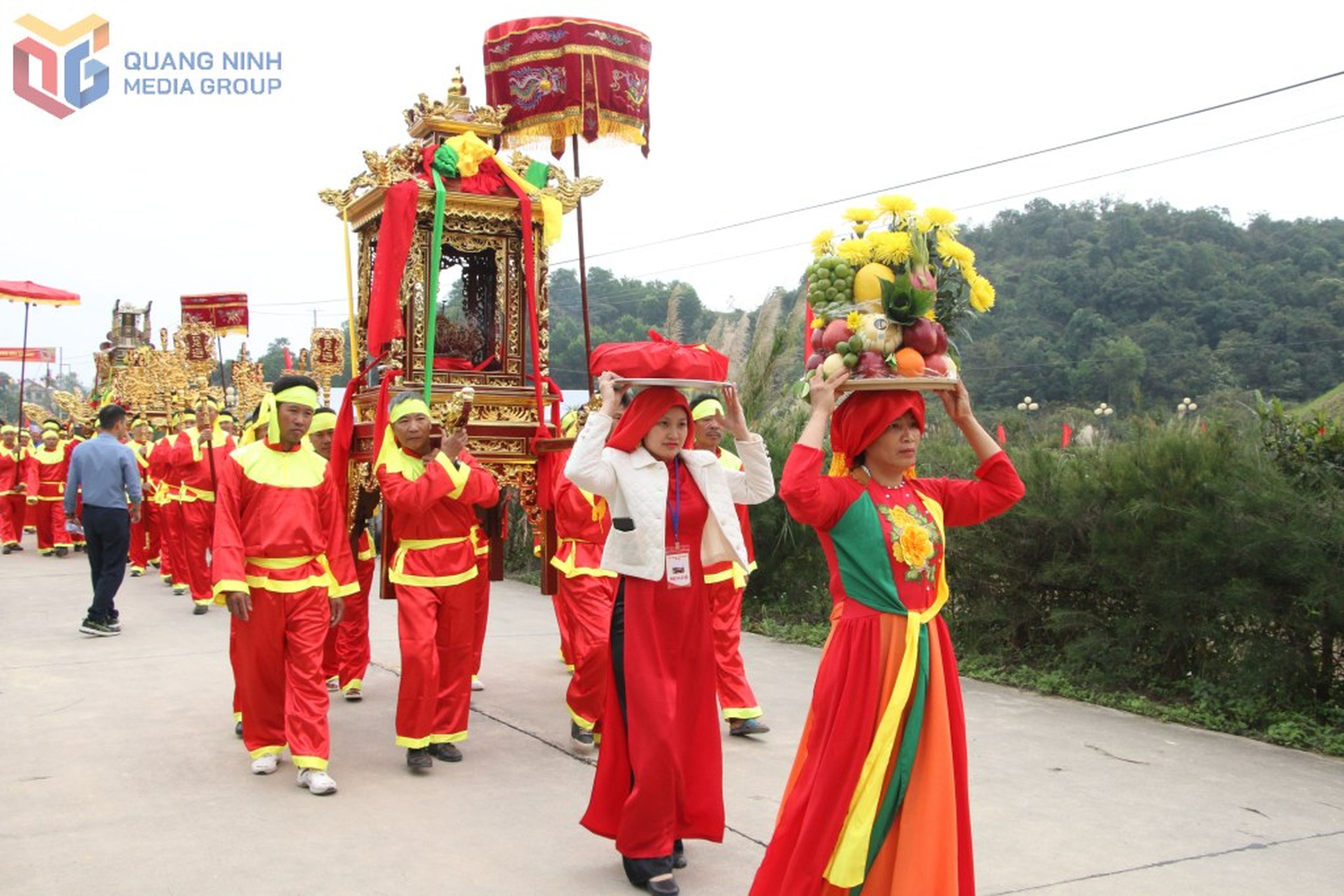
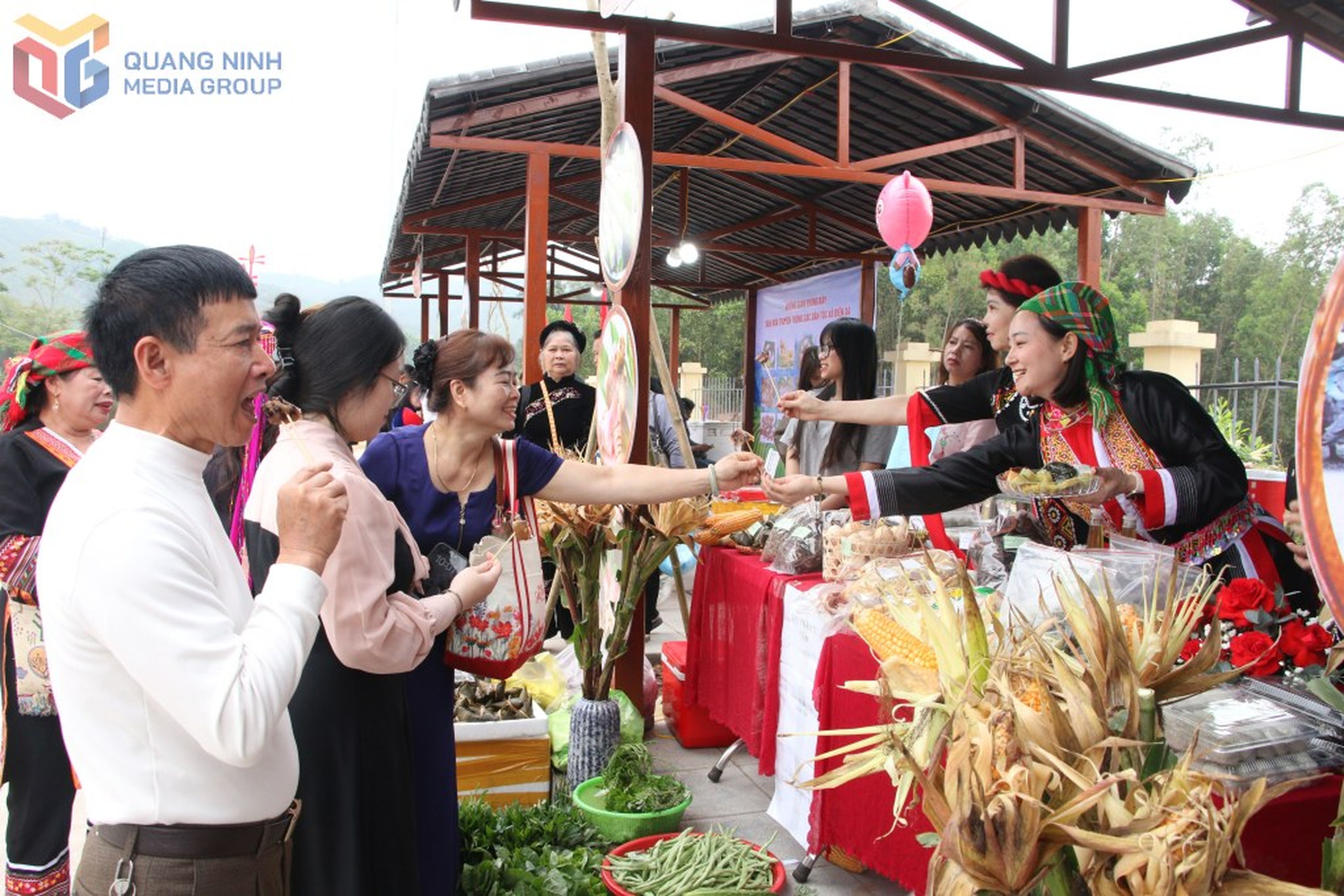
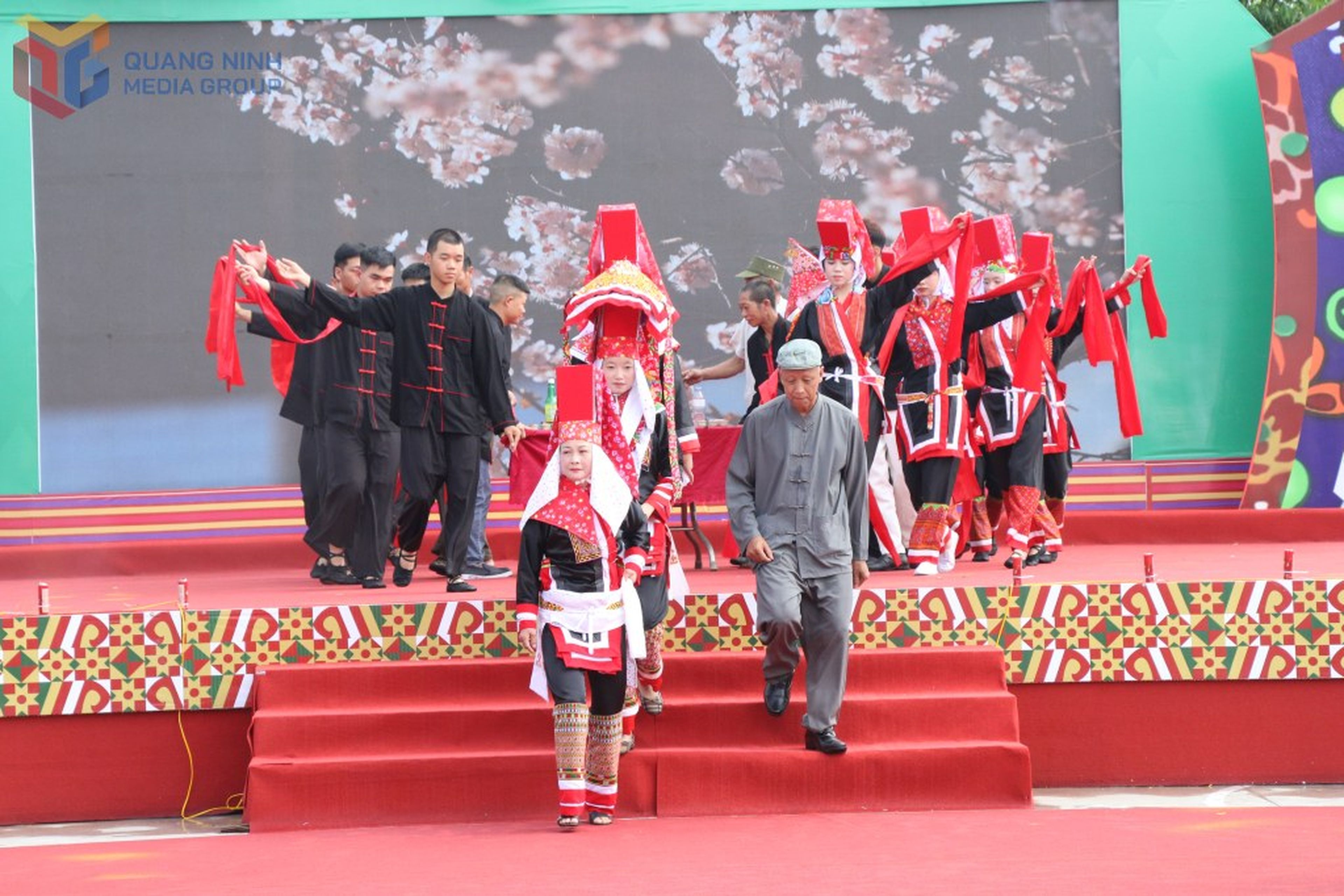
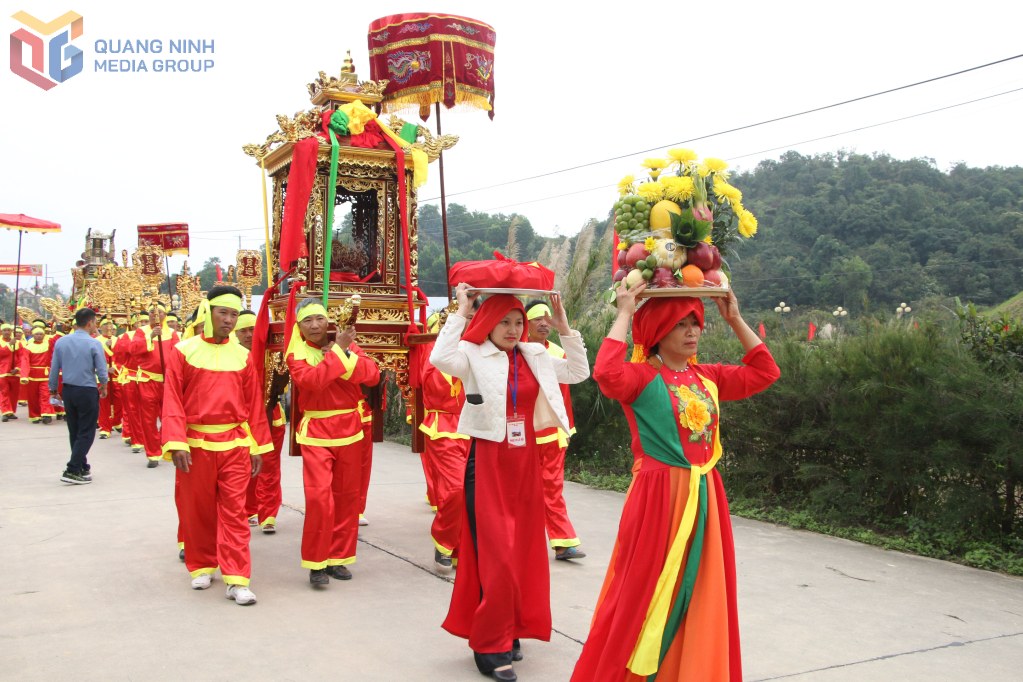
One clear expression of preserving cultural identity is the revival and organization of traditional festivals based on respect for their original forms, selective adaptation and appropriately expanded scale. Many festivals that had once faded away have been restored and turned into attractive tourism products, such as the Cai Chien Communal House–Temple Festival (Cai Chien Commune), revived after nearly 80 years; the Khoi Kem ritual of the Dao community in Duong Hoa Commune, organized on a festival scale for the first time; and the first Cultural Day of the Ethnic Groups of Dien Xa Commune, held in association with the Ha Lau periodic market... At these events, traditional rituals, folk games, and folk singing and dancing are authentically recreated, becoming highlights that attract visitors while also enriching the community’s cultural life.
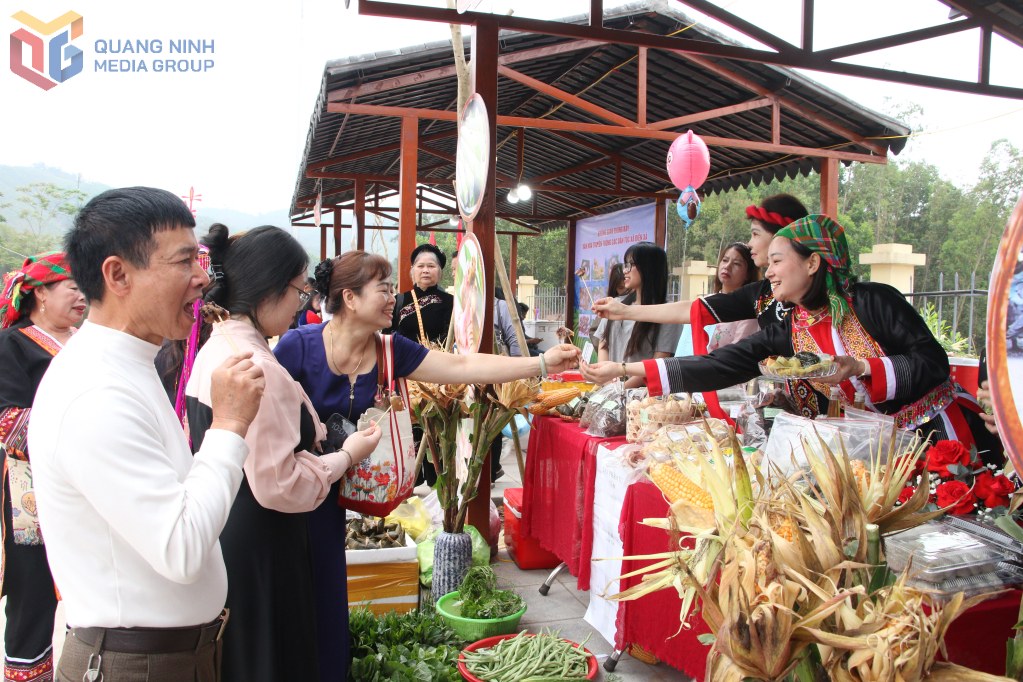
Mr. Luong Viet Hung, Deputy Secretary of the Party Committee and Chairman of the People’s Committee of Dien Xa Commune, said: After the merger, more than 85% of the local population are Dao and Tay people, creating a diverse cultural foundation. The commune is currently coordinating with agencies and experts to develop the “Project on Preserving and Promoting the Values of Ha Lau Periodic Market in Association with Tourism Development.” The project is being implemented on the basis of scientific research, with consultation from cultural researchers and, especially, the active participation of local residents, who play the central role. Activities such as reenacting rituals, singing folk songs, sewing and embroidering costumes, and preparing cuisine are all carried out by local people themselves and passed down through generations. In this way, they not only preserve the true “essence” of the culture but also raise each resident’s awareness of preserving and promoting traditional values.
In reality, culture only becomes truly sustainable when it is nurtured within the community’s own everyday life. Meritorious Artisan Dieng Chong Xenh (Quang Son 3 Village, Duong Hoa Commune) shared: In addition to teaching embroidery within my family, I also directly instruct students at schools in the area. At the recent Khoi Kem Festival, the traditional embroidery of the Thanh Phan Dao people was recreated through competitions and a cultural exhibition space that attracted visitors’ attention. From here, each resident is not only a custodian but also directly introduces and spreads the cultural beauty of their ethnic group and homeland.
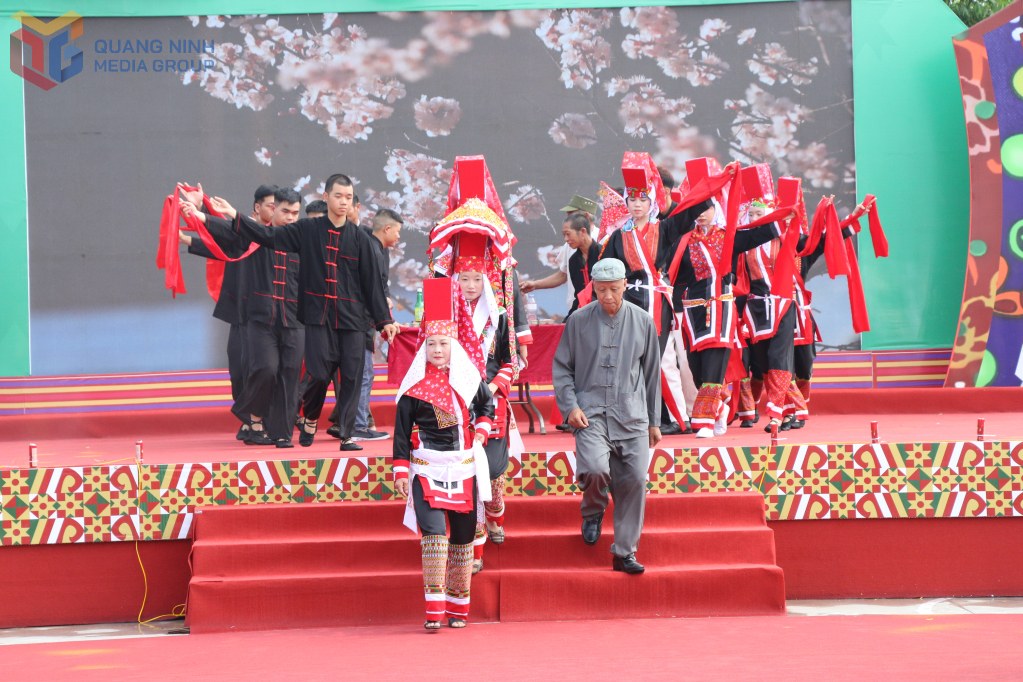
At the same time, the province continues to review, inventory and document tangible and intangible cultural heritage in order to develop appropriate protection and restoration plans. As a result, many distinctive cultural values of ethnic minority communities have been restored, recognized and promoted, including the Soong Co singing of the San Chi people, Soong Co singing of the San Diu people, the Thanh Phan Dao people’s wind-avoidance custom, the Thanh Y Dao people’s initiation ceremony, and the Tay people’s New Rice Celebration... In particular, Then heritage of the Tay, Nung and Thai people, including in Quang Ninh, has been inscribed by UNESCO as a Representative Intangible Cultural Heritage of Humanity, opening up major opportunities for tourism promotion and development.