

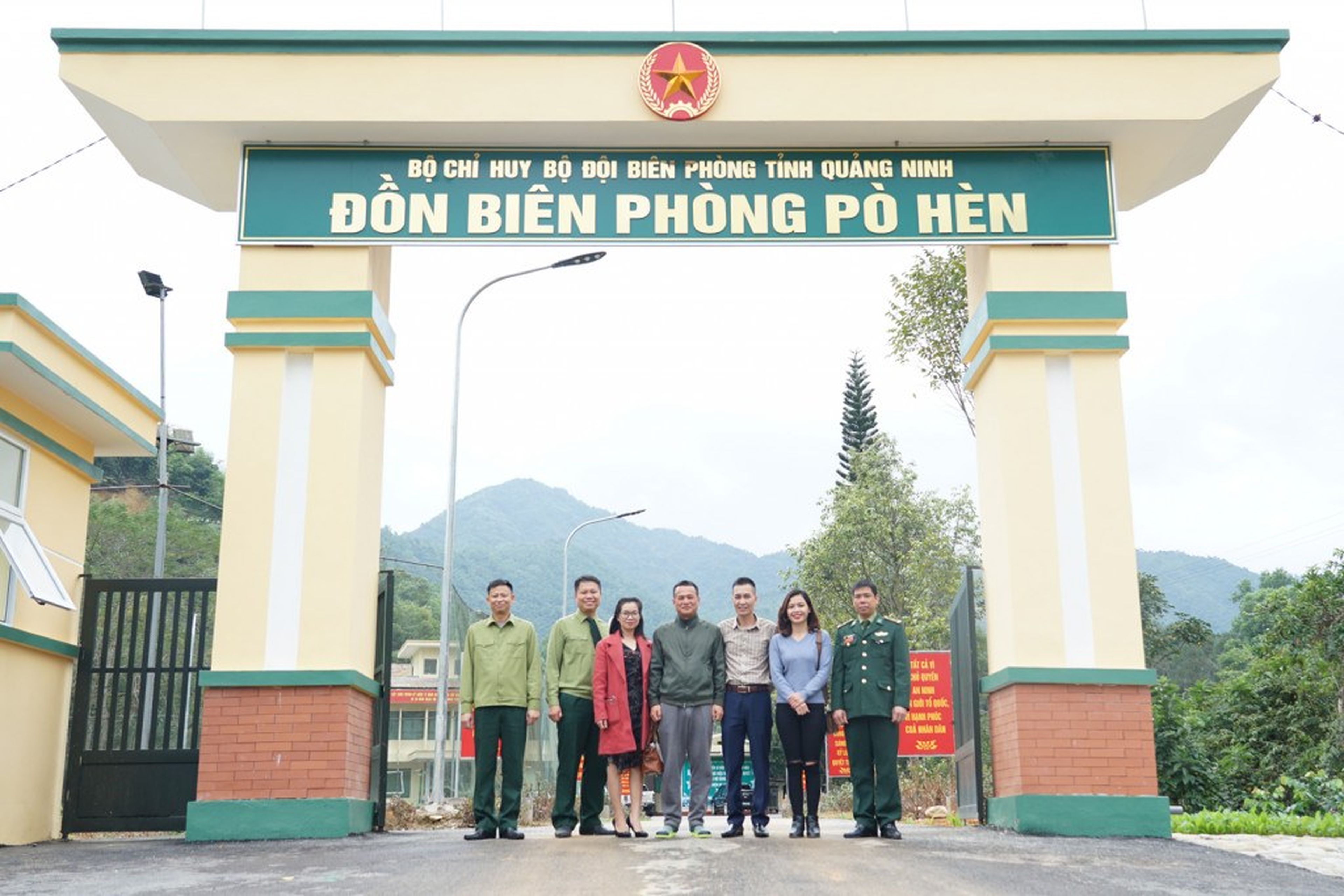
Po Hen (Mong Cai, Quang Ninh) marked a heroic page of history during the patriotic war in 1979. Today, Po Hen Relic Site is a place to commemorate the soldiers who bravely sacrificed their lives in the battle.
Po Hen Relic Site – A place of tribute to heroic martyrs in the border war
Throughout the glorious history of our nation, there are places that have left a deep mark of unforgettable years, etched in the minds of countless generations. Among them, the Po Hen Relic Site, formerly the Po Hen Border Guard Post 209 relic, is also such a place.
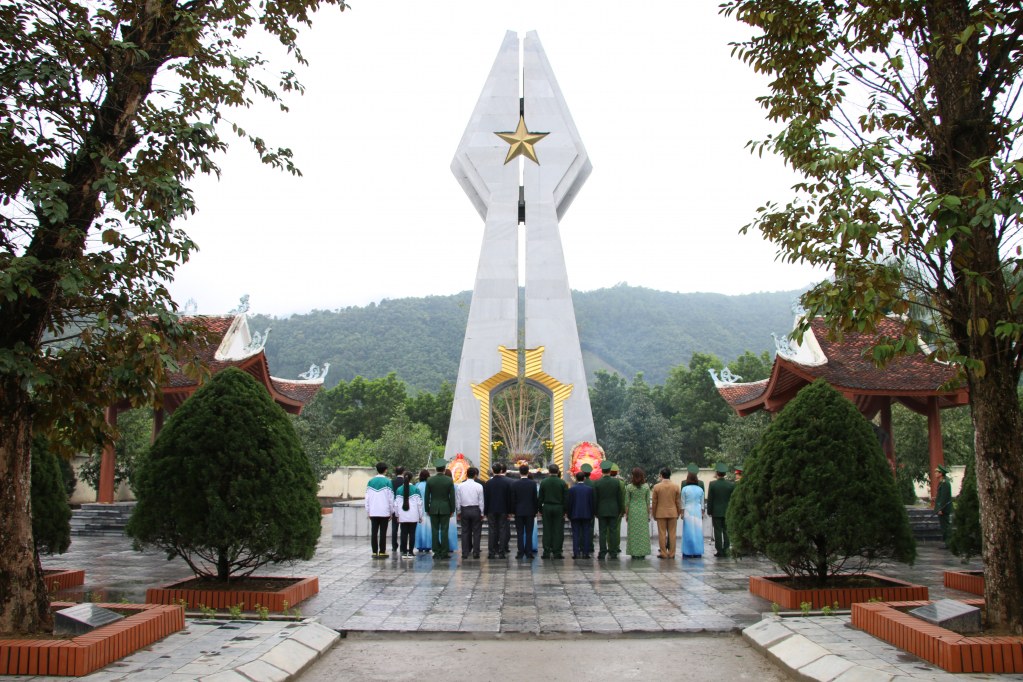
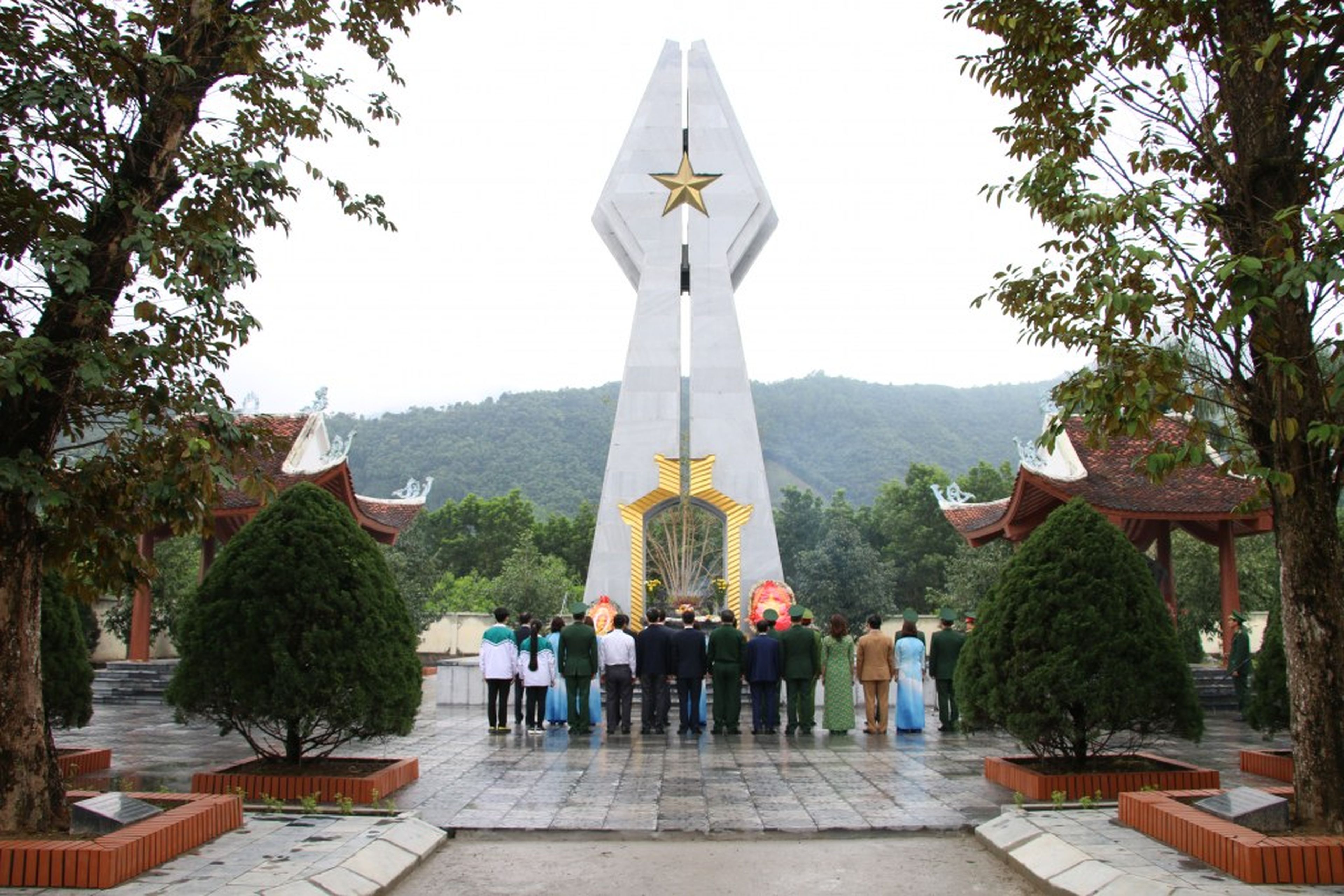
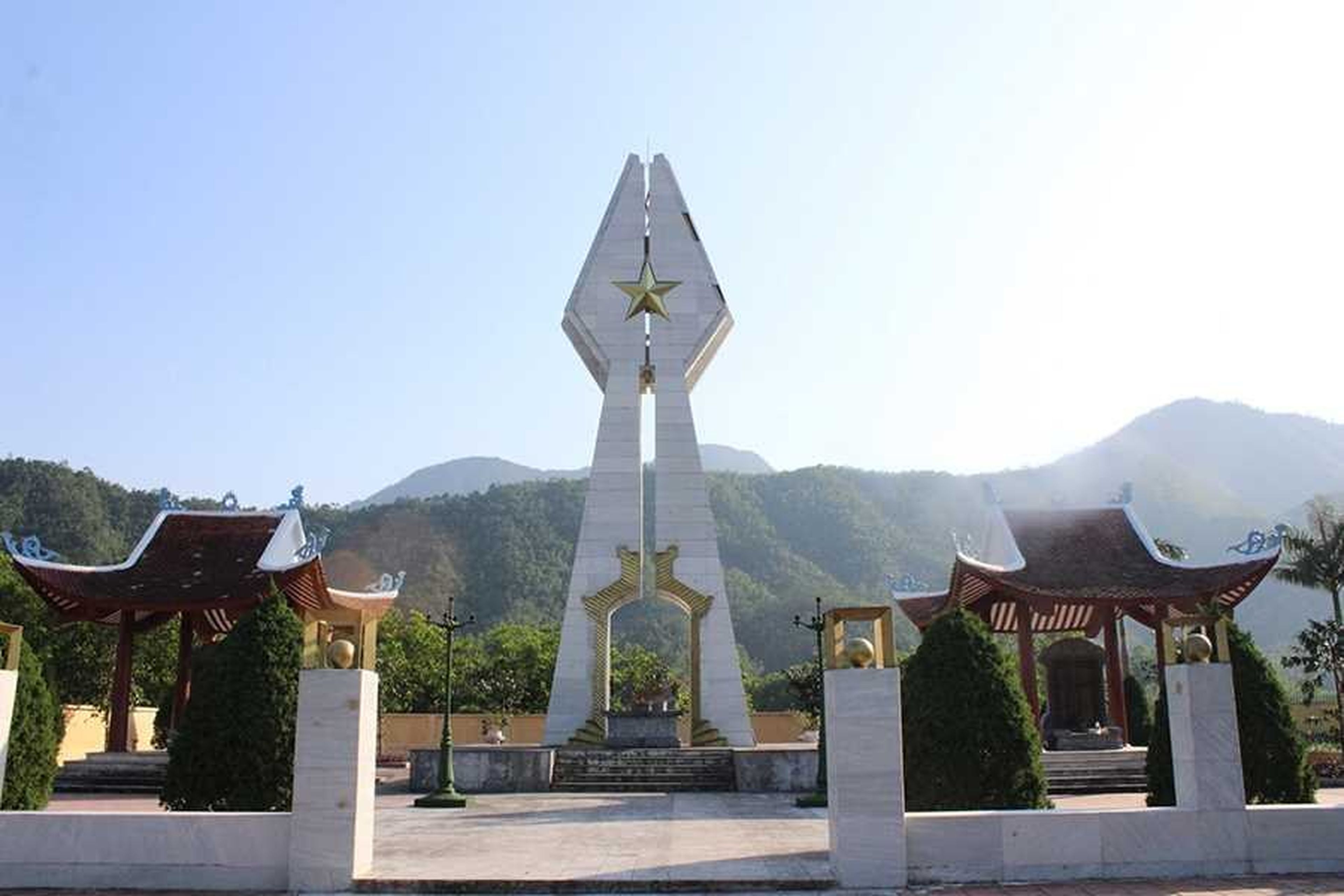
Po Hen Memorial. Photo: Quang Ninh Newspaper.
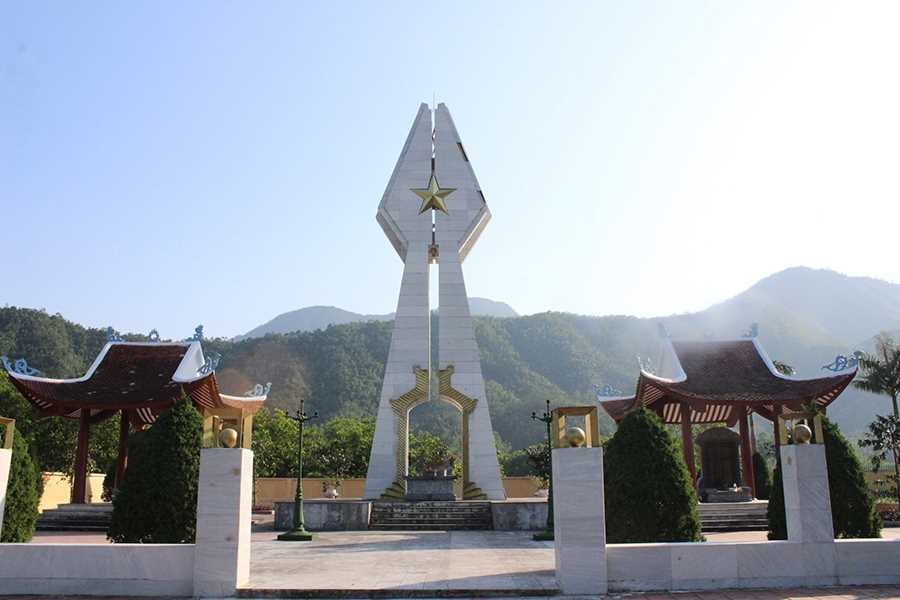
The memorial monument at the relic site. Photo: quangninh.gov.
In the early morning of February 17, 1979, China unexpectedly sent troops across the border, launching simultaneous attacks on six border provinces, from Nam Cun (Lai Chau) to Po Hen (Quang Ninh).
In Mong Cai, heavy artillery and various types of firepower fiercely bombarded Border Guard Posts 209, 210, 211, and 212, as well as forestry worker teams and residential areas along the border line.
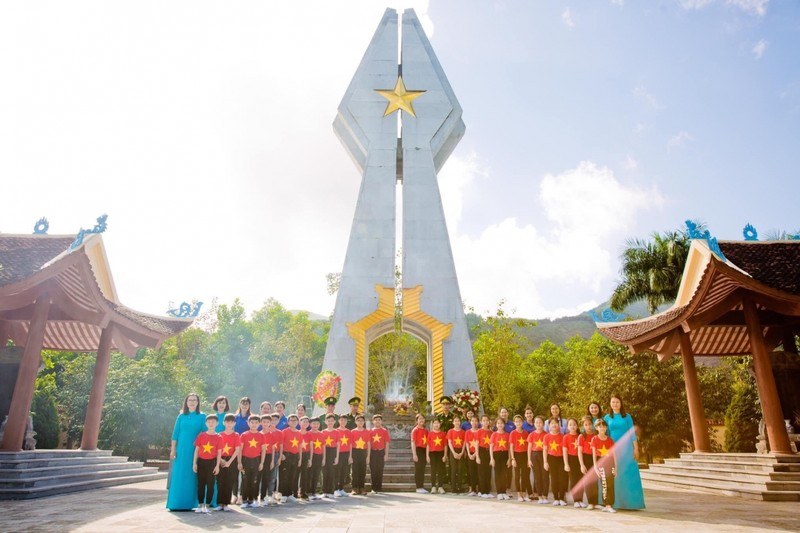
Photo: Communist Party of Vietnam.
The enemy divided into 5 prongs to relentlessly attack Po Hen post; the border guard soldiers fought with utmost bravery to repel the assaults. However, due to the disparity in forces—between about 60 soldiers and more than 3,000 enemy troops—45 soldiers sacrificed their lives alongside a group of Hai Son forestry workers and female commercial worker Hoang Thi Hong Chiem.
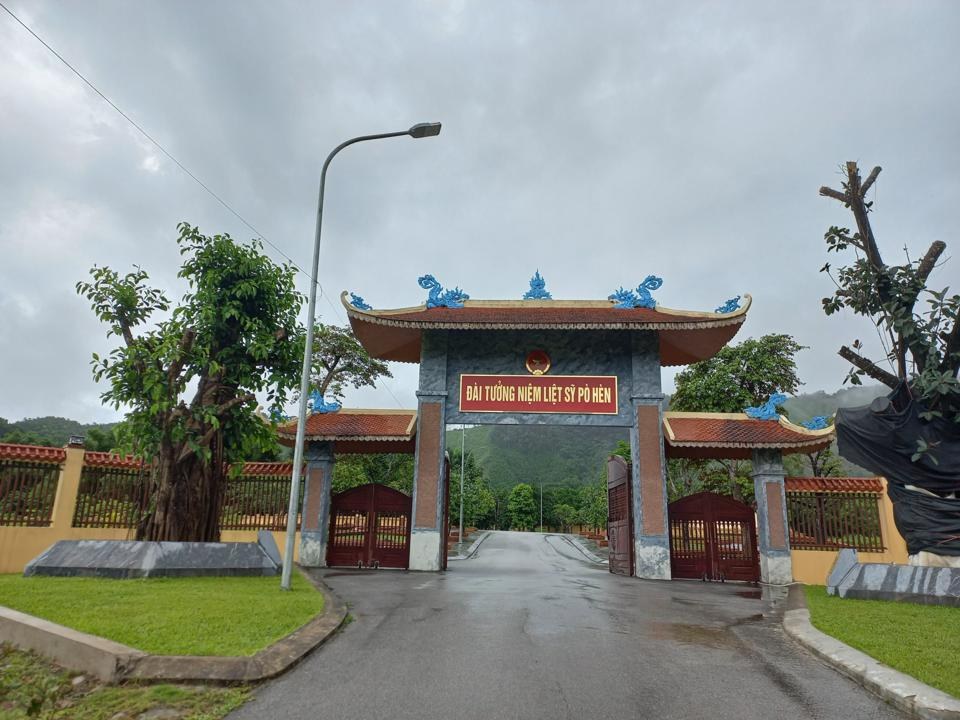
Photo: Bao Thanh.
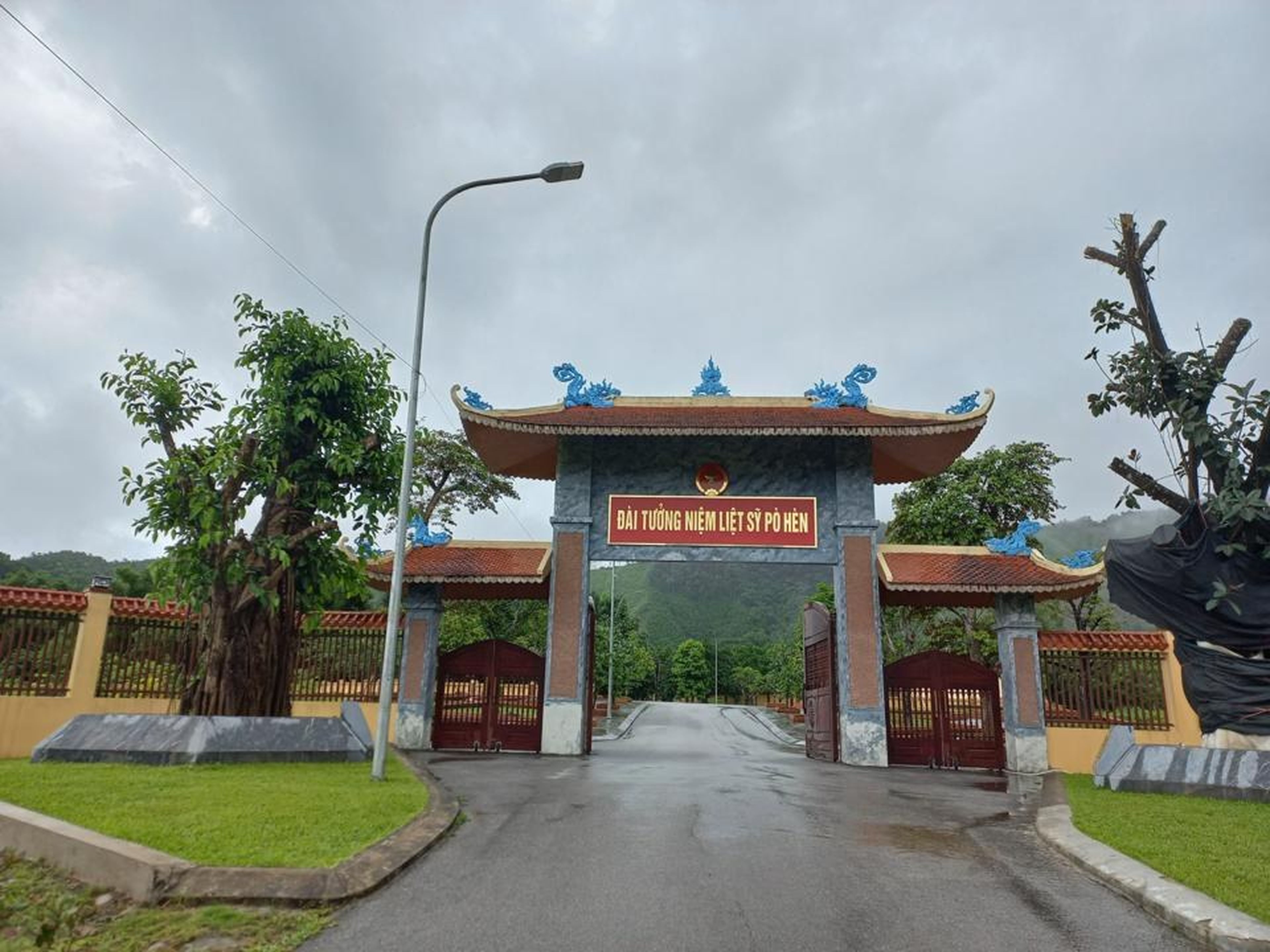
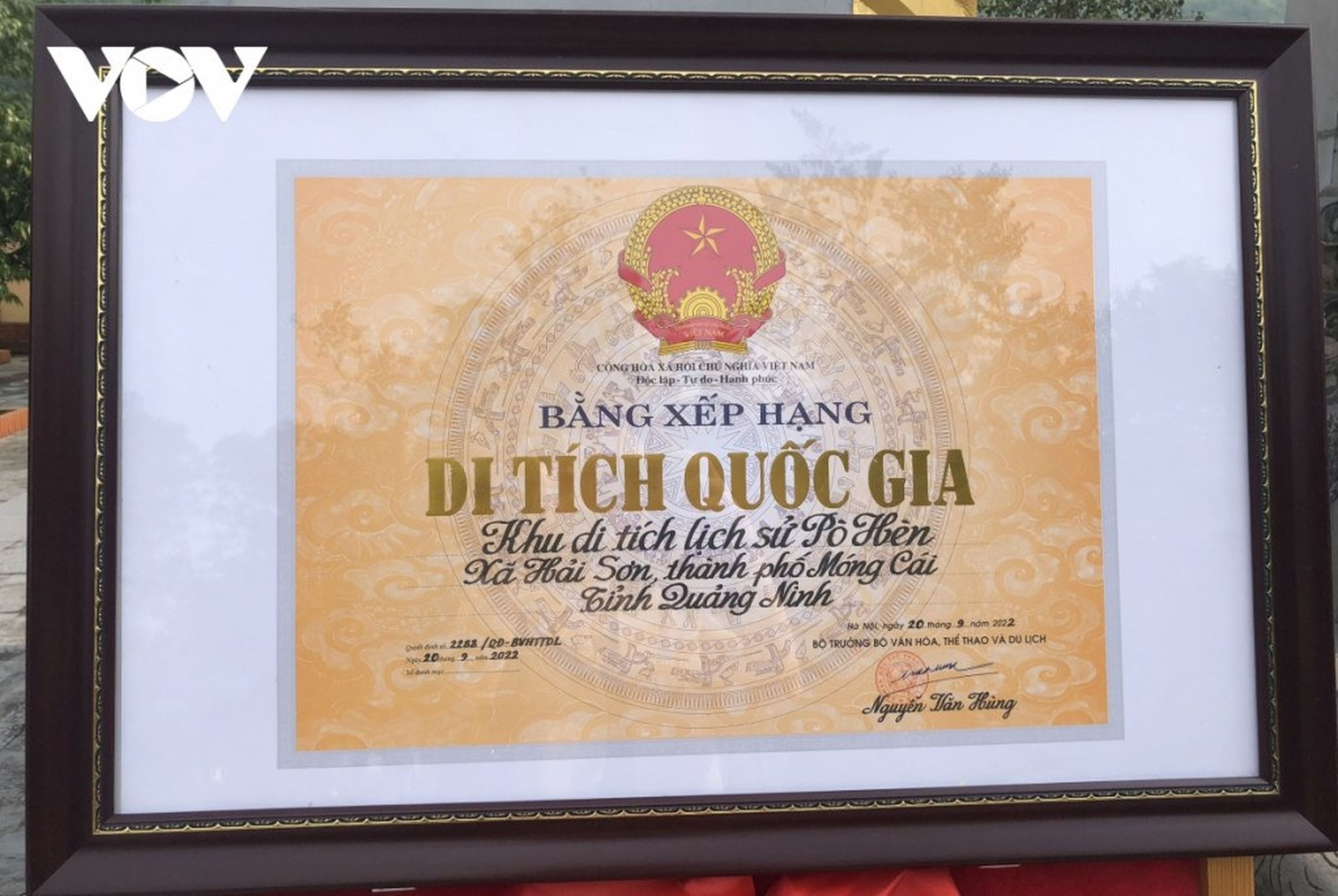
On January 10, 2001, on the grounds of the former barracks, a memorial was erected. In 2014, the Po Hen Border Guard Post 209 relic was recognized as a provincial-level historical relic. By 2022, the Po Hen relic site was classified as a national-level site.
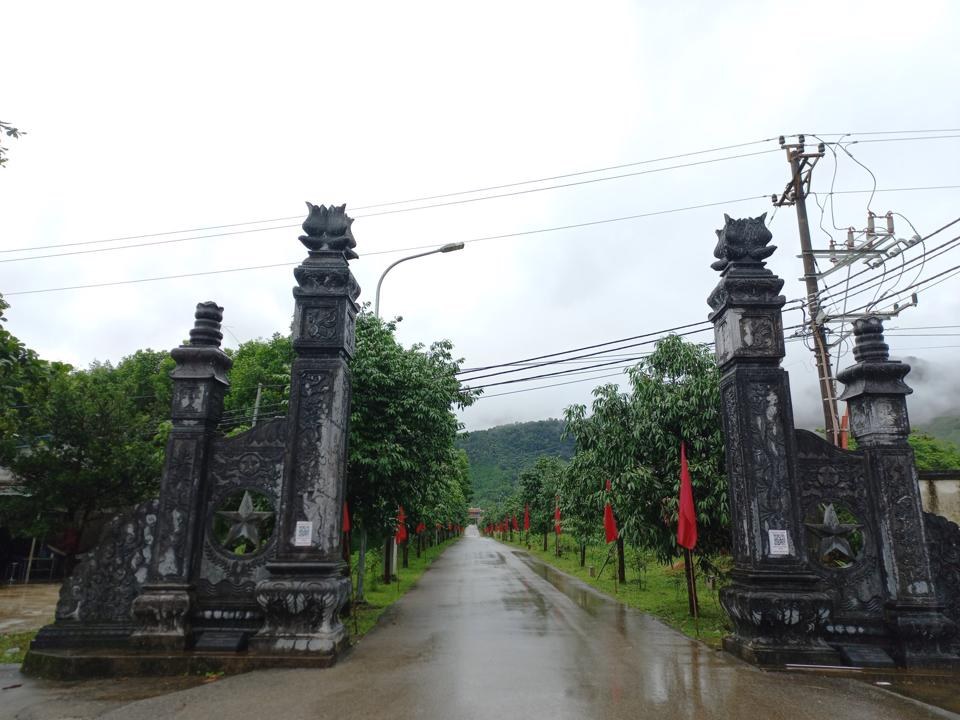
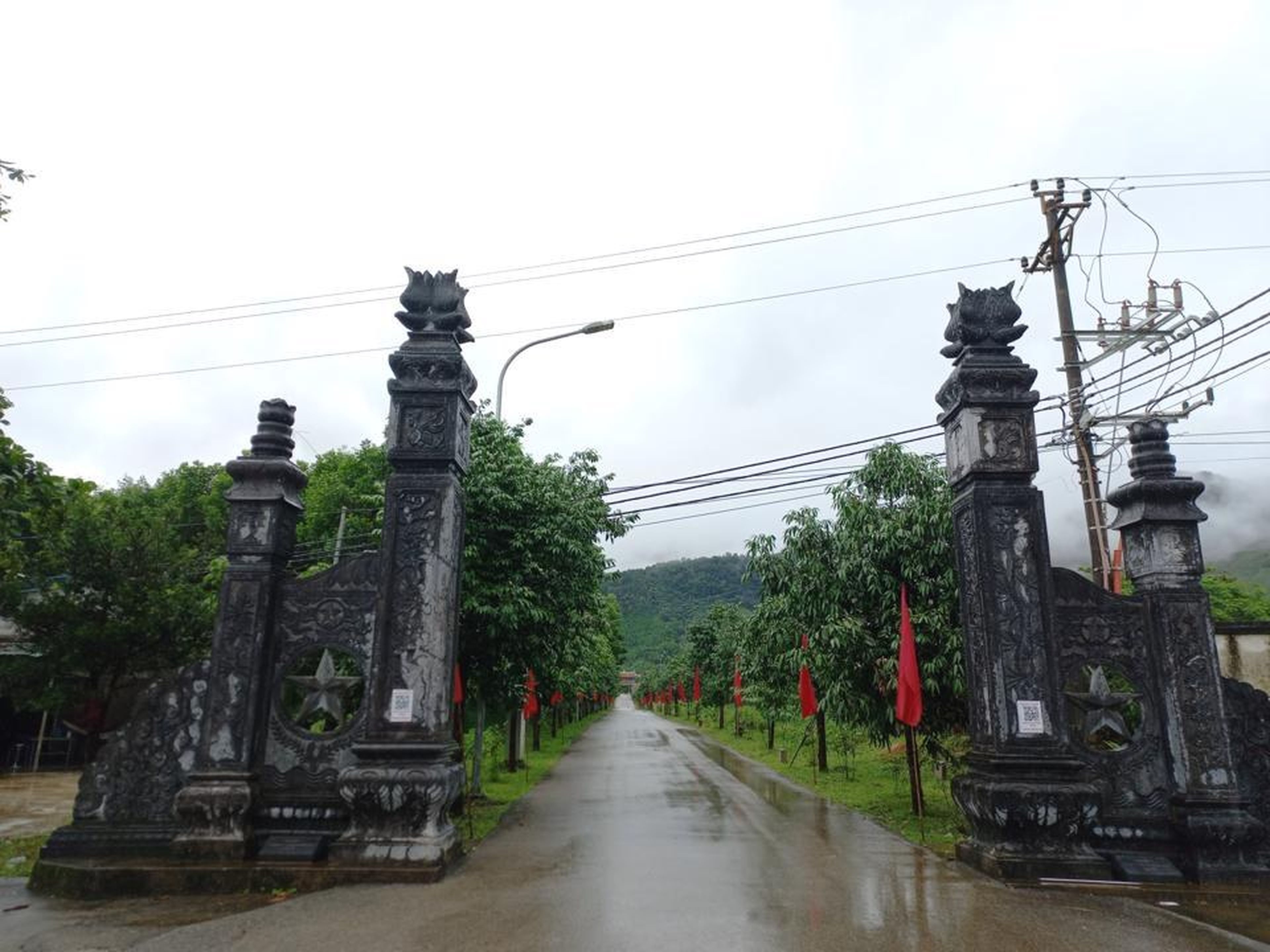
Two straight rows of Dammar blackwood trees along the pathway into the relic site. Photo: Bao Thanh.
Po Hen Historical Relic Site consists of 4 sites: Po Hen Martyrs Memorial, Que Hill outpost, Po Hen border checkpoint outpost, and Tay Hill observation post. Prominently featured among them is the monument cluster built based on the idea of "Comrades' Embrace".
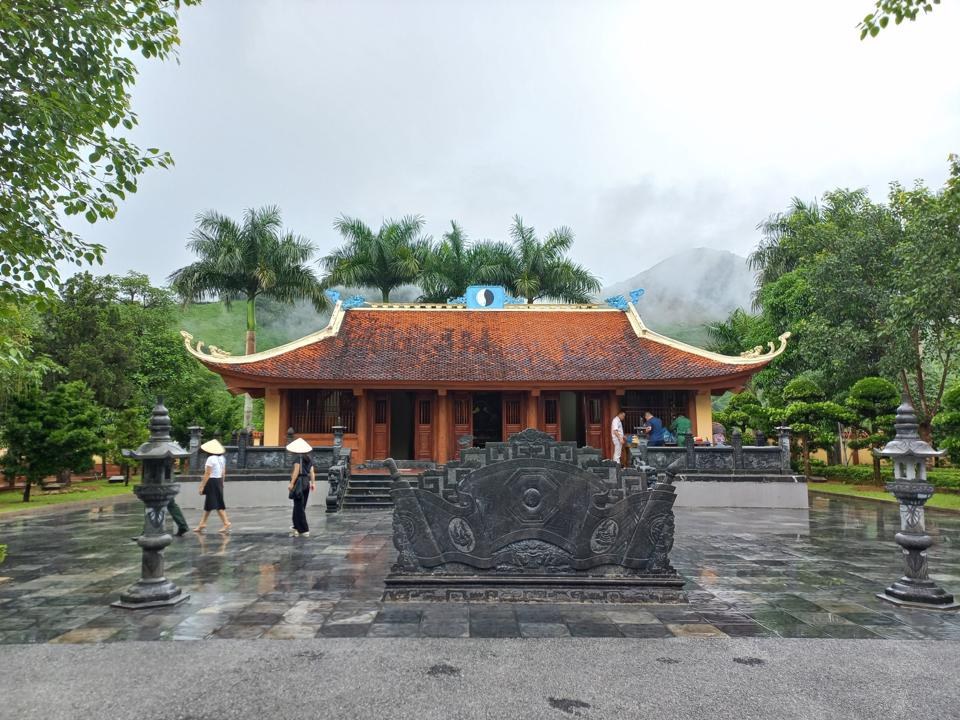
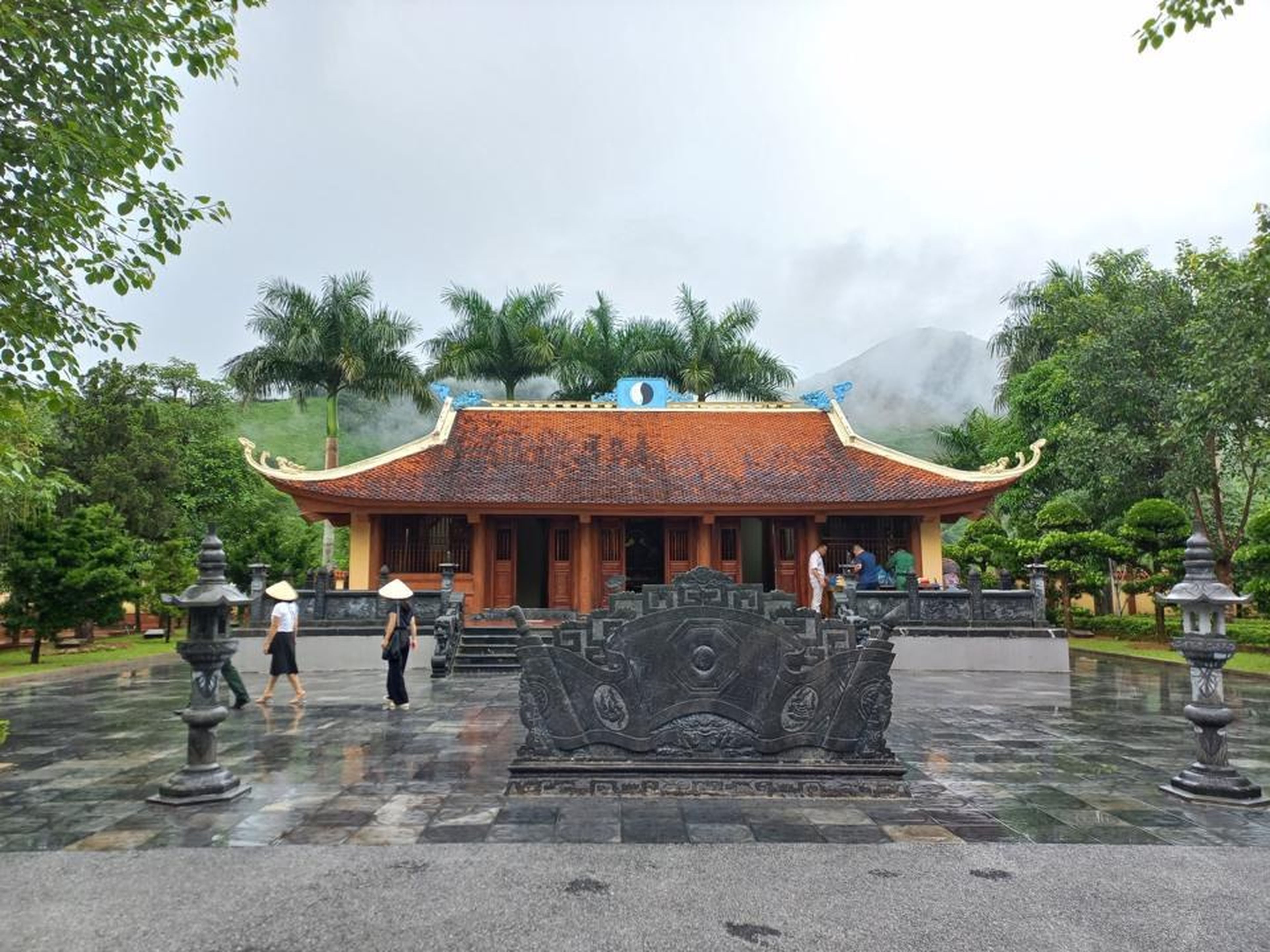
Tam Bao Temple. Photo: Bao Thanh.
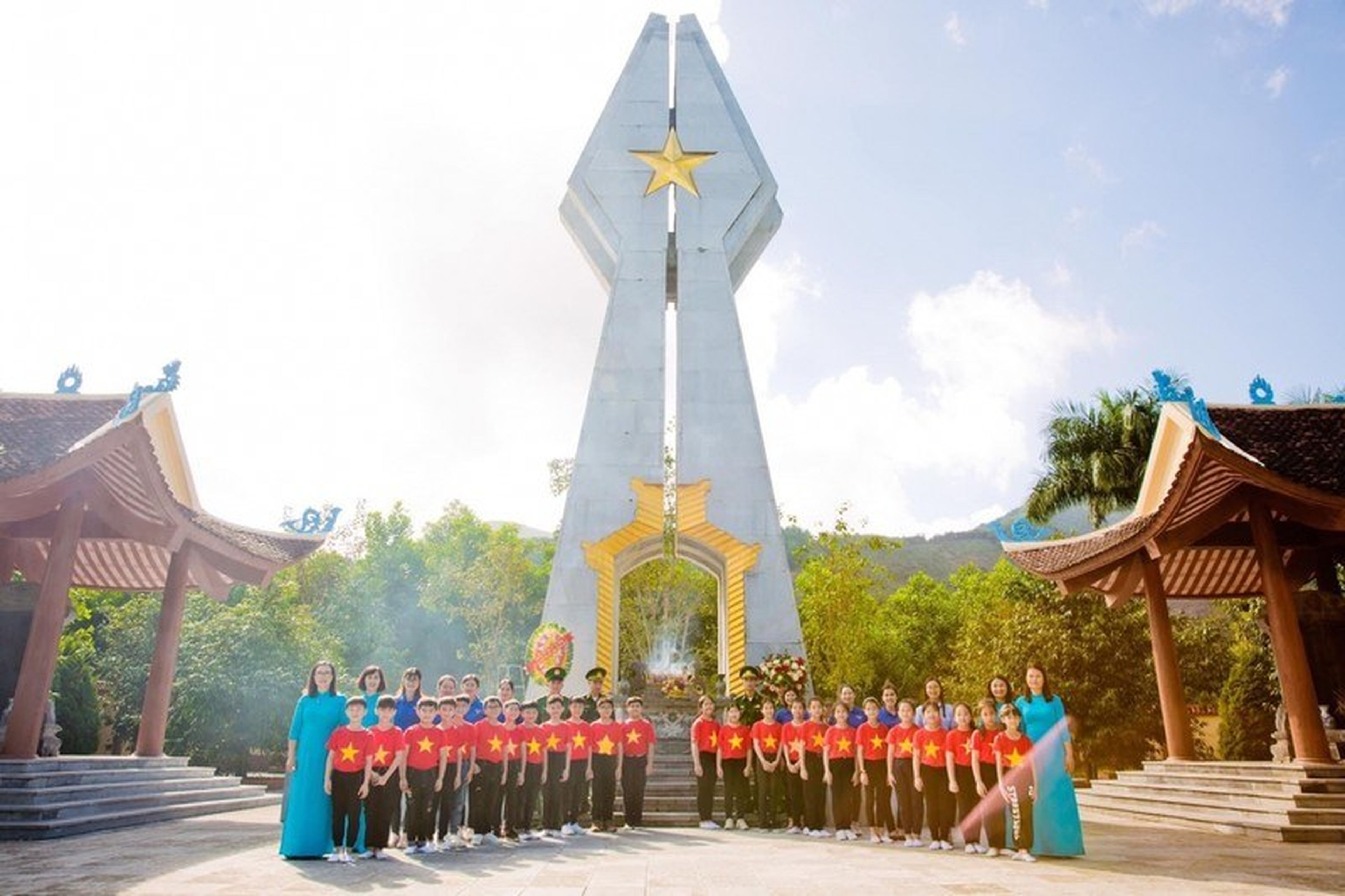
The 16-meter-high reinforced concrete memorial monument faced with white stone faces north, featuring the image of three joined hands. It both symbolizes the three ethnic groups—Kinh, Dao, and San Chi—living here, and serves as an emblem of the embrace of mother earth and comrades.
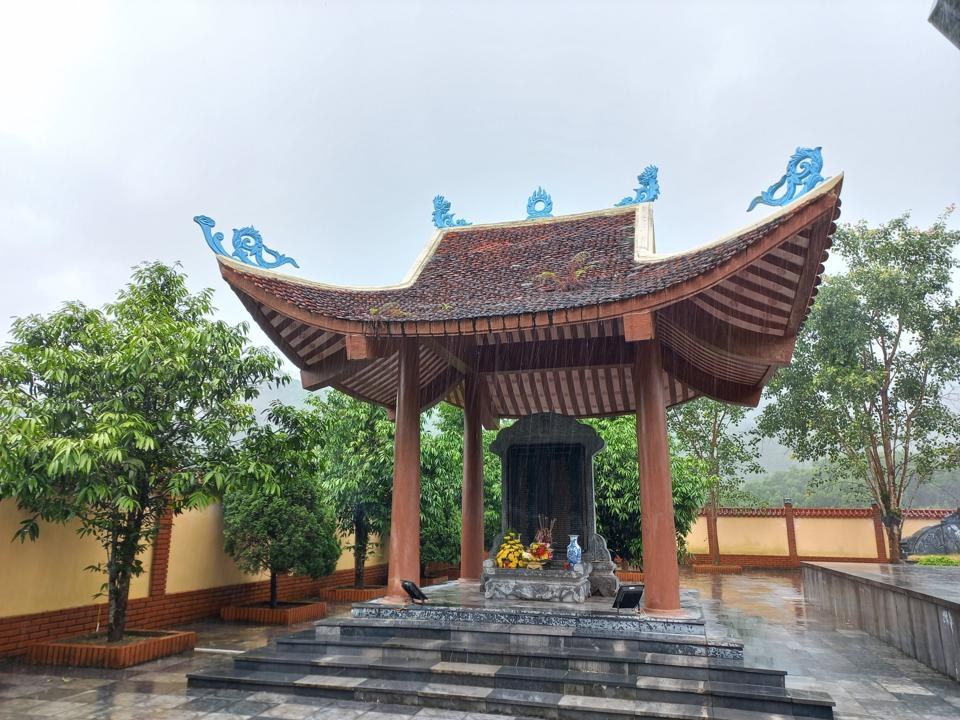
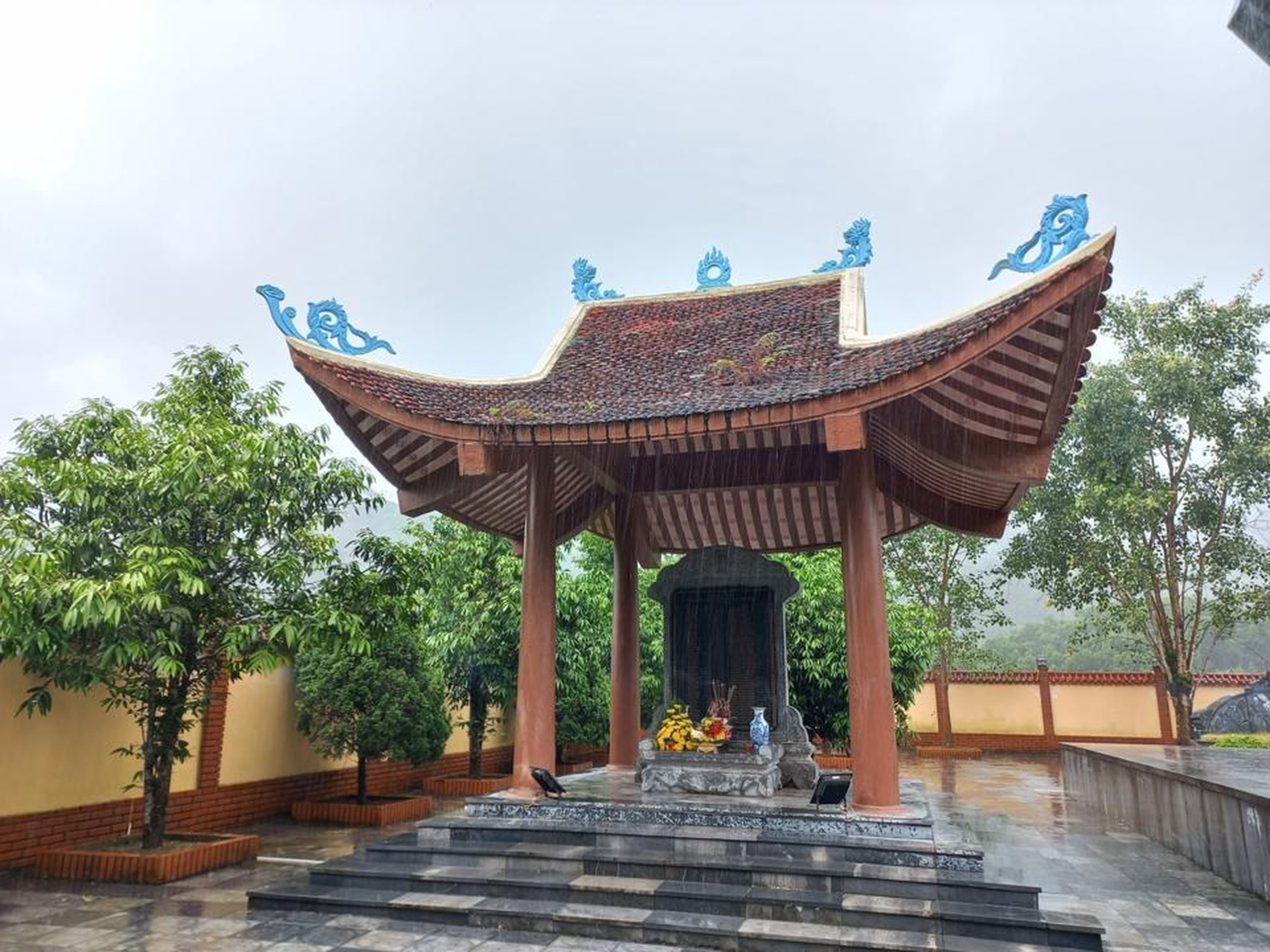
The stele house engraving the names of martyrs. Photo: Bao Thanh.
The five-pointed star in the center symbolizes the steadfast spirit of the border land and its people. Beside it are two stele houses, where two stone steles are placed, inscribed with the names of the border guard officers and soldiers, and forestry workers who sacrificed their lives between 1979 and 1991.
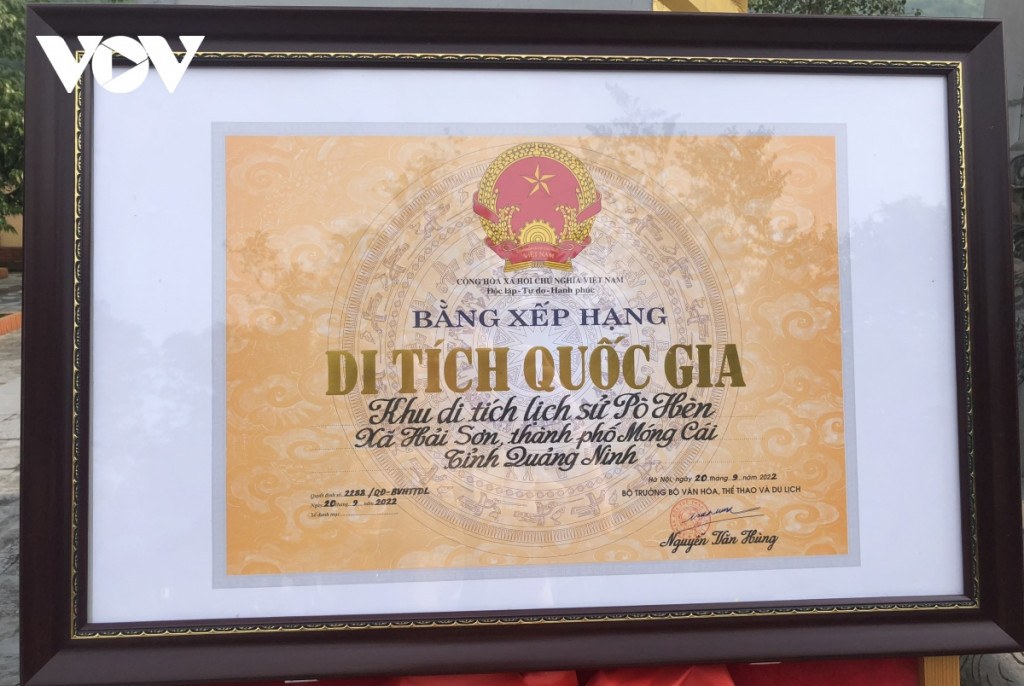
Photo: VOV.
Every year on February 17, the Po Hen Border Guard Post holds a joint memorial service for the martyrs. And in 2010, the Po Hen historical site began its renovation on the occasion of the 110th anniversary of Uncle Ho's birthday.
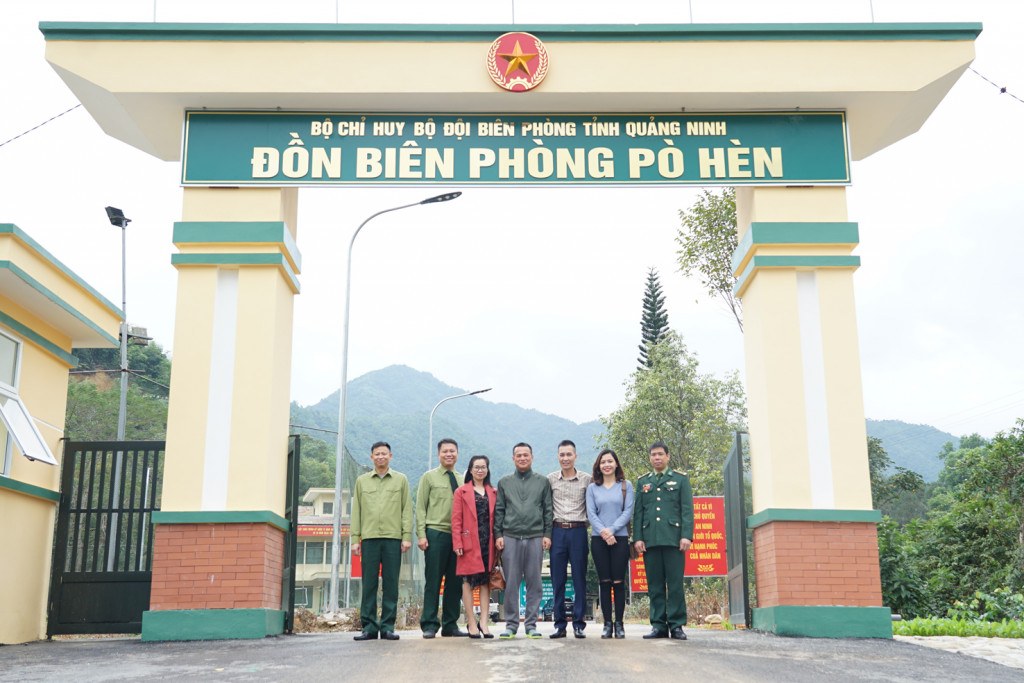
Photo: Tuoi Tre Thu Do Newspaper.
Today, the Po Hen historical site has become a "red address" in educating about the traditions of struggle to protect border sovereignty, encouraging and inspiring future generations to continue writing the heroic pages of history of the border guard forces in particular and the Vietnamese nation as a whole.
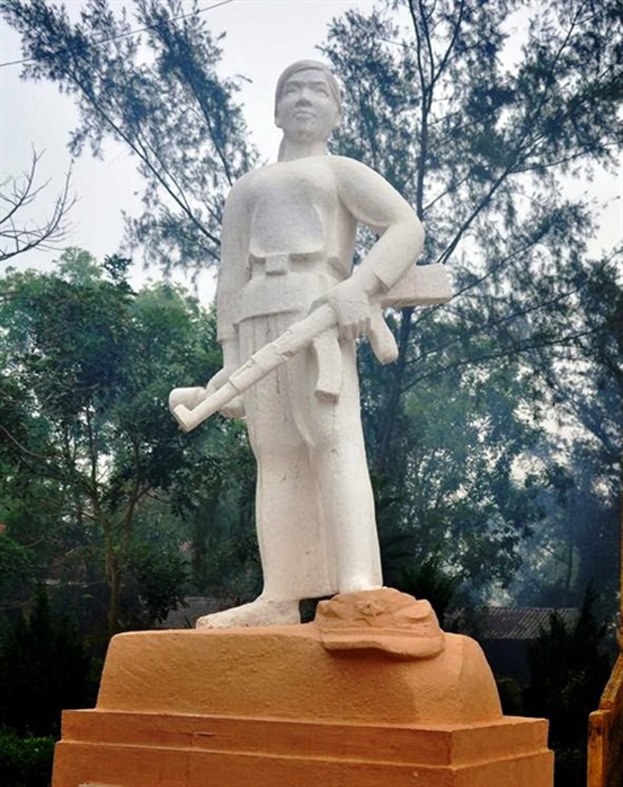
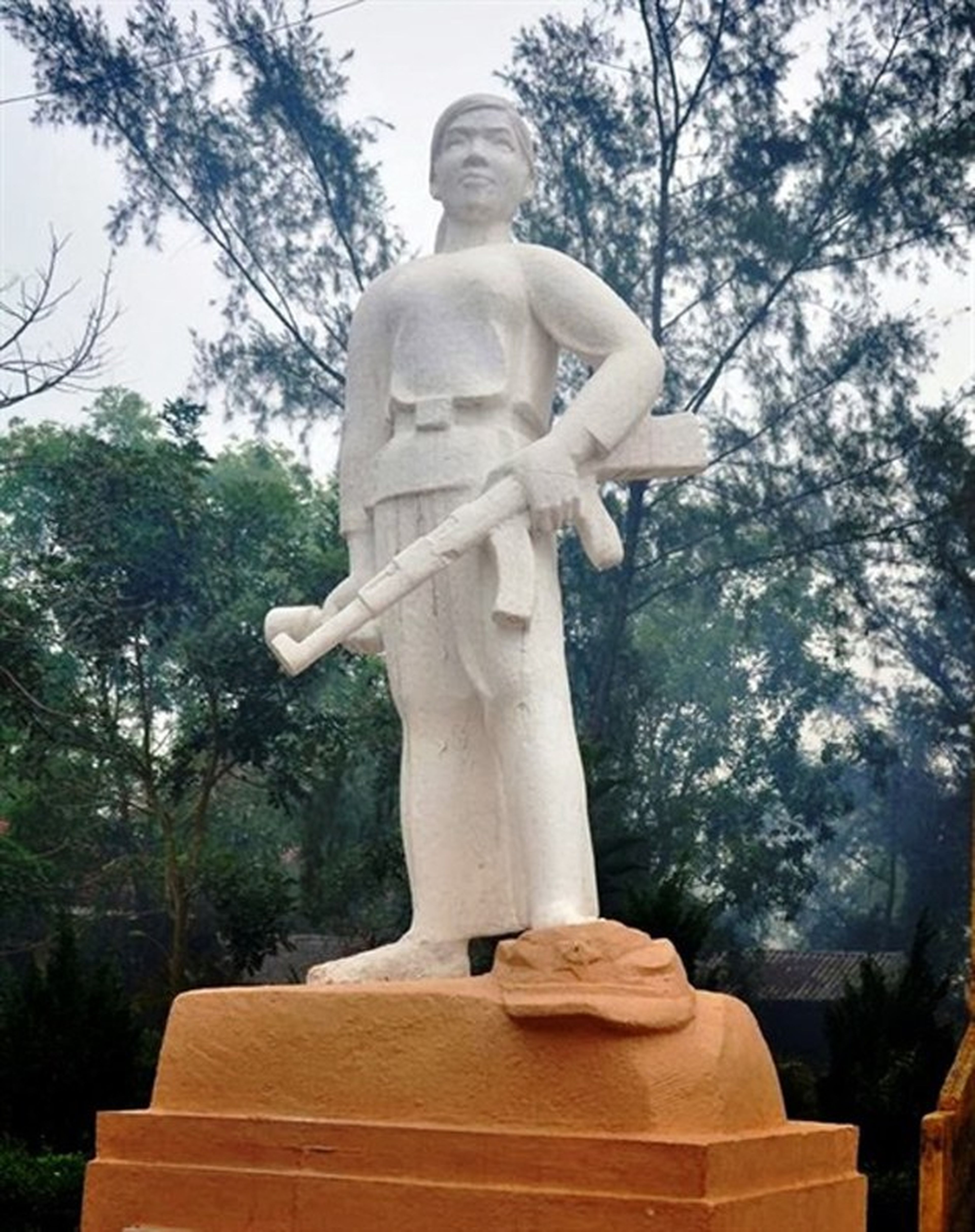
Statue of Martyr Nguyen Thi Hong Chiem. Photo: Tuoi Tre Thu Do Newspaper.
Today, the Po Hen Memorial stands towering and majestic amidst the northeastern mountains and forests, embodying the heroic spirit and glorious exploits of those who fell to continue fulfilling the mission of guarding every sacred inch of land along the nation's frontier.