

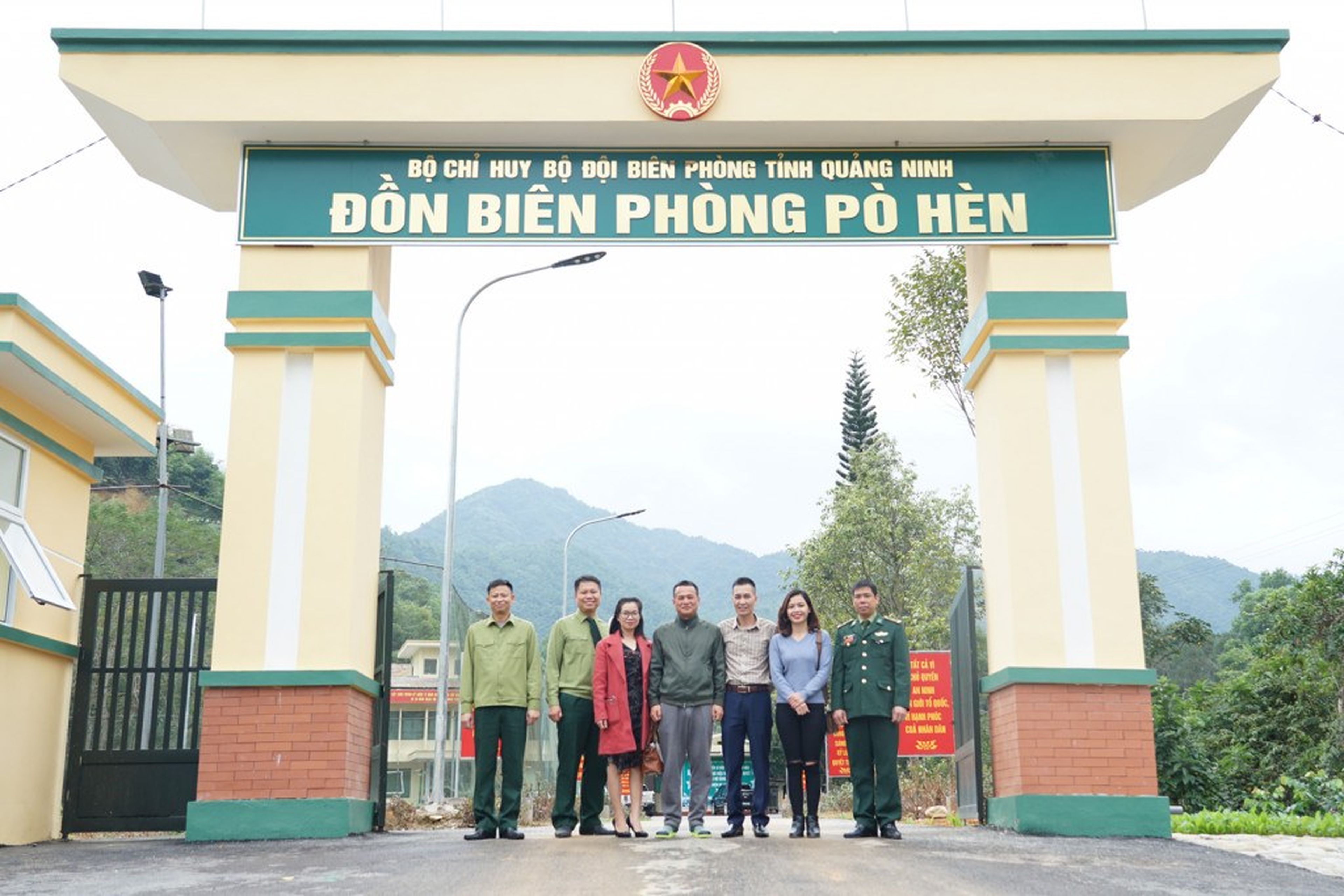
Pò Hèn (Móng Cái, Quảng Ninh) left its mark on the heroic history of the national defense war in 1979. Today, Pò Hèn Historical Site is a place to remember the soldiers who bravely sacrificed their lives in the conflict.
Pò Hèn Historical Site – A Place Honoring the Heroes and Martyrs of the Border War
Throughout our nation’s glorious history, there are places that bear the indelible imprint of unforgettable years, etched in the memories of countless generations. Among them, the Pò Hèn Historical Site, formerly the Pò Hèn Border Guard Station 209 relic site, is one such place.
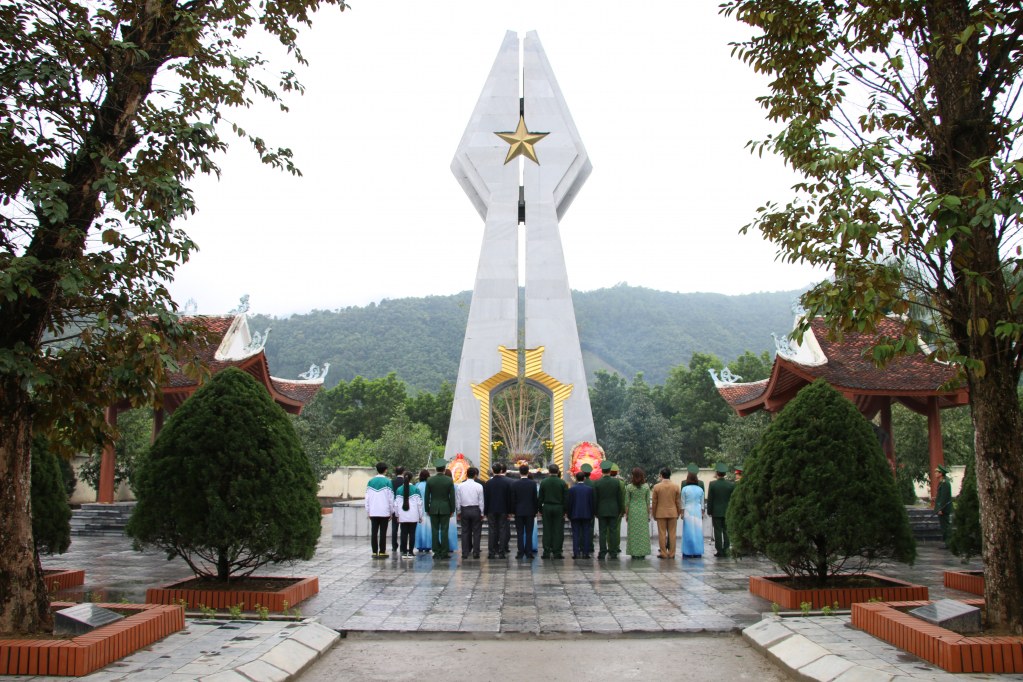
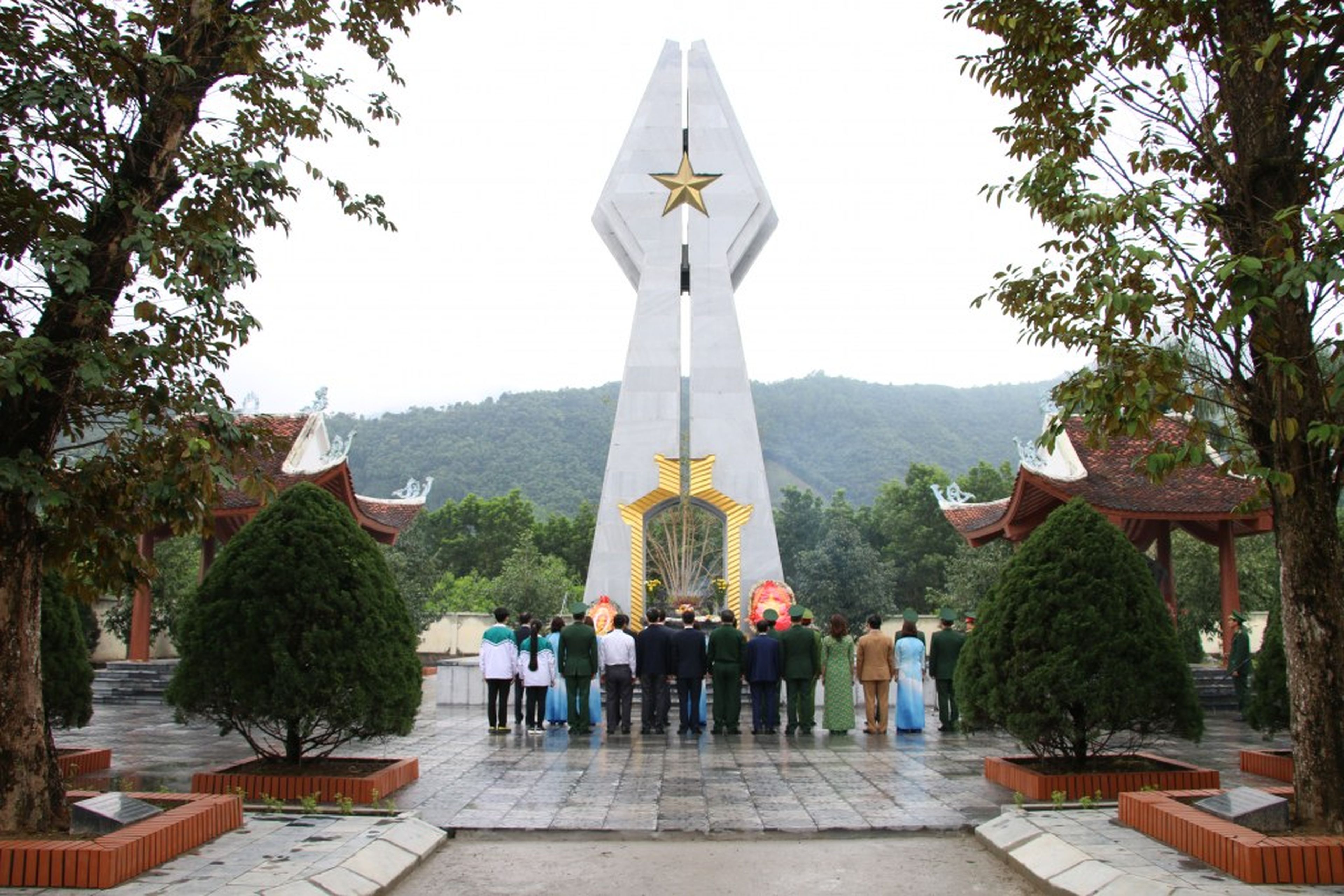
Pò Hèn Memorial. Photo: Quảng Ninh Newspaper.
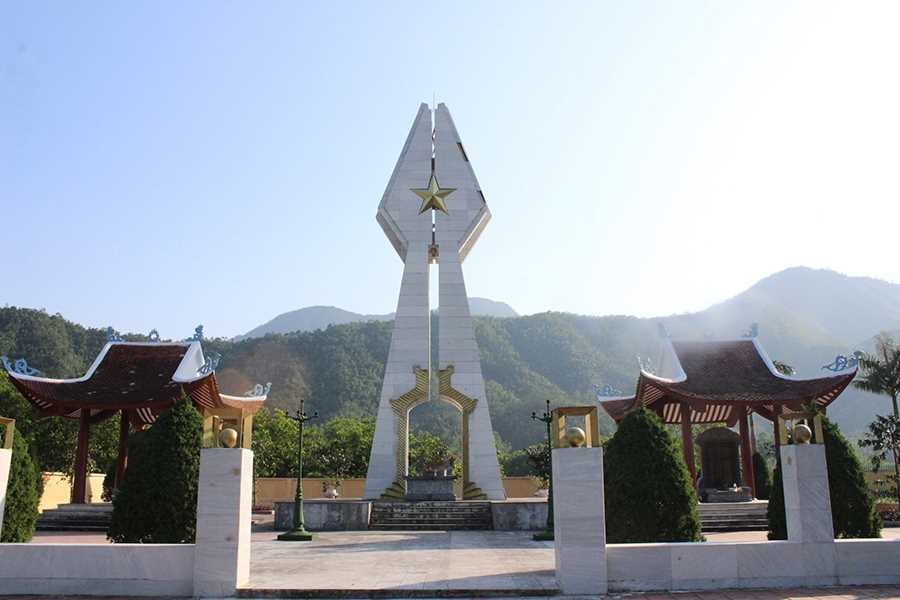
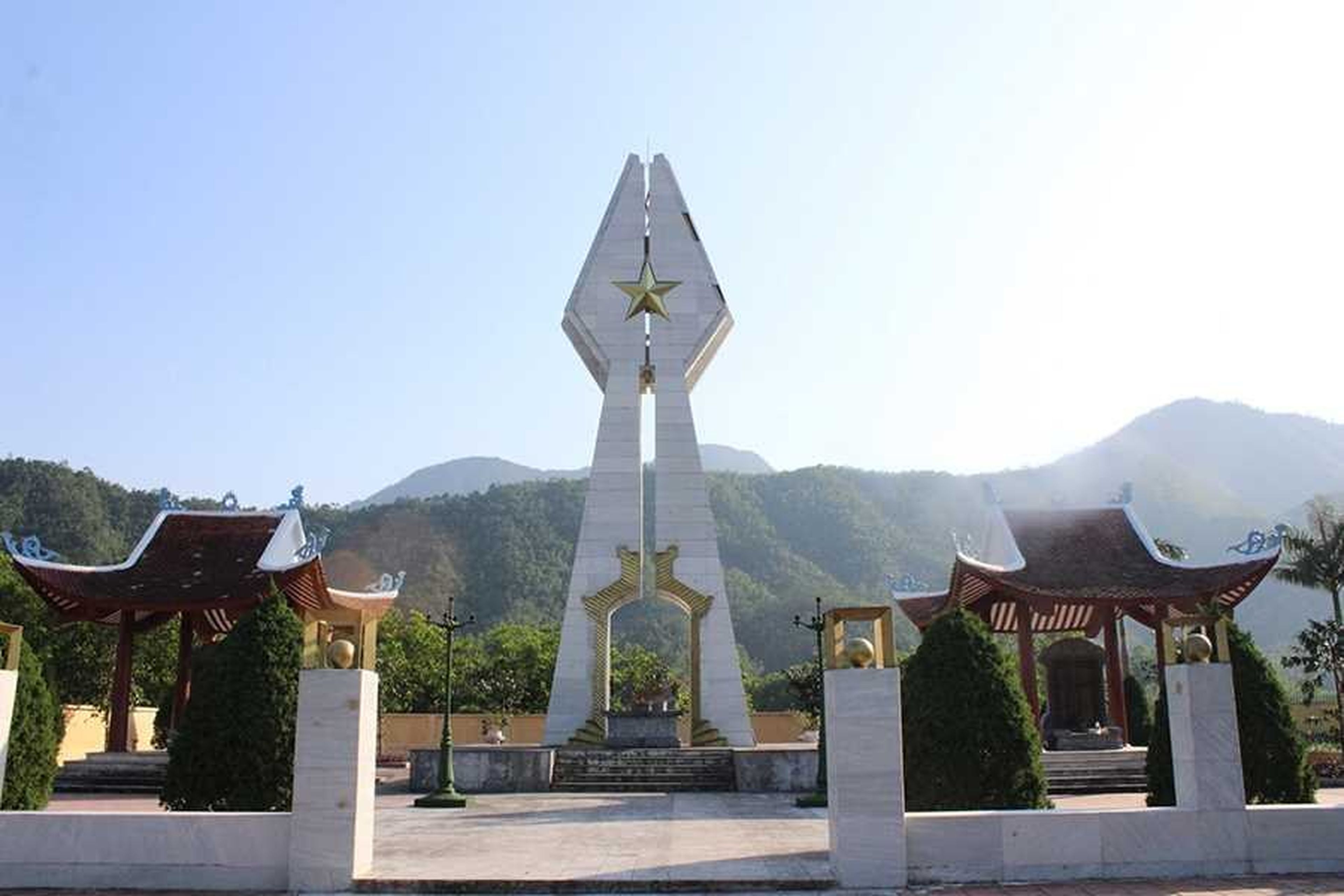
The memorial structure at the historical site. Photo: quangninh.gov.
In the early morning of February 17, 1979, China unexpectedly sent troops across the border and launched simultaneous attacks on six border provinces, from Nậm Cún (Lai Châu) to Pò Hèn (Quảng Ninh).
In Móng Cái, heavy artillery and various types of firepower rained down on Border Guard Stations 209, 210, 211 and 212, as well as forestry worker teams and residential areas along the border.
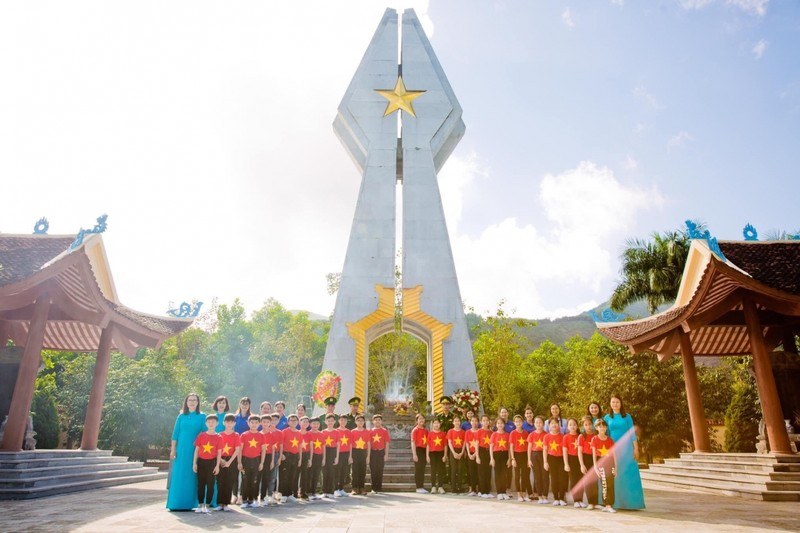
Photo: Communist Party of Vietnam.
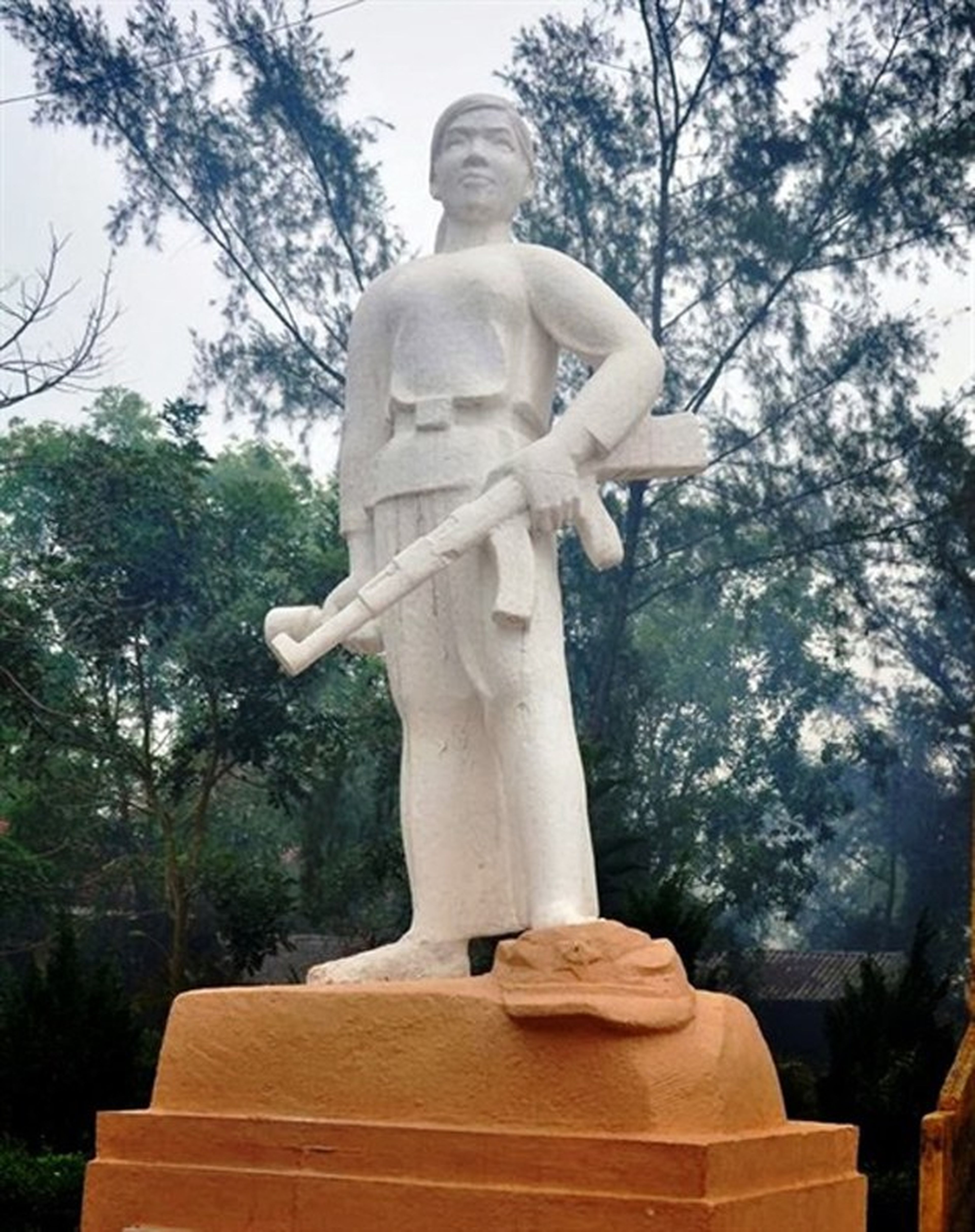
The enemy divided into five directions and launched relentless attacks on Pò Hèn Station. The border guards fought with great courage to repel the assaults. However, faced with vastly unequal forces—around 60 soldiers against more than 3,000 enemy troops—45 soldiers sacrificed their lives, along with the group of workers from the Hải Sơn forestry enterprise and female trade employee Hoàng Thị Hồng Chiêm.
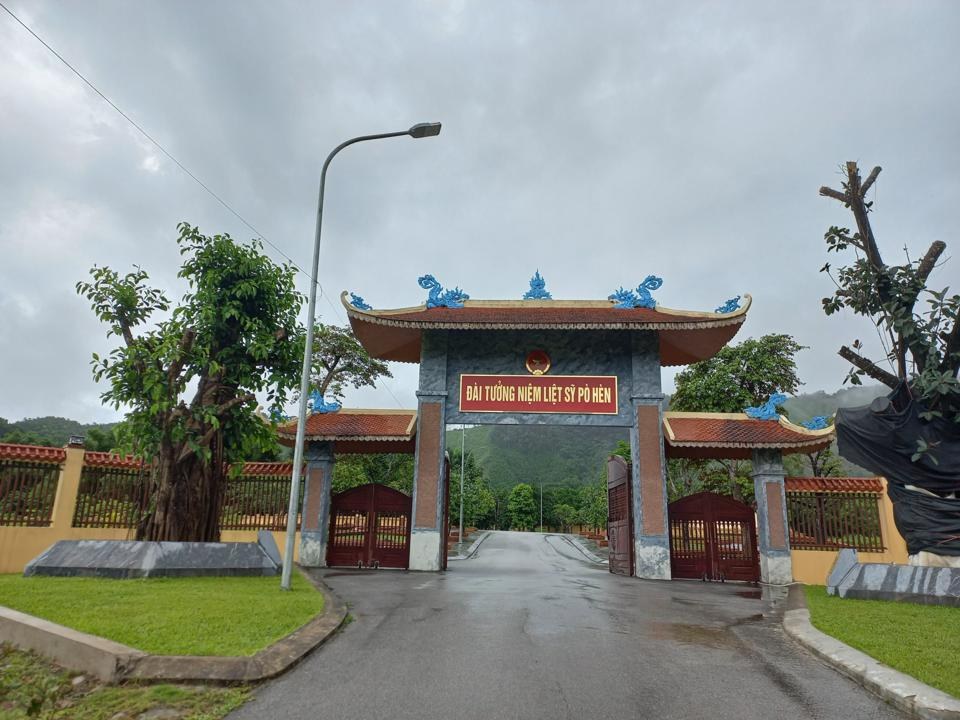
Photo: Bảo Thành.
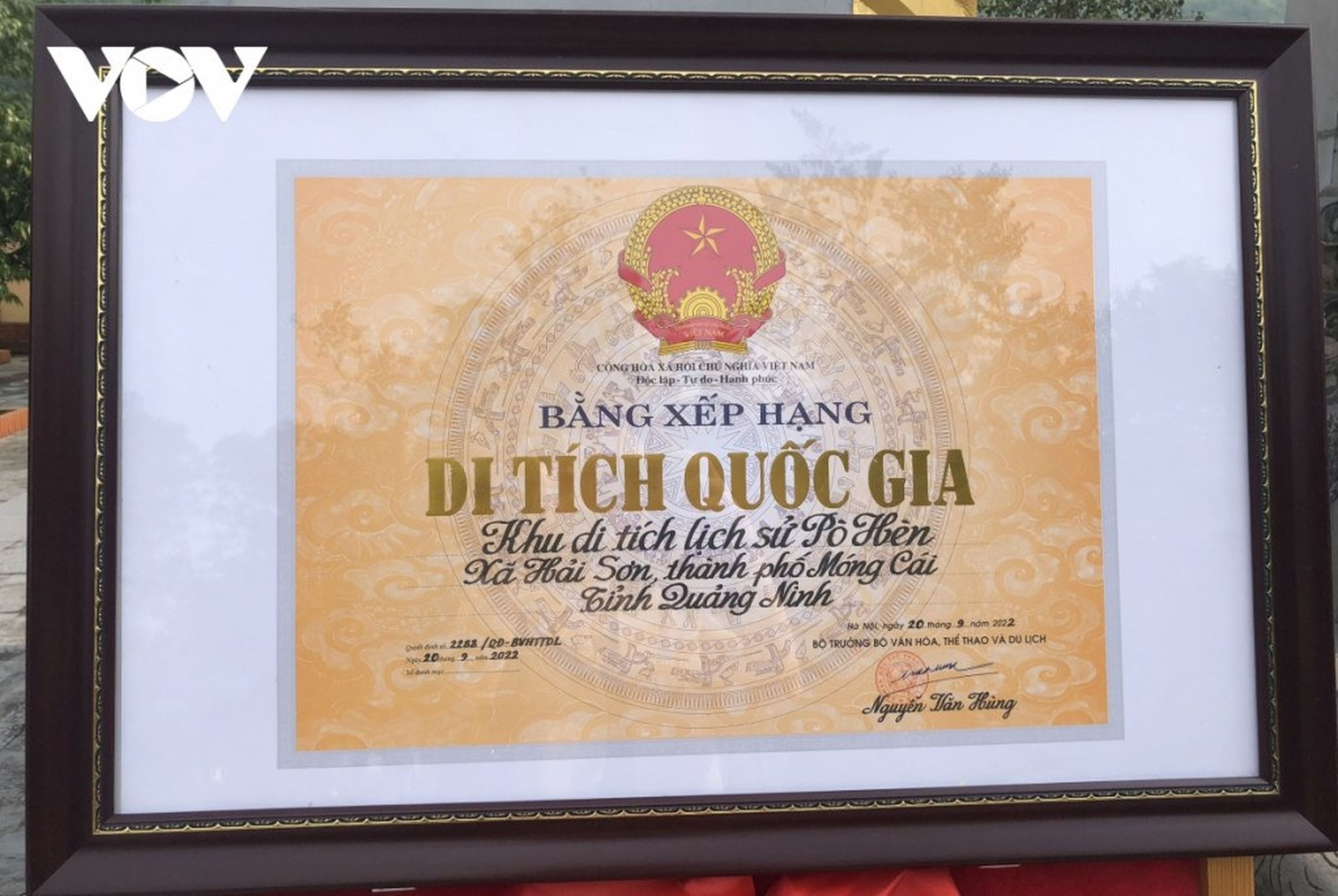
On January 10, 2001, a memorial was erected on the grounds of the former barracks. In 2014, the Pò Hèn Border Guard Station 209 relic site was recognized as a provincial historical site. By 2022, the Pò Hèn Historical Site had been ranked as a national-level site.
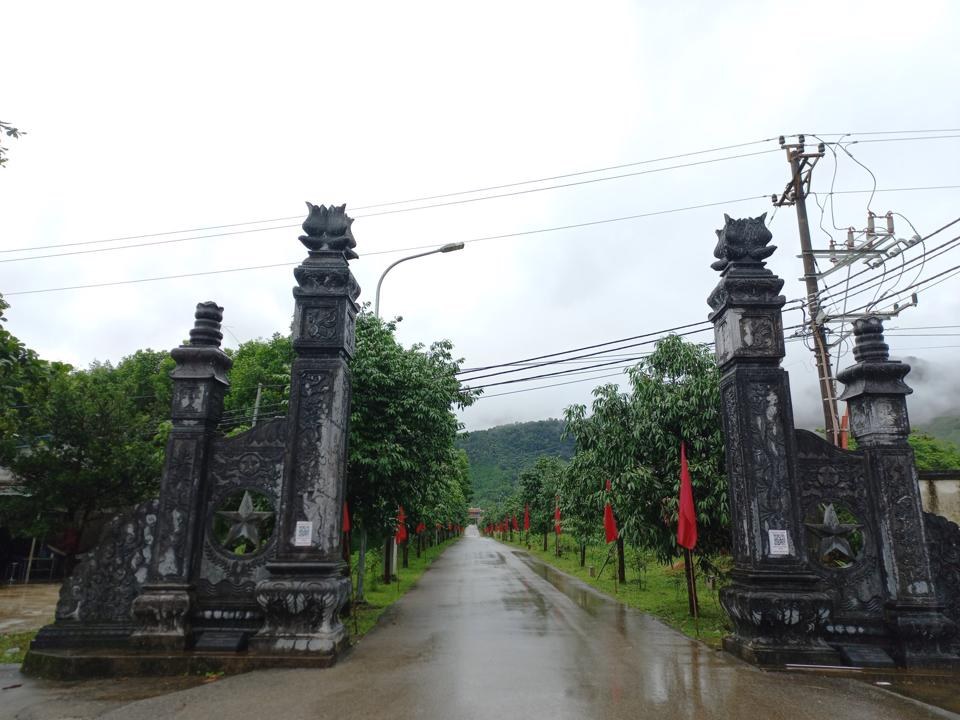
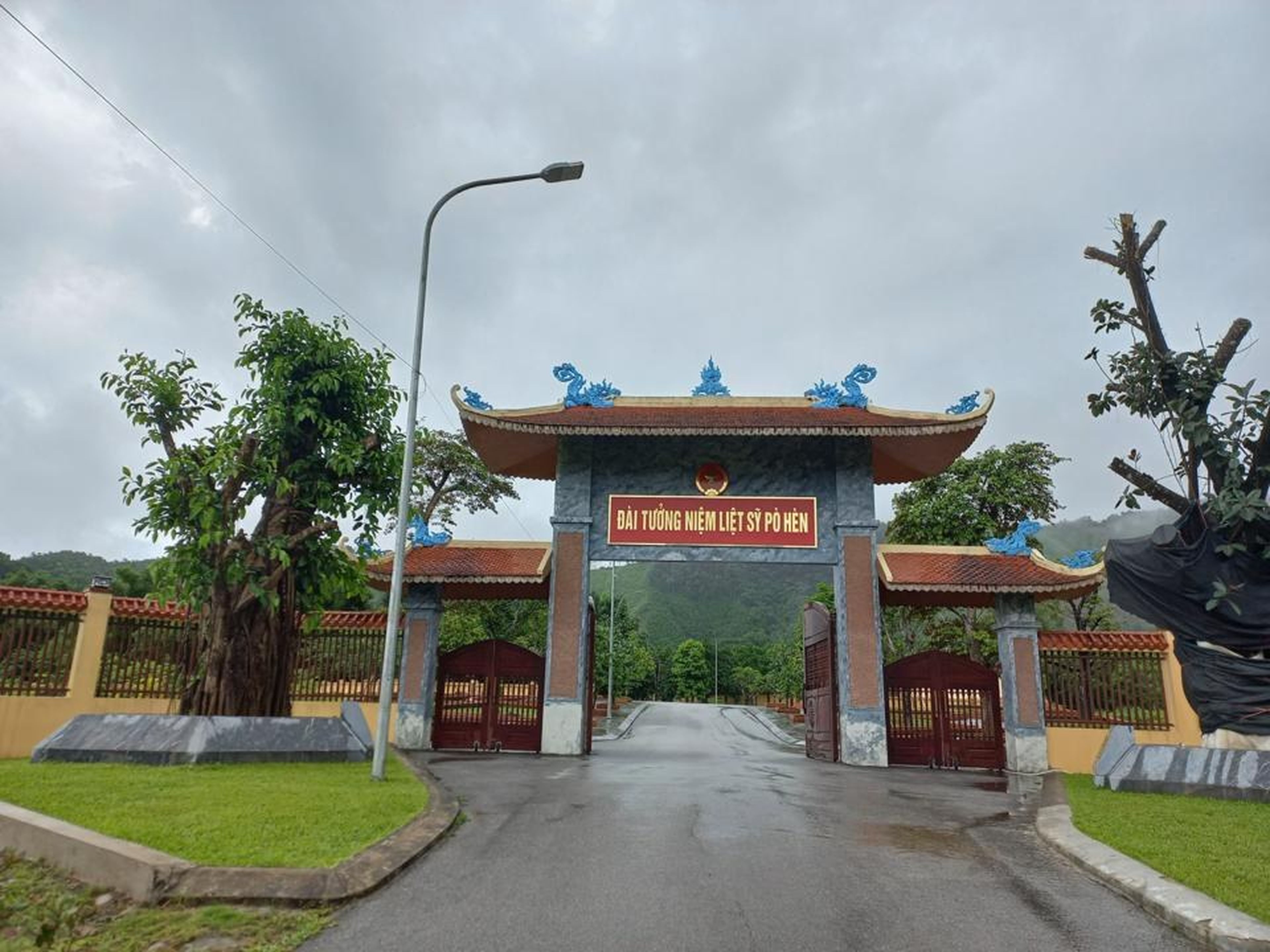
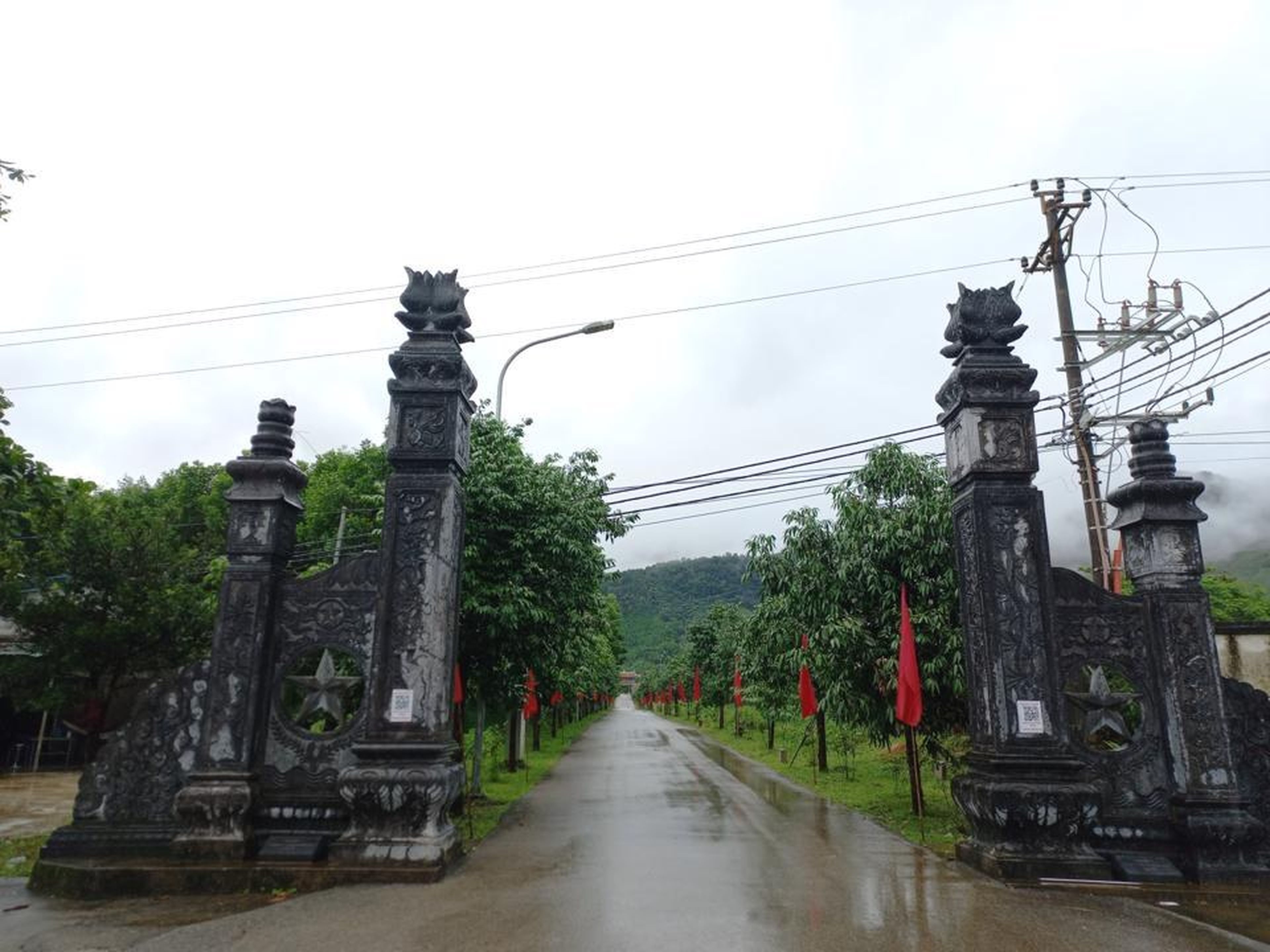
Two straight rows of golden trees line the path into the historical site. Photo: Bảo Thành.
Pò Hèn Historical Site comprises four locations: the Pò Hèn Martyrs’ Memorial, Quế Hill outpost, the Pò Hèn Border Gate checkpoint, and the Tây Hill observation post. The highlight is the monument complex, built around the idea of “The Comrades’ Embrace.”
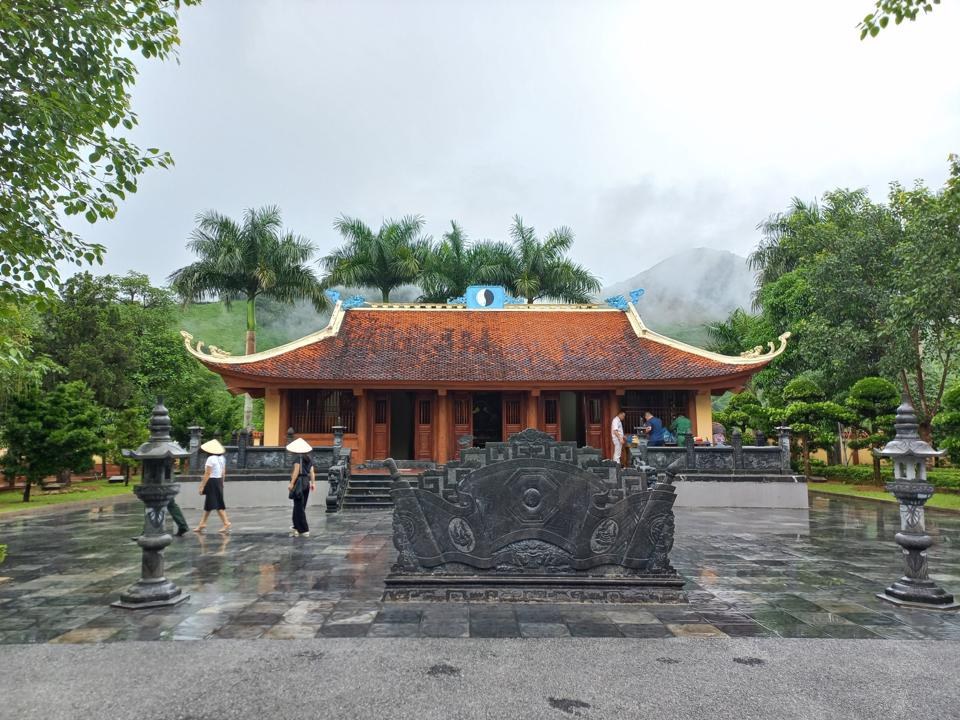
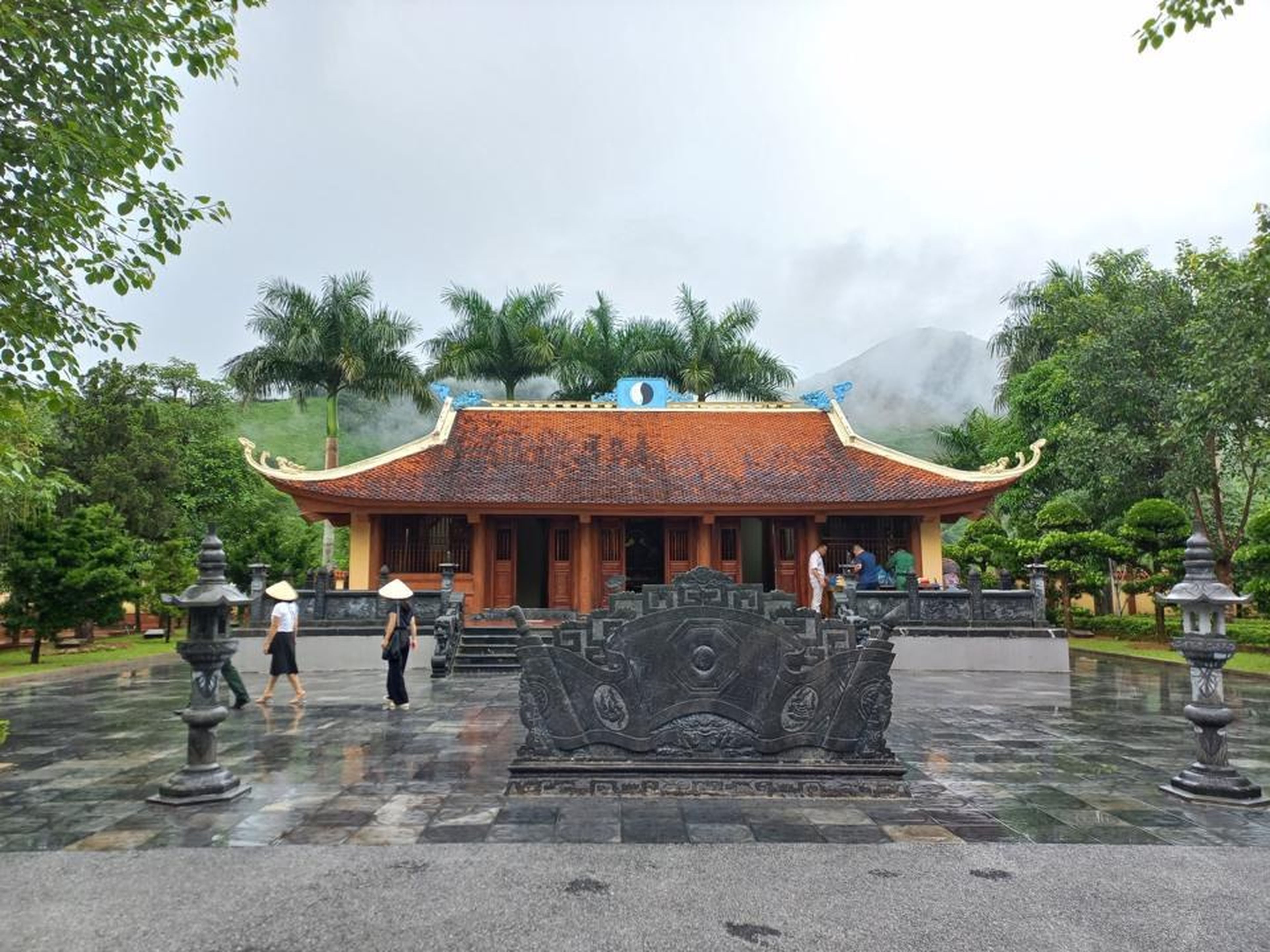
Tam Bảo Temple. Photo: Bảo Thành.
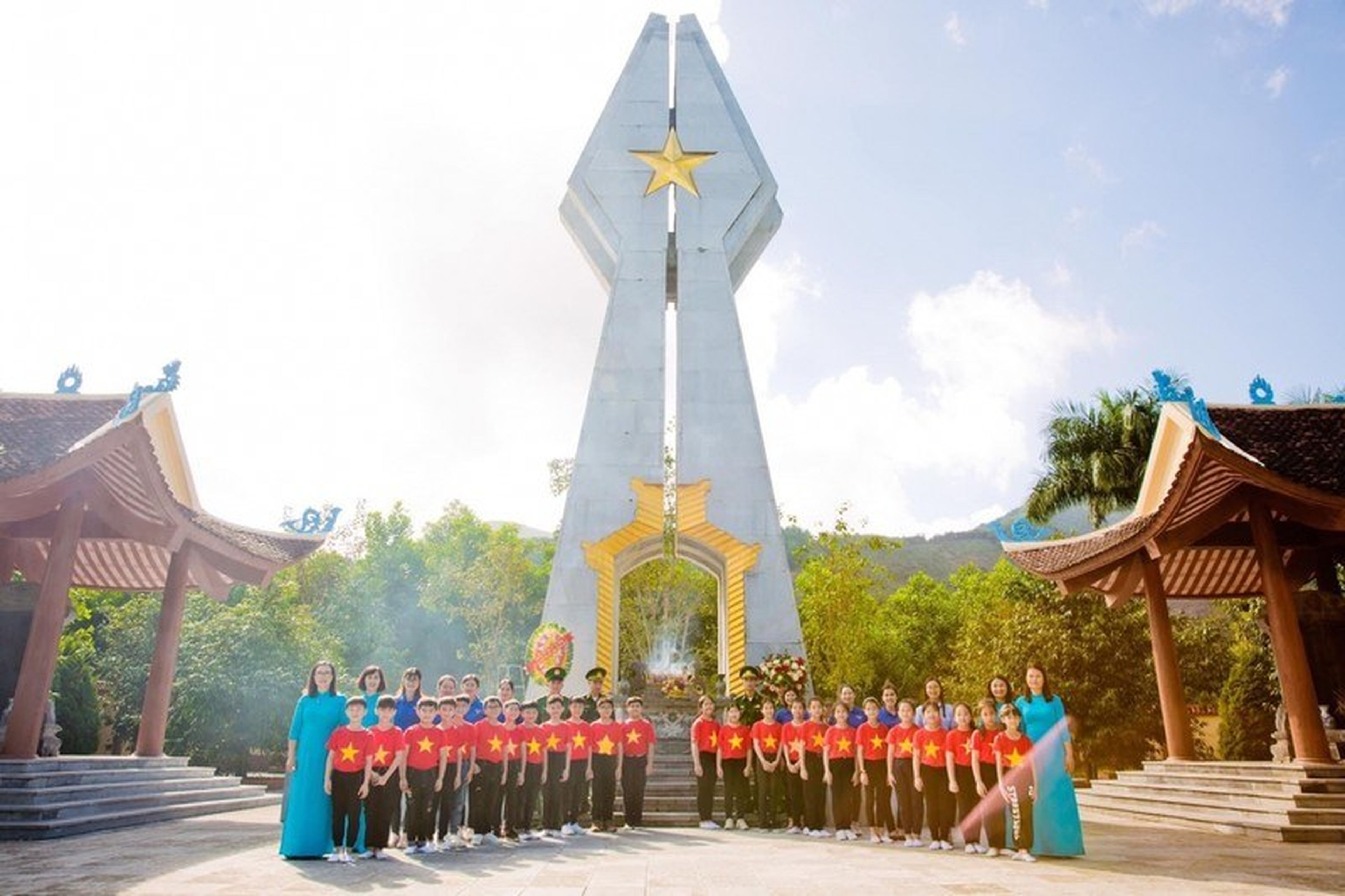
The 16-meter-high memorial is made of reinforced concrete clad in white stone and faces north, featuring three hands joined together. It symbolizes the three ethnic groups—Kinh, Dao and Sán Chỉ—who live here, while also representing the embracing arms of Mother Earth and fellow comrades.
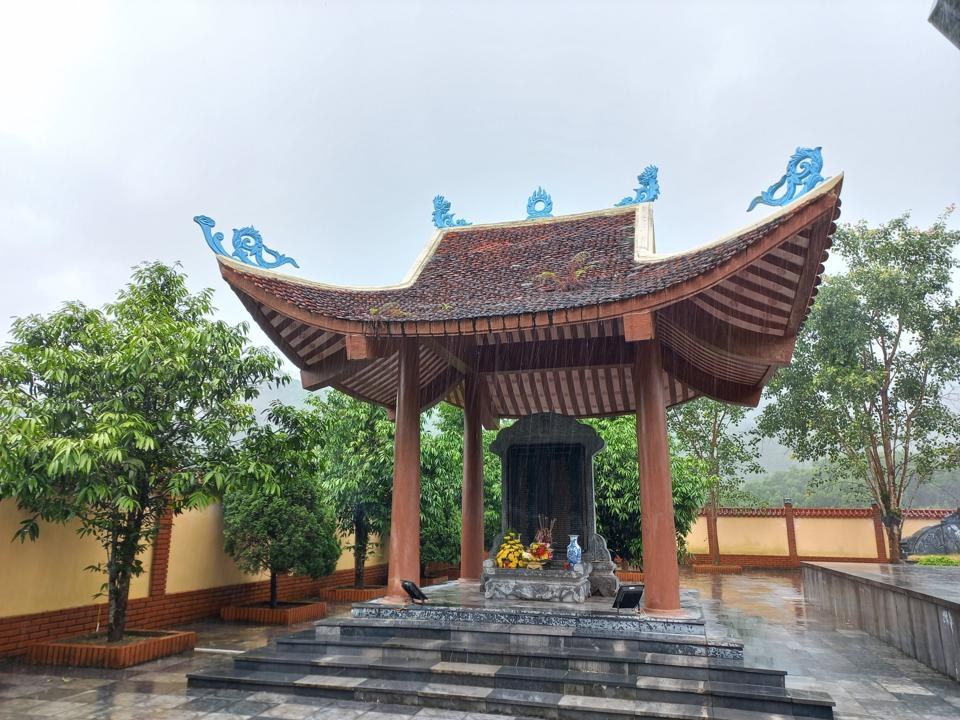
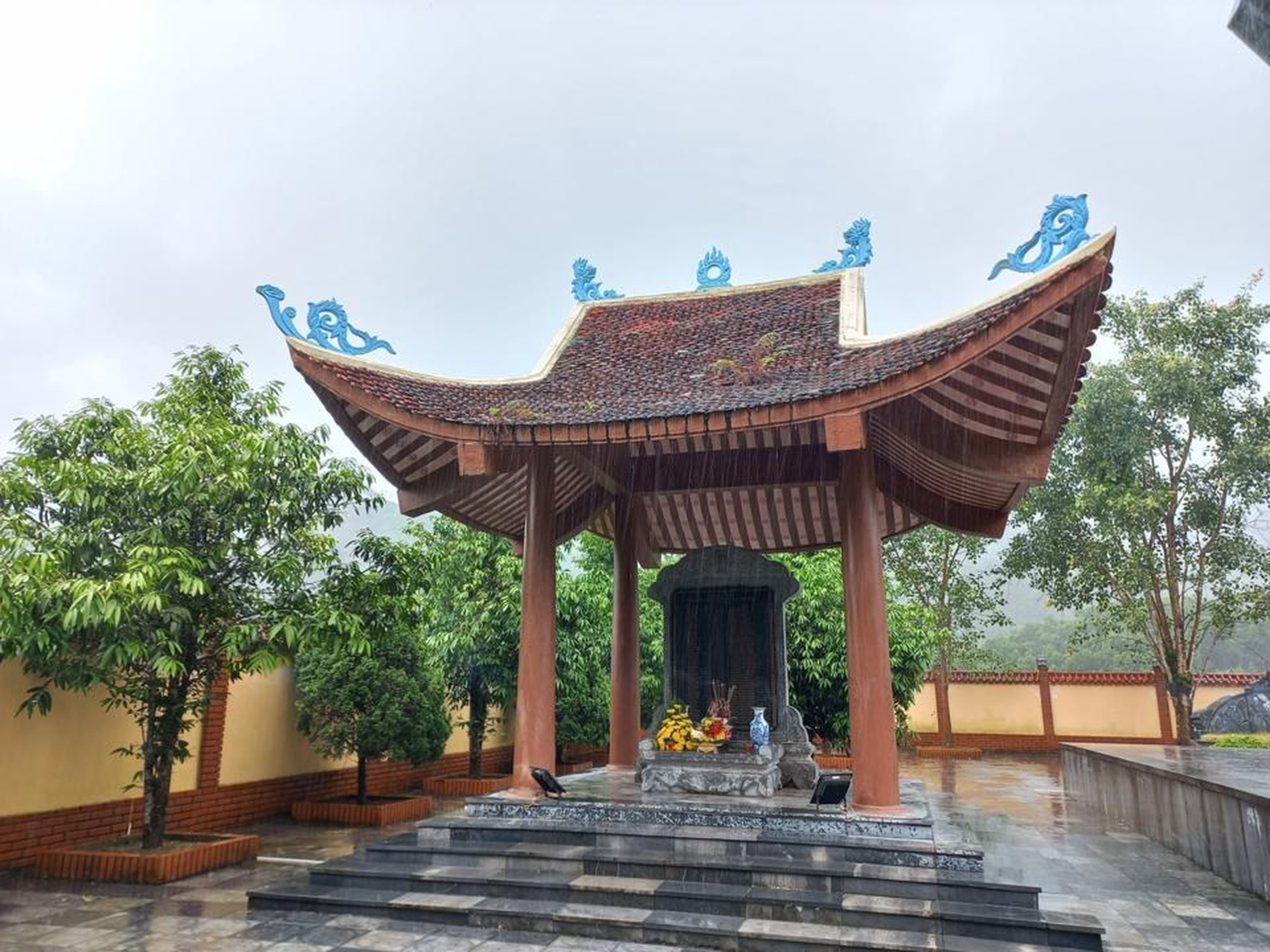
The stele house engraved with the names of the martyrs. Photo: Bảo Thành.
The five-pointed star at the center represents the steadfast spirit of the borderland and its people. Beside it are two stele houses containing two stone steles inscribed with the names of border guard officers and soldiers and forestry workers who sacrificed their lives between 1979 and 1991.
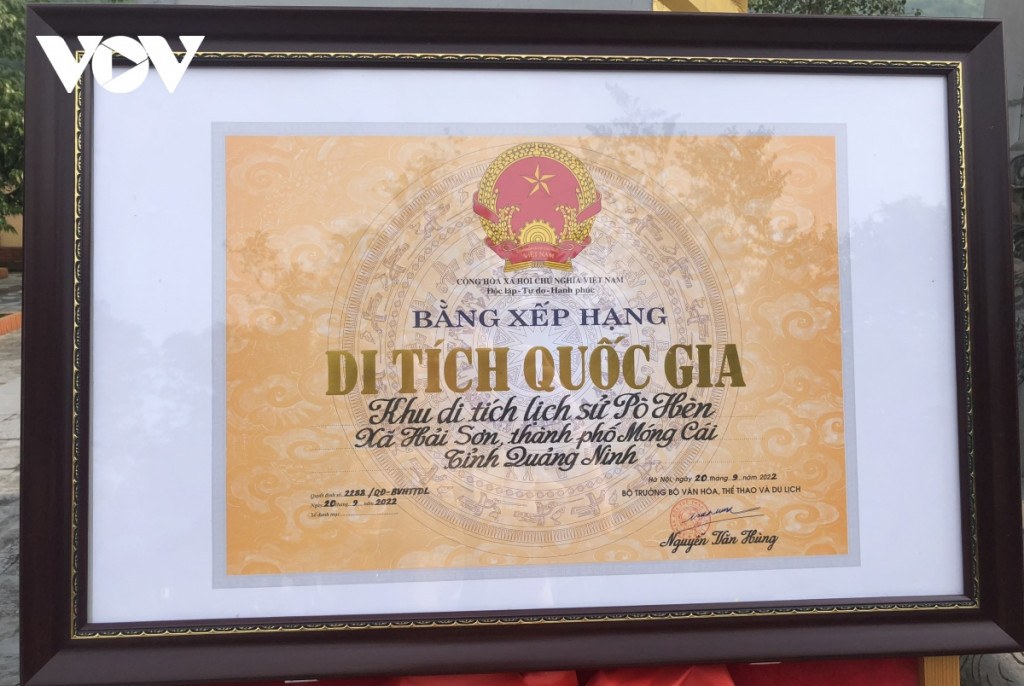
Photo: VOV.
Every year on February 17, Pò Hèn Border Guard Station holds a collective memorial ceremony for the martyrs. And in 2010, the Pò Hèn Historical Site began restoration work to mark the 110th anniversary of President Hồ Chí Minh’s birth.
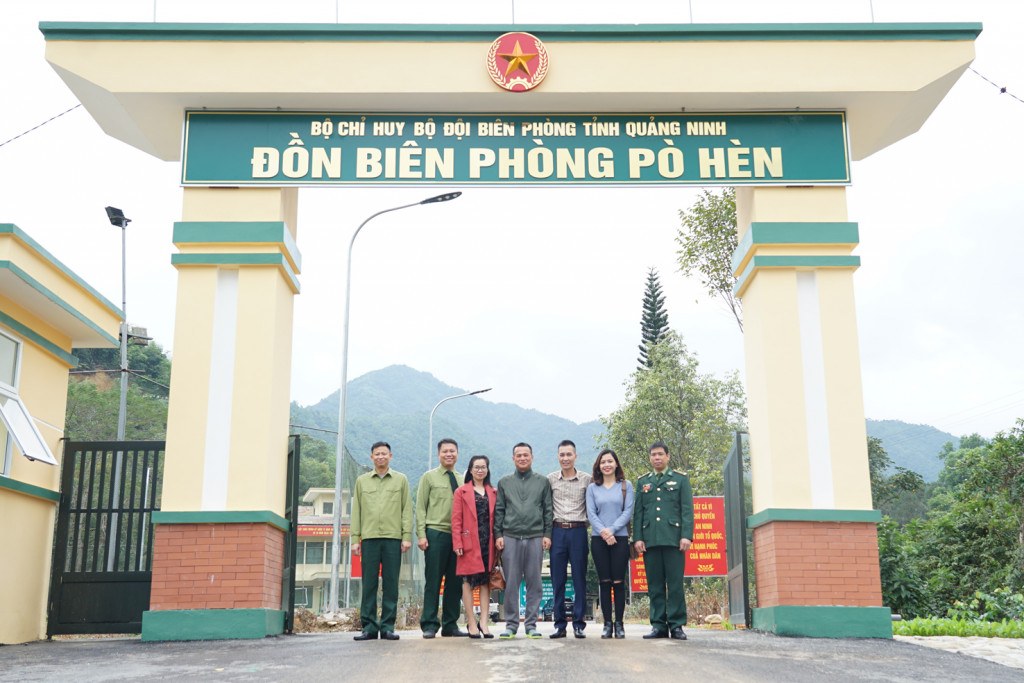
Photo: Tuổi trẻ Thủ đô Newspaper.
Today, Pò Hèn Historical Site has become a “red address” for educating people about the tradition of defending border sovereignty, encouraging and inspiring future generations to continue writing the heroic history of the border guard force in particular and the Vietnamese nation in general.
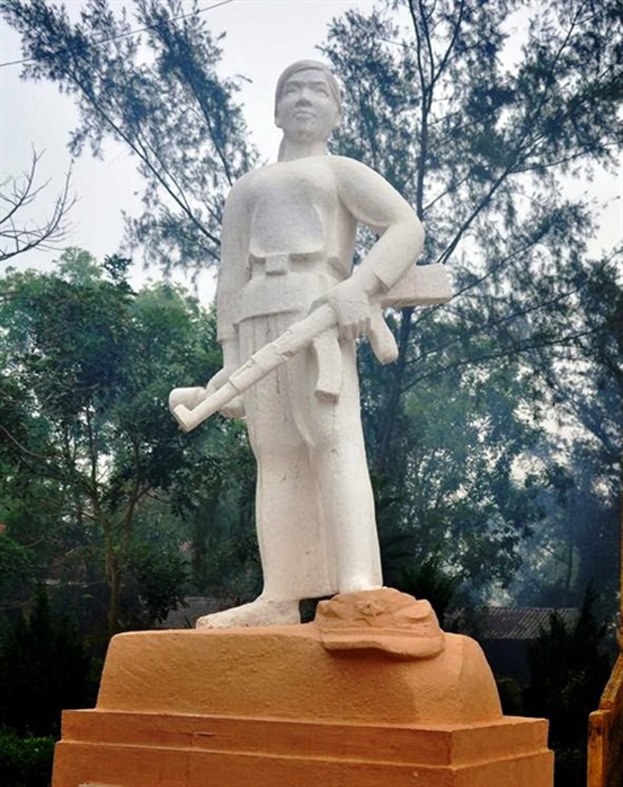
Statue of Martyr Nguyễn Thị Hồng Chiêm. Photo: Tuổi trẻ Thủ đô Newspaper.
Today, Pò Hèn Memorial stands tall and proud amid the mountains and forests of the Northeast, embodying the heroic spirit and glorious feats of those who gave their lives so that they could continue to fulfill the mission of guarding every inch of sacred land along the nation’s frontier.