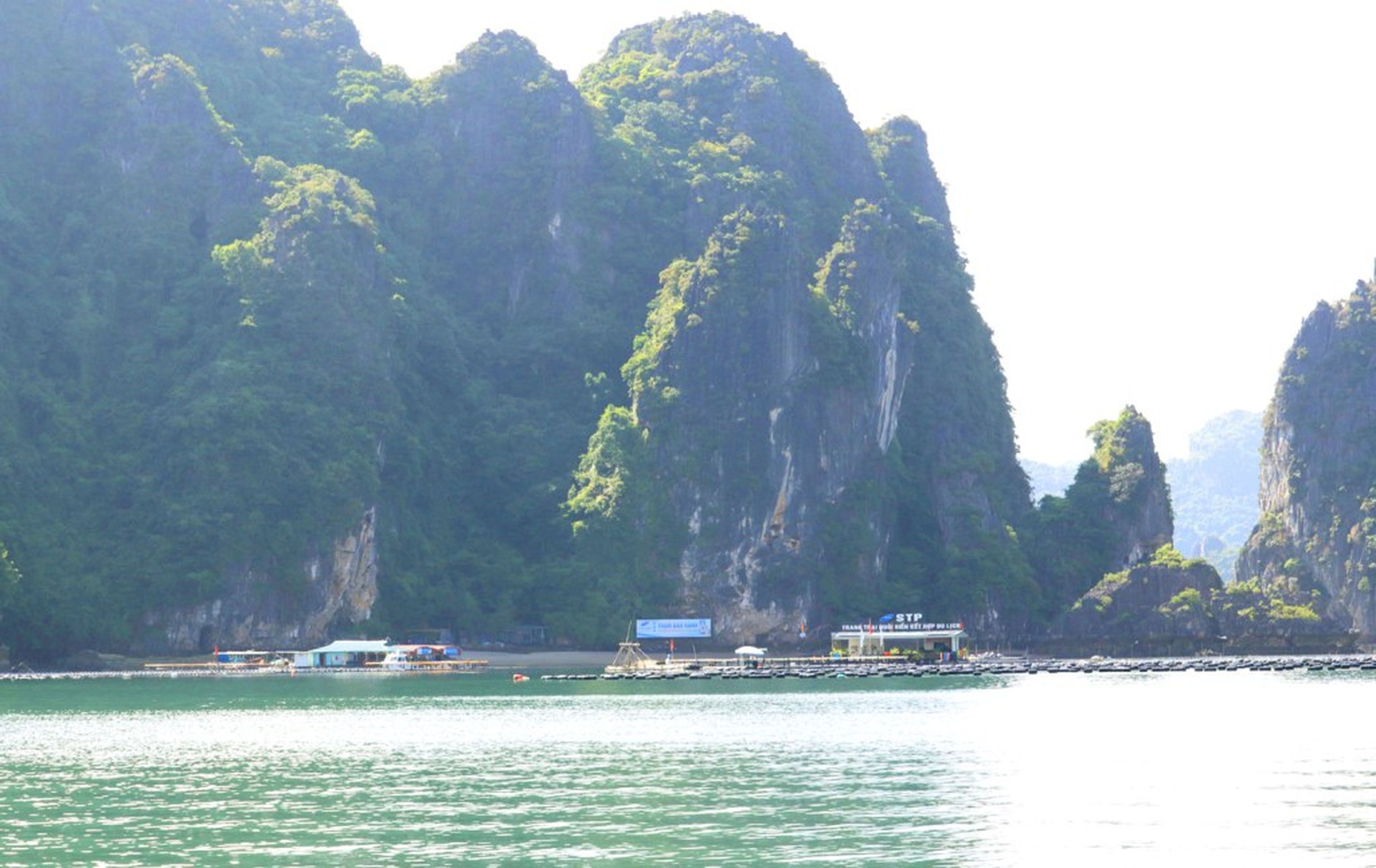
Phat Co Island is located in Bai Tu Long Bay, about 1.5km from the Viet – My tourist area pier. Seen from the shore, the island looks like a green arc standing sentinel before the vast sea – home to a “farm” cultivating carrageenan seaweed.
Phat Co Island – Home to a Floating Farm in Bai Tu Long Bay
Phat Co Cave
The island belongs to the port area of Hamlet 2, Ha Long Commune, Van Don District, Quang Ninh Province. During the occupation of the mining area, the French named the island Île du Marquis (Marquis). On July 13, 1968, the Ministry of the Interior modified and standardized the name of Île du Marquis to Phat Co Island, and the island's official name has remained so to this day.
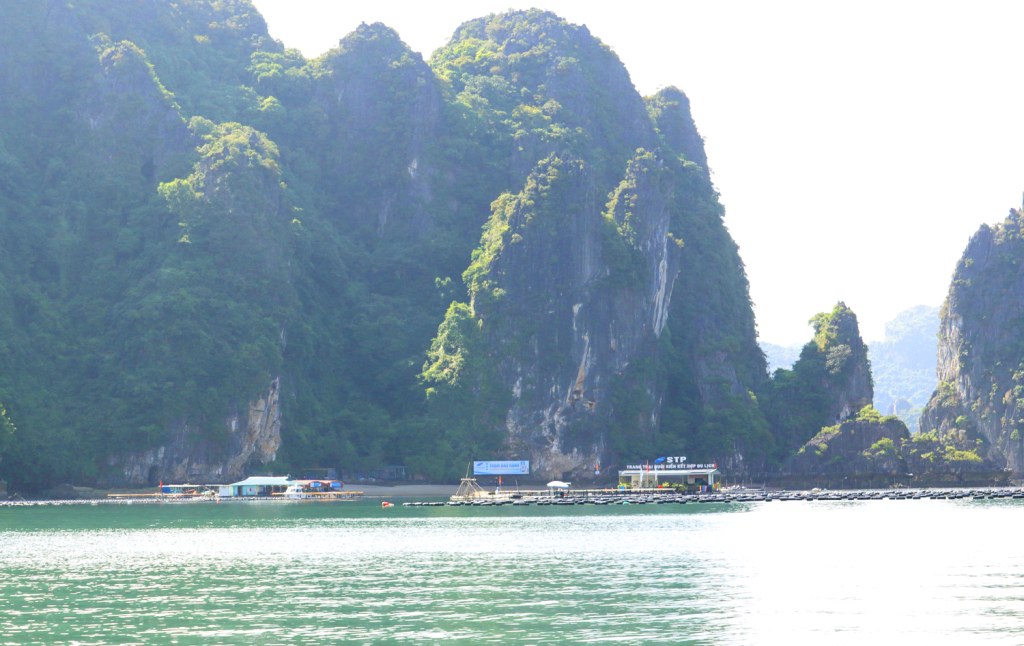
Phat Co Island. Photo: Quang Ninh Newspaper.
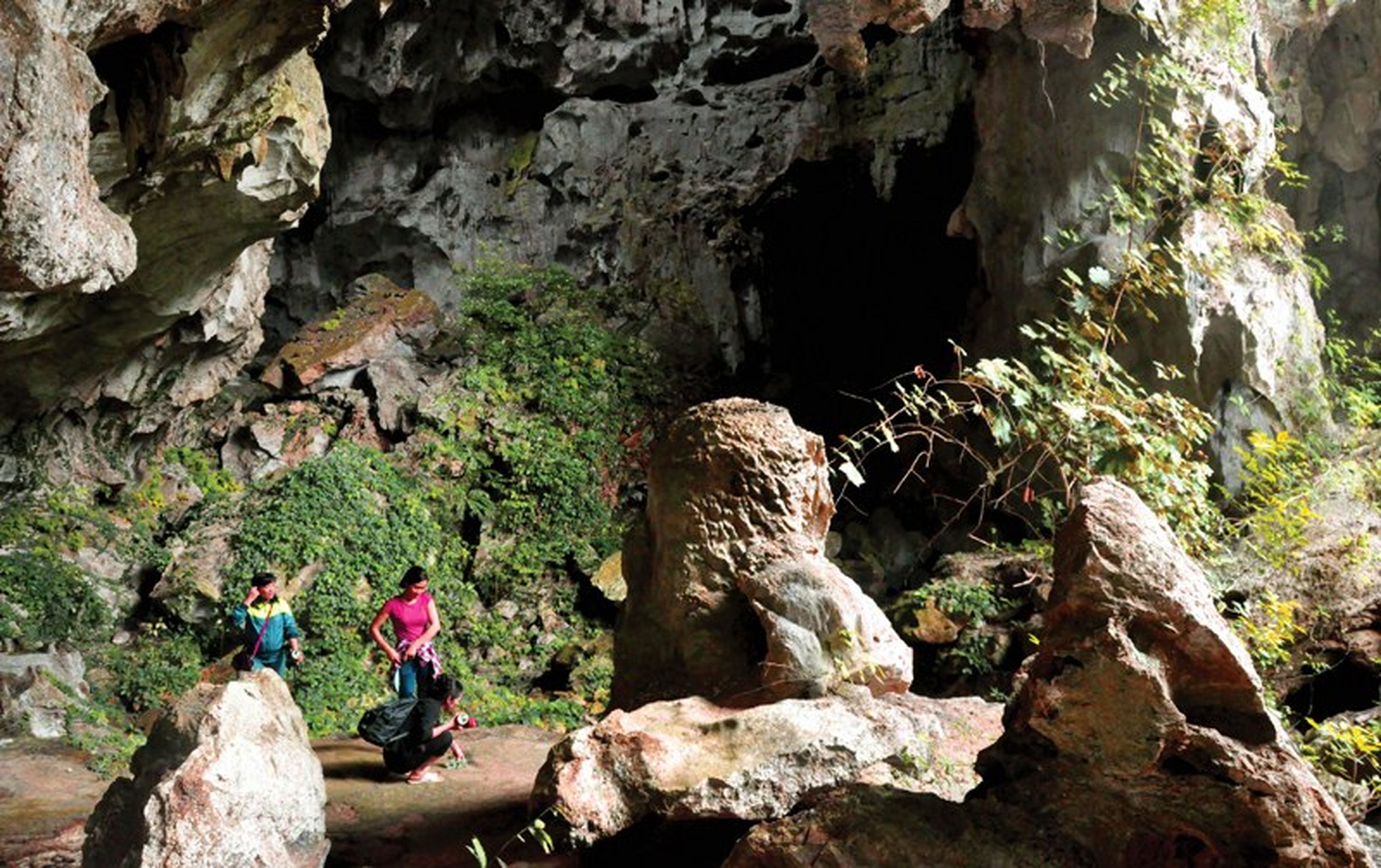
Phat Co Island is actually a rocky island similar to many others in Ha Long Bay and Bai Tu Long Bay, but it stands out because it houses Phat Co Cave, one of the largest caves in Bai Tu Long Bay. In front of the cave entrance lies a golden sand beach about 50m long, ideal for visitors to swim and relax.
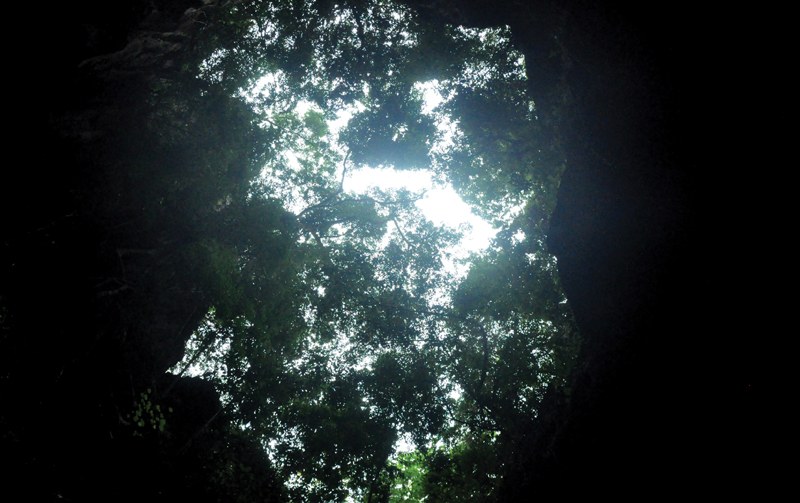
Cave entrance. Photo: Quang Ninh Newspaper.
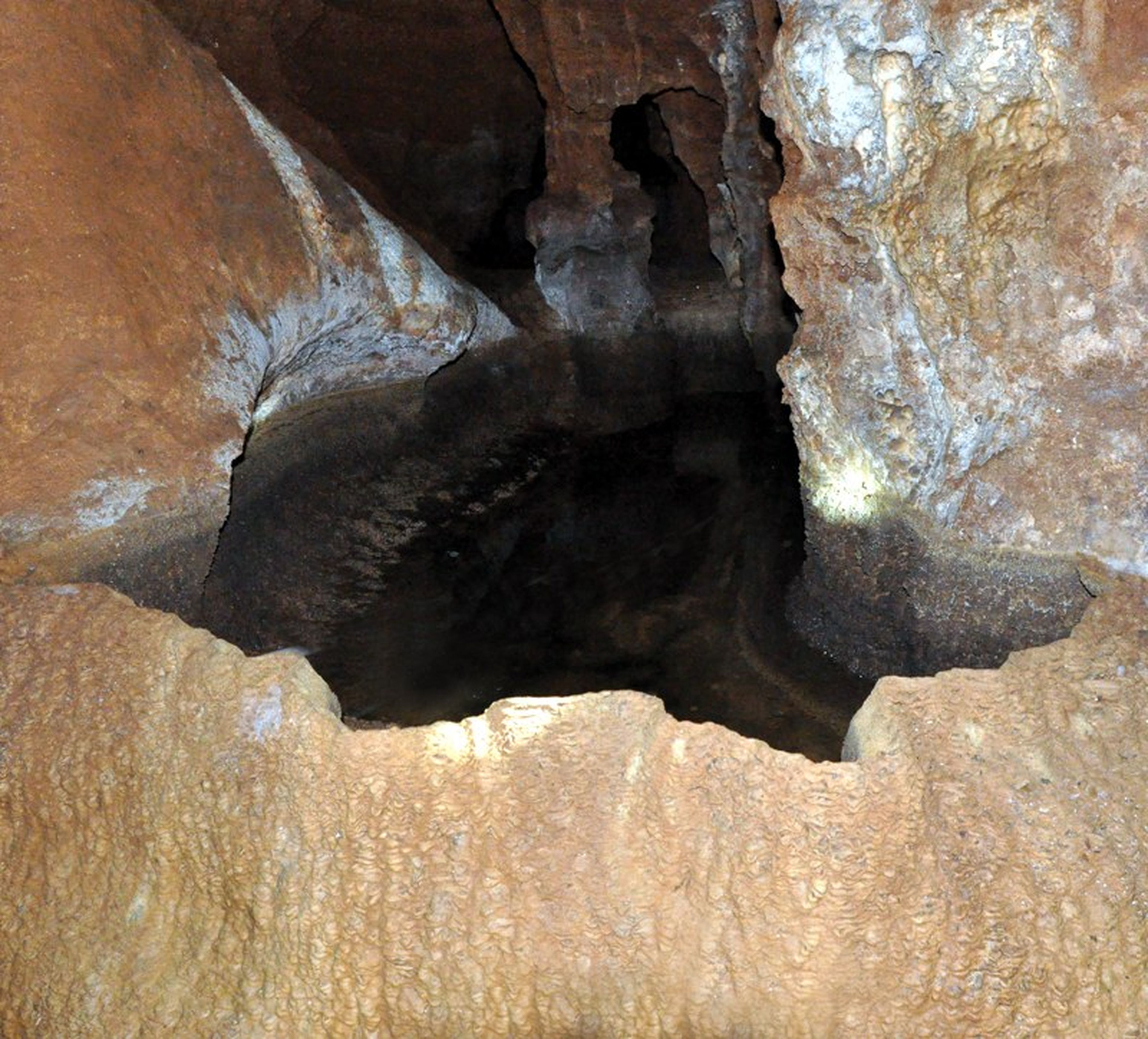
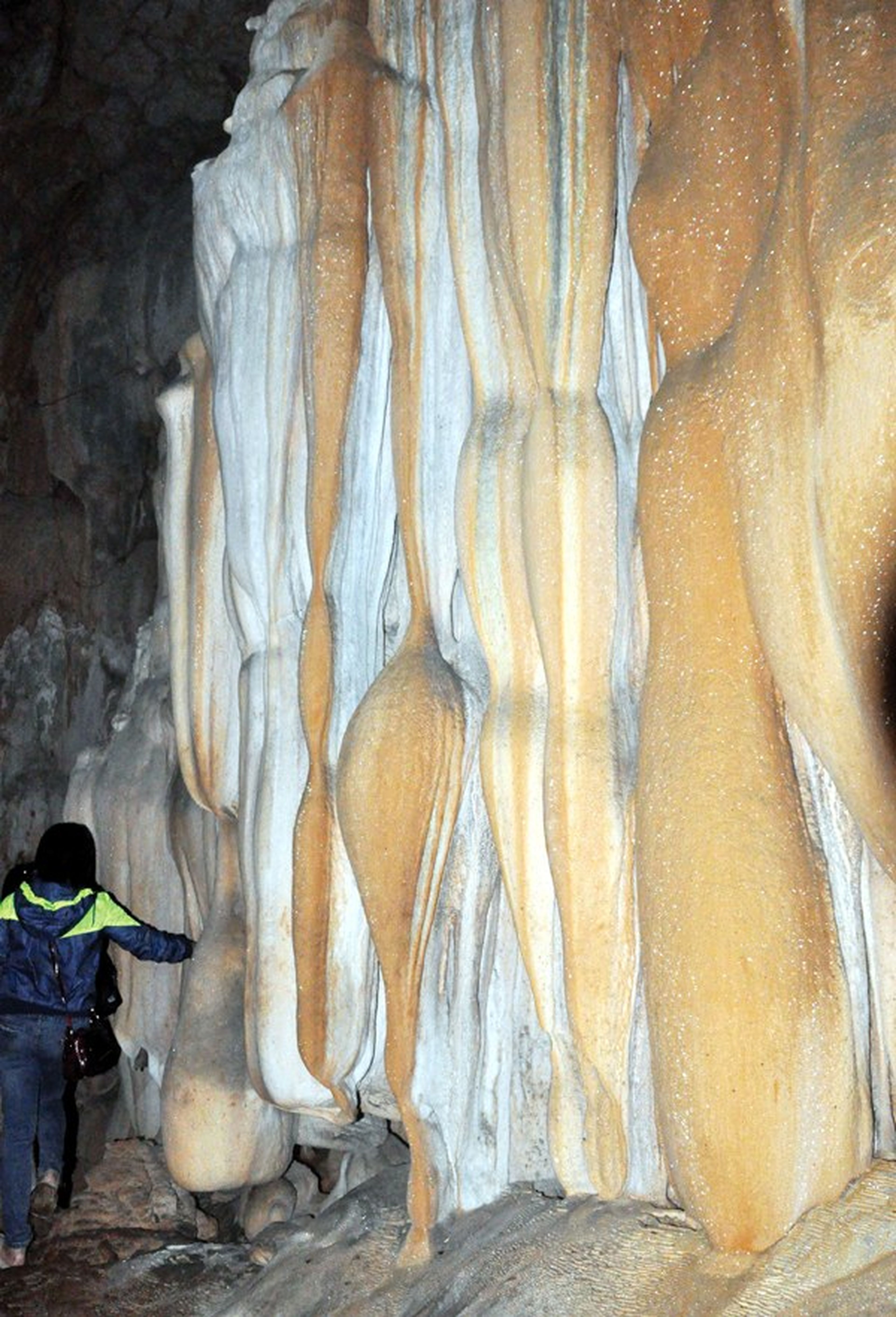
Phat Co Cave resembles an egg, with the pathway up into the cave located around the middle of the egg. From the sandy beach, climbing up the high stone steps leads to the cave entrance. The cave is very spacious, featuring numerous stalactites that resemble natural works of art. In dark alcoves, water dripping from the cave ceiling creates a humid cavern atmosphere.
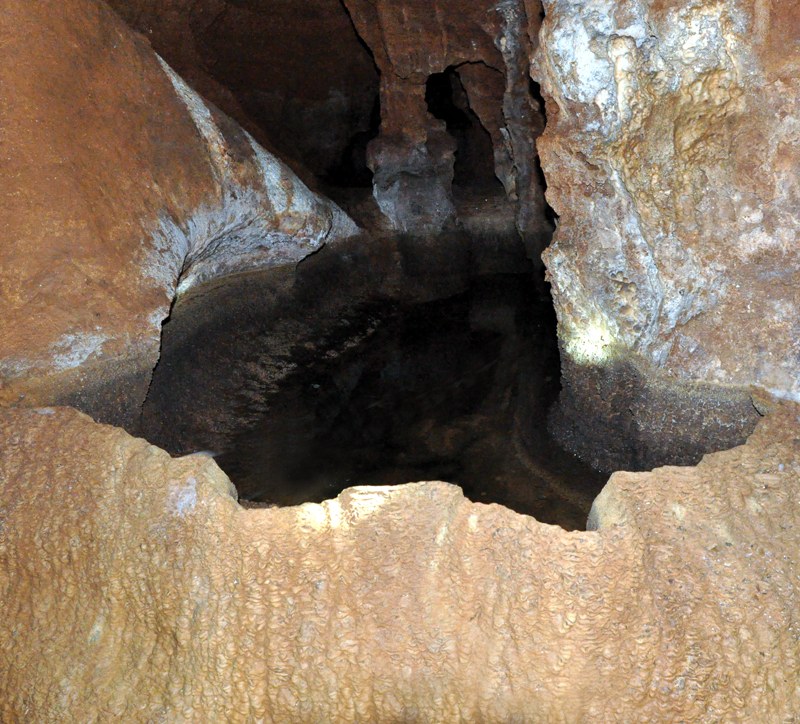
A natural pool of water. Photo: Quang Ninh Newspaper.
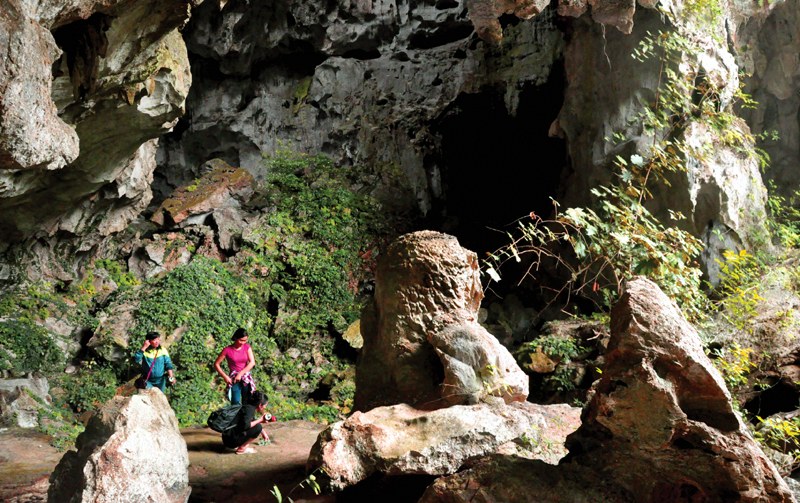
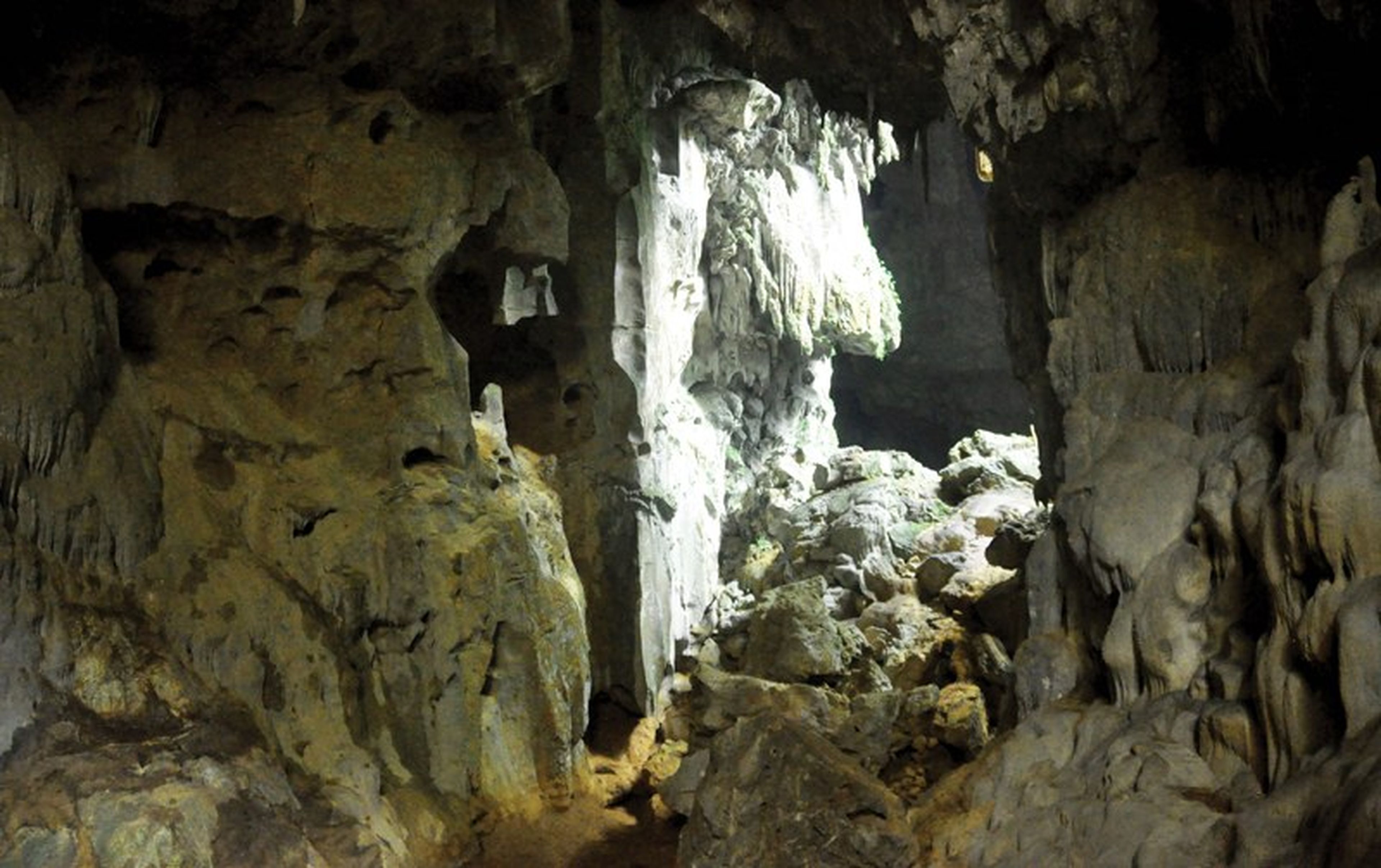
Phat Co Cave. Photo: Quang Ninh Newspaper.
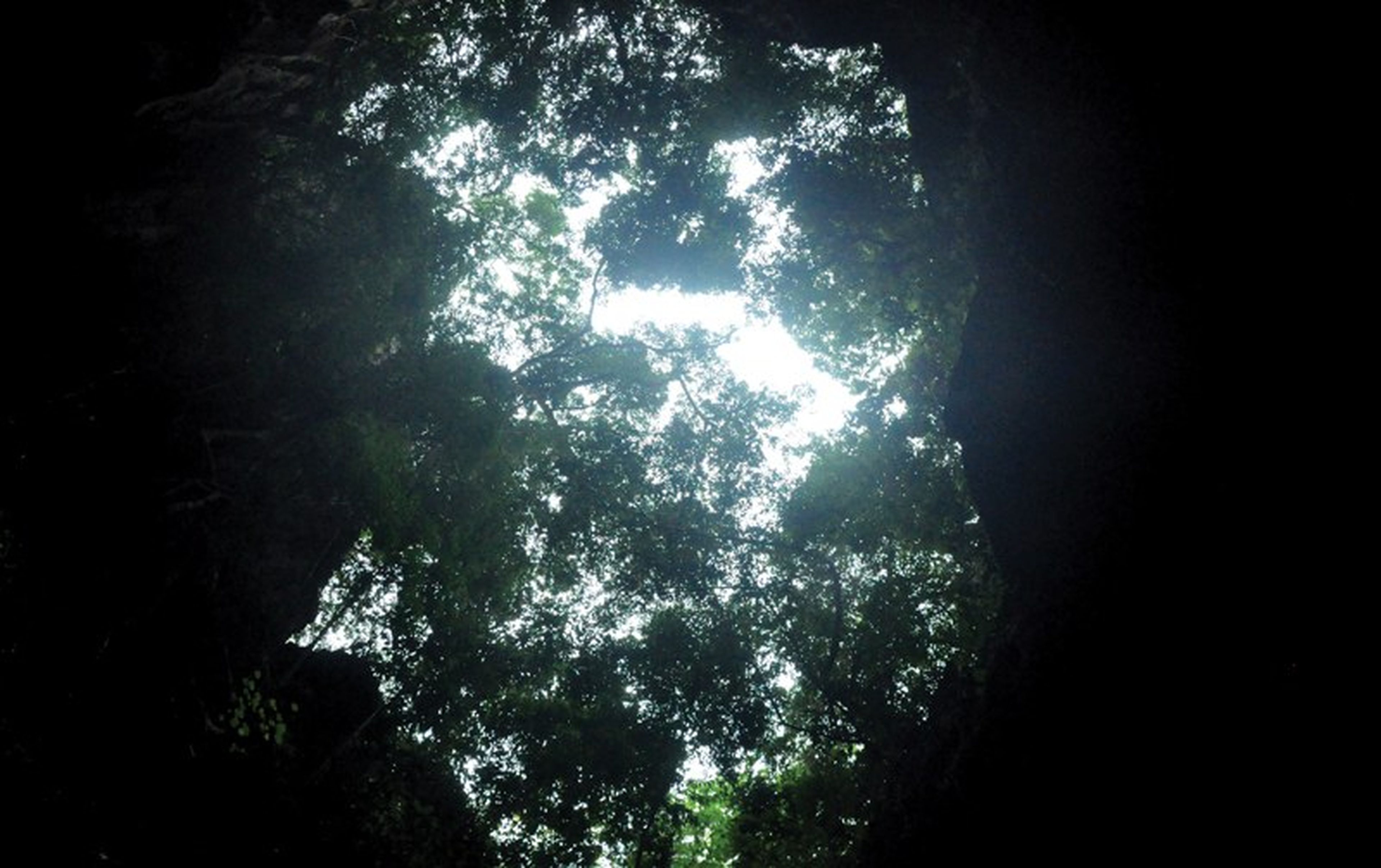
Entering the cave through shadowy passageways, visitors are astonished by a powerful beam of light—natural sunlight streaming through an opening that looks like a giant funnel. Thanks to this light source, numerous plant species thrive inside the cave, forming a lush green carpet.
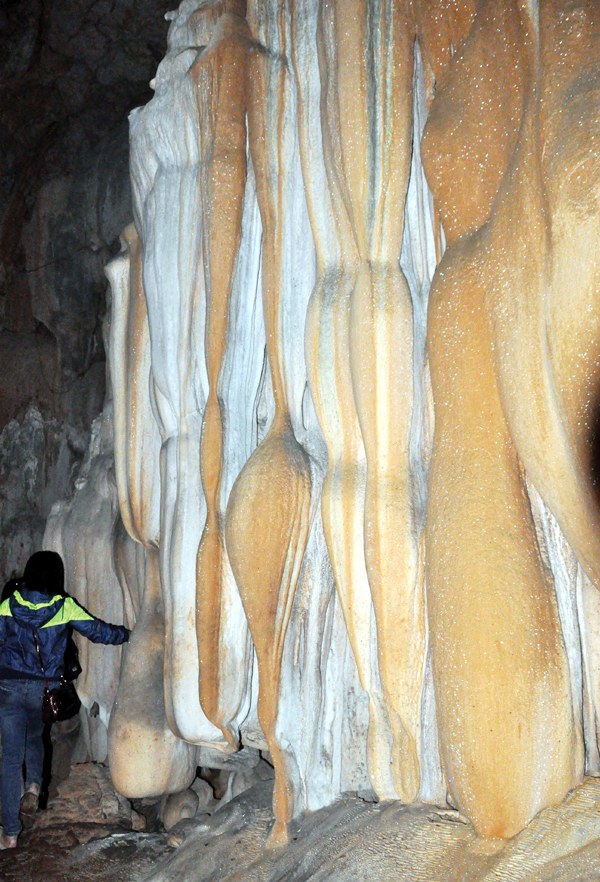
Eye-catching stalactites. Photo: Quang Ninh Newspaper.
Winds blowing down from above and in through the cave entrances keep the center of the cavern dry. Heading from the bottom of the cave up to the southern entrance leads to a wonderful vantage point for admiring a corner of Bai Tu Long Bay's vast rolling waters. Looking out from this entrance, one can see Mieu Islet and Soi Nhu Cave, an archaeological settlement site of ancient Vietnamese people dating back 10,000 years.
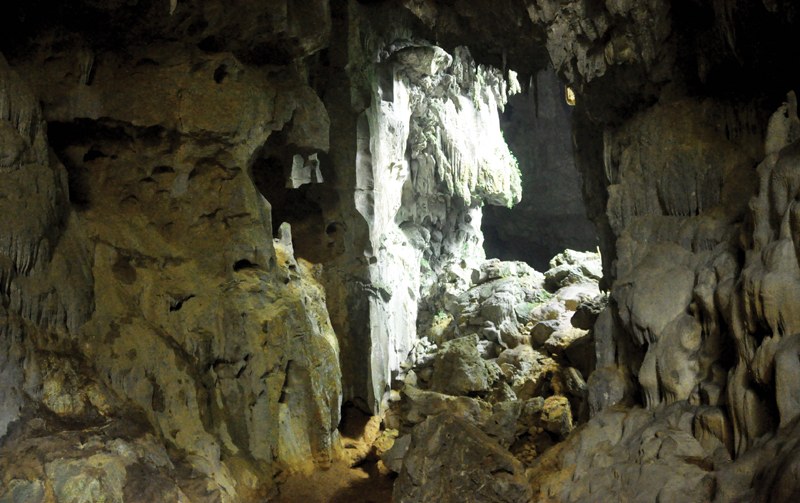
The cave has multiple chambers. Photo: Quang Ninh Newspaper.
Floating Farm on the Sea
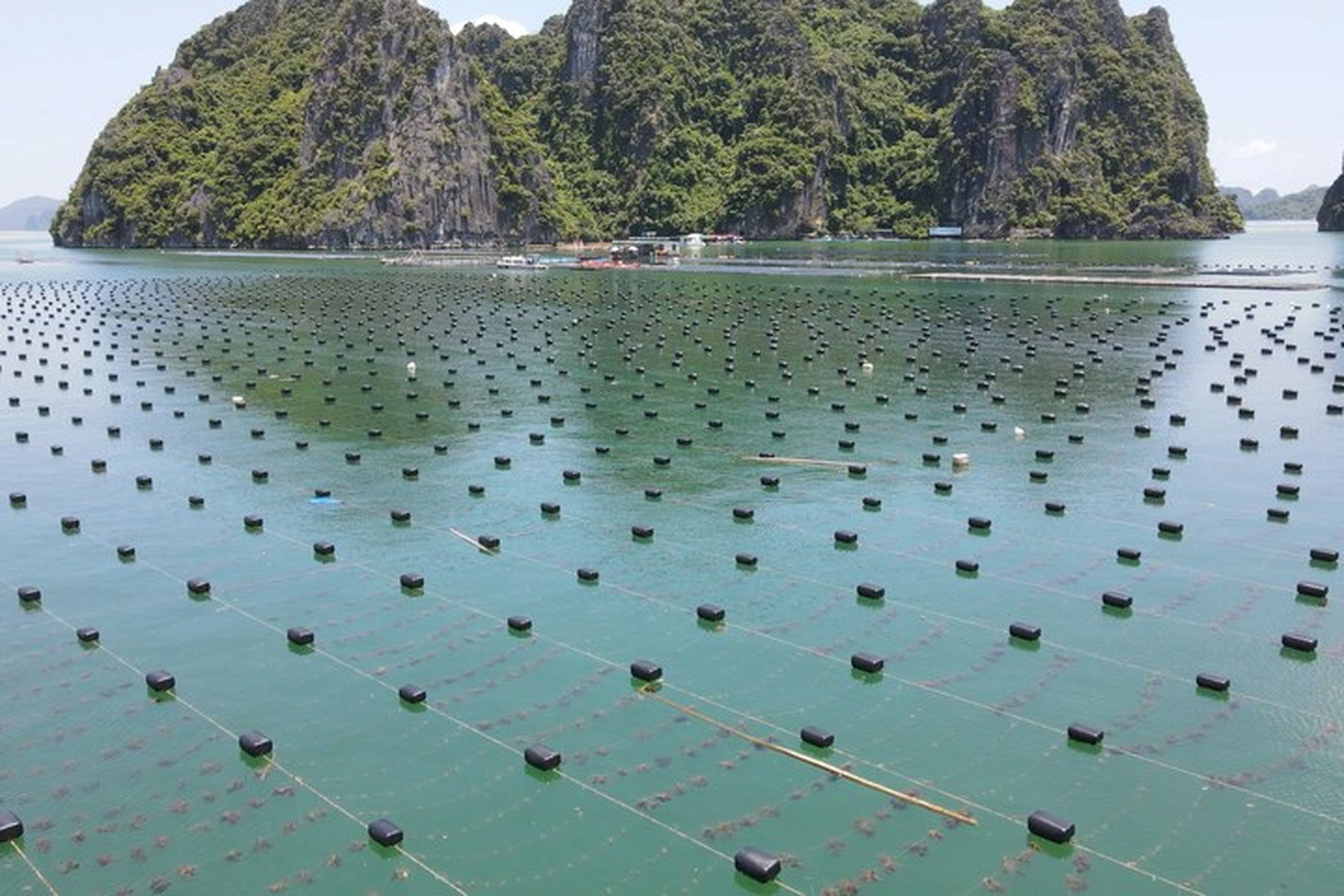
More than just caves, Phat Co Island also boasts a floating farm cultivating carrageenan seaweed directly on the waters at the base of the rocky island. This is the first successful model of carrageenan seaweed farming in the marine area of Quang Ninh Province.
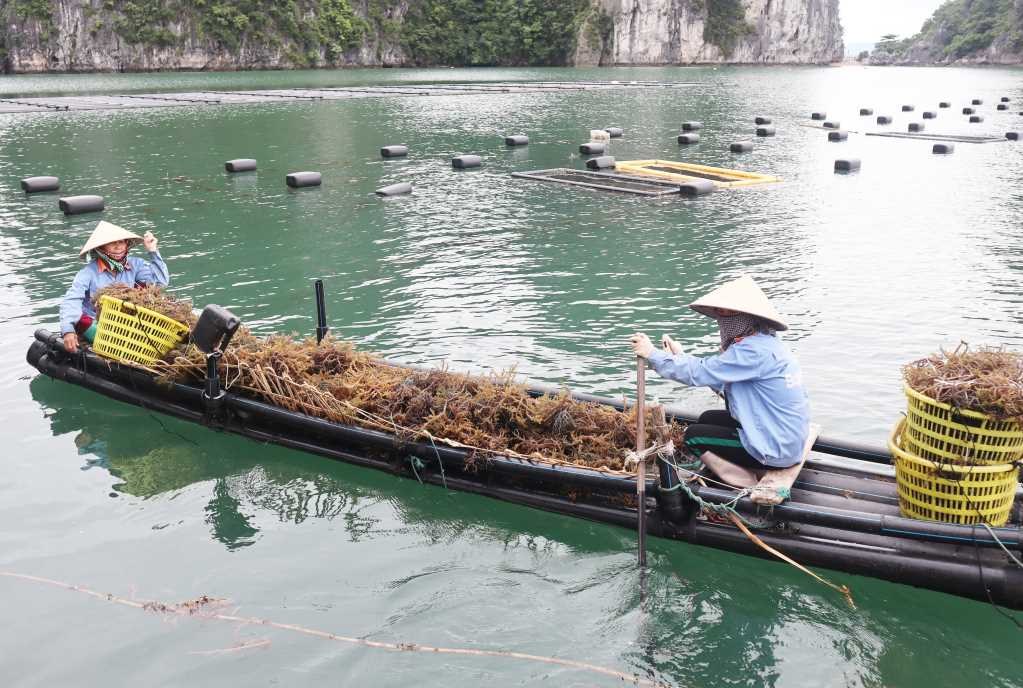
Photo: quangninh.gov.vn.
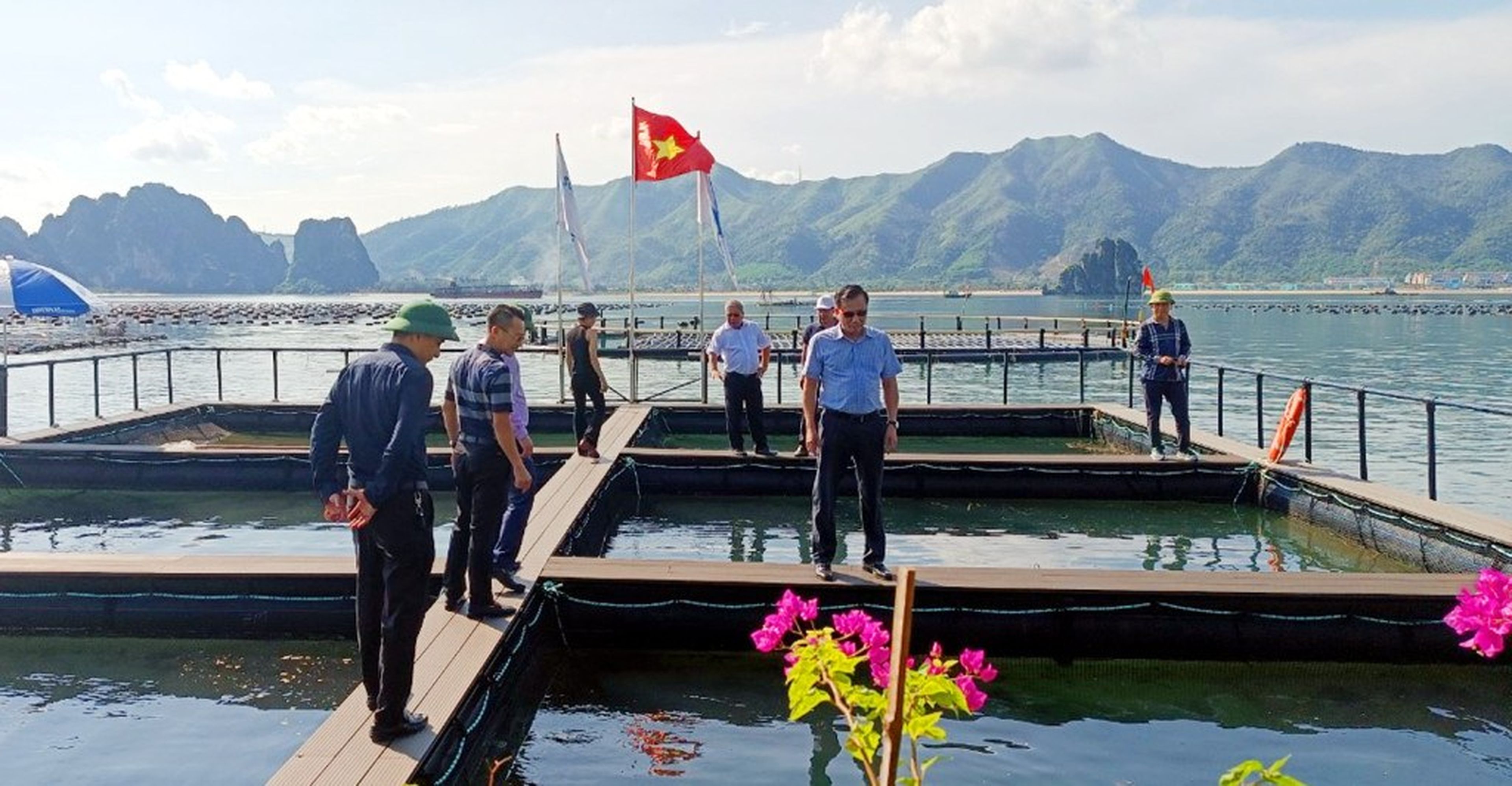
The floating farm was established in February 2021 and officially became operational after 3 months. It was constructed using HDPE modular floating blocks and panels, providing an aesthetically pleasing, sturdy, and well-equipped space.
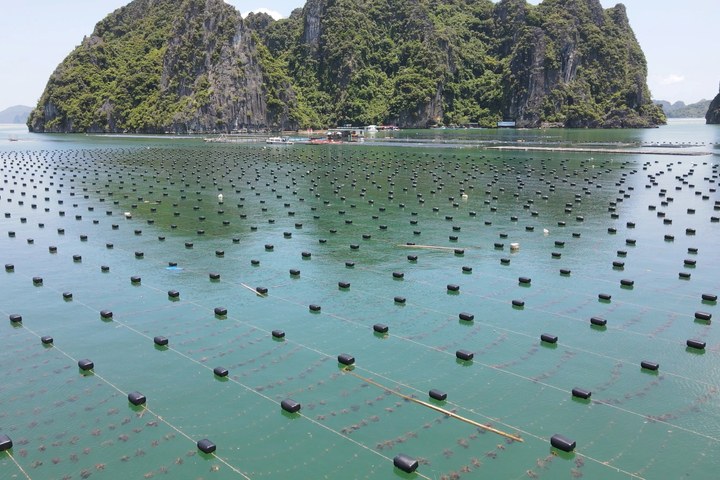
Successful carrageenan seaweed farming. Photo: VnExpress.
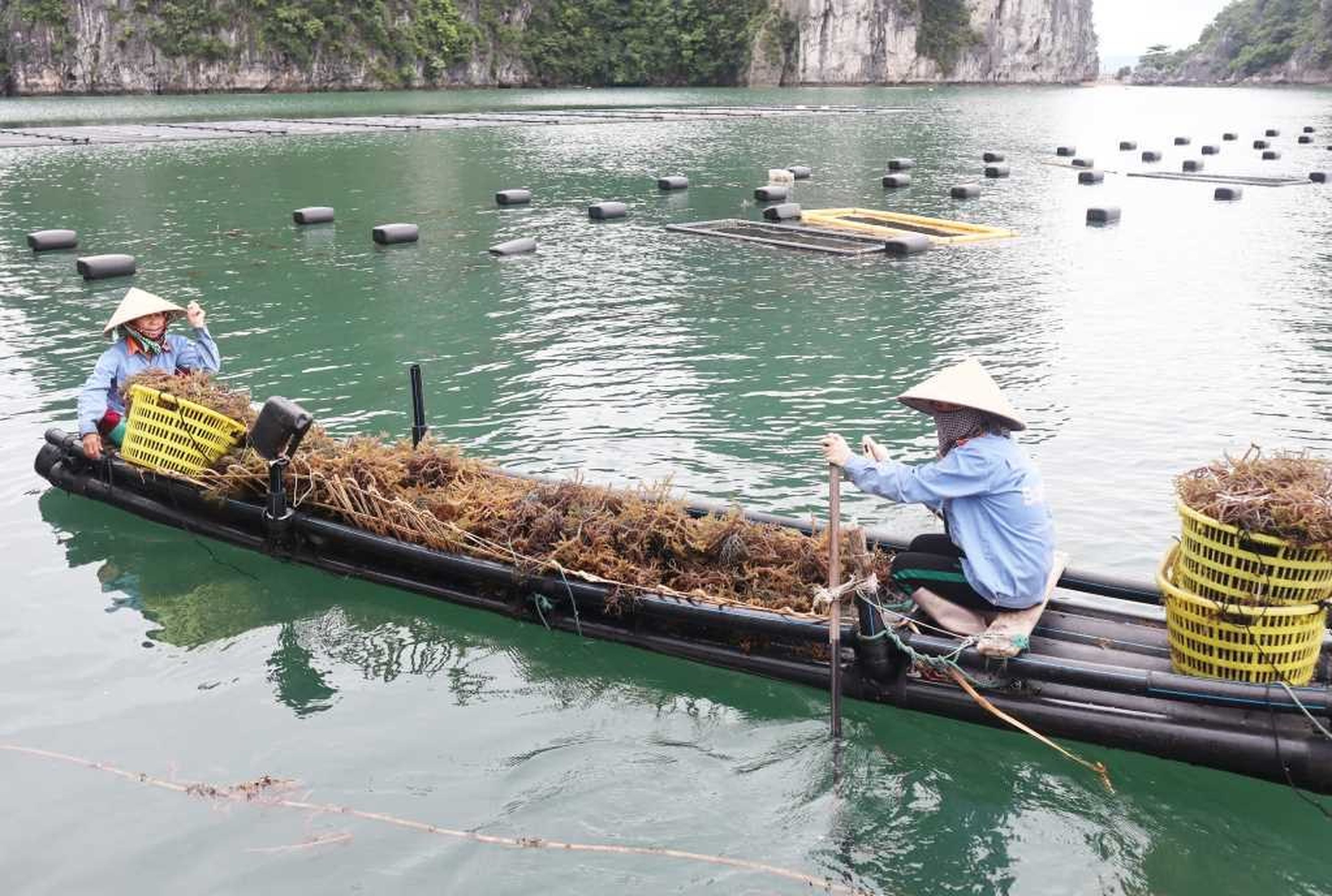
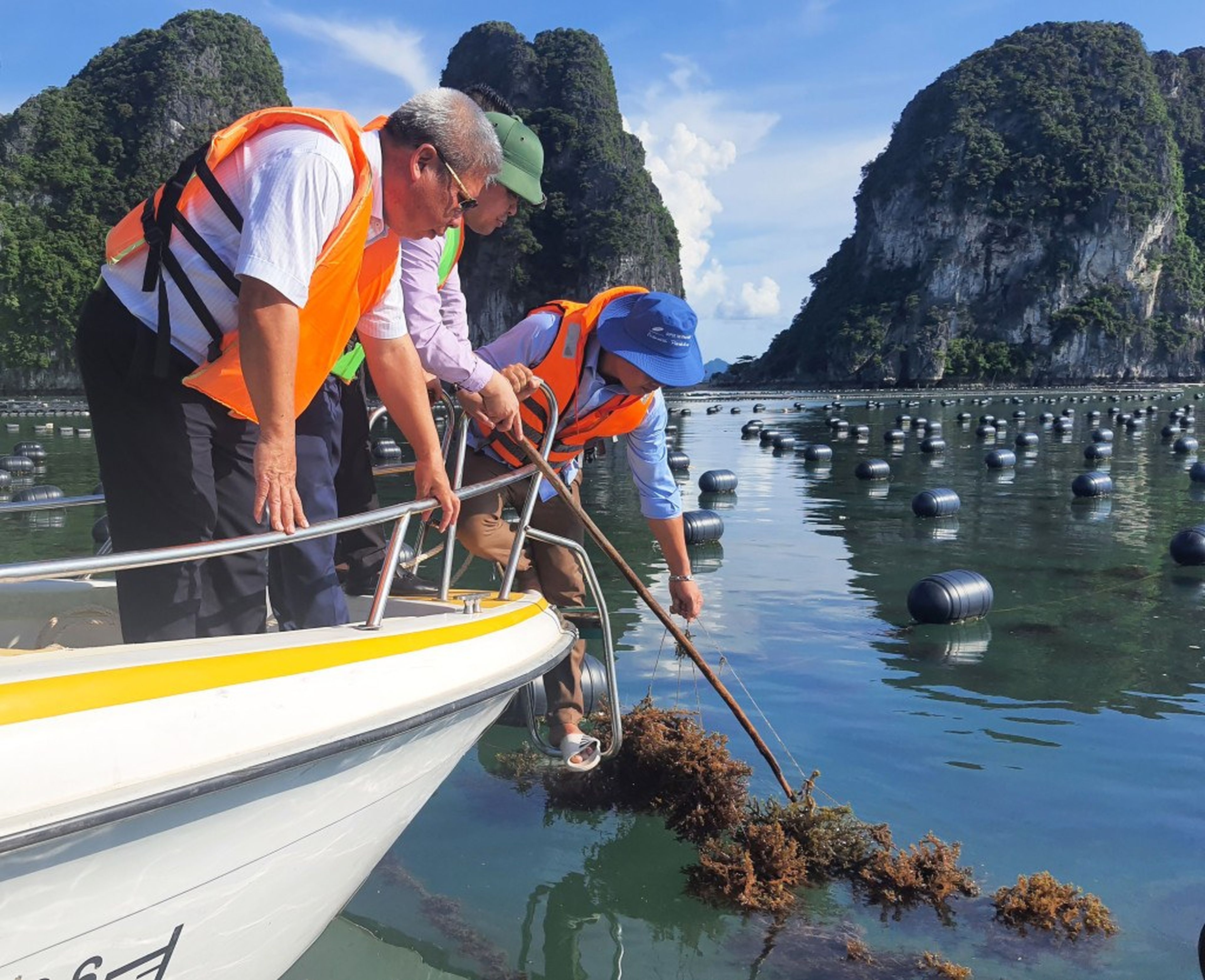
The floating farm covers approximately 10ha across the waters of Phat Co Island. Visitors can stroll along the surrounding seaweed cultivation racks or take a boat to explore the “floating buoy gardens” where carrageenan seaweed is suspended.
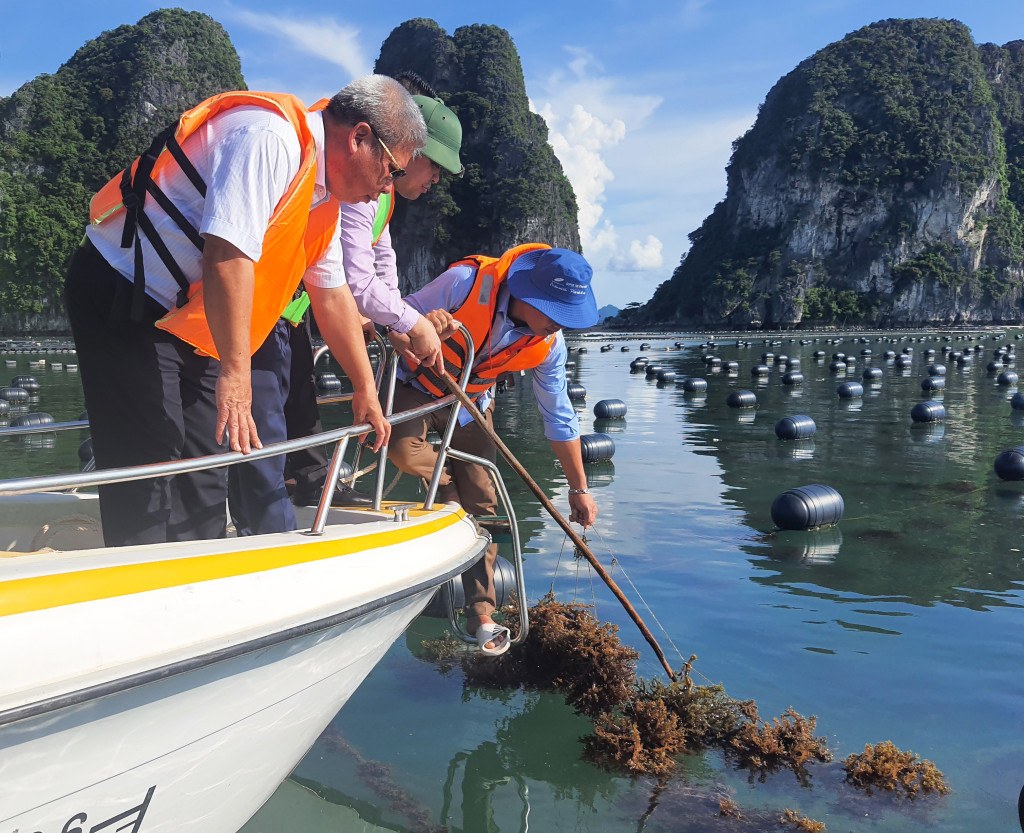
Seaweed is intensively farmed. Photo: Quang Ninh Newspaper.
Visitors can also tour the seed bank and the seaweed drying platforms floating amidst the sea, which are built entirely from large HDPE sheets. Coming here, visitors can experience harvesting seaweed, preliminary processing, sun-drying, and savoring signature dishes prepared from carrageenan seaweed.
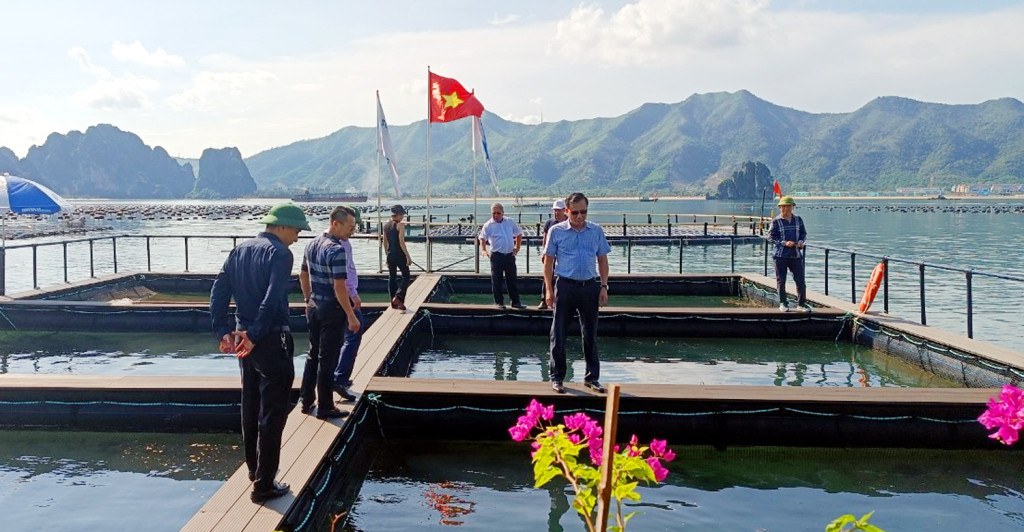
Carrageenan seaweed farm. Photo: Quang Ninh Newspaper.
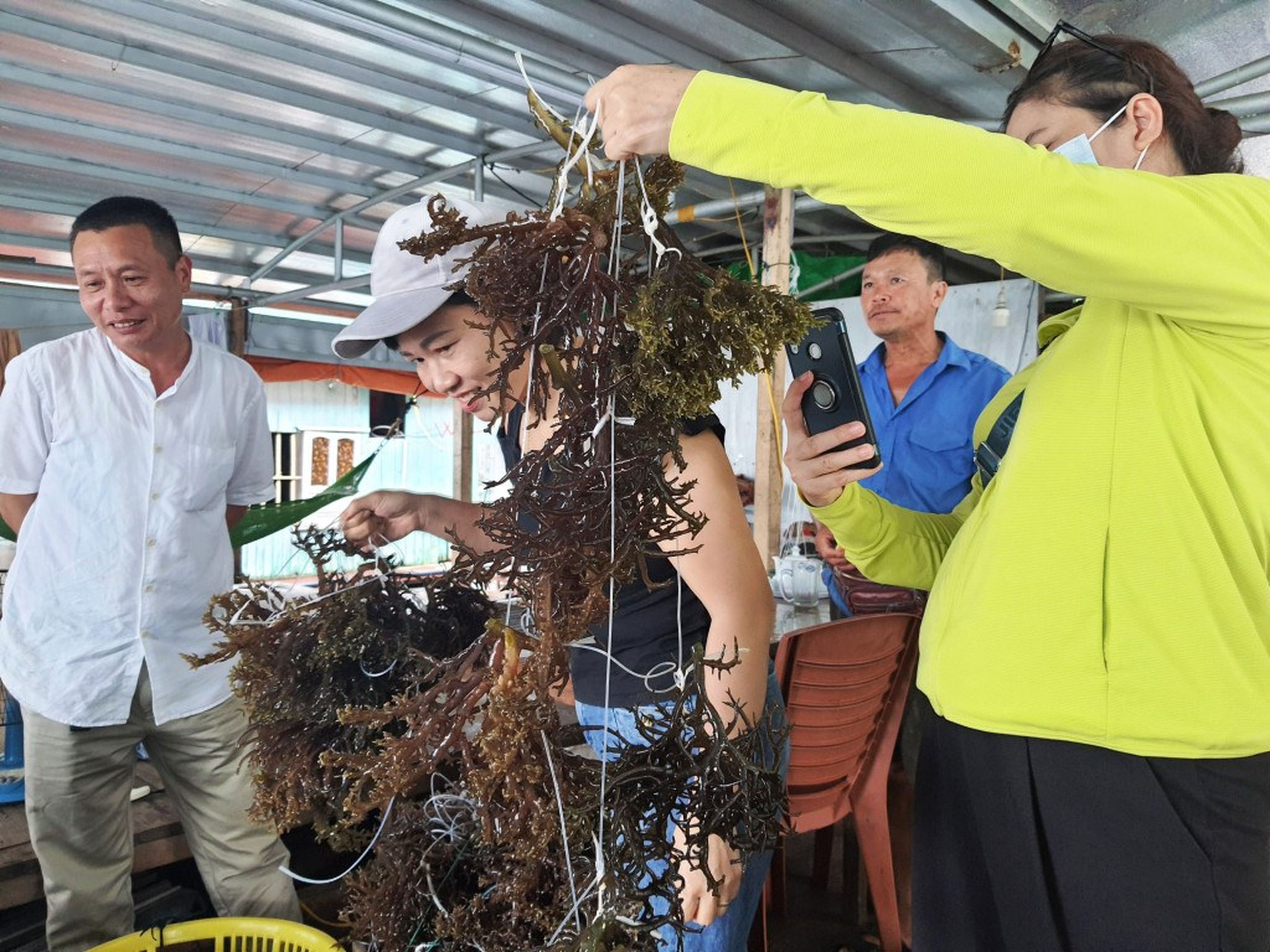
Carrageenan seaweed at Phat Co Island reaches maturity after only 2 to 2.5 months of cultivation. This is also the stage when the seaweed meets the standards to serve as raw material for producing food, cosmetics, pharmaceuticals, and more.
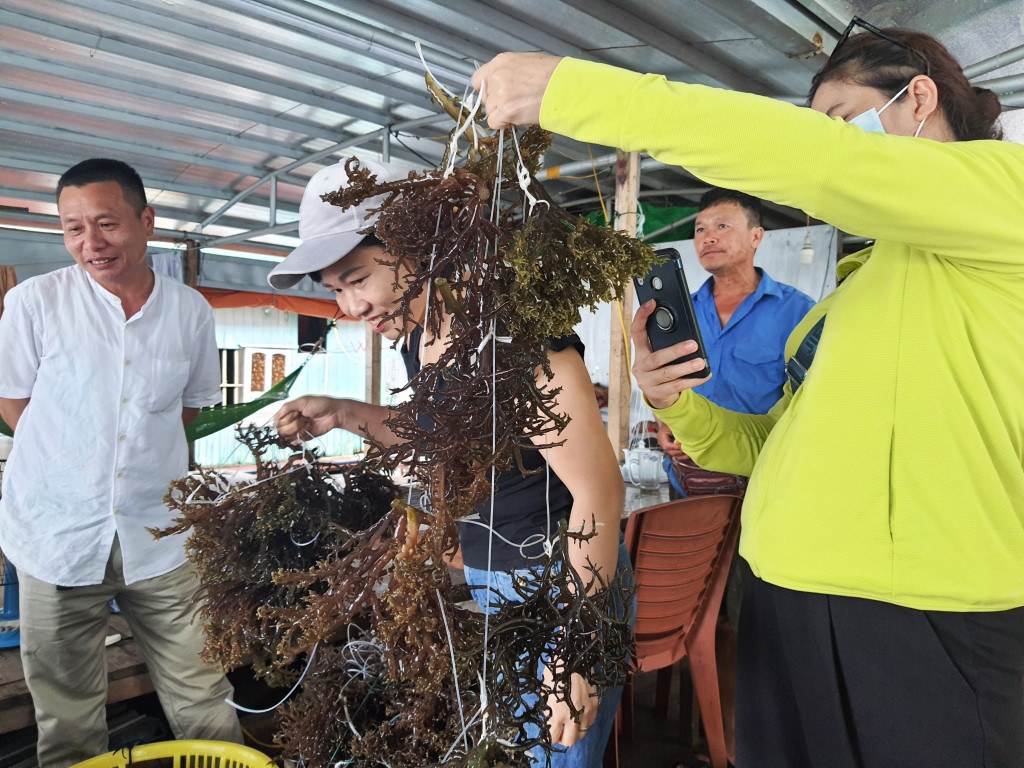
Carrageenan seaweed is used for multiple purposes. Photo: Quang Ninh Newspaper.
Each year, 3 crops of carrageenan seaweed can be harvested, yielding 70-100 tons/ha/year. With the current fresh seaweed price at 2,500-3,000 VND/kg, revenue can reach approximately 200 million VND/ha, helping transform the local economy and improving the living standards of carrageenan seaweed farmers.