

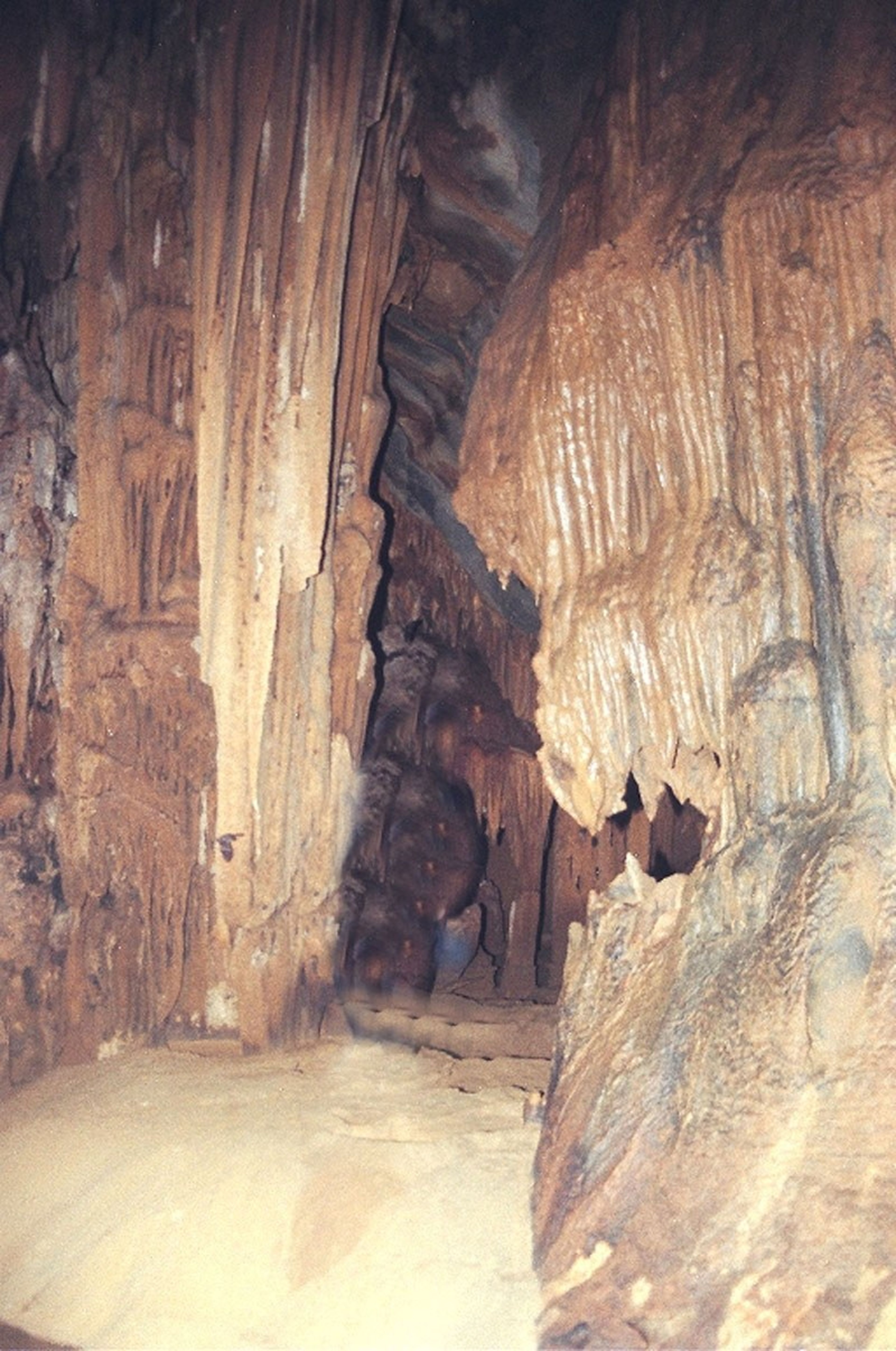
Nha Tro Cave is located 2 km from Ban Sen Commune, Van Don District. The cave still retains its pristine beauty; the deeper one explores, the more surprised one is by the paradise-like scenery with numerous stalactites and stone pillars.
Nha Tro Cave – The “Theater” in the Open Sea of Van Don
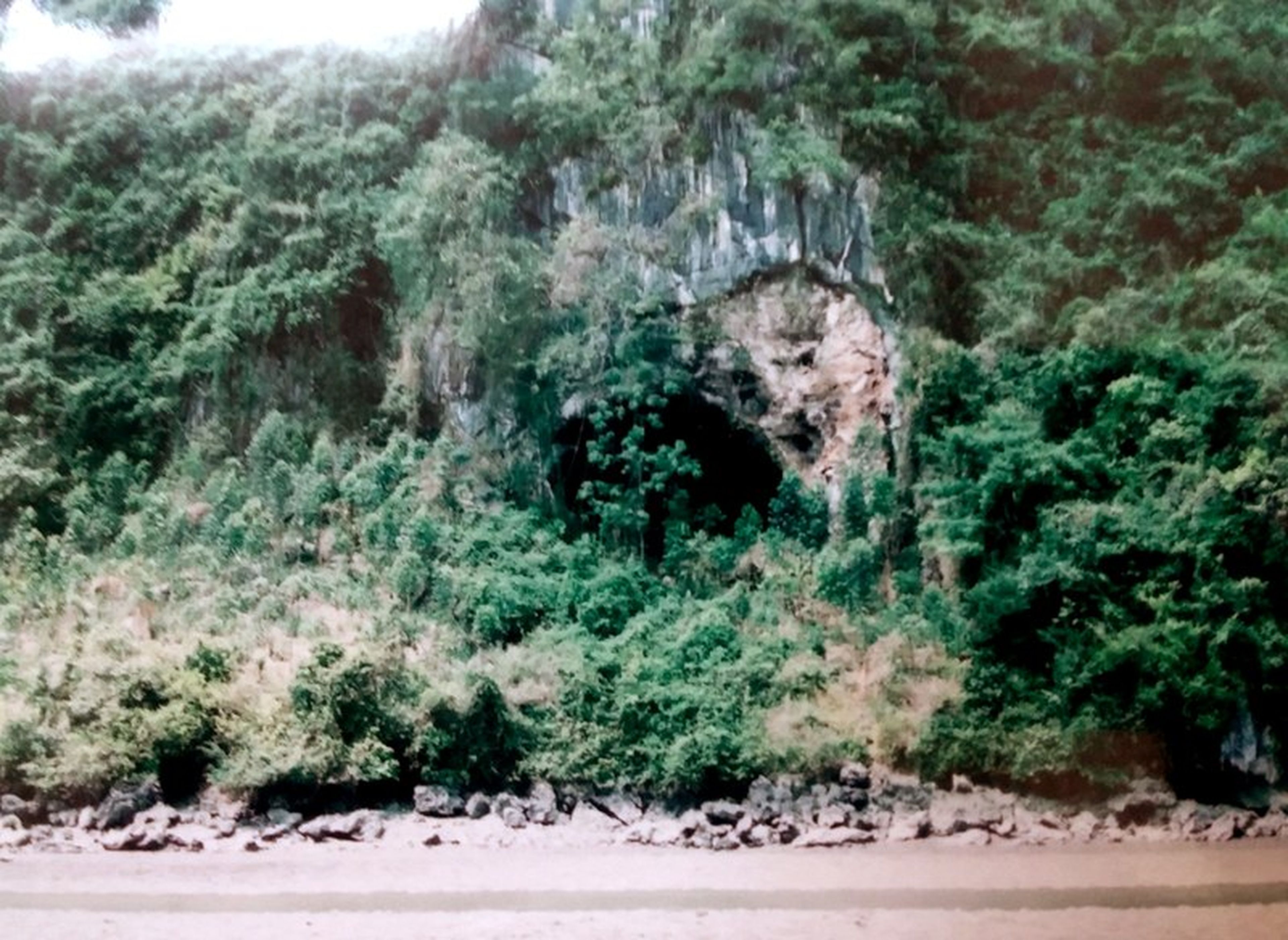
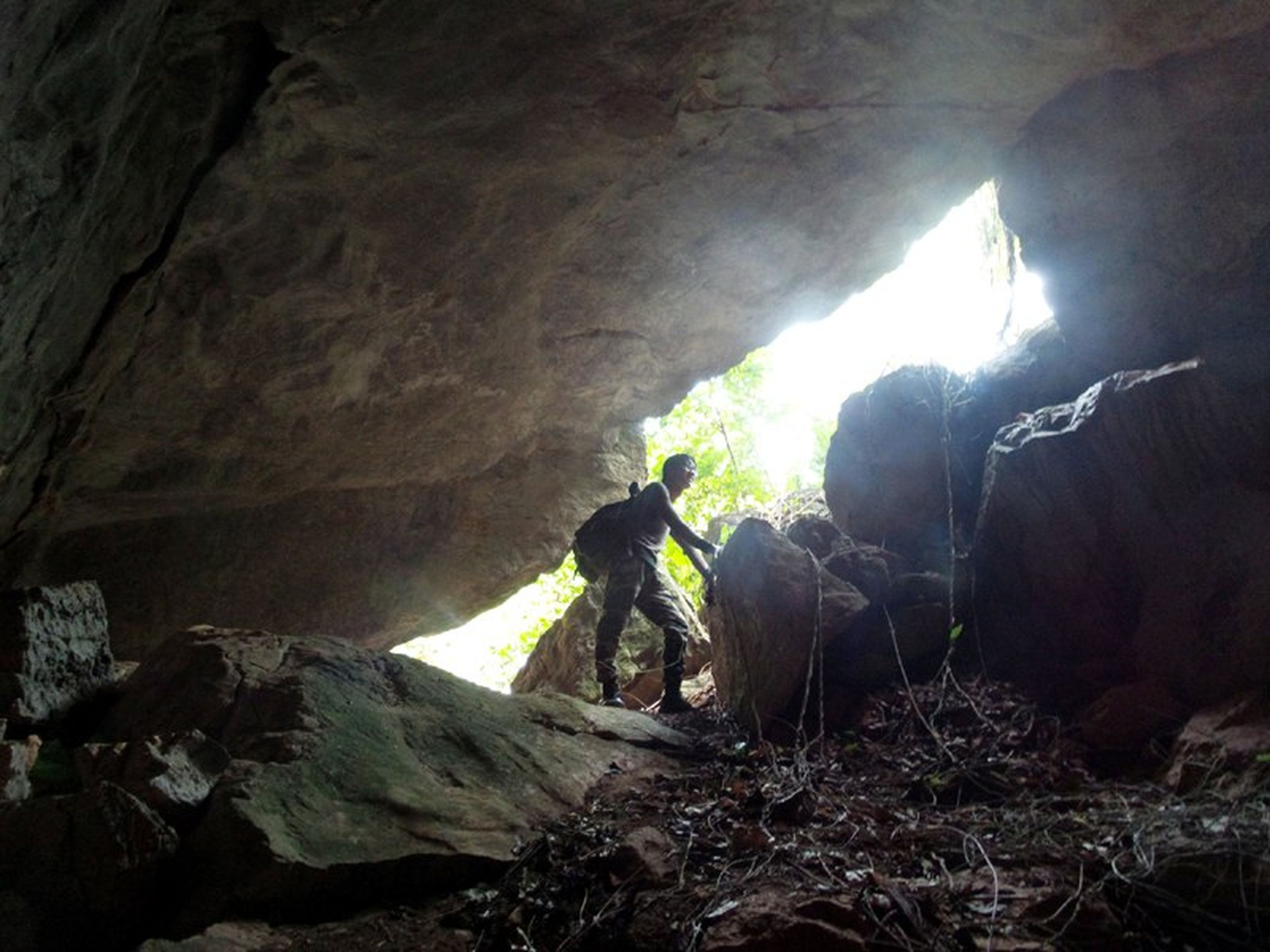
Recently, tourism in Van Don has developed strongly, but Nha Tro Cave is still waiting to be awakened. Therefore, to get here, visitors must travel by small boat. Even local residents do not know exactly where the name “Nha Tro” originates. The cave entrance is narrow and situated halfway up the mountain, but going deeper inside, the cave opens up wider and wider.
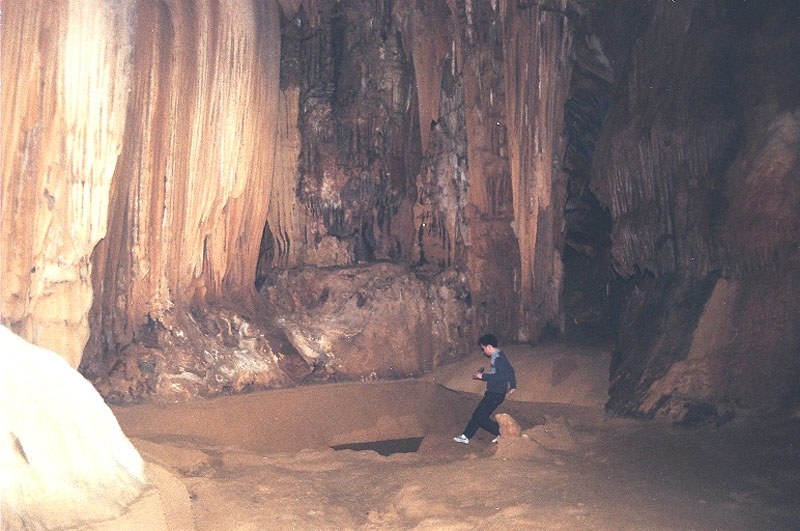
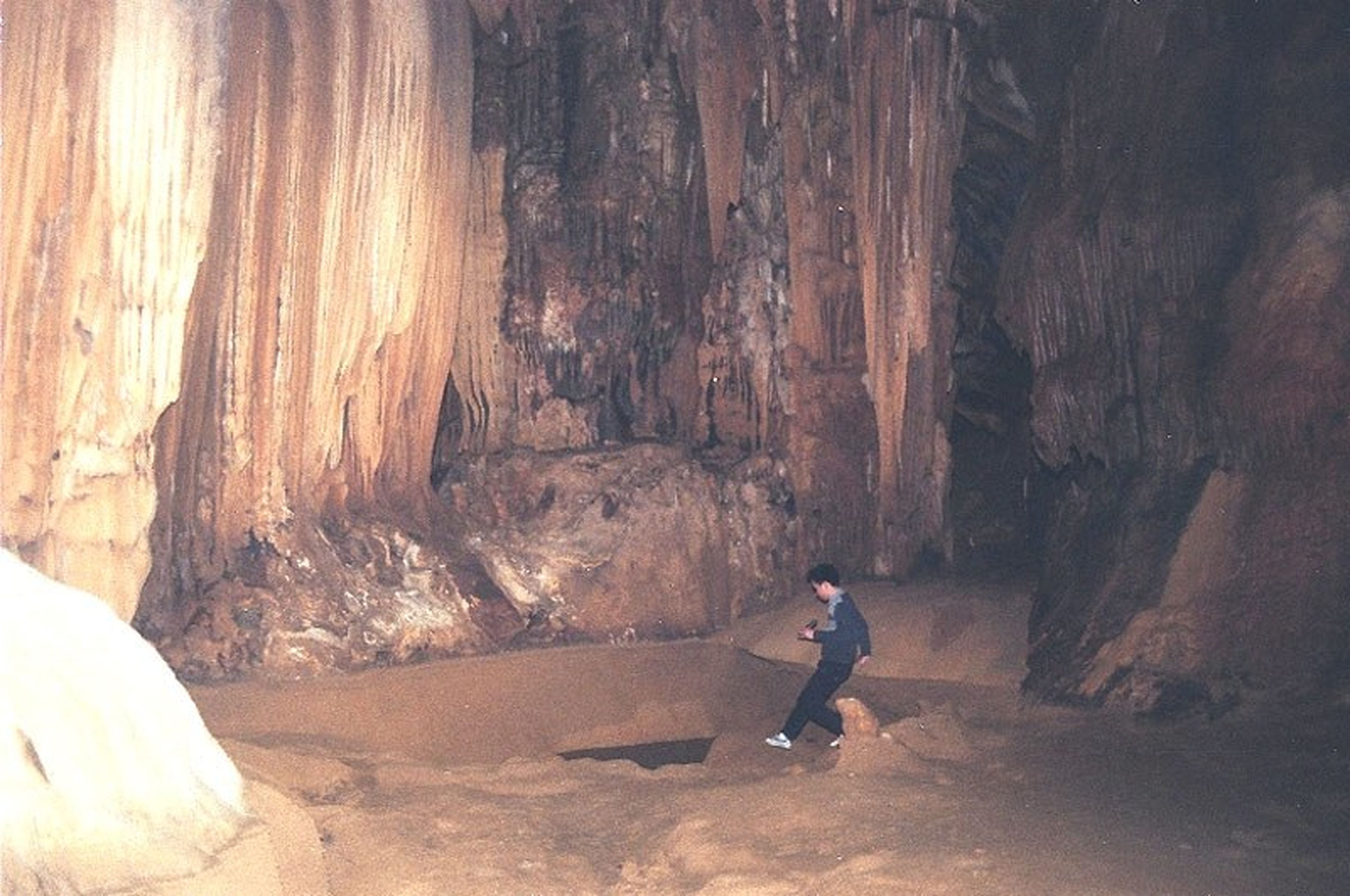
Inside the cave is a vast space resembling a stage. Photo: Quang Ninh Newspaper.
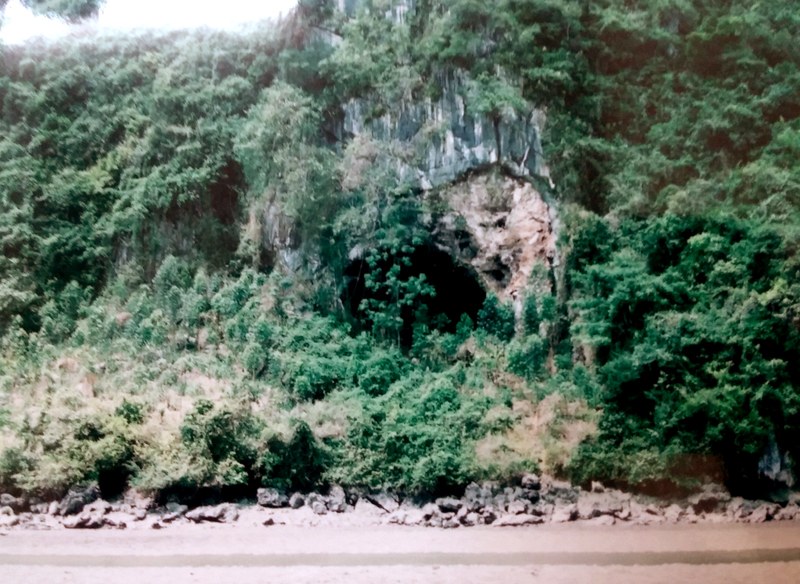
Nha Tro Cave seen from the outside. Photo: Quang Ninh Newspaper.
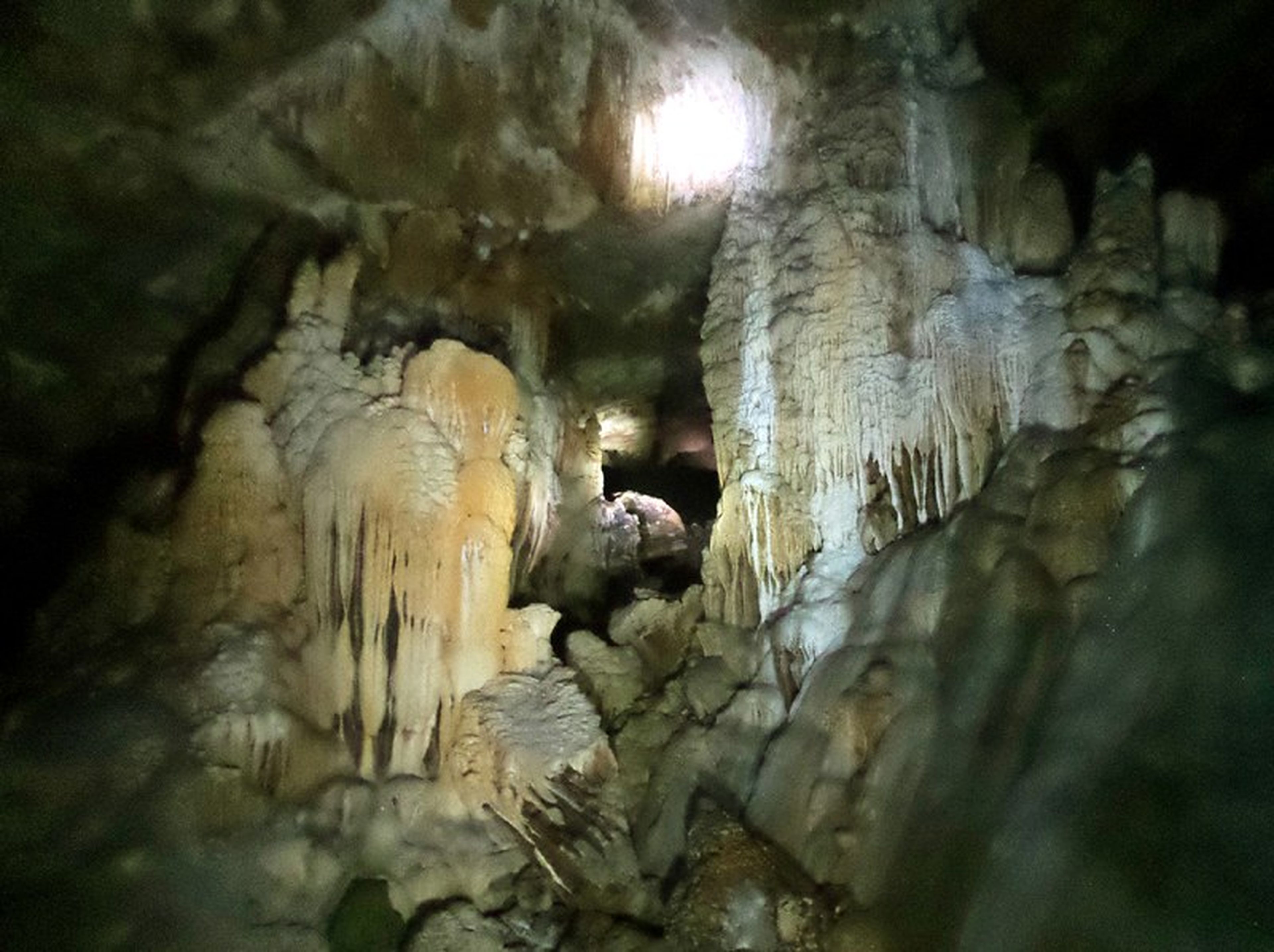
Although there are no written records regarding the cave's name, from the entrance to its main chamber, the name Nha Tro likely indicates a place where entertainment performances took place, much like a modern theater. From the entryway into the cave, there are numerous stalactites shaped like wild animals, and inside is an open space of about 50 square meters that closely resembles a stage area.
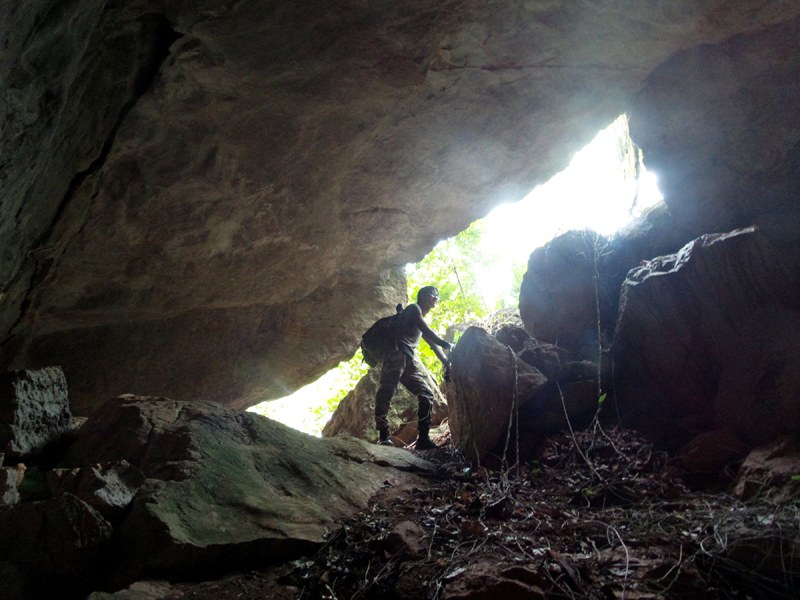
The path to Nha Tro Cave. Photo: Quang Ninh Newspaper.
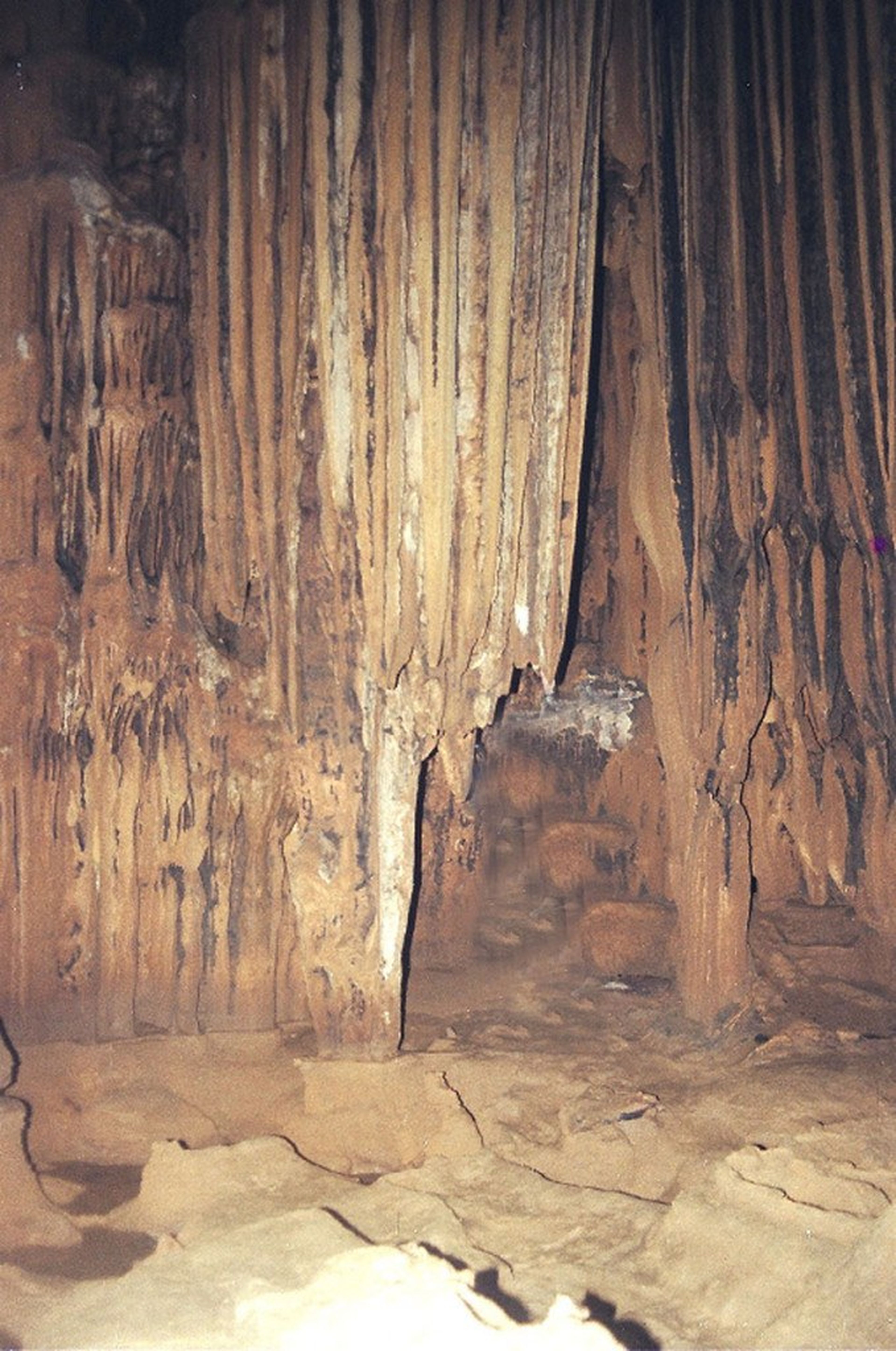
Around this open space, stalactites fold like velvet curtains, with passageways on both sides featuring stalactites shaped like monsters or whimsical human heads.
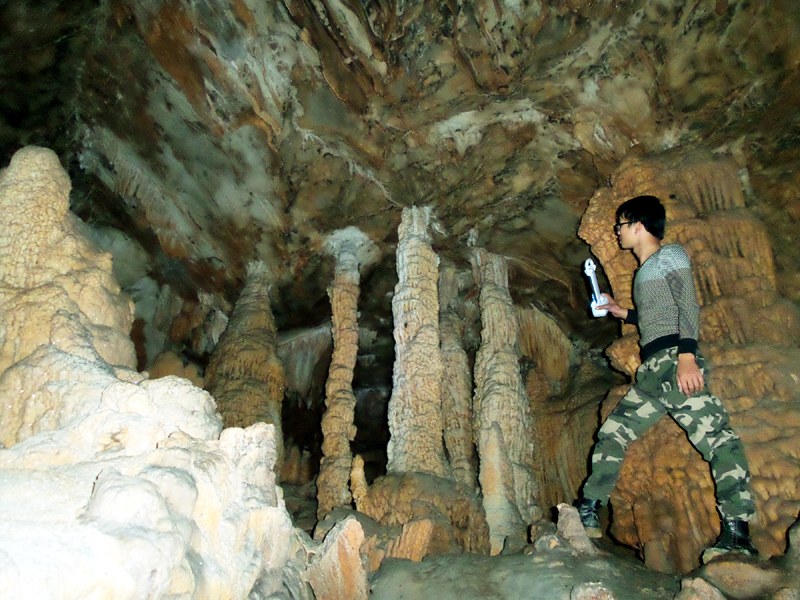
Pillars resembling those in a theater. Photo: Quang Ninh Newspaper.
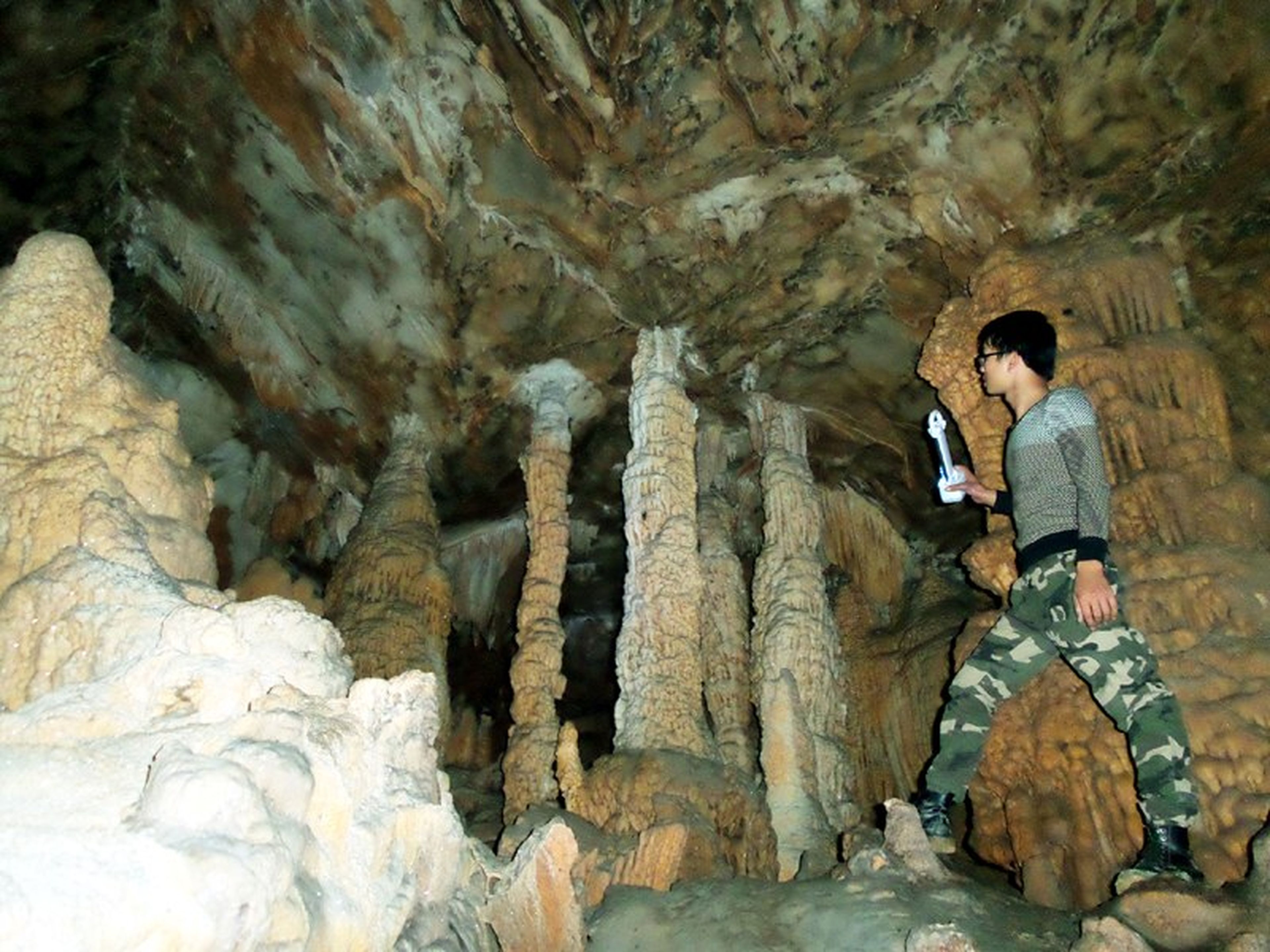
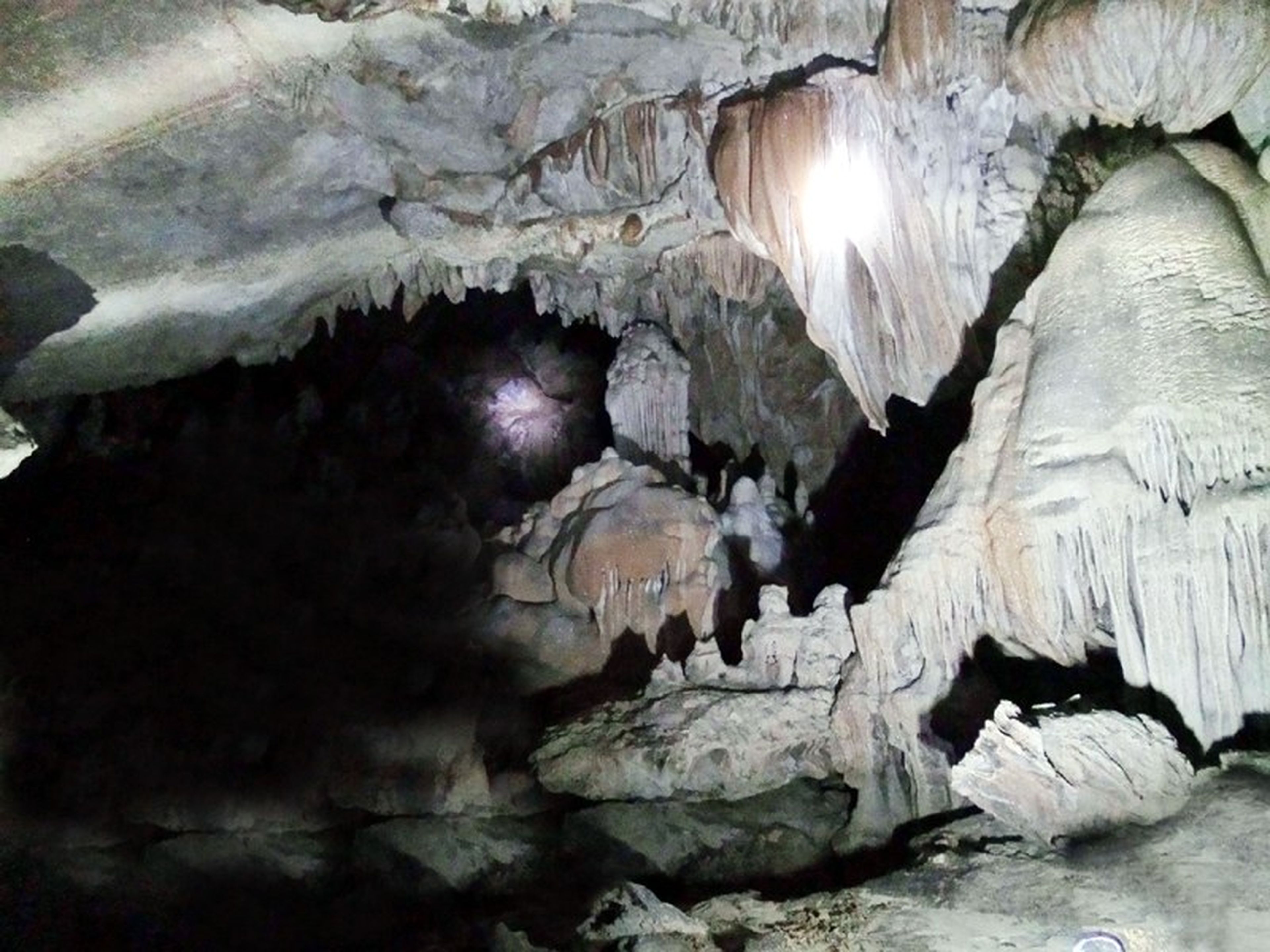
Not only having a wide dome, Nha Tro Cave also stands out with glistening white stalagmites and stalactites like crystal curtains, and the spacious center of the cave features numerous large and small stone columns, looking like stone pillars in theaters.
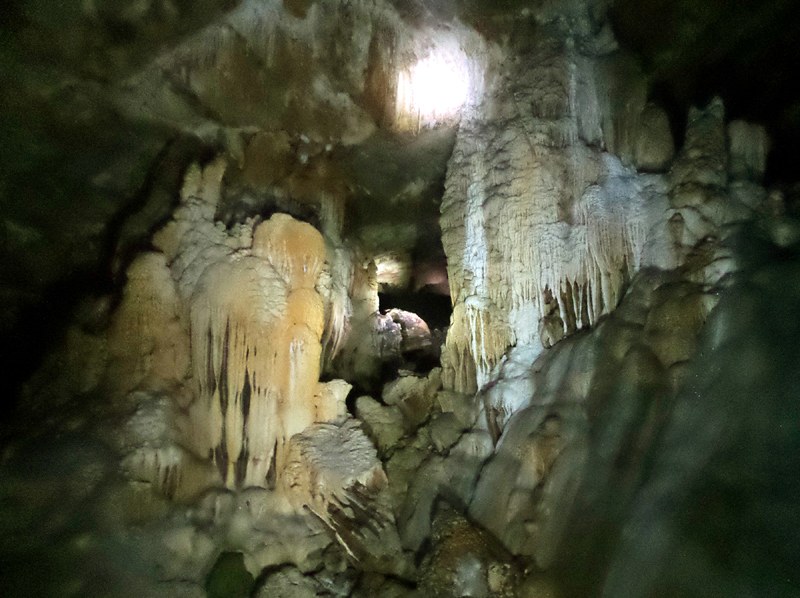
The system of stalagmites and stalactites. Photo: Quang Ninh Newspaper.
Not only having aesthetic value, Nha Tro Cave is also an archaeological site. According to research by the Vietnam Institute of Archaeology, archaeologists have discovered round and flat snail shells of menali freshwater snails, the staple food of prehistoric people. Mingled within the fossil layer are sandstone and pestle tools belonging to the Neolithic Age, dating back 5 to 7 thousand years ago.
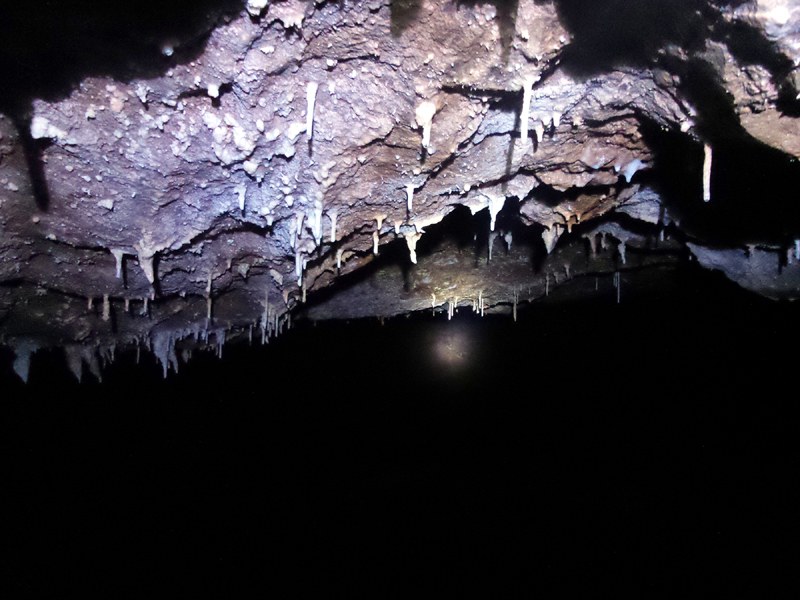
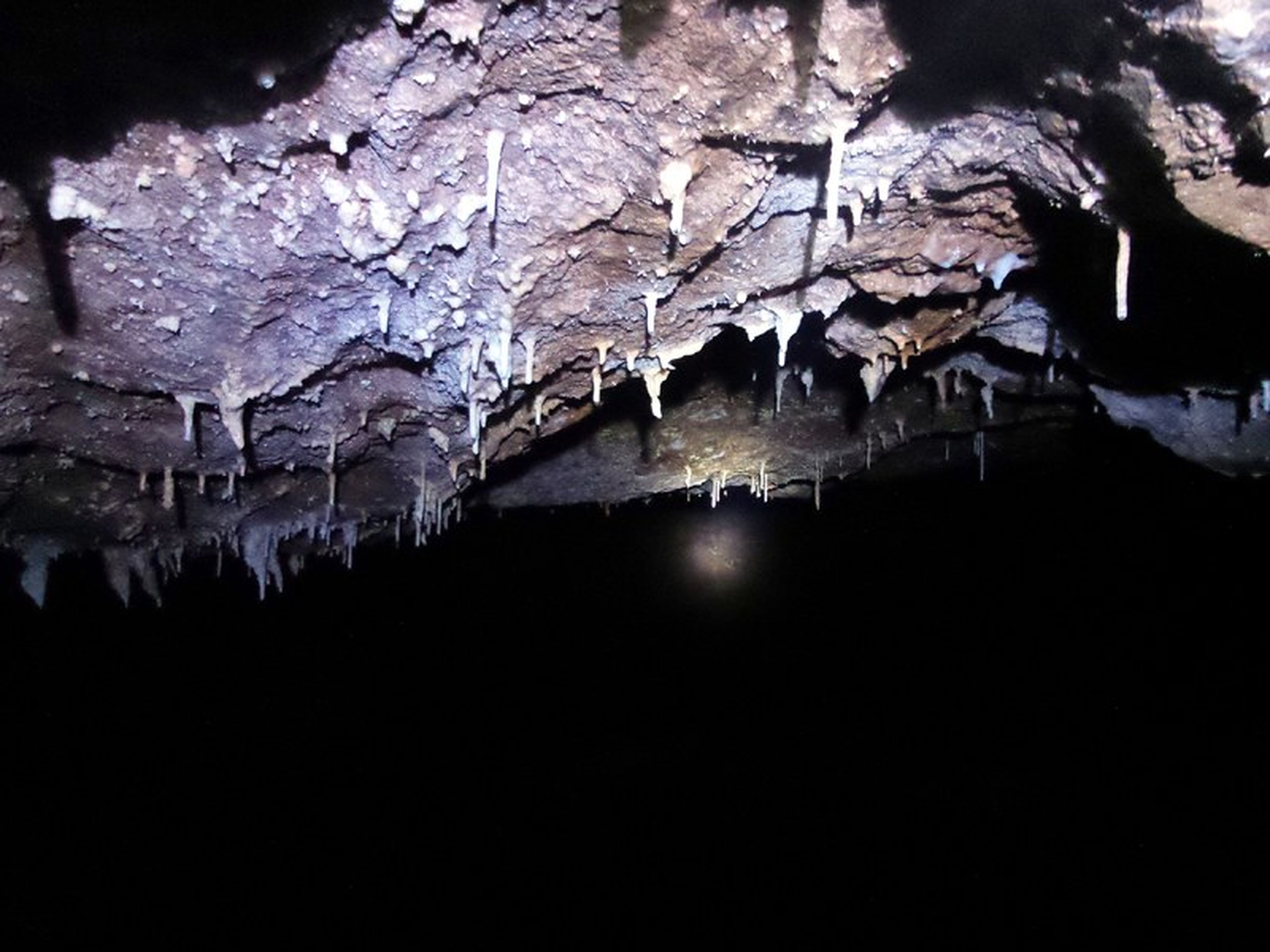
Stalactites in the process of forming. Photo: Quang Ninh Newspaper.
Cai Beo pottery, an ancient pottery type dating back 5,000–6,000 years, and flaked stone axe-shaped pebbles have also been discovered in Nha Tro Cave. The Institute of Archaeology affirmed that Nha Tro Cave is an offshoot belonging to the Hoa Binh culture, serving as an important site in archaeological research.
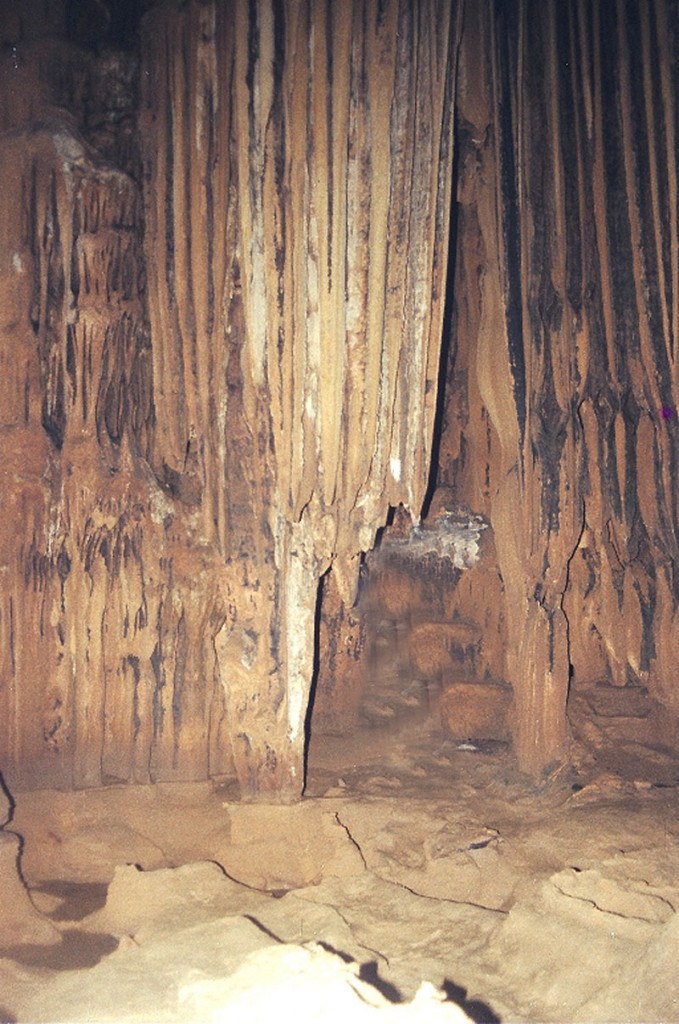
Stalactites looking like curtains. Photo: Quang Ninh Newspaper.
The discovery of Nha Tro Cave is solid evidence shedding light on the origins of the early Ha Long culture, which emerged as early as the Paleolithic Age and continued through the Neolithic Age of the Hoa Binh culture thousands of years ago.
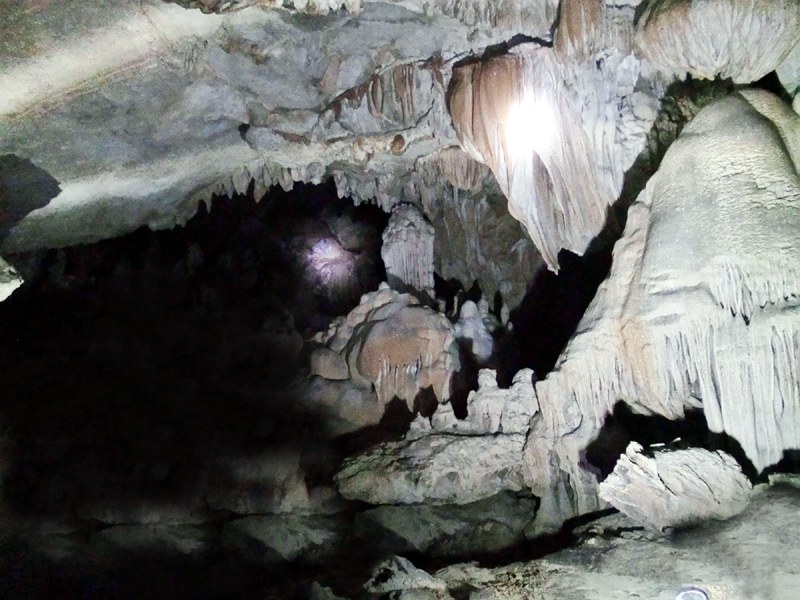
The spacious interior of the cave. Photo: Quang Ninh Newspaper.
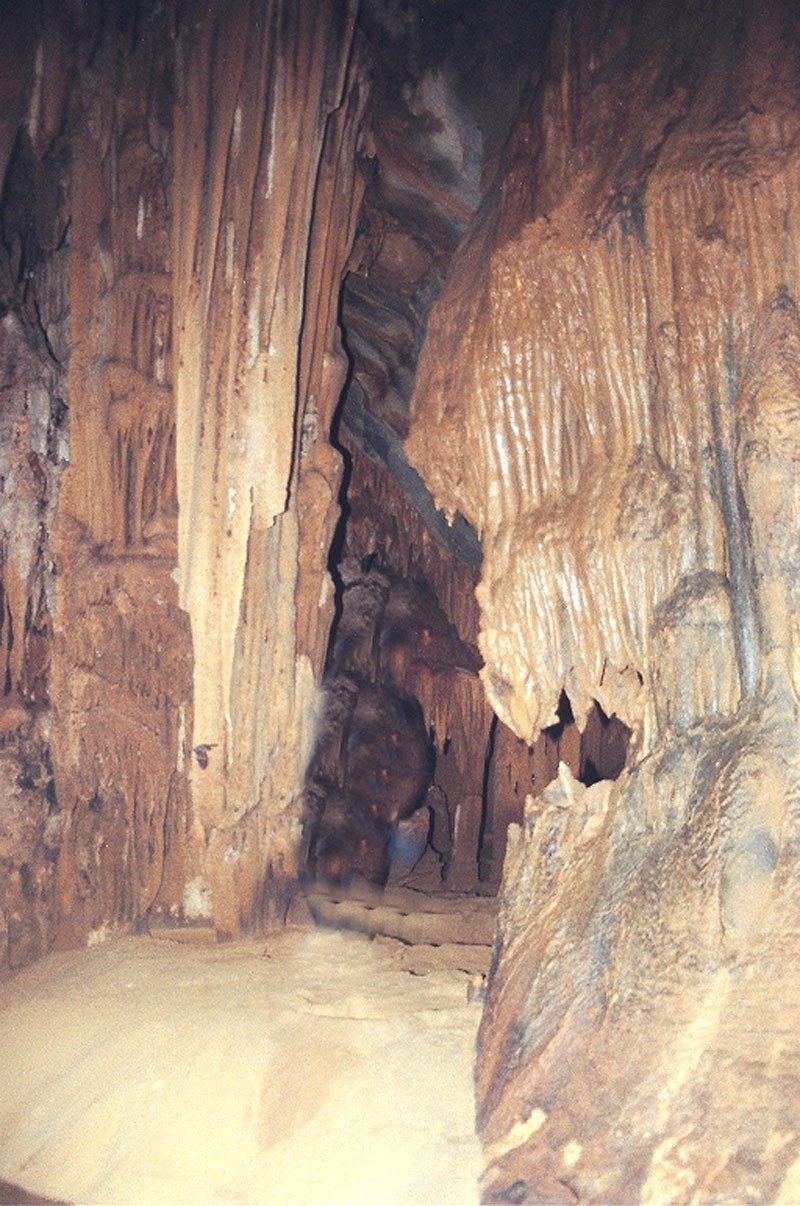
Next to the vast space, there are pathways resembling stage wings. Photo: Quang Ninh Newspaper.
The journey to explore Nha Tro Cave is quite strenuous, so visitors should prepare thoroughly before the trip, bring bright flashlights to light the way, and have cameras ready for once-in-a-lifetime photos. And don't forget to follow the iVIVU blog for fascinating articles for the most complete vacation!