

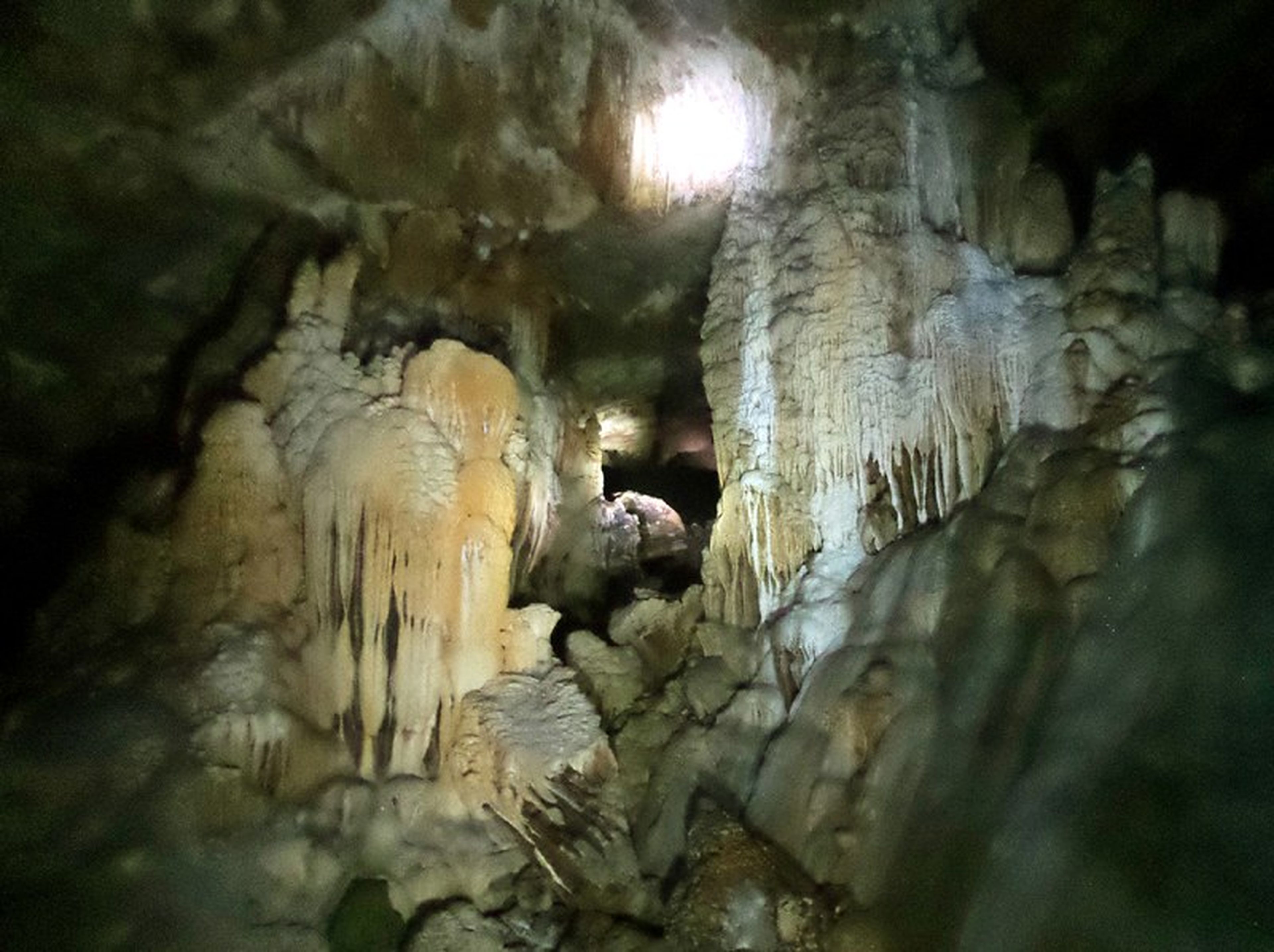
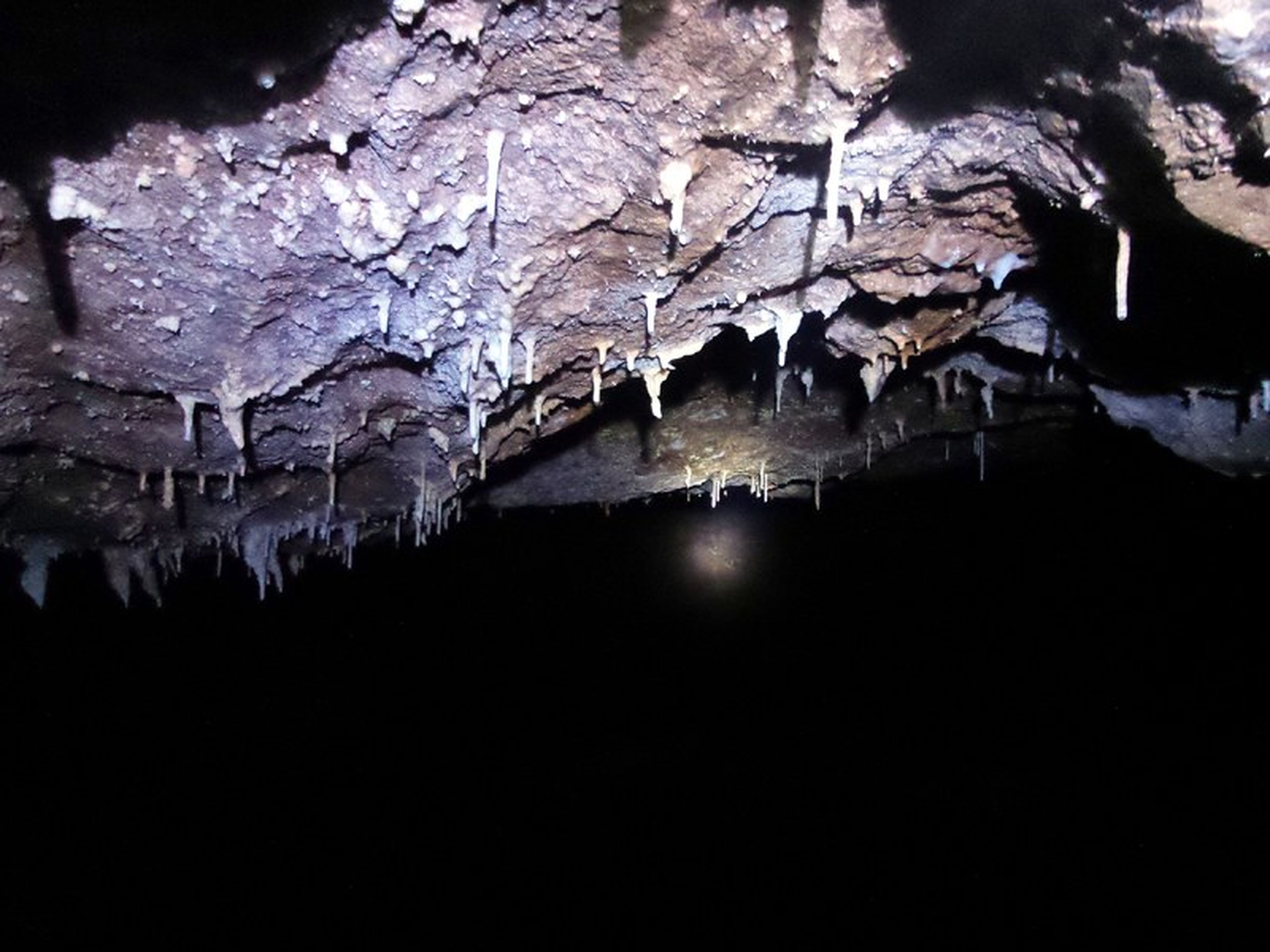
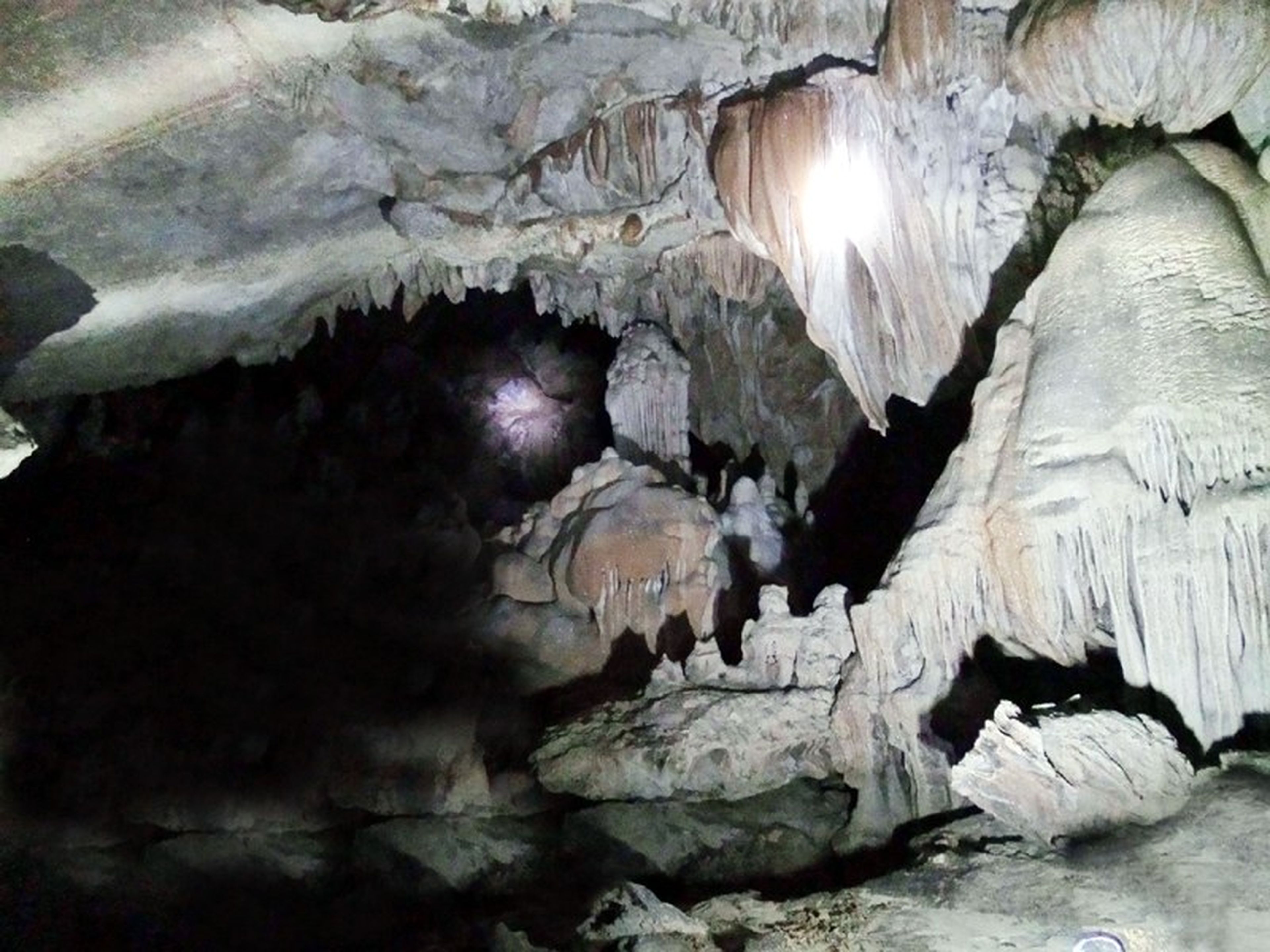
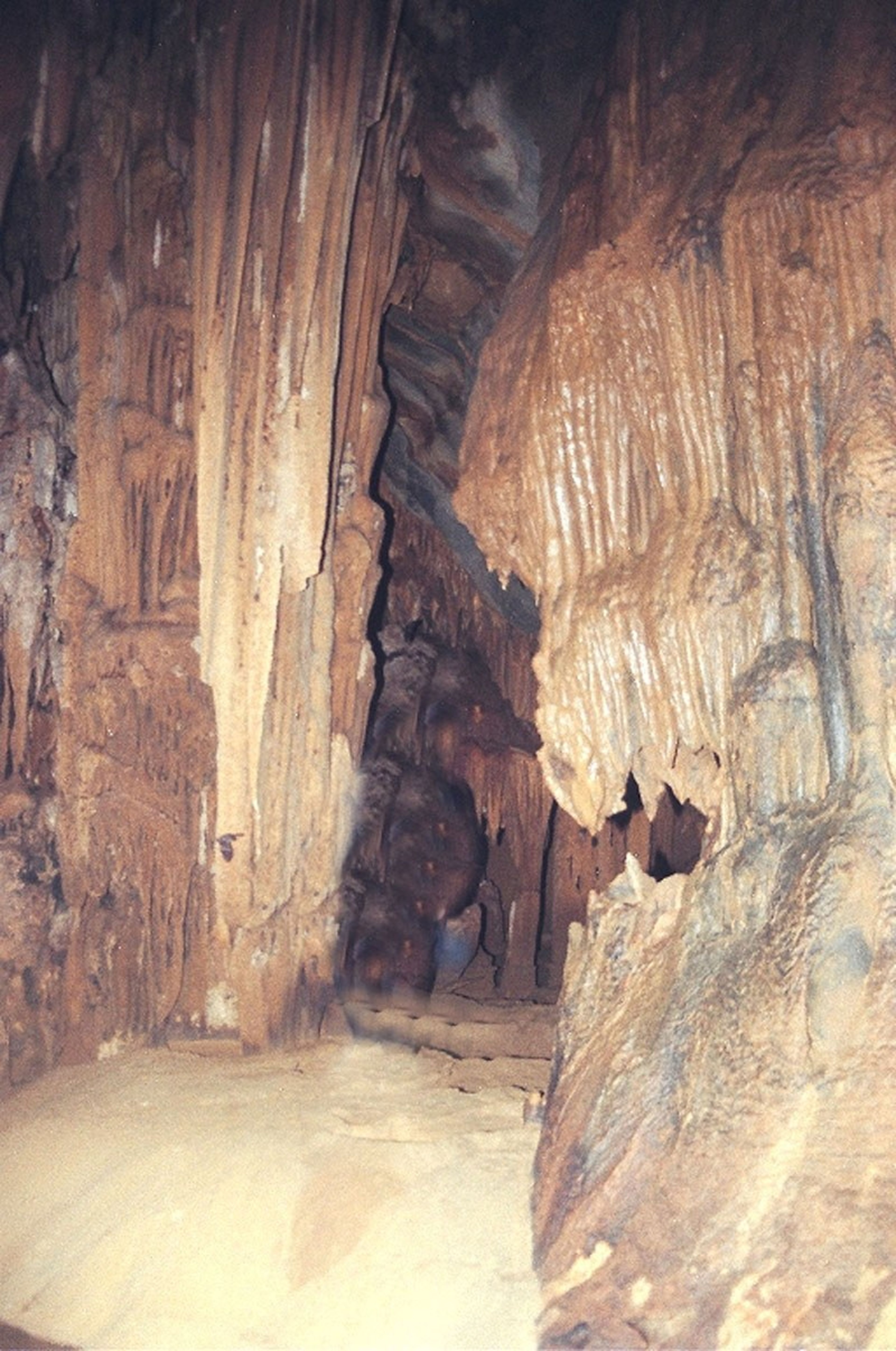
Nha Tro Cave is located 2km from Ban Sen Commune, Van Don District. The cave still preserves its pristine beauty; the deeper you explore, the more amazed you will be by the heavenly landscape filled with numerous stalactites and stone pillars.
Nha Tro Cave – A “Theater” in the Open Sea of Van Don
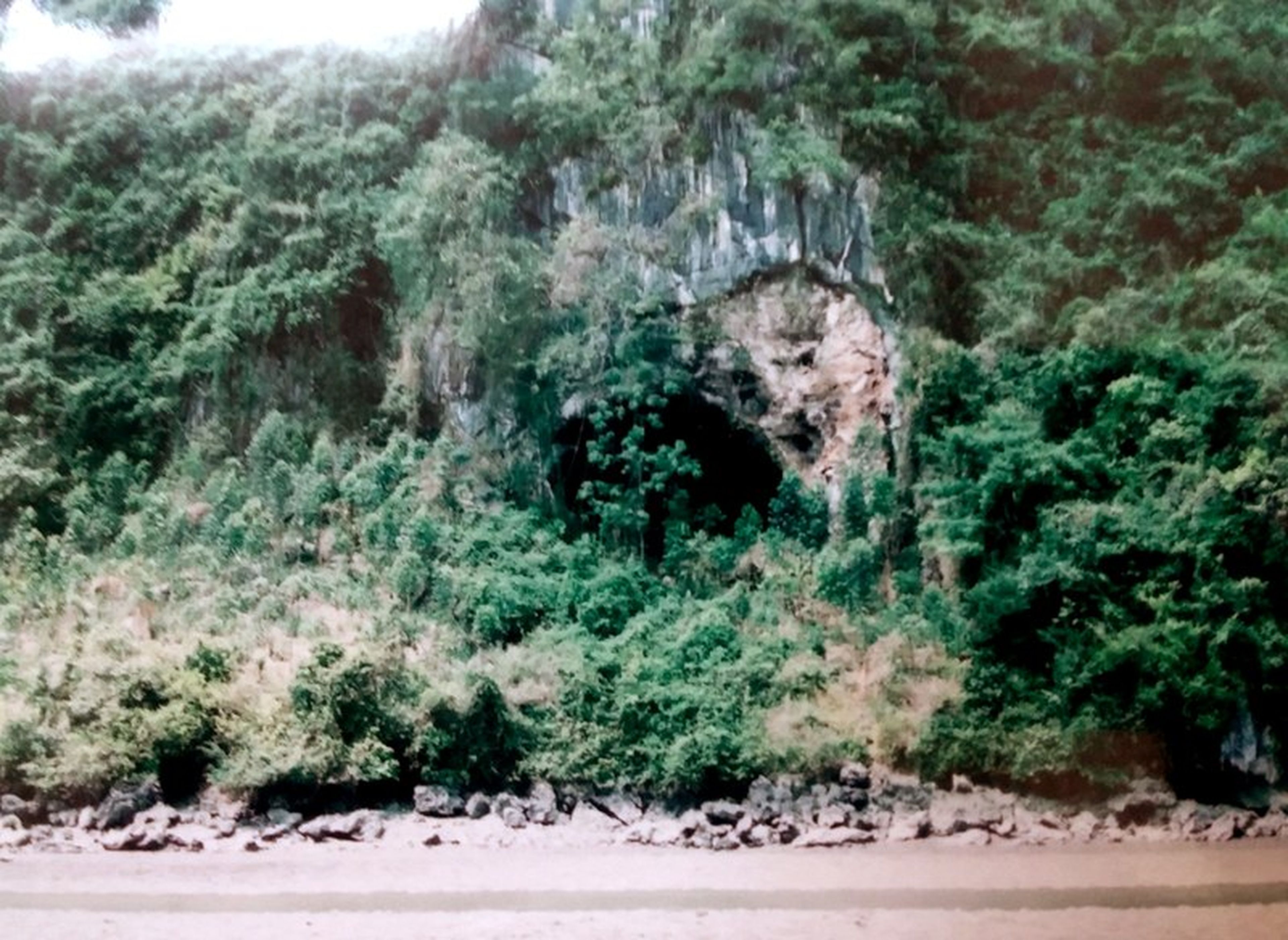
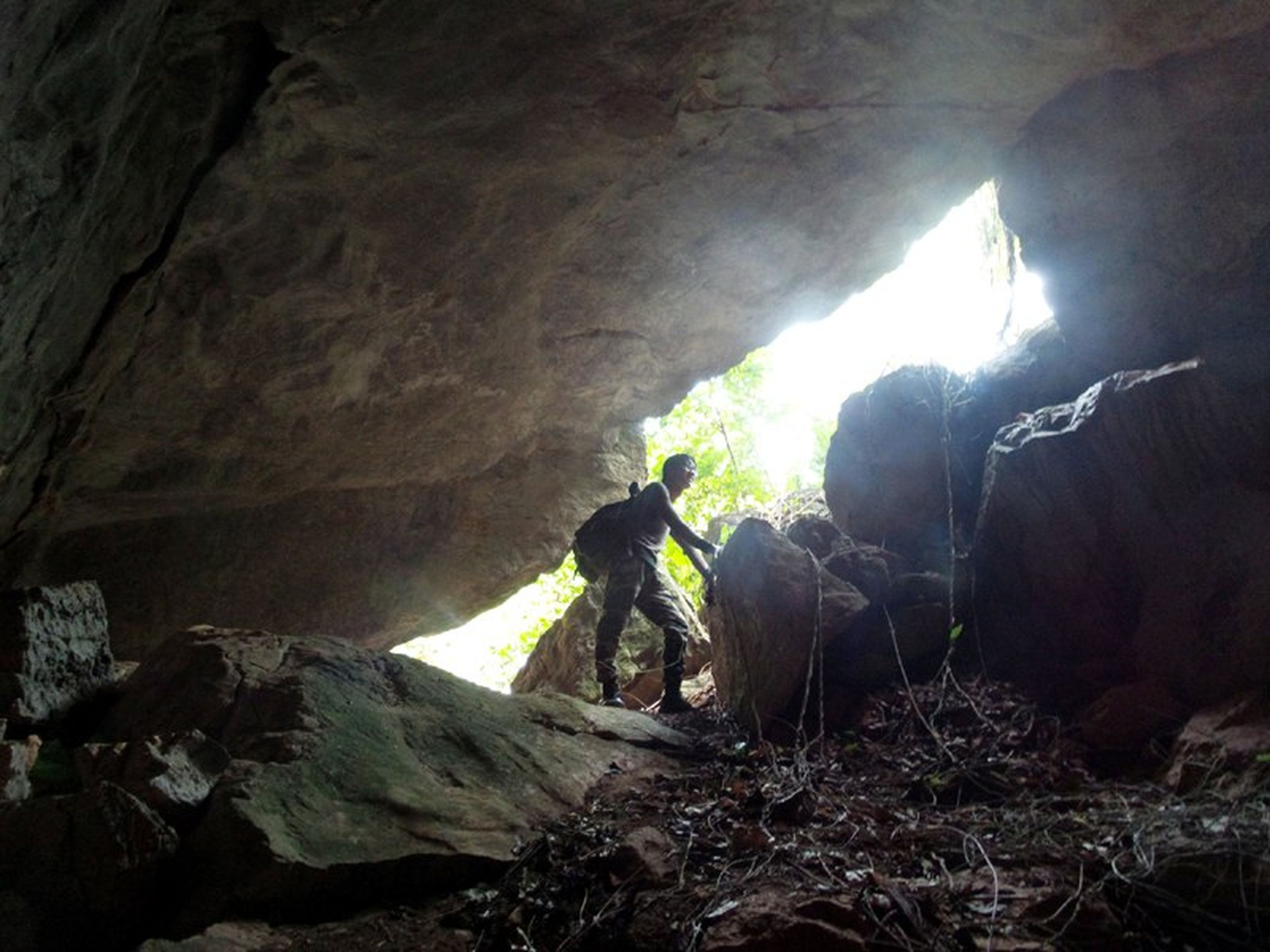
Recently, tourism in Van Don has grown rapidly, but Nha Tro Cave is still waiting to be awakened. Therefore, to get here, visitors must travel by small boat. Even the locals do not know the exact origin or meaning of the name “Nha Tro”. The cave's narrow mouth is perched halfway up the mountain, but as you venture deeper inside, it opens up increasingly wide.
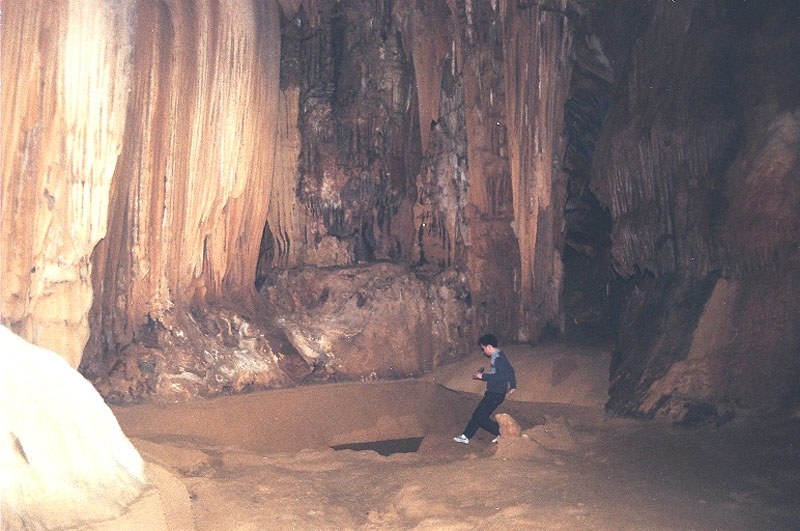
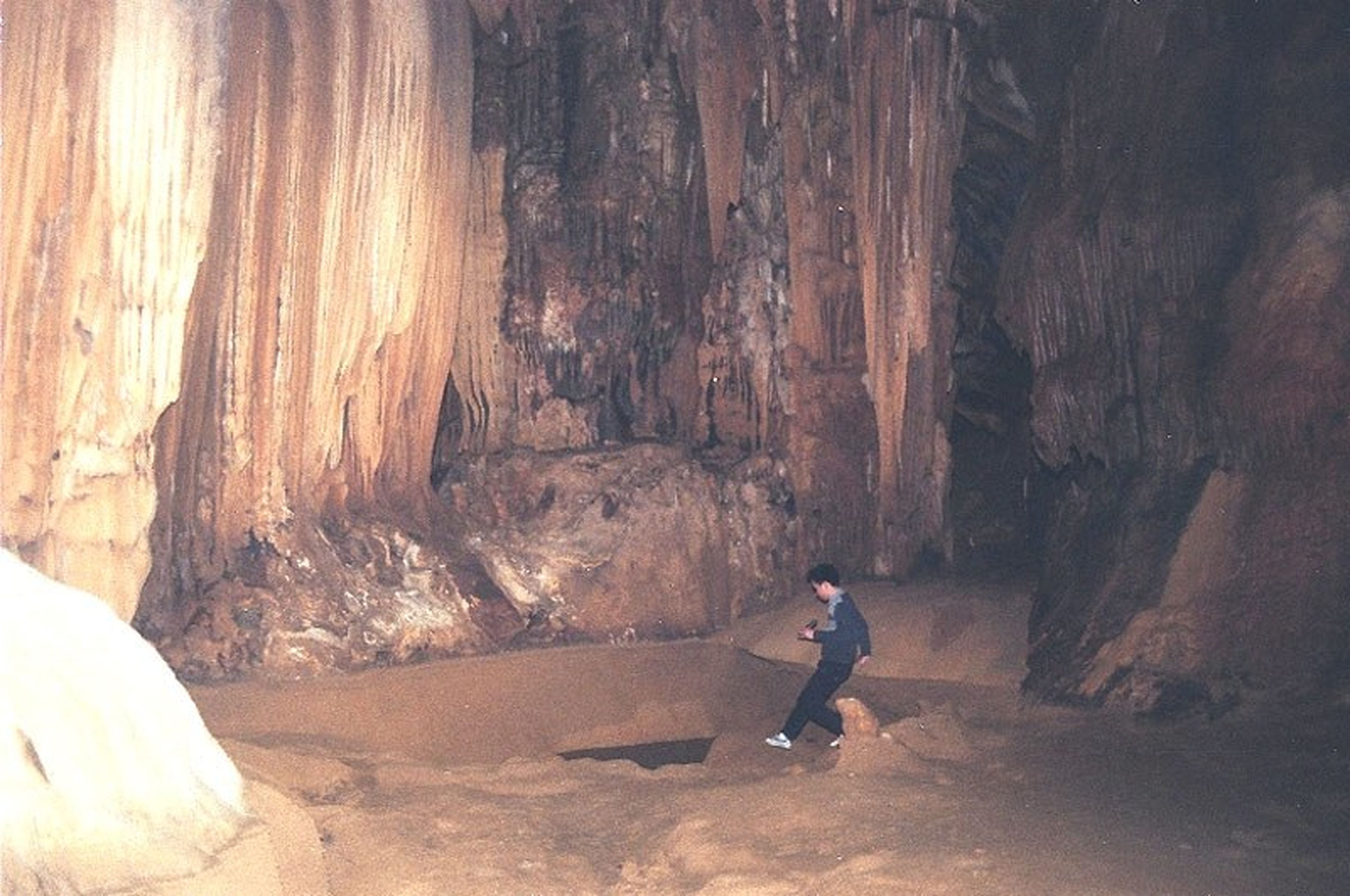
Inside the cave is a vast space resembling a stage. Photo: Quang Ninh Newspaper.
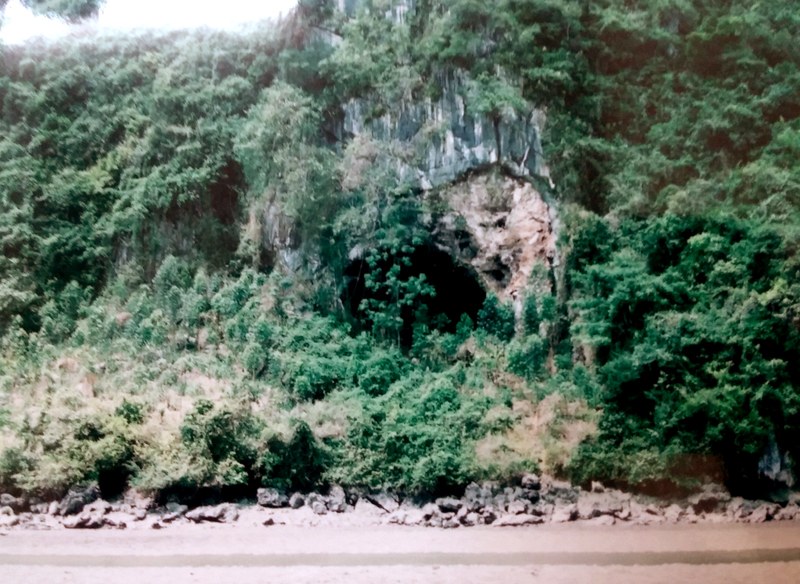
Nha Tro Cave viewed from the outside. Photo: Quang Ninh Newspaper.
Although there are no written historical records explaining the cave's name, from the entrance to its main chamber, the name “Nha Tro” likely refers to a venue where entertaining games and performances took place, much like modern theaters. From the entryway, there are numerous stalactites shaped like wild animals, and deeper inside lies an open area of about 50 square meters that closely resembles a stage.
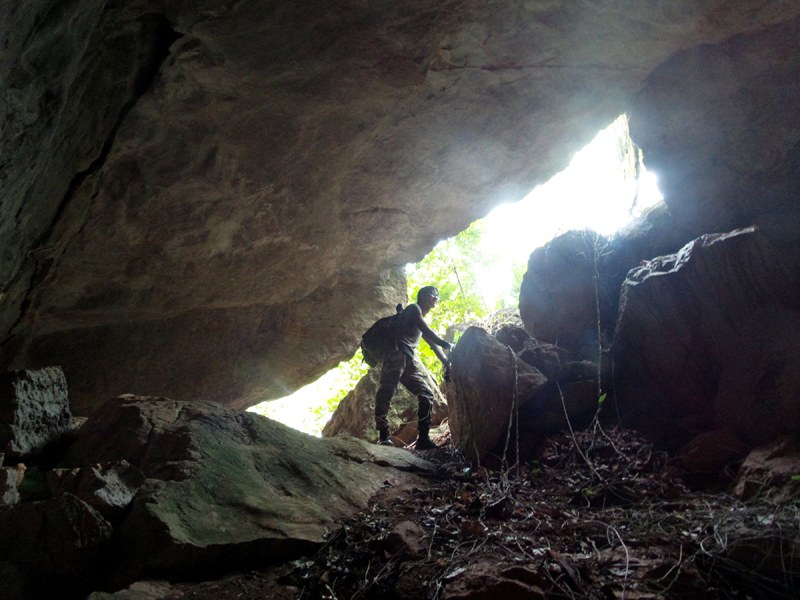
The path entering Nha Tro Cave. Photo: Quang Ninh Newspaper.
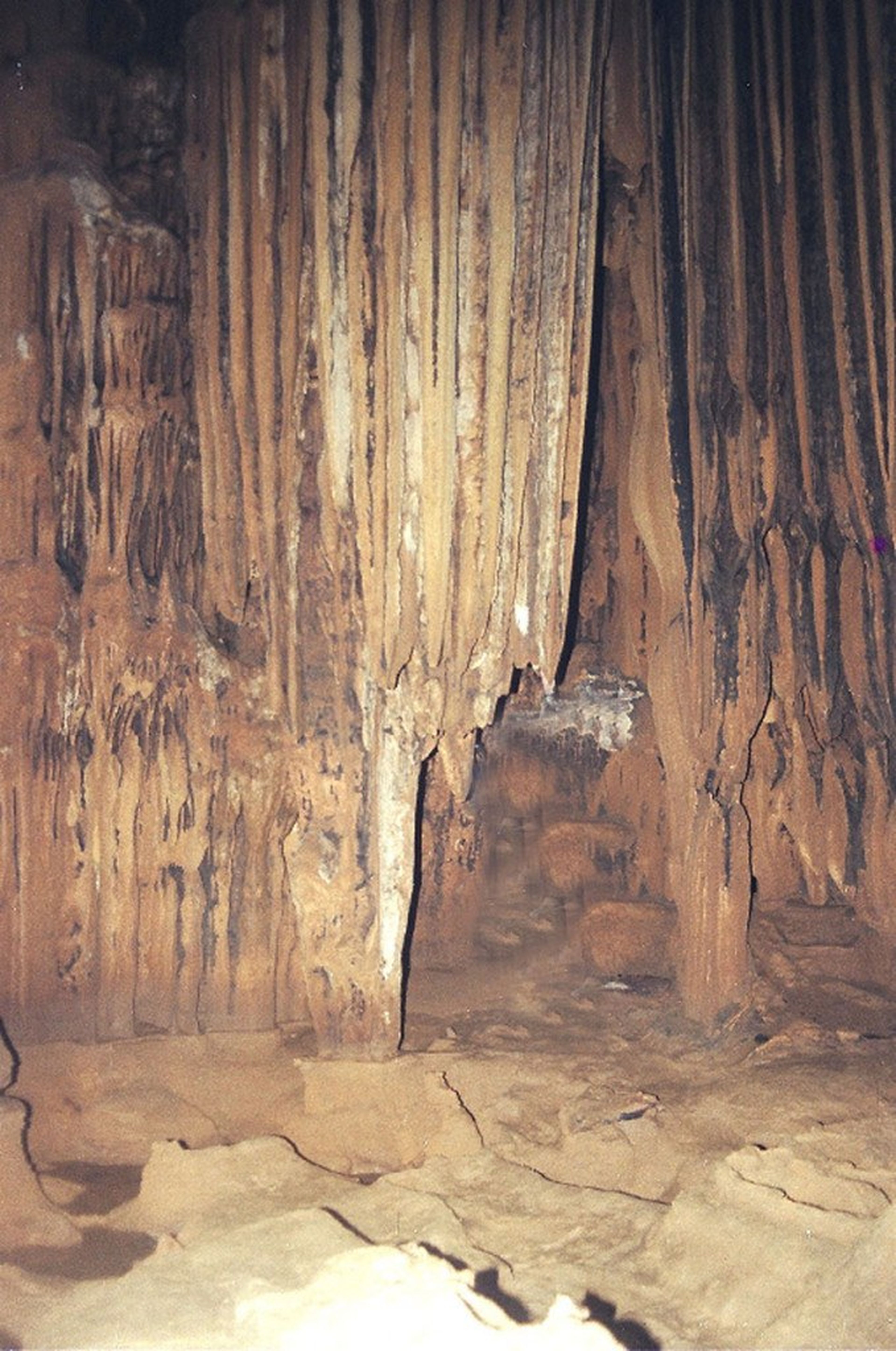
Surrounding this open space are stalactites draped in folds like velvet curtains, with passageways on both sides adorned with stalactites resembling mythical monsters or whimsical human heads.
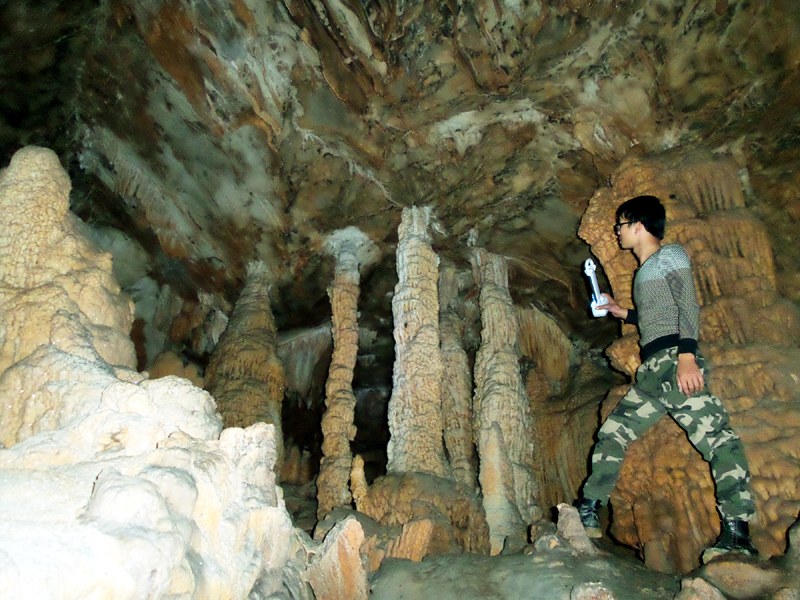
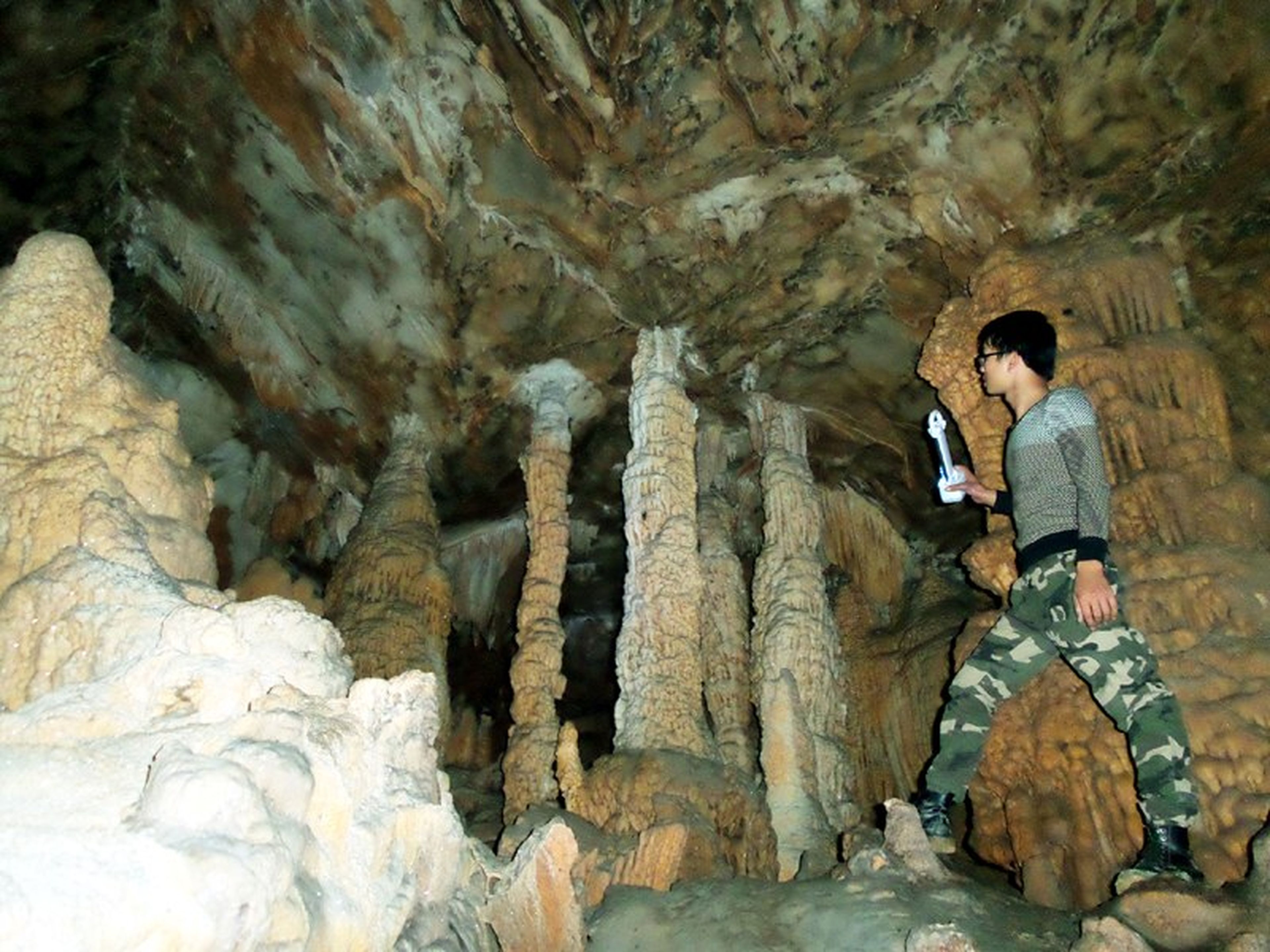
Pillars reminiscent of those in a theater. Photo: Quang Ninh Newspaper.
In addition to its expansive vaulted ceiling, Nha Tro Cave is also distinguished by white stalagmites and stalactites that sparkle like crystal drapes, while the cave's spacious center features numerous stone pillars of varying sizes, evocative of the grand columns found in magnificent theaters.
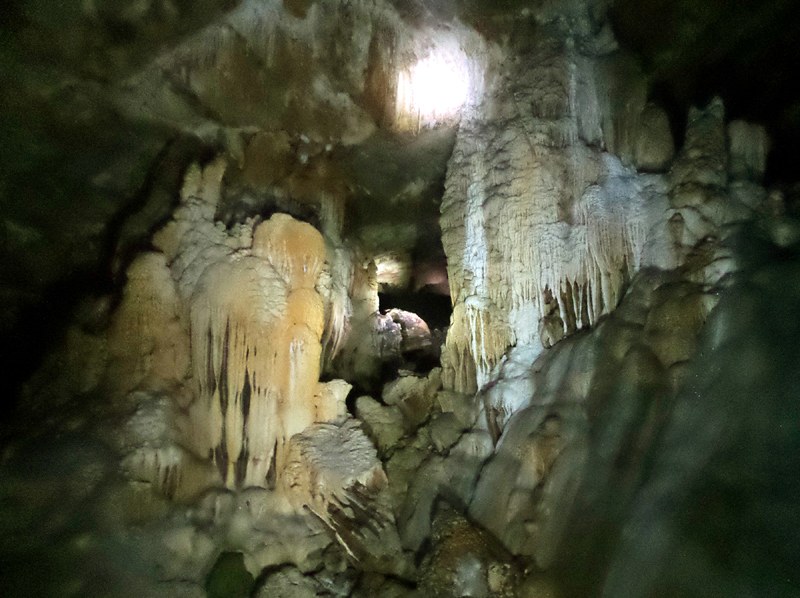
The formation of stalagmites and stalactites. Photo: Quang Ninh Newspaper.
Beyond its aesthetic appeal, Nha Tro Cave is also an important archaeological site. According to research by the Vietnam Institute of Archaeology, researchers discovered round and flat shells of freshwater melaniid snails, which served as a staple food source for prehistoric inhabitants. Interspersed within the fossil layers are sandstone fragments and stone pestle tools dating back 5,000 to 7,000 years to the Neolithic era.
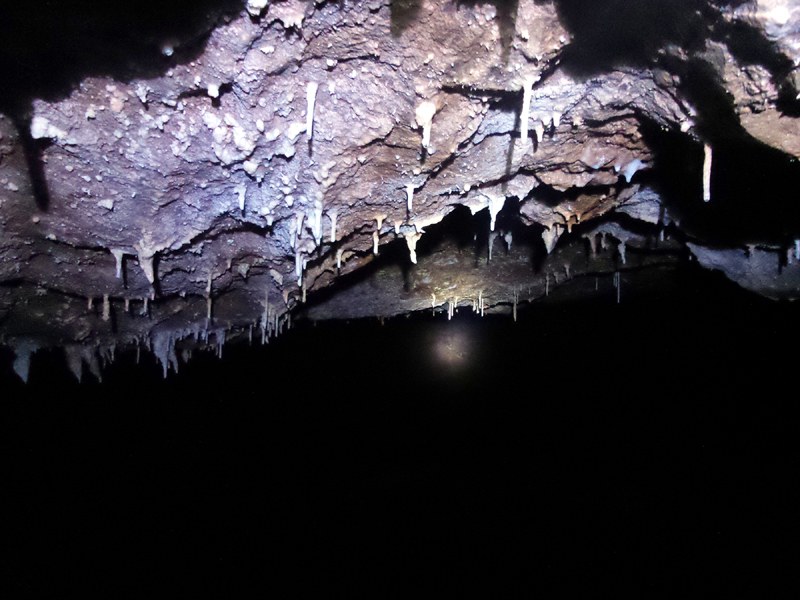
Stalactites in the process of forming. Photo: Quang Ninh Newspaper.
Archaeologists also uncovered Cai Beo pottery in Nha Tro Cave—an ancient pottery style dating back 5,000–6,000 years—as well as chipped stone tools resembling axes. The Institute of Archaeology confirmed that Nha Tro Cave represents a branch of the Hoa Binh culture and serves as a significant site for archaeological studies.
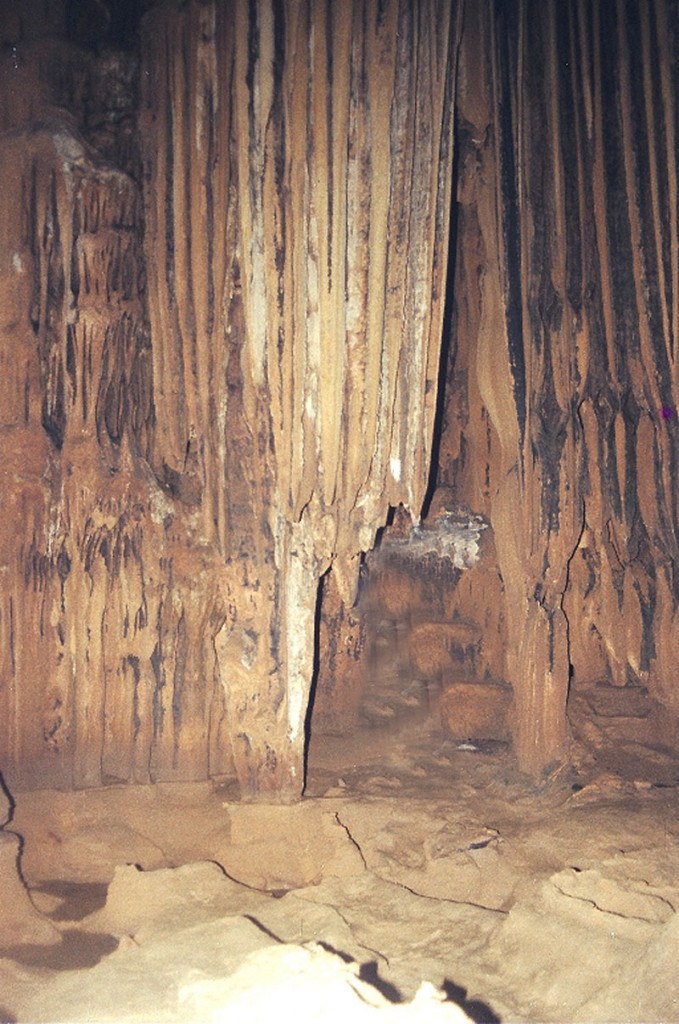
Stalactites resembling curtains. Photo: Quang Ninh Newspaper.
The discovery of Nha Tro Cave provides solid evidence illuminating the origins of early Ha Long culture, which emerged as early as the Paleolithic era and spanned into the Neolithic period under the Hoa Binh culture thousands of years ago.
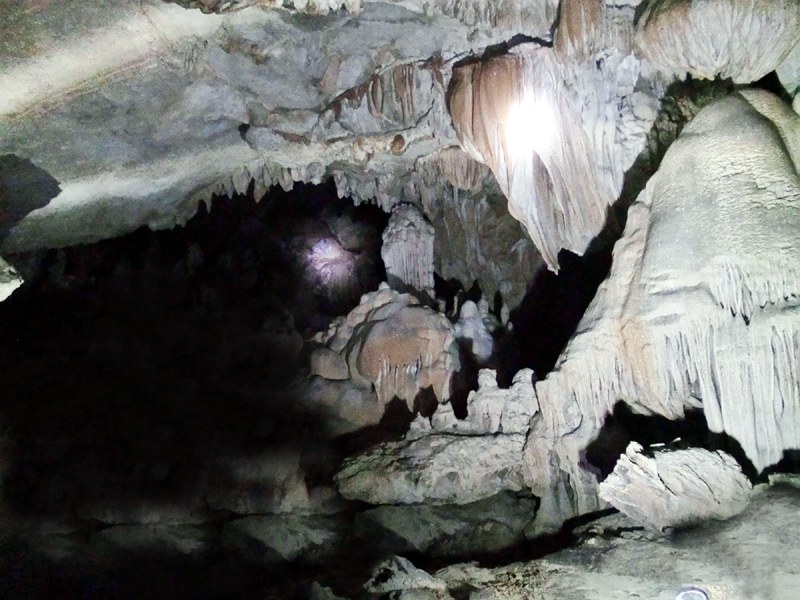
The expansive space inside the cave. Photo: Quang Ninh Newspaper.
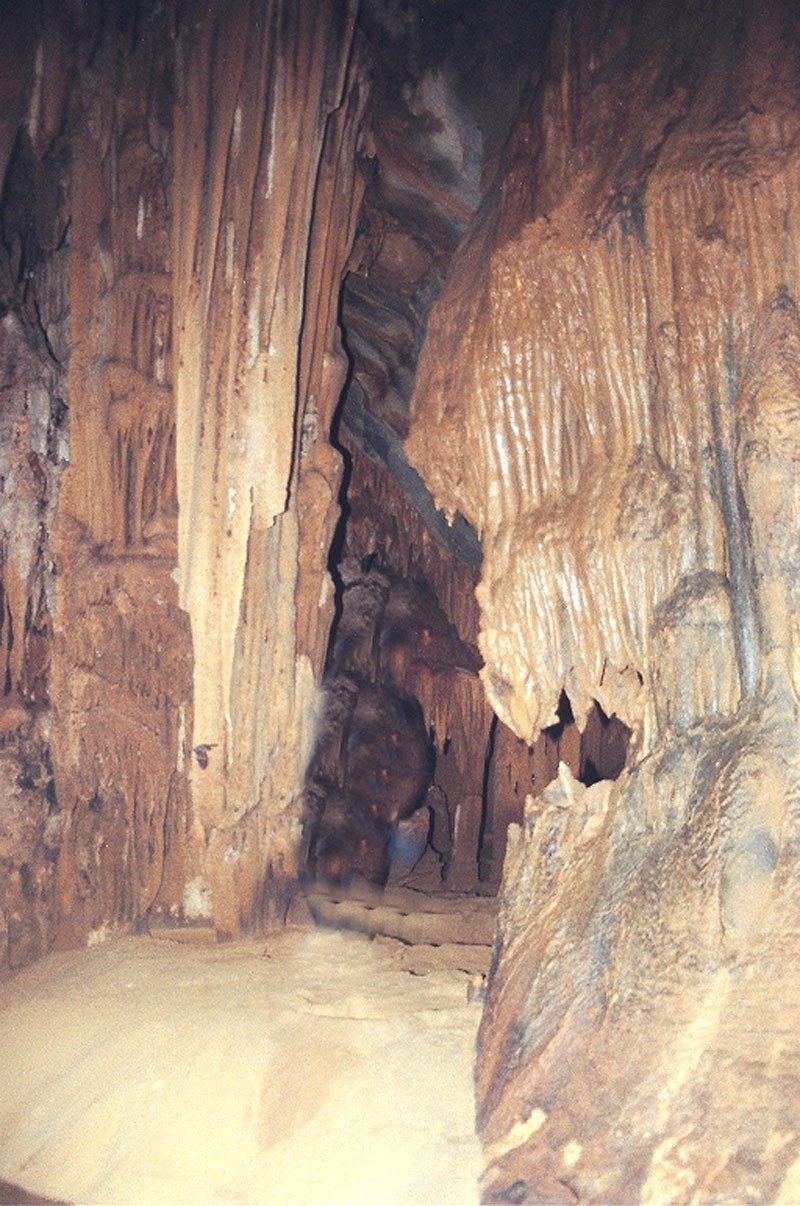
Beside the vast open space are passageways resembling backstage wings. Photo: Quang Ninh Newspaper.
The journey to explore Nha Tro Cave can be quite demanding, so visitors should prepare thoroughly before departure, bring powerful flashlights to illuminate the path, and have cameras ready to capture unforgettable shots. Don’t forget to follow the iVIVU blog for more engaging guides to make the most of your vacation!