In Quang Ninh's sustainable tourism development strategy, linking heritage regions not only expands experiential spaces but also creates products with depth and elevates destination value. From intra-provincial to inter-regional connections, the heritage-linking journey is becoming the "golden key" for Quang Ninh to assert its position on the international tourism map.
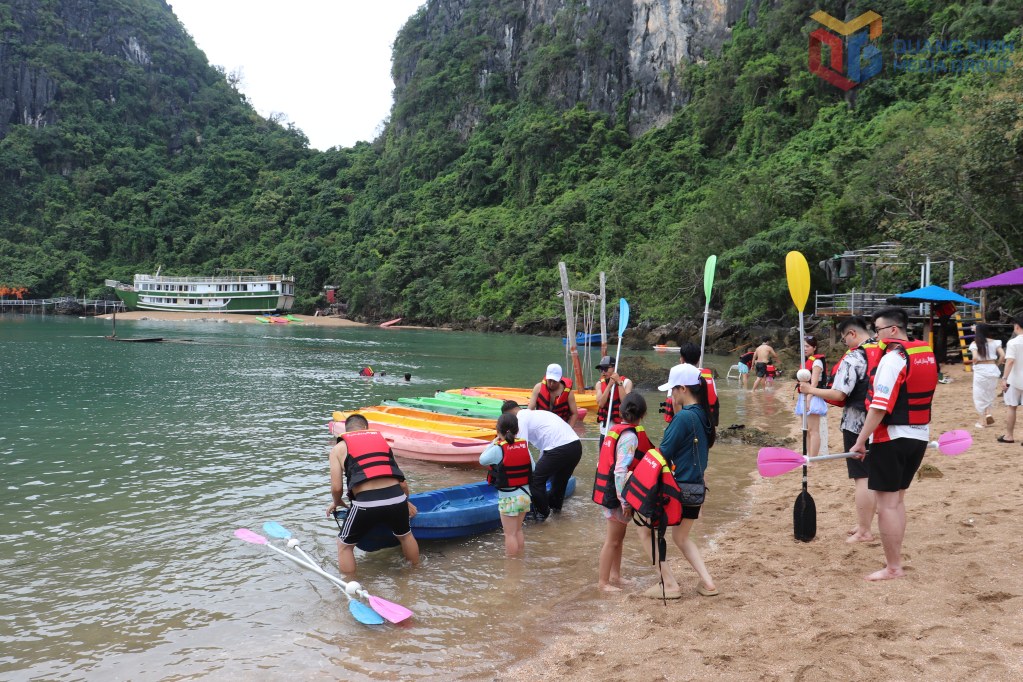
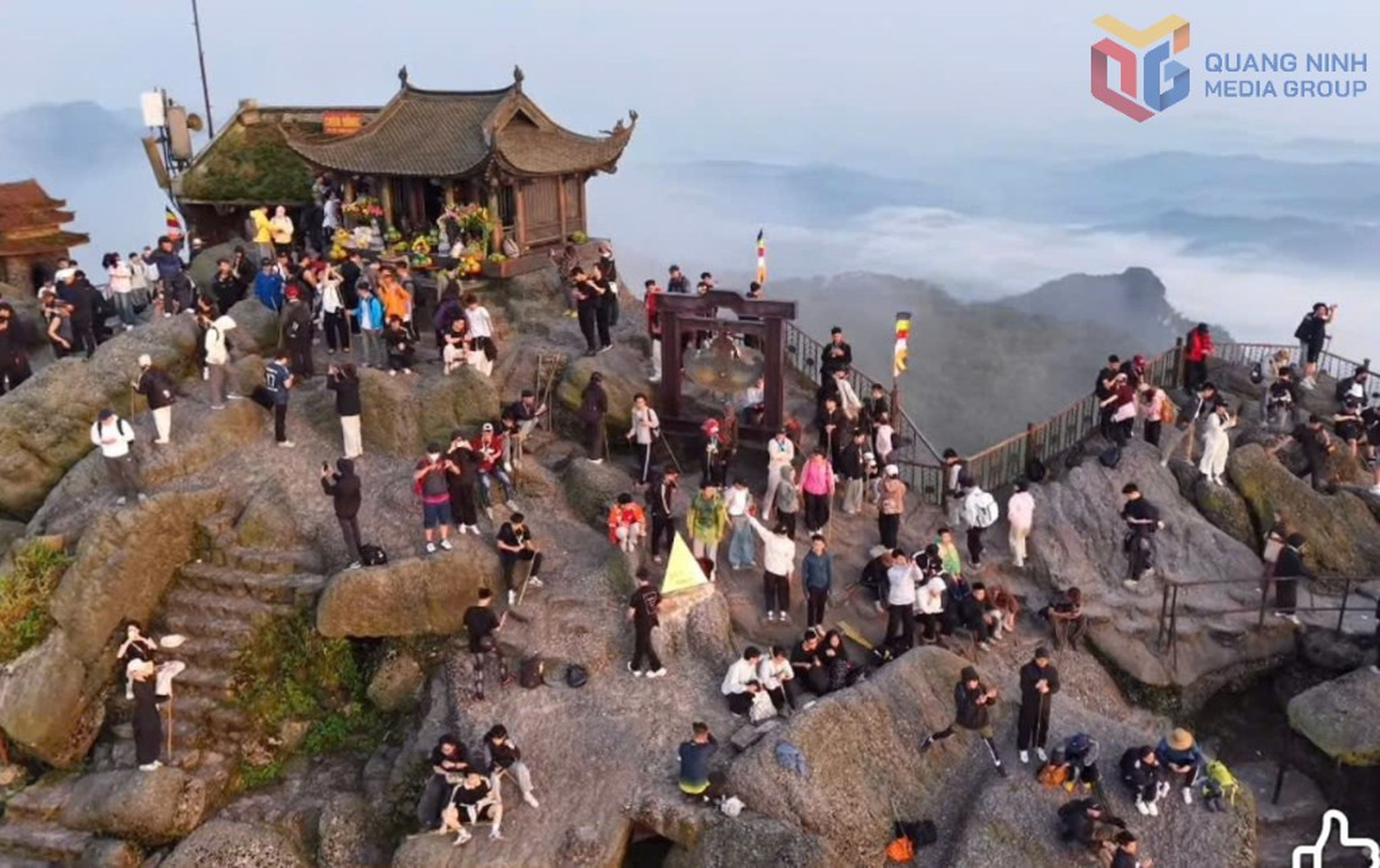
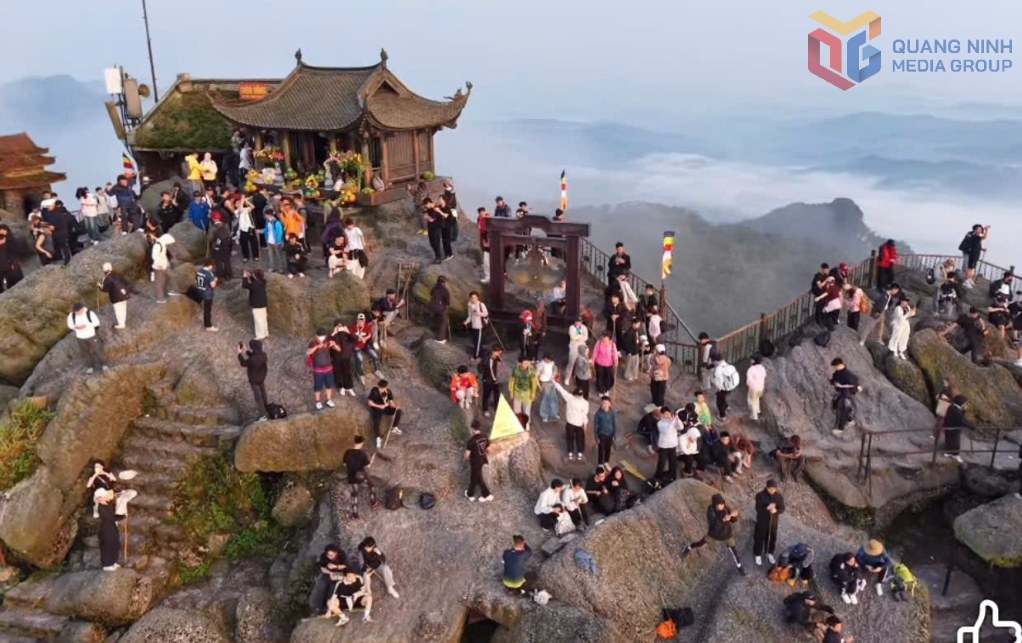
Endowed with a rich system of heritage sites, Quang Ninh possesses a rare advantage to develop in-depth tourism. Most notably, the World Natural Heritage of Ha Long Bay and recently Yen Tu within the Yen Tu - Vinh Nghiem - Con Son, Kiep Bac complex recognized as a World Cultural Heritage have opened up a connective space between natural heritage and cultural-spiritual heritage. Shortly after, in September 2025, the seminar program "One Journey - Two Heritages" organized by the Department of Culture, Sports and Tourism in coordination with Tung Lam Development Joint Stock Company, with the participation of nearly 30 travel enterprises, recognized the immense potential of this connecting journey.
From a world natural wonder to the distinctive cultural realm of Truc Lam Zen Buddhism, this combination creates a "unique" tourism product meeting the increasingly high demands of visitors, especially high-end travelers. Mr. Nguyen Duc Hanh, Managing Director of All Asia Vacation Travel Company, shared: We have brought many billionaire and millionaire delegations to Vietnam, among which Quang Ninh has always been a favorite destination. Alongside Ha Long Bay, we are connecting with Yen Tu to bring guests to experience it. High-end tourists are deeply interested in authentic values and distinctive culture—which Yen Tu fully meets.
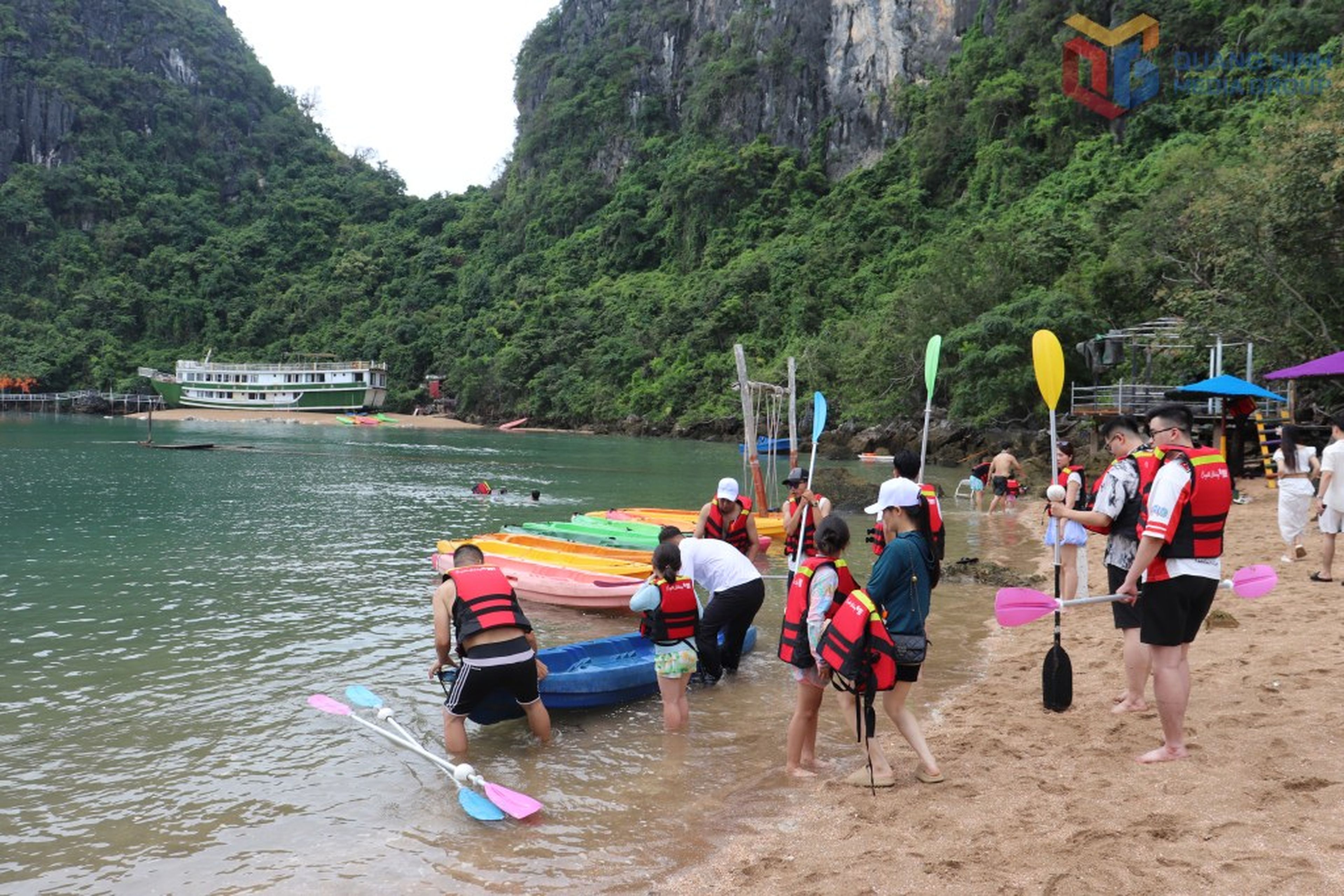
Taking Ha Long Bay as the central hub, the tourism industry has developed tour routes expanding island and sea connections through the opening of travel routes from Ao Tien High-Class Port to Bai Tu Long Bay. Starting in 2024, Quang Ninh announced 10 sightseeing itineraries on Bai Tu Long Bay along with 3 routes connecting Ha Long Bay - Bai Tu Long Bay. This journey combines nature tourism, spiritual culture with eco-tourism, research, experiencing cultural and historical values, beach resorts... in the Van Don special zone.
From within the province, Quang Ninh continues to expand regional links with high-potential localities. In particular, the tour route connecting Ha Long Bay (Quang Ninh) - Lan Ha Bay (Hai Phong) with 2-day-1-night and 3-day-2-night voyages is establishing a stable, high-quality inter-regional product. Tourism spaces are broadened, experiences are elevated, while tourist spending and length of stay are increased.
To tighten heritage links and lay the foundation for long-term cooperation, the Tourism Associations of three localities—Quang Ninh, Hai Phong, and Bac Ninh—organized the conference "One Journey - Three Heritage Destinations" in mid-April. Among the highlights, linking Ha Long Bay - Cat Ba Archipelago - Yen Tu - Con Son, Kiep Bac will open up a distinctive inter-provincial heritage journey blending nature, culture, and spirituality.
The three localities signed a memorandum of understanding on tourism development cooperation for the 2026-2028 period, aiming to enhance the exchange of information and experience; organize famtrips, travel fairs, and joint promotional campaigns; and construct attractive stimulus packages for tourists to experience multiple destinations within a single journey. This direction aligns with modern travel trends, as visitors seek to discover diverse values during the same trip.
Linking heritage sites not only diversifies products but also contributes to preserving and promoting heritage values sustainably. Quang Ninh has proactively formulated master plans and conservation projects while strengthening management to ensure a civilized, safe tourism environment. At the same time, it has expanded multilateral linkages in the region. Notable is the cooperation program established since 2006 between Quang Ninh (Vietnam), Luang Prabang (Laos), and Udon Thani (Thailand)—three localities boasting prominent world heritages, forming an alluring "heritage triangle."
From these methodical steps, it is evident that Quang Ninh is undergoing a robust transformation from a "standalone destination" into a closely-linked "heritage tourism ecosystem." Not only making effective use of available resources, the province also creates novel, experiential, and distinctive itineraries. Thereby, it steadily affirms its role as a "locomotive," leading trends and elevating Vietnam's heritage tourism further on the global map.