Quang Ninh possesses a culturally distinctive upland area where more than 20 ethnic groups live together, creating a special resource for developing community-based and experiential tourism. In recent years, localities have proactively provided training and improved the quality of human resources in upland areas, helping residents preserve and promote their cultural identity while actively participating in tourism, increasing their incomes and developing sustainable livelihoods.
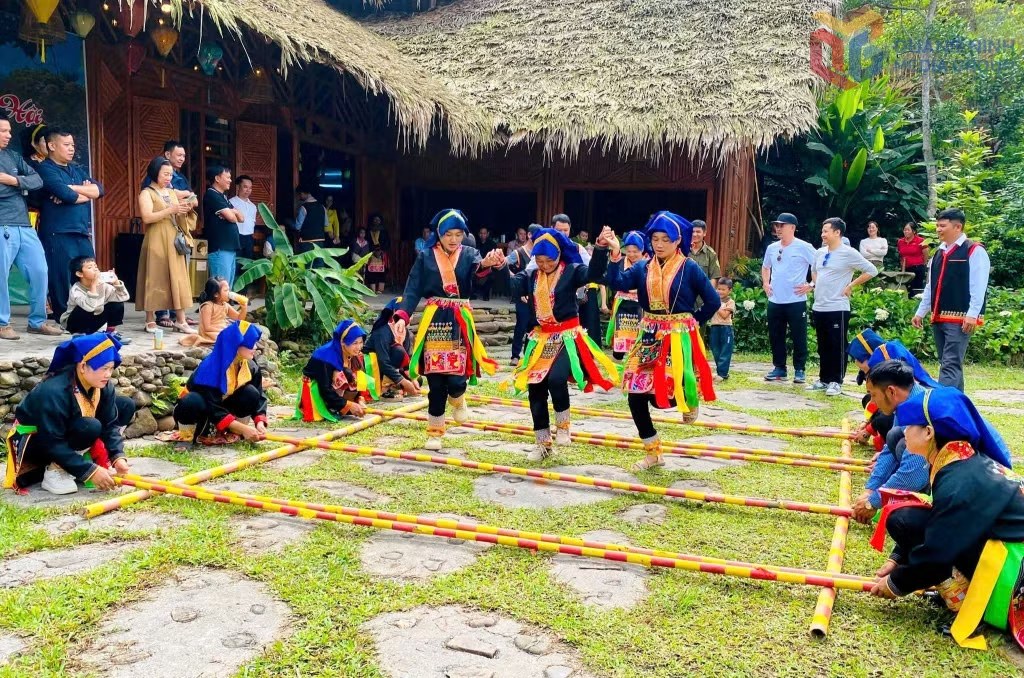
According to Mr. Le Minh Thu, Chairman of the Quang Ninh Community Tourism Club, tourism human resource training needs to begin within the community itself. He emphasized: The important thing is that the training method must suit the characteristics of the area. It should not be overly theoretical; instead, “hands-on” training should be strengthened, with learning taking place directly at tourist attractions, homestays, restaurants and villages. People with solid tourism experience can become core trainers, guiding and sharing their experience with other households.
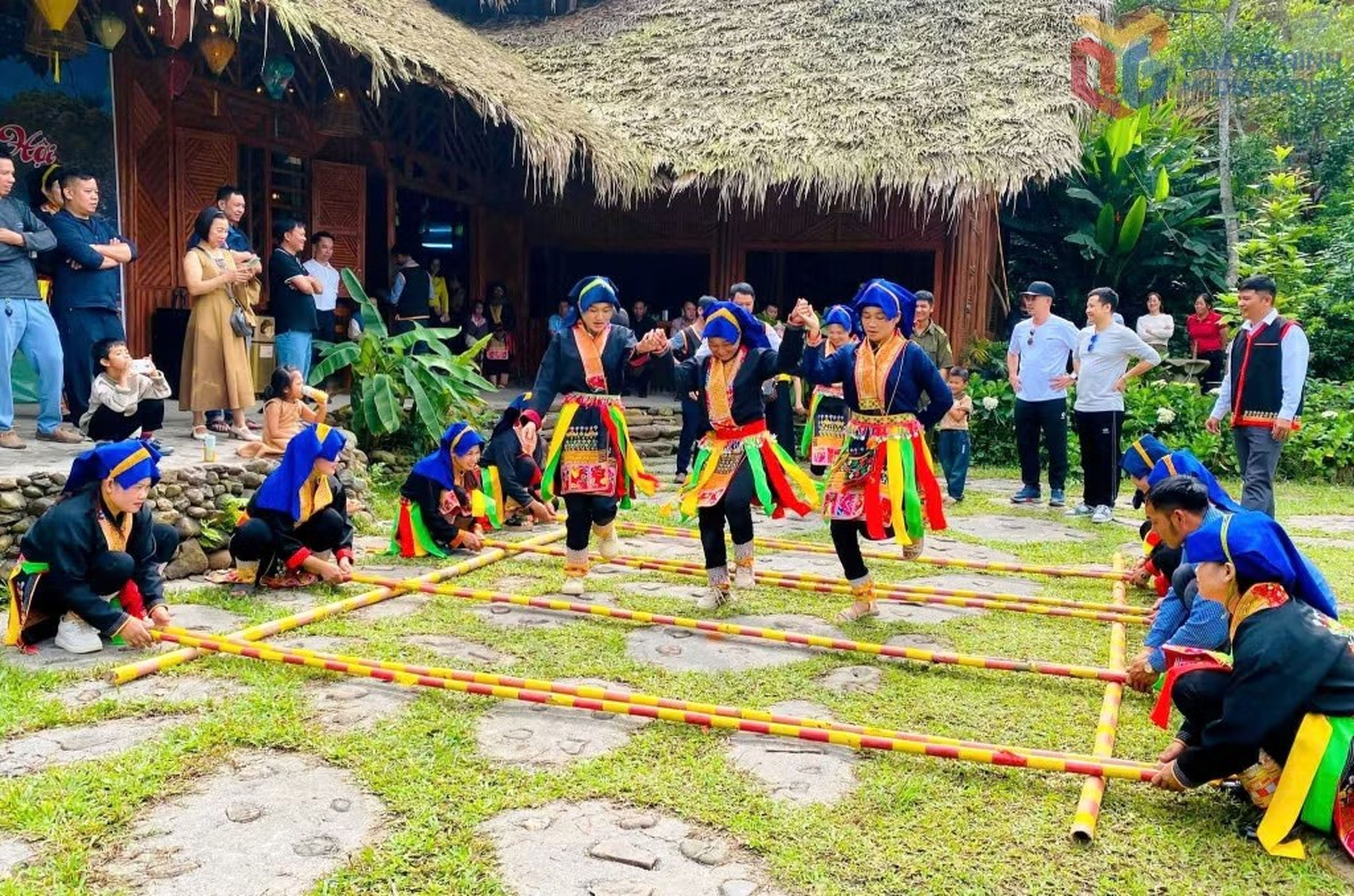
In reality, in recent years, mountainous localities with tourism potential have proactively developed an increasingly professional tourism workforce to serve domestic and international visitors. In the communes of Binh Lieu, Luc Hon, Hoanh Mo and elsewhere, more and more households have boldly invested in homestays, developed accommodation and food services, and organized traditional cultural experiences. From simply being places that welcomed visitors, residents have gradually become the people directly introducing stories about their homeland, culture and the life of their own communities.
In particular, the project “Enhancing the Capacity of Ethnic Minority Communities to Participate in Tourism Development Activities,” funded by the Japan International Cooperation Agency (JICA), has brought a practical approach. After nearly two years of implementation, the project has supported capacity building for approximately 30 local government officials, 100 ethnic minority residents and 10 businesses in Binh Lieu, Luc Hon and Hoanh Mo communes.
The training programs focused on tourism skills, visitor service, product development, preservation of traditional culture and sustainable tourism development. Alongside training, the project organized field surveys, developed sample tours and connected communities with tourism businesses, thereby giving residents a broader perspective on market needs and how to organize a professional tourism product.
According to Ms. Pham Minh Huyen, Head of the Culture and Social Affairs Division of Luc Hon Commune, the project has brought about a clear shift in residents’ awareness; many households have become more confident in participating in community-based tourism development, contributing to the preservation of the cultural identities of the Dao and San Chi peoples and gradually increasing their incomes.
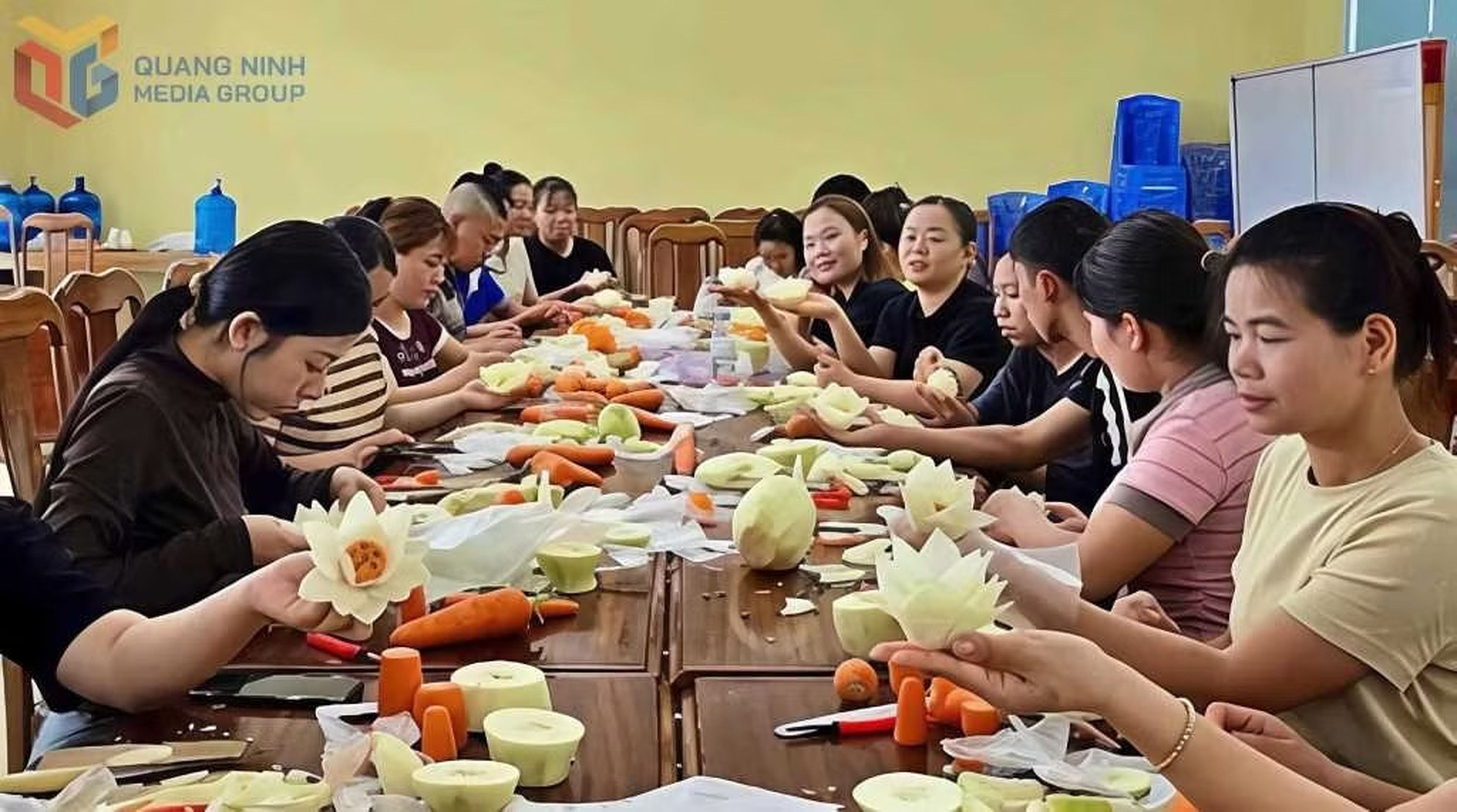
At present, many upland localities in Quang Ninh are also focusing on training human resources in connection with distinctive tourism products. In Ba Che, at the end of May, the commune People’s Committee coordinated with Ha Long University to organize a professional development course in reception, housekeeping, beverage preparation, decoration and food carving for 30 trainees who were residents, Youth Union members and association members from villages in the area.
According to Dr. Vu Van Vien, Head of the Faculty of Tourism at Ha Long University, the training content focuses directly on skills that residents can use immediately when participating in service provision—from welcoming and serving overnight guests to beverage preparation and food presentation, as well as decorating spaces. These skills may seem minor, but they have a significant influence on the quality of visitors’ experiences.
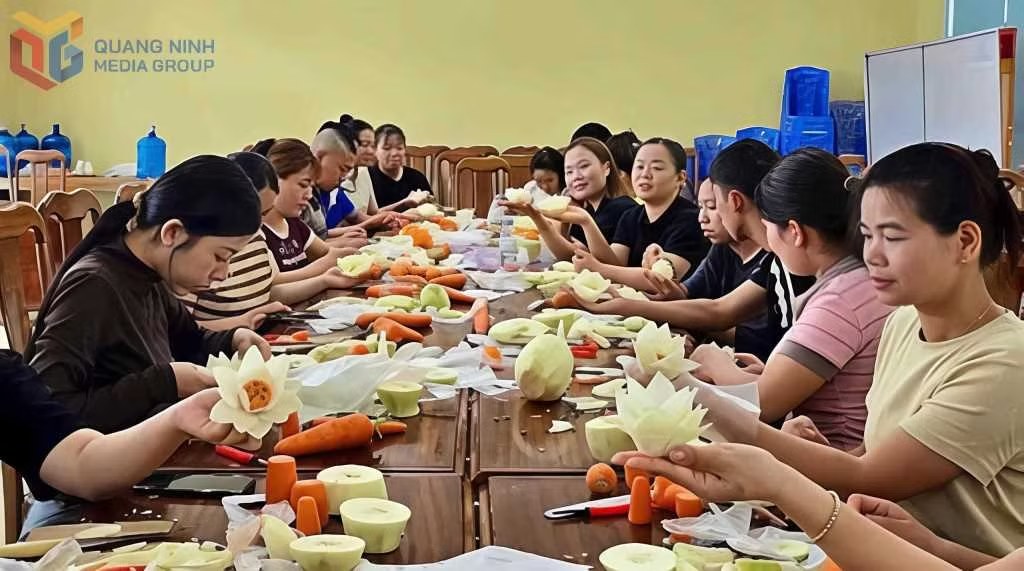
In Ky Thuong, over just the past five years, ecotourism, community-based tourism and experiential tourism have become sustainable livelihoods for local residents. It is also one of the localities exemplary in professionally and effectively training local people to participate in tourism development. Most recently, in early August 2026, the commune People’s Committee coordinated with Dinh Quan General Technical Services Co., Ltd. to launch three vocational training classes in food preparation and service for 60 rural workers. Over the three-month period, trainees received both theoretical and practical training, covering everything from selecting ingredients, preparation, slicing, seasoning and menu development to food preservation and transportation, food preparation and presentation, while also emphasizing food safety and hygiene requirements and professional service conduct.
In the coming period, to improve the quality of tourism human resources in upland areas, localities will continue expanding training programs by occupational group and area; strengthening the participation of training institutions, tourism businesses and experts; and focusing on foreign languages, digital skills, communications, product development and homestay management. In particular, they will pay attention to training young people in villages to create a successor workforce capable of adopting and developing new tourism models.