

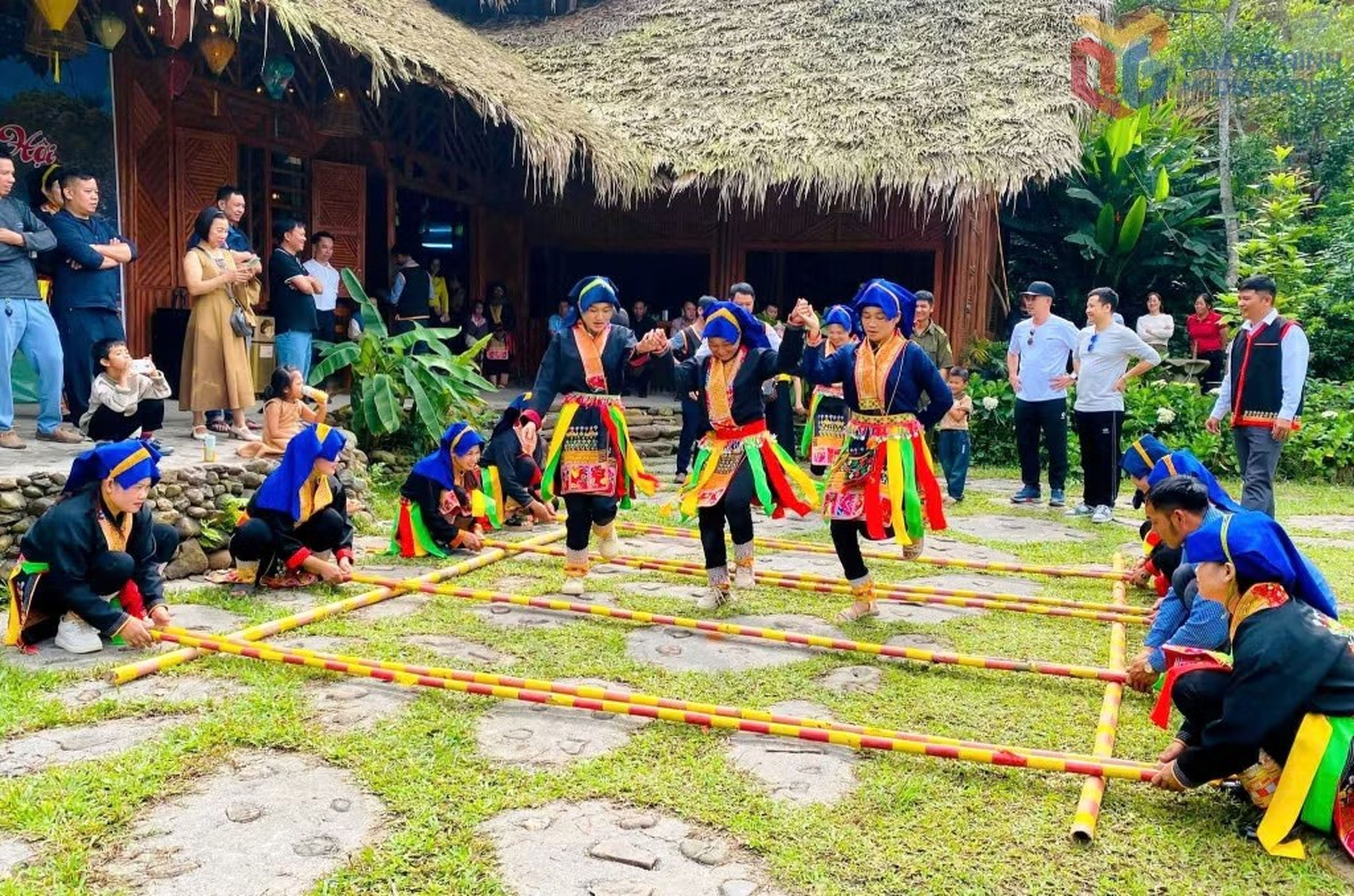
Quang Ninh is home to a culturally rich highland region where more than 20 ethnic groups live together, creating a unique resource for developing community-based and experiential tourism. In recent years, localities have proactively trained and improved the quality of the workforce in highland areas, helping residents preserve and promote their cultural identity while taking an active role in tourism, increasing their income, and developing sustainable livelihoods.
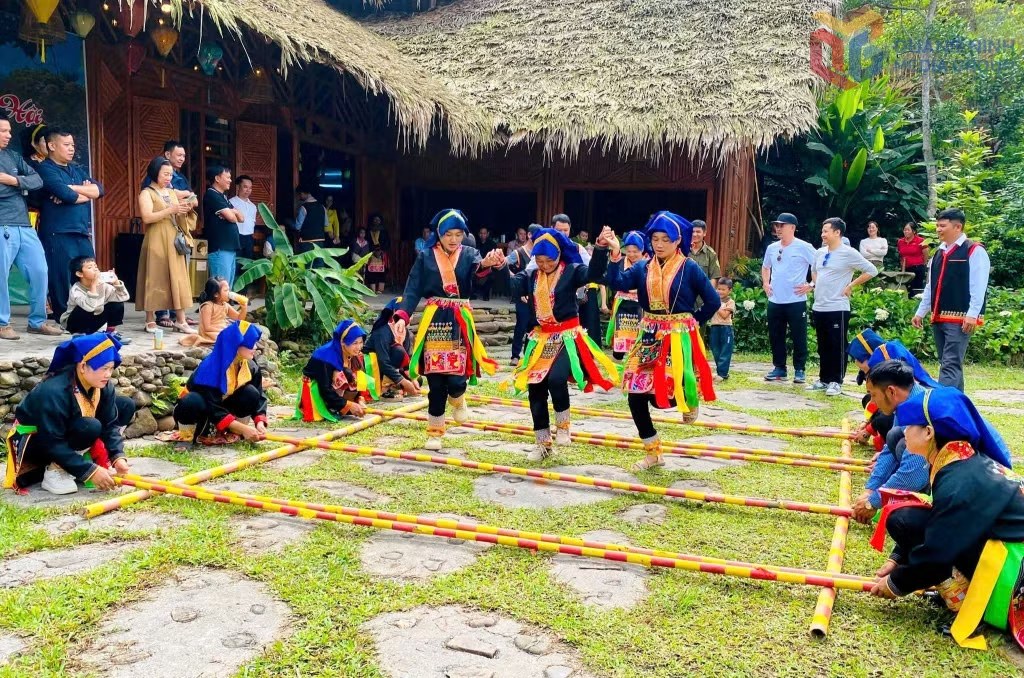
According to Le Minh Thu, Chairman of the Quang Ninh Community Tourism Club, tourism workforce training should begin within the community itself. He emphasized: The key is to tailor training methods to the specific characteristics of each area. Training should not be overly theoretical; instead, it should emphasize hands-on instruction, with people learning at tourist sites, homestays, restaurants, and in villages. Experienced tourism operators can serve as mentors, guiding others and sharing their knowledge with local households.
In recent years, mountainous localities with tourism potential have proactively developed an increasingly professional tourism workforce to serve domestic and international visitors. In communes such as Binh Lieu, Luc Hon, and Hoanh Mo, more and more households have invested in homestays, developed accommodation and food services, and organized traditional cultural experiences. From simply welcoming visitors, residents have gradually become the people who directly share stories about their homeland, culture, and community life.
Notably, the project “Building the Capacity of Ethnic Minority Communities to Participate in Tourism Development Activities,” funded by the Japan International Cooperation Agency (JICA), has introduced a practical approach. After nearly two years of implementation, the project has helped build capacity among approximately 30 local government officials, 100 ethnic minority residents, and 10 businesses in Binh Lieu, Luc Hon, and Hoanh Mo communes.
The training programs focus on tourism skills, visitor services, product development, preservation of traditional culture, and sustainable tourism development. Alongside the training, the project has organized field visits, developed sample tours, and connected communities with tourism businesses, giving residents a better understanding of market demand and how to organize a professional tourism product.
According to Pham Minh Huyen, Head of the Culture and Social Affairs Division of Luc Hon Commune, the project has brought about a clear shift in residents’ awareness. Many households have confidently joined community-based tourism development, helping preserve the cultural identity of the Dao and San Chi people while gradually increasing their incomes.
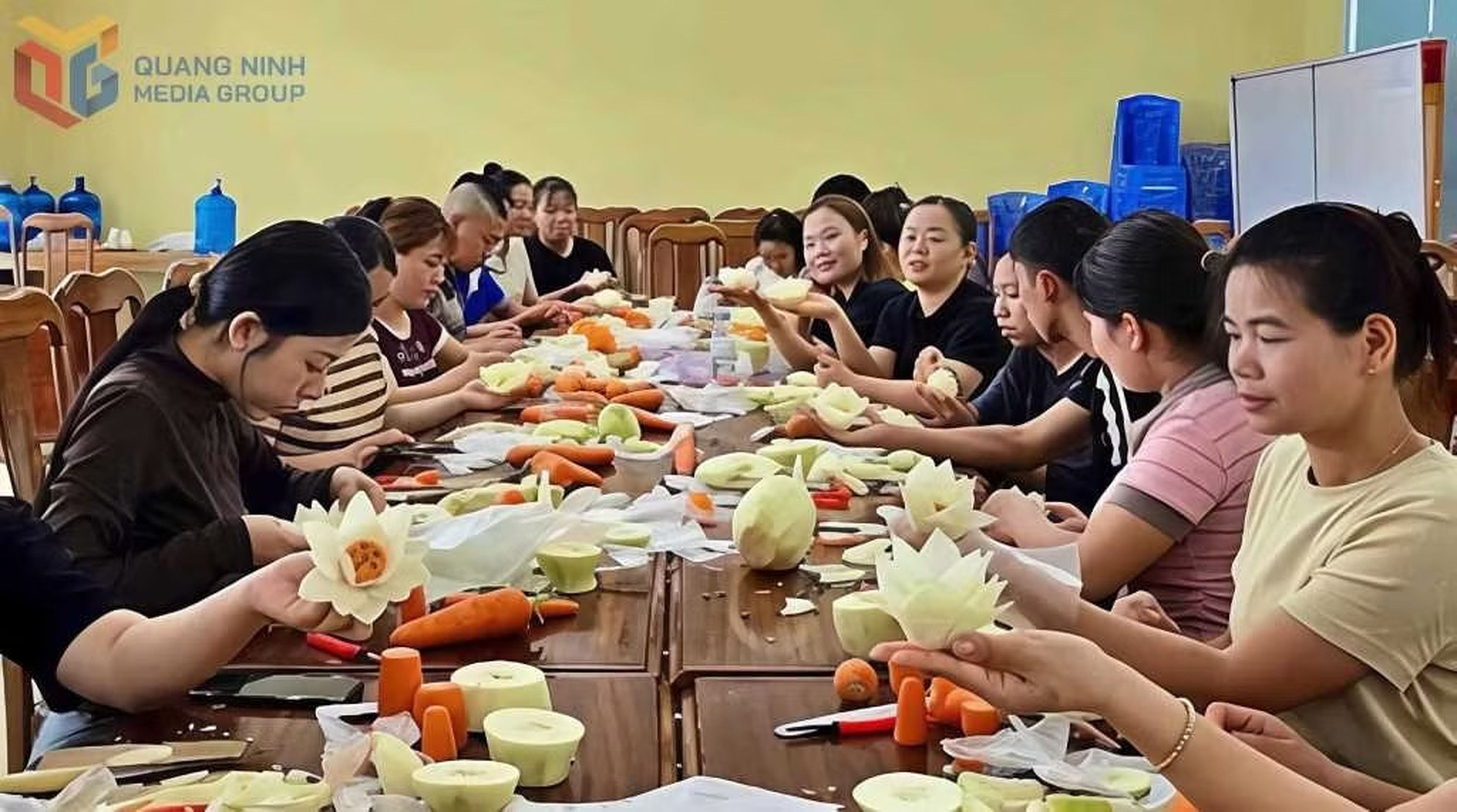
Many of Quang Ninh’s highland localities are also focusing on training tourism workers in line with their distinctive tourism products. In Ba Che, at the end of May, the Commune People’s Committee worked with Ha Long University to organize a training course in front-desk operations, housekeeping, beverage preparation, decoration, and carving for 30 participants, including residents, Youth Union members, and association members from local villages.
According to Dr. Vu Van Vien, Dean of the Faculty of Tourism at Ha Long University, the training focuses directly on skills residents can immediately apply when providing services. These range from welcoming guests and serving those staying overnight to preparing drinks, presenting dishes, and decorating spaces. Such seemingly small skills can have a significant impact on the quality of visitors’ experiences.
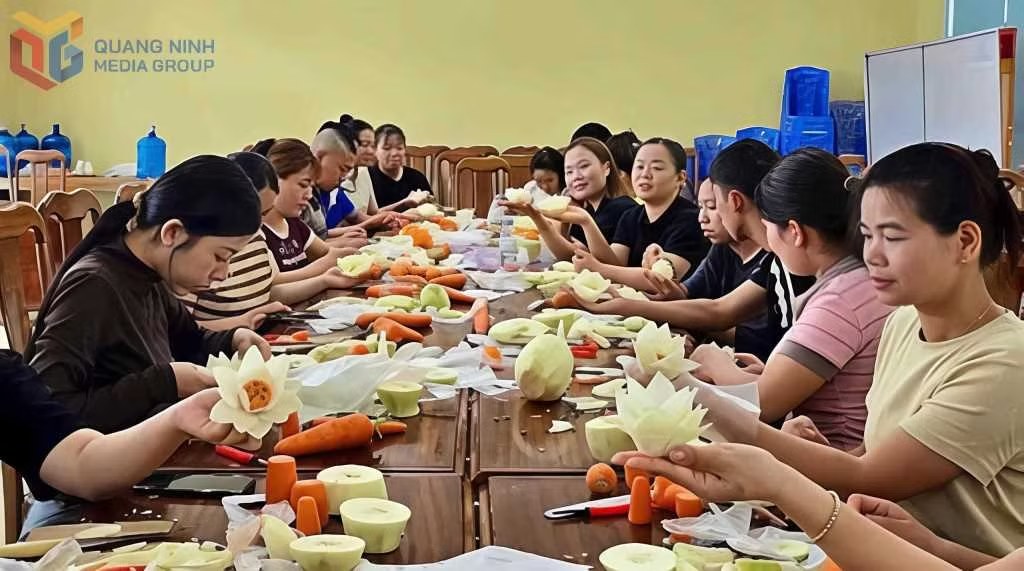
In Ky Thuong, over the past five years, ecotourism, community-based tourism, and experiential tourism have become sustainable sources of livelihood for local residents. The commune is also a leading example of training local people to participate in tourism development professionally and effectively. Most recently, in early August 2026, the Commune People’s Committee partnered with Dinh Quan General Technical Services Co., Ltd. to launch three vocational training classes in food preparation and service for 60 rural workers. Over the three-month course, trainees receive both theoretical and practical instruction, covering ingredient selection, preparation, cutting, seasoning, menu planning, food storage and transportation, cooking, and presentation, with particular emphasis on food safety and hygiene and professional service standards.
In the coming period, localities will continue expanding training programs tailored to different occupations and areas to improve the quality of the tourism workforce in highland regions. They will also increase the involvement of training institutions, tourism businesses, and experts, while focusing on foreign languages, digital skills, communications, product development, and homestay management. Particular attention will be given to training young people in villages to develop a next generation of workers capable of adopting and developing new tourism models.